
O R I G I N A L R E S E A R C H
Plausible relationship between homocysteine and
obesity risk via
MTHFR
gene: a meta-analysis of
38,317 individuals implementing Mendelian
randomization
This article was published in the following Dove Press journal: Diabetes, Metabolic Syndrome and Obesity: Targets and Therapy
Liwan Fu1
Ya-nan Li1
Dongmei Luo1,2
Shufang Deng1
Yue-Qing Hu1,3
1State Key Laboratory of Genetic
Engineering, Institute of Biostatistics, School of Life Sciences, Fudan University,
Shanghai, People’s Republic of China;
2Department of Information and
Computing Science, School of Mathematics and Physics, Anhui University of Technology, Maanshan,
Anhui, People’s Republic of China;
3Shanghai Center for Mathematical
Sciences, Fudan University, Shanghai,
People’s Republic of China
Objective:Numerous studies have explored the role of methylenetetrahydrofolate reductase
gene (MTHFR) C677T polymorphism and homocysteine (Hcy) concentration in obesity, but
the results are inconsistent. Hence, we performed a meta-analysis implementing Mendelian randomization approach to test the assumption that the increased Hcy concentration is plausibly related to the elevated risk of obesity.
Methods:Eligible studies were selected based on several inclusion and exclusion criteria.
Correlations betweenMTHFRC677T and obesity risk,MTHFRC677T and Hcy
concentra-tion in obesity, Hcy concentraconcentra-tion, and obesity were estimated by ORs, effect size and standard mean difference with their corresponding 95% CIs, respectively. Furthermore, Mendelian randomization analysis was performed to estimate the relationship between Hcy level and obesity.
Results: Consequently, this meta-analysis implemented with Mendelian randomization approach was conducted among 8,622 cases and 29,695 controls. The results indicated that
MTHFRC677T is associated with an increased risk of obesity (for T vs C: OR=1.06, 95%
CI=1.02–1.10; for TT vs CC: OR=1.13, 95% CI=1.03–1.24). Moreover, in obese subjects,
the pooled Hcy concentration in individuals of TT genotype was 2.91 mmol/L (95% CI:
0.27–5.55) higher than that in individuals of CC genotype. Furthermore, the pooled Hcy
concentration in subjects with obesity was 0.74 mmol/L (95% CI: 0.36–1.12) higher than that
in controls. The evaluated plausible OR associated with obesity was 1.23 for 5μmol/L Hcy
level increase.
Conclusions:Through this meta-analysis, we emphasize a strong relationship between Hcy
level and obesity by virtue ofMTHFRC677T polymorphism.
Keywords:homocysteine,MTHFR, obesity, polymorphism
Introduction
Nowadays, many chronic diseases including cardiovascular diseases, hypertension and diabetes mellitus are closely related to obesity and being overweight/obese could strongly elevate the likelihood of these chronic diseases, which is becoming a serious public health issue globally.1Twin, family, and adoption studies indicated that the rate of heritability of body mass index (BMI) is high, accounting for 40–70%,2indicating that genetic factors have a pivotal role in the pathophysiology of obesity. Thus, detecting genetic factors which caused overweight/obesity could Correspondence: Yue-Qing Hu
State Key Laboratory of Genetic Engineering, Institute of Biostatistics, School of Life Sciences, Fudan University, 2005, Songhu Road, Shanghai 200438,
People’s Republic of China
Tel +86 21 3124 6718 Fax +86 21 3124 6381 Email [email protected]
Diabetes, Metabolic Syndrome and Obesity: Targets and Therapy
Dove
press
open access to scientific and medical research
Open Access Full Text Article
Diabetes, Metabolic Syndrome and Obesity: Targets and Therapy downloaded from https://www.dovepress.com/ by 118.70.13.36 on 21-Aug-2020
be of great significance not only in comprehending the developmental pathogenesis of this disease but also in providing more effective intervention programs to reduce the incidence of obesity.
Methylenetetrahydrofolate reductase (MTHFR) is a key rate-limiting enzyme accounting for the conversion of 5,10-methylenetetrahydrofolate to 5-methyltetrahydrofolate, which serves as a crucial enzymatic process in the remethy-lation of homocysteine (Hcy) to methionine.3 For the
MTHFR C677T polymorphism, a single base pair C to T substitution causes an alanine into valine change. As a result, the homozygousMTHFR677TT genotype expresses a heat-sensitive enzyme with reduced activity, which leads to reduced folate level and elevated plasma Hcy level.3,4 Previous epidemiological studies have indicated that Hcy concentration and folate level were associated with an enhanced risk of overweight/obesity.5–7 The mechanisms with respect to these observations remain unclear. Nevertheless, some researchers have speculated that enhanced Hcy concentrations might influence the develop-ment of obesity by means of controlling body fat storage in the epigenetic regulation of gene expression because the Hcy metabolism pathway is strongly related to methylation of DNA and amino acid residues on histones.8–11 Moreover, recent researches from genetic studies and animal experi-ments could stand by this hypothesis.12–14
In recent years, there exist numerous studies exploring the association between MTHFR C677T polymorphism and obesity. However, it is difficult to draw a definitive conclusion to date because of the controversial results. Additionally, the associations of MTHFR C677T poly-morphism, Hcy level and obesity are still equivocal. For providing more evidence of the underlying association, we carried out a meta-analysis of the published articles with regard to the risk of obesity associated with an enhanced Hcy concentration and theMTHFRC677T polymorphism to obtain pooled estimates of these associations. Moreover, a Mendelian randomization approach, which is acknowl-edged as an epidemiological method based on the random assignment of an individual’s genotype from his/her par-ental genotypes, was performed to test the assumption that enhanced Hcy concentration is plausibly associated with the elevated risk of obesity.
Materials and methods
Selection of studies
Studies that evaluated the association between theMTHFR
gene 677 C > T polymorphism and Hcy level with the
development of obesity were included in this meta-analysis. A detailed literature retrieval was conducted independently by two investigators for publication from PubMed, Embase and Web of Science by using the following terms:“MTHFR”,
“rs1801133”, “MTHFR C677T”, “homocysteine”, “Hcy”,
“obesity”and“obese”, up to 21 September 2018.
The following criteria were used to select the eligible studies: 1) case-control, cross-sectional or case-cohort designed studies; 2) providing the distributions of the
MTHFRC677T genotypes in obesity and in controls free of obesity, respectively. Reviews or letters, abstract and editorials were excluded. The language was restricted to English.
Data extraction
Data were carefully drawn by two independent investiga-tors, and any disagreements were resolved after discussion with a third investigator. Following information was extracted from each study: 1) the surname of the first author, the publication year, the country and ethnicity of subjects; 2) number of cases, number of controls, the diagnostic standard of cases and controls, genotype dis-tribution in all groups. For articles including different study populations, data were extracted, respectively. Extracted data were analyzed by using the Stata, version 12.0 (StataCorp LP, College Station, TX, USA).
Statistical analysis
For controls in each study, the Chi-squared test was employed to evaluate whether the Hardy–Weinberg equili-brium (HWE) was violated. Sensitivity analysis by remov-ing one study with controls not in HWE was performed to assess the stability of the results.
Four genetic models including homozygous codomi-nant model (TT vs CC), allelic model (T vs C), domicodomi-nant model (TT+TC vs CC) and recessive model (TT vs TC +CC) are considered, and associations were represented as ORs with their matching 95% CIs for each study. Based on the individual ORs, a pooled OR was concluded. For each of those four models, Metan command in Stata was per-formed to evaluate the mean difference between MTHFR
677TT group andMTHFR677CC group in obese subjects. Hcy level was pooled to compute the standardized mean difference with its corresponding 95% CI for comparing the obese subjects with the healthy ones. Cochrane’s Q test15,16 was carried out to test the between-study hetero-geneity (significance atI2>50.0% andP<0.10). If there is no heterogeneity, we fitted thefixed-effects model to the
Diabetes, Metabolic Syndrome and Obesity: Targets and Therapy downloaded from https://www.dovepress.com/ by 118.70.13.36 on 21-Aug-2020
data; otherwise, we employed the random-effects model.17 For the meta-analysis of the association between MTHFR
C677T and obesity, subgroup analyses by ethnicity and age range (defined age ≥18 as adults, <18 as children) were also performed. We used Begg’s funnel plot and Egger’s regression test (P<0.05 was considered statistically signif-icant) to estimate publication bias.18
Mendelian randomization analysis integrates the infor-mation of intermediate phenotype and genotype-disease association into an analytical framework, which can provide an unbiased estimate of the intermediate phe-notype-disease association. For the genetic variant
MTHFR C677T to be a valid instrumental variable in Mendelian randomization, three conditions are to be satis-fied: 1) theMTHFRC677T has to be associated with Hcy level robustly; 2) confounding factors, which could bias the association of Hcy level and obesity, should not be associated with the genotype in the MTHFR; 3) variant of
MTHFR 677C > T has an influence on the obesity only through the specific intermediate Hcy level.19 MTHFR
C677T may meet all these conditions well based on the available evidence.9,14,20,21 Therefore, Mendelian rando-mization coefficient evaluated by utilizing MTHFR
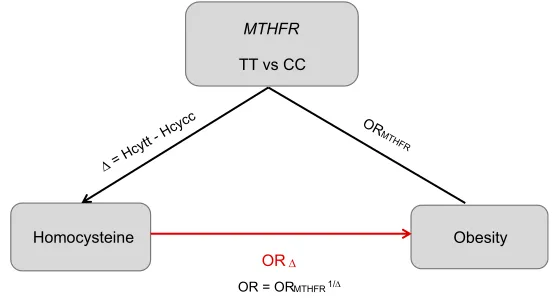
C677T as an instrument should make a plausible reference to Hcy level and obesity. Compared to MTHFR 677CC, the genotype of MTHFR 677TT is associated with the increased risk of obesity, and its effect is gauged by the ORTT vs CC. Further, compared with CC, TT is associated with the mean difference (Δ) of Hcy level. OR1=(ORTT vs
CC)1/Δwould be an unconfounded estimate of the effect of obesity due to one unit change on the Hcy level. In this analysis, we adopted ORk=(ORTT vs CC)k/Δfor an increase of k units,22 and we thus analyzed 5μmol/L increment in Hcy level to assess the OR.23
Results
Characteristics of the studies
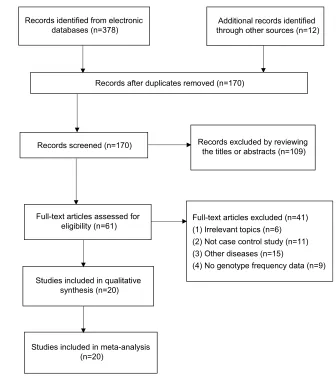
The detailed information of screening various studies in the meta-analysis is described inFigure 1. The 20 studies provided 8,622 cases and 29,695 controls,9,11,24–38which supplied the genotypes to estimate the association of
MTHFRC677T and obesity. In these studies, the frequen-cies of the TT genotype were the lowest in cases and in controls, while that for genotype CC was the highest. Five studies only described the association between
MTHFR C677T and Hcy level in obese patients.39–42 In two studies,9,31 the genotype distribution in the control
subjects was not in accordance with HWE (P<0.05) (Table 1).
The mean Hcy concentration difference
between
MTHFR
genotypes in obese
patients
According to the inclusion criteria, nine studies (8 references, 420 obese patients)24,26,28,38–42 were selected, and they reported the Hcy concentration in different genotypic groups by means of the arithmetic mean and the corresponding SD in obese patients. In all these studies, none of them was not in HWE, and the mean Hcy level was higher in MTHFR 677TT subjects than that in the other genotypes. The pooled mean Hcy level in MTHFR 677TT subjects was 2.91
μmol/L (95% CI: 0.27–5.55) higher than that in
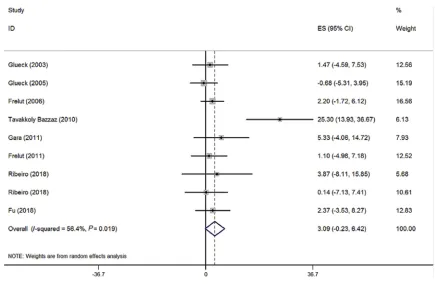
MTHFR 677CC subjects (P=0.031) (Figure 2). Meanwhile, the MTHFR 677TT subjects had 3.09
μmol/L (95% CI: (−0.23)-6.42) greater Hcy level than
MTHFR 677CT subjects (P=0.068) (Figure 3).
The association between
MTHFR
C677T
and the risk of obesity
No significant heterogeneity (I2=6.4%, P=0.377) among 19 studies was shown in the primary outcome for reveal-ing the association of MTHFR 677TT with the risk of obesity, compared to MTHFR 677CC. The fixed effect (FE) pooled OR was significant: FE OR=1.13 (95% CI: 1.03–1.24) (P=0.007) (Figure 4). Above all, the T allele in theMTHFRC677T conferred a higher risk of obesity (FE OR=1.06 [95% CI: 1.02–1.10] [P=0.003], I2=21.8%,
P=0.185) (Figure 5). MTHFR 677TT revealed a signifi -cantly greater risk for obesity compared with CC+CT genotype (FE OR=1.12 [95% CI: 1.04–1.22] [P=0.003],
I2=0,P=0.558). MTHFR677 TT+CT also revealed a sig-nificantly greater risk for obesity compared with CC gen-otype (FE OR=1.06 [95% CI: 1.00–1.12] [P=0.045],
I2=21.0%, P=0.194). Subgroup analysis by the ethnicity demonstrated its correlations under recessive, homozygous codominant, and allelic models in Asian (TT vs CC+CT: OR=1.20, 95% CI=1.09–1.33, P<0.001; TT vs CC: OR=1.24, 95% CI=1.09–1.41, P=0.001; T vs C: OR=1.11, 95% CI=1.04–1.17, P=0.001). Moreover, sub-group analysis by the age showed the associations under recessive, homozygous codominant, and allelic models in adults (TT vs CC+CT: OR=1.11, 95% CI=1.02–1.22,
P=0.022; TT vs CC: OR=1.12, 95% CI=1.01–1.24,
Diabetes, Metabolic Syndrome and Obesity: Targets and Therapy downloaded from https://www.dovepress.com/ by 118.70.13.36 on 21-Aug-2020
P=0.036; T vs C: OR=1.05, 95% CI=1.01–1.10,P=0.023) and under recessive and allelic genetic models in children (TT vs CC+CT: OR=1.16, 95% CI=1.00–1.34,P=0.05; T vs C: OR=1.09, 95% CI=1.00–1.19, P=0.047) with the risk of developing obesity (Table 2).
The associations of plasma Hcy level with
obesity
The standard mean difference (SMD) of Hcy level between the subjects with and without obesity indicated the effect on obesity. A forest plot is displayed in
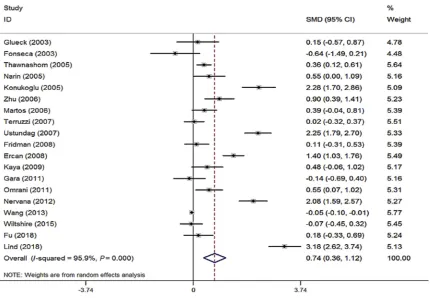
Figure 6. In this meta-analysis, there was significant
heterogeneity (I2=95.9%, P<0.001) among the included studies. In 19 of these studies,7,9,24,28,38,43–56 the mean Hcy level was higher in the obese group than that in the control group (Figure 6). The pooled mean Hcy level in the obese group was 0.74 μmol/L (95% CI: 0.36–1.12) higher than that in the control group for the
random-effects model (P<0.001). The subgroup analysis by eth-nicity was carried out, and all the corresponding results from White, Asian, and others showed significant differ-ences in Hcy concentration between obese subjects and control ones. Moreover, both Begg’s and Egger’s tests were performed to see whether there is potential pub-lication bias. No evidence of substantial pubpub-lication bias was found for the Hcy–obesity association (data not shown).
The plausible relationship between Hcy
level and obesity via Mendelian
randomization
By means ofMTHFRC677T as an instrument variable for Hcy level, the Hcy level per unit increment associated with the predicted OR of obesity by indirect or direct measure-ment is shown in Figure 7. The Hcy concentrations were Records identified from electronic
databases (n=378)
Additional records identified through other sources (n=12)
Records after duplicates removed (n=170)
Records screened (n=170)
Full-text articles assessed for eligibility (n=61)
Studies included in qualitative synthesis (n=20)
Studies included in meta-analysis (n=20)
Records excluded by reviewing the titles or abstracts (n=109)
Full-text articles excluded (n=41) (1) Irrelevant topics (n=6) (2) Not case control study (n=11) (3) Other diseases (n=15)
(4) No genotype frequency data (n=9)
Figure 1PRISMAflow diagram for selection of studies in the meta-analysis.
Diabetes, Metabolic Syndrome and Obesity: Targets and Therapy downloaded from https://www.dovepress.com/ by 118.70.13.36 on 21-Aug-2020
T able 1 The genotypic and allelic distributions of MTHFR C677T for cases and contr ols First author Y ear Countr y Ethnicity Age range Genotype distribution Allele fr equency P -value HWE Number of cases/ contr ols Cases Contr ols Cases Contr ols CC CT TT CC CT TT C T C T Glueck 24 2003 America White Adults 13 12 3 5 5 0 38 18 15 5 0.292 28/10 T erruzzi 9 2007 Italy White Adults 18 54 12 14 33 5 90 78 61 43 0.026 84/52 Lew is(BWHHS) 11 2008 UK White Adults 360 410 112 1165 1086 283 1130 634 3416 1652 0.214 882/2543 Lew is(ALSP A C for w omen) 11 2008 UK White Adults 163 155 38 2707 2713 715 481 231 8127 4143 0.375 356/6135 Lew is(ALSP A C for children) 11 2008 UK White Childr en 115 93 25 2155 2190 552 323 143 6500 3294 0.902 233/4897 Lew is(CCHS) 11 2008 Denmark White Adults 588 574 107 3812 3356 736 1750 788 10,980 4828 0.946 1269/7904 Settin 25 2009 Saudi Asian Adults 89 34 5 69 36 5 212 44 174 46 0.912 128/110 T avakk oly Bazzaz 26 2010 Iran Asian Adults 44 21 9 113 80 14 109 39 306 108 0.975 74/207 Gara 28 2011 T unisian African Childr en 15 14 2 9 12 1 44 18 30 14 0.228 31/22 Bok or 27 2011 France White Childr en 97 99 17 130 154 33 293 133 414 220 0.2 213/317 T abassum 30 2012 Indian Asian Childr en 290 144 20 581 218 31 724 184 1380 280 0.068 454/830 Yin 31 2012 China Asian Adults 354 341 56 471 441 66 1049 453 1383 573 0.006 751/978 Chauhan 29 2012 Indian Asian Adults 348 185 29 272 148 16 881 243 692 180 0.451 562/436 Hernandez-Guerrer o 32 2013 Mexico Mestizo Adults 18 38 19 15 28 10 74 76 58 48 0.63 75/53 Fan 33 2015 China Asian Adults 115 244 158 160 375 206 474 560 695 787 0.662 517/741 Chedraui 34 2016 Ecuador White Adults 51 43 17 35 39 7 145 77 109 53 0.399 111/81 K upcinskiene 35 2016 Lithuania White Adults 156 135 28 159 129 15 447 191 447 159 0.082 319/303 Shen 36 2016 Canada White Adults 190 182 51 181 212 53 562 284 574 318 0.447 423/446 Zhi 37 2016 China Asian Adults 287 633 434 198 438 249 1207 1501 834 936 0.838 1354/885 Fu 38 2018 China Asian Childr en 121 364 273 531 1353 861 606 910 2415 3075 0.99 758/2745 Abbre viations: MTHFR , meth ylenetetrah ydr ofolate reductase; HWE, Har dy-W einberg equilibrium test; The P -value for HWE testing for contr ols is shown; BWHHS, British W omen ’ s Heart and Health Study; ALSP A C , A von Longitudinal Study of Par ents and Childr en wom en cohort study; CCHS, Copenhagen City Heart Study .
Diabetes, Metabolic Syndrome and Obesity: Targets and Therapy downloaded from https://www.dovepress.com/ by 118.70.13.36 on 21-Aug-2020
positively associated with the risk of developing obesity. The evaluated plausible OR was 1.23 (95% CI: 1.05–1.45) for 5μmol/L Hcy concentration increase.
Discussion
This study indicated thatMTHFR677T allele was signifi -cantly associated with the increased plasma Hcy level. Figure 2Forest plot of the evaluation for the effect size (ES) in Hcy level between the MTHFR genotypes (TT vs CC) in obese patients.
Figure 3Forest plot of the evaluation for the effect size (ES) in Hcy level between the MTHFR genotypes (TT vs CT) in obese patients.
Diabetes, Metabolic Syndrome and Obesity: Targets and Therapy downloaded from https://www.dovepress.com/ by 118.70.13.36 on 21-Aug-2020
Figure 4Forest plot of theMTHFRC677T associated with obesity risk (under homozygous codominant model: TT vs CC).
Abbreviations:BWHHS, british women’s heart and health study; ALSPAC, avon longitudinal study of parents and children women cohort study; CCHS, copenhagen city heart study.
Figure 5Forest plot of theMTHFRC677T associated with obesity risk (under allelic model: T vs C).
Abbreviations:BWHHS, british women’s heart and health study; ALSPAC, avon longitudinal study of parents and children women cohort study; CCHS, copenhagen city heart study.
Diabetes, Metabolic Syndrome and Obesity: Targets and Therapy downloaded from https://www.dovepress.com/ by 118.70.13.36 on 21-Aug-2020
Moreover, the mean Hcy level in obese patients was higher than that in those without obesity. The findings by means of Mendelian randomization method reinforced the hypothesis that the increased Hcy concentration plausibly influenced the elevated risk of obesity.
MTHFR C677T is a point mutation that changes cysteine into thymine nucleotide, which results in the substitution of alanine to valine in theMTHFRenzyme.57 Because of the reduced activity of the enzyme, the variant
in the MTHFR gene decreases the thermostability of the enzyme, especially at 37°C or greater. Compared to the normal nonmutated controls, the activity of MTHFR
enzyme in homozygous subjects is lower close to 50–60% at 37°C and 65% at 46°C.58,59 The deactivation of this enzyme leads to the increased Hcy level in the homozygous subjects. Thus, the Hcy concentration of homozygous subjects is higher than those of heterozygous mutated subjects, and the heterozygous subjects have
Table 2Stratified analysis of associations ofMTHFRC677T polymorphisms with obesity
Subgroup Dominant Recessive Homozygous Codominant Allelic Model
OR (95% CI) Ph OR (95% CI) Ph OR (95% CI) Ph OR (95% CI) Ph
Overall 1.06 (1.00–1.12) 0.194 1.13 (1.04–1.22) 0.558 1.13 (1.03–1.24) 0.377 1.06 (1.02–1.10) 0.185
Ethnicity
Asian 1.09 (0.99–1.19) 0.282 1.20 (1.09–1.33) 0.954 1.24 (1.09–1.41) 0.872 1.11 (1.04–1.17) 0.509
White 1.04 (0.97–1.12) 0.111 1.02 (0.90–1.15) 0.283 1.03 (0.91–1.18) 0.152 1.03 (0.97–1.08) 0.117
Others 1.04 (0.55–1.98) 0.448 1.46 (0.65–3.28) 0.996 1.52 (0.59–3.92) 0.842 1.13 (0.74–1.74) 0.491
Age
Adults 1.05 (0.99–1.12) 0.605 1.11 (1.02–1.22) 0.45 1.12 (1.01–1.24) 0.511 1.05 (1.01–1.10) 0.616
Children 1.08 (0.95–1.23) 0.018 1.16 (1.00–1.34) 0.504 1.19 (0.98–1.43) 0.151 1.09 (1.00–1.19) 0.018
Abbreviations:MTHFR, methylenetetrahydrofolate reductase; OR, odds ratio; CI, confidence interval;Ph,P-value for heterogeneity test.
Figure 6Forest plot of standardized mean difference (SMD) in Hcy levels between obese patients and control subjects in included studies.
Diabetes, Metabolic Syndrome and Obesity: Targets and Therapy downloaded from https://www.dovepress.com/ by 118.70.13.36 on 21-Aug-2020
mildly elevated the Hcy concentration compared to the nonmutated controls.59 The findings of our meta-analysis supported the hypothesis that the MTHFR C677T was strongly linked with the Hcy level in obese subjects. The homozygous subjects have significantly greater Hcy con-centration than that of the heterozygous subjects in obese patients, as previously reported in the literature.26
Previous studies have reported inconsistent results with regard to the altered Hcy concentrations in obese patients. Recently, a research on 3,833 obese patients and 3,367 normal controls found that the level of Hcy in obese patients was lower than that in normal controls.54 However, other studies indicated that the Hcy concentra-tions were significantly greater in obese patients than that in subjects without obesity.52,53,56 The present meta-analysis mainly analyzed the weighted mean difference of Hcy levels between obese cases and normal controls, which suggested that the absolute pooled mean Hcy level in obe-sity was significantly greater than that in controls. Due to the heterogeneity of subjects encompassed in these studies concerning the ethnicity of different regions and the coex-istence of obesity-related disease,52–54,56 we applied a ran-dom-effects model to reduce the heterogeneity. Hcy level has a crucial influence on the process of regulating the correlation between methylation of DNA and amino acid residues on histones. This process has been recognized as one of the epigenetic mechanisms that regulate the gene expression.9–11,13,14 The improved Hcy concentrations might affect the progress of developing obesity by means of regulating gene expression in body fat accumulation. Recently, research on genetics and animal experiments seem to elucidate this hypothesis.12–14 Overall, the homo-cysteine metabolism pathway might have a substantial role in leading to obesity.
MTHFRC677T wasfirst identified as a significant variant associated with obesity in a Thai population.46Subsequently, another study suggested that MTHFR 677T allele had an elevated obesity risk with a 1.24-fold compared with
MTHFR677C allele in Indian children.30Although a large number of studies have assessed the associations between
MTHFRC677T and overweight/obesity, the results are con-troversial in different populations.9,11,25,26,28,30,33,46,60 Our previous study attempted to investigate the relationship between MTHFR C677T and obesity-related traits in a Chinese children population. As a result, we demonstrated thatMTHFR677T had an effect on elevating obese risk in Chinese children.38 The reasons why contradicted results exist in studies concerningMTHFRC677T and obesity are still unclear, but a vital reason might be the racial hetero-geneity in the included studies. The distribution frequency of the 677TT genotype was greatest in the Italian and Hispanic.61However, the homozygous frequency was very low for Blacks in Brazil and American.62–64Furthermore, the study designflaws, small sample size or other biases seem to be more common factors for the discrepancies comprising in different studies concerning genetic factors.65,66On the basis of case–control, cross-sectional or case–cohort designed stu-dies, the overall results of the present meta-analysis sug-gested that MTHFR C677T is associated with obesity and
MTHFRTT genotype has an influence on increasing the risk of obesity. In addition, sensitivity analysis suggested that an omission of studies that depart from HWE did not change the magnitude of the observed effect, indicating that the results were generally reliable and robust.
To the best of our knowledge, this is the first meta-analysis aggregating all the data available for evaluating the association between MTHFR-linked Hcy level and obesity. Thus, it has provided the most substantial data MTHFR
TT vs CC
Homocysteine Obesity
OR
OR = ORMTHFR1/
∆ = Hcytt - Hcycc
OR MT
HFR
∆
∆
Figure 7Forest plot of standardized mean difference (SMD) in Hcy levels between obese patients and control subjects in included studies.
Diabetes, Metabolic Syndrome and Obesity: Targets and Therapy downloaded from https://www.dovepress.com/ by 118.70.13.36 on 21-Aug-2020
on this issue. However, several limitations should be addressed. First, findings from this meta-analysis pooled individual unadjusted results, while potential confounders including age and gender should be taken into account for a more accurate estimate. Second, Hcy measurement via different HPLC and immunoassay approaches showed dis-crepancies among different laboratories,67 and they may differ in their sensitivity and cutoff values. Therefore, different methods of Hcy measurement seem to result in variation among studies, and this cannot be ignored as an obvious flaw. Third, the genotyping of this SNP was performed by different analytic methods, which could influence the results. Note that both studies,9,31where the genotype distribution in the control groups was not in accordance with HWE employed the same genotyping method. However, by removing the two studies that depart from HWE, we confirmed the result did not change a lot. Finally, only English articles were included, which might ignore the publication bias, although both Begg’s and Egger’s tests showed no evidence for the existence of substantial publication bias concerning the small effect size.
In conclusion, our results provided sufficient evidence that the TT genotype inMTHFRC677T plausibly leads to the susceptibility of obesity. Through Mendelian randomi-zation, thefindings supported the assumption that increased Hcy concentration is strongly linked to elevated risk of obesity. To some degree, the presence of gene–environment interactions may contribute to the discordance of results encompassed in the genetic association studies. Therefore, future prospective studies that explore the gene– environ-ment interaction with larger sample size are expected to help further illuminate the genetics of obesity.
Acknowledgments
This study was supported by grants to YQH from the National Natural Science Foundation of China (grant nos. 11571082 and 11171075), Key Research Project of the Ministry of Science and Technology of China (grant no. 2016YFC0904400), and Scientific Research Foundation of Fudan University.
Author contributions
Study concept and design: LF and YQH; acquisition of data: LF, YQH, and YL; analysis and interpretation of data: LF and YL; drafting of the manuscript: LF and YL; critical revision of the manuscript for important intellec-tual content: LF, YL, DL, SD and YQH. All authors
contributed to data analysis, drafting and revising the article, gavefinal approval of the version to be published, and agree to be accountable for all aspects of the work.
Disclosure
The authors report no conflicts of interests in this work.
References
1. Van Gaal LF, Maggioni AP. Overweight, obesity, and outcomes: fat mass and beyond. Lancet. 2014;383(9921):935–936. doi:10.1016/ S0140-6736(13)62076-0
2. Bray MS, Loos RJ, McCaffery JM, et al. NIH working group report-using genomic information to guide weight management: from universal to precision treatment.Obesity.2016;24(1):14–22. doi:10.1002/oby.21381 3. Frosst P, Blom HJ, Milos R, et al. A candidate genetic risk factor for
vascular disease: a common mutation in methylenetetrahydrofolate reductase.Nat Genet.1995;10(1):111–113. doi:10.1038/ng0595-111 4. Pereira AC, Schettert IT, Morandini Filho AA, Guerra-Shinohara EM,
Krieger JE. Methylenetetrahydrofolate reductase (MTHFR) c677t gene variant modulates the homocysteine folate correlation in a mild folate-deficient population.Clin Chim Acta.2004;340(1–2):99–105. 5. Jacques PF, Bostom AG, Wilson PW, Rich S, Rosenberg IH, Selhub
J. Determinants of plasma total homocysteine concentration in the Framingham Offspring cohort.Am J Clin Nutr.2001;73(3):613–621. doi:10.1093/ajcn/73.3.613
6. Marchesini G, Manini R, Bianchi G, et al. Homocysteine and psy-chological traits: a study in obesity.Nutrition.2002;18(5):403–407. 7. Martos R, Valle M, Morales R, Canete R, Gavilan MI,
Sanchez-Margalet V. Hyperhomocysteinemia correlates with insulin resistance and low-grade systemic inflammation in obese prepubertal children.
Metabolism.2006;55(1):72–77. doi:10.1016/j.metabol.2005.07.008 8. Fuks F. DNA methylation and histone modifications: teaming up to
silence genes. Curr Opin Genet Dev.2005;15(5):490–495. doi:10. 1016/j.gde.2005.08.002
9. Terruzzi I, Senesi P, Fermo I, Lattuada G, Luzi L. Are genetic variants of the methyl group metabolism enzymes risk factors predisposing to obe-sity?J Endocrinol Invest.2007;30(9):747–753. doi:10.1007/BF03350812 10. Williams KT, Schalinske KL. New insights into the regulation of methyl group and homocysteine metabolism. J Nutr. 2007;137 (2):311–314. doi:10.1093/jn/137.2.311
11. Lewis SJ, Lawlor DA, Nordestgaard BG, et al. The methylenetetra-hydrofolate reductase C677T genotype and the risk of obesity in three large population-based cohorts.Eur J Endocrinol.2008;159(1):35– 40. doi:10.1530/EJE-08-0056
12. Cooney CA, Dave AA, Wolff GL. Maternal methyl supplements in mice affect epigenetic variation and DNA methylation of offspring.J Nutr.2002;132(8 Suppl):2393s–2400s. doi:10.1093/jn/132.8.2393S 13. Melzner I, Scott V, Dorsch K, et al. Leptin gene expression in human
preadipocytes is switched on by maturation-induced demethylation of distinct CpGs in its proximal promoter. J Biol Chem. 2002;277 (47):45420–45427. doi:10.1074/jbc.M208511200
14. Newell-Price J. Proopiomelanocortin gene expression and DNA methylation: implications for Cushing’s syndrome and beyond. J Endocrinol.2003;177(3):365–372.
15. Higgins JP, Thompson SG. Quantifying heterogeneity in a meta-analysis.Stat Med.2002;21(11):1539–1558. doi:10.1002/sim.1186 16. Zintzaras E, Ioannidis JP. Heterogeneity testing in meta-analysis of
genome searches. Genet Epidemiol. 2005;28(2):123–137. doi:10.1002/gepi.20048
17. DerSimonian R, Laird N. Meta-analysis in clinical trials. Control Clin Trials.1986;7(3):177–188.
Diabetes, Metabolic Syndrome and Obesity: Targets and Therapy downloaded from https://www.dovepress.com/ by 118.70.13.36 on 21-Aug-2020
18. Egger M, Davey Smith G, Schneider M, Minder C. Bias in meta-analysis detected by a simple, graphical test. BMJ. 1997;315 (7109):629–634. doi:10.1136/bmj.315.7109.629
19. Glymour MM, Tchetgen Tchetgen EJ, Robins JM. Credible Mendelian randomization studies: approaches for evaluating the instrumental variable assumptions. Am J Epidemiol. 2012;175 (4):332–339. doi:10.1093/aje/kwr323
20. Tanaka T, Scheet P, Giusti B, et al. Genome-wide association study of vitamin B6, vitamin B12, folate, and homocysteine blood concentrations.
Am J Hum Genet.2009;84(4):477–482. doi:10.1016/j.ajhg.2009.02.011 21. Huang T, Tucker KL, Lee YC, et al. Methylenetetrahydrofolate
reductase variants associated with hypertension and cardiovascular disease interact with dietary polyunsaturated fatty acids to modulate plasma homocysteine in puerto rican adults. J Nutr. 2011;141 (4):654–659. doi:10.3945/jn.110.134353
22. Thompson JR, Minelli C, Abrams KR, Tobin MD, Riley RD. Meta-analysis of genetic studies using Mendelian randomization–a multivariate approach.Stat Med.2005;24(14):2241–2254. doi:10.1002/sim.2100 23. Wald DS, Law M, Morris JK. Homocysteine and cardiovascular
disease: evidence on causality from a meta-analysis.BMJ.2002;325 (7374):1202. doi:10.1136/bmj.325.7374.1202
24. Glueck CJ, Iyengar S, Goldenberg N, Smith LS, Wang P. Idiopathic intracranial hypertension: associations with coagulation disorders and polycystic-ovary syndrome. J Lab Clin Med. 2003;142(1):35–45. doi:10.1016/S0022-2143(03)00069-6
25. Settin AA, Algasham A, Dowaidar M, Ismail H. Methylene tetrahy-drofolate reductase and angiotensin converting enzyme gene poly-morphisms related to overweight/obesity among Saudi subjects from Qassim Region. Dis Markers. 2009;27(2):97–102. doi:10.3233/ DMA-2009-0660
26. Tavakkoly Bazzaz J, Shojapoor M, Nazem H, et al. Methylenetetrahydrofolate reductase gene polymorphism in diabetes and obesity.Mol Biol Rep.2010;37(1):105–109. doi:10.1007/s11033-009-9545-z
27. Bokor S, Meirhaeghe A, Ruiz JR, et al. Common polymorphisms in six genes of the methyl group metabolism pathway and obesity in European adolescents. Int J Pediatr Obes. 2011;6(2–2):e336–344. doi:10.3109/17477166.2010.500386
28. Gara S, Ochi H, Chango A, et al. C677t polymorphism ofMTHFRand G80A polymorphism of RFC genes and their relation with homocysteine levels in obese Tunisian children.Tunis Med.2011;89(6):565–568. 29. Chauhan G, Kaur I, Tabassum R, et al. Common variants of
homo-cysteine metabolism pathway genes and risk of type 2 diabetes and related traits in Indians. Exp Diabetes Res. 2012;2012:960318. doi:10.1155/2012/960318
30. Tabassum R, Jaiswal A, Chauhan G, et al. Genetic variant of AMD1 is associated with obesity in urban Indian children.PLoS One.2012;7 (4):e33162. doi:10.1371/journal.pone.0033162
31. Yin RX, Wu DF, Miao L, et al. Several genetic polymorphisms interact with overweight/obesity to influence serum lipid levels.
Cardiovasc Diabetol.2012;11:123. doi:10.1186/1475-2840-11-123 32. Hernandez-Guerrero C, Romo-Palafox I, Diaz-Gutierrez MC,
Iturbe-Garcia M, Texcahua-Salazar A, Perez-Lizaur AB. Prevalence of metilentetrahidrofolate reductase C677T polymorphism, consumption of vitamins B6, B9, B12 and determination of lipidic hydroperoxides in obese and normal weight Mexican population.Nutr Hosp.2013;28 (6):2142–2150. doi:10.3305/nutrhosp.v28in06.6902
33. Fan SJ, Yang BY, Zhi XY, et al. Are MTHFRC677T and MTRR A66G polymorphisms associated with overweight/obesity risk? From a case-control to a meta-analysis of 30,327 subjects.Int J Mol Sci.
2015;16(6):11849–11863. doi:10.3390/ijms160611849
34. Chedraui P, Perez-Lopez FR, Escobar GS, et al. Polymorphisms of the FTO andMTHFRgenes and vascular, inflammatory and meta-bolic marker levels in postmenopausal women.J Endocrinol Invest.
2016;39(8):885–890. doi:10.1007/s40618-016-0443-7
35. Kupcinskiene K, Murnikovaite M, Varkalaite G, et al. Thrombosis related ABO, F5,MTHFR, and FGG gene polymorphisms in mor-bidly obese patients.Dis Markers.2016;2016:7853424. doi:10.1155/ 2016/7853424
36. Shen M, Chaudhry SH, MacFarlane AJ, et al. Serum and red-blood-cell folate demonstrate differential associations with BMI in pregnant women. Public Health Nutr. 2016;19(14):2572–2579. doi:10.1017/ S1368980016000756
37. Zhi X, Yang B, Fan S, et al. Gender-specific interactions ofMTHFR
C677T and MTRR A66G polymorphisms with overweight/obesity on serum lipid levels in a Chinese Han population.Lipids Health Dis.
2016;15(1):185. doi:10.1186/s12944-016-0354-9
38. Fu L, Zhang M, Hu YQ, et al. Gene-gene interactions and associa-tions of six hypertension related single nucleotide polymorphisms with obesity risk in a Chinese children population. Gene.
2018;679:320–327. doi:10.1016/j.gene.2018.09.019
39. Ribeiro MR, Lima RPA, Lisboa JVC, Chaves TR, Luna RCP. Influence of the C677T polymorphism of theMTHFRgene on oxi-dative stress in women with overweight or obesity: response to a dietary folate intervention.J Am Coll Nutr.2018;27:1–8.
40. Frelut ML, Nicolas JP, Guilland JC, de Courcy GP. Methylenetetrahydrofolate reductase 677 C->T polymorphism: a link between birth weight and insulin resistance in obese adolescents.
Int J Pediatr Obes. 2011;6(2–2):e312–e317. doi:10.3109/ 17477166.2010.486835
41. Frelut ML, Emery-Fillon N, Guilland JC, Dao HH, de Courcy GP. Alanine amino transferase concentrations are linked to folate intakes and methylenetetrahydrofolate reductase polymorphism in obese ado-lescent girls. J Pediatr Gastroenterol Nutr. 2006;43(2):234–239. doi:10.1097/01.mpg.0000228110.83616.92
42. Glueck CJ, Goldenberg N, Golnik K, Sieve L, Wang P. Idiopathic intracranial hypertension: associations with thrombophilia and hypo-fibrinolysis in men.Clin Appl Thromb Hemost.2005;11(4):441–448. 43. Fonseca VA, Fink LM, Kern PA. Insulin sensitivity and plasma homocysteine concentrations in non-diabetic obese and normal weight subjects.Atherosclerosis.2003;167(1):105–109.
44. Konukoglu D, Serin O, Turhan MS. Plasma total homocysteine con-centrations in obese and non-obese female patients with type 2 diabetes mellitus; its relations with plasma oxidative stress and nitric oxide levels.Clin Hemorheol Microcirc.2005;33(1):41–46. 45. Narin F, Atabek ME, Karakukcu M, et al. The association of plasma
homocysteine levels with serum leptin and apolipoprotein B levels in childhood obesity. Ann Saudi Med. 2005;25(3):209–214. doi:10.5144/0256-4947.2005.209
46. Thawnashom K, Tungtrongchitr R, Petmitr S, et al. Methylenetetrahydrofolate reductase (MTHFR) polymorphism (C677T) in relation to homocysteine concentration in overweight and obese Thais. Southeast Asian J Trop Med Public Health.
2005;36(2):459–466.
47. Zhu W, Huang X, Li M, Neubauer H. Elevated plasma homocysteine in obese schoolchildren with early atherosclerosis. Eur J Pediatr.
2006;165(5):326–331. doi:10.1007/s00431-005-0033-8
48. Ustundag B, Gungor S, Aygun AD, Turgut M, Yilmaz E. Oxidative status and serum leptin levels in obese prepubertal children. Cell Biochem Funct.2007;25(5):479–483. doi:10.1002/cbf.1334 49. Ercan M, Konukoglu D. Role of plasma viscosity and plasma
homo-cysteine level on hyperinsulinemic obese female subjects. Clin Hemorheol Microcirc.2008;38(4):227–234.
50. Fridman O, Porcile R, Vanasco V, et al. Study on homocysteine levels and methylenetetrahydrofolate reductase gene variant (C677T) in a population of Buenos Aires City. Clin Exp Hypertens. 2008;30 (7):574–584. doi:10.1080/10641960802251958
51. Kaya C, Cengiz SD, Satiroglu H. Obesity and insulin resistance associated with lower plasma vitamin B12 in PCOS. Reprod Biomed Online.2009;19(5):721–726.
Diabetes, Metabolic Syndrome and Obesity: Targets and Therapy downloaded from https://www.dovepress.com/ by 118.70.13.36 on 21-Aug-2020
52. Omrani HQ, Shandiz EE, Qabai M, Chaman R, Fard HA, Qaffarpoor M. Hyperhomocysteinemia, folateo and B12 vitamin in Iranian patients with acute ischemic stroke. ARYA Atheroscler. 2011;7 (3):97–101.
53. Nervana MK, Bayoumy MM, Khaled A. Assessment of homocys-teine plasma levels and insulin resistance among obese women with anovulatory infertility.Life Sci J.2012;9(4):1599–1604.
54. Wang Y, Li X, Qin X, et al. Prevalence of hyperhomocysteinaemia and its major determinants in rural Chinese hypertensive patients aged 45-75 years.Br J Nutr.2013;109(7):1284–1293. doi:10.1017/ S0007114512003157
55. Wiltshire EJ, Pena AS, MacKenzie K, Bose-Sundernathan T, Gent R, Couper JJ. A NOS3 polymorphism determines endothe-lial response to folate in children with type 1 diabetes or obesity.
J Pediatr. 2015;166(2):319–325.e311. doi:10.1016/j.jpeds.2014. 10.050
56. Lind MV, Lauritzen L, Vestergaard H, et al. One-carbon metabolism markers are associated with cardiometabolic risk factors.Nutr Metab Cardiovasc Dis. 2018;28(4):402–410. doi:10.1016/j.numecd.2018. 01.005
57. Rosenberg N, Murata M, Ikeda Y, et al. The frequent 5,10-methyle-netetrahydrofolate reductase C677T polymorphism is associated with a common haplotype in whites, Japanese, and Africans.Am J Hum Genet.2002;70(3):758–762. doi:10.1086/338932
58. Kang SS, Zhou J, Wong PW, Kowalisyn J, Strokosch G. Intermediate homocysteinemia: a thermolabile variant of methylenetetrahydrofo-late reductase.Am J Hum Genet.1988;43(4):414–421.
59. Rozen R. Genetic predisposition to hyperhomocysteinemia: defi -ciency of methylenetetrahydrofolate reductase (MTHFR). Thromb Haemost.1997;78(1):523–526.
60. Scuteri A, Sanna S, Chen WM, et al. Genome-wide association scan shows genetic variants in the FTO gene are associated with obesity-related traits. PLoS Genet. 2007;3(7):e115. doi:10.1371/journal. pgen.0030115
61. Botto LD, Yang Q. 5,10-Methylenetetrahydrofolate reductase gene variants and congenital anomalies: a HuGE review. Am J Epidemiol. 2000;151(9):862–877. doi:10.1093/oxfordjournals.aje. a010290
62. Stevenson RE, Schwartz CE, Du YZ, Adams MJ Jr. Differences in methylenetetrahydrofolate reductase genotype frequencies, between whites and blacks.Am J Hum Genet.1997;60(1):229–230. 63. Arruda VR, Siqueira LH, Goncalves MS, et al. Prevalence of the
mutation C677–> T in the methylene tetrahydrofolate reductase gene among distinct ethnic groups in Brazil.Am J Med Genet.1998;78 (4):332–335.
64. Dilley A, Austin H, Hooper WC, et al. Relation of three genetic traits to venous thrombosis in an African-American population. Am J Epidemiol. 1998;147(1):30–35. doi:10.1093/oxfordjournals.aje. a009363
65. Ioannidis JP, Trikalinos TA, Ntzani EE, Contopoulos-Ioannidis DG. Genetic associations in large versus small studies: an empirical assessment. Lancet. 2003;361(9357):567–571. doi:10.1016/S0140-6736(03)12516-0
66. Ioannidis JP, Ntzani EE, Trikalinos TA. ‘Racial’ differences in genetic effects for complex diseases.Nat Genet.2004;36(12):1312– 1318. doi:10.1038/ng1474
67. Pfeiffer CM, Huff DL, Smith SJ, Miller DT, Gunter EW. Comparison of plasma total homocysteine measurements in 14 laboratories: an international study. Clin Chem. 1999;45(8 Pt 1):1261–1268.
Diabetes, Metabolic Syndrome and Obesity: Targets and Therapy
Dove
press
Publish your work in this journal
Diabetes, Metabolic Syndrome and Obesity: Targets and Therapy is an international, peer-reviewed open-access journal committed to the rapid publication of the latest laboratory and clinicalfindings in the fields of diabetes, metabolic syndrome and obesity research. Original research, review, case reports, hypothesis formation, expert opinion
and commentaries are all considered for publication. The manu-script management system is completely online and includes a very quick and fair peer-review system, which is all easy to use. Visit http://www.dovepress.com/testimonials.php to read real quotes from published authors.
Submit your manuscript here:https://www.dovepress.com/diabetes-metabolic-syndrome-and-obesity-targets-and-therapy-journal
Diabetes, Metabolic Syndrome and Obesity: Targets and Therapy downloaded from https://www.dovepress.com/ by 118.70.13.36 on 21-Aug-2020

![Bis[1 (1 adamantyliminomethyl) 2 naphtholato κ2N,O]cobalt(II)](data:image/gif;base64,R0lGODlhAQABAIAAAP///wAAACH5BAEAAAAALAAAAAABAAEAAAICRAEAOw==)