
Review
1
Impacts of Salinity Intrusion in Community Health:
2
A Review of Effectiveness of Adaptation Measures to
3
Decrease Drinking Water Sodium (DWS) from
4
Coastal Areas of Bangladesh
5
Mashura Shammi 1,*, Md. Mostafizur Rahman 1 and Md. Bodrud-Doza 2
6
1 Department of Environmental Sciences, Jahangirnagar University, Bangladesh
7
2 Senior Officer, Climate Change Programme, BRAC, Dhaka-1212
8
* Correspondence: [email protected]; [email protected]; Tel: +88 01535704505
9
10
Abstract: Increasing salt intake has substantial negative impacts on health and well-being. This
11
review article focusses on the effect of salinity intrusion (SI) on the water quality and community
12
health of coastal Bangladesh and to find out the effectiveness of interventions for reducing the
13
negative effects of salinity. Saline water is a noteworthy reason for hypertension or high blood
14
pressure in the coastal areas. Health status of women especially the pregnant women are vulnerable
15
because of drinking water sodium (DWS) prompting to pre-eclampsia, high blood pressure and
16
hypertension as well as infant mortality. Several interventions such as rainwater harvesting and
17
Pond sand filter (PSF) system as well as managed aquifer recharge (MAR) usage and the integration
18
of mixed sources were reviewed on the content of drinking water sodium (DWS). Although
19
rainwater has the positive impact of low or no sodium intake on human health, it still possesses
20
negative impacts from not having vital minerals. Despite what might be expected, in MAR a steady
21
increment in sodium concentration through the span of the dry season was observed. It is,
22
subsequently, important to increase awareness about drinking water sodium (DWS) intake by
23
providing and adopting correct technological interventions.
24
Keywords: Salinity; drinking water sodium (DWS), High blood pressure; maternal health; Pond
25
sand filter (PSF)
26
27
1. Introduction
28
Seawater intrusion (SI) is an extensive issue in the coastal aquifers worldwide. Surface water
29
resources, like rivers and canals, is astringently affected by the intrusion of saline water [1, 2]. In the
30
mega-delta coastal areas of Vietnam, Bangladesh and India, surface and near-surface drinking water
31
are the most susceptible to contaminate by saline water intrusion, pushing more than 25 million
32
people at jeopardy of drinking saline water. Climate change is liable to intensify this quandary and
33
have adverse health consequences, such as the prevalence of hypertension and cardiovascular
34
diseases [3]. The scarcity of safe drinking water caused by the cumulated effects of salinity, arsenic
35
and drought is one of the most solemn resources and health quandaries in Bangladesh's coastal
36
communities [2] contaminated by varying degrees of salinity from rising sea levels, cyclone and storm
37
surges, and upstream withdrawal of freshwater [4].
38
High salt intake is a major risk factor for increased blood pressure. Approximately 20 million
39
people in Bangladesh are at high risk of hypertension due to the intrusion of saline water caused by
40
climate change [5]. The physical geography of the coastal region of Bangladesh is more diverse and
41
dynamic than it is usually known. Disappointment to acknowledge this has driven to genuinely
42
mistaken assumptions around the conceivable impacts of rising ocean levels on Bangladesh with
43
worldwide warming [6]. Most of Bangladesh's coastal towns are located on the banks of low tidal
44
areas at an average elevation of 1.0–1.5 m from the sea level [7]. The southern portion of coastal
45
Bangladesh covers about 32% of the entire zone of the country [8] and are significantly susceptible to
46
the results of temperature due to climate change [9]. Water salinity is a consistent peril to numerous
47
districts of southern Bangladesh. For instance, Batiaghata Upazila, located within the southwestern
48
Khulna District of Bangladesh, is the frequently saline affected area, within which agricultural
49
activities principally depend on precipitation [10]. The earlier study on groundwater in southwestern
50
Bangladesh established that the zone was prevailing in Na-Cl category of brackish waters [11]
51
because of the stimulus effect of seawater and the hydrogeochemical progressions [12].
52
Anthropogenic such as the upstream freshwater removal, as well as the biophysical factors such as
53
cyclones originated outside the topographical frontier of the coastal Bangladesh contribute to the
54
cumulative increase in salinization in the southwestern region [13].
55
Groundwater in Bangladesh is the main and safer source for drinking water collection compared
56
to other sources of water. The rural population depends heavily on drinking water for tube wells [14].
57
Millions of populations of the coastal Southeast Asia experience cumulative sodium concentrations
58
in their sources of potable water, probably partly because of climate change [15]. The long-term
59
consumption of substantial amounts of sodium by drinking water remains unknown on population
60
health [15]. About 20 percent of adults and 40-65 percent of elderly people in Bangladesh suffer from
61
hypertension (HTN), which is an increasingly important medical and public health problem [16].
62
Increased dietary sodium ingestion contributes to rise the proven risk of hypertension,
63
nonetheless it remains unidentified whether sodium ingesting in potable water could have parallel
64
impacts on human health [15]. Drinking water sodium (DWS) is a significant basis of critical source
65
of every-day sodium admissions in human health in the salinity-affected zones as well as a
66
hypertension hazard. In view of the prospective upsurge in salinization, swift courses of activities
67
are required in the affected zones. Since managed aquifer recharge (MAR) has varying outcomes,
68
innovations for the arrangement of dependable, secure and low-sodium containing potable water,
69
together with the improvements in MAR, should be developed and evaluated in "real-life" salinity
70
settings. The prescribed nutritional sodium ingestion is 2 g/day (< 85 mmol/day) concurring to the
71
World Health Organization (WHO) and the Food and Agriculture Organization (FAO) (2002) of the
72
joint expert consultation [17]. However, drinking water sodium (DWS) intake has exceeded in many
73
parts of Coastal Bangladesh triggered by salinity intrusion, climate change, storm surges etc. in the
74
soil and in the existing water resources. The aim of this review article is therefore to identify the
75
impacts of sodium in the drinking water from coastal areas of Bangladesh, how it is affecting the
76
health status of men women and children and the positive and negative effects of the associated
77
intervention mechanisms available.
78
2. Drinking water Sodium (DWS): from the saline water intrusion
79
The interruption of salinity into surface water and aquifer constitutes a significant risk to
80
people's access to potable water [2]. The likely effects of climate alter on coastal zone districts
81
comprise a regular immersion from the Bay of Bengal, increased storm surges, damage of coastal
82
swamps and wetlands, as well as expanded salinity [18, 2] amid the monsoon with the tides through
83
rivers and estuaries [2]. Moreover, ascendant or lateral movement of the groundwater amid the
post-84
monsoon as well as the direct flooding with the saline or brackish water for shrimp cultivation is the
85
anthropogenic basis of salinization in the south [2]. Spatial and temporal inclination of surface water
86
salinity investigation in the coastal zones of Bangladesh showed that the maximum salt encroached
87
areas in the monsoon is: (i) Khulna, Satkhira, Bagerhat, Jessore and Gopalganj- the districts located
88
in the extreme southwestern zones; (ii) Bhola, Noakhali and Feni- the districts positioned in the lower
89
Meghna River floodplain and the Meghna estuarine floodplain; (iii) Chittagong and Cox's Bazar- the
90
districts located in the southeastern portion of the Chittagong coastal plains adjacent to the Bay of
91
Bengal; and (iv) Barisal, Jhalkathi, Patuakhali and Barguna- the slightly-saline-diverged mid-south
92
zone districts. All these districts are also affected during the dry season [19]. The critical seasonal
93
season in Bangladesh's surface water is easily distinguishable (Figure 1). Increased anions and cations
95
such as Cl ̄, Na+, SO42̄, HCO3̄ etc. throughout the post-monsoon shows the inward movement of
salt-96
water [19]. The extreme seasonal distinction of anions and cations is, therefore, ascribed to the
97
upstream freshwater deliberation and plummeting currents in the downstream followed by swelling
98
invasion of seawater in the land [19]. The more prominent the entrance of marine impact into the
99
terrestrial inland, the lower is the accessibility of freshwater, that by its combination with salt water
100
tends to be brackish [20]. In addition of the total dissolved solids (TDS) and the electrical conductivity
101
(EC), the abundance of the key anions and cations in the surface water was confirmed in the
102
subsequent directive of Na+ > Ca2+ > K+ > Mg2+ and Cl¯ > SO42¯> HCO3¯ > NO3¯ > CO32¯ [19].
103
104
(a)
105
106
(b)
107
Figure 1. Spatial salinity distribution in parts per thousand (ppt) in the pre-monsoon season (a) and
108
monsoon season (b) in Bangladesh's coastal rivers and estuaries. Pre-monsoon (n=96) and
post-109
As described in earlier section Gopalganj Sadar Upazila is one of the salinity prone vulnerable
111
coastal zones of Bangladesh. The risk of salinity hazard was investigated for the surface water (ponds
112
and river) and the groundwater samples from the shallow tube wells (STW) and the deep tube wells
113
(DTW) [21]. Correlation matrices as well as the principal component analysis (PCA) established the
114
higher electrical conductivity (EC) and total dissolved solids (TDS) in relation to the salinity stress
115
with Na+, K+, Cl¯ and total hardness (TH) in relation to Ca2+, Mg2+, PO43¯ and SO42¯ [21]. Rahman et al.
116
(2017) further examined an entire of 46 groundwater samples from pre- and post-monsoon periods
117
to evaluate the likely risk to human consumption among adults and children of the Gopalganj
118
disctrict. Maximum hydrochemical parameters corresponding to pH, EC, TDS, Na+, Cl¯, HCO3¯, As,
119
Mn, Fe, B, NO3¯, CO3¯ etc. surpassed the limits of various potable water standards. The spatial
120
extensions of EC, Cl¯, As, Fe, and Mn varied considerably. The exponential semivariogram model
121
was overriding in the analysis of the best model for both pre-monsoon and post-monsoon seasons.
122
Furthermore, mean values of the hazard quotient and hazard index constructed on As, Fe, Mn, B,
123
NO3¯ and F¯ specified that the groundwater varied seasonally and carriages a considerable health and
124
wellbeing hazard to the grown-ups as well as to the children [22].
125
Molar proportion of the Cl¯/Σanions and Na⁺/Na++Cl¯ specified that the groundwater in the
126
south- central part of Bangladesh, in particular, Barguna and Patuakhali, was affected by the
127
intrusion of seawater. The groundwater of Barguna and Patuakhali was clearly dominated by the
128
cations and anions of Na+, Mg2+, Ca2+, Cl¯, and HCO3¯ amid the both wet and dry-monsoon seasons
129
[23]. While the maximum sodium intake according to WHO (2011) is 200 mg/L, the Na+
130
concentrations in the groundwater reported were 863 mg/L and 825 mg/L in the pre-monsoon and
131
post-monsoon seasons, respectively [23]. In another research works, 18 groundwater samples were
132
collected from the tube wells of Chittagong district, located in the Southeastern coastal region of
133
Bangladesh. The depths of the tube wells shifted from 244 to 365 meters and the tests indicated
134
that the 75% of the groundwater samples were Na+ subjugated. Whereas, the average salinity of the
135
shallow tube wells ranged from 5.11 to 6.48 dS/m, while the pondwater salinity ranged from 0.11 to
136
3.12 dS/m [24].
137
It is, therefore, clear from the above recent studies that the salinity of the surface water as well
138
as the groundwater resources of the coastal districts varies significantly. The level of salinity within
139
the shallow and deep tube wells varied in keeping with the profundity of the wells and the distance
140
from the Bay of Bengal. In addition, the groundwater in the coastal districts was categorized by a
141
higher level of non-carcinogenic and cancer risk vulnerability of arsenic and other elements from
142
groundwater.
143
2.1. Drinking water Sodium (DWS) and health of coastal people
144
Confirming passage to secure potable water is one of the foremost serious questions for the
145
wellbeing and sustainable financial improvement of the residents living within the coastal zones [2].
146
Salt was depicted as a fundamental component of nourishment with solid social and devout roots,
147
which was reported in a study on the perception, practice and belief of Bangladesh's vulnerable salt
148
intake and health risks in climate change. [5]. People described both health benefits and salt ingestion
149
risks. The inclusive risk insight for disproportionate salt ingesting was truncated among the
150
respondents. The respondents further believed that the cooking procedure made the salt harmless
151
and opined that the salt was added to many foods even if they were not tasted salty. Nevertheless,
152
they could not distinguish that salt can naturally occur in both food and water [5].
153
While the intrusion of salinity in fresh groundwater, directly and indirectly, affects human well
154
- being [25], very few studies on intake and related health effects of DWS have been obtained. Salinity
155
intrusion on the coast of Bangladesh has serious implications for population health, which must still
156
be clearly understood [26]. Jabed et al. (2018) identified the public discernment of the water salinity
157
effects on human health in the Chittagong South-Eastern coastal region. Owing to the use of
158
saltwater, villagers suffered from numerous diseases including skin ailments, hair fall, diarrhoea,
159
The neglected existence of salt in potable water will en course to an unsatisfactory and risky
161
level of salt ingestion among the population. Such over the top salt intake, in turn, can put numbers
162
of individuals together with pregnant women, at a risk of hypertension and even death [5].
163
Khan et al. (2011) identified an estimated average DWS of 5 -16 g/day amid the dry season
164
compared to 0.6–1.2 g/day within the wet season. The daily sodium concentration in the urine was
165
found 3.4 g/day (range 0.4 to 7.7 g/day) [4]. Women relied on STSs for potable water were more likely
166
to have urine sodium >100 mmol/day compared to the women consuming rainwater [OR= 2.05; 95%
167
confidence interval (CI), 1.11–3.80] (Figure 2(a)). The yearly hospital incidence of hypertension amid
168
the pregnancy period was greater within the dry period (OR= 12.2%; 95% CI, 9.5–14.8) than within
169
the wet season (OR= 5.1%; 95% CI, 2.91–7.26%). A substantial relation among DWS and for each of
170
the (pre)eclampsia and gestational hypertension was distinctly delineated [27]. It was clearly found
171
in the Dacope Upazila of Khulna District the potable water sources had remarkably high-levels of
172
sodium concentration (mean 516.6 mg/L, ±524.2) (Figure 2(b)). The women dependent on the
tube-173
well or groundwater were more susceptible to disease risk than the rainwater consumers (p,0.001).
174
Adjusted risks for (pre)eclampsia and gestational hypertension considered together increased in a
175
dose-response manner for increasing sodium concentrations (300.01–600 mg/L, 600.1–900 mg/L,
176
900.01 mg/L, compared to ,300 mg/L) in drinking water (ORs 3.30 [95% CI 2.00–5.51], 4.40 [2.70–7.25]
177
and 5.48 [3.30–9.11] (p-trend,0.001) [27]. People exposed to slightly saline (1000–2000 mg/l) and
178
moderately saline (≥2000 mg/l) concentration drinking water had respectively 17% (p < 0.1) and 42%
179
(p < 0.05) higher chance of being hypertensive than those who consumed freshwater (<1000 mg/l). It
180
was further found that the females were 31% higher probable to be hypertensive than the males. In
181
addition, interviewees of 35 years old and above were approximately 2.4 times tend to be
182
hypertensive compared to the interviewees of under 35 years. Moreover, it was found that, among
183
the age of 35 years and above, pre-hypertension and hypertension were 53.8% higher for the slightly
184
saline water and 62.5% higher for the moderate saline water. In total, the disease risks were higher
185
than national rural statistics by 50.1% for saline water groups. For a modest salinity exposure, the
186
pervasiveness of hypertension among the interviewees was 21%, 60% and 48% higher than national
187
statistics (23.6%), respectively. Although there was a slight periodical difference in the salinity of
188
potable water, during the dry season it showed an increasing trend and maximum levels of the blood
189
pressure. Average salinity as well as the relevant pervasiveness of hypertension were greater among
190
the consumers of deep aquifer water (21.6%) than for the users of shallow aquifer waters (20.8%) [15].
191
Consequent modifications for the puzzling aspects found that DWS concentrations were
192
significantly associated with BP. In addition, systolic and diastolic BP was lesser typically by 0.95/0.57
193
mmHg for each 100 mg/L decline in DWS and the probabilities of hypertension were lesser by 14%
194
[15]. Scheelbeek et al. in another study (2017) examined the effects of DWS on pregnant women's
195
blood pressure. Research has shown that increased blood pressure can have a serious impact on
196
maternal and fetal health. Comprehensive linear mixed regression models further examined the
197
relationship of systolic and diastolic BP of healthy females according to their sources of drinking
198
water. Subsequent tuning of the several other factors revealed that high saline sources such as
tube-199
wells as well as well as the pond water consumers had expressively higher average systolic (+ 4.85
200
and +3.62 mmHg) and diastolic (+2.30 and +1.72 mmHg) BP than the rainwater consumers [28].
201
Analogous characteristics have also shown by 24-hour urinary sodium (mmol/day) from drinking
202
water sources [28]. Higher concentration of DWS from salt water contamination was linked with
203
higher BP in normotensive pregnant women of the coastal regions. Variations may result at
pre-204
pregnancy stage as the DWS levels may vary before they conceive or may be induced amid pregnancy
205
when a woman is enforced to transform the source of potable water from rainwater-based-system to
206
an even higher-saline substitute source owing to the depletion of storing [28].
207
Dasgupta et al. (2016) used probit and logit models to evaluate the likelihood of mortality for
208
the newborns under two months of age from Bangladesh Demographic and Health Surveys (BDHS)
209
in 2004 and 2007. Subsequently the BDHS data were spatially extrapolated on the monthly soil
210
salinity data from 2001-2009. Since the household-specific drinking water salinity was not measured,
211
multiple factors of infant mortality and correlated that exposure to saltwater amid the last stages of
213
gestation was highly significant. Nonetheless, the saltwater contact amid the earlier months of
214
gestation was not significant. The implications are analogous to the projected paraphernalia of
215
conventionally mentioned variables to a degree of maternal stage of development, schooling,
216
household genders, assets, toilets, potable water sources, cooking fuels, etc. [18]. The modeling
217
strongly suggested that DWS is a major factor of infant and newborn death in the coastal Bangladesh
218
and further gave new insights into the relationship between post-natal influences and the pacing of
219
prenatal ingestion of DWS [18].
220
221
(a)
222
223
(b)
224
Figure 2. (a) Urinary sodium excretion (mmol/day) of healthy pregnant women recruited in the dry
225
season (n=645) and (b) Dry season DWS concentrations measured by water source type in Dacope
226
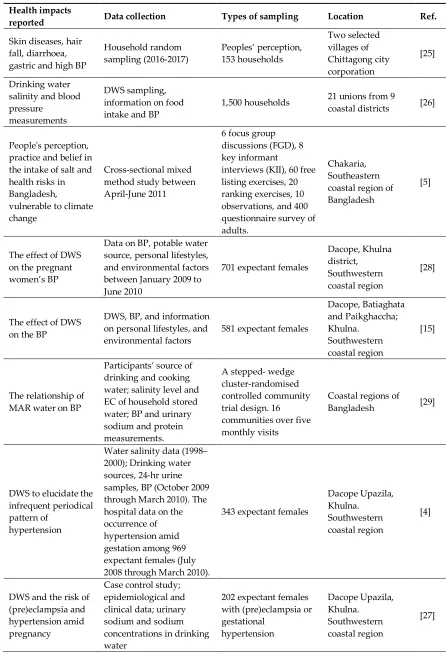
Table 1. The effects of drinking water sodium (DWS) in the potable water and its associated health
228
impacts reported from different coastal regions of Bangladesh.
229
Health impacts
reported Data collection Types of sampling Location Ref.
Skin diseases, hair fall, diarrhoea, gastric and high BP
Household random sampling (2016-2017) Peoples’ perception, 153 households Two selected villages of Chittagong city corporation [25] Drinking water salinity and blood pressure
measurements
DWS sampling, information on food intake and BP
1,500 households 21 unions from 9
coastal districts [26]
People's perception, practice and belief in the intake of salt and health risks in Bangladesh,
vulnerable to climate change
Cross-sectional mixed method study between April-June 2011
6 focus group discussions (FGD), 8 key informant
interviews (KII), 60 free listing exercises, 20 ranking exercises, 10 observations, and 400 questionnaire survey of adults.
Chakaria, Southeastern coastal region of Bangladesh
[5]
The effect of DWS on the pregnant women’s BP
Data on BP, potable water source, personal lifestyles, and environmental factors between January 2009 to June 2010
701 expectant females
Dacope, Khulna district,
Southwestern coastal region
[28]
The effect of DWS on the BP
DWS, BP, and information on personal lifestyles, and environmental factors
581 expectant females
Dacope, Batiaghata and Paikghaccha; Khulna. Southwestern coastal region [15]
The relationship of MAR water on BP
Participants’ source of drinking and cooking water; salinity level and EC of household stored water; BP and urinary sodium and protein measurements.
A stepped- wedge cluster-randomised controlled community trial design. 16 communities over five monthly visits
Coastal regions of
Bangladesh [29]
DWS to elucidate the infrequent periodical pattern of
hypertension
Water salinity data (1998– 2000); Drinking water sources, 24-hr urine samples, BP (October 2009 through March 2010). The hospital data on the occurrence of hypertension amid gestation among 969 expectant females (July 2008 through March 2010).
343 expectant females
Dacope Upazila, Khulna.
Southwestern coastal region
[4]
DWS and the risk of (pre)eclampsia and hypertension amid pregnancy
Case control study; epidemiological and clinical data; urinary sodium and sodium concentrations in drinking water
The post-natal impact of pre-natal salinity exposure
Bangladesh Demographic and Health Surveys (BDHS) for 2004 and 2007, Monthly soil salinity data for 2001–2009; spatial interpolation of infant mortality that lie within 40km of the BDHS clusters.
DWS consumed during gestation lead to hypertension, (pre)eclampsia and post-partum infant mortality.
Four coastal regions of southern
Bangladesh: Barisal, Chittagong, Dhaka and Khulna.
[18]
2.3. Drivers, Pressures, State, Impact, Response (DPSIR) model for drinking water sodium (DWS)
230
Drinking water sources in rural Bangladesh, particularly in the rural areas of coastal regions
231
varies. The sources of consumable waters incorporate deep and shallow groundwater from the
232
aquifers, small ponds with or without the pond sand filters (PSF, sand and gravel filters), collected
233
rainwater, bottled water, and streams etc. [30, 31]. The consumable water shortage issue is to a great
234
extent regularly seasonal, with the most experience happening amid the dry season between
235
November and early May. Owing to less precipitation and diminished river flow, the saltiness of
236
surface water bodies such as waterways and canals increments amid the dry season. Furthermore, in
237
the midst of the dry season, ponds repeatedly dried up leaving coastal population with few or no
238
options but to extricate saline groundwater utilizing hand pumps for drinking and cooking, whereas
239
amidst the monsoon (May to October), coastal population generally gather rainwater through
240
household-or-community-level rainwater harvesting schemes [31]. It is, therefore, clear, that
241
saltwater invasion as well as salinisation partakes consumable water shortages regionally and
242
globally around the coasts, forcing the people to be dependent on the substitute sources for water
243
consumption [29]. Coastal communities in Bangladesh, however, had little consciousness of the
244
dangers related with superfluous salt consumption in their food. Moreover, reducing salt intake
245
tactics were not very important to them [5]. The lower price of salt and the unidentified presence of
246
salt in the potable water has shaped an environment leading to abundant salt intake unconsciously.
247
Government organizations and NGOs have also reinforced public endeavors to manage with the
248
issues by underlining mutually communal adaptation strategies as well as the institutional efforts [2].
249
This review article outlines a coordination of DWS and the combined community-based methods,
250
which was intended to reduce potable water shortage in the coastal region of Bangladesh.
251
Assuming that the coastal people in Bangladesh are antagonized with high content of salt in the
252
drinking water, it is projected that the exposure to salinity will further rise as an outcome of climate
253
change, sea level rise and different environmental stimuli [27]. Additionally, it is indispensable to
254
promote and assess reasonable approaches to provide potable water with little or no salt content in
255
an affordable manner. While there are several theoretical contexts for unfolding associations
256
amongst the anthropogenic stresses and scenario deviations in marine and coastal ecosystems, the
257
Drivers-Pressures-State change-Impact-Response (DPSIR) framework is the most extensively applied
258
framework [32]. The framework is also flexible in numerous schemes, structures as well as in
259
numerous geographic locations. The framework can further link the marine aquatic ecosystems to
260
the adjoining terrestrial ecosystems [32]. The application of the DPSIR framework is substantially
261
pertinent to link the existing gaps amongst the scientific disciplines and the sciences of the coastal
262
development strategy as well as the integrated coastal zone management. However, the existing
263
implications of the DPSIR framework in the coastal zones have been inadequate and novel innovative
264
approaches are required to apply the model [33]. A Drivers-Pressures-State change-Impact-Response
265
(DPSIR) framework for drinking water sodium (DWS) and its health problem in the coastal regions
266
of Bangladesh is prepared from this review (Figure 3). Driving forces identified are climate change
267
induced salinity problem, flow control of shared transboundary rivers etc. Pressures identified in the
268
framework are sea water intrusion, salinization of soil and water resources and shrimp cultivation in
269
the coastal zones leading to the states of drinking water scarcity and presence of sodium in drinking
270
water (DWS). Impacts on health includes hypertension (HTN) or high blood pressures of adults in
271
particularly in risk of gestational hypertension, (pre)eclampsia and post-partum infant morbidity and
273
mortality. Major interventions to reduce drinking water sodium in practice was identified as
pond-274
sand filter (PSF), rainwater harvesting and Managed aquifer recharge (MAR). Advanced and
275
expensive potable water solutions such as solar-powered desalination plants as well as the reverse
276
osmosis and electrodialysis machines are amongst the options to lessen the salt from water which is
277
also reported from some pilot scale study to yield secure consumable water.
278
279
Figure 3. Drivers, Pressures, State, Impact, Response (DPSIR) model for drinking water sodium
280
(DWS) in the coastal areas of Bangladesh (this study).
281
2.4. Interventions to decrease drinking water sodium (DWS): Are these interventions effective?
282
Several interventions have been taken to discourse the shortage of potable water owing to salt
283
interruption in the coastal regions of Bangladesh. Rainwater harvesting is one such innovative
284
approaches. Consuming rainwater discourses the salinity exposure by lowering sodium intake from
285
consumable water and benefits cardiovascular health. Nevertheless, it decreases the ingestion of vital
286
cardio-protective minerals such as magnesium and calcium [31]. The WHO acclaims addition of
287
essential elements such as calcium and magnesium to mineralize the desalinated water to safeguard
288
from cardiovascular risks [34]. Consequently, the rainwater also lacks essential elements important
289
for the wellbeing of cardiovascular health of the coastal communities. Therefore, promotion of the
290
rainwater is suggested with remineralization of the important elements [31]. Integrated holistic
291
approaches such as the rainwater harvesting systems and pond sand filters (PFS) near
rainwater-292
supplied surface ponds, and rainwater-supplied managed aquifer recharge (MAR) are being
293
upgraded from a single rainwater or PSF system. These structures capture available rainwater during
294
the monsoon and stock it for imminent usage in the dry season (Figure 3). While these interventions
295
may be effective in reducing DWS exposure [31], MAR is a promising adaptive approach for
296
increasing the accessibility of salt free potable water that sustains almost a yearly water supply. Since
297
MAR storage of rainwater occur under confined conditions, it is further secured from evaporation as
298
well as strong to tidal storms, cyclones and saltwater permeation (Figure 4) [29, 35]. In MAR, a
299
freshwater lens is purposefully created amidst the brackish aquifers, to supply with the surface
300
freshwater or rainwater to the aquifers to bring the hydrological equilibrium. It is a likely to be a key
301
303
Figure 4. Schematic overview of a managed aquifer recharge (MAR) system in South-west Coastal
304
Bangladesh [15].
305
However, a recent study by Scheelbeek et al. (2017) reported that a gradual increase in sodium
306
concentration over the course of the dry season is observed in the MAR. Median sodium
307
concentrations of the pond and MAR sources were ∼400 mg/L toward the end of the dry season,
308
whereas median sodium concentrations in tube wells exceeded 800 mg/L followed by extremes >1500
309
mg/L [15]. Some rainwater users mixed their rainwater with water from other sources to prolong the
310
period of rainwater use. Toward the end of the dry season, only those with large amounts of storage
311
space (and hence more likely to consume unmixed rainwater) still reported rainwater as the main
312
drinking-water source, which explains the high outliers in sodium concentrations in “rainwater” in
313
the early dry-season measurements. Although the potentiality of desalination plants such as reverse
314
osmosis and electrodialysis are tremendous, due to high cost and energy it is still in the pilot scale
315
level in many parts of coastal Bangladesh. During an academic survey it was found that a local NGO
316
installed four solar-powered desalination plants and reverse osmosis in Kalapara Upazila, where
317
most of the respondent (65.8%) thought that this measure was not effective at all where 12.5% think
318
it as a low effective and 6.7% think it as a moderately effective measure [unpublished data by author
319
in this study].
320
3. Conclusions
321
Drinking water sodium (DWS) is a burning issue in the present socio-economic, environmental
322
and climatic condition of the coastal Bangladesh where salinity and seawater intrusion is a serious
323
issue. Here, we reviewed several key intervention mechanisms recognized to manage saline water
324
and DWS impact on the health of local people, particularly of pregnant women. The list of issues is
325
inevitably extensive containing infant mortality, hypertension, high blood pressure, pre-eclampsia
326
etc. leading to millions of affected people in heart diseases. Several interventions such as rainwater
327
harvesting and PSF system as well as MAR usage and the integration of mixed sources were reviewed
328
on the content of DWS. While rainwater has the positive impact of low or no sodium intake on human
329
health, it still possesses harmful impacts on human health for not containing essential micronutrients
330
such as calcium and magnesium. On the other hand, a gradual increase in sodium concentration over
331
the course of the dry season was observed in MAR. It is therefore indispensable to increase
332
consciousness amongst the coastal people regarding the impacts of DWS intake and help them
333
providing and adopting correct technological interventions.
334
Author Contributions: M.S. and M.M.R.; planned and reviewed the article, M.B. prepared the map, M.S, M.B.,
335
Funding: This research received no external funding.
337
Acknowledgements: The Figure 1 map was prepared from the supplementary data from the published article
338
by Shammi et al. (2018) [19ykkhf]. We also acknowledge all the authors of the articles cited in this review.
339
Conflicts of Interest: The authors declare no conflict of interest.
340
References
341
1. Werner, A.D.; Bakker, M.; Post, V.E.A.; Vandenbohede, A.; Lu, C.; Ataie-Ashtiani, B., Simmons, C.T.; Barry,
342
D. A. Seawater intrusion processes, investigation and management: Recent advances and future challenges.
343
Adv Water Resour. 2013, 51, 3-26.
344
2. Abedin, M.; Habiba, U.; Shaw, R. Community Perception and Adaptation to Safe Drinking Water Scarcity:
345
Salinity, Arsenic, and Drought Risks in Coastal Bangladesh. Int J Disaster Risk Sci. 2014, 5, 110-124.
346
3. Hoque, M.A.; Scheelbeek, P.F.; Vineis, P.; Khan, A.E.; Ahmed, K.M.; Butler, A.P. Drinking water
347
vulnerability to climate change and alternatives for adaptation in coastal South and South East Asia. Clim
348
Change. 2016, 136, 247-263.
349
4. Khan, A.; Ireson, A.; Kovats, S.; Mojumder, S.; Khusru, A.; Rahman, A.; Vineis, P. Drinking Water Salinity
350
and Maternal Health in Coastal Bangladesh: Implications of Climate Change. Env Health Pers. 2011, 119 (9).
351
5. Rasheed, S.; Siddique, A.; Sharmin, T.; Hasan, A.; Hanifi, S.; Iqbal, M.; Bhuiya, A. Salt Intake and Health
352
Risk in Climate Change Vulnerable Coastal Bangladesh: What Role Do Beliefs and Practices Play? PLoS
353
ONE. 2016, 11(4), e0152783.
354
6. Brammer, H. Bangladesh’s dynamic coastal regions and sea-level rise. Clim Risk Manage. 2014, 1, 51-62.
355
7. Rahman, S; Rahman, M. Climate extremes and challenges to infrastructure development in coastal cities in
356
Bangladesh. Weather Clim Extrem. 2015, 7, 96-108.
357
8. MoWR/GOB, Coastal Zone Policy 2005. <http://lib.pmo.gov.bd/legalms/pdf/Costal-Zone-Policy-2005.pdf>
358
Accessed December 17, 2018. 2005.
359
9. Bhuiyan, M.J.A.N.; Dutta, D. Assessing impacts of sea level rise on river salinity in the Gorai river network,
360
Bangladesh. Estuar Coast Shelf Sci. 2012, 96, 219-227.
361
10. Shammi, M.; Karmakar, B.; Rahman, M.; Islam, M.; Rahman, R.; Uddin, M. Assessment of salinity hazard
362
of irrigation water quality in monsoon season of Batiaghata Upazila, Khulna District, Bangladesh and
363
adaptation strategies. Pollution. 2016, 2,183-197.
364
11. Halim, M.A.; Majumder, R.K.; Nessa, S.A.; Hiroshiro, Y.; Sasaki, K.; Saha, B.B. Saepuloh, A; Jinno, K.
365
Evaluation of processes controlling the geochemical constituents in deep groundwater in Bangladesh:
366
spatial variability on arsenic and boron enrichment. J Hazard Mater. 2010, 180(1-3), 50-62.
367
12. Bahar, M.M.; Reza, M.S. Hydrochemical characteristics and quality assessment of shallow groundwater in
368
a coastal area of Southwest Bangladesh. Environ Earth Sci. 2010, 61(5), 1065-1073.
369
13. Shameem, M.I.M.; Momtaz, S.; Rauscher, R. Vulnerability of rural livelihoods to multiple stressors: A case
370
study from the southwest coastal region of Bangladesh. Ocean Coast Manage. 2014, 102, 79-87.
371
14. Rahman, M.; Rasheduzzaman, M.; Habib, M.; Ahmed, A.; Tareq, S.; Muniruzzaman, S. Assessment of fresh
372
water security in coastal Bangladesh: An insight from salinity, community perception and adaptation.
373
Ocean Coast Manage. 2017, 137, 68-81.
374
15. Scheelbeek, P.F.; Chowdhury, M.A.; Haines, A.; Alam, D.S.; Hoque, M.A.; Butler, A.P.; Khan, A.E.;
375
Mojumder, S.K.; Blangiardo, M.A.; Elliott, P.; Vineis, P. Drinking Water Salinity and Raised Blood Pressure:
376
Evidence from a Cohort Study in Coastal Bangladesh. Environ Health Pers. 2017, 125(5).
377
16. Islam, A.; Majumder, A. Hypertension in Bangladesh: a review. Indian Heart J. 2012, 6403, 319-323.
378
17. Nishida, C.; Uauy, R.; Kumanyika, S.; Shetty, P. The Joint WHO/FAO Expert Consultation on diet, nutrition
379
and the prevention of chronic diseases: Process, product and policy implications. Public Health Nutr. 2002,
380
7, 245-250.
381
18. Dasgupta, S., Huq, M.M.; Wheeler, D. Drinking Water Salinity and Infant Mortality in Coastal Bangladesh.
382
Water Econ Pol. 2016, 2, 1650003.
383
19. Shammi, M.; Rahman, M.M.; Islam, M.A.; Bodrud-Doza, M.; Zahid, A.; Akter, Y.; Quaiyum, S. and
384
Kurasaki, M Spatio-temporal assessment and trend analysis of surface water salinity in the coastal region
385
of Bangladesh. Environ Sci Pollut Res. 2017, 24(16),14273-14290.
386
20. Loitzenbauer, E.; Mendes, C.A.B. Salinity dynamics as a tool for water resources management in coastal
387
21. Shammi, M.; Rahman, R.; Rahman, M.M.; Moniruzzaman, M.; Bodrud-Doza, M.; Karmakar, B.; Uddin,
389
M.K.,Assessment of salinity hazard in existing water resources for irrigation and potentiality of conjunctive
390
uses: a case report from Gopalganj District, Bangladesh. Sust Water Res Manage. 2016, 2(4), 369-378.
391
22. Rahman, M.M.; Islam, M.A.; Bodrud-Doza, M.; Muhib, M.I.; Zahid, A.; Shammi, M.; Tareq, S.M.; Kurasaki,
392
M. Spatio-Temporal Assessment of Groundwater Quality and Human Health Risk: A Case Study in
393
Gopalganj, Bangladesh. Expo Health. 2018, 10(3), 167-188
394
23. Islam, M.; Zahid, A.; Rahman, M.M.; Rahman, M.S.; Islam, M.J.; Akter, Y.; Shammi, M.; Bodrud-Doza, M.;
395
Roy, B. Investigation of Groundwater Quality and Its Suitability for Drinking and Agricultural Use in the
396
South Central Part of the Coastal Region in Bangladesh. Expo Health. 2017, 9, 27-41.
397
24. Islam, S.D.U.; Majumder, R.K.; Uddin, M.J.; Khalil, M.I.; Alam, M.F. Hydrochemical Characteristics and
398
Quality Assessment of Groundwater in Patuakhali District, Southern Coastal Region of Bangladesh. Expo
399
Health. 2017, 9, 43-60.
400
25. Jabed, M.; Paul, A.; Nath, T. Peoples’ Perception of the Water Salinity Impacts on Human Health: A Case
401
Study in South-Eastern Coastal Region of Bangladesh. Expo Health, 2018.
402
26. Al Nahian, M.; Ahmed, A.; Lázár, A.N.; Hutton, C.W.; Salehin, M.; Streatfield, P.K. Drinking water salinity
403
associated health crisis in coastal Bangladesh. Elem Sci Anth. 2018, 9(6).
404
27. Khan, A.E.; Scheelbeek, P.F.D.; Shilpi, A.B.; Chan, Q.; Mojumder, S.K.; Rahman, A.; Haines, A.; Vineis, P.
405
Salinity in drinking water and the risk of (pre)eclampsia and gestational hypertension in coastal
406
Bangladesh: a case-control study. PLoS One. 2014, 9(9), e108715.
407
28. Scheelbeek, P.F.; Khan, A.E.; Mojumder, S.; Elliott, P.; Vineis, P. Drinking Water Sodium and Elevated
408
Blood Pressure of Healthy Pregnant Women in Salinity-Affected Coastal Areas. Hypertension. 2016, 68(2),
409
464-70.
410
29. Naser, A.M.; Unicomb, L.; Doza, S.; Ahmed, K.M.; Rahman, M.; Uddin, M.N.; Quraishi, S.B.; Selim, S.;
411
Shamsudduha, M.; Burgess, W.; Chang, H.H. Stepped-wedge cluster-randomised controlled trial to assess
412
the cardiovascular health effects of a managed aquifer recharge initiative to reduce drinking water salinity
413
in southwest coastal Bangladesh: study design and rationale. BMJ Open. 2017, 7, e015205.
414
30. Benneyworth, L.; Gilligan, J.; Ayers, J.C.; Goodbred, S.; George, G.; Carrico, A.; Karim, M.R.; Akter, F.; Fry,
415
D.; Donato, K.; Piya, B. Drinking water insecurity: water quality and access in coastal south-western
416
Bangladesh. Int J Environ Heal Res. 2016, 26(5-6), 508-524.
417
31. Naser, A.; Martorell, R.; Narayan, K.V.; Clasen, T.F. First Do No Harm: The Need to Explore Potential
418
Adverse Health Implications of Drinking Rainwater. Environ Sci Tech. 2017.
419
32. Patrício, J.; Elliott, M.; Mazik, K.; Papadopoulou, K.N.; Smith, C.J. DPSIR—two decades of trying to develop
420
a unifying framework for marine environmental management? Front Mar Sci. 2016, 3, 177.
421
33. Lewison, R.L.; Rudd, M.A.; Al-Hayek, W.; Baldwin, C.; Beger, M.; Lieske, S.N.; Jones, C.; Satumanatpan, S.;
422
Junchompoo, C.; Hines, E. How the DPSIR framework can be used for structuring problems and facilitating
423
empirical research in coastal systems. Environ Sci Pol. 2016, 56, 110-119.
424
34. WHO, Safe Drinking Water from Desalination: Guidance on Risk Assessment and Risk Management
425
Procedures to Ensure the Safety of Desalinated Drinking Water; World Health Organization: Geneva. 2011.
426
35. BGR, Groundwater and climate change: challenges and possibilities.
427
<https://www.bgr.bund.de/EN/Themen/Wasser/Produkte/Downloads/groundwater_climate_change_pdf.

![Figure 2. (a) Urinary sodium excretion (mmol/day) of healthy pregnant women recruited in the dry season (n=645) and (b) Dry season DWS concentrations measured by water source type in Dacope 2009 to 2010 (mg/L) [28]](https://thumb-us.123doks.com/thumbv2/123dok_us/8070415.1345985/6.595.119.476.197.736/figure-urinary-excretion-pregnant-recruited-concentrations-measured-dacope.webp)

![Figure 4. Schematic overview of a managed aquifer recharge (MAR) system in South-west Coastal Bangladesh [15]](https://thumb-us.123doks.com/thumbv2/123dok_us/8070415.1345985/10.595.79.520.78.290/figure-schematic-overview-managed-aquifer-recharge-coastal-bangladesh.webp)
