University of South Carolina
Scholar Commons
Theses and Dissertations
5-8-2015
By Word of Mouth: A Qualitative Approach to
Understanding the Integration of Preventive Dental
Health in Primary Care Settings
Joni D. Nelson
University of South Carolina - Columbia
Follow this and additional works at:https://scholarcommons.sc.edu/etd Part of thePublic Health Education and Promotion Commons
This Open Access Dissertation is brought to you by Scholar Commons. It has been accepted for inclusion in Theses and Dissertations by an authorized administrator of Scholar Commons. For more information, please [email protected].
Recommended Citation
BY WORD OF MOUTH
:
A QUALITATIVE APPROACH TO UNDERSTANDING THE INTEGRATION OF PREVENTIVE DENTAL HEALTH IN PRIMARY CARE SETTINGSby
Joni D. Nelson
Bachelor of Science
University of South Carolina, 2008
Master of Science
Medical University of South Carolina, 2011
Submitted in Partial Fulfillment of the Requirements
For the Degree of Doctor of Philosophy in
Health Promotion, Education, and Behavior
The Norman J. Arnold School of Public Health
University of South Carolina
2015
Accepted by:
S. Melinda Spencer, Major Professor
Christine E. Blake, Committee Member
Amy B. Martin, Committee Member
Justin B. Moore, Committee Member
A
CKNOWLEDGEMENTSFirst and only, I would like to thank God for His loving kindness. He has given
me this opportunity to pursue my dreams, and has surrounded me with a great team to
help me see it come to fruition.
Specifically,
I would like to thank my committee chair, Dr. Mindi Spencer who has provided
me with an excellent mentorship throughout my Doctoral training and has forged a
familial academic environment for me as well as those in my cohort, i.e. Club 311. In
addition, I would like to thank Drs. Christine Blake, Amy Brock-Martin, and Justin
Moore for their endless support in my academic progression and career trajectory in
public health. I have certainly been fortunate to have such an impressive and cohesive
committee who is dedicated to my research integrity and my future. Their extensive
feedback, fruitful suggestions, guidance, collaboration and constant motivation has been
instrumental in the completion of my program training and dissertation research.
I would also like to thank the USC Office of the Provost for funding my
dissertation research, the faculty and staff of the Health Promotion, Education and
Behavior Department of the Arnold School of Public Health and the South Carolina
Rural Health Research Center for their support in my research endeavors. Additionally, I
would like to thank Dr. Francis Rushton, Lynn Martin, and the Quality through
special appreciation to my fellow peers, mentors and cohort members: Drs. Jennifaye
Brown, Shaun Owens, Dawnyea Jackson, and LaShanta Rice; as well as Eliza Androlia,
Kristin Van de Griend, Casey Childers, Bethany Carlos and Club 311. Words cannot
express the amount of gratitude that I have for my parents, John and Linda Dunmyer III,
for their efforts and exceptional love for me will never go unrecognized and have shaped
me into the person I am today. Under no circumstances did they allow me to quit or be
burdened with any problem, but smothered me with love and support. With humility, I
graciously thank them with everything in me for their devotion to me and my sisters. In
consistency with their love and support, I also would like to thank my dear sisters and
brother, Jacquetta and Calvert Ancrum and Ja’Nel Dunmyer for their encouragement,
they are my biggest cheerleaders.
Finally, Nelson will appear on my diploma. During the second year of my
program, I married the one whom God made just for me, after 9 years courtship and
friendship, Mr. Cedrick Q. Nelson. He has been an earthly anchor in my journey
throughout this program, a selfless friend, great leader, and wonderful husband. Long
nights, early mornings, traveling for conferences, making dinners, cleaning, etc. the list
goes on, his dedication to me, through his love for God is boundless and for that I am
grateful to be his wife.
Although I cannot mention everyone by name, a host of family and friends, your
support was greatly appreciated. I am so humbled and blessed from God and His
unfailing love, He has placed each and every one of these persons mentioned in my life. I
A
BSTRACTChildhood and adolescence are sensitive periods in the lifespan when oral and
craniofacial appearances can help determine social interactions and lifetime outcomes. In
this respect, oral health can be viewed as more than just brushing or flossing for healthy
teeth; children’s oral health can influence their social development and behaviors, impact
their academic growth, affect their guardian’s responsibility for healthcare cost and create
a potential pathway for negative impacts on quality of life. Access to quality oral
healthcare is vital for the prevention of unwanted diseases and to avoid the burden of oral
health complications. Oral health disparities may not be the consequence of negligence,
but rather, the result of unmet needs and limited access to quality oral health care.
Collaborations within systems of care that include medical and dental health
professionals may lead to opportunities for improvements in oral health and overall
health among children and adolescents. This research study was focused on
medical-dental collaboration model and its potential to provide an opportunity to meet the oral
health needs of children and adolescents. Therefore, the overall goal of this study was to
understand how preventive dental health was integrated in the pediatric primary care
settings that participated in the Quality through Technology & Innovation in Pediatrics
Data were collected from August 2014 – January 2015 and analyzed in two
stages. First, we conducted a directed content analysis using data provided by the QTIP
project director. Second, twenty-two QTIP participants were interviewed using
qualitative methods. Overall, the process evaluation data suggested that the principles of
preventive dental health integration were successfully implemented as result of the QTIP
demonstration project. Through examination of the process evaluation domains of
fidelity, dose delivered, reach and dose received, we were able to determine to what
extent primary care pediatric practices engaged with materials and trainings of the QTIP
demonstration project and how primary care pediatric practices integrated preventive
dental health in their medical settings. Through the qualitative interviews we identified
seven key themes related to the feasibility of integrating preventive dental health: 1)
communication between staff members; 2) role delineation; 3) preventive dental health
education and training; 4) sustaining improvement; 5) willingness to engage in QTIP
recommendations for preventive dental health; 6) parent behaviors and 7) practice-based
recommendations for preventive dental health integration. We also categorized each
practice as having a strong, moderate, or weak preventive dental health implementation
based on their perceived achievement of preventive dental health integration in their
medical setting. Overall, the findings of this dissertation revealed that preventive dental
health integration has the potential to be a feasible and effective strategy to improving the
T
ABLE OFC
ONTENTSACKNOWLEDGEMENTS ... iii
ABSTRACT ...v
LIST OF TABLES ...x
CHAPTER 1INTRODUCTION ...1
1.1PROBLEM STATEMENT ...1
1.2STUDY FOCI ...2
1.3PRELIMINARY STUDIES ...5
1.4OVERVIEW OF THE STUDY ...8
CHAPTER 2BACKGROUND AND SIGNIFICANCE ...10
2.1ASILENT EPIDEMIC ...10
2.2ORAL HEALTH DISPARITIES IN SOUTH CAROLINA ...11
2.3CHILDHOOD AND ADOLESCENCE:CRITICAL STAGES IN LIFE ...13
2.4WELL-CHILD VISITS ...17
2.5CHILD AND ADOLESCENT ORAL HEALTH:SLIPPING THROUGH THE CRACKS ...18
2.6COLLECTIVE ACTION AND SYSTEMS CHANGE ...20
2.7ADDRESSING THE SILENT EPIDEMIC:ORAL HEALTH PROMOTION AN AWARENESS ...23
CHAPTER 3RESEARCH DESIGN AND METHODS ...25
3.1SIGNIFICANCE ...25
3.3STUDY APPROACH ...27
3.4CONCEPTUAL FRAMEWORK ...30
3.5SETTING AND SAMPLE DESCRIPTION ...37
3.6RECRUITMENT ...38
3.7DATA ACQUISITION AND PROCEDURES ...39
3.8DATA MANAGEMENT ...40
3.9SPECIFIC AIM 1:METHODOLOGY ...41
3.10SPECIFIC AIM 2:METHODOLOGY ...43
3.11DATA QUALITY ...46
3.12DISSEMINATION OF RESULTS ...48
CHAPTER 4RESULTS ...52
4.1SINKING OUR TEETH INTO PREVENTIVE DENTAL HEALTH INTEGRATION:AN EVALUATION OF AN ORAL HEALTH DEMONSTRATION PROJECT ...53
4.2BY WORD OF MOUTH:AQUALITATIVE APPROACH TO UNDERSTANDING THE INTEGRATION OF PREVENTIVE DENTAL HEALTH IN PRIMARY CARE SETTINGS ...72
CHAPTER 5DISCUSSION ...91
5.1SUMMARY OF FINDINGS ...91
5.2UTILITY OF THE CONCEPTUAL FRAMEWORK ...96
5.3STUDY LIMITATIONS AND STUDY STRENGTHS ...97
5.4IMPLICATIONS FOR FUTURE RESEARCH ...98
REFERENCES ...102
APPENDIX A-RECOMMENDATIONS FOR PEDIATRIC PREVENTIVE CARE ...113
APPENDIX B-CHIPRAQIGRANT CONCEPTUAL RATIONALE ...114
APPENDIX D-QTIPPARTICIPANT LOCATIONS ...117
APPENDIX E-DATA ACQUISITION APPROVAL ...118
APPENDIX F-A PRIORI CODE SCHEMATIC FOR SPECIFIC AIM 1...119
APPENDIX G-A PRIORI CODE LIST FOR SPECIFIC AIM 2 ...120
APPENDIX H-CODEBOOK FOR SPECIFIC AIM 2:QUALITATIVE INTERVIEWS WITH QTIP PARTICIPANTS ...121
APPENDIX I-INTERVIEW GUIDE ...123
APPENDIX J-INFORMED CONSENT FORM ...126
APPENDIX K-RECRUITMENT LETTER ...129
L
IST OFT
ABLESTABLE 3.1PROCESS EVALUATION PLAN ...49
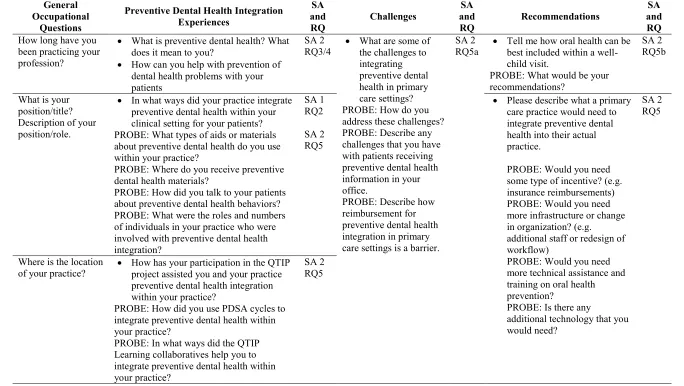
TABLE 3.2INTERVIEW GUIDE BY SPECIFIC AIMS AND RESEARCH QUESTIONS ...50
TABLE 4.1DATA SOURCES ...71
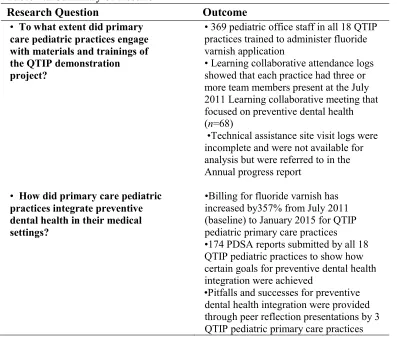
TABLE 4.2RESULTS SUMMARY ...71
TABLE 4.3PDSAREPORTS SUMMARY ...72
TABLE 4.4SAMPLE OF INTERVIEW GUIDE FOR QTIPPARTICIPANTS,2011-2015 ...89
CHAPTER
1
I
NTRODUCTION1.1 PROBLEM STATEMENT
National calls from the Office of the Surgeon General for improving oral health
behaviors, increasing access to care, and enhancing policy changes to improve oral health
have led to strategic efforts to eliminate dental health disparities (Bell, Huebner, & Reed,
2012). Although strides have been made in advancing the public’s knowledge and
promotion of oral health, substantial disparities remain in children and adolescents of the
United States (U.S.) Tooth decay – or the destruction of the hard, outer layer of teeth
(tooth enamel) – is often caused by the oral intake of acidic foods or drinks that attack the
tooth enamel, which then causes the tooth to lose minerals and degrade (Carlson and
Veschucio, 2006; Gussy, Waters, Walsh, & Kilpatrick, 2006). Tooth decay affects more
than one-fourth of U.S. children aged 2–5 years and half of those aged 12–15 years(SC
Department of Health and Environmental Control, 2011). Additionally, nearly half of all
children and two-thirds of adolescents aged 12–19 years from lower-income families
have experienced tooth decay (Center for Chronic Disease Prevention and Health
Promotion., 2010). Children and adolescents living in states within the southeastern
region of the U.S. (i.e. South Carolina, Florida, Mississippi, Georgia, Louisiana,
& Scott, 2011), a disparity which may extend into adulthood.
The oral cavity or mouth is our primary mechanism for eating, communicating
with others, and directly influences our ability to be susceptible to other diseases. In
recent years, research has revealed causal linkages between oral and systemic diseases
(Azarpazhooh & Leake, 2006; Bandyopadhyay, Marlow, Fernandes, & Leite, 2010;
Offenbacher et al., 2006; Paula et al., 2012). Oral health is associated with higher risk for
cardiovascular disease, as well as increased risks for people living with diabetes and/or
respiratory disease, adverse pregnancy outcomes, and oral cancer (Azarpazhooh &
Leake, 2006; Genco, Glurich, Haraszthy, Zambon, & DeNardin, 2000; Guha et al., 2007;
Offenbacher et al., 1996, 2006). Oral health is important because it’s both a foundation
and indicator of systemic health and knowing this will help understand the value of
prevention opportunities to reduce oral health disparities.
A comprehensive oral health approach is multifaceted and based on many factors,
including: oral health literacy, low income, dental insurance, transportation, parental
socioeconomic status, and (most importantly) access to preventive and professional
dental care services (Carlson and Veschucio, 2006; Gussy et al., 2006; Liu et al., 2007;
Mouradian, Huebner, Ramos-Gomez, & Slavkin, 2007). Promoting preventive dental
health through other actors in the healthcare system, such as through medical provider
settings, will benefit both the patient and provider by increasing the adolescents’ overall
health and well-being (Paula et al., 2012; Slavkin, 2001).
1.2 STUDY FOCI
This study focused on medical-dental collaboration, a relatively recent framework
who are working together to serve their patients for better oral health outcomes. (U.S.
Department of Health and Human Services & Administration, 2014). The inclusion of
oral health messages during primary care visits provides clinicians with an opportunity to
promote positive oral health behaviors for adolescent patients. In order to understand the
potential of the medical-dental integration model for reducing oral health disparities, it
was necessary to examine current efforts to integrate preventive dental health in primary
care settings, as well as understand pediatric physician and pediatric health care
professionals’ perceptions about their role in this process. Such an evaluation would
provide deeper insight into the context and processes involved in medical-dental
collaboration initiatives.
This research was nested within a five-year, federal quality demonstration grant in
South Carolina (SC). The objective of the larger study – the Children’s Health Insurance
Program Reauthorization Act, Quality Improvement (CHIPRA QI) – QTIP demonstration
project was to establish and improve the quality of children’s healthcare through
measures of quality, promotion of health information technology, and evaluation of
provider-based models. SC was one of 10 grantees selected to participate in this federal
quality demonstration grant. SC Department of Health and Human Services (SCDHHS)
was awarded $9.2 million for this demonstration project. SC’s grant included 4 key goals
including:
Quality: demonstrate that newly developed quality indicators can be
successfully utilized in pediatric practices;
Technology: share key clinical data through a statewide electronic quality
Innovation: develop a physician-led, peer-to-peer quality improvement network;
and
Pediatrics: expand the use of pediatric medical homes to address mental health
challenges of children in our state. (SCDHHS, 2014)
The strategy that was developed to meet the aforementioned key goals involved the
establishment of the QTIP demonstration project, which included the following
components: a lead practitioner to implement the quality improvement efforts across 18
primary care pediatric practices across the state, an internal QI team, stipends and
assistance for each of the 18 QTIP practices, Learning collaborative meetings, and
technical assistance site visits (SCDHHS, 2014). Given that preventive dental health was
part of the required training for the primary care pediatric practices, QTIP provided a
unique opportunity to evaluate the medical-dental collaboration efforts that were part of
the larger QTIP demonstration project.
The overall goal of the current study was to understand how preventive dental
health was integrated within the pediatric primary care practices involved in the SC QTIP
demonstration project. The study was guided by the Ecological Perspective
(Bronfenbrenner, 1997; Fisher-Owens et al., 2007; McLeroy, Bibeau, Steckler, & Glanz,
1988) and used a constructionist qualitative approach to explore the feasibility of
preventive dental health integration within specific social and environmental systems
(Greene, 1994; Patton, 2002). The constructionist qualitative approach was used in order
to reveal the ways in which participants construct, interpret, and experience interactions
with each other and wider social systems in the context of the public health phenomenon
used to identify aspects of fidelity, dose delivered, reach, and how the integration of oral
health was received by the QTIP pediatric primary care practices (Bradley et al., 2009;
Linnan & Steckler, 2002; Saunders, Evans, & Joshi, 2005).
1.3 PRELIMINARY STUDIES
The overarching premise of my public health research agenda is to improve oral
health among children and adolescents in SC through medical-dental collaboration. I
have structured my research agenda around exploring the current state of knowledge
regarding dental health within this population, as well as understanding structures within
the environment that limit or fail to support dental health in this population. My goal is
to contribute to the body of literature on this issue by utilizing qualitative methods as my
primary tool for uncovering new information about preventive dental health integration
within primary care settings in SC. The development of my research agenda reflects my
academic and professional training, coupled with research experiences that have shaped
and refine my overall approach to public health research and practice.
Academic and Professional Training
I earned a Masters of Science degree from the Medical University of South
Carolina in the College of Graduate Studies, Department of Microbiology and
Immunology in 2011. During this program, I observed a desperate need for expanded
scientific research and public health education for the prevention of oral health diseases
for children and adolescents in South Carolina. The training I received was in
experimental, translational research science, but allowed me to expand my scope of
scientific investigation by serving as a student researcher on a community-based
strong desire for the use of qualitative research skills through mentorship and began to
identify additional opportunities to contribute to social science research projects.
I am in the fourth year of my doctorate of philosophy (PhD) program in the
Arnold School of Public Health. The training that I received throughout the duration of
my Doctoral training expanded my knowledge in critical thinking, exploration of
intervention and theory, and provided an opportunity for educational growth in
qualitative research development. Foundational courses such as Applied Measurement,
Advanced Qualitative Strategies and Design, Critical Race Theory, Perspectives in Rural
Health Disparities, Advanced Evaluation, and Implementation and Monitoring of Health
Promotion Programs have enhanced my skill sets in qualitative design, outcome and
process evaluation, and improved my understanding of complex public health
frameworks. I have also excelled as a Teaching Assistant and completed the Preparing
Future Faculty training program organized through the Center for Teaching Excellence; I
have aligned these on-campus training experiences as exposures to skillsets often
required for professors teaching in an academic and research learning institution. This
training program provided me with a hands-on experience to develop graduate level
teaching techniques, junior faculty development, lecturing values, interactive tools for
research in the classroom, and additional methods for practical, but innovative teaching
styles.
Research Experience
I am currently a Research Associate at the Rural Health Research Center, and part
of the oral health division and evaluation team. I have been involved with multiple
DentaQuest Foundation, SafetyNet Solutions, SC Primary Care Association, USC -
Cocky’s Reading Express, Carolina Health Centers, SC DHEC Division of Oral Health,
Medical University of South Carolina. My continued involvement in these networks has
enabled me to engage with multiple stakeholders who provided me with the resources
needed to successfully develop and complete my dissertation. I contributed to the
development and publication of the 2012-2013 SC Oral Health Needs Assessment and
the continued research efforts supported by the DentaQuest Foundation. In conjunction
with the Deputy Director at the Rural Health Research Center, I conducted a Photovoice
evaluation of a study that focuses on helping home visitors include oral health within
their services. This study will explore if including oral health has been helpful to home
visitors and the parents with whom they work. Photovoice is a qualitative technique that
is commonly used in community participatory evaluation approaches (Kramer, Schwartz,
Cheadle, & Rauzon, 2012). The study will explore if including oral health has been
helpful to home visitors and the parents with whom they work. In this evaluation parents
and home visitors will use photography to document their perspectives on the proposed
evaluation questions, to better tell their stories about oral health. Focus groups will be
conducted and the parents and home visitors interpret the photos in light of the evaluation
questions. The study represents the acceptability of oral health messaging integration
into existing Maternal, Infant, and Early Childhood Home Visiting curriculum.
In 2012-2013, I worked with two faculty members within the Health Promotion,
Education and Behavior to examine how the characteristics of successful partnerships
have not been fully – described, particularly in the context of community-based physical
the perspective of project coordinators involved in a mini-grant program to promote
physical activity among young people. This experience allowed me to conduct
qualitative analytic procedures using a grounded theoretical framework. I presented
study results at the 2013 Meeting of the American Public Health Association, as well as
developed and published a peer-reviewed manuscript (Nelson, Moore, Blake, Morris,
Kolbe, 2013).
1.4 OVERVIEW OF THE STUDY
This study used a qualitative approach to understand the acceptability and
feasibility of preventive dental health integration in pediatric primary care settings. The
study addressed the following specific aims:
SA1: To examine the process by which primary care pediatric practices integrated
preventive dental health based on QTIP quality health improvement
recommendations
RQ1. To what extent did primary care pediatric practices receive materials
and trainings designed to provide QTIP quality health improvement
recommendations for preventive dental health?
RQ2. How did primary care pediatric practices integrate preventive
dental health as a result of receiving QTIP quality health improvement
recommendations?
SA2: To explore primary care pediatric provider perspectives on preventive dental
health integration
RQ4. What are the perceived roles of primary care pediatric providers in
preventive dental health?
RQ5. How do the pediatric providers describe their experiences with
preventive dental health integration as a QTIP participant?
RQ5a. What are the challenges to preventive dental health integration in
their practice?
RQ5b.What are the recommendations that pediatric providers provide for
preventive dental health integration?
The format of this dissertation includes a review of the literature (Chapter 2), a
discussion of the research methodology and theoretical framework (Chapter 3), research
study results in the form of two manuscripts (Chapter 4), and discussion and
recommendations for future research (Chapter 5). Manuscripts are formatted in
CHAPTER 2
BACKGROUND AND SIGNIFICANCE
2.1 A SILENT EPIDEMIC
Tooth decay or cavities are a common, preventable problem for many children
and adults living in the U.S. Tooth decay occurs when there is a destruction of the hard,
outer layer of teeth (tooth enamel), which causes the tooth to lose minerals and degrade.
Oral diseases, such as tooth decay and periodontal disease are highly irreversible once
they occur and have complex etiologies (Carlson and Veschucio, 2006; Gussy et al.,
2006) . Untreated cavities often cause tooth pain, lead to academic school absences,
speech and masticatory complications, and lower self-esteem due to poor oral cavity
appearance. Deterioration of oral health can impede social development, encourage
various levels of discomfort, and create a pathway for negative impacts on quality of life
(Paula et al., 2012). Oral healthcare is vital for prevention of unwanted diseases and
complications (Guarnizo-Herreno and Wehby, 2012). Oftentimes, oral health is
overlooked as an integral component of general health, which perpetuates the devastating
effects of the silent epidemic of oral disease.
According to the Surgeon General’s Report (2000), poor children are more likely
to experience the consequences of oral health complications, most commonly dental
cavities. Cavities has also been characterized as one of the single most important chronic
needs (Satcher, 2000). Addressing dental health is an important step in closing the gap in
oral health disparities and aligns with major initiatives of Healthy People 2020, “to
increase public awareness and understanding of the determinants of health and empower
individuals to make informed health decisions” (“Healthy People 2020: An Opportunity
to Address the Societal Determinants of Health in the United States.,” 2010).
2.2 ORAL HEALTH DISPARITIES IN SOUTH CAROLINA
Oral health disparities continue to be a major public health problem in SC.
Nearly 23% of SC’s population is living in poverty (The Kaiser Family Foundation’s
State Health Facts: “Poverty Rate by Race in South Carolina,” 2011-2012), which likely
reduces the opportunity for residents to receive preventive and dental treatment for oral
care (Liu et al., 2007; Manski and Brown, 2008). Furthermore, children and adolescents
under the age of 18 living in low-income families are disproportionately living at a higher
risk for oral disease and untreated tooth decay compared to children who are not living in
poverty (South Carolina Department of Health and Environmental Control, 2013).
The need for access to oral health care in the Southeastern region of the U.S. has
been well-documented. Compared to children living in other states of the U.S., children
living in the Southeastern region of the U.S. are consistently placed at higher risk for
poor child health outcomes (Cutter, Mitchell, & Scott, 2000; Liu et al., 2007; Scott et al.,
2011), which likely extends into adolescence. One reason for the unmet need of oral
health among adolescents in SC is limited access to professional dental care services and
sustainability of health care providers. Although there is no standard definition of how
many dentists constitute an “adequate supply” of providing dental care, the South
that a ratio of one dentist to every 5,000 persons may be adequate. In 2011, 18 counties
in SC had fewer than two full-time employed dentists, and 20 counties in the state had a
ratio of fewer than two dentists for every 10,000 county residents. Statistics from 2011
also revealed a disparity by residence, with one pediatric dentist for 13,000 urban
children compared with one pediatric dentist for 53,000 rural children. Additionally, key
findings from The Dentist Workforce in South Carolina Report confirmed a lack of racial
and gender diversity in the SC dental workforce, the potential for significant workforce
attrition due to retirement of dental health professionals in the next decade, and
confirmed debilitating dental professional shortages in rural communities (SC AHEC
Consortium, 2012).
Limited data in SC that focus on primary care practices integrating preventive
dental health for children and adolescents. Reports have defined a critical area of interest
and surveillance in children populations 0-3 years of age, as well as school-aged (i.e.,
third grade) children (Carlson and Veschucio, 2006; South Carolina Department of
Health and Environmental Control, 2013). Uptake for fluoride varnish (FV) has been
recently linked to the Early and Periodic Screening, Diagnostic and Treatment (EPSDT)
visits and children were able to receive FV as a form of preventive dental care. In one
study, the prerequisite for preventive dental health integration was dependent on the
EPSDT visit (Martin, Vyavaharkar, Veschusio, & Kirby, 2012). Research has also
revealed that children in SC with a personal healthcare provider were more likely to
receive preventive dental care and less likely to receive any dental care; that is, having a
personal healthcare provider will increase the chances of the child receiving preventive
primary care health providers (i.e., general doctors, specialist doctors, nurse practitioners,
or physician assistants) serve as critical actors in the oral health system who can both
increase awareness and improve the likelihood of young children visiting the dentist
through recommendations or in the case of school nurses, the development of a system of
referring school-aged kids to local dentists when needed (Beil and Rozier, 2010; Braun,
2013). Because primary care providers are one of the first and most common health
professionals that serve this sub-population, (Irwin, Adams, Park, & Newacheck, 2009;
Oppong-Odiseng & Heycock, 1997; Starfield et al., 1984; Stella et al., 2002)
understanding the ways in which oral health is integrated within their practices will
provide an opportunity to address oral health disparities in child and adolescent
populations of SC.
2.3 CHILDHOOD AND ADOLESCENCE: CRITICAL STAGES IN LIFE
Although dental disease is a silent epidemic across the age spectrum, childhood
and adolescence are critical times for the promotion of oral health. These years are the
time to form positive habits that will promote long-term health and wellbeing (Spear,
2002). During early and middle childhood, it is advantageous for parents and caregivers
to build in healthy practices and behaviors to shape children’s view of their daily actions
with regard to their health (Gussy et al., 2006; Hagan, Shaw, & Duncan, 2008;
Mouradian et al., 2007). Promoting oral health during early childhood (ages 1-4) focuses
on healthcare professionals educating parents on bacteria transmission, ensuring the
cleanliness of the mouth, and introducing foods and liquids of nutritional value and low
in sugar content (Hagan et al., 2008). During middle childhood (ages 5-10), the most
encourage proper development of the jaw and mouth (Hagan et al., 2008). A child with
unhealthy teeth can be at serious risk is at risk for future oral health problems as an
adolescent and as they mature into adulthood. As mentioned within Association of
American Pediatric’s State of Little Teeth: An Examination of the Epidemic of Tooth
Decay Among our Youngest Children (2014), if tissues in the central portion of the tooth
are infected, the infection can cause irreversible damage to the tooth. Children are also
more susceptible to cavities and gum disease if they lose their baby teeth too early,
causing the child’s permanent teeth to grow improperly, resulting twisted teeth or
orthodontia (Hagan et al., 2008). As children begin to mature, it is important that the oral
hygiene, optimal fluoride exposure, and positive dietary habits that were introduced
during early childhood are reinforced (Fisher-Owens et al., 2007; Hagan et al., 2008).
An adolescent (aged 11-21 years) will go through many developmental changes
(Crone & Dahl, 2012; Hagan et al., 2008; Lawrence, Gootman, & Sim, 2009). This
sensitive period during the life course is the time where the individual begins to have a
role in his or her decision-making process and becomes more independent. Among these
decisions are the active choices made about health (Crone and Dahl, 2012; Sawyer et al.,
2012). Adolescents are often shaped by their social and physical environment, which
influences the actions that can prevent or encourage a healthy lifestyle. The contextual or
physical surroundings of an adolescent such as his or her neighborhood, school, and local
grocery store can weigh heavily on decisions made about health. Additionally, social
factors such as social norms, peer-to-peer relationships, family, and policies can likewise
influence judgments made about health (Crone and Dahl, 2012; McNeely and Blanchard,
public health professionals aim to cultivate a discourse that encourages the benefits of
healthy behavior adoption (McNeely and Blanchard, 2009; Sawyer et al., 2012).
The focus on children and adolescents extends the reach of prevention past the
stage of treatment that often occurs during adulthood. In this way, child and adolescent
interventions have been effective and in most cases, create changes that alter future adult
behavior choices. Many youth interventions are targeted towards the improvement of
healthy eating habits, physical activity, academic improvements, self-esteem, and risky
sexual behaviors (Durlak, Weissberg, Dymnicki, Taylor, & Schellinger, 2011; Stockwell
et al., 2012; Stormshak et al., 2011; Waters et al., 2011). These targeted interventions are
vital to prevention of diseases that may arise in adulthood, such as diabetes, high blood
pressure, stroke, and cancerous diseases. However, many of these interventions neglect
the important role played by oral health as a gateway to improving overall health
outcomes. Based on the current literature, oral health is a missing component in many
adolescent interventions and there is little urgency for its inclusion in light of the many
other health concerns experiences by this population. There is a continued disconnect
between oral health and interventions for children and adolescents, which continues to
widen the gap in preventive oral health disparities for adolescent-aged populations.
Similar to adults, children and adolescents are mostly at risk for tooth decay, but
their risks for oral complications are intensified as they mature due to other behaviors
such as alcohol and drug consumption, eating disorders, sexually transmitted infections
caused by oral sex, inconsistent use of seat belts and helmets, and playing sports without
mouth guard protection (Lawrence et al., 2009; Satcher, 2000). Child and adolescent oral
dental pain, eating difficulties, disrupted sleep and affected play activity (Organization,
2003). The burden of oral disease exists even in the midst of preventable dental health
mechanisms and federal agency actions of support. At three years-of-age, 5-10% of
children have oral health issues (Dye & Thornton-Evans, 2010; Lu, Wong, Lo, &
McGrath, 2011). By age five, nearly 60% of U.S. children will have had tooth decay and
almost 40% of children have tooth decay when they enter kindergarten (Pierce, Rozier, &
Vann, 2002; Satcher, 2000). According to the Center for Disease Prevention and Health
Promotion, Division of Oral Health (2011), 20% of all adolescents aged 12–19 years
currently have untreated decay. An indicator on the National Survey of Children’s
Health that seeks to identify the number of oral health problems in the past 12 months
shows that nearly 21% of adolescents’ ages 12-17 in South Carolina also reported having
one or more oral health problems (National Survey of Children’s Health, 2011). In
addition, the burden of oral health disparities for children and adolescents has also been
linked to their geographical placement, racial ethnicity, and limitations related to
lower-income levels (Bell et al., 2012; Eberhardt and Pamuk, 2004; Polk, Weyant, & Manz,
2010).
Poor oral health can have an economic impact on both families and society. The
average treatment cost per child for severe early childhood tooth decay or caries can be
up to $10,000 per child, especially for hospitalized treatments (Grossman, Uridell, Allen,
& Keller, 2006). Emergency visits cost more and do not result in sustainable treatment
for decaying teeth, which leads to continued effects of oral diseases (Casamassimo,
Thikkurissy, Edelstein, & Maiorini, 2009; Nagarkar, Kumar, & Moss, 2012). These
Care Financing Administration states that the Medicaid program alone pays between
$100-400 million each year for treatment of early childhood caries (Casamassimo et al.,
2009; Edelstein & Chinn, 2009; Edelstein, 1998).
2.4 WELL-CHILD VISITS
The most at-risk children and adolescents for poor oral health outcomes are those
who receive Medicaid benefits. In the late 1960’s, the Medicaid benefit for children and
adolescents was established – the Early and Periodic Screening, Diagnostic and
Treatment (EPSDT). According to the – Partnerships with State Medicaid and
Children’s Health Insurance Program (CHIP),
Title V of the Social Security Act: requires the State Title V and Medicaid
programs to coordinate and ensure Early Periodic Screening and Treatment
(EPSDT) activities to ensure that such programs are carried out without
duplication of effort (Accessed online June 13, 2014.).
The goal of this benefit is to ensure that children and adolescents under the age of 21 are
provided with adolescent well-child visits to receive preventive health screenings,
treatments, and medically – relevant services from their medical and dental providers to
address their conditions.
EPSDT screening guidelines are taken from recommendations of the U.S.
Preventive Services Task Force, the American Academy of Family Practice, the
American Academy Pediatrics, and the U. S. Department of Health and Human Services
Centers for Disease Control and Prevention. The components of an EPSDT includes the
following: Comprehensive health and developmental history; assessment of physical and
immunizations; vision, hearing, lead and dental screenings; and health education,
including anticipatory guidance. The health education component of EPSDT allows for
medical providers to guide adolescents to adopt healthier patterns and lifestyle choices
(Center for Medicaid and Medicare Services (CMS), 2014). The CMS encourages states
to include “health education (e.g., physical and behavioral development, healthy
lifestyles, and accident and disease prevention)” within their screening portion of the
adolescent well-child visit for Medicaid-enrolled children and adolescents.
Medicaid children and adolescents are likely to receive these services annually, as
recommended by the EPSDT periodicity schedule. But, because it is common for many
eligible recipients of Medicaid to receive benefits due to their low-income status, other
factors can also be a hindrance to their access to affordable dental services for treatment,
including current residential location, dental health professional shortage areas, parental
income, and transportation (CMS, 2014; Kaiser Family Foundation, 2011-2012). It is
therefore important that Medicaid recipients receive oral health education and dental
preventive services through other sources, likely their primary care provider or medical
provider of whom they may have better access. Medical providers who conduct
well-child visits can contribute to the opportunities to deliver preventive oral health messages,
allowing for a chance to change adolescent oral health behaviors.
2.5 CHILD AND ADOLESCENT ORAL HEALTH – SLIPPING THROUGH THE
CRACKS
According to the American Academy of Pediatric Dentistry (2014), there is
currently no affirmed dental periodicity schedule for the state of SC. However, medical
of Pediatrics (2013 SC Medicaid Provider Manual, 2014). These recommendations
create critical barriers to promoting the importance of oral health from middle childhood
to adolescent ages. Specifically, recommendations for preventive pediatric care exclude
oral health as a defined topic of interest for those from middle- to late-adolescence
(Appendix A). The adoption of policies to improve oral health will be an important
predictor for oral health change. This policy oversight is an important issue that must be
addressed in order to better emphasize the benefit of preventive oral health messaging
within medical settings, particularly as it relates to oral health behavior change in
children and adolescents.
Currently, the state of SC permits medical providers to be reimbursed to apply FV
for Medicaid children < age 3 at a rate of $17 per year, providing the opportunity for
reduced rates of tooth decay in younger populations (The South Carolina Department of
Health and Environmental Control, Division of Oral Health, 2013). Children who
receive Medicaid benefits or CHIP, which provide free or low cost health insurance to
eligible participants, are eligible to receive this dental preventive service. Although
adolescents are not covered, medical providers can be reimbursed for their counseling or
health education services as a part of the anticipatory guidance component for EPSDT
during a well-child visit. If provided with incentives, such as reimbursement, medical
providers may be more motivated to emphasize the importance of oral health during their
well-child visits. It is important to explore the consistency and types of preventive oral
health education provided to early adolescent patients during their annual visits, as well
adolescent patients. Achieving these goals will allow an opportunity to include more
tailored conversations about necessary oral health behavior change.
The American Academy of Pediatric Dentistry (2014) anticipatory guidance (i.e.,
recommendations for the middle childhood and early adolescent ages) demonstrates that
competing health education topics limits the priority placed on oral health and its relation
to overall general health and wellness. Although oral health is included as a
recommended topic to be discussed, adolescence is a period in which special attention in
development can be tied to other important topics, such as physical activity, relationships
and connectedness, mental health, substance abuse, violence and injury prevention with
sports, and sexual health behaviors (Hagan et al., 2008; Lewis, Grossman, Domoto, &
Deyo, 2000). Adolescence is also a time for immunizations that are recommended to
protect against specific sexually transmitted diseases, such as Human Papillomavirus and
others that protect against virus strains (Hagan et al., 2008; Lawrence et al., 2009;
McNeely and Blanchard, 2009). Because these multiple topics are necessary for a
well-child visit, there is a potential for medical providers to prioritize which topics seem most
relevant for their patient. This prioritization can, consequently, force oral health to be an
insignificant topic and is not carefully addressed. But, as children age, caries risk
increase, making it essential to ensure the integration of oral health in medical settings for
children and adolescents.
2.6 COLLECTIVE ACTION AND SYSTEMS CHANGE
The collective impact approach is a concept in healthcare systems to establish
collaborations between public health partners with a goal of improving societal health
grouping of specific actors from varying or similar systems who are working together
towards a common social issue. Working as a collective group towards a common goal
fosters opportunities for partnership development, collaborative initiatives between
private and public sectors, and opportunities for systems-level change (Kania and
Kramer, 2011). Collective impact might be an appropriate approach to address
collaborative opportunities within the healthcare delivery system for oral health
integration in primary care medical settings. In this way, oral health disparities can be
targeted through not only the dental healthcare systems, but through medical health
systems of care.
It is critical that opportunities for systems to be enhanced are not overlooked or
dismissed. Systems of healthcare can be particularly difficult for the underinsured and
non-insured to navigate; all too often, inadequate income-based health services (e.g.,
hospitals, free-clinics, and sliding fee scale mechanisms) can lead to detrimental oral
health outcomes for children and adolescents. For example, 12- year old Deamonte
Driver died in 2007 of what started as a toothache, in which a routine extraction costing
about $80 might have saved his life. In this tragedy, Driver’s mother had a lapse in
Medicaid coverage, difficulties with scheduling and transportation, and events of
homelessness. These factors limited her ability to fully devote the attention needed to her
son’s toothache. In her search for alleviation for Deomonte’s pain, she ultimately
received medicine for his headache, sinusitis, and abscess medication for his toothache,
instead of the much-needed tooth extraction that would have saved him from the abscess’
bacterial spread to his brain. Driver’s mother had limited access to dental coverage due
misinterpretation of standards of care for poor children (Otto, 2007). A lesson learned
from this tragedy is the opportunity to understand systems-level changes that can be
implemented to ensure that such an adverse outcome is not repeated.
Systems-level thinking or system theory is a framework that evokes the
connection between multiple components within a network or system. It requires
consistent engagement among members within the network, interprofessional thought
processes, and a passion to change how a system interacts by those involved (Leischow
and Milstein, 2006; Leischow et al., 2008). In order to reduce oral health disparities and
change the perception that oral health can only be improved by dental professionals,
innovative models for action research, problem framing, and evidence-based public
health investigations should be informed by systems-level thinking. Systems-level
changes in policy can act as a driver for oral health improvement, particularly as more
primary care institutions are encouraged to adopt preventive dental health competencies
(U.S. Department of Health and Human Services & Administration (HRSA), 2014)
As recognized actors within the healthcare delivery system, primary care
providers have hidden opportunities to include oral health messages within their visits
and throughout their practice settings. Promoting medical-dental collaboration as a
systems-level approach in SC has the potential to reduce the prevalence of oral health
diseases and related health illnesses linked to poor oral health. Encouraging medical and
dental providers to work collectively will provoke cross-talk between these two actors in
the health system that can ultimately strengthen the oral health of our state’s adolescent
2.7 ADDRESSING THE SILENT EPIDEMIC: ORAL HEALTH PROMOTION
AND AWARENESS
According to the Ottawa Charter for Health Promotion, health promotion has been
described as “the process of enabling people to increase control over, and to improve,
their health. To reach a state of complete physical, mental and social well-being, an
individual or group must be able to identify and to realize aspirations, to satisfy needs,
and to change or cope with the environment”(1986). Because health can be influenced
by multiple determinants, including the health system itself, health education for
changing individual behaviors is not enough (Kickbusch, 2003; Koelen and Van Den
Ban, 2004; Sharma and Romas, 2011). In order to change health behavior and attain
social equality, health promotion must move beyond healthcare and education into more
practical opportunities for systems-level change.
Acknowledging the ecological aspect of health promotion is an appropriate lens
through which to view the role of medical and dental professionals. Although included
within a larger institutional network, healthcare providers can be trained on the
importance of integrating oral health messages within their primary care settings, which
creates an opportunity for them to collaborate with dental health professionals.
Increasing awareness among these actors at the institutional level will ultimately lead to
the ability to provide adolescents with the knowledge necessary to proactively make
decisions about their oral health (Brown, 1994; Glanz, Rimer, & Viswanath, 2008;
McLeroy et al., 1988).
Proper oral health care and adequate dental health behaviors are crucial for overall
mechanisms should be included in educational curriculums designed to target
adolescents, parents, and healthcare providers. Moreover, it is critical to use behavioral
science frameworks that underscore the seriousness of changing oral health to improve
dental health status. Oral health promotion should be a priority for public health
researchers, dental health professionals, medical providers, families, community liaisons,
policymakers and adolescents. By working together, these members of the collective
leadership can make strides towards reducing the debilitating effects of poor oral health
CHAPTER 3
RESEARCH DESIGN AND METHODS
3.1 SIGNIFICANCE
Tooth decay consistently affects more than one-fourth of U.S. children aged 2–5
years and half of those aged 12–15 years. About half of all children and
two-thirds of adolescents aged 12–19 years from lower-income families have had
decay. The burden of oral health disparities have also been linked to the
increasing costs of care, for example in 2010, an estimated $108 billion was spent
on dental services in the United States (Center for Chronic Disease Prevention
and Health Promotion, 2010; SC Department of Health and Environmental
Control, 2011).
Addressing preventive dental health within primary care settings is consistent with a
more systems-level approach to reducing oral health diseases. It is likely that using
multiple providers within the healthcare system will increase the probability of raising
dental health awareness among adolescents, leading to better overall dental health
eventually resulting in decreased effects of poor oral health(U.S. Department of Health
and Human Services & Administration (HRSA), 2014). In this regard preventive dental
health is a unique model that will extend the reach of dental services to more remote
areas. Specifically, rural areas with extreme dental health professional shortage areas
Acknowledging the importance of preventive techniques for oral health will contribute to
the reduction of dental health disparities. Increasing the awareness of dental health as an
epidemic will encourage systems of care that encourage medical and dental health
professionals to play a stronger role in child and adolescent oral health. This research
project makes a significant contribution in that it evaluated the process of preventive
dental health integration within pediatric primary practices. It also explored the
perspectives of pediatric providers on preventive dental health integration within their
practices, an evaluation opportunity that has yet to be explored in public health research.
In addition, the results of this study can assist the continued efforts in medical-dental
collaboration in SC.
3.2 INNOVATION
This study explored the feasibility of integrating preventive dental health in
pediatric primary care practices in SC by better understanding providers’ perspectives
about the preventive dental health integration process. Many studies focus on policy
changes that have the potential to affect children and adolescents’ dental health and their
access to and utilization of Medicaid benefits (Decker, 2011; Edelstein and Chinn, 2009;
Nietert, Bradford, & Kaste, 2005); few explicitly focus on the effects of ecological and
contextual factors that may improve oral health behaviors. A qualitative approach
permitted a grounded understanding of the pediatric primary care providers’ experiences
with preventive dental health integration. This emic perspective provided a more
nuanced understanding of how preventive dental health can be integrated in pediatric
primary care settings. To date, no study to our knowledge has assessed the perspectives
children and adolescents. The QTIP project providers revealed important information on
key perceptions, barriers, and best practices about preventive dental health that can affect
the oral health outcomes of children and adolescents living in SC. This study also
explored the importance of medical provider buy-in and support for preventive dental
integration and identified how medical providers can act as a first line of defense for
preventive dental health in children and adolescents.
3.3 STUDY APPROACH
The study had two specific aims: SA1) To examine the process by which primary
care pediatric practices integrated preventive dental health based on QTIP quality health
improvement recommendations, and SA2) To explore primary care pediatric provider
perspectives on preventive dental health integration. These specific aims were
accomplished by conducting a process evaluation of preventive dental health adoption by
QTIP pediatric primary care practices and an assessment of the pediatric physician and
pediatric primary care professionals’ perceptions about the integration of preventive
dental health in their organizations. Accomplishing these aims provided a deeper insight
into the contexts and processes involved in medical-dental collaboration initiatives.
Therefore, the overall goal of the study was to understand the process by which
preventive dental health can be integrated within pediatric primary care settings in SC.
QTIP Demonstration Project
The dissertation study was situated within a grant opportunity announcement
funded by CMS. The five-year CHIPRA QI – QTIP Demonstration project was a
partnership between the SC Department of Human and Health Services, the SC Chapter
Research and Statistics, CareEvolution, and Thomson Reuters ( SC Department of Health
and Human Services, 2014). As one of the 10 states awarded, SC selected 18 primary
care pediatric practices across the state to participate in the grant. There were three main
categories focused on from the parent grant objectives and these categories were chosen
based on the interest and the capacity of the partnership efforts, in completion of the
CMS grant application. These categories included the establishment of QTIP and
improvement in the quality of children’s healthcare through measures of quality,
promotion of health information technology, patient centered medical home expansion,
and evaluation of provider-based models (SC Department of Health and Human Services,
2014) (Appendix B).
Consistent with the initiative’s efforts to address both mental and physical health
for the betterment of children’s health outcomes, a component of this grant was the
pursuit of the National Committee of Quality Assurance Patient-Centered Medical Home
certification for all participating practices (SCDHHS, 2014). The project was also
dedicated to a collection of CHIPRA Quality Measures (Appendix C), one of which was
directly focused on total eligible patients that will receive preventive dental health
services through Medicaid services. A Learning collaborative was developed in order to
launch all the quality improvement efforts of this grant. Learning collaboratives were
meetings held to disseminate knowledge about quality indicators, quality improvement
recommendations, information for planning strategies and Plan, Do, Study, Act (PDSA)
cycles, implementation of the electronic medical records and health information
exchange. As a part of the Institute for Healthcare Improvement Breakthrough Series
examinations in their practice to set goals for preventive dental health integration. Each
Learning collaborative was held during the annual Community Access to Child Health
(CATCH) meeting. CATCH is a national program of the American Academy of
Pediatrics that increases children's access to health services and a medical home by
supporting local pediatricians to collaborate within their communities (Burton, 2003;
Soares et al., 2014). The Learning collaborative meetings are dedicated to engaging
pediatric care providers to use quality improvement and work in collective, team efforts
to achieve the goals of the QTIP demonstration project. It was not clear whether the
QTIP demonstration project used a social science theory or perspective to guide their
implementation. Structures in place to ensure the implementation of the project included
the following: a lead practitioner to implement the quality improvement efforts within
the practice and an internal QI team, stipends and assistance for the 18 pediatric practices,
hosting Learning collaboratives, and providing technical assistance. Accomplishment of
the project goals was designed to be monitored by a health research team, including the
Area for Healthcare and Research Quality, Institute for Families in Society and CMS
national evaluators (SC Department of Health and Human Services, 2014).
The current study was guided by the Ecological Perspective (Bronfenbrenner,
1997; Fisher-Owens et al., 2007; McLeroy, Bibeau, Steckler, & Glanz, 1988) and situated
in a constructionist qualitative approach. This research used both directed content
analysis and qualitative interviews to evaluate the process of preventive dental health
integration within pediatric primary care practices. Directed content analysis was used to
assess the documents of the parent study, including: PDSAs for integration intention of
for the QTIP demonstration project, Learning collaborative PowerPoint presentations,
educational and training materialsas it relates to preventive dental health integration and
other aspects of the parent study. These documents acted as information sources to better
understand the process of preventive dental health integration within the practices.
Qualitative interviewing methods were used to better understand the QTIP participants’
perceptions on preventive dental health integration.
3.4 CONCEPTUAL FRAMEWORK
Process Evaluation of Preventive Dental Health Integration
An implementation evaluation or process evaluation is essentially aimed to document
whether a program has been carried out as intended (that is implemented with fidelity) and
seeks to identify “why” or “why not”? Process evaluation is largely underused, despite the
fact that it can affect promotion and prevention program outcomes and that quality
implementation can lead to better rates of success and potential sustainability (Durlak and
Dupre, 2008). Public health theory and relevant oral health literature were the initial
guidance for the development of codes and derived themes from the data (Hsieh and
Shannon, 2005; Weber, 1990). We used principles of process evaluation – dose
delivered, reach, fidelity, and dose received and response (Bradley et al., 2009; Linnan
and Steckler, 2002; Saunders, Evans, & Joshi, 2005) – to guide our examination of the
actual preventive dental health integration process. Directed content analysis identified
how QTIP participants actually integrated preventive dental health within their primary
care settings and the extent to which participants engaged with QTIP training and
materials for preventive dental health integration.
The ecological perspective focuses on multiple levels of influence that can shape
health behaviors, health outcomes, and the interactions of these relationships at each level
(Bronfenbrenner, 1997; Dumitrescu, Wagle, Dogaru, & Manolescu, 2011; Fisher-Owens
et al., 2007; Glanz et al., 2008; Glanz, 1997; McLeroy, Bibeau, Steckler, & Glanz, 1988).
Numerous models have been developed to understand the hierarchal structure of
behavioral influences on health, and these models have been described in various ways
(Bronfenbrenner, 1997; Fisher-Owens et al., 2007; Glanz et al., 2008; Lewin, 1951;
McLeroy et al., 1988; Stokols, 1992). This dissertation research used an adapted version
of McLeroy’s model of five sources of influence. Figure 3.1 depicts the adapted model,
where dental health outcomes for children and adolescents are impacted by intrapersonal,
interpersonal, institutional/organizational, community, and public policy factors (Figure
3.1 Preventive dental health in primary care settings).
In this study I focused on the primary care providers, included within the
institutional level, which is greatly influenced by public policy (i.e., insurance policies
and reimbursement and governmental legislation for disease management). It is
important to understand how the integration of preventive dental health into primary care
settings is influenced by public policy at both the community and the institutional level.
Primary care providers are situated within a larger institutional level, which includes
other structures and actors that can promote positive oral health (e.g., dental
professionals, educational establishments, and public health organizations). This
institutional level affects the resources available to families and children, which can
include accessibility to appropriate educational, dental and health and welfare services.
primary care settings, creating an opportunity to change the culture of their organizations
and influence their institutional network. More specifically, healthcare providers can
collaborate with dental health professionals and other actors within the institutional level
to promote preventive dental health. These interactions can lead to the promotion of oral
health at the community, interpersonal and intrapersonal level factors, which can affect
oral health behaviors, and ultimately reduce oral health disease disparities (Fisher-Owens
et al., 2007).
As structures within the institutional level, primary care pediatric providers exist
in a complex system that shapes the development of individuals situated within other
complex systems, outside of their system level (Bronfenbrenner, 1997; Crosby, Salazar,
& DiClemente, 2011). An individual’s response or behavior will likely be shaped from
his or her own human interest and activity within their ecological level (Montano and
Kasprzyk, 2008; Romanyshyn, 1971). This framework helped me to understand how
pediatric primary care providers can respond to including preventive dental health in their
respective practices, the structure of their organizations, and their cultural work
environments. Because the McLeroy framework organizes the ways in which contextual
influences interact with individual actors of a system, primary care providers’
perspectives are key to providing insight into how surrounding systems in the ecological
model influence providers’ decisions about integrating preventive dental health within
their practices.
Qualitative Approach
This dissertation was a qualitative study based on a constructionist approach.
from individuals or groups to further the understanding of a studied phenomenon
(Charmaz, 2002; Hollway and Jefferson, 2000). Using a qualitative approach in this
study allowed me to focus on the importance of the context of behavioral actions and
influences by historical, ecological, socio-economic, political, cultural and temporal
conditions, as well as subsequent interpretations of those interactions (Kelly, Terre
Blanche, Durrheim, & Painter, 1999; Patton, 2002). In contrast to the rigid attributes of
quantitative scientific research using controlled experimentation, many qualitative
approaches are more flexible and emphasizes the understanding of human experience, as
this is a vital aspect of this approach (Fossey et al., 2002; Greene, 1994).
I explored the perspectives of the QTIP participants, and specifically inquired
about their experiences with preventive dental health integration and factors that might
influence the integration of preventive dental health in their pediatric primary care
settings. Through qualitative research methods, including qualitative interviews with
open-ended questions, I aimed to capture what the QTIP participants perceive and/or
believe to be the most feasible strategies used to integrated preventive dental health in
their practices (Maxwell, 2012; Patton, 2002). QTIP participants provided ‘‘their
reported perceptions, “truths,” explanations, beliefs, and worldview” (Patton, 2002)
regarding preventive dental health integration. This type of data collection promotes
significant potential for producing rich and descriptive data on this specific concept of
medical-dental collaboration (Miles and Huberman, 1994).
Study Rationale
Given the inability to escape researcher subjectivity (i.e., bringing past
would not be easily attained. In contrast, a purely etic approach to the study would
potentially eliminate unique meanings, ideas and key concepts of participant responses
(Morris, Ames, & Lickel, 1999; Olive, 2014; Peterson and Pike, 2002). Valuing the
participants’ beliefs and the context within which they operate will allow me to include
an emic perspective. Valuing the perceived beliefs and utilizing explicatory terms and
nuances provided by the participants is referred to as emic. (Miles and Huberman, 1994;
Olive, 2014; Patton, 2002; Peterson and Pike, 2002). The ecological framework and
qualitative approach allowed me to tell the story from the participant’s perspective, while
at the same time addressing concepts reflective of the ecological framework, an existing
theory. Figure 3.2 depicts the research conceptual model for this study (Figure 3.2
Research Conceptual Model).
Self in the Study
In this study, I was responsible for primary data collection. This notion of
‘researcher as instrument’ is often seen as a threat to qualitative data interpretation and
findings. In contrast to quantitative data collection tools, the data interacts directly
through the human research instrument, rather than a dichotomous questionnaire or
digitized survey (Merriam, 2002). This direct interaction allowed the researcher to
inform the interpretation of the data, restricting the claims to be subjective to the
researcher’s lens (Bryman and Cassell, 2006; Merriam, 2002; Roulston et al., 2008). But,
advantage to this concept of ‘researcher as instrument’ is that it created an opportunity to
process data immediately, clarify and summarize as the study evolves, and adapt
necessary research techniques to the circumstances and context of the study (Greene,