University of South Carolina
Scholar Commons
Theses and Dissertations
2017
The Use of Print Referencing Techniques Through
Preschoolers’ Play-based Creative Writing
Experiences: The Impact on Oral Language
Development, Print Awareness, and Literacy
Abilities with Children Diagnosed with Language
Disorder
Catherine Ann Sanderson
University of South Carolina
Follow this and additional works at:https://scholarcommons.sc.edu/etd Part of theLanguage and Literacy Education Commons
This Open Access Dissertation is brought to you by Scholar Commons. It has been accepted for inclusion in Theses and Dissertations by an authorized administrator of Scholar Commons. For more information, please [email protected].
Recommended Citation
The Use of Print Referencing Techniques Through Preschoolers’ Play-based
Creative Writing Experiences: The Impact on Oral Language Development,
Print Awareness, and Literacy Abilities with Children Diagnosed with
Language Disorder
by
Catherine Ann Sanderson
Bachelor of Science Ohio University, 1983
Master of Arts
University of South Carolina, 1995
Master of Science
University of South Carolina, 2000
Submitted in Partial Fulfillment of the Requirements
For the Degree of Degree of Doctor of Philosophy in
Language and Literacy
College of Education
University of South Carolina
2017
Accepted by:
Lucy Spence, Major Professor
Angela Baum, Committee Member
Christine Distefano, Committee Member
Yang Wang, Committee Member
ii
iii DEDICATION
To my loving husband, David, who was there to offer support, listen attentively,
and propose a counterpoint when needed: I thank you from the deepest regions of my
heart. Lest I forget, I also thank you for your willingness to open the “bank of Dad” as
needed. To my parents, Van and Jean, although you were not here with me in the
physical sense, I have felt your spiritual presence throughout this segment of my life. To
David and Derek, my sons, I appreciate your words of encouragement and your actions
that supported me through this endeavor. To Katon and Murray, your sweet little faces
and funny toddler-antics kept me going when Grandma wanted to give up. To Ansley, I
hope you will forgive me for not giving you the time a mother-in-law should give to her
wonderful daughter-in-law. To my sister, Mary, and my brother, David, thank you for
your prayers. I needed them many times. To my mother- and father-in-law, Emlie and
William, you held a place in which my parents could not be. Your continuous
encouragement helped me through this journey. To Carolyn, my teaching assistant, you
are like a sister to me. Thank you for supporting me with your time, willingness to help,
and overall positive attitude through this endeavor. Lastly, to the children and their
parents who participated in this study, I will never be able to thank you fully to the degree
you deserve, nor will I be able to look at a superhero action figure in the same way
without thinking of a possible preschooler’s piece of creative writing. Thank you for your
iv
ACKNOWLEDGEMENTS
To Dr. Lucy Spence, chair, and my committee members, Dr. Angela Baum, Dr.
Christine Distefano, and Dr. Yang Wang, I am indebted to all of you for the extensive
time and effort you provided throughout my research process. I thank you for your
constructive analysis, thoughtful comments, and willingness to listen. I will be forever
grateful for your knowledge and leadership, which guided me through this journey.
To Dr. Karen Long, you envisioned the possibilities of a classroom for a
therapeutic speech-language program. I am grateful to you for allowing me and, many
times, fighting for the many wonderful years of experience. I look forward to the many
wonderful years to come.
To Dr. Floyd Creech, you suggested I use my experience with preschool children
and creative writing when I was at a crossroads trying to decide what my proposed
research topic should be. Thank you for seeing the gift that was already at my fingertips.
To Dr. Ashley Brennan Davis and Gina Crosby-Quinatoa, two fellow students
who travelled this pathway with me, thank you for your listening ears, supportive nature,
v ABSTRACT
In this dissertation, I explored the lives of 10 children who were diagnosed with a
language disorder. The children were enrolled in a therapeutic half-day speech-language
preschool classroom for 3- and 4-year-old children within a public-school system in the
rural Southeast. The research included a 15-week mini-ethnographic case study utilizing
participant observation. Through a sociocultural Vygotskian approach used to meet their
language and literacy needs holistically, I encouraged the children to use meaningful
artifacts from which their play, talk, and stories developed. I collected both qualitative
and quantitative data to assess how creative writing experiences including print
referencing approaches impacted the children’s abilities in oral language, awareness of
print, and development of literacy abilities.
The results revealed the children’s engagement in creative writing were
influenced by toys, specifically superheroes—independent of ownership of the toy—as
well as media representations of superheroes and cartoon characters. The toys offered the
children the opportunity for movement and engagement, resulting in creative writing
pieces, which children revisited during print referencing engagements. The results also
showed that children’s natural use of interactive movements and self-generated songs
throughout the creative writing sessions functioned as necessary sociocultural
interactions the children utilized to aid them in the development of their ideas. These
findings are contrary to the belief that a quiet environment offers the best atmosphere for
vi
media representations were the most commonly represented themes in the children’s
creative writing pieces. This study further revealed that when children realize they have
autonomy when producing their own stories in a play-based context, they are more apt to
attend to oral language that has been scribed for them, thus creating an interconnected
awareness among their oral language abilities, awareness of print, and literacy abilities
vii
TABLE OF CONTENTS
DEDICATION ... iii
ACKNOWLEDGEMENTS ... iv
ABSTRACT ... v
LIST OF TABLES ... x
LIST OF FIGURES ... xi
CHAPTER 1. INTRODUCTION AND RATIONALE ... 1
CHAPTER 2. THEORETICAL FRAMEWORK ... 5
Zone of Proximal Development ... 6
Thought and Language ... 7
Mediation ... 8
Human Mediated Learning ... 12
Sign and Symbolic Mediation ... 14
Socially-Constructed Labels ... 18
CHAPTER 3. LITERATURE REVIEW ... 21
Understanding Language Disorders ... 21
Determining the Best Therapeutic Plan ... 28
Writing Through a Play-Based Format ... 41
The Impact of Play on Language ... 42
Playful, Interactive, Creative Writing ... 43
CHAPTER 4. RESEARCH METHODOLOGY ... 46
viii
Participant Selection ... 47
The Children ... 50
Instruments ... 55
Research Design... 57
Methodological Stance: Mini-Ethnographic Case Study Utilizing Participant Observation ... 60
Data Collection Procedures ... 62
Analyzing Data ... 65
Trustworthiness ... 68
CHAPTER 5. FINDINGS ... 74
How the Children Directed My Thoughts ... 74
The Data Gathering and Coding Process ... 77
Language Development ... 79
Interacting With Print ... 117
Quantitative Data From the CELF PreK-2 and PALS-PreK ... 121
Journals as Artifacts ... 132
Oral Language Development ... 133
How Parents Directed My Thoughts... 143
Literacy Opportunities Abound ... 144
Children With Language Disorders Struggle With Acquiring Language and Literacy Abilities ... 148
Conventions, Not Meaning, Were Important ... 150
Parents Felt Lost Without Guidance ... 154
Writing Viewed as Busy Work ... 154
Parents Provided Insight Into the Questions ... 157
ix
Literacy Skills Attainment ... 167
The New Requirements of School ... 169
Conventions Are Not for Preschoolers ... 170
Lack of Meaningfulness ... 172
Using Print Referencing at Home ... 173
What the Parent/Home Interaction Revealed ... 174
How the Parents’ Attitudes Enlightened My Thinking... 180
CHAPTER 6. DISCUSSION ... 183
Discussion of the Results ... 183
Importance of This Research ... 194
Implications... 198
Suggestions for Future Research ... 200
Limitations ... 201
Summary ... 204
REFERENCES ... 205
APPENDIX A. PARENT QUESTIONNAIRES ... 229
APPENDIX B. CHILD PARTICIPATION FORMS ... 231
APPENDIX C. PARENTAL PERMISSION FORM ... 235
APPENDIX D. MEDIA RELEASE FORMS ... 237
APPENDIX E. PARENT PARTICIPATION AGREEMENT FORMS ... 239
APPENDIX F. PARENT INTERVIEW PERMISSION FORMS ... 241
x
LIST OF TABLES
Table 5.1. CELF PreK-2 Student T-Test ... 122
xi
LIST OF FIGURES
Figure 1.1. Vygotsky’s sociocultural theory. ... 6
Figure 4.1. Parent questionnaire. ... 64
Figure 5.1. Dora’s reflective story. ... 82
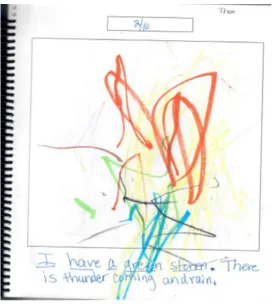
Figure 5.2. R2D2 originates the story about the green storm. ... 86
Figure 5.3. Captain America reappropriates R2D2’s words as his own. ... 87
Figure 5.4. Thor repurpose R2D2’s idea about the green storm. ... 88
Figure 5.5. Kitty appropriates “Zoom, Zoom” into her own words. ... 89
Figure 5.6. Dora appropriates “Zoom, Zoom” into her own words. ... 90
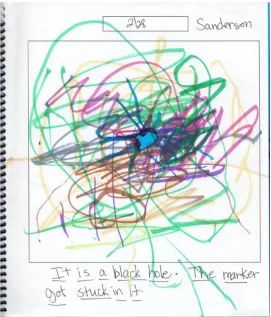
Figure 5.7. Thor introduces us to black holes. ... 91
Figure 5.8. Superman repurposes the black hole theme. ... 92
Figure 5.9. Thor continues the black hole theme. ... 93
Figure 5.10. Superman finds another way to repurpose the theme of black holes. ... 94
Figure 5.11. Captain America continues the theme of black holes. ... 95
Figure 5.12. Spider-Man misses Raphael. ... 100
Figure 5.13. Raphael shows his friends his blue rabbit. ... 107
Figure 5.14. Mickey points to print. ... 119
Figure 5.15. CELF PreK-2 recalling sentences subtest. ... 123
Figure 5.16. PALS name writing subtest. ... 127
Figure 5.17. PALS uppercase letter naming subtest. ... 128
Figure 5.18. PALS lowercase letter naming subtest results... 129
xii
Figure 5.20. PALS print and word awareness subtest. ... 131
Figure 5.21. Marie responds to Captain America’s journal entry... 176
Figure 5.22. Thor’s choice for his take-home story, February 15, 2017. ... 177
Figure 5.23. Grace and Jake respond to Thor’s story. ... 178
Figure 5.24. Raphael chose his story to share with his family. ... 179
1 CHAPTER 1
INTRODUCTION AND RATIONALE
During this research, I was a speech-language pathologist working as a preschool
teacher in a therapeutic classroom that focused on helping children develop their
language abilities. The children who participated in my classroom, like all children, were
unique individuals. Yet, these children all had one common characteristic: they were
classified as children with a language disorder. The National Institute on Deafness and
Other Communication Disorders (NIDCD; 2011) defines a language disorder as a
condition that “delays the mastery of language skills in children who have no hearing loss
or other developmental delays” (p. 1). Language can be defined in a variety of ways,
however in this dissertation, I use the definition “a code for conveying thoughts or ideas”
(Camarata & Nelson, 2002, p. 108). One common characteristic of preschool children
with language disorders is their difficulty with using the “code” to combine words
effectively to interact with others to make their needs known (Camarata, 2014).
In addition to traditional 4-year-old kindergarten activities like reading, show and
tell, and outdoor play, the children and I participated in creative writing activities (Clay,
1977; Copp, Cabell, & Tortorelli, 2015; Dorr, 2006; Weaver, 2002). Creative writing
opportunities are not new in early childhood classrooms. Clay (1977) expressed that
through her experiences, she saw the “creative urge of the child to write down his own
ideas” (p. 335). To honor the children’s creativity, I encouraged the children to draw their
2
children drew pictures. In turn, they told me their experiences while I transcribed their
words verbatim, honoring the language of their culture, and avoiding the conventions of
‘correct grammar” (Short, Harste, & Burke, 1996, p. 11). The children and I then reread
their work together (Nessel & Nixon, 2008). From that point, the children chose to look
upon, trace over, or copy my examples of print (Clay, 1977, p. 336).
I argue that when children with a language disorder participate in socially- and
culturally-based creative writing experiences that encourage them to use their
imaginations, they are prompted to see, hear, and act upon their own words as well as the
words of others. Their socially- and culturally-mediated interaction acts as a learning
experience that teaches them language is important. Law, Dennis, and Charlton (2017)
noted that “key to all intervention is building the child’s motivation to speak” (p. 4).
Thus, the more children use language, the more it arouses attention in others, creating a
reciprocal process. I have observed the beneficial outcomes of the sociocultural
intervention of creative writing since 2010, when I first adopted it in my therapeutic
classroom.
Early intervention services that meet the language requirements of children with
language disorders have been well documented (American Speech-Language-Hearing
Association [ASLHA], 2014; Gallagher & Chiat, 2009; Gillam & Kamhi, 2010; Leonard,
2014). Many therapeutic interventions involve teaching isolated, targeted behaviors that
are reinforced by tokens or praise (Law et al., 2017). Law et al. (2017) reported that in
the past 20 years, therapeutic interventions have begun to shift toward socially-based
interventions. Regardless of the intervention method, many researchers have suggested
3
(Cable & Domsch, 2011; Camarata, 2014; Leonard, 2014; Schuele & Hadley, 1999).
When considering specialized services, better outcomes result when earlier and more
intensive interventions are adopted for children with language disorders (Leonard, 2014;
Skibbe, Grimme et al., 2008). My therapeutic classroom was the only early intervention
program within my school district and the surrounding counties that utilized a
speech-language pathologist as the preschool teacher of record to address the needs of children
with identified language disorders. As such, I designed this research to investigate how
socially- and culturally-mediated creative writing opportunities impacted the language,
print knowledge, and literacy outcomes of the children in the classroom.
A major impetus for this research was the recent bill passed in the state in which I
reside that requires school district administrators to retain children in third grade if
adequate literacy skills are not attained as anticipated by students’ third-grade year,
unless they are categorized as special education students. Unfortunately, with this
mandate, many children with language disorders, like those in my classroom, are at risk
of being relegated away from their general education peers through either a special
education placement or retention unless early intensive services are effectively provided.
I conducted the research using participant observation through a Vygotskian
sociocultural lens to describe the interactions, relationships, and outcomes of the
children’s oral language, awareness of print, and development of literacy abilities through
their participation in a play-based, early intervention, creative writing approach using
adult-directed print mediations using the children’s scribed stories. Through this
4
their thoughts through a playful format while an adult scribed and acknowledged their
5 CHAPTER 2
THEORETICAL FRAMEWORK
Within the context of my classroom, I believe the interdependence of culture,
beliefs, community, and language is honed through interactive social practice. As such, I
strove to identify, encourage, and preserve the children’s sociocultural behaviors to help
them determine their identities as unique individuals. Sociocultural approaches to
learning, attributed to Vygotsky, are based on the constructivist belief that knowledge
development takes place amid, and in connection with, others in cultural contexts.
Researchers (Lantolf, 2000; Wertsch, 1985) have defined the sociocultural approach as
human thought mediated through the use of language, symbols, signs, and other symbolic
tools, which facilitates interactions with others, and with ourselves, in order for learning
and meaning-making to occur.
In the classroom, I observed the actualization of a variety of sociocultural
characteristics. These included the zone of proximal development, social and cultural
mediation, and play; and these aspects of sociocultural behaviors functioned as the
theoretical frame for my research. Vygotsky’s (1998) theoretical stance supported my
work because it centers on the young child, is constructivist in nature, ties the emotional
with the cognitive, and views the social milieu as the “basic source of development” (p.
198). While Vygotsky’s theory appears fragmented at times due to his untimely death, his
attention to language, make-believe play, and the interaction of emotions and cognition
6
Figure 1.1. Vygotsky’s sociocultural theory.
Zone of Proximal Development
Children navigate the learning environment with “various degrees of knowledge”
(Kissel, Hanson, Tower, & Lawrence, 2011, p. 427). When engaged in tasks that may be
unfamiliar, the novice learner relies on the supportive engagement of others with more
experience such as a caregiver, parent, or another child. The expert will gradually transfer
responsibility to the novice through joint learning activities when guided and supported
with scaffolding (Wood, Bruner, & Ross, 1976). Through social engagement, cognitive
and linguistic concepts are transmitted, developed, and transformed into a complex
relationship of meaningful thought. As Vygotsky (1987) suggested,
learning a new method of thinking or a new type of structure produces a great
deal more than the capacity to perform the narrow activity that was the object of
instruction. It makes it possible to go beyond the direct outcome of learning. (p.
30)
The Child and Sociocultural Theory of Cognitive Development
Zone of Proximal Development
Thought and Language
Human and Symbolic Mediation Play
Socially-Constructed
7
The transfer of knowledge “to go beyond” is dependent upon the novice’s zone of
proximal development (ZPD) (Vygotsky, 1978, p. 86). The ZPD is defined as “the
distance between the actual developmental level as determined by independent problem
solving and the level of potential development as determined through problem solving
under adult, or more knowledgeable, or in collaboration with more capable peers”
(Vygotsky, 1978, p. 86). Smagorinsky (2017) suggested the use of the term zone of next
development since learning is a long-term developmental process of acquiring the skills
needed for socially- and culturally-recognized outcomes (p. 5). Rogoff (1990) likened
Vygotsky’s ZPD to an apprenticeship “in which a novice works closely with an expert in
joint problem solving” (p. 141). The expert does not have to be an adult, or even an older
child, but must be more experienced in solving the problem presented. As an example,
since artifacts were welcomed and encouraged in our classroom, children often brought
action figures to school for sharing. Due to my age and voluntary lack of exposure to
television, I required scaffolding before I could competently discuss concepts about
superhero cartoon characters such as The Flash, Reverse-Flash, Spiderman, and the
contrasting differences between the Red Power Ranger and the Blue Power Ranger. The
children relished the opportunity to be the more knowledgeable others. Some researchers
disagree with the ZPD as a construct, arguing that potential development is not
measurable (Smagorinsky, 1995). However, I found that such knowledge was measurable
through quantitative outcomes.
Thought and Language
Language for the preschoolers served a tool that helped them mediate their
8
themselves. The children also utilized their language to give novel purpose to substitute
items, renaming them as the objects within their thinking. As an example, I observed this
convergence when children reinvented their markers into make-believe objects such as
swords, wands, and cannons as their discourse followed their interaction with objects.
During creative writing experiences, when the children drew their thoughts on paper
while being actively engaged with each other’s artifacts, the act functioned as an
“emergent form of written speech” (Bodrova & Leong, 2003, p. 156). The children were
able to use their written speech to support their language to engage with their words in
print further.
Communication, according to Vygotsky (1978), “is as important as the role of
action in attaining the goal. Children not only speak about what they are doing . . . the
speech and action are part of one and the same complex psychological function” (p. 25).
Speech and action, which researchers once considered separate components in a child,
converge as the child develops cognitive skills. For the children, the act of speaking while
engaged in a play-based creative writing experience was both “natural and necessary”
(Vygotsky, 1978, p. 25). Cognition and language allowed the children to take command
of the environment through speaking.
Mediation
Razfar and Rumenapp (2014) defined mediation as “materials, ideas, and
assistance from more expert others” (p. 203). It is a balance between human input and
symbolic-tool involvement. A child’s performance depends on the extent of mediation
required to complete a task. Children talking together, using language as their tool, is a
9
Human mediation. Children learn early on that they can “get things done
through words” (Bruner &Watson, 1983, p. 18). By using their functional language, the
pragmatics of communication, children can persuade, disagree, create, demand, and
comment about situations and actions within their environment. Language, and thus
literacy, develop through socially-mediated practices viewed in their “context of
development, the forms of mediation available, and the nature of participation across
practices” (Razfar & Gutiérrez, 2013, p. 55). Dewey (1916), like Vygotsky, believed
children interact and develop through social and cultural participation: “Every individual
. . . must grow up, in a social medium. His responses grow intelligent . . . because he lives
and acts in a medium of accepted meanings and values” (p. 344). In the classroom, the
combination of children talking and writing through socially-mediated acts connected
them, as authors and the readers, with language, commonality of interests, and printed
texts revealing their thoughts.
Human mediation involves culture. Rogoff (1995) acknowledged that it is
inadequate to think about “individual development and social interaction without concern
for the cultural activity in which the personal and interpersonal actions take place” (p.
141). The acquisition of “symbolic and representational systems” (Olson, 1995, p. 95),
such as speaking and writing, is a cultural act that aids in intellectual growth. Bruner and
Watson (1983) suggested “language is what culture is about” (p. 103) as it is the “means
for interpreting and regulating culture” (p. 24). Olson (1995) proposed the acquisition of
a language functions as the primary means of learning the “folkways” of a culture (p. 95).
Children gain an understanding of their communities of living as well as their
10
activities such as socially-mediated journal writing within my classroom, the writers told
stories using their social identity, which was “constructed in the social language” from
the community (Gee, 2012, p. 146). Through cultural acts, children shared their personal
narratives, whether by speaking, gesturing, drawing, or writing. Children need to tell their
personal narratives as they, “constitute the psychological and cultural reality in which the
participants in history actually live” (Bruner, 1986, p. 43).
In human mediation, interactions take the form of physical gestures and verbal
comments between an expert and a novice, where the more knowledgeable person guides
the novice. Kozulin (2003) noted sociocultural interactions of human mediation consider
the level and degree of involvement by the more proficient other. Through continued
interaction, the experiences are transformed, developed, and transferred into the learner’s
knowledge base. Vygotsky (1978) posited:
Every function in the child’s cultural development appears twice: first, on the
social level, and later, on the individual level; first between people
(interpsychological), and then inside the child (intrapsychological). This applies
equally to voluntary attention, to logical memory, and to the formation of
concepts. All the higher functions originate as actual relations between human
individuals. (p. 5)
I observed different approaches children used during their creative writing experiences.
Human mediation aids in self-regulation. My observations of the children,
following Vygotsky’s (1978) thinking, revealed three types of speech children use to
11
triadic progression, children learn to make requests, solve problems, and internalize the
solutions to problems as a means of developing higher mental processes.
Social speech. Children use talk, initially, for mediating social interactions, but
later utilize it as a tool for determining “the solution of difficult tasks, to overcome
impulsive action, to plan a solution . . . and to master their own behavior” (Vygotsky,
1978, p. 28). I saw this interaction as children exchanged ideas about their journals with
each other. Early stage speech accompanies a child’s actions allowing one to talk through
and solve problems. At later stages of development, speech, which precedes the task, is
utilized as a blue print for action.
Private/egocentric speech. When young children are engaged in complex tasks
that are egocentric or private, self-talk is used not to engage in conversational turn-taking
with others in their midst, but to guide self-directed problem solving. Children tend to use
greater amounts of self-talk with more complicated tasks, especially tasks with confusing
or ambiguous solutions (Berk & Meyers, 2013). Private speech also shapes
self-regulation. This is supported by a recent study involving executive functioning, planning,
and behavior control (Alderson-Day & Fernyhough, 2015). Children use this kind of
speech to modulate their behavior depending on who is in the environment. I witnessed
children telling themselves to “stop” if they believed their actions could be misconstrued
as unwanted behaviors. Using private talk helped them to work through their actions to
perform an action that offers greater social acceptance. Recent empirical research offers a
wider scope of its purpose such as preparing for social interactions, pretending and
12
Inner speech. Inner speech is communication that becomes intrapersonalized
through mental self-talk (Vygotsky, 1962). Children talk their way through problems,
often offering solutions to themselves. Vygotsky (1962) explained, “Inner speech is
almost entirely predictive because the situation, the subject of thought, is always known
to the thinker” (p. 193). Inner speech extends beyond Vygotsky’s theory. Alderson-Day
and Fernyhough (2015) argued that inner speech functions more symbolically than
semantically. For example, a phrase, like “doctor’s appointment,” when produced in
social speech may have a clear, surface-level referent, such as a meeting with a physician.
Yet, when said in inner speech, the symbolic meaning of “doctor’s appointment” may
invoke deeper related thoughts such as disease, diagnosis, cancer, cost, insurance, missed
work, wait time, and so on (Alderson-Day & Fernyhough, 2015).
Human Mediated Learning
Rogoff (1995) defined, analyzed, and categorized three facets of human mediated
learning which were active in the context of my classroom: apprenticeship, guided
participation, and appropriation.
Apprenticeship. The children in my classroom used a leader-apprentice approach
when teaching others about the artifacts they b to school. Rogoff (1995) asserted the
novice and the more knowledgeable other work jointly in apprenticeship at the level of
the child’s ZPD. This collaboration helps the child to internalize the learning and achieve
independence from the expert. When the children shared their artifacts, I often had to
change roles from the knowledgeable other to the novice since many of the toys were not
13
Guided participation. Many times, while I scribed a child’s creative writing
piece, I emphasized different parts of the text written by that child. Yet, another child
sometimes intervened to become a participant, whether my approach was explicit or tacit
with the first child. Guided participation builds upon Vygotskian theory through “routine,
tacit communication and arrangements” (Rogoff, 1995, p. 149). Through a
socially-mediated interactive process, a child progresses from a current level of awareness to
developing new knowledge. Rogoff (1995) further noted “guided participation is not an
operational definition . . . but it is meant to focus attention on the system of interpersonal
engagements and arrangements . . . for each other” (pp. 146–147). I understood that
through guided participation as mediation, a child “actively observing and following the
decisions made by another” was a participant regardless of if that child had contributed to
the engagement (Rogoff, 1995, p. 147).
Appropriation. As I engaged with one child scribing the chosen words in
preparation of mediated print engagements, often I observed other children repeating
similar responses of the first child as a way of reusing that child’s representation to create
their own ideas in their own creative writing journals. To an uninformed observer, it may
have appeared children were attempting simply to copy one another. However, the
presumed imitations may have stemmed from their instinct to follow along with a task.
First conceived by Bakhtin and Holquist (1981), appropriation refers to a transformative
action in which a listener/observer “take[s] the word to make it one’s own” (p. 294). The
art of transforming one’s language for another’s purpose is often observed in children’s
discourse when they participate in socially-mediated activities. Maxwell, Weill, and
14
from and adapted for another’s use (p. 10). Maxwell et al. (2017) likened appropriation to
repurposing one’s words for another’s purpose to describe the “active, transformative
process” (p. 10) of reworking utterances that one has taken to make them their own.
When a child engages in a sociocultural activity like creative writing that includes
mediated print referencing, whether “tacit or explicit, face-to-face or distal” (Rogoff,
1995, p. 147), the participation leads to change and preparedness for others in the similar
activity. Neuroscientists have validated this conception through research on mirror
neurons (Fadiga, Fogassi, Pavesi, & Rizzolatti, 1995). Fadiga et al. (1995) determined,
after rehearsing an action repeatedly, specialized neurons (mirror neurons) in the
mammalian brain’s premotor cortex discharge nanoseconds prior to engagement in the
activity practiced. Considered a social phenomenon, if another individual is nearby, the
same neurons will fire within that individual simply though tacit observation (Fadiga et
al., 1995). In both participants, whether tacitly or explicitly engaged, the same affective
response is realized. This evolutionary attribute allows us to learn about, and from,
another’s behavior.
Sign and Symbolic Mediation
Approaches that adopt symbolic tool mediation use symbolic tools as
interventions for change (Kozulin, 2003). The intersection of speech, signs, and the
practical use of tools constitutes the “most significant moment in the course of
intellectual development” (Vygotsky, 1978, p. 24). Through the intersection of speech,
signs, and tools, “signs and words serve children first, and foremost, as a means of social
15
Sign mediation is the relationship between what is indicated and what is tangible,
functioning at the external level. Since the sign and the object have a correlational link,
the object dictates the sign (Veraksa, 2011). As an example, a traffic sign is easily
identifiable because it has a place in our reality, requiring no interpretation. In this
research, the signs the children interacted with were the artifacts they brought with them
from home. Signs for them included superhero action figures, a Super Mario ball, a
stuffed blue bunny, toy cars, jewelry, and other items that reflected the culture of
childhood.
A symbol, conversely, “can assume almost every meaning” (Veraksa, 2011, p.
92). A symbol, such as a painting, does not immediately take hold in our thoughts as
identifiable because to do so, it first requires interpretation. However, greater exposure
and interaction with an object results in higher frequency of the interpretation of its
characteristics and, thus, a greater depth of interpretation. The children’s drawings
became symbols that only the children could interpret. For the parents and I to engage
with the children through their drawings, we needed the children to interpret the symbolic
nature of their creative writing products. To call their lines and squiggles scribbling
would represent an adult’s weakness in the interpretation of the symbol. For the
children’s thoughts and words to be understood, it required the children to move the
families and me to a deeper level of thought. Often, both the tools and the drawings were
symbolic. While I consider a marker as a device simply for writing, children used their
markers as symbolic references to anything that could be represented as long and thin
16
Play. Graham and Burghardt (2010) stated that “it is likely that play with objects
is a developmental precursor to most, if not all, complex and cognitively flexible tool
use” (p. 395). Graham and Burghardt (2010) defined play through five characteristics:
(a) incompletely functional in the context to which is appears (act of pretending);
(b) spontaneous, pleasurable, rewarding, or voluntary; (c) it differs from other
more serious behaviors in form (exaggerated) or timing (occurring earlier in life
before the more serious version is needed); (d) is repeated, but not in abnormal
and unvarying stereotypic form; and (e) is initiated in the absence of severe stress.
(p. 394)
Their definition supports the Vygotskian (Vygotsky, 1978) belief that play goes beyond
simple movement activities as seen in outside, rough-and-tumble play, and takes the form
of object use and social interactions through sociodramatic engagements. When watching
young children in play, they typically pretend an aspect of adult life. Sociodramatic play
affords the children the opportunity to imitate and explore adulthood since a child’s
purpose during sociodramatic play is “to act like an adult” (Elkonin & Stone, 2005, p.
86). Pellegrini (2009) noted that children who have developed assertive social play
abilities may not appear aggressive to their peers and teachers, but can use their assertive
social abilities for access to needed resources.
Play is observed during writing when children have access to their tools and
artifacts since “make-believe play, drawing, and writing can be viewed as different
moments in an essentially unified process” (Vygotsky, 1978, p. 116). Vygotsky (1978)
noted “play bears little resemblance to the complex, mediated form of thought and
17
course of change and its role in development” (p. 104). Play is a “complex system of
speech through gestures that communicate and indicate the meaning of playthings”
(Vygotsky, 1978, p. 108). During make-believe play, children engage in symbolism with
their toys as these objects depart from their intended use and take on roles based on the
children’s imagination (Lillard et al., 2013). An orange is no longer an orange once a
child realizes it can roll like a ball. Play becomes an opportunity for creating symbolic
representation as the precursor to written symbolic language. Unlike the traditional view
of play where children freely engage in activities without guidance, the Vygotskian belief
is that adults, or the more knowledgeable others, are also active participants because
children strive to learn about and become part of the world of adulthood.
As literacy abilities continue to develop, play becomes an essential generating
activity within the ZPD, allowing children to extend their “mental abilities” to the next
levels of development with the guidance of an adult or more knowledgeable other
(Roskos & Christie, 2013, p. 83). This allows the child to be “always above his average
age, above his daily behavior; in play, it is as though he were a head taller than himself”
(Vygotsky, 1978, p. 116). Graham and Burghardt (2010) recognized that social play
requires children to be mindful of physical and social cues as they need to modify their
own behavior in order to react with speed and accuracy to the interactions and responses
from others. Graham and Burghardt (2010) observed, “Play likely contributes to the
formation of socially appropriate behavioral responses upon which animals increasingly
rely with age” (p. 410). Play affords children the opportunity to use make-believe signs
and objects to engage in acts that “display a level of maturity more advanced than in
18
fires, saving people, and fighting evil forces within the context of their classroom that
resemble the preparations they may need for real-life adult experiences.
Play aids in the development of executive functioning skills. Vygotsky (1978)
theorized that play provides the environment for practicing executive functioning skills,
the cognitive processes for attention, self-regulation, and self-gratification needed for
future engagement such as academic tasks, parenthood, and employment. Children
develop increased attention and focus through guided play in sensory and sociodramatic
experiences (Gardner-Neblett et al., 2016). Through the act of play, children learn
self-regulation as they wait for peers to share a marker or a toy; a self-regulatory response that
may not be observed in other environments. Even though young children often want to be
instantly gratified, self-gratification is also an outcome of play since “the preschool child
enters an imaginary, illusionary world in which the unrealizable desires can be realized”
(Vygotsky, 1978, p. 93). I have observed children draw puppies, kittens, and new baby
siblings as a means of gratifying a desire they possessed. The children also realized
self-gratification through role-playing story narratives of superheroes, caring cartoon
characters, and community helpers, helping them to realize they possessed the human
desire to help others.
Socially-Constructed Labels
As a speech language pathologist concerned with issues impacting special needs
children, I am in a dilemma. While the construct of a language disorder is labeled as a
disability, an impairment, I often view it as manifested from politically- and
socially-constructed practices that determine and defend a deficit theory. Gindis (2003), following
19
when “introduced into social context” (p. 203). In many preschool classrooms, educators
use standardized assessments to measure literacy attainment, thus becoming the norm
instead of the exception. The standardized testing process now in prekindergarten (preK)
classrooms encourages the use of socially-based categories.
While I am bound by the term language disorder, defined by my professional
organization, as “impaired comprehension and/or use of spoken, written and/or other
symbol systems that is evident in form, content and/or function of language” (ASHA,
2016, p. 1), I understand knowledge construction in children, through a sociocultural
lens, to be an interaction between two or more people. This is at odds with many authors
in the field of communication issues who have suggested the need for children to be
corrected in order to compete with what they label as the traditionally-developing child
(TD), as it is known in the literature. Whose discourse has the power to label a child as
impaired versus TD? Whoever currently holds a place in the dominant discourse has the
power to delineate a child as a disordered child from the TD. Johnson (2006) reminded us
that “disability and nondisability are socially constructed” (p. 18) and through this
dichotomy, our culture dictates how we view and treat other people. Kovarsky and Walsh
(2011) suggested disability is not related to inability but the “interactional achievements
of therapy participants where problems are brought into existence because of the contexts
in which they emerge” (p. 195). Through a deficit lens, those who separate children into
categories of abilities intimate “that these problems are housed within the individual”
(Kovarsky & Walsh, 2011, p. 197) without acknowledging that communication is a
sociocultural act that relies on multiple players and is impacted by multiple layers of
20
Instead of measuring the observed communication difference as the disorder,
Gindis (2003) noted “it is the child’s social milieu, however, that modifies his or her
course of development and leads to distortions and delays (p. 203). Thus, the
sociocultural reaction to the perceived problem often creates an acquired learning
disorder (Clay, 1987). I believe it is important to understand how Vygotskian thought
about children’s language and literacy development through the interactions of social,
culture, symbolism, signs, and play enhances a children’s performance. As a researcher, I
aim to add to the current literature to redefine communication issues through a lens that
recognizes the constructivist, sociocultural nature of description, identification, and
21 CHAPTER 3
LITERATURE REVIEW
Emergent literacy is the belief that reading, writing, and oral language develop in
an interconnected fashion within informal social contexts (Whitehurst & Lonigan, 1998).
Cabell et al. (2009) noted emergent literacy “specifies no clear boundary between
prereading and reading” (p. 3). Instead, it is an ever-developing process that begins with
the child’s earliest oral and written language experiences. Through the lens of emergent
literacy, children are exposed to literacy experiences before formal education begins.
Some children, specifically children identified with a language disorder, have greater
difficulty acquiring literacy abilities than their same-age peers. In this literature review, I
address three important areas related to my study: (a) understanding language disorder,
(b) children’s awareness of print, and (c) children’s engagement in writing. The
intersection of these three elements addresses my overarching research question: How
does the use of print referencing techniques (code- and meaning-based), in the context of
playful creative writing activities with preschoolers diagnosed with a language disorder
impact their oral language development, ability to interact with print, and literacy skills
attainment?
Understanding Language Disorders
A language disorder is a condition “that delays the mastery of language skills in
children who have no hearing loss or other developmental delays” (NIDCD, 2011).
22
disorder are at risk of literacy weaknesses if they do not receive adequate interventions to
reach emergent literacy abilities (Leonard, 2014). At times, describing children identified
with a language disorder may be difficult due to the multiple characteristics that can be
considered a language disorder such as language delay, language difference, or a severe
motor planning condition (Cabell et al., 2010; Conti-Ramsden, Botting, Faragher, 2001).
According to Leonard (2014), once identified, children with a language disorder require
intensive assistance. They may not achieve on par with their general education peers with
additional time alone. The specific needs of children with a language disorder can be
understood by examining prevalence rates, various labels, diagnosis, and impact.
Prevalence rates. An identified language disorder is a highly prevalent
communication condition impacting approximately 7–8% of children during their early
childhood years (Leonard, 2014; Rice, 2013). Due to these prevalence rates, Leonard
(2014) cautioned researchers from making inaccurate and presumptuous statements such
as “virtually all normal children acquire language rapidly and without effort” (p. 3).
Labels. Multiple definitions are often associated with language-related
conditions, which makes it difficult for a practitioner to arrive at a conclusion beneficial
to the child’s needs. In the literature, terms such as language delay, language
impairment, specific language impairment, and spoken language disorder are all used to
name conditions of communication that affect the understanding and use of language
across modalities (i.e., spoken language, sign language, or both) in some or all of the five
domains identified: phonology, morphology, syntax, semantics, and pragmatics (Gleason,
2005). Many researchers have refuted the use of the term language delay since delay
23
labels can be confusing or insensitive, Schuele and Hadley (1999) noted appropriate
services are often contingent on a classification that clearly defines the child’s needs.
Cabell et al. (2010) additionally noted a language disorder can stem from other
developmental disabilities making the language disorder secondary in nature to the
primary disability. While a language disorder can result from other developmental
disabilities such as Down Syndrome, traumatic brain injury, or autism, language
disorders in this research were identified as the children’s primary developmental
disability.
Diagnosis of a language disorder. A language disorder is characterized by
significant delays in receptive and/or expressive morphology, syntax, and vocabulary in
the presence of otherwise typical cognitive, sensory, and motor abilities (Leonard, 2014).
As a diagnostic criterion, Rudolph and Leonard (2016) determined that late talking alone
was not indicative of a language disorder but children’s inability to combine two or more
words by 24 months was statistically sensitive. In addition to minimal word combining,
Camarata (2014) noted other predictors of a language disorder exist such as reduced
listening comprehension, lack of pretend play, restricted phoneme repertoire, and
minimal gesturing or vocalization. A language disorder impedes a child’s ability to
acquire oral language abilities, thereby impacting the development of other
language-related skills such as reading, writing, and spelling. Forty percent of children with a
language disorder will have difficulty attaining literacy abilities in structured educational
settings without assistance (Catts, Fey, Tomblin, & Zhang, 2002).
Impact of a language disorder. Children, teens, and adults are all impacted by
24
with language delay (LD) in preschool often exhibit long-term disadvantages in reading
achievement, due to, in part, that oral language ability facilitates both word recognition
and reading comprehension” (p. 475). When not ameliorated, the impact affects every
stage of life from early childhood through adulthood.
Early childhood. In an earlychildhood study, Gallagher and Chiat (2009)
compared the outcomes of children with a language disorder based on the results from
three service delivery settings: intensive therapeutic programming, a consultative setting,
and students without assistance. Children classified with a language disorder who
received intensive, direct, weekly therapeutic interventions showed greater improvement
in receptive and expressive language abilities as well as positive development of
behavioral abilities than the comparative group of children whose needs were addressed
through consultative services provided indirectly by a speech-language pathologist to a
staff of daycare providers. Unsurprisingly, the children who were denied services faired
the poorest of the three groups. This finding contradicts the “wait and see” approach for
children with a language disorder.
Secondary school. In a secondary school in Manchester, England,
Conti-Ramsden, Durkin, Simkin, and Knox (2009) measured the outcomes of 241 students
divided into three groups taking end-of-school examinations. Over half of the students
had no history of special needs services, 7% had a resolved language disorder, and 39%
had an unresolved language disorder. To be considered in the study, children with a
history of an identified language disorder needed to possess a performance IQ score of at
least 80, have no sensory loss, speak English as the primary language, and have a recent
25
traditional students and those who had resolved their language disorder performed
similarly, many of the students with an unresolved language disorder attained lower
scores. Conti-Ramsden et al. (2009) concluded that children with a history of an
unresolved language disorder have fewer opportunities for educational attainment.
In support of findings by Snowling, Adams, Bishop, and Stothard (2001),
Conti-Ramsden et al. (2009) found that children who could resolve their language disorder
functioned as well as their TD peers at the end of secondary school examination
assessments. Conti-Ramsden et al. (2009) reiterated “that early resolution of an identified
language disorder is a positive indicator, and that such children do not differ significantly
from their traditionally developing (TD) peers” (p. 33). The research by Conti-Ramsden
et al. (2009) revealed, through regression analysis, three areas that have significant
hierarchical effect on school outcomes. Nonverbal intelligence was the most predictive;
literacy abilities were the next most predictive; and early and progressive language
development was the least predictive of school outcomes. Conti-Ramsden et al. (2009)
cautioned that viewing the results hierarchically may falsely reduce the impact language
poses on literacy abilities:
It could well be the case that oral language difficulties may have had (and we
would argue they are likely to have had) (emphasis in original) a prior impact on
literacy skills (Conti-Ramsden, et al., 2009, p. 32).
Conti-Ramsden, et al. (2009) noted for those children unable to resolve their language
issues in a timely manner before end-of-school evaluations, both teachers and students
26
teacher expectations. Conti-Ramsden et al. (2009) suggested further research be
conducted in both instructional and policy decision-making to counteract deficit thinking.
Adulthood. In adulthood, an unresolved language disorder often impacts issues
related to family, employment, and education, however it is not a well-researched area.
Whitehouse, Line, Watt, and Bishop (2009) acknowledged the dearth of research related
to the long-term effects of a language disorder in adulthood. Whitehouse et al. (2009)
found from their investigation of 18 adults with a childhood diagnosis of a language
disorder that the effects of unresolved language disorder persisted into adulthood.
Whitehouse et al. (2009) noted that among those with a history of an unresolved language
disorder, many experienced “lasting difficulties with speech production, receptive
grammar, verbal short-term memory, and phonological awareness as well as considerable
literacy impairment” (p. 502). Whitehouse et al. (2009) further noted the need for early
childhood assessment and identification programs to identify and serve children
effectively through appropriate interventions.
In another longitudinal prospective study beginning in 1982, (the “Ottawa”
study), researchers assessed the language abilities of children included in the control
group, children with articulation difficulties, and children with language impairments.
Johnson, Beitchman, and Brownlie (2010) then measured the outcomes of the same
participants as adults in 2002–2003, comparing language assessments, intelligence
quotients, cognitive assessments, family life surveys, educational attainment surveys,
earnings outcomes, and quality of life ratings. Johnson et al. (2010) noted members from
the articulation and control groups faired similarly in many respects, while the language
27
control group and the articulation-only group scored equally and above the mean on
language assessments, intelligence testing, and cognitive assessments. The adults in the
language disorder group scored within the first standard deviation below the mean on
language assessments, intelligence testing, and cognitive assessments. In educational
attainment, the control group and the articulation group again achieved considerably
higher levels of education with 92% of these groups successfully completing high school.
In contrast, only 76% of the language disorder group graduated from high school. In
earnings outcomes, the speech-only groups had significantly higher earnings than the
language disorder group. Also noted was the correlation between the control and
speech-only groups who, possessing higher language abilities, also experienced higher
occupational status. Overall, the three groups rated their quality of life comparably.
Similarly, in a 30-year follow-up study, Elbro, Dalby, and Maarbjerg (2011)
investigated literacy outcomes, socioeconomic attainment, and employment status of 198
adult speech and language therapy participants who had been diagnosed with a language
disorder during childhood from 1969–1979 to determine the latent impact of language
disorders on literacy gains, economic achievement, and employment status. Elbro et al.
(2011) found from the adult responses that “the language-impaired children did not
appear to have grown out of their difficulties—not even later in adulthood” (p. 445). The
authors noted that while the diagnosis and treatment of speech and language disorders,
specifically an identified language disorder, had improved in the 30 years since the
children were served in a clinical format, it was unethical to suggest individuals identified
with a language disorder would outgrow their difficulties. Elbro et al. concluded that
28
personal and all other levels, research into prevention and intervention should be
intensified” (p. 447).
Determining the Best Therapeutic Plan
It is apparent from the research on the lifelong impact of language disorders that
without appropriate intervention services, children who possess a language disorder are at
risk for concomitant problems throughout their lifetimes (Conti-Ramsden, et al., 2009;
Whitehouse, et al., 2009). The key to helping children is in finding the early intervention
services that make positive differences in a short amount of time during the preschool
years. Possible avenues for intervention include shared book reading, print awareness
interventions, writing activities, and play mediations.
Awareness of print. McGinty and Justice (2009) stated print knowledge is “the
ability to understand forms, features, and functions of print” (p. 81). To clarify, forms of
print are the visual combinations of letters and words that represent oral language, such
as books, newspapers, and diaries. All reading materials have distinct semantic meanings
within their category. The features include the syntax or rules that govern how print is
written and read. For example, directionality, order, and organization are features of
print. Lastly, the functions of print represent the communication style needed for a
situation, event, place, or group of people (McGinty & Justice, 2009).
Print referencing.Print referencing, the conscious, deliberate, preplanned act of
identifying the form, feature, or function of words within texts, is an intervention that has
been well established in the literature as an effective strategy to engage young children in
emerging literacy development (Dynia, Justice, Pentimonti, Piasta, & Kaderavek, 2011;
29
Kaderavek, Fan, Sofka, & Hunt, 2009; Piasta, Justice, McGinty, & Kaderavek, 2012;
Zucker, Ward, & Justice, 2009). Print referencing, as defined by Zucker, Cabell, Justice,
Pentimonti, and Kaderavek (2013), refers to
adult interactions . . . characterized by meaning-related talk, focused on
comprehending narrative events, illustrations, or language within books, and
code-related talk addressing print, letters, or sounds of words within books. (p.
1425)
To elucidate the differences between code-related talk and meaning-related talk
further, Snow and Matthews, (2016, p. 59) provided a clear definition of the terms.
Code-related talk is made up of constrained skills that teachers gravitate toward since they are
easily teachable because of their fixed nature. An example of code-related talk is letters
of the English alphabet (which cannot exceed 26), or how to hold a text, or identifying
where a student should begin to read the title or the first word on the page. All of these
examples result in a finite, nearly predictable answer. In meaning-related talk, the talk of
unconstrained skills, the teacher identifies vocabulary words, investigates background
knowledge, provides descriptions, engages in role-playing, and identifies grammar
concepts; all of which are relatively infinite in nature.
Print is routinely ignored. Evans and Saint-Aubin (2005) identified specific
references to print as important since children routinely ignore the printed words in texts
but focus on the illustrations as the primary form of transacting meaning. To understand
print referencing techniques, a teacher or parent should have knowledge of the
techniques, frequency of use, training requirements, characteristics of print, and purpose
30
Print referencing techniques. Justice and Ezell (2000) described two common
techniques teachers use during print referencing: evocative and nonevocative techniques.
Evocative approaches are comments, queries, and directives that obligate the child to
respond independent of the size of the group. Nonevocative approaches, both verbal
comments and nonverbal cues, require no verbal responses from the child (Ezell &
Justice, 2000). Lovelace and Stewart (2007) compared the outcomes of evocative and
nonevocative approaches using a single subject, multiprobe design with five Caucasian
students, four females and one male, who had an identified language disorder and were
enrolled in a preschool setting. The five participants, whose ages ranged from 48–60
months, had been previously assessed and placed on special needs plans, and were
receiving speech-language therapy for semantic weaknesses while enrolled in the study.
Lovelace and Stewart (2007) through biweekly intervention sessions of storybook
reading, determined nonevocative interventions provided similar benefits previously
reported by verbal, evocative approaches. Lovelace and Stewart (2007) recommended
nonevocative print referencing with children who have a specific language impairment as
a way to support children with minimal linguistic output.
Frequency. Piasta et al. (2012) examined the effects of print referencing with
three groups of preschoolers to determine the recommended frequency of its use during
storybook reading. Working within a head start facility through Project Sit Together and
Read (STAR), the researchers studied the results of children participating in a 30-week
shared reading program with various levels of print referencing. The children were
classified into three groups: (a) those in a traditional reading condition, (b) those
31
referencing techniques embedded into the strategic storybook lesson, and (c) those in a
full STAR program which consisted of 4 days of intentional print referencing
interventions with strategic storybook reading patterns weekly. Teachers in the traditional
reading classroom were trained in shared book reading strategies without receiving
information related to print referencing. The children in both STAR groups improved
their reading and spelling skills. The children enrolled in the full STAR group continued
to progress, even into the second year, in three areas (letter-word identification, spelling,
and passage comprehension), suggesting that print referencing has long-term benefits.
Gettinger and Stoiber (2014) discovered print referencing does not require long
periods of training to encourage teachers to be mindful of their interactions with print
concepts. In their 2014 study, Gettinger and Stoiber provided minimal training, 60
minutes of professional development, to preschool teachers who had not previously used
print referencing. Following the initial training, the researchers provided in-class
modeling of reading behaviors with exemplar students as a means of coaching the
teachers in the expected referencing behaviors. Gettinger and Stoiber (2014) noted by
training teachers to be mindful of increasing their “opportunity to respond” (p. 284)
during storybook reading, teachers increased their evocative approaches to print through
questions and directives, and their nonevocative approaches to print through pointing and
gesturing. The researchers determined the quality of print approaches was as important as
the quantity, noting children at risk for literacy difficulties experienced benefits with print
referencing even when the opportunity was short in duration.
Dynia et al. (2011) examined how various texts influenced teachers’ discussion of
32
program for preschoolers utilizing 57 preschool teachers who had completed training in
the use of print referencing techniques. The researchers video-recorded teachers engaged
in storybook reading to determine what specific interactions teachers volitionally used
when asked to reference print. The review of the data revealed the teachers responded to
the salience of code-based comments of font, size, and location even though teachers
could have noted opportunities for meaning-based comments (e.g., vocabulary,
descriptions, and grammar). Thus, in Dynia et al.’s (2011), the volitional use of print
referencing as a technique to highlight print characteristics within the text was used more
often with code-based comments than meaning-based comments. Dynia et al. (2011)’s
results align with Piasta et al. (2010), who found teachers’ engagement with print
depends on the salient features of code-related print during storybook reading.
Print differences. In a study of 16 4-year-old children with identified
communication impairments, Kaderavek, Pentimonti, and Justice (2014) compared
teacher-led and parent-led text readings to answer two questions: (a) do teachers and
care-givers provide the same amount of extra-textural talk, and (b) is the level of
engagement dependent upon the reader, the teacher, or the caregiver? The authors defined
extra-textual talk as “talk that occurs when the adult reader makes comments that go
beyond the actual text reading” (Kaderavek et al., 2014, p. 291). According to Kaderavek
et al. (2014), extra-textual talk influences a child’s development of language and literacy
skills through highlighting meaning- and code-based talk. The authors explained that the
development of meaning-based skills can be made by mutually describing actions or
characteristics, using abstract thought to compare and contrast, role playing, and
33
related to concepts of print. The authors chose the texts for the study because they offered
simple wording, basic language, and interactive, child-friendly page flaps the children
could manipulate during story reading. Both sets of readers, the teachers and the
caregivers, were instructed to read in their typical manner.
Kaderavek et al. (2014) found teachers provided more descriptive extra-textual
talk than the caregivers, which was most likely due to their professional training on the
benefits of engaging with print concepts. The authors suggested that caregivers may be
reluctant to use extra-textural talk because the children may be unintelligible or their
minimal language abilities make turn-taking discourse less appealing. When the
researchers examined the second question concerning whether the level of engagement
differed between teacher-led, large group storybook reading and caregiver, one-to-one
reading, there was no discernible difference: both groups had high engagement. The
researchers were initially surprised by this observation since children with an identified
language disorder typically exhibit reduced levels of engagement during large group
storybook reading (Skibbe et al., 2010). After a review of the texts chosen, Kaderavek et
al. (2014) surmised that the use of simple texts with flaps and folds that could be
manipulated encouraged the children’s high level of engagement.
Storybook reading is a method teachers often use to develop a child’s awareness
of print. Shared book reading, where the adult uses preplanned interventions to bring a
child’s attention to illustrations and meaning within the text, is a common intervention for
children with language delays, and is used as a means of developing the language and
literacy abilities of young children (Justice, McGinty, Piasta, Kaderavek, & Fan, 2010;