University of South Carolina
Scholar Commons
Theses and Dissertations
2015
Group Social Skills Interventions for Children with
Aspergers: The Effects of Parent-Guided Social
Skills Software
Ryan M. Kelly
University of South Carolina
Follow this and additional works at:https://scholarcommons.sc.edu/etd Part of theSchool Psychology Commons
This Open Access Dissertation is brought to you by Scholar Commons. It has been accepted for inclusion in Theses and Dissertations by an authorized administrator of Scholar Commons. For more information, please [email protected].
Recommended Citation
Group Social Skills Interventions for Children with Aspergers: The Effects of Parent-Guided Social Skills Software
by
Ryan M. Kelly
Bachelor of Arts
University of North Carolina – Pembroke, 2008
Master of Arts
University of South Carolina, 2012
Submitted in Partial Fulfillment of the Requirements
For the Degree of Doctor of Philosophy in
School Psychology
College of Arts and Sciences
University of South Carolina
2015
Accepted by:
Mark Weist, Major Professor
E. Scott Huebner, Committee Member
Kellah Edens, Committee Member
Kimberly Hills, Committee Member
DEDICATION
I would like to dedicate this manuscript to my mother, Shelley McElhanon, who has
loved and supported me unconditionally throughout my life, and to my wife, Allie, who
for some reason still laughs at my jokes. Al, thank you for constantly reminding me of
my strengths, even when my weaknesses are glaring, and for giving me two wonderful
ACKNOWLEDGEMENTS
I would like to extend a special acknowledgement to Dr. Mark Weist, Dr. Kimberly Hills,
Dr. Scott Huebner and Dr. Kellah Edens for their dedication and involvement throughout
the development of this doctoral dissertation. I would also like to acknowledge Southeast
Psych for their friendship and guidance in my professional and educational endeavors.
Lastly, I would like to acknowledge my cohort – seven amazing students, psychologists
and friends – who have helped to ensure my successes and demonstrate, with great
ABSTRACT
Asperger’s syndrome (AS) has recently become controversial as a unique pervasive
developmental disorder. Although it is apparently different than low-functioning autism,
it has been deemed too similar to high-functioning autism (HFA) to be considered a
distinct diagnosis in the DSM-5 classification system. However, despite the removal of
AS from the DSM-5, research shows that both AS and HFA are significantly different
than autism with cognitive impairment (intelligence quotient <= 70), and therefore have
different treatment needs. These needs primarily include specialized social skills
training. Youth with AS/HFA who obtain sufficient social skills often report greater
levels of quality of life and lower levels of anxiety and depression. Their parents also
report less parental stress. Although a growing number of evidence-based social skill
interventions exist, few use an experimental design and incorporate special interest areas
(i.e., the pervasive interests of children with AS), generalization techniques (e.g.,
different settings, parent inclusion) or computer mediation, which research suggests is
needed. Using an experimental design, this study investigated the incremental benefits of
parent-guided social skills software (i.e., Social Express) in improving social, emotional
and behavioral functioning in the child, as well as reduce parental-stress in the parent.
Thirty youths with AS/HFA enrolled in a 9-week social skills group at a clinic
participated in this study, as well as their parents. Half were randomly assigned to
improvements in social motivation compared to the control group. No significant main
effects were found in regards to other social skills, internalizing problems, adaptive skills,
parental stress, or life satisfaction; however, it should be noted that this study is limited
by a small sample size. Other significant effects may exist, and should be investigated in
TABLE OF CONTENTS
DEDICATION ... iii
ACKNOWLEDGEMENTS ... iv
ABSTRACT ...v
LIST OF TABLES ... viii
LIST OF FIGURES ... ix
CHAPTER 1: INTRODUCTION ...1
CHAPTER 2: METHODS ...23
CHAPTER 3: RESULTS ...32
CHAPTER 4: CONCLUSION ...51
LIST OF TABLES
Table 3.1. Demographic and Predictor Variables at Baseline ...33
Table 3.2. Correlation Matrix of Variables at Pre-test ...34
Table 3.3. Correlation Matrix of Variables at Post-test ...34
Table 3.4. Predictors of Change for the Treatment Group on ASDS ...35
Table 3.5. Predictors of Change for the Treatment Group on MSLSS Family ...36
Table 3.6. Predictors of Change for the Treatment Group on MSLSS Peers ...37
Table 3.7. Predictors of Change for the Treatment Group on CSES ...38
Table 3.8. Predictors of Change for the Treatment Group on PSI ...39
Table 3.9. Predictors of Change for the Treatment Group on SRS Com ...40
Table 3.10. Predictors of Change for the Treatment Group on SRS Mot ...41
Table 3.11. Predictors of Change for the Treatment Group on SRS SCI ...42
Table 3.12. Predictors of Change for the Treatment Group on SRS RBB ...43
Table 3.13. Predictors of Change for the Treatment Group on SRS Total ...44
Table 3.14. Predictors of Change for the Treatment Group on BASC-PRS Internalizing Problems ...45
Table 3.15. Predictors of Change for the Treatment Group on BASC-PRS Adaptive ...46
Table 3.16. Predictors of Change for the Treatment Group on BASC-SRP Internalizing Problems ...47
LIST OF FIGURES
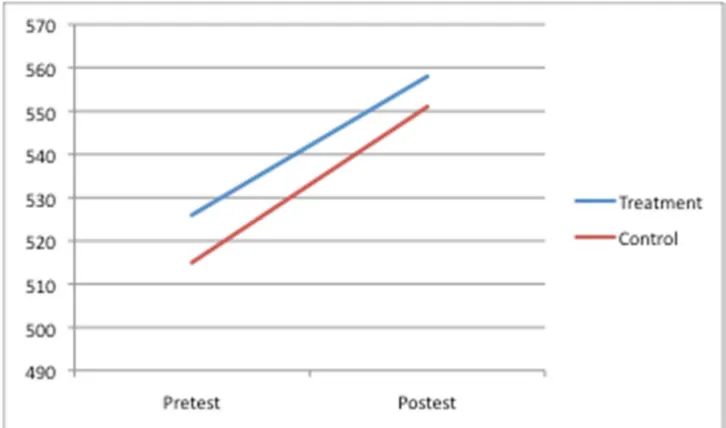
Figure 3.1. Group mean differences of ASDS from pre- to post-test ...35
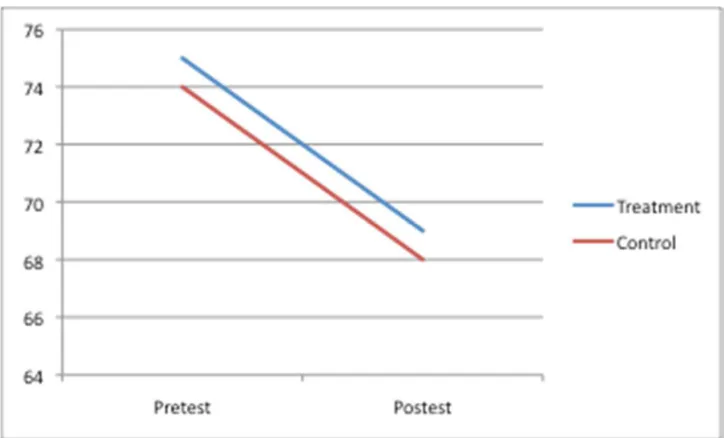
Figure 3.2. Group mean differences of MSLSS Family from pre- to post-test ...36
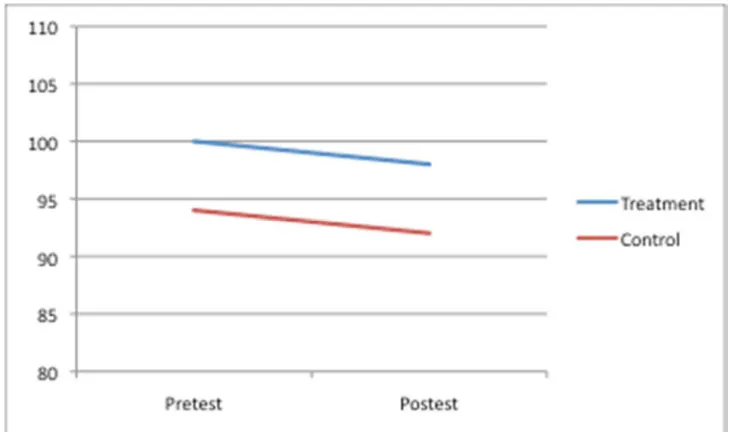
Figure 3.3. Group mean differences of MSLSS Peers from pre- to post-test ...37
Figure 3.4. Group mean differences of CSES from pre- to post-test ...38
Figure 3.5. Group mean differences of CSES Family from pre- to post-test ...39
Figure 3.6. Group mean differences of SRS Com from pre- to post-test ...40
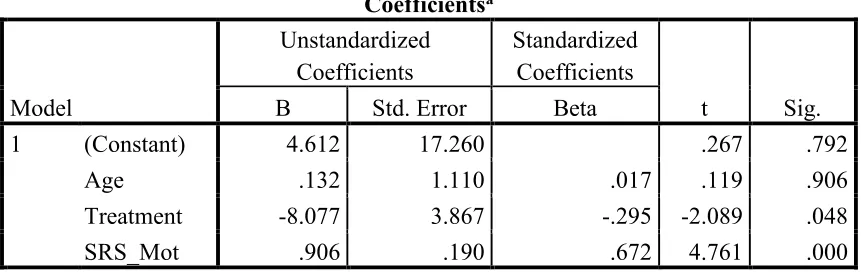
Figure 3.7. Group mean differences of SRS Mot from pre- to post-test ...41
Figure 3.8. Group mean differences of SRS SCI from pre- to post-test ...42
Figure 3.9. Group mean differences of SRS RBB from pre- to post-test ...43
Figure 3.10. Group mean differences of SRS Total from pre- to post-test ...44
Figure 3.11. Group mean differences of BASC-PRS Internalizing Problems from pre- to post-test ...45
Figure 3.12. Group mean differences of BASC-PRS Adaptive from pre- to post-test ...46
Figure 3.13. Group mean differences of BASC-SRP Internalizing Problems from pre- to post-test ...47
CHAPTER 1
INTRODUCTION
Asperger’s Syndrome (AS) is no longer recognized as a diagnosis in the DSM-5.
Instead, it is now recognized indistinctly as a higher functioning form of autism on the
autism spectrum (i.e., Autism Spectrum Disorders). However, research does suggest that
it continues to be a distinct construct regardless of classification, which may need to be
considered when creating and implementing interventions. The purpose of this study is
reconsider this research in this regard (whether the label necessarily matters in informing
intervention), to review current social skills interventions for youths with AS, and to
review potential effects of a new, specialized social skills intervention that includes
parent-guided social skills software. This introduction will begin with a review of the
research on the nature of AS, and will continue with a thorough review of current,
specialized social skills interventions of AS groups and the beneficial components within
them.
Autism Spectrum Disorder
Autism SpectrumDisorder (autism) is an increasingly common diagnosis among
today’s youth, and is characterized by deficits in social interaction and pragmatic
communication, as well as high rates of repetitive behavior (American Psychiatric
Association [APA], 2000). Autism refers to those “low functioning” children and
as limited to no verbal abilities or self-injurious behaviors. These severe symptoms are
often consistent across circumstances. Notably, these youth only comprise about 38
percent of children diagnosed with an Austim Spectrum Disorder (ASD). ASD may be a
more preferable and comprehensive term that includes other diagnoses that fall on the
“high-functioning” end of the spectrum. These diagnoses include Asperger’s Disorder
(Asperger’s Syndrome or AS) and Pervasive Developmental Disorder Not Otherwise
Specified (PDDNOS). Recent studies show that approximately 1 in 88 children are
affected by an ASD. This statistic represents an increase in the estimated ASD
prevalence of 78 percent since 2002 (1 in 150 children) and 23 percent since 2006 (1 in
110 children) (Autism and Developmental Disabilities Monitoring [ADDM] Network,
2008). Reflecting on these estimated prevalence rates, it’s not surprising that ASD is
considered by some to be an “epidemic”; however, it is not very likely that these numbers
represent a true increase in incidence. Although unclear, it is more likely the result of
greater recognition due to increased ASD awareness among lay people and professionals,
the use of labeling to establish educational service eligibility through the Individuals with
Disabilities Education Improvement Act (IDEIA, 2004), and the inclusion of
higher-functioning forms of ASD (e.g., Asperger’s Syndrome) in the fourth addition of the
Diagnostic and Statistical Manual of Mental Disorders (APA, 2000). Regarding the latter
factor, there is a debate in the scientific community of whether or not Asperger’s
Syndrome (AS) should be identified as a distinct or needed diagnosis. However, current
professional practices favor inclusion for the sake of needed intervention services for
these youth – services that some studies suggest are exclusively effective for these
important to understand the nature of AS (e.g., prevalence rates, diagnostic criterion) and
how it might demand unique intervention strategies beyond general ASD interventions.
Asperger’s Syndrome
Asperger’s syndrome was first identified by Hans Asperger in his account,
Autistic Psychopathy in Childhood, in 1944. This was one year after Leo Kanner
identified autism in his landmark paper, Autistic Disturbances of Affective Contact. In
his account, Asperger describes the same deficits of social interaction and stereotyped
behavior that Kanner described. Asperger noted impairments in creating and maintaining
real world relationships, a limited capacity for social and/or emotional reciprocity, and
abnormal preoccupations with objects. However, unlike Kanner, he did not observe
qualitative impairments in communication in his target sample; in fact, Asperger reported
some superior mathematic abilities and relative strengths in communication (e.g.,
adult-like speech) (Sanders, 2009). Prior to the DSM-5, impairment in communication (e.g.,
language delay) was the distinguishing factor between AS and autism, in addition to
significant cognitive impairment among those with lower-functioning autism. This can
be observed in the fourth edition of the DSM-IV (APA, 2000). According to DSM-IV
diagnostic criteria, a child with AS must exhibit two of four qualitative impairments in
social interaction: (1) marked impairments in the use of multiple nonverbal behaviors, (2)
failure to develop appropriate peer relationships, (3) a lack of spontaneous seeking to
share enjoyment, interest of achievements with other people, (4) lack of social/emotional
reciprocity and one of four manifestations of restricted, repetitive and stereotyped
patterns of behavior, interests and activities (i.e., (a) encompassing, abnormal
adherence to specific, nonfunctional routines or rituals, (c) stereotyped and repetitive
motor mannerisms, (d) persistence preoccupation with parts of objects). Furthermore,
these disturbances must cause clinically significant impairments in social, occupational,
or other important areas of functioning. This is the same diagnostic criterion for autism;
however, children with AS cannot have a significant delay in cognitive development,
language (a requirement for autism) or adaptive behavior.
There is a great deal of variability in prevalence estimates for AS. According to a
review of epidemiological studies, the average prevalence rate is approximately 1 in 300
children. This figure suggests that the ratio of AS to autism is roughly 1 to 5. Similar to
autism, it appears that males are more at risk of being affected by AS, with a male to
female ration of 6 to 1 (10 to 1 for autism) (Frombonne, 2007). Comorbidity rates with
other psychiatric conditions are reportedly high (Mazzone, Ruta, & Reale, 2012).
Specifically, these comorbidity rates are 53% with mood disorders (Hofvander et al.,
2009), 43% with anxiety (Sukhodolsky et al., 2008), 28% with ADHD and ODD
(Simonoff et al., 2008), 7% with OCD (Lugnegard et al., 2011), and 26% with tic
disorders (Mattila et al., 2010). Such high comoribidity with other psychiatric conditions
makes ASD diagnosis difficult, and results in children with ASD requiring multiple types
of interventions (e.g., cognitive, behavioral, pharmacological). These issues emphasize
the importance of pursuing more valid and distinct ASD classifications, within and
outside of the autism spectrum (Mazzone, Ruta, & Reale, 2012).
Asperger’s Syndrome Versus Low-Functioning Autism
There are a few differences that can be observed between children with AS and
repetitive behaviors or restrictive, pervasive interests). Children with AS often exhibit
persistent preoccupations with “special interest areas” (e.g., trains, technology, video
games, animals) moreso than repetitive motor mannerisms, which is more typical of
children with autism (Attwood, 2003; Winter-Messier, 2007). Second, children with AS
often have relative strengths in verbal abilities and demonstrate motivation to socialize,
while children with autism are defined by a weakness in language and are more likely to
be socially indifferent (Planche & Lemonnier, 2011). Although children with AS may
appear isolated, their lack of social interaction is often due to repeated failure of initiating
and maintaining social interactions (Winter-Messier, 2007; Drinkwater-Connolly, 2010).
This failure is likely due to their odd, pedantic speech and difficulty escaping their
special interest areas (Winter-Messier, 2007; Drinkwater-Connolly, 2010). Third, while
children with autism exhibit more deficits in sensory functioning, children with AS are
more likely to appear clumsy and uncoordinated (Gilberg & Gilberg, 1989; Ghanizadeh,
2011). Although the differences between Asperger’s and autism are notable, many argue
that this distinction becomes less evident as children with autism move toward the
higher-functioning end of the spectrum.
Asperger’s Syndrome versus High Functioning Autism
There is a clear difference between AS and low-functioning autism; however, the
AS controversy (i.e., whether or not it is a valid diagnosis) lies in the distinction, or
perhaps lack thereof, between AS and high-functioning autism (HFA). Although HFA is
not technically a DSM-IV, DSM-5 or ICD-10 diagnosis, it is a commonly accepted term
for a diagnosis of autism without the presence of a severe cognitive impairment. Before
significant language delay, which a diagnosis of AS did not. There are a number of
reasons why it’s important to determine whether or not AS is distinct from HFA. First,
it’s important to understand and improve upon the reliability and validity of clinical
classification systems, both for the sake of research and best practices (Szatmari, 1998).
Second, if children with AS have qualitatively different impairments (e.g., language
delay) and/or strengths (e.g., cognitive profiles) compared to those with HFA, they will
also have different needs and assets as they relate to intervention design (Zwaigenbaum
& Szatmari, 1999; Klin et al., 2000). Inversely, if AS and HFA are essentially the same
construct, then children with AS may benefit equally from the plethora of empirically
supported ASD interventions (see Smith, 2008 for a review). Last, if AS and HFA are
distinct, there are likely etiological differences between them that may hold implications
for early assessment, neurological development, preventative treatments and likely
prognoses (Szatmari, 1998; Szatmari et al., 1986; Szatmari, Bartolucci, & Bremner,
1989).
To date, it remains unclear as to whether or not AS is a valid, unique disorder.
There is research to both support and refute AS as a diagnosis distinct from HFA. For
instance, children with AS have been found to demonstrate different cognitive profiles
than children with HFA. They often exhibit greater verbal IQ in the form of vocabulary,
comprehension, arithmetic and information, while exhibiting similar performance IQ in
the form of object assembly and block design. In some studies, their full scale IQ is also
superior to children with HFA, falling within the average to superior range (Ghaziuddin
& MountainKimchi, 2004; Planch & Lammonier, 2011). However, other studies have
social abilities in the form of structural language, outward emotional expression,
cooperation, assertion, responsibility and self-control (Bennett et al., 2008; Ghaziuddin &
MountainKimchi, 2004; Barbaro & Dissanayake, 2007; Macintosh & Dissanayake,
2006a). Regarding early language delays, some studies suggest that these differences are
not necessarily predictive of variance in autistic symptoms, and often diminish with age
(Bennet et al., 2008; Howlin, 2003; Szatmari et al., 2000). Similarities of comorbidity
rates with psychiatric conditions have been found, suggesting that children with HFA and
children with AS share a similar risk of comorbidity (Macintosh & Dissanayake, 2006).
At face-value, children with AS are often described as active but odd, while children with
HFA are described as aloof and passive. Similarly, children with AS have been found to
demonstrate increased social motivation and increased expressive language compared to
children with HFA (Ghaziuddin, 2008). Other studies suggest that this is the result of
personality differences instead of autistic symptoms– that children with HFA tend to be
more introverted than children with AS (Macintosh and Dissanayake, 2006b). Overall,
there seems to be two arguments; that (1) there is a need for a revision of AS criteria
rather than a combination of the two subgroups (Planche & Lemonnier, 2011), and that
(2) it “may be more accurate to think about patients with Asperger’s as patients with
autism that are precocious and/or verbally gifted relative to other patients with autism”
(Sanders, 2009, p. 1565). Either way, both children with AS and children with HFA
require social skills interventions, and although they demonstrate different strengths and
weaknesses profiles, current interventions do not target either population exclusively.
The following review consists of evidence-based social skill interventions designed for
Social Skills
Social skills can be defined as specific behaviors that result in positive social
interactions (Elliott & Gresham, 1987; Gresham, 1986) and encompass both verbal and
nonverbal behaviors necessary for effective interpersonal communication (Rao et al.,
2008). Youths with sufficient social skills are more likely to receive peer acceptance,
achieve academic success, and maintain positive mental health (Hartup, 1989).
Inversely, youths with social skill deficits often have related impairments in functioning
that can decrease their quality of life and increase anxiety and/or depression (Attwood,
2007). Rieske, Matson, May and Kozlowski (2012) found that social deficits can be a
significant moderator in predicting levels of anxiety in those with AS. Furthermore,
limited social ability has been found to interfere with developmental milestones and
positive peer and family relationships (Krasny, Williams, Provencal & Ozonoff, 2003).
Youths with AS/HFA often face such outcomes due to their unique deficits in social
functioning.
In general, youth with AS/HFA demonstrate social deficits through their lack of
orientation towards social stimuli, inadequate use of eye contact, difficulties initiating
and sharing conversations and social interactions, difficulty interpreting verbal and
nonverbal social cues, difficulties regulating their emotions, and a limited ability to take
on someone else’s perspective and understand their thoughts and feelings, otherwise
known as “theory of mind” (Bauminger, 2007; Weiss & Harris, 2001; Gutstein &
Whitney, 2002). Often times, these youth have trouble joining children at play (Attwood,
1998; Bauminger, 2007), behaving appropriately as a play-date host (Attwood, 1998),
interacting in basic games and other activities (Swaggart et al., 1995), and making friends
(Attwood, 1998). Regarding the latter, research suggests that making best friends is most
important for the later adjustment of children and adolescents, as it acts as a buffer
towards stressful life events (Miller & Ingham, 1976), correlates positively with
self-esteem, and correlates negatively with anxiety and depressive symptoms (Buhrmester,
1990). These problems typically start in preschool, become notably problematic in
elementary school, and ultimately lead to rejection in adolescence (Church, Alisanski,
Amanullah, 2000). Like those around them (e.g., parents), youth with AS/HFA have a
general awareness of their poor social functioning and often report low social competence
(Knott, Dunlop & McKay, 2006). Unfortunately, these youth typically do not “outgrow”
these problems and instead face negative outcomes, such as difficulty maintaining
employment and meaningful adult relationships (Szatmari, Bartolucci & Bremmer, 1989;
Venter, Lord & Schopler, 1992). Therefore, social skill interventions appear to be
necessary for this population.
There are a number of intervention options for youths with ASD that are used in
common practice. These interventions vary in design and supporting evidence, including
(1) unresearched, alternative forms of treatment (e.g., animal therapy, art therapy), (2)
under-researched interventions (e.g., Treatment and Education of Autistic and related
Communication-Handicapped Children, Sensory Integrative Therapy), (3) supported
interventions such as applied behavior analysis (ABA) (Goldstein, 2002; Odom et al.,
2003; McConnell, 2002; Horner et al., 2002) and psychotropic medications (McCracken
et al., 2002), and (4) interventions that are shown to be ineffective, such as
administration (i.e., intestinal hormones) (Williams, Wray, and Wheeler, 2005) (refer to
Smith, 2008, for a full review). However, not all general ASD interventions are
well-suited for higher functioning individuals (Cragar & Horvath, 2003); so, more specialized
intervention guidelines and evidence-based social skills training methods should be
considered. According to Woodbury-Smith and Volkmar (2009), interventions should be
designed to develop social skills, encourage adaptive problem-solving strategies and
teach more effective communication styles. Furthermore, they should (1) be tailored to
youths with AS/HFA, (2) include rote verbal learning of social rules, (3) take a
“parts-to-whole” approach (i.e., progressive steps), (4) explicitly teach social skills via scheduling,
practice and rehearsal, and (5) be delivered in the form of a group, allowing individuals
to practice their learned skills in varied, naturalistic contexts for generalization and
maintenance. These same emphases were included in the social skills intervention tested
in this study, in addition to other empirically supported methods such as (1) traditional
social skills training, (2) social skills training groups, (3) the inclusion of parents in social
skills groups, and (4) incorporating special interest areas (SIAs) into AS interventions.
Traditional Social Skill Training
Social skills have been taught individually (e.g., psychotherapy) (Gena et al.,
1996; Kamps et al., 2002; Morrison et al., 2001; Schreibman, 1995, 1997) and in a group
format (Bauminger, 2002; Hadwin et al., 1996; MacKay et al., 2007; Marriage et al.,
1995; Ozonoff & Miller, 1995). Traditional social skill programs often include
evidence-based methods such as peer mediation, role-playing, Social Stories (Gray, 2000) and
video modeling. Peer mediation involves pairing a youth with AS/HFA with a
This approach has been found effective, but is often time consuming, complex, and
primarily used with preschoolers (Lord & Magill-Evans, 1995; Rogers, 2000; Strain et
al., 1979). Role-playing (e.g., rehearsing a mock social situation in a controlled
environment with a trained aid) is another common method of social skill training (Rao et
al., 2008).
Research suggests that AS/HFA benefit more from social-learning when it is done
in a more direct and explicit way. For this reason, role-playing is often a component of
social skills interventions. Additionally, it’s important to provide a set of guidelines to
implement and progress through role-playing based interventions (Rao et al., 2008). Two
role-playing based interventions are often cited in research. The first intervention comes
from a study by Webb and colleagues (2004), in which a commercialized social skills
training program was implemented over six-and-a-half weeks (60 minute sessions twice a
week). Participants included 10 boys (ages 12-17). For this intervention, children
engaged in role-play exercises and games to learn and practice basic social skills,
including (1) sharing ideas, (2) compliments, (3) offering help, (4) recommending
changes, and (5) exercising self-control. Teachers and parents were trained so that they
could help with role-playing. At post-treatment, the boys were rated higher on four out
of the five social skills, and displayed a greater understanding of when to use the correct
skill (Webb et al. 2004).
A similar study was conducted by Tse and colleagues (2007) on a group of 46
adolescents (age 13-18) with AS/FHA, and was based on role-playing techniques (in
addition to direct social skills training and other forms of practice). The participants were
psychologist, in a clinical setting. The groups met for 12 consecutive weeks (90 minutes
per session). Target social skills included (1) eye contact and greetings, (2) emotional
expression/awareness, (3) non-verbal communication recognition, (4) manners and
etiquette, (5) listening, (6) conversational skills and (7) dealing with bullying. The
children and their parents rated this program favorably. Results revealed significant
improvements in parental ratings of social competence and problem behavior in children
following the intervention, further supporting the inclusion of role-playing in social skills
interventions (Tse et al., 2007).
Social Stories incorporate similar principles of social learning, and compared to
peer mediation, are considered to be more accessible and easier to implement (Delano &
Snell, 2006; Lorimer et al., 2002; Reynhout & Carter, 2006; Swaggart et al., 1995).
Social stories are written short stories that provide the child with AS/HFA social
information that is otherwise not obtained in real-time social interactions. These stories
are based around an event or activity, and provide a description of the possible reactions
of others, as well as direction as to the responses he or she is expected to provide (Gray,
2000). Research shows that the use of Social Stories can decrease disruptive behaviors
(e.g., tantrums) and inappropriate social interactions (Kuttler, Myles, & Carlson, 1998;
Scattone, Wilczynski, Edwards & Rabian, 2002) and increase appropriate play (Barry &
Burlew, 2004), frequency of social communication behaviors (Thieman & Goldstein,
2001), and appropriate social behaviors (e.g., greeting people appropriately, sharing toys;
(Swaggart et al., 1995).
Another common approach to social skills training is video modeling. Video
and practice social skills, especially those nonverbal skills that are difficult to learn due to
deficits in social referencing and co-regulation skills. Video modeling has been found to
improve conversational speech and generalize these improvements to other settings
(Charlop & Milstein, 1989), increase perspective talking (Charlop-Christy & Daneshvar,
2003; LeBlanc et al., 2003), improve play sequences (D’Ateno, Mangiapanello & Taylor,
2003) and increase social initiations (Nikopoulos & Keenan, 2003; Wert & Neisworth,
2003). Furthermore, video modeling has been found to reduce tantrum behaviors and
reduce anxiety and fear in specific situations (Schreibman, Whalen & Stahmer, 2000;
Luscre & Center, 1996). One study found the combined use of Social Stories and video
modeling to be beneficial (see next).
In her study, Scattone (2008) combined video modeling and social stories to
enhance the conversational skills of a boy with AS (age 9). Treatment consisted of (1)
observation of videotaped social stories that included two adults modeling targeted
conversational skills and (2) 5-minute social interactions. Three social stories were
developed according to Gray’s (1998) format that focused on eye contact, smiling and
initiating conversation. The video displayed the text of the social stories (accompanied
by narration), followed by adults acting the story out. Afterwards, the boy was required
to answer questions related to the material from the video. In the evenings, the boy
would view the video and discuss the social situation with his mother. The results of this
study indicated drastic improvement in the boy’s nonverbal behavior (i.e., eye contact
and smiling), but little to no improvement his ability to initiate conversations frequently
or correctly. These results may suggest incremental benefits of using a media-form
These traditional social skills training methods are commonly used in
interventions, and are well supported for youth with HFA/AS. As previously mentioned,
they can be used in an individual or group setting. Group social skills interventions have
been found to be particularly successful at yielding positive outcomes, and have lead to
formalized programs that professionals may consider (Rao et al., 2008).
Evidence Based Social Skill Training Groups (SSTG)
Currently, there is some empirical support for social skills intervention groups.
These interventions come from studies that consist of (1) youths with AS/HFA under 18
years of age, (2) direct intervention to the child, (3) use an experimental research design,
a single case design, or an open clinical trial, and (4) include a direct measure of change
in social skills (criterion proposed by Rao et al., 2008). Kamps and colleagues (1992)
implemented a classroom-wide social skills training intervention for three first graders
(age 7). There were four assessment phases: baseline, social skills training (SST),
feedback, and follow-up. During baseline, the children with AS/HFA were assigned to
groups of four with three other typically developing students. Data on social skills were
collected via a coded computer assessment during non-directed activities (e.g., free play).
During the SST phase, 10-minute training sessions were conducted four times per week
for nine months. These sessions focused on a number of basic social skills, including (1)
greetings, (2) initiating and responding to interactions, (3) maintaining interactions, (4)
giving and receiving compliments, (5) taking turns and (6) sharing. More generally, this
phase focused on shared enjoyment, relationship maintenance and repair, social
referencing and co-regulation (e.g., mirroring). During the feedback phase, the children
social skills. A social skills trainer observed the free-play and reinforced the children for
using their skills by placing a star next to their names. During follow-up, a computerized
assessment was done during the children’s free-play, including coded ratings of the
frequency and duration of their learned social skills. Results of the study showed that all
of the children with HFA/AS increased the frequency, duration and time in which they
engaged in social interactions throughout the school year.
Bauminger (2007) evaluated a cognitive behavioral grounded SSTG program
among 26 children with ASD. The program consisted of 50 sessions over 7 months, with
a minimum of 1 hour per week. Trained teachers at the children’s schools implemented
the program. SSTGs consisted of two neurotypical peers and 1-3 children with ASD
(who also received one-on-one meetings with the teacher to practice skills learned in
group). The lessons focused on (1) prerequisite concepts for group interaction, (2)
affect-focused education, (3) group conversation skills, (4) cooperation and (5) double message
issues (e.g., irony, idioms, communication that has multiple meanings). Cooperative
social group activities and role-play were used as teaching techniques. Children with
ASD showed improvements in measures of mutual planning, cooperation, sharing, and
social and emotional understanding. They also showed improvements in theory of mind
(i.e., taking on another’s perspective) and social problem solving skills.
Evidence-based Social Skills Training Group with Parent Component (SSTG-P).
An important goal of social skills training for children with AS/HFA is achieving
generalizability. Research shows that without continuity across settings, positive
intervention outcomes may not be sustained or generalize outside of the intervention
effective in clinical and school settings (Kamps et al., 1992), intervention benefits may
not generalize to the home without proactive attempts to include family members (Rao et
al., 2008). In light of this, it is important to consider social skills interventions across
settings, including the home (i.e., having parents help with the intervention). Parents may
affect their child’s ability to develop and maintain relationships through direct
instruction, supervision, and helping their child build a peer network (Frankel & Myatt,
2003). Notably, parents of youth with ASD tend to report higher levels of parental stress
compared to parents of neurotypical children, and have been found to benefit from their
child’s progress within a social skills intervention (Elder, Carterino & Virdon, 2004).
Therefore, it is important to consider evidence based SSTGs that include a parent
component.
Barry et al. (2003) examined an 8-week SSTG program among four children aged
6-9 years with AS/HFA (2-hours a week). Targeted social skills included initiating and
responding to greetings, practicing conversation skills, initiating play time with others,
and responding to invitations to play from others. The program also included play time
with a neurotypical peer during each session for the sake of assessment. At the end of
each session, target skills were demonstrated to parents via role-play and parents received
worksheets that outlined the target skill, as well as suggestions for support and practice at
home. These youths indicated significant improvements in greeting skills, play skills and
conversation skills; however, these findings were true only through observations, not
parent report. This suggests that generalization from the clinic to the home may not have
occurred.
children with ASD ages 8-12 years (1.5 hours a week). 18 children received treatment,
while 18 remained in a waitlist control group. Parents received psychoeducational
sessions concurrently. The curriculum was designed to target three core areas: (1)
emotion recognition and understanding, (2) theory of mind, and (3) executive
functioning. To develop skills across these areas, visual templates, games, and role-play
carried out through a routine agenda were used. Targeted skills included understanding
gradations of simple and complex emotions, receptive and expressive body language,
self-awareness of emotions, basic conversation skills, friendship, teasing, bullying and
problem-solving skills. The boys from the intervention group displayed increases on
measures of facial expression recognition and problem solving, while the boys in the
wait-list control group did not.
Evidence-based Social Skills Training Group with Special Interest Area (SIA).
In addition to being evidence-based, research suggests that AS/HFA interventions should
include AS special interest areas to achieve buy-in and foster social skills development.
Special interest areas (SIA) include information or activities that children with AS/HFA
are typically preoccupied with. SIAs are common among youths with AS/HFA. In fact,
about 90% have at least one (Attwood, 2003). The most common SIAs include
technology (e.g., computers), transportation (e.g., trains), video games (e.g., Minecraft,
LEGO games), collectibles (e.g., playing cards) and TV/movies (e.g., Star Wars).
Although SIAs can be problematic (e.g., a child pervasively interested in trains may have
significant difficulty discussing alternative interests of others), they have also been shown
to foster better social skills, such as better fluidity, fluency, body language, eye contact,
1995; Keeling, Myles, Gagnon & Simpson, 2003). Furthermore, they may help these
youths have more positive emotions and cope with negative ones (See Winter-Messiers,
2007, for a full review). Along these same lines, research suggests that naturally
reinforcing materials and settings can improve generalization and increase motivation to
learn (De’Prato, 2001; Kohler et al., 1997; Attwood, 1998).
One special interest area of children with AS is LEGOs (i.e., sets of plastic blocks
that go together to make an object, such as a spaceship) (Winter-Messiers, 2007;
Attwood, 2003). One study by Owens and colleagues (2008) took advantage of this in
creating a social skills intervention for 6-11 year old with AS/HFA. In this study,
children (n=31) were matched on age, IQ, and autistic symptoms before being randomly
assigned to LEGO or SULP (Social Use of Language Programme), the latter of which
includes a series of multisensory activity sequences using interactive stories, modeling,
talking pictures, games and “takeaway” practices. Therapy occurred for 1 hour a week
over 18 weeks. A no-intervention control group was also assessed. During the LEGO
intervention, children worked on a number of social skills, including joint attention, joint
problem solving, shared enjoyment, and general teamwork skills. They were paired up
into groups of three and each given a role to play while constructing a LEGO project
given by a social skills trainer. These roles included an “engineer” (who was only
allowed to read the LEGO instructions and relay them to the “supplier”), a “supplier”
(who was only allowed to manage the LEGO pieces and supply them to the “builder”),
and a “builder” (who was only allowed to put the pieces together). The teams were
supervised by a social skills trainer, who would guide, prompt and provide social skills
achievement, and the members would switch roles. As the teams progressed through
LEGO projects and social skill development (e.g., requiring fewer prompts from the
trainer), they would earn certificates and privileges, ultimately allowing them to work
together, unsupervised, on a LEGO project of their choice. The children were given very
specific social rules to follow during sessions.
Results showed that the LEGO therapy group improved more than the other
groups on autism specific social interaction scores (i.e., Gilliams Autism Rating Scale,
GARS). Both the LEGO groups and the SULP groups demonstrated significant decreases
in maladaptive behaviors compared to the no-treatment control group. Last, there was a
non-significant trend for the SULP and LEGO groups to improve more than the
no-intervention control group in communication and socialization skills. Although the
authors report a number of methodological limitations, their intervention replicates
previous findings that LEGO therapy is beneficial to children with AS/HFA. They also
suggest that LEGO therapy is a readily available intervention, and can be effectively used
in educational and clinical settings (Owens, Granader, Humphrey, & Baron-Cohen,
2008).
Other interventions have taken advantage of computerized plans as a general
learning platform and as a unique benefit to AS/HFA intervention. Similar to LEGOs,
computer and technology is another common special interest of children with HFA/AS
(Winter-Messiers, 2007). Gray (1998) recommends the use of computers in modern
AS/HFA interventions, in that they allow for self-paced learning, immediate feedback,
and minimize the need for real life social interactions to better acquire and generalize
preferable to learning from a teacher (Sansosti & Powell-Smith, 2008; Heimann, Nelson,
Tjus & Gillberg, 1995). To date, the use of computerized treatment for children with
AS/HFA has yielded positive outcomes in the form of helping children successfully
remove false beliefs, learn vocabulary words, recognize simple emotions from static
photographs and cartoons, decrease inappropriate behaviors, identify complex emotions
from facial expressions, improve prosody of speech, and improve basic social skills
(Beaumont & Sofronoff, 2008; Swettenham, 1996; Bolte et al, 2002; Golan &
Baron-Cohen, 2006; Chen & Bernard-Opitz, 1993; Bernard-Opitz, Sriran & Nakhoda-Sapuan,
2001). Overall, computerized treatments show a great deal of promise and warrant
further investigation into the efficacy and use of computer technology in AS/HFA social
skill interventions.
The Current Study
Prevalence rates of ASD have risen significantly over the last few years, and may
continue to rise. Higher-functioning forms of autism like HFA and AS are also becoming
more common. It is unclear whether or not HFA and AS are distinct from one another,
but research does show that their intervention needs differ relative to their lower
functioning peers. The primary intervention needed for these youths is social skills
training. Those who struggle with social skill deficits often report lower quality of life
and higher anxiety and depression, and their parents often report higher parental stress
(Attwood, 2007; Krasny, Williams, Provencal & Ozonoff, 2003). Those who receive
social skills training, on the other hand, are more likely to see increases in peer
Evidence-based social skills interventions exist for home, school and clinical
settings. As discussed and cited above, research suggests that positive intervention
outcomes can be achieved through social interactions guided by mental health
professionals, as well as teachers, parents and peers. Promising intervention techniques
include direct social skills training, guided practice with positive reinforcement for
frequent and correct social skill use, peer mediation, role playing, social stories and video
modeling. However, research on social skills programs is still in its infancy (Rao et al.,
2008; Tse et al., 2007; Webb et al., 2004; Kamps et al., 1992; Scattone, 2008; Beaumont
& Strotonoff, 2008). Rao and colleagues discuss the need for (1) more AS/HFA specific
social skill groups, (2) experimental designs used to measure change (3) increased
emphasis on training for and assessing generalization and (4) manualized forms of
treatment to be used in other settings (e.g., beyond clinical setting, such as schools and
home). Aforementioned research elaborates on these needs, suggesting that social skills
groups should also (1) incorporate special interest areas of youths with AS to yield
incremental benefits (Owen et al., 2008; Winter-Messiers, 2007; Attwood, 2003; Gray,
1998; ), (2) involve parents to help generalization (McConnell, 2002; Beaumont &
Strotonoff, 2008) and (3) include commercialized, easy-to-implement treatments (Webb
et al., 2004). Regarding the latter, evidence based, commercialized forms of treatment
that are widely available, user-friendly and affordable for at home settings are seriously
lacking. This study will attempt to meet these needs.
Using a experimental design, this study used a novel social skills intervention
called Social Express (Zimmerman et al., 2012), which is commercialized intervention
according to special interest) and family involvement (simultaneous coaching/guidance
from parent). As presented, research suggests that the use of computers increases the
efficacy of social skills training as a medium of instruction and possibly as a SIA
(Scattone, 2008; Owens et al., 2008). According to research, the inclusion of parents as
trainers assists in improving the generalizability of positive outcomes (i.e., seeing
improvements at home, not just the clinic). (Rao, et al., 2008; White, Keonig, & Scahill,
2007). In addition, because the parent training is relatively easy, guided and done in a
way that the children find intrinsically motivating (i.e., computer-mediated), a synergistic
effect may occur whereby the training is more enjoyable and effective.
The purpose of this study is to examine the effects of traditional, semi-structured
social skills groups, as well as the potential additive benefits of computer mediation (e.g.,
improved efficacy) and family involvement (e.g., improved generalizability) in group
social skills interventions for children with HFA/AS. This study compared the effects of
a standard social skills group based on evidence-based components with the effects of
social-skills group and Social Express. Specifically, the study examined if integrating a
parent-guided, computer mediated social skills training to group-based social-skills
training : (1) reduced AS symptoms and improved social skills, (2) reduced internalizing
problems and improved adaptive skills and life satisfaction, and (3) reduced parental
stress. As discussed in the review above, these variables are important to measure as they
have been measured in previous research and have been linked to positive outcomes of
CHAPTER 2
METHODS
Participants
The target sample included HFA/AS participants at two time periods. At time 1
(May, 2013), 18 male youths age 8-14 were grouped according to age range (8-11, 12-14)
and were given the social skills intervention. Half of these youths also received Social
Express. At time 2 (September, 2013), 12 male youths age 8-14 were grouped according
to age range (8-11, 12-14) and received the social skills intervention. Half of these
youths also received Social Express. Participants are recruited from North Carolina and
South Carolina via a psychology clinic’s advertisement for their social skills group.
Advertisements include the clinic website, twitter and eblast announcements, the Autism
Speaks network and the Autism Society newsletter.
Measures
General Records. Information regarding student grade level, sex, race, ethnicity,
and age were obtained from clinical records by authorized personnel. All identifying
information was removed from client data by using client identification numbers.
Behavioral Assessment Children for Children – II Parent Rating Scale (BASC-II
PRS). The Behavior Assessment System for Children – II Parent Rating Scale (BASC-II
PRS) is used to measure both adaptive and problem behaviors in the community and
home setting. Depending on the child’s age, the PRS contains 134-160 items and uses a
(Reynolds & Kamphaus, 2004). Specific subscales used for this study included the
Internalizing Problems subscale and the Adaptive Skills subscale. Both of these scales
demonstrated good internal consistency in this study, with Cronbach alphas of .87 and
.84, respectively.
Behavioral Assessment Children for Children – II Self-Report of Personality
(BASC-II SRP). The Behavior Assessment System for Children – II Self-Report of
Personality (BASC-II SRP) is a subjective measure of the child’s thoughts and feelings.
This scale has moderate to good reliability and validity (Reynolds & Kamphaus, 2004).
Depending on the child’s age, the SRP contains 139-176 items, with some items
formatted with a four choice response and others with true or false. Specific subscales
used for this study included the Internalizing Problems subscale and the Personal
Adjustment subscale. Both of these scales demonstrated good internal consistency in this
study, with Cronbach alphas of .84 and .81, respectively.
Parent Stress Index – Short Form (PSI-SF). The Parent Stress Index – Short
Form is a 36 item test that is a brief screening measure of parent stress, specifically stress
in the parent-child system (Reitman, Currier, & Stickle, 2002). This measure was
normed for use with children ranging in age from 1 month to 14 years. Parents respond
on a 5-point Likert scale of “strongly disagree” to “strongly agree” after reading a variety
of statements about themselves, their children and their relationship with their child. The
PSI-SF yields a Total Stress score, which is the sum of the Parental Distress subscale, the
Difficult Child subscale, and the Parent-Child Dysfunctional Interaction subscale. The
Parental Distress subscale measures parents’ perception of their own behavior, including
their life as a result of parenting demands. The Difficult Child subscale indicates that
parent’s perception of their child’s temperament, noncompliance, demandingness, and
defiance. The Parent-Child Dysfunctional Interaction subscale measures the degree to
which parents perceive their children as not meeting expectations and view their
interactions with their child as not reinforcing. The test-retest reliability for this form
ranges from .84-.91 for the Total Stress score. It further has been show to correlate with
a variety of stress and distress measures. While the PSI- short form does not currently
possess validity literature on its own, its Total Stress score has correlation of .95 with the
Total Stress score on the longer format. This suggests that the short form very likely
possesses a similar validity score as the long format (Abidin, 1995). The PSI Total score
was used for this study, and demonstrated good internal consistency with a Cronbach
alpha of .87.
Asperger Syndrome Diagnostic Scale (ASDS). The Asperger Syndrome
Diagnostic Scale is a 50-item measure with each item rated as observed (1) or not
observed (0). These items are divided into 5 subscales: (1) Language, (2) Social, (3)
Maladaptive, (4) Cognitive, and (5) sensorimotor. The form is intended to be filled out
by the parents. This scale is appropriate for children ages 5 to 18. Reliability is high for
the scale as a whole, but the subscales demonstrate only moderate reliability. The content
is derived from the DSM-IV, the ICD-10, AS literature on ERIC and Psychinfo databases
(1975-1999), and Asperger’s 1944 research. Discriminant analyses have shown good
accuracy of correct classification (85%) (Mirenda, P., 2003). The ASDS Total score was
used for this study, and demonstrated good internal consistency with a Cronbach alpha of
The Social Responsiveness Scale II. The Social Responsiveness Scale II (SRS-2;
Constantino and Gruber 2005) is a standardized 65-item rating scale that measures social
impairments across five domains: social awareness, social cognition, social
communication, social motivation, and autistic mannerisms. Each youth’s
parent/guardian completed the SRS-2 pre- and post-intervention with respect to social
abilities in the home environment. Items are rated on a 4-point Likert scale and are
summed together to form subscales. Constantino and Gruber (2005) report good internal
consistency and validity with AS populations. In addition to the SRS-2 Total score,
specific subscales used in this study include the Communication subscale (Com), Social
Motivation subscale (Mot), Social Communication/Interaction subscale (SCI), and the
Restrictive Interests and Repetetive Behaviors subscale (RBB). The Total score, Com,
and SCI subscales demonstrated good internal consistency with Cronbach alpha scores of
.86, .79, and .85, respectively. The Mot and RBB subscales demonstrated moderate
internal consistency with Cronbach alpha scores of .64 and .56, respectively.
The Children’s Perceived Self-Efficacy Scale (CPSES). The Social subscale of
the Children’s Perceived Self-Efficacy Scales (CPSES; Bandura, 1990) is a 4-item rating
scale that measures the child’s social self-efficacy. Validation studies have shown this
scale to have good validity and reliability (Miller, et al. 1999). Four AS-specific items
were added to this scale. This subscale was completed by each youth, and showed
moderate internal consistency with a Cronbach alpha score of .67. As a note,
self-efficacy was measured in some of the aforementioned studies using similar scales, such
as the self-esteem scale from the GARS and SRS-2. The author included this scale in
The Multidimensional Student Life Satisfaction Survey (MSLSS). The
Multidimensional Student Life Satisfaction Survey (MSLSS; Huebner, 1994) is a 40-item
survey administered to children and adolescents. Validation studies have shown the
MSLSS to have good reliability and validity (Huebner, 1994). Each youth completed the
Family and Peer subscales of the MSLSS. Together, these subscales includes 16 items
(e.g., my parents and I do fun things together; I have enough friends) that are to be rated
on a 6-point Likert scale (i.e., 1=strongly disagree, 2 = moderately disagree, 3 = mildly
disagree, 4 = mildly agree, 5 = moderately agree, 6 = strongly agree). Both of these
subscales demonstrated good internal consistency with Cronbach alpha scores of .88 and
.80, respectively.
Pilot Study Information. Because this is a pilot study, the examiners will also
collect information from the participants regarding their experiences with the Social
Express software (e.g., interests, likes, dislikes, suggestions). Because this intervention is
meant to be naturally interesting to the participants by using computers (a common SIA)
as suggested by some of the aforementioned studies, it is important to assess whether or
not the participants actually enjoyed and were interested in how the intervention was
implemented and the material within it. This information may also inform future, similar
interventions on how to make the treatment more interesting and specialized to this
population. In addition to the youths’ interest, parent report of the stress and enjoyment
they experienced in relation to the software is also important, given that a goal of the
intervention is to provide a relatively pleasant and relaxing option for parents to help their
child learn social skills.
Data Collection Procedures. Site authorization for the study was attained through
the clinic’s research committee. Parents were given an informed consent form upon
voluntarily registering for the interventions, which included information describing
procedures, confidentiality and responsibilities of participants. Consent forms were
handed out to the parents and their child a week prior to the intervention on site,
overviewed with a staff member, and returned with or without a signature. All parents
and youth consented to the study. Data collection was done through a packet with the
measures and a survey information sheet. At both time points (see below), the
intervention leader and staff completed pretest data collection one week before the
intervention began and posttest data collection one week after the intervention ended.
The second wave of data collection was completed one week after the social skills group
intervention (July). At each wave, the survey was completed on site with the children
and parents and will be administered using paper copies. In the case of children or
parents missing on survey days, packets were sent home. The participants reported their
client ID number on the response sheet. Students’ identifiable information was removed
and their ID numbers were replaced by random codes. The clinic will keep the original
paper copies of the survey with students’ identifiable information. The clinic will also
keep the link between the identifiable information and random codes. The collected data
was inputted by clinic interns via an Excel sheet. USC research staff will only have
access to the coded data in the (data file) for data analysis. None of the USC research
staff work for the clinic.
Intervention Procedures. The first intervention began in May, 2013, and ended 9
October. At both times, there were two groups of eight children ages 9-11, and one
group of eight children ages 12-14. As a part of the clinic’s skills group, both
interventions included 9 sessions focused on evidence-based intervention techniques for
children with HFA/AS, (1) including parent psychoeducation, (2) communication basics,
(3) child psychoeducation and neuro-feedback skills, (4) lessons on bullying, (5) social
manners and etiquette, (6) teamwork, (7) “advanced” conversation skills, (8) goal-setting,
and (9) a family wrap-up session. Parenting group sessions ran concurrently for both the
treatment and control group, and focused on improving parenting skills and allow for
discussion. Furthermore, as a part of the research interest, half of the youths in each
group received Social Express software lessons. These computer-mediated lessons were
done twice a week for roughly 10-20 minutes at home with a parent (roughly the time it
takes to complete the assigned lessons). Fidelity of these treatments was ensured by a
parent training session prior to the intervention, weekly meetings with the parents and
children (10-20 minutes) that tested their knowledge and experience with that weeks
lesson, and a fidelity program through Social Express that records the amount of time that
the child spends using the software and the successes made therein. In cases where the
parent and child did not show up for the weekly feedback session, they were called by a
staff member and provided feedback over the phone. This was required on two occasions
for separate participants. The missed social skills group was not made up. As a note,
both of these cases were eventually removed, as the parents did not provide post-test data.
All other sessions were attended. Treatment assignment (i.e., who also receives Social
Express) was based on stratified random assignment using age and degree of
participants’ scores indicated they were “very likely” to have Asperger’s Syndrome. For
compensation, each participant received the Social Express software and a signed copy of
Max Gamer, a graphic novel for children with HFA/AS.
Data Analyses
Prior to analyses, assumptions of regression were checked for violations.
Descriptive statistics for predictors and criterion variables were analyzed and chi-square
tests were run to see if significant differences exist between treatment and control groups.
Given that groups were randomly assigned after stratifying using age and symptomology,
there weren’t expectations of significant differences across groups. Multiple linear
regression models were conducted to determine if the treatment group (those receiving
Social Express) and control group (those receiving only the social skills group) differ
with respect to self- and parent-reported ratings of life satisfaction (family/peer domains),
social functioning (e.g., social self-efficacy), behavioral function (e.g., internalizing
problems), AS-related symptoms and parental stress. Multiple linear regression (MLR) is
a statistical technique that uses several explanatory variables to predict the outcome of a
response variable. The goal of MLR is to model the relationship between the explanatory
and response variables; in this case, as it depends on type of treatment received. For each
model, the baseline score of a variable and treatment group served as the predictors with
the post-test score of a variable as the outcome. Standardized beta coefficients
demonstrate the effect size of each finding. Age was entered as a predictor variable to
control for age-related effect differences. A priori power analyses for a two tailed test
with an alpha of .05 indicated that a sample of 196 is needed to detect a small effect, a
large effect. Given the sample size of 30, this study is sufficiently powered to find a
large effect, slightly under-powered to find a medium effect, and lacks the power to
CHAPTER 3
RESULTS
Preliminary Analyses
Before addressing the research questions, preliminary analyses were run to test regression
assumptions, assess the quality of the data and identify possible baseline differences
between groups. The intended sample size was 36; however, the final sample size was
27. Three cases were removed due to excessive missing data, as the parents did not show
up for post-test evaluation and did not return the packets sent home. Six students who
participated in the first cohort continued to participate in the intervention during the
second cohort. Because this study was designed to test the effects of social express over
a 9-week period, data were not collected or analyzed for these students when they
participated in the social skills training the second time it was offered.
A Chi-square test and descriptive statistics (i.e., means and standard deviations) of
demographic and predictor variables indicated that there were no significant differences
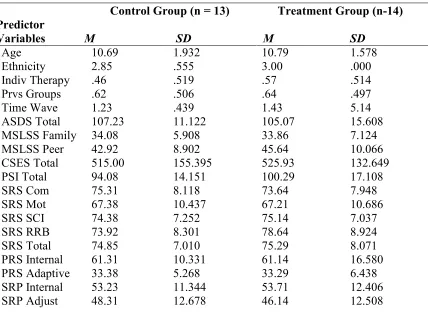
between the treatment group and control group at baseline. Refer to table 3.1 for group
means and standard deviations. Further distribution analyses indicated the skewness and
kurtosis of the variables were within the cut-offs for normal distribution as suggested by
Curran, West, and Finch (1996) – that absolute values for skew and kurtosis were below
2 and 7, respectively – except for the MSLSS Peer scale, which had a skewness value of
-2.21. Plots of outcome residuals demonstrated that errors were reasonably independent
seriously violated. Because of this, data was not transformed, as to maintain integrity of
interpretation.
Cronbach’s alphas were obtained for each of the scales at pre- and post-test.
These have been provided in the methods section for each scale and subscale. A bivariate
correlation matrix was rendered to provide a greater understanding of the demographic
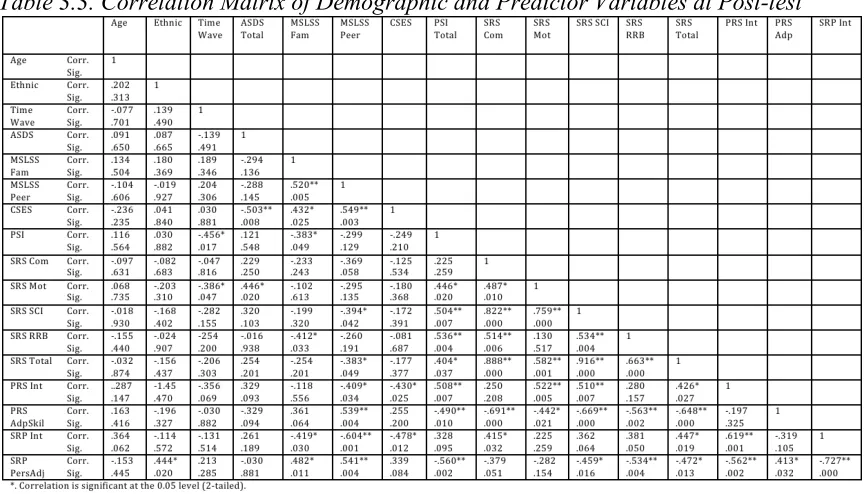
and predictor variables pre-and post-intervention. Refer to Table 3.2 and 3.3 for
correlations.
Table 3.1. Demographic and Predictor Variables at Baseline
________________________________________________________________________
Control Group (n = 13) Treatment Group (n-14) Predictor
Variables M SD M SD
Age 10.69 1.932 10.79 1.578
Ethnicity 2.85 .555 3.00 .000
Indiv Therapy .46 .519 .57 .514
Prvs Groups .62 .506 .64 .497
Time Wave 1.23 .439 1.43 5.14
ASDS Total 107.23 11.122 105.07 15.608
MSLSS Family 34.08 5.908 33.86 7.124
MSLSS Peer 42.92 8.902 45.64 10.066
CSES Total 515.00 155.395 525.93 132.649
PSI Total 94.08 14.151 100.29 17.108
SRS Com 75.31 8.118 73.64 7.948
SRS Mot 67.38 10.437 67.21 10.686
SRS SCI 74.38 7.252 75.14 7.037
SRS RRB 73.92 8.301 78.64 8.924
SRS Total 74.85 7.010 75.29 8.071
PRS Internal 61.31 10.331 61.14 16.580
PRS Adaptive 33.38 5.268 33.29 6.438
SRP Internal 53.23 11.344 53.71 12.406
Table 3.2. Correlation Matrix of Demographic and Predictor Variables at Pre-test
Treatment Effects as Measured by the ASDS
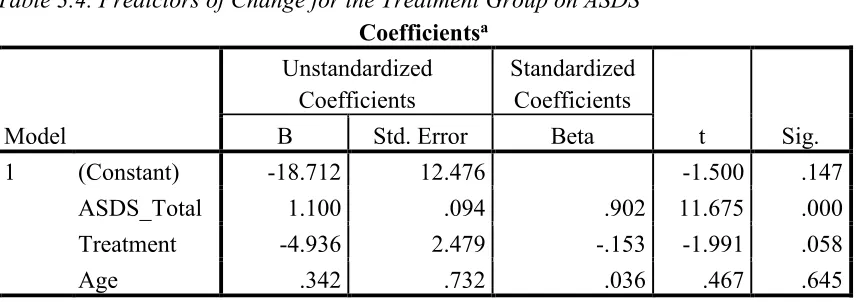
Table 3.4. Predictors of Change for the Treatment Group on ASDS Coefficientsa
Model
Unstandardized Coefficients
Standardized Coefficients
t Sig.
B Std. Error Beta
1 (Constant) -18.712 12.476 -1.500 .147
ASDS_Total 1.100 .094 .902 11.675 .000
Treatment -4.936 2.479 -.153 -1.991 .058
Age .342 .732 .036 .467 .645
a. Dependent Variable: 2ASDS_Total
When controlling for age, MLR analysis did not indicate a significant effect of the
computer-mediated, parent guided treatment compared to the standard social skills group
in terms of AS symptoms as measured by the Asperger Syndrome Diagnostic Scale
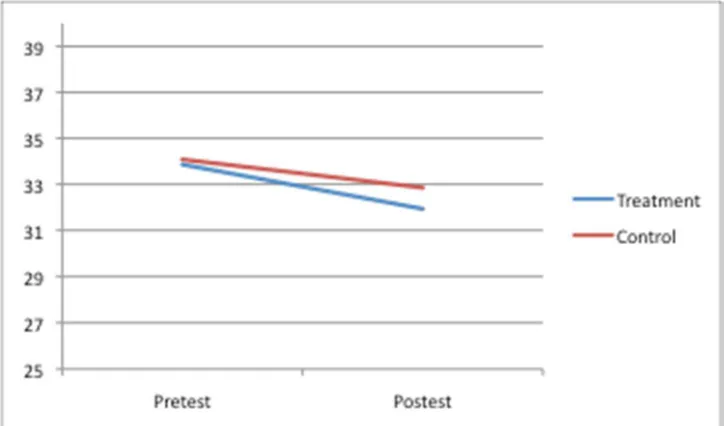
(ASDS) Total Score, B=-.153, t=-1.991, p=.058. As shown in Figure 3.1, both the
treatment and control group reported lower levels of AS symptoms post-test compared to
baseline scores; however, it should be noted that the treatment group demonstrated a
greater change in mean scores, and that the intervention effects nearly met significance.
Treatment Effects as Measured by the MSLSS Family
Table 3.5. Predictors of Change for the Treatment Group on MSLSS Family Coefficientsa
Model
Unstandardized Coefficients
Standardized Coefficients
t Sig.
B Std. Error Beta
1 (Constant) -7.526 5.300 -1.420 .169
Age .370 .374 .086 .991 .332
Treatment -1.287 1.303 -.085 -.988 .334
MSLSS_Fam 1.068 .103 .897 10.360 .000
a. Dependent Variable: 2MSLSS_Fam
When controlling for age, MLR analysis did not indicate a significant effect of the
computer-mediated, parent guided treatment compared to the standard social skills group
in terms of family satisfaction as measured by the Multidimensional Student Life
Satisfaction Survey (MSLSS), B=-.085, t= -.988, p=.334.. As shown in Figure 3.2, both
the treatment and control group reported similar family satisfaction scores at pre- and
post-test, and demonstrated a slight decrease after the intervention.
Treatment Effects as Measured by the MSLSS Peers
Table 3.6. Predictors of Change for the Treatment Group on MSLSS Peers Coefficientsa
Model
Unstandardized Coefficients
Standardized Coefficients
t Sig.
B Std. Error Beta
1 (Constant) 4.926 9.289 .530 .601
Age .019 .649 .003 .029 .977
Treatment -2.822 2.282 -.142 -1.237 .229
MSLSS_Peer .906 .123 .847 7.336 .000
a. Dependent Variable: 2MSLSS_Peer
When controlling for age, MLR analyses did not indicate a significant effect of the
computer-mediated treatment compared to the standard social skills group in terms of
peer satisfaction (i.e., being satisfied with the amount, quality and interactions with
friends) as measured by MSLSS B=-.142, t= -1.237, p=.229. As shown in Figure 3.3,
both the treatment and control group reported similar peer satisfaction scores at pre- and
post-test.