Vol. 01 Issue 2-(July –Sep) 2018 PP 61- 74 http://pacificinternationaljournal.com/
Effect of different levels of feed added coriander (coriandrum sativum) leaves meal on the performance, carcass quality, immune response and blood profile of quails (corturnix cortunix japonica) 61
Effect of different levels of feed added coriander (coriandrum sativum) leaves
meal on the performance, carcass quality, immune response and blood profile
of quails (corturnix cortunix japonica)
Alagbe, J.O.
Dan-mallafia Farms Limited, Abuja Nigeria Phone # +2348066671794 [email protected]
ARTICLEINFO Article history:
Submissiondate:; 16 June 2018 1stRevision: 23 June 2018 Accepted:; 13 July 2018 Published:: 15 July 2018
ABSTRACT
An experiment was conducted to study the effect of different levels of feed added Coriander sativum leaf meal (CLM) on the growth performance viz., weight gain, feed intake and feed conversion ratio, carcass characteristics, immune response and some blood parameters of quails. One hundred and eighty (one week) old Japanese quails were used for this study, the birds were reared in a wooden cage with dimensions of 1 × 1 × 0.4 m (length, width, height). They were divided into four dietary groups and each group was subdivided into three replicates of fifteen quails each. The groups were assigned to four diets containing 0, 2.0, 4.0 and 6.0% CLM. Feed and water were provided ad libitum throughout the experimental period which lasted for 8 weeks. The results showed that there was a no significant (P>0.05) difference in body weight, weight gain and feed conversion ratio between treatment groups. The relative weights of the organs examined were not significantly (P>0.05) different across dietary treatments. All the hematological and serum biochemical parameters evaluated: Pack cell volume (PCV), Hemoglobin (Hb), White blood cell (WBC), Mean corpuscular volume (MCV), Mean corpuscular hemoglobin (MCH), Mean corpuscular hemoglobin concentration(MCHC), Albumin, globulin, Aspartate aminotransferase (ALT), Alkaline phosphatase(ALP), Glucose, Urea serum glutamic oxaloacetate transaminase (SGOT) and serum glutamic pyruvate transaminase (SGPT) were not significantly (P>0.05) affected by the inclusion of CLM. Significant influences (P<0.05) were observed for immune response and mortality.
The results of this experiment demonstrated that CLM can be included up to 6.0% level in quail rations without any adverse effect on growth performance, carcass characteristics and blood profile of birds.
Key: Coriander leaf meal, Japanese quails, growth performance, hematological parameters.
INTRODUCTION
Vol. 01 Issue 2-(July –Sep) 2018 PP 61- 74 http://pacificinternationaljournal.com/
Effect of different levels of feed added coriander (coriandrum sativum) leaves meal on the performance, carcass quality, immune response and blood profile of quails (corturnix cortunix japonica) 62 health, improving the characteristics of feed and growth performance. According to Tozyo et al (1994), medicinal plants have some properties being anti-inflammatory, antiseptic, antibacterial activities against microorganism, treatment of gastro intestinal complaints, anthelmintic and antioxidants which are attributed to their active materials. According to Burt (2004) herbs and spices are identified to exert potent antimicrobial properties in vitro against pathogens, and as alternative feeding strategy to replace antibiotic growth promoters. They been shown to offer wide range of activities, including animal performance and increasing nutrient availability when compared or organic chemicals, they present less toxicity and are free of unwanted residues and also act as supplement in animal diets (Falcao-E-Cunha et al., 2007).
Generally herbs (medicinal plants) are of leaf origin and their plants produces some chemical compounds as part of their own metabolic activities called phytochemicals. According to Dalle Zotte et al (2016), phytochemicals can be classified by their therapeutic values (antibacterial, antifungal, anti-inflammatory, antiulcer, antioxidant, antiviral, anticancer and immune stimulants) and preparation modes (tincture, decoction, maceration, syrup, inhalation and infusions). Medicinal plants are potential source of drugs with a promising future because there are about half million plants around the world and most of their medical activities have not yet been investigated (Bassam Abdul Rasool Hassan (2012). According to WHO (1993) around 21,000 plant species have the potential for been used as medicinal plants and are also considered to be very safe as there is no or minimal side effects. Recently, Coriander sativum have been considered very important because of their therapeutic value and several beneficial effects to human and animals especially quails.
Coriander( Coriander sativum) belongs to family Umbelliferae and genus Coriandrum. It was used in time honored Greek medicines by Hippocrates (460-377 BC). Coriander is also regarded as “Spice of happiness” by Egyptians. The leaves contains adequate amounts of micronutrients (Rao et al, 1989). It is one of the famous species in Asia, especially in Indonesia. Reports on the plant has shown that its various parts possess different biological activities. Pharmacological studies on the leaves of this plant reveals effective bacterial effect, inflammatory, anti-microbial, anti-cancer, antiviral and antioxidant activity.
Quails belongs to the order Galliformes, family Phasinidae, genus Cortunix and species japonica. It attains maturity and come into first lay between 5-6 weeks of age and produce between 200-300 eggs in their first year of lay (NRC, 1991). Japanese quails also known as common quails is mainly raised for meat and egg production and also are valued research animals (NRC, 1994). It attains a market weight of 140-180g between 5-8 weeks.The Japanese quail is fairly resistant to diseases, but clinical chemistry data can be useful aids for diagnosis and monitoring responses in birds, which often show no clinical signs (Fudge, 1997). The range of avian species for which reference values are published is mostly limited to racing pigeons, to the most common psittacine species, and to peregrine falcons (Lumeij, 1997). For those species used as poultry, blood chemistry was established to some extent for quail (Faqi et al., 1997), chicken (Ross et al., 1976, 1978), duck (Farhat and Chavez, 2000), turkey (Huff et al., 2008), and ostrich (Verstappen et al., 2002).
Vol. 01 Issue 2-(July –Sep) 2018 PP 61- 74 http://pacificinternationaljournal.com/
Effect of different levels of feed added coriander (coriandrum sativum) leaves meal on the performance, carcass quality, immune response and blood profile of quails (corturnix cortunix japonica) 63 (2013) posited that haematological parameters like haematocrit value, hemoglobin concentration, white blood cell count, red blood cell count among others are used for routine screening for the health and physiological status of livestock and humans.Blood parameters are excellent medium for measurement of potential biomarkers, because its collection is relatively non-invasive and it encompasses an enormous range of physiological process in the body at any given time (Ginsbury and Haga, 2006). Changes in blood profile can be due to disease (Yadav et al, 2002), stress due to nutritional factor (Afolabi et al, 2001), age and sex (Chineke et al, 2006) and breed (Tanbuwal et al, 2002).
The significant effects of herbs and spices have been tested in humans and laboratory animals, for instance Alagbe, J. O (2017) reported the effects of dietary inclusion of Polyalthia longifolia leaf meal as phyobiotic on the performance of broilers. Durrani et al (2006) evaluated the effects of different levels of feed added turmeric on the performance of broiler chicks. Olufemi et al (2004) evaluated the effects of Amaranthus spinosis leaf meal on blood profile of pigs. Although extensive studies have been done on the effect of herb/medicinal plants on animals, yet there is a dearth of information on the dietary inclusion of Coriander leaf meal on the performance of quails. A timely evaluation on the effects of the herb to animals will provide useful information relating to immune system, carcass characteristics and blood profile of quails. Therefore, this study was carried out to evaluate the effects of Coriander leaf meal on the performance, carcass characteristics, immune response and blood profile of quails.
MATERIALS AND METHODS
Location of experiment
The experiment was carried out at Dan-malafia Farms, Abuja, Nigeria. The area is located within the derived savannah zone of Nigeria. The research was conducted between January to March, 2018.
Animals and their management
A total of One hundred and eighty (one week) old Japanese quails were used for this study. The birds were divided into four dietary groups and each group was subdivided into three replicates of fifteen quails each. They were housed in a wooden cage with dimensions of 1 × 1 × 0.4 m (length, width, height). Wood shavings were used as litter material in the cages, artificial lighting was used to provide the birds with 24 hours light during the whole experimental period. The initial brooding temperature was 35oC in the first week and it was gradually reduced by 2oC per week to 22oC for the rest of the experiment. Vaccines were administered according to the prevailing vaccination schedule in the environment. Feed and water were provided throughout the experimental period which lasted for 8 weeks.
Preparation of experimental diets
Healthy fresh leaves of Coriander were collected within the farm premises and washed with distilled water, it was later air dried for 6 days. The dried leaves were then hammer milled to produce coriander leaf meal (CLM). CLM was mixed together with other materials to form four experimental diets at levels of 0, 2, 4 and 6% as presented on Table 1. All the diets were formulated to meet the nutrient requirement standards for quails (NRC, 1994).
Vol. 01 Issue 2-(July –Sep) 2018 PP 61- 74 http://pacificinternationaljournal.com/
Effect of different levels of feed added coriander (coriandrum sativum) leaves meal on the performance, carcass quality, immune response and blood profile of quails (corturnix cortunix japonica) 64 phytochemical screening was determined according to procedures outlined by Harbone (1973) and Trease and Evans (1983). The mineral analysis were carried out using Atomic Absorption Spectrophotometer (AAS).
Parameters measured
Growth performance parameters
Daily feed intake (g) was calculated by difference between feed offered and the left over, feed conversion ratio was determined as feed intake divided by body weight gain, water consumption and mortality were recorded daily throughout the experimental period.
Blood analysis
At the 8th week of the experiment, blood samples were collected from the brachial vein of three randomly selected birds per group. The blood samples were analyzed for some hematological and serum biochemical parameters; blood samples for hematology were collected into bottles containing Ethylene Diamine Tetra Acetate (EDTA). The hematological parameters such as Pack cell volume (PCV), Red blood cell (RBC), White blood cell (WBC), Haemoglobin concentration (Hb) and absolute counts of neutrophils, lymphocytes, monocytes and eosinophils were computed according to the method of Jain (1986).
Blood samples that were meant for serum biochemistry were collected into other bottles free from any anticoagulant. The serum total protein, Albumin and Globulin were computed according to (Doumas and Briggs, 1972), Glutamic oxaloacetate transaminase (SGOT), Glutamic phosphatase transaminase (SGPT) was determined according to Scott (1965).
Carcass Evaluation
At the end of the eighth week, four birds were randomly selected per group; they were fasted overnight and given only water, weighed and slaughtered. After evisceration, the organs were removed and weighed. The carcass weight, dress weight, weight of the visceral organs and other parts of the birds were also recorded.
Immune Parameters
Birds were orally vaccinated against Gumboro virus (on the 11th and 20th days) and Newcastle disease (on the 9th and 16th days). Four (4) birds were randomly selected per replicate to access the antibody response to Newcastle and gumboro virus on the 28th and 42nd day of the experiment. Blood samples were collected from the branchial vein of the vaccinated birds and sent to the laboratory for further analysis. Antibody titers against Newcastle and Gumboro viruses were measured using Hemaaglutination Inhibition Test.
Statistical Analysis
All data generated were subjected to a one way analysis of variance (ANOVA) and treatment means were compared using Duncan’s multiple range test as outlined by Steel and Torrie (1990) using SAS (1997) package.
Table 1 Percentage Composition of the Experimental Diets
Vol. 01 Issue 2-(July –Sep) 2018 PP 61- 74 http://pacificinternationaljournal.com/
Effect of different levels of feed added coriander (coriandrum sativum) leaves meal on the performance, carcass quality, immune response and blood profile of quails (corturnix cortunix japonica) 65 _____________________________________________________________________________
1 2 3 4
Maize 46.0 46.0 46.0 46.0
Wheat offal 21.25 21.25 21.25 21.25
Soya Meal 20.0 16.0 14.0 12.0
Groundnut Cake 10.0 10.0 10.0 10.0
Bone meal 1.5 1.5 1.5 1.5
Oyster shell 0.5 0.5 0.5 0.5
S/Premix 0.25 0.25 0.25 0.25
Salt 0.50 0.50 0.50 0.50
CLM 0 2.0 4.0 6.0 _____________________________________________________________________________
100 100 100 100 Determined Analysis
Crude Protein (%) 21.06 21.05 21.04 21.03
Crude Fibre (%) 4.10 4.10 4.10 4.10
Ether extract (%) 3.74 3.74 3.74 3.74
Ash (%) 2.6 2.6 2.6 2.6
Metabolizable energy (Kcal/kg) 2702.0 2706.0 2705.0 2705.1
Calcium (%) 3.00 3.00 3.00 3.00
Methionine (%) 0.45 0.45 0.45 0.45
*Vitamin –mineral premix contained: Vit A 8,000 IU; Vit D3, 2000 IU; Vit E, 11 IU; Vit B2, 10mg; Vit B3, 30mg; Vit B6, 20mg; Choline chloride, 400mg; Manganese, 120mg; Iron, 70mg; Copper, 10mg; Iodine,2.2mg; Selenium, 0.2mg; Zinc, 45mg; Cobalt,0.02mg
Table 2 Proximate Composition of CLM
Nutrients % DM
Crude Protein 12.53 ± 0.10
Crude Fibre 6.34± 0.14
Vol. 01 Issue 2-(July –Sep) 2018 PP 61- 74 http://pacificinternationaljournal.com/
Effect of different levels of feed added coriander (coriandrum sativum) leaves meal on the performance, carcass quality, immune response and blood profile of quails (corturnix cortunix japonica) 66 Ash 15.51 ± 1.22
Minerals (Mg/kg)
Calcium 947± 0.05
Phosphorus 12.3± 1.15
Magnesium 0.94± 0.91
Iron 21.03± 0.44
Copper 1.06± 0.70
Table 3: Phytochemistry of CLM
Parameters Quantity
Saponin (%) 0.75± 0.04
Tannin (%) 0.89± 0.07
Phenols (%) 1.30± 0.12
Alkaloids (%) 2.06± 0.14
Flavonoids (%) 4.11± 0.92
Phytate (mg/g) 10.22±1.22
Table 5: Growth Performance of Japanese quails fed CLM
Diets
Parameters 12 3 4
S/L__________________________________________________________________________________ ___
Number of quails 45454545
Initial body weight (g) 19.11± 0.0719.05 ± 0.1119.16± 0.22 19.01± 0.15NS
Final body weight (g) 189.1 ± 0.12 180.7± 0.10 188.1± 0.51 185.1± 1.22 NS
Daily feed intake (g) 610.1 ± 2.11 600.4 ± 1.80 603.1± 1.23 602.7±1.45 NS
Daily weight gain (g) 169.0 ± 0.83 581.3 ± 1.40 583.9 ±1.61 583.7± 1.34 NS
FCR 3.23 ± 0.08 3.32± 0.07 3.21 ± 0.12 3.26± 0.14 NS
Vol. 01 Issue 2-(July –Sep) 2018 PP 61- 74 http://pacificinternationaljournal.com/
Effect of different levels of feed added coriander (coriandrum sativum) leaves meal on the performance, carcass quality, immune response and blood profile of quails (corturnix cortunix japonica) 67
NS: No significant difference (P>0.05)
**: Significant difference(P<0.05)
FCR: Feed conversion ratio
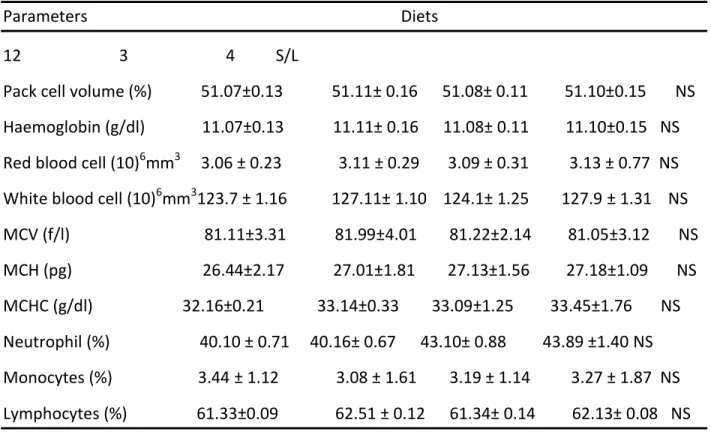
Table 6: Effect of feeding different levels of CLM on haematological parameters of Japanese quails
Parameters Diets
12 3 4 S/L
Pack cell volume (%) 51.07±0.13 51.11± 0.16 51.08± 0.11 51.10±0.15 NS
Haemoglobin (g/dl) 11.07±0.13 11.11± 0.16 11.08± 0.11 11.10±0.15 NS
Red blood cell (10)6mm3 3.06 ± 0.23 3.11 ± 0.29 3.09 ± 0.31 3.13 ± 0.77 NS
White blood cell (10)6mm3123.7 ± 1.16 127.11± 1.10 124.1± 1.25 127.9 ± 1.31 NS
MCV (f/l) 81.11±3.31 81.99±4.01 81.22±2.14 81.05±3.12 NS
MCH (pg) 26.44±2.17 27.01±1.81 27.13±1.56 27.18±1.09 NS
MCHC (g/dl) 32.16±0.21 33.14±0.33 33.09±1.25 33.45±1.76 NS
Neutrophil (%) 40.10 ± 0.71 40.16± 0.67 43.10± 0.88 43.89 ±1.40 NS
Monocytes (%) 3.44 ± 1.12 3.08 ± 1.61 3.19 ± 1.14 3.27 ± 1.87 NS
Lymphocytes (%) 61.33±0.09 62.51 ± 0.12 61.34± 0.14 62.13± 0.08 NS
NS: No significant difference (P>0.05)
**: Significant difference (P<0.05)
MCV: Mean corpuscular volume
MCH: Mean corpuscular haemaoglobin
MCHC: Mean corpuscular haemoglobin concentration
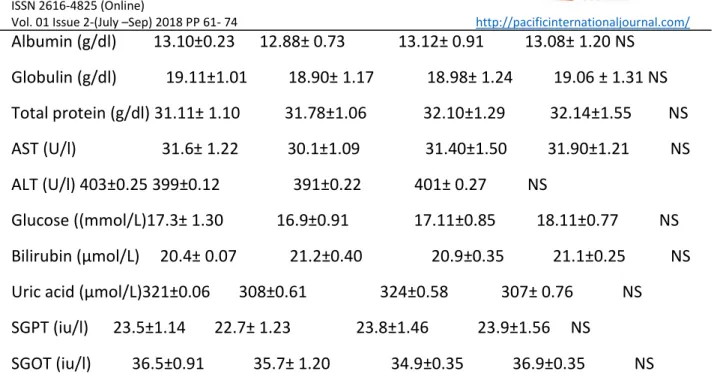
Table 7: Serum biochemical indices of Japanese quails fed different levels of CLM
Diets
Vol. 01 Issue 2-(July –Sep) 2018 PP 61- 74 http://pacificinternationaljournal.com/
Effect of different levels of feed added coriander (coriandrum sativum) leaves meal on the performance, carcass quality, immune response and blood profile of quails (corturnix cortunix japonica) 68
Albumin (g/dl) 13.10±0.23 12.88± 0.73 13.12± 0.91 13.08± 1.20 NS
Globulin (g/dl) 19.11±1.01 18.90± 1.17 18.98± 1.24 19.06 ± 1.31 NS
Total protein (g/dl) 31.11± 1.10 31.78±1.06 32.10±1.29 32.14±1.55 NS
AST (U/l) 31.6± 1.22 30.1±1.09 31.40±1.50 31.90±1.21 NS
ALT (U/l) 403±0.25 399±0.12 391±0.22 401± 0.27 NS
Glucose ((mmol/L)17.3± 1.30 16.9±0.91 17.11±0.85 18.11±0.77 NS
Bilirubin (μmol/L) 20.4± 0.07 21.2±0.40 20.9±0.35 21.1±0.25 NS
Uric acid (μmol/L)321±0.06 308±0.61 324±0.58 307± 0.76 NS
SGPT (iu/l) 23.5±1.14 22.7± 1.23 23.8±1.46 23.9±1.56 NS
SGOT (iu/l) 36.5±0.91 35.7± 1.20 34.9±0.35 36.9±0.35 NS
SGPT: Serum glutamic pyruvate transaminase
SGOT: Serum glutamic oxaloacetate transaminase
ALP: Alkaline Phosphase
ALT: Alanine aminotransferase
NS: No significant difference (P>0.05)
**: Significant difference (P<0.05)
Table 8: Carcass characteristics and relative organ weights of quails fed CLM
Treatments
Parameters 1 2 3 4 S/L
Slaughter weight 189.1 ± 0.12 180.7± 0.10 188.1± 0.51 185.1± 1.22 NS
Dressing percentage 68.11 ± 0.23 67.56 ± 0.71 68.12.1± 0.6568.70.1± 1.22 NS
Organs (g)
Head 2.10± 0.98 2.13± 0.12 2.01± 0.34 2.07± 0.88 NS
Thigh 4.40± 0.30 4.13± 0.22 4.01± 0.54 4.07± 0.66 NS
Heart3.10± 0.22 3.23± 0.12 3.01± 0.34 3.09± 0.71 NS
Vol. 01 Issue 2-(July –Sep) 2018 PP 61- 74 http://pacificinternationaljournal.com/
Effect of different levels of feed added coriander (coriandrum sativum) leaves meal on the performance, carcass quality, immune response and blood profile of quails (corturnix cortunix japonica) 69
Gizzard 4.06± 0.10 4.03± 0.12 4.11± 0.14 4.17± 0.15 NS
Intestine 8.02± 0.12 8.04± 0.62 8.21± 0.34 8.37± 0.25 NS
NS: No significant difference (P>0.05)
**: Significant difference (P<0.05)
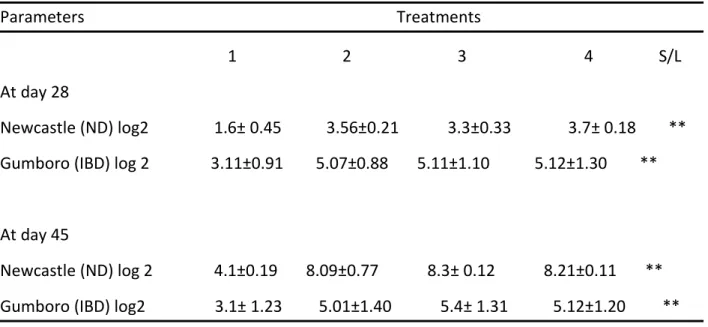
Table 9. Effect of different level of CLM on the immune response of Japanese quails
Parameters Treatments
1 2 3 4 S/L
At day 28
Newcastle (ND) log2 1.6± 0.45 3.56±0.21 3.3±0.33 3.7± 0.18 **
Gumboro (IBD) log 2 3.11±0.91 5.07±0.88 5.11±1.10 5.12±1.30 **
At day 45
Newcastle (ND) log 2 4.1±0.19 8.09±0.77 8.3± 0.12 8.21±0.11 **
Gumboro (IBD) log2 3.1± 1.23 5.01±1.40 5.4± 1.31 5.12±1.20 **
NS: No significant difference (P>0.05)
**: Significant difference (P<0.05)
RESULTS
Table 2 reveals the proximate composition of CLM. The proximate components are 12.53%, 6.34%, 0.97%, 15.51%, 947mg, 12.3mg, 0.94mg, 21.03mg and 1.06mg for crude protein, crude fibre, ether extracts, ash, calcium, phosphorus, magnesium, iron and copper respectively. However all the values agrees with the report of Anju et al (2011) and Omar et al (2017) on the nutritional composition of coriander leaves. Table 3 shows the phytochemical analysis of CLM, the phytochemical components of CLM used in this experiment are 0.75%, 0.89%, 1.30%, 2.06%, 4.11% and 10.22mg/g for saponin, tannin, phenols, alkaloids, flavonoids and phytate respectively. Table 4 shows the growth performance of quails fed CLM, the values obtained for the final live weight are 189.1, 180.7, 188.1 and 185.1g for diets 1, 2, 3 and 4 respectively. There was no significant difference (P>0.05) among the treatments in terms of the final live weight. The daily feed intake values obtained are 619.0, 600.4, 603.1 and 602.7 g for diets 1, 2, 3 and 4 while those of Feed conversion ratio (FCR) are 3.23, 3.32, 3.21 and 3.26 for diets 1, 2, 3 and 4. Mortality was detected only treatment 1, throughout the experimental period.
Vol. 01 Issue 2-(July –Sep) 2018 PP 61- 74 http://pacificinternationaljournal.com/
Effect of different levels of feed added coriander (coriandrum sativum) leaves meal on the performance, carcass quality, immune response and blood profile of quails (corturnix cortunix japonica) 70 4 respectively while those of Haemoglobin (g/dl) are 11.07, 11.11, 11.08 and 11.10 respectively. The red blood cell values obtained are 3.06, 3.11, 3.09, and 3.13 (106mm3) for diets 1, 2, 3 and 4 respectively while those of white blood cell are 123.7, 127.1, 124.1 and 127.9 (106mm3) for diets 1, 2, 3 and 4 respectively while those of Neutrophils (%) are 40.10, 40.16, 42.1 and 43.89 for diets 1, 2, 3 and 4 respectively. Pack cell volume, red blood cell (RBC), white blood cell (WBC), MCV, MCH and MCHC were not significantly (P>0.05) affected by the different inclusion levels of CLM.
The serum biochemical parameters as influenced by the diets are presented on Table 6, the albumin values obtained are 13.10, 12.88, 13.12 and 13.08 g/dl for diets 1, 2, 3 and 4 respectively while those of globulin (g/dl) are 19.11, 18.90, 18.98 and 19.06 for diets 1, 2, 3 and 4 respectively.Aspartate aminotransferase (AST) values obtained are31.6, 30.1, 31.40 and 31.90 (U/l) for diets 1, 2, 3 and 4 respectively while those of alkaline aminotransferase (ALP) are 403, 399, 391 and 401 (U/l) for diets 1, 2, 3 and 4. The glucose values obtained are 17.30, 16.90, 17.11 and 18.11 mmol/l for diets 1, 2, 3 and 4 respectively while those of bilirubin (µmol/l) are 20.4, 21.2, 20.9 and 21.1 for diets 1, 2, 3 and 4. Albumin, globulin, total protein, ALT, ALP, glucose, bilirubin, uric acid, SGPT and SGOT values were not significantly (P>0.05) different among the dietary treatments.
Table 7 shows the carcass characteristics and relative organ weight of quails fed CLM. The final dressing weight ranges between 67.56 and 68.70%. There was no significant difference among the treatments in terms of the final dressing percentage.
The immune response as influenced by the diets are presented in Table 8, on the 28th day the Newcastle antibody titers obtained are 1.6, 3.56, 3.30 and 3.70 while those of gumboro titers are 3.11, 5.07, 5.11 and 5.12 for diets 1, 2, 3 and 4 respectively. The antibody titers obtained on the 45th day are 4.10, 8.09, 8.30 and 8.21 for diet 1, 2, 3 and 4 respectively while those of gumboro antibody titers obtained are 3.11, 5.01, 5.40 and 5.12 for diets 1, 2, 3 and 4 respectively. The antibody titers values were significantly (P<0.05) affected by the dietary inclusion of CLM.
DISCUSSION
The crude protein and energy values obtained in the experimental diets fall within the range recommended by Murakami et al (1993), NRC (1994) and Hyankova et al (1997). The crude protein content in CLM (12.53%) is low, therefore it cannot serve as a good protein substitute in quails ration and this is contrary to the reports Alagbe, J. O (2017). The mineral composition showed that calcium is the highest followed by iron, phosphorus, copper and magnesium in descending order. This mineral trend agrees with the findings of Anju et al (2011) but contrary to the reports of Asaolu (2009), this implies proper bone formation, blood coagulation, nerve contraction and cell permeability in the birds. Minerals plays a vital role in biochemical reactions thus allowing efficient metabolic process in the body (Onwuka, 2005).
Vol. 01 Issue 2-(July –Sep) 2018 PP 61- 74 http://pacificinternationaljournal.com/
Effect of different levels of feed added coriander (coriandrum sativum) leaves meal on the performance, carcass quality, immune response and blood profile of quails (corturnix cortunix japonica) 71 Sofowora, 1983).
The non-significant (P>0.05) differences obtained in the final live weight and feed conversion ratio of quails agreed with the views of Safa M A El Tazi et al (2014) and Savas Sariözkan et al (2018) when quails were fed Lemon Grass (Cymbopogon Citratus) but contrary to the reports of Alagbe, J. O (2017), this shows that CLM contains essential amino acids and minerals necessary for the normal functioning of the body. Significant differences (P<0.05) was observed in the mortality rate, quails fed diet 1 had the highest mortality (8), no mortality were recorded in diets 2, 3 and 4. This is an indication that CLM contains natural antibiotics and a good level of antioxidants.
The heamatological values were not significantly (P>0.05) influenced by the dietary inclusion of CLM, The pack cell volume (PCV), heamoglobin (Hb) and RBC values increased from diet 1 to 2 before it eventually decreased though not at a significant level. This values are within the range recommended by Ashraful Kabir (2013) and Wikivet (2013) on blood biochemistry analysis of Japanese quails. According to Ologun and Ikeobi (2006) RBC serves as a carrier of haemoglobin, transport of oxygen and carbon dioxide in the body (Isaac et al, 2013), PCV is involved in the transport of oxygen and absorbed nutrients (Maton et al, 1993). Hemoglobin plays a vital role in oxygen transportation to tissues of animals (Soetan et al, 2013). Adeyinka and Bello (2013) reported that WBC and its differentials are fight infections and produce antibodies to protect the body. PCV and Hb were correlated with the nutritional status of an animal (Etim et al, 2014) this is a clear indication that the quails were well fed, the results of the heamatological traits in this research is contrary to the findings of Rafiu et al (2013) and Olufemi et al (2004) when Amaranthus spinosis leaf meal was fed to growing pigs. Togun et al (2007) also reported that physiological and nutritional and physiological status of animals could alter the MCV and PCV values. A PCV less than 35% is a sign of anaemia and a PCV greater than 55% is indicative of dehydration. According to Adenkola et al (2008) an increase in neutrophils; lymphocyte ratio is a good indicator of nutritional stress.
The total protein, albumin, globulin, glucose, AST, ALT and bilirubin of the quails used in this experiment were not affected (P>0.05) by the inclusion of CLM. Quails fed diet 2 had the highest value of total protein followed by diet 4, 1 and 3 respectively though not at a significant level. Oyawoye and Ogunkunle (2004) reported that diets have measurable effects on blood components. Albumin content in the blood are easily influenced by protein shortage, the results obtained is an indication that the experimental diets contained enough protein to support the normal protein reserves across the group. The values for all the parameters fall within the normal range values established for growing quails established by Ashraful Kabir (2013), he also reported that high albumin and globulin values indicates body defense mechanism. Glucose for instance plays a significant role in energy supply for proper body mechanism.ALP and ALT did not inhibit significant changes showing that CLM did not have any deleterious effect on the liver and kidney of the birds.
The values obtained for SGPT and SGOT were not significantly (P>0.05) different among the treatment. According to Iyayi (1994) SGPT and SGOT values usually respond to the presence of toxic substances in the diet. The results obtained agrees with the findings of Iheukwuemere et al (2002) but contrary to the report of Olabanji et al (2007) when rabbits were fed Wild sunflower meal blood meal mixture.
Vol. 01 Issue 2-(July –Sep) 2018 PP 61- 74 http://pacificinternationaljournal.com/
Effect of different levels of feed added coriander (coriandrum sativum) leaves meal on the performance, carcass quality, immune response and blood profile of quails (corturnix cortunix japonica) 72 pawpaw seeds were fed to broiler chickens. According to Madhusadha et al (1986) anti- nutrients are causes of internal organs enlargement in birds, the non-significant differences in the carcass characteristics could also be attributed to the quality of diet in each treatment. This result is in agreement with the findings of Mehala and Moorthy (2008) but contrary to the reports of Alagbe, J.O (2017) when miadiasin was supplemented in the diet of broiler chickens.
The values of the antibody titre production for both N.D and IBD were significantly influenced (P<0.05) by the different dietary inclusion of CLM, this is a sign that CLM is an highly potent immune-modulatory agent thus performing multiple biological activities, including antiviral and antibacterial properties attributed mainly to their antioxidant and antiradical activity. This observation is in agreement with the reports of Alagbe, J.O (2016) and Emadi and Kermanshahi (2007).
CONCLUSION
The growth performance, carcass characteristics, blood profile measured showed no significant differences. It could therefore be concluded that CLM could be efficiently utilized and tolerated by quails up to 6.0% inclusion level without any negative effect on the performance and health status of the birds.
REFERENCES
Alagbe, J.O (2017) Effect of dietary inclusion of Polyalthia longifolia leaf meal as phytobiotic compared with antibiotics on the nutrient retention, immune response and serum biochemistry of broiler chicken. Greener Jou. Of Agricult. Sciences. 7(30: 074-081.
Afolabi, K. D., Akinsoyinii, A. O., Olajide, R and Akinleye, S.B (2001). Haematological parameters of the local chickens fed varying dietary levels of palm kernel cake. Proc.
Alagbe, J.O (2016) Effect of Miadiasin as a dietary supplement on the performance and blood profile of broiler chickens. Scholarly Jou. Agricultural Sciences.
Anju Sangwan., Asha Kawatra and Salil Sehgal (2011). Biochemical analysis of Coriander leaves powder prepared by various drying methods. J. Dairying Foods and H & S, 30(3): 202-205-2011.
Asaolu, M. F., Oyeyemi, O. A and Olanlokun, J. O (2009). Chemical compositions, phytochemical constituents and in vitro biological activity of various extracts of Cymbopogon citratus. Pakistan Journal of Nutrition 8(12): 1920-1922, 2009.
Adeyinka, J.N and Bello, H.O (2013).Serum biochemical parameters in clinically healthy dogs in Ibadan. Tropical Veterinarian 16(3-4), 123-120.
Adesanya and Sofowora (1983). Biological standardization of Zanthoxylum roots for antisickling activity. Planta Medica. 48: 27-33.
Adisa, R. A., Choudhary, E. A., Adenoye, G. A and Olorunsogo, O. O (2010). Hypoglycaemic and biochemical properties of Cnestis ferruinea, African Jou. Complementary Alternative Medicine. 7: 185-194.
Adenkola, A. Y., Ayo, A. Y., Sackey, A.K.B and Adelaiye, A. B (2008).Haematological changes in pigs administered with ascorbic acid and transported by road for four hours during the harmattan season. Proc.of 42nd Annual Conf. of the Agric society of Nigeria. 659-663.
Addass, P.A., David, D.I., Edward, A., Zira, K.E and Midak, A. (2012). Effect of age, sex and management system on some hematological parameters of intensively and semi intensively keep chicken in mubi, Adamawa state, Nig. Iranian Jou. Of Applied Ani. Sci 2(3):277-282.
Bolu, S.A.O., Sola-Ojo, F.E., Olorunsanya, O.A and Idris, K (2009) Effect of graded levels of Pawpaw Seed on the Performance, haematology and Serum biochemistry and Carcass evaluation of Broiler chickens. Asian Network for Scientific Information, International Journal of Poultry Science 8(9):905-909.
Bako, SP., Bakfur, M J., John, I and Bela, EL (2005) Int. Jour Bot. 1(2): 147-150.
Vol. 01 Issue 2-(July –Sep) 2018 PP 61- 74 http://pacificinternationaljournal.com/
Effect of different levels of feed added coriander (coriandrum sativum) leaves meal on the performance, carcass quality, immune response and blood profile of quails (corturnix cortunix japonica) 73
Barug, D., De Jong, J., Kies, A.K., Verstegen, M.W.A., 2006. Antimicrobial Growth promoters: Wageningen Academic Publishers,The Netherlands (First ed.)
Cheeke, O. N and Nobert, H.O (2000) Serum biochemical parameters in clinically healthy dogs in Ibadan. Tropical Vert. 16:3-4.
Doyle, D (2006). William Hawson (1739-74). The father of Heamatology. Br. J. Hermatology, 133:375-381 Dalle Zotte. A , C. Celia., Z s. Szendrő (2016) Herbs and spices inclusion as feedstuff or additive in growing rabbit
diets and as additive in rabbit meat: A review A. Dalle Zotte et al. / Livestock Science 189 (2016) 82–90 Etim, N. N., Williams, M.E., Akpabio, U and Effiong, E. E (2014) Haematological parameters and factors affecting
the values. Agricultural Science 2(1): 37-47.
Esonu, B.O., Emenalom, O.O., Udedibie, A., Berbert, U., Ekpor, C.F., Okoli, E.C and Iheukwumere, F. C (2001) Performance and chemistry of weaner pigs fed raw mucuna bean meal. Trop. Anim. Prod. Invest. 4:49-54. Emadi, E and Kermanshahi (2007) Inhibition of oxidation of human low density lipoprotein by phenolic substances
in red wine. Lancet 341454-45710.1016/0140-6736(93)90206-V[Pubmed].
Faqi, A. S., R. Solecki, R. Pfeil, and V. Hilbig. 1997. Standard values foreproductive and clinical chemistry parameters of Japanese quail. Dtsch. Tierärztl. Wochenschr. 104:167–169.
Fudge, A. M. 1997. Avian clinical pathology–Hematology and chemistry. Pages 142–157 in Avian Medicine and Surgery. R. B. Alt-man, S. L. Clubb,G.M.Dorrestein, and K. Quesberry, ed. W. B. Saunders Co., Philadelphia, PA.
Farhat, A., and E. R. Chavez. 2000. Comparative performance, blood chemistry, and carcass composition of two lines of Pekin ducks reared mixed or separated by sex. Poult. Sci. 79:460–465
Falcao-E-Cunha, L., Castro-Solla, L., Maertens, L., Marounek, M., Piheiro, V., Freire, J.,Mourão, J., 2007. Alternatives to antibiotic growth promoters in rabbit feeding:a review. World Rabbit Sci. 15, 127–140. Hyankova, L., Dedkova, L., Knizetva, H and Klecner,D (1997). Responses in growth, food intake and feed
conversion efficiency to different dietary protein concentrations in meat type lines of Japanese quails. Brit. Pou. Sci; 38(5): 564-570.
Huff, G. R., W. E. Huff, N. C. Rath, N. B. Anthony, and K. E. Nestor. 2008. Effects of Escherichia coli challenge and transport stress on hematology and serum chemistry values of three genetic lines of turkeys. Poult. Sci. 87:2234–2241
Harbone, I. B (1973) A guide to modern techniques to plant analysis. Chapman and hall, New York, USA 2nd Edition.
Iyayi, E. A (1994). Supplemental effect of low and high cyanide cassava on the performance, nutrient digestibility and serum metabolites of growing pigs. J. Agric. Trop. Sub-trop 95:199-205.
Iheukwumere, F. C and Herbert, U (2002). Physiological responses of broiler chickens to qualitative water restrictions: haematology and serum biochemistry. Int’l Journal of Poultry Science 2(2), 117-119.
Isaac, L. J., Abah, G., Akpan, B and Ekaette, I.U (2013) Haematological Properties of Different Breeds and Sexes of Rabbits (p.24-27). Proceedings of the 18th Annual conference of Animal Association of Nigeria
Jain, N.C (1986) Schalms veterinary hematology 4th edition Lea and Febiger, Philadelphia
Mahala, C and Moorthy. M (2008). Effect of Aloe vera and turmeric on carcass characteristics and biochemical parameters of broilers. Int. Jou. Poult. Sci 7,857-861.
Murakami A. E Moraes., V.M.B Ariki., J. Junqeira., O.M. Kronka-S.da., N. Barbosa-da-Morares, V.M and Do-Nascimento-Kronka (1993). Level of protein and energy diets for Japanese quails. Revista-da-Sociedade-Brasileira-de-Zootecnia 22(4):541-551.
Maton, P.B., Lemoullac, B.B., Aubcrio, D.O (1993) Changes in rat plasma apolioprotein and lipoprotein during moderate protein deficiency. Potential use in the assessment of nutritional status. Journal of nutrition, 121(5) 653-662.
NRC, National Research Council (1994) Nutrient Requirement for Poultry (9th red) National Academy Press. Washington D. C, USA..
NRC, National Research Council (1991) Quail in: Micro-livestocks-Little known small animals with a promising economic future. National Academy Press. Washington D. C,
Nse Abasi N. Etim., Edem, E. A Offiong. Mary. E. Williams and Lawrencia. E Asuquo (2014). Influence of Nutrition on blood parameters of pigs. American Journal of Biology and Life Sciences 2(2): 46-52. Ologun and Ikeobi (2006). Hematological and Serological Characteristics of Cockerels Fed Different Levels of
Vol. 01 Issue 2-(July –Sep) 2018 PP 61- 74 http://pacificinternationaljournal.com/
Effect of different levels of feed added coriander (coriandrum sativum) leaves meal on the performance, carcass quality, immune response and blood profile of quails (corturnix cortunix japonica) 74
Heaematological and Serum Biochemical Characteristics of Weaner Rabbits fed Wild sunflower leaf- Blood Meal mixture. International Journal of Applied Agricultural and Apicultural Research Pg 80-86. Onwuka, G. I (2005). Feed analysis and instrumentation: theory and practice Naphthalic prints Surulere Lagos
219-230
Olufemi, B. E., I. E. Ayoade, G.O and Onigemo, M. A (2004). Studies on the effects of Amaranthus spinosus leaf extract on the haematology of growing pigs. African Journal of Biomed. Res. 6(3):149-150.
Omar Bin Hammed. Fouzia Shafi and Naeema Jan (2017). Studies on the nutritional co,position of coriander leaves using sun and cabinet drying methods. International Journal of Chemical Studies 2017; 5(6): 12-14
Oyawole, B. M and Ogunkunle, H.N (2004). Biochemical and heamatological reference values in normal experimental animals. Masson, New York. 212-218.
Rafiu, T. A., Aderinola, O. A., Akinwumi, A. O., Alabi, T. A and Shittu, M. D (2013). Performance and blood profile of broiler chickens fed Moringa olifera leaf meal. Proc. of the 18th Annual Conf. Association of Nigeria
Trease, G.E and Evans, W.C (1983) Textbook of pharmacology Tindall, London U.K 12th Edition.
Ross, J. G., G. Christie, W. G. Halliday, and R. M. Jones. 1976. Determination of haematology and blood chemistry values in healthy six-week old broiler hybrids. Avian Pathol. 5:273–281
Ross, J. G., G. Christie, W. G. Halliday, and R. M. Jones. 1978. Haematological and blood chemistry “comparison values” for clinical pathology in poultry. Vet. Rec. 102:29–31
Steel, R. G.D and Torrie, J.H (1990). Principles and procedures of sataistics. A biometrical approach, 2nd edn McGraw-Hill Book Coy. NY. USA.
Scott, H.M (1965) Measurement of Albino Acid content of fish meal protein by chick growth assay, P.Sc., pp: 395-65.
Soetan, K.O., Akinrinde, A.S and AJibade T.O (2013). Preliminary studies on the haematological parameters of cockerels fed raw and processed guinea corn (Sorghum bicolor) Pg 42-52. Proceedings of 38th Annual Conference of Nigerian Society of Animal Production.
Safa M A El Tazi., Zolikha M. A., Mohamed, A and Mukhtar Ahmed Mukhtar (2012). Response of broiler chicks to diets supplemented with garlic essential oilas natural growth promoter. Int. Jou. Sci and Res. Vol 3, Issue 5, may 2014
Savas Sariözkan, Yusuf Konca., Berrin Kocaoglu Güçlü., Eray Aktug., Mahmut Kaliber ., Seyda Özkan and Saadet Tugrul Ay (2018). The Effect of Dietary Supplementation of Lemon Grass (Cymbopogon Citratus) on Performance, Carcass Quality, and Marketing of Quail (Coturnix Coturnix Japonica). Engomix 2018. Steel, R. G.D and Torrie, J.H (1990). Principles and procedures of sataistics. A biometrical approach, 2nd edn
McGraw-Hill Book Coy. NY. USA.
Scott, H.M (1965) Measurement of Albino Acid content of fish meal protein by chick growth assay, P.Sc., pp: 395-65.
Togun, V. A and Oseni, B.S.A (2005) Effect of low level inclusion of biscuit dust in broiler finisher diet apparently healthy red sokoto goats. Proc. of the 27th Annual Conf. of Nig. Soc. For Anim. Prod., 50-53.
N. Schultz, I. Halle, G. Flachowsky, and H. Sauerwein (2010) Serum chemistry reference values in adult Japanese quail (Coturnix coturnix japonica) including sex-related differences. 2009 Poultry Science 88:1186– 1190doi:10.3382/ps.2008-00546.
Verstappen, F. A., J. T. Lumeij, and R. G. Bronneberg. 2002. Plasma chemistry reference values in ostriches. J. Wildl. Dis. 38:154–159