University of Wisconsin Milwaukee
UWM Digital Commons
Theses and DissertationsMay 2018
The Perceptions and Experiences of Faculty
Teaching a Mix of Traditional and Nontraditional
Students in Online Classes
Christina Marie Trombley
University of Wisconsin-Milwaukee
Follow this and additional works at:https://dc.uwm.edu/etd
Part of theAdult and Continuing Education and Teaching Commons, and theEducational Administration and Supervision Commons
This Dissertation is brought to you for free and open access by UWM Digital Commons. It has been accepted for inclusion in Theses and Dissertations by an authorized administrator of UWM Digital Commons. For more information, please [email protected].
Recommended Citation
Trombley, Christina Marie, "The Perceptions and Experiences of Faculty Teaching a Mix of Traditional and Nontraditional Students in Online Classes" (2018).Theses and Dissertations. 1933.
THE PERCEPTIONS AND EXPERIENCES OF FACULTY TEACHING A MIX OF TRADITIONAL AND NONTRADITIONAL STUDENTS IN ONLINE CLASSES
by
Christina Trombley
A Dissertation Submitted in Partial Fulfillment of the Requirements for the Degree of
Doctor of Philosophy in Urban Education
at
The University of Wisconsin – Milwaukee May 2018
ii ABSTRACT
THE PERCEPTIONS AND EXPERIENCES OF FACULTY TEACHING A MIX OF TRADITIONAL AND NONTRADITIONAL STUDENTS IN ONLINE CLASSES
by
Christina Trombley
The University of Wisconsin-Milwaukee, 2018
Under the Supervision of Professor Simone Conceição, Ph.D.
The purpose of this interpretive qualitative research study was to explore how faculty perceived and experienced teaching multigenerational (having traditional and nontraditional students) online classes. The online classes researched served only undergraduate students and had at least thirty percent of traditional students in the class. Ten tenured faculty were drawn from a four-year institution of higher education in the Midwest of the United States. Data were collected through semi-structured in-depth interviews. Findings revealed that research
participants relied on their own personal experiences as students to inform their teaching and morph the definition of teaching as it relates to online education from their face-to-face teaching experiences. The difference between preparation and teaching becomes blended in the online format. In addition, online teaching is viewed as secondary to face-to-face instruction, especially in their interactions with colleagues. Finally, and most surprisingly, participants experience a disconnection with their online students because of how they view their own presence within the online classroom. How faculty perceive their role as teachers focuses on relationships, identity, motivation, and access. Conclusions from these findings and how they relate to the literature is discussed. Practical implications of the research are provided for administration, faculty, and students. Suggestions for additional academic research is also offered.
iii
© Copyright by Christina Trombley, 2018 All Rights Reserved
iv To
My Dad and Mom, Floyd and Heidi My sisters, Liz and Pam
My best friend, Carrie All of whom made this possible
v
TABLE OF CONTENTS
ABSTRACT ... II LIST OF FIGURES ... VII LIST OF TABLES ... VIII ACKNOWLEDGEMENTS ... IX
CHAPTER ONE: INTRODUCTION ... 1
PROBLEM STATEMENT ... 2
PURPOSE OF THE STUDY ... 6
SIGNIFICANCE OF THE STUDY ... 8
METHODOLOGY ... 8
DEFINITION OF TERMS ... 9
CHAPTER TWO: LITERATURE REVIEW ... 11
LITERATURE REVIEW METHODOLOGY ... 11
DISTANCE EDUCATION AND GROWTH IN ONLINE LEARNING ... 13
MULTIGENERATIONAL CLASSROOMS ... 16
The Multigenerational Online Classroom ... 18
GROWTH IN FACULTY TEACHING ONLINE COURSES ... 20
Impact of Faculty Preparation for Online Instruction ... 24
Issues for Effective Faculty Instruction in Multigenerational Online Classrooms ... 26
SUMMARY ... 28
CHAPTER THREE: METHODOLOGY ... 30
METHODS ... 30
CONCEPTUAL FRAMEWORK ... 31
DESIGN CONSIDERATIONS AND SAMPLING ... 37
Participant Recruitment ... 38
DATA COLLECTION ... 40
DATA ANALYSIS ... 43
QUALITY CONTROL ... 46
SUMMARY ... 47
CHAPTER FOUR: FINDINGS ... 48
INTRODUCTION OF STUDY PARTICIPANTS ... 49
STUDY FINDINGS ... 50
THEME ONE:EXPERIENCES AS STUDENTS INFORMS TEACHING ... 52
Learned to Teach from Their Own Experiences as Students ... 52
Little to No Experience as Online Students ... 54
Training after Teaching Online ... 56
THEME TWO:THE MORPHING DEFINITION OF TEACHING ... 58
Distinction between Teaching Online and Face-to-Face ... 59
vi
End-of-Class Feedback Informs the Next Class ... 64
Recognition of Student Differences Does Not Incur Adjustments ... 65
THEME 3:ONLINE TEACHING SECONDARY TO FACE-TO-FACE TEACHING ... 68
Start and Growth of Online Classes ... 68
Perception of Lack of Institutional Guidelines or Standards ... 71
Communication with Colleagues ... 75
THEME FOUR:THE DISCONNECTION WITH STUDENTS ... 78
Readiness of Traditional Students ... 79
No Casual Rapport with Students ... 81
Loss of Identity ... 83
SUMMARY ... 86
CHAPTER FIVE: DISCUSSION AND IMPLICATIONS ... 87
SUMMARY OF MAJOR FINDINGS ... 89
DISCUSSION OF RESULTS ... 91
Theme One: Experience as Students Informed Strategies ... 93
Theme Two: The Morphing Definition of Teaching ... 94
Theme Three: Online Teaching Viewed as Secondary to Face-to-Face ... 96
Theme Four: The Disconnection with Students ... 97
PRACTICAL IMPLICATIONS FOR FACULTY AND ADMINISTRATORS ... 99
CONTRIBUTIONS TO LITERATURE... 102
Participants Recognized a Loss of Personal Identity Teaching Online Classes ... 102
Systems and Practices of Higher Education were developed for Face-to-Face Classes ... 105
Consistency of Standards is Important to Perceived Value of Online Teaching ... 107
AREAS FOR FUTURE RESEARCH ... 109
STUDY LIMITATIONS ... 111
CONCLUSION ... 112
REFERENCES ... 115
APPENDICES ... 125
APPENDIX A: PARTICIPANT RECRUITMENT LETTER ... 125
APPENDIX BCONSENT FORM ... 126
APPENDIX C:INTERVIEW GUIDE... 128
APPENDIX D: PARTICIPANT SCHEDULE ... 130
APPENDIX E: IRBMANAGER PROTOCOL FORM ... 131
vii
LIST OF FIGURES
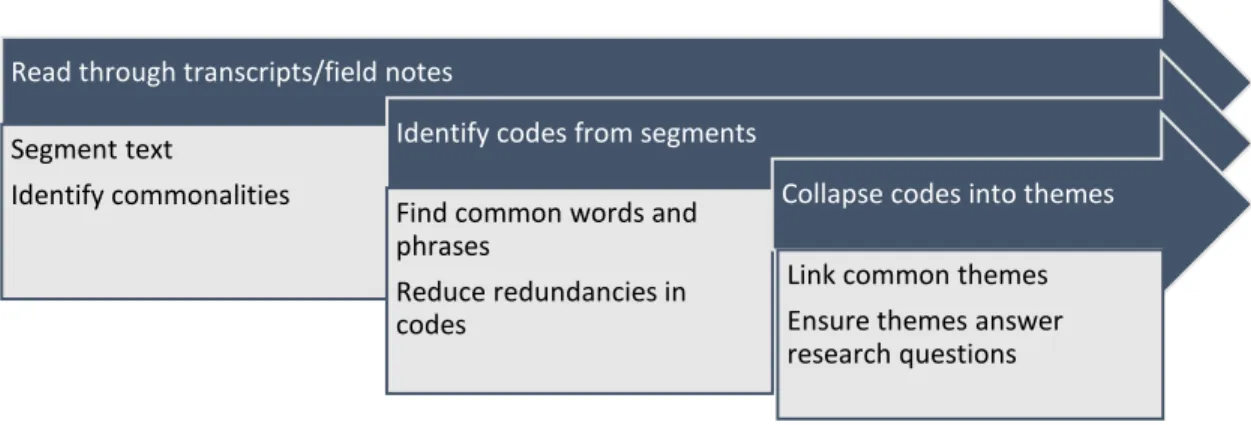
Figure 3.1. Foundation of Four Lenses ………..………...34 Figure 3.2. Coding Process………...45
viii
LIST OF TABLES
Table 3.1. Participant Profiles………….………...39
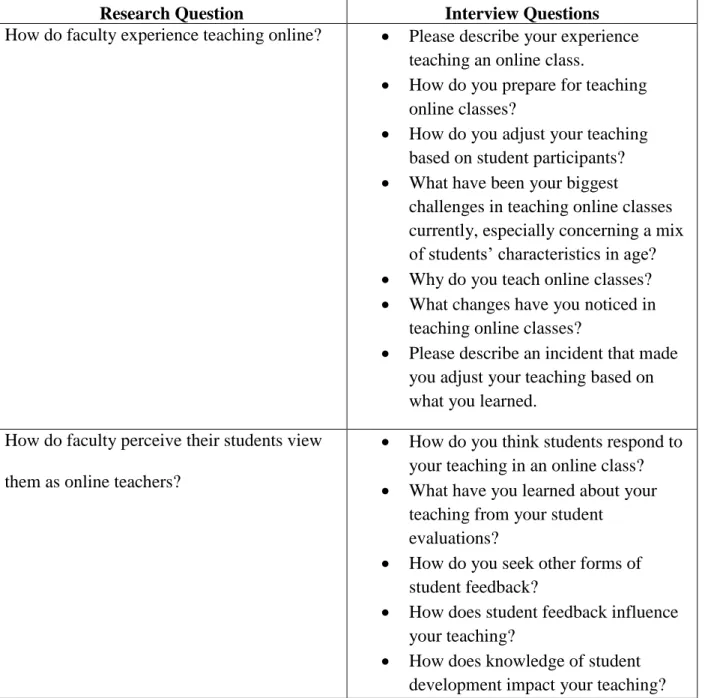
Table 3.2. Research and Interview Questions……….……..41
Table 4.1. Participant Criteria Descriptions………...50
ix
ACKNOWLEDGEMENTS
I want to thank my advisor, Dr. Simone Conceição, for all of her guidance through this process and her expertise in the field of online education. I also thank the remaining members of my committee for their time and effort to ensuring this study is done at the highest standards: Dr. Cheryl Baldwin, Dr. Liliana Mina, and Dr. David Radosevich. Thanks for all of your help on this challenging undertaking.
A tremendous thank you to Susan Baranczyk, editor extraordinaire. She is the only person who has probably read this work as much as my advisor and me. I am so grateful for your attention to detail and willingness to support this. Special thanks to Dr. Jenny Tran-Johnson for giving me the encouragement and push at the exact right time. I thank Dr. Sue Mattison and Dr. Steven VandenAvond for their never-ending supply of assistance and advice. This helped keep me going in the right direction on so many levels.
There is no me without the love and support of my parents, Floyd and Heidi Trombley, and family, Liz and Brian Whitehead, Pam and Tim White, Katie and Jered Brueggen, Megan Whitehead, Nathan Whitehead, Spencer White, and Shelby White. I am forever grateful to be a part of this family. They may not have always understood what I was working on, but that never stopped them from helping me complete this goal. My friends and my colleagues at the
University of Wisconsin-Green Bay and Drake University were an unending source of hope and inspiration. I would not have been able to do this without you.
To my friends, Carrie, Pat, Su(san), Rick, Colleen, Ron, Georjeanna, Julie, and so many others – thanks for your support, kindness, humor, and distraction when needed. There are so many friends to mention, but for every person who asked about this with genuine interest, I am so, so grateful.
1
CHAPTER ONE: INTRODUCTION
Online education has become an indelible component of higher education, evidenced by a report on online education from Babson Survey Research Group who reported that the majority of chief academic leaders view it as a critical component to their institutions’ long-term strategy (Allen & Seaman, 2014). When it first began, online education was an entry point in higher education for nontraditional students, a population that heretofore were place- or time-bound and unable to access higher education (McFarlane, 2011; Melkun, 2012). As more institutions continued to increase online access to all of their students, classrooms became more age diverse. A clear understanding of faculty perceptions on age diversity is needed because these
experiences can inform preparation and development to ensure that faculty are provided with the skills necessary to perform at their best.
A report from the Babson Survey Research Group (Allen & Seaman, 2017), working with Pearson and Sloan-C, found that more than two-thirds (68%) of students enrolled in “At Least One” distance course do so at a public institution, stating “while public perception has often equated distance education with the for-profit sector of higher education, public institutions actually command the market (Allen & Seaman, 2017, p. 13).” In 2014, all public education institutions in the United States began offering online courses to their students (Allen & Seaman, 2014). Online education is no longer just an entry point for nontraditional students, but rather a normal educational delivery format and an acceptable way for all students to attend class.
With 100% of public institutions offering online education (Allen & Seaman, 2014, 2016), a greater number of traditional students have access than ever before. Online classrooms that were once filled with nontraditional students are now welcoming their on-campus,
2
multigenerational classroom, the research has largely focused on face-to-face classrooms. In addition, there is conflicting research regarding whether faculty believe that assignments and other classroom activities should be changed to accommodate an intergenerational classroom or specific student populations (Robison, 2012).
In the 1990s, when adults began returning to higher education in record numbers, Bishop-Clark and Lynch (1992, 1995, 1998) studied the integration of traditional and nontraditional students in the classroom and the implications regarding teaching multigenerational classrooms. At the time of that research, however, the advent of online education had not yet had its impact on institutions and students. With the advent of a multigenerational online classroom, how have faculty been affected by this change?
Problem Statement
If everyone approached their education with the same bias, the same perspectives, and the same experiences, then teachers could approach each classroom with the same game plan. However, as the following research shows, different groups of students bring much more than just an open mind into their classrooms. There have been decades of research regarding the differences between younger and older students, spurring several different approaches to teaching adults through formal and informal means (Knowles, 1980; Merriam, Caffarella & Baumgartner, 2007) that are now labeled under the umbrella of adult learning theory.
Adult learning theory is rooted in the belief and assumptions that nontraditional students participate differently in their educational experiences (Merriam, Caffarella & Baumgartner, 2007) from their younger counterparts. The configuration of an adult learner, as well as the process and context, influence how adults process information. (Merriam, Caffarella &
3
Baumgartner, 2007). The issue, then, is whether the approach historically used to teach
nontraditional students can also effectively engage traditional students in the online environment. As the ensuing literature and research show, a difference exists in teaching an 18 to 22-year-old student and a student that is over the age of 25. Teaching for either group in higher education can be confounded further as faculty are not normally familiar with literature on the different teaching approaches for these groups, as most faculty in higher education are employed because of their subject matter expertise rather than instructional design knowledge or
experience (Day, Lovato, Tull & Ross-Gordon, 2011).
Nontraditional students have long been recognized as having differing characteristics than their younger educational peers. Specific characteristics in nontraditional learners are shown including tenacity, commitment, assertiveness, and focus (Bishop-Clark & Lynch, 1998; Day et al., 2011). Researchers have expanded upon the characteristics to include the belief or perception that nontraditional learners also work harder in both face-to-face and online
classrooms, spend more time participating, posting, reading, asking for help, and other activities than traditional students (Donavant, Daniel, & MacKewn, 2013; Howard & Henney, 1998).
If there is one area of agreement within all of the research, it is that motivational factors are a principal difference in qualities between nontraditional and traditional students (Donavant, Daniel, & MacKewn, 2013; Jinkens, 2009; Willging & Johnson, 2004; Yoo & Huang, 2013). Specifically, ample research defines and confirms that nontraditional students are intrinsically motivated, while traditional students are more extrinsically motivated (Willging & Johnson, 2004; Yoo & Huang, 2013).
Intrinsic motivation is represented by the internal drive of nontraditional learners or rather, their own self-expectations for achieving the learning outcomes for their course.
4
Conversely, external motivators that drive traditional students include grades, peer pressure, and family repercussions to do well in their courses (Donavant, Daniel, & MacKewn, 2013; Yoo & Huang, 2013). In the basic of views, nontraditional learners seem to appreciate the educational experience for the sake of what they learn whereas traditional students are more responsive to how they will be graded. Additional research (Hast, 2013) indicates that these perceptions can lead to problems within the classroom, including the perception of traditional learners as disrespectful, disruptive, and rude by nontraditional learners. Hast’s (2013) doctoral research studied the interactions between returning adult students and traditional students and the impact these interactions may have on the learning experience. Hast (2013) highlighted that
nontraditional learners may lose respect for instructors if they perceive the instructor cannot or will not control the classroom. Willging and Johnson (2004) argue that these motivational differences can only be applied to the classroom and not to the success or retention of full programs. The authors did not find any significant differences regarding age that predicted the likelihood of retention in online programs.
Faculty perceptions also play a key role in how nontraditional and traditional students are taught in both face-to-face and online classrooms. Day et al. (2011) through the use of
interviews found that faculty acknowledge that they had developed strategies to work with their nontraditional students in the classroom, including drawing upon the experiences of
nontraditional students and connecting the learning to realistic case studies – strategies that one could argue are an application of the andragogical methods. Faculty members who teach in online classes see differences in the way traditional and nontraditional students learn and approach teaching nontraditional students in an online class differently than traditional students in a face-to-face classroom (Miller & Lu, 2003). If faculty perceptions are such that differences
5
between nontraditional and traditional learners exist as well as differences between an online and face-to-face modalities, and that these impact teaching methods and techniques, then the case can be made that a multigenerational classroom delivered through online technologies would suggest yet another variable for how they provide instruction.
Nontraditional students have their own identities as learners, as researched by Bishop-Clark and Lynch (1992) in their studies on multigenerational face-to-face classroom. Through the use of non-participatory observation, interviews, and surveys, the authors were able to
determine how nontraditional learners viewed themselves in relationship to their traditional peers and to faculty. Nontraditional learners did perceive a barrier between age groups and offered the recommendation that faculty should encourage personal contact between traditional and
nontraditional students in the class. The recommendations to decrease barriers between age groups seem straightforward and easily applied within a physical classroom. Do faculty consider different teaching strategies or practices for multigenerational students in an online classroom? Faculty who have traditionally taught online may not consider the effectiveness of course design and teaching a multigenerational online class. Faculty also may not distinguish how teaching multigenerational students in a face-to-face class transition into the online environment.
Researchers examined age as an independent factor in educational experiences in several studies over the past decade, with both positive and concerning results that confirm the
differences in learning experiences for nontraditional and traditional students while also guiding the teaching methods and strategies for the faculty faced with a multigenerational classroom. Through statistical analysis, researchers determined that age plays a large role, over all other demographic factors including gender, in the participation of students in a class (Howard & Henney, 1998). Although the study is somewhat dated compared to the other research in this
6
review, it does provide quantifiable differences in how age groups respond differently in the classroom by observing and reporting how much time and how often students responded in classes. The study found that traditional students participated half as much as did their nontraditional counterparts in the same classes.
Some additional key findings included indications that different age groups also diverged in their preferences in the instructional design of a course, preferring different educational activities and different classroom environments (Fengfeng, 2010; Gregoryk & Eighmy, 2009). Diversity in age also allows for opportunities for a richer discussion in the classroom, as this diversity reflects different life experiences, which produces valuable differences in perspectives among students in a class (Ayers & Narduzzi, 2009).
Though some might be willing to accept that the differences between traditional and nontraditional students and their impact on face-to-face classes will apply similarly to online classes, the research shows that complexities in fostering online teaching effectiveness indicates that growth in multigenerational online classrooms presents a new set of challenges. Faculty may be challenged by new perplexities in teaching multigenerational students in online classes. Variances in teaching evaluations and student satisfaction may be a direct result of the mix of traditional and nontraditional students in the class.
Purpose of the Study
The purpose of this interpretivist qualitative study was to describe the perceptions and experiences of tenured faculty teaching traditional and nontraditional students in online classes at an urban, public, comprehensive university. My intention was to capture the spirit of these experiences in the participants’ own words. The faculty members who were selected for this
7
sample were engaged in teaching online classes with at least a third of the class represented by traditional students.
Much of the literature on the increase in heterogeneous classrooms either focuses on the traditional, face-to-face classroom, such as Bishop-Clark and Lynch’s seminal work of the 1990s or concentrates on the student perspective and perceptions. Bishop-Clark and Lynch (1992, 1993, 1995) did a series of studies on multigenerational students in the 1990s to investigate the differences in teaching traditional and nontraditional students. They found a series of differences including that “Little attention has been directed toward how faculty experience such a learning environment and little exploration of the advantages and disadvantages of the mixed-age college classroom” (p. 749). Past research has focused on multigenerational face-to-face classrooms. With the increase in online education, the multigenerational online class is of interest, especially since early online classes had a more homogenous nontraditional population of students.
Realizing optimal results in the classroom are the responsibility of the faculty and understanding the factors that inform the success of an intergenerational online classroom includes understanding the characteristics of the students (Donavant, Daniel, & MacKewn, 2013). My study will provide faculty members and higher education administrators an in-depth look at faculty responses to heterogeneous online classrooms in universities. The research will contribute to the limited body of knowledge that is currently in existence, providing faculty with additional information on how to address these new learning environments.
Research Questions
The major question explored by this study was “What are faculty perceptions and experiences with teaching a mix of traditional and nontraditional students in online classes?” Additional questions for this study were:
8
How do faculty experience teaching online?
How do faculty perceive their students view them as online teachers?
How do faculty view their colleague’s perceptions of their online teaching?
How have faculty learned about online teaching? Significance of the Study
The results of this study can inform the practices and research in teaching a more heterogeneous online class and spur an intentional discussion on the best practices for teaching traditional and nontraditional students in online classes. Furthermore, the results should inform research based on data to increase student satisfaction and the achievement of learning outcomes in this mode of delivery. In addition, this study adds to the general body of research on teaching and faculty roles in online education. With additional research, instructional practices can evolve, and practitioners and administrators can use the results of this study to aid in developing online courses that meet the learning needs of both traditional and nontraditional student
populations.
As online classes become the new norm for students seeking higher education, the melding of these two student populations will continue to spark changes in teaching. Understanding the perception of faculty as this change takes place will add to the limited body of knowledge in this area while also informing a more definitive research base that can have a positive and practical implication on teaching online classes in the future. The growth in research will benefit faculty, administrators, and students in online education in institutions of higher education.
Methodology
My study explored how faculty viewed their experiences as university online classes became more heterogeneous, specifically in regards to a blending of traditional and
9
nontraditional students. In particular, the study examined faculty perceptions of their experiences in teaching as more traditional students enrolled in classes that primarily served nontraditional students and how this dynamic affected their teaching. The experiences of the faculty who lived through the merging of traditional and nontraditional students in their online class are central to the study.
Data were collected from 10 faculty members through semi-structured, in-depth interviews. With the qualitative approach and use of interviews, faculty were able to express their experiences in their own words. They were able to reflect on both the positive and the negative effects and convey struggles and changes that have arisen by teaching students of different ages online. My study adds to the limited literature about how the growing trend of traditional and nontraditional students enrolled in the same online class influences faculty teaching in the online environment to help inform best practices and additional research.
Definition of Terms
For the purpose of this study, the following are the definitions of key terms used. Definitions were kept simple and straightforward as a way to find the best literature for support and to help streamline what can become a complicated relationship.
Nontraditional student are students who are 25 years of age or older and enrolled in an undergraduate degree program. This definition is relevant as it is the age defined by universities for reporting purposes and recognized as a standard in research. The parameters of enrolled in an undergraduate degree program is to ensure that the research used applies to one population, instead of graduate students or non-formal or workplace training programs. Adult learners and adult students are synonymous with the term nontraditional student for the purpose of this study. Nontraditional students normally have several priorities in their life, including children and jobs;
10
typically have not moved directly from high school to post-secondary education; and do not rely on others, such as parents, in their decision-making.
Traditional students are students between the ages of 18 and 22 and enrolled in an undergraduate degree program immediately after high school. Again, this is the typical definition used by most universities for reporting purposes and is the standard in published research; the parameters are used for the same reasoning as the nontraditional students to certify that we are comparing data from the same student populations. Traditional students typically live on campus, go to school full-time, do not have a break in their education, and have limited responsibilities in regards to family, children, career, or community (Pascarelli & Terenzini, 2005). This was the working definition during the interview process; I recognize that the definition has been updated since the writing of the dissertation.
A multigenerational classroom is a classroom that has a blend of traditional and nontraditional students. A classroom can be physical or virtual.
Online teaching is the ability to teach a class via a virtual classroom, either
synchronously or asynchronously, using the internet. While online education is an example of distance education, the terms are not interchangeable. For the purpose of this study, only classes that were taught completely online will be used there are no physical face-to-face components to the education.
Online learning is participating in a class, either synchronously or asynchronously, using the internet. There are no physical meetings or in-person contact with the teacher.
Student-centric teaching is considering student needs first when designing a class, moving towards a model where “students are more actively engaged in the learning process” (Wright, 2011, p.94) and the instructor role is more facilitative.
11
CHAPTER TWO: LITERATURE REVIEW
Faculty perceptions and experiences with traditional students, nontraditional students, and online education are important components informing this study. The purpose of this literature review was to examine the factors that affect faculty experiences teaching
multigenerational classrooms in online education. In the review of the research regarding faculty experience, the studies focused only on the delivery (online classes versus face-to-face classes) or the student makeup (traditional versus nontraditional). A deficiency existed in the research that applied both factors to faculty perceptions.
Literature Review Methodology
The review of the literature was conducted primarily using online databases including ABI/INFORM, ProQuest Dissertations & Theses Global, ERIC, and Google Scholar. Article references were also used to locate sources. Emphasis was placed on empirical research and peer-reviewed articles.
Initially, the search focused on three individual terms: online education, faculty
development, and multigenerational classrooms. It quickly became apparent that each of these terms had several variations. For online education, online learning and web-based learning
appeared synonymous. Multigenerational classrooms as a search term also highlighted the use of intergenerationalclassroom and multi-age classroom, although multi-ageclassroom was used more frequently for elementary and secondary education. Faculty development as a term was somewhat limiting, so professional development and staff development were also used in my research.
Using these search terms individually resulted in an impractical number of references to consider. For instance, there were a high volume of research studies about online education and
12
online learning. In Google Scholar, the search for online education returns almost three and a half million articles. With the overwhelming number of results using each search term
individually, additional searches combined the terms and used at least two out of the three terms. A search for all three terms, in any of their variations, provided no results. Adult students and
nontraditional students were also used to determine a concentration within a broad scope of results.
Reports from specific organizations that track and measure online education in the United States were also reviewed. There are three organizations that have been at the forefront of online learning in higher education and are recognized for their research in this industry: Babson Survey Research Group, Pearson, and Sloan-C. Published reports from these organizations have also been included in this review to ensure the most up-to-date statistics regarding online education were being used.
Once the general search was completed, the goal was to further narrow the parameters to stay current with changes in technology, Therefore, sources regarding online education that had been published from 2005 to present-day were identified. However, to identify literature on multigenerational classrooms the studies of Bishop-Clark and Lynch conducted in 1990s served as a foundation.
The following is the review of the pertinent literature regarding the growth and relevant changes of the online learner, the differences in teaching multigenerational classrooms, faculty perceptions regarding multigenerational classrooms and online education, and faculty
development. No research was found regarding faculty development for teaching
multigenerational classrooms, either face-to-face or online. In total, 74sources were used for this literature review.
13
The following section presents the main themes the literature provides regarding faculty development for teaching multigenerational online classes. The first is the growth and change regarding online learners as students, and the impacts these changes have on higher education. The second theme centers on faculty perceptions of multigenerational classrooms. This section highlights the research done by Bishop-Clark and Lynch (1990, 1995, & 1998). The final section discusses the literature regarding faculty preparation, including studies on professional development for online education.
Distance Education and Growth in Online Learning
This section presents research and concepts regarding the changing demographics of online learners. First, literature examining the growth of online learning in higher education is presented. Next, research on changing demographics of online learners is reviewed.
Online learning has had a meteoric rise in higher education. Although distance education has been around for over a century, the introduction of the Internet increased access and
availability of education around the world (Bold, Chenoweth, & Garimella, 2008, Hirner & Kochtanek, 2012; Mariasingham & Hanna, 2006). More than 5.8 million students were taking at least one distance education course in 2014 (U.S. Department of Education, 2015). Although distance education has always provided access to students who have no plans to step onto a college campus, the Internet has shortened the time and effort needed to connect to a college classroom. Currently, online delivery of education is used more than any other distance education strategy, including Interactive Television (ITV), correspondence, and live-remote location combinations (Hickman, 2003).
The surge of nontraditional students into higher education has as much to do with the access that online education provides than perhaps any other variable (Conceição, 2007; Melkun,
14
2012). Online education has allowed higher education institutions to open their doors to a completely new segment of students, allowing them to fulfill their responsibility and mission to provide an education to a broad population. Online education does not keep students place-bound, and perhaps more importantly, time-bound. Online education allows an asynchronous classroom, removing a limiting restriction for working nontraditional students who cannot commit to a specific timeframe for each course (Melkun, 2012; Yoo & Huang, 2013). Barriers of time and distance are no longer constraints for students who work, have families, or do not live within a commutable distance to the educational institution or program of their choice.
Although more and more public institutions of higher learning are providing Internet-based distance education programs, little pragmatic planning for the programs has been provided (Shelton, 2010; Watkins & Kaufman, 2007) including efforts to increase understanding of the characteristics and needs of the students who enroll in them and the faculty who teach them. For example, Shelton (2010) discussed the lack of instruments for evaluating quality online
education, “…quality indicators for traditional education are clearly defined but applicable standards are needed for benchmarking quality assurance in distance education” (p. 5).
Additionally, Watkins and Kaufman (2007) indicated that strategic planning for online education by administrators has focused on the growth of enrollments that online education can provide with little or no planning provided for faculty development to support online teaching. Online learning was initially offered to reach out to a new audience of students who may have not otherwise attended a post-secondary institution (McFarlane, 2011) ensuring that the bulk of the students in these classrooms were nontraditional students.
At the same time, online learners are no longer a homogenous group and their
15
nontraditional students flocked to online learning because of the ability to fit higher education into lives already burdened with responsibilities (Gagne & Walters, 2009), traditional students are finding that convenience of online classes is also beneficial, such as accelerating their time to degree (Bocchi, Eastman, & Swift, 2004; Young & Norgard, 2006). In 2007, Dabbagh already had noted that “the profile of the online learner population is changing from one that is older, mostly employed, place bound, goal oriented, and intrinsically motivated, to one that is diverse, dynamic, tentative, younger, and responsive to rapid technological change” (p. 217). As the popularity of online classes has grown and institutions have offered more of them, traditional students have begun to include them in their programs (Allen & Seaman, 2016; Dabbagh, 2007). While a traditional student may not complete an entire degree program online, they will include online courses into their studies. An overwhelming majority of bachelor degree seekers
indicated that they were either likely or very likely to take at least one online course in 2016 (Allen & Seaman, 2016).
Traditional students have incorporated online classes into their programs (Allen & Seaman, 2016). Faculty no longer teach a homogenous online learner base, suggesting the need to advance and support changes to serve a multi-age classroom (Conceição, 2007). As the profile for the online learner continues to change, previous studies that identified strategies based on the characteristics of a homogeneous group of nontraditional learners may no longer apply and these shifting profiles pose a considerable challenge for research. Insights on issues of multigenerational online classrooms can be drawn from earlier research on multigenerational face-to-face classrooms.
16
Multigenerational Classrooms
Bishop-Clark and Lynch spent much of the 1990s researching the advent of multigenerational classrooms on campus. At that time, there was a marked growth in
nontraditional students returning to university campuses. Several of their studies focused on faculty perceptions of intergenerational classrooms. In 1993, the authors concluded that faculty enjoyed and preferred teaching in a mixed-age classroom and that they believed a mixed-age classroom provided benefits for the students, including different perspectives that each population of students provided in the classroom.
In another study, Bishop-Clark and Lynch (1998) explored the similarities and
differences in faculty perceptions in intergenerational classes. The overwhelming majority of faculty did not favor either the traditional or nontraditional students, but almost a quarter of respondents did admit to a preference for older students. In open-ended questions, faculty often referenced the contributions provided by older students and indicated frustration with younger students. The authors concluded that the perceptions of faculty teaching in these classrooms were extremely positive (Bishop-Clark & Lynch, 1998).
Bishop-Clark and Lynch’s (1998) findings from several studies support the indications that a multigenerational class presents specific rewards and challenges for faculty although faculty did not perceive a need to alter their teaching of these classes. The authors noted,
“Faculty seem to be aware of problems unique to the mixed-age classroom, but it is not clear that they are addressing them” (Bishop-Clark & Lynch, 1995, p. 756). Not only did their findings support this assertion, but also additional research confirmed that the perceptions of faculty were that students of different ages behaved and learned differently in the classroom (Bourland, 2009; Day et al., 2011; Kasworm, 1990; Robison, 2012).
17
The seminal works produced by Bishop-Clark and Lynch (1992, 1995, 1998) provided a basis for understanding the challenges and benefits of a multigenerational classroom. In their research published in 1995, several key findings laid the groundwork for understanding how faculty perceived students from different age groups and their experiences of teaching in these classrooms. More than a third of the faculty surveyed agreed that they interacted differently with traditional and nontraditional students, although only 11% said that they were friendlier with older students. The survey substantiated previous research from Bishop-Clark and Lynch (1992) indicating that faculty attitudes to teaching a multigenerational classroom were extremely
positive. It is also worth noting that faculty also believed that traditional students were less serious about their coursework and more disruptive in classes. Bishop-Clark and Lynch (1995) concluded their research with the advice, “Only by becoming aware of our attitudes and our treatment of both groups of students can we begin to incorporate strategies and techniques that will benefit our students’ learning” (p. 760).
Numerous studies have determined that faculty perceptions regarding traditional and nontraditional students have implications on how they teach (Bishop-Clark & Lynch, 1992, 1993, 1995, 1998; Donavant, Daniel, & MacKewn, 2013). Recommendations for changes include increasing interactions between age-diverse groups within a classroom (Bishop-Clark & Lynch, 1992) as well as the emphasis placed on identifying the class student base for successful design of the courses (Simonsen et al., 2012). These recommendations inform how classes can effectively engage all students in multigenerational classrooms.
However, Donavant, Daniel, and MacKewn’s (2013) research has shown that while faculty have specific perceptions regarding the differences between traditional and nontraditional students, they did not change their instruction for a mixed-age classroom in a face-to-face
18
setting. Furthermore, faculty did not believe that a multigenerational classroom warranted any changes in teaching styles or educational methodology. Moreover, Robison (2012) stated that while both faculty and students indicated a preference for a mixed-age classroom, students and faculty perceptions differed on the learning design for these courses. Students agreed that assignments should not be changed to accommodate students of different ages, but faculty members believed that assignments should be changed for a multigenerational classroom (Robison, 2012), although the research provides no reasons for these beliefs.
With no consensus on the most effective strategies, the obvious implications are that course design affects both students and faculty in multigenerational classrooms. However, the research only applies to multigenerational students in a face-to-face class and less is known about multigenerational online classrooms.
The Multigenerational Online Classroom
Online classrooms are experiencing increased diversity including the age of their students (Gregoryk & Eighmy, 2009). Multigenerational online classrooms have grown as traditional students now incorporate these courses into their programs of study (Allen & Seaman, 2016). Moreover, with almost 50% of students in higher education defined as nontraditional and almost one hundred percent of all students planning to incorporate at least one online course in their program in the next year, the blending of traditional and nontraditional students in these courses will continue. In short, online learners are becoming more heterogeneous and any shared characteristics are diminishing (Dabbagh, 2007; Gregoryk & Eighmy, 2009; Meyer, 2014).
The multigenerational online classroom differs from the face-to-face classroom in several essential ways that may affect design, effective instruction, and student satisfaction. As the Sloan Consortium Report to the Nation “Five Pillars of Quality Online Education” (Lorenzo &
19
Moore, 2002) noted student satisfaction is a “vital aspect” (p. 4) in any education. Yet, limited research on age differences in online classrooms makes it difficult to know just how student satisfaction is fostered by faculty.
Unlike face-to-face classrooms, where student satisfaction and engagement can be more easily read through both verbal and physical cues, asynchronous online learning fundamentally puts a barrier between the instructor and students, increasing the challenge for an instructor to connect with the students on this level (Chyung, 2007; Conceição, 2006). Blondy (2007) suggested in her review of the application of teaching strategies with nontraditional learners in the online learning environment, adult learning theory assumptions used as a starting point in the approach of developing online coursework for nontraditional students can help guide faculty choices for design such as discussions, assessments, and outcomes in multigenerational classrooms.
In addition, several studies support the assertion that traditional and nontraditional students approach learning differently (Day, et al., 2011; Donavant, Daniel, & MacKewn, 2013; Howard & Henney, 1998; Meyer, 2014) which may hold true in the online environment. Howard and Henney (1998) found a statistically significant difference in the participation rates between traditional and nontraditional students. Although their study was limited by the environment of the sample (only one campus studied), the research supported their findings. Yoo and Huang (2013) determined that age was a contributing factor in engagement and motivation for online learners.
Yet, the research is limited on how the mixing of nontraditional and traditional students in online courses has impacted faculty teaching, the learning experience, or students’
20
faculty and students may have differing views of optimal course design, and it is unclear whether faculty see age diversity as something to consider in course design and instruction (Donavant, Daniel, & MacKewn, 2013).
Growth in Faculty Teaching Online Courses
Online learning is quickly becoming normalized in higher education. Faculty who were more technically savvy and enjoyed the digital format were the first to begin teaching online, but this was a small subset (Seaman, 2009). However, as online education continued to become more mainstream and more students seek online classes, faculty who were at first hesitant have now joined the online format (Allen & Seaman, 2014). Newer data in a survey of approximately 50,000 online instructors provide the following (Seaman, 2009):
Nearly one-quarter of all faculty responding (23.6 percent) were teaching at least one online course at the time of the survey.
Over one-third (34.4 percent) of faculty have taught online.
The most experienced faculty, those with more than 20 years of teaching experience, are teaching online at rates equivalent to those with less teaching experience.
A primary motivator for faculty to teach online is to “meet student needs for flexible access” or the “best way to reach particular students” (Seaman, 2009, p. 7). However, faculty also view online education as having barriers to successful teaching, including social interaction with students, time management or the effort to develop/design an online course, and technical support (Seaman, 2009; Haber & Mills, 2008).
21
As in all planning for courses, whether offered in a traditional face-to-face classroom or via the internet, careful consideration must be placed on the design and should include the activities, assessments, delivery, and learning outcomes (Simonson, Smaldino, Albright, & Zvacek, 2012, Cennamo & Kalk, 2012; Dell, Low & Wilker, 2010, Gagne, Briggs, & Wager, 2005). A thoughtful, well-planned design provides a successful learning experience for all students, but faculty believe that online education requires that students also be more adept and self-directed in the learning experience (Brown, 1997). The distance between faculty and the students in an online class adds a layer of anonymity; faculty do not “see” their students, but rather a series of discussion posts and homework assignments. Faculty struggle to connect with their students in this context (Totaro et al., 2005).
McKee and Tew (2013) state that “Faculty members tend to teach as they were taught and accordingly have little experience with new instructional pedagogies and delivery systems” (p. 4). Furthermore, the role of instruction in online classes is vastly different from that in a face-to-face class (Conceição, 2006, 2007; Gagne & Walters, 2009). Conceição (2007) explains that the “successful online instructor [is] an instructional designer, facilitator, catalyst, and learner” (p. 6).
One of the areas that is challenging to mirror in the online environment is the face-to-face interaction. This can be an important component for faculty in their decision to teach online (Bruner, 2007). In a quantitative analysis by Tanner, Nosser, and Totaro (2009), business undergraduate faculty were surveyed on their perceptions regarding online learning. Faculty, on significantly high levels, agreed that they would miss the contact with students in an online class.
Faculty teaching online cite these barriers and more to their perceived effectiveness or success in the online classroom (Haber & Mills, 2008; Maguire, 2005; Terantino & Agbehonou,
22
2012). Faculty rated factors such as technological support, strategic planning for program/course development, time and compensation, and rapid change due to technological advances as barriers to their teaching satisfaction in online classes (Haber & Mills, 2008). There is also the
perception that online classes do not mirror the experience of a face-to-face class, or even more concerning, that the class does not provide the same learning outcomes for the students (Allen & Seaman, 2014; Maguire, 2008).
The online teaching environment can also be overwhelming for faculty with the sense that the work is never-ending (Gagne & Walters, 2009; Haber & Mills, 2008; McLean, 2006; Perry, 2008; Portugal, 2013). In addition, a faculty member’s comfort level with technology has a direct impact on their willingness to teach an online class (Betts & Heaston, 2014; Maguire, 2005). Keeping up with the ever-changing technological updates is viewed as a distinct challenge for faculty considering teaching online classes. Amro, Maxwell, and Kupczynski (2013) were clear in their findings that “Faculty members, as well as students, need to be ready for the rapid changes associated with technology” (p. 301).
The new role for effective faculty teaching online is much more student-centric in its approach (Baran, Correia, & Thompson, 2013; Conceição, 2006; Wright, 2011) and is a “guide on the side” (Baran, Correia, & Thompson, 2013, p. 4), allowing students to have more
responsibility within the class. Gagne and Walters (2009) further explain that “contrary to the assumption that teachers should know how to teach online since they are actually doing it, the findings of their study suggested that faculty need to be provided with continuous support that includes appropriate technology, ongoing training, and technical assistance in making the transition to the online environment” (p. 586).
23
More faculty are gravitating to the online environment, with little or no preparation or training (Ali et al., 2005; Gregory & Salmon, 2013). For example, a needs assessment for faculty development in nursing (Ali et al., 2005) found that faculty rated themselves as novices, beginners, or competent. None of the faculty, even those who were currently teaching online, reported themselves as proficient or expert; furthermore, most faculty believed that they would eventually have to teach online. Given the differences between face-to-face and online teaching and what is known about teacher improvement, it is not surprising that faculty often lament the lack of training for teaching online courses (Haber & Mills, 2008; Hoffman & Dudjak, 2012).
Chaney (2010) found that there is a positive relationship between the intent to teach online and the intent to participate in faculty development. Moreover, in her doctoral research regarding faculty perceptions of professional development for online teaching, Kennedy (2015) found an increased satisfaction with online teaching by faculty who participated in formal professional development. She provided three results from a regression analysis that assessed the best indicators of professional development that increased faculty satisfaction with online teaching, “faculty willingness to participate in formal professional development, satisfaction with institutional support for online teaching, and perceptions of usefulness of formal professional development” (p. 79). Furthermore, faculty who rarely participated in development activities still reported an increased satisfaction with online teaching. Her research showed that
professional development for faculty, even with brief participation, had an impact on the participants, yielding greater satisfaction for faculty.
With such a crucial shift in the role of teaching between face-to-face and online classes, programs which allow faculty to work on this transition would be a welcomed practice, and “transform their perspectives by engaging in pedagogical inquiry and problem solving” (Baran,
24
Correia, & Thompson, 2013, p. 35). How faculty become better teachers was the purpose of Bain’s (2004) fifteen-year study. Bain and his partners interviewed 63 college professors, reviewed the professors’ presentations and written discussions; read their syllabi, assignments, and other class materials; observed them teaching; interviewed their students and collected rating sheets; and listened to their colleagues. While Bain (2004) presented several conclusions from his research, he summarized his findings on what he characterized as the best college teachers thusly, “Fundamentally, they were learners, constantly trying to improve their own efforts to foster students’ development, and never completely satisfied with what they had already achieved” (p. 20). Although Bain (2004) did not address it directly in his research, in one sentence, the case for faculty development is incredibly clear.
Impact of Faculty Preparation for Online Instruction
Faculty who are trained produce a classroom that is conducive to learning and generate more successful and satisfied students(McKee & Tew, 2013). While professional development was shown to increase faculty satisfaction with online teaching (Frankel, 2015; Kane, Shaw, Pang, Salley, & Snider; 2016; Kennedy, 2015), did it help increase student satisfaction in online classes? Kane et al. (2016) researched the relationship between student satisfaction and activities faculty used for preparation for online teaching and found no relationship. However, they did find that activities that helped in preparation did have a positive impact on faculty retention, suggesting that investing in faculty support may be “worth the cost” (Kane et. al, 2016, p. 10).
Several factors are necessary for successful faculty development plans (Murray, 1999), including institutional support, structured programs and activities, reward structures, and faculty ownership. In his study on faculty development in community colleges, Murray (1999) found that the overwhelming majority of colleges met only half of the factors for a successful
25
professional development plan. In addition, most development programs had little cohesion, and many faculty focused their efforts on increasing their content knowledge rather than
strengthening their teaching skills or preparing for the future of education.
Professional development for increasing faculty ability to teach effectively in the online environment generally covers two areas: (1) technology training to develop the courses (Ali et al., 2005; Bolliger & Wasilik, 2009; Kennedy, 2015; Padgett & Conceição, 2000) and (2) training in online instructional practices for delivery, especially for asynchronous delivery
(Chiasson, Terras, & Smart, 2015; Kennedy, 2015; Koszalka, & Ganesan, 2004; Portugal, 2013). Dysart and Weckerle (2015) discuss how technology and pedagogy can intersect with formal activities for faculty preparation with the TPACK (technological, pedagogical, and content knowledge) framework. This framework provided an “approach to build instructors’ ability to integrate technology with the pedagogical strategies that best serve the content they are teaching” (p. 255).
While it did not address multigenerational classrooms per se, Dysart and Weckerle’s (2015) work at least connected the approach to teaching with the inclusion of creating knowledge sets to better integrate technology into teaching. This may be at the core of developing faculty for teaching multigenerational online classes. That is, by addressing teaching and not just technology, issues of design that engage age-diverse learners may be realized. The professional development to support the TPACK approach included learning by design, peer coaching, and communities of practice.
A case is made for increasing the support of faculty teaching online classes, especially since “the needs of faculty teaching solely online varies considerably from their face-to-face counterparts” (Elliott, Rhoades, Jackson, & Mandernach, 2015, p. 177). Research done by
26
Meyer and Murrell (2014) reported the areas that faculty valued most in training for online teaching. Assessment of student learning, creating community, critical thinking, instructional design models, and creating community rated highest out of 18 distinct categories among faculty surveyed (Meyer & Murrell, 2014). Professional development approaches to the needs of faculty teaching online is strongly correlated with the quality of the online programs offered (Baran & Correia, 2014), so faculty development should be a critical component in an institution’s strategy for online education.
In general, faculty training and preparation is essential to the successful implementation of a class (McKee & Tew, 2013). Faculty members today need a comprehensive toolbox to manage an increasingly diverse student body and the changing delivery formats used in higher education. Faculty development must contend with staying abreast of the technological changes that impact higher education and the changing demographics of students.
Issues for Effective Faculty Instruction in Multigenerational Online Classrooms
The growth of multigenerational online classrooms adds another layer of complexity for faculty development strategies for effective online teaching. As online classrooms have become more heterogeneous, faculty understanding of their role and their impact on the mix of traditional and nontraditional students is an important factor for effective online teaching and learning. Faculty preparation and development may be able to provide tools to support teaching in the multigenerational online classroom. Yet, there is little research regarding faculty development for teaching multigenerational students, although the student population has been blending for the last decade.
One factor that supports that faculty can become effective in multigenerational online teaching is the growing recognition that overall effective online teaching is student centered.
27
The role of faculty in face-to-face learning is different from faculty teaching an online class (Conceição, 2006, 2007; Gagne & Walters, 2009), although faculty teaching online view their students as the most important element in their overall satisfaction (Bolliger & Wasilik, 2009; McLean, 2006). This signifies that faculty believe student needs are their first consideration, independent of the means of delivery.
Another strategy for conceptualizing effective online teaching in the multigenerational classroom is to consider age differences from the lens of diversity. As noted by Faust and Courtenay (2002), “‘Age’ is commonly treated as an important characteristic of diversity [as well], yet, very little attention has been given to age as it results to student success in the college experience” (p. 402). Eppler et al. (2000) stated that “Research efforts could facilitate this transition to increasingly diverse classrooms by providing a more detailed understanding of factors which motivate students of various ages to learn and strive for academic success” (p. 353). Increased knowledge of motivational factors in the online multigenerational classroom aligns with the general need for a student-centered approach to teaching.
Finally, building on adult learning theory may inform effectiveness in the
multigenerational online classroom (Knowles, 1980; Merriam, Caffarella, & Baumgartner, 2007). Cercone (2008) noted that the influx of nontraditional learners at the beginning of online education increased the need for integrating adult learning theories into the design of online classes as a specific recommendation for ensuring student satisfaction. Now that traditional students are entering the online classroom, it is important to reconsider how adult learning theory methods and concepts are used in online courses to enhance the satisfaction of the nontraditional students who fill the majority of the classes. Adult learning theory may inform multigenerational teaching practices in ways not previously considered.
28
However, there is a need to better understand faculty perceptions about multigenerational online teaching before formal activities to support preparation can be designed. While studies on faculty development for online instruction have demonstrated that some perceived barriers can be overcome, less is known about factors associated with multigenerational online teaching.
Formal activities and professional development in online teaching can provide support for faculty who struggle with external barriers, such as time and technological support. While much of the existing professional development literature focuses on existing barriers, growth in the online multigenerational classroom suggest that it also important to address this dimension of online teaching.
Summary
With the absence of research encompassing the interaction of the growth and change of online learners, multigenerational classrooms, and faculty development, there is a significant gap in the knowledge base. The research on multigenerational classrooms only references face-to-face classrooms (Bishop-Clark & Lynch, 1998; Bishop-Clark & Lynch, 1992), and it is inconceivable that findings based on such differing experiences can be applied or remain relevant to today’s online students. Current research regarding online education abounds, including substantial support for the changes and trends as they relate to online learners.
Consequently, the research establishes that online learners as a distinct population are becoming more heterogeneous (Dabbagh, 2007) and thus, more challenging to apply predictable and standardized attributes concerning their educational experiences.
Although online education has been a growing part of higher education for over the past 10 years, its innate state of flux keeps the research from being relevant for very long. In
29
experience, prior to any consideration that communication, let alone teaching, would be possible otherwise. The effects of online education and online learning on students, especially
nontraditional students, has been well documented (Allen & Seaman, 2016; Conceição, 2007; Melkun, 2012). Online education has correspondingly had an impact on faculty, including the necessity of adapting to changing and dynamic student populations, new areas of professional development and training, changing technology in classrooms, and increased workloads with limited resources.
Developing this base of knowledge will have long-term ramifications on the teaching practices and the administration of online programs for the near future. Contributions to the literature will help promote understanding to the practice of teaching, especially in an online environment. Adding to the research in this area will assist faculty in their preparation for teaching a more diverse student base; administration will be able to plan and support the faculty to meet the challenges that online education and a more heterogeneous classroom create.
The following chapter focuses on the methodology for my study, including reviews of the qualitative interpretivist methodology and Brookfield’s (1995) conceptual process for critical reflection and the justification for their use in this study. A review of both the research and interview questions is included. In addition, data design, data collection, and data analysis will be detailed. Finally, strategies for quality control to corroborate interpretation and mitigate researcher bias will be offered.
30
CHAPTER THREE: METHODOLOGY
My interpretivist study explored and interpreted faculty perception of an event (Creswell, 1998), namely teaching traditional and nontraditional students in online classes. Understanding how faculty experience teaching online classes with traditional and nontraditional students can inform instructional designers, faculty, and administrators and have a positive impact for online students. This qualitative interpretive study focused on the following questions.
Major question:
What are faculty perceptions and experiences with teaching a mix of traditional and nontraditional students in online classes?
Sub-questions:
How do faculty experience teaching online?
How do faculty perceive their students view them as online teachers?
How do faculty view their colleague’s perceptions of their online teaching?
How have faculty learned about online teaching? Methods
An interpretive qualitative methodological approach was used to conduct my study. Interpretivists “see action on research results as a meaningful and important outcome of inquiry processes” (Guba, Egon, & Lincoln, 2005, p. 201) and focus on the construction of the meaning that participants make of their experiences. In this study, I focused on the participants’
experiences and perceptions teaching traditional and nontraditional students in online classes. Creswell (2007) further refines interpretive qualitative research by stating “it recognizes the self-reflective nature of qualitative research and emphasizes the role of the researcher as an interpreter of the data and the individual who represents the information” (p. 248). An
31
interpretivist approach acknowledges the role of the researcher and the influence over the analysis the role has. The interpretivist model identifies that a rigid standard of objective
assessment of any study cannot exist because of this relationship (Broom & Willis, 2007; Glesne, 2011).
The interpretivist’s central purpose for the research is to understand the meaning that is made by the research participants (Broom & Willis, 2007; Glesne, 2011). As Glesne (2011) states, “The ontological belief that tends to accompany interpretivist traditions portrays a world in which reality is socially constructed, complex, and ever changing” (p. 8). Thus, the research began with an open mind-set to a plethora of perspectives, rather than a specific hypothesis, allowing for participants’ interpretations of their experiences.
The interpretivist approach to research listens for the meaning people make from their own experiences that informs their actions and decision-making, recognizing that people
construct their reality. According to Broom and Willis (2007) in their review of the interpretivist approach to health research, interpretivist researchers rely on qualitative techniques, such as interviews and focus groups. The interpretivist researcher does not look for patterns in group behavior, rather “seeks to understand individual experiences of interactions, events, and social processes and identify patterns in these subjective experiences” (Broom & Willis, 2007, p. 25).
To fully understand the experiences of teaching multigenerational students in online classrooms, faculty stories and anecdotes are used to share their perspectives. I, as the researcher, provided my interpretation in the analysis.
Conceptual Framework
Brookfield’s (1995) conceptual process for Critical Reflection was used for my study, including his use of four lenses – autobiography, students, colleagues, and theoretical literature.
32
Critical reflection is the process of “identifying and questioning processes … with the aim (expressed or not) of seeking improvement. The analysis of one’s beliefs and assumptions is at the heart of critical reflection” (Privett, 2002, p. 8). Brookfield (1995) defines it further by clarifying that there is a difference between reflection and critical reflection
…reflection becomes critical when it has two distinctive purposes. The first is to understand how considerations of power undergird, frame, and distort educational processes and interactions. The second is to question assumptions and practices that seem to make our teaching lives easier but actually work against our own best long-term interests. (p.8)
Understanding that critical reflection relies on more than a cursory review of events is essential to its use. This conceptual process will guide my study.
Faculty learn to teach through a myriad of efforts, including graduate work, professional development offered through their institutions, and academic conferences (Brookfield, 1995, 2002). However, faculty spend the bulk of their training efforts on becoming subject matter experts, not necessarily better instructors of those subjects (Brookfield, 2002). Critical reflection provides a base that allows the researcher to focus on the participants’ views of their experience as teachers, supporting faculty to reflect on their experiences teaching multigenerational online classes. Brookfield’s (1995) critical reflection process stresses that faculty move beyond their own assumptions and look externally to confirm their beliefs. The process of critical reflection allows faculty to identify their own assumptions regarding practice and power. As Brookfield states (1995), “It never occurs to us (teachers) that what needs questioning is the assumption that neat answers to our problems are always waiting to be discovered outside our experience” (p. 1).