Suicide among Physicians and Methodological
Similarities of MEDLINE/PubMED and
BVS/BIREME Open Access Bibliographic
Databases: A Systematic Review
with Metanalysis
Kécia Silva Damasceno
1,2, Élcio de Sousa Barbosa
3, João Vitor Cândido Pimentel
2,
Antonio Gilvan Teixeira Júnior
2, Airton César Pinheiro de Meneses
2, Jucier Gonçalves Júnior
2,
Danilo Ferreira de Sousa
4, Paulo Sérgio da Costa Lima
5, Iara Bezerra Sales
1,
Antonio Souto Gouveia
1, Elisabethe Peres Biruel
6, Modesto Leite Rolim Neto
1,2,
Vânia Barbosa do Nascimento
11Health Sciences Posgraduation Program, Faculdade de Medicina do ABC-FMABC, Santo André, SP, Brazil 2Medicine Course, School of Medicine, Universidade Federal do Cariri-UFCA, Barbalha, CE, Brazil 3Library Science Degree Course, Universidade Federal do Cariri-UFCA, Juazeiro do Norte, CE, Brazil 4Nursing Course, Faculdade de Juazeiro do Norte-FJN, Juazeiro do Norte, CE, Brazil
5Information Systems Course, Faculdade de Juazeiro do Norte-FJN, Juazeiro do Norte, CE, Brazil 6Latin American and Caribbean Center on Health Sciences Information-BIREME, São Paulo, SP, Brazil
Abstract
Background: Suicide among physicians is a serious public health issue, with an extremely complex and multifactorial behavior. Aim: The aim of this study was to use the theme “Suicide among Physicians” to exemplify the anal-ysis of methodological similarities between the scientific content available at MEDLINE and BVS databases, as scientific research tools. Methods: This is a systematic review with metanalysis. The following combinations of keywords were used for data search in the referred databases: “suicide” AND “physi-cians” AND “public heath”. Results: Three hundred and thirteen publications were identified, but only 16 studies were chosen. Great association was found between MEDLINE and BVS databases and the Odds Ratio regarding the theme: “Suicide among physicians”. Conclusions: Considering the similari-ties found in the utilization of the two analyzed databases, it was possible to identify that suicide among physicians is associated with the exercise of an important professional role in the society and in the workplace. With regard to scientific information, the p-value-obtained value (<0.05) seems to be
sta-How to cite this paper: Damasceno, K.S., de Sousa Barbosa, É., Pimentel, J.V.C., Tei- xeira Júnior, A.G., de Meneses, A.C.P., Gon- çalves Júnior, J., de Sousa, D.F., da Costa Lima, P.S., Sales, I.B., Gouveia, A.S., Biruel, E.P., Neto, M.L.R. and do Nascimento, V.B. (2017) Suicide among Physicians and Methodological Similarities of MEDLINE/ PubMED and BVS/BIREME Open Access Bibliographic Databases: A Systematic Re- view with Metanalysis. Health, 9, 352-375. https://doi.org/10.4236/health.2017.92025
tistically significant for the association between the suggested theme and the methodological similarities of the scientific information available in the ana-lyzed databases. Thus, these open-access research tools are considered scien-tific reliable tools.
Keywords
Suicide, Physicians, Public Health, Databases, Scientific Communication and Disclosure
1. Introduction
Around 1 million deaths by suicide are registered every year—17% of them are related to Indians and 14% happen in developed countries [1][2][3].
However, the rate of suicide is not homogenous in all countries [4][5]. Physi-cians usually commit suicide in higher frequency compared to the general pop-ulation [6] [7] [8]. Thus, the decrease of suicide mortality among physicians should be the main purpose of this working class to change this situation [8]. Hence, these professionals have 2.5 times higher chances of committing suicide than the active population [5] [9]. Since suicidal ideation is another risk factor for suicide, prevention actions aiming to avoid these thoughts and suicide itself have great importance not only for these physicians, but also for the entire workgroup [8][10][11][12].
Furthermore, mental health studies including Medicine students point out high levels of depression, anxiety, and Burnout Syndrome. Nevertheless, these studies about suicide and mental health risk factors among active male physi-cians are rare [13] [14][15]. Additionally, expressive levels of psychic suffering were found among physicians who committed suicide [15][16][17].
Therefore, more pieces of information about suicide among health profes-sionals are necessary in most of the known sources. Such information could be used to monitor the risk of suicide, to define the concomitant risk factors for self-mutilation in medical population, or to help analyze mental health factors that contribute to physicians’ suicide [15][18].
Thus, we aim at exemplifying the research of such theme, “Suicide among Physicians,” and its correlation with the available scientific content regarding Health Sciences in the main electronic bibliographic databases of open access to the full text content. This is done through the Brazilian Department of Health, which is named Biblioteca Virtual em Saúde-BVS/BIREME, in Brazil, and the
US National Library of Medicine, also known as MEDLINE/PubMed, in the
USA.
Therefore, this investigation presents the methodological development simi-larities of BVS/BIREME and MEDLINE/PubMed databases, as well as their re-ported controlled vocabulary: Descritores em Ciências da Saúde (DeCS) and Medical Subject Headings (MeSH).
Copyright © 2017 by authors and Scientific Research Publishing Inc. This work is licensed under the Creative Commons Attribution International License (CC BY 4.0).
http://creativecommons.org/licenses/by/4.0/
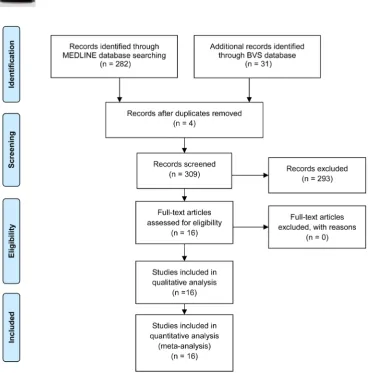
This is a systematic review with metanalysis following Cochrane Handbook [39]
and Meta-Analyzes (PRISMA) [40] guidelines recommendations for conduction of both the systematic review and the metanalysis (Figure 1). Previously chosen inclusion/exclusion criteria were adopted to select the sample in the MEDLINE/ PubMed and BVS/BIREME databases, since they are the object of this study.
The search was conducted from January 1, 1996 to August 26, 2016 by means of the keywords found in DeCS/MeSH: “suicide”, “physicians” and “public health”. Data screening applied combinations and gray literature, as follows: #1. “Suicide” [MeSH Terms], “Suicídio” (DeCS); #2. “Physicians” [MeSH Terms],
“Médicos” (DeCS); #3. “Public heath” [MeSH Terms], “Saúde Pública” (DeCS),
[image:3.595.170.539.304.678.2]using the following research strategy: #1 AND #2 AND #3. The formulation of
the research question was structured based on the PICO acronym. Each word of the PICO component means: P: MEDLINE and BVS scientific databases; I: ca-tegorization of the selection of source-data and hierarchical system available in each analyzed database; C: collection of the available scientific information from January 1, 1996 to August 26, 2016; O: guarantee of reliable collected informa-tion to support the decisions taken by the investigators and Health Sciences pro-fessionals, which enabled the detailed description of the creation of the eligible criteria adopted herein.
The research question consists in: “Have the main open access bibliographic databases, MEDLINE/PubMed in the United States, and BVS/BIREME in Brazil, presented methodological similarities in the indexed scientific content during the last 20 years as a way to ensure reliability of the recovered information?” The theme “Suicide among Physicians” was used to illustrate such methodological similarities. The following types of studies were included:Classical Article, Clin-ical Study, ClinClin-ical Trial, ClinClin-ical Trial, Phase I, ClinClin-ical Trial, Phase II, ClinClin-ical Trial, Phase III, Clinical Trial, Phase IV, Controlled Clinical Trial, Corrected and Republished Article, Journal Article, Meta-Analysis, Multicenter Study, Obser-vational Study, Overall, Randomized Controlled Trial, whose main theme was “Suicide among Physicians”, in English, Spanish and Portuguese languages. Such time period was chosen due to the creation date of the PubMed health sciences scientific research portal in January of 1996. Exclusion criteria were comprised of articles that did not directly approach the theme ‘Suicide among Physicians’ or situations that resulted in such action, as well as of studies that did not have the open access availability to full text. Studies were chosen through electronic search in MEDLINE/PubMed and BVS/BIREME databases, in addition to gray literature. The R 3.3.1 statistical program was used for the statistical analysis.
Throughout the process of study selection, two reviewers worked indepen-dently and analyzed the studies to be included. When occurred disagreement between them, a third reviewer was used to make the final assessment on the in-clusion or non-inin-clusion of the study. The entire content of chosen studies was analyzed.
3. Results
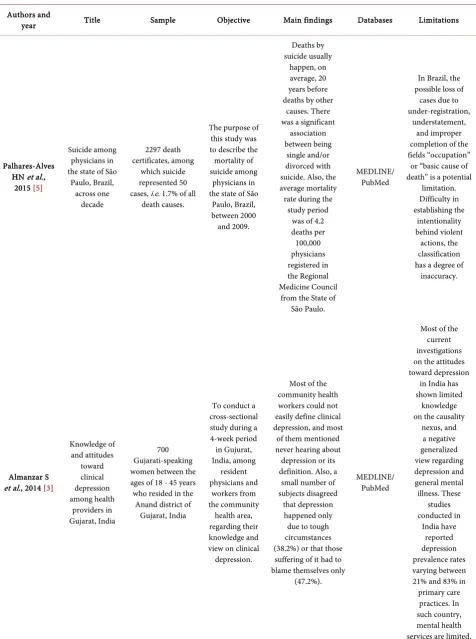
Based on research strategy, 282 publications were identified at MEDLINE and 31 at BVS, resulting in 313 publications; however, after undergoing the criteria and analyses of eligibility, 16 studies remained (Table 1). The repeated articles were computed only once in the final counting.
Authors and
year Title Sample Objective Main findings Databases Limitations
Palhares-Alves HN et al.,
2015 [5]
Suicide among physicians in the state of São
Paulo, Brazil, across one decade 2297 death certificates, among which suicide represented 50 cases, i.e. 1.7% of all
death causes.
The purpose of this study was to describe the mortality of suicide among
physicians in the state of São
Paulo, Brazil, between 2000 and 2009. Deaths by suicide usually happen, on average, 20 years before deaths by other
causes. There was a significant
association between being
single and/or divorced with suicide. Also, the average mortality
rate during the study period
was of 4.2 deaths per 100,000 physicians registered in the Regional Medicine Council
from the State of São Paulo.
MEDLINE/ PubMed
In Brazil, the possible loss of cases due to under-registration,
understatement, and improper completion of the fields “occupation”
or “basic cause of death” is a potential
limitation. Difficulty in establishing the intentionality behind violent actions, the classification has a degree of inaccuracy.
Almanzar S et al., 2014 [3]
Knowledge of and attitudes toward clinical depression among health providers in Gujarat, India 700 Gujarati-speaking women between the ages of 18 - 45 years who resided in the
Anand district of Gujarat, India
To conduct a cross-sectional study during a 4-week period in Gujurat, India, among resident physicians and workers from the community health area, regarding their knowledge and view on clinical depression.
Most of the community health workers could not easily define clinical depression, and most
of them mentioned never hearing about depression or its definition. Also, a small number of subjects disagreed
that depression happened only due to tough circumstances (38.2%) or that those
suffering of it had to blame themselves only
(47.2%).
MEDLINE/ PubMed
Most of the current investigations on the attitudes toward depression
in India has shown limited knowledge on the causality
[image:5.595.60.537.85.725.2]Continued
Jiao Y et al., 2014 [27]
Cross-sectional study of attitudes about suicide among psychiatrists in
Shanghai
187 psychiatrists from six psychiatric
hospitals in Shanghai.
We have used the Scale of
Public Attitudes About Suicide
(SPAS-a 47-item scale developed and
validated in China to assess
knowledge about suicide
and seven specific attitudes about
suicide. The results were compared to those of 548 urban community
members (assessed in a previous study).
Only 37% of the psychiatrists agreed correctly that talking about suicide-related issues with an individual would not
precipitate suicidal behavior, and only 41% agreed that those
who state that they intend to kill themselves might
actually do so.
MEDLINE/ PubMed
The internal consistency measures of the SPAS (Scale of Public Attitudes About Suicide) subscales, which were assessed based on the sample of psychiatrists, were satisfactory,
but test-retest reliability of the scale
was not assessed. Hospitals were not chosen randomly
from all psychiatric institutions in Shanghai. The sample
of the community
used for comparison
with the Shanghai psychiatrists was collected in Tianjin; thus, Tianjin results might not be the same as of residents from the community in
Shanghai. The number of demographic
variables collected on the responders was limited. Only three
specific knowledge-related
Eneroth M et al., 2014 [8]
A comparison of risk and protective factors related to suicide ideation among residents and specialists in academic medicine.
234 residents and 813 specialists
working at a university hospital
The aim of the study is to investigate the possible correlates of suicide ideation among university hospital resident and specialist physicians separately Logistic regression analysis showed that
having supportive meetings was associated with lower
level of suicidal ideation among specialists, while an
empowering leadership was related to a lower level
of suicidal ideation among residents. Having been harassed at work was associated with suicidal ideation among specialists. In addition, sickness presenteeism and work disengagement were associated with suicidal ideation in
both groups of physicians.
MEDLINE/ PubMed
Analysis stratified by gender is called for in continued
research on suicidal ideation among university hospital physicians. This study was
based on cross-sectional data. The possibility of making causal interpretations of the findings is therefore limited. Data on result, work and health-related variables were all obtained from the same questionnaire. Furthermore, extensive communication on suicide thoughts
among physicians seemed unlikely to happen due to the stigmatization associated with
mental illness.
Dyrbye LN et al., 2014
[34] Burnout among USA medical students, residents, and early career physicians relative to the
general USA population
26,760 medical students and 20,475 residents/fellows in all specialty fields
The aim of this study was to compare the prevalence of “burnout” and other forms of distress across career stages and the experiences of trainees and early career physicians versus college undergraduates of similarly age pursuing other
careers.
Training seems to be the peak for stress among physicians, but
differences in the prevalence of burnout, depressing symptoms, and recent
suicidal ideation is relatively small. At each stage, burnout is
more prevalent among physicians
than among the general population
of the USA.
MEDLINE/ PubMed
In comparison with response rates from other national survey studies of physicians and Medicine students,
only 23% to 35% received an invitation to take part in this study. It
was not possible to determine if the level of difficulty
Continued
Rosta J, Aasland OG.,
2013 [20]
Changes in the lifetime prevalence of suicidal feelings and thoughts among Norwegian doctors from 2000 to 2010: a
longitudinal study based on
national samples 1600 Norwegian physicians and 3295 German hospital doctors
The main aims of this study are to describe changes in the
lifetime prevalence of suicidal feelings
from 2000 to 2010 and the possible predictors of serious suicidal thoughts in 2010 among Norwegian physicians. Suicidal feelings among Norwegian physicians decreased
from 2000 to 2010. Individual and work-related factors may certainly explain
these findings. In comparison with other professionals in
Norway and physicians in Germany, Norwegian
physicians showed higher risks of suicidal
thoughts. MEDLINE/ PubMed Differences in methodology limit direct comparisons with other studies.
Gold KJ, Sen A, Schwenk TL., 2013 [15]
Details on suicide among US physicians: data from the
National Violent Death
Reporting System
31,636 suicide victims, of whom 203 were identified
as physicians.
Data from the United States National Violent Death
Reporting System were used to evaluate
demographics, mental health variables, recent stressors and suicide methods among physicians versus suicide
victims in 17 states.
Mental illness is an important comorbidity for physicians who commit suicide, but
postmortem toxicology data show
low rates of medication treatment.
Inadequate treatment and increased problems related to
job stress may be potentially modifiable
risk factors to reduce suicidal death among
physicians.
MEDLINE/ PubMed
It is probable that the used
method has an understatement about the real incidence of mental illness, depression and its precipitating circumstances, since the victim
cannot be interviewed on data prevenient from National Violent Death Reporting System. The significant stigma associated with mental illness can also result in understatement.
Post-mortem data allow the description of associations between suicide and mental illness and stress, but they do not
enable investigators to identify a causal
Fridner A et al., 2012 [35]
Why don’t academic physicians seek needed professional help for psychological distress? 900 Italian physicians and 841 physicians from Sweden Analyses were performed among university hospital physicians, who had reported recent suicidal thoughts and/or showed other indications of current psychological disease. These distressed physicians were a subgroup (42.7%) from the cross-sectional phase I HOUPE study (Health and Organization among University Hospital Physicians in Europe): 366 from Sweden and 150 from
Italy.
Few of these university hospital physicians with signs
of psychological distress sought help from a mental health professional. This has implications for physicians themselves and for their patients, for clinical research and for education of future physicians. More studies, preferably of interventional design, are warranted concerning help seeking among these
physicians in need.
MEDLINE/ PubMed
The study was not capable to know how many of these physicians going
through difficulties, who received
help in the past, are also receiving the help they currently need. On the other hand, since the GHQ and MOLBI appointments
refer to the last weeks, the authors cannot always expect that psychic suffering last enough to explain care-seeking. Samples are very large and heterogeneous and they include a range of specialists within the academic medical environment.
Siu C, Yuen SK, Cheung A., 2012 [28]
Burnout among public doctors in Hong Kong: cross-sectional survey One thousand (100,000) physicians were randomly chosen in the Hong Kong
Public Doctors’ Association
registry.
We assessed the prevalence of burnout among Hong Kong public hospital doctors and correlated burnout with job characteristics, working hours, stressors, and stress-relieving strategies.
A great ratio of public doctors
who responded to our survey
endured a high level of burnout. Trainees
with some experience were at higher risk. Stressors identified in this
study should be addressed, so as to improve job satisfaction.
MEDLINE/
Continued
Aasland OG, Hem E, Haldorsen T,
Ekeberg O., 2011 [26]
Mortality among Norwegian
doctors 1960-2000.
The total number of deaths in the study population
was 1,583,559.
To study the mortality pattern of Norwegian physicians, people in human service occupations, other graduates and the general population were compared during the period of 1960-2000 by decade, gender, and age. Physicians have a lower mortality rate than the general
population for all causes
of death, except suicide.
The mortality rates for other undergraduates
and human service occupations
were 0.7 - 0.8 compared with the general
population. However, physicians have a higher
mortality rate than other undergraduates.
MEDLINE/ PubMed
Despite the 40-year period, the number of deaths for some causes of death is
inevitably low. Thus, some of the groups are too small
so that differences are statistically
significant.
Pan YJ, Lee MB, Lin CS.,
2009 [29]
Physician suicide in Taiwan, 2000-2008: preliminary findings
1011 deaths with recorded causes
in physician insurance records
from January 1, 2000 to April 30,
2008.
To explore the association between physicians’ suicide and their characteristics, including age, sex, specialties, area of residence, hospital types, and suicide methods Physicians who committed suicide possibly were aged near 40 years old,
served the community, lived in urban areas, and were specialized in Medical
Clinical Practice, Family Medicine, Psychiatry, and Surgery. MEDLINE/ PubMed
The level of suicide might
be underestimated
due to the stigma surrounding suicide, which could make some suicide deaths be listed as others
in the death certificate. It is possible that a
selection bias has been done; although 93.5% of the total amount of deaths had been covered by this
safe database, the authors cannot be sure
if the cases included in the dataset are different
of those that were not included
Petersen MR, Burnett CA.,
2008 [32]
The suicide mortality of working physicians and dentists 181 male physicians, 61 female dentists and
22 female physicians
Using all deaths and corresponding census data in 26 US states
from 1984 through 1992, we examine the
suicide risk for working physicians and dentists.
Female white women show a higher hate of suicide. Only older male physicians and dentists have a high suicide rate, which partially explains the varied conclusions in
literature.
MEDLINE/ PubMed
Data do not allow separated calculations for several medical specialties; therefore, suicide attempts
could not be analyzed. Non-white male individuals
and female dentists were
in a small amount for the analysis.
22 deaths among female white
physicians is a reasonably small number. The latter was more than two
times higher than the expected,
which was statistically significant. Another limitation is that death
certificate data include habitual occupation, whereas census data include current occupation. Garelick AI et al., 2007
[21] Which doctors and with what problems contact a specialist service for doctors? A cross-sectional investigation 123 physicians contacted between February 2002 and February 2004
To delineate the characteristics of doctors utilizing the service, to describe their psychological morbidity, and to determine if
early intervention is achieved. Depression, anxiety, interpersonal problems, self-esteem and work-related issues were the most prevalent. Physicians show high levels of distress that reflect in
the significant proportion of those who were at some risk
of suicide; however, low rates of severe psychiatric illness
were found.
MEDLINE/ PubMed
The study presents a number of limitations in so far as it has no control group and clients referred themselves
to the service (although they were
often strongly encouraged
Continued
Hawton K et al., 2001 [31]
Suicide in doctors: a study
of risk according to gender, seniority and specialty in medical practitioners in England and Wales, 1979-1995
Two hundred and twenty-three (223)
medical practitioners in the National Health Service who died by
suicide or undetermined
cause
To investigate the suicide risk
of doctors in England and Wales, according to gender, seniority and specialty
There is a high risk of suicide
in female physicians,
but male physicians seem to be at lower risk than the male
general population. There were significant differences between specialties and anesthetists, community health physicians, general practitioners, and psychiatrists having significantly increased rates compared with physicians from general hospitals. MEDLINE/ PubMed Suicidal verdicts were compared with
open verdicts, and some of them possibly were not suicides. Another limitation is the fact
that, during data collection, the death certificate or official Y records were
considered information, and in
some cases, they could be deceiving
or incomplete.
Juel K, Mosbech J, Hansen ES.,
1999 [30]
Mortality and causes of death among Danish medical doctors
1973-1992.
21,943 physicians, 6012 of whom
were women.
To examine the mortality pattern of Danish doctors
for the period 1973-1992
A historical prospective cohort study based on the membership register of the Danish Medical
Association.
The suicide rate was increased, mainly due to the high number of suicides by poisoning. Compared with the general population, the physicians’ mortality was low, but
the mortality due to external causes was increased, mainly due
to an excessive number of suicides.
MEDLINE/ PubMed
Data do not enable to conclude if the difference
among genders in the
mortality is a recent or non-recent phenomenon. Only few women graduated in the previous
period of the century, and there are significant
differences in the selection of women
who started working in such profession, in the
beginning of the century, and those who started within some years more
Carpenter LM, Swerdlow AJ,
Fear NT., 1997 [33]
Mortality of doctors in different specialties: findings from a
cohort of 20,000 NHS
hospital consultants
18,358 male and 2168 female NHS hospital consultants
employed in England and Wales, between 1962 and 1979.
To examine patterns of cause specific
mortality in NHS hospital
consultants according to their specialty
and to assess these in the
context of potential occupational
exposures.
A historical cohort assembled
from the Department of Health records with follow-up through the NHS Central
Register.
The increased risks of accidental poisoning in male physicians,
and of suicide in female physicians, are
of concern, better prevention measures
are therefore necessary.
MEDLINE/ PubMed
[image:13.595.60.541.87.680.2]With some few exceptions, there were small pieces of evidence to suggest that any of the analyzed specialties experienced higher or lower mortality rates than those of other male or female physicians.
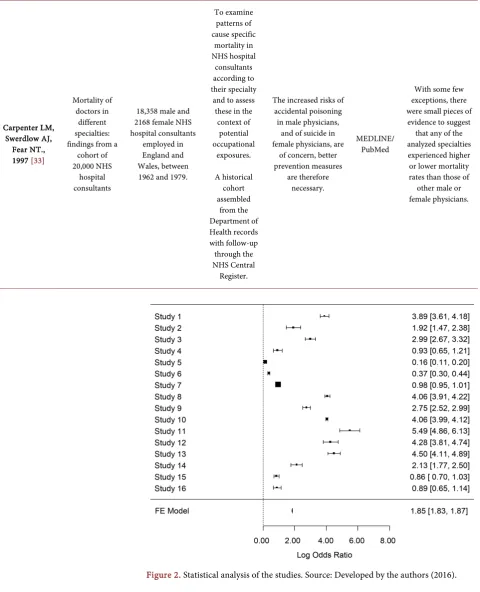
Figure 2. Statistical analysis of the studies. Source: Developed by the authors (2016).
4. Discussion
4.1. Database Comparison
open access to references and full texts has been a well-known tool of support to make clinical decisions, and also in the constant search to update and qualify health professionals [37].
The square represents the effect of studies and the line indicates the confi-dence interval. The size of squares represents the weight of each group of studies for the statistical analysis. The vertical line shows the absence of effect, and Fixed-Effects (FE) symbolize the result of the analysis.
Thus, the Health Sciences area and its unfolding in Collective Health have been facing important scientific challenges seeking social health and welfare, in-cluding the interdependence of knowledge. Then, the relevance of free availabil-ity of scientific information (Open Access) in bibliographic databases supports the sustainability of sciences and health professionals’ development, because it helps the development, preservation, spreading, access, and use of scientific in-formation without costs, including health inin-formation systems [38].
4.2. Introduction
Health professionals have high performance expectations. Job positions in these areas are necessarily stressful, which might lead to adverse effects on health [21].
Indeed, the healthy worker’s effect refers to a consistent trend of the active employee in having a lower mortality rate than the general population due to se-lection effects [8] [11]. However, this is not applied to physicians, regarding death by suicide. In comparison with other occupations [8][12][22], other uni-versity graduates [8][23] and people in general [8][24][25], suicide and suicidal thoughts are significantly more common among physicians, as well as burnout and other signs of psychic suffering. Mortality rate by almost all causes of death, except suicide, is however lower for physicians than for the general audience [8] [26], which is in agreement with the healthy worker’s effect [8].
In addition, precipitating factors are comprised of reduction of the risk of a recent loss or crisis and increase of risk of a job problem that might reflect the experience of a physician in dealing with death and loss, but inability of dealing with problems related with a physician’s identity. Medical self-identification is centered many times on the professional role, which can pass through job as-pects and their lives at home. For someone whose job helps defining and identi-fying his/her personal and professional profile, crisis in a job situation can make him/her feel more threatened than for someone whose personal identity de-pended less on job satisfaction [15].
Although speculative, medical suicide rate is believed to be higher than the reported rate, since it can be poorly codified in death certificates, sometimes de-liberately. For instance, a death can be notified as an accidental overdose of a distracting prescription drug or medicine, instead of a purposeful overdosing
[15].
health social issue, they had stigmatized views about the suicidal patient and comprehended such patient less with lower sympathy. Even after filtering soci-odemographic characteristics, the analysis remained significant [27].
4.3. Epidemiology
In a certain article, only 14.9% of the responders were satisfied or very satisfied with their jobs, whereas 52.5% were dissatisfied or very dissatisfied with their jobs. Almost a tenth of the physicians had had suicidal thoughts, although none had tried committing suicide [28].
Furthermore, physicians, other university graduates and human services pro-fessionals presented a lower rate and decrease of mortality compared with the general population [26]. Therefore, regarding specific causes of death, physicians had a higher mortality suicide rate than the general population [26].
In another study, there were 17 defined and 15 possible suicides. Among the 17 defined cases, 16 were of the male gender. 70.6% of these individuals died at the age of 40 and other 11.8% were 51 to 64 years old when they died. Only 17.6% of the subjects were aged ≤40 years when they died. Among the cases of defined suicide [29], the most frequent suicide methods were hanging/asphyxia (n = 5, 29.4%), vegetal charcoal burning (n = 5, 29.4%), and drug poisoning (n = 5, 23.5%).
Thus, results showed a consistent increase of suicide mortality with a standar-dized mortality ratio around 1.65, mainly due to the excessive number of sui-cides by poisoning [30]. Suicide verdicts had been provided by 87% of the re-maining 223 physicians and open verdicts by 13% of them [31]. A cohort study identified that therapists considered 42% of the physicians at risk [21].
Responders showing the highest burnout rates were younger physicians that had worked for about 8.5 years, period in which they were still taking or had just concluded training with specialists [28]. These young physicians, with moderate experience and who needed to work during shifts, seemed more vulnerable [28].
Thereby, physicians who committed suicide had higher chances of being 40 years old, of serving the community and of living in urban areas. Additionally, a study found a predominance of medical suicide among physicians serving the community [29].
Another study has showed that no specific cause was highlighted for female death, only suicide. In general, mortality rate indices were quite similar for men and women. This indicates that educational level and health behavior explain differences in mortality rather than gender, with exception of specific gender- related illnesses [26].
Female physicians presented higher suicide rates than the standard population in almost all age groups, and the elevations were statistically significant in some cases. The high amount of suicide rate for females also increased with age (p = 50.015) [32]. The suicide rate for females was higher than that for the active fe-male population from the USA [32].
Besides, there was a strong trend of suicide rate increase for male physicians with age increase [32]. This is important because some studies indicate that white male physicians > 45 years have higher rates of suicide, whereas those aged 45 or less present decreased ones [32].
The female physicians’ suicide ratio is another remarkable finding. Women comprised around 13.2% of the total sample and 24% of the suicide death group; thus, they are represented in the suicide group (p = 0.02). This result does not reflect the suicide rate of the Brazilian population, in which males are 2.3 to 4.0 times at higher risk [5].
Nevertheless, with regard to the psychiatry service, there is a quite similar amount of male and female physicians in general, and no differences were found in the degree of morbidity [21]. There was no difference in gender distribution in the two verdict categories [31]. The youngest age range of both genders pre-sented relatively high rates [31]. The largest group of physicians was comprised of specialists with medical registration (residents), who were concluding their under graduation course; therefore, they were looking for consultant positions (specialist staff), and there was a significant number of new consultants [21].
The main exception to the low mortality rate among female physicians was almost twice higher than mortality rate due to injuries and poisoning. This was mainly attributed to an excessive amount of suicides, mainly of female anesthet-ists [33]. It has been found that mortality rates in male specialist physicians were also lower in men from the I social class [33], considered “High-Level Profes-sionals and business workers”.
Agreeing these ideas, one of the most stressful moments for residents is the transition from being resident to being completely responsible [21]. Most of the responders had concluded their graduation tests, academic performance was therefore not compromised [21].
Four specialties presented significantly higher suicide rates than the general medicine, as follows by order of risk: community health, anesthesiology, psy-chiatry, and general practice. The pattern of suicide rates by gender and time pe-riod was similar in almost all specialties, but the community health that had a male rate of 12.3 times higher than women [31]. Psychiatrists showed a signifi-cantly higher global mortality rate compared to all the other specialized physi-cians, with significant high rates of poisoning, for instance [33].
4.4. Risk Factors
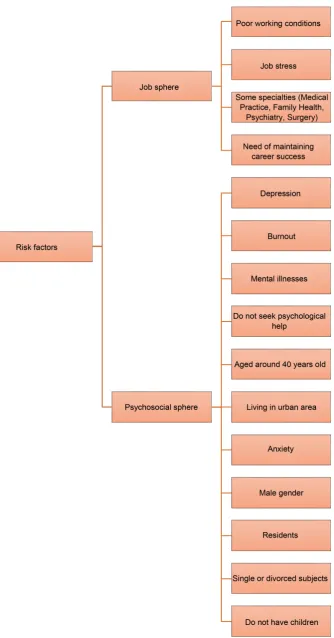
Some articles approached through multivariate, comparative or descriptive ana-lyses [27][28][29][33][34] the possible risk factors that could develop high le-vels of emotional overload and, as consequence, genesis of suicidal ideations among physicians. A study carried out in Taiwan, published in 2009, points out that the highest rates of emotional disorders among physicians occur at the age of 40 years, a moment when physicians have gone through a relative extenuating working period and, therefore, believe they are less capable of taking new per-sonal and professional directions [29].
However, Siu, Yuen and Cheung, 2012, after analyzing 226 questionnaires ap-plied to physicians enrolled in the Hong Kong Public Doctors’ Association, ob-served that higher levels of physical and emotional burnout were associated with early age, less working experience, need of job shift changes, less children, and lower physical workout [28]. In compliance with the outcomes of this study, Dyrbye and collaborators (2014) showed that depressing symptoms, as well as general burnout, depersonalization and intense fatigue were more commonly found among Medicine students and residents compared with the general pre-valence rates of these symptoms in the North-American population of the same age, which decreased after development in the professional career stages [34]. This result is similar to what was seen by Eneroth M and collaborators, 2014, who also pointed out as causes of suicidal ideation: job concern, frequent meet-ings to discuss experiences and demands, sick presenteeism and job disengage-ment [8].
Carpenter L, Swerdlow A and Fear N, 1997, showed that adverse job condi-tions with long working hours and task overload are also important in this con-dition, since they have a direct impact on the professional’s job quality [33]. The amount of hours spent by a medical professional for the genesis of this situation is around 56, in a way that burnout among physicians is possibly related to a wide interaction of factors, including physical exhaustion, too many shifts, un-healthy working positions and unun-healthy sleep patterns [28]. Additionally, the combination of extenuating working conditions and possible selection of sub-jects with particular personality marks might contribute to high risks of suicide among physicians [15] [20] [30]. Siu, Yuen and Cheung, 2012, reported that physical exercises and colleagues’ social support were not considered factors of burnout relief [28], and the culture the physicians undergone did not have so much importance as a risk factor for the genesis of suicidal thoughts [20].
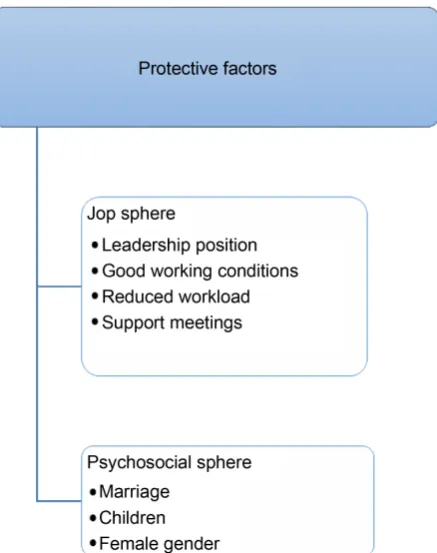
Figure 3. Protection factors against suicide among physicians, based on the analyzed studies. Source: Developed by the au-thors (2016).
and Figure 4).
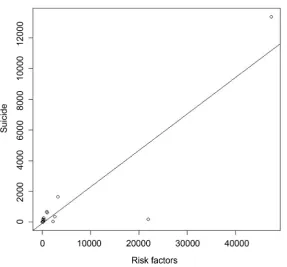
These factors were compared through the Pearson Linear Correlation Graph, in order to better clarify the relationship between these elements and suicide among physicians. The correlation coefficient found was 0.89, which indicates a strong relation between these variables (Figure 5).
4.5. Impact on Public Health and on the Individual’s
Professional Health
Several analyzed studies indicate that suicide among physicians, as well as ac-tions that resulted in this condition, was harmful not only to the career of the professional facing this situation, but also to the provision of health to the gen-eral population [5][28].
Gold K, Sen A and Schwenk T, 2012, approach that the physician’s self-iden- tity is almost always focused on his/her professional role, which has a result in his/her working and personal life. Thus, a crisis at work could be more threat-ening to a physician than to those whose personal identity is less dependent on job satisfaction [15].
4.6. Measures to Be Implemented—Family—Seek Support
Figure 5. Pearson linear correlation graph presenting the correlation analysis between the risk factors and suicide among physicians. Source: Developed by the authors (2017).
choices [26], since job satisfaction becomes a need [28]. Hence, building connec-tion networks and promoting mutual support among physicians in the commu-nity are essential to the medical professional’s welfare [29]. There must be strat-egies focused on improving inter-professional relations, as well as encouraging physicians to seek help in the event of depression, burnout or other emotion-al/mental issue [29].
In addition, some studies indicate an association between being single and/or divorced with suicide, which shows the role of family support in detecting and treating predispositions to such practice. We also known that compared to the general population with the same cause of death, physicians who committed sui-cide have a higher insui-cidence of mental illnesses associated with working issues
[28]. However, other studies observed that only the factor “amount of children” is related to suicide, and the physician’s age or marital status had no importance. All the same, this relevance was noticed only among resident male physicians. We assumed that family support, whether from a companion or children or other person who provides emotional support, might be important in the pre-vention of such problem [8].
in developing and underdeveloped countries [3]. A study found three work- related characteristics that are also related to the fact of not seeking help for de-pression: being currently involved in a medical research, being a surgeon and working at night shifts. On the other hand, no significant associations between seeking help and conflict of job functions, job and family conflicts, long working hours and, even, illness were found [35]. For a better understanding on this sub-ject, knowledge on how to develop a healthy lifestyle and the elimination of risk factors are necessary, which might explain the mortality patterns among physi-cians by suicide [26].
Another study showed that physicians use higher rates of anti-psychotic, benzodiazepines and barbiturates. A physician can get these medicines more easily. Additionally, suicide attempts by overdose in these people are considered less prevalent than by fire gun or hanging. Nonetheless, among physicians who know about the toxicological effects and doses for specific medications, an overdose can represent a greater risk [15]. This reinforces the idea of improving welfare in all career phases as a need [34]. Resident male physicians mostly need support, because they have more difficulties in discussing this kind of problem openly. Thus, individual talks might be more advantageous to them [8].
Thus, despite many factors that contribute to suicide among physicians, a study found that poor working conditions of many of these professionals and unusual routine to which they undergo are the greatest reasons for mental ill-nesses and other disorders that might result in suicide [20]. A possible strategy to decrease suicide among physicians would be regular screenings in the search of mental illnesses among them, which is characterized as a health policy [20]. In addition, meetings to approach working situations could contribute to decrease of suicidal thoughts [8]. Hence, a Norwegian study showed decrease of suicidal thoughts among male physicians in Norway during the last 10 years, due to the improvement of their working conditions, provided through health system re-forms that were implemented in the last decade in such country [20] [36]. We understand that measures like these are important not only to medical profes-sionals, but also to the general population, because the good condition of physi-cians health is also important to their patients [26].
5. Conclusions
Scarce recovery of the indexed articles in the analyzed databases is considered a limiting factor of this study, because of the small amount of publications on the theme, especially in the public health context for the theoretical basis on the theme “Suicide among Physicians”, which may have hindered carrying out this research. Further studies are recommended in order to extend the research un-iverse by associating the researched theme with the medicine students’ category.
References
[1] World Health Organization (2008) The Global Burden of Disease: 2004 Update. World Health Organization, Geneva.
[2] World Health Organization (2012) Depression. Media Centre Fact Sheet No. 369. [3] Almanzar, S., et al. (2014) Knowledge of and Attitudes toward Clinical Depression
among Health Providers in Gujarat, India. Annals of Global Health, 80, 89-95.
https://doi.org/10.1016/j.aogh.2014.04.001
[4] Bertolote, J.M. and De Leo, D. (2012) Global Suicide Mortality Rates—A Light at the End of the Tunnel? Crisis, 33, 249-253.
https://doi.org/10.1027/0227-5910/a000180
[5] Palhares-Alves, H.N., Palhares, D.M., Laranjeira, R., Nogueira-Martins, L.A. and Sanchez, Z.M. (2015) Suicide among Physicians in the State of São Paulo, Brazil, across one Decade. Revista Brasileira de Psiquiatria, 37, 146-149.
https://doi.org/10.1590/1516-4446-2014-1534
[6] Casey, P., Dunn, G., Kelly, B.D., Lehtinen, V., Dalgard, O.S., Dowrick, C., et al. (2008) The Prevalence of Suicidal Ideation in the General Population: Results from the Outcome of Depression International Network (ODIN) Study. Social Psychiatry and Psychiatric Epidemiology, 43, 299-304.
https://doi.org/10.1007/s00127-008-0313-5
[7] Kessler, R.C., Borges, G. and Walters, E.E. (1996) Prevalence of and Risk Factors for Lifetime Suicide Attempts in the National Comorbidity Survey. Archives of General Psychiatry, 56, 617-626. https://doi.org/10.1001/archpsyc.56.7.617
[8] Eneroth, M., Gustafsson Sendén, M., Løvseth, L.T., Schenck-Gustafsson, K. and Fridner, A. (2014) A Comparison of Risk and Protective Factors Related to Suicide Ideation among Residents and Specialists in Academic Medicine. BMC Public Health, 14, 271. https://doi.org/10.1186/1471-2458-14-271
[9] Stack, S. (2004) Suicide Risk among Physicians: A Multivariate Analysis. Archives of Suicide Research, 8, 287-292. https://doi.org/10.1080/13811110490436954
[10] Scocco, P., de Girolamo, G., Vilagut, G. and Alonso, J. (2008) Prevalence of Suicide Ideation, Plans, and Attempts and Related Risk Factors in Italy: Results from the European Study on the Epidemiology of Mental Disorders-World Mental Health Study. Comprehensive Psychiatry, 49, 13-21.
https://doi.org/10.1016/j.comppsych.2007.08.004
[11] McMichael, A.J. (1976) Standardized Mortality Ratios and the “Healthy Worker Ef-fect” : Scratching Beneath the Surface. Journal of Occupational Medicine, 18, 165- 168. https://doi.org/10.1097/00043764-197603000-00009
[12] Agerbo, E., Gunnell, D., Bonde, J.P., Mortensen, P.B. and Nordentoft, M. (2007) Suicide and Occupation: The Impact of Socio-Economic, Demographic and Psy-chiatric Differences. Psychological Medicine, 37, 1131-1140.
https://doi.org/10.1017/S0033291707000487
De-Canadian Medical Students. Academic Medicine, 81, 354-373.
https://doi.org/10.1097/00001888-200604000-00009
[14] Dyrbye, L.N., et al. (2011) Patterns of Distress in US Medical Students. Medical Teacher, 33, 834-839. https://doi.org/10.3109/0142159X.2010.531158
[15] Gold, K.J., Sen, A. and Schwenk, T.L. (2013) Details on Suicide among US Physi-cians: Data from the National Violent Death Reporting System. General Hospital Psychiatry, 35, 45-49. https://doi.org/10.1016/j.genhosppsych.2012.08.005
[16] Gagné, P., Moamai, J. and Bourget, D. (2011) Psychopathology and Suicide among Quebec Physicians: A Nested Case Control Study. Depression Research and Treat-ment, 2011, Article ID: 936327. https://doi.org/10.1155/2011/936327
[17] Frank, E. and Dingle, A.D. (1999) Self-Reported Depression and Suicide Attempts among US Women Physicians. American Journal of Psychiatry, 156, 1887-1894. [18] Center, C., et al. (2003) Confronting Depression and Suicide in Physicians: A
Con-sensus Statement. JAMA, 289, 3161-3166. https://doi.org/10.1001/jama.289.23.3161
[19] TD, S., et al. (2011) Special Report: Suicidal Ideation among American Surgeons.
Archives of Surgery, 146, 54-62. https://doi.org/10.1001/archsurg.2010.292
[20] Rosta, J. and Aasland, O.G. (2013) Changes in the Lifetime Prevalence of Suicidal Feelings and Thoughts among Norwegian Doctors from 2000 to 2010: A Longitu-dinal Study Based on National Samples. BMC Psychiatry, 13, 322.
https://doi.org/10.1186/1471-244X-13-322
[21] Garelick, A.I., et al. (2007) Which Doctors and with What Problems Contact a Spe-cialist Service for Doctors? A Cross Sectional Investigation. BMC Medicine, 5, 26.
https://doi.org/10.1186/1741-7015-5-26
[22] Frank, E., Biola, H. and Burnett, C.A. (2000) Mortality Rates and Causes among US Physicians. American Journal of Preventive Medicine, 19, 155-159.
https://doi.org/10.1016/S0749-3797(00)00201-4
[23] Hem, E., et al. (2005) Suicide Rates According to Education with a Particular Focus on Physicians in Norway 1960-2000. Psychological Medicine, 35, 873-880.
https://doi.org/10.1017/S0033291704003344
[24] Lindeman, S., Laara, E., Hakko, H. and Lonnqvist, J. (1996) A Systematic Review on Gender-Specific Suicide Mortality in Medical Doctors. British Journal of Psychiatry, 168, 274-279. https://doi.org/10.1192/bjp.168.3.274
[25] Schernhammer, E.S. and Colditz, G.A. (2004) Suicide Rates among Physicians: A Quantitative and Gender Assessment (Meta-Analysis). American Journal of Psy-chiatry, 161, 2295-2302. https://doi.org/10.1176/appi.ajp.161.12.2295
[26] Aasland, O.G., Hem, E., Haldorsen, T. and Ekeberg, O. (2011) Mortality among Norwegian Doctors 1960-2000. BMC Public Health, 11, 173.
https://doi.org/10.1186/1471-2458-11-173
[27] Jiao, Y., et al. (2014) Cross-Sectional Study of Attitudes about Suicide among Psy-chiatrists in Shanghai. BMC Psychiatry, 14, 87.
https://doi.org/10.1186/1471-244X-14-87
[28] Siu, C., Yuen, S.K. and Cheung, A. (2012) Burnout among Public Doctors in Hong Kong: Cross-Sectional Survey. Hong Kong Medical Journal, 18, 186-192.
[29] Pan, Y.J., Lee, M.B. and Lin, C.S. (2009) Physician Suicide in Taiwan, 2000-2008: Preliminary Findings. Journal of the Formosan Medical Association, 108, 328-332.
https://doi.org/10.1016/S0929-6646(09)60073-5
456-460. https://doi.org/10.1093/ije/28.3.456
[31] Hawton, K. (2001) Suicide in Doctors: A Study of Risk according to Gender, Se-niority and Specialty in Medical Practitioners in England and Wales, 1979-1995.
Journal of Epidemiology and Community Health, 55, 296-300.
https://doi.org/10.1136/jech.55.5.296
[32] Petersen, M.R. and Burnett, C.A. (2008) The Suicide Mortality of Working Physi-cians and Dentists. Occupational Medicine, 58, 25-29.
https://doi.org/10.1093/occmed/kqm117
[33] Carpenter, L.M., Swerdlow, A.J. and Fear, N.T. (1997) Mortality of Doctors in Dif-ferent Specialties: Findings from a Cohort of 20000 NHS Hospital Consultants. Oc-cupational and Environmental Medicine, 54, 388-395.
https://doi.org/10.1136/oem.54.6.388
[34] Dyrbye, L.N., et al. (2014) Burnout among US Medical Students, Residents, and Early Career Physicians Relative to the General US Population. Academic Medicine, 89, 443-451. https://doi.org/10.1097/ACM.0000000000000134
[35] Fridner, A., Belkić, K., Marini, M., Sendén, M.G. and Schenck-Gustafsson, K. (2012) Why Don’t Academic Physicians Seek Needed Professional Help for Psychological Distress? Swiss Medical Weekly, 142, 1-8. https://doi.org/10.4414/smw.2012.13626
[36] Aasland, O.G., Rosta, J. and Nylenna, M. (2010) Healthcare Reforms and Job Satis-faction among Doctors in Norway. Scandinavian Journal of Public Health, 38, 253-258. https://doi.org/10.1177/1403494810364559
[37] Duarte, Z. and Farias, L. (2009) A Medicina na Era da Informação. EDUFBA, Salvador.
[38] Oliveira, M. (2011) Ciência da Informação e Biblioteconomia: Novos conteúdos e espaço de atuação. UFMG, Belo Horizonte.
[39] Higgins, J.P.T. and Greens, S. (2011) Cochrane Handboook for Systematic Review of Interventions. Version 5.1.0, the Cochrane Collaboration.
[40] Moher, D., Liberati, A., Tetzlaff, J. and Altman, D.G. (2009) Preferred Reporting Items for Systematic Reviews and Meta-Analyses: The PRISMA Statement. PLoS Medicine, 6, e1000097. https://doi.org/10.1371/journal.pmed.1000097
Submit or recommend next manuscript to SCIRP and we will provide best service for you:
Accepting pre-submission inquiries through Email, Facebook, LinkedIn, Twitter, etc. A wide selection of journals (inclusive of 9 subjects, more than 200 journals)
Providing 24-hour high-quality service User-friendly online submission system Fair and swift peer-review system
Efficient typesetting and proofreading procedure
Display of the result of downloads and visits, as well as the number of cited articles Maximum dissemination of your research work
Submit your manuscript at: http://papersubmission.scirp.org/