INTERGENERATIONAL CONTINUITY IN HIGH CONFLICT FAMILY ENVIORNMENTS: INVESTIGATING A MEDIATING DEPRESSIVE PATHWAY
William Andrew Rothenberg
A dissertation submitted to the faculty at the University of North Carolina at Chapel Hill in partial fulfillment of the requirements for the degree of Doctor of Philosophy in the Department
of Psychology & Neuroscience (Clinical Psychology) in the College of Arts & Sciences.
Chapel Hill 2018
Approved by:
Andrea Hussong
Dan Bauer
Deborah Jones
Eric Youngstrom
ii © 2018
iii ABSTRACT
William Andrew Rothenberg: Intergenerational continuity in high conflict family environments: Investigating a mediating depressive pathway
(Under the direction of Andrea Hussong)
Experiencing family conflict is associated with numerous deleterious outcomes across
ontogeny, including increases in externalizing and internalizing behavior and impairments in
social functioning. Emerging evidence suggests that family conflict shows continuity across
generations and that intergenerational family conflict can be more intense and deleterious than
conflict experienced in a single generation. However, few investigations have identified
etiological mechanisms by which family conflict is perpetuated across generations. Nor have
many investigations examined for whom, or under what circumstances, family conflict persists
over generations. Addressing these limitations, the current study examined whether G2
depressive symptoms measured at multiple time points across development explained continuity
in family conflict from one generation to the next. Results revealed that depressive symptoms
served as mediators of intergenerational family conflict in both men and women, but in different
ways. Specifically, G2 women's adolescence and young adulthood each represented periods of
vulnerability in which G2 depressive symptoms were especially likely to mediate
intergenerational continuity in family conflict. Additionally, in both men and women, higher
G1-G2 family conflict was associated with higher depressive symptoms that persisted from
adolescence into young adulthood and then subsequently predicted the development of G2-G3
iv
moderated the relation between G2 depressive symptoms and G2-G3 family conflict.
Implications of findings regarding the roles that G2 gender and G2 depressive symptoms play in
v
TABLE OF CONTENTS
LIST OF TABLES……….vii
LIST OF FIGURES………..viii
INTRODUCTION………...1
Defining Family Conflict……….4
Theoretical Models of Intergenerational Family Conflict………...5
Linking Family Conflict to the Emergence of Depressive Symptoms………..10
Linking Adult Depressive Symptoms to the Emergence of Family Conflict………12
Developmental Specificity in the Depressive Pathway……….13
Gender Specificity in the Depressive Pathway………..16
The Role of Parenting Partners………..19
The Current Study………..21
METHOD………..23
Participants………23
Procedure………...25
Measures………25
Control Variables………...25
G2 and G2-Partner Depressive Symptoms………26
Family Conflict………..26
vi
RESULTS………..32
Covariate Baseline Model………..32
Testing a Depressive Pathway………...32
Gender as a Moderator of the Depressive Pathway………...35
Partner Depressive Symptoms as a Moderator………..38
Sensitivity Analyses………...38
DISCUSSION………40
G2 Sensitivity for Women……….40
Considering a Continuous Depressive Pathway………44
Considering G2 Partner Behavior as a Moderator……….48
Strengths, Limitations and Future Directions………49
vii
LIST OF TABLES
viii
LIST OF FIGURES
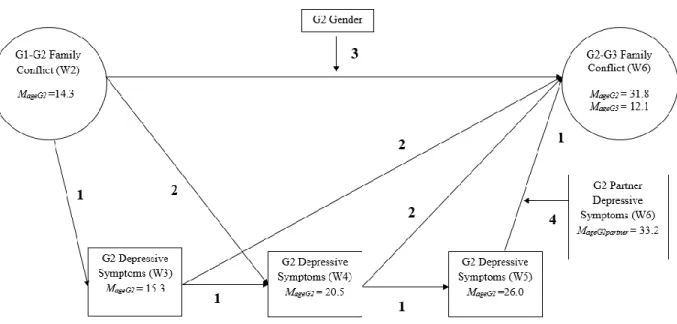
Figure 1 - A conceptual model depicting hypotheses………....55
Figure 2 - Results of confirmatory factor analyses………....56
Figure 3 - Model of intergenerational family conflict………...57
1
INTRODUCTION
Myriad developmental scientists and clinicians have identified high family conflict as a
threat to child and adult well-being (Cummings & Schatz, 2012). Family conflict is associated
with the development and persistence of numerous deleterious behaviors (Dishion & Patterson,
2006; Pelton & Forehand, 2001) and is a prospective predictor of internalizing symptoms
(Cummings & Schatz, 2012; Jayxoc & Repetti, 1993; Herrenkohl, Lee, Kosterman & Hawkins,
2012; Kouros & Garber, 2014), externalizing symptoms (Kimonis, Frick, & McMahon, 2014;
Moffitt et al., 2006), substance misuse (Pillow, Barrera & Chassin, 1998; Herrenkohl et al.,
2012) and impairments in social role functioning (Cummings & Schatz, 2012; Horowitz et al.,
2011; Rothenberg, Solis, Hussong, & Chassin, under review) across the life-course.
Emerging evidence suggests that family conflict can persist across generations within
families, such that high family conflict in homes comprised of G1 (or first generation at baseline)
parents and their G2 (or second generation) children prospectively predicts high conflict in
homes comprised of that G2 parent, his or her spouse and their G3 (or third generation) children
(Rothenberg, Hussong, & Chassin, 2016). Conflict that persists from G1-G2 homes to G2-G3
homes is more intense and maladaptive than conflict in a single (G2-G3) family environment
(Rothenberg et al., under review). Moreover, G2s and G3s from families that show continuity in
conflict across multiple generations report significantly greater psychopathology across symptom
domains (d = 0.54 to 0.91) than those from other family types (including families that
demonstrate high conflict only in one generation; Rothenberg et al., under review). These large
2
significant threat to healthy development and thriving across the lifespan. However, few
investigations have explored the etiological mechanisms that may underlie intergenerational
continuity in family conflict (Rothenberg et al., 2016). Identification of such mechanisms would
inform our understanding of when and where to intervene to break these pernicious
intergenerational cycles of conflict.
Therefore, the present investigation explores one mediating mechanism that could help
explain intergenerational continuity in conflict; namely, a depressive pathway that persists across
the life-course. I posit that this depressive pathway emerges as children experience emotional
insecurity, negative affect and behavioral withdrawal due to family conflict in childhood
(Cummings & Schatz, 2012) and consequently develop depressive symptoms that persist across
ontogeny and influence the development of conflict in their adult families. Numerous
longitudinal single-generation studies link family conflict with the subsequent emergence of
depressive symptoms in adolescence (Auerbach & Ho, 2012; Habib et al., 2013; Sheeber, Hops,
Alpert, Davis, & Andrews, 1997), demonstrate that depressive symptoms show relative stability
from adolescence into adulthood (Hammen, Rudolph, & Abaied, 2014; Hammen & Rudolph,
2003) and show that depressive symptoms in adulthood predict conflict in the families that these
adults form (Sarigiani, Heath, & Camarena, 2003).
However, there are several limitations in the existing literature that are addressed by the
current study. First, though existing studies of single generation family processes have examined
each of the links in the proposed depressive pathway, no investigation has followed a single
cohort of individuals across ontogeny to determine whether depression as a result of conflict in
one's family of origin influences conflict in one's family of destination (i.e. the family one forms
3
multiple time points (e.g., in adolescence and young adulthood, though see Rothenberg et al.,
2016). Therefore, it is unclear whether there is developmental specificity in the prediction of
G2-G3 conflict from G2 depressive symptoms such that G2 depressive symptoms experienced at
specific points in development (i.e., depression experienced in adolescence versus young
adulthood) present heightened risk for the intergenerational transmission of family conflict.
Third, many existing studies find significant but only modest associations in family
processes across generations (e.g., Conger et al., 2009; Rothenberg et al., 2016). Therefore, it is
important to identify for whom and in what circumstances such intergenerational links may be
especially strong. In particular, G2 gender (Rothenberg et al., 2016) and G2 parenting partner
behavior (e.g., Conger, Schofield, Neppl, & Merrick, 2013) are two potential moderators of
intergenerational conflict that hold promise for identifying when intergenerational continuity
may be strongest. Specifically, emerging evidence suggests that pathways to intergenerational
continuity in family conflict may be stronger for women than men (Rothenberg et al., 2016).
Additionally, researchers have called for greater consideration of the role of partner behavior in
perpetuating intergenerational phenomena (e.g., Conger et al., 2013), though little empirical
research exists examining the effect of parenting partner behavior on intergenerational
transmission of family conflict. Investigating the depressive pathway and the moderating factors
that alter such a pathway, would facilitate identification of intervention targets at multiple points
across the lifespan to break cycles of intergenerational family conflict and of personal and family
characteristics that place individuals at greatest risk for recreating high conflict family
environments.
The current study addresses these limitations by using a multigenerational sample of
4
conflict as reported by multiple family members across generations. In addition, the present
study tests whether a depressive pathway mediates cross-generational consistencies in family
conflict, whether there is developmental specificity in the effects of the depressive pathway and
whether the depressive pathway is more apparent for women and those whose partners have
greater depressive symptoms. These aims are captured in the conceptual model depicted in
Figure 1.
Defining Family Conflict
Existing work examines various indicators of family conflict including such parenting
behaviors as harsh discipline, ignoring and aggression, poor cohesion in the family environment
(Seiffge-Krenke, 1999) and conflict in both dyadic (e.g., parent-child and marital) and triadic
family relationships (Emery, 1993). These multiple definitions of family conflict reflect the state
of the current literature. Common to many definitions of family conflict is a focus on physical
and verbal aggression, frequent criticism, and displays of anger and recurring arguments that
occur across multiple relationships in the family (Choe, Stoddard & Zimmerman, 2014;
Cummings & Schatz, 2012; Fosco, Caruthers, & Dishion, 2012; Habib et al., 2013; Van Ryzin &
Dishion, 2012). Family theorists suggest that conflicts between parents, between parents and
children, and between siblings each contribute to the overall climate of the family environment
(Cummings & Davies, 2010; Cummings & Schatz, 2012). Accordingly, family conflict cannot be
inferred from assessments of individual dyads only but must also be assessed as a broader,
family-level construct (Cummings & Schatz, 2012; Emery, 1993). The present investigation
defines family conflict as the experience of physical or verbal aggression, criticism, anger, or
arguments within the family and utilizes measures of family conflict that align with this
5
Additionally, developmental scientists suggest that intergenerational continuities in
family environment are best captured when children in successive generations within these
families are studied at similar points in development (Conger, Belsky & Capaldi, 2009; Kovan,
Chung & Sroufe, 2009; Van IJzendoorn, 1992) because patterns of family interaction are most
similar at these points. However, few studies are actually able to capture families in this way
(Conger et al., 2009). Contributing to the literature, the present investigation examined conflict
in families in successive generations with adolescent children as opposed to conflict in families
with dissimilar structures (e.g. studying families with adolescents in one generation and families
with no children in the next generation).
Theoretical Models of Intergenerational Family Conflict
Recent work demonstrated that family conflict exhibits significant continuity across
generations (Rothenberg et al., 2016; Rothenberg et al., under review) and that intergenerational
continuity in conflict can be partially accounted for by mediating G2 externalizing problems that
develop in high-conflict families of origin, persist across time, and predict the development of
family conflict in G2-G3 families (Rothenberg et al., 2016). Social Interactional Theory (Dishion
& Patterson, 2006; Scaramella, Conger, Spoth, & Simons, 2002) may best explain the
mechanisms underlying this externalizing pathway for intergenerational family conflict.
According to this perspective, in high conflict G1-G2 family environments G2s learn to increase
their own conflict behavior (e.g., shouting, yelling, noncompliance) to obtain social goals (e.g.,
receiving parental attention, avoiding chores, etc.) when such interaction patterns are normative
and reinforced in the family. These G2 reactions to conflict are subsequently internalized and
6
including in their own G2-G3 families. This pattern of behavior ultimately gives rise to similar
conflict in the G2-G3 family to that seen in the G1-G2 family (Rothenberg et al., 2016).
Building on this conceptualization, I posit that the repeated aversive interactions
experienced and observed by G2s in high-conflict G1-G2 family environments are likely to
cause a variety of G2 reactions in addition to, or as an alternative to, those associated with
externalizing behaviors. These alternative reactions could also perpetuate continuity in family
conflict across generations. Specifically, I posit that G2s also experience depressive symptoms as
a result of high-conflict G1-G2 family environments and that these depressive symptoms inform
the development of G2-G3 family conflict through a series of three linked processes.
Most pertinent to the current study, I hypothesize that G2s may respond to high-conflict
interactions within the G1-G2 family environment by withdrawing from family interactions to
avoid the aversive consequences of family conflict (e.g., getting in trouble, avoiding
unreasonable punishment from family members). This withdrawing behavior may be rewarding
and serve as a negative reinforcer because it allows G2s to avoid aversive stimuli within the
family environment (Auerbach & Ho, 2012; Cummings, Koss, & Davies, 2015). However, such
withdrawal is also a functional impairment that is associated with depression more broadly
(Hammen & Rudolph, 2003). Moreover, the same interparental and parent-child conflict
interactions that make a child’s withdrawing behavior adaptive (Auerbach & Ho, 2012) also
endanger a child's sense of safety and security, causing emotion dysregulation, uncertainty,
negative affect and a host of other depressive symptoms (as demonstrated by the robust body of
literature supporting Cummings & Davies' Emotional Security Hypothesis; Cummings & Davies,
2010; Cummings & Schatz, 2012; Habib et al., 2013). Therefore, I hypothesize that the first link
7
emergence of G2 depressive symptoms through initially adaptive withdrawing behavior,
negative affect and other mood dysregulation in response to that conflict.
Second, I hypothesize that due to the negatively reinforcing nature of behavioral
withdrawal within the G1-G2 family environment, G2 withdrawal and associated depressive
symptoms are likely to be internalized and utilized in social interactions throughout ontogeny.
Consequently, G2 depressive symptoms that emerge as a result of G1-G2 family conflict will
persist across time into adulthood . Though few studies have explicitly tested this specific
mechanism, one investigation based from this conceptual framework found that family conflict
did prospectively predict adolescent depression and that this link was sustained by interpersonal
stress emerging from maladaptive interactions with peers (Auerbach & Ho, 2012). Many more
investigations have found that G2 depressive symptoms often emerge in adolescence and remain
relatively stable into adulthood (e.g., Angold & Egger, 2007; Barnett et al., 2010, Hammen &
Rudolph, 2003; Hammen et al., 2014; Mills et al., 2011). Indeed, 5 international prospective
longitudinal studies, including the Queensland High Risk Study (Hammen, Brennan,
Keenan-Miller & Herr, 2008), Dunedin Multidisciplinary Health and Development Study (Bardone,
Moffitt, Caspi, Dickson, & Silva, 1996), Ontario Child Health Study (Fleming, Boyle, & Offord,
1993), Oregon Adolescent Depression Project (Lewinsohn, Rhode, Klein, & Seeley, 1999) and
Upstate New York study (Pine, Cohen, Gurley, Brook, & Ma, 1998) all reported high rates of
recurrence of depressive symptoms throughout the life span (Hammen & Rudolph, 2003;
Hammen et al., 2014). Thus, I posit that the second link in the depressive pathway falls into
place when G2 depressive symptoms that emerge from high conflict G1-G2 families are
8
Third, I expect that G2 depressive symptoms that persist across time contribute to the
emergence of high conflict when G2s form their own G2-G3 families due to the effects such
symptoms have on multiple family interactions. For example, a large body of research
demonstrates that depression and withdrawal in one romantic partner can lead to frustration,
confusion and increased demandingness within the other romantic partner. These emotional
reactions are often the result of partners searching for affirmation that the depressed partner still
cares for them (i.e., the demand-withdrawal pattern of marital interaction; Baucom, McFarland,
& Christensen, 2010; Holley, Strum & Levenson, 2010). When this pattern happens within the
family context, such interparental conflict often spills over into the family environment
(Cummings & Schatz, 2012) and can be linked to similar patterns of frustrated, defiant and
attention-seeking behavior found in children of depressed parents (e.g., Dishion & Patterson,
2006; McMahon & Forehand, 2003; Emery, 1993). Therefore, as a result of G2 depressive
symptoms and consequent interactions with G2 romantic partners and eventually their own G3
children, the high conflict that pervaded G1-G2 families may be perpetuated in G2-G3 families.
In sum, the primary study hypotheses are guided by principles from Social Interactional
Theory (Dishion & Patterson, 2006; Scaramella et al., 2002) and the Emotional Security
Hypothesis (Cummings & Davies, 2010). Specifically, I posit that high conflict in one's G1-G2
family will contribute to the development and reinforcement of depressive symptoms in G2s. I
further expect such G2 depressive symptoms to persist into adulthood when G2s start their own
families and that such depressive symptoms will subsequently contribute to high conflict in the
G2-G3 home. Though no literature has investigated this depressive pathway as a mediator of
family conflict across multiple generations, support for this pathway emerges from other
9
Empirical evidence for the first link in the depressive pathway (i.e., linking G1-G2 family
conflict to the emergence of G2 depression in adolescence) and the third link in the depressive
pathway (i.e. linking G2 depression in adulthood to the emergence of G2-G3 family conflict)
will be examined further below. Empirical evidence for the second link in the depressive
pathway (i.e., that G2 depressive behavior shows stability over time into adulthood) will not be
further explored because this finding is robust and well-replicated in existing literature (Hammen
& Rudolph, 2003; Hammen et al., 2014).
Additionally, in conceptualizating the depressive pathway that links intergenerational
continuities in conflict, I have thus far considered mechanisms that are primarily psychosocial in
nature. However, it is important to acknowledge that depression demonstrates significant genetic
heritability (Hammen & Rudolph, 2003; Hammen et al., 2014). Moreover, longitudinal work
following twin children ages 5 to 16 found an interaction between child genetic risk for
depression (as measured by an equation weighting both twins' depression scores by a coefficient
of genetic relatedness that was 1.0 for monozygotic twins and 0.5 for dizygotic twins) and family
conflict (Rice, Harold, Shelton, & Thapar, 2006). Specifically, study results indicated that the
association between family conflict and subsequent depressive symptoms 3 years later was found
to be greater in children and adolescents at genetic risk for depression (Rice, Harold, Shelton, &
Thapar, 2006). Therefore, because depression is heritable and the neurobiological mechanisms
by which genetic risk for depression interacts with family conflict to influence subsequent
depression are under continuing investigation, the present study will attempt to control for the
effects of genetic risk for depression by controlling for G1 depression in all study analyses.
10
effects on family conflict (Rice et al., 2006). However, these genetic effects will not be
considered further in the present study.
Linking Family Conflict to the Emergence of Depressive Symptoms
The first link in a depressive pathway from G1-G2 family conflict to G2-G3 family
conflict is the association between G1-G2 family conflict and the emergence of G2 depressive
symptoms. Core to this conceptualization is the idea that G1-G2 family conflict may cause a
constellation of depressive symptoms, including G2 withdrawal to avoid aversive interactions
with family members, G2 negative affect, and G2 depressed mood as a result of interparental
conflict. Here, I review literature examining these associations in adolescence. I focus on this
developmental period because severe depressive symptoms most commonly emerge in
adolescence (Hammen & Rudolph, 2003; Hammen et al., 2014); as such I examined studies
investigating family conflict most proximal to this high-risk period.
Multiple prospective investigations have found links between family conflict and
adolescent withdrawal from family interactions. For instance, Roubinov and Luecken (2013)
found that adolescent utilization of disengaged coping methods mediated the relationship
between family conflict and adolescent depressive symptoms. Additionally, several investigators
evaluating the Emotional Security Hypothesis identified adolescent disengagement from family
interactions as a common pattern of coping in high conflict families (Cummings et al., 2015;
Forman & Davies, 2005) and found that high family conflict prospectively predicted a greater
likelihood of adolescent disengagement (Cummings et al., 2015). Furthermore, researchers using
the well-known Family Check-Up Intervention (designed to increase family member's
engagement with one another as a treatment target) also found that adolescents in families who
11
9 and that, as a result, adolescents experienced significantly less growth in depressive symptoms
during that time period (Fosco, Van Ryzin, Connell, & Stormshak, 2016). Taken together, these
studies suggest that adolescents in high conflict families are more likely to withdraw from high
conflict family interactions.
Multiple cross-sectional and longitudinal investigations also found associations between
high family conflict and the development of adolescent depressive symptoms more generally.
From the cross-sectional literature, one study of nearly 9,000 adolescents identified family
conflict as the risk factor most strongly associated with adolescent depressive symptoms from a
range of numerous risk and protective factors (Bond, Toumbourou, Thomas, Catalano, & Patton,
2005). Similarly, other cross-sectional studies of adolescents ages 10-16 found evidence for the
association between family conflict and adolescent depressive symptoms in Caucasian (Herman,
Ostrander, & Tucker, 2007), African American (Constantine, 2006) and ethnically diverse
(Davis & Epkins, 2009; Formoso, Gonzales, & Aiken, 2000) samples. This association held even
after accounting for other parenting (e.g., attachment, monitoring; Constantine, 2006; Formoso et
al., 2000), peer (i.e., peer attachment; Formoso et al., 2000) and community (i.e., community
violence; Holtzman & Roberts, 2012) variables. Additionally, seminal work by Sheeber and
colleagues found that greater family conflict predicted higher adolescent depressive symptoms
one year later (Sheeber et al., 1997). Subsequent longitudinal investigations have replicated this
prospective link in a sample of Australian children (Habib et al., 2013) and across a 4.5 month
time frame (Auerbach & Ho, 2012).
Taken together, these cross-sectional and longitudinal investigations demonstrate that
high family conflict is a robust prospective predictor of adolescent withdrawal and other
12
adolescent depression is significant across diverse samples and remains so even after controlling
for other influential risk and protective factors including parent, peer and community
characteristics.
Linking Adult Depressive Symptoms to the Emergence of Family Conflict
The third link in the depressive pathway from G1-G2 family conflict to G2-G3 family
conflict is the link between adult depressive symptoms and the emergence of conflict in the
G2-G3 family environment. Although prospective longitudinal evidence linking parental depression
and family-level conflict is still relatively rare, one longitudinal study that measured conflict at
the family-, as opposed to dyadic-, level found that the presence of one parent who reported
recurrent depressed mood prospectively predicted higher adolescent reports of family conflict
one year later (Sarigiani et al., 2003). Additionally, ample evidence from longitudinal work has
examined the link between adult depression and dyadic conflict throughout the family
environment. These investigations index dyadic family conflict in the marital and parent-child
relationships and support the assertion that adult depression can be linked to high family conflict.
Indeed, several systematic reviews implicate parental depression as one of the primary predictors
of both marital conflict and the spill-over of such conflict into the larger family environment
(Cummings & Davies, 2010; Cummings & Davies, 2002; Cummings & Schatz, 2012). Other
investigators have found that higher depressive symptoms in one parent or romantic partner
predict higher levels of interparental conflict (Fear et al., 2009). Similarly, several meta-analyses
and systematic reviews have found that parental depression prospectively predicts many
components of family conflict, including maladaptive parenting behaviors (Dix & Meunier,
2009; Kane & Garber, 2004; Lovejoy et al., 2000). Specifically, one meta-analysis of 46 studies
13
positive behaviors (Lovejoy et al., 2000). Another systematic review of 152 studies similarly
concluded that parent depressive symptoms reduced parents' attention given to children, lowered
parental sensitivity, responsiveness and involvement, and increased negative appraisals of
children and parental competence (Dix & Meunier, 2009). In sum, existing evidence from the
dyadic and parenting conflict literatures and smaller but extant family conflict literature suggests
that parental depression does predict high family conflict.
Taking each of these bodies of evidence into account, I hypothesize that a depressive
pathway that emerges due to family conflict experienced in adolescence persists across time into
adulthood, where it predicts the development of subsequent family conflict in one's family of
destination (see Figure 1).
Developmental Specificity in the Depressive Pathway
Existing literature indicates the potential for periods of vulnerability in the depressive
pathway, such that psychopathology at certain points in development may be an especially strong
mediator of continuity in family conflict from G1-G2 to G2-G3 environments (e.g., Rothenberg
et al., 2016; Conger et al., 2009). Specifically, in my own work I have found that
psychopathology that emerges in G2s' adolescence mediates the relationship between G1-G2 and
G2-G3 family conflict above and beyond psychopathology at other time points in development
(Rothenberg et al., 2016). Moreover, other investigators reviewing the intergenerational
parenting literature have noted that psychopathology experienced in G2s' young adulthood may
also have an especially high impact on subsequent adult parenting behaviors, compared to that
experienced at earlier time points (Conger et al., 2009). However, this literature operationalized
G2 psychopathology as externalizing behavior and no one has examined developmental
14
Generalizing these findings to the depressive pathway, I posit that G2 depressive symptoms
experienced in adolescence and young adulthood may be especially salient mediators of
intergenerational continuity in family conflict from G1-G2 to G2-G3 families (as depicted by all
of the paths labeled "2" in Figure 1).
Depressive symptoms experienced during adolescence may put G2s at elevated risk for
perpetuating intergenerational family conflict for several reasons. Adolescence is the most
common period of onset for adolescent depressive symptoms (Hammen & Rudolph, 2003;
Hammen et al., 2014) and a time of relative tumult in family environments (Arnett, 2000).
Adolescents often experience emotional distress and behavioral disengagement as they negotiate
their autonomy and emerging identities and begin separating from their families of origin
(Friedman, Holmbeck, DeLucia, Jandased & Zebracki, 2009; Hock, Eberly, Bartel-Haring,
Ellwanger & Widaman, 2001; Wray-Lake, Crouter, & McHale, 2010). However, these hallmark
parent-adolescent negotiations and associated distress can emerge as depressive symptoms in
adolescents when they take place in high conflict families (Auerbach & Ho, 2012; Constantine,
2006). Within such families, coercive intrafamilial interactions around these issues can lead to
adolescent withdrawal, insecurity and subsequent depression (Constantine, 2006; Vivona, 2000).
Importantly, adolescence is a time period in which patterns of social interaction that influence
adult functioning are likely to be established and internalized (Jaffee, Belsky, Harrington, Caspi
& Moffitt, 2006; Thornberry et al., 2003). Therefore, G1-G2 family conflict may make it more
likely that adolescents establish and internalize withdrawal and associated depressive symptoms
that eventually lead to conflict in their G2-G3 families. Consequently, adolescence may be an
15
relationship between G1-G2 and G2-G3 family conflict because the conflict-withdrawal pattern
of interaction may become less malleable after adolescence in G2s.
G2 depressive symptoms experienced in young adulthood (i.e., between the ages of
18-25) may also represent an especially salient risk for intergenerational continuity in family
conflict. Individuals face enormous transitions and important decisions within their educational,
occupational and romantic lives as they enter young adulthood and experience normative stress
and distress while navigating these issues (Arnett, 2000; Howard, Galabamos, & Krahn, 2010). I
posit that such typical stress can evolve into, or exacerbate, existing symptoms of depression in
G2s from high-conflict family environments who lack the requisite familial communication
strategies or social support (due to growing up in a high-conflict environment) to combat such
feelings of distress. Consequently, behaviors and emotions related to G2 depressive symptoms
may begin to characterize G2 social interactions during the exact time period when G2s are most
likely to be securing romantic partners and starting families. As a result, such depressive
symptoms may catalyze the development of high conflict interactions in the nascent G2-G3
family environment. Those patterns of family interaction may then stabilize over time, thus once
again perpetuating conflict across generations.
Evidence from several longitudinal investigations of young adulthood lend support to
these claims. For instance, investigators have noted that as young adults reach major transitions
in young adulthood like marriage, childbirth and early child rearing, they tend to contact and
interact with their families of origin more than at other times (Cowan & Cowan, 2012; Cowan &
Cowan, 2000). Such increases in interaction with one's family of origin during these transitions
can result in increased conflict between family generations (Cowan & Cowan, 2012).
16
largely on the relationship one has with one's family of origin before the role transition; if such
interactions with one's family of origin were negatively valenced before the marriage or
pregnancy, they are likely to be so afterward (Cowan & Cowan, 2012). Therefore, young adult
G2s are likely to experience increased contact with their G1 parents during young adult role
transitions and if G2s are from high conflict family environments, such interactions are likely to
continue to be high in conflict.
Furthermore, such high conflict interactions have been linked to increases in G2
depressive symptoms, stress and distress longitudinally (Cowan & Cowan, 2012). Such
depressive symptoms in young adulthood are associated with increases in marital and family
conflict in one's family of destination in the first years of marriage (Hammen & Rudolph, 2003;
Cowan & Cowan, 2012) and parenthood (Hammen et al., 2014; Cowan & Cowan, 2012).
Perhaps surprisingly, longitudinal investigations demonstrate that these increases in conflict in
one's family of destination tend to show stability for many years after a transition occurs (e.g.,
Cowan & Cowan, 2012; Cummings, DeArth-Pendley, Du Rocher Schudlich, & Smith, 2001).
Indeed, group interventions for couples designed to decrease family conflict and increase
adaptive family interactions showed that when such interventions were delivered to young adult
couples with preschool-aged children, intervention effects persisted for periods of up to 10 years,
as those originally preschool-age children were entering high school (Cowan, Cowan, & Barry,
2011).
Collectively, these investigations suggest that lack of support from high conflict G1-G2
families may exacerbate G2 young adult depressive symptoms. This may be due to the increased
contact between G1-G2 families and young adult G2s as young adult G2s are forming their own
17
depressive symptoms may then subsequently affect the emergence of high conflict interaction
patterns in emerging G2-G3 families. Such high conflict in G2-G3 families persists across time.
Thus, G2 depressive symptoms experienced in young adulthood may be especially likely to
perpetuate intergenerational family conflict from G1-G2 to G2-G3 families.
Gender Specificity in the Depressive Pathway
Researchers have repeatedly noted that though continuity in family conflict is
demonstrated across generations, these associations are often modest in magnitude (Conger et
al., 2009; Rothenberg et al., 2016). Therefore, the current study aims to identify particular
individual characteristics that may make someone more likely to traverse a depressive pathway
to intergenerational continuity in family conflict. In my prior work, I found that one such
individual characteristic that moderated intergenerational continuity in family conflict was G2
gender (Rothenberg et al., 2016). Specifically, I found that G2 gender moderated the relationship
between G1-G2 and G2-G3 family conflict such that the indirect effects (via G2 externalizing
behavior) of G1-G2 family conflict on G2-G3 family conflict were significant in women but not
men and accounted for over 40% of the variance in G2-G3 family conflict scores in women.
Notably, these effects were found even after other covariates known to influence family conflict,
such as antisocial personality disorder, alcoholism and socio-economic status, were controlled.
I posit that G2 gender may also moderate the mediating depressive pathway between
G1-G2 and G1-G2-G3 family conflict, such that the pathway is significant in women but not in men.
Existing theory and evidence indicates that women may be at elevated risk for experiencing the
depressive pathway for two key reasons. First, conflict in one's family of origin may be more
likely to affect the emergence of depressive symptoms in adolescent girls compared to boys (e.g.,
18
family conflict in their G1-G2 family (Hops, 1995; Sheeber et al., 1997) perhaps because G2
girls are often socialized to invest in familial and interpersonal relationships in their family of
origin more so than are boys (e.g., Constantine, 2006; Jones & Costin, 1995; Monetmayor, 1982;
Noller, 1994; Sheeber et al., 1997). As a result, conflict in such relationships may be more
deleterious for G2 girls' depressive symptoms, especially in adolescence as instances of family
conflict and experiences of depressive symptoms normatively increase (Constantine, 2006;
Noller, 1994). Indeed, theorists exploring sexual selection theories of gender vulnerability (e.g.,
Trioisi, 2001) posit that compared to boys, girls' greater emphasis on developing social support
networks and enduring relationships leaves them more vulnerable to depressive symptoms as a
result of interpersonal conflict throughout adolescence (Triosi, 2001). This prediction is
supported by empirical evidence. Less supportive and cohesive relationships are more strongly
linked to higher depression in adolescent girls than boys (Avison & McAlpine, 1992;
Constantine, 2006, Windle, 1992) and some research finds family conflict predicts higher
depressive symptoms over a 7 year time frame in adolescent girls but not in boys (Mazza et al.,
2009). Therefore, it appears that the prospective association between G1-G2 family conflict and
the G2 depressive pathway may be stronger for G2 adolescent girls than boys. As a result, I
expect the association between G1-G2 family conflict and G2 depressive symptoms in
adolescence to be moderated by gender, such that, among adolescent girls and boys with the
same level of conflict, adolescent girls experience greater depressive symptoms.
Second, G2 women may be at greater risk for traversing the depressive pathway to
intergenerational family conflict then men because in adulthood, women are more likely to adopt
the central roles of caregiving and parenting within their family environment (Craig & Mullan,
19
(Cowan & Cowan, 2012; Rothenberg et al., 2016). Moreover, when shaping interactions in their
family of destination, women are likely to emulate patterns of interaction they learned from their
own families of origin (Thronberry, Freeman-Gallant, Lizotte, Krohn, & Smith, 2003).
Additionally, other researchers have suggested that women experiencing psychopathology may
typically be more likely to exhibit such psychopathology in the family context because that is
where, on average, women dedicate more time than men, whereas men with similar
psychopathology may most often exhibit it in a work context, (e.g., Craig & Mullan, 2011; Elder,
Caspi, & Downey, 1986; Thornberry et al., 2003; Hammen et al., 2014). Therefore, the
depressive pathway may be more likely to lead to continuity in family conflict across generations
in G2 women, as opposed to men, because G2 women are likely to have more opportunities for
interactions by which their depression may cultivate family conflict. Thus, I expect G2 gender to
moderate the association between G2 depressive symptoms in adulthood and the development of
G2-G3 family conflict, as I predict this association may be stronger in G2 women, compared to
men.
In summary, G2 gender may moderate the likelihood that G2 depressive symptoms
mediate the relationship between G1-G2 and G2-G3 family conflict for two reasons. First, G2
women are more likely to experience depressive symptoms as a result of family conflict in the
G1-G2 home. Second, G2 women with depressive symptoms are more likely to manifest such
symptoms in the G2-G3 family environment because of the more central role women play in
interacting in and shaping that environment.
The Role of Parenting Partners
Few studies have investigated how the behavior of G2 parenting partners may also
20
for future investigations to integrate parenting partner behavior into intergenerational
investigations (Conger et al., 2012; Rothenberg et al., 2016). If G2s who are high in depressive
symptoms select G2 partners who are also high in depressive symptoms, then both partners are
more likely to engage in the withdrawing, uninvolved interaction styles associated with such
behaviors, resulting in even greater G2-G3 family conflict. As a result, the same patterns of
family interaction that depressed partners experienced across childhood are more likely to be
perpetuated in their G2-G3 family. Supporting this hypothesis, multiple studies indicate that
individuals with depressive symptoms are more likely to partner with other individuals who are
also experiencing internalizing problems (e.g., Desai, Schimmack, Jidkova, & Bracke, 2012;
Mathews & Resus, 2001). One meta-analysis of 17 studies found that if an individual has an
affective disorder, they are two times more likely to partner with another individual who also has
an affective disorder (Mathews & Reus, 2001). Another investigation that sampled more than
900 married couples annually over a 7-year period found moderate to high spousal similarity in
levels of depression at the beginning of the marriage (Desai et al., 2012). Interestingly, these
researchers also found that increases in one spouses' depression over time predicted increases in
the other spouse's depression over time (Desai et al., 2012).
Additionally, though not specific to depressive symptoms, researchers have found that if
an individual with high levels of psychopathology finds a partner with similarly high levels of
psychopathology, then the maladaptive interactions between the two will likely be volatile and
damaging, with negative effects for the family environment (Humbad, Donellan, Iacono, & Burt,
2010). My own work examining G2 and G2 partner similarity in externalizing behavior found
evidence that families where two parents have high externalizing behavior have the highest
21
partners both experience psychopathology, higher family conflict could result. Therefore, to the
extent that G2 partners show elevated depressive symptoms, I posit that G2s' own depressive
symptoms are expected to predict greater conflict in the family environment. Due to assortative
mating for depressive symptoms, this may be a common occurrence for G2s with high
depressive symptoms.
The Current Study
The current study prospectively examines intergenerational continuities in family conflict
using multiple reporters of the family environment, incorporating repeated assessments of G2
depressive behaviors spanning adolescence to adulthood and taking into account potential
moderators of this association. Specifically, I use a structural equation modeling approach to test
four hypotheses using a multigenerational longitudinal study assessing families across a twenty
year period (see Figure 1). My first hypothesis is that a G2 depressive pathway measured across
ontogeny will mediate intergenerational continuities in family conflict (i.e., paths labeled 1 in
Figure 1). My second hypothesis is that G2 depressive symptoms in adolescence and young
adulthood will be especially salient mediators of intergenerational continuity in family conflict,
as operationalized by finding specific indirect effects of G1-G2 family conflict on G2-G3 family
conflict through these time periods (i.e., paths labeled 2 in Figure 1). My third hypothesis is that
G2 gender will moderate the entire depressive pathway, such that the pathway will be significant
for G2 women, but not for G2 men (i.e., path labeled 3 in Figure 1). My fourth and final
hypothesis is that a stronger association between G2 depressive symptoms and high conflict
G2-G3 family environments will occur for families where G2 partner’s have greater depressive
22
In investigating all study hypotheses, I control for other variables that could also be
related to family conflict and /or G2 depression, including G2 age, G2 ethnicity, G2 SES, G1
Antisocial Personality Disorder, G1 alcoholism diagnosis and G1 affective disorder diagnosis
(including both Major Depressive Disorder and Dysthymia). It is important to pay particular
attention to the effects of G1 alcoholism diagnosis, as the sample used in the current study is a
sample of G2 children of alcoholic parents (COAs) and matched controls (Chassin, Rogosch, &
Barrera, 1991). This high-risk data set is advantageous for testing the current hypotheses given
that patterns of family conflict and high depressive symptoms in G2s and G2-partners may be
more prevalent given the comorbidity of alcoholism and depression.
However, caution must also be taken in examining intergenerational family conflict in the
current sample. It may be that such conflict is qualitatively different in COA families versus
those in matched controls (i.e., perhaps such families experience more physical aggression and
less verbal aggression, or vice-a-versa). It also may be that the magnitude of the depressive
pathway to intergenerational continuity in family conflict exhibits differences in COA families
and matched controls. Therefore, to address these concerns, sensitivity analysis will be
conducted to determine if family conflict has the same meaning across COA and non-COA
families and to determine if the magnitude of the depressive pathway differs across COA and
non-COA families. The present study will further the current science on intergenerational family
conflict by identifying one etiological pathway through which such conflict is transmitted and by
identifying points of risk or resilience along the depressive pathway that could guide future
23 METHOD
Data from the Adolescent and Family Development Project (AFDP; Chassin, Pitts,
DeLucia, & Todd, 1999; Chassin, Rogosch, & Barrera, 1991) was used for this study. AFDP is
an ongoing longitudinal study of children of alcoholic parents and matched controls assessed
from adolescence into adulthood. AFDP uses a multi-generational design involving assessments
of parents (G1s), target adolescents who were followed over time (G2s) and the children of these
targets (G3s). AFDP presently consists of 6 waves of data collected annually for waves 1 through
3 (where data were collected on G1s and G2s) and then at 5 year-intervals through wave 6
(where data were collected on G2s, G2 partners and eventually G3s).
Participants
At wave 1, the AFDP sample consisted of 246 adolescents with at least one alcoholic
parent and 208 matched adolescents with no biological or custodial alcoholic parent (Chassin et
al., 1999) for a total of 454 G2 adolescents and their parents in G1-G2 families. COA families
were recruited using court arrest records for driving under the influence, health maintenance
organization wellness questionnaires and community telephone screenings (see Chassin et. al,
1999; Chassin et al., 1991). To be included in the current study, COA families had to have
parents who reported being either Hispanic or non-Hispanic Caucasian, had to be Arizona
residents, had to have a child aged 10.5-15.5 years at wave 1, had to be English-speaking and
had to have parents and children with no cognitive limitations that would preclude interview.
24
Statistical Manual for Mental Disorders, third edition (DSM-III) criteria for alcohol abuse or
dependence.
When a COA family was identified, reverse directories were used to locate families
living in the same neighborhood and matched controls were recruited from this match. Controls
were screened to match COA participants in ethnicity, family structure, socioeconomic status,
and target child's age and gender. Direct parent interview data were used to confirm that neither
biological nor custodial parents of controls met DSM-III criteria. Attrition biases are minimal as
409 of the original 454 families were retained at wave 6 (90.1% of original sample).
To be included in the current analysis, G2s needed to have at least one child by wave 6
(N = 273 of 409 interviewed at wave 6) and complete data on the family conflict measure at
wave 6 (N = 246 of 273 G2s with children, with 27 having missing data because they contacted their child less than once a week). The decision was made to drop families without children from
study analysis in order to investigate conflict in families at similar stages of development, in line
with theory and existing work (e.g., Conger et al., 2009; Kovan et al., 2009). However, families
without children did not differ from included families on levels of family conflict reported by G1
mothers (t(323) = -0.60, p = 0.55), G1 fathers (t(392) = -1.07, p = 0.29), or G2 targets (t(408) = 1.61, p = 0.11). Missing data among the remaining 246 G2-G3 families was addressed using full information maximum likelihood procedures (see missing data) such that all 246 G2-G3 families
were retained in study analyses. G2-G3 families ranged in size from 1 to 4 children (M =1.75 children), though only the oldest G3 child was included in the present analyses. Indicators of
G2-G3 family environment were based on G2 reports and on available G2 partner and G2-G3 reporters
who were present at the time of the G2 interview. Demographic characteristics of the sample can
25 Procedure
At each wave, data were primarily collected via in-person computer-assisted interviews
(Chassin et al., 1999). Family members were typically interviewed simultaneously and in
separate rooms to avoid contamination and to increase privacy. In waves 1-3 of data collection,
at least one biological and custodial G1 caregiver and one G2 adolescent between the ages of 10
to 15 years old completed interviews. In wave 6 of data collection, only G2 targets were required
to complete interviews. However, G2 partners and any G3s who were 7 years old or older were
also invited to complete interviews if they were available at the time the G2 was interviewed.
Interviews typically lasted from 1 to 3 hours and participants were paid up to $70 per wave.
Measures
Control variables. Potential confounds were controlled for in study analyses by including wave 2 covariates for G1 antisocial behavior, G1 affective disorder and alcoholism
diagnoses and G2 age, as well as wave 6 covariates for G2 ethnicity, G2 gender and G2
educational attainment. G1 mother and G1 father antisocial behavior, affective disorder and
alcoholism were measured via self-reported lifetime DSM-III diagnoses of antisocial personality
disorder, major depressive disorder, dysthymia and alcohol abuse or dependence. These
diagnoses were obtained using a computerized version of the DIS interview (Version 3; Robins,
Helzer, Croughan & Ratcliff, 1981; Robins, Helzer, Ratcliff, & Seyfried, 1982). Although all
reports of antisocial personality disorder and affective disorder were based solely on self-report
by mother or father and missing otherwise, alcoholism diagnoses were based on self-report as
well as spousal report for non-participating parents using Research Diagnostic Criteria
(FH-RDC; Andreasen, Endicott, & Spitzer, 1977). In current analyses, family-level diagnoses were
26
participating G1 parents did not meet lifetime criteria). At wave 6, G2s and their partners
reported their gender, ethnicity and highest education level obtained, with education assessed
using an 11-point scale ranging from 1=8th grade or less to 11=completed graduate/professional
school. Socioeconomic status was indexed as the highest education level obtained by either
parent in the G2-G3 family. Other studies using the AFDP data set have accounted for
socioeconomic status by controlling for education level in similar ways (Chassin, Flora, & King,
2004; Hussong, Huang, Serrano, Curran, & Chassin, 2012).
G2 and G2-partner depressive symptoms. G2 depressive symptoms were measured at waves 3 (MG2Age = 15.33 years, SD = 1.42 years, Range: 12.55-18.01 years), 4 (MG2Age = 20.54
years, SD = 1.33 years, Range: 17.48 - 23.61 years) and 5 (MG2Age = 25.96 years, SD = 1.61
years, Range: 22.48 - 29.87 years) using the same 5 self-report items (e.g., "felt lonely", "cried a
lot", "unhappy/sad/depressed") from the Anxious/Depressed and Withdrawn/Depressed
subscales of the Achenbach Childhood Behavior Checklist (CBCL; Achenbach & Edelbrock,
1981). G2 partners completed self-reports on these same items at wave 6. Participants rated how
often an item was true for them within the past 3 months on a scale ranging from 1= almost
always to 5 = almost never. A mean of items served as the indicator of the depressive symptoms
endorsed by subjects within each wave (α = .76 - .77 across waves for G2s and α = .78 for G2
partners).
Family conflict. Family conflict was measured using the 5-item family conflict subscale derived from Bloom's Family Processes Scale (Bloom, 1985). Participants rated the extent to
which they agreed that a statement reflected their family life in the past 3 months using a
five-point response scale ranging from 1= strongly agree to 5 = strongly disagree. Items included "We
27
rarely criticized each other", "Family members hardly ever lost their tempers" and "Family
members sometimes got so angry they threw things". Bloom found the family conflict subscale
to have adequate internal reliability in previous studies (α=.76 to α=.85) and to demonstrate
discriminate validity in distinguishing levels of family conflict before and after marital
disruptions (Bloom, 1985). In the present study, G1 mothers, G1 fathers and early adolescent
G2s (aged 12-16) completed the family conflict scale at wave 2 in reference to G1-G2 families.
In wave 6, G2s, G2 partners and all participating G3 children (aged 7-17) completed the family
conflict subscale in reference to G2-G3 families. Items were reverse scored so that higher scores
indicated higher family conflict. In the present study, internal reliability estimates were as
follows: wave 2 G1 father-reports (α=.69), G1 mother-reports (α=.65) and G2 reports (α=.73);
and wave 6 G2 reports (α=.70), G2 partner reports (α=.67) and G3 reports (α=.65). The
somewhat low reliability of some family conflict reporters was addressed by combining reports
and estimating both G1-G2 family conflict and G2-G3 family conflict as latent variables that by
design are free of measurement error.
As reported in Rothenberg et al. (2016), these G1-G2 family conflict and G2-G3 family
conflict latent variables were created in a several step process. Initially, parceling procedures
were used to integrate G1 mother, G1 father and G2 target reports of G1-G2 family conflict as
well as G2 target, G2 partner and all available G3 child reports of G2-G3 family conflict. This
technique was used to create latent factor indicators in other intergenerational longitudinal
studies (e.g., Lohman, Neppl, Senia, & Schofield, 2013) and is appropriate for this investigation
because analyses are focused on associations between latent constructs and because in each
generation, every item loads onto the same single factor (Williams & O'Boyle, 2008). For this
28
both G1-G2 and G2-G3 families (i.e., G1 mother, G1 father and G2 adolescent responses to item
1 of the family conflict scale were averaged to create a single indicator of G1-G2 family conflict
for item 1). Item-level correlations between reporters ranged from 0.17-0.41 in the G1-G2 family
and from 0.07-.40 in the G2-G3 family. Although these correlations are low, this method
provided a data reduction approach collapsing across the diverse perspectives offered by these
reporters while equally weighting the perspective of each reporter. An alternative approach
drawing on the multi-trait (i.e., multi-item), multi-method (i.e., multi-reporter) literature where
latent variables representing mother, father and child reports of family conflict were estimated
from the family conflict item indicators and then a second-order factor representing total family
conflict was estimated from mother, father and child family conflict latent variables in both
G1-G2 and G1-G2-G3 families was examined. However, due to its complexity, this alternative model
could not be estimated and was deemed analytically too demanding within the current data
structure.
Then, maximum likelihood confirmatory factor analyses using Mplus Version 5.2
(Muthen & Muthen, 2007) were conducted to estimate latent variables representing underlying
conflict in the family environment following Bollen and Bauldy (2011). Separate analyses for
G1-G2 and G2-G3 families used the five family-averaged item indicators of conflict as depicted
in Figure 2. Skewness and kurtosis estimates for all indicators fell in acceptable ranges (skew <
2.0, kurtosis < 3.0), suggesting no violation of the assumption of normally distributed indicators.
Additionally, no problematic heteroscedasticity of residuals in indicators was observed.
Evaluation of model fit was based upon recommended fit index cut-off values that indicate
excellent model fit (CFI/TLI cut-off values > 0.95, RMSEA cut-off value < 0.05, SRMR cut-off
29
Initial model fit for G1-G2 family conflict was not acceptable (χ2 (5) = 26.84, p<.01, CFI
= 0.93, TLI = 0.86, RMSEA = 0.13, SRMR = 0.05). Two correlated errors were added to the
model based on modification indices (item 2 and 4 that both involved acts of physical aggression
and items 3 and 5 that were both reverse scored), resulting in significantly improved model fit (χ2
(2) = 22.73, p < .05). Fit indices showed that the revised model fit the data well (χ2 (3) = 4.11, p
= 0.25, CFI = 0.99, TLI = 0.99, RMSEA = 0.04, SRMR =0.02), indicating that the model was
appropriate to estimate a latent variable for G1-G2 family conflict.
Similarly, initial model fit for G2-G3 family conflict was not acceptable (χ2 (5) = 38.78,
p<.01, CFI = 0.89, TLI = 0.77, RMSEA = 0.17, SRMR = 0.06). The same correlated errors were
added to the model as for G1-G2 family conflict, once again resulting in significantly improved
model fit (χ2 (2) = 36.53, p < .05). Fit indices showed that the model fit the data well (χ2 (3) =
2.18, p = 0.53, CFI = 1.00, TLI = 1.00, RMSEA = 0.00, SRMR = 0.01), indicating that the model
was appropriate to estimate a latent variable for G2-G3 family conflict. Final measurement
models estimating both the G1-G2 family conflict and G2-G3 family conflict latent variables are
depicted in Figure 2.
Missing Data
The analysis sample consists of 246 target G2s, however there was modest to moderate
missingness on key variables. Specifically, some G1-G2 families were missing mother reports
(11 families) and father reports (56 families) of family conflict and some G2-G3 families were
missing G2 partner reports (144 families) and G3 child reports (123 families) of family conflict.
Missingness among G2 partner reports was due to the fact that some G2 partners declined to
participate in the study or were unavailable at the time of the G2 target interview. Missingness
30
unless they were over the age of 7 or also were unavailable at the time of the interview.
Additionally, the number of G2s who failed to report on their depressive symptoms in any
particular wave ranged from 3 to 21. However, every G2 reported on depressive symptoms on at
least one of waves 3, 4 and 5. Notably, G2-G3 families with versus without missing data did not
significantly differ on G2 depressive behavior at wave 3 (t(241) = -1.40, p = 0.16), wave 4 (t(241) = -0.31, p = 0.76), or wave 5 (t(228) = 0.40, p = 0.68). Moreover, G2-G3 families with
versus without missing data did not significantly differ on any of the 5 items measuring G1-G2
family conflict (t(242) range from -1.81 to 0.80, p > .05), or 4 of the 5 items measuring G2-G3
family conflict (t(242) range from -1.81 to 0.80, p > .05). G2-G3 families with (M = 2.33, SD = 0.88) versus without (M = 2.01, SD = 0.80) missing data did score significantly higher on a
single G2-G3 family conflict item, "We fought a lot in our family". However, mean scores for
both of these groups fell into the "disagree" or "neutral" range of response options and no other
conflict items differed between groups. Consequently, this statistically significant difference did
not seem to be a truly meaningful indicator that the entire construct of G2-G3 family conflict
differs significantly in families with versus without missing data. Moreover, this difference did
not appear to be a result of any variable not already captured and controlled for in the data set.
Therefore, because data appeared to be missing at random, full information-maximum likelihood
procedures were used in Mplus to account for missing data in subsequent analyses following
Kline (2005).
Additionally, it could be argued that G2s who come from the highest conflict G1-G2
homes would be less likely to have children and therefore would be excluded from the study,
perhaps resulting in a restriction of range on the family conflict variable. Therefore, I examined
31
included in the study who had G2-G3 families and the 208 G2s excluded from the study. There
was no significant differences between these two groups on any of the 5 family conflict items as
reported on by G1 mothers, G1 fathers, or G2 adolescents. Consequently, it does not appear that
the present sample is missing a group of G2s with high G1-G2 family conflict who have not had
32 RESULTS Covariate Baseline Model
Once family conflict latent variables were estimated, path modeling within a structural
equation model (SEM) framework using a Full Information Maximum Likelihood (FIML)
estimator was utilized to examine the unique effects of study covariates (i.e., G2 age (at wave 2),
G2 ethnicity, G2 educational attainment at wave 6 and G1 antisocial behavior, affective disorder
and alcoholism diagnoses) on G2-G3 family conflict. Results revealed that only G2 age (β = 0.17, p = .04) and G2 ethnicity (β = 0.13, p = .08) were moderately significant predictors of
G2-G3 family conflict, such that G2s who self-identified as a race other than White and older G2s
experienced higher G2-G3 family conflict. Additionally, fit indices revealed that this model fit
the data well (χ2 (41) = 60.48, p = 0.03, CFI = 0.97, TLI = 0.95, RMSEA = 0.04, SRMR = 0.04).
In the interest of parsimony, all paths from covariates to G2-G3 family conflict that were not
significant at p < .10 were cut from further analyses, so only G2 age and G2 ethnicity were
carried forward as covariates in hypothesis testing.
Testing a Depressive Pathway
Next, hypothesis 1 (that a G2 depressive pathway will mediate intergenerational
continuities in family conflict) and hypothesis 2 (that G2 depressive symptoms in adolescence
and young adulthood will be developmentally specific mediators of intergenerational family
conflict) were tested. To test these hypotheses, a series of path models were iteratively fit within
a structural equation model (SEM) framework using a Full Information Maximum Likelihood
33
family conflict was regressed on G1-G2 family conflict and G2 depressive symptoms at wave 5,
as well as G2 age and G2 ethnicity. Additionally, autoregressive paths were added to the model
between the three indicators of G2 depression, such that G2 wave 5 depressive symptoms were
regressed on G2 wave 4 depressive symptoms, which were regressed on G2 wave 3 regressive
symptoms. Finally, G2 wave 3 depressive symptoms were regressed on G1-G2 family conflict.
Omnibus tests of model fit indicated that this initial model did not fit the data well (χ2 (76) =
141.40, p < .01, CFI = 0.92, TLI = 0.89, RMSEA = 0.06, SRMR = 0.07). Because hypothesis 1 may reflect poor model fit due to model misspecification given pathways omitted from
hypothesis 1 but posited for hypothesis 2 and because three of the largest MIs were associated
with these pathways, I next estimated the proposed model for hypothesis 2. Specifically, three
pathways were added to estimate the hypothesis 2 model, including a pathway regressing G2
wave 4 depression on G1-G2 family conflict, a pathway regressing G2-G3 family conflict on G2
wave 3 depression and a pathway regressing G2-G3 family conflict on G2 wave 4 depression.
This hypothesis 2 model is depicted in Figure 1 by all the paths labeled 1 and 2.
The revised model fit the data well (χ2 (73) = 114.35, p < .01, CFI = 0.95, TLI = 0.93,
RMSEA = 0.05, SRMR = 0.05). Additionally, a χ2 difference test revealed that this revised
model fit the data significantly better than the initial model, (χ2 (3) = 27.05, p < .01), so this model was retained for further analysis. The model explained a significant amount of variance in
G2-G3 family conflict (R2 = 0.32, p <.01).
Results (depicted in Figure 3) revealed that the total effect of G1-G2 family conflict on
34
pathways mediated the association between G1-G2 family conflict and G2-G3 family conflict.
First, the indirect effect of G1-G2 family conflict through G2 depressive symptoms at wave 3
(when G2s were in adolescence), and G2 depressive symptoms at wave 4 (when G2s were in
young adulthood) to G2-G3 family conflict was significant (β = 0.02, p = .05). In other words, this mediating pathway indicated that higher G1-G2 family conflict was associated with higher
G2 depressive symptoms in adolescence which were associated with higher G2 depressive
symptoms in young adulthood, which were associated with higher G2-G3 family conflict.
A second indirect effect of G1-G2 family conflict on G2-G3 family conflict occurred through
the mediating effect of G2 depressive symptoms at wave 4 (in young adulthood; β = 0.06, p = .03). This mediating pathway indicated that higher G1-G2 family conflict was associated with
higher G2 depressive symptoms in young adulthood that were associated with higher G2-G3
family conflict.
It is important to note that these two indirect effects are independent and unique effects.
Consequently, these results seem to support both Hypothesis 1 and Hypothesis 2. The first
indirect effect indicates that there is a depressive pathway that includes stability in depressive
symptoms from adolescence to young adulthood that mediates intergenerational continuity in
family conflict from G1-G2 to G2-G3 families. The second indirect effect indicates that, even
after controlling for the underlying depressive pathway, G2 depressive symptoms in young
adulthood may represent a developmentally-specific mediator of intergenerational continuity in
family conflict from G1-G2 to G2-G3 families. Notably, the direct effect of G1-G2 family
conflict on G2-G3 family conflict was also significant (β = 0.20, p = .03), indicating that G2 depressive symptoms partially, but not fully, mediated the association between G1-G2 and