THE ROLE OF FAMILY ENVIRONMENTAL FACTORS ON ADHD AND ODD COMORBIDITY IN EARLY CHILDHOOD
Seungeun Lee
A dissertation submitted to the faculty of the University of North Carolina at Chapel Hill in partial fulfillment of the requirement for the degree of Doctor of Philosophy in School Psychology in the School of Education.
Chapel Hill 2020
ABSTRACT
Seungeun Lee: The Role of Family Environmental Factors on ADHD and ODD Comorbidity in Early Childhood (Under the direction of Roger Mills-Koonce, PhD)
Attention Deficit Hyperactivity Disorder (ADHD) and Oppositional Defiant Disorder (ODD) are the two most common childhood behavioral disorders (Biderman & Faraone, 2005) with a high comorbidity rate (Angold et al., 1999). As comorbidity first emerges in early childhood, effects of family environmental factors (e.g., maternal sensitivity, maternal harshness, corporal punishment, and intimate partner violence) are crucial in understanding the development of comorbidity (Johnston & Jassy, 2007). This study sought to fill gaps in research on comorbidity between ADHD and ODD in early childhood.
This dissertation is a passive longitudinal design with specific time points that used a secondary data analysis on the Family Life Project (Wagner, Mills-Koonce, Willoughby, Zvara, & Cox, 2015). The sample included 878 children with their mothers from rural counties of North Carolina and Pennsylvania. This current study
examined group differences (e.g., children with comorbidity, children with ADHD only, children with ODD only, and health control) in family environmental factors and its role as potential moderators on comorbidity.
ACKNOWLEDGEMENTS
I would like to acknowledge several individuals who played important roles throughout this meaningful journey. First, I would like to express my sincere gratitude to the committee members who have inspired and supported me. To my advisor, Dr. Mills-Koonce, for his expertise and encouragement- I will always be grateful for the opportunity you gave me to start this journey. To my dissertation chair, Dr. Knotek, thank you for always being there in times of need and for your unwavering faith and support. To Dr. Evarrs, I will always remember your kindness and dedication that you show to your students. To Dr. Marraccini, the passion you showed me in your research will always be an inspiration to me. To Dr. Swingler, thank you for all of your thoughtful feedback and guidance throughout completing the dissertation.
TABLE OF CONTENTS
LIST OF TABLES………...……..……….vii
LIST OF FIGURES………...viii
CHAPTER 1: INTRODUCTION………1
CHAPTER 2: LITERATURE REVIEW…...………...3
ADHD and ODD Comorbidity………3
Family Environmental Factors and ADHD……….6
Maternal Sensitivity and ADHD………..7
Maternal Harshness and ADHD………...………8
Corporal Punishment and AHDD……….9
Intimate Partner Violence and ADHD………11
Family Environmental Factors and ODD………..12
Maternal Sensitivity and ODD………...…12
Maternal Harshness and ODD………14
Corporal Punishment and ODD………..…15
Intimate Partner Violence and ODD………...16
Family Environmental Factors associated with ADHD and ODD Comorbidity………...17
Maternal Sensitivity and Comorbidity………....18
Maternal Harshness and Comorbidity………18
Corporal Punishment and Comorbidity………..19
Intimate Partner Violence and Comorbidity………...…20
Purpose of the Current Study ………20
Research Questions and Hypotheses……….21
CHAPTER 3: RESEARCH METHODS………...………...42
Procedure………...………23
Measures………....24
ADHD Symptom Ratings………...…24
Conduct Problem………24
Maternal Parenting Behavior………..25
Corporal Punishment………..25
Intimate Partner Violence………...26
Covariates………...26
Ethical Consideration………..………...28
Data Analysis Approach………...……….28
CHAPTER 4: RESULTS………..………...30
Descriptive Statistics………..30
Person-oriented Hypotheses………...33
Research Question One………...33
Research Question Two………..34
Research Question Three………34
Research Question Four………..34
Research Question Five………..35
Variable-oriented Hypotheses………37
Research Question Six………38
Research Question Seven………...38
Research Question Eight……….39
CHAPTER 5: DISCUSSION……….42
Person-oriented Hypotheses………...42
Variable-oriented Hypotheses………44
Limitations……….45
Conclusions………47
LIST OF TABLES
Table 1 - Description and psychometric properties of measures used………..26
Table 2 - Correlation, means, and standard deviations (or percentage) for variables………...………31
Table 3 - Chi-Square Analysis of co-occurring ADHD and ODD………...34
Table 4 - ANCOVA Table for differences in family variables by ADHD/ODD groups……….……35
Table 5 - Mean differences in family variables as a function of ADHD and ODD groups………..36
Table 6 - Hierarchical regression predicting ODD symptoms (without negativity)……….39
LIST OF FIGURES
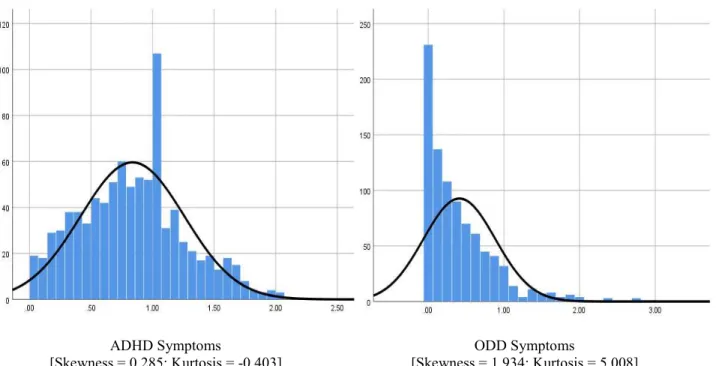
Figure 1 - Distribution of ADHD and ODD symptoms………32
Figure 2 - Distribution of Family Variables………..33
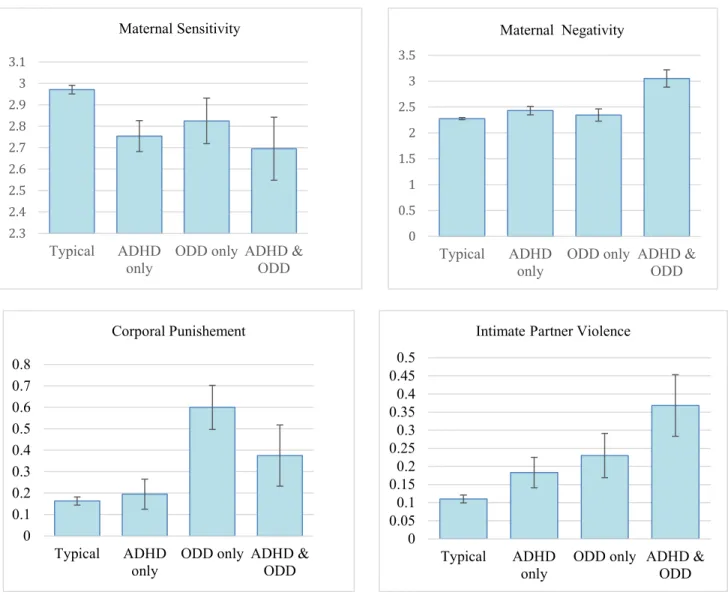
Figure 3 - Mean differences in family variables as a function of ADHD/ODD groups………...37
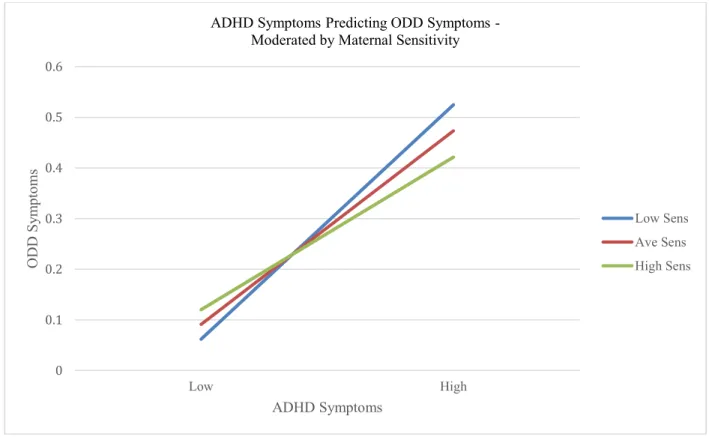
Figure 4 - Interaction plot with maternal sensitivity……….40
CHAPTER 1: INTRODUCTION
Attention Deficit Hyperactivity Disorder (ADHD) and Oppositional Defiant Disorder (ODD) are two of the most prevalent mental health disorders in children (Johnston and Mash, 2001). ADHD affects approximately 8-12% (Faraone & Biderman, 2005), and ODD affects about 10% of the population (Nock, Kazdin, Hirpi, & Kessler, 2007) in US and comorbidity between two disorders are as high as 60% (Angold, Costello & Erkanli, 1999). This
unusually high comorbidity has been noted in numerous studies (Costello, Mustillo, & Erkanli et al., 2003; Nock et al., 2007) and adverse outcomes commonly associated in both disorders such as poor school functioning (Greene, Biederman, Zerwas, Monuteaux, Goring, & Faraone , 2002) and negative parent-child relationship (Johnston and Mash, 2001; Waschbusch, 2002) significantly threatens children’s development and well-being.
In order to understand this high comorbidity under the developmental psychopathology framework, which highlights ongoing interactions of developmental processes between protective and risk factors in the environmental context (Johnston & Jassy, 2007), the developmental precursor model was suggested to explain the comorbidity. The model suggests that early symptoms of ADHD in children put stress on parental functioning and further lead to disruption in family dynamic that ultimately heightens the risk for ODD in children (Johnston & Jassy 2007; Harvey et al., 2016). In other words, the developmental precursor model suggests that symptoms of ADHD serve as a precursor, and various familial contextual factors may function as moderators in the development of ODD.
sensitivity) and protective (e.g., high maternal sensitivity) in the development of ODD symptoms for children. However, this is not true for other family factors such as maternal negativity, use of corporal punishment, and exposure to IPV as we expect the absence of these negative family context as standard or baseline. Therefore, we would expect positively skewed one-tail distribution for these family factors and consider how they impact as an only risk factor to the development of ODD symptoms for children. Overall, literature using family factors like risk and protective factors influencing comorbidity in early childhood is very limited and has mixed results due to wide variability in defining and measuring constructs (Vu, Jouriles, McDonald, & Rosenfield, 2016).
Despite the well-established co-occurrence, theoretical model for comorbidity, and negative consequences related to each disorder (Nock et al., 2007; Johnston & Jassy 2007; Waschbusch, 2002), there are three critical gaps in the literature on this topic; First, there is limited number of studies looking at young children (Harvey, Breaux, & Lugo-Candelas, 2016) despite the critical role of family factors play in social-emotional development in early childhood (Denham, 2006); Second, although evidence from recent studies suggests that ODD is a distinctive disorder in its own; literature often combines ODD and CD when examining impact of comorbidity with ADHD (Moffitt, 1993; Rowe, Costello, Angold, Copeland, and Maughan, 2010). As a result, relatively little attention has been given to protective and risk family factors specific to ADHD and ODD (Rowe et al., 2010). Finally, previous and current research focuses on a better understanding of family protective and risk factors related to each disorder (e.g., ADHD and ODD separately), but not with a combination of both disorders. Further research is needed to understand the important family-related protective and risk factors concerning the co-occurrence of these specific disorders (e.g., ADHD and ODD) in early childhood.
CHAPTER 2: LITERATURE REVIEW ADHD and ODD Comorbidity
Attention Deficit Hyperactivity Disorder (ADHD) is one of the most common childhood neurobehavioral disorders and is characterized by a persistent pattern of inattention and hyperactivity and/or impulsivity across multiple settings (American Psychiatric Association, 2013). ADHD is estimated to affect eight to 12% of the population in US (Faraone & Biderman, 2005) and it is widely known that ADHD can cause significant stress in parent-child relationship (Johnston and Mash, 2001), poor academic achievement (Beauchaine, Hinshaw & Pang, 2010), and suboptimal social functioning with peers (Kaiser, McBurnett, & Pfiffner, 2011). In recent years, significant advances have been made in understanding the neurological basis of this disorder and as a result,
ADHD, both genes and environmental factors have been discussed as critical for the onset of ODD (Burt et al., 2001; Tuvblad, Zheng, and Baker, 2008). For example, a chaotic family environment such as exposure to marital conflict or physical abuse has been significantly associated with the onset of ODD in young children (Tuvblad, Zheng, and Baker, 2008). Regardless of differences in etiology, ODD is significantly associated with adverse outcomes in children such as poorer family cohesion (Burke, Rowe, and Boylan, 2014); more negative parenting practices (Tolan, Dodge, & Rutter, 2013); and suboptimal functioning at school (Greene et al., 2002).
Given that the co-occurrence of ADHD and ODD far exceeds that expected by chance (Rowe et al., 2010), it is important to examine possible explanations (e.g., shared familial risk factors and directionality between the two disorders) underlying the comorbid pattern in order to further understand etiology and developmental pathway of each disorder (Caron and Rutter, 1991). Although there is a wealth of literature looking at each disorder separately and some literature about the comorbid risk factors between ADHD and ODD combined with CD, relatively little attention has been given to comorbid risk factors specific to ADHD and ODD alone (Rowe et al., 2010). This may be because most of the comorbidity research focuses on older school age children or adolescents and CD tends to be diagnosed around this developmental period. Additionally, CD is typically viewed with more serious implications later in adulthood such as antisocial personality disorder and substance abuse compared to ODD (Moffitt, 1993; Lahey, Van Hulle, Rathouz, Rodgers, D’Onofrio & Waldman, 2009; Tuvblad, et al., 2008). Although past studies indicate ODD as a precursor to CD or mild form of CD (Burke et al., 2002), recent studies suggest ODD may not always be a significant precursor to CD and the two disorders have distinct psychological pathways with ODD implying its own consequences (Rowe et al., 2010; Nock et al., 2007). Therefore, past research combining ODD with CD and examining its comorbidity with ADHD in children may not be an accurate reflection of children with ADHD and just ODD.
With a lack of comorbidity research specifically dedicated to ADHD and ODD in early childhood, researchers and scholars attempted to explain the causality behind the high comorbidity with different theoretical models (Moffitt, 1993; Johston and Jassy, 2007). The developmental precursor model is one of the theoretical models within the developmental psychopathology framework that attempts to answer causality behind the high comorbidity of these two disorders. First, a developmental psychopathology framework is a framework that
protective factors, the developmental precursor model suggests that early symptoms of ADHD put stress on family and lead to disruption in family functioning that ultimately heightens the risk for ODD in children (Johnston & Jassy 2007; Harvey et al., 2016). In other words, the developmental precursor model suggests that symptoms of ADHD serve as a precursor, and various familial environmental factors function as mediators in the development of ODD. Following this promising theoretical model, Nock and his colleagues found that clinically elevated levels of ADHD symptoms in early childhood predicted later ODD symptoms in adolescence (Nock et al., 2007). Nock and his colleagues (2007) examined the lifetime prevalence, onset, and maintenance of ODD retrospectively using the National Comorbidity Survey Replication responses from 3,199 adults. The responses for the study were collected via survey using the World Health Organization (WHO) Composite International Diagnostic Interview (CIDI; Kessler & Ustun, 2004) of ODD symptoms as well as other mental health disorders commonly co-occur with ODD (i.e., ADHD). Similarly, a significant continuity from ADHD to ODD was found in children age nine through 16 in a longitudinal study examining the prevalence and continuity of different psychiatric disorders (Costello et al., 2003). A total of 1,420 children participated in the study, and it emphasized comorbidity and unique developmental pathways for different psychiatric disorders common in children (Costello et al., 2003). Of note, although
directionality from ADHD to ODD was supported, the reverse was not supported (Costello et al., 2003). Rather than simply stating comorbidity, this result implies directionality, which is congruent with the developmental precursor model. Although these two studies did not identify causality or specific family factors contributing to comorbidity, both studies identified the directionality (e.g., ADHD as a precursor to the development of ODD) that supported the developmental precursor model.
functioning can potentially serve as important environmental or contextual factors for developmental outcomes in children (Riddle et al., 2013). It is also important to note that during this early childhood period, children also begin to show symptoms of ADHD and ODD (Johnston & Mash, 2001). Given the high prevalence of co-morbidity of ADHD and ODD in early childhood, the role of parenting behaviors and family functioning becomevital considerations in childhood development (Denham, 2006).
In sum, the current study will add to the literature discussed above by describing differences in familial factors across children with and without ADHD and ODD in early childhood. Early childhood is periodically defined as the early preschool years ranging from two years of age to six years of age (Harvey et al., 2016). This period may be especially relevant given that symptoms for both disorders are reported to first emerge during the preschool year yet there are not sufficient studies focusing on this period (Harvey et al., 2016; Riddle et al., 2013). As family functioning is known to have significant influence in socio-emotional development during this period (Denham, 2006) and its disruption can heighten the risk of developing ODD symptoms as the developmental precursor model suggests (Johnston & Jassy, 2007), examining various familial factors such as use of positive and negative parenting style, use of corporal punishment, and presence of intimate partner violence, may be crucial to understanding the comorbidity. Therefore, following sections of the literature review will focus on summarizing past research on these familial factors for children with ADHD, ODD, and comorbid ADHD and ODD.
Family Environmental Factors and ADHD
environmental factors in the maintenance and manifestation of ADHD with other common comorbid disorders. Specifically, the researchers were able to observe that symptoms originating from ADHD disrupt family factors such as increased parental stress and negative family dynamics, which consequently exacerbate ADHD symptoms and contribute to the development of ODD symptoms (Azeredo et al., 2018). The researchers in this study concluded that the onset of ADHD in childhood is heavily influenced by genetic factors, and these biological factors lead to a predisposition to ODD later in adolescence. However, the manifestation of ODD can vary with the impact of environmental factors such as family functioning and parental disciplinary style (Azeredo et al., 2018). It seems clear that ADHD is familial and heritable in its onset, while environmental factors seem to hold the key to maintenance and manifestation of ADHD with other comorbid disorders such as ODD.
Therefore, this section will review four-family factors (e.g., maternal sensitivity, maternal
harshness/intrusiveness, corporal punishment, and intimate partner violence) that are associated with the children who have ADHD.
Maternal Sensitivity and ADHD. In the context of parental discipline, Deater-Deckard (2006) and his colleagues defined maternal warmth or sensitivity as “a positive receptivity toward a child’s needs and tendencies and a positive disposition toward the child.” With this definition, maternal sensitivity has been mainly viewed as a protective factor in child development (Deater-Deckard, Ivy, & Petrill, 2006). However, maternal sensitivity can also be considered a risk factor for childhood behavioral problems, as a low level of maternal sensitivity can be translated into a lack of positive receptivity or interchange between mother and child (Deater-Deckard e al., 2006). Unfortunately, only a handful of studies examine maternal sensitivity as both protective and risk factors in context of early childhood ADHD (Keown, 2011; Johnston, Murray, Hinshaw, Pelham, and Boza, 2000).
examine maternal sensitivity with comparison groups such as children with only ODD or a controlled group of children without either diagnosis. Although maternal sensitivity was not a strong risk factor in ADHD symptoms, researchers indicated a positive correlation between low maternal sensitivity and boys with both ADHD and CD (Johnston et al., 2000). Together, it could potentially mean that maternal sensitivity is a risk factor only in ADHD with other disruptive behavior disorders.
On the contrary, Keown (2011) conducted a three-year longitudinal study examining the effect of maternal sensitivity in preschool-aged boys on predicting later school-age development of ADHD.. A total of 93 boys and their mothers who participated in the study were recruited by participating preschools using Strengths and Difficulty Questionnaire (SDQ; Goodman 1999) and Parental Account of Children’s Symptoms (PACS; Woodward, Taylor, & Downdey 1998). Home visits were made at two time points, and trained coders observed parent-child interaction. Keown (2011) reported that the presence of high maternal sensitivity in preschool mother-son interaction was associated with less inattentiveness by maternal rating and less hyperactive/impulsivity by teachers (Keown, 2011). Therefore, this study provides evidence that high maternal sensitivity can serve as a potentially protective role in children’s ADHD symptoms.
Together, it seems that existing literature supports the protective role of maternal sensitivity in reducing ADHD symptoms (Keown, 2011). At the same time, it may not be a strong enough risk factor to exacerbate ADHD symptoms without any comorbid behavioral problems (Johnston et al., 2000). However, it will be essential to consider how maternal sensitivity affects both genders and with other comparison groups such as health control and children with just other disruptive behavior disorder diagnosis to clarify the relationship between maternal
sensitivity and ADHD symptoms in children.
behaviors in children (Johnston & Mash, 2001). Johnston and Mash (2001) described mothers of children with ADHD as more frequently react and give attention to children’s overactive and impulsive behaviors by using repeated commands, more verbal reprimand and corrections compared to mothers of neurotypical children. Mothers of children with ADHD also reported greater psychological distress and perceived less support from their family than the control group, and this may be associated with higher maternal harshness and intrusiveness in the ADHD group (Johnston and Mash, 2001).
In contrast, Gomez and Sanson (1994) conducted an observational study examining mothers’ interactions with their children who had comorbid ADHD and ODD compared to ADHD only and healthy control children. Research indicated that significant negative interactions such as intrusiveness and negative controlling behaviors in mothers with the comorbid condition compared to children with ADHD alone and healthy control children. Surprisingly, no significant difference was found between mothers of healthy control and ADHD alone children group (Gomez and Sanson, 1994).
Therefore, the relationship between maternal harshness and ADHD symptoms seems to have a mixed result in literature. There is evidence that parents of children with ADHD experience higher levels of parental stress compared to parents of neurotypical children due to children’s lack of self-management, and this stress creates an adverse effect on parenting functioning, which in turn increases maternal harshness (Johnston & Mash, 2001). However, there is also evidence that families of ADHD only children do not differ significantly compared to a healthy control group in terms of their association with maternal harshness (Gomez and Sanson, 1994).
As the presence of ADHD symptoms can be potentially associated with increased maternal harshness, studies examining families of children with ADHD also suggest that symptoms of ADHD in children can cause further disturbances in the family dynamic and marital functioning (Johnston & Mash, 2001). According to Johnston and Mash (2002), disturbances in family and marital functioning can be divided into two different types of family violence in terms of their proximal and distal effect to children: direct and proximal forms of family violence (e.g., corporal punishment) and indirect and distant forms of family violence (e.g., intimate partner violence).
Corporal Punishment and ADHD. Although there is a wealth of literature available indicating short-term and long-term negative consequences of physical abuse (i.e., childhood maltreatment), including childhood
childhood maltreatment (Gershoff, 2002; Saunders, 2003). The use of corporal punishment is considered one of the highest risk factors and a high co-occurring condition that leads to physical abuse (Gershoff, 2002). As such, terminologies are used interchangeably in research, which leads to difficulty accurately understanding the effect of corporal punishment alone versus the combined effect with physical abuse (Gershoff, 2002). Perhaps due to this difficulty, variations in defining corporal punishment and the relationship between corporal punishment and ADHD symptoms in childhood are mixed in the literature.
For example, Whitmore and her colleagues (1993) designed a study to see the relationship between punitive parenting on behavioral characteristics of ADHD children. The researchers compared the reporting of childhood physical punishment and discipline in the home environment between adult males with and without ADHD (i.e., male siblings in the same household without ADHD) (Whitmore, Kramer, and Knuston, 1993). The experimental group of participants (e.g., children with ADHD) was selected from a larger longitudinal study between 1967 and 1978 in Iowa, predominantly consisting of individuals with a history of referral or treatment for ADHD symptoms in their childhood. The researchers hypothesized that the experimental group would report more physical punishment, harsher discipline, and more parental rejection compared to their non-ADHD brothers based on previous studies supporting the association of physical abuse and hyperactive children. Surprisingly, Whitmore and her colleagues found no significant differences in physical discipline and punishment between siblings (Whitmore et al., 1993). However, it is crucial to keep in mind that this is a retrospective study relying on a childhood memory.
IPV and ADHD. Children’s exposure to an indirect and distant form of family violence, or exposure to parents’ intimate partner violence (IPV), can be explained well using a developmental psychopathology framework. As previously discussed, this framework is grounded on the importance of context and interaction of multiple events to facilitate adaptive and maladaptive development (Johnston & Jassy, 2007). When children are exposed to an indirect and distal form of family violence, such as IPV, this framework takes into account the environmental context on the child’s ongoing development. From this perspective, children’s internalizing and externalizing problems associated with exposure to IPV are understood as children’s efforts to adapt to a maladaptive situation (Johnston & Jassy, 2007). In the United States, an estimated ten million children live in homes with IPV. Still, only a few studies point out that children under six years of age are a significant portion in this number and are more likely affected by such negative family context than older children and adolescents (Carpenter & Stacks, 2009; Kitzmann et al., 2003). Such a gap in the literature may be since diagnosis of ADHD usually occurs around when a child enters grade school, and this is also the time when behavior management in school becomes important (Carpenter & Stacks, 2009). In addition to this gap, there is also difficulty defining intimate partner violence similar to difficulty defining corporal punishment. While some studies focus solely on witnessing physical abuse between caregivers, other studies have a broader definition that includes verbal and emotional abuse between caregivers — having such inconsistency in defining terminologies also contributes to difficulty in comparison among studies (Vu, Jouriles, McDonald, & Rosenfield, 2016).
exposure to IPV and attention problems in both genders supports the hypothesis that disruptive family dynamics can contribute to the development of attention problems in children.
A more recent study supporting a significant association between IPV exposure and childhood ADHD is a prospective cohort study conducted by Bauer, Gilbert, Carroll, and Downs (2013) that examined the effect of exposure to IPV within the first three years of children’s life. A total of 2422 children and their mothers were recruited from four community health centers in Indiana between 2004 to 2012.(Bauer et al., 2013). Researchers screened for IPV using questions presented in a prescreened form such as “Has your partner kicked, hit, or slapped you” and “Do you feel safe in your home?” 69 out of 2422 mothers reported exposure to IPV, and the study’s significant finding was that children of mothers who reported experiencing IPV in their child’s first two years of life had increased odds of having an ADHD diagnosis between three and six years of age (Bauer et al., 2013).
In conclusion, the overall pattern of research findings on the effect of IPV exposure to ADHD development indicates that exposure to IPV was a definite risk factor for ADHD development in children.
Family Environmental Factors and ODD
This section will review four family factors (e.g., maternal sensitivity, maternal harshness/intrusiveness, corporal punishment, and intimate partner violence) that are associated with children who have ODD symptoms. In literature, behaviors that align with ODD symptoms in children, such as noncompliance, aggression, defiance, and delinquent behaviors, are usually combined as a single cluster and described as externalizing behaviors or problems (Dodge, Coie, & Lynam, 2007). As a result, most research studies in developmental psychopathology examine the relationship between externalizing behaviors and family factors rather than specific disorders (e.g., ODD) and family factors.
Maternal Sensitivity and ODD. To emphasize the importance of parenting styles and childhood externalizing behaviors, Tolan and his colleagues (2013) identify parenting disciplinary style as one of the most influential factors among environmental variables that could contribute to the development of externalizing
behaviors in children (Tolan, Dodge, & Rutter, 2013). Similar to the previous section regarding maternal sensitivity and ADHD, maternal sensitivity can be viewed as both a protective and risk factor in terms of the development of disruptive behavior disorder such as ODD.
discipline. In this study, 297 of three-to eight-year old children in 169 families participated, and parents of these children completed rating scales measuring child externalizing problems and their sensitivity toward these children. The parents were also interviewed and rated on their discipline style and use of physical discipline. The major finding of this study indicates that increased maternal sensitivity served as a protective factor against an existing positive association between physical punishment and externalizing behaviors (Deater-Deckard et al., 2006). The study provides evidence of the potential and indirect protective role of maternal sensitivity in the development of child externalizing behaviors. The researchers hypothesize that high levels of parental sensitivity and involvement may contribute to the development of a child’s interpersonal skills, such as negotiation or conflict resolution skills, that ultimately result in less noncompliance or further behavioral problems (Deater-Deckard et al., 2006).
On the other hand, a study conducted by Stormshak, Bierman, McMahon, and Lengua (2000) reported a positive association between low parental warmth or sensitivity and childhood disruptive behaviors that are similar to symptoms of ODD (i.e., aggression, noncompliance, and oppositional behaviors). In this study, 631
kindergartners and their mothers participated in-home interviews that measured five different parenting practices, such as parental warmth or sensitivity, consistency, punitive discipline, spanking, and physical aggression
(Stormshak et al., 2000). The population consisted of predominantly low to mid-SES African American families and children were identified as high-risk through multiple measures and observations conducted by participating school teachers (Stormshak et al., 2000). Given the positive association between low maternal sensitivity and increased aggression and oppositional behaviors in the result of this study, researchers indicated that low maternal sensitivity might serve as a significant risk factor in developing disruptive behavioral profiles similar to ODD in children (Stormshak et al., 2000). Stormshak and her colleagues suggest that this result may be explained by the inverse association between parental sensitivity and child’s sense of security and emotional regulation abilities that were indicated in other studies (Stormshak et al., 2000; Pettit & Bates, 1989). It seems that lack of positive interchanges and attention between mother and child threatens a child’s ability to build a healthy attachment with their mother and ultimately results in insecure attachment (Pettit & Bates, 1989). In turn, such insecure attachment leads to disruptive behaviors in children, such as argumentativeness, defiance, and irritation.
Maternal Harshness/Intrusiveness and ODD. Maternal harshness or intrusiveness have been consistent correlates with childhood disruptive behavior in parenting programs and have been conceptualized as “excessive and controlling parental attention and knowledge about child’s behavior including safety and other social relations” (Tolan et al., 2013).
A seminal study conducted by Patterson and his colleague (1992) related to coercive parenting and behavioral problems in childhood demonstrates a well-established relationship between coercive parenting or maternal harshness and externalizing behaviors in children. In their longitudinal study of over 200 boys, Patterson and colleagues found that parental coercion and inconsistent discipline, similar to maternal harshness and
intrusiveness, increased aggressive behavior compared with controls (Patterson, Reid, & Dishion, 1992). According to Patterson, negative parenting and children’s difficult behaviors can interact and reinforce each other. With time, the coercive cycle strengthens and escalates the negative interaction between mother and child (Patterson et al., 1992). Patterson’s coercive interaction model (1992) shows how maternal harshness, which he conceptualizes as intermittent and inconsistent responses to misbehaviors, can have a significant impact on developing disruptive behavioral problems in children. Similarly, another seminal study conducted by Garnder (1994) supports this model in that she observed that mothers of preschool children with behavioral issues lacked inconsistent follow-through in their commands compared to mothers of preschool children without any behavioral problems (Gardner, 1994). This ultimately creates noncompliant behaviors from children with confusion and frustration that look similar to the ODD symptom profile.
The study conducted by Stormshak and her colleagues (2000) described above also looks at maternal harshness as one of the independent variables in different types of parenting practices. For instance, punitive disciplines such as yelling, nagging, threatening, and inconsistent disciplines are similar constructs to maternal harshness and intrusiveness. Consistent with previous research and literature, elevated levels of punitive discipline and inconsistent discipline contributed to the development of aggressive and oppositional behaviors in children (Stormshak et al., 2000). Researchers suggest that children with high-risk profiles similar to this study’s sample (e.g., noncompliant, aggressive, and oppositional behaviors) are more likely to receive punitive discipline because managing problematic behaviors is challenging for the parents (Stormshak et al., 2000).
the researchers hypothesized that mothers of children at risk for ODD would show less effective child management solutions, marked by inconsistency and harshness because more coercive and negative parenting strategies would be reflected in mothers’ knowledge of child behavior management. The findings of the study confirmed this
hypothesis. They indicated that mothers of children at risk for ODD suggested twice as many controlling and negative behavioral management strategies as positive or preventive strategies than mothers in the control group (Cunningham & Boyle, 2000). Researchers explain that the result may be due to mothers of high-risk children feeling less competent as parents compared to mothers of low-risk children (Cunningham & Boyle, 2000).
In summary, it is clear from existing literature that maternal harshness and intrusiveness are positively associated with the development of externalizing problems in children.
Corporal Punishment and ODD. As mentioned in the previous section, the use of corporal punishment is prevalent in the US, and such high prevalence brought a lot of attention from researchers studying the effect of corporal punishment in childhood. Consequently, empirical studies on this topic are extensive. However, the impact of corporal punishment on childhood externalizing behaviors is somewhat mixed as there is a wide variation in defining corporal punishment in research and literature.
One of the most comprehensive reviews of the literature on the relationship between parental use of corporal punishment and child outcomes is a meta-analysis conducted by Gershoff (2002). In her review of 88 empirical studies examining the relationship between corporal punishment and children’s adjustment through the presence of internalizing and externalizing disorders, she found several negative behaviors and emotions related to corporal punishment in children. For example, despite the large effect size on immediate compliance to parental commands, the use of corporal punishment showed a positive association with negative child behaviors such as aggression, delinquent behaviors, and further becoming a victim of child physical abuse (Gershoff, 2002).
Furthermore, Gershoff identified a positive association between corporal punishment in childhood with more severe problems in adulthood, including aggression, criminal behaviors, and abuse of spouse and child. This potentially long-term effect on adulthood and the possibility of generational transmission of violence is noteworthy and alarming enough to learn more about the impact of corporal punishment in childhood.
argued that frequent and severe levels of physical punishment such as slapping in face or hitting a child with objects on their bare skin had different effect than light and infrequent punishment or “ordinary physical punishment” such as occasional spanking with open hand on clothed bottom (Baumrind et al., 2002). The researchers thought that more frequent and severe levels of corporal punishment should be considered child abuse instead of corporal punishment. They pointed out a limitation in the conceptual and operational definition of corporal punishment in Gershoff’s (2002) analysis. Instead, Baumrind and his colleagues suggested that physical discipline should be understood as a conditional sequence model where parents start with the mildest disciplinary method, such as verbal reasoning, and move up to a stronger method if a child remains noncompliant. They further argued that parents with children between the ages of two and six who use infrequent and mild spanking in the context of other forms of disciplinary strategies could have positive effects such as immediate compliance and reduced aggression as children learn to attain reasonable behaviors with the mild disciplinary method over time (Baumrind et al., 2002). Overall, the researchers concluded that Gershoff’s meta-analyses do not justify claimed adverse childhood behavioral problems when mild to moderate corporal punishment are considered.
Taken together, it is clear that severe and frequent forms of corporal punishment have a negative effect and lead to the development of childhood externalizing problems (e.g., aggression, irritation, and hostility) similar to symptoms of ODD. However, despite the extensive amount of research, inconsistency in defining corporal punishment in terms of its intensity and frequency and its overlapping definition with childhood abuse provides somewhat mixed results in the existing literature on this topic.
Wolfe and colleagues (2003) used 41 empirical studies for meta-analysis to examine the effects of domestic violence on children’s developmental outcomes, including externalizing behaviors, and found that children who were exposed to IPV had more behavioral problems than children who were not exposed to IPV (Wolfe et al., 2003). Similar to this meta-analysis, Kitzman and colleagues (2003) also used a meta-analysis of 118 studies and examined psychosocial outcomes, including externalizing problems such as aggression and oppositional behaviors, in children exposed to IPV (Kitzmann et al., 2003). The research resonated with the previous finding of a positive association between aggressive and oppositional behaviors in children with exposure to IPV (Kitzmann et al., 2003). In
addition, they did not find a significant difference between children exposed to physical abuse and children exposed to IPV in terms of externalizing behavior. However, IPV in the analysis was limited to witnessing physical violence in homes, and the researchers suggested if the broader range of definitions of IPV were included (e.g., verbal or emotional violence between parents), the result may differ.
Finally, in a more recent systematic review conducted by Rhoades (2008), she concludes that exposure to a parental conflict was associated with behavioral problems such as aggression in children. She explains that conflict affects children through decreasing their sense of emotional security and increasing stress. Similar to previous studies and reviews, she concluded that IPV contributes to an increased risk of developing externalizing problems in children (Rhoades, 2008).
To summarize the empirical findings of research evaluating the impact of IPV exposure on children’s well being, exposure to IPV seems to put children at higher risk for developing externalizing problems consistent with ODD symptoms compared to children from nonviolent homes.
Family Environmental Factors associated with ODD and ADHD Comorbidity
This section will review four-family factors (e.g., maternal sensitivity, maternal harshness, corporal punishment, and intimate partner violence) that are associated with the children who have both ADHD and ODD. In general, a limited number of studies are available in each section, as only a handful of studies target these two comorbid disorders in early childhood examining the four-family factors mentioned above.
between ADHD symptoms and a child’s behavioral problems, even after controlling for the severity of ADHD (Kaiser et al., 2011). Specifically, a higher level of positive maternal parenting was associated with lower child aggression and oppositional behavior (Kaiser et al., 2011). This study supported the role of maternal sensitivity as a protective factor in the co-occurring development of ADHD symptoms and behavioral problems in children (Kaiser et al., 2011).
On the other hand, low maternal sensitivity as a risk factor for the development of comorbid ADHD and ODD in children was not supported. Pfiffner, McBurnett, Rathus, and Judice (2005) examined the differential impact of maternal sensitivity among children with ADHD comorbid with ODD versus children with ADHD comorbid with CD. 149 children between the ages of five and 11 were referred to an ADHD specialty clinic, and parents completed self-report measures related to parenting practices (Pfiffner et al., 2005). One of the key findings in this study was that low maternal sensitivity had a significant association with children who had comorbid ADHD and CD, but not with children who had comorbid ADHD and ODD (Pfiffner et al., 2005). Given that low maternal sensitivity was significantly associated with children with ODD (Stormshak et al., 2000) and not with children who had only ADHD (Johnston et al., 2000), the result of this study looking at the comorbid population might be explained by the role of ADHD symptoms. Possible explanation of this may be that inattentiveness in ADHD symptoms potentially helped to overlook the lack of maternal sensitivity in the mother-child relationship and lead to significantly adverse effect.
In summary, similar to the association between maternal sensitivity and children with ADHD, high maternal sensitivity seems to function as a protective factor whereas low maternal sensitivity does not necessarily seem to be a significant risk factor for children with comorbidity. The association between maternal sensitivity and children with ADHD and ODD comorbidity warrants more examination.
(Johnston and Mash, 2001). In addition, compared to mothers of children with only ADHD, the mothers of children with comorbid ADHD and ODD perceived greater psychological distress and perceived more family disturbance (Johnston and Mash, 2001). This study provides a clear indication that maternal harshness is a risk factor for children with ADHD and ODD comorbidity.
Corporal Punishment and Comorbidity. When considering children with ADHD and co-occurring ODD, some studies cluster symptoms of ADHD, such as hyperactivity and impulsivity together with signs of ODD such as aggression, noncompliance, and oppositional behaviors, as one and describe them as conduct problems or
externalizing behaviors (Dodge et al., 2007). However, this cluster usually does not account for the inattentiveness of ADHD and what exactly constitutes as conduct problem or externalizing behavior varies study by study (Gershoff, 2002). Despite the lack of consistency in defining conduct or externalizing problems, it is generally agreed that children with any one of the behaviors typically considered as conduct problems (hyperactivity, oppositional behavior, or aggression) have behaviors difficult to manage and are at higher risk of parents using corporal punishment as a disciplinary method to manage their children’s difficult behaviors (Gershoff, 2002).
Given that there is mixed evidence supporting the association between corporal punishment and children with ADHD (Whitmore et al., 2003; Alizadeh et al., 2007) and also between corporal punishment and children with ODD (Gershoff, 2002; Baumrind et al., 2002), the relationship between corporal punishment and children with comorbid ADHD and ODD is uncertain. However, it is reasonable to assume that behavioral management is more difficult for children with the comorbid condition compared to children with just ADHD or ODD. For instance, parents with comorbid ADHD and ODD children experienced a higher level of parenting stress compared to parents with children who only had ADHD (Johnston & Mash, 2001). The higher the parental stress, the more likely these parents have considered an extreme measure of discipline such as corporal punishment (Johnston & Mash, 2001). Therefore, it is reasonable to predict that higher parental stress could lead to more likely use of corporal punishment that will be ultimately associated as a risk factor for children with ADHD and ODD comorbid conditions.
closely resemble the DSM diagnosis of conduct disorder symptoms (e.g., stealing, running away, and lying). Currently, there is no study looking at the impact of IPV on children, specifically with comorbid ADHD and ODD symptoms. However, given that IPV has a clear negative impact on both children with ADHD (Bauer et al., 2013) and ODD (Kitzmann et al., 2003), it is likely that children with comorbid ADHD and ODD will have a significant association with IPV exposure.
Purpose of the Current Study
The present study is designed to address gaps within the current literature on comorbidity between ADHD and ODD in early childhood. In literature it is clear that ADHD is one of the most common childhood disorders (Biderman & Faraone, 2005), ODD co-occurs with ADHD at a greater rate than any other childhood disorders (Angold et al., 1999; Maughan et al., 2004), and that comorbidity between these disorders often emerge in early childhood during preschool years (Johnston & Mash, 2001). Such emergence in early childhood is also relevant given the documented effects of familial environmental factors on social, emotional, and behavioral development during this developmental period (Denham, 2006; Johnston & Jassy, 2007). However, the current literature does not fully address the potential contributions of familial environment factors (e.g., maternal sensitivity, maternal
harshness, corporal punishment, and intimate partner violence) on concurrence of ADHD and ODD in early childhood.
Similarly, use of corporal punishment can act as a risk factor (Becker et al., 2002), and existence of intimate partner violence between parents can also act as a risk factor (Wolfe et al., 2003) for development of ODD in children with ADHD. While some of the available literature regarding ADHD and ODD comorbidity during early childhood focuses on these familial environmental factors, the information is limited and especially scarce in early childhood without comorbidity of CD as well (Harvey et al., 2016; Riddle et al., 2013). Therefore, the present study will examine the effect of familial environmental factors on the comorbidity of ADHD and ODD in early childhood using two different approaches.
Research Questions and Hypotheses
The first approach is a person or clinical group oriented approach to examine the differences in various familial environmental factors (e.g., maternal sensitivity, maternal harshness, corporal punishment, and intimate partner violence) in the development of ODD for children with or without ADHD. Specifically, children will be divided into four groups (e.g., ADHD only, ODD only, comorbid, and control) based on their clinical level of ADHD and ODD symptoms. This division based on clinical levels will generate useful descriptive information on each group as the groups can be matched with DSM-V criteria and generalized to clinical practices.
The second approach is a process or variable oriented approach to examine the development of ODD as a function of ADHD as moderated by different familial environmental factors (e.g., maternal sensitivity, maternal harshness, corporal punishment, and intimate partner violence). This approach examines interaction of each familial environment variables with ADHD and addresses how they serve as risk and/or protective factors for the
development of ODD. The present study will address seven specific research questions: Using a person-oriented (clinical categorization) approach:
1. What is the degree of co-morbidity between ADHD and ODD in this sample and is it greater than what would be expected by chance? I hypothesize that co-morbidity between ADHD and ODD in the sample will be significantly higher than expected by chance.
3. Are there significant differences in maternal harshness among different groups of 1st grade children (e.g., ADHD only, ODD only, Comorbid, and Control)? )? I hypothesize that comorbid and ODD only group will have the highest level of maternal harshness, followed by ADHD only group, and then control group.
4. Are there significant differences in corporal punishment among different groups of 1st grade children (e.g., ADHD only, ODD only, Comorbid, and Control)? )? I hypothesize that comorbid group will have significantly higher level of corporal punishment, followed by ODD only group, ADHD only group, then control group.
5. Are there significant differences in intimate partner violence among different groups of 1st grade children (e.g., ADHD only, ODD only, Comorbid, and Control)? )? I hypothesize that children in comorbid, ODD only, and ADHD only group will have significantly higher level of exposure to IPV compared to control group.
Using a variable-oriented approach:
6. Do symptoms of ADHD significantly predict ODD symptoms? I hypothesize that symptoms of ADHD will significantly predict ODD.
7. Does each of familial environmental factors (e.g., maternal sensitivity, maternal harshness, corporal punishment, and intimate partner violence) significantly predict ODD as in main effects above and beyond the effects of ADHD? )? I hypothesize that high levels of maternal harshness, high and severe frequency of corporal punishment, and presence of IPV will be significant predictors of ODD as a function of ADHD whereas high levels of maternal sensitivity will be inversely associated in predicting ODD for children with ADHD. Based on the literature review, low levels of maternal sensitivity will not be significant predictors of ODD as a function of ADHD.
CHAPTER 2: RESEARCH METHODS
Participants
The data for the proposed study will be gathered from the Family Life Project (FLP). The FLP is a large longitudinal study of children and families in rural and low-income counties of Eastern North Carolina and Central Pennsylvania exploring the role of child, family, and contextual factors in child development (Wagner, Mills-Koonce, Willoughby, Zvara, & Cox, 2015). The families and their newborns in the counties above were recruited using a stratified random sampling procedure over a 1-yaer period (e.g., September 2013 through September 2014) at the time mothers gave birth to child using standardized script and protocols. Families were recruited from hospitals at the birth of the child; in addition, birth records were used to identify potential participants who were born in hospitals outside of the target counties. Using three exclusion criteria (e.g., primary language is not English, resided in counties that were outside of the geographical area of interest, and had plan to move the geographical area of interest within three years), a total 1,292 families were enrolled in the study. Of note, the sample included an oversampling of low-income families and African-American families to ensure sufficient power for longitudinal analyses of all subgroups families. Of the 1,292 families enrolled, over 99% of primary caregivers were biological mothers and approximately 41% were African American. On average, mothers were 28 years old when the child included in this study was born, over half of them were married and employed, and had average education for mothers were 13 in years (e.g., about 16 % had 4-year-college degree). Lastly, the mean income-to-needs ratio for the household was 1.9 (a 1.0 ratio that indicates federal poverty threshold).
Design of the current study is a passive longitudinal study with specific time points as listed below: Measure of maternal parenting behaviors (e.g., sensitivity and harshness) at 24, 36, and 58 months, measure of IPV at 24, 36, and 57 months, measure of corporal punishment at 36 and 58 months, and measure of symptoms ratings for both ADHD and Conduct Problem (e.g., ODD symptoms) at first grade.
Procedure
Garrett-Peters, & Wagner, 2017). At the initial visit, when child was 2 months of age, one research assistant used a laptop and entered information from the mother on key variables including demographics of household members and employment status of caregivers. When children were 6, 15, 24, 36, 48, 60 months of age, and again when the child was admitted in the first grade, two research assistants visit the family and administered interviews with mothers and administered questionnaires regarding child’s behavior, and conducted child assessments, videotaped interactions between mother and child (e.g., measure of maternal parenting behaviors).
At 24 and 36-month visits, the interaction between mother and child was observed through a 10-minute task, which consisted of three consecutive peg puzzles of increasing difficulties (Rehder et al., 2017). The
observation lasted approximately 10 minutes. At 58 month visit, the interaction between mother and child consisted of a card game and a tower building task. For the card game, mother and child competed to collect the most card in a “slap-jack” game. For the tower building task, child was instructed to replicate the sample block built by the RA using different sizes and shapes of blocks. The observation lasted approximately 15 minutes. For all the tasks at 24, 36, and 58 month visits, mothers were instructed that the tasks (e.g., puzzle and tower building) were for the child to complete but should provide assistance as needed.
Measures
Attention deficit/hyperactivity disorder (ADHD) symptom rating. Using a four-point Likert scale (0 being not at all, 1 being just a little, 2 being pretty much, and 3 being very much), 18 ADHD symptoms listed in DSM-IV were rated by mothers when the child was in the first grade (Willoughby, Williams, Mills-Koonce, & Blair, 2019). Items rated above 2 were considered as a positive endorsement for a clinical level of symptom, following previous studies using similar measure (e.g., Pelham, Gnagy, Greenslad, & Milich, 1992). As outlined in DSM, an elevated risk for ADHD was defined as six or more of inattentive and/or hyperactive-impulsive symptoms at each assessment.
Maternal Parenting Behaviors. To measure maternal parenting behaviors, mother-child interactions during a free-play with toys and card games at 24, 36, and 58 months were videotaped and coded (Cox, Paley, Burchinal, & Payne, 1999; NICHD Early Child Care Research Network, 1999). In addition, a set of three puzzles with increasing difficulty at 24 and 36 months and a tower building task at 58 month were provided to complete for the child. Mothers were instructed to provide assistance as they felt necessary. The research assistants (e.g., a team of four to five coders with one or two master coder) were trained and coded a rating on various maternal parenting behavior constructs on seven-point Likert scale (1 being not at all characteristic to 7 being highly characteristic). The coders were unaware of the study’s hypotheses. Each coder completed approximately 30% of the assigned videotapes with the master coder(s) and the reliability was calculated using the correlation of overlapping coding assignments among the teams. Reliability was high (e.g., interclass correlations for sensitivity were all above .80 across three different time points for all constructs).
Two constructs (e.g., maternal sensitivity and maternal harshness/intrusiveness) will be used for the analysis of current study. As parenting behaviors are consistent and stable across early childhood (Behrens, Hart, & Parker, 2012) and three time points were highly correlated, latent maternal sensitivity and maternal harshness/ intrusiveness composite scores were created to capture the cumulative effect of maternal sensitivity and maternal harshness/intrusiveness constructs. Maternal sensitivity will be computed as a mean of sensitivity at three different time points (e.g., 24, 36, and 58 months) using the sum of subscales scores for sensitivity, positive regard, stimulation of development, animation, and reverse score of detachment/disengagement. On the other hand, maternal harshness or intrusiveness will be computed as a mean of harshness/ intrusive at three points (e.g., 24, 36, and 58 months) using the sum of subscale scores for intrusiveness and negative regard for the child.
Intimate Partner Violence. To measure the presence of intimate partner violence (IPV), the Conflict Tactics Scale-Couple Form R (CTS-R; Straus and Gelles, 1990) was used. At 36- and 60- months, mothers completed this 19-item questionnaire that asked them to rate how often in the past 12 months their partner engaged in particular behaviors to manage conflict in the romantic relationship. The questionnaire had a six-point Likert scale (0 being never and 6 being more than 20) and the nine items from this questionnaire related the Physical Violence subscale (which is calculated by taking the mean of these items; α = .67 at the 36- month and α = .75 at the 60- month assessments) will be used in this study. An example of subscale items includes: “how often has your partner kicked, bit, or hit you with a fist?”
Covariates. In order to account for any confounding or interacting variables, some demographic variables measured at each visit will be considered in the analysis. Mothers’ report of their highest level of completed education (in years), the marital status (0 being unmarried and 1 being married), the child’s race (0 being white and 1 being black), and child’s sex (0 being female and 1 being male) will be accounted in the current analysis. In addition, income-to-needs ratios will be used as a covariate for all variables in this study which will be computed by dividing the total household income from all possible sources with the federally determined poverty threshold for the number of individuals living in the house for that year (e.g., ratio above 1.0 being able to provide basic needs for the family, below 1.0 being not able to provide basic needs for the family). Lastly, the sites where data was collected (e.g., North Carolina and Pennsylvania) will be used as a covariate as well to account for variability in task administration across two sites.
Table 1
Description and psychometric properties of measures used
Variables of Interest Name of Measure Description of Measure Psychometric Properties Outcome measure; Symptoms of Attention Deficit Hyperactivity Disorder ADHD Symptom Rating Scale (De Paul et al., 1998)
A DSM-IV guided rating scale that consists of four-point scale; scores of two or three in six items of inattention and six items of hyperactivity domains were considered positive clinical endorsement
Reliability; α = 0.87 for inattention and α = 0.85 for hyperactivity (See Willoughby, Pek, and Grenberg, 2013)
of ADHD symptoms for this study. (Measured time point; 1st grade)
Outcome measure; Symptoms of Oppositional Defiant Disorder Disruptive Behavior Disorder Rating Scale (DBDRS; Pelletier, Collet, Gimpel, & Crowley, 2006)
A DSM-IV guided rating scale that includes subscales for assessing ODD symptoms (e.g., defiance,
argumentativeness, and anger). A four-point scale, scores of two or three in two domains of ODD were considered positive clinical endorsement of ODD symptoms for this study. (Measured time point; 1st grade)
Reliability; α = 0.95; (See Wright, Waschbusch, & Frankland, 2007)
Validity; established in Pelletier et al., 2006
Family Factor; Maternal Sensitivity Recorded observation of mother-child interactions consisting of free-play with toys, puzzle, card game, and tower building tasks.
Mean of sensitivity across three time points (subscales scores in sensitivity, positive regard, stimulation of development,
animation, and reverse score of detachment/ disengagement) in seven-point likert scale using trained coders; Measured time points; 24, 36, and 58 months
Reliability among coders and master coder; α-level above 0.80 across all three time points See validity establishment in Cox, Paley, Burchinal & Payne, 1999
Family Factor; Maternal Harshness/ Intrusiveness Recorded observation of mother-child interactions consisting of free-play with toys, puzzle, card game, and tower building tasks.
Mean of harshness/ intrusiveness across three time points (subscale scores in intrusiveness and negative regard) in seven-point likert scale using trained coders;
Measured time points; 24, 36, and 58 months
Reliability among coders and master coder; α-level above 0.80 across all three time points See validity establishment in Cox, Paley, Burchinal & Payne, 1999
Family Factor; Corporal Punishment A Parent-Child Conflict A 20-item questionnaire reporting parent
Tactics Scale (CTSPC; Straus, 1979)
behavior in response to conflict with their child; The current study only used the four items from physical aggression subscale. (Measured time points; 36 and 58 months)
Validity; established in Straus, 1979
Family Factor; Intimate Partner Violence Conflict Tactics Scale- Couple Form R (CTS-R; Straus & Gelles, 1990)
A 19 item self-report measure of responses to conflict in romantic relationship; The current study only used the nine items from physical violence scale. (Measured time points; 36 and 58 months)
Reliability; α = 0.89 at 36 month 0.95 at 58 month (See Gustafsson and Cox, 2016) Validity; established in Straus and Gelles, 1986
Ethical Consideration
The study will be conducted contingent on the approval of the Institutional Review Board (IRB) at the University of North Carolina at Chapel Hill. The proposal will meet all the guidelines and criteria for secondary data analysis before being analyzed.
Date Analysis Approach
Quantitative data will be examined and analyzed using the statistical program SPSS for Mac. To answer proposed research questions, two statistical analysis will be used: First, One-way ANCOVA will be conducted to obtain descriptive statistics and compare group mean differences among four groups (e.g., ADHD only, ODD only, ADHD and ODD comorbid, and control group) on family variables of interest (e.g., maternal sensitivity, maternal harshness/intrusiveness, use of corporal punishment, and presence of intimate partner violence). If significant differences are found in the groups, a post-hot statistic such as Tukey’s HSD will be used to further assess the group differences.
CHAPTER 4: RESULTS
This study examined the effect of four family variables (e.g., maternal sensitivity, maternal harshness, use of corporal punishment, and presence of IPV) on the comorbidity of ADHD and ODD in early childhood using two different conceptual approaches. The first approach used clinical categorization or person oriented approach to describe the role of different family factors in the development of comorbidity in early childhood whereas the second approach focused on the variables itself to describe the comorbidity. First, descriptive information and distribution of key variables will be briefly described and eight questions and hypotheses generated from the two approaches described above will be discussed. Examination of the questions was based on the secondary data analysis using the Family Life Project described in earlier section.
Descriptive Statistics.
ADHD Symptoms
[Skewness = 0.285; Kurtosis = -0.403]
ODD Symptoms
[Skewness = 1.934; Kurtosis = 5.008] Figure 1. Distributions of ADHD and ODD Symptoms
Maternal Sensitivity
[Skewness = -0.007; Kurtosis = -0.709]
Maternal Negativity
[Skewness = 0.671; Kurtosis = 0.241]
Corporal Punishment
[Skewness = 4.337; Kurtosis =23.056]
Intimate Partner Violence [Skewness = 4.545; Kurtosis =25.258] Figure 2. Distributions of Family Environmental Variables
Person-oriented Hypotheses
Five questions and hypotheses were examined using person-oriented approach. Each hypothesis will be examined and discussed in order.
Research Question 1. Research question 1 asked about the degree of comorbidity between ADHD and ODD in this sample and whether it would be greater than what would be expected by chance. It was hypothesized that comorbidity between ADHD and ODD in the sample will be significantly higher than expected by chance based on previous literature. Table 3 is a chi-square analysis of sample, including children with ADHD and ODD
co-occur at levels greater than expected by chance (Χ2 = 37.648, p < .001). The 14 cases represent an increase of 411.8 percent more children with ADHD and ODD comorbidity than would be expected by chance.
Table 3
Chi-Square Analysis of co-occurring ADHD and ODD
No ODD ODD Total
No ADHD 778 (767.4 exp.) 27 (37.6 exp.) 805
ADHD 59 (69.6 exp.) 14 (3.4 exp.) 73
Total 837 41 878
Research Question 2. Question 2 asked whether there were significant differences in maternal sensitivity among groups of 1st grade children. Based on the literature review, it was hypothesized that maternal sensitivity will be significantly higher in control (e.g., no ADHD/ODD) group compared to ADHD only and ODD only group followed by comorbid (e.g., ADHD/ODD) group. After controlling for covariates such as state, maternal education, child sex, child race, in-home partner, and family income, ANCOVA was used and determined that ADHD/ODD group membership significantly predicted maternal sensitivity in the early years of life (p = .006). Specifically, follow up post-hoc test determined that children in control group experienced significantly higher maternal
sensitivity than children with ADHD only and children in comorbid group. Please see Table 4, Table 5, and Figure 3 below.
Research Question 3. Question 3 asked whether there were significant differences in maternal negativity among groups of 1st grade children. Based on the literature review, it was hypothesized that maternal harshness will be significantly higher in comorbid and ODD only group, followed by ADHD only group, and then control group. After controlling for covariates, ANCOVA was used and determined that ADHD/ODD group membership significantly predicted maternal harshness in the early years of life (p = .001). Follow up post-hoc test determined that children in comorbid group experienced significantly greater maternal negativity than children in each of the other three groups. On the other hand, children in control group experienced significantly lower maternal negativity than children with ADHD only group. Please see Table 4, Table 5, and Figure 3 below.
significantly predicted corporal punishment in the early years of life (p = .001). Follow up post-hoc test determined that children in ODD only group experienced significantly more corporal punishment than children in ADHD only and control group. Please see Table 4, Table 5, and Figure 3 below.
Research Question 5. Question 5 asked whether there were significant differences in intimate partner violence among groups of 1st grade children. Based on the literature review, it was hypothesized that IPV will be significantly higher in comorbid and ODD only group, followed by ADHD only group, and then control group. After controlling for covariates, ANCOVA was used and determined that ADHD/ODD group membership significantly predicted IPV in the early years of life (p = .003). Follow up post-hoc test determined that children in control group experienced significantly lower IPV than children in the other three groups as well as children in comorbid group experienced significantly higher IPV compared to children in the ADHD only group. Please see Table 4, Table 5, and Figure 3 below.
Table 4
ANCOVA Table for differences in early exposures by ADHD/ODD groups
Maternal Sensitivity
Maternal Negativity
Corporal
Punishment IPV
F p F p F p F p
State 0.01 .93 5.53 .019 1.78 .183 2.42 .120
Maternal education 70.41 .001 37.86 .001 0.14 .711 11.41 .001
Child sex 1.16 .282 14.58 .001 5.670 .017 0.06 .811
Child race 41.50 .001 28.47 .001 22.47 .001 27.49 .001
In-home partner 17.15 .001 7.69 .006 0.27 .601 0.22 .637
Family income 14.56 .001 1.55 .199 0.19 .663 0.36 .550
Table 5
Mean differences in early exposures as a function of ADHD and ODD groups
No DHD/ODD ADHD-Only ODD-only ADHD/ODD Maternal
Sensitivity
2.971ab 2.754a 2.825 2.695b a p=.004
b p=.063
d= .39
d= .49
Maternal Negativity
2.275ab 2.430ac 2.344d 3.050bcd a p=.068 b p=.001 c p=.001 d p=.001
d= .25 d= 1.25 d= .99 d= 1.13 Corporal
Punishment
0.163a 0.195b 0.600ab 0.375 a p=.001
b p=.001
d= .82
d= .75
IPV 0.110abc 0.183ad 0.230b 0.368cd a p=.092
b p=.056 c p=.003 d p=.050