RESEARCH ARTICLE
STUDY OF DIFFERTENT TYPES OF CHORDOMAS, A CASE SERIES
*Dr. Mohammad Banyameen Iqbal, Dr. Tushar Kambale, Dr. Atul K. Jain and Dr. Iqra Mushtaq
Department of Pathology, Dr DY Patil Medical College, Pune, India
ARTICLE INFO ABSTRACT
Chordoma is a rare, low grade, primary malignant bone tumour arising from primitive notochord remnants. It accounts for 1-4% of all primary skeletal tumours. Sacrum represents the more common anatomical site of origin followed by skull base region, cervical vertebrae and thoracolumbar vertebrae. Ours is a case series of three patients diagnosed to be suffering from different types of
chordoma’s, that is conventional, chondroid and de-differentiated based on histopathology, immuno-histochemistry and radiological findings.
Copyright © Dr. Banyameen Mohammad Iqbal et al. This is an open access article distributed under the Creative Commons Attribution License, which permits unrestricted use, distribution, and reproduction in any medium, provided the original work is properly cited.
INTRODUCTION
Chordoma is a rare low grade, primary malignant bone tumour arising from primitive notochord remnants. It accounts for 1-4% of all primary skeletal tumours. Sacrum represents the more common anatomical site of origin followed by skull base region, cervical vertebrae and thoracolumbar vertebrae. Muller in 1858 was the first person to propose that the tumor was related to the notochord while as Ribbert was the first person to
coin the term ‘chordoma’ in 1894.Data from Swedish registry (2009) found that annual incidence of chordoma was 0.5% per million individuals and that chordoma was responsible for 17.5% of all primary malignant bone tumors. A small number of families have been reported in which multiple relatives have been affected by chordoma. In four of these families duplication of the brachyury gene was found to be responsible for causing chordoma. A possible association with tuberous sclerosis complex (TSC1 or TSC2 has been suggested
MATERIAL AND METHODS
2 years retrospective study was done in a tertiary care medical institute (SKIMS) from january 2009 - dec 2010 Data and slides were collected from the histopathology
section of the hospital
3 cases of chordoma were reported with one each at the clivus, sacrum and lumbar vertebrae.
Mean age was 50 years.
Histopathological spectrum: 1 conventional, 1 chondroid and 1 de-differentiated chordoma
*Corresponding author: Dr. Banyameen Mohammad Iqbal Department of Pathology, Dr DY Patil Medical College, Pune, India
RESULTS
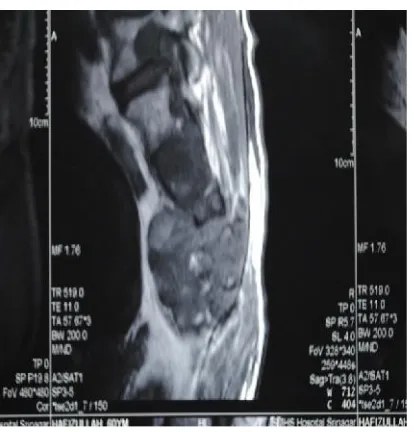
Case 1 60 years male admitted under hospital registration no: 644914, date of admission: 28/01/2009 came with a history of Difficulty in walking and lower back ache for the last 2 weeks and history of Constipation for the last 1 year. O/E: Patient ambulatory.
Systemic Examination: clinically no abnormality detected Motor examination: Bulk, Sensory and Tone Normal.
MRI spine
ISSN: 0975-833X
International Journal of Current Research Vol. 6, Issue, 01, pp.4589-4594, January, 2014
INTERNATIONAL JOURNAL OF CURRENT RESEARCH
Article History:
Received 18thOctober, 2013
Received in revised form 27thNovember, 2013
Accepted 07thDecember, 2013
Published online 26thJanuary, 2014
Key words:
Malignant tumors of the bone, Rare tumors of the bone, Low grade tumors,
Notochord remnant tumors.
RESEARCH ARTICLE
STUDY OF DIFFERTENT TYPES OF CHORDOMAS, A CASE SERIES
*Dr. Mohammad Banyameen Iqbal, Dr. Tushar Kambale, Dr. Atul K. Jain and Dr. Iqra Mushtaq
Department of Pathology, Dr DY Patil Medical College, Pune, India
ARTICLE INFO ABSTRACT
Chordoma is a rare, low grade, primary malignant bone tumour arising from primitive notochord remnants. It accounts for 1-4% of all primary skeletal tumours. Sacrum represents the more common anatomical site of origin followed by skull base region, cervical vertebrae and thoracolumbar vertebrae. Ours is a case series of three patients diagnosed to be suffering from different types of
chordoma’s, that is conventional, chondroid and de-differentiated based on histopathology, immuno-histochemistry and radiological findings.
Copyright © Dr. Banyameen Mohammad Iqbal et al. This is an open access article distributed under the Creative Commons Attribution License, which permits unrestricted use, distribution, and reproduction in any medium, provided the original work is properly cited.
INTRODUCTION
Chordoma is a rare low grade, primary malignant bone tumour arising from primitive notochord remnants. It accounts for 1-4% of all primary skeletal tumours. Sacrum represents the more common anatomical site of origin followed by skull base region, cervical vertebrae and thoracolumbar vertebrae. Muller in 1858 was the first person to propose that the tumor was related to the notochord while as Ribbert was the first person to
coin the term ‘chordoma’ in 1894.Data from Swedish registry (2009) found that annual incidence of chordoma was 0.5% per million individuals and that chordoma was responsible for 17.5% of all primary malignant bone tumors. A small number of families have been reported in which multiple relatives have been affected by chordoma. In four of these families duplication of the brachyury gene was found to be responsible for causing chordoma. A possible association with tuberous sclerosis complex (TSC1 or TSC2 has been suggested
MATERIAL AND METHODS
2 years retrospective study was done in a tertiary care medical institute (SKIMS) from january 2009 - dec 2010 Data and slides were collected from the histopathology
section of the hospital
3 cases of chordoma were reported with one each at the clivus, sacrum and lumbar vertebrae.
Mean age was 50 years.
Histopathological spectrum: 1 conventional, 1 chondroid and 1 de-differentiated chordoma
*Corresponding author: Dr. Banyameen Mohammad Iqbal Department of Pathology, Dr DY Patil Medical College, Pune, India
RESULTS
Case 1 60 years male admitted under hospital registration no: 644914, date of admission: 28/01/2009 came with a history of Difficulty in walking and lower back ache for the last 2 weeks and history of Constipation for the last 1 year. O/E: Patient ambulatory.
Systemic Examination: clinically no abnormality detected Motor examination: Bulk, Sensory and Tone Normal.
MRI spine
ISSN: 0975-833X
International Journal of Current Research Vol. 6, Issue, 01, pp.4589-4594, January, 2014
INTERNATIONAL JOURNAL OF CURRENT RESEARCH
Article History:
Received 18thOctober, 2013
Received in revised form 27thNovember, 2013
Accepted 07thDecember, 2013
Published online 26thJanuary, 2014
Key words:
Malignant tumors of the bone, Rare tumors of the bone, Low grade tumors,
Notochord remnant tumors.
RESEARCH ARTICLE
STUDY OF DIFFERTENT TYPES OF CHORDOMAS, A CASE SERIES
*Dr. Mohammad Banyameen Iqbal, Dr. Tushar Kambale, Dr. Atul K. Jain and Dr. Iqra Mushtaq
Department of Pathology, Dr DY Patil Medical College, Pune, India
ARTICLE INFO ABSTRACT
Chordoma is a rare, low grade, primary malignant bone tumour arising from primitive notochord remnants. It accounts for 1-4% of all primary skeletal tumours. Sacrum represents the more common anatomical site of origin followed by skull base region, cervical vertebrae and thoracolumbar vertebrae. Ours is a case series of three patients diagnosed to be suffering from different types of
chordoma’s, that is conventional, chondroid and de-differentiated based on histopathology, immuno-histochemistry and radiological findings.
Copyright © Dr. Banyameen Mohammad Iqbal et al. This is an open access article distributed under the Creative Commons Attribution License, which permits unrestricted use, distribution, and reproduction in any medium, provided the original work is properly cited.
INTRODUCTION
Chordoma is a rare low grade, primary malignant bone tumour arising from primitive notochord remnants. It accounts for 1-4% of all primary skeletal tumours. Sacrum represents the more common anatomical site of origin followed by skull base region, cervical vertebrae and thoracolumbar vertebrae. Muller in 1858 was the first person to propose that the tumor was related to the notochord while as Ribbert was the first person to
coin the term ‘chordoma’ in 1894.Data from Swedish registry (2009) found that annual incidence of chordoma was 0.5% per million individuals and that chordoma was responsible for 17.5% of all primary malignant bone tumors. A small number of families have been reported in which multiple relatives have been affected by chordoma. In four of these families duplication of the brachyury gene was found to be responsible for causing chordoma. A possible association with tuberous sclerosis complex (TSC1 or TSC2 has been suggested
MATERIAL AND METHODS
2 years retrospective study was done in a tertiary care medical institute (SKIMS) from january 2009 - dec 2010 Data and slides were collected from the histopathology
section of the hospital
3 cases of chordoma were reported with one each at the clivus, sacrum and lumbar vertebrae.
Mean age was 50 years.
Histopathological spectrum: 1 conventional, 1 chondroid and 1 de-differentiated chordoma
*Corresponding author: Dr. Banyameen Mohammad Iqbal Department of Pathology, Dr DY Patil Medical College, Pune, India
RESULTS
Case 1 60 years male admitted under hospital registration no: 644914, date of admission: 28/01/2009 came with a history of Difficulty in walking and lower back ache for the last 2 weeks and history of Constipation for the last 1 year. O/E: Patient ambulatory.
Systemic Examination: clinically no abnormality detected Motor examination: Bulk, Sensory and Tone Normal.
MRI spine
ISSN: 0975-833X
International Journal of Current Research Vol. 6, Issue, 01, pp.4589-4594, January, 2014
INTERNATIONAL JOURNAL OF CURRENT RESEARCH
Article History:
Received 18thOctober, 2013
Received in revised form 27thNovember, 2013
Accepted 07thDecember, 2013
Published online 26thJanuary, 2014
Key words:
Malignant tumors of the bone, Rare tumors of the bone, Low grade tumors,
Fig. 1. A large expansile lytic lesion involving sacrococcygeal junction with soft tissue extension
[image:2.595.326.542.59.492.2]FNAC
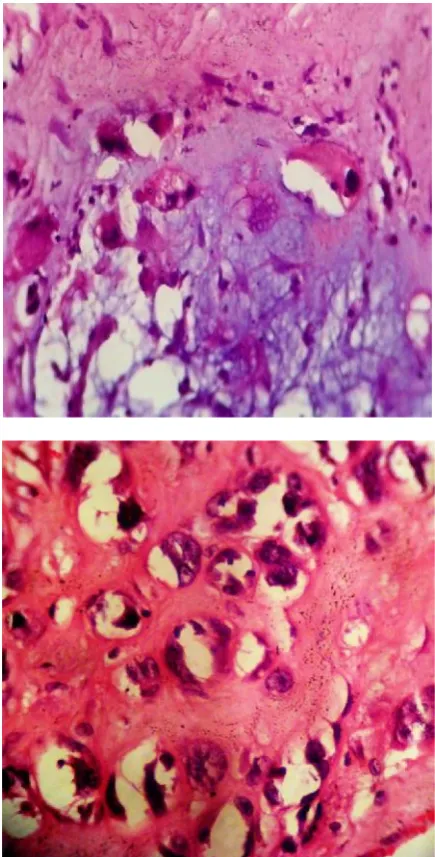
Fig. 2. Impression: Tumour cells with abundant vacuolated pale cytoplasm (physaliphorous cells)
Histopathology
Fig. 3. Reveals presence of very tiny bits of tissue, the cells show histomorphology suggestive of features of a chordoma
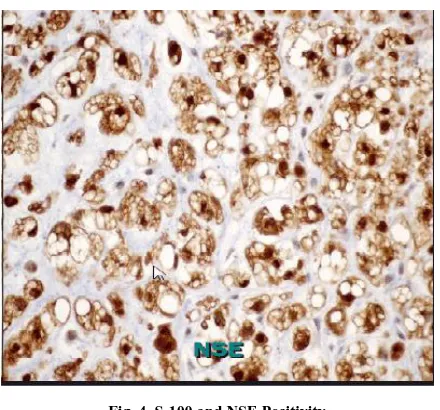
[image:2.595.53.273.305.725.2]Fig. 4. S-100 and NSE Positivity
Case 2: 55 years old male, admitted under hospital MRD NO: 982738 on 15/06/2009 came with a history of Lower back ache, Loss of appetite, Weight loss for the last 3 months. Weakness in left lower limbs and Urinary retention 1 week.
O/E: Chest, CVS, P/A: Clinically within normal limits CNS:
BULK–Decreased in all limbs TONE–Normal
Power
Upper limbs Lower limbs
Rt: G 0-1 Rt: G II
Lt: G III Lt: G III
MRI SPINE: A large enhanced soft tissue mass lesion seen in relation to S1-S3 Vertebrae with destruction of underlying bone involving posterior elements and paravertebral soft tissue. Hyperintense on T2w1, Hypointense on T1w1, Another lytic lesion destroying c2-c4 vertebrae
IMPRESSION: Metastatic bone disease
[image:3.595.57.270.528.760.2]HISTOPATHOLOGY
Fig. 6. Impression: cytokeratin and vimentin positivity for chordomas
Fig. 7. Impression: Metastasis, Chordoma
CASE 3: 35 years old male admitted under MRD NO: 384006 on 23/08/2010 came with a history of Blurring of vision for the last 8months, Headache, dysarthria from 6 months.
O/E: CHEST, CVS– clinically normal, P/A: Soft, clinically within normal limits and
CNS: Cognitive functions intact.
CECT: There is a large irregular mass seen at CV junction anteriorly causing bulge of nasopharynx and posteriorly extending into prepontine cistern causing gross compression of pons and medulla.
[image:4.595.325.543.225.654.2]Histopathology
Fig. 8. Impression: Chondroid chordoma–Clivus
DISCUSSION
[image:4.595.38.296.541.727.2]found to be responsible for causing chordoma. A possible association with tuberous sclerosis complex (TSC1 or TSC2 has been suggested
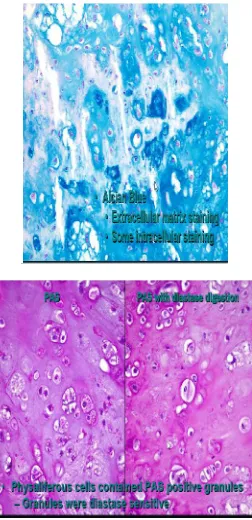
Fig. 9. Alcian blue staining PAS Diastase sensitive
PROGNOSTIC FACTORS
Age
Gender Tumour size
Positive surgical margins Tumour necrosis
Mib-i index
[image:5.595.39.291.100.620.2] Histopathological variant
Fig. 10. Osteocalcin and osteonectin
TREATMENT
Radical enbloc resection.
High energy photon/proton beam radiation.
There are no drugs currently approved to treat chordoma, however a clinical trial conducted in Italy using the PDGFR inhibitor Imatinib demonstrated a modest response in some chordoma patients.
The combination of imatinib and sirolimus caused a response in several patients whose tumors progressed on imatinib alone.
Conclusion
1) Low grade primary bone tumour
2) Clinically they can present in varied forms 3) FNAC has a high sensitivity of diagnosing it. 4) Physaliferous cell remains the hallmark of tumor.
5) Histopathology & IHC together has high specificity in diagnosis.
6) Recurrence occurs in approximately 40 to 60% of cases. 7) Rate of metastasis varies from < 5% to 43 %.
REFERENCES
"Chordoma: current concepts, management, and future
directions.” Lancet Oncol 13 (2): e69–76. 2012. doi:10.1016/S1470-2045(11)70337-0. PMID 22300861. "Familial Chordoma Study". Retrieved 2009-02-03.
"Primary Malignant Bone Tumors: Tumors of Bones and Joints: Merck Manual Professional". Retrieved 2009-01-04.
Chugh R, Tawbi H, Lucas DR, Biermann JS, Schuetze SM, Baker LH (November 2007). "Chordoma: the nonsarcoma primary bone tumor". Oncologist 12 (11): 1344–50. doi:10.1634/theoncologist.12-11-1344. PMID 18055855. Fasig JH, Dupont WD, LaFleur BJ, Olson SJ, Cates JM
(February 2008). "Immunohistochemical analysis of receptor tyrosine kinase signal transduction activity in chordoma.". Neuropathology and Applied Neurobiology 34 (1): 95–104. doi:10.1111/j.1365-2990.2007.00873.x. PMID 17973908.
Han S, Polizzano C, Nielsen GP, Hornicek FJ, Rosenberg AE, Ramesh V (March 2009). "Aberrant Hyperactivation of Akt and Mammalian Target of Rapamycin Complex 1 Signaling in Sporadic Chordomas". Clinical Cancer
Research 15 (6): 1940–6.
doi:10.1158/1078-0432.CCR-08-2364. PMC 2701205. PMID 19276265.
Lee-Jones L, Aligianis I, Davies PA, et al. (September 2004). "Sacrococcygeal chordomas in patients with tuberous sclerosis complex show somatic loss of TSC1 or TSC2". Genes Chromosomes Cancer 41 (1): 80–5. Doi:10.1002/gcc.20052. PMID 15236319.
Presneau N, Shalaby A, Idowu B, Gikas P, Cannon SR, Gout I, Diss T, Tirabosco R, Flanagan AM (May 2009). "Potential therapeutic targets for chordoma: PI3K/AKT/TSC1/ TSC2/mTOR pathway". British Journal of Cancer 100 (9): 1406–14. doi:10.1038/sj.bjc.6605019. PMC 2694420. PMID 19401700.