1 Results of the FIRST STEPS study: a randomised controlled trial and economic evaluation of the Group Family Nurse Partnership (gFNP) programme compared to
routine care in improving outcomes for high-risk mothers and their children and preventing abuse
Jacqueline Barnes1* Jane Stuart1
Elizabeth Allen2 Stavros Petrou3 Joanna Sturgess2 Jane Barlow3
Geraldine Macdonald4 Helen Spiby5
Dipti Aistrop6 Edward Melhuish1 Sung Wook Kim3 Joshua Pink3 Jessica Datta7 Diana Elbourne2
1. Department of Psychological Sciences, Birkbeck University of London, Malet Street, London WC1E 7HX, UK. * [email protected]; 02070790837
2. Department of Medical Statistics, London School of Hygiene and Tropical Medicine, Keppel Street, London, WC1E 7HT, UK
3. Warwick Medical School, University of Warwick, Coventry CV4 7AL, UK 4. School for Policy Studies, University of Bristol, Social Science Complex, 8 Priory
Road, Bristol BS8 1TZ, UK
5. Faculty of Medicine & Health Sciences, University of Nottingham, 12th Floor, Tower Building, University Park, Nottingham, NG7 2RD, UK
6. Sheffield Children’s NHS Foundation Trust, Flockton House, 18 & 20 Union Road Sheffield, S11 9EF, UK
2 Conflicts of interest
E. Allen, J. Sturgess and D. Elbourne report grants from NHS National Institute for Health Research Public Health Programme to the London School of Hygiene and Tropical Medicine during the conduct of the study.
G Macdonald reports: I am in the process of completing a Cochrane Review of home visiting programmes that will include studies of Nurse Family Partnership. Two predecessor reviews were withdrawn in response to a criticism by David Olds. The criticism did not materially affect the results or conclusions of the reviews, but it was deemed appropriate to correct these and republish. This work is in hand, but the results are not yet available
3
Table of contents Page
Tables and figures 4
Abbreviations 8
Abstract 10
Scientific summary 12
Plain English summary 19
Chapter 1. Introduction 20
Chapter 2. Methods 26
Chapter 3. Results – main study 41
Chapter 4. Economic evaluation 79
Chapter 5. Process Evaluation 130
Chapter 6. Looked after children (LAC) nested study 177
Chapter 7. Discussion and conclusions 199
Acknowledgements 213
References 216
Appendices 230
1. Sensitivity analyses 231
4 Tables and Figures
Table Page
1 Data collection timetable 36
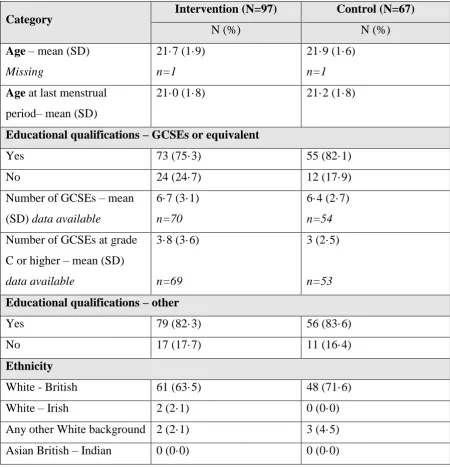
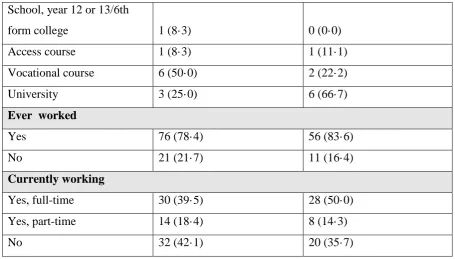
2 a Baseline participant’s demographic characteristics 43
2 b Baseline partner’s demographic characteristics 46
2 c Baseline smoking, alcohol and drug use 47
2 d Baseline Adult Adolescent Parenting Inventory (parenting attitudes), depression symptoms (EPDS), social networks and relationship scores
49
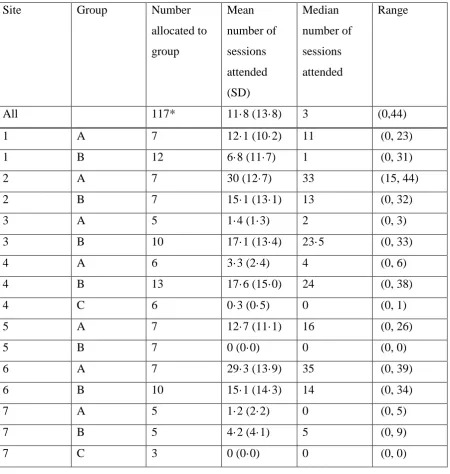
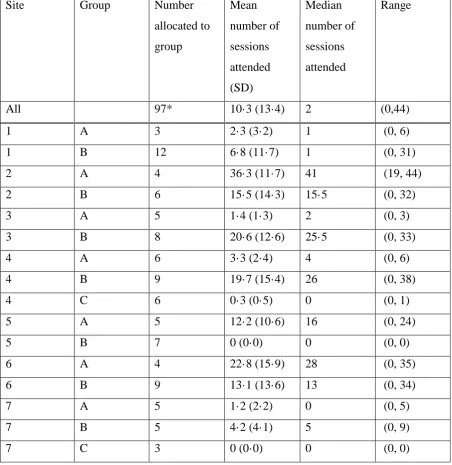
3 a Attendance at group sessions – all sessions – including trial and buffer clients 51 3 b Attendance at group sessions – all sessions – trial participants (in the
intervention arm) only
52
3 c Attendance at group sessions – pregnancy sessions – trial participants (in the intervention arm) only
53
3 d Attendance at group sessions – infancy sessions – trial participants (in the intervention arm) only
54
3 e Baseline demographic characteristics for the intervention arm participants and for those attending at least one group session
55
4 a Primary outcomes and estimated intervention effects at 12 months 59 4 b Primary outcomes and estimated intervention effects at 12 months – Complier
average causal effect estimates
60
5 Secondary outcomes and estimated intervention effects 61
6 Baby demographics at two months 63
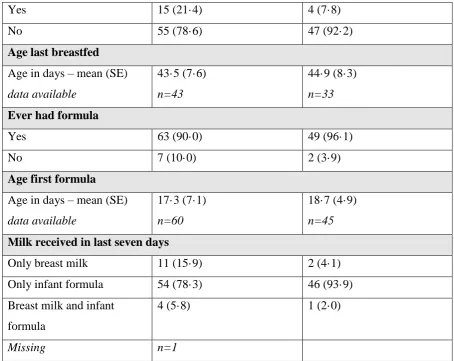
7 a Infant feeding at two months 64
7 b Infant feeding at six months 64
8 a Immunisations at two months 65
8 b Immunisations at 12 months 66
9 a Smoking, alcohol and drug use at two months 70
9 b Smoking, alcohol and drug use at 12 months 72
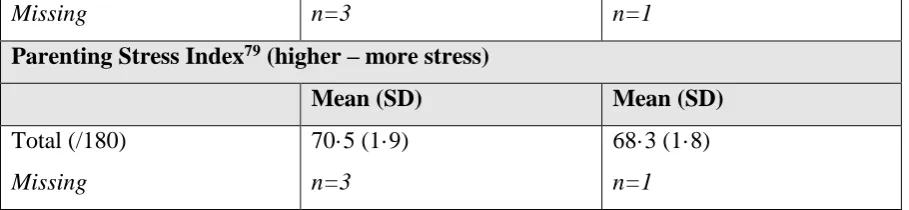
10 a Depression scores, parenting sense of competence scores and parental stress index at two months
74
10 b Depression scores at six months 75
10 c Adult Adolescent Parenting Inventory, depression scores, social networks and relationship scores at 12 months
5
11 CARE index scores (12 months) 76
12 Harms/Severe Adverse Events 77
13 DCE attributes and levels 87
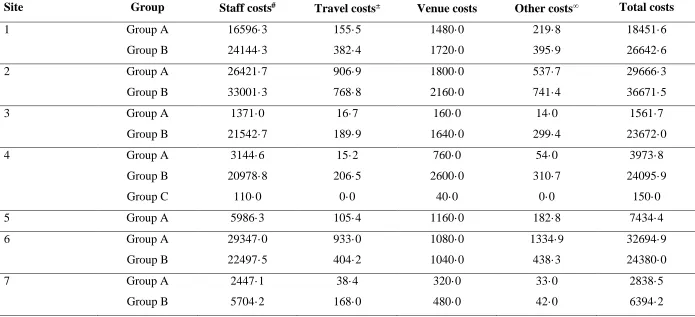
14 Total cost of delivery of intervention by site and by group (£, 2014-15 prices) 92 15 Average intervention cost per participant per gFNP session (£, 2014-15
prices)
93
16 Resource use values for cases with complete data by trial allocation, study period and resource category
95
17 Unit costs for resource items (£, 2014-15 prices) 100 18 Economic costs for cases with complete data by trial allocation, study period
and cost category (£, 2014-15 prices)
103
19 EQ-5D descriptive measurements by trial allocation, study period and dimension
108
20 Bivariate regression of incremental total costs and incremental health outcomes associated with the gFNP programme; complete cases
111
21 Baseline cost-effectiveness results based upon the QALY and primary trial outcomes: Imputed data, NHS and PSS perspective (£, 2014-2015 prices)
114
22 Cost-effectiveness results based upon the QALY and primary trial outcomes: Imputed data, societal perspective (£, 2014-2015 prices)
119
23 Cost-effectiveness results based upon the QALY and primary trial outcomes: Complete case analysis, NHS and PSS perspective (£, 2014-2015 prices)
120
24 Sensitivity analysis that varied gFNP session attendance and group size: Complete case analysis, NHS and PSS perspective (£, 2014-2015 prices)
122
25 Sub-group analyses: Incremental cost-effectiveness of gFNP intervention in pre-specified sub-groups (£, 2014-2015 prices)
124
26 Consistency check within DCE design 126
27 DCE results based on conditional logit model: Expectant mothers 127 28 DCE results based on conditional logit model: General population 127 29 DCE results based on conditional logit model: Full population 128 30 Mean number of sessions attended by intervention participants, in pregnancy,
in infancy and in total
6 31 Average FN ratings of clients’ behaviour during group sessions in feasibility
studies and the First Steps trial based on the UK001G forms using scales from one (low) to five (high) or seven (high)
137
32 Average percentage of time per session spent on each of the six content domains when delivering gFNP in pregnancy and in infancy, and variation between sites
138
33 Themes derived from client and practitioner qualitative interviews 144
34 FN interview participants, LAC study 184
35 All participants. Primary outcomes and estimated intervention effects at 12 months
231
36 All participants. Secondary outcomes and estimated intervention effects 231 37 Groups with intervention delivered. Primary outcomes and estimated
intervention effects at 12 months
233
38 Groups with intervention delivered. Secondary outcomes and estimated intervention effects
233
39 Impact of premature birth. Primary outcomes and estimated intervention effects at 12 months
235
40 Impact of premature birth. Secondary outcomes and estimated intervention effects
235
41 Two month demographic updates 239
42 Six month demographic updates 239
43 Twelve month demographic updates 240
Figure Page
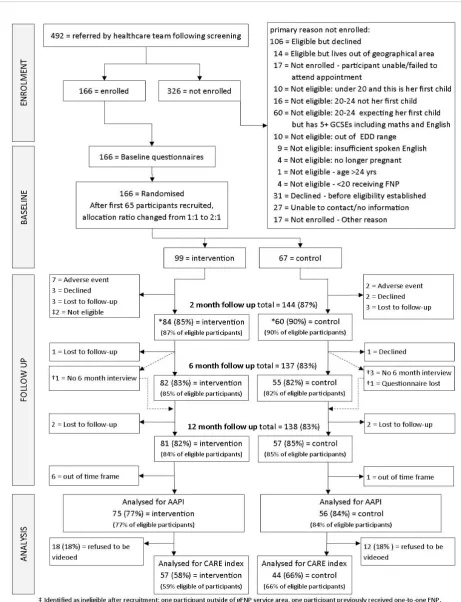
1 First Steps CONSORT diagram 42
2 Cost-effectiveness plane and cost-effectiveness acceptability curve based upon the QALY outcome: Imputed data, NHS and PSS perspective (£, 2014-2015 prices)
116
3 Cost-effectiveness plane and cost-effectiveness acceptability curve based upon the AAPI -2 outcome: Imputed data, NHS and PSS perspective (£, 2014-2015 prices)
7 4 Cost-effectiveness plane and cost-effectiveness acceptability curve based
upon the Care Index outcome: Imputed data, NHS and PSS perspective (£, 2014-2015 prices)
118
5 Bland-Altman plot: maternal sensitivity 238
Abbreviations
AAPI-2 Revised Adult Adolescent Parenting Index A&E Accident and emergency unit in hospital AES Advanced encryption standard
ANCOVA Analysis of covariance
ASQ Ages and Stages Questionnaire BNF British national formulary
BNDC British national formulary for children CACE Complier average causal effect
CI Confidence interval
CEA Cost effectiveness analysis
CEAC Cost effectiveness acceptability curve CLRN Clinical Local Research Network CQC Care Quality Commission
CRB Criminal Records Bureau CTU Clinical Trials Unit CUA Cost utility analysis
DCE Discrete choice experiment DfE Department for Education DH Department of Health DMC Data monitoring committee EDD Expected delivery date
EPDS Edinburgh Postnatal Depression Scale
EQ-5D-5L EuroQol five dimensions questionnaire with five-level response scale
EuroQol The EuroQol Group Association ("The EuroQol Group") comprises a network of international, multilingual, multidisciplinary researchers,
supporting/instigating/performing scientific research and development of instruments that describe and value health.
8 FNMW Family Nurse who has notified their intention to practice as a midwife
FNP Family Nurse Partnership; UK name for NFP FNP NU Family Nurse Partnership National Unit GBP British pound
GCP Good clinical practice
GCSE General Certificate of Secondary Education qualification gFNP Group-based Family Nurse Partnership programme GP General practitioner
HCP Healthy Child Programme HES Hospital Episode Statistics
HHS US Department of Health and Human Services HRQoL Maternal health related quality of life
HSRU Health Services Research Unit ICER Incremental cost-effectiveness ratio ID Identification number
ISRCTN International standard randomised controlled trial number IT Information technology
LAC Looked after child, in the care of Social Services LMP Last menstrual period
LSHTM London School of Hygiene and Tropical Medicine MOS Medical Outcomes Study
MRC Medical Research Council
NFP Nurse Family Partnership, the original USA developed home visiting programme, renamed FNP in the UK
NHS National Health Service
NICE National Institute for Health and Care Excellence NIHR NHS National Institute for Health Research NPEU National Perinatal Epidemiology Unit NRES National research ethics service
OR Odds ratio
PI Principal Investigator PMM Predicted mean matching
9 PSS Personal social services
PSSRU Personal social services research unit QALY Quality-adjusted life-year
RCT Randomised controlled trial REC Research ethics committee RUT Random utility theory SE Standard error
SD Standard deviation SES Socioeconomic status
SOP Standard operating procedure TMG Trial management group TSC Trial steering committee UID Unique identifier
UK United Kingdom
10 Abstract
Background: Family Nurse Partnership (FNP) is a home-based nurse home-visiting
programme to support vulnerable parents. Group FNP (gFNP) has similar aims and materials and was demonstrated to be feasible in implementation evaluations.
Objectives: To determine whether gFNP, compared to usual care, could reduce risk factors for maltreatment in a vulnerable group and be cost effective.
Design: A multi-site randomised controlled parallel-group trial and prospective economic evaluation, with eligible women allocated (minimised by site and maternal age group) to gFNP or usual care.
Setting: Community locations in the UK.
Participants: Expectant mothers aged <20 with one or more previous live births, or 20–24 with no previous live births and with low educational qualifications, defined as neither Mathematics nor English Language General Certificate of Education (GCSE) at grade C or higher or, if both, no more than four GCSEs at grade C or higher.
Intervention: Groups offered from early pregnancy until infants are 12 months old with 44 sessions (14 pregnancy, 30 infancy), delivered to 8-12 women with similar expected delivery dates (EDDs; range 8-10 weeks) by two Family Nurses (FNs), one of whom has notified their intention to practise as a midwife.
Main outcome measures: Parenting was assessed by a self-report measure of parenting opinions, the revised Adolescent Adult Parenting Index (AAPI-2) and an objective measure of maternal sensitivity, the CARE index. Cost-effectiveness was primarily expressed in terms of incremental cost per quality-adjusted life year (QALY) gained.
Data sources: Interviews with participants at baseline and when infants were two, six and 12 months. Cost information from nurse weekly logs and other service delivery data.
11 by both pregnant women and member of the general population on non-health outcomes that were not included in the QALY metric.
Limitations: Slow recruitment resulted in smaller than ideal group sizes. In some cases, few or no sessions took place due to low initial group size and small groups may have contributed to attrition from the intervention. Exposure to gFNP sessions was below maximum for most group members with only 58 of the 97 intervention participants experiencing any sessions; FNs were experienced with FNP but mainly new to delivering gFNP.
Conclusions: The trial does not support the delivery of gFNP as a means of reducing the risk of child abuse or neglect in this population.
Future work: RCT with modified eligibility to enable first-time <20 mothers to be included, and a modified recruitment strategy to enable faster identification of potential participants from antenatal medical records.
Study registration: ISRCTN78814904
12 Scientific Summary
Background
Recent estimates show that suboptimal parenting of infants is a major public health issue. Early intervention during pregnancy and infancy is highlighted in UK policy documents but there is limited evidence available about ‘what works.’ Randomised controlled trials (RCTs) in the USA and the Netherlands have shown that the home-based one-to-one Nurse Family Partnership (NFP) programme is effective in decreasing child maltreatment and improving parenting practices. Delivered by specially trained family nurses (FNs), home visits are made approximately fortnightly from early pregnancy until children are two years old, with a curriculum covering maternal health, maternal role, family and friends, environmental health, life course, and referrals to health and human services. Renamed Family Nurse Partnership (FNP) in the UK, it has been offered to first time, teenage mothers since 2007 although recent (2015) RCT evidence has failed to replicate the US findings in the UK in terms of FNP’s impact on reducing risks for child abuse. In 2009 a new programme, group FNP (gFNP), was developed by the FNP National Unit, offering similar content but over a shorter time-frame (early pregnancy to 12 months postpartum), delivered by two FNs (one also a midwife) to a group of eight to 10 women with similar expected delivery dates (EDDs). The eligibility criteria were designed to exclude women eligible for FNP, intending to allow other potentially vulnerable mothers to be offered a programme based on the FNP approach. Routine antenatal and infant checks were incorporated into the gFNP programme with the aim of encouraging mothers to assess and record the relevant information themselves, with guidance from the FNs. The feasibility of offering gFNP had been established with two implementation studies. It was acceptable to clients and FNs and both clients and FNs perceived positive impacts. The next stage for evaluation was an RCT. Responding to an NIHR call for studies of programmes with the potential to reduce the likelihood of child abuse and neglect, the First Steps RCT was designed.
Objectives
1. The study objectives were:
To determine whether gFNP, compared to usual care, could reduce risk factors for maltreatment in a vulnerable group, namely: expectant mothers under 20 with a previous child; and expectant mothers aged 20 to 24 with no previous live births and low/no educational qualifications.
13 Would provision of the gFNP programme, compared to usual care, enhance: maternal
physical and mental health in pregnancy and the experience of pregnancy and delivery? Would provision of gFNP, compared to usual care, enhance: infant birth status and health status in infancy, breastfeeding in the first two months, and immunisation take up during the first year?
How feasible and acceptable would gFNP be as part of routine ante- and postnatal services? How cost-effective was gFNP as part of routine antenatal and postnatal services?
Methods
The study comprised a multi-site randomised controlled parallel-group trial in which eligible women were allocated (minimised by site and maternal age group) to one of two arms: i) gFNP delivered via 44 sessions over 76 weeks; ii) usual care.
Participants
Women eligible for the trial had expected delivery dates (EDDs) within approximately 10 weeks of each other and gestation of 16 to 20 weeks when the programme commenced. In addition, they were either: aged <20 at their last menstrual period (LMP) with one or more previous live births; or aged 20–24 at LMP with no previous live births and low educational qualifications, defined as not having both Mathematics and English Language GCSE at grade C or higher or, if they had both, no more than four GCSEs at grade C or higher. Exclusions were: expectant mothers <20 who had previously received home-based FNP; mothers in either age group with psychotic mental illness (defined as bi-polar disorder or schizophrenia); and mothers who were not able to communicate orally in English.
Study setting and intervention
14 Main study outcomes
Primary: (1) The revised AAPI-2is a 40 item self-report measure able to discriminate between abusive and non-abusive parents. The total raw score converts to a standard ten (sten) score with lower scores indicating a higher risk for abusive parenting practices. Responses are on a five-point Likert-type scale ranging from Strongly Agree to Strongly Disagree. (2) The observational CARE-Index, scored from a video recording of three to five minutes mother-child play, measures three aspects of maternal behaviour (sensitivity; covert and overt hostility; unresponsiveness) and four aspects of infant behaviour (cooperativeness; compulsive compliance; difficultness; and passivity). For this study only maternal sensitivity was considered as the co-primary outcome, a lower score indicating less sensitivity.
Secondary: Eight secondary outcomes were used to assess socio-emotional aspects of parenting and family life and service use: CARE index infant cooperativeness (12 months): maternal depression (Edinburgh Postnatal Depression Scale at baseline, two, six and 12 months); maternal stress (Abidin Parenting Stress Index, Short Form, two and 12 months); parenting sense of competence (Parenting Sense of Competence; PSOC ,two and 12 months); social support (Medical Outcomes Study, MOS, Social Support Survey, baseline and 12 months); maternal smoking, alcohol and drug use (baseline, two and 12 months); relationship violence (baseline, two and 12 months); infant feeding (baseline, two, six and 12 months). Information other than for the primary and secondary outcome at different time points was collected and is shown but was not formally tested, e.g., baby demographics; immunisations; maternal smoking, alcohol and drug use.
Economic evaluation outcomes
Maternal health-related quality of life (HRQoL) was assessed using the EuroQol EQ-5D-5L measure(baseline, two, six and 12 months) and potentially abusive parenting by the child’s attendance at hospital A&E departments (at two, six and 12 months). Service use of mother and infant was reported at two, six and 12 months with unit costs derived from local and national sources and estimated in line with best practice.
Process study
Uptake of the programme and the extent and nature of delivery were calculated based on data from standardised gFNP forms completed by FNs. A parallel appraisal informed by
15 Nested ‘Looked After Children’ study
Interviews were sought with participants who had reported that they spent time away from their parent(s) during childhood, in the care of social services. Interviews were also
conducted with FNs involved in delivering gFNP in sites having self-identified ‘looked after’ participants, and with other professionals involved in providing support to young parents who had been ‘looked after’.
Recruitment, data collection and analysis
The trial commenced in February 2013, recruitment and baseline data collection commenced in July 2013, continuing to September 2014, and data collection was completed in March 2016. Data collection was conducted by researchers making four visits to participants’ homes (baseline, and when infants were two, six, 12 months old) when they administered structured questionnaires and at 12 months also made a three to five minute video of the mother and infant together. The data collection team and those scoring the videos were blind to treatment allocation.
Randomisation at baseline was overseen by the LSHTM CTU and conducted by the central randomisation service at Health Service Research Unit (HSRU), Aberdeen using an
automated telephone procedure. Allocation to one of two arms, minimised by site and age group (<20, 20-24years), was computer generated and delivered by email to LSHTM CTU who conveyed the allocation by post to the participants, and to each gFNP team giving the names and contact details of women allocated to the intervention arm.
Statistical analyses
Primary analyses were by intention to treat and included adjustment for baseline measure of the outcomes where possible (ANCOVA). Where outcomes were collected at multiple time points to gain power, random effects models, using a likelihood-based approach, were fitted to the outcomes at all time-points they were measured at simultaneously.
For the primary outcomes a linear regression model was used to estimate a mean difference in scores between the two arms of the trial. A complier average causal effect (CACE) analysis was also carried out, which estimates a measure of the effect of the intervention on participants who received it as intended by the original allocation.
16 Economic evaluation
Two main analyses of incremental cost-effectiveness were conducted. Firstly, a cost-utility analysis (CUA) calculated the incremental cost per quality adjusted life year (QALY) gained attributable to the gFNP programme, based on maternal health-related quality of life
outcomes. Secondly, a cost-effectiveness analysis (CEA) calculated the incremental cost per unit change in each of the primary outcomes, i.e. incremental cost per unit change in the AAPI-2 or incremental cost per unit change in the CARE Index (maternal sensitivity). The results were primarily expressed as an incremental cost-effectiveness ratio (ICER) calculated as the difference in mean costs divided by the difference in mean outcomes (QALYs or maltreatment outcome measure) between the trial comparators. Nonparametric bootstrapping was used to determine the level of sampling uncertainty surrounding the mean ICER by generating 10,000 estimates of incremental costs and benefits, represented graphically on four quadrant cost-effectiveness planes. Cost-effectiveness acceptability curves (CEACs) illustrated the probability that the gFNP programme was cost-effective relative to usual care. In addition, a separate discrete choice experiment (DCE) was conducted amongst a
representative sample of the general population and a sample of expectant mothers with the view to quantifying preferences for the disparate outcome measures collected in evaluating the gFNP programme.
Results Main study
166 women were enrolled (99 to intervention and 67 to control). There was no suggestion of an important effect of gFNP on either primary outcome in the intention to treat (ITT)
analyses based on outcomes available within the agreed time frame: the AAPI-2 total was 7·5/10 (SE 0·1) in both arms (difference adjusted for baseline, site and maternal age group 0·08 (95% CI -0·15 to 0·28, p=0·50); and mother’s sensitivity on the CARE Index was 4·0 in intervention arm (SE 0·3) and 4·7 in control arm (SE 0·4) (difference adjusted for site and maternal age group -0·76 (95% CI -1·67 to 0·13, p=0·21). Three sensitivity analyses were carried out; the first included all participants irrespective of whether they were within the pre-specified time window, the second explored the effect of including a random effect for the group the intervention was delivered in and the third explored the effect of premature births. All three supported the primary analyses.
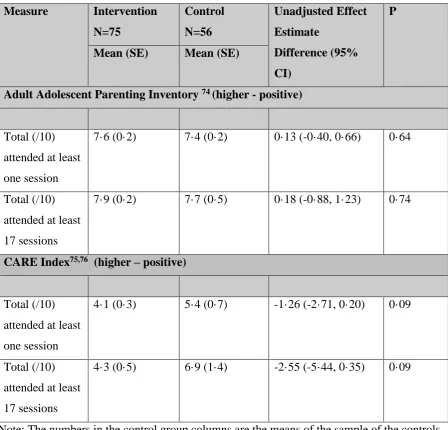
17 least one session (difference 0·14, 95% CI -0·41 to 0·69, p=0·64); and with compliance defined as attending at least 17 sessions (difference 0·17, 95% CI -0·91 to 1·24, p=0·76). The corresponding results for mother’s sensitivity on the CARE Index are difference -1·29 95% CI-2·78 to 0·19, p=0·09 when compliance was defined as attending at least one session, and difference -2·61, 95% CI -5·57 to 0·35, p=0·8 when compliance was defined as attending at least 17 sessions.
There was no evidence of any effect of the intervention on all but one of the eight secondary outcomes, the only exception that the proportion of women still breastfeeding at six months was higher in the intervention arm (adjusted OR 3·2 (0·99, 10·6); p=0·05). The sensitivity analyses supported the primary analyses.
Economic evaluation
The average total cost was £8,179 in the gFNP intervention group, compared with £6,107 in the usual care group, generating a mean incremental cost of £2,072. The mean incremental cost-effectiveness of the gFNP intervention was estimated at -£247,485 per QALY gained, i.e. on average the intervention was associated with a net positive cost and a net negative effect. Regardless of the value of the cost-effectiveness threshold, the probability that the gFNP intervention was cost-effective did not exceed 3%. This pattern was broadly replicated when using the CARE index (maternal sensitivity). When outcomes were measured in terms of change in AAPI-2 score (baseline to 12 months), the probability that the gFNP
intervention was effective was estimated at 25.1% at a notional £20,000
cost-effectiveness threshold. Sensitivity analyses had little notable effect on the overall pattern of results. The DCE highlighted the value placed by both pregnant women and members of the general population on non-health outcomes that were not included in the QALY metric. Process evaluation
This identified substantial variability in both the number of sessions offered by sites and the dosage for individual clients, although the content was delivered in sessions as the
programme developers planned. Participants allocated to gFNP were generally positive and described perceived benefits, but also discussed a range of barriers to attendance. FNs delivering the programme reported on its perceived strengths, on issues that arose for them delivering gFNP, and on changes that might be required for sustainability.
Conclusions
18 vulnerable population. However, the study faced challenges in recruiting sufficient women for the groups to be of adequate size, which may have affected the results.
Future research could:
Compare the impact of two different models of gFNP, one incorporating the antenatal care based on the ‘Centering Pregnancy’ model and another offering the FNP curriculum but in a group context and focussing in particular on role play of enjoyable and sensitive mother-child interactions with a primary outcome focussing on parent confidence and infant care practices, with the possibility of examining longer-term child outcomes.
19 Plain English summary
This study aimed to discover if group FNP (gFNP) could reduce risk factors for child maltreatment. The gFNP programme, provided by two family nurses one of whom also a midwife, was offered to groups of about ten mothers, to run from early pregnancy until infants were 12 months old. Participants were either: pregnant teenagers with a child; or 20-24 year olds with few educational qualifications expecting their first child. The programme aims to promote mother-infant attachment, healthy lifestyle, maternal confidence and good decisions about relationships and life plans. 166 women were enrolled (99 to intervention, 67 to usual care). They were asked in pregnancy about attitudes to parenting, how they were feeling and their family background and were then, using a chance method, offered either gFNP or continued with usual care. Interviews at two, six and twelve months asked about how they were feeling, stresses, infant feeding, the services they had used, attitudes to parenting and at twelve months videos were made of mothers and babies playing. Nurses delivering the programme and 32 women assigned to the intervention were interviewed in detail about their views of the programme. The study did not find differences in parenting attitudes or mothers’ sensitivity between those offered gFNP and those receiving usual care. The results suggest that gFNP is unlikely to be a cost-effective service for enhancing
20 Chapter 1 Introduction
This report describes the evaluation in a Randomised Controlled Trial (RCT) of the Group Family Nurse Partnership (gFNP) programme compared to usual care as a strategy to reduce the likelihood of child abuse and neglect.
Background
Recent estimates show that suboptimal parenting of infants is a major public health issue. As of 31 March 2012 infants (children aged up to one year) accounted for 13% of those who were subject to a child protection plan in England.1 The most common initial category of abuse for infants was neglect (49%) followed by emotional abuse (22%) and physical abuse (16%). Infants also face four times the average risk of homicide, perpetrators being parents in most cases.2 Non-accidental head injuries are high resulting in up to 30% mortality and significant neurological impairment for survivors.3 Furthermore, abuse of very young children may be up to 25% higher than indicated by official estimates.4
In addition to preventing childhood injury and abuse, sensitive caregiving during the first year is important for promoting optimal child outcomes because brain development then is rapid and vulnerable to negative influences. Brain development is strongly influenced by the environment, the key component being the interactions with primary caregivers. Early research in the field of developmental psychology has, for example, highlighted the significant role that the infant's primary caregiver plays in regulating the infant.5 Maternal sensitivity has been shown to be a significant predictor of infant attachment security,6 and recent research has identified the importance of the specific nature or quality of the
attunement or contingency between parent and infant5 and the parent's capacity for what has been termed 'maternal mind-mindedness'7 or 'reflective function'.8 Research also shows that infant regulatory and attachment problems can best be understood in a relational context, and that disturbances to the parent-child relationship and parental psychosocial adversity are significant risk factors for infant emotional, behavioural, eating and sleeping disorders.9 Trauma and adverse parent-child interactions in infancy elevate cortisol, a strong indicator of stress, and can lead to attachment difficulties, hyperactivity, anxiety and impulsive
behaviour.10,11 Policy context
21 the Importance of Conception to Age 2 period.16
Fair Society, Healthy Lives17 focussed on the importance of pregnancy and the first two years of life in terms of equalising the life-chances of children, and Healthy Lives, Healthy People18 similarly points to the importance of ‘starting well’, focusing in particular on the health of mothers during pregnancy, and parenting during the early years. Recent research has
identified that this period is key because of the ‘biological embedding of social adversity’ that takes place during sensitive developmental periods.19,20 This research showed that toxic stress caused by high levels of anxiety and depression during sensitive developmental periods (e.g. pregnancy and the postnatal period) can disrupt the developing brain architecture and other organ systems and regulatory functions, impacting the fetal/infant physiology in terms of hyper-responsive/chronically activated stress response; their resulting behavioural
adaption; and the long term cognitive, linguistic and socio-emotional development. The long-term impact occurred in long-terms of increased stress-related chronic disease, unhealthy lifestyles and widening health disparities.
Evidence context
There is limited evidence available about ‘what works’ to support vulnerable parents during pregnancy and infancy. While evidence concerning the effectiveness of home visiting programmes in general in reducing child maltreatment is inconclusive,21 the US developed Nurse Family Partnership (NFP) was one of nine home visiting programmes identified as effective by the United States Department of Health and Human Services (HHS) as part of their Home Visiting Evidence of Effectiveness review.22 It is commonly named when
examples of programmes with high quality evidence for success are sought. For instance, the US coalition for evidence-based policy, responding to a Congressional directive that funds be directed to programmes with top tier evidence of effectiveness identified only two
programmes for children aged 0 to 6 and their families that could be thus categorised, one of which was the NFP.23 The Blueprints mission of the ‘Center for the Study and Prevention of Violence’ was charged with identifying outstanding violence and drug prevention
programmes that meet a high scientific standard of effectiveness and, out of 800 with
22 The NFP curriculum has strong theoretical underpinnings, both in terms of risk and protective factors, and the mechanisms through which change may be produced,27 drawing on
ecological,28 self-efficacy29 and attachment30 theories. Ecological theory emphasises the importance of interactions between the characteristics of individuals and their contexts; self-efficacy theory focuses on an individual’s beliefs that they can successfully carry out behaviour required for good outcomes; and attachment theory highlights the importance of the early interactions with the primary caregiver in terms of the child’s later capacity for affect regulation. The cornerstone of the NFP model is the therapeutic nurse-client
relationship. Beneficial outcomes found in the US trials included improved prenatal health, fewer childhood injuries, fewer subsequent pregnancies, increased intervals between births, increased maternal employment and improved school readiness23,26,31–33; it has also been shown to have the potential to be cost effective.34 Results from the US trials of NFP found that it was particularly beneficial for women with ‘low psychological resources’, namely a combination of lower intelligence, mental health problems and low self-efficacy.35
The Nurse Family Partnership (NFP) programme was introduced into England in 2007, renamed the Family Nurse Partnership (FNP),36 and has been offered to first-time teen mothers in more than 70 locations in England, in Scotland and in Northern Ireland37 though recent RCT evidence has failed to support it as a way to reduce child abuse and neglect in the UK.38 An implementation evaluation in the first 10 areas to provide FNP found that the programme was perceived in a positive light by potential clients and the nurses responsible for its delivery and take-up was high, with delivery close to the stated US objectives.39 Nevertheless potential sustainability issues were identified and in particular local concerns about its cost set against long-term rather than immediate gains.40,41 Issues of eligibility were also examined with the conclusion that over time the criteria might have to be changed to include additional risk factors beyond young age, though this could cause difficulties in identifying women early in their pregnancy.42
In addition to being trained according to the USA requirements UK nurses are trained in ‘motivational interviewing’43 so that they can develop in-depth engagement with families to achieve change. As is the case in the USA, fathers are encouraged to be present for home visits and they have reported positively about the programme, in particular that the nurses invested time in developing relationships with them, identified their strengths in addition to areas that needed support and was holistic in its approach.44
23 Responding to enquiries for a programme that could be offered to women who are ineligible for FNP, a group delivered structured learning programme based on FNP was developed in England by the FNP National Unit in collaboration with the NFP National Office at the University of Colorado, Denver.45,46 Group FNP was developed as a way to use the expertise of the FNP nurses, and the learning from the FNP, to reach women whose children were at risk of poor outcomes but offered in a different context and to those not eligible for FNP. The programme has the same theoretical basis as the home-based programme but is delivered in a local children’s centre (or similar community location). Group Family Nurse Partnership (gFNP) is, like FNP, aimed at helping young parents develop their health, well-being,
confidence and social support in pregnancy and their children’s health and parenting in the first year of life, and at raising aspirations about future education and employment to increase support for the family in the future.45
The programme was designed on the basis that group care prenatally can improve pregnancy outcomes,47,48 may be less costly than individual support,49 and that postnatal groups are a way of supporting potentially vulnerable mothers.50,51 Meeting in a group with other mothers can be perceived by non-teenage mothers as more helpful than one-to-one support.52
However, young mothers can be uncomfortable in groups and are less likely than older mothers to attend, especially if they include predominantly older mothers.53 The main difference from existing group support in the UK for pregnant women or women with new babies, such as that offered by midwives and health visitors delivering the universal Healthy Child Programme (HCP)54 and other support provided in Start Children’s Centres,55 is that gFNP spans both pregnancy and infancy with ongoing support from the same practitioners over 18 months and ongoing contact with a group of families whose babies are of a similar age. Other group services are more time limited and focus either on pregnancy well-being, preparation for labour and birth or on specific infant issues such as sleep problems or breastfeeding, although the Preparation for Birth and Beyond materials56 are designed to address this by incorporating approaches to supporting families in pregnancy that are holistic and practical.
24 women with antenatal care during nine two-hour sessions, with time for discussion about issues such as smoking, healthy eating and breastfeeding and enabling women to understand their own health status by encouraging them to be actively involved in all the health checks.47 The group-based Centering Pregnancy is said to be preferred to traditional (individual) antenatal care47,58,59 and has led to improved prenatal outcomes such as fewer preterm births among high risk women.48,60 Experience of Centering Pregnancy in the UK context is limited to a feasibility study carried out in South London.61 As part of the gFNP programme, during pregnancy clients receive routine antenatal care in accordance with UK NICE guidelines62 and in the postnatal phase infants are monitored according to the HCP54 guidelines. To allow for this one of the practitioners delivering the programme must also have notified their intention to practise as a midwife and the FNP nurses have training in delivery of the Health Child Programme.
While NFP23,26,31 and Centering Pregnancy47,59,60,63 have substantial evidence outside the UK, it was necessary to provide evidence for gFNP, and for the merger and adaption of the two approaches to supporting mothers and their infants. The gFNP programme is a complex intervention made up of many components that have been designed, through education, nurse contact, and peer support to change parent behaviour.64,65 According to Medical Research Council (MRC) guidelines64,65 and in line with a framework proposed for developing and evaluating NFP innovations,66 the stages for effectively evaluating and implementing complex interventions are: 1. programme development; 2. piloting for feasibility; 3. evaluation of effectiveness and cost effectiveness, ideally with an RCT; and 4. translation into mainstream practice.
Following programme development and prior to this RCT, the UK Department of Health and the FNP National Unit commissioned two feasibility evaluation studies of gFNP.57,67 The feasibility of delivering gFNP was established68 by asking: if there were barriers to reaching the intended population; whether any client factors were related to attendance; if programme delivery could be sustained over 18 months; and if gFNP was acceptable to different
stakeholders?
Each feasibility study used a mixed-method design69 involving the parallel collection of quantitative information on attendance and client characteristics and qualitative data from semi-structured interviews or focus groups (depending on resources and participant
25 attendance. Qualitative data covered experiences of the programme and reflections on
programme delivery from a range of stakeholders.
Variability in attendance was identified despite clients reporting strong commitment in interviews. Across the six sites delivering gFNP in the two feasibility studies the mean number of sessions delivered by sites was 38 out of a potential 44 in the curriculum.68 While some clients had attended almost the maximum number of sessions, two never attended any meetings. An examination of whether any client factors could be linked to attendance found only that low attendance overall was related to mothers having never been employed (versus employed full time) while attendance in pregnancy was significantly lower for women living alone compared to those living in a household with other adults.68
Acceptability was high with clients reporting support from others and enjoying the fact that they could share their baby’s progress with other parents. They also believed that coming together as a group with the babies and mothers helped in their baby’s developmental progress. The majority of clients considered that the inclusion of routine midwifery care in the group was a positive aspect to the programme.
Study aims
Following the results of the two, generally positive, feasibility studies it was decided, in line with the MRC guidelines for evaluating complex interventions,64,65 to evaluate gFNP’s impact with the highest quality of evidence, in a randomised controlled trial. The First Steps study’s objectives were:
1. To determine whether gFNP, compared to usual antenatal and postnatal care, could reduce risk factors for maltreatment in a vulnerable group, namely: expectant mothers under 20 with a previous child; and expectant mothers aged 20 to 24 with no previous live births and low/no educational qualifications.
2. In addition, to answer the following questions:
Would provision of gFNP enhance: maternal physical and mental health in pregnancy and the experience of pregnancy and delivery for mothers and fathers?
Would provision of gFNP enhance: infant birth status and health status in infancy, breastfeeding and immunisation take up during the first year?
How feasible and acceptable would gFNP be as part of routine antenatal and postnatal services?
26 Chapter 2 Methods
Trial design
The study comprised a multi-site randomised controlled parallel-group trial in which eligible women were allocated (minimised by site and maternal age group) to one of two arms: i) gFNP delivered via 44 sessions over 76 weeks; ii) usual care.
Participants
The participants were young (under 25 years) pregnant women. Eligibility criteria
The requirement of the UK FNP National Unit was that gFNP should be offered to women not eligible for FNP but who would be likely to benefit from the content of programme, based on research in the USA.23,26 Women eligible for the trial, based on criteria defined by the FNP National Unit, were expectant mothers with expected delivery dates (EDD) within approximately 10 weeks of each other, for each group in each site. The range of EDDs was specified in relation to the expected date of the first meeting per site so that the majority would have a gestation of 16 to 20 weeks when programme delivery commenced in that site. Specific criteria, beyond similar EDDs and gestation, were that participants should be either:
Aged <20 at their last menstrual period (LMP) with one or more previous live births; or
Aged 20–24 at LMP with no previous live births and low educational qualifications, defined as not having both Mathematics and English Language GCSE at grade C or higher or, if they had both, no more than four GCSEs at grade C or higher.
Exclusions were:
Expectant mothers <20 who had previously received home-based FNP;
Mothers in either age group with psychotic mental illness (defined as bi-polar disorder or schizophrenia);
Mothers who were not able to communicate orally in English. Study setting
FNP teams are located around England but with various dates of starting ranging from 2007 to the time that the study was being planned (October 2012). FNP teams were eligible to be part of the trial if:
27
The team included at least one Family Nurse practitioner who had notified their intention to practise as a midwife.
Invitations were sent by the FNP National Unit to eligible teams, noting that they could take part if, in addition:
They could demonstrate from birth records that sufficient women of the relevant age and parity in the local area had given birth in the previous year for recruitment of two groups of 16 to 20 women (8-10 intervention, 8-10 control), each recruited within approximately six weeks, assuming that at least three times that number would need to be identified to gain sufficient agreement.
They could confirm good links with community midwifery such that they also signed the expression of interest.
Seventeen teams expressed initial interest and eight sent in formal expressions of interest. Following site visits to discuss the likelihood of sufficient birth data and good midwifery collaboration, seven teams agreed to take part in the trial, located across England in:
Barnsley, Dewsbury, Lewisham (London), Nottingham, Sandwell (Birmingham), South Tyne and Wear and Waltham Forest (London). The eighth site found that their birth rate would not support the numbers needed for the trial.
The selection of FNs within sites to be involved in the trial was the responsibility of FNP teams. FNs, all with substantial experience of delivering FNP, in general volunteered and the majority had previous experience of running other types of group in the past. At least one FN at each site had to have an intention to treat as a midwife. The FNs received several days of training specific to delivering gFNP, which focussed on group dynamics and the different aspects of the curriculum designed to generate interactions between group members. The training, from FNs who had developed the programme materials and been involved in feasibility research, covered topics such as using communication and motivational
interviewing skills within a group context.72 While in theory FNs could have withdrawn from involvement, any FN withdrawing during the study did so due to illness. Most sites were not able to send to training more than the two FNs needed for the programme. For short-term absence the supervisor usually deputised, or another FN from the team.
Study intervention
28 to each other, with similar expected delivery dates (range 8-10 weeks).46 Meetings lasted around two hours and were held in children’s centres, health centres or other suitable
community facilities in the local areas served by the FNP teams. Sessions were facilitated by two experienced FNP Family Nurses (FNs) one of whom had notified their intention to practise as a midwife. The two FNs exchanged the roles of active leader (facilitating a topic and activity) and active observer, noticing behaviours and body language of members and stepping in to support the leader and maintain a positive and inclusive group environment. The gFNP programme includes content to: improve maternal health and pregnancy outcomes, improve child health and development by helping parents provide more sensitive and
competent care; and to improve parental life course by helping parents develop effective support networks, plan future pregnancies, complete their education, and find employment.23 The curriculum domains were: mother’s personal health; the maternal role; maternal life course: family and friends; environmental health; and related health and human services, with referrals made when necessary. The gFNP curriculum materials and activities were modified from those used to deliver FNP to reflect group administration. They were designed to avoid a lecture context but to facilitate interaction between group members and between group members and the nurses, providing a range of engaging, often ‘hands-on’ activities. In particular gFNP had a particular focus on enhancing social support and social networks through dialogue between group members, which is not a specific focus of home-based FNP.46,57
Specific to the gFNP programme and following NICE guidelines,62 the FN midwife provided routine antenatal care during the meeting, taking an approach based on the Centering
pregnancy programme47,59,61 which encourages women to monitor their own health (e.g. by testing their own urine, listening to the fetal heartbeat). The Centering Pregnancy approach was perceived to correspond well with the gFNP aims in that both focus on developing self-efficacy and encouraging women to be more self-aware.46 Once infants were born both FNs were involved in routine infant checks, conducted according to the UK NHS Healthy Child Programme.54
29 same time ensuring that the session agenda is realised and behaviour adaptation is progressed for everyone. In addition to modelling of infant care, they model respectful relationships and turn-taking73 which are expected to be of benefit to any group members with poor social skills, especially if they are experiencing difficult inter-personal relationships.46 Study participants allocated to gFNP could also access any aspect of the HCP usual care that they wished, independently or with the guidance of the gFNP nurses.
Control - Usual Care
Complete details of the care offered through the NHS to pregnant women and those with infants up to age one at the time that the research was conducted can be found in the Health Child Programme: Pregnancy and the first five years of life.54 The HCP, led by health visitors, is delivered through integrated services that bring together Sure Start children’s centre staff, GPs, midwives, community nurses and others. In summary, it offers every family a programme of screening tests, immunisations, developmental reviews, and information and guidance to support parenting and healthy choices. There are core universal elements
provided for all families with additional progressive, preventive elements for those with medium or high risk. The universal programme includes a neonatal examination, a new baby review at about 14 days, a six to eight-week baby examination and a review by the time the child is one year old and at two to two-and-a-half years.
It aims to develop strong parent–child attachment and positive parenting, resulting in better social and emotional wellbeing among children; care that helps to keep children healthy and safe; healthy eating and increased activity, leading to a reduction in obesity; prevention of some serious and communicable diseases; increased rates of initiation and continuation of breastfeeding; readiness for school and improved learning; early recognition of growth disorders and risk factors for obesity; early detection of – and action to address –
developmental delay, abnormalities and ill health, and concerns about safety; identification of factors that could influence health and wellbeing in families; and better short- and long-term outcomes for children who are at risk of social exclusion.
There is a focus on supporting mothers and fathers to provide sensitive and attuned parenting, in particular during the first months and years of life. From the 12th week of pregnancy women are encouraged to see a midwife or maternity healthcare professional for a health and social care assessment of their needs, risks and choices.
30 Two primary outcome measures of parenting were used because of the difficulties associated with the detection of low frequency events such as child abuse. One is a self-report measure of parenting opinions and the others an objective measure of maternal behaviour during a parent-infant interaction. Both are known to be able to identify mothers at risk for abusive parenting.
1. The revised AAPI-274 is a 40 item self-report measure able to discriminate between abusive and non-abusive parents. The total raw score is converted to a standard ten (sten) score with low scores indicating a higher risk for practising abusive parenting practices. Subscales are also available: ‘inappropriate’ expectations of children (seven items); inability to demonstrate empathy to children’s needs (10 items); strong belief in the use of corporal punishment (11 items); reversing parent-child family roles (seven items); and oppressing children’s power and independence (five items). Responses are on a five-point Likert-type scale ranging from Strongly Agree to Strongly Disagree. Internal reliability of the subscales ranges from ·83 to ·93, Cronbach alphas range from ·80 to ·92. The scales were constructed based on factor analysis to demonstrate construct validity and the inventory has discriminant validity comparing abusive and non-abusive parents.
2. The observational CARE-Index75,76 is based on a video recording of three to five minute mother-child play, and measures three aspects of maternal behaviour (sensitivity; covert and overt hostility; unresponsiveness) and four aspects of infant behaviour (cooperativeness; compulsive compliance; difficultness; and passivity). For this study only maternal sensitivity has been used as the co-primary outcome and has been shown to differentiate between abusing, neglecting, abusing and neglecting, marginally maltreating, and adequate dyads.77 Scores can range from 0 to 14, higher scores indicating better maternal sensitivity and/or infant co-operation. Scoring was conducted blind to allocation. Reliability scoring was completed on a random 10% sample of the recordings.
Secondary outcome measures
Eight secondary outcomes assessed socio-emotional aspects of parenting and family life and service use.
1. The observational CARE index infant cooperativeness.
31 of postnatal depression with high reliability (0·88) and internal consistency (0·87), 86% sensitivity and 78% specificity. This questionnaire was scored within 24 hours of its administration so that any woman with a total score above the recommended cut-off indicating a risk of depression, or who responds affirmatively to the question asking about self-harm, could be identified and a health care professional contacted to give appropriate support.
3. Maternal stress was assessed (two and 12 months postpartum) using the Abidin Parenting Stress Index, Short Form,79 a well-validated 36 item measure of perceived stress in the parenting role with sound test–retest reliability (r = ·84) and internal consistency (a = ·91). High scores on the PSI have been associated with abusive parenting80,81 with some evidence that parenting stress is higher in women with five or more risk factors for child abuse.82
4. Parenting sense of competence was assessed with the Parenting Sense of Competence (PSOC) scale83 at two and 12 months. This 17 item measure has three factors;
satisfaction, efficacy and interest established by factor analysis in a normative non-clinical sample, each with acceptable internal consistency (from 0·62 to 0·72).84 5. The extent of social support available to the mothers was assessed (baseline and 12
months) using the Medical Outcomes Study (MOS) Social Support Survey.85 The 20 item scale measures four dimensions of support, established using confirmatory factor analysis: emotional support, tangible support, positive interaction, and affection, each with internal consistency of 0·91 or higher, and also provided a total support score (Cronbach alpha 0·97); stability over time is also high for each scale (ranging from 0·72 to 0·78).85
6. Brief questions designed for the study and based on those developed for use when delivering FNP40 asked about maternal smoking, alcohol and drug use.
7. Brief questions designed for the study, based on those developed for use when delivering FNP40 asked about relationship violence.
8. Brief questions designed for the study asked about infant feeding.
Information other than for the primary and secondary outcome at different time points was collected and is shown but was not formally tested e.g. baby demographics; immunisations; maternal smoking, alcohol and drug use.
32 The trial commenced in February 2013, recruitment and baseline data collection commenced in July 2013, continuing to July 2014, and data collection was completed in March 2016. Data collection was conducted by researchers making four visits to participants’ homes (baseline in early pregnancy, when infants were two months, six months and 12 months of age), when they administered structured questionnaires and (at 12 months) made a three to five-minute video recording of the mother and infant together, presented with a standardised set of toys.
At a project management committee meeting (31/10/14), it was agreed that the target windows for data collection were: 2–3.5 months (60 to 105 days) for the two month outcomes; 6–7.5 months (180 to 225 days) for the six month outcomes; and 12-14 months (365-425 days) for the 12 month outcomes; although data would still be collected outside those windows if the participant was available. It was also agreed that interviews with
mothers whose babies were premature would be timed as much as possible according to their chronological age. Participants were given ‘High Street’ vouchers for £20 at each home-visit data collection point to acknowledge their time for participation. All reasonable attempts were made to contact any participants lost to follow-up during the course of the trial to complete the assessments.
Data management
Each participant was allocated a Unique ID prior to the baseline interview and this ID was recorded on each questionnaire completed for that participant. All questionnaires were anonymous. Researchers sent completed questionnaires by post directly to LSHTM CTU and checks were made for receipt. Questionnaires received at the LSHTM CTU were reviewed for errors and omissions, where possible these were resolved via communication with the researchers. Questionnaires were stored in a locked cabinet. Data was double entered onto a database by trained data personnel. All electronic trial data from questionnaires and
electronic management data with personal participant content stored at LSHTM CTU were password protected and held on secure servers at LSHTM.
33 study PI via e-mail. These were converted to an SPSS data file once all codings had been received and sent by the PI as a password protected file by e-mail to the Trial Statistician at LSHTM CTU.
Sample size calculation
The sample size was calculated for the two primary outcomes, the revised Adult Adolescent Parenting Inventory (AAPI-2) 74 and maternal sensitivity from the observational CARE Index.75–77 The standard deviation (SD) of the AAPI-2 based on a total sum of the raw scores of 40 items (range 40-200) is 10, with differences of 6·7 identified in the normative sample between abusive and non-abusive adult females.74 The standard deviation for the CARE index 0-14 sensitivity scale was expected to be around 2·3.75
For this individually randomised trial, we initially proposed to recruit sufficient mothers and babies (families) to allow the trial to detect a difference between groups of 0·5 standard deviations, with 90% power at a significance level of 0·05 (2-tailed), considered to represent a moderate size of effect.86 Basing calculation on the AAPI-2, very conservatively assuming a correlation of 0·4 between pre and post intervention scores, at least 71 families were needed in each arm of the trial to detect this difference. Allowing for an expected 30% drop out rate (based on the first two applications of the programme in England) we planned to recruit a minimum of 84 families per arm of the trial. We therefore proposed, conservatively, to recruit a minimum of 100 families per arm (N=200). The proposed sample size would similarly allow us to detect a change of approximately 0·5 standard deviations in the CARE index maternal sensitivity score.75–77 If this was achieved we expected to be able to detect a
difference at follow up between arms of the trial of approximately 1·2 with 90% power and a 5% level of significance.
However due to ongoing slow recruitment, and with two of the Phase one groups with very low numbers being discontinued prematurely, the allocation ratio was changed during the trial from 1:1 to 2:1 in favour of the intervention arm. Based on this and the actual
recruitment rate, this led to a revised sample size of 100 families in the intervention arm and 65 in the control arm. With the expected dropout rate of 30% we would still have 82% power to detect the planned differences in the primary outcomes.
Recruitment and consent
34 local researcher as part of a staged consent process, using an ‘agreement to contact’ form (see URL to be inserted). Due to a range of factors88 the identification of potentially eligible participants subsequently involved both CLRN midwives and FNP family nurses who generally gained oral agreement for research contact, as approved by the ethics committee (amendment #1).
The first research contact was by telephone to confirm eligibility. Women who were not eligible were thanked for their time. Those eligible were given an information sheet about the trial (see URL to be inserted), and time to think about participation. After at least 24 hours, researchers arranged a home visit, so that written consent could be obtained (see URL to be inserted) and baseline data collected.
Randomisation procedure
The process was overseen by the London School of Hygiene and Tropical Medicine Clinical Trials Unit (LSHTM CTU). The UID (which included a site identifier) and age at LMP of eligible consenting mothers-to-be were passed by the researchers to the central randomisation service at Health Service Research Unit (HSRU), Aberdeen using an automated telephone procedure. Minimisation criteria (site, and age group <20, 20-24years) were used to ensure a balance of key prognostic factors using the following two criteria. Allocation to one of two arms was securely computer generated and delivered by email to LSHTM who conveyed the information to study participants by post and conveyed to each gFNP team the names and contact details of women allocated to the intervention arm by fax or password protected e-mail, receiving confirmation of receipt by e-mail.
Blinding
The research team collecting the data and the psychologists scoring the videos were blind to treatment allocation.
Statistical analyses
35 Monitoring Committee in December 2014 was for the primary analysis to exclude all data outside the windows i.e. after 12 months + 60 days, six months plus 45 days and two months plus 30 days. A sensitivity analysis was then conducted including all data even those outside the windows.
For the primary outcome of the Adult Adolescent Parenting Inventory (AAPI-2)74 a linear regression model was used to estimate a mean difference in AAPI-2 score between the two arms of the trial. For the primary outcome maternal sensitivity score a mixed effect model was used with a random effect at the mother level (to allow for multiple births) to estimate a mean difference in maternal sensitivity score between the two arms of the trial. However only one set of twins was available for this analysis and their responses were identical. Therefore, it was not possible to include a random effect and the analysis was carried out at the mother level using a linear regression model
For the secondary outcomes, appropriate generalised linear models were used to examine the effect of the intervention. Odds ratios and mean differences are reported with 95% CIs. Where continuous measures were available at baseline they were adjusted for in the analysis. Where there was evidence of non-normality in the continuous outcome measures the non- parametric bootstrapping, with 1000 samples, was used to estimate the effect of the intervention and bias corrected CIs are reported.89 Where this was done p-values were estimated using permutation tests.
An adjusted analysis, adjusting for site and maternal age group was also carried out. A pre-specified sub-group analysis was planned based on ‘looked after’ history but as there was only one participant in the intervention arm (see Chapter 6) this analysis was not done. It was planned that the impact of being a twin would be explored by including a covariate in all models however due to the low number of twins this was not carried out. However,
exploratory analyses were carried out to examine the impact of premature birth on all outcomes. Further exploratory secondary analyses were also carried out in which the small group in which the intervention was delivered was fitted as a random effect to allow for any potential clustering by group.
36 A reliability analysis was carried out for the CARE index. Ten randomly selected videos (stratified by site) were scored by a second scorer and Lin’s concordance correlation coefficient was calculated and Bland-Altman plots were produced to assess reliability. Table 1: Data collection timetable
Measure Baseline,
pregnancy
Infant 2 months,
Infant 6 months,
Infant 12 months,
Adult-Adolescent Parenting Inventory (AAPI-2)
X X
CARE Index X
Demographics X X (update) X (update) X (update)
Edinburgh Postnatal Depression Scale (EPDS)
X X X X
Infant Feeding X (plans) X X
Infant Immunisations X X
Maternal Drug use X X (update) X (update)
Maternal Quality of Life (EQ-5D 5L)
X X X X
Maternal Smoking and Alcohol use X X (update) X (update) Parenting Stress Index, Short Form
(PSI)
X X
Parenting Sense of Competence (PSOC)
X X
Relationship violence X X
Social networks (MOS) X X
Service use X X X
Note: study questionnaires at all time-points are available online (see URL to be inserted) Health economic study
37 activities, and any follow-up/management. Broader resource utilisation was captured through participant questionnaires administered at baseline, two months, six months and 12 months postpartum. Maternal health-related quality of life (HRQoL) was assessed using the EuroQol EQ-5D-5L measure92 at baseline, two, six and 12 months postpartum. This contains a visual analogue scale (VAS) asking patients to rate their current HRQoL on a scale from 0-100, and a five-dimension health status classification system, which can then be converted to a multi-attribute utility score by applying a UK tariff.93
In addition, information was collected about service use that could indicate a risk factor for abuse or neglect, namely contact with a social worker and the child’s attendance at hospital A&E departments (all based on maternal reports at two, six and 12 months). Confirmation was to be from HES records but these could not be obtained. Unit costs for health and social care resources were largely derived from local and national sources and estimated in line with best practice. For further details, see Chapter 4.
Process study
The uptake rate of women who agreed to the intervention involved an assessment of the ratio of women randomised to receive the intervention who then attended at least one session relative to those who either refused after meeting with the Family Nurse, or who agreed but never attended any sessions based on standardised data forms completed by FNs.
The study attrition rate was estimated in terms of the proportion of women who dropped out relative to those who continued in either arm of the trial and also those who may or may not have taken part in research visits but ceased to receive the intervention, based on information provided by the nurses delivering the programme. This included both women who stopped attending and women in areas where the programme delivery ended prematurely.
The extent to which the programme was delivered with integrity was assessed though analysis of data from the programme’s standardised data forms documenting attendance and the content domains covered in sessions.
A parallel qualitative appraisal was concerned with understanding ‘how’ the gFNP service:
Was implemented based on data collated by the FNP NU on sessions delivered and attendance or clients, to develop evidence for future roll-out and potential fidelity measures.