Scholarship@Western
Scholarship@Western
Electronic Thesis and Dissertation Repository
8-22-2017 1:00 PM
Dopamine-Dependent Task Performance over the Menstrual Cycle
Dopamine-Dependent Task Performance over the Menstrual Cycle
Alexandra A. de la Rua
The University of Western Ontario
Supervisor
Dr. Elizabeth Hampson
The University of Western Ontario Graduate Program in Neuroscience
A thesis submitted in partial fulfillment of the requirements for the degree in Master of Science © Alexandra A. de la Rua 2017
Follow this and additional works at: https://ir.lib.uwo.ca/etd
Part of the Cognitive Neuroscience Commons
Recommended Citation Recommended Citation
de la Rua, Alexandra A., "Dopamine-Dependent Task Performance over the Menstrual Cycle" (2017). Electronic Thesis and Dissertation Repository. 4770.
https://ir.lib.uwo.ca/etd/4770
This Dissertation/Thesis is brought to you for free and open access by Scholarship@Western. It has been accepted for inclusion in Electronic Thesis and Dissertation Repository by an authorized administrator of
i
Estradiol (E2) has been found to influence dopamine (DA) activity in the nonhuman animal
brain. While there has been very little research performed looking at E2’s effects on
DA-related cognitive function in humans, recent research found that women tested during high
E2 phases of the menstrual cycle had significantly better performance on a DA-dependent
spatial working memory task, than women tested during the lowest E2 phase. The current
study utilized the natural hormone fluctuations that occur over the menstrual cycle to
determine if E2 is associated with DA-dependent task performance. Using a repeated
measures design, 47 women completed a battery of tasks, including 3 that are known to
depend heavily on DA. The results showed that DA-dependent task performance was
significantly associated with menstrual cycle phase. These findings provide preliminary
evidence that variations in E2 over the menstrual cycle can affect central DA function in
humans.
Keywords
Spatial working memory; reinforcement learning; dopamine; estrogen; estradiol; menstrual
ii
Co-Authorship Statement
All research carried out for this thesis, which includes design of the experiment, data
collection, data analysis, and writing, was performed by Alexandra de la Rua under the
supervision of Dr. Elizabeth Hampson. Radioimmunoassays were performed by Bavani
Rajakumar under the supervision of Dr. Elizabeth Hampson. All experiments are original
iii
Acknowledgments
First, I want to thank my amazing supervisor Dr. Elizabeth Hampson for all of her help over
the past two years. I am so lucky to have had the opportunity to work with a supervisor who
was not only kind and welcoming but also extremely present and willing to provide guidance
any time I needed. Additionally, I want to thank Bavani Rajakumar for performing all of the
radioimmunoassays. I would also like to thank the members of my advisory committee: Dr.
Klaus-Peter Ossenkopp, Dr. Bruce Morton, and Dr. Jessica Grahn, for their constructive
feedback and support. Finally, I want to thank my friends and family for their love and
support during this entire process, I could not have done it without your encouragement
iv
Table of Contents
Abstract ... i
Co-Authorship Statement... ii
Acknowledgments... iii
Table of Contents ... iv
List of Tables ... vi
List of Figures ... vii
List of Abbreviations ... viii
Chapter 1: Introduction ... 1
1.1 Dopamine and Spatial Working Memory ... 2
1.2 Dopamine and Reinforcement Learning ... 6
1.3 Dopamine and Spontaneous Eye Blink Rate ... 13
1.4 Estrogen and Dopamine ... 15
1.5 Summary and Hypothesis ... 20
Chapter 2: Method ... 23
2.1 Participants ... 23
2.2 Procedure ... 23
2.3 Spontaneous Eye Blink Rate ... 26
2.4 Probabilistic Selection Task ... 29
2.5 Spatial Working Memory Task ... 33
2.6 Working Memory Control Tasks ... 36
2.6.1 Digit Span ... 36
2.6.2 Corsi Block-Tapping ... 37
2.7 Other Control Tasks ... 38
v
2.7.2 Profile of Mood States ... 39
2.7.3 North American Adult Reading Test ... 39
2.8 Saliva Collection and Radioimmunoassays ... 40
2.8.1 Saliva Collection Method ... 40
2.8.2 Radioimmunoassay Methods ... 41
2.9 Confirmation of Phase of Cycle ... 41
Chapter 3: Results ... 43
3.1 Spontaneous Eye Blink Rate ... 43
3.2 Probabilistic Selection Task ... 44
3.3 Spatial Working Memory Task ... 48
3.4 Working Memory Control Tasks ... 50
3.4.1 Digit Span ... 50
3.4.2 Corsi Block-Tapping ... 50
3.5 Other Control Tasks ... 52
3.5.1 Mooney-Harshman Closure ... 52
3.5.2 North American Adult Reading Test ... 54
3.5.3 Profile of Mood States ... 54
3.6 Correlations Between Estradiol and Main Tasks ... 54
Chapter 4: Discussion ... 58
References ... 69
Ethics Approval ... 96
vi
List of Tables
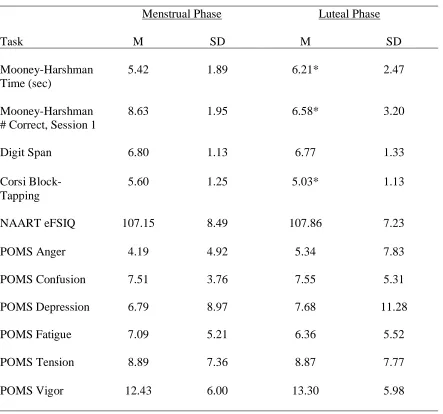
Table 3.1: Mean scores (and SD) on the control tasks during the menstrual and luteal phases of the cycle………..…….51
Table 3.2: Pearson’s correlations between number of working memory errors on the spatial
working memory task and salivary estradiol concentration………56
vii
List of Figures
Figure 1.1: A representation of the direct and indirect pathways of the basal ganglia………..8
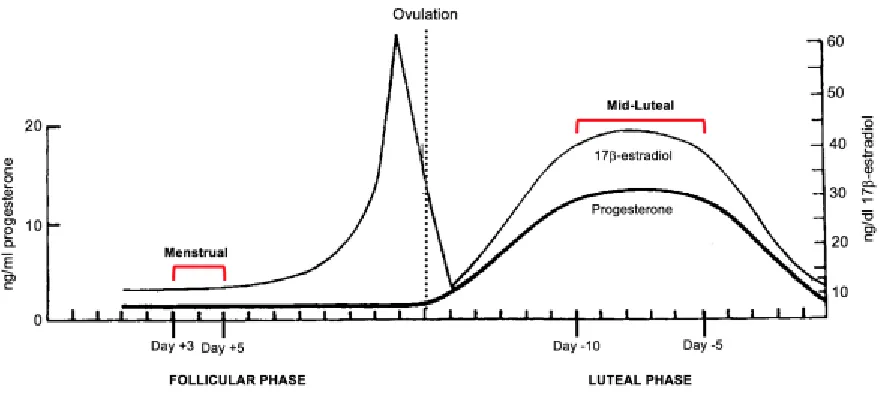
Figure 2.1: Pattern of changes in serum 17β-estradiol and progesterone that occur over a typical 28-day menstrual cycle………25
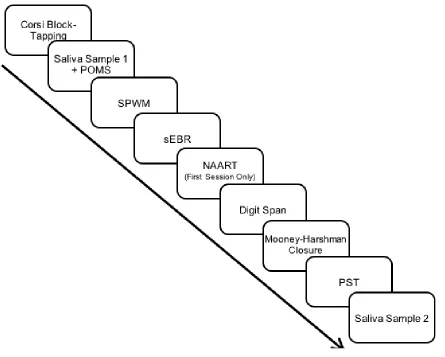
Figure 2.2: Order of test administration for both test sessions………27
Figure 2.3: An image of the eye tracking set-up………..28
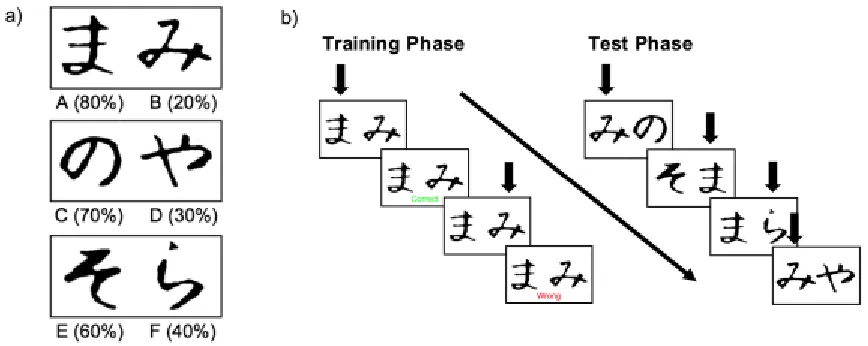
Figure 2.4: A schematic of the Probabilistic Selection Task……….………..31
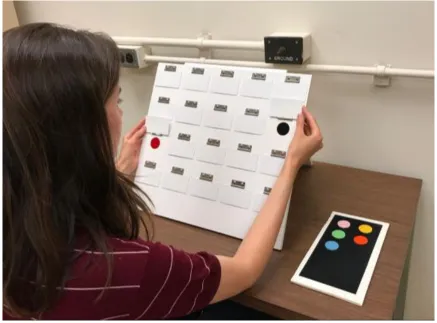
Figure 2.5: A photograph of a participant selecting a non-matching pair of locations on the Spatial Working Memory board………..34
Figure 3.1: Spontaneous eye blink rate during the menstrual and luteal phases of the menstrual cycle ………...45
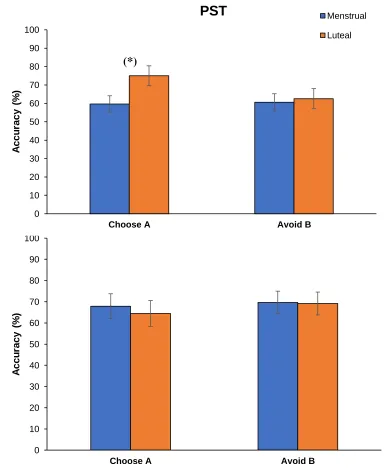
Figure 3.2: Mean percent accuracy during the test phase of the Probabilistic Selection Task for women tested at the menstrual and luteal phases of the cycle……….…..47
viii
List of Abbreviations
ANCOVA Analysis of covariance
ANOVA Analysis of variance
DA Dopamine
dlPFC Dorsolateral prefrontal cortex
E2 Estradiol
EB Estradiol benzoate
EEG Electroencephalography
eFSIQ Estimated full scale intelligence quotient
EMG Electromyography
fMRI Functional magnetic resonance imaging
FSIQ Full scale intelligence quotient
IQ Intelligence quotient
M Mean
NAART North American Adult Reading Test
OVX Ovariectomized
PET Positron emission tomography
PFC Prefrontal cortex
POMS Profile of Mood States
PST Probabilistic Selection Task
RIA Radioimmunoassay
SD Standard deviation
sEBR Spontaneous eye blink rate
SEM Standard error of the mean
i
WAIS-R Wechsler Adult Intelligence Scale – Revised
WME Working memory error
Chapter 1
Introduction
Estradiol (E2), which is the strongest and most abundant form of estrogen in
women of reproductive age (Almey, Milner, & Brake, 2015), is known to play a major
role in the development of female sex characteristics. Lesser known however, is that a
multitude of basic studies in laboratory animals have found E2 to influence the release,
degradation, and reuptake of neurotransmitter molecules, such as dopamine (DA), in the
brain, thus influencing cognition and numerous other processes in the central nervous
system (CNS). In contrast to the large body of animal research implying that DA may be
partially regulated by circulating levels of E2, there has been very little research
performed looking at E2’s effects on DA-related cognitive function and neurotransmitter
activity in humans. A better understanding of E2’s effects on DA and cognition in
humans would have major implications for understanding DA-based neurological
disorders in women, as well as for understanding the cognitive effects of E2-based
hormone therapy.
In humans, there are four major DA pathways that exist in the brain: the
mesolimbic pathway, mesocortical pathway, nigrostriatal pathway, and
tuberoinfundibular pathway. Via activity in these diverse pathways, DA has been seen to
play a major role in spontaneous eye blink rate (sEBR), reinforcement learning, and
spatial working memory. Therefore, by measuring performance on tasks that involve
these cognitive processes, it may be possible to determine if DA is affected by E2 in the
adult female brain. The current introduction section will begin with discussions on the
followed by a review of the current literature on the relationship between DA and E2 in
human and nonhuman animals and finally, I will summarize the main ideas previously
discussed, followed by a detailed description of the rationale and hypothesis of the
present study.
1.1
Dopamine and Spatial Working Memory
To begin, the important role of DA in WM function has been studied extensively,
in both humans and nonhuman animals. WM refers to the cognitive system that is
responsible for temporarily storing relevant information while simultaneously allowing
for updating, processing, and manipulation of that information (Baddeley, Eysneck, &
Anderson, 2009; Diamond, 2012). This type of memory is important in all tasks that
require memory of past information to make sense of new, incoming, information and to
perform ongoing reasoning and decision-making (e.g. understanding language and
performing mental math) (Diamond, 2012). A distinction between verbal and visuospatial
WM is often made, however the current study will focus only on spatial (referring to the
relative locations of objects in space) WM, which involves the temporary maintenance
and manipulation of spatial stimuli.
The neural basis of spatial WM was originally studied by testing non-human
primates on a delayed response task (Jacobsen, 1936). The delayed response task was
adapted from a task originally used to study WM in humans (Hunter, 1913) and it has
been argued that the cognitive processes used by monkeys on the delayed response task
mirror spatial WM processes that also occur in humans (Goldman-Rakic, 1995; 1987).
The adapted delayed response task consists of a cue phase, a delay phase, and a response
spatial locations with a food reward. This is followed by a delay phase where the
monkey’s view of the two locations is blocked by an opaque screen, and finally during
the response phase the monkey makes a response to retrieve the reward. In this task, the
cues denoting both spatial locations are visually identical meaning that the monkey must
rely only on memory when making a selection. Additionally, bait (and subsequent
reward) locations are randomly varied between trials, meaning that the monkey must also
update its memory of the information for each trial.
Using the delayed response task, Jacobsen (1936) discovered that bilateral
damage to the prefrontal cortex (PFC) had a profound negative effect on task accuracy,
while damage to other areas of the cortex did not affect performance. Since Jacobsen’s
initial study, multiple studies have found both bilateral and unilateral pre-existing and
surgically-induced lesions of the PFC, as well as dorsolateral prefrontal cortex (dlPFC)
deactivation through cryogenic cooling, to produce deficits in the mnemonic portion of
spatial WM (Bauer & Fuster, 1976; Goldman-Rakic, 1987; Petrides, 1989; Yener &
Zaffos, 1999). Specifically, lesion studies allowed researchers to pinpoint that the cortical
region necessary for accurate performance of the delayed response task is within
Brodmann area 46 in the dlPFC (Butters & Pandya, 1969; Goldman & Rosvold, 1970;
Gross & Weiskrantz, 1962; Mishkin, 1957).
Lending support to the idea that the PFC plays an important role in spatial WM,
electrophysiology studies have found that neurons in the lateral PFC become activated
during the delay portion of the delayed response task (Funahashi, Bruce, &
Goldman-Rakic, 1989; Fuster & Alexander, 1971; Kubota & Niki, 1971). Additionally,
procedural roles of different areas of the brain during spatial WM (for review, see
D’Esposito et al., 1998). Specifically, activation of the dlPFC is seen in humans during
performance of adaptations of the delayed response task and other more complex spatial
WM tasks (i.e. n-back) through the use of both positron emission tomography (PET)
(Jonides et al., 1993; Smith, Jonides, & Koeppe, 1996) and functional magnetic
resonance imaging (fMRI) (Courtney, Ungerleider, Keil, & Haxby, 1997; McCarthy et
al., 1994; Owen, McMillan, Laird, & Bullmore, 2005; Zarahn, Aguirre, & D’Esposito,
1999).
In conjunction with the understanding that the cortical control processes required
for spatial WM predominantly occur in the dlPFC, research has also focused on the
specific neurotransmitters involved in this cognitive process. Specifically, it is widely
accepted that DA is one of the main neurotransmitters underlying WM in humans (for
review, see Ellis & Nathan, 2001). It has been shown that there is a high concentration of
the catecholamine neurotransmitter DA, compared to other neurotransmitters, in the
dlPFC of nonhuman primates (Brown, Crane, & Goldman, 1979). Additionally, patient
studies looking at schizophrenia, which is a disorder characterized by prefrontal DA
hypoactivity and mesolimbic DA hyperactivity (Davis, Kahn, Ko, & Davidson, 1991),
have found that these patients show deficits when performing spatial WM tasks (Park &
Holzman, 1992), which contributes to the idea that DA plays an important role in spatial
WM. Furthermore, in monkeys, Brozoski, Brown, Rosvold, and Goldman (1979)
discovered that depletion of DA in the dlPFC through the use of neurotoxin injections led
to profound deficits on a spatial WM task (i.e. spatial delayed alternation) to the same
studies, increasing DA level in the PFC through the administration of L-dopa or a DA
agonist improved WM performance (Daniel et al., 1991; Lange et al., 1992), with a
complete reversal of deficits occurring in the primates (Brozoski et al., 1979). Adding to
this body of research, Sawaguchi, Matsumura, and Kubota (1988) discovered that
iontophoretic application of DA agonists into the primate PFC enhanced neuronal activity
during the delay portion of a delayed response task, an effect that was reversed by
administration of DA antagonists. Similarly, Sawagushi and Goldman-Rakic (1991)
injected DA antagonists into the PFC of primates, which caused the animals to perform
poorly on a delayed response task, in a dose-dependent manner.
Electrophysiological studies have also lent support to the idea that DA plays an
important role in regulating the excitability of neurons within the areas of the cortex that
are involved in WM (for review, see Goldman-Rakic, 1995; 1996). For example,
Williams and Goldman-Rakic (1995) recorded from DA neurons in the dlPFC of
primates during a delayed response task and found that DA receptors modulate
mnemonic processing through regulation of excitatory input to the PFC, specifically
during the delay portion of the task. They also found that failure to excite these DA
receptors during the delay period led to WM errors.
More specifically, both D1-type and D2-type DA receptors have been implicated
in WM, however results are inconsistent (for review, see Cools & D’Esposito, 2011; Ellis
& Nathan, 2001; Liggins, 2009). For example, Luciana & Collins (1997) found that
bromocriptine, a D2 receptor agonist, improved WM performance in humans on a
visuospatial delayed response task, while haloperidol, a D2 receptor antagonist, impaired
important for spatial WM in humans. However, nonhuman (Sawagushi &
Goldman-Rakic, 1991; Williams & Goldman-Goldman-Rakic, 1995) and human (Müller, von Cramon, &
Pollmann, 1998) primate studies have found D1-type receptors but not D2-type receptors
to be involved in WM. Additionally, some studies implicating D2 receptors in WM have
found that the effect is dependent on baseline DA level (Kimberg, D’Esposito, & Farah,
1997), and researchers have seen an inverted-U response to D1 receptor stimulation at the
cellular level in nonhuman primates (Vijayraghavan, Wang, Birnbaum, Williams, &
Arnsten, 2007). However, despite the inconsistency in the DA receptor literature, the idea
that spatial WM is dependent on DA activity in the dlPFC is strongly supported by both
animal and human research, which show that DA facilitates spatial WM by increasing
mnemonic neuron activity in the dorsal PFC.
1.2
Dopamine and Reinforcement Learning
The involvement of DA in cognition has also been studied extensively with
respect to reinforcement learning. Reinforcement learning, which is a type of learning
that is mediated by taking into account the positive and negative outcomes of our actions
(Frank, 2005; Frank, Seeberger, & O’Reilly, 2004), is believed to depend heavily upon
DA activity in the direct and indirect pathways of the basal ganglia (Frank, 2005; Mink,
1996). Early evidence for DA’s importance in reinforcement learning came from
nonhuman animal studies as well as studies on Parkinson’s disease patients, which is a
disease characterized by a loss of nigrostriatal DA neurons and a decrease in striatal DA
concentration (Kish, Shannak, & Hornykiewicz, 1988). Before reviewing some of this
evidence, I will first outline the anatomy of the direct and indirect pathways and their
active (see Figure 1.1), there is open communication between the thalamus and the
frontal cortex, due to disinhibition of the thalamus via the internal segment of the globus
pallidus. This in turn, allows for frontal cortex-mediated action facilitation. When the
indirect pathway is active, the thalamus remains inhibited by the internal segment of the
globus pallidus, and therefore frontal cortex-mediated action is suppressed. Therefore,
whether or not an action is executed, has to do with the balance between direct and
indirect pathway activation in the basal ganglia (Frank, 2005; Mink, 1996).
As mentioned previously, the activation of both pathways is known to rely
heavily upon DA (Frank, 2005; Mink, 1996). Importantly, it has been seen through
recording studies on rats and nonhuman primates, that positive reinforcement causes DA
bursts in the basal ganglia, whereas negative reinforcement causes DA dips in the basal
ganglia in primates (Hollerman & Schultz, 1998; Satoh, Nakai, Sato, & Kimura, 2003;
Schultz, 1998, 2002; Schultz, Apicella, & Ljungberg, 1993; Schultz, Dayan, &
Montague, 1997; Ungless, Magill, & Bolam, 2004). This pattern of DA activity has also
been seen in humans, through the use of PET, which can measure changes in DA
transmission, as well as through computational modelling (Holroyd & Coles, 2002; Zald
et al., 2004). In turn, these bursts and dips in DA act as teaching signals, increasing and
decreasing behaviour, respectively.
Michael Frank has proposed that the specific way in which DA activity affects
learning is through two distinct populations of DA neurons that are separately located in
the direct and indirect pathways (Frank, 2005). Specifically, research using in situ
hybridization histochemistry has shown that the direct pathway has a high concentration
Figure 1.1. A representation of the direct and indirect pathways of the basal ganglia.
When D1 receptors in the direct pathway are activated by dopamine they cause
disinhibition of the thalamus via the internal segment of the globus pallidus. This allows
for communication between the thalamus and the frontal cortex and frontal
cortex-mediated action is facilitated. When D2 receptors in the indirect pathway are activated,
the thalamus is inhibited by the internal segment of the globus pallidus, and therefore
receptors (Aubert, Ghorayeb, Normand, & Bloch, 2000; for review, see Gerfen, 1992).
Even further, research has found that the D1 receptors in the direct pathway are excitatory
(Gerfen, 1992; Hernandez-Lopez, Bargas, Surmeier, Reyes, & Galarraga, 1997) while the
D2 receptors in the indirect pathway are inhibitory (Gerfen, 1992; Hernandez-Lopez et
al., 2000). Therefore, during periods of positive reinforcement, bursts of DA cause an
increase in excitatory D1 receptor stimulation, leading to activation of the direct pathway,
and consequently facilitation of the rewarded action. At the same time, DA bursts lead to
an increase in inhibitory D2 receptor stimulation, which suppresses the indirect pathway.
Oppositely, during periods of negative reinforcement, DA dips cause a decrease in the
activation of the direct pathway, while disinhibiting the indirect pathway by reducing
inhibitory D2 receptor stimulation, leading to suppression of the unrewarded action.
Furthermore, research has shown that a possible mechanism by which this
implicit form of learning (based on reinforcement) takes place long-term, is through
synaptic plasticity in the direct and indirect pathways. Specifically, electrophysiology
research in rats has shown that bursts of DA and subsequent activity in the direct pathway
leads to long-term potentiation in D1 cells (increased future activity), while the inhibitory
effects of DA on the indirect pathway lead to long-term depression in D2 cells (decreased
future activity) (Bear & Malenka, 1994; Calabresi et al., 1997; Centonze, Picconi,
Gubellini, Bernardi, & Calabresi, 2001; Kerr & Wickens, 2001; Reynolds, Hyland, &
Wickens, 2001; Shen, Flajolet, Greengard, & Surmeier, 2008; Wiecki & Frank, 2010).
This experience-based synaptic plasticity ultimately leads to the learning of which
behaviours should be increased in the future, and which behaviours should be avoided
In addition to a large body of research on reward learning and DA in animals (for
review, see Wise & Rompre, 1989), the majority of our current understanding of
reinforcement learning and DA in humans stems from research by Michael J Frank and
collaborators (Cox et al., 2015; Frank, 2005; Frank & Kong, 2008; Frank, Moustafa,
Haughey, Curran, & Hutchison, 2007; Frank & O’Reilly, 2006; Frank et al., 2004;
Lighthall, Gorlick, Schoeke, Frank, & Mather, 2013; Maia & Frank, 2011; Slagter,
Georgopoulou, & Frank, 2015). Based on the emerging knowledge of the two DA
pathways in the basal ganglia, Frank proposed that learning based on positive and
negative feedback occurs through DA-induced plasticity in both the direct and indirect
pathways (Frank, 2005). In order to test his theory, a complex computational model was
created, which issued predictions based on specific reinforcement criterion (Frank, 2005).
This model was first tested in patients with Parkinson’s disease (Frank, O’Reilly, &
Seeberger, 2004), which as mentioned is a disease characterized by a loss of nigrostriatal
DA neurons and a decrease in striatal DA concentration (Kish et al., 1988). Previously,
this patient population has shown deficits on tasks that require learning from positive and
negative feedback (Ashby, Alfonso-Reese, Turken, & Waldron, 1998; Knowlton,
Mangels, & Squire, 1996; Shohamy et al., 2004). However, there has been inconsistency
in the literature, with DA agonists leading to a further decrease in performance in some
studies (Cools, Barker, Sahakian, & Robbins, 2001; Swainson et al., 2000).
Based on Frank’s computational model, it was predicted that compared to
controls, non-medicated Parkinson’s disease patients (low levels of striatal DA) would
have trouble learning from positive feedback, due to a decrease in DA bursts and
learning from negative feedback, due to more dramatic DA dips and therefore
disinhibition of the indirect pathway. Finally, it was also predicted that the same patients,
when medicated with L-dopa, and therefore in a higher DA state, should show a reversal
of the aforementioned learning patterns (Frank et al., 2004).
These predictions were tested using a probabilistic reinforcement learning task,
called the Probabilistic Selection Task (PST), developed by Frank and colleagues (2004),
which requires participants to implicitly learn over a series of trials which stimuli are
correct (rewarded) based on specific probabilistic reinforcement contingencies. Based on
performance, this task is able to tease apart the degree to which each participant learns
from positive and negative feedback (Frank et al., 2004). The results of Frank’s 2004
study were consistent with the predictions made by his computational model, therefore
providing initial insight into reinforcement learning and DA in humans.
Since Frank’s early work, many subsequent studies have found similar results,
which lends further support to the theory that DA affects reinforcement learning.
Evidence is not only based on studies of patients with DA dysfunction, but also studies in
healthy individuals. In an imaging study by Cools et al. (2009), the effect of baseline DA
level on reinforcement learning was studied in healthy individuals. Using PET, the
researchers found a positive correlation between high baseline DA in the striatum, as
revealed by high uptake of a tracer that indicates presynaptic DA synthesis capacity (i.e.
fluorometatyrosine), and learning from positive vs. negative reinforcement, on a
reward-based reversal learning task, whereas low baseline DA level showed an opposite pattern
binding of D1 and D2 receptors was correlated with positive and negative reinforcement
learning, respectively.
DA’s involvement in reinforcement learning has also been supported through
pharmacological studies. For example, Pessiglione, Seymour, Flandin, Dolan, and Frith
(2006) demonstrated that administration of DA-enhancing (e.g., L-dopa) or reducing
(e.g., haloperidol) drugs to healthy subjects causes an increase or decrease in
reward-based learning, respectively. Additionally, as previously mentioned, Frank et al. (2004)
found that administration of L-dopa to patients with Parkinson’s disease, who in an
unmedicated state have high learning from negative outcomes and low learning from
positive outcomes, reversed their reinforcement learning pattern. In a later study, D2
receptor agonists and antagonists were found to cause a decrease and increase in negative
reinforcement learning, respectively, due to the inhibitory actions of D2 receptors on the
indirect pathway of the basal ganglia (Frank & O’Reilly, 2006). Furthermore, depletion
of a DA precursor, and therefore lower overall DA production, has been seen to cause an
increase in negative reinforcement learning (Cox et al., 2015).
Finally, genetic studies have found a correlation between DA-related genes and
reinforcement learning (for review, see Frank & Fossella, 2011). For example, positive
reinforcement has been seen to cause accumulation of a specific DA-regulated
phosphoprotein in the striatum, which is believed to be essential for D1-dependent
plasticity (Stipanovich et al., 2008). In another study, Frank et al. (2007) found that a
polymorphism in the DARPP-32 gene, which affects synaptic plasticity at D1 receptors
and is activated via binding of D1 receptors, was predictive of the degree to which
polymorphism in the DRD2 gene, which affects postsynaptic D2 receptor levels in the
striatum through D2 mRNA translation, was predictive of the degree to which participants
learned from negative reinforcement.
Overall, a large body of animal and human research suggests that reinforcement
learning is in part due to DA activity in the direct and indirect pathways of the basal
ganglia. Specifically, high DA activity is associated with increased learning from positive
reinforcement, while low DA activity is associated with increased learning from negative
reinforcement.
1.3
Dopamine and Spontaneous Eye Blink Rate
While not a cognitive process, a large body of literature indicates that sEBR is a
strong marker of central dopaminergic function, particularly striatal DA function (for
review, see Jongkees & Colzato, 2016). Specifically, it has been proposed that DA acts
indirectly on the spinal trigeminal complex, which is believed to underlie activity of the
spontaneous blink generator (Jongkees & Colzato, 2016; Kaminer, Powers, Horn, Hui, &
Evinger, 2011; Kaminer, Thakur, & Evinger, 2015). DA has been seen to be positively
correlated with the sEBR, as seen through multiple patient and pharmacological studies.
Importantly, a large number of pharmacological studies have shown that administration
of DA agonists, such as apomorphine, cause an increase in sEBR, while DA antagonists,
such as haloperidol, have the opposite effect. This has been demonstrated in humans
(Cavanagh, Masters, Bath, & Frank, 2014; Kaminer et al., 2011), nonhuman primates
(Karson, 1983; Lawrence & Redmond, 1991), and rats (Kaminer et al., 2011),
respectively. For example, Karson (1983) injected monkeys with apomorphine and saw a
effect that was blocked by pre-treatment with haloperidol. Typically, sEBR is measured
using electroencephalography (EEG) or through counting via direct observation, however
methods such as electromyography (EMG) and eyelid monitoring devices are also used.
Additionally, patient studies have found that sEBR is altered in individuals with
disorders that are characterized by dysfunction of the DA system. For example,
Parkinson’s patients (low striatal DA) show a decreased sEBR compared to healthy
controls (Deuschl & Goddemeier, 1998; Karson, 1983; Karson, Burns, LeWitt, Foster, &
Newman, 1984; Karson, Lewitt, Calne, & Wyatt, 1982; Taylor et al., 1999), and this
symptom can be reversed through L-dopa administration (Karson et al., 1982).
Additionally, primates treated with MPTP, which is a dopaminergic neurotoxin that
destroys nigrostriatal DA neurons, show a decrease in sEBR and an increase in
Parkinson’s-like motor symptoms (Lawrence & Redmond, 1991; Taylor et al., 1999).
Furthermore, Taylor et al. (1999) found a positive correlation between post-mortem DA
level in the caudate nucleus and pre-mortem sEBR in primates. In addition to sEBR
abnormalities observed in Parkinson’s patients, patients with schizophrenia, which as
mentioned, is a disorder characterized by prefrontal DA hypoactivity and subcortical DA
hyperactivity (Davis et al., 1991), show an increased blink rate compared to healthy
controls. The administration of DA antagonist neuroleptics is able to decrease the sEBR
(Adamson, 1995; Karson, 1983). Even further, sEBR has recently been seen to correlate
positively with level of psychoticism (Colzato, Slagter, van den Wildenberg, & Hommel,
2009), which is a personality dimension that is believed to be reflective of DA function
Imaging studies have also been informative, regarding the underlying DA basis of
sEBR. Groman et al. (2014) used PET and found a strong positive correlation between
sEBR and availability of D2-type DA receptors (but not D1-type receptors) in the ventral
striatum and caudate nucleus in vervet monkeys. Additionally, Colzato, van den
Wildenberg, and Hommel (2008) measured the sEBR of chronic cocaine users
(individuals who maintained monthly cocaine use for a minimum of two years), who
have been found to have a significant reduction of D2 DA receptors in the striatum as
well as decreased DA release (Volkow, Fowler, & Wang, 1999), and compared them to
matched controls (individuals with no history of cocaine use), and found the cocaine
users to have significantly lower sEBRs than the controls, an effect that was proportional
to the amount of cocaine exposure (self-reported span/frequency/dose of cocaine use). In
general, the majority of receptor research has found sEBR to be reflective of DA activity
at D2 receptors, however some conflicting studies have also found D1 receptor activity to
affect sEBR (for review, see Jongkees & Colzato, 2016). Therefore, it is supported
through multiple areas of research that there is a strong connection between striatal DA
and sEBR. Specifically, there is evidence that sEBR is a reflection of DA activity at D2
DA receptors in the human striatum.
1.4
Estrogen and Dopamine
E2, which as mentioned previously is the most potent form of estrogen in women
of reproductive age (Almey et al., 2015), has been shown to have a major influence on
the brain in other species. Importantly, estrogen receptors are transcription modulators,
meaning that when bound by estrogens they are able to translocate into the nucleus of
1988). Recently, estrogen receptors have also been discovered at non-nuclear sites within
neurons, suggesting additional, non-genomic, effects of estrogens (for review, see Galea,
Frick, Hampson, Sohrabji, & Choleris, 2016). For example, estrogen receptor has been
found in the primate (Perlman et al., 2005; Wang, Hara, Janssen, Rapp, & Morrison,
2010) and human (Montague et al., 2008; Perlman et al., 2005) dlPFC, and in the rat
dorsal and ventral striatum (Almey et al., 2015; Shughrue, Lane, & Merchenthaler, 1997).
These regions of the brain are known to be heavily involved in DA-dependent cognitive
function and reward learning, as discussed previously.
The knowledge that estrogens can regulate gene activity coupled with the
discovery of estrogen receptors in areas of the brain that are implicated in DA-dependent
cognitive processes, implies that there may be a connection between circulating estrogens
and DA activity in the adult female brain. Although human data is very limited, this idea
is supported by numerous animal studies looking at the administration or depletion of
estrogens, as well as natural variation in E2 over the ovarian or estrous cycle (for review,
see Etgen & Garcia-Segura, 2010).
For example, Pasqualini, Olivier, Guibert, Frain, and Leviel (1995) saw an
enhancement in DA synthesis, as quantified by measurement of total vs. tritiated
extracellular DA in the striatum, after acutely injecting rats with physiological levels of
E2. Additionally, concentration of striatal DA during proestrus and estrus, which are the
phases of the rat estrous cycle with the highest levels of estrogens, was significantly
higher compared to low estrogen phases of the estrous cycle or to ovariectomized (OVX)
With respect to DA release, in OVX female rats, who have subsequent low levels
of circulating E2, acute in vitro exposure of striatal tissue to physiological doses of E2
caused an increase in amphetamine-stimulated and KCl-stimulated DA release (Becker,
1990; for review see Becker, 1999). In the same study however, chronic rather than acute
E2 exposure led to a decrease in DA release (Becker, 1990), suggesting a
down-regulation of the DA response under chronic exposure. Researchers have also shown that
in rats, priming with estradiol benzoate (EB) enhances the effects of acute EB injection,
such that amphetamine-stimulated DA release is higher in primed animals (Becker &
Rudick, 1999). There has also been seen to be an increase in amphetamine-stimulated
striatal DA release during high E2 phases of the rat estrous cycle such as proestrus
compared with low E2 phases (Becker & Cha, 1989; Becker & Ramirez, 1981; Becker,
Robinson, & Lorenz, 1982). Additionally, Thompson and Moss (1994) found that direct
E2 injections into the rat striatum caused both a short- and long-term increase in
K-stimulated DA release.
Apart from changes in its release, Di Paolo, Rouillard, and Bédard (1985) found
that injection of E2 into OVX rats caused an increase in striatal DA turnover, which was
apparent as an increase in DA metabolites but not actual DA concentration in the
striatum. Estrous cycle studies have also found there to be an increase in striatal DA
reuptake during high E2 phases of the cycle (for review, see Becker, 1999). Oppositely, a
study by Disshon, Boja, and Dluzen (1998) found that administration of E2 to OVX rats
caused a decrease in DA reuptake in the striatum by decreasing the DA transporter’s
affinity for DA. In a primate study by Kritzer and Kohama (1998), postmortem brain
DOPA for DA synthesis (Daubner, Le, & Wang, 2011), in the dlPFC after OVX, an
effect that was partially reversed through E2 administration.
There is also a growing body of animal research pointing to an effect of estrogens
on striatal DA receptors, although evidence is conflicting. Specifically, in OVX rats,
Bazzett and Becker (1994) saw a decrease in striatal D2 DA receptor binding after a test
injection of EB. Interestingly, the effect of EB injection was opposite in castrated male
rats, who had an increase in striatal D2 DA receptor binding. Additionally, fluctuations in
D2 DA agonist binding sites (Di Paolo, Falardeau, & Morissette, 1988) and D1 DA
receptor density (Lévesque, Gagnon, & Di Paolo, 1989) have been observed over the rat
estrous cycle. In a rodent study by Lévesque and Di Paolo (1988) a shift was observed in
D2 DA receptor binding sites from high to low affinity states after acute injection of E2.
In another D2 study, in vivo measures of striatal D2 DA receptor mRNA revealed a
decrease in D2 mRNA after chronic E2 administration (Lammers et al., 1999).
Despite the large amount of data from basic animal studies suggesting that
estrogens can affect DA function, remarkably little research has been done in humans.
This partly reflects the difficulty of quantifying central DA levels in vivo. Two very
small studies using PET imaging have reported conflicting results. Nordstrom, Olsson,
and Halldin (1998) found no change in D2 receptor density over the menstrual cycle,
while Wong et al. (1988) saw a slight increase in the binding rate constant of the D2
receptor during high E2 phases of the menstrual cycle. More recent work by Jacobs and
D'Esposito (2011) using fMRI, showed an effect of E2 on WM performance, with the
direction of the effect being dependent on a specific genotype that affects baseline DA
was very small and a significant effect was only found for 1 of the 3 n-back conditions
administered (i.e., 2-back). Additionally, evidence was indirect since DA could not be
measured directly.
In humans, therefore, it is not currently known whether DA levels vary as a
function of available E2 concentrations. However, recently researchers have found a
positive correlation between E2 level and WM performance (recall that WM is known to
depend significantly upon DA activity in the PFC). Specifically, Hampson and Morley
(2013) found that women tested during high E2 phases of the menstrual cycle had
significantly better performance on a spatial WM task than women tested during the
lowest E2 phase, and differences across women in circulating E2 level significantly
predicted the numbers of WM errors committed in a linear fashion. Using the same
spatial WM task as above, Hampson (2017) showed in a group of women who used oral
contraceptives, that women actively taking their oral contraceptive pills, and therefore in
a higher E2 state, had significantly better accuracy on the WM task than women tested
during their monthly week off of contraceptive pills when they were in a low E2 state (it
should be noted that oral contraceptives contain ethinyl estradiol, not 17β-estradiol, the
naturally-occurring form of the hormone). Additionally, in post-menopausal women,
estrogen replacement therapy (e.g., conjugated equine estrogens, 17-estradiol treatment)
has been seen to improve WM function in several studies (Duff & Hampson, 2000;
Keenan, Ezzat, Ginsburg, & Moore, 2001; Krug, Born, & Rasch, 2006). However,
conflicting evidence has also shown no cognitive effect of estrogen replacement in
post-menopausal women (Grigorova & Sherwin, 2006). Moreover, a study of much younger,
caused a significant decrease in WM function (Grigorova, Sherwin, & Tulandi, 2006).
At present there is no evidence in the literature that directly addresses whether
other DA-dependent tasks are influenced by E2 levels or other estrogens. A recent study
by Evans and Hampson (2015) found a significant sex difference between males and
females on a reinforcement learning task (PST; modified from Frank et al., 2004). A sex
difference could potentially signal the presence of an estrogenic effect (although other
mechanisms are possible, that can independently give rise to sex differences) (Hampson,
2017). As stated previously, reinforcement learning is believed to depend upon DA
activity in the striatum. Additionally, research on Parkinson’s disease patients, who have
a loss of DA in the striatum, has shown that there is a negative correlation between the
use of estrogen therapy and scores on the Unified Parkinson’s Disease Rating Scale (a
standardized scale in which higher scores indicate more severe motor symptoms) in
postmenopausal women patients not on DA medication (Saunders-Pullman et al., 1999).
Human research also lends indirect support for a possible link between DA and E2
through sex differences in the prevalence or symptom severity of other DA disorders
such as schizophrenia (for review, see Sánchez, Bourque, Morissette, & Di Paolo, 2010).
Therefore, taken together, the human and animal literature implies that there may
be a positive association between levels of circulating estrogens and DA in humans, an
idea that needs to be explored further.
1.5
Summary and Hypothesis
To summarize, convergent evidence from both human and non-human studies has
found that DA plays a major role in spatial WM, reinforcement learning, and sEBR.
by E2 in the female brain. Therefore, it is plausible that E2 may have a regulatory effect
on DA activity in humans too.
In human research, there are two standard methods that are widely used to study
the effects of estrogens on cognition. The first method involves manipulating E2 levels
(or other estrogens) in naturally and/or surgically post-menopausal women. The second
method involves comparing naturally-cycling women at different phases of the menstrual
cycle, when ovarian hormones are at different concentrations. Advantages of the second
method are that the hormones studied, their dosages, and temporal characteristics are
physiological; either between-subject or more powerful within-subject study designs can
be used; and it avoids the medical health risks shown to be associated with the use of
exogenous estrogens in post-menopausal women (Writing Group for the Women’s Health
Initiative Investigators, 2002).
The objective of the current study was to use a menstrual cycle paradigm to test
whether DA-dependent cognitive processes vary over the menstrual cycle in conjunction
with E2 levels. We hypothesized that increases in E2, which occur during the human
menstrual cycle, would lead to increases in DA, as seen in animal studies. Therefore, we
predicted that performance on spatial WM and reinforcement learning tasks, which rely
on DA activity in the PFC and striatum, respectively, would vary throughout the
menstrual cycle. Additionally, we expected to see a change in sEBR, a behavioural
measure that has been associated with striatal DA levels in human and nonhuman primate
studies.
Specifically, we predicted that high levels of E2, as seen during the mid-luteal
therefore an increase in the accuracy of spatial WM, an increase in sEBR, an increase in
learning based on positive reinforcement, and a decrease in learning based on negative
reinforcement, relative to the menstrual phase of the ovarian cycle when E2 levels are
Chapter 2
Method
2.1 Participants
Participants were 47 healthy female undergraduate and graduate students as well
as university staff members at the University of Western Ontario between the ages of 21
and 35 years (M = 23.62, SD = 3.71), an age range that coincides with the years of
maximal mature ovarian hormone production (Lipson & Ellison, 1992). All participants
had regular menstrual cycles that ranged in mean length from 25 to 35 days (M = 28.61,
SD = 2.34). The mean estimated IQ of the sample was 107.54 (SD = 7.75). Exclusionary
criteria on the basis of hormone disruption included the use of hormonal contraceptives at
present or within the 4 months prior to testing, current pregnancy or lactation, the use of
hormone replacement therapy or other medications that interfere with endocrine function,
or a history of ovarian abnormalities, including amenorrhea (i.e., lack of a menstrual
cycle) or oligomenorrhea (i.e., infrequent ovulation). Additionally, women who indicated
a history of neurological (e.g., epilepsy) or mental health conditions (e.g., schizophrenia
or untreated depression) were not considered eligible to take part in the study as these
conditions may adversely affect working memory function.
2.2 Procedure
Potential participants were recruited through the use of informational posters
displayed around the university campus. Interested volunteers were required to complete
participate in the study. Women who met the criteria described above were contacted and
invited to participate.
Using a repeated-measures design, eligible participants were tested at two target
points during the menstrual cycle: once during the menstrual phase when E2 levels are at
their lowest (target days +3 to +5 relative to the onset of menstruation), and once during
the estimated mid-luteal phase when E2 levels are high (target days -5 to -10 relative to
the onset of the next prospective menstruation). Phase of cycle on the first test day was
counterbalanced across participants in order to account for the possibility of an order
effect. The pattern of changes in E2 and progesterone over a 28-day cycle is shown in
Figure 2.1.
The timing of menstrual cycle events cannot be predicted with certainty and
women do not always provide accurate advance information about the length and
variability of their cycles (Hampson & Young, 2008). Therefore, in order to retroactively
confirm that each participant was in fact tested during the menstrual and luteal phases of
her cycle, two standard verification procedures were used (Hampson & Young, 2008): (i)
Two specimens of saliva were collected at each test session (one at the beginning of the
session and one at the end, about 1.25 hr later). Radioimmunoassays (RIA) of the saliva
were performed to quantify E2 and progesterone (see below for description of methods
used). Secondly, (ii) following testing, women were asked to report the exact date of
onset of their next (or current) menstrual period. Using a reverse day count method
(Hampson & Young, 2008), these data were used to confirm the exact temporal day of
Figure 2.1. Pattern of changes in serum 17β-estradiol and progesterone that occur over a typical
28-day menstrual cycle. The day of onset of menstruation is always considered Day +1. There
are two distinct phases in each cycle: the follicular phase and the luteal phase (Hampson &
Young, 2008). The average length of the menstrual cycle is 29.5-days, however normal
ovulatory cycles can range anywhere from 24 to 35 days in length (Vollman, 1977). Based on a
28-day cycle, the follicular phase begins on day 1 and lasts until about day 14, which is the date
of ovulation. Assuming no fertilization occurs after ovulation, the luteal phase begins and lasts
from days 15-28, when the cycle restarts and menstruation begins again. In general, the follicular
phase varies greatly in length, both between and within women, but the luteal phase is a fixed
length of between 13 and 15 days (Hampson & Young, 2008). During the menstrual subphase,
which occurs from Day +1 to approximately Day +5 to +7, estradiol levels are low. During the
mid-luteal subphase, which occurs between cycle days -5 and -10 (relative to the date of onset of
the next menstrual period), estradiol and progesterone levels are high. Red brackets denote the
days of the cycle targeted for cognitive testing in the present study.
Although serum concentrations are depicted here, saliva was used to measure both steroids in the
present study. Saliva contains only the fraction of the total hormone that is biologically available
to interact with tissue, so relative to serum it is thought to afford a superior representation of the
hormonal fraction that is free to influence biological function (Hampson, Phillips, Soares, &
All participants were tested individually by a trained examiner in an office setting.
Each test session took between 60 and 75 min and included the tasks described below.
Order of test administration is shown in Figure 2.2. Each task was administered once
during each phase of the cycle with the exception of the North American Adult Reading
Test (NAART), which was administered only during the first test session.
2.3 Spontaneous Eye Blink Rate
sEBR has been shown to be sensitive to changes in striatal DA level in both
healthy and clinical populations, making it a good functional marker of central DA
activity (for review, see Jongkees & Colzato, 2016). Additionally, D2 DA receptor
agonist and antagonist drugs have been shown to increase and decrease sEBR,
respectively, in human (Cavanagh et al., 2014) and nonhuman primates (Lawrence &
Redmond, 1991).
For this task, participants were seated approximately 66.5 cm in front of a
ViewSonic Graphic Series G225 computer monitor (39.5 cm width, 30.6 cm height)
positioned at eye level on top of a desk. In order to stabilize head position, participants
placed their head into a chin and forehead rest facing the computer screen (see Figure
2.3). Following eye position calibration, participants were instructed to relax and silently
view a slideshow of silent landscape images presented on the monitor. Participants were
blind to the fact that eye blinks were being recorded.
The slideshow consisted of 27 landscape images (from the Mac OS X screensaver
image folder) without obvious focal points (36.1 cm width, 20.6 cm height). Each image
was shown for 12 s before slowly fading (3 s) into the next image (6 min 41 s total).
Figure 2.3. An image of the eye tracking set-up. Participants placed their head into a chin
and forehead rest and looked forward at a computer screen while their spontaneous eye blink
rate was quantified using the EyeLink 1000 core system via an infrared camera placed in
Ltd., Mississauga, ON), with the camera located directly below the computer screen in a
desktop mount. The EyeLink 1000 records blinks by tracking the reflection of infrared
illumination off of the pupil, with a sampling rate of 500 Hz. Participants viewed the
slideshow binocularly, however eye blinks were only stored for the right eye.
Number of blinks was recorded in six 60-s time bins (the residual 41 s remaining
at the end of the slideshow was recorded but not analyzed in order to maintain
consistency in the bin length over which blink rate was computed). A total blink score
was summed and provided automatically by the Eyelink 1000 in an EyeLink output file,
but in addition, the number of blinks per time bin were counted in an off-line analysis and
then summed per individual and cross-checked with the total score provided by the
EyeLink 1000. In no case was there a discrepancy between the off-line and automatic
counts.
For purposes of statistical analysis, the first 60 s time bin was excluded to account
for an initial adaptation period. Therefore, five 60-s time bins were available for each test
session as estimates of each participant’s sEBR.
Two different but equivalent versions of the slideshow were used. The slideshow
presented at each session was counterbalanced across participants and within each phase
of cycle.
2.4 Probabilistic Selection Task
(PST; Frank et al., 2004)The PST is a well-established reinforcement learning task that is widely used in
cognitive neuroscience studies of DA function (Frank, 2005; Frank & Kong, 2008; Frank
The PST is a two-alternative forced-choice implicit learning task. It was
programmed in Millisecond (Inquisit 5, Seattle, WA). Stimuli were presented on a
Windows 7 computer and participants responded on each trial by making a keypress
response. The task consisted of a training phase and a test phase. During the training
phase, participants were presented with three different pairs of stimuli (AB, CD, EF), one
at a time, in a randomized order up to a maximum of 480 trials. Stimuli were
non-verbalizable Japanese Hiragana characters (~ 7.5 cm width, 7.5 cm height) presented in
black on a white background (see Figure 2.4). Participants were asked to choose one of
the two stimuli presented on each trial by pressing a key on either the left (i.e., A) or right
(i.e., L) side of a keyboard. Following each selection, participants received either positive
(“Correct” printed in green) or negative (“Wrong” printed in red) feedback, however the
feedback was probabilistic. In trials where the AB pair was present, choosing stimulus A
resulted in positive feedback 80% of the time, whereas choosing stimulus B resulted in
negative feedback 80% of the time (with the remaining 20% of trials being reversed). The
two other stimulus pairs were less predictable, such that in trials where the CD pair was
present, choosing stimulus C resulted in positive feedback 70% of the time, and in trials
where the EF pair was present, choosing stimulus E resulted in positive feedback 60% of
the time (with the remaining trials of both pairs being reversed). During the training
phase, therefore, participants should implicitly learn to choose stimuli A, C, and E over
stimuli B, D, and F. This may be accomplished by either learning to consistently choose
the positively reinforced stimuli (e.g., choose A) or learning to consistently avoid the
Figure 2.4. (a) One of the two stimulus sets used in the Probabilistic Selection Task
(Frank, Seeberger, & O’Reilly, 2004). The percentages below each pair of Hiragana
characters reflect their respective reinforcement contingencies (see Method for details).
(b) A schematic of the training and test phases of the Probabilistic Selection Task. During
the training phase, participants were presented with 1 of 3 fixed pairs of stimuli (AB, CD,
EF) on each trial. Choosing one of the two figures via a buttonpress caused the feedback
screen to appear. Over a long series of trials participants learned which stimulus in each of
the 3 pairs was correct based on the reinforcements they received following each choice.
The test phase began after a participant successfully reached a designated learning
criterion. Participants who did not reach the learning criterion by the end of 480 trials did
not move on to the test phase. During the test phase, pairs presented on each trial
consisted of all possible pairings of the 6 original stimuli containing either an A or B.
Participants were required to indicate (via a buttonpress) the stimulus in each pair that
they believed to be correct based on what they had learned during the training phase. No
feedback was given during the test phase. The black arrows in the figure represent the
choices made by a hypothetical participant during each phase. In the test phase, learning
through positive feedback was measured as the percentage of trials a participant chose A
in all pairings where A was present, and learning through negative feedback was
measured as the percentage of trials a participant avoided B in all pairings where B was
The learning phase was continued in blocks of 60 trials, with each pair being
presented 20 times per block, until participants met a specific learning criterion or until
they reached 480 trials. The performance criterion was evaluated automatically by the
computer after each block of 60 trials and if it was not met, a further block of 60 trials
ensued. This was done in order to ensure that all participants had reached a similar level
of learning before advancing to the test phase. Following the procedures used in past
studies, the learning criteria for the 3 pairs were: choosing A over B in 65% of AB trials,
choosing C over D in 60% of CD trials, and choosing E over F in 40% of EF trials. In the
EF pair, stimulus E is correct 60% of the time, however this is particularly difficult for
individuals to learn and therefore a 40% learning criterion was used as in Lighthall et al.
(2013). Participants who did not reach criterion by the end of the 480 trials of the training
phase did not advance to the test phase.
Once participants reached criterion they advanced to the test phase in order to
determine whether they relied more on positive or negative feedback. During the test
phase participants were presented with novel combinations of the original stimuli
involving either an A (i.e., AC, AD, AE, AF) or a B (i.e., BC, BD, BE, BF) and were
once again required to choose one of the two stimuli in each pair shown, however this
time they received no feedback after making their selections. The test phase consisted of
160 trials, with each stimulus pair presented 20 times. The measure of learning from
positive feedback was the percentage of trials in the test phase where a participant chose
A in all pairs where A was presented, and the measure of learning from negative
feedback was the percentage of trials where a participant avoided B in all pairs where B
Two alternate versions of the PST were created, each with a distinct set of 6
Hiragana stimuli. The version of the task given during the first test session was
counterbalanced across participants and within each phase of cycle. The alternate version
of the PST was given to each participant during her second test session. Additionally, the
six stimuli were randomized, so that across participants each of the 6 Hiragana figures
was randomly designated as stimulus A and stimulus B. Additionally, the left-right
position of each stimulus pair (e.g., AB or BA) was counterbalanced across trials.
2.5 Spatial Working Memory Task
(SPWM; Duff & Hampson, 2000)This task was developed for humans based on the classic search task used in
nonhuman primates by Passingham (1985). Its cognitive demands resemble those of other
spatial WM tasks used in human studies (Owen, Sahakian, Semple, Polkey, & Robbins,
1995; Owen, Downes, Sahakian, Polkey, & Robbins, 1990) and nonhuman primates
(Passingham, 1985). The number of working memory errors (WME) produced on the
SPWM has been found to correlate significantly with the numbers of WME produced on
other widely used standardized WM measures, including Digit Ordering (Petrides,
Alivisatos, Meyer, & Evans, 1993), which is a verbal WM task, Digits Backward (from
the Wechsler Memory Scale, 1981), and Self-Ordered Pointing (Petrides & Milner,
1982), a nonverbal WM task (see Duff & Hampson, 2001; Hampson et al., 2015).
Participants sat in front of a white board (45 cm width, 41 cm height) (see Figure
2.5). The board consisted of a 4 x 5 array of 20 randomly arranged coloured dots. There
were 10 colours in total (red, orange, yellow, green, blue, purple, pink, fuchsia, black,
white), and two dots of each colour. Each coloured dot was 3 cm in diameter and was
Figure 2.5. A participant selecting a non-matching pair of locations on the Spatial
Working Memory board (Duff & Hampson, 2001). Participants were instructed to find all
10 matching pairs of coloured dots in as few tries as possible by lifting 2 flaps at a time.
A working memory error was recorded whenever a participant searched a pair of
locations that had already been searched but did not match, or anytime they revisited an
only visible when its corresponding flap was temporarily lifted by a participant.
Participants were instructed to find all 10 matching pairs of coloured dots in as few
choices as possible, by lifting 2 flaps simultaneously. Participants were told that they
would be timed while working on the task, but that the main goal was to find all matching
pairs in as few searches as possible. When a flap was not being lifted by the participant, it
was closed and completely covered the dot beneath. To perform the task efficiently,
therefore, participants had to maintain and update in their WM, the locations of the pairs
of dots that they had already matched, and the locations of the dots not matched yet, as
they continued searching for the remaining pairs. A participant was considered to have
made a WME anytime they chose a pair of locations that had already been searched but
did not match, or anytime they revisited an already matched pair.
During the task, as each pair was found, a corresponding coloured token was
placed onto a felt pad beside the array by the experimenter. This was done to avoid the
need for participants to remember which colours they had already matched. Therefore,
participants only had to keep track of the locations, of the matched and unmatched dots
while working through the task.
On each test day, participants completed three consecutive trials of the SPWM. A
trial was considered complete when all 10 matching pairs of coloured dots had been
found. Alternate forms of the task were given on each of the two test days. The version
given during the first test session was counterbalanced across participants and within
each phase of cycle. The dependent variable was the number of WME produced on each
2.6 Working Memory Control Tasks
Performance on the SPWM requires the active manipulation of information within
WM, a function that is believed to be DA-dependent (for review, see Ellis & Nathan,
2001). However, differences in performance on the SPWM between the menstrual and
mid-luteal phases of cycle could in principle alternatively be caused by E2-related
changes in the capacity of passive short-term store, should such an effect of E2 exist. In
order to ensure any menstrual cycle-related changes in performance on the SPWM were
not due to a simple change in passive storage capacity, two control tasks that rely only on
passive memory storage were used.
2.6.1 Digit Span
(Wechsler Adult Intelligence Scale – Revised [WAIS-R]; Wechsler, 1981)The Forward Digit Span task requires the immediate recall of digits without
requiring any active manipulation or holding of that information. Neuroimaging research
has found that the passive immediate recall of digits is mediated by posterior regions of
the brain (perisylvian cortex) as opposed to the PFC (Postle, Berger, & D’Esposito,
1999). Performance of Digits Forward does not appear to be DA-dependent, as seen
through studies of Parkinson’s patients who do not show evident impairments in forward
span (Warden, Hwang, Marshall, Fenesy, & Poston, 2016) and through DA agonist (i.e.,
pergolide) administration studies in neurologically healthy individuals (Kimberg &
D’Esposito, 2003), which show no effect of DA agonists on forward span performance.
In addition, patient studies show that lesions and/or excisions of the PFC do not
significantly affect performance of the Digits Forward task (Canavan et al., 1989;
The Digits Forward subtest of the WAIS-R Digit Span was administered in the
standard manner. Briefly, the examiner verbally presented a sequence of digits of
progressively increasing length. Participants were required to repeat each sequence aloud
immediately after presentation. The task was discontinued after failure of two tries at any
sequence length. The dependent variable was the maximum number of digits that a
participant was able to repeat correctly.
2.6.2 Corsi Block-Tapping
(Milner, 1971)This task is a visuospatial analogue of the Digits Forward task, in which locations
rather than digits are presented. As in Digits Forward, it does not require any active
manipulation of the information. Patient studies indicate that accurate performance on the
Corsi Block-Tapping task is dependent on posterior regions of the brain (e.g., inferior
parietal cortex) (Baldo & Dronkers, 2006) and lesion studies show no significant deficit
in performance after lesions of the PFC (D’Esposito & Postle, 1999). Like Digits
Forward, performance is minimally dependent on DA levels (Kimberg & D’Esposito,
2003; Morris et al., 1988).
On the Corsi task, participants observed as the examiner tapped out a spatial
sequence of progressively increasing length on a set of 9 identical black cubes (3 cm)
randomly arranged on a black wooden platform (27.7 cm width, 22.8 cm height).
Immediately following each presentation, participants were required to tap out the
identical sequence, in order. The task was discontinued after failure of two tries at any
sequence length. A participant’s score was the maximum sequence of spatial locations
2.7 Other Control Tasks
2.7.1 Mooney-Harshman Closure
(Adapted from Mooney & Ferguson, 1951)This task was included to demonstrate the cognitive selectivity of any E2 effects
documented in the present study. It requires visual object recognition processes but not
WM. Previous research found that women tested during the menstrual phase were able to
correctly identify a significantly higher number of the closure images compared to
women tested during the mid-luteal phase (Hampson, Finestone, & Levy, 2005).
Therefore, a similar result was predicted for the current study. Additionally, research has
found a male advantage in accuracy on other perceptual closure tasks (Foreman, 1991;
Verhallen et al., 2014), instead of the female advantage reported for the SPWM (e.g.,
Lejbak, Vrbancic, & Crossley, 2009). Enhanced performance during the menstrual phase,
when E2 levels are low, is the opposite of what was expected on the SPWM and therefore
this task was used to demonstrate the functional selectivity of any menstrual cycle-related
effects observed during testing. Specifically, enhanced performance during the menstrual
phase would rule out the possibility of an overarching facilitative effect of E2 on all brain
functions.
Participants were shown 13 black and white images printed on rectangular cards
(21.5 cm width, 27.9 cm height), one at a time. The images consisted of common objects
but the images were visually incomplete or had parts missing. Upon viewing an image,
the participant was given a maximum of 20 s to identify what the image was of, which
was then recorded verbatim by the examiner. The dependent variables consisted of the
total number of correctly identified items (max. 12) and the mean time taken to correctly