University of South Carolina
Scholar Commons
Theses and Dissertations
2017
Branded for Success: A Longitudinal Examination
of Brand Associations as Drivers of Team
Identification for a New Sport Brand
Henry Wear
University of South Carolina
Follow this and additional works at:https://scholarcommons.sc.edu/etd Part of theSports Management Commons
This Open Access Dissertation is brought to you by Scholar Commons. It has been accepted for inclusion in Theses and Dissertations by an authorized administrator of Scholar Commons. For more information, please [email protected].
Recommended Citation
B
RANDED FORS
UCCESS:
A
L
ONGITUDINALE
XAMINATION OFB
RANDA
SSOCIATIONS ASD
RIVERS OFT
EAMI
DENTIFICATION FOR AN
EWS
PORTB
RANDby
Henry Wear
Bachelor of Science University of Oregon, 2012
Master of Science University of Kansas, 2014
Submitted in Partial Fulfillment of the Requirements
For the Degree of Doctor of Philosophy in
Sport and Entertainment Management
College of Hospitality, Retail, and Sport Management
University of South Carolina
2017
Accepted by:
Bob Heere, Major Professor
Khalid Ballouli, Committee Member
Matthew Bernthal, Committee Member
Kevin So, Committee Member
DEDICATION
For my family, friends, mentors, and all those who have helped along the way:
To my family – thank you for the love, confidence, and humility.
To my friends – thank you for reminding to enjoy the small things.
To my mentors – thank you for your guidance and compassion.
To Heidi – thank you for being my best friend, support system, and biggest fan.
ACKNOWLEDGEMENTS
I have been fortunate throughout my academic journey to have met and worked
with some unbelievable people at fantastic places. I am very much a product of my
experiences, and when I embarked on my first day of university many years ago, I could
not have imagined it would have taken me from Oregon, to Kansas, to South Carolina,
and now to Australia. At every stop, and every crossroads, I had support and guidance
that kept me moving towards my goals, and to all of those individuals I am grateful.
As I am sure it has been said before, at the heart of every PhD and dissertation is a
quality and passionate advisor. Since our first encounter, Dr. Bob Heere has pushed me,
supported me, and guided me into the world of sport management academia. Throughout
every step of my PhD he challenged me to ask “good questions,” and too be constantly
curious. His unwavering support of my interests and passions have been my constant
motivation in completing this dissertation. His confidence in my work and interests has
given me the confidence to follow my goals and ambitions. I truly believe that I would
not be where I am today without his support. His constant availability, trust, and respect
has taught me much about what it means to be a great mentor.
I would also like to acknowledge and thank the other members of my dissertation
committee. Dr. Khalid Ballouli welcomed me with open arms from day one, and was a
constant resource for any questions regarding teaching, research, or life as a sport
provided great guidance, and his suggestions towards methods and literature helped
frame the approach of this study. I feel fortunate for having the constant support from
my committee, and am grateful that they had the confidence in me to let me begin my
career in academia in Australia while I continued to work away on my dissertation.
In addition to my committee, my time in Columbia will be forever remembered
by the positive and welcoming environment that the SPTE, HRTM, and HRSM faculty
and staff created. Drs. Matthew Brown, Mark Nagel, Richard Southall, Haylee Mercado,
Tom Regan, and John Grady were instrumental in my coursework, research projects, and
career development. Jessica Harris, Kim Boone, and Vickie Smith were always there to
help me when I needed them, and Dr. Andy Gillentine always made sure to check in on
me, and was a constant source of wisdom. My fellow PhD students always made sure
that we never took ourselves too seriously, and always found time to appreciate the little
things. To my entire Carolina family, I am grateful for your support and love.
I also would like to thank the great mentors I had before I arrived in Columbia.
Drs. Aaron Clopton and Jordan Bass at the University of Kansas supported my interests
research from the beginning of my time in Lawrence, and inspired me to keep going.
They taught me how to harness my passions as a sports fan, and turn them into tangible
research interests. It is with their influence that I found my niche, and was able to be part
of the great program in Columbia.
To my family and friends across the country, your support and love has been a
constant over the last several years that has kept me going. Thank you for allowing me to
Finally, none of this would be possible without the love, compassion, support, and
care from my wife, Heidi. You have been there for me every step of the way, and always
helped me put my life back in to perspective. You have sacrificed so much over the last
several years to allow me to keep chasing my dreams, and you have handled it all with
grace and kindness. I am so proud of who you have become, and I cannot wait to see
ABSTRACT
The competition for the sport consumer has intensified over the last decade, and
many teams are now seeking to establish a foothold in the marketplace (Baker,
McDonald, & Funk, 2016). To form a competitive advantage in the sport industry, many
sport organizations are beginning to think of their organizations as brands to be managed
(Ross, 2006). From a sport marketer’s perspective, it is difficult to rely on brand
characteristics based on success or team composition to promote a sport brand and
develop fans due to the unpredictable nature of the sport product. Conversely, brand
characteristics regarding the logo, color scheme, or communal nature of the sport
organization and its consumption can be guided and manipulated by sport marketers.
However, there remains a gap in the literature that examines how brand
associations, as individual components, contribute to a larger sense of brand community,
and how these components can then shape broader consumer behavior processes such as
team identity. From this, the purpose of this study was to: 1) analyze how individual
brand associations and team identification manifest themselves throughout a new sport
team’s inaugural season, and 2) to investigate how the changes in individual brand
associations drive the change in team identification throughout the new sport team’s
inaugural season. A three-stage longitudinal data collection was employed to gather data
curve model analysis was conducted to identify individual growth, and provide evidence
for the influence of each brand associations development on the development of team
identification. The results provide contextual evidence of how, and what brand
associations develop during the inaugural season, and to what extent the development of
each brand association explains the development of team identification. Notably, brand
associations that are communal in nature showed continued growth throughout the
inaugural season, and the increase in each of these associations was the most impactful in
the development of team identity. Implications for sport managers and directions for
PREFACE
This dissertation would not have been made possible without the assistance of the
Columbia Fireflies organization. Their willingness to let me be around the organization
during the inaugural season, and also facilitate the completion of this project was
unbelievably gracious. I hope the findings presented here in this study are able to
TABLE OF CONTENTS
DEDICATION ... iii
ACKNOWLEDGEMENTS ... iv
ABSTRACT ... vii
PREFACE ... ix
LIST OF TABLES ... xiii
LIST OF FIGURES ... xiv
LIST OF ABBREVIATIONS ...xv
CHAPTER 1INTRODUCTION ...1
1.1STATEMENT OF THE PROBLEM ...1
1.2PURPOSE OF STUDY ...4
1.3SIGNIFICANCE AND IMPLICATIONS OF STUDY ...5
CHAPTER 2LITERATURE REVIEW ...7
2.1BRAND EQUITY DIMENSIONALITY ...7
2.2IMPORTANCE OF BRAND ASSOCIATIONS ...10
2.3 BRANDING IN SPORT ...11
2.4IMPORTANCE OF BRAND ASSOCIATIONS IN SPORT ...13
2.5NEW SPORT BRANDS ...16
2.6MEASUREMENT ISSUES OF BRAND ASSOCIATIONS ...19
2.9COMMUNITY DEVELOPMENT THROUGH BRANDING ...26
CHAPTER 3METHODOLOGY ...31
3.1RESEARCH DESIGN ...31
3.2RESEARCH SETTING ...32
3.3DATA COLLECTION...33
3.4SAMPLE SELECTION ...35
3.5INSTRUMENTATION ...36
3.6DATA ANALYSIS ...38
CHAPTER 4RESULTS ...42
4.1LONGITUDINAL SAMPLE ...42
4.2ASSESSMENT OF MEASUREMENT MODELS ...43
4.3UNCONDITIONAL GROWTH CURVE MODEL ANALYSIS ...48
4.4CONDITIONAL GROWTH CURVE MODEL ANALYSIS...50
CHAPTER 5DISCUSSION ...54
5.1INTERPRETATION OF RESULTS ...54
5.2DEVELOPMENT AND CHANGE OF BRAND ASSOCIATIONS ...54
5.3DEVELOPMENT AND CHANGE OF TEAM IDENTITY ...62
5.4DYNAMICS AND IMPACTS OF CHANGE ...64
CHAPTER 6CONCLUSION,IMPLICATIONS, AND LIMITATIONS ...75
6.1CONCLUSION ...75
6.2IMPLICATIONS...78
6.3LIMITATIONS ...80
APPENDIX A–IRBAPPROVAL OF STUDY ...97
LIST OF TABLES
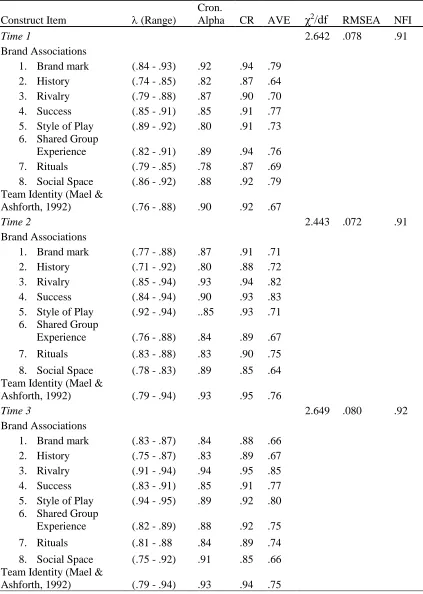
Table 4.1 Assessment of Measures for Longitudinal Sample at Times 1-3 ...46
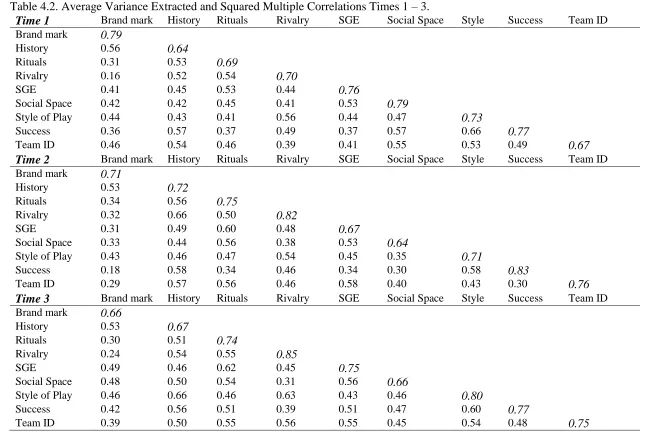
Table 4.2 AVE and Squared Multiple Correlations Times 1-3 ...47
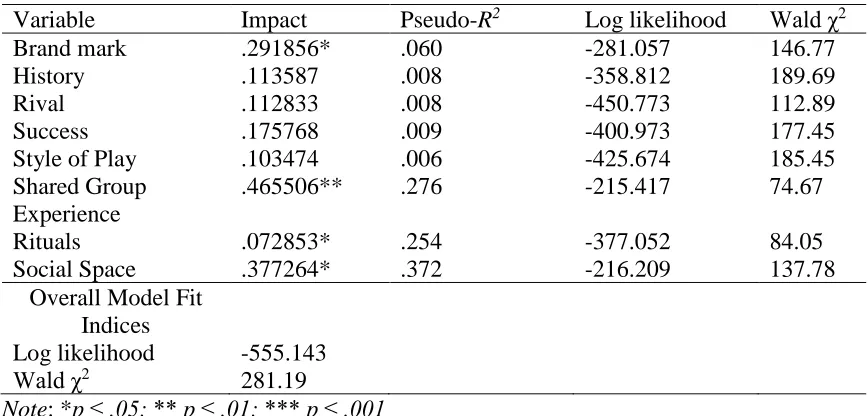
Table 4.3 Summary of Growth Curve Analysis...52
LIST OF FIGURES
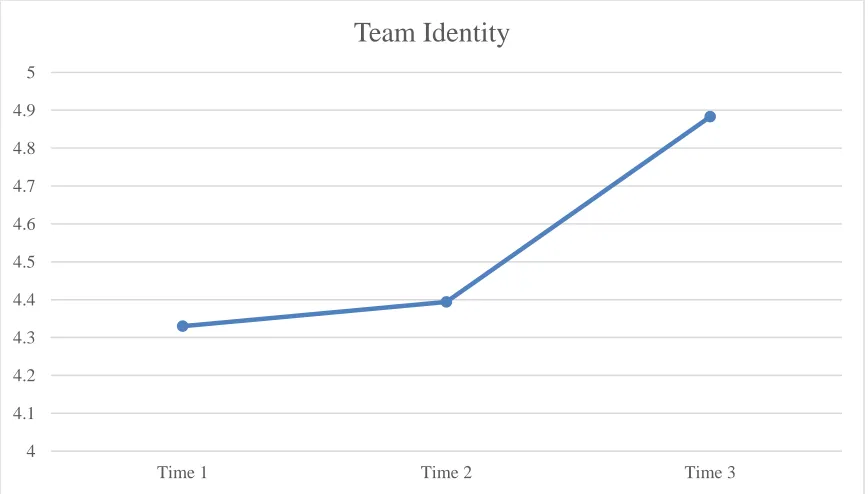
Figure 4.1 Longitudinal Development of Brand Associations Components ...53
LIST OF ABBREVIATIONS
AR(1) ... First Order Autoregressive Structure
AVE ... Average Variance Extracted
CR ... Composite Reliability
GCM ... Growth Curve Model
ID ... Identity
MiLB ... Minor League Baseball
MLB ... Major League Baseball
OID ... Organizational Identity
PCA ... Principal Component Analysis
SGE ... Shared Group Experience
T1,T2, T3 ... Time 1, Time 2, Time 3
TAM ...Team Associations Model
CHAPTER
1
INTRODUCTION
1.1 STATEMENT OF THE PROBLEM
As the sport industry has matured and grown over the last decade, the competition
for the sport consumer has intensified (Baker, McDonald, & Funk, 2016). While
presenting a winning on-field product can be a guarantee for financial success, sport
organizations cannot always count on their teams to continue their winning ways. In
order to combat this issue, and form a competitive advantage, many sport organizations
are beginning to think of their organizations as not simply a collection of players, coaches
and managers, but as brands to be managed (Ross, 2006). A brand has come to be known
as a logo, name, color scheme, or combination thereof that represents an organization,
and allows consumers to accurately and quickly identify the organization in the
marketplace (Aaker, 1996; Keller, 1993). The application of this definition to sport is
quite practical, with the majority of major league professional sport organizations across
the globe placing great emphasis on the development and management of their brands
(Gladden, Irwin, & Sutton, 2001). Certain sport organizations have crafted brands that
have allowed them to become some of the most valuable organizations in the world, a
value that they would not hold if they held a different brand identity (Badenhausen,
2016). With this known, it becomes quite apparent that not all brands are created equal in
brand. Numerous teams and organizations hold a brand that represents a winning
tradition, star player, or legendary coach. Others have brands that epitomize the stadium
in which they play their games, or the region or city they are located in. Additionally,
sport teams can hold brands that represent a unique logo or uniform, or a collection of
fans that are loyal and partake in rituals or traditions that are integral parts of their
attendance. From a sport marketer’s perspective, it is difficult to rely on on-field success
or team roster based characteristics to promote a sport brand due to the unpredictable
nature of the sport industry. Conversely, brand characteristics based upon the team’s
logo, color scheme, or communal nature of consumption can be guided and manipulated
by sport marketers. Yet, little is known regarding the value of particular brand qualities
and characteristics that hold the greatest impact in driving sport consumer behavior. The
ramifications for such understanding are quite important, and could provide sport
organizations with pertinent information that could inform brand management strategies
that drive financial success. While these strategies could be valuable for numerous sport
organizations, they could be particularly valuable for new sport organizations, or those
that are smaller or less well known.
As mentioned above, an examination of the sport industry reveals that sport teams
hold a range of brand images built upon various associations and characteristics. Several
examples may help to illustrate this. The Carolina Panthers of the National Football
League (NFL) promote themselves as a team representative of a specific geographic
region, characterized by their slogan of “Two States, One Team” (Breiner, 2016) and a
team logo that was designed to mimic the geographic shape of the states of North and
allows consumers throughout the region to feel a strong connection to the organization
and to one another (Breiner, 2016). Similar geographic brand image focuses are seen
throughout professional sport (New England Patriots, New Zealand Warriors, Western
Force, Texas Rangers, etc.), however, little is known regarding if creating this
opportunity for fan-to-fan, and fan-to-organization connection has any organizational
benefit.
As a comparative example, the New York Yankees and the Chicago Cubs
represent two of the most valuable brands in professional baseball, and American
professional sports (Badenhausen, 2016). However, the organizations’ brands hold
distinctly different characteristics, with the Yankees relying on their team’s history,
success, and star players (Davidoff, 2016), while the Cubs’ brand relies on the communal
associations of its ballpark, fans, and stadium community (Lazare, 2012). In contrast to
the Yankees, the Cubs’ brand has also been characterized by a history of poor on-field
success, yet despite the poor quality of the Cubs on-field product, the organization was
able to maintain some of the highest attendance and merchandise sales in Major League
Baseball (MLB) (Klayman, 2015). Through crafting and growing a brand, the Cubs were
able to present an identity to the consumer that was easy to identify, relatable, and
espoused some form of value through its consumption (Conick, 2016).
Ultimately, the goal of sport marketers is to create a strong cohesive groups of
fans that are characterized by positive consumer behavior. The collection of fans that
come together to consume and watch their favorite sport team either in the stadium, their
favorite bar, or in front their TVs can be called a brand community. These brand
shared attachment and appreciation for a particular brand (Muniz & O’Guinn, 2001).
With this known, the congruence and application of the concept of brand community to
the sport industry comes into focus. Many sport teams are characterized by their vast,
loyal fan bases, comprised of consumers who hold a shared attachment and affinity for
the team they support. Through their involvement in these communities, consumers
begin to develop a sense of empowerment that has been found to have positive consumer
behavior outcomes (Katz & Heere, 2013). In the sport industry, it has been found that
fellow fans are in fact more important than attachment, satisfaction, and identification in
bringing fans to the stadium (Yoshida, Heere, & Gordon, 2015). These sport fan
communities often can drive consumers to become more involved with the sport
organization, and invested in the organization’s goals (Katz & Heere, 2015). The value
then in creating a brand that stimulates the development of these communities can be
easily ascertained, and the implications for sport organizations are quite significant. In
the sport management literature, much of the research involving sport fans has focused on
the concept of team identity. Recently, the sport fan literature has also adapted a brand
community lens, with team identity being used as a marker for the existence of fan
(brand) communities (Heere, Walker, Yoshida, Ko, Jordan, & James, 2011). However,
there exists a gap in the sport management literature that explicitly examines how brand
associations can drive team identity, and what specific brand associations have the
greatest impact on team identity.
1.2 PURPOSE OF STUDY
The purpose of this study is to develop a greater understanding of the brand
and how the impact of these associations on the development of team identity may
change throughout a team’s season. Specifically, in this research I will examine the
associations most valuable to a new professional sport team as it enters its inaugural
season of play. Developing a greater understanding of the value a new sport team’s
brand holds in creating identified fans could create new insights into the way sport teams
best manage their brand in a way that contributes to long-term success. Additionally, this
investigation will further examine the ways in which scholars have measured sport brand
associations. Ultimately, the purpose of this study is twofold: (1) to analyze the change
in brand association and team identity perceptions held by consumers of a new sport
team, and (2) to examine how the development of individual brand associations drives the
development of team identification over the course of the new team’s inaugural season.
1.3 SIGNIFICANCE AND IMPLICATIONS OF STUDY
As will be discussed later throughout this manuscript, brand associations have
been examined numerous times in the sport management literature, yet there remains a
need to synthesize the concepts of branding and brand associations with the
understanding of brand communities. Notably, increased research should be conducted
that specifically examines which characteristics of a sport brand, impact the development
of team identity, and subsequently a brand community of identified consumers. This
focus could be particularly pertinent for new sport organizations as they enter into a
competitive industry. While older, more established sport organizations are able to
utilize characteristics such as team history or past success, new teams have no such
luxury, and thus must rely on other characteristics to build their brand image in a manner
Heere, & Dickson, 2011). To compound the intricacies of brand creation and
management for new sport teams is the likelihood that many of these teams are often
minor league teams that are unable to utilize well-known players or coaches, or on-field
talent and skill as characteristics in which to build a brand around. Similar complications
exist for lesser known sport organizations as well. This can be seen in such examples of
teams that operate in the traditional European model of relegation and promotion. While
the majority of the members of these professional leagues remain constant throughout the
years, a small portion of these teams change quite frequently. Similar to new sport teams,
this creates barriers for these teams to build brands around such organizational
characteristics as well-known players, coaches, or rivals due to the turnover that comes
from changing leagues every few seasons. For smaller, less well-known sport teams
finding ways in which to create a predictable committed group of fans becomes important
for organizational success. The findings from this study will aim to inform both current
and future research regarding the impact of branding and brand associations to grow fan
CHAPTER 2
LITERATURE REVIEW
2.1 BRAND EQUITY DIMENSIONALITY
Ultimately, the goal of the branding process is to create a brand that holds some
form of value that creates competitive advantage in the marketplace. This brand-based
value is known as brand equity, and has been conceptualized as the added value an
organization holds from their brand and its components (logo, name, color scheme, etc.)
that it would not have if it held a different brand identity (Keller, 1993). Brand equity
has become a critical indicator of market success, and has been a consistent focus of
marketing managers for well over a decade (Aaker, 1996). Organizations that hold
strong levels of brand equity are not only more recognizable to consumers, but are
provided with a greater level of financial strength. While early brand equity research
relied upon market valuation, sales figures, and other monetary measures of the added
value of brand equity to a firm, marketing scholars quickly adapted a more
consumer-centric view of brand equity valuation (Aaker, 1996; Keller & Lehman, 2003).
Aaker (1991) posited that looking exclusively at monetary and financial figures in
the search for the value of brand equity led researchers to ignore the perceptions of
consumers, which may be more valuable to the organization than the sales figure they
generate. Aaker (1991) also conceptualized that brand equity was comprised of four
strong positive levels of brand equity. Keller (1993) offered a similar, but different
conceptual framework that aimed to represent a customer-based perception of brand
equity. Keller (1993) argued that brand equity is a manifestation of brand knowledge,
which represents all that is known about a brand and is comprised of brand awareness
and brand image. Brand awareness, according to Keller (1993) can be understood as
consumers’ ability to both recall a particular brand in a product category, or recognize a
particular brand in a product category. The speed of which represent the consumers’
overall level of brand awareness. Brand image was conceptualized as being more
complex, and is the culmination of the consumers’ brand associations in regards to their
attributes, benefits, and attitudes. The work of Aaker (1991) and Keller (1993) would
characterize and lay the groundwork for much of the branding scholarship moving
forward. In examining their two theories of brand equity, it can be seen that both
included the concepts of brand awareness, which Aaker (1996) characterized as anything
that is known about a brand, and brand associations, which Keller (1993) stated are the
traits or characteristics about a brand that are linked to a consumer’s memory. Through
both views of brand equity, an understanding of the value of consumers’ perceptions of a
brand was realized. By focusing on the perceptions of consumers as the valuation
mechanism for understanding the value created and added from an organization’s brand,
a more precise understanding of how brands can aid organizations in growth, decline, and
expansion was ascertained (Keller & Lehman, 2006). Scholars have since examined both
frameworks from an empirical perspective, attempting to decipher the role that brand
equity plays in shaping consumer behavior. Cobb-Walgren, Ruble, and Donthu (1995)
in an effort to understand the affective and behavioral outcomes of brand equity. The
authors found that brands do hold different levels of brand equity, and that those with
higher equity elicit higher levels of consumer brand preference (affective) and purchase
intent (behavioral). Scholars also investigated the role of brand equity in larger
organizational consumer perceptions. Brady, Cronin, Fox, and Roehm (2008) analyzed
consumer brand equity perceptions of organizations in the context of performance
failures, and found that those organizations that held higher levels of initial brand equity
were able to rebound from the negative brand equity perceptions created from
performance failures quicker than those with lower levels of initial brand equity. With
the value of positive brand equity known, marketing managers across industries soon
began to realize that branding and brand management were not simply processes to
separate themselves from their competitors, but rather should be treated as processes that
should culminate in the creation of strong positive levels of brand equity that create
organizational value and consumer retention (Keller & Lehman, 2003).
Within the branding literature, much of the early work focused on the
understanding and testing of brand equity with regard to tangible product-based
industries such as that of footwear, cameras, and soda. Sensing a potential problem of
viewing all industries as having the same characteristics, Berry (2000) conceptualized a
new brand equity framework within the context of the service industry. Utilizing the
theories of both Aaker (1996) and Keller (1991), Berry (2000) conceptualized
service-based consumer brand equity as the outcome of a service organization’s brand image.
This brand image is shaped by external communications regarding the brand in the form
of advertising, and through consumer experiences that are then committed to memory or
shared with other consumers. The culmination of these three channels of information is
the total brand image of the service organization, and this image contributes to the
organization’s brand equity. Berry (2000) posited that while Aaker’s (1996) inclusion of
perceived quality and brand loyalty in the brand equity framework were valid, he argued
that both brand associations and brand awareness should be regarded as key contributors
to consumer based brand equity of service brands. The intangible nature of services
heightens the importance of branding when compared to physical goods (So & King,
2010). The ability to create a brand that provides consumers readily available
information regarding qualities and characteristics of the service brand simplifies the
decision making process, and can drive consumer behavior (Davis, 2007; Kim, Kim, &
An, 2003).
2.2 IMPORTANCE OF BRAND ASSOCIATIONS
While scholars have conceptualized and tested brand equity as a
multi-dimensional four or five component construct (Villarejo-Ramos & Sanchez-Franco,
2005; Yoo & Donthu, 2001), many scholars, like Berry (2000), have focused on brand
image, brand associations, and brand awareness as key drivers of brand equity. As
mentioned previously brand associations, as conceptualized by Aaker (1991) and Keller
(1993) are any perceptions, characteristics or thoughts about a brand linked in a
consumer’s memory. The strength of these associations is often a culmination of the
perceived fit of the association regarding the brand and its product category, as well as
the uniqueness of the association regarding the brand and its product category (Keller,
how consumers in the marketplace perceive it. For example, a brand such as Major
League Baseball’s (MLB) New York Yankees may elicit brand associations like success,
wealthy, high-class, and star players. Thus, their brand image would represent their
organization as a successful, wealthy, and high-class professional baseball team in New
York comprised of star players. These associations, and subsequent image, have been
found then to contribute directly to the organization’s overall brand equity with consumer
agreement of positive brand associations contributing to positive brand equity (Belén del
Río, Vazquez, & Iglesias, 2001; Faircloth, Capella, & Alford, 2001; Grace & O’Cass,
2002). However, it is important to note that not all brand associations are created equal,
and contribute positively to the brand’s equity. Romaniuk and Gaillard (2007) found that
while Keller (1993) posited the need for associations to be both unique and have some fit
with brand and its product category, brand associations could in fact be too unique.
Through examining organizations across eight product categories, representing both
goods and services, Romaniuk and Gaillard (2007) found that those brands that were
perceived to have more unique associations suffered from lower consumer perceptions of
brand equity, as well lower intents to use the brand in the future. Thus, as posited by
Keller and Lehman (2003), the goal for marketing managers is to craft a brand identity,
that is both different and similar to its peers in the product category. A strategy that is
particularly pertinent for new organizations crafting their initial brand identity. Crafting
a strong brand that holds positive levels of brand equity has been found to be driven by
the perception of the brand’s associations (Gordon, James, & Yoshida, 2016). Thus,
further focus on brand associations as key drivers of brand equity has become critically
2.3 BRANDING IN SPORT
In the context of sport, the focus on branding and brand equity has increased
steadily over the past 20 years. As mentioned previously, organizations no longer see
themselves as a representation of their on-field product, but as brands in the marketplace
that should be managed effectively. Gladden, Milne, and Sutton (1998) were among the
first to acknowledge the role that a sport organization’s brand equity may hold in
contributing to the organization’s success. Utilizing a college sport organization as their
guide, the authors posited that the organization’s brand equity is a product of the
marketplace characteristics of which it exists, resembling that of brand associations
introduced by Aaker (1996) and Keller (1993). The authors stated that the outcomes of
brand equity for sport organizations are realized through the ability to influence ticket
sales, merchandise sales, media consumption, sponsorship agreements, donor retention
and exclusive media agreements. Gladden et al. (1998) then utilize the example of the
University of Notre Dame football program as a brand with a strong positive level of
brand equity, and emphasize the value to college sport organizations of focusing on
building and crafting brand equity of their athletic department and individual sport
programs. This framework was further studied by Gladden and Milne (1999) in a
professional sports setting with similar characteristics contributing to professional sport
brand equity that then lead to positive financial outcomes for the sport organization. The
focus on these characteristics that resemble brand associations further emphasizes the
role that they play in crafting brand equity of an organization, and ultimately influencing
both affective and behavioral consumer responses. Guided by the work of Keller (1993)
conceptualization of service-based brand equity, Ross (2006) proposed a framework for
understanding spectator-based brand equity in the context of sport. Ross (2006) posits
that spectator-based brand equity is based upon consumers’ perceptions of a sport
organization through comprehension of their marketing communication efforts as well as
their direct experiences with the sport organization. This ultimately culminates in
spectator-based brand equity being driven largely by the associations that consumers hold
toward the sport brand. Ross’ (2006) focus is grounded in the understanding of the
consumption of the sports spectating product as a service, in which the value the
consumer gains from the experience is intangible. This ultimately is what sets the study
of branding and brand equity in sport apart from traditional product-based industries.
While tangible goods exist in the context of sports spectating, the consumption of those
goods are only part of the consumer experience. It is the overall experience that
individuals are consuming, and thus the aspects of the experience that individuals are
associating with the brand of the organization are what drive its brand equity (Ross,
2006).
2.4 IMPORTANCE OF BRAND ASSOCIATIONS IN SPORT
The understanding of the role of brand associations in sport as drivers of brand
equity, and subsequently consumer response has received considerable scholarly focus.
Gladden and Funk (2002) used Keller’s (1993) conceptualization of brand image and
brand associations to develop a scale that engendered a measurement of team sport brand
associations, called the Team Associations Model (TAM). The TAM, stemming from the
work of Keller (1993), divided associations into three categories: attributes, benefits, and
with the product, which Gladden and Funk (2002) define as what occurs as a result of the
competition on-the-field. The product-related attributes contain associations such as star
player, management, head coach and success, while non-product-related attributes
contain associations such as logo, stadium, and game presentation. The benefits that are
included in the TAM are based upon Keller’s (1993) conceptualization of consumer
perceived benefits of consuming the brand including symbolic, functional and
experiential. From this, the authors formulate benefits such as team identification and
peer group acceptance. Finally, the authors include attitudes in the TAM in the form of
importance, satisfaction, and loyalty. While, Gladden and Funk (2002) provide evidence
of reliability of the internal structure of their instrument, some discrepancies exist in
regards to the external or predictive validity of the scale. While the scale is based upon
the conceptual work of Keller (1993) surrounding brand associations, the particular
application of the benefits and attitudes components of brand associations raises some
concerns. Both Aaker (1991, 1996) and Keller (1993) define brand associations as those
characteristics of a brand that are linked to the consumer’s perceptions in memory, a
definition that provides evidence for brand associations being consumer perceptions of an
external entity, in this case a brand. The associations that Gladden and Funk (2002)
create that comprise the brand associations concept of attributes fall under this definition,
as they comprise consumers’ perceptions of brand characteristics that they may come into
contact with in their search for information or experience with a particular brand.
However, the associations generated in the TAM that represent both the benefits and
attitudes components of brand associations, notably fan identification, importance, and
result of internal psychological processes of consumers and their experiences with a
particular brand. Thus, their inclusion in the model is problematic, and could lead to
some form of bias when the scale is applied empirically. It could be argued that fan
identification, peer group acceptance, and importance should be viewed as outcomes of
positive brand associations (Underwood, Bond, & Baer, 2001; Boyle & Magnusson,
2007; Watkins, 2014). Additionally, many of the items that comprise the various
associations in the scale are generated with a focus on sport attendance specifically, and
thus the consumer perceptions of these brand associations are limited to their experience
of attending a sport event (Ross, James, & Vargas, 2006). However, the consumption of
sport, has changed significantly over the last 15 years, with many fans favoring a
spectating experience from the comforts of their own home (Witkemper, Lim, &
Waldburger, 2012). Thus, limiting brand associations to consumer’s perceptions of
spectating experiences could limit the meaning derived from the scale.
In response to these limitations Ross et al. (2006) developed a scale to measure
team brand associations, called the Team Brand Associations Scale (TBAS). In contrast
to the TAM, the TBAS did not differentiate brand associations on the basis of attributes,
benefits, and attitudes, and utilized the influence of Berry (2000) to create a scale that
comprised the consumer experience and internal and external communications with a
professional sport team. Much like the conceptualization of spectator-based brand
equity, Ross et al. (2006) grounded their work in the understanding of brand associations
as drivers of overall brand equity, and ultimately consumer response. Thus,
understanding what consumers perceive as the brand associations that comprise a
cultivate craft their brand’s identity. Utilizing a free thought listing strategy, and analysis
in the form of exploratory and confirmatory factor analysis, Ross et al. (2006) identified
11 brand associations in the context of professional sport team brands, among these
associations are brand mark, star player, coach, stadium community, rivalry, history,
traditions, and non-player personnel. In contrast, from the work of Gladden and Funk
(2002) and the TAM, the associations presented by Ross et al. (2006) represent the
external characteristics of a brand that a consumer may hold in memory, and not
manifestations of internal processes such as fan identification or peer group acceptance.
The TBAS has been applied to a variety of settings including the emphasis of brand
equity in professional soccer (Biscaia, Correia, Ross, Rosado, & Maroco, 2013; Biscaia,
Ross, Yoshida, Correia, Rosado, & Maroco, 2015) and collegiate sport (Ross, Russell, &
Bang, 2008), as well as the segmentation of fans into clusters based upon their brand
associations’ perceptions (Ross, 2007).
2.5 NEW SPORT BRANDS
Ultimately, the study of brand associations in the context of sport provides
researchers with the opportunity to further understand the role and value that branding
and brand equity can have in terms of shaping sport consumer behavior. Regardless of
their measurement, sport scholars have found that brand associations are drivers of brand
loyalty, purchase intentions, and consumer affective commitment to a sport brand (Bauer,
Stokburger-Sauer, & Exler, 2008; Filo, Funk, & Alexandris, 2008; Gladden & Funk,
2001; Kaynak, Salman, & Tatoglu, 2008; Kunkel, Doyle, Funk, Du, & McDonald, 2016;
Kunkel, Funk, & King, 2014). However, very little research has examined the growth
sport industry has become increasingly competitive and saturated with a multitude of
options for consumers to choose from (Doyle, Filo, McDonald, & Funk, 2013; Kunkel et
al., 2014). The industry is also characterized by historic teams that through their tenure
and on-field success have been able to craft strong visible brands that espouse clear brand
images based upon a set of easily defined brand associations. Professional team brands
such as Manchester United, the New York Yankees, and Green Bay Packers hold brands
that secure their organizations’ competitive advantages in the marketplace. However,
new sport teams do not have the luxury or time to create historic successful brands, but
rather must create brand images that are clear and convey value to the consumer (Grant et
al., 2010). The sporting world is filled with examples of new teams and leagues that have
both succeeded in creating a strong positive brand, and have maintained organizational
and financial success through a concerted focus on their brand (e.g. Oklahoma City
Thunder, Major League Soccer, and Colorado Rockies) as well as those that have not
(e.g. Atlanta Thrashers, Tampa Bay Mutiny, and the USFL). This challenge is further
amplified for new sport brands that are also minor league sport organizations, which is
often the case due to collective bargaining agreements and organizational politics limiting
major professional sport team expansion (Che & Humphreys, 2015). These minor league
sport organizations often have very little control over their on-field product, and it is
often of less quality than that of their major league competitors. They must then rely on
different aspects of the organization to create a brand identity that subsequently elicits
positive brand associations and brand image. Thus, understanding the way in which
brand associations can drive positive consumer response for a new sport team could
to the success of the organization. This would allow the examination to be free of
influence from the league’s brand or a star player’s brand. It also provides a unique
context to examine how particular brand associations develop throughout the
organization’s inaugural season, and the impact these associations may have in
contributing to consumer response at various points in the season and into the future.
The study of new sport teams has received increasing focus in the sport
management literature, as researchers and practitioners alike seek to understand the
strategies that contribute to organizational success. While the context of the research has
remained the examination of new sport teams, the theoretical focus of the scholarship
differs. James, Kolbe, and Trail (2002) examined consumers’ psychological connection
to a new professional sport team, prior to the team’s inaugural season. Through a survey
of season ticket holders, James et al. (2002) found that not only do fans consider
themselves fans of the new team, but also hold emotional attachment to the team despite
the organization never having played a game. Katz and Heere (2013, 2015, 2016)
examined the context of a new collegiate football team at a university, and the role that
the football team played in creating a brand community amongst consumers. They found
that brand communities did form among fans of the new team (Katz & Heere, 2013), and
that those communities worked to empower consumers (Katz & Heere, 2015).
Additionally, it was found that team identity towards the new sport team acted as a driver
for university identification (Katz & Heere, 2016). McDonald, Leckie, Karg,
Zubcevic-Basic, and Lock (2015) segmented consumers of a new Australian Football League
(AFL) team, in an effort to more accurately understand consumer characteristics. From
effective in reaching different consumer groups. Lock, Funk, Doyle, and McDonald
(2014) examined a similar context in Australia, but focused on how consumers’ team
identification can develop and change, and how the varying components that comprise
identification can influence one another during the early years of the organization.
While Katz and Heere (2013, 2015) provide evidence of the role of a new sport
brand to bring together and empower, there remains a relative scarcity in the literature
that examines new sport teams from a branding and consumer behavior perspective.
Kunkel et al. (2016) were among the first to engender such an examination. By focusing
on fans of a new professional sports team in Australia, the authors conducted a
longitudinal examination of how consumers’ brand associations change over the course
of the team’s inaugural season, and how these associations contributed to team loyalty.
Kunkel et al. (2016) found that brand associations in fact had formed prior to the team
playing their first game, stemming from the marketing efforts of the organization.
Throughout the season positive perceptions of brand associations increased from time
one to time two, decreased from time two to time three, and increased from time three to
time four, with an overall increase from time one to time four. Brand associations also
positively influenced team loyalty throughout the team’s inaugural season. While
research exists regarding new sport brands, due to the unique contextual nature of each
study, greater depth is need to provide insight to the sport management literature across
multiple scenarios.
2.6 MEASUREMENT ISSUES OF BRAND ASSOCIATIONS
As previously outlined, scales have been developed, tested and applied to measure
2001). However, issues do exist regarding the scale presented by Gladden and Funk
(2002) and the inclusion of constructs such as fan identification, importance, and peer
group acceptance to measure sport brand associations. Kunkel et al. (2016), in a similar
study in scope and context to this one, utilized Gladden and Funk’s (2002) TAM model,
and adapted the format using single items to measure brand association constructs. This
simplified format, while found valid in some research, has also been found to be
problematic in others (Fornell & Lacker, 1981). Additionally, these single item
constructs do not allow for the examination of how each brand association construct can
drive team identification or loyalty individually over time. Rather in Kunkel et al.’s
(2016) study the authors examined whether a total brand associations measure, comprised
of single item constructs, impacted consumer purchase intentions in a sport brand’s
inaugural season.
While Kunkel et al. (2016) provided interesting and valuable findings regarding
the development of brand associations of a new sport team; further examination of their
work reveals issues that could be problematic. The authors’ measurement of brand
associations was based upon Gladden and Funk’s (2002) TAM model that holds
problematic measurement issues surrounding the inclusion of fan identification,
importance, and peer group acceptance in their framework. The problematic nature of
the inclusion of these constructs as brand associations has been discussed previously, due
to the understanding of brand associations as external consumer perceptions of a brand’s
characteristics (Berry 2000; Kaynak et al., 2007), while fan identification, peer group
acceptance and importance represent internalized constructs that are often a result of
2014). Additionally, brand associations were considered a one-dimensional first order
construct with each respective brand association (success, stadium, star player, etc.)
represented by one question item, the totality of which was summed to create one brand
associations score. This again could be problematic, as brand associations have often
been conceptualized in the literature as second order constructs, with each association
comprised of several items that contribute to an overall brand associations construct
(Bauer et al., 2008; Ross et al., 2006). In addition to these potential conceptual issues,
Kunkel et al. (2016) measure the outcome construct of team loyalty in the form of
purchase intentions. While the understanding of brand associations’ impact on purchase
intentions presents valuable and interesting insight, intent to purchase team merchandise
and attend future games, doesn’t measure all aspects of behavioral and cognitive loyalty
to a brand (Yoshida, Heere et al., 2015; Zaharia, Biscaia, Gray, & Stotlar, 2016). While
issues exist in Kunkel et al.’s (2016) work, it presents a formative groundwork from
which to examine further how brand associations may drive consumer response to a new
sport brand.
2.7 BUILDING A FAN BASE: SOCIAL IDENTITY THEORY
Social identity theory is a broad-based concept that has been used in various
disciplines in an effort to describe and explain the components individuals associate
themselves with, and how these define the ways in which they interact with the world. It
focuses on the group in the individual and assumes that part of the self-concept is defined
by our belonging to social groups (Abrams & Hogg, 1988). Ashforth and Mael (1989)
described social identification as “a perception of oneness with a group of persons…(and)
the salience of outgroups, and the factors that traditionally are associated with group
formation” (p. 20). Tajfel (1978) offered the frequently used definition of social identity
as “that part of an individual's self-concept which derives from his knowledge of his
membership of a social group together with the value and emotional significance attached
to that membership” (p. 63).
Generally, social identity definitions center on the individual possessing a social
identity stemming from their association with similar individuals in groups (Ashforth &
Mael, 1989; Goldberg, 1992). These components have also been described as cognitively
segmenting and ordering the social environment, to provide the individual with a
systematic means of defining others, allowing the individual to locate his or herself
amongst the social environment (Ashforth & Mael, 1989). Membership and
identification with these groups allows individuals to assimilate with “like” individuals
and differentiate themselves from those not sharing similar characteristics (Heere,
Walker, Gibson, Thapa, Geldenhuys and Coetzee, 2013). Important to the concept of
social identity theory, is that the identification process is engendered by the individual
themselves (Turner & Tajfel, 1982). That is to say, individuals are not forcibly put into
various groups, rather they are able to select their own true identity.
The basis of an individual’s collective identification to a group has been
investigated by scholars. Specifically, Ashmore, Deux, McLaughlin-Volpe (2004),
conceptualized that an individual’s collective identity, is comprised of multiple elements
that vary and strengthen their respective identity. By understanding the different
elements involved in an individual’s collective identification process, outcomes of
self-categorization, evaluation, importance, attachment, sense of interdependence, social
embeddedness, behavioral involvement, and content and meaning (Ashmore et al., 2004).
The benefits of social and collective identification are numerous, and have been found to
have positive impacts on social capital and psychic income generation (Crompton, 2004;
Clopton & Finch, 2010).
Inherent to the concept of social identity is the range of identities an individual in
society can have across their lifetime. These identities can range from demographic
groupings, such as gender, race, age, income, etc., or they can be focused on different
membership organizations, such as political affiliation, religion, unions, universities,
sports teams, region, etc. (Heere et al., 2013). Identity groups can become even more
focused and specific in their social roles assumed within these settings, such as sibling,
employee, student, parent, friend, etc. (Ashmore et al., 2004). Among these group
identities some are more direct and central to the individual’s everyday life (gender,
parent, etc.), while others are more abstract and symbolic (sports teams, nation, religion,
etc.). Because these groups are so abstract, they need constant reinforcement in order to
remind an individual that they are part of their social identity (Heere & James, 2007).
Within the scope of sporting events and regional identity, these abstract identities are
further instilled when there are constant reference actions made (Heere et al., 2013). This
could come from team billboards displayed in public locations and state flags flown at
stadiums.
2.8 BUILDING A FAN BASE: TEAM IDENTITY
An individual’s established social identity with a given sport team, or team
aspects of the individual’s social or community life (e.g., geography, ethnicity, vocation,
gender, etc. (Heere & James, 2007). With this in mind, team identity suggests that
individuals who see themselves as fans of a sports team view themselves as more than
just consumers of a product, but rather members of an intricate organization (Heere &
James, 2007). These understandings are what make the processes of team identity
similar, yet unique, when compared to social identity theory. Similar to well-known
consumer brands, sports teams have the ability to evoke strong emotional responses from
their fans, which creates opportunities for stronger and deeper connections from
individuals to their respective teams. Anderson and Stone (1981) were among the first
discuss the symbolic power of sport teams as organizations for individuals to identify
with other members of their community. This concept of sport as a vessel to create a
sense of community can be seen manifesting itself in the existence of regional mascots
and nicknames for a given city’s professional teams. The Pittsburgh Steelers, Portland
Trailblazers, and Minnesota Twins all provide opportunities for individuals residing in
that city to connect themselves with the identity of a sports team because of the
organization’s regional moniker. From this connection an ancillary reinforcement of the
individual’s identity with their region is also obtained (Heere & James, 2007).
Team identity and its impacts on self-esteem, consumer behavior, certainty,
commitment, and satisfaction have been examined in previous sport management
literature (Dimmock & Grove, 2006; Heere & James, 2007; Heere, James, Yoshida, &
Scremin, 2011; Mahoney, Madrigal, & Howard, 2000; Wann & Branscombe, 1993).
Luellen and Wann (2010) examined the role a specific outgroup to the individual, in this
long-standing rival team further strengthens the identification of an individual with his or her
own team. This concept is easily traced and supported by the foundations of social
identity theory and its understanding of in-group and out-group identification.
This has far-reaching implications for sports fans, as this allows them to view
their teams and their communities together, as one holistic organization, rather than
separately. This understanding is what makes the power of sport fandom to an individual
so innately powerful. It is this hybrid organization that represents both community and
team that engenders deep feelings of identification and pushes the sports fan past the
point of consumer to active stakeholder and organizational member. Examining sports
fans as more than consumers can also be seen through the ownership structures of
professional sports teams that are publicly owned. From this, these individuals have both
emotional and monetary stakes in their teams. In European professional sport, many
organizations have ownership structures in which fans not only have a monetary stake in
the club, but also have voting rights over the determination of the president of the
organization (Heere & James, 2007).
Wann and Branscombe (1993) discussed that a fan of a sports team engenders a
sense of team identification that provides them with a sense of belonging and attachment
to a larger social structure. This social structure allows for opportunities for both social
capital and psychic income generation that often result in the creation of broader
communities that connect individuals across demographics because of their deep
identification with a team (Clopton & Finch, 2010). These communities are often
self-fueling entities that are filled with individuals searching for group empowerment that
Heere, James et al., 2011). The ability for sport organizations to create highly identified
fans can be of critical importance, and can help to ensure long-term financial viability in
the form of ticket, merchandise, and media consumption (Collins, Heere, Shapiro,
Ridinger, & Wear, 2016; Heere & James, 2007; Wear, Heere, & Clopton, 2016). Team
identification has also been found to contribute to a sport organization’s overall brand
equity, making it a desirable target for sponsorship and exclusive media rights
opportunities (Boyle & Magnusson, 2007; Underwood et al., 2001; Watkins, 2014).
2.9 COMMUNITY DEVELOPMENT THROUGH BRANDING
As individuals become identified with an organization, they begin to feel less as if
they are an individual consumer, and more like a collective group. Elliott and
Wattanasuwan (1998) conceptualized that brands across industries act as vessels for the
creation of a brand focused social identity. Within the sport management literature,
Heere, Walker et al. (2011) proposed that team identification should be seen as a strong
indicator of the sense of community people perceive in their fandom. These collective
groups of identified consumers, whose attachment point is the sport brand, are known as
brand communities (Grant et al., 2011). Through these brand communities, consumers
begin to feel empowered, and feel as if they are members within the overall organization
(Katz & Heere, 2015). This feeling of empowerment holds financial implications for the
organization, often leading to greater financial return (Hedlund, 2014; Heere, Walker et
al., 2011; Yoshida, Heere, et al., 2015). In the context of new sport brands, forging these
communities of consumption could be a critical strategy towards establishing a market
Muniz and O’Guinn (2001) describe brand communities as a collection of
consumers bound together by their shared attachment to a particular brand. These
communities, according to Muniz and O’Guinn (2001), are non-geographically bound,
specialized, and are based on a set of social structures that community members must
adhere to. Within each brand community three traditional markers exist: shared
consciousness, rituals and traditions, and a sense of moral responsibility (Muniz &
O’Guinn, 2001). Each of these markers are said to exist within whatever commercial,
mass-media, or social ethos the brand is a part of, and thus the community is a
representation of its social position. With the rise of modernity and consumer culture,
brand communities provide an opportunity for social connectedness amongst individuals.
McAlexander, Schouten, and Koenig (2002) stated that brand communities represent a
fabric of consumer relationships, involving consumer-to-consumer relationships, but also
brand relationships, firm relationships, and
consumer-to-product relationships. Through building these relationships and creating opportunities for
shared consumer experiences, organizations are able to strengthen consumer commitment
and loyalty (McAlexander et al., 2002; Muniz & O’Guinn, 2001). In addition to a range
of consumer relationships, brand communities are characterized by a set of group created
practices in which consumers engage in through their membership to the community
(Schau, Muniz, & Arnould, 2009). These practices have been categorized as being part
of four distinct themes: social networking, impression management, community
engagement, and brand use (Schau et al., 2009). Brands that are able to facilitate the
practices are able to create engaged and empowered consumers that are easier to retain
(Hedlund, 2014; Schau et al., 2009; Yoshida, et al., 2015).
As mentioned previously, while team identification is well understood in the sport
marketing literature, a specific focus on how individual community-based brand
associations contribute to sport team identification is needed. Through this focus, a closer
examination of how external perceptions (brand associations) can influence internal
attitudes and feelings (team identification) can be generated. As there has been an
increased focus of sport management scholars to examine fans and teams through the lens
of brand community (Grant et al., 2011; Heere, Walker et al., 2011; Katz & Heere, 2013;
2015; Woolf, Heere, & Walker, 2013), emphasizing the communal aspect of a sport
team’s brand could allow for greater understanding of how brand associations can impact
team identification. As mentioned previously, Muniz and O’Guinn (2001) described a
brand community as a community of identified consumers marked by shared
consciousness, rituals and traditions, and a sense of moral responsibility, while
Underwood et al. (2001) also identified shared group experiences, social space, and
rituals and traditions as components. Each of these components has been examined
within the sport management literature as contributors to consumer behavior. The
concept of social space has been defined in several ways, but both James et al. (2002) and
Underwood et al. (2001) identify the role of a central physical location (i.e. a sport
stadium or arena) where consumers are able to interact with one another. Sport
management scholars have investigated the role of stadiums and their characteristics to
drive team identification and consumer loyalty (Brakus, Schmitt, & Zarantonello, 2009;
presented the importance of an environment within sport facilities that provides
opportunities for individuals to interact with and engage with one another (Sywers, 2005;
Warner & Dixon, 2011; Yoshida, et al., 2015). Ritualized behavior too has been found to
be a key contributor to sense of community, team identification, attendance and
merchandise consumption (Drenten, Peters, Leigh, & Hollenbeck, 2009; McDonald &
Karg, 2014)
Focusing on brand associations that are representative of these brand community
concepts could provide opportunities for sport organizations to build and retain a highly
identified, community-oriented, and empowered consumer base. Underwood et al. (2001)
proposed that brand characteristics such as shared group experience, history and
traditions, social space, and rituals would positively drive consumer identification.
Similarly, Muniz and O’Guinn (2001) suggested that the creation of brand communities
by organizations, comprised of identified consumers, directly influenced consumer
behavior. Thus, the study of brand associations, as influencers of brand community, will
produce increased understanding of the brand-based characteristics of the sport
organization that lead to brand equity, community, and team identification with a sport
organization. It is important to note that this study both supports and contradicts previous
work regarding the causality between branding and team identification. Yoshida, Heere,
et al. (2015) argued team identity had an impact on brand equity rather than the reverse
relationship. As has been evidenced in both the branding, and sport management
literature, the value and ability of brand associations to drive consumer response is
significant. While much of the research regarding brand associations has used purchase
understand the role of brand associations as drivers of consumer behavior. Therefore, the
following research questions are brought forth:
R1: How do perceptions of brand associations change throughout a new sport
brand’s inaugural season?
R2: How does team identification change throughout a new sport brand’s
inaugural season?
R3: To what extent can the development of individual brand association
perceptions explain the change in team identification?
Thus, bridging the knowledge of brand associations and the value of identified
consumers could yield an understanding of how to attract, develop, and maintain a
committed consumer base of a new sport brand. In order for individuals to become
active, committed, and predictable fans of a team, building positive brand associations is
not enough, rather, these brand associations should create opportunities for fans to
CHAPTER 3
METHODOLOGY
3.1 RESEARCH DESIGN
In order to effectively examine the manner in which brand associations develop
and impact consumer identification over the course of a new sport brand’s inaugural
season a longitudinal quantitative research design will be employed. Through the use of
growth curve analysis, changes in the trajectory of brand associations and team
identification will be measured. In addition, growth curve analysis can also provide
evidence of how the changes in brand associations contribute to changes in consumer
identification toward the new sport brand. The findings from these analyses could
provide a unique understanding to how brand associations develop and grow, and how
these associations drive the identification of consumers of the brand. The insight has
ability to hold pertinent implications for both researchers and practitioners in the effort to
further understand what branding strategies contribute to organizational success, in the
3.2 RESEARCH SETTING
To satisfy the need for increased research regarding new teams, the author must
utilize a new sport brand as a case in order to effectively understand the contribution and
changes of brand associations and consumer identification. In this case a new
professional minor league baseball organization was targeted for this study. The
Columbia Fireflies are a Class-A Minor League Baseball (MiLB) franchise that play in
the newly constructed Spirit Communications Park in Columbia, South Carolina. The
team is a minor league affiliate of the MLB’s New York Mets. The city of Columbia
passed referenda for the construction of a new ballpark in 2013 in hopes of luring an
organization to the city. In late 2014, the city was officially awarded a franchise, and
construction of the ballpark commenced shortly thereafter. The former Savannah Sand
Gnats of the Single-A South Atlantic League would relocate to Columbia, and after a
community focused “name the team” contest, would be called the Fireflies and began
play in April of 2016. With this progression the team provided a targetable case for this
study, as the organization developed a new brand and would play in a new stadium. As a
member of MiLB, the organization received guidance from the league as well as outside
brand managers in the crafting of their brand identity. MiLB has put an emphasis on the
creation of strong brand identities of their organizations through the implementation of
Project Brand, a league-wide effort to create distinct identities of organizations that form
a clear identity for the league (Hill, 2013). This has led to the branding of new
organizations, and the rebranding of former organizations in an effort to create unique
identities that also hold ties to the community (eg. Richmond Flying Squirrels,
Columbia is also home to the University of South Carolina, whose athletic teams,
the Gamecocks, compete in the Southeastern Conference in Division I of the National
Collegiate Athletic Association (NCAA). The Gamecocks hold a significant presence in
the sport market in Columbia, and their football, men’s and women’s basketball, and
baseball events consistently draw a large number of consumers. Additionally, nearby
Lexington County plays host to the Lexington County Blowfish, a collegiate summer
league team that plays in the Coastal Plain League. Beginning in 2015, the team plays in
a newly constructed park, after having played in downtown Columbia for the previous
years of its existence. Neighboring cities of Charlotte, North Carolina, Charleston and
Greenville, South Carolina, and Augusta, Georgia also play host to professional minor
league baseball teams, three of which also play in the South Atlantic League with the new
Columbia Fireflies.
It can be ascertained that the Columbia Fireflies are not only a new brand, but are
also in a market competing with existing sport brands, several of which that offer similar
products during similar seasons. Acknowledging the existence of these competing brands
allows for the understanding of how Columbia Fireflies brand associations develop and
drive the development and change of consumer identification to the brand over time in
competitive market, which has the potential to provide interesting and valuable findings.
3.3 DATA COLLECTION
The researcher in this case created a partnership with members of the Columbia
Fireflies organization, and through presenting the possible benefits of the study; the