i Anne C. Wojtak
A dissertation submitted to the faculty at the University of North Carolina at Chapel Hill in partial fulfillment of the requirements for the degree of Doctor of Public Health in the
Department of Health Policy and Management in the Gillings School of Global Public Health.
Chapel Hill 2016
Approved by: Suzanne Babich
Adalsteinn Brown Sheila Leatherman George Pink
iii
ABSTRACT
Anne C. Wojtak: How Can We Evaluate And Enhance The Impact Of Third-Party Public Reporting On Quality Improvement For Health Care In The Province of Ontario?
(Under the direction of Suzanne Babich)
Mandated public reporting on health care performance at the level of individual health care institutions and providers has been in place in most Western countries for at least three decades. The capacity to evaluate and report on quality of care is widely regarded as critical for system-wide
improvement of health care delivery and patient health outcomes. However, evidence from the literature indicates that evaluation of the effectiveness of public reporting is scant. The purpose of this research is to propose an approach to evaluate the impact of third-party1 public reporting on improving quality of health care in the province of Ontario, Canada.
Canada has a universal health care system and similar to other Canadian provinces, Ontario’s provincial government is responsible for publicly-funded health care. Public reports in Ontario come in various formats and are used for multiple purposes, including for promoting accountability,
transparency, quality improvement, consumer choice, and research. The array of uses for public reporting makes it challenging to understand its impact.
Starting with the research question ‘How can we evaluate and enhance the impact of third-party public reporting on quality improvement for health care’, the researcher used an explanatory sequential mixed-methods design to assess the current state of public reporting in Ontario and identify
opportunities to improve its effectiveness for quality improvement. Through analysis of provincial-level
iv
mechanisms, such as funding agreements or legislation, there is greater indication of improvement and/or sustained improvement over time. The researcher concluded that there is insufficient evidence that public reporting improves health care quality; however, public reporting can be effective when
bundled with other improvement mechanisms. The researcher identified a number of opportunities to improve the effectiveness of public reporting in Ontario based on literature evidence and the research findings. The findings may be applicable to Canada as a whole and to other countries that have
v
For my mother, forever in my heart.
vi
ACKNOWLEDGEMENTS
There are many people to whom I owe a great deal of thanks for their support and advice throughout my research and in the writing of this dissertation. I feel honored to have had the chance to
work with advisory committee members who are experts in this area of research and I thank them profusely for their contributions and guidance. My family and friends, the amazing faculty in the UNC DrPH program, and my current and former colleagues at the Toronto Central Community Care Access Centre (notably Stacey Daub and Camille Orridge) provided me with lots of encouragement along the
way. In particular I would like to acknowledge my mother, who embedded in her children the value of education. I would also like to recognize the many people who agreed to participate in and support my research, especially the team at Health Quality Ontario, who were incredibly helpful to me. The DrPH
program gave me the opportunity to get to know a truly inspiring group of individuals - my Cohort 8 colleagues. They are the ones who made an already great experience even better. Finally, I would like to especially acknowledge my husband, Denis. For almost three and a half years during this program, he
vii
TABLE OF CONTENTS
LIST OF TABLES ... x
LIST OF FIGURES ... xii
LIST OF ABBREVIATIONS ... xiii
CHAPTER 1: INTRODUCTION ... 1
Statement of the Issue ... 1
Significance of the Research ... 8
Background: Introduction to Public Reporting in Ontario ... 9
Research Question ... 16
CHAPTER 2: LITERATURE REVIEW ... 18
Introduction to the Literature Review Methods ... 18
Overview of the Literature ... 20
Specific Findings from the Overview of the Literature ... 21
Discussion of the Overview of the Literature ... 29
Review of Systematic Reviews ... 31
Sources and Search Strategy ... 31
Inclusion criteria ... 32
Review Results ... 33
Excluded Studies ... 33
Results ... 35
Discussion and Implications for Further Research ... 52
Limitations of this study ... 53
CHAPTER 3: RESEARCH METHODOLOGY ... 55
Conceptual Framework for the Research ... 55
Logic Model ... 56
The Evaluation Framework ... 58
viii
Quantitative Research: What do we know about the value of public reporting in Ontario?
– Assessing the results of existing public reporting efforts... 62
Qualitative Research: What do we know about how to improve the effectiveness of public reporting in Ontario? – Interviews with key informants ... 67
IRB Approval ... 73
Research Delimitations ... 74
Research Limitations ... 74
CHAPTER 4: RESEARCH RESULTS ... 76
Summary of Quantitative Results ... 76
General Results ... 79
Category Results ... 79
Impact of External Factors... 86
Summary of Qualitative Results ... 95
1. Audiences ... 97
2. Objectives of Public Reporting ... 100
3. Effectiveness of Public Reporting ... 104
4. Determining what gets reported ... 107
5. Adverse Consequences and Criticisms ... 110
6. Data Quality ... 112
7. Alignment with Priorities ... 114
8. Alignment of Incentives ... 116
9. Determining who should be responsible for public reporting ... 119
10. Target Setting ... 120
11. Using Comparative Data in Public Reporting ... 123
12. Stakeholder Engagement ... 125
13. Evaluating Public Reporting ... 127
14. Improving Public Reporting ... 129
CHAPTER 5: SUMMARY OF FINDINGS AND DISCUSSION ... 131
CHAPTER 6: RECOMMENDATIONS, POLICY IMPLICATIONS AND PLAN FOR CHANGE ... 151
Recommendations ... 152
Plan for Change ... 161
ix
APPENDIX B: TIMELINE OF KEY PUBLIC REPORTING MILESTONES IN ONTARIO – 1994-2015 ... 169
APPENDIX C: ANALYSIS OF PUBLICLY REPORTED MEASURES ... 171
APPENDIX D: SUMMARY OF EXCLUDED STUDIES ... 189
APPENDIX E: AMSTAR CHECKLIST ... 190
APPENDIX F: LIST OF STUDIES INCLUDED IN EACH SYSTEMATIC REVIEW ... 192
APPENDIX G: METHODOLOGICAL QUALITY OF SYSTEMATIC REVIEWS USING AMSTAR RATINGS ... 205
APPENDIX H: RECRUITMENT LETTER FOR KEY INFORMANTS ... 209
APPENDIX I: CONSENT FORM ... 211
APPENDIX J: LIST OF KEY INFORMANTS ... 215
x
LIST OF TABLES
Table 1: Organizations Responsible for Third-Party Reporting of Health Information in Ontario ... 12
Table 2: Descriptive Table of Systematic Reviews ... 40
Table 3: Summary of Findings from each Systematic Review ... 45
Table 4: Coding for Qualitative Analysis ... 73
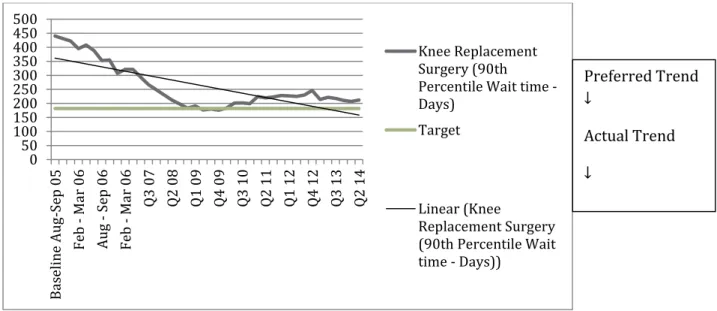
Table 5: Sample Data Set – 90th percentile wait time for knee replacement surgery ... 77
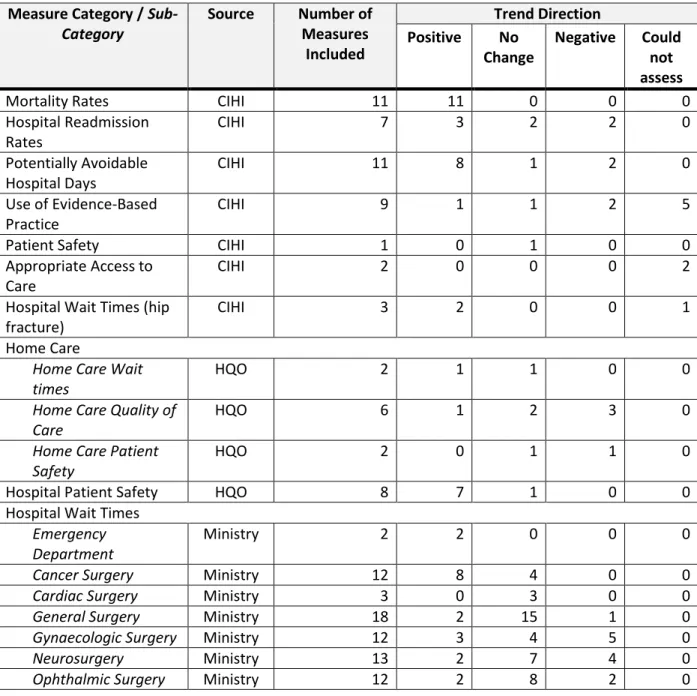
Table 6: Analysis of Measures by Category ... 80
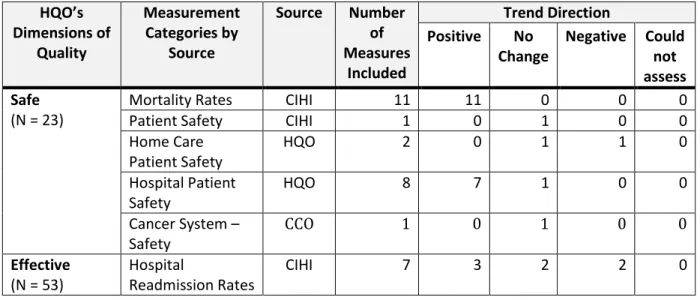
Table 7: Publicly Reported Measures Categorized by HQO's Attributes of Quality... 83
Table 8: Data Set: Comparison of Hospital Patient Safety Measures ... 90
Table 9: Comparative Results - Ontario vs OECD Average ... 93
Table 10: Summary Analysis of Audience Theme ... 99
Table 11: Summary Analysis of Objective Theme ... 103
Table 12: Summary Analysis of Effectiveness Theme ... 107
Table 13: Summary Analysis of Determining-what-gets-reported Theme ... 109
Table 14: Summary Analysis of Adverse Consequences Theme ... 112
Table 15: Summary Analysis of Data Quality Theme ... 114
Table 16: Summary Analysis of Alignment with Priorities Theme ... 116
Table 17: Summary Analysis of Alignment with Incentives Theme ... 118
Table 18: Summary Analysis of Determining Who Should be Responsible Theme ... 120
Table 19: Summary Analysis of Setting Targets Theme ... 123
Table 20: Summary Analysis of Using Comparative Data in Public Reporting Theme ... 124
Table 21: Summary Analysis of Stakeholder Engagement Theme ... 127
Table 22: Summary Analysis of Evaluating Public Reporting Theme ... 129
xi
xii
LIST OF FIGURES
Figure 1: Overview of Research Plan ... 19
Figure 2: Recommendations for Improving the Effectiveness of Public Reporting ... 28
Figure 3: Flowchart for Study Selection ... 34
Figure 4: Summary of Literature Review Findings ... 53
Figure 5: Logic Model ... 57
Figure 6: Evaluation Framework ... 59
Figure 7: Interview Guide for Key Informant Interviews ... 70
Figure 8: Sample Display of Data ... 78
Figure 9: Final Proposed Logic Model for Public Reporting in Ontario ... 146
xiii
LIST OF ABBREVIATIONS
CABG Coronary artery bypass graftingCCAC Community Care Access Centre
CCO Cancer Care Ontario CHF Congestive heart failure
CIHI Canadian Institute for Health Information ER/ED Emergency Room/Emergency Department
HQO Health Quality Ontario
ICES Institute for Clinical and Evaluative Sciences LHIN Local Health Integration Network
MI Myocardial infarct
MOHLTC (Ontario) Ministry of Health and Long-Term Care
OECD Organization for Economic Cooperation and Development
1
CHAPTER 1: INTRODUCTION
Statement of the Issue
Over the last few decades in Canada, mirroring global trends, there has been a significant increase in public reporting of health system performance and quality of care information at the level of
individual institutions and health care providers. The more recent trends for reporting on health systems build on a long history of government and third-party public reporting of economic, social, and public health information. The available public information on health system performance includes a growing body of reports and a range of report cards for health care systems, hospitals, long-term care homes,
home care agencies, community agencies, specialists, and primary care practices, among others. Performance metrics for quality of care include measures of access (e.g. surgical wait times), patient safety (e.g. rates of hospital-acquired infections), patient experience (e.g. experience with hospital
discharge planning), and health outcomes (e.g. preventable mortality). Public reports are shifting attention to accountability for quality of care and are introducing benchmarking, ranking, and other types of comparisons (Brown et al., 2012).
Despite the abundance of publicly available information about health care performance, public
reporting has been controversial. Criticisms of public reporting include the potential for adverse
consequences from excessive focus on measures and targets, as well as concerns related to data quality and integrity, inappropriate comparisons or benchmarks, lack of application of evidence-based
2
(Marshall et al., 2004). In recent years, voices of opposition have faded, replaced with more thoughtful dialogue on how best to publish information in a way that engages the various audiences, maximizes the
benefits of public disclosure, and minimizes the potential for adverse consequences (Marshall and Romano, 2005). In other words, now the most important question to ask about public reporting is not whether it should be done but, rather, how it can be done more effectively (Wallace et al., 2007).
For the purposes of this paper, the definition used for public reporting comes from Totten et al. (2012), “Public reporting is data, publicly available or available to a broad audience free of charge or at a nominal cost, about a health care structure, process, or outcome at any provider level (individual clinician, group, or organizations [e.g., hospitals, nursing facilities]) or at the health plan level” (Totten et
al., 2012). Additional definitions used in this dissertation are included in Appendix A.
Public reports are standardized ways within a reporting organization or at an aggregated health system-level to present measures of the quality of health care and facilitate comparison of performance
over time, among providers, and against defined standards of good practice (Marshall et al., 2000). Public reports are often produced in the form of “report cards,” “performance reports”, “consumer reports”, “dashboards”, or “quality reports”, among other titles, and generally include a combination of structural quality measures, such as number of specialists or number of beds; process measures, such as
preventative screening rates; and outcome measures, such as in-patient mortality or patient satisfaction (Marshall et al., 2000).
Public reporting of health information for this level of assessment is not a new concept. Early
forays into public reporting in the U.S. began in the 1980s and report cards (also known as ‘league tables’) have been available in the U.K. for several decades (Marshall et al., 2003). The rationale for public reporting, like the process of public reporting itself, has evolved. Originally, stimulus for the
3
reduce unacceptable geographical, institutional, or provider-level variations within centrally managed or centrally financed services (Coles, 1999). Over time, we have seen the emergence of other types of
third-party reporting by both public and private institutions, including the generation of reporting for commercial purposes, such as selling consulting services. More recently, the need for governments to restore or improve public confidence has become an important driver of public reporting efforts, as
identified in reports stemming from public inquiries into critical deficiencies in quality (State of New South Wales, 2008; UK report, 2013). In addition, the capacity to evaluate and report on quality is now widely regarded as a critical foundation for system-wide improvement of health care delivery and
patient health outcomes, as well as for achieving higher value for health care funding and accountability.
Reliable, comparative data on quality are needed for multiple purposes and audiences: to enable and motivate providers to improve the quality of care by tracking their performance against national and regional benchmarks, to facilitate competition on quality, to promote consumer choice, to
inform government policies for improving health care quality, as a means to facilitate regulation and public accountability, to better understand value for money in health care spending, and to provide access to data for clinical research (Miller and Leatherman, 1999; Marshall et al., 2000; Mannion and Goddard, 2003). “Done well, public reporting can draw the attention of clinicians to areas of deficiencies
and motivate positive change” (Brown et al., 2012). Done poorly, there are concerns that public reporting efforts can lead to lower quality care; have unintended negative consequences, including refusal to treat patients who are higher risk or who are less compliant with treatment directives; provide
higher or lower levels of care than is needed in order to achieve performance targets; divert resources from more critical concerns; and provide an inaccurate and incomplete picture of provider performance (Davies et al., 2002; Dranove et al., 2002; Farmer et al., 2013; Konetzka, 2014; Muller and Detsky, 2010;
4
While public reporting can be controversial, and the criticisms will be explored later in this paper, it does receive attention from institutional and organizational health care providers2, but less so
from physicians, purchasers/funders, policy-makers, and the public, with a few exceptions (Mannion and Davies, 2002; Rexe et al., 2008; Totten, 2012). A 2013 report entitled ‘Rate My Hospital’, which both ranked Canadian hospitals based on selected measures and allowed the public to rate their own
experience, received particular attention (CBC website, 2013); however, from the studies assessed herein, evidence from the literature indicates that the public generally does not access or use publicly reported health performance information (Faber et al., 2009; Clough et al., 2002; Marshall et al., 2000). This lack of usage by the public is one of the primary reasons that many reporting organizations are
making efforts to improve reporting and make it more useful and accessible for a public audience.
The Ontario Context
Ontario is the most populous of Canada’s ten provinces and three territories, with over 13 million residents representing almost 40% of Canada’s population. Canada has a universal, publicly-funded health system that provides coverage for medically-necessary primary care, hospital-based care and other services. Although roles and responsibilities for health care are shared between the federal
and provincial-territorial governments, funding and delivery of health care is generally the responsibility of each provincial and territorial government. Approximately 70% of health care in Canada is publicly-funded, with the remaining 30% covered through private insurance, employment benefits, or private
financing. Canada spends approximately $219 Billion or 11% of its GDP on health care. Ontario spends $50 Billion or 42% of its total budget on health care. Most hospitals are independent non-profit
5
corporations funded through global budgets and governed by volunteer Boards of Directors. Physicians operate as independent practitioners or in group practices and are remunerated through provincial
insurance plans primarily through fee-for-service payments, although other types of funding arrangements such as capitation and salaried options are also available. From a public reporting perspective, most data collection for hospitals and primary care is through administrative and billing
systems, although other forms of data collection are increasing.
In Ontario, one of the earliest initiatives related to public reporting at an individual health care organization level was the publication of the first ‘Hospital Report’ in 1999, through a collaborative effort between the University of Toronto, the Ontario Ministry of Health and Long-Term Care (MOHLTC),
and the Ontario Hospital Association (OHA) (Pink et al., 2001). Since the early days of ‘Hospital Report’, public reporting has increased substantially in Ontario and now includes expanded measures of hospital performance, as well as indicators related to home care and long-term care. There is little information
yet on primary care or other physician care that is publicly reported at an individual clinician or physician level; however, this is changing with the planned publication of new performance goals and indicators for teams of primary care practitioners. Public reporting is currently decentralized across multiple organizations and there are significant opportunities to bring the reports together, align them with an
overarching strategy, and present a comprehensive picture of the performance of Ontario’s health system (Wodchis, 2012).
Ontario has the opportunity to learn from other jurisdictions regarding their experiences with
performance frameworks and public reporting strategies. National strategies for health that include improvement in both the population’s health and the health care system have been developed in the U.K. and Australia, as well as other countries. The U.K. has created successive national performance
6
reform that are aligned and contain specific policy goals, performance measures, and targets. Both initiatives are intended to improve accountability (Health Council of Canada, 2012). The U.S. has one of
the longest and most expansive modern histories for public reporting of health care information, starting in the 1980s with the publication of hospital mortality data by the Health Care Financing Administration, as well as experiments with cardiac care report cards in a few states, such as New York
and Pennsylvania in the early 1990s (Totten et al., 2012). Given that Ontario has the largest provincial health system in Canada, these other jurisdictions provide Ontario with comparative examples of reporting frameworks in large health care systems.
Focus of Research
For the purposes of this dissertation, the researcher has focused on the impact of third-party public reporting of quality measures at the individual organization or provider level. The scope of this
research therefore makes a distinction between:
1) third-party reporting by organizations that are independent from data collection, service delivery, or funding of health services versus information that is self-reported by health care institutions or other providers,
2) publicly available3 comparative information versus privately-disseminated comparative information that is only available to contributing institutions or providers,
3) quality measures, for example, those focused on access to care, patient safety, outcomes, or
patient experience, versus other types of measures, such as human resources or financial status, and
7
4) institutional or provider level (i.e., reports from an individual hospital, agency, or physician) versus aggregate level reporting (consolidated reports sourced from multiple organizations,
providers or physicians in a given jurisdiction).
Distinguishing between types of reporting is critical for this research, in part because scoping the
research is necessary for reasons of practicality, but also because analysis of performance measurement and ranking systems in different jurisdictions suggests that, for a system of performance measurement to have an impact, “it needs to have the potential to inflict reputational damage by producing
information that is reliable, robust to criticism from the providers being assessed, understood in broad
terms by the public, published, and then widely disseminated” (Bevan, 2010).
The focus on third-party reporting reflects an increasing trend in Canada towards a reporting body that is somewhat independent of government or service providers (Fooks and Maslove, 2004;
Wallace et al., 2007). “The increased transparency from public reporting is expected to motivate providers to improve quality either to capture consumer demand or to enhance provider reputation” (Berwick et al., 2003).The evidence in favour of public versus private reporting of performance results is supported by a study by Hibbard and colleagues, in which the researchers randomly assigned hospitals
in Wisconsin to receive publicly reported quality information, privately reported quality information, or no quality information (Hibbard et al., 2003). The investigators found that the hospitals that had their quality information released publicly engaged in a higher number of quality improvement activities
compared with the other hospitals. These findings indicate that “publicly releasing information has a stimulus effect over and above its managerial informative value” (Contandriopoulos et al., 2014). Finally, the focus on quality, rather than other types of measures, is due to the researcher’s interest in better
8
public reporting systems is generally lacking, there is significant opportunity through this research to understand whether public reporting is effective in achieving such objectives.
Significance of the Research
From the studies assessed herein, the literature shows that while concerns about the value of public reporting remain, demand for public reporting is increasing. Studies also indicate that “rigorous evaluation of many major public reporting systems is lacking” (Fung et al., 2008)and evaluation of the
impact of report cards has not kept pace with the development of reporting systems (Marshall et al., 2000).Public reporting has been advocated as a mechanism to regulate providers of care, ensure accountability, provide information to different audiences, improve quality, promote patient choice, improve value and sustainability of health care investments, and encourage cost control. These diverse
aims have made it difficult to identify evaluation criteria that can be used to assess its impact (Marshall et al., 2000). Additional research is required to understand the effectiveness of public reporting, and ultimately, how we can make it more effective. Marshall and colleagues (Marshall et al., 2000) have advocated that public reporting be evaluated just like any new medical technology; it has risks and
benefits and must be evaluated for evidence of its impact.
What we learn from the literature is that there are considerable risks and opportunity costs related to public reporting. There is the potential for risks and damages to providers and patients from
inadequate or poor quality reporting, and there is also the potential for an over-focus on measures and targets to distract policy-makers, funders, and health care providers from investing time and energy where it would make the most difference. However, there are also significant opportunities presented
9
“How can we evaluate and enhance the impact of third-party public reporting on quality improvement for health care in Ontario, Canada?”
The purpose of this dissertation is to identify a conceptual framework for evaluating the
effectiveness of existing public reporting for improving health care quality, to assess the current state of public reporting, and then to develop a plan for change for that uses the study findings to identify opportunities to improve the effectiveness of public reporting, and ultimately to use public reporting as
a means to improve quality of health care.
Background: Introduction to Public Reporting in Ontario
A comprehensive timeline of key milestones for public reporting of Ontario’s health system
performance is included in Appendix B; this section includes selected summary information. In 1994, the Institute for Clinical and Evaluative Sciences published the first edition of its practice atlas4, which is a compilation of health indicators, processes of care, utilization patterns, and resource consequences to enable improvements in health care delivery in Ontario. In 1997, hospitals in Ontario, supported by the
Ontario Hospital Association (OHA), elected to participate in the development of a comprehensive, system-wide report on hospital performance to be released publicly in a format adapted from Kaplan and Norton’s Balanced Scorecard framework (Kaplan and Norton, 1992). The OHA recognized the value of having a third-party, arms-length research team develop the report in order to add credibility to the
results. Indicators of performance were developed in four areas: clinical utilization and outcomes, patient satisfaction, system integration and change, and financial performance and condition. In
November 1998, the research team, known as the Hospital Report Research Collaborative, published the
first aggregated report on acute care hospital performance, followed in 1999 by the first public reporting
10
on the performance of specific hospital organizations in Ontario, as well as performance at an aggregate level (Pink et al., 2001).
From 2000-2007, the Ontario Ministry of Health and Long-Term Care (MOHLTC) co-sponsored the Hospital Reports with the OHA and, in 2003, the Canadian Institute for Health Information (CIHI) was asked to publish the reports. The Hospital Reports were produced annually and were intended to
support efforts to enhance the quality of hospital services by allowing the hospitals to compare their performance with their peers and to identify areas of strength and/or areas for improvement (MOHLTC website, 2013).In 2007, responsibility for public reporting of hospital performance was transferred to the Ontario Health Quality Council, now part of Health Quality Ontario, which had just been established
by the provincial government with a specific mandate to improve health system quality. Although the provincial government continued some of the research-related funding for a subsequent period, Hospital Report was no longer published after the Ontario Health Quality Council began focusing on
provincial-level reporting (A. Brown personal communication, January 31, 2016). However, hospital-level performance data are publicly available through several sources including CIHI, Health Quality Ontario HQO), Cancer Care Ontario (CCO), and the MOHLTC.
While early forays into public reporting by Ontario’s hospitals were voluntary, over time the
public reporting landscape in Ontario has evolved to include an ever greater focus on public reporting and strategies for performance improvement. Starting in 2004, the focus on the performance of the Ontario’s health care system changed in a number of ways: the government launched a strategy that
included targeted initiatives to reduce wait times and strengthen primary care; it created regional health networks, called Local Health Integration Networks (LHINs) to devolve substantial managerial authority to the local level for improving integration and efficiency across the health system; it created an
11
the Ontario Health Quality Council, now part of HQO; and finally, it created several ‘Health Results Teams’ to drive performance improvement (Veillard et al., 2010).
More recently, the Government of Ontario passed new legislation designed to increase provider-level accountability for quality of health care, known as The Excellent Care for All Act (2010). This legislation requires health care providers to comply with directives intended to improve the quality
of care they provide, including: establishing quality committees; annually publishing quality
improvement plans with performance measures and improvement targets; linking hospital executive compensation to the achievement of performance improvement targets; and implementing patient, caregiver, and staff satisfaction surveys (MOHLTC website, 2013).
Although the Government of Ontario has not undertaken an evaluation of its overall public reporting efforts, some aspects of performance reporting have been evaluated, including an evaluation and recommendations for the Hospital Report Research Collaborative on their hospital reports (Bevan
and Spiegelhalter, 2006), an early study on benchmarking data used by academic teaching hospitals in Toronto (Pink and Freedman, 1998), a study on the impact of public reporting of hospital-acquired infection rates (Daneman et al., 2012), as well as an assessment of cardiac scorecards (Tu and Cameron, 2003). These evaluations and research studies identified improvements to public reports, including
identifying ways to reduce variation in data production and collection, improving data quality, developing methods of aggregation and presentation for different audiences, improving data visualization and graphical presentations, expanding use of measures for health care equity across
populations, trending over time, and enhancing dissemination of the information. These evaluations were helpful for improving the usefulness, accuracy, and reach of the reporting; however, only two of the studies, the one by Daneman and colleagues (Daneman et al., 2012) and the one by Tu and Cameron
12
Responsibility for public reporting of health system performance information is currently
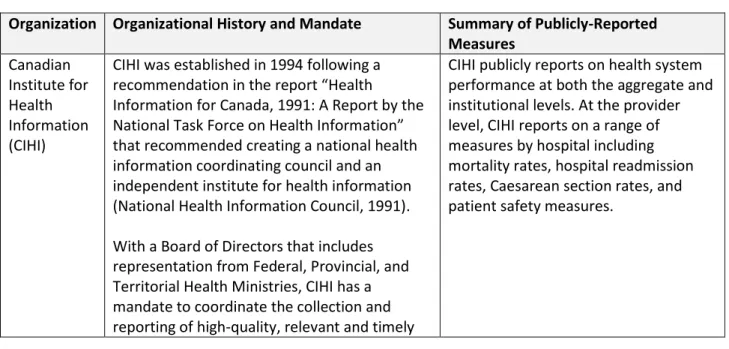
distributed across several third-party government-funded organizations in Ontario. Table 1 describes the
organizations5 responsible for provider-level public reporting on health system indicators and the types of reporting they provide. Each of these organizations will have an important role in supporting the researcher’s ‘Plan for Change’ as described later in this document. In addition to the organizations listed
in Table 1, there are other third-party organizations that produce reports and analyses on health system performance. These additional organizations include the Cardiac Care Network, Ontario Stroke Network, Critical Care Network, and BORN (Better Outcomes Registry and Network), among others. For the purposes of this study, only organizations that have a specific mandate for public reporting, are funded
to provide public reporting, and make data available, versus primarily focusing on structured published reports, were included in the research.
Table 1: Organizations Responsible for Third-Party Reporting of Health Information in Ontario
Organization Organizational History and Mandate Summary of Publicly-Reported Measures
Canadian Institute for Health Information (CIHI)
CIHI was established in 1994 following a recommendation in the report “Health
Information for Canada, 1991: A Report by the National Task Force on Health Information” that recommended creating a national health information coordinating council and an independent institute for health information (National Health Information Council, 1991).
With a Board of Directors that includes representation from Federal, Provincial, and Territorial Health Ministries, CIHI has a mandate to coordinate the collection and reporting of high-quality, relevant and timely
CIHI publicly reports on health system performance at both the aggregate and institutional levels. At the provider level, CIHI reports on a range of measures by hospital including mortality rates, hospital readmission rates, Caesarean section rates, and patient safety measures.
13
Organization Organizational History and Mandate Summary of Publicly-Reported Measures
data and information on health services in Canada. This includes the development of standards and methodologies, the creation and maintenance of databases with reliable and comparable data, and the promotion of improved understanding and use of health information (CIHI website, 2013).
Cancer Care Ontario (CCO)
CCO was founded in 1943 as the Ontario Cancer Treatment and Research Foundation, through the Ontario Cancer Act (1943) (CCO website, 2013).
CCO is an operational service agency of the provincial government and is responsible for quality and continuous improvement in disease prevention and screening, the delivery of care and the patient experience, for cancer, chronic kidney disease, as well as access to care for key health services. Its role includes establishing care guidelines and standards, and tracking performance targets to ensure system-wide improvements in cancer, chronic kidney disease, and access to care (CCO website, 2013).
CCO works in partnership with the Cancer Quality Council to produce the Cancer System Quality Index, a web-based report that tracks outcomes in cancer care. CCO also manages the wait times information system that is used to provide public reports on the Ministry of Health and Long-Term Care website.
Health Quality Ontario (HQO)
HQO is an independent government agency, created under the Commitment to the Future of Medicare Act (2005). (HQO website, 2013) In June 2008, the Ontario government tasked HQO with measuring and reporting to the public on the quality of long-term care and resident satisfaction, and, in December 2008, with measuring and reporting to the public on the quality of home care services and client satisfaction with these services.
In 2010, the province of Ontario passed The Excellent Care for All Act, expanding HQO’s role and mandate. HQO is an arm’s length agency of the Government of Ontario with a mandate to evaluate the effectiveness of new health care technologies and services, report to the public on the quality of the health care system, support quality improvement activities, and make evidence-based recommendations on health care funding (HQO website, 2013).
14
Organization Organizational History and Mandate Summary of Publicly-Reported Measures The Institute for Clinical Evaluative Sciences (ICES)
ICES was established in 1992, with sponsorship from the Ontario Ministry of Health and the Ontario Medical Association, as an
independent, non-profit research organization that evaluates health care services and delivery to meet the changing needs of the people of Ontario.
ICES research provides insight on a broad range of topics and issues, including population health, health system performance, primary care, drug safety and effectiveness, diagnostic services and chronic diseases, such as cancer, kidney disease, cardiovascular disease and diabetes (ICES website, 2013).
ICES is primarily a research organization, versus a reporting organization, and as result does not produce an ongoing cycle of public reporting of health performance information, but rather provides special reports on specific topics, such as its recent reports on stroke care, care for seniors, and diabetes care, with a combination of aggregated and institution-level results. Ontario Ministry of Health and Long-Term Care (MOHLTC)
Ontario’s MOHLTC is responsible for planning, funding and delivery of publicly funded health services including hospitals, primary care, home and community care, pharmaceuticals, long-term care, assistive devices, attendant care, and other health services.
Following the implementation of a provincial wait times strategy in 2004, the government made public
commitments to reduce wait times for five priority acute care services. In 2005, MOHLTC introduced public reporting and now reports average wait times for Emergency Department Care, diagnostic imaging, cancer care, and surgical wait times on its website. These reports are developed and managed on behalf of the MOHLTC by CCO. Public reporting of additional hospital service wait times has been expanded over time. More recently, in early 2013, the government committed to reducing wait times for access to publicly funded home care services and subsequently introduced public reports on wait times for home care, in the fall of 2014.
Each of these organizations provides public reporting of health information independently; however, there is some overlap between mandates and reporting. Examples of the inter-relationships
between these organizations include:
15 HQO and ICES.
CCO develops and manages the provincial hospital wait times information reporting system, the
results of which are publicly reported by MOHLTC.
HQO does not collect or produce its own data, but instead publicly reports information
produced by CIHI, ICES, MOHLTC and others, including quality measures related to hospital
patient safety, home care, and long-term care.
Both CIHI and HQO utilize information from the same standardized assessment tools (called
RAI-HC) for public reporting on home care and long-term care.
CIHI publicly reports some of the same information that it provides to HQO including hospital
standardized mortality ratios.
As shown by the examples above and the list of publicly reported measures shown in Appendix C, there is some overlap between the reporting by these different organizations. This highlights the
potential opportunity to use evaluation methods to increase strategic alignment of public reporting in Ontario.
In addition to the public-reporting efforts by the third-party organizations identified in Table 1, there is one other important type of public reporting, known as Quality Improvement Plans, that is
described here. In accordance with Ontario’s Excellent Care for All Act (2010), which was legislation designed to improve the quality of health care services in the province, hospitals are required to publicly post organizational Quality Improvement Plans (QIPs) that outline annual quality improvement goals and performance measures with improvement targets. The requirement for posting QIPs has since been
expanded to team-based primary care models, Community Care Access Centres (CCACs), and Long-Term Care Homes.
Although improvement on QIP measures is not a legislated requirement, for hospitals in
16
and targets are selected by organizations based on a standard framework and from a choice of measures approved by the MOHLTC. Hospital QIPs include measures related to patient safety, wait
times, and patient satisfaction survey results (MOHLTC website, 2013). These plans are posted locally by each health care organization and HQO produces an annual summary of the results at both the
provincial and organizational-level. The QIPs are referenced here although they are reports produced by
the health providers themselves, rather than by independent third-party organizations. They have relevance to this research because many of their measures are also publicly reported by third-party organizations and the potential influence of the QIP measures on third-party public reporting results is assessed as part of the quantitative research.
Research Question
Public reporting has been promoted as a means to regulate health care providers, ensure accountability and transparency, improve quality of care, and encourage cost control (Marshall et al., 2000). While the researcher acknowledges that there are several potential aims for public reporting in
Ontario, the researcher has chosen to focus this study on public reporting as a potential means to improve health system quality. This is due to the increasing focus of Ontario’s efforts to improve quality of care particularly following the enactment of specific legislation in the form of The Excellent Care for All Act (2010). In spite of increasing public reporting of health performance information, to date, there is no evidence that the Ontario government has assessed or evaluated the effectiveness or impact6 of its overall efforts for public reporting of health system performance measures, although there have been
evaluations of a small number of individual activities related to public reporting.
17
Given that Ontario has not formally evaluated its public reporting efforts, the researcher conducted a review of the literature to help answer the following sub-questions:
“What do we know about the value of public reporting7?”
“What do we know about how to improve the effectiveness of public reporting?”
The results of the literature review were then used by the researcher to help build the methodology for answering the dissertation question:
“How can we evaluate and enhance the impact of third-party public reporting on quality improvement for health care in the province of Ontario, Canada?”
These three questions form the thread of research in this dissertation that follows through the literature review, conceptual model, research methods, results, discussion, and ultimately the plan for
change.
18
CHAPTER 2: LITERATURE REVIEW
Introduction to the Literature Review Methods
In order to begin to answer the dissertation question, the researcher completed a staged approach to the literature. This staged approach is described as follows:
i) The researcher initiated a literature review based on the first sub-question “What do we know about the value of public reporting?”. The purpose of the review was to identify what could be understood from the literature about public reporting and its value in
terms of whether it produces desirable effects in the form of higher quality care. ii) As the literature review progressed, it became apparent that as experience with public
reporting increased over time, the focus in the literature shifted from understanding the value of public reporting to figuring out how to make it more effective. This then led the
researcher to add a second sub-question to the literature review “What do we know about how to improve the effectiveness of public reporting?”
iii) As the researcher continued with the literature review process, it became further
apparent that the sheer volume of individual studies available on the topic of public reporting made a systematic review of the literature prohibitive in terms of time. To make the process more manageable, the researcher opted to separate the literature
19
(i) and (ii) above, is described as an overview8 of the literature, and its purpose was to assist the researcher in understanding the general findings from the literature on this
topic. Given the extent of the literature, the researcher decided to undertake a second, more systematic review of the literature that focused exclusively on a review of
systematic reviews on the topic of public reporting. This purpose of the second, and
more systematic, review was primarily to validate and refine the findings from the first review.
Details of the two reviews (the overview of the literature and the review of systematic reviews) are described in more detail in the following sections. Both of the reviews were useful in developing and
refining the conceptual framework for the research approach, including a logic model and evaluation framework for public reporting. Figure 1 depicts the flow of the research stemming from the research questions and literature review process.
Figure 1: Overview of Research Plan
20
Overview of the Literature
This initial stage of the literature review was designed to 1) identify individual studies that demonstrated why public reporting is important or effective in helping improve the quality or
performance of the health care system, 2) understand the criticisms and potential for negative impacts, and, 3) identify best practices and how to increase its effectiveness. No specific hypothesis was
generated prior to developing the research questions.
PubMed was the primary electronic research database used to identify relevant literature for
the initial literature review of this topic. The literature review was conducted in PubMed using the following MeSH terms in a Boolean formula ‘public reporting’, ‘health care’, ‘outcome’, ‘performance’, and ‘evaluation’. These terms were identified from an article by Wallace and colleagues on public
reporting (Wallace et al., 2007), which was particularly relevant to this research. The literature review, based on the key word search in PubMed for titles and abstracts with these Boolean search terms, resulted in over 25,000 titles. The author reviewed the first 2,000 titles and selected 133 based on the
following categories:
Studies that provided empirical evidence of the value of public reporting.
Studies that provided empirical evidence of non-value or negative impact of public
reporting.
Articles or reports that focused on improving the effectiveness of public reporting.
The overview of the literature enabled the researcher to identify four different audiences for public reporting as referenced in the following sections. These audiences are defined by the researcher below, as well as in Appendix A:
1) Consumers – defined as patients and patient representatives.
21
jurisdictions, funders are also policy-makers, those legislatively responsible for determining government policy including political or government bureaucracy leadership. In the literature,
where there is evidence for differences between funders and policy-makers, these are noted by the researcher; otherwise, they have been included in the same group.
3) Physicians – defined as solo-practitioners, specialists, physician group practices, including clinics.
4) Institutional Providers – defined as institutional or organizational entities including hospitals, long-term care homes, and home care agencies that are responsible for the provision of direct care to a group of patients.
The following four key themes were identified from the literature overview:
1) Public reporting appears to have a positive impact on the behavior of institutional providers, but has less impact on consumers, physicians, and funders.
2) Public reporting shows mixed impact on outcomes and performance.
3) There is no conclusive evidence in the literature that links public reporting to adverse consequences.
4) There is significant opportunity to improve the effectiveness of public reporting and there are
many examples and recommendations provided in the literature. Each of these themes is explored in more detail in the next section.
Specific Findings from the Overview of the Literature:
1. Public reporting can have a positive impact on the behavior of institutional providers, but has less influence on the behavior of consumers, physicians, and funders.
22
release of public information about their performance. Changes in organizational behavior included increased use of best practices (Joynt et al., 2012; Renzi et al., 2012; Tu and Cameron, 2003);
targeting new quality improvement initiatives (Barr et al., 2006); reduced use of poor practices (Clement et al., 2012); and increased attention on quality and performance improvement activities, which could include changes in organizational priorities, increased attention from senior
management, and increased motivation and energy to improve (Davies, 2001; Fung et al., 2008; Hafner et al., 2011; Hibbard, 2003; Mannion and Goddard, 2003; Marshall et al., 2000; Werner and Bradlow, 2010; Werner et al., 2010). In addition, there is some evidence that public reporting is associated with greater change in lower-performing providers, as opposed to higher-performing
ones (Hendriks et al., 2009; Jha and Epstein, 2006).
Impact on Consumers – Evidence for impact on consumer behavior was less compelling. Several studies showed no impact of public reporting on consumer choice (Chen et al., 2012; Grabowski and
Town, 2011; Jha and Epstein, 2006; Schlesinger et al., 2013; Shaller et al., 2013). Other studies found some evidence of the impact of public reporting on consumer behavior, with a small increase in volumes of patients at higher-performing institutions following the public release of performance results (Castle et al., 2007; Rodrigues et al., 2014; Romano and Zhou, 2004; Romano et al., 2011;
Werner et al., 2010; Werner et al., 2012), although several of these studies were cautious about their results due to limited data and there were indications that any positive impact did not persist over time.
Impact on Physicians – A few studies were found to show a positive impact related to public reporting on physician behavior in physician groups (Alexander et al., 2013; Lamb et al., 2013), and in the behavior of cardiac surgeons related to publication of rates and outcomes of coronary artery
23
public reporting (Chen et al., 2012; Lanier et al., 2003). Evidence from the literature indicates that physicians are skeptical of public report cards citingconcerns about intent, accuracy, the ability to
attribute results to the actions of individual physicians, and relevance (Dehmer et al., 2014;
Glickman and Schulman, 2013; Marshall et al., 2000; Natale et al., 2011; Rosenstein, 2000; Sherman et al., 2013). The implications of these findings are that physicians are less likely to change behaviors
as a result of public reporting.
Impact on Funders – Although studies in the U.S. and U.K. showed growing evidence of the use of public reporting results by policy-makers and funders (Baker et al., 2013; Higgins et al., 2013; Lindenauer et al., 2007), this does not appear to be the case in Canada. Studies reviewed evidence
for changes in behaviour of funders, including selection of higher performing providers, avoiding or delisting lower-performing providers, or changing volumes or funding-levels related to performance of health care providers. Earlier studies showed that health plan purchasers gave only minimal
consideration to publicly-reported quality when selecting providers (Totten et al., 2012). However, the situation of funders is now changing in the U.S. with the implementation of the Affordable Care Act (2010) that provides incentives for organizations to improve quality and performance through Medicaid funding. The ‘star’ rating system in the U.K. is perhaps one of the best known examples of
government use of performance information to both incent high performance and punish poor performance among hospitals (Bevan and Hood, 2006). Canadian researchers noted that governments in Canada need to be more strategic in their approach to health care and ensure greater accountability for the performance of their health systems (Abbott, 2012), and that there
24
2. Public reporting shows mixed impact on outcomes and performance.
Several studies that found positive changes in performance results, or in health outcomes
related to public reporting, included improved patient satisfaction/experience scores (Barr et al., 2002; Elliott et al., 2010); reduced wait times for clinical care, including emergency department, inpatient and outpatient care (Bevan, 2010); improved post-cardiac surgery outcomes and cardiac
care (Carey et al., 2006; McLean, 2010); reduced hospital-acquired infection rates (Daneman et al., 2012); improved access to treatment (Renzi et al., 2014); and reduced rates for inpatient mortality (Hollenbeak, 2008; McCrum et al., 2013). While these studies identified a positive impact related to public reporting, either through increased attention to quality improvement efforts, improved
outcomes, or both, in general researchers were cautious about identifying a direct causal pathway but instead focused on a general association between public reporting and positive impacts. Concerns about attribution were particularly noted when no comparative group was available
(Elliott et al., 2010) or when other factors, such as pre-existing trends, may have contributed to positive outcomes (Ryan et al., 2012).
Multiple studies showed no impact from public reporting on health outcomes or on the behavior of institutional providers, physicians, consumers, policy-makers or funders. Research
evidence on health outcomes found no association between public reporting and changes in: hospital mortality rates (Clough et al., 2002; Joynt et al., 2012; Ryan et al., 2012),
avoidable hospital readmissions (Jha et al., 2009),
infection rates (Linkin et al., 2013; Rinke et al., 2014),
consumer behavior related to their choice of health care providers (Clough et al., 2002;
25
Zhou, 2004; Schauffler and Mordavsky, 2001; Schneider and Lieberman, 2001; Werner et al., 2012),
institutional provider behavior (Ketalaar et al., 2011; Tu et al., 2009),
physician behavior (Chen et al., 2012; Fung et al., 2008; Lanier et al., 2003; Marshall et
al., 2000; Rosenstein, 2000), or
behaviors of funders or policy-makers, including no increased focus on accountability
(Abbott, 2012; Fooks and Maslove, 2004; Mannion and Goddard, 2003; Marshall et al.,
2000).
One Canadian study showed that outcomes improved sharply after performance results were confidentially disclosed at an institutional level, but when the results were later publicly reported,
there was no discernible impact on performance indicating that in some cases, the confidential disclosure of outcomes was sufficient to accelerate quality improvement in a public system with little competition for patients between hospitals (Guru et al., 2006).
3) There is no conclusive evidence in the literature that links public reporting to adverse consequences. While there is evidence supporting the value of public reporting, the literature also identified
some evidence of the lack of value or effectiveness of public reporting, and raised the possibility for adverse consequences. Concerns raised in the literature included 1) questions about the potential for inappropriate diversion of resources to public reporting, 2) attention drawn to what is publicly reported and not necessarily to what is most important, 3) questions about data quality and validity,
4) questions about the ability to attribute outcomes to providers, 5) lack of adjustment for changes in case mix, 6) “gaming” of data by providers, 7) lagging data, and 8) the potential for perverse incentives (Bevan, 2010; Coles, 1999; Davies, 2001; Dranove et al., 2002; Farmer et al., 2013;
26
The most significant concern about public reporting was the potential for adverse and
unintended consequences related to the publishing of performance data, in particular, the potential
for public reports to create perverse incentives that might reduce quality or harm patients, including: not treating marginalized patients who tend to have lower compliance with treatment directives (Davies et al., 2002), avoiding patients who are sicker and therefore likely to have poorer
outcomes (Dranove et al., 2002; Fung et al., 2008; Guru et al., 2009; Hofer et al., 1999; Mosucci et al. 2005), or over/under treating patients in order to achieve performance targets (Konetzka et al., 2014; Rambur et al., 2013; Wachter et al., 2008; Werner and Asch, 2005). In addition, there is the potential for providers to impact the accuracy of reporting rates (“gaming”) in order to improve
their standing in public reports (Bevan and Hood, 2006; Farmer et al., 2013; Guru et al., 2009; Hamblin, 2007; McLoughlin et al., 2001; Muller and Detsky, 2010).
Friedberg and colleagues (Friedberg et al., 2009) explored concerns that public reporting was
associated with the over-diagnosis of pneumonia, excessive antibiotic use, and the inappropriate prioritization of patients with respiratory symptoms. These concerns were related to previous studies showing that payment systems increased inappropriate use of antibiotics (Wachter et al., 2008). Results of the analysis showed no difference in provider practice patterns related to public
reporting (Freidberg et al., 2009). A study on the effects of bypass surgery in New York, with regard to access to care and patient outcomes in the elderly, showed no evidence that elderly high risk patients were being denied access to surgery due to their increased likelihood of poor outcomes. In
fact, this same study showed a link between public reporting and significantly improved outcomes as compared to the national average (Peterson et al., 1998).Another study on post-acute care found that both unreported and reported care improved following the launch of public reporting. The
27
hypothesis that measuring and reporting quality in some areas crowds out quality in other areas (Werner et al., 2009). In the end, the researcher found no conclusive evidence in the literature that
linked public reporting to adverse consequences.
4) Recommendations for improving the effectiveness of public reporting.
Not surprisingly, recommendations for improvements to public reporting are also a reflection of
the strengths and criticisms. It appears that substantial improvements in public reporting are required in order for it to be effective in influencing consumer behavior (Hibbard, 2008; Hibbard et al., 2002; Hibbard and Peters, 2003; Mannion and Goddard, 2003; van den Heuvel et al., 2013). One
28
Figure 2: Recommendations for Improving the Effectiveness of Public Reporting
Adjusting for case mix
Aligning measures with stakeholders’ needs Assessing the impact of public reporting on
disadvantaged groups
Comparing performance against standards rather than comparing providers to each other
Creating a culture and environment within organizations that enables the appropriate use of performance information
Creating clear objectives for public reporting Engaging the public
Evaluating public reporting efforts Increasing accountability for results Improving measures and data quality Improving motivation of providers to make
improvements
Introducing test periods
Placing greater emphasis on outcome rather than process measures
Prioritizing measures
Reducing the potential for “gaming” of results by providers
Reducing potential for perverse incentives Understanding factors that impact patient
choice
Using appropriate performance incentives Using standardized measures.
(Auras et al., 2012; Berger et al., 2013; Berwick et al., 2003; Bevan, 2010; Davies et al., 2002; Dranove et al., 2002; El Turabi et al., 2007; Fooks and Maslove, 2004; Friedberg and Damberg 2012; Greene and Hall, 2012; Hibbard, 2008; Hibbard et al., 2002; Hibbard et al, 2003; Klazinga et al., 2011; Klein and Nashef, 2008; Lucet et al., 2013; Mannion and Goddard, 2003; Marshall et al., 2004; Marshall et al., 2000; McLoughlin et al. 2001; Meddings et al., 2013; Meltzer and Chung, 2014’ Morris and Zelmer, 2005; Papadimitriou et al., 2013; Powell et al., 2003; Reineck et al., 2014; Robinowitz and Dudley, 2006; Rodrigues et al., 2014; Smith, 2003; Specchia et al., 2012; Tehrani et al., 2013; Wallace et al., 2007; Walker et al., 2013)
A few articles recommended checklists or frameworks for improving the effectiveness of public
reporting (Friedberg and Damberg, 2012; Hibbard, 2008; McKibben et al., 2006; McMurtry, 2005; Miller and Leatherman, 1999) (Morris and Zelmer, 2005; Suchy, 2010; van den Berg, 2014; van den Heuvel et al., 2013). One of the most often cited recommendations for improving the effectiveness of public reporting was to evaluate its impact, noting that rigorous evaluation of public reporting efforts is
29 Discussion of the Overview of the Literature
The purpose of this overview of the literature was to understand generally what the literature
reveals about the value of third-party public reporting for quality improvement and improved health outcomes, as well as to identify opportunities to improve the effectiveness of public reporting. This review was also intended to help identify what Ontario could learn from other jurisdictions, to inform an
approach to evaluating Ontario’s existing public reporting efforts, and to identify potential opportunities to improve its effectiveness for improving health system quality. The literature review was useful in understanding the benefits and challenges of public reporting; however, the evidence supporting its value in improving quality of care was mixed. The researcher’s conclusion from this review was that,
although evidence for the value of public reporting is mixed and it remains controversial, on balance it appears to have more benefit than harm. It also seems likely that increasing societal trends for greater transparency will mean that public reporting efforts will continue to grow and will remain as an
important means to increase the accountability of health providers and as a contributing factor to improving health system quality.
The researcher further found that while the literature identifies lower levels of impact and/or sometimes mixed impact of public reporting on behaviors of consumers, physicians, policy-makers, and
funders, the same is not true of health care organizations. Of all the research on the impact of public reporting, the strongest evidence is for use of the data as a catalyst to stimulate and promote internal quality improvement efforts at the level of the organizational provider. Marshall et al. urged a more
targeted approach to public reporting based on evidence, stating that “it is critical to articulate the purpose for public disclosure and the development of an evidence base to guide its implementation to ensure that disclosure is conducted in a way that will maximize the potential benefits and reduce the
30
rationale for focusing public reporting efforts on providers as a means to improve quality of care, which then informs the research methodology for this dissertation.
Although this initial overview was helpful in providing a broad summation of the literature as described in this discussion, it was evident that the large body of literature required a more systematic approach to a literature review. In addition, the researcher concluded from a review of the MeSH terms
in the literature that using only five search terms (‘public reporting’, ‘health care’, ‘outcome’,
‘performance’, and ‘evaluation’) was not sufficiently inclusive for this topic. The researcher therefore opted to conduct a second more systematic literature review, as described in the next section.
The final contribution of the overview of the literature was to assist the researcher with the
identification of the key categories in the literature as the basis for an analytic framework for the large body of literature that is available on this topic. Different studies touched on some or all of the following themes:
1) Impact on consumers
2) Impact on organizational or institutional providers 3) Impact on physicians
4) Impact on funders/policy-makers
5) Impact on quality of care outcomes
6) Potential for negative/adverse consequences 7) Opportunities to improve public reporting
31
Review of Systematic Reviews
As a second stage in the literature review process, the researcher conducted what is described in the literature as a systematized review9 of systematic reviews on the topic, using the methodology
described by Smith et al. for identifying and appraising systematic reviews (Smith et al., 2011). The purpose of such a “review of reviews” is to describe their quality, summarize and compare their conclusions, and discuss the strength of these conclusions so that the best evidence is made available (Smith et al. 2011). In this case, the additional purpose for the review was to validate the findings from
the earlier overview of the literature.
In this two stage review of the literature, no other such review of systematic reviews on the topic of public reporting of health performance information was found. As such, the author believes that
this review will be a valuable contribution to existing literature on the topic of public reporting by providing a summary of the systematic reviews in a single source document.
Sources and Search Strategy
The search strategy for a review of systematic reviews differs from a review of individual studies in that a review of systematic reviews can be targeted to databases specific to systematic reviews, such as the Cochrane Database of Systematic Reviews, whereas for a review of individual studies, the search
should be as wide as possible to maximize the likelihood of capturing all relevant data and minimizing the effects of reporting biases (Smith et al., 2011). In keeping with this approach, the author limited the
32
search to two databases i) the Cochrane Database of Systematic Reviews and ii) PubMed, which was the
primary search database for the researcher’s earlier review of individual studies.
In order to provide a comprehensive search of articles related to this topic, the author identified fourteen related terms for public reporting from MeSH [mh] terms used in the articles obtained from the first search. With the assistance of a librarian at the University of North Carolina Health Sciences Library, the researcher created a search string for a title and abstract [tiab] search, including all of the
fourteen related terms for public reporting as shown below:
"systematic review"[tiab] OR “systematic reviews”[tiab] OR "literature review"[tiab] OR “review of the literature”[tiab]) AND "truth disclosure"[mh] OR "public release"[tiab] OR "public
disclosure"[tiab] OR "public reporting"[tiab] OR "publicly reported"[tiab] OR “performance report”[tiab] OR “performance reports” [tiab] OR “performance reporting”[tiab] OR “performance indicator”[tiab] OR “performance indicators”[tiab] OR “performance measure”[tiab] OR “performance data”[tiab] OR “report cards”[tiab] OR “medical registries”[tiab]
Inclusion criteria
The following criteria were used to identify articles for inclusion in the review:
English language and,
systematic reviews that:
o focus on public reporting as opposed to performance reporting that is not made public, as
well as that provide comparisons of public reporting with other types of reporting, and, o (building on the preliminary overview of the literature) include articles with empirical
evidence on the value, non-value, or negative impact of public reporting on consumer
33
o include at least three articles (i.e., reviews covering only one or two articles were less
suitable for comparative purposes) and,
o meet the criteria for being systematic reviews of the literature and, o have been peer-reviewed.
Review Results
Using the search methods described previously, the author identified 10 articles for inclusion in
the final review. The following section describes the methods used to select these articles. Figure 3 outlines the flowchart for study selection.
Step 1: Search terms in PubMed yielded 257 articles
Search terms in Cochrane Database yielded 144 articles
Three (3) additional articles were identified from the earlier literature review
Step 2: Duplicates were removed
Step 3: Title and abstract review yielded 19 articles for full article review.
Step 4: Using a combination of the inclusion criteria and evaluation criteria, the author eliminated
nine articles. A description of the excluded articles and the reason for exclusion is included in Appendix D. The final synthesis included 10 articles.
Excluded Studies
Nine studies were excluded from the study selection after full text review. A list of the excluded