THE PROVISION
OF SERVICES
FOR PATIENTS WITH
VASCULAR DISEASE 2018
THE VASCULAR SOCIETY OF GREAT BRITAIN AND IRELANDUrgent vascular care delivered by
integrated vascular networks.
Writing Group
Miss Sophie Renton London Mr Kevin Varty Cambridge Professor Ian Loftus London Mr Andrew Garnham Wolverhampton Professor Christopher Imray Coventry
Mr Jon Boyle Cambridge
Mr Keith Jones Frimley Mr Denis Harkins Belfast
Approved at the ASM of the VSGBI, Glasgow, November 2018 Review date 2021
Acknowledgements
Mike Jenkins Mark McCarthy
Ian Chetter Robert Lonsdale Louis Fligelstone Rob Fisher Ciaran McDonnell Marcus Brooks
Waqar Yusuf Sam Waton (NVR)
Sara Causley (SVT) Nikki Fenwick (SVN) Cliff Shearman (RCS) Anna Murray Rouleaux
Naseer Ahmed Adam Pichel
Martin Fox Celia Riga
Contents
1. Executive Statement ... 4
2. Introduction The Current Services and Future Issues... 6
3. The Multi-Professional Vascular Service The Vascular Surgeon, Work Force Planning and Job Plans... 8
The Multi-Professional Team: Vascular Anaethetist, Interventional Radiologist, Interventional /Vascular Radiographer, Vascular Scientist, Vascular Nurse Specialist, Vascular Podiatry, Physio/Ot/Prosthetics, Care Of The Eledely Physician... 9
Collaborations With Other Medical And Surgical Specialties... 12
4. Facilities And Infrastructure ... 14
5. The Non-Arterial Centre In The Vascular Network ... 16
Diabetic Foot Services in the NA Centre... 17
Non-Diabetic Critical Limb Ischaemia (Cli) At The Na Centre... 18
6. Pathways Of Care From Primary To Secondary Care ... 19
7. A Vascular Surgical Service Is An Urgent Care Service ... 20
8. Training And Assessment Of Competence ... 22
9. Research ... 24
10. Audit, Governance & Quality Improvement ... 25
11. References ... 26
12. Appendices ... 27-44 A Templates For A Consultant Vascular Job Plan... 27
B Top Tips For For Reconfiguring Vascular Services... 30
C The Venous Forum Pathway Of Care For Venous Leg Ulcers... 37
D The Vascular Patient And Vascular Conditions... 38
E Specialist Vascular Training Units... 44
13. List Of Abbreviations ... 45
14. Notes ... 46-47
1. Executive Statement
1.1 The Vascular Society of Great Britain and Ireland is actively engaged in providing patients with vascular disease the best possible world class care. The clinical vascular service should be patient focussed and configured to deliver the best possible outcomes. Vascular Surgery is predominantly an urgent service. Patients should not be denied timely access to effective interventions due to poorly organized networks and referral pathways. The recommendations in this document give detailed guidance relating to all aspects of service organization and structure. The aim is to assist commissioners, clinicians and service providers to deliver the best possible care for their vascular patient.
1.2 High quality urgent vascular care is best delivered in the UK and Ireland by the establishment of integrated vascular networks. This is also the central recommendation of the 2018 GIRFT review of vascular services. Such networks should consist of arterial centres which provide arterial surgery and complex endovascular interventions.
1.3 NHS and HSE services must reflect, and should be coordinated around and tailored to, the needs and preferences of patients. Therefore, all hospitals in the network need to continue to provide the following clinical support:- vascular clinics; diagnostics; interventions such as renal access and varicose vein procedures; review of in-patient vascular referrals; and rehabilitation. Day case (23 hour stay) peripheral angioplasty and stenting can also be performed at these local sites. This provides the patient with direct local access to the vascular service. The network will function best for the patient when travel to the arterial centre is only for specific arterial and complex endovascular interventions. The pre and post procedure care related to these interventions should be delivered whenever possible at the local non-arterial centre.
1.4 Vascular Nurse Specialists (VNS) are essential to the safe and efficient working of the network. Vascular Nurse specialists are a key to the safe and effective transfer of patients to the arterial centre for surgery. They can also support the NA centre out-patient clinics and daycase lists.
1.5 Concentrating arterial surgery and more complex endovascular interventions in one arterial centre has a number of benefits. Evidence shows that clinical outcomes are improved with increasing volumes of procedures. Sustainable on call rotas can be achieved. Effective multi-professional training is facilitated. Lack of exposure to sufficient numbers of training opportunities is the biggest problem facing current trainees. This problem is perpetuated when the training opportunities are distributed around a number of providers performing small numbers of cases in a regional network. Finally there are significant economic benefits to be gained by avoiding the replication of expensive technology and staff in hospitals throughout the network.
1.6 With larger teams in arterial centres, rotas and list scheduling can be designed to deliver urgent care as advocated in the 2018 GIRFT report. Extending the service to 7 day elective working can create additional capacity but requires significant additional resources to ensure that all the necessary supporting services are also available on a 7 day basis. Such developments will require careful planning and pilots to ensure they are safe and cost effective.
1.7 The high volume arterial hospital for the network should provide the following facilities:
a) A 24/7 Consultant vascular rota of 1:6 or greater, to cover open and endovascular emergencies.
b) A 24/7 critical care facility with ability to undertake mechanical ventilation and renal support and with 24/7 on-site anaesthetic cover.
c) A dedicated ward for vascular patients.
d) At least one endovascular theatre or theatre specification endovascular suite is required, with high quality imaging, advanced applications, and a dedicated X-ray table (compliant with MHRA guidance).
e) A minimum number of 60 aortic aneurysms of any type and 40 carotid procedures (elective and emergency) are undertaken per annum. It is recommended that hospitals performing less cases than this, averaged over a 3 year period, should not continue to offer these procedures. However, in hospitals with a high volume of lower limb procedures, it may be appropriate to consider a lower minimum for aortic procedures, as long as the unit meets all the other criteria. Commissioners should monitor these numbers in the round.
f) The population covered by the network should be sufficient to generate the required volume of procedures at the arterial centre. A minimum of 800,000 is usually required for this.
g) An on-site vascular laboratory, or equivalent, must be available.
h) Hospitals, vascular surgeons and interventional radiologists should submit cases to the National Vascular Registry (NVR) and publish their outcomes in line with the National HQIP programme. Actions should be taken to ensure all outcomes are satisfactory. While no such registry exists in the Republic of Ireland, the establishment of one is strongly recommended.
1.5 Network care requires well organized, co-ordinated working between all units. When planning and organising a new vascular network the full patient pathway from primary care through to central intervention and return for rehabilitation needs to be clear. Patients, with their families and carers, where appropriate, should be involved in and consulted on all decisions about their care and treatment. Practical and functional emergency, urgent and elective pathways should be developed. Emergency transfer arrangements need to be robust. These can follow trauma network principles and national published guidance for ruptured aneurysms.
1.6 The surgical clinical commitments across the network should be shared between the vascular consultants as much as possible, with most having sessions at both the arterial and non-arterial centres. Consideration should be given to other health care professionals involved in vascular care (interventional radiologists, specialist nurses, podiatrists, scientists) working in a similar cross site manner. As networks develop, manpower planning and training will be increasingly important to deliver the correct numbers of these skilled professionals to maintain the service.
1.7 Many patients with vascular disease are elderly with a number of associated co-morbidities. A multi-disciplinary multi-professional approach to their care is required. Increasingly input from other specialists such as diabetes, stroke and elderly care will be central to providing the best care in all units of the network.
1.8 Less invasive treatment options can be advantageous and endovascular technology is constantly evolving to provide new treatment options. For a high quality service vascular surgeons and interventional vascular radiologists need to collaborate and lead effective teams in order to provide the necessary range of interventions on a 24/7 basis.
1.9 In many units complex endovascular procedures are performed by appropriately trained vascular surgeons while in other centres surgeons and interventional radiologists work together for certain procedures such as EVAR. Providing the arterial centre has appropriately trained clinicians and has satisfactory audited outcomes that meet national guidelines, endovascular interventions can be performed by vascular surgeons or interventional radiologists. Complex procedures should be performed by surgical teams with expertise in such procedures. Dual operating should be considered for such procedures
1.10 Endovascular procedures, particularly EVAR should be delivered in a cost effective way. Units should focus on delivering
treatments that reduce hospital stays, reduce re-admission rates and lower re-intervention rates.
1.11 There is currently a particular shortage of practitioners trained to deliver endovascular therapies, out of normal working hours. Collaborative, network wide, on call rotas combining interventional vascular radiologists and endovascular competent surgeons are potential solutions to this problem.
1.12 The high volume arterial centres with surgeons who are in dedicated vascular practice should:
i) provide training for vascular trainees.
ii) submit patients for research in to vascular disease
iii) Engage their patients and the public in developing services and actively encourage feedback
1.13 In summary, the Vascular Society believes that every patient has the right to consult with a vascular surgeon close to their local hospital, but they may have to travel to obtain access to more complex diagnostic and interventional facilities. This network model facilitates the urgent and emergency care vascular patients often require.
2. Introduction
The current service and future issues
2.1 This document sets out the principles by which a 24/7 high quality, consultant led vascular service might best deliver optimal patient care. The document is intended to assist those responsible for the provision and resourcing of health care, as well as for commissioners of the service.
2.2 This document outlines the personnel involved in the vascular service, the facilities required, organisation of networks, training and governance.
2.3 The current Vascular Society recommendation is that high quality urgent vascular care should be organized and delivered using integrated vascular networks. The details of how vascular networks should operate to optimize local assessment, diagnosis and rehabilitation of patients in non-arterial centres, whilst also delivering high volume interventions at arterial centres is described. The goal is a service which balances the needs of patient access with the provision of comprehensive safe vascular care and intervention.
2.4 Both arterial and venous diseases are common in the community and their incidence and severity increase with age.The core activities of the vascular and endovascular surgeon include:
a) Preventing death from aortic aneurysmal disease and dissections.
b) Preventing stroke due to carotid artery disease
c) Preventing leg amputation due to peripheral arterial disease d) Symptom relief from peripheral arterial and venous disease e) Healing venous leg ulceration
f) Promoting cardiovascular health
g) Improving quality of life in patients with vascular disease h) Assisting colleagues from other specialties with the avoidance
and control of vascular bleeding
i) Assisting colleagues in the management of the vascular complications of diabetes and renal disease
j) Providing a renal access service for patients requiring haemodialysis
2.5 A number of less common and rare conditions that adversely affect quality of life also fall within the remit of the vascular surgeon. These include thoracic outlet syndrome, vascular malformations, hyperhidrosis, lymphatic disorders, the vasculitides and paediatric vascular anomalies. The vascular specialist team has access to both interventional and medical therapies that may alleviate the symptoms and complications of these disorders. Not all arterial centres will be able to manage the rarer conditions so networks should have pathways to deal with these patients.
2.6 The age of the average vascular patient is increasing with more associated co-morbidities. There is more emphasis now on the rigorous control of vascular risk factors to improve prognosis and outcomes. For our patients, this is led by the vascular surgeon but with the support of an increasing number of related medical, nursing and rehabilitation specialists. There are close links with cardiac surgery, cardiology, diabetology, care of the elderly, stroke services, nephrology and transplantation. The Vascular Nurse Specialist role is increasingly important when co-ordinating care across networks. Efficient one-stop clinic diagnostics and vital post procedure surveillance rely on input from Vascular Scientists.
2.7 Many vascular problems can now be treated by endovascular methods in both the elective and emergency settings. These vascular interventions are often performed in teams with close working relationships between surgeons, anaesthetists and interventional vascular radiologists delivering world class results. Selection of the most appropriate method of treating these patients should be made by this multi-disciplinary team. In such units surgical and IR trainees can gain vital experience of advanced vascular interventional techniques. The vascular patient will increasingly benefit from expert care delivered by broadly trained vascular surgeons with clinical, endovascular and surgical skills.
2.8 As many as 50% of patients with vascular disease present urgently or as an emergency to a Vascular service. The delivery of the vascular service on a 24/7 basis is therefore a central challenge. Sustainable on call rotas are required. A minimum of 6 specialists on a 1 in 6 rota is now the accepted basis for such sustainable on call rotas. If there is a move to 7 day working a minimum of 10 Consultants may be required.
2.9 Whereas only a small number of vascular conditions presenting to a vascular service need to be treated as an emergency – namely ruptured aneurysms, severe critical ischaemia and arterial trauma, the majority of patients presenting require urgent management. These patients may present to outpatients or the emergency room. Vascular Surgical Service needs to be defined as an urgent service with access times and time to treat targets for the majority of common conditions
2.10 Outcomes following high risk vascular interventions are better when they are performed by teams with high volumes. The VS reported outcomes after elective infra-renal AAA repair in 2012 as part of its quality improvement programme.1 Analysis of unit
volume in quartiles from the low volume units (mean of 10 cases per year) through to the high volume units (150 repairs per year) showed a consistent reduction in mortality across the quartiles from 4.4% to 1.9%. Previous analysis of HES data reported similar findings.2 There is a clear need to move towards higher
2.11 In the AAA screening programme, aneurysms requiring treatment are referred to arterial centres in a vascular network serving a minimum population of 800,000. This has become the recommended minimum size therefore for all arterial centres. Units of this size should perform a minimum of 60 AAA procedures and 40 carotid endarterectomies, elective and emergency, per year on average. The Vascular Society recognises that the centralisation of services required to meet this level of population can be difficult. Population density, geography and patient access all need consideration. In most regions, the benefits of centralisation to large units will outweigh the difficulties related to local access and travel.
2.12 Regular team exposure to vascular procedures develops expertise in managing the condition and the patient. Minimising adverse outcomes is the most cost- effective way to deliver the service. Sometimes, withholding intervention (best medical therapy/palliative care) is the most appropriate management option. The support provided in large units with multi-disciplinary working assists with some of these difficult management decisions. The 2018 GIRFT3 report endorses this
network approach to delivering urgent care whilst minimising costly re-admisions and complications.
2.13 The provision of an effective vascular service is relatively expensive. Vascular units have high bed occupancies, particularly when repatriation in the network is delayed. The surgery is technically challenging with significant demands on both theatre time and critical care. Readmission rates due to disease progression are significant. Advances in endovascular treatment may offset some of this expense, but many of these procedures are also technically demanding and time consuming and require sophisticated and often expensive facilities and disposables. Replicating these services in every hospital is not cost effective.
2.14 The non-arterial centres in the vascular network provide local assessment, diagnosis and less complex interventions. This local vascular service is crucial to the success of the network. The non-arterial centres require support and investment to maintain a vascular presence and service via a well organised and co-ordinated visiting service. Repatriation to the non-arterial centre for recovery and rehabilitation locally is a key part of the care pathway.
2.15 This document highlights the requirements of the non-arterial centre in the network. Lack of well supported non-arterial centres leads to depleted local care, patients travelling long distances, and arterial centres becoming overwhelmed and unable to deliver safe high quality care.
2.16 Each vascular surgeon should have knowledge of their own outcomes; this is an important component of clinical governance and is mandatory for individual revalidation and commissioning of vascular services. The National Vascular Registry (NVR) is the focus of data collection with respect to index vascular and endovascular procedures in the UK. Administrative support with data clerks for data entry and reports is essential. Results should be available in a way that is transparent and accountable and the specialist societies should provide back up and support for any service with evidence of a problem. The establishment of a similar Registry to capture data from surgeons working in the Republic of Ireland is strongly encouraged.
2.17 High quality research into methods of preventing and treating vascular disease is needed. The benefits of this are improved outcomes, identifying optimum treatments and evaluating new therapies. It is important for the specialty to continue to make the case for future research funding, given the ongoing evidence of high morbidity and mortality in vascular patients. Vascular surgeons should be encouraged to contribute to collaborative research that may help define future management strategies for vascular diseases. The Society actively encourages surgical research and supports a fundraising charity, the Circulation Foundation, and a grant giving body, administered by its Research Committee.
3. The Multi-Professional
Vascular Service
Vascular Surgeon, Anaesthetist, Interventional
Radiologist, Radiographer, Scientist, Nurse
Specialist, Podiatry, Physio/OT/Prosthetics
The Vascular Consultant Surgeon
3.1 The Vascular Surgeon has the necessary clinical skills to provide care for patients with diseases of the arteries, veins and lymphatics. They have a sound knowledge of the relevant basic sciences and the roles of vascular medicine, vascular surgery and endovascular intervention in the treatment of vascular diseases. For non-invasive diagnosis they work closely with vascular scientists in the vascular laboratory utilizing haemodynamic assessments of vascular physiology and vascular ultrasound. They understand the role of a wide range of diagnostic imaging investigations that may be required to care for the patient.
3.2 The role of the vascular surgeon has evolved in response to changes in the way vascular diseases are managed. There is more medical management of cardiovascular disease. Advising patients on the best treatment options (medical, endovascular or open surgery) requires more communication and decision making skills. Planning and performing EVAR procedures is now a common activity. Other endovascular procedures (peripheral arterial and venous) are increasing in number. Wound management for the diabetic and venous leg ulcer patients is increasingly supervised by the vascular surgeon. Many vascular surgeons work in renal failure services, providing renal access surgery and in some units renal transplantation. The exact combination of specialist services provided will be determined by local requirements as well as the training and competencies of those providing it.
Workforce planning
3.3. Workforce planning is the process by which an organisation ensures it has the right number of employees with the right knowledge skills and behaviours in the right place, at the right time. A workforce survey for Vascular Surgery in the UK was carried out in 20134 and updated in 2017. The current estimate
for the UK population ratio of vascular surgeons is 1 per 130,000 population. Vascular Disease is a growing cause of morbidity, disability and mortality globally and in the United Kingdom and ireland. The number of consultant vascular surgeons in the United Kingdom and Ireland is lower than other comparator countries in Europe, Austral-Asia and North America and should be at least 1 per 100,000 of population. In the UK and Ireland we need to expand the Vascular Surgery workforce to account for population growth and the challenges of modern work-patterns, including: portfolio practice; part-time working and statutory leave; safe work patterns and compensatory rest; mentoring and dual operating; as well as 7-day working.
3.4 The Centre for Workforce Intelligence (CfWI) on behalf of Health Education England (HEE) and the Department of Health (DoH) undertook a stocktake of the general surgery (and vascular surgery) workforce in England and published its results in 20165.
It projections patient demand for both general and vascular surgery may grow by 67% by 2029, as a result of a growing and ageing population, greater average individual patient need, and to allow for safer modern work-practices. Vascular Surgery separated from General Surgery as a new surgical specialty in 2012, it was recognised that to ensure sustainable specialty training and consultant staff provision up-to 21 % of legacy funding should be transferred to support the new specialty. The current number of training positions in vascular surgery in the United Kingdom is well below the preferred ratio of 0.4 and needs expansion if we are to maintain or expand vascular surgery services in the face of the increasing demand. There are specific concerns regarding under-provision of vascular surgery training numbers in several regions to include the Southwest of England, Wales, Scotland and Northern Ireland. As our population increases and the proportion of very old also increases, the demand for vascular surgery care also increases. In order to maintain safe delivery of vascular surgery services commissioners and workforce planners must ensure we have sufficient numbers of trained vascular surgeons.
Job Plans
3.5 The weekly job plan for a vascular surgeon should be negotiated locally and should include sufficient outpatient clinics, all day operating lists, endovascular lists, day surgery, and renal access lists as required for the local service. Emergency work, either when on call or when dealing with unexpected urgent surgery, is onerous in vascular surgery and job plans should be designed locally to reflect the amount of on-call commitment expected. In addition, it is essential for multi- disciplinary team (MDT) meetings to be included in consultant job plans. The RCS England has a checklist for the approval of job descriptions which provides useful guidance6 Guidelines for the design of a
job plan for a new Consultant Vascular Surgeon along with job plan templates can be found in Appendix A.
3.6 Elective work should not be programmed to coincide with emergency duties. These emergency duties may include daily ward rounds (including weekends) of all the vascular inpatients, as well as assessment and management of emergency admissions. These emergency duties should be scheduled as fixed commitments within the consultant’s weekly job plan. The on call duties out of hours become more onerous for senior Consultants and local on call rota policies should include agreed age limits for these duties in the 55-65 years age range.
3.8 Sustainable on call rotas are a fundamental consideration for the Vascular Surgical Consultant job plan. The workload is urgent in nature with a high level of out of hours work. The EWTR requires a maximum 48 hour working week. It is recommended that an optimal vascular service should comprise of at least six vascular surgeons for assessment, management and open surgery of the emergency take. A rota with a similar number of endovascular surgeons and interventional vascular radiologists offering endovascular intervention is also required. The exact numbers will depend upon the population size and skill mix. Where clinical services cover larger populations in excess of 800,000 a 1 in 8 rota or larger may be required. Centralisation of services with a larger number of consultants on one site facilitates reliable surgeon of the week models to provide consultant delivered care for emergencies.
3.9 Where services are unable to accommodate such changes and provide appropriate levels of care, consideration should be given to increasing the number of vascular and endovascular surgeons, or merging with adjacent units to provide a large enough team to care safely for the patients.
3.10 For complex interventional procedures, teams comprising more than one specialist (in either vascular surgery, endovascular intervention, or both) working together are becoming routine. Such practice needs to be supported by NHS trusts seeking to provide improved care for their patients.
The Vascular Anaesthetist
3.11 There is evidence that outcome after major arterial surgery is related to the caseload of both surgeons and anaesthetists. Anaesthesia for all patients undergoing major vascular surgery should therefore be provided by a consultant experienced in vascular anaesthesia.
3.12 Vascular anaesthesia is increasingly recognized as a sub-speciality within its own right and has its own specialist society, the Vascular Anaesthesia Society of Great Britain and Ireland (VASGBI). The central skills and knowledge required by vascular anaesthetists include risk-assessment and optimization of co-existent medical conditions in the high risk patient prior to major surgery. In the peri-operative period knowledge of invasive cardiovascular monitoring, cardiac and vasoactive drugs, methods for organ protection, management of major haemorrhage and maintenance of normothermia are all required. Additional skills include spinal cord protection, visceral perfusion and one lung ventilation.
3.13 Vascular Anaesthetists should be involved in the decision making process for vascular patients. There should be mechanisms for them to contribute to MDT decision making, and facilities for pre-operative assessment with vascular anaesthetic input. There should be a nominated clinical lead for vascular anaesthesia to assist in unit dialogue between vascular surgeons, IR and other appropriate specialists. This helps to build teamwork which is central to achieving good outcomes.
3.14 Anaesthetists undertaking major vascular surgical cases should be supported by adequately trained assistants who work regularly in vascular theatres.
3.15 Emergency anaesthetic cover for vascular surgery should ideally be available from a vascular anaesthetist 24/7. However if this cover involves anaesthetists without regular sessions in vascular theatres, provision should be made for them to spend time in a supernumerary capacity with a consultant anaesthetist who has a regular vascular commitment.
3.16 Further details are available from the Royal College of Anaesthetists website.7
The Interventional Radiologist
3.17 Interventional radiologists are radiologists who have undergone additional specialist training in the practical elements of interventional procedures. Interventional Radiology (IR) procedures are minimally invasive, targeted treatments performed under imaging guidance. A range of procedures are performed in oncology, urology, gynaecology, GI and hepatic conditions as well as vascular disease. Diagnostic radiology remains a core element of IR. There are however additional clinical responsibilities on the interventional radiologist for pre-intervention assessment, consent and follow–up.
3.18 Interventional Vascular Radiologists and Vascular Surgeons have traditionally worked in collaboration to provide endovascular aneurysm repair and angioplasty and stenting for the treatment of peripheral and aortic vascular disease. With the acquisition of specialty status and the development of a new curriculum, trainee vascular surgeons are becoming trained in a range of endovascular techniques. It is likely that vascular patients will continue to require the expertise of vascular surgeons and interventional vascular radiologists however both these specialist groups should recognise and utilise the skills of their colleagues and should have knowledge of the relative benefits of endovascular and surgical procedures for common vascular problems.
3.19 In some units complex endovascular procedures are performed by appropriately trained endovascular surgeons while in other centres surgeons and interventional radiologists work as a team. Providing the arterial centre has appropriately trained clinicians and has satisfactory audited outcomes that meet national guidelines endovascular interventions may be performed by vascular surgeons or interventional radiologists.
3.20 The VSGBI, RCR (Royal College of Radiologists) and BSIR recognise the changing roles of specialists in the provision of care to patients with vascular disease. Their aspiration is to train specialists with the necessary clinical and team-working skills to provide comprehensive care for patients with vascular diseases.
3.21 Regular MDT meetings underpin the planning of endovascular procedures. These should occur at least once a week. The decisions in these meetings should be recorded, and follow established care pathways. Time for these meetings should be available in the working week, and recorded as direct clinical care in IR Job Plans.
3.22 Provision of emergency services places pressures on interventional vascular radiologists that are similar to those described above for vascular surgeons. Currently many hospitals do not have sufficient vascular interventional radiologists to provide a 24/7 emergency service. Collaborative clinical networks should apply to vascular radiology units in a similar manner to those for vascular surgical units for patients who require immediate vascular imaging or interventional treatment out of hours. Commissioners of vascular services should consider whether the rationalisation of vascular surgery to larger volume hospitals should include interventional radiologists as well as surgeons in order to address these manpower problems. Appropriately trained endovascular surgeons may also be able to contribute to this out of hours provision in some units.
Interventional / Vascular Radiographers
3.23 Interventional Radiographers possess skills in ensuring the best quality images are obtained with the minimum patient dose. They have detailed knowledge of the safe and appropriate use of ionizing radiation, interventional equipment and procedures.
3.24 Interventional Radiology Nurses possess the skills of a theatre / recovery nurse with a detailed knowledge of the equipment and procedures performed within IR.
3.25 Dedicated vascular radiographers and IR / theatre scrub nurses are required for elective and emergency endovascular procedures. A minimum requirement for patient safety is one member of staff providing direct scrubbed assistance who is experienced with the equipment. A Vascular Radiographer to assist with imaging, and IR / theatre staff to assist with monitoring of the patient depending on whether the procedure is performed under LA or GA with anaesthetic input.
The Vascular Scientist / Sonographer
3.26 Vascular scientists provide routine and emergency clinical services to vascular surgeons, other physicians and GP’s. They are usually based in a Vascular Studies Lab / Unit. This is an essential part of the vascular service, providing the ability to diagnose and monitor peripheral arterial and venous disease of the lower limbs, the upper limbs, the abdomen and the neck using ultrasound and other non-invasive techniques. These studies provide not just imaging but also haemodynamic information which can be especially useful for vascular diagnosis, decision making and management.
3.27 Vascular Scientists are Band 6 when in a training role and when fully qualified become Band 7. They clinically assess patients to determine the most appropriate diagnostic tests to perform, taking into account likely treatment options. A wide range of colour Duplex ultrasound examinations are performed and the scientist has the sole responsibility for producing a full diagnostic report of the scan findings. This involves analysis of the haemodynamic imaging information obtained as the scan is performed. This is then communicated in a clear and concise report to the referring clinician, identifying any technical limitations and recommending when alternative imaging is required. The Vascular Scientist is also expected to recognise conditions or act on results that require urgent medical attention and liaise with medical/surgical staff to admit or review the patient urgently either in the vascular studies department, the next clinic or at the arterial centre when appropriate.
The Vascular Nurse Specialist
3.28 Vascular nurse specialists (VNS) contribute to both inpatient and outpatient care. Whilst no two VNS posts will be identical, in terms of roles and responsibilities, there should be a high level of autonomous practice with the authority to make decisions in the assessment, diagnosis and treatment of patients. The VNS can provide out patient clincs which are independently run, based on agreed protocols and pathways. These may be condition specific clinics such as claudication, venous, abdominal aortic aneurysm and lower limb ulceration or may be generic vascular clinics based on the experience and competence of the VNS.
3.29 Although it is recognised that a variety of advanced nursing roles exist, the role of the VNS should be distinguished from that of the newer Advanced Nurse Practitioner (ANP) role. The ANP role has developed since the reduced number of foundation year doctors and predominantly focuses on vascular inpatient medical care. The two roles although advanced are fundamentally different and require a different skill set.
3.30 The VNS can provide timely review of inpatient referrals to establish diagnosis, refer for investigations, and to triage patients’ needs and urgency. This will include assessment of whether the patient requires urgent transfer or a consultant review.
3.31 The VNS can support other specialties such as Diabetic Foot Services, and can provide the role of the vascular specialist within the Diabetic foot MDT.
3.33 There should be a lead VNS for the network, to represent the nursing interest on the network board. They should be responsible for leading the VNS team, and developing and coordinating the service.
3.34 The VNS should have access to vascular consultant mentorship/ supervision, provided either at the arterial center or locally by a visiting vascular consultant. There should be a degree of protected time for the VNS to achieve continual professional development.
3.35 The VNS can also play an important role in vascular research and audit, and are involved in the training and education of both community and hospital nursing staff.
Podiatry & Vascular Podiatrists
3.36 Podiatrists, as allied health professionals trained in the assessment, diagnosis and treatment of foot and lower limb problems, commonly see people who may have PAD in primary and secondary care. In the latter they are often key members of the diabetic foot team and are increasingly present working alongside vascular teams with complex foot wound care and amputation prevention. Podiatrists are often well placed to screen for and detect PAD early in community and Primary Care settings, as well as Non Arterial Centres. With severe limb-threatening PAD the speed of diagnosis and access to specialist podiatry and vascular care is especially important. This principle is captured well in the slogan “time is tissue”. The College of Podiatry in collaboration with the VSGBI have issued the following mission statement: “Podiatry will play a leading role in the early detection, diagnosis and best clinical treatment of people with PAD to help save limbs and more lives”. (www.scpod.org.uk). Vascular Specialist Podiatrists, who have been trained and supported by their local Vascular Teams, have already been developed in some NHS Trusts. They provide community-based PAD triage & treatment services services, alleviating the pressure on Vascular units by ensuring that people with suspected PAD are initially triaged to Primary Care or Vascular Teams, depending on severity of disease or need. NICE has published examples of best practice in this area8,9.
3.37 UK-wide implementation of such initiatives to support Vascular Services will require improved training in vascular disease and PAD recognition and management for interested podiatrists. Such vascular specialist podiatrists would be able to work within the multidisciplinary vascular team in secondary care and in more community-based PAD triage services. Vascular specialist podiatrists complement the role of the VNS.
Physiotherapy and Occupational Therapy
3.38 Vascular patients are often elderly or disabled and require specialist physiotherapy to aid their rehabilitation following vascular intervention. Amputees in particular need specialist facilities and equipment in a physiotherapy gym to rehabilitate to the stage where they can safely be discharged from hospital.
3.39 Supervised exercise classes are of significant value in the treatment of claudication and should also be provided in the gym by suitably trained physiotherapists with experience of exercising patients with cardiovascular disease. NICE recommends that all patients with intermittent claudication should be offered a supervised exercise programme NICE guidance cg1478.
3.40 Occupational therapists provide home assessment visits and co-ordinate safe discharge back into the community. This is particularly important for amputees.
Limb Fitting and Rehabilitation
3.41 PAD is one of the major indications for lower limb amputation. Vascular surgeons most commonly perform these operations. Patients need local access to a limb fitting service and although this need not necessarily be on the same site, there should be close collaboration with the prosthetists using a team approach tailored to the individual needs of each patient; a pre-amputation visit by the rehabilitation team is often valuable. A specialist rehabilitation unit is a more appropriate environment than an acute surgical ward for amputees who no longer require active surgical care, but have not yet reached the stage where they can manage at home.
Care of the Elderly Medicine
3.42 Patients with vascular disease are often very elderly. The NCEPOD review of the care of elderly patients undergoing surgery makes the following recommendations that are applicable to elderly vascular patients.10
a) Routine daily input from medicine for the care of the elderly should be available to appropriate patients undergoing vascular surgery.
b) Co-morbidity, disability and frailty need to be clearly recognized as independent markers of risk in this elderly population. This requires skill and multidisciplinary input including early involvement of elderly care medicine.
c) Delays in surgery for the elderly are associated with poor outcome. They should be subject to regular and rigorous audit in line with agreed standards.
d) All elderly patients should have a formal nutritional
assessment during their admission so that malnutrition can be identified and treated.
3.43 Care of the elderly Consultants can also support prehabilitation of patients prior to surgery. It is recognized that appropriate early input can reduce readmission rates for this elderly cohort of patients.
Collaborations with other Medical and Surgical
specialties
Cardiac Surgery
3.44 In some centres, cardiac surgeons are involved with Thoracic Endovascular Aneurysm Repair (TEVAR). Ascending and arch aneurysms may require open surgery and full or left heart bypass. The management of thoracic and thoraco-abdominal aneurysms plus dissections should be based on close collaboration between regional cardio-thoracic units and the vascular surgeons and IR specialists at the arterial centres.
3.45 Peripheral arterial complications requiring vascular intervention occasionally occur after cardiac surgery. These often require emergency referral to the on call vascular surgeon and
immediate repair. Clear referral and transfer pathways should be in place to deliver this care.
Cardiology
3.46 Patients with arterial disease frequently have cardiac disease, as the risk factors for peripheral arterial and cardiac disease are similar. Cardiac assessment and optimisation of cardiac status can improve the results of surgery, particularly in high risk patients undergoing aortic interventions. This should be managed in the majority of cases by agreed protocols, but cardiology input in complex cases (including pre-operative catheterisation and angioplasty/stenting) may occasionally be required.
3.47 Interventional cardiologists are skilled in the management of atherosclerosis of the coronary vessels. Unless they can demonstrate that they have received training in the management of peripheral vascular disease (and have the necessary competencies), they should not undertake interventions in this area.
Clinical Laboratory Services
3.48 Blood disorders may initiate or exacerbate vascular problems, and close collaboration with the haematology service is needed to deal with these patients effectively. There is frequently a need for blood replacement during major vascular interventions, although with continued development of modern surgical methods and the routine use of haemostats and cell salvage, the requirement for blood products is reducing. Nevertheless, vascular interventions should not be undertaken unless there is ready access to blood and blood products for transfusion.
3.49 Infective complications of surgery have particularly serious implications for patients with prosthetic arterial grafts. There should be an agreed unit policy on prophylactic antibiotics based on microbiology advice.
Dermatology
3.50 The management of leg ulceration involves an integrated approach between the vascular, dermatological and community leg ulcer services. This is a large and increasing workload that benefits from good co-ordinated care between dermatology and vascular surgery.
Diabetology (The Multi-disciplinary Diabetic Foot Team)
3.51 Patients with diabetes form a significant and increasing part of a vascular practice. The care of patients with diabetic foot problems across the modern vascular network involving both the Arterial and Non-Arterial centre is described in detail in section 5. NICE clinical guidance NG19 underpins this combined care with diabetologists leading the multidisciplinary foot team which includes podiatrists, specialist nurses, orthotists, vascular surgeons, orthopaedic foot surgeons, radiologists and microbiologists.9 The exact specialists involved in such a team
will be determined by local interest and expertise.
Plastic Surgery
3.52 Once revascularisation has been achieved for critical leg ischaemia, collaboration with plastic surgeons may be needed to provide skin cover for soft tissue defects arising either from ulcers, from removal of gangrenous tissue or from fasciotomy incisions. Many vascular surgeons will be familiar with common skin grafting methods, for which plastic surgery advice is not needed. Complex reconstruction and microvascular free flap transfer needs plastic surgery input, and should only be undertaken by a vascular specialist with training in microvascular suture techniques. This also applies to arterial injuries in neonates. Hand surgery expertise may also be helpful in the management of gangrenous fingers to preserve maximum function.
Renal Services
3.53 Vascular patients are susceptible to acute kidney injury (AKI) either as a result of contrast induced nephropathy or following intervention. Facilities for haemofiltration must be available in HDU and ITU. Where AKI is recognised, the involvement of a nephrologist, or a physician with an interest in renal medicine, is required to minimise the risk of permanent renal failure.
3.54 Patients with vascular disease often have significant chronic kidney disease and expert nephrology input may help to minimise the adverse effect of surgical intervention on renal function. Nephrologists provide valuable assistance on the need for, and timing of dialysis in patients with established renal failure.
3.55 The management of renal artery stenosis and vascular access for dialysis require close collaboration between nephrologists, vascular, renal transplant and interventional specialists to provide optimal care.
Stroke Medicine
3.56 Neurologists or other physicians who manage the stroke service or rapid access TIA clinics collaborate closely with the vascular service, both for duplex ultrasound imaging of the carotid arteries and for vascular procedures in those patients where intervention is indicated. It is important that acute or hyper-acute stroke units (providing 24/7 thrombolysis) are closely linked to the arterial centres. The recommended service configuration is for such acute stroke units to be co-located at the arterial centre. Agreed protocols and close MDT working are needed to ensure timely access to carotid intervention.
Other Surgical Disciplines
3.57 Vascular injuries may occur during the course of any surgical intervention in any surgical discipline. Local pressure or packing to control haemorrhage is needed until a vascular specialist can arrive to assist, or the patient is stable for transfer; this will depend on local protocols. These events are rare and should not dictate service configuration. Hospitals without a vascular service should develop clear arrangements with adjacent vascular units for a vascular specialist to travel to the patient when such emergencies arise in theatre, as patient transfers are often inappropriate in this setting. Vascular specialists from an adjacent site need to be consulted in advance regarding availability when vascular difficulties are anticipated before the surgery, such as when a tumour is seen to be encroaching around major vessels on pre-operative scans.
Multi-disciplinary Team (MDT) working
3.58 The multidisciplinary team meeting is an essential part of the functionality of the vascular network. This is a key component in delivering quality outcomes. These take a number of formats. Some units have a single weekly large MDT others have condition specific MDTs (aortic, carotid, renal access and peripheral) with input from the appropriate aligned specialties. Technology should be available at all sites to allow all those who wish to participate to do so without the need to travel. MDTs should be timetabled to allow maximum participation.
3.59 The multidisciplinary team meeting should include vascular surgeons, interventional radiologists, and vascular anaesthetists. The MDT should have an MDT coordinator and be fully minuted. Outcomes should be documented in the patients notes.
3.60 All clinicians (including those from NA sites) taking part in the network should have job plans that allow a minimum attendance of 50% at the main network MDT. Some NA sites may have MDTs to discuss patients who will primarily have their care delivered at that site through day case procedures.
4. Facilities and Infrastructure
4.1 The facilities required to deliver vascular services will differ between the Arterial centre and the Non-arterial centre. The organisation and facilities required at the Non-arterial centre are described in more detail in section 5.
4.2 In the arterial centres, complex hybrid procedures and evolving technology places significant demands on the service in terms of infrastructure and staff to deliver first class care, 24/7. This includes significant investment in hybrid theatres, ITU/HDU support, diagnostics and on call rotas.
The Vascular Ward
4.3 The nursing care of vascular in-patients requires specialist skills, combining aspects of general surgical nursing, critical care, limb and wound assessment, tissue viability, wound care, rehabilitation, care of the disabled and care of the elderly. A ward dedicated to the care of vascular patients is essential to ensure an appropriate skill mix of nurses who have been specially trained in the care of vascular patients. The input of physiotherapists, occupational therapists and social workers is central to the successful discharge of frail and disabled patients. This process is best managed in the context of regular discharge-planning meetings.
4.4 The older the patient demography in the population served, the bigger will be the demand for vascular beds. If local rehabilitation and nursing home facilities are limited, this will also increase pressures on vascular bed capacity by delaying discharge after medical treatment is completed. Based on current experience, and depending on local case-mix, a population of 800,000 will require approximately 20-25 beds (3 per 100,000) on wards dedicated to vascular patients, excluding rehabilitation, short stay, day case and intensive care unit (ITU) or high dependency unit (HDU) beds.This is based on current aortic practice.
The Vascular Laboratory
4.5 All arterial centres should have a vascular laboratory. This provides both duplex ultrasound scanning of the vascular system and tests of vascular physiology. The exact arrangement to provide these diagnostics varies between centres, but they are essential requirements. Clinical vascular scientists often provide this service, it can be supplemented by input from vascular sonographers.
4.6 A population of 800,000 generates between 4500 to 6000 tests per year in the vascular laboratory and requires a minimum of 3-4 full-time clinical vascular scientists with appropriate clerical support. Workload is rising particularly with the expansion of services dependent on ultrasound such as renal access. This workload excludes duplex ultrasound scanning for the diagnosis of acute deep vein thrombosis, which is more often provided in the radiology department.
4.7 The equipment required in the Vascular Laboratory will depend on the size of the unit and range of services provided. A number of high resolution imaging ultrasound duplex scanners with colour, power and pulsed Doppler modalities will be needed. These should be able to record images. Maintenance, calibration and quality assurance is important for this equipment. Rooms for physiology tests will include a treadmill exercise machine.
4.8 More details on the specifications required for non-invasive duplex vascular investigations are available on the Society of Vascular Technologists website (www.svtgbi.org.uk/professional-issues/).
Vascular Radiological Diagnostics
4.9 CT and MR angiography can also be used for vascular
diagnostics. High quality CT imaging requires access to scanners capable of isometric volume reconstruction at 1 mm minimum and appropriate image processing software. These are expensive items and require a strategy of sustained long-term investment in hardware and staff. All clinicians with responsibility for planning inteventional procedures should have access 3-D workstations.
Vascular Outpatient Clinics
4.10 Clinics need to be appropriately staffed by nurses with expertise in ulcer and wound dressing. Sufficient examination rooms and nurses must be available to prevent delays while wounds are being redressed after consultation.
4.11 Hand-held Doppler ultrasound machines should be available for measuring the ankle/brachial pressure index. It is recommended that all centres in the vascular network offer single visit clinics with access to duplex imaging for the majority of patients.
4.12 Many specialists also employ portable duplex devices that may be used for investigation, or as part of an endovenous therapy. Foam sclerotherapy, and endo-thermal venous ablation are increasingly performed in the outpatient area. Both techniques are performed using ultrasound guidance.
Day Case and Short Stay Facilities
4.13 There needs to be facilities for day care and 23-hour stay for the vascular service. These facilities are required for patients undergoing diagnostic angiography, selected interventional procedures, varicose vein treatment and renal access work. Written protocols for the management of complications must be in place.
Operating Theatres and Hybrid Interventional Theatres
4.15 Arterial surgery and endovascular procedures are technically complex and theatre personnel need to be specially trained in the use of specialist instruments, stents, prosthetics and techniques. Theatre nurses with specific training in this area are valuable. Theatre staff need to be capable of operating cell salvage devices for blood conservation.
4.16 A vascular theatre also requires stocks of specialist grafts, stents, catheters, wires, instruments, haemostatic agents and sutures that are stored nearby, as they are often needed without delay.
4.17 Many interventions are no longer just open surgery but will be a combination of open and endovascular or purely endovascular. For this type of work a hybrid endovascular theatre is recommended. This combines access for open surgery (with lighting, table clamps, sterile air exchange, and full anaesthetic facilities) with the ability to introduce high quality rotational fluoroscopic imaging. For the safe performance of endovascular aneurysm repair, specific guidance on the facilities required has been issued by the MHRA. These recommendations arose after reports of adverse events related to EVAR performed with inadequate facilities. The MHRA guidance therefore concludes with the following; “it has been recognized that problems with facilities and equipment may have contributed to adverse outcomes from EVAR. We therefore recommend that Trusts providing EVAR services, follow these recommendations to ensure that adequate facilities are available to perform EVAR safely and successfully”.
4.18 Many vascular operations take longer than a half-day session and so arrangements should ensure that vascular teams have access to sufficient all day theatre lists for their elective workload. In addition, many vascular procedures are unscheduled and there should be easy access to additional urgent theatre time as required. A 24/7 emergency CEPOD theatre must be readily available at the arterial centre to undertake emergency vascular procedures.
4.19 Radiation protection for patients is governed by the Ionising Radiation (medical exposures) Regulations 201711. All doses
to patients and staff should be kept As Low As Reasonably Practicable (the “ALARP principle”) and consistent with the intended diagnostic and therapeutic purpose. Responsibility for radiation protection lies with the employer (The Trust).
4.20 Occupational exposure limits as defined by the International Commission on Radiological Protection (ICRP) are 20mSV for the whole body and 20mSV for the eye lens. Any employee who is likely to exceed 30% of any dose limit is designated a classified worker and would be subject to additional health surveillance and may require adjustment in working practices and workload. Once a pregnancy has been declared to the employer the foetal dose should be as low as reasonably practicable and should not exceed 1 mSv for the remainder of the pregnancy.
4.21 All staff who are frequently required to work in a Controlled Area must adhere to Local rules and be issued with at least 2 individual personnel dosimetry badges: 1 under shield and 1 outer thyroid. These should be returned and re-issued on a monthly basis. All staff engaging in endovascular procedures must have access to protective clothing: lead aprons, thyroid shields and eyewear. It is the responsibility of the senior operator to ensure procedures comply with the ALARP principles (protective material and beam limiting device use, appropriate examination protocol selection) and formally report any radiation incidents. All medical staff engaging in endovascular procedures should complete a validated IRMER Course prior to undertaking any clinical work. Trainees should be aware of their own annual cumulative dose prior to undertaking new placements. Real-time radiation dose monitoring and feedback is recommended for high exposure practices.
ITU, HDU and PACU (post-anaesthesia care unit)
4.22 A Critical Care facility is essential for the care of patients treated for a vascular emergency, particularly those with a ruptured aortic aneurysm. The majority of elective vascular patients can be managed in an HDU or PACU rather than an ITU.
4.23 Both ITU and HDU beds must be available on site at the arterial centre for the vascular service, in sufficient numbers to prevent cancellation of elective procedures due to lack of facilities. The size of the critical care ward will vary according to population size and the influence of other specialties using the facilities.
4.24 GIRFT3 recommends the increased use of ward based recovery.
This will require high quality nursing care. Plans to increase ward based recovery should be made in close collaboration with anaesthetic and intensive care units. Ward based recovery requires monitored beds and appropriate nursing ratios for high care areas.
Major Trauma Centres / Emergency Departments
4.25 It is recommended that designated arterial centres are co-located with major trauma centres or trauma units with an accident and emergency department. If an existing vascular service is sited in a hospital without a trauma or emergency department, there must be robust mechanisms available for the direct admission of vascular emergencies. Many patients needing vascular expertise will present to an emergency department; if the vascular service is not in the same hospital, there need to be clear protocols for the management of such patients. Emergency clinicians and ambulance services should be involved in the development and monitoring of emergency transfer pathways.
5. The Non-Arterial Centre
in the Vascular Network
For reconfiguration, this should be read alongside “Top Tips for reconfiguring vascular services” (Appendix B)
5.1 The number of non-arterial centres will differ between networks and will depend on local geography and population. The key to a functional network is that patients have equity of access irrespective of the site they present to. Networks should aim to deliver as much of the patients care as close to home as possible. This should include outpatient clinics, timely inpatient review, day case lists (surgery and endovascular), Diabetic Foot Services and Pre-assessment for surgery.
Vascular Consultant presence at Non-Arterial site
5.2 Vascular surgeons should provide outpatient clinics, day case surgery and angioplasty, together with timely review of inpatients under other specialties. Surgeons should have sufficient time in their job plans for patient administration at non arterial sites. These sessions should be spread through the week to facilitate in patient review within 48 hours where possible. The visiting consultant should be timetabled for whole days were possible to avoid excess traveling time.
5.3 It is not necessary for an onsite presence Monday to Friday 9-5, but the extent of cover should be related to size of hospital covered and the specialties on that site. An onsite presence should not be required on a just in case basis.
5.4 All surgeons in the network should take equal responsibility for providing non arterial site cover and each site should have more than one surgeon assigned to allow cover. It is anticipated that 40% of an individual surgeon’s contract will be focused supporting NA sites. Consistency of consultant support is important for the development of clinical relationships with both GPs and consultant colleagues at the NA site.
5.5 There needs to be clear pathways in place describing the management of urgent referrals and vascular emergencies requiring transfer to the arterial centre.
5.6 In most NA sites there will be minimal junior doctor cover and trainees who require a vascular surgery experience should be based at the arterial centre site. However it may be appropriate they attend sessions at the NA site for specific educational activity.
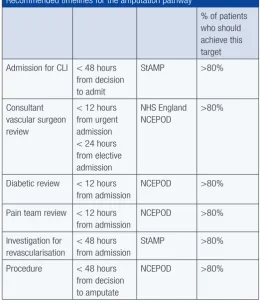
Vascular Nurse Specialists
5.7 Vascular Nurse Specialists (VNS) are essential to the safe and efficient working of the network. All NA hospitals should have VNS support. There should be more than a single VNS at each site or the posts should rotate between sites to allow consistent cover. Vascular Nurse specialists are the key to the safe and effective transfer of patients to the arterial centre for surgery. They can also support the NA centre out-patient clinics and daycase lists.
Emergency cover
5.8 General Surgery Consultants at the NA centre no longer have sufficient expertise in vascular surgery to manage emergencies presenting “on take”. However, they should be sufficiently skilled to assess and triage patients appropriately with referral to the emergency vascular surgeon when indicated.
5.9 Clear transfer protocols should be in place for both the patient presenting at NA centres and vascular emergencies occurring at these sites. These should be discussed and agreed with local ambulance services. There are already national guidelines for the transfer of ruptured AAA’s.12
5.10 If an unforeseen vascular emergency occurs at the NA site, the initial call for help should be directed to the on call vascular surgeon at the arterial centre.
Outpatient Clinics
5.11 Adequate outpatient capacity should be available in the NA sites to allow patients to be seen at their local site. The capacity should be sufficiently flexible to allow rapid assessment of new patients, with appointments being available in week for urgent referrals from either GP or A and E. This may require adjustment of job plans within the network to facilitate this.
5.12 It is recommended that, where appropriate, new patients should be offered a ‘one-stop’ service, with consultation and Duplex scanning taking place at their initial visit. This is convenient for patients and reduces the demand for follow-up appointments.
5.13 Provision can be made for Vascular Pre-assessment clinics in the NA centre to reduce the number of visits a patient has to make to the Arterial Centre, however the prerassessment should be consistent across the network.
5.14 Provision should be made for the transfer of patient information between the arterial and non-arterial centres. If electronic patient records are used, it is important that this information can be transferred between sites so that clinicians can have access to the full patient record.
Vascular Laboratory support
5.16 Cross-site cover by vascular technologists within the network in order to cover significant gaps in service at NA sites is recommended.
Diagnostic and Assessment services
5.17 Non-invasive imaging (CT and MRI) scanning should be available in a timely fashion at the NA site. Image transfer by PACS should be available and suitable protocols should be in place for the urgent transfer of images both in and out of normal working hours.
5.18 CPET, stress echocardiography and other cardiorespiratory work up can be performed in the NA centre, where available, to minimise travel for patients. If the NA centre is sufficiently large, anaesthetic pre-assessment clinics can be held on the NA site. However these may not be available at smaller NA sites.
In Patient referrals
5.19 There should be sufficient capacity in consultant and VNS job plans to allow in patient assessment within 48Hrs. There should be an established mechanism on site to deal with these. If urgent review cannot take place the patient should be discussed with the consultant on call at the arterial centre.
Day Case lists
5.20 These will be the bulk of the operating in the NA centre allowing the vast majority of venous and renal access surgery to be performed locally. Day case angioplasty should also be performed by interventional radiologists and/or endovascular surgeons locally.
5.21 Day case procedures requiring general anaesthesia can be carried out on site and there should be local arrangements for the occasional patient needing to stay overnight, rather than transfer to the arterial. Patients requiring renal access under general anaesthesia may require admission to the arterial site if more than an overnight stay is anticipated.
Repatriation and Rehabilitation
5.25 The majority of elective patients at the arterial centre will be fit to be discharged home relatively soon after treatment and for these repatriation is not a major issue. An outpatient appointment at their local hospital with their vascular or diabetic specialist concludes a satisfactory episode of care.
5.26 Occasionally patients, particularly with amputations or stroke, may need repatriation and this should be done according to their ongoing care needs. This will usually be under diabetes, stroke or elderly care medicine. Vascular surgeons and VNS should support the review of these patients on the NA site. All units should have a repatriation coordinator and agreement with non arterial centres regarding pathways.
5.27 It is strongly recommended that there are no named vascular beds in NA sites as this has potentially serious implications for continuity of care and cover, both in and out of hours. Vascular review by visiting surgeons and locally based VNS will continue to be a feature of care but vascular input should really be minimal once deemed fit for transfer.
5.28 Many patients require rehabilitation following surgery. Pathways should be developed to access appropriate rehabilitation facilities in the network. Rehabilitation requirements should be assessed by physiotherapy, occupational therapy and the rehabilitation team at the earliest opportunity to avoid delayed discharge.
Secretarial & administration support
5.29 Administrative support is vital in order to support the smooth running of the service at NA sites and to act as an interface with the arterial centre. The level of support will depend on the size of the Non-Arterial centre and number of vascular surgeons involved. With on-site presence 3-5 days per week and co-ordination with the arterial centre a full time band 4 or above secretary will be required in many units.
5.30 Administrative support at the NA centre is fundamental to the safe care of patients in the network. Most NA centres will require a minimum of one whole time band 4 secretary. Input of a network coordinator is strongly recommended for the transfer of patient information and investigations between sites. The network coordinator will need to work closely with secretarial teams on each site to make maximum use of the theatre and inpatient angiographic facilities.
5.31 Vascular surgeons with commitments to NA sites should have ready access to a desk and PC and should be able to access relevant IT systems in the arterial centre remotely and vice versa.
Diabetic Foot Services in the NA Centre
Emergency treatment of diabetic foot sepsis
5.32 When the diabetic foot team in the NA centre diagnoses diabetic foot sepsis with no arterial compromise, a local referral should be made if possible. In some centres this service will be provided by a local orthopaedic team or it may be possible to drain the foot on a NA site vascular list if the patient is an inpatient. If this is not available there should be clear protocols in place for urgent transfer of these patients to the arterial centre.
5.33 Surgery for these patients should be carried out by surgeons with the necessary expertise and training. This should not be delegated to junior surgeons with limited training in diabetic foot surgery.
Vascular Assessment of the Diabetic Foot
5.34 Initial assessment will usually be carried out by a member of the diabetic team (Consultant, VNS or specialist podiatrist). This assessment may also be initially carried out by a Podiatrist or Nurse working as part of the Foot Protection Team in a community setting. If there is significant concern the on call vascular surgeon at the arterial centre should be contacted. They will decide if immediate transfer is required or be able to arrange review in the NA centre in the next out patient clinic.
5.35 Vascular imaging should be available on an urgent basis at the NA centre for the ischaemic diabetic foot. This should not incur long delays as this would precipitate increased potentially unnecessary transfer in 48Hrs.
Vascular Intervention
5.36 Imaging should be reviewed by both radiologist and vascular surgeon and the results should be discussed with the diabetic foot team. If the patient is suitable for intervention a clear decision should be made as to where that intervention should be undertaken. There should be written guidance in the network for which patients are treated in the NA centre. If the patient is to be treated with intervention at the arterial centre their transfer should not be delayed. All patients requiring a revascularisation procedure at the arterial centre should be transferred on an urgent basis.
Critical Limb Ischaemia (CLI) at the NA Centre
5.40 Patients with critical limb ischaemia will present with chronic ischaemic rest pain in the foot or ulceration / gangrene. These patients may present in a number of different ways and may be admitted under other specialties as in patients or may be seen in the out patient clinic or emergency department.
5.41 General surgeons and emergency physicians should have the necessary skills to assess and triage patients presenting with CLI. Patients with severe ischaemia should be discussed with the on call vascular consultant and transfer arranged.
5.42 Inpatients should been seen and assessed within 48hrs and emergency department physicians should have access to urgent next available outpatient appointments at the NA and arterial sites. If patients are attending outpatients under other specialties referral to outpatients or discussion with the on call vascular surgeon should be undertaken depending on urgency.
5.43 NA centres should have sufficient outpatient capacity to see urgent referrals
5.44 Equal access to treatment should occur irrespective of where in the network a patient presents. Written pathways should exist to allow transfer within the network with minimal delays.
5.45 Leg ulcers are common in the elderly hospital population. A large proportion will be venous but some will be arterial or arterio-venous. Severely painful ulcers of the leg, with exposed deeper structures or necrotic tissue and absent pulses should be considered for more urgent management. Although ulcers with these features may not directly meet the criteria for CLI they should be referred to the vascular service using the CLI pathway.
Amputations
5.50 Toe and ray amputations can be undertaken at the NA centre with sufficient expertise. These should be performed or closely supervised by a consultant surgeon and performed on vascular lists.
6. Pathways of Care from
Primary Care to Secondary
Care
6.1 Primary care has an important role in the management of arterial disease with responsibility of early recognition and modulation of risk f