DYNAMIC
CAPABILITY
THEORY
AS
AN
INPUT
VARIABLE
FOR
SUPPLIER
PERFORMANCE
EVALUATION
AND
SELECTION
NJ KGANYAGO
University of Johannesburg (South Africa) / Postgraduate School of Engineering Management [email protected]
A MARNEWICK
University of Johannesburg (South Africa) / Postgraduate School of Engineering Management [email protected]
JHC PRETORIUS
University of Johannesburg (South Africa) / Postgraduate School of Engineering Management [email protected]
ABSTRACT
Supplier performance evaluation and selection are two fundamental constituents of optimal
sourcing decision making and are the main contributing factors to an effective supply chain and most
importantly to the procurement process.
Based on the literature and management experience the present research established that current
evaluation criteria are intra‐organisational focused and give prominence to the use of supplier’s
strategic capabilities. Little or no consideration is given to the influence of the changing business
environment and the fact that there are many proposed evaluation criteria that exist today.
To close the gaps the research introduces the theory of dynamic capability as an intrinsic criterion
for supplier performance evaluation and also as the generic guideline to reduce the current multi
performance evaluation criteria. The proposed model will empower the procurement practitioner
with the criteria logic to identify the suppliers able to meet the demands of the changing business
environment.
This research is largely based on the literature and supply chain management experience to arrive at
the conceptual model. The future research should validate the conceptual model through survey and
case study research design methods to enable the conclusive generalisation of the results.
The research contributes by conceptualising the generic model for supplier performance evaluation
that combines supplier strategic capabilities and dynamic capability variables as the significant input
variables for optimal sourcing decision making.
The research also provides academics and the supply chain fraternity with enhanced knowledge of
the literature of dynamic capability variables as generic criteria for supplier performance evaluation.
Key words: Dynamic capability theory; functional capability; supplier performance evaluation
criteria; business environment.
INTRODUCTION
To enhance the competitive advantage in the current global market conditions, manufacturers often
emphasise variable cost optimisation, quality of raw materials and the reliability of supply. To
improve these factors, it is often crucial for the supply chain to leverage the supply base through
optimum sourcing decision making.
The two research gaps identified are based on the supply chain management experiences and the
current literature on supplier performance evaluation.
The first gap that researchers established is that current evaluation criteria are intra‐organisational
focused and give prominence to the use of supplier’s assets, capabilities, processes, information and
knowledge. Little or no consideration is given to the influence of the changing business environment
and the fact that there are many proposed evaluation criteria that exist today.
The second gap is the existence of the multiple supplier performance evaluation criteria which can
be confusing to the novice procurement practitioner, especially when there is a lack of general
guidelines applicable to the different supply chain situations or industries.
According to Ho, Xu and Dey (2010) there are more than 100 criteria available for supplier
performance evaluation, which have been introduced since the 1960s.
The findings that the current evaluation criteria are confined to and the internal capability of the
suppliers are based on the previous events experienced by supply chain management which
compromised petrochemical manufacturing company’s cash flow, operations and safety. The
majority of these undesirable events were the result of the changes in the business ecosystem and
amongst others, include the following:
The supplier declared force majeure during the trucker’s strike citing violence as the reason
and as a result manufacturing was halted due to the shortage of feedstock.
The government changed the legislation governing black economic empowerment which
negatively impacted on most of the strategic feedstock suppliers who struggled to comply.
The supplier failed to maintain a consistent supply of feedstock due to the electricity load‐
shedding.
The untimely changes in the product price by the supplier due to exchange rates and other
related market factors.
The selection of the evaluation criteria are influenced by the factors in the changing business
environment such as economic, social and political factors and characteristics of business (Sagar &
Singh, 2012). This literature vindicates the findings and further justifies the need for the
procurement practitioners to move away from the evaluation criteria that are restricted to the
internal capability of the supplier.
LITERATURE
Supplier performance evaluation and selection are two fundamental constituents of optimal
sourcing decision making and are the main contributing factors to an effective supply chain and most
importantly to the procurement process (Bhutta & Huq, 2002; Braglia & Petroni, 2000).
Supplier performance evaluation and selection have been conducted since 1966. Dickson (1966), the
pioneer of the subject, identified 23 input variables for the supplier performance evaluation, which
had a profound influence in the most of the research conducted on the topic today.
The study by Talluri and Narasimhan (2004) raises a crucial point that the operational metrics (cost,
quality and delivery performance) of the supply chain performance are an integral part of the
evaluation of the supplier performance, but for the long term supplier relationship it is important to
evaluate the operational capabilities.
The primary research goal is to design a theoretical model that combines key supplier internal
strategic capabilities and the business ecosystem as the significant input variables to evaluate
supplier competency to meet the demands of the changing business environment.
The researchers realise this goal by advancing dynamic capability theory as the generic criterion to
evaluate supplier performance for a long‐term relationship. In the context of this research dynamic
capability theory is defined as the routines that the supplier practises to enable its reconfiguration
capabilities to match the demands of the changing business environment.
Teece et al. (1997) defines dynamic capability theory as the ability of a supplier to reconfigure its
resources (tangible and intangible) and utilise internal and external suppliers’ specific capabilities to
enable reconfiguration capabilities. Dynamic capability is the routine that enables the supplier to
optimally reconfigure its resources to match the needs of a changing environment (Wei & Wang,
2010).
The reconfiguration capability is the core strategic foundation that enables the supplier to improve
and sustain competitive advantage rather than merely focusing on the resources to achieve
performance.
The literature quoted (Teece et al., 1997; Barney, 1991; Pavlou & El Sawy, 2006; Wei & Wang, 2010;
Pavlou & El Sawy, 2011), substantiates the argument raised by this study that it is pivotal for supply
chain managers to focus on the dynamic capabilities of the supplier rather than merely focusing on
the internal strategic capabilities when evaluating supplier performance.
The notion of focusing on the internal resources to pursue competitive advantage is better clarified
by the concept of the resource base view theory, which according to Teece et al. (1991) emphasise
the uniqueness of the supplier capabilities to gain a strategic competitive advantage.
This theory summarises most of the criteria currently used to evaluate supplier performance with an
intra‐organisational capability focus (Sagar, & Singh, 2012; Vaidya & Hudnurkar, 2013; Ho et al.,
2010) with the exception to the operational metrics of the supply chain (cost, quality, and delivery
performance).
The intra‐organisational focus places more emphasis on the use of supplier’s assets, capabilities,
processes, information and knowledge to enable the supplier to implement strategies to improve
The resource based view theory has a limited use as the integrated criterion for the supplier
performance evaluation, because it advocates the use of internal capabilities to improve supplier
performance without considering the influence of the changing business environment on the
performance of the supplier.
Pavlou and El Sawy (2006) conceptualised the two level framework of dynamic capability which
includes the reconfiguration and enabling process. The reconfiguration capability is a desired effect
for the effective dynamic capability. The enabling variables of dynamic capability include, sensing,
learning, integrating and coordinating.
The four enabling variables of dynamic capability, which influence the effectiveness of
reconfiguration capabilities, are identified as the independent variables in the research. According to
the empirical findings of the study conducted by Wei and Wang (2010), the variables of dynamic
capability positively encourage configurability which in turn influence the supplier’s performance.
These enabling and facilitating variables of dynamic capability theory were applied to produce
evaluation criteria able to identify the supplier with higher reconfiguration capabilities that match
any challenges posed by the South African business environment. The challenges include amongst
others industrial labour action, rand depreciation and electricity load‐shedding without
compromising the plant’s availability and the variable costs.
Due to the time constraint and complexity of conducting the research using more than 100 criteria
as purported by Ho et al. (2010), the research conveniently integrates the four supplier strategic
capabilities from the study by Talluri and Narasimhan (2004) and the variables of dynamic capability
theory to produce generic evaluation criteria for a dynamic business environment.
The strategic capabilities to be configured for the supplier to meet the adverse challenges of the
changing business environment include the following:
Quality management practices
Process (manufacturing) capabilities
Knowledge management capabilities (management practices)
Research and development capabilities
The objectives of the theoretical research model are to produce generic criteria for the supplier
performance evaluation that combine key supplier strategic capabilities and dynamic capability
variables as the significant input variables to evaluate supplier competency to meet the demands of
the changing business environment.
873
The research framework below provides the graphical representation of how the research will
realise its objective.
Figure 1: Graphic demonstration of engineering management research approach
The paper promulgates the theory of dynamic capability as the intrinsic evaluation criterion for
supplier performance evaluation and also as the generic guideline to reduce the current multi
performance evaluation criteria.
CONCEPTUAL FRAMEWORK AND HYPOTHESES
RESEARCH GAPS AND CURRENT EVALUATION CRITERIA
The first gap the researchers established was that current evaluation criteria are intra‐organisational
focused and give prominence to the use of supplier’s assets, capabilities, processes, information and
knowledge and that little or no consideration is given to the influence of the changing business
environment.
This gap is premised on the supply chain management experiences from the previous events which
compromised business operations and cash flow and the literature on the current supplier
performance evaluation criteria.
The literature on supplier performance evaluation criteria confirmed the findings that evaluations
are limited to the internal capabilities of the supplier (Sagar & Singh, 2012; Vaidya & Hudnurkar,
2013; Ho et al., 2010).
The second gap on the supplier performance evaluation criteria was also identified from the
literature, which highlighted the existence of the multiple supplier performance evaluation criteria.
This can be confusing to the novice procurement practitioner, especially when there is a lack of
general guidelines applicable to the different supply chain situations or industries.
In the studies by Ho et al. (2010) and Sagar and Singh (2012), there are more than 100 criteria for
supplier performance evaluation which have been introduced since the 1960s.
Determine current supplier performance evaluation criteria and their interaction with the
changing business environment.
Identify the procedure adequate to combine internal capability and business ecosystem to
evaluate supplier capabilities for long‐term relationship.
Establish the causal link between supplier strategic capabilities and the variables of
dynamic capability theory
To shrink these gaps, the research promulgates the theory of dynamic capability as the intrinsic
evaluation criterion for supplier performance evaluation and also as the generic guideline to reduce
the current multi performance evaluation criteria.
The researchers conceptualise their theoretical model and hypothesis from the causal links
established from the literature review between the supplier strategic capabilities and the variables
of dynamic capability.
The current criteria for supplier performance evaluation (Sagar & Singh, 2012 Vaidya & Hudnurkar,
2013; Ho et al., 2010) are largely based on the internal capabilities of the supplier. They evaluate
capabilities of the supplier to produce goods or services at the reasonable market price without
consideration to the influence of the business environment.
Confining or restricting valuation criteria exclusively to the internal capability of the supplier is
referred to as the resource based view approach.
The resource based view theory has a limited use as the integrated criterion for the supplier
performance evaluation, because it advocates the internal capabilities to improve supplier
performance without considering the influence of the changing business environment on the
performance of the supplier (Teece et al., 1991).
The researchers counter this phenomenon by combining the criteria for supplier performance
evaluation with the dynamic capability theory to conceptualise the research model for supplier
performance evaluation which considers the business environment as an integral part of optimal
sourcing decision making.
The current evaluation criteria utilised were derived from the research by Talluri and Narasimhan
(2004) who emphasise the need for the supply chain managers to focus on the strategic capabilities
of the supplier for long‐term relationships rather than only focusing on the operational metrics of
supply chain performance such as cost, quality and speed.
DYNAMIC CAPABILITY
The concept of dynamic capability was first proposed by Teece et al. (1997). They define dynamic
capability theory as the ability of a supplier to reconfigure his resources (tangible and intangible) to
identify reconfiguration capabilities.
The study conducted by Pavlou and El Sawy (2006) refines this theory further by dividing it into two
levels namely the reconfiguration and the facilitating capabilities. The reconfiguration capability is a
desired effect of effective dynamic capability. The facilitating capability constitutes sensing, learning,
integrating and coordinating.
The influence of dynamic capability variables on supply chain performance has been confirmed by
the empirical study conducted Wei and Wang (2010). The study revealed that learning, integrating
and coordinating dynamic capability variables have a direct impact on reconfigurability and that
sensing has a less significant impact on reconfigurability.
The study demonstrated how learning, integrating and coordinating influence the effectiveness of
supply chain dynamic capability through facilitating reconfigurability and that sensing directly
influences supply chain performance.
The model proposed by Wei and Wang (2010) depicts how the variables of dynamic capability
influence reconfigurability and supply chain performance.
Figure 2: Research model (adopted from Wei & Wang, 2010)
The research model by Wei and Wang (2010) was derived from the study conducted by Pavlou and
El Sawy (2006) in which they identified five variables of dynamic capability that constitute an
effective new product development process.
Pavlou and El Sawy (2006) demonstrate the relationship of these variables in respect of
reconfiguration capabilities. The study further demonstrates how dynamic capability variables in
their framework levels, as shown in Figure 3, influence product design and development in a
turbulent environment.
Figure 3: Dynamic capability relationship model (adopted from Pavlou & El Sawy, 2006).
Reconfiguration
Desired effect of effective
dynamic capability Measurements Market orientation Absorptive capacity Coordination capability Collective mind Facilitating dynamic capability Sensing Learning
Coordinating Collective mind
Supply chain reconfiguration Supply chain performance Visibility for sensing Visibility for learning Visibility for coordinating Visibility for integrating
The reconfiguration capability of the supplier is the ability of the supplier to reconfigure the
functional capabilities to deploy new configurations that match the demands of the changing
business environment (Wei & Wang, 2010). These are the desired effects of the effective dynamic
capability required for supplier evaluation.
The dynamic capability for sensing is the criterion to evaluate the supplier routines, to understand
the business environment, identification of requirement, opportunities and ability to scan the other
components of the business ecosystem (Teece, 2007).
Sensing is a process related to the understanding of the environment, the identification of market
needs and opportunities (Pavlou & El Sawy, 2006; Pavlou & El Sawy, 2011).
The effectiveness of sensing is measured by market orientation utilised in the existing scales by
different researchers (Kholi & Jaworski, 1990; Pavlou & El Sawy, 2006; Wei & Wang, 2010; Pavlou &
El Sawy, 2011). The market orientation purports that to improve the effectiveness of sensing,
management should develop an understanding of market needs, share information and get involved
in the design activities to facilitate customers’ needs satisfaction (Kholi & Jaworski, 1990).
The dynamic capability of learning, evaluates the capability of the supplier to identify, assimilate,
and exploit knowledge from outside surroundings. The effectiveness of this variable is measured by
absorptive capability (Cohen & Levinthal, 1990; Pavlou & El Sawy, 2006; Wei & Wang, 2010; Pavlou
& El Sawy, 2011).
Coordination evaluates the capability of the supplier to manage interdependencies between
activities performed to accomplish a goal. Its effectiveness is measured through the coordination
capability (Malone & Crowston, 1994; Pavlou & El Sawy, 2006; Wei & Wang, 2010; Pavlou & El Sawy,
2011).
Integration evaluates the capability of the supplier to embed new knowledge into the new
operational capabilities by producing a shared understanding and collective sense and is measured
by collective mind, (Helfat & Peteraf, 2003; Pavlou & El Sawy, 2006; Wei & Wang, 2010; Pavlou & El
Sawy, 2011).
The influence of dynamic capability variables according to the study by authors Pavlou and El Sawy,
(2006 and 2011) are summarised as follows:
The effectiveness of knowledge management systems and product design and development
are enhanced by containing or managing market certainty through generating market
intelligence, disseminating market intelligence and responding to market intelligence to
meet the demands of the changing environment.
The learning dynamic capability influences the effectiveness of knowledge management and
thereby improves product design and development through knowledge acquisition,
knowledge assimilation, knowledge transformation and knowledge exploitation.
The coordinating dynamic capability influences the product co‐development by coordinating
tasks, activities and resources to achieve effective product designs and development. This is
achieved through resource allocation, task assignment and activity synchronisation.
The integrating dynamic capability influences the effectiveness of product design and
development by encouraging the individual contribution, building a shared understanding
and the standardisation of work routine through contribution, representation and
interrelationships. By encouraging knowledge sharing, visibility and accessibility facilitates
the effectiveness of integrating dynamic capability on product development.
The literature of Wei and Wang, (2010) and Pavlou and El Sawy (2006) profoundly focus on the
influence of dynamic capability variables on reconfiguration to improve supply chain performance
and product and development.
The two studies, however, do not address the specific strategic capabilities that can be evaluated to
identify the suppliers that can be partnered with for long‐term relationships and thereby improve
the effectiveness of sourcing decision making.
Based on this premise, the research question is formulated to close the gap, but most importantly to
take the opportunity to demonstrate how the specific functional aspects of supplier performance
evaluation proposed by Talluri and Narasimhan (2004) can be influenced by dynamic capability
variables to derive a theoretical model to improve sourcing decision making.
RQ1 What input variables of dynamic capability theory are adequate to influence the
reconfiguration of the key supplier strategic capabilities to meet the demands of the
changing business environment and can be applicable as the generic supplier performance
evaluation criteria?
CAUSAL LINKS BETWEEN DYNAMIC CAPABILITIES WITH CURRENT EVALUATION CRITERIA
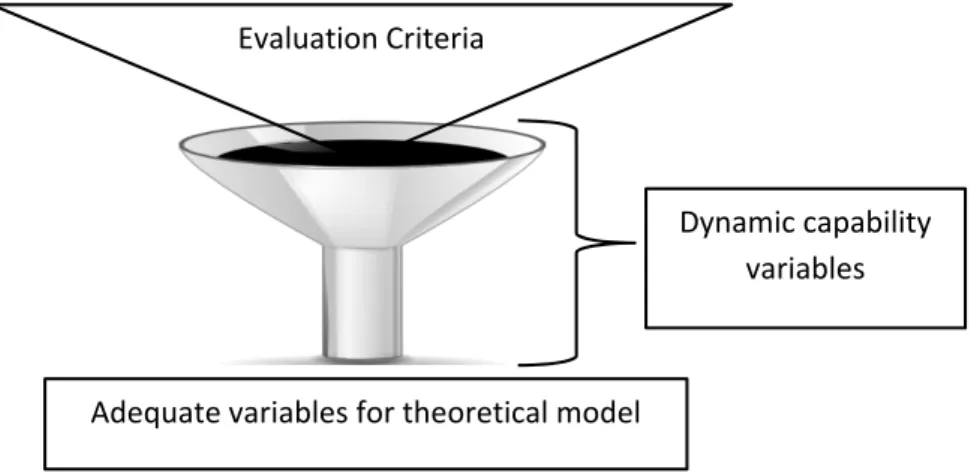
Figure 4 demonstrates the approach followed using the literature to categorise the current
evaluation criteria with the variables of dynamic capability by establishing their causal links.
Figure 4: Refining standard evaluation criteria per the dynamic capability factors
CURRENT EVALUATION CRITERIA
Quality Management Practices Evaluation Criteria
Quality management practices are management guidelines and principles that strive for continuous
improvement in all the functions of a supplier (Sabella, Kashou & Omran, 2014). According to Hasan
and Kerr (2003) quality can improve supplier’s competitive advantage and distinctiveness.
Management capability is determined by the ability to create quality programmes to define the
quality goals, provide training and to enforce continuous improvement initiatives (Juran & Gryna,
1993).
Process (Manufacturing) Capability Evaluation Criteria
Evaluation Criteria
Adequate variables for theoretical model
Dynamic capability
Manufacturing capability is the ability of the supplier to convert research and development ideas
into products, which meet market needs. According to Von Haartman (2012) the purpose of the
supplier’s manufacturing capability is to facilitate a high operational efficiency of the supply chain.
The manufacturing capability of the supplier is vital to the success and competitiveness of the
supplier; some of the benefits of outsourcing manufacturing capability as cited by Harland, Knight,
Lamming and Walker (2005) include the removal of barriers due to the separation of the business
units, which then improves flexibility and customer focus.
The manufacturing capability of the supplier must be adaptive to the demands of the changing
business environment to conserve the competitive edge and to ensure the constant supply of
feedstock to the manufacturer at any given time or situation.
Knowledge Management Capability Evaluation Criteria
Knowledge management capability is the ability to collect and organise information and transfer
information to those that need it (Chuang, 2004). The definition of knowledge management
capability by Tsai (2001) includes factors such as knowledge obtainment, knowledge refining,
knowledge storing and knowledge sharing.
To leverage competitive advantage, the suppliers must extensively and continuously invest in
expanding the knowledge wealth of the environment in which they operate. The knowledge
management capability of the supplier to implement the strategies to improve the future
competitive advantage is determined by establishing the influence of the dynamic capability.
Research and Development Capability Evaluation Criteria
In the context of this research, product research and development will be defined as the most
strategic means to efficiently design and develop concepts that will ultimately produce the product
or service that meets the demands of the changing business environment.
The study conducted by Lau, Tang and Yam (2010) concludes that innovation improves when the
manufacturer collaborates with his supplier in the early stages of product design and development.
This segment of the literature identifies factors which demonstrate the willingness of the supplier to
collaborate with the manufacturer and the ability to minimise or prevent research and development
risk exposure using the factors of dynamic capability.
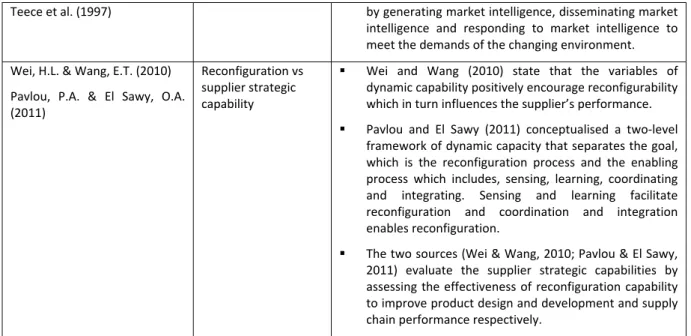
Table 1 summarises the literature combined to produce the causal links that exist between the
supplier’s strategic capabilities and the variables of dynamic capability for element categorisation
purposes.
Table 1: Summary of the literature source of the research model
Contributors Elements Causal links
Sabella et al. (2014)
Juran, J.M. & Gryna, F.M.
(1993)
Breznik, L. & D. Hisrich, R.
(2014)
Cohen, W.M. & Levinthal, D.A.
(1990)
Pavlou, P.A. & El Sawy, O.A.
Dynamic capability
variables vs Quality
management practice
The learning dynamic capability fosters the continuous
improvement by identifying, assimilating, transforming
and exploiting knowledge from outside surroundings in
order to configure the quality management practices to
align with the needs of the changing business
environment.
Sensing supplements the effectiveness of the customer
focus by generating market intelligence, disseminating
market intelligence and responding to market
(2011)
Wei, H.L. & Wang, E.T. (2010)
Teece, D.J. (2007)
Kohli, A.K. & Jaworski, B.J.
(1990)
Malone, T.W. & Crowston, K.
(1994)
intelligence to meet the demands of the changing
environment.
The integrating dynamic capability supports the supplier
quality management by promoting information sharing
and the involvement of the stakeholders into the early
stages of the product development.
The coordinating capability influences the efficiency of
the process management through the aligning of the
resources and tasks which can then reduce production
variation.
Guan, J. & Ma, N. (2003)
Helfat, C.E. & Peteraf, M.A.
(2003)
Weick, K.E. & Roberts, K.H.
(1993)
Wei, H.L. & Wang, E.T. (2010)
Pavlou, P.A. & El Sawy, O.A.
(2011)
Dynamic capability
variables vs
manufacturing
capability
The integrating dynamic capability influences the
stakeholder involvement by encouraging the individual
contribution, building a shared understanding and the
standardisation of work routine through the
contribution, representation and interrelation routines.
The learning dynamic capability enables the capability of
the supplier to adjust production processes to align with
the R&D process by employing the three routines, which
include the knowledge accumulation, knowledge
articulation and knowledge collation from the outside
surroundings to improve flexibility.
The coordination capability influences the equipment
operating skill of the personnel by coordinating tasks,
activities and resources.
Nejatian, M., Nejati, M., Zarei,
M.H. &Soltani, S. (2013
Wei, H.L. & Wang, E.T. (2010)
Pavlou, P.A. & El Sawy, O.A.
(2011)
Cohen, W.M. & Levinthal, D.A.
(1990)
Malone, T.W. & Crowston, K.
(1994) Dynamic capability variables vs knowledge management capability
The integrating dynamic capability influences the culture
of knowledge sharing by encouraging the individual
contribution, building a shared understanding and the
standardisation of work routine through the
contribution, representation and interrelation.
The learning dynamic capability influences the
organisational culture of knowledge sharing through
practising the routines of knowledge acquisition,
knowledge assimilation, knowledge transformation and
knowledge exploitation.
The coordinating dynamic capability influences the
organisational structure by coordinating tasks, activities
and resources to achieve the desired objectives. This is
achieved by managing the dependency that exists for
the supplier to be effective which are prerequisite
constraints, transfer and usability.
Lau et al. (2010)
Wei, H.L. & Wang, E.T. (2010)
Pavlou, P.A. & El Sawy, O.A.
(2011)
Collis, D.J. (1994)
Helfat, C.E. & Peteraf, M.A.
(2003)
Malone, T.W. & Crowston, K.
(1994)
Cohen, W.M. & Levinthal, D.A.
(1990)
Breznik, L. & D. Hisrich, R.
(2014)
Dynamic capability
variables vs research
and development
capability
The integrating dynamic capability influences
information sharing by encouraging the individual
contribution, building a shared understanding and the
standardisation of work routine through the
contribution, representation and interrelation.
The coordinating dynamic capability influences the
product co‐development by coordinating tasks, activities
and resources to achieve the desired objectives. This is
achieved by managing the dependency that exists for
the supplier to be effective which are prerequisite
constraints, transfer and usability.
The learning dynamic capability influences the
innovation through the knowledge acquisition,
knowledge assimilation, knowledge transformation and
knowledge exploitation.
Teece et al. (1997) by generating market intelligence, disseminating market
intelligence and responding to market intelligence to
meet the demands of the changing environment.
Wei, H.L. & Wang, E.T. (2010)
Pavlou, P.A. & El Sawy, O.A.
(2011)
Reconfiguration vs
supplier strategic
capability
Wei and Wang (2010) state that the variables of
dynamic capability positively encourage reconfigurability
which in turn influences the supplier’s performance.
Pavlou and El Sawy (2011) conceptualised a two‐level
framework of dynamic capacity that separates the goal,
which is the reconfiguration process and the enabling
process which includes, sensing, learning, coordinating
and integrating. Sensing and learning facilitate
reconfiguration and coordination and integration
enables reconfiguration.
The two sources (Wei & Wang, 2010; Pavlou & El Sawy,
2011) evaluate the supplier strategic capabilities by
assessing the effectiveness of reconfiguration capability
to improve product design and development and supply
chain performance respectively.
THE RESEARCH MODEL
The research model is conceptualised from the causal links established in the literature review
between the current supplier performance evaluation criteria and the variables of dynamic
capability.
The researchers theorise that supplier evaluated and selected on the merit of effective dynamic
capability, can be able to meet all the supply chain operational requirements irrespective of the
changes in the business environment and thereby assist in making optimal sourcing decision making
possible.
The optimal sourcing decision to be made is dependent on the effectiveness of the supplier dynamic
capability, which facilitates and enables the functional aspects of the supplier to create new
reconfiguration required to meet the demands of the changing business environment.
Figure 5 highlights the research variables combined to derive the conceptual model of the research
to improve supplier performance evaluation and selection criteria.
Figure 5: Research model
The researchers conceptualise their theoretical model from the basis started by Teece et al. (1997),
further enhanced by Pavlou and El Sawy (2006) and the empirical findings by Pavlou and El Sawy
(2011) and Wei and Wang (2010) to propose a model for supplier performance evaluation and
selection based on variables depicted in the research model (Figure 5).
The main hypothesis generated about the influence of dynamic capability variables on the functional
aspects of the supplier is as follows.
H1: Dynamic capability variables positively influence the supplier routines to effectively
configure strategic capabilities to meet the demands of the changing business environment.
Hypothesis derived from sensing vs supplier strategic capability reconfiguration
H1A: Sensing dynamic capability positively influences the supplier routines to effectively configure
strategic capabilities to meet the demands of the changing business environment.
H1A1: Sensing dynamic capability positively influences the quality management capability by
supplementing the effectiveness of customer focus through generating market intelligence,
disseminating market intelligence and responding to market intelligence to meet the
demands of the changing environment.
Coordinating H2 Learning Integrating Optimal sourcing decision Manufacturing supplier strategic capability reconfiguration Knowledge management supplier strategic capability reconfiguration Sensing
Quality management practice
supplier strategic capability
reconfiguration
R&D supplier strategic
capability reconfiguration H1A H1B H1C H1D H1A1 H1A2 H1B1 H1B2 H1B3 H1B4 H1C1 H1C2 H1C3 H1C4 H1D1 H1D2 H1D3 H1D4 H1
H1A2 Sensing dynamic capability positively influences the research and development capability by
promoting the routines to generate market intelligence, disseminate market intelligence and
respond to market intelligence to meet the demands of the changing environment.
Hypothesis derived from learning vs supplier strategic capability reconfiguration
H1B: Learning dynamic capability positively influences the supplier routines to effectively
configure strategic capabilities to meet the demands of the changing business environment.
H1B1: Learning dynamic capability positively influences quality management capability by
encouraging the routines to identify, assimilate, transform and exploit knowledge from
outside surroundings to align with the needs of the changing business environment.
H1B2: Learning dynamic capability positively influences the research and development capability
by influencing the innovation through knowledge acquisition, knowledge assimilation,
knowledge transformation and knowledge exploitation.
H1B3: Learning dynamic capability positively influences knowledge management capability by
influencing the organisational culture of knowledge sharing through practising the routines
of knowledge acquisition, knowledge assimilation, knowledge transformation and
knowledge exploitation.
H1B4: Learning dynamic capability positively influences the manufacturing capability by enabling
supplier routines to adjust production processes to align with the research and development
process via knowledge accumulation, knowledge articulation and knowledge collation from
outside surroundings to improve flexibility.
Hypothesis derived from integrating vs supplier strategic capability reconfiguration
H1C: Integrating dynamic capability positively influences the supplier routines to effectively
configure strategic capabilities to meet the demands of the changing business environment.
H1C1 Integrating dynamic capability positively influences quality management practices by
promoting information sharing and the involvement of the stakeholder into the early stages
of the product development.
H1C2 Integrating dynamic capability positively influences manufacturing capability by encouraging
the individual contribution, building a shared understanding and the standardisation of work
routine through the contribution, representation and interrelation.
H1C3 Integrating dynamic capability positively influences the knowledge management capability
by encouraging the culture of knowledge sharing through individual contributions, building a
shared understanding and the standardisation of work routine through the contribution,
representation and interrelation.
H1C4 Integrating dynamic capability positively influences the research and development capability
by encouraging information sharing through individual contributions, building a shared
understanding and the standardisation of work routine through the contribution,
representation and interrelation.
Hypothesis derived from coordinating vs supplier strategic capability reconfiguration
H1D: Coordinating dynamic capability positively influences the supplier routines to effectively
configure strategic capabilities to meet the demands of the changing business environment.
H1D1 Coordinating dynamic capability positively influences quality management capability by
aligning the resources and tasks to reduce production variation.
H1D2 Coordinating dynamic capability positively influences the manufacturing capability by
effectively coordinating tasks, activities and resources.
H1D3 Coordinating dynamic capability positively influences the knowledge management capability
by managing the dependency that exists for the supplier to be effective through the
prerequisite constraints, transfer and usability.
H1D4 Coordinating dynamic capability positively influences the research and development
capability by encouraging the product co‐development through coordinating tasks, activities
and resources to achieve the desired objectives.
Reconfiguration (Supplier strategic capabilities)
The hypotheses for reconfiguration capability were derived from the studies by Pavlou and El Sawy
(2006 and 2011) and Wei and Wang (2010).
Reconfiguration refers to the capability of the supplier to effectively reconfigure its strategic
capability to meet the demands of the changing business environment (Wei & Wang (2010). From
this theory the researchers then deduced the theoretical propositions which are to be confirmed
through the case study.
Theoretical Proposition
There are two theoretical propositions highlighted by the research model for Hypothesis 2. These
propositions are also based on the literature summarised in Table 1 which purports that
configuration capability directly influences supplier performance.
Proposition 1: Optimal sourcing decisions can be made by applying the analytical model to weigh
and select the supplier with the higher reconfiguration capabilities.
Proposition 2: Suppliers with higher reconfiguration capabilities can meet or exceed the supply
chain performance standards compared to that evaluated with the standard
evaluation criteria, irrespective of the changes in the business environment.
CONCLUSION AND FUTURE RESEARCH
This research necessitated two fundamental questions to validate the research model through
future research:
RQ1 What input variables of dynamic capability theory are adequate to influence the
changing business environment and can be applicable as the generic supplier performance
evaluation criteria?
RQ2 Why is the supplier evaluated with dynamic capability criteria able to meet or exceed the
performance standards and not that evaluated with the standard criteria?
To address these two fundamental questions and thereby validating the research model, the
integrated research design is anticipated in which the survey and case study research design are
combined using the criteria set out by Yin (2003) and supported by Rowley (2002).
The first question enquires if the input variables of the dynamic capability theory are adequate to
influence the reconfiguration of the key supplier strategic capabilities to meet the demands of the
changing business environment and if they can be applicable as the generic supplier performance
evaluation criteria.
This type of a question can be answered by developing a frequency questionnaire which is well
suited for the survey research design. According to Cooper and Schindler (2003) a survey research
design involves surveying people and recording their responses for analysis.
The information obtained from the research questionnaire will then be used to establish the
existence of the causal relationship by quantifying it within a particular context to test the
hypothesis and provide the answer to the first question of the research.
The second question enquires about the rationale behind the performance of the supplier with
effective dynamic capability compared to that evaluated with the standard criteria. This question is
best suited for the multiple case based study method.
This research contributes by conceptualising the generic model for supplier performance evaluation
that combines the supplier strategic capabilities and dynamic capability variables as the significant
input variables to optimal sourcing decision making.
The research also contributes by providing academics and the supply chain fraternity with enhanced
background knowledge on literature on dynamic capability variables as the generic criteria for
supplier performance evaluation and selection.
For the conference the research will present the conceptual model derived only from the literature
reviews for supplier performance evaluation and a selection to possibly close the gaps highlighted.
The future research should validate the conceptual model through the survey and case study
research design method to enable conclusive generalisation of the results from the two stages of the
research design method.
The first stage should confirm correlating variables in the research model scientifically and for the
second stage the research should replicate the impact of the model from different business units.
REFERENCES
Barney, JB (1991). Firm resources and sustainable competitive advantage. Journal of Management,
17, 99‐120.
Bhutta, KS and F Huq (2002). Supplier selection problem: a comparison of the total cost of ownership
and analytic hierarchy process approaches. Supply Chain Management: An International Journal,
7(3), 126‐135.
Braglia, M and A Petroni (2000). A quality assurance‐oriented methodology for handling trade‐offs in
supplier selection.‖ International Journal of Physical Distribution and Logistics Management, 30(2),
96‐111.
Breznik, L and DR Hisrich (2014). Dynamic capabilities vs. innovation capability: are they related?
Journal of Small Business and Enterprise Development, 21(3), 368‐384.
Chuang, SH (2004). A resource‐based perspective on knowledge management capability and
competitive advantage: an empirical investigation. Expert Systems with Applications, 27(3), 459‐465.
Cohen, WM and DA Levinthal (1990). Absorptive capacity: a new perspective on coordinating and
innovation. Administrative Science Quarterly, 128‐152.
Collis, DJ (1994). Research note: how valuable are organisational capabilities? Strategic Management
Journal, 15(S1), 143‐152.
Cooper, DR and PS Schindler (2003). Business Research Methods (8th ed.). New‐York: McGraw‐Hill.
Dickson, G (1966). An analysis of vendor selection systems and decisions. Journal of Purchasing, 2,
28‐41.
Guan, J and N Ma (2003). Innovative capability and export performance of Chinese firms.
Technovation, 23(9), 737‐747.
Harland, C, L Knight, R Lamming and H Walker (2005). Outsourcing: assessing the risks and benefits
for organisations, sectors and nations. International Journal of Operations & Production
Management, 25(9), 831‐850.
Hasan, M and RM Kerr (2003). The relationship between total quality management practices and
organisational performance in service organisations. The TQM Magazine, 15(4), 286‐291.
Helfat, CE and MA Peteraf (2003). The dynamic resource‐based view: Capability lifecycles. [Article].
Strategic Management Journal, 24(10), 997‐1010. doi: 10.1002/smj.332.
Ho, W, X Xu and PK Dey (2010). Multi‐criteria decision making approaches for supplier evaluation
and selection: a literature review. European Journal of Operational Research, 202(1), 16‐24.
Juran, JM (1988). On planning for Quality. London: Collier Macmillan.
Juran, JM and FM Gryna (1993). Quality Planning and Analysis (3rd ed.). McGraw‐Hill Book Company:
New York.
Kohli, AK and BJ Jaworski (1990). Market orientation: the construct, research propositions, and
managerial implications. The Journal of Marketing, 1‐18.
Lau, AKW, E Tang and R Yam (2010). Effects of supplier and customer integration on product
innovation and performance: empirical evidence in Hong Kong manufacturers. Journal of Product
Innovation Management, 27(5), 761‐777.
Malone, TW and K Crowston (1994). The interdisciplinary study of coordination. ACM Computing
Surveys (CSUR), 26(1), 87‐119.
Nejatian, M, M Nejati, MH Zarei and S Soltani (2013). Critical enablers for knowledge creation
process: synthesizing the literature. Global Business and Management Research: An International
Journal, 5(2), 10.
Pavlou, PA and OA El Sawy (2006). From IT leveraging competence to competitive advantage in
turbulent environments: The case of new product development. [Article]. Information Systems
Research, 17 (3), 198‐227.
Pavlou, PA and OA El Sawy (2011). Understanding the elusive black box of dynamic capabilities.
Decision Sciences, 42(1), 239‐273.
Sabella, A, R Kashou and O Omran (2014). Quality management practices and their relationship to
organizational performance. International Journal of Operations & Production Management, 34(12),
1487‐1505.
Sagar, MK and D Singh (2012). Supplier selection criteria: study of automobile sector in India.
International Journal of Engineering Research and Development, e‐ISSN: 2278‐067X, p‐ISSN: 2278‐
800X, 4, Issue 4 (October 2012), 34‐39.
Talluri, S and R Narasimhan (2004). A methodology for strategic sourcing. European Journal of
Operational Research, 154(1), 236‐250.
Teece D, Pisano G and Shuen A (1997) Dynamic capabilities and strategic management. Strategic
Management Journal 18 (7), 509–533.
Teece Weber, C. A., Current, J. R., & Benton, W. C. (1991). Vendor selection criteria and methods.
European journal of operational research, 50(1), 2‐18.
Teece, DJ (2007). Explicating dynamic capabilities: the nature and microfoundations of (sustainable)
enterprise performance. Strategic Management Journal, 28(13), 1319‐1350.
Tsai, W (2001). Knowledge transfer in intra‐organizational networks: effects of network position and
absorptive capacity on business unit innovation and performance. Academy of Management Journal,
44 (5), 996‐1004.
Vaidya, O and M Hudnurkar (2013). Multi‐criteria supply chain performance evaluation: an Indian
chemical industry case study. International Journal of Productivity and Performance Management,
62(3), 293‐316.
Von Haartman, R (2012). Manufacturing capabilities: expendable commodities or catalysts for
effective supply chain management.
Wei, HL and ET Wang (2010). The strategic value of supply chain visibility: increasing the ability to
reconfigure. European Journal of Information Systems, 19 (2), 238‐249.
Weick, KE and KH Roberts (1993). Collective mind in organizations: heedful interrelating on flight
decks. Administrative Science Quarterly, 357‐381.
Yin, RK (2003). Case study research: design and methods (3rd ed.). Thousand Oaks, CA: Sage.