University of South Carolina
Scholar Commons
Theses and Dissertations
2017
Effects of a Mindfulness Based Intervention on
Diurnal Cortisol in Cancer Survivors
Susannah Small University of South Carolina
Follow this and additional works at:https://scholarcommons.sc.edu/etd Part of theEpidemiology Commons
This Open Access Thesis is brought to you by Scholar Commons. It has been accepted for inclusion in Theses and Dissertations by an authorized administrator of Scholar Commons. For more information, please [email protected].
Recommended Citation
Small, S.(2017).Effects of a Mindfulness Based Intervention on Diurnal Cortisol in Cancer Survivors.(Master's thesis). Retrieved from
Effects of a Mindfulness Based Intervention on Diurnal Cortisol in Cancer
Survivors
by
Susannah Small
Bachelor of Science
University of North Carolina at Chapel Hill, 2010
Submitted in Partial Fulfillment of the Requirements
For the Degree of Master of Science in Public Health in
Epidemiology
The Norman J. Arnold School of Public Health
University of South Carolina
2017
Accepted by:
Michael Wirth, Director of Thesis
Swann Adams, Reader
Andrew Ortaglia, Reader
Abstract
Background. There are approximately 15.5 million individuals alive today in the U.S. with a personal history of cancer. For this large and growing population, ill effects
associated with cancer diagnosis and treatment include both physical and psychosocial
symptoms adversely affecting quality of life. One low-risk alternative to conventional
pharmaceutical use in treating these symptoms is mindfulness practice. Research on
self-reported measures provides strong evidence that this type of intervention improves
quality of life for cancer survivors, but evidence of impact on objective measures is
limited. Cortisol, the body’s primary stress hormone, is one relatively easy to measure
indicator that has been increasingly favored.
Methods. In this randomized controlled trial, 38 cancer survivors from the Greenville Health System in South Carolina were assigned to either a 4-week mindfulness
intervention program or a control group. Six salivary cortisol samples were collected daily
at baseline, 6 weeks, and 12 weeks, along with questionnaire data assessing a variety of
symptoms and lifestyle behaviors.
Both rhythm, as the change in cortisol over the day, and absolute levels of cortisol
were modelled using multivariable linear regression. Specifically, for absolute levels, a
levels was modelled using an interaction between treatment and baseline levels of
cortisol.
Results. None of the explored self-report or demographic variables assessed were significantly associated with diurnal cortisol decline at baseline in either the crude or
adjusted models. Although non-significant, the intervention was associated with a greater
cortisol decline over the day (-1.79 {p=0.52} and -2.71 {p=0.23} respectively for 6 and
12-week follow-up) which has been previously associated with better survival outcomes for
cancer patients. No significant or consistent directional results were observed when
examining effect modification of baseline cortisol categorizations on change in cortisol
levels.
Conclusions. Although the effect size was relatively large, our analysis did not show a significant impact of the mindfulness intervention program on change in cortisol decline
or in changes in absolute levels of cortisol as a function of baseline categorization. Our
results add to the accumulating literature surrounding the use of alternative medicine
practices for symptom treatment in cancer survivors and provide recommendations for
Table of Contents
Abstract ... iii
List of Tables ... vii
Chapter 1: Introduction ... 1
1.1 Statement of Problem ... 1
1.2 Purpose and Objectives ... 2
1.3 Significance of Research ... 4
1.4 Study Outline ... 5
Chapter 2: Background ... 7
2.1 Cancer Survivorship ... 7
2.2 Mindfulness Practice ... 9
2.3 Diurnal Cortisol and HPA axis regulation ... 12
2.4 Current Literature ... 17
Chapter 3: Method ... 29
3.1 Study Design ... 29
3.2 Measurements ... 30
3.3 Model Variables ... 34
3.4 Statistical Analysis ... 36
Chapter 4: Results ... 40
4.1 Sample characteristics ... 40
4.2 Baseline Associations with Diurnal Cortisol Decline ... 43
4.3 Effect of treatment on change in Diurnal Cortisol Decline ... 45
Chapter 5: Discussion ... 49
List of Tables
Table 2.1 Negative Outcomes of Cancer Survivorship ... 8
Table 2.2 Reference values from 50th percentiles of salivary
cortisol concentrations at various hours after 07:00 ... 16
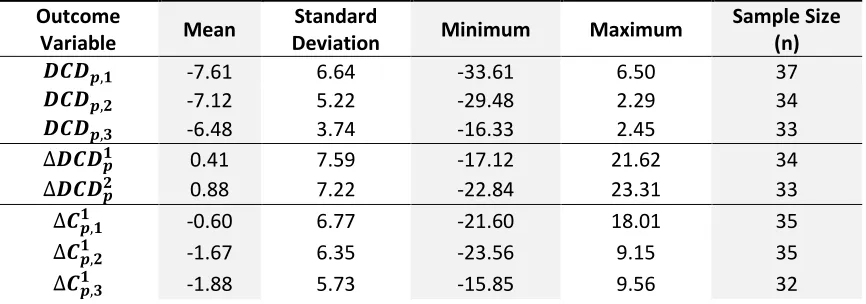
Table 4.1 Baseline demographic characteristics of participants across groups ... 41
Table 4.2 Baseline clinical characteristics for participants across
groups along with value interpretations ... 41
Table 4.3 Summary statistics for outcome variables ... 42
Table 4.4 Crude association of variables of interest and baseline
diurnal cortisol decline ... 44
Table 4.5 Three multiple variable regression models on variables of
interest with baseline Diurnal Cortisol Decline ... 44
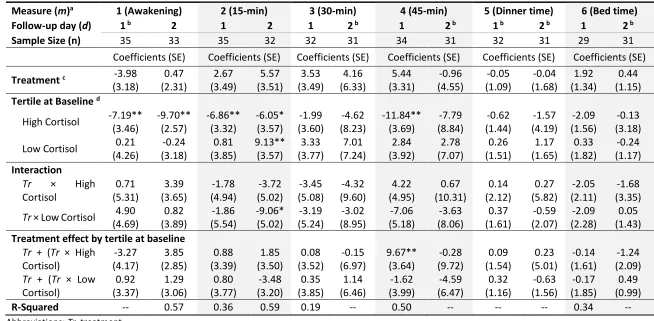
Table 4.6 Change in Diurnal Cortisol Decline from baseline to
follow-up day indicated (1 or 2) ... 46
Table 4.7 Standard Multiple Linear Regression or Quantile Regression of change in cortisol from baseline to the follow-up day indicated (1 or 2)
Chapter 1: Introduction
1.1 Statement of Problem
In the United States, the current lifetime chance of developing cancer is almost 1
in every 2 persons for men and more than 1 in 3 for women1. With incidence rates
remaining steady for the past decade, and with large improvements in survival due to
early detection methods and better treatment, the population of cancer survivors in the
U.S. is substantial (American Cancer Society, 2016). Current estimates suggest that there
are approximately 15.5 million individuals with a personal history of cancer alive today in
the U.S. and that that population is expected to reach 20 million by the year 2026 (K. D.
Miller et al., 2016). For this large and growing population, the distress and uncertainty
associated with diagnosis and treatment of cancer is related to both physical and
psychosocial symptoms adversely affecting quality of life including anxiety, depression,
fear of recurrence, stress, pain, insomnia, and fatigue in addition to long-term side effects
of surgery and adjuvant therapies (Linda E. Carlson, 2016).
Addressing these issues is not only vital to creating high quality of life for this
sizeable portion of the U.S. population, but failing to manage stress symptoms has been
linked to harmful lifestyle behaviors such as overeating, alcohol or drug abuse, disrupted
potentially disruptive or dangerous side effects, while evidence for the effectiveness of
low risk complementary and alternative medicine practices to treat both psychosocial and
physical symptoms in cancer survivors has gained traction in recent years. One such
intervention that is well established for use in cancer populations is Mindfulness Based
Stress Reduction (MBSR); a program developed in the 1990’s by Jon Kabat-Zinn to aid
individuals in dealing with both physical and emotional distress through the practice of
mindfulness; or present moment awareness and acceptance (Kabat-Zinn, 1990).
There is strong, level 1 evidence in the current literature from meta-analyses and
reviews of randomized controlled trials that MBSR is effective for improving
psychological, functional, and quality of life outcomes in cancer patients, but this
evidence relies primarily on self-reported measures of stress, anxiety, mood, and other
common symptoms (Linda E. Carlson, 2012, 2016; Cramer, Lauche, Paul, & Dobos, 2012;
Piet, Würtzen, & Zachariae, 2012; Zainal, Booth, & Huppert, 2013). A handful of studies
have also examined the biomarker cortisol as an indicator of stress and
hypothalamic-pituitary-adrenal (HPA) axis function to assess efficacy of mindfulness interventions in
cancer survivors. Results and methodology in these studies is not widely consistent, but
point towards a small beneficial effect of mindfulness interventions on cortisol levels in
cancer survivors.
1.2 Purpose and Objectives
In 2012, the Greenville Health System (GHS) created the Center for Integrative
survivor care. As part of this, practitioners developed a mindfulness program based on
Kabat-Zinn’s original MBSR program called Cultivating Mindfulness in Cancer Survivorship
(CMCS). The CMCS program is an abbreviated 4-week class focusing on meditation
practices, attention regulation, and emotional control.
The current study is a randomized controlled trial (RCT) in a sample of cancer
survivors from GHS who were randomized to attend the CMCS program or a brief
breathing exercise class. As an exploratory study of the CMCS program offered by GHS,
this research is meant to provide feedback and preliminary results on effects of the
intervention on psychometric and physiologic data. Specifically, the purpose in this paper
is to assess impact of the CMCS mindfulness program on cortisol levels in GHS cancer
survivors.
Specific Aim 1
To assess association of the diurnal cortisol decline (DCD) at baseline with key
psychosocial variables indicated in the literature by testing the following hypotheses:
More negative DCD at baseline will be associated with increased physical activity.
More negative DCD at baseline will be associated with being female.
More negative DCD at baseline will be associated with younger age.
More negative DCD at baseline will be associated with fewer symptoms of
depression.
More negative DCD at baseline will be associated with participants in the Fall
program cohort.
Specific Aim 2
To assess association of the GHS mindfulness intervention on diurnal cortisol rhythm
by testing the following hypothesis:
Change in DCD will be more negative in the intervention group, relative to the
control group, after the intervention.
Specific Aim 3
To assess association of the GHS mindfulness intervention on diurnal cortisol levels by
testing the following hypothesis:
The effect of treatment will be modified by patient cortisol level at baseline: those
with high initial cortisol will see a greater decrease, and those with low initial
cortisol will see a greater increase in the treatment group relative to the control
group.
1.3 Significance of Research
This research will provide insight to guide development of larger trials of the CMCS
program at GHS. Furthermore, it will contribute to the literature at large on the
effectiveness of mindfulness interventions for cancer patients as assessed using the
objective biomarker cortisol. Investigation of cortisol in this context is relevant as an
Additionally, abnormal cortisol rhythms and elevated evening cortisol levels have been
linked with shortened survival time in cancer patients (L. Cohen et al., 2012; Schrepf et
al., 2015; Sephton et al., 2013; Sephton, Sapolsky, Kraemer, & Spiegel, 2000). Despite this,
there are few RCTs examining the impact of mindfulness meditation on HPA axis function
through assessment of diurnal cortisol rhythm in a population of cancer survivors, and
those that exist provide mixed results.
1.4 Study Outline
Within this chapter (Chapter 1) I have briefly reviewed the issues of disruptive
symptoms in a growing population of cancer survivors, the purpose and primary
objectives of this research, and the expected contributions to the literature concerning
both mindfulness interventions and cortisol measures in cancer survivors.
Chapter 2 will provide an update on the impact of cancer survivorship on both a
population scale and on an individual level in terms of symptomology and quality of life
in cancer survivors. I also will briefly cover the concept of mindfulness practice as a tool
to manage psychosocial response to medical conditions through present moment
awareness. Additionally, I will introduce the biomarker cortisol as a plausible measure of
HPA axis function and describe the biological mechanism underlying its release in the
body. Following this, I will discuss the use of cortisol as an outcome measure in research
and evaluate the appropriateness of various methods of collection and analysis of cortisol
to objectively assess HPA axis function and impact of treatment. This background will
summary in Chapter 2 of the most relevant literature and to stimulate interest in the
topic, methodology, analytical process, and results of this study.
The study design, methodological details, and statistical methods are described in
Chapter 3 and Chapter 4 will provide results from the data analysis.
I will conclude in Chapter 5 with a discussion of relevant findings and their
Chapter 2: Background
2.1 Cancer Survivorship
A cancer survivor is anyone living with a history of cancer diagnosis regardless of
time since diagnosis, and does not exclude individuals receiving active treatment (Centers
for Disease Control, 2016; Morgan, 2009). Improvements in cancer screening, diagnosis,
treatment, and care over the past 50 years have led to a dramatic increase in 5-year
survival for cancer patients: from 49% between 1975 and 1977 to 69% between
2005-2011 (SEER 9 Region NCI) (American Cancer Society, 2016). This increase in survival
coupled with steady incidence rates in the past decade (2003-2012) for women and only
slightly declining rates for men during that same time period (avg. 1.4% per year) means
the population of cancer survivors in the United States is large and growing (American
Cancer Society, 2016).
Cancer survivorship comes with a range of stressors and potentially lasting
changes in lifestyle, including disrupted family, job, and social roles, and changes in
capabilities and appearance in addition to continued side effects of treatments such as
pain and dysfunction. Many survivors also report a lingering fear of the possibility of
cancer recurrence, progression, or death (Linda E. Carlson, 2016). Refer to Table 2.1 for a
Table 2.1 Negative Outcomes of Cancer Survivorship (Morgan, 2009)
Physical Changes Psychological Changes
Altered body/self-image Changes in family structure
Cardiac damage secondary to anthracycline treatment
Cognitive changes
Impaired sexuality Fear of genetic inheritance for families
Osteoporosis Fear of recurrence
Pain Financial concerns
Peripheral neuropathies Loss of ability to work
Premature menopause Pain
Secondary cancers Social support
Stress incontinence Workplace or insurance discrimination
Morgan explains three stages of survivorship: acute, extended, and permanent
(Morgan, 2009). The stages are not necessarily experienced by all patients, and provide
only a general timeframe, but each stage comes with its own set of challenges for
survivors. The acute stage encompasses diagnosis, treatment decisions, and primary
treatments including surgery, radiation, and/or chemotherapy. The extended stage is the
follow-up period to completion of primary treatments during which the cancer may be in
remission; or the patients’ condition is identified as terminal. Finally, the permanent stage
is the long-term period following remission where probability of recurrence is low and
survival is expected to be lasting (Morgan, 2009).
One issue encountered at each stage of cancer survival is the need for emotional
regulation in response to increased life stressors. One report found that cancer patients
identified emotional effects of cancer as being more difficult to deal with than either
physical effects or practical effects (Macmillan Cancer Support, Opinion Leader Research,
reconfirmed that cancer survivors deal with persistent health and emotional problems
(Geerse et al., 2017). Geerse and colleagues developed the Cancer Survivor Core Set with
a panel of experts and healthcare workers to identify health-related problems of
importance for cancer survivors for practical use in directing long-term care efforts. In this
Core Set including three components (body function, activities and participation, and
environmental factors) and 19 separate categories within the components, the category
for emotional function was the only issue that panelists from prostate, breast, and
colorectal cancer all rated with 100% content relevance to survivorship care (Geerse et
al., 2017).
It is evident that quality of life is an important consideration for cancer survivors
and that emotional dysregulation is reported to be a major negative outcome of cancer
survivorship. It is likely that for this reason research into complementary and alternative
care programs for survivors has been on the rise in recent decades. One such alternative
care practice that has been implemented and researched in cancer populations is
mindfulness meditation.
2.2 Mindfulness Practice
Mindfulness, or attention to the present moment with an open, accepting
attitude, as a purposeful practice through meditation has its origins 2,500 years ago in
Eastern theologies and philosophies. Defining mindfulness and understanding how the
process of mindfulness operates to improve a broad range of symptoms has been the
arises through paying attention, on purpose, in the present moment, non-judgmentally”
(Kabat-Zinn, 1990). In an effort to understand the mechanism of mindfulness, Shapiro and
colleagues formulated a model that centers on three axioms: attention, intentionality,
and non-judgment when processing thoughts and situations and coined the term
‘reperceiving’ to describe a change in perception without detachment that comes
through practicing these axioms of mindfulness (Shapiro, Carlson, Astin, & Freedman,
2006). Shapiro and colleagues linked these axioms with mechanisms of self-regulation,
exposure, value clarification, and flexibility in thought, emotion, and behavior that are
likely facilitators in positive health outcomes of psychological and psychosomatic
symptom relief as well as valuable outcomes in themselves (Shapiro et al., 2006).
The translation of mindfulness into nonreligious practice for use in clinical
populations began near the close of the 1970s with Joh Kabat-Zinn’s research into its
effectiveness for managing anxiety and pain (Kabat-Zinn, 1990). With the development of
a formal practice for clinical populations through the MBSR program, research in the field
of mindfulness meditation has grown and offshoots of the MBSR program have
proliferated. MBSR and other Mindfulness Based Intervention (MBI) programs generally
incorporate a variety of mindfulness training techniques including meditation and body
scanning. Body scanning entails focusing on sensation in various parts of the body
beginning from head down to feet, and meditation promotes attention to the breath
while acting nonjudgmentally as an outside observer to any intruding thoughts that
and training to develop mindfulness in daily life and promotes the nonjudgmental
observance of thought processes as a habit.
Because of the way mindfulness is practiced, and its influence on thought
processes, mindfulness meditation may be particularly beneficial for cancer patients.
Linda Carlson describes how many life changes due to cancer diagnosis require
emotional-based coping strategies rather than problem-emotional-based coping strategies, particularly post
active treatment – something many people are less well equipped to deal with (Linda E.
Carlson, 2016). Evidence supports that experiencing thoughts mindfully, allowing for
acceptance of the subjective, not necessarily true, nature of thoughts and their transitory
nature plays some role in alleviating psychological symptoms. In a 2012 narrative review,
Linda Carlson assessed use of MBIs in cancer populations, concluding that level 1 evidence
from systematic reviews and meta-analyses of RCTs exists for the effectiveness of MBIs
for improving psychological, operational, and quality of life outcomes (Linda E. Carlson,
2012; Yaowarat Matchim, Armer, & Stewart, 2011).
With strong self-reported evidence that mindfulness meditation is effective for
alleviating some symptoms commonly experienced by cancer patients, but an incomplete
understanding of the underlying process, further research is needed using objective
outcome measures that also have potential to provide clues to bodily mechanisms.
2.3 Diurnal Cortisol and HPA axis regulation
Cortisol is the primary human glucocorticoid and is an essential steroid hormone
produced in the body as an end product of the HPA axis. Its production is stimulated
beginning in the hypothalamus which releases corticotrophin releasing hormone (CRH) in
response to a range of biological and environmental mediators including both physical
and psychological stress (Levine, Zagoory-Sharon, Feldman, Lewis, & Weller, 2007). CRH
functions to stimulate the release of adrenocorticotropic hormone (ACHT) from the
pituitary gland, which in turn acts on the adrenal cortex to produce cortisol. Cortisol
functions broadly in the body by suppressing non-essential function of the immune,
reproductive, and digestive systems and acting to prepare the body for action by
increasing blood pressure, releasing stored energy sources for use, and acting as a
powerful anti-inflammatory (Levine et al., 2007). Its flux in the body is affected by
environmental stimuli, circadian rhythms, and sleep cycles (Levine et al., 2007).
Additionally, as part of a negative feedback loop, cortisol acts as an inhibitor to the HPA
axis, suppressing the release of CRH and ACHT. Dysregulation of the HPA axis and its
components, including irregular cortisol levels and patterns have been associated with a
range of adverse outcomes including reduced cancer survival (L. Cohen et al., 2012;
Schrepf et al., 2015; Sephton et al., 2013, 2000) depression (Poole et al., 2016), psychiatric
illness (de Kloet, Joëls, & Holsboer, 2005), cardiovascular events and mortality (Kumari,
Shipley, Stafford, & Kivimaki, 2011) and chronic fatigue (Powell, Liossi, Moss-Morris, &
Schlotz, 2013). Over the past two decades, free cortisol levels have notably been used as
Hellhammer, 1994). This has been facilitated by the ease of collection of salivary cortisol
measures as an economic, non-invasive, and reliable measure of free blood serum cortisol
that can be performed without the assistance of medical personnel and in a variety of
environments (Hellhammer, Wüst, & Kudielka, 2009).
More recently, and primarily with the use of salivary cortisol measures rather than
blood or urinary cortisol, methods have been trending towards measures of diurnal
cortisol rhythm as opposed to total cortisol over a 12 or 24-hour period. Research
suggests that the rhythm of cortisol levels during the day may be relevant to disease
status and prognosis (Adam & Kumari, 2009). Typically, the diurnal cortisol rhythm
measured immediately upon awakening begins relatively high with a spike (50-60%
increase) within the first 30 to 45 minutes after waking followed by a more gradual decline
over the rest of the day to a low point around midnight with established differences
between men and women (Adam & Kumari, 2009; Pruessner et al., 1997). This typical
daily rhythm has been observed as a consistent pattern in healthy individuals and
deviations are associated with dysregulation of the HPA axis function through both
environmental influence and disease (Stone et al., 2001).
Although the use of salivary cortisol to measure diurnal rhythm has gained
popularity, methodology for collecting and analyzing cortisol samples remain
inconsistent. A recent review of RCTs by Ryan and colleagues resulted in a series of
recommendations for improving methodology and consistency across studies for the use
Clow, 2016). Ryan and colleagues suggested collecting two days of cortisol samples for
each assessment period due to intra-individual variation between days, a
recommendation that was also made by Clow and colleagues to allow for the assessment
of participant adherence (Clow, Thorn, Evans, & Hucklebridge, 2004). Ryan and colleagues
also recommend collecting enough salivary samples each sample day to develop a full
picture of cortisol rhythm (Ryan et al., 2016). Practically, this included collecting a series
of at least two samples beginning with awakening time up to 30-45-minute post
awakening in order to assess the cortisol awakening response (CAR) which is the typical
spike in cortisol post awakening. Additionally, they suggested a least one evening sample
to allow for assessment of total daily cortisol secretion, and to determine the diurnal
change in cortisol levels from awakening to evening (generally negative in healthy
individuals) (Ryan et al., 2016).
Along with methodological inconsistencies in the sampling of cortisol,
interpretation of resulting cortisol values varies across studies. In part, this is due to the
broad function and cyclical nature of cortisol in the body but also due to differences in
cortisol patterns between populations (i.e. men and women or youth and adults) and a
limited understanding of clinical significance. Particularly for absolute measures of total
diurnal cortisol, but also for the CAR, both depressed and heightened cortisol levels
(hypo- and hyper-cortisolism) have been associated with adverse physical and
psychological conditions (Chida & Steptoe, 2009; Heim, Ehlert, & Hellhammer, 2000).
Fries and colleagues concluded based on animal models that hypocortisolism may be a
possible biological mechanisms (Fries, Hesse, Hellhammer, & Hellhammer, 2005). This
idea matches with explanations of allostatic overload. Essentially, although an acute
stress response adaptively prepares the body for ‘fight-or-flight’, sustained or chronic
stress can trigger allostatic overload, an inability of the body to effectively regulate stress
response, which can contribute to bodily deterioration (as in the case of chronically high
blood pressure) and exhausts the capability of the HPA axis to react appropriately to
environmental cues (McEwen, 2008). Heim and colleagues speculated with
hypocortisolism, the reduced ability to respond to stressful stimuli could underlie
vulnerability to some stress related diseases (Heim et al., 2000). Furthermore, in a 2009
review, Chida and Steptoe examined associations of various psychosocial factors with the
CAR and found that a heightened or depressed CAR is associated with different factors
(Chida & Steptoe, 2009). Specifically, they found that heightened CAR was significantly
associated with job stress and general life stress and that depressed CAR was significantly
associated with fatigue, burnout, or exhaustion; suggesting a link between chronic stress
and reduced CAR (Chida & Steptoe, 2009). Chida and Steptoe also proposed that their
failure to find an association between CAR and depression may have been because
depression has been associated with both heightened and reduced CAR; depending on
the intensity of the depressive episode (Chida & Steptoe, 2009). Because dysregulation of
the HPA axis leading to either elevated or depressed cortisol levels is thought to be
detrimental, interpreting the CAR and total daily cortisol is not straightforward.
Researchers have used various strategies to model a normalizing effect of mindfulness
tertiles of cortisol levels at baseline predicted change in cortisol levels (Bränström,
Kvillemo, & \AAkerstedt, 2013), and Carlson and colleagues divided the baseline sample
into ‘high’ and ‘low’ cortisol groups, and found that those with low cortisol tended to
show increased levels post intervention and those with ‘high’ cortisol tended to show
decreased levels post intervention (Linda E Carlson, Speca, Patel, & Goodey, 2004). There
has been a discussion in the literature of identification of standard normative cortisol
values (Clow et al., 2004; Heim et al., 2000), and a recent publication using cortisol from
a sample of over 18,000 healthy participants has supplied operational reference ranges
for salivary cortisol across the day by age categories for both men and women (see Table
2.2 for an excerpt) (R. Miller et al., 2016). These normative ranges have potential to be
used in identifying both hypocortisolism and hypercortisolism in diseased populations
where supplied reference age groups and sample times are relevant to the comparison
population and sampling procedure.
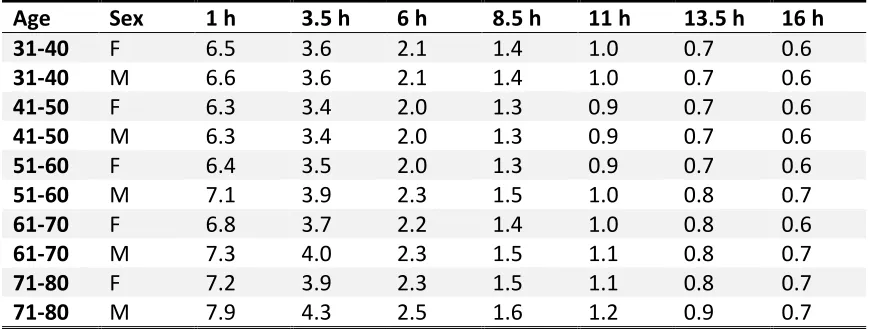
Table 2.2 Reference values from 50th percentiles of salivary cortisol concentrations at
various hours after 07:00 (excerpted from R. Miller et al., 2016)
Age Sex 1 h 3.5 h 6 h 8.5 h 11 h 13.5 h 16 h
31-40 F 6.5 3.6 2.1 1.4 1.0 0.7 0.6
31-40 M 6.6 3.6 2.1 1.4 1.0 0.7 0.6
41-50 F 6.3 3.4 2.0 1.3 0.9 0.7 0.6
41-50 M 6.3 3.4 2.0 1.3 0.9 0.7 0.6
51-60 F 6.4 3.5 2.0 1.3 0.9 0.7 0.6
51-60 M 7.1 3.9 2.3 1.5 1.0 0.8 0.7
61-70 F 6.8 3.7 2.2 1.4 1.0 0.8 0.6
61-70 M 7.3 4.0 2.3 1.5 1.1 0.8 0.7
71-80 F 7.2 3.9 2.3 1.5 1.1 0.8 0.7
71-80 M 7.9 4.3 2.5 1.6 1.2 0.9 0.7
In comparison to assessing CAR and total diurnal cortisol secretion, interpretation
of the change in cortisol from awakening (or peak level) to evening (often assessed using
diurnal cortisol slope) is relatively direct. Research has shown that little or no decrease
over the day in cortisol levels as compared to a steeper decline in cortisol levels is an
indicator of HPA axis dysregulation (Adam & Kumari, 2009).
2.4 Current Literature
There has been a proliferation of papers assessing mindfulness based
interventions in cancer care in the past decade, and particularly since 2010. The majority
have focused on self-reported symptomology such as psychological wellbeing, stress, and
fatigue. Current evidence from systematic reviews of RCTs provides strong evidences that
use of mindfulness interventions in cancer patients is effective for improving
psychological and quality of life outcomes such as mood, distress, and other psychosocial
outcomes (Linda E. Carlson, 2012). The evidence of impact of mindfulness interventions
in cancer survivors on HPA axis function through assessment of cortisol level is less
concrete. Four relatively recent original pre-post or non-randomized controlled clinical
trials have been conducted which measured salivary cortisol as an outcome variable
(Lengacher et al., 2012; Y. Matchim, Armer, & Stewart, 2011; Matousek, Pruessner, &
Dobkin, 2011; Witek-Janusek et al., 2008). Matchim and colleagues (2011) conducted a
quasi-experimental design study by comparing a group of 19 breast cancer survivors in
one city who participated in an 8-week MBSR class to a group of 17 survivors in a nearby
individuals from each group provided two cortisol samples over a one-day period, one at
awakening and another at 4:00pm. The same individuals provided cortisol samples
immediately after conclusion of the 8-week MBSR program and 1-month post conclusion.
Matchim and colleagues compared the morning and evening samples separately within
and between groups and found a significant decrease of 0.22 µg/dl in the morning
cortisol measurement from baseline to directly after the MBSR intervention for the
intervention group, but not the control (Y. Matchim et al., 2011). No other significant
changes were noted in cortisol. The study also found statistically significant reduction in
diastolic blood pressure and increased mindfulness in the intervention arm at 1 month
follow-up compared to baseline levels (Y. Matchim et al., 2011). Compared to the control
group, heart rate, respiratory rate, and systolic blood pressure were significantly lower
and mindfulness was significantly higher in the intervention arm at 1 month follow-up (Y.
Matchim et al., 2011). Matousek and colleagues similarly assessed cortisol in a population
of 33 all-female breast cancer survivors (Matousek et al., 2011). Their outcome of interest
was the CAR, thus only morning salivary cortisol was collected. Salivary samples were
self-administered at awakening, and at 30- and 45-minute post awakening for three
consecutive days both before and after the 8-week MBSR intervention (Matousek et al.,
2011). In their analysis, Matousek and colleagues found the CAR to be stable across the
three days sampled at baseline and post intervention, and that CAR increased significantly
post intervention compared to baseline, mostly due to sustained awakening response at
the 45 minute sampling point (Matousek et al., 2011). Their results contrasted with
and colleagues (2003) which found CAR was significantly reduced post intervention rather
than increased (Marcus et al., 2003). They attributed this reversal of effect to the initial
depressed CAR response in their cancer population compared to normative values
advanced by Wust and colleagues (2000), a conclusion in line with the idea that chronic
stress can lead to lowered reactivity of the HPA axis (Wust et al., 2000). Witek-Janusek
and colleagues compared 75 women with early stage breast cancer, scheduled to receive
radiation, but not chemotherapy treatment between self-selected control and
intervention groups to a healthy cancer-free group of age matched women
(Witek-Janusek et al., 2008). The intervention consisted of an 8-week MBSR program modelled
after the original Kabat-Zinn 1990 program (Witek-Janusek et al., 2008). Evening blood
plasma cortisol was collected from a portion of the cancer-control and intervention
groups (only for women who were available to have their blood drawn from 4-6pm) at
baseline, mid-intervention, directly post intervention, and 1 month after the conclusion
of the intervention (Witek-Janusek et al., 2008). In comparison to the cancer-free group,
both the cancer-control and intervention groups had significantly higher cortisol at all
time points (Witek-Janusek et al., 2008). The intervention group had significantly lower
evening plasma cortisol levels at completion of the MBSR program compared to the
cancer-control group (Witek-Janusek et al., 2008). Lengacher and colleagues included
both advanced stage cancer patients and their caregivers in a 2012 study; but for the sake
of relevancy, only the cortisol response in patients will be discussed here (Lengacher et
al., 2012). Breast, colon, lung, and prostate cancer patients were recruited who had
2012). The intervention was a modified MBSR program for cancer patients, that was
reduced to 6-weeks (compared to the standard 8-weeks) and 3 of the 6 sessions were
self-directed with the assistance of audiotapes (Lengacher et al., 2012). Patients provided
a saliva sample directly before and after the first (n=10), third (n=8), and sixth (n=7) MBSR
class (which were in-person and held from 10:00am to 12:00pm). Lengacher and
colleagues found significantly reduced cortisol for patients post MBSR class compared to
pre MBSR class at the first and third class, but not at the sixth (Lengacher et al., 2012).
Cortisol levels were significantly reduced between baseline at the first class and baseline
at the sixth class. They did not specifically address confounding by time in cortisol
sampling. It would be expected in a healthy diurnal cortisol rhythm for cortisol levels to
decline between the hours of 10:00am and 12:00pm in the absence of any situational
stress response regardless of participation in a mindfulness program. The authors did
concede that lack of a control group disallowed contribution of cortisol reduction
exclusively to the MBSR for cancer patients intervention (Lengacher et al., 2012).
Some consistencies and inconsistencies can be seen from this brief review of the
most recent original pre-post and non-randomized controlled clinical trials of mindfulness
meditation including cortisol as an outcome measure in cancer patients and survivors.
Participants were mostly female breast cancer patients, and salivary cortisol was primarily
used as the outcome measure (with the exception of the Witek-Janusek study, which used
free plasma cortisol) (Witek-Janusek et al., 2008). Sampling procedures for cortisol vary
widely between these four studies, from a single evening time point at each follow up by
including three morning samples each day to assesses CAR at each follow-up time by
Matousek and colleagues (Matousek et al., 2011). None assessed total diurnal cortisol,
more than one summary measure for cortisol, or diurnal cortisol decline, although
Matchim and colleagues (2011) had the potential to assess diurnal cortisol decline from
collections of both awakening and evening samples (Y. Matchim et al., 2011). These
studies primarily used a full 8-week MBSR course as the intervention, with the exception
of the Lengacher study (2012) which used a shortened program of 6 weeks that included
a self-directed portion (Lengacher et al., 2012). Witek-Janusek and colleagues (2008) and
Lengacher and colleagues, (2012) included patients actively receiving treatment for
cancer rather than post treatment patients (Lengacher et al., 2012; Witek-Janusek et al.,
2008). Results from the four studies, although based on various cortisol measurements,
were consistently interpreted as suggesting a beneficial effect of mindfulness
interventions on cortisol levels. The Matchim study reported decreased awakening
cortisol levels post intervention (Y. Matchim et al., 2011), Matousek reported increased
CAR post intervention (Matousek et al., 2011), Lengacher reported decreased cortisol
after the first and third mindfulness classes (compared to the pre-class measure) and
decreased cortisol from the first class to the sixth class (Lengacher et al., 2012), and
Witek-Janusek reported decreased evening cortisol levels post intervention compared to
a non-randomized control group (Witek-Janusek et al., 2008). Although varied, all
significant changes in cortisol post intervention were construed to be positive indicators
Only three RCTs of a mindfulness intervention in cancer patients using cortisol as
a measure of HPA axis function have been conducted to date: Bränström and colleagues,
(2013); Carlson and colleagues, (2013); and Lipschitz and colleagues, (2013) (Bränström
et al., 2013; L. E. Carlson et al., 2013; Lipschitz, Kuhn, Kinney, Donaldson, & Nakamura,
2013). Bränström and colleagues randomized 71 total cancer patients (70 females, 1
male) of various diagnoses, but not currently undergoing treatment to an 8-week MBSR
program or a waitlist control (Bränström et al., 2013). A single self-administered
awakening cortisol sample was collected from each participant at baseline, 3 months from
baseline, and 6 months from baseline. Participants were 93% compliant with cortisol
reporting. Results for self-reported measures were described in a separate publication
(Bränström, Kvillemo, Brandberg, & Moskowitz, 2010), but briefly, they found significant
differences between the intervention and control arms in perceived stress, positive states
of mind, and post-traumatic avoidance symptoms at the 3 month follow-up, but not at
the 6 month follow-up. In their 2013 publication of cortisol outcomes, Bränström and
colleagues failed to find overall effects of the intervention on cortisol levels at the
3-month or 6-3-month follow-up, but did find significant effect modification by baseline
cortisol levels in the intervention group at the 3-month follow-up (Bränström et al., 2013).
Participants in the intervention group with initially low cortisol levels (defined as the
lower tertile for the study population) at baseline saw an increase in cortisol on average,
and participants with initially high cortisol levels (defined as the upper tertile for the study
population) saw a decrease in cortisol on average compared to the control group. The
They suggest that this normalization of baseline cortisol levels observed at the 3 month
follow-up may not have been sustained at the 6-month follow-up due to a lack of
continued mindfulness meditation practice by most participants, and acknowledge the
use of a single awakening cortisol measurement and small sample size as limitations to
their study (Bränström et al., 2013). The largest RCT to date was conducted by Carlson
and colleagues (2013) (L. E. Carlson et al., 2013) comparing impact of a Mindfulness Based
Cancer Recovery (MBCR) intervention and a Supportive-Expressive Group Therapy (SET)
program to a single-day stress management control program. MBCR is adapted from
traditional MBSR to be used specifically in a cancer population and closely follows the
original MBSR program. MBCR and SET are similar in functional characteristics such as
total contact hours, group format, and structure, however SET highlights emotional
expression and group support while MBCR is focused on mindfulness meditation and daily
mindful awareness. Two hundred and seventy-one female breast cancer survivors who
qualified as distressed by scoring above a predetermined cutoff on an indicator of distress
were randomly assigned in a 2:2:1 ratio to the MBCR, SET, or a minimal treatment control
group. Salivary cortisol was measured 4 times per day over 3 consecutive days at
30-minute post awakening, 12:00pm, 5:00pm, and bedtime at baseline and intervention
completion at 8 weeks (L. E. Carlson et al., 2013). Diurnal cortisol slope for each individual
was calculated using all 12 samples from the 3-day period at baseline and
post-intervention (L. E. Carlson et al., 2013). They found that the steepness of the diurnal
cortisol slope was maintained in both the MBCR and SET groups baseline to
interventions may have a protective effect against progressive HPA axis dysregulation (L.
E. Carlson et al., 2013). Although this is the largest RCT assessing effect of a mindfulness
intervention on cortisol levels in a cancer population, the study had a high attrition rate
(roughly 30% for each group), no long-term follow-up, and included only female breast
cancer survivors (L. E. Carlson et al., 2013). In their 2013 paper, Lipschitz and colleagues
(2013) focused primarily on sleep regulation, but measured salivary cortisol as an
outcome variable assessing a mindfulness intervention (Lipschitz et al., 2013). Fifty-seven
male and female cancer survivors in remission for greater than 3 months and reporting
sleep disturbance were randomized to either a Sleep Hygiene Education (SHE) standard
care group (n=18), a Mind-Body Bridging (MBB) intervention program (n=19) or a
Mindfulness Meditation (MM) intervention program (n=20) (Lipschitz et al., 2013). The
SHE program was an information session about dealing with sleep disturbances, the MBB
program was centered on teaching awareness of dysfunctional thought processes and
identifying sources of sleep problems, and the MM program was a 3-week modification
of a traditional MBSR program that focused on mindfulness meditation skills. Cortisol was
sampled at baseline prior to the intervention and within one-week post intervention
(Lipschitz et al., 2013). At each follow-up, cortisol was sampled on two consecutive days:
the first day at 30-minute post awakening, noon, afternoon (5:00pm), and bedtime; the
second day at awakening. Having the first sample on the first day be collected 30-minute
post awakening was employed to increase compliance, but prevented examination of the
CAR as a response measure. In their analysis, they included awakening sample alone as
curve summary measure and mean diurnal profile using the 4 samples collected on the
same day as outcome variables. No significant effects on salivary cortisol were found for
the mindfulness intervention in comparison to either the MBB intervention or SHE control
(Lipschitz et al., 2013). They found no significant differences in awakening cortisol post
MM or MBB intervention compared to the SHE control group, although the SHE group did
show a decline post intervention (p=0.052) (Lipschitz et al., 2013). Models of total diurnal
cortisol and mean diurnal profile showed no significant difference between the three
groups post intervention when controlling for baseline levels (Lipschitz et al., 2013). There
was a significant decrease in self-reported sleep problems for the MM and MBB
interventions compared to the SHE control group (Lipschitz et al., 2013).
Similar to the non-randomized clinical trials of mindfulness interventions in cancer
survivors, the three RCT studies have varied methodological approaches and different
sampling procedures for cortisol and thus examined different outcome variables. Only
Lipschitz and colleagues (2013) (Lipschitz et al., 2013) included a relevant sample of both
male and female survivors although there was 1 male participant in the Bränström study
(Bränström et al., 2013). Bränström and colleagues (Bränström et al., 2013) also was the
only study to include a longer-term follow-up on cortisol post-intervention whereas
Carlson (2013) and Lipschitz (2013) only assessed cortisol directly post intervention (L. E.
Carlson et al., 2013; Lipschitz et al., 2013) although Carlson and colleagues did conduct a
longer-term follow-up on self-report measures from the same study (Linda E. Carlson et
studies collected cortisol measures that would allow for the calculation of CAR as an
outcome variable, although one did use diurnal cortisol slope (without an awakening
anchor sample) as an outcome measure (L. E. Carlson et al., 2013). Two specifically
enrolled only distressed cancer survivors – identified from a distress scale or from
self-reported sleep dysregulation, and these two also compared the mindfulness intervention
to another active intervention group and a minimal-treatment control group (L. E. Carlson
et al., 2013; Lipschitz et al., 2013). The Carlson (2013) study was the largest trial to date,
with 271 participants, the others including only up to 71 participants (L. E. Carlson et al.,
2013). Importantly, outcomes were also varied. Lipschitz and colleagues found no
significant effects of the intervention on cortisol levels (Lipschitz et al., 2013) although
this could potentially be explained by their use of cortisol averages rather than
investigating effect modification by levels of baseline cortisol, and because they did not
examine diurnal rhythm parameters. Relevant to this rationale, Bränström and colleagues
found no overall effect of the mindfulness intervention on cortisol at the 3- and 6-month
follow-up but did observe normalization of awakening cortisol levels at the 3-month
follow-up in the treatment group (Bränström et al., 2013). Those with high baseline
cortisol values tended to show decreases and those with low baseline cortisol values
tended to show increases (Bränström et al., 2013). Finally, Carlson and colleagues (2013)
found that diurnal cortisol slope was maintained in the mindfulness intervention group,
but became flatter in the control group and that bedtime cortisol levels decreased in the
With this broad range of study methodologies, measurement protocols for
cortisol, and cortisol outcome variables examined, it is not surprising that there is a lack
of a firm consensus in the literature concerning effectiveness of mindfulness
interventions as evaluated by RCTs on the objective marker of HPA axis functioning,
cortisol. Our study has potential to add to this growing literature stream through various
methodological and analytical strengths. First, we are assessing an abbreviated
mindfulness intervention similar to that employed by Lipschitz (ours is 4-weeks versus
their 3-week intervention) and examine in our population both significant outcomes from
the Carlson and Bränström studies that were not examined in the Lipschits study:
modification by baseline cortisol level and diurnal cortisol decline (Bränström et al., 2013;
L. E. Carlson et al., 2013; Lipschitz et al., 2013). Evaluation of abbreviated mindfulness
programs was encouraged in a 2015 review by Rouleau and colleagues to improve
program accessibility if lower ‘doses’ of mindfulness training are shown to be equally
effective (Linda E. Carlson, 2012) and a 2016 review by Ryan and colleagues
recommended examining three cortisol outcome measures: total diurnal cortisol
(typically calculated as area under the curve), CAR, and diurnal cortisol decline (typically
assessed as diurnal slope) (Ryan et al., 2016). Additionally, using a model that allows
examination of a normalizing effect of the intervention is based on results from two
studies showing regulation of both high and low baseline cortisol after mindfulness
interventions (Bränström et al., 2013; Linda E Carlson et al., 2004) and biological
indications concerning HPA axis regulation of acute and chronic stress. Furthermore, this
longer-term follow-up at 3 months (i.e. 2-month post-intervention); elements that are
Chapter 3: Method
3.1 Study Design
Study Population
Two cohorts selected from Greenville Health Systems (GHS) of cancer patients
living in and around Greenville SC, aged greater than 18 years old were identified from
clinical records or GHS providers and contacted to determine interest. Trial for the first
cohort was conducted beginning in November of 2015 and included 20 total participants
randomly assigned to the intervention (n=10) or the control arm (n=10). The second
cohort was conducted beginning in January of 2016 and included 18 total participants
randomly assigned to the intervention (n=10) or the control arm (n=8). A total of 36
participants were followed to completion of the study. Two participants were lost to
follow-up. Participants were incentivized with a 50-dollar gift card at follow-up.
Inclusion and Exclusion Criteria
Recruited participants were cancer survivors 18 years or older, capable of
participating in the intervention classes and providing their own transportation to class,
and able to read, write, and speak in English. Participants were excluded if they had
previous experience or training in MBSR or were taking corticosteroid therapy equal to or
Intervention Arm Mindfulness Program
Four weekly meetings of 2.5 hours each for a CMCS class adapted from the original
8-week MBSR program designed by Jon Kabat-Zinn (Kabat-Zinn, 1990). All mindfulness
sessions were facilitated by a Licensed Independent Social Worker – Clinical Practice
(LISW-CP) with Oncology Social Work Certification (OSW-C) and included introductory
meditation practices focusing on attention regulation, body and thought awareness, and
emotional control. The twenty participants randomized to the intervention arm had a
95% attendance rate to the 4 CMCS classes.
Control Arm Breathing Course
The control program consisted of a single 30-minute breathing exercise presented
to only the control group at week 1 after baseline assessment. Topics included the relaxed
breath exercise (4-7-8 count breathing) and breath counting.
3.2 Measurements
Cortisol
Salivary cortisol samples were collected on one day at baseline and at each
follow-up day (6 weeks and 3 months). Collection was self-administered using Salivette®
(Sarstedt AG & Co, Germany) saliva collection kits which provide chewable roll-shaped
synthetic saliva collectors that once chewed until saturation are replaced in the sample
tube. The date and time of collection were written on the tube. Participants provided
awakening, 15-minute, 30-minute, and 45-minute post awakening, and before their
evening meal, and before sleeping. Samples were returned to the laboratory in a pre-paid
envelope and transit time was recorded. From the samples, salivary cortisol was assessed
and reported in nmol/L. Over the three time periods for all participants, compliance with
supplying cortisol samples was 97%.
Questionnaires
Self-administered questionnaires were filled out by participants at each time
point. Participant compliance with returning questionnaires was 100%. The
questionnaires surveyed participants about the following information:
Demographic Information
Self-reported age, gender, race, marital status, education level, height and weight,
employment status, and tobacco and alcohol use and frequency.
Mindful Attention Awareness Scale (MAAS)
The MAAS is a survey designed to assess individual differences in attention and
regularity of mindfulness. It consists of 15 statements concerning some episode indicating
lack of present awareness (e.g. “I do jobs or tasks automatically, without being aware of
what I’m doing” or “I forget a person’s name almost as soon as I’ve been told it for the
first time”). Participants indicate the frequency of the item over the past 1 month on a
scale of 1-6 (“almost always” through “almost never”), a higher average score indicates
in a nonclinical population in 2003 and has since been assessed for construct validity in a
cancer population (Linda E. Carlson & Brown, 2005).
Pittsburgh Sleep Quality Index (PSQI)
The PSQI is a 19 item questionnaire relating to sleep quality and disturbances over
the past 1-month interval (Buysse, Reynolds, Monk, Berman, & Kupfer, 1989). Participants
respond to statements (e.g. “Cannot get to sleep within 30 minutes”, “Feel too hot”) by
indicating frequency on a scale of 1-4 (“Not within the past month” up to “Three or more
times a week”). Seven component scores of 0-3 are developed from raw scores to
separately assess sleep quality, latency, duration, efficiency, disturbances, medication,
and daytime function. A global sleep quality score is generated by summing the 7
component scores for an overall range of 0-21. In non-clinical populations, a global sleep
quality score above 5 is used to identify poor sleep patterns, however Beck and colleagues
suggested that in clinical populations, such as cancer patients, a cutoff of 8 may be more
appropriate to categorize poor sleepers (Beck, Schwartz, Towsley, Dudley, & Barsevick,
2004). This questionnaire has been validated and assessed for reliability as well as
determined to have construct validity in a cancer population (Beck et al., 2004).
Center for Epidemiologic Studies Depression Scale (CES-D)
The CES-D is a validated 20 item self-report questionnaire to assess depressive
symptomatology in the general population (Radloff, 1977). Participants indicate
frequency within the last week in response to statements including “I felt that everything
indicating higher frequency of depressive symptoms or lower frequency of positive
feelings. A final score is calculated as the sum of all indicators (range 0-60) with 16 or
greater indicating depression.
Perceived Stress Scale (PSS-10)
The PSS is a 10-item questionnaire asking participants to indicate frequency within
the last month of common thoughts and feelings related to stress (e.g. “In the last month
how often have you been angered because of things that were outside of your control?”).
Participants rate each item on a scale of 0-4 (“Never” through “Very Often”) and items
are summed for a possible overall score between 0 and 40; with higher scores indicating
higher perceived stress (S. Cohen, Kamarck, & Mermelstein, 1983). The PSS-10 has been
validated in an older adult population, and higher scores are associated with higher levels
of anxiety, depression, and negative affect (Ezzati et al., 2014).
Daily Stress Inventory (DSI)
The DSI is a self-report questionnaire asking participants to rate their stress
response to 58 life situations (e.g. “Waited longer than you wanted” and “Heard some
bad news”) if they occurred within the last 24 hours on a scale of 1-7 (“Occurred but was
not stressful” to “Caused me to panic”). Three summary measures are typically calculated:
number of events, sum of impact, and average impact per event. The DSI has been
validated, and has shown value as a predictor of occurrence of some symptoms of chronic
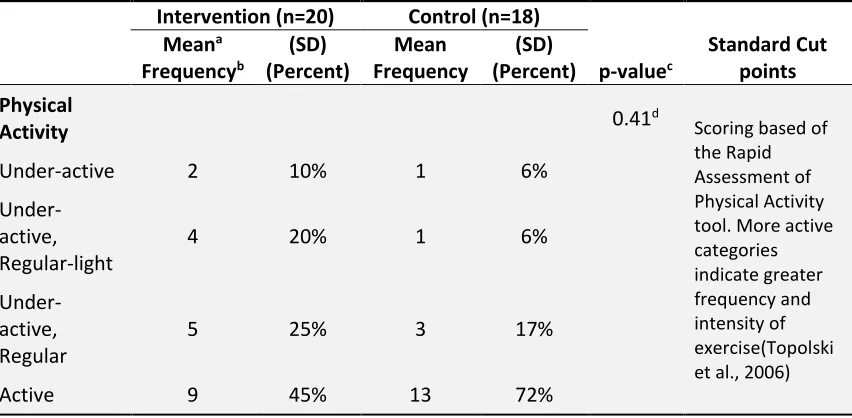
Rapid Assessment of Physical Activity (RAPA)
The RAPA is a 9-item questionnaire that serves as an easy-to-administer measure
of physical activity for use in clinical settings. The first 7 questions assess aerobic physical
activity and combine to categorize individuals as ‘sedentary’ ‘under-active’ ‘under-active
regular light’ ‘under-active regular’ and ‘active’. The final two questions combine to
provide a strength and flexibility score ranging from 0 to 3, with 3 suggesting higher
participation in activities that promote strength and flexibility. The English version of
RAPA has been validated for use among older adults (Topolski et al., 2006).
Additional Measures
Additional information not used in this study also was collected; including
nutritional information, caffeine intake, fruit and vegetable consumption, as well as blood
samples and actigraph data.
3.3 Model Variables
Outcome Variables
Diurnal cortisol decline (𝐃𝐂𝐃): DCD is calculated as the awakening cortisol
measurement subtracted from the average of the evening and bedtime cortisol
measurement values for each patient. From the following equation, 𝐷𝐶𝐷𝑝,𝑑 is change in
cortisol from measurement point 𝑚1to the average of measurement points 𝑚5 and 𝑚6
𝐷𝐶𝐷𝑝,𝑑 = (𝑐𝑜𝑟𝑡𝑖𝑠𝑜𝑙𝑝𝑑5+ 𝑐𝑜𝑟𝑡𝑖𝑠𝑜𝑙𝑝𝑑6
2 ) − 𝑐𝑜𝑟𝑡𝑖𝑠𝑜𝑙𝑝𝑑1
Cortisol values representing the CAR (i.e. those collected at 15-, 30-, and
45-minute post awakening) are not included in the regression line to calculate diurnal cortisol
decline for two primary reasons. First, the CAR is thought to be regulated by a mechanism
distinct from other cortisol rhythms (Clow et al., 2004). Clow and colleagues proposed
that the CAR is regulated by the hypothalamic suprachiasmatic nucleus and indicated that
it is affected by light upon awakening – low light leading to higher CAR response (Clow et
al., 2004). For this reason, including immediate post-awakening measurements could bias
estimates of diurnal cortisol decline. Additionally, in trials where clinical outcomes were
indicated with flatter diurnal cortisol slopes (smaller diurnal decline), only the awakening
and evening cortisol measurements were included in analysis (Poole et al., 2016; Sephton
et al., 2013, 2000).
Change in DCD (∆𝐃𝐂𝐃𝐩𝟏 and ∆𝐃𝐂𝐃 𝐩
𝟐): Difference between DCD at baseline (0) and
follow-up one (1) and baseline and follow-up two (2) respectively for each patient 𝑝.
∆𝐷𝐶𝐷𝑝1 = (𝐷𝐶𝐷𝑝1 − 𝐷𝐶𝐷𝑝0)
∆𝐷𝐶𝐷𝑝2 = (𝐷𝐶𝐷
𝑝2 − 𝐷𝐶𝐷𝑝0)
Change in cortisol level (∆𝐂𝐩,𝐦𝟏 and ∆𝐂 𝐩,𝐦
𝟐 ): Difference in cortisol level between
baseline (0) and follow-up one (1) and baseline and follow-up two (2) respectively for each
∆𝐶𝑝,𝑚1 = 𝑐𝑜𝑟𝑡𝑖𝑠𝑜𝑙
𝑝1𝑚− 𝑐𝑜𝑟𝑡𝑖𝑠𝑜𝑙𝑝0𝑚
∆𝐶𝑝,𝑚2 = 𝑐𝑜𝑟𝑡𝑖𝑠𝑜𝑙𝑝2𝑚− 𝑐𝑜𝑟𝑡𝑖𝑠𝑜𝑙𝑝0𝑚
Exposure Variable
Randomization to the intervention mindfulness program or to the control
breathing course was the primary exposure of interest.
Confounders
Potential confounders that were assessed for impact on the ability of the model
to predict changes in diurnal cortisol patterns: sex, age, race, perceived stress, physical
activity level, depression, sleep quality, and cohort (Adam & Kumari, 2009; R. Miller et al.,
2016).
Effect Modifiers
Baseline levels of cortisol were examined as a potential effect modifier (Bränström et al., 2013).
3.4 Statistical Analysis
We performed three distinct analyses. First, a baseline analysis to assess
association between DCD and variables of interest in the sample population. Second, we
investigated the effect of the treatment on change in DCD and third, we investigated the
Baseline Analysis
Baseline DCD can be calculated using the method explained in Subsection 3.3
using baseline day (𝑑 = 0). We examine the crude and multivariable association between
DCD at baseline and measured variables of interest including depression, sex, perceived
stress, age, sleep quality, physical activity, and cohort when indicated by a crude
association. Refer to Subsection 1.2 specific aim 1 for hypothesized associations.
DCD𝑝,𝑑=0 = 𝛽0+ 𝛽1𝑑𝑒𝑝𝑟𝑒𝑠𝑠𝑖𝑜𝑛 + 𝛽2𝑠𝑒𝑥 + 𝛽3𝑠𝑡𝑟𝑒𝑠𝑠 + 𝛽4𝑎𝑔𝑒 + 𝛽5𝑠𝑙𝑒𝑒𝑝 + 𝛽6𝑃𝐴
+ 𝛽7𝑐𝑜ℎ𝑜𝑟𝑡 + 𝜀𝑝0
Analysis on ∆𝐃𝐂𝐃
∆DCD for each patient is calculated as explained in Subsection 3.3. We use the
following regression model in order to understand the effect of treatment (𝑡𝑟) when
controlling for sex, age, and other potential confounders (listed in Subsection 3.3):
∆DCD𝑃 = 𝛽0+ 𝛽1𝑡𝑟 + 𝛽2𝑠𝑒𝑥 + 𝛽3𝑎𝑔𝑒+. . . +𝜀𝑝
We expect 𝛽1 to be significantly less than 0 in accordance with specific aim 2 in
Subsection 1.2.
Analysis on change in cortisol level (∆𝐂𝐩,𝐦𝟏 and ∆𝐂 𝐩,𝐦 𝟐 )
We used change in each cortisol measurement for each patient, ∆𝐶𝑝,𝑚1 and ∆𝐶𝑝,𝑚2
(as explained in Subsection 3.3) as the dependent variable in our linear regression models.
each follow-up day comparison). Since research indicates that both hypercortisolism and
hypocortisolism are related to HPA axis dysregulation and that cancer survivors may have
dysregulated HPA axis function (Abercrombie et al., 2004; Heim et al., 2000; Porter et al.,
2003), we expect patients with high baseline cortisol measurements to show a negative
change after the intervention and patients with low baseline cortisol measurement to
show a positive change after the intervention. See specific aim 3 in Subsection 1.2.
For this reason, we divided the sample population into tertiles of cortisol levels by
age (< 60 and ≥ 60) and sex at baseline to create an estimate of high, low, and average
cortisol levels for each individual by age and sex. Because there are only 10 men in the
sample, and all but 1 are in the greater than 60 age category, men were not further
divided into age categories before creating tertiles by cortisol level. Using these tertiles
of the sample population at baseline we create dummy variables 𝑙𝑐 (low cortisol) and ℎ𝑐
(high cortisol) to classify patients as within the central range (𝑙𝑐 = 0 and ℎ𝑐 = 0), in the
lower tertile (𝑙𝑐 = 1 and ℎ𝑐 = 0), or in the upper tertile (𝑙𝑐 = 0 and ℎ𝑐 = 1) by sex and
age (for females). We include this new baseline classification variable in the following
linear regression models to examine interaction with treatment (𝑡𝑟):
∆𝐶𝑝,𝑚1 = 𝛽0𝑚1 + 𝛽1𝑚1 𝑡𝑟 + 𝛽2𝑚1 ℎ𝑐 + 𝛽3𝑚1 𝑙𝑐 + 𝛽4𝑚1 (𝑡𝑟×ℎ𝑐) + 𝛽5𝑚1 (𝑡𝑟×𝑙𝑐) + 𝜀𝑝
∆𝐶𝑝,𝑚2 = 𝛽0𝑚2 + 𝛽1𝑚2 𝑡𝑟 + 𝛽2𝑚2 ℎ𝑐 + 𝛽3𝑚2 𝑙𝑐 + 𝛽4𝑚2 (𝑡𝑟×ℎ𝑐) + 𝛽5𝑚2 (𝑡𝑟×𝑙𝑐) + 𝜀𝑝
We expect 𝛽1𝑚1 + 𝛽
4𝑚1 and 𝛽1𝑚2 + 𝛽4𝑚2 to be significantly less than zero
(treatment effect for high cortisol level patients) and we expect 𝛽1𝑚1 + 𝛽5𝑚1 and 𝛽1𝑚2 +
sample calculations are conducted using SAS® 9.4 software, Cary, NC: SAS Institute Inc.