DRAFT – September 2017
NATIONAL VASCULAR REGISTRY
This report was prepared by
Clinical Effectiveness Unit, The Royal College of Surgeons of England
Mr Sam Waton, NVR Project Manager
Dr Amundeep Johal, Statistician/Quantitative Analyst Dr Katriina Heikkila, Assistant Professor
Prof David Cromwell, Professor of Health Services Research / CEU Director
Vascular Society of Great Britain and Ireland (VSGBI)
Prof Ian Loftus, Consultant Vascular Surgeon Mr Jon Boyle, Consultant Vascular Surgeon
The Royal College of Surgeons of England is an independent professional body committed to enabling surgeons to achieve and maintain the highest standards of surgical practice and patient care. As part of this it supports Audit and the evaluation of clinical effectiveness for surgery.
The RCS managed the publication of the 2016 Annual report.
The Vascular Society of Great Britain and Ireland is the specialist society that represents vascular surgeons. It is one of the key partners leading the audit.
Commissioned By
HQIP is led by a consortium of the Academy of Medical Royal Colleges, the Royal College of Nursing and National Voices. Its aim is to promote quality improvement, and in particular to increase the impact that clinical audit has on healthcare quality in England and Wales. HQIP holds the contract to manage and develop the NCA Programme, comprising more than 30 clinical audits that cover care provided to people with a wide range of medical, surgical and mental health conditions. The programme is funded by NHS England, the Welsh Government and, with some individual audits, also funded by the Health Department of the Scottish Government, DHSSPS Northern Ireland and the Channel Islands.
Copyright
All rights reserved. Applications for the copyright owner’s written permission to reproduce significant parts of this publication (including photocopying or storing it in any medium by electronic means and whether or not transiently or incidentally to some other use of this publication) should be addressed to the publisher. Brief extracts from this publication may be reproduced without the written permission of the copyright owner, provided that the source is fully acknowledged.
Contents
Acknowledgements ... 6
Foreword ... 7
Executive Summary ... 8
Recommendations ... 14
1. Introduction ... 22
1.1 The 2017 Annual Report ... 23
1.2 Publication of information on the VSQIP website ... 24
1.3 Organisation of NHS hospital vascular services ... 24
1.4 How to read this report ... 26
2. Repair of abdominal aortic aneurysm ... 28
2.1 Background ... 28
2.2 Preoperative care pathway for elective infra-renal AAA ... 30
2.3 Snapshot audit of elective infra-renal AAA repair ... 33
2.4 Postoperative outcomes after elective infra-renal AAA repair ... 36
2.5 Postoperative in-hospital mortality for elective infra-renal AAA repair ... 37
2.6 Conclusion ... 40
3. Elective repair of complex aortic conditions... 41
3.1 Patterns of complex aortic surgery ... 41
3.2 Snapshot audit of complex aortic conditions ... 44
3.3 Conclusion ... 47
4. Repair of ruptured abdominal aortic aneurysms ... 48
4.1 Surgical activity for ruptured AAA ... 48
4.2 Postoperative in-hospital mortality for ruptured AAA repair ... 50
4.3 Conclusion ... 51
5. Carotid Endarterectomy... 52
5.1 Background ... 52
5.2 Treatment pathways ... 53
5.4 Rates of stroke/death within 30 days among NHS trusts ... 60
5.5 Conclusion ... 61
6. Lower limb angioplasty/stent for peripheral artery disease ... 62
6.1 Introduction ... 62
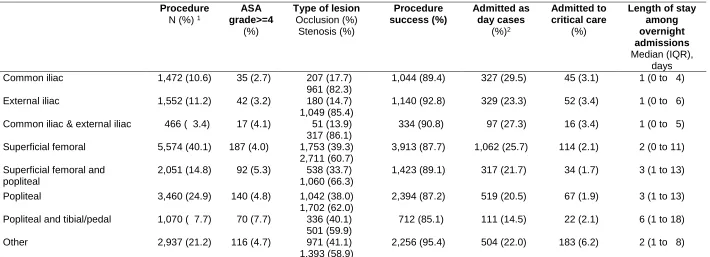
6.2 Procedure characteristics ... 64
6.3 Outcomes of lower limb angioplasty/stents ... 68
6.4 Risk-adjusted in-hospital deaths ... 69
6.5 Summary of findings and future directions ... 70
7. Lower limb bypass for PAD ... 71
7.1 Introduction ... 71
7.2 Rates of in-hospital death after lower limb bypass ... 74
8. Major lower limb amputation ... 75
8.1 Introduction ... 75
8.2 Care pathways ... 77
8.3 Procedure characteristics ... 79
8.4 Perioperative care ... 81
8.5 In-hospital outcomes following amputation ... 83
8.6 Discharge and follow-up ... 85
8.7 Summary of findings ... 86
Appendix 1: Organisation of the Registry ... 88
Appendix 2: NHS organisations that perform vascular surgery ... 89
Appendix 1: Summary of procedures and patient characteristics ... 92
Appendix 4: Elective infra renal AAA repairs ... 104
Appendix 5: Repair of complex AAAs ... 105
Appendix 6: Emergency repair of ruptured AAA ... 106
Appendix 7: Carotid endarterectomy ... 107
Appendix 8: Lower limb angioplasty/stent ... 108
Appendix 9: Lower limb bypass ... 109
Appendix 10: Major lower limb amputation ... 110
References ... 114
6
Acknowledgements
The National Vascular Registry is commissioned by the Healthcare Quality Improvement Partnership (HQIP) as part of the National Clinical Audit Programme (NCA). HQIP is led by a consortium of the Academy of Medical Royal Colleges, the Royal College of Nursing and National Voices. Its aim is to promote quality improvement, and in particular to increase the impact that clinical audit has on healthcare quality in England and Wales. HQIP holds the contract to manage and develop the NCA Programme, comprising more than 30 clinical audits that cover care provided to people with a wide range of medical, surgical and mental health conditions. The programme is funded by NHS England, the Welsh Government and, with some individual audits, also funded by the Health Department of the Scottish
Government, DHSSPS Northern Ireland and the Channel Islands.
We would like to acknowledge the support of the vascular specialists and hospital staff who have participated in the National Vascular Registry and the considerable time devoted to data collection.
We would also like to thank
VSGBI Audit and Quality Improvement Committee
Fiona Miller, Chair of Audit Committee, British Society of Interventional Radiology
Caroline Junor, Peter Rottier and Iain McLachlan from Northgate Public Services (UK) Limited
Please cite this report as:
7
Foreword
As President of the Vascular Society of Great Britain and Ireland (VSGBI), it gives me great pleasure to support the publication of the National Vascular Registry report 2017. Special thanks must go to Professor Ian Loftus, Chair of the Audit Committee of VSGBI and his team and to Professor David Cromwell and his team on the Clinical Effectiveness Unit at the Royal College of Surgeons of England.
The NVR annual report is a very important document because it reassures the public that vascular surgery remains safe and that vascular units are producing good outcomes for their patients.
This year’s report give details of 4153 elective aortic aneurysm repairs (AAA) in 2016 and I am pleased to see that mortality remains very low (2.9% for open repair and 0.4% for endovascular repair). It is also good to see that the NVR is starting to accumulate data on outcomes for complex aneurysm repair and ruptured AAA – this data will support the ongoing re-organisation of services. For carotid surgery, there are details of 4330 interventions in 2016 with similarly impressive results.
Of course, there are always areas for improvement. I am concerned about waiting times for elective AAA repair and carotid surgery, which continue to vary across NHS vascular units. Also, the speed with which the case ascertainment of lower limb endovascular procedures (mainly peripheral angioplasty) needs to increase.
Overall, the information in this report will be invaluable for those who commission vascular services and for local vascular specialists to drive further improvements so that all our patients have access to world-class outcomes across the range of clinical vascular services.
Professor Rob Sayers
8
Executive Summary
This 2017 Annual report of the National Vascular Registry is the fourth since the new Registry was launched in 2014, to replace the National Vascular Database. The Registry is commissioned by the Healthcare Quality Improvement Partnership and is designed to support quality improvement within NHS hospitals performing vascular surgery by providing information on their performance.
Data entry into the NVR is mandatory for individual clinicians and for vascular units. For clinicians, the NVR data can then support medical revalidation; for vascular services, the information can inform local initiatives to support the quality of care and the commissioning of clinical services. This report comprises comparative Trust level information on arterial interventions across England, Scotland, Wales and Northern Ireland for the period from January 2014 to December 2016. It supplements information provided online at the dedicated vascular quality improvement website (www.vsqip.org.uk).
The report provides data on provider activity, metrics on the process of care and clinical outcomes for the major vascular interventions:
1) Repair of aortic aneurysms, including elective infra-renal, ruptured infra-renal, and more complex aneurysms
2) Carotid endarterectomy
3) Lower limb revascularisation (bypass and endovascular)
4) Major lower limb amputation
The metrics are drawn from a number of service guidelines, in particular, the Vascular Society of Great Britain and Ireland (VSGBI) “Provision of Vascular Services” document published in 2016, the VSGBI Quality Improvement Frameworks, and the National Institute for Health and Care Excellence guidelines on stroke and peripheral artery disease.
Aortic aneurysms
9
1) Elective infra-renal AAA
The provision of services for the repair of elective infra-renal AAA has been the subject of a Quality Improvement Programme supported by the VSGBI. In recognition of the importance of case volume in driving better clinical outcomes, many regional vascular services have been reconfigured, with interventions being increasingly performed in high-volume ‘hub’ centres, with dedicated facilities and specialist multi-disciplinary services. This includes the ability to offer and perform minimally invasive endovascular repair 7 days a week.
The NVR received detailed information on 4,153 elective AAA repairs in 2016, and there appears to be a 5% decrease in activity within the NHS since 2015. The proportion of cases performed by open repair and endovascular repair (EVAR) is similar to the previous 2 years (30% open repair, 70% EVAR).
The outcomes from elective AAA repair improved dramatically following the Quality
Improvement Programme and continue to be favourable when compared internationally to other countries. The in- hospital mortality was 2.9% for open repair and 0.4% for EVAR. Postoperative complications were documented for 20.5% and 6.3% for open repair and EVAR, respectively.
Most centres continue to achieve important measures of the process of care for the majority of patients. Specifically:
• 78.3% were discussed at MDT meetings
• 82.2% had pre-operative CT/MR angiography
• 96.6% of patients underwent a formal anaesthetic review (91.9% by a consultant vascular anaesthetist)
• 83.9% had documented formal fitness assessment tests
This year, the NVR undertook a snapshot audit which examined what factors influenced the time to surgery for patients with a diagnosed AAA. This found that advice from non-vascular specialists and assessments are required for between 15-18% of patients. In addition, 7-8% of patients experienced delays due to their operation being cancelled.
There remain 2 areas of potential improvement in the provision of AAA services. Firstly, there are significant variations in the timelines from diagnosis to surgery, with centres ranging from a median of under 30 days to over 100 days. The National Screening
Programme has set a timeline of 8 weeks from diagnosis to repair and vascular units should strive to meet this target for the majority of patients.
10
2) Complex Aneurysm Repair
Aortic aneurysms that occur above or around the renal arteries require more complex aortic procedures. Recently, endovascular repair has become the favoured approach for these more complex intervention in many centres. Between January 2014 and December 2016, there were 2,055 complex AAA repairs, comprising of 1,838 endovascular and 217 open repairs. The endovascular procedures included: 984 fenestrated repairs (FEVAR), 177 branched repairs (BEVAR) and 332 thoracic procedures (TEVAR). these represent a relatively large case volume, although it is difficult to give an accurate estimate of case ascertainment due to the complexities of coding these procedures in routine hospital data.
The outcomes remain favourable for EVAR compared to open repair, with an in hospital mortality of 3.5% and 18.4%, respectively. Direct comparison of these figures is difficult and the open procedures may represent a more complex anatomical AAA to repair. Further work is required to clarify which patients benefit most from an endovascular approach or an open repair.
Complex aortic surgery remains a relatively high risk, high cost service. It is essential to build a more detailed picture of service provision, activity and outcomes from both open and endovascular procedures. Centres should only be commissioned to perform such procedures if they have submitted complete and accurate data on case activity and
outcomes to the NVR to ensure the provision of safe and effective services for patients with complex aortic disease. 57 of the 76 centres performing complex AAA repairs in 2014-2016 submitted fewer than 10 cases.
3) Ruptured AAA
This report documents the activity and outcomes for ruptured AAA for the three year period from January 2014 to December 2016. Despite the national screening programme for the detection of aneurysms, the number of aneurysm ruptures remain high, with 2,913 cases over the 3-year period. This, as with elective repair, represents a case ascertainment of 86%.
In contrast to elective repair, and despite clinical trial evidence of benefit from EVAR [Powell et al 2014] , the adoption of EVAR remains static for ruptured AAA (approximately 30% compared to 70% for elective repair). Patients undergoing EVAR for ruptured AAA had a lower reported in-hospital postoperative mortality compared to open repair (23.2% and 41.2%, respectively). As with complex AAA repair, direct comparison of these figures are difficult and the open procedures may represent the more complex cases. Further work is required to clarify which patients benefit most from the two approaches.
11
variety of possible resource and process reasons for this but each vascular unit performing emergency AAA repair should ensure they are able to provide endovascular services 24 hours a day, 7 days a week, with appropriate skill mix, hybrid operating facilities and endovascular consumables.
Carotid endarterectomy
Disease of the carotid arteries can predispose patients to stroke. Carotid endarterectomy (CEA) can reduce that risk of a stroke for some patients if surgery is performed quickly following the onset of symptoms. It is recommended that patients have surgery within 14 days of their first symptoms.
In 2016, there were a total of 4,330 carotid interventions. The number of procedures recorded in the NVR has decreased significantly recently (a 15% drop in two years). This seems to reflect a fall in activity rather than a reduction in case-ascertainment, which has been consistently high since 2014 (>90%). The median time from symptom to surgery is unchanged in 2016 compared to 2015 (median: 13 days). However, there remains
significant variation between NHS trusts, with the median delay ranging from 5 days to over 70 days.
The surgical outcomes continue to be good. Estimated rates of significant complication are:
Postoperative complication Procedures in 2014-2016
Complication rate (%)
95% Confidence interval
Bleeding 14,133 2.3 2.1-2.6 Myocardial Infarct 14,133 1.3 1.1-1.5 Stroke within 30 days 14,134 1.8 1.5-2.0
Death and/or stroke within 30 days 14,134 2.2 1.9-2.4 Cranial nerve injury 14,043 1.8 1.6-2.0
There are two key areas for service improvement with regard to carotid endarterectomy:
1) Time from symptom to surgery. The benefit of surgery is much lower for most patients once 14 days have elapsed from the presenting symptoms. All trusts performing carotid endarterectomy should review their pathways of care to ensure that patient are offered surgery within this 14-day window.
12
numbers that allow an appropriate comparison to national standards. Further reconfiguration of services may be required, given the decreasing national caseload.
Lower Limb Interventions for Peripheral Artery Disease
Peripheral artery disease (PAD) of the lower limb causes a range of symptoms ranging from lifestyle restricting claudication to critical ischaemia and potential limb loss. Treatment options include conservative therapy, endovascular or open surgical interventions including bypass. In cases where revascularisation is not possible or deemed unsuitable, major lower limb amputation may be required. This report outlines the processes and outcomes of lower limb revascularisation procedures between January 2014 and December 2016.
1) Lower limb bypass
NHS hospitals submitted 17,200 open surgical/bypass procedures to the NVR, with an estimated case ascertainment rate of 90%. Among these patients, 70.0% underwent bypass surgery for critical limb ischaemia, and 85.4% were recorded as being on an anti-platelet agent and 82.3% on a statin.
Surgical outcomes for bypass procedures remained good. The in-hospital postoperative mortality rate was 2.8% (95% CI 2.6 to 3.1). Overall, there were no defined complications in 86.0% of cases (95% CI 85.5-86.6%) and a further secondary procedure was required in 8.5% of cases. All the NHS trusts had a risk adjusted rate of in-hospital death that fell within the expected range given the number of procedures performed.
We observed that 1 in 10 patients had an unplanned readmission, which suggests this is an area for improvement. The NVR does not have information on the reasons for readmission but local services should review their local rates to determine the cause and examine possible pathways for improvement.
2) Endovascular lower limb procedures
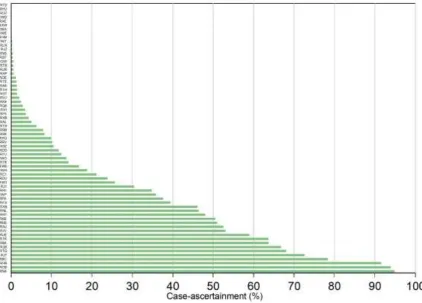
The NVR has been collecting data on endovascular lower limb procedures since January 2014. The number of procedures submitted to the NVR has increased each year: 3,474 in 2014, 4,471 in 2015 and 5,941 in 2016. However, the overall case-ascertainment has not increased as much as we would like: rising from 15.7% in 2014 to 20.7% in 2015 and 27.5% in 2016.
13
There were large variations between NHS trusts, with regard to provision of the treatment on a day case basis. Overall, there were good clinical outcomes with an in-hospital mortality rate of 1.6% and a complication rate of 5.7%.
Nonetheless, the case-ascertainment remains too low for robust conclusions to be drawn from analysis of the data. While a few NHS trusts achieved 90% ascertainment rates, there was a disappointingly large number of vascular units with very low rates, including 50% of arterial centres achieving a case-ascertainment estimates of less than 20%. Continued local efforts must be made to improve data collection.
3) Major lower limb amputation
Over the three-year data collection period, 9 804 major lower limb amputations were entered into the NVR (3,059 in 2014, 3,441 in 2015 and 3,304 in 2016, with a yearly increase in estimated case ascertainment from 65.2% to 69.7%). Significant variations in the level of data ascertainment remain between NHS trusts, with 20 arterial centres capturing data on less than 50% of cases.
There were a higher proportion of below-knee to above-knee amputations (6,978
procedures, 71.2% versus 2 826, 28.8%, respectively). In terms of patient characteristics, 72% were on aspirin therapy and 72% took statins; 62.6% were diabetic.
Most patients were emergency admissions but over 80% of patient underwent surgery during daytime hours (8am-6pm) – one of the key quality indicators in the VSGBI quality improvement pathway. In terms of other process measures, a consultant surgeon was present in theatre in 79.8% of below knee and 74.1 for above knee procedures, and antibiotic/DVT prophylaxis was given in around 60% of patients. The 30-day mortality for below and above knee amputations was 6.7% (95% CI 6.1 to 7.2) and 12.4% (95% CI 11.2 to 13.7), respectively.
All the NHS trusts had a risk adjusted rate of in-hospital death that fell within the expected range given the number of procedures performed. There were, however, variation in the levels achieve on the process measures (daytime operating, consultant presence,
14
Recommendations
Vascular units within NHS trusts / Health Boards
Vascular units should review their activity, case ascertainment and outcomes to ensure care is consistent with the recommendations in national clinical guidance on patients requiring major arterial surgery. In particular, vascular units are encouraged to adopt the care pathway and standards outlined in the Vascular Society’s Provision of Vascular Services document, plus Quality Improvement Frameworks for AAA and amputation.
Units should also regularly review their levels of data submission to the NVR, with the aim of ensuring it is complete, particularly in relation to major amputation and endovascular lower limb procedures. Specific areas for improvement are:
Vascular units should assess whether all AAA patients are discussed at the vascular MDT meeting and that this is document clearly in the medical notes. Units should also check that this information is uploaded to the NVR, including the date of discussion.
The National AAA Screening Programme has set a target of 8 weeks for the time patients take from vascular assessment to elective AAA repair. For non-complex aneurysms, vascular units should adopt this as a target for both screen and non-screen detected AAA patients, and alter the care pathway to avoid excessive waiting time beyond 8 weeks.
For patients requiring complex AAA repair, vascular units should also examine how the time from vascular assessment to surgery can be reduced, particularly, the process of requesting non-conventional devices for endovascular procedures. Cancellations should be kept to a minimum.
For emergency repair of ruptured aneurysms, NHS vascular units should evaluate how access to endovascular repair can be improved. This may require review of anaesthetic as well as surgical aspects of the care pathway.
Vascular units with low volumes of complex AAA surgery should review referral pathways within their networks in order to meet the volume thresholds
recommended by the VSGBI.
NICE recommends that carotid endarterectomy is undertaken within 14 days of a patient experiencing symptoms. NHS trusts that are not meeting this target should optimise referral pathways within their networks and implement improvements to drive down the waiting times. More generally, units should examine how their performance compares against the standards within NICE Guideline CG68. Vascular units should review local care pathways and patient outcomes for lower
15
Vascular units should examine how to improve their performance against the NCEPOD recommendations for amputation, specifically in relation to operating on planned lists, having a consultant surgeon present and the use of prophylactic medication. Units should also check that this information is being uploaded accurately to the NVR.
For Medical Directors of NHS trusts / Health Boards
Medical Directors should review the results for their organisation and ensure that vascular units have sufficient resources to meet the standards defined by NICE and the VSGBI for patients requiring elective and emergency arterial procedures.
In addition, there needs to be support from Medical Directors for improved
case-ascertainment, and we recommend data submission to the NVR becomes an essential part of yearly appraisal and revalidation for all vascular interventionists.
For Commissioners / Regional Networks
Commissioners (in England) and Welsh Health Boards should (1) review the results for their local organisations to ensure the care provided to their patients is meeting national quality standards, and (2) should work with NHS providers to develop strategies for addressing areas of variation. In particular, the low numbers of procedures that some vascular units do for patients with complex AAA or ruptured AAA, as well as the falling numbers of carotid endarterectomies, highlights the need for further centralisation or collaboration between networks to ensure highest standards of care for these patient groups.
Commissioners / Health Boards should encourage their local providers to adopt the care pathway and standards outlined in the Vascular Society’s Quality Improvement Frameworks and Provision of Vascular Services documents, including submission of data to the NVR.
For Vascular Society of GB&I / British Society of Interventional Radiology
22
1. Introduction
The National Vascular Registry (NVR) was established in 2013 to measure the quality and outcomes of care for patients who undergo major vascular procedures in NHS hospitals, and to support vascular services improve the quality of care for these patients by publishing high-quality benchmark information. The NVR was commissioned by the Healthcare Quality Improvement Partnership (HQIP) as part of the National Clinical Audit and Patient Outcomes Programme (NCAPOP).
Hospital-based vascular services treat patients with conditions that affect blood circulation, and which are part of the broad spectrum of cardiovascular disease. The treatments for these conditions are typically aimed at reducing the risk of cardiovascular events such as a heart attack, stroke or the rupture of an artery. There are two principal types of vascular disease:
serious atherosclerotic conditions, which concern the thickening, narrowing and occlusion of arteries, or
aneurysmal conditions (outside of the heart and brain) in which an artery has widened and is at risk of rupture.
The diversity of vascular disease presents a challenge for vascular services. Treatment options will depend upon the severity of a patient’s condition as well as the extent of other co-existing conditions. Some patients may only require a combination of advice on lifestyle change and medication. However, many patients have severe arterial disease that requires surgery or an invasive procedure like angioplasty.
The NVR captures data on adult patients undergoing emergency and elective procedures in NHS hospitals for the following patient groups:
1. patients who undergo carotid endarterectomy or carotid stenting
2. patients who have a repair procedure for abdominal aortic aneurysm (AAA), both open and endovascular (EVAR)
3. patients with peripheral arterial disease (PAD) who undergo either (a) lower limb angioplasty/stent, (b) lower limb bypass surgery, or (c) lower limb amputation.
Adult patients with vascular conditions who do not have surgery (including those referred but not operated on) are outside the scope of the NVR.
23
procedures for medical revalidation, and the NVR is designed to facilitate this. Outcome information also plays a crucial role in the commissioning of vascular services.
1.1 The 2017 Annual Report
The aim of this report is to give an overall picture of the care provided by NHS vascular units. It provides information on the process of outcomes of care for:
• patients undergoing the elective repair of abdominal aortic aneurysms (AAA), both infra-renal (below the kidneys) and juxta-/supra-renal (adjacent/above the kidneys)
• patients undergoing emergency repair of a ruptured AAA • patients having a carotid endarterectomy
• patients with PAD having:
o an endovascular intervention (angioplasty or stent insertion) o a lower limb bypass procedure
o a major lower limb amputation
The information is primarily derived from information collected continuously by hospitals throughout the year. But in this report, we augment this information with the results on a snapshot audit that examined how changes from the standard care pathway for AAA patients can affect the time from initial referral to surgery.
The report is primarily aimed at vascular surgeons and their teams working within hospital vascular units. Nonetheless, the information in the report is relevant to other health care professionals, patients and the public who are interested in having an overall picture of the organisation of services within the NHS.
Being a procedure-based clinical audit, the NVR is designed to evaluate primarily the outcomes of care, with the aim of supporting vascular specialists to reduce the risk associated with the procedure. Short-term survival after surgery is the principal outcome measure for all vascular procedures, but the report also provides information of other outcomes, such as the types of complications that occur after individual procedures.
Additional contextual information is provided by the process measures. These are linked to standards of care that are drawn from various national guidelines. The “Provision of
Services for Patients with Vascular Disease” document produced by the Vascular Society [VSGBI 2015] provides an overall framework for the organisation of vascular services, while a number of other sources describe standards of care for the individual procedures,
including:
For carotid endarterectomy
24
National Stroke Strategy [DH 2007] and its associated publication “Implementing the National Stroke Strategy – an imaging guide” [DH 2008].
For elective AAA repair
The Vascular Society of GB&I “Quality Improvement Framework for AAA” [VSGBI 2012]
Standards and outcome measures for the National AAA Screening Programme (NAAASP) [NAAASP 2009]
For peripheral arterial disease
The Vascular Society of GB&I. “A Best Practice Clinical Care Pathway for Major Amputation Surgery” [VSGBI 2016]
National Institute for Health and Clinical Excellence (NICE). Guidance for peripheral arterial disease (CG147) [NICE 2012]
1.2 Publication of information on the VSQIP website
As well as producing these annual reports, the Registry publishes information on the
www.vsqip.org.uk website for each of the five vascular procedures for all UK NHS trusts that currently perform these procedures. For each organisation, the website gives the number of operations, the typical length of stay, and the adjusted postoperative outcomes.
As part of NHS England’s “Everyone Counts: Planning for Patients 2013/4” initiative, the NVR has published outcome information for elective infra-renal AAA repairs and carotid
endarterectomy procedures by individual consultants currently working at the organisation. Consultant-level information has also been published for NHS hospitals in Wales, Scotland and Northern Ireland for surgeons who consented.
1.3 Organisation of NHS hospital vascular services
The organisation of hospital vascular services within the UK continues to evolve. It is recommended that vascular services are organised into regional networks, consisting of a hub hospital providing arterial surgery and complex endovascular interventions, and spoke hospitals providing venous surgery, diagnostic services, vascular clinics, and rehabilitation [VSGBI 2016].
25
performed in 114 NHS trusts. By 2016, 32 of the NHS trusts had stopped performing elective AAA repairs, and in the remaining 82, the number of NHS trusts performing fewer than 30 operations had fallen to 20 (Figure 1.1). A similar pattern can be seen for NHS trusts performing carotid endarterectomy procedures: 120 trusts provided this service in 2011 but this had reduced by 2016 to 87 trusts (Figure 1.2).
Figure 1.1: Number of NHS trusts performing elective infra-renal AAA surgery
Figure 1.2: Number of NHS trusts performing carotid endarterectomy surgery
Within NHS hospitals, there have also been major changes. There has been investment to improve the operating environment for vascular specialists, with the increasing availability of theatres that incorporate radiological imaging equipment (so-called hybrid theatres), and dedicated daily vascular operating lists. Working within multi-disciplinary teams has also become common practice.
0 20 40 60 80 100 120
2011 2012 2013 2014 2015 2016
N
o
of
T
rus
ts
Year
26
This process of reconfiguration is ongoing. In the 2015 NVR organisational survey, 48 (76%) of the responding NHS trusts / Health Boards reported that they were a part of a completely or near-completely reconfigured network. Respondents from another eight NHS
organisations stated that reconfiguration was planned within the next two years.
The current location of NHS trusts performing AAA surgery is shown in Figure 1.3 overleaf.
1.4 How to read this report
The results in this report are based primarily on vascular interventions that took place within the UK between 1 January 2014 and 31 December 2016. To allow hospitals to enter follow-up information about the patients having these interventions, the data used in this report was extracted from the NVR IT system in August 2017. Only records that were locked (i.e., the mechanism used in the IT system for a hospital to indicate that data entry is
complete) were included in the analysis.
The scope of the NVR extends only to patients who underwent a procedure. Details of patients who were admitted to hospital with a vascular condition (e.g. a ruptured AAA) but are not operated upon, are not captured in the Registry.
Results are typically presented as totals and/or percentages, medians and interquartile ranges (IQR). Where appropriate, numerators and denominators are given. In a few instances, the percentages do not add up exactly to 100%, which is typically due to the rounding up or down of the individual values. More details of the analytical methods are given in Appendix 11.
Where individual NHS trust and Health Board results are given, the denominators are based on the number of cases for which the question was applicable and answered. The number of cases included in each analysis may vary depending on the level of information that has been provided by the contributors and the total number of cases that meet the inclusion criteria for each analysis. Details of data submissions are given in the Appendices.
For clarity of presentation, the terms NHS trust or Trusts has been used generically to describe NHS trusts and Health Boards.
28
2. Repair of abdominal aortic
aneurysm
2.1 Background
Between 1 January 2014 and 31 December 2016, the NVR received information on AAA repairs from 90 NHS organisations: 75 in England, 5 in Wales, 9 in Scotland, and 1 in Northern Ireland. These organisations submitted data on 13,058 elective infra-renal AAA procedures. The number of these procedures identified in the routine hospitals datasets over the same period was 14,723, which gives an overall case-ascertainment of 89%. There was a slight decrease in the number of AAA repairs performed in 2016 compared to 2014 (a fall of 9%).
The estimated 2016 case-ascertainment figures for the four nations were: 87% for England, 109% for Wales, 95% for Northern Ireland and 56% for Scotland. The overall
case-ascertainment has remained fairly stable over the last three years (Table 2.1).
The estimated case-ascertainment figures for individual NHS trusts may differ slightly from those published on www.VSqip.org.uk website due to the different time periods covered. Table 2.1: Estimated case-ascertainment of elective infra-renal AAA repairs**
2014 2015 2016 Total
Audit procedures 4,547 4,358 4,153 13,058 Expected procedures 5,098 4,813 4,812 14,723 Estimated case-ascertainment 89% 91% 86% 89%
29
In recent years, there has been an increasing trend in the proportion of repairs performed as endovascular (EVAR) procedures, growing from 54% in 2009 to 66% in 2013. This trend has stabilised over the last few years, with EVAR procedures accounting for 70% of the elective infra-renal AAA repairs in 2016. There were small differences in the characteristics of patients who had EVAR and open procedures (see Appendix 4), with those undergoing EVAR procedures being, on average, slightly older and having a greater burden of comorbid disease.
The majority of procedures were performed for patients with an AAA diameter between 5.5 and 7.4 cms. Few patients had AAAs with a diameter of less than 5.5cm, the typical
threshold at which patients may be advised to have surgery. Patients were often rated as having poor levels of fitness, with severe systemic disease (ASA grade 3). This is to be expected given the high prevalence of other cardiovascular diseases; 7 in 10 had
hypertension and about 4 in 10 patients suffered from some form of heart disease. A large proportion of patients were also on medication when assessed pre-operatively.
The suitability of patient for an EVAR depends of various aspects of an aneurysm and its relationship to the normal aorta (e.g., the length and angle of the normal aorta). Among elective infra-renal EVAR repairs:
The neck angle was less than 60 degrees for 90.7% of procedures
The median proximal aortic neck diameter and length were 24 mm (IQR 22 to 26) and 24 mm (IQR 18 to 30), respectively
There were 452 (16.1%) procedures that unilaterally extended into the iliac artery and 123 (4.4%) procedures required bilateral limb extensions
30
2.2 Preoperative care pathway for elective infra-renal AAA
The VSGBI AAA Quality Improvement Framework [VSGBI 2012] made various
recommendations about the preoperative pathway of care for elective patients with infra-renal AAA. These include:
All elective procedures should be reviewed preoperatively in an MDT that includes surgeon(s) and radiologist(s) as a minimum
All patients should undergo standard preoperative assessment and risk scoring, as well as CT angiography to determine their suitability for EVAR
• All patients should be seen in pre-assessment by an anaesthetist with experience in elective vascular anaesthesia
• Ideally, a vascular anaesthetist should also be involved to consider fitness issues that may affect whether open repair or EVAR is offered
The results for procedures performed in 2016 are presented alongside the figures for the previous two years in Table 2.2. They suggest that the majority of patients are receiving care that is consistent with the recommended pathway. The overall proportion of patients having pre-operative CT/MR angiography and MDT assessment was lower than expected, but the figures might be conservative because patients for whom the dates were unknown were counted as equivalent to patients who did not receive these elements of care. The figures were reported in this way because, for audit purposes, hospitals should know the values.
Table 2.2. Overall compliance with standards related to the elective AAA care pathway
Percentage of patients meeting standard 2016 2015 2014 Elective patients were discussed at MDT meetings 78.3
(3,251/4,153)
74.4 80.2 Patients with an AAA diameter ≥ 5.5cm deemed
suitable for repair had a pre-operative CT/MR angiography assessment
82.2 (3,108/3,782)
84.1 94.0 Patients underwent a formal anaesthetic review 96.6
(4,010/4,153)
96.0 98.0 Patients who had an anaesthetic review had one by
a consultant vascular anaesthetist
91.9 (3,686 /4,009)
92.2 90.0 Patients had their fitness measured 83.9
(3,478/4,147)
82.2 73.7 Most common assessment methods:
CPET 39.5 47.6 48.1
31
The National AAA Screening Programme has emphasised the importance of the timely scheduling of an elective repair to mitigate the risk of a patient’s AAA rupturing while
waiting for treatment. This is a small absolute risk of rupture, but the NAAASP recommends a target of 8 weeks from date of referral from the NAAASP to the date of the repair.
For elective infra-renal AAA repairs, the time from vascular assessment to surgery covers an important component of the referral process that is under the direct control of vascular services. Figure 2.1 (overleaf) summarises the variation among NHS trusts in the median (IQR) time from vascular assessment to surgery for procedures performed in 2016. The graph contains figures for all organisations that had 10 or more infra-renal AAA repairs cases with assessment and procedure dates. The median time is represented by a black dot. The interquartile ranges (IQRs) are shown by horizontal green lines. Any upper quartile line that is red indicates that the upper quartile value was above 200 days. This typically occurs when the number of patients with assessment and procedure dates for the NHS organisation is relatively small.
The median delay at the majority of vascular units tended to fall within the range of 60 to 90 days. Nonetheless, the upper limit of the interquartile ranges shows that, at 33% of the vascular units (24 of 72), 25% of patients operated on in 2016 waited more than 120 days. This is a reduction from 37% for 2015. While there are legitimate reasons for some patients to wait for surgery, such as the investigation and optimisation of comorbid medical
conditions, we note that 120 days is well over the National AAA Screening Programme target of 8 weeks from date of referral to surgery and the analysis also only covers the period from vascular assessment to surgery.
32
Figure 2.1: Median (IQR) time from assessment to treatment (days) for patients who had elective infra-renal AAA repair between January and December 2016
R1 K RW Y RA 9 RW D RN S RJ 7 RV V RW P RD U RX W RD E RX R RW E RD D 7 A 5 R1 H RH 8 RM 1 RN A RW G RC 1 RY J RH M RX 1 RW H RJ E RP A RM 2 RV J RB A SS 9 9 9
RT G RP 5 RA L RK 9 RF 4 RR 8 RC B SN 9 9 9 SG9 9 9 RA E RW 6 RT D RQW RGT SV 9 9 9 RJ 1 RK B RD Z RR 1 RT E 7 A 4 RW 3 RE F RT K Z T 0 0 1
RN L SH 9 9 9
7 A 6 RA J RH Q RT H 7 A 3 RJ R 7 A 1 RQ8 RR K RT R RX N RQ6 RX P RX H T ru st
33
2.3 Snapshot audit of elective infra-renal AAA repair
In this section, we report the results from the snapshot audit into the time between referral and treatment for elective infra-renal AAA repair. The audit covered a 3-month period from June 2016 to August 2016. In this period, data were submitted on 1,021 patients, of whom 300 had an open repair and 721 had EVAR procedures.
For both types of procedures, the mean aorta size was 55mm (Table 2.3). Almost a fifth of patients for both procedures had a threshold set for the size of the aortic aneurysm to reach before treatment was considered appropriate. Often this is clinically appropriate if an
aneurysm diameter is below 5.5cm at diagnosis. The most common reason for the threshold was patient anatomy, being 60.0% for open repair and 56.3% for EVAR, respectively, and the threshold was set to be approximately the same.
One reason for the time from referral to treatment being lengthened can be the need for advice from other clinical specialties. This was sought for around a fifth of patients. Advice from a cardiologist was required for 8.8% of open repairs and 6.6% of EVAR. Some of these patients were also referred for assessment by other specialists.
Another reason for delays to treatment can be the cancellation of the planned operation. The rates of cancellation were similar for open repair and EVAR, and affected 7-8% of patients. However, reasons for cancellations differed. For open repair, lack of hospital beds (63.6%) and availability of hospital facilities (22.7%) were the most common reasons. For EVAR, patient fitness (44.9%) was the most frequent reason followed by availability of hospital facilities (34.7%).
Figure 2.2 shows the time it takes for patients to be operated on from initial diagnosis or referral. Patients with an aorta greater than 55mm mostly have their AAA repaired within 12 months. Patients with an aorta of less than 45mm could have their AAA repaired up to 50 months after the original diagnosis, which reflects the need for the AAA diameter to reach the set threshold for intervention.
Once a decision is made to operate, the patient undergoes a formal assessment of fitness and anatomy. In the previous section, we highlighted the considerable variation in the times from vascular assessment to operation. The need for specialist opinion and the possible cancellation of the operation are two reasons that might contribute to this variation. Consequently, we stratified the time from vascular assessment to operation for patients in the snapshot audit by whether or not their procedure was cancelled and whether specialist opinion was needed. Figure 2.3 shows the distribution of these times by these four groups:
34
• The need for specialist opinion (group 2; 13% patients) shifted the average wait from 62 days to around 96.5 days
• The cancellation of the operation (group 3; 5% patients), coming late in the care pathway was also associated with a higher average wait, again making typical waiting times range from 75 to 150 days.
• Patients that required a specialist opinion and whose procedure was also cancelled (group 4; 1.8% patients) had a median waiting time of 116.5 days.
Table 2.3: Details of snapshot audit for elective infra-renal AAA repairs undertaken between June and August 2016
Open (n=300)
EVAR (n=721)
Mean IQR Mean IQR
Mean aorta size 55.4mm 46 to 61mm 55.5mm 48 to 60mm
Rate 95% CI Rate 95% CI
% threshold set 19.3 14.9 to 24.4 17.1 14.4 to 20.1
Reason for threshold set Rate 95% CI Rate 95% CI
- Fitness 5.5 1.1 to 15.1 9.2 4.7 to 15.9 - Anatomy 60.0 45.9 to 73.0 56.3 46.9 to 65.4 - Both 34.5 22.2 to 48.6 34.5 26.0 to 43.7
Mean IQR Mean IQR
Size of threshold 56.1mm 55 to 57mm 56.2mm 55 to 55mm
Specialist Opinion Rate 95% CI Rate 95% CI
None required 82.1 77.2 to 86.4 85.8 82.9 to 88.3 Cardiology 8.8 5.8 to 12.7 6.6 4.9 to 8.7 Respiratory 2.1 0.8 to 4.5 2.9 1.8 to 4.4 Renal 2.1 0.8 to 4.5 2.2 1.2 to 3.5 Other 8.1 5.2 to 11.9 5.0 3.5 to 6.9
Rate 95% CI Rate 95% CI
% Cancellation of operation 7.7 4.9 to 11.5 7.1 5.3 to 9.2
Reason for cancellation Rate 95% CI Rate 95% CI
35
Figure 2.2: Time to procedure for elective infra-renal AAAs repair among NHS vascular units for procedures performed between Jun 2016 and Aug 2016. Graphs are stratified by size of aorta on diagnosis. The long waits for patients with aneurysms below diameter threshold for surgery (usually 55mm) are appropriate.
Figure 2.3: Distribution of times from vascular assessment to procedure for elective infra-renal AAA repair among NHS vascular units for procedures performed between Jun 2016 and Aug 2016. Graphs are stratified by whether patients had a specialist opinion and operation cancellation.
0 25 50 75 100
P
e
rce
n
ta
g
e
W
a
it
in
g
0 10 20 30 40 50
Analysis Time (months)
45-54mm 55-64mm
<45mm >64mm
36
2.4 Postoperative outcomes after elective infra-renal AAA repair
The overall patterns of postoperative care are summarised in Table 2.4. There were some notable differences between patients having open and EVAR procedures. For EVAR procedures, over 60% of patients were returned to a normal hospital ward after surgery. Among those admitted to either level 2 or 3 critical care, the median length of stay was 1 day. The median length of the overall postoperative stay was 3 days. For patients
undergoing open repair, 98% of patients were admitted to a level 2 or level 3 critical care unit. They typically remained there for 2 days, and the median total postoperative stay was 8 days, and had a comparatively high in-hospital mortality rate. Patients having open repair were more susceptible to respiratory complications, and the rate of return to theatre was also higher. The procedures had comparable 30-day readmission rates.
Table 2.4: Postoperative details of elective infra-renal AAA repairs undertaken between January and December 2016
Open AAA (n=1,246)
EVAR (n=2,907)
Admitted to Ward 2.2% 63.2% Level 2 58.8% 33.4% Level 3 38.8% 3.5%
Median IQR Median IQR
Days in critical care: Level 2 2 1 to 4 1 0 to 1 Level 3 2 2 to 4 1 1 to 2 Hospital length of stay (days) 8 6 to 10 3 2 to 4
Rate 95% CI Rate 95% CI
In-hospital postoperative mortality 2.9 2.0 to 4.0 0.4 0.2 to 0.8 Defined complications
37
Patients undergoing EVAR procedures may experience an endoleak, in which blood still enters the aneurysm sac after the stent is inserted. Type II endoleaks (in which blood flows into the sac from other branches of the aorta) are the most common and least serious type. These may not require immediate treatment as some will resolve spontaneously. Type I endoleaks (in which blood leaks around the points of graft attachment) are potentially more serious and generally require intervention. Among the 2016 EVAR procedures:
2,401 (83.3%) procedures experienced no endoleak while the patient was in hospital
Type 1 endoleaks occurred in 159 (5.5%) procedures
179 endoleaks (of any type) required intervention at the time of the procedure
2.5 Postoperative in-hospital mortality for elective infra-renal AAA
repair
The principal performance measure used by the NVR for elective infra-renal AAA repair is the postoperative in-hospital mortality rate. In this section, we report these outcomes for NHS organisations undertaking these AAA repairs during the period from 1 January 2014 to 31 December 2016. We used this 3-year period to give robust outcome estimates.
The comparative, risk-adjusted mortality rates for individual NHS trusts are shown in a funnel plot in Figure 2.4. The horizontal axis shows surgical activity with dots further to the right showing the hospitals that perform more operations. The 99.8% control limit defines the region within which the mortality rates would be expected to fall if their outcomes only differed from the national rate because of random variation. The overall in-hospital
mortality rate was 1.4%, and all NHS trusts had a risk-adjusted rate of inpatient mortality that fell within the expected range given the number of procedures they each performed.
38
39
Figure 2.5: Funnel plot of risk-adjusted in-hospital mortality after elective AAA repair for open and EVAR procedures. The overall in-hospital mortality rates for open and EVAR procedures were 3.1% and 0.6%, respectively.
A: Open repairs
40
2.6 Conclusion
For many years, the focus of quality improvement around elective infra-renal AAA surgery has been to reduce postoperative mortality. In 2008, the mortality rate following elective infra-renal AAA repair in the United Kingdom was 7%; by 2013, it had fallen to 2.4%. The results in this report show that vascular units continue to improve the safety of the procedure, and all are performing at a similar standard of care.
Nonetheless, postoperative mortality only reflects one part of the spectrum of outcomes that are important to patients, and the report highlights various issues for NHS trusts / Health Boards to examine along the care pathway. On the positive side, many patients received care that met the VSGBI standards of pre-operative assessment but there are several areas for improvement. First, around one quarter of patients were not discussed at MDT. Secondly, while the time from vascular assessment to surgery may legitimately be many weeks for individual patients, the overall pattern of delay for individual vascular units should ideally be consistent with the 8 weeks referral to repair target. A significant
41
3. Elective repair of complex aortic
conditions
3.1 Patterns of complex aortic surgery
Most abdominal aortic aneurysms occur below the point where arteries branch from the aorta to the kidneys (infra-renal). Aortic aneurysms may occur in other locations, however, and those that occur above this point are typically more complex in their physical shape. Aneurysms that occur above this point are categorised into three types:
Juxta-renal (that occur near to the renal arteries) Supra-renal (that occur above the renal arteries) and
Thoraco-abdominal (more extensive aneurysms involving the thoracic and abdominal aorta)
Endovascular procedures are increasingly being performed instead of open surgery for complex aneurysm repair as new endovascular grafts have been developed. Collectively these procedures are known as complex endovascular repairs, but the term covers a number of techniques. The most common are:
fenestrated EVAR (FEVAR) which involves the use of a graft which has holes (fenestrations) to allow the passage of blood vessels from the aorta
branched EVAR (BEVAR) in which separate grafts are deployed on each blood vessel from aorta after the main graft has been fitted
thoracic endovascular aortic/aneurysm repair (TEVAR)
The endovascular approach may also be used when an abdominal aneurysm extends down to the common iliac arteries. Here, an iliac branch device is used to preserve the blood flow to the internal iliac arteries.
42
Table 3.1: Characteristics of patients who had an elective repair of complex AAA between January 2014 and December 2016
Open AAA
% EVAR % Total
Total procedures 217 1,838 2,055 Age group Under 66 52 24.0 279 15.2 331 (years) 66 to 75 97 44.7 738 40.2 835 76 to 85 66 30.4 747 40.6 813 86 and over 2 0.9 74 4.0 76 Male 177 81.6 1,543 83.9 1,720 Female 40 18.4 295 16.1 335 Type of FEVAR 984 53.6
procedure BEVAR 177 9.6
TEVAR 332 18.1
Iliac branch graft 231 12.6 Composite graft 19 1.0 Other (e.g., chimney
/ snorkel / periscope) 94 5.1
The outcomes of elective repairs for patients with non infra-renal AAA are summarised in Table 3.2. For endovascular procedures, over three-quarters of patients were admitted to either level 2 or 3 critical care. For patients undergoing open repair, 98% of patients were admitted to a level 2 or level 3 critical care unit, where they typically remained there for 3-4 days. The median overall postoperative stay was 9 days. In addition, a greater proportion of patients having open repair were readmitted to critical care.
The median length of stay for endovascular repair was slightly shorter than for open repairs (5 v 9 days). However, patients having endovascular repair were more likely to be
readmitted within 30 days than open repairs. There was very little difference in the outcomes for the two most common complex endovascular procedures (Table 3.3).
43
Table 3.2: Postoperative details of complex AAA repairs undertaken between January 2014 and December 2016
Open AAA (n=217)
Endovascular (n=1,838)
Admitted to Ward 2.3% 19.9% Level 2 47.5% 58.6% Level 3 50.2% 21.4% Died in theatre 0.0% 0.1%
Median IQR Median IQR
Days in critical care: Level 2 3 0 to 4 1 0 to 3 Level 3 4 3 to 10 2 1 to 3 Hospital length of stay (days) 9 7 to 16 5 3 to 9
Rate 95% CI Rate 95% CI
In-hospital postoperative mortality 18.4 13.5 to 24.2 3.5 2.7 to 4.5 Re-admission to critical care 10.6 6.8 to 15.5 3.2 2.5 to 4.1 Return to theatre 17.1 12.3 to 22.7 7.1 6.0 to 8.4 30 day readmission rate 6.0 2.8 to 11.0 7.6 6.3 to 9.2
Table 3.3: Postoperative details of complex TEVARS and FEVARs undertaken between January 2014 and December 2016
TEVAR (n=332)
FEVAR (n=984)
Admitted to Ward 13.6% 15.0% Level 2 59.9% 62.3% Level 3 26.2% 22.7% Died in theatre 0.3% 0.0%
Median IQR Median IQR
Days in critical care: Level 2 1 0.5 to 3 1 0 to 2 Level 3 2 1 to 2 2 1 to 3 Hospital length of stay (days) 5 3 to 10 6 4 to 8
Rate 95% CI Rate 95% CI
44
Similar to the elective infra-renal repairs, we report the time from vascular assessment to surgery for complex repairs. Figure 3.1 shows the variation amongst trusts in the median (IQR) time from vascular assessment to surgery performed between 2014 and 2016. We chose three years in order to obtain a reasonable volume of data. The graph shows figures for all organisations where 10 or more complex repairs were undertaken with assessment and operation dates. This retained 33 of the 76 trusts.
The median delay was 119 (68-170) days with the majority of vascular units tending to fall within the range of 100 to 140 days. However, the upper limit of the interquartile ranges shows that, at four vascular units, 25% of patients having a complex AAA repair between 2014 and 2016 waited more than 200 days. While there are legitimate reasons for some patients to wait for surgery, such as the investigation and optimisation of comorbid medical conditions, we note that 200 days is well over the National AAA Screening Programme target of 8 weeks from date of referral to surgery and the analysis also only covers the period from vascular assessment to surgery. Therefore the time from referral to treatment, or decision to operate to treatment will be longer.
3.2 Snapshot audit of complex aortic conditions
In this section, we report the results from the snapshot audit into the time between referral and treatment for complex AAA repairs. The audit covered a 6-month period from June 2016 to December 2016 of which 43 cases were open repair and 341 were endovascular procedures.
45
Figure 3.1: Median (IQR) time from assessment to treatment (days) for patients who had an elective complex AAA repair between January 2014 and December 2016
One reason for the time from referral to treatment being increased can be the need for advice from doctors in other clinical specialties. A quarter of the open repairs required specialist opinion compared to 12.4% for endovascular repairs. The most common specialty involved in this process was cardiology: 6.2% for EVARs and 11.9% for open repairs.
Another reason for longer waiting times can be the need for a non-conventional
endovascular device; this was required in 41.9% of cases, and took on average 67 days to be obtained. Rates of operation cancellations were similar (under 5%) for both open and endovascular repairs, with lack of hospital beds being the most common reason.
RJ7 RJE RC1 RVV RYJ RTG RCB R1K 7A4 RGT RNA RAL RDU RR8 RTR RHM RTD RM1 RJ1 R1H RW3 RRK RWE RX1 RTH RXH RTK ZT001 RVJ RQ6 ST999 RR1 RHQ T ru s t
0 20 40 60 80 100 120 140 160 180 200
46
Table 3.4: Details of snapshot audit for elective complex AAA repairs undertaken between June and December 2016
Open (n=43)
Endovascular (n=341)
Mean IQR Mean IQR
Mean aorta size 58.3mm 54 to 63mm 58.9mm 55 to 65mm
Rate 95% CI Rate 95% CI
% threshold set 23.8 12.1 to 39.5 10.0 6.9 to 13.8
Reason for threshold set Rate 95% CI Rate 95% CI
- Fitness * * 12.5 3.5 to 29.0
- Anatomy * * 37.5 21.1 to 56.3
- Both * * 50.0 31.9 to 68.1
Mean IQR Mean IQR
Size of threshold 57.5mm 55 to 60mm 57.0mm 55 to 60mm
Specialist Opinion Rate 95% CI Rate 95% CI
None required 73.8 58.0 to 86.1 87.6 83.5 to 91.0
Cardiology 11.9 4.0 to 25.6 6.2 3.8 to 9.4
Respiratory 0.0 0.0 to 8.4 2.2 0.9 to 4.4
Renal 4.8 0.6 to 16.2 0.9 0.2 to 2.7
Other 11.9 4.0 to 25.6 4.0 2.2 to 6.8
Rate 95% CI
% non-conventional device * * 41.9 36.5 to 47.5
Mean IQR
Requested to acquired time for device
* * 67.4 days 49 to 80.5 days
Rate 95% CI Rate 95% CI
% Cancellation of operation 4.8 0.6 to 16.2 4.7 2.6 to 7.6
Reason for cancellation Rate 95% CI Rate 95% CI
Device related * * 20.0 4.3 to 48.1
Lack of hospital beds * * 46.7 21.3 to 73.4
Patient fitness * * 20.0 43.3 to 48.1
Availability of hospital facilities * * 13.3 1.7 to 40.5
Patient decision * * 0.0 0.0 to 0.0
47
3.3 Conclusion
Complex aortic aneurysm repairs comprise a relatively small part of the overall vascular surgical workload, but they consume a relatively greater proportion of the health care resources than infra-renal AAA repair. Moreover, it is an area that is evolving due to the continuing development of new complex endovascular grafts. Consequently, we primarily provide these results to support the commissioning of vascular services in this area.
48
4. Repair of ruptured abdominal
aortic aneurysms
4.1 Surgical activity for ruptured AAA
In this chapter, we describe the outcomes of emergency AAA repairs among patients with a ruptured abdominal aortic aneurysm. The analysis included procedures performed between 1 January 2014 and 31 December 2016. Details of 2,913 procedures were submitted to the NVR, giving an estimated case-ascertainment of 86% (compared to 73% in the previous report). The proportion of patients having an EVAR procedure over this 3-year period was 27.4% (n=798), slightly up from 25.1% in the period between 2013 and 2015.
Compared to patients who had an elective repair of an infra-renal AAA, the patients who had surgery for a ruptured AAA were older on average, with most aged over 76 years at the time of surgery and tended to have a larger diameter of the aneurysm (See Appendix 3).
In comparison to patients undergoing an open repair, patients having EVAR had a smaller AAA diameter, on average, and a greater proportion had also undergone AAA surgery previously. Almost 75% of the open grafts performed in 2014 and 2016 were tube grafts. The next most common were bifurcated iliac (19.5%) and bifurcated groin (4.9%). Uni-iliac and crossover procedures comprised only 0.6%. For the patients undergoing EVAR, the basic characteristics of their anatomy were:
87.5% had a neck angle between 0-60 degrees; for 7.1%, it was 60-75 degrees. The mean neck diameter was 23.9mm and the mean neck length was 24.0mm The aneurysm was extended into either the left / right iliac artery for 18.4% of
procedures and was extended bilaterally for 4.6% of procedures.
The outcomes of the surgical repair for patients with a ruptured AAA are summarised in Table 4.1. There were some noticeable differences in the postoperative care required by patients undergoing open and EVAR procedures. Over 80% of patients who had an open procedure required level 3 critical care after the procedure, with a median length of stay of 4 days. There was also a greater proportion of patients who returned to theatre within their hospital admission, and who suffered from respiratory problems. This is likely to reflect differences in the severity of patients’ conditions, and is also highlighted in the in-hospital postoperative mortality rates for open and EVAR procedures. These were 41.2% (95% CI 39.1 to 43.4) and 23.2% (95% CI 20.3 to 26.3), respectively.
49
Open AAA (n=2,115)
EVAR (n=798)
*Admitted to Ward 0.3% 9.4% Level 2 6.6% 41.4% Level 3 86.0% 44.2% Died in theatre 7.1% 5.0%
Median IQR Median IQR
*Days in critical care: Level 2 3 1 to 6 1 0 to 3 Level 3 4 2 to 9 2 1 to 5 Hospital length of stay (days) 11 4 to 21 8 4 to 16
Rate 95% CI Rate 95% CI
In-hospital postoperative mortality 41.2 39.1 to 43.4 23.2 20.3 to 26.3 Defined complications
Cardiac 25.5 23.6 to 27.5 15.4 12.9 to 18.1 Respiratory 33.4 31.4 to 35.6 20.1 17.3 to 23.1 Haemorrhage 5.3 4.3 to 6.3 2.4 1.4 to 3.7 Limb ischaemia 10.9 9.6 to 12.3 3.1 2.0 to 4.7 Renal failure 27.6 25.6 to 29.6 11.2 9.0 to 13.6 Other 9.7 8.4 to 11.1 4.2 2.9 to 5.9 None of predefined 36.4 34.3 to 38.6 64.3 60.8 to 67.7 *Return to theatre 21.2 19.5 to 23.1 7.7 5.9 to 9.9 *Re-admission within 30 days 6.3 4.9 to 7.9 11.8 9.2 to 15.0
In the last two Annual Reports, the in-hospital postoperative mortality rates for open repair were 40.4% and 41.2%, whilst for EVAR they were 20.7% and 23.2%. This continuation of higher mortality rates may reflect the increased case-ascertainment, with the NVR capturing more of the sickest patients. We note that the in-hospital mortality rate for EVAR
procedures is lower than that reported in the IMPROVE trial (30 day mortality for 275 EVAR patients with confirmed rupture was 36.4%), although the rates for open procedures is comparable (30 day mortality for 261 Open repairs was 40.6%) [Powell et al 2014]. This might be due to the NVR reporting in-hospital mortality rather than 30 day mortality rates, and it may also be due to the conservative adoption of EVAR for patients with ruptured AAA.
50
Table 4.2: Rates of endoleak for emergency repair of ruptured AAAs undertaken between January 2014 and December 2016
Endoleak %Patient with an
endoleak
% endoleaks requiring intervention
Endoleak successfully
repaired
Type 1 6.9% 81.5% 81.8% Type 2 7.2% 16.1% 55.6% Type 3 1.0% 62.5% 100.0% Type 4 0.6% 60.0% 66.7% Unclassified 1.2% 25.0% 50.0%
4.2 Postoperative in-hospital mortality for ruptured AAA repair
In this section, we report in-hospital mortality for NHS organisations undertaking ruptured AAA repairs during the period from 1 January 2014 to 31 December 2016. This is to make use of the three years of data available in the NVR dataset introduced in January 2014, and in order to undertake better risk-adjustment based on the changes to the NVR.
The risk-adjusted mortality rates for individual NHS trusts are shown using a funnel plot in Figure 4.1. The horizontal axis shows surgical activity with dots further to the right showing the hospitals that performed more operations. The 99.8% control limit defines the region within which the mortality rates would be expected to fall if their outcomes only differed from the national rate because of random variation.
All but two of the NHS trusts had a risk-adjusted rate of in-hospital mortality that fell within the expected range around the national average of 36.3%, given the number of procedures performed. There were two NHS trusts that had mortality rates that were lower than expected.
51
Figure 4.1: Risk-adjusted in-hospital mortality for emergency repairs of ruptured AAAs between January 2014 and December 2016 by NHS trust. Mean mortality was 36.3%.
4.3 Conclusion
These results highlight a number of issues. First, a ruptured AAA remains a very serious condition, with high postoperative mortality and morbidity. This highlights the important role that the screening programme can play in preventing these events.
Second, only 27% of patients undergo an EVAR procedure for a ruptured AAA. There are likely to be various clinical factors resulting in the selection of one technique over the other, including anatomical suitability and the physiological characteristics of patients. Indeed, the comparatively favourable results for EVAR procedures suggest that it is being introduced cautiously in patients for whom it is most clearly appropriate. We emphasise that the results here provide no evidence of the relative merits of the two techniques, and the initial results of the IMPROVE trial showed that the open and EVAR procedures produced
52
5. Carotid Endarterectomy
5.1 Background
In the UK, around 4,000-5,000 patients undergo a carotid endarterectomy (CEA) each year. The information in this report primarily concerns the carotid procedures performed
between 1 January 2016 and 31 December 2016. During this period, data were submitted by 467 surgeons, who were working at 87 NHS trusts and Health Boards in England, Wales, Scotland and Northern Ireland. Data were submitted to the Registry on a total of 4,330 interventions, which covered:
• 4,026 symptomatic patients
• 4,330 cases with complete 30 day survival information
• 3,333