WORKING MEMORY CAPACITY AND SUBJECTIVE COMMUNICATION DIFFICULTIES IN HIGH-LEVEL APHASIA
Robert Benjamin Cavanaugh
A thesis submitted to the faculty at the University of North Carolina at Chapel Hill in partial fulfillment of the requirements for the degree of Master of Science in the Department of Allied
Health Sciences in the Division of Speech and Hearing Sciences.
Chapel Hill 2015
Approved by:
Katarina L. Haley
Adam Jacks
Prudence Plummer
© 2015
ABSTRACT
Robert Benjamin Cavanaugh: Working Memory Capacity and Subjective Communication Difficulties in High-Level Aphasia
(Under the direction of Katarina L. Haley)
ACKNOWLEDGEMENTS
TABLE OF CONTENTS
LIST OF TABLES………...vii
LIST OF FIGURES……….……….viii
LIST OF ABBREVIATIONS………..……….……..ix
CHAPTER 1: Background and Rationale………..………..1
Introduction.……….…..1
Defining High-level Aphasia.……….………..……….……2
Assessment of High-Level Aphasia via Working Memory..……….………5
Communication Difficulties Experienced by People with High-level Aphasia.…….………12
Research Questions ………...………..15
CHAPTER 2: METHOD ………...………...………16
Participant Recruitment.………..16
Participants ……….………….17
Clinical Testing..………..18
Short-Term Memory and Verbal Working Memory Tasks ………21
Interview about Communication Difficulties.……….…………23
CHAPTER 3: RESULTS...………..…..26
Verbal Working Memory ………26
Interview about Communication Difficulties.……….27
Life Participation.………...………29
Language and Community Environment………...…….32
Language Impairment.………...….33
Other Patterns………...34
Vocational Outcomes & Aphasia Visual-Analog Rating.………..35
Interview: Sorting Differences between Groups.………….………...………..36
CHAPTER 4: DISCUSSION.……….……….37
Short-term and Working Memory Performance……….……….37
Subjective Communication Difficulties.…………...………40
Limitations………46
Conclusion………...………47
APPENDIX A: Tables and Figures For Presentation of Experimental Data.………...….49
APPENDIX B: Testing Resources.………61
APPENDIX C: Condensed Codebook for Qualitative Analysis……….…………..………64
LIST OF TABLES
Table 1: Demographic Information for Participants with Minimal Aphasia………48
Table 2: Demographic Information for Control Participants and Matched PWA.………49
Table 3: Clinical Data for Participants with High-Level Aphasia……….…50
Table 4: Clinical Data for Control Participants……….…50
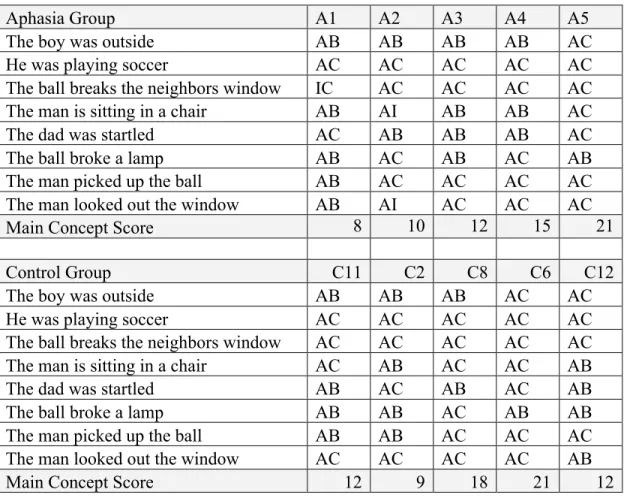
Table 5: Main Concept Analysis Codes and Scores for Broken Window Scene………….…….51
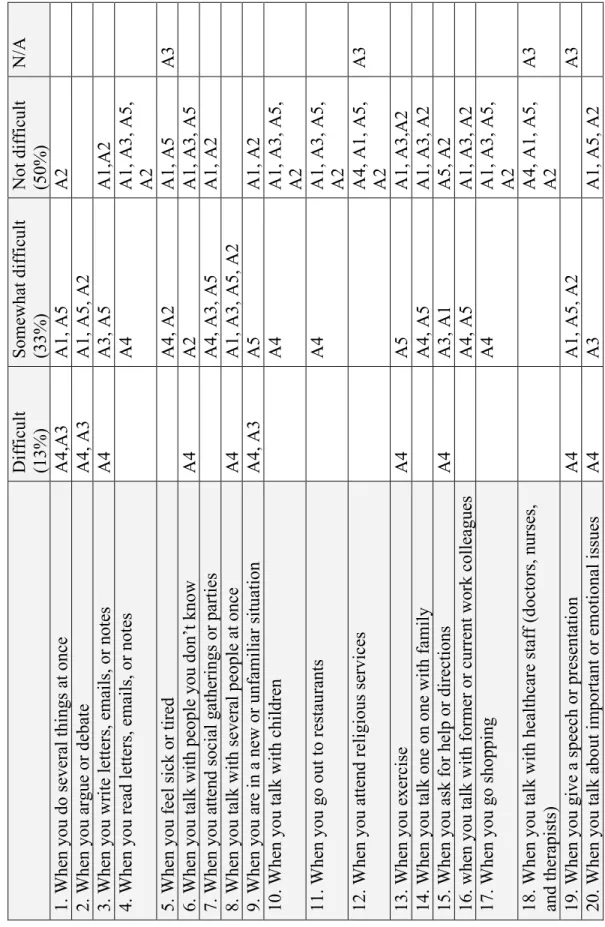
Table 6: Interview Card Sorting Selections for Participants with High-Level Aphasia..………..52
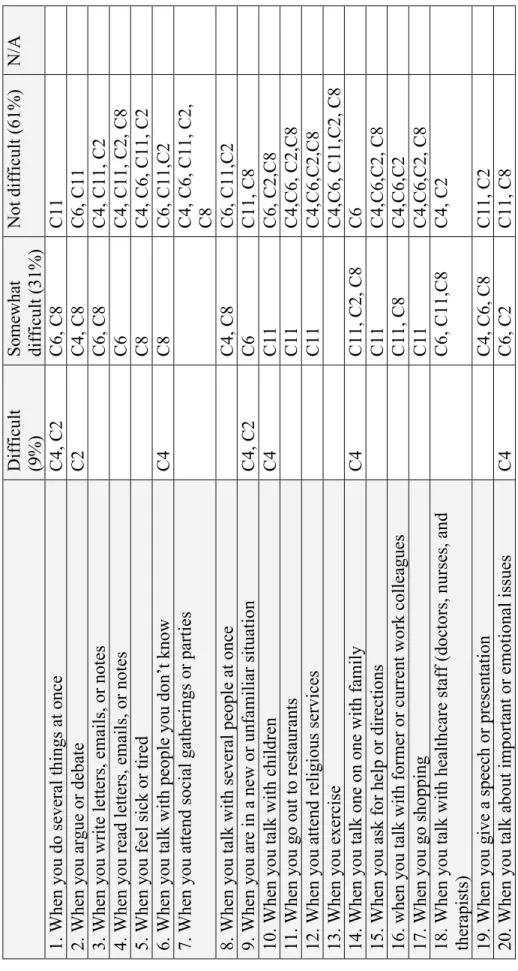
Table 7: Interview Card Sorting Selections for Control Participants………53
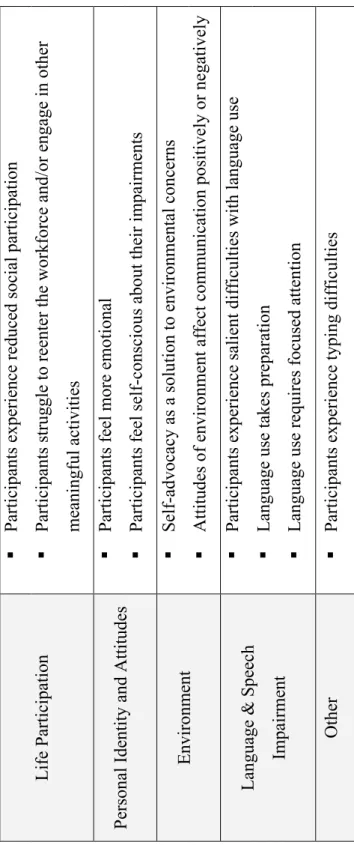
Table 8: Themes Derived from Qualitative Analysis as Categorized by A-FROM…………..…54
Table 9: Performance on Short Term Memory and Working Memory Tasks for Participants with High-Level Aphasia and Control Participants……….………55
LIST OF FIGURES
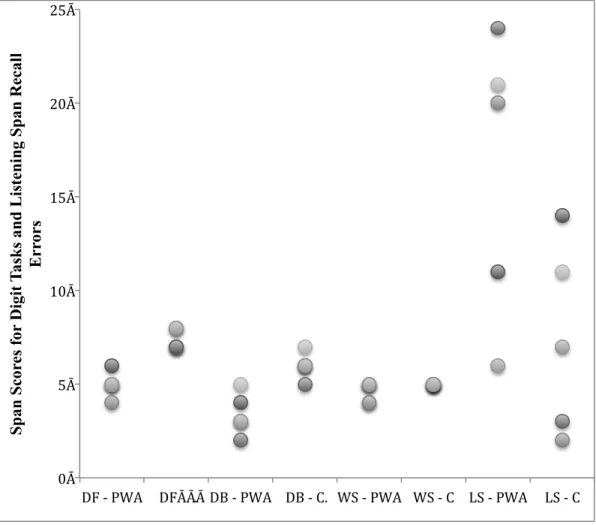
Figure 1: Forward Digit Span, Backward Digit Span, Word Span, and
Listening Span Recall Errors: Comparisons between groups………...………….………...……57
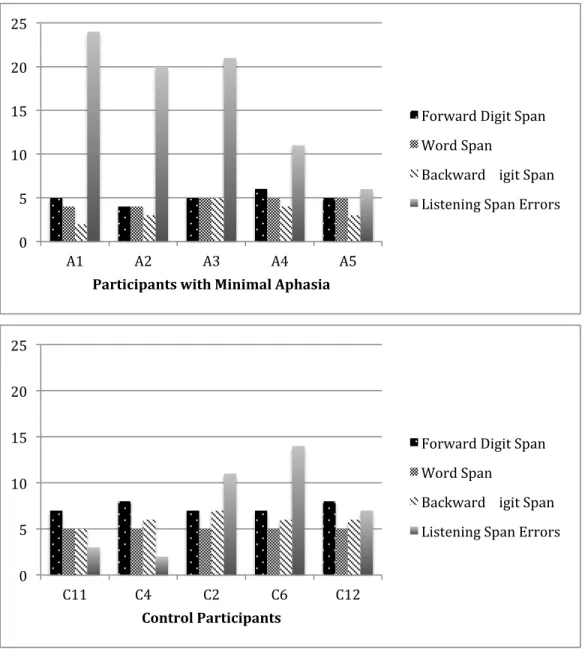
Figure 2: Forward Digit Span, Word Span, Backward Digit Span, and
Listening Span Recall Errors: Scores by Participant……...………..58
Figure 3: SAQOL Domain Scores for Participants with Minimal
LIST OF ABBREVIATIONS
A-FROM Living with Aphasia; Framework for Outcome Measurement
ALA Assessment for Living with Aphasia
BDS Backward Digit Span
FDS Forward Digit Span
LPAA Life Participation Approach to Aphasia
LS Listening Span
MOCA Montreal Cognitive Assessment
QVSFS Questionnaire for Verifying Stroke Free Status
SAQOL-39 Stroke and Aphasia Quality of Life Scale
SLUMS St. Louis University Mental Status Exam
TONI-4 Test of Non-Verbal Intelligence 4
WAB-R Western Aphasia Battery – Revised
CHAPTER 1: BACKGROUND AND RATIONALE
Introduction
Despite scoring above the criterion for ‘normal’ on standardized assessments, many
individuals with aphasia report being troubled by communication difficulties (Armstrong, Fox, & Wilkinson, 2013). Experienced speech-language pathologists recognize these subjective
complaints and appreciate that they are not captured by most aphasia batteries. However, few studies have sought to characterize the difficulties they report. Clinically feasible procedures for identifying underlying impairments or objectively validating the complaints are also sparse (Frankel, Penn, & Ormund-Brown, 2010). The vast majority of aphasia research focuses on more severe and easily identified aphasia presentations. In contrast, evidence-based evaluative
resources for high-level aphasia are limited (Cruice, Worral, & Flickson, 2006; Marshall, 1993; Jaecks, Hielscher-Fastabend, & Stenneken, 2012).
Defining High-level Aphasia
McNeil and Pratt (2001) described a need for explicit definitions of aphasia within the aphasia literature. One definition by Rosenbek, LaPointe, and Wertz (1989, p. 53) offers a strong general definition of aphasia and a starting point for a defining high-level aphasia. They write:
Aphasia is an impairment, due to acquired and recent damage of the central nervous system, of the ability to comprehend and formulate language. It is a multi-modality disorder represented by a variety of impairments in auditory comprehension, reading, oral-expressive language, and writing. The disrupted language may be influenced by physiological inefficiency or impaired cognition, but it cannot be explained by dementia, sensory loss or motor dysfunction.
If we understand aphasia to follow this definition, then differences in aphasia severity should reflect impairments in the various components of language. Therefore, many standardized aphasia batteries address each language component separately to provide an aphasia diagnosis and severity rating. One such examination, the Western Aphasia Battery – Revised (WAB-R), assesses the components mentioned by Rosenbek and colleagues (1989) and provides an overall score between 0 and 100, the “aphasia quotient” (AQ; Kertesz, 2007). A person’s aphasia quotient is then tied to aphasia severity with lower scores indicating greater severity of aphasia. Mild aphasia is generally classified with an aphasia quotient between 76 and 93.8, the cutoff for scoring as not aphasic.
“high-level aphasia” to describe the disorder experienced by these individuals due to the term’s use in prior studies and its distinction from “mild” aphasia.
To identify measures sensitive to the complaints of people with high-level aphasia, it is reasonable to start with the complaints of people experiencing this condition. Understanding the person’s subjective experiences can identify the challenges necessary to capture their impairment in formal testing. We are not aware of qualitative or survey studies that have been conducted with this population. Cruice, Worral, and Hickson (2006) studied quality of life perspectives for a relatively diverse group of people with aphasia and family members. The study included one person with a high-level aphasia. The woman described by Cruice et al. (2006) had a WAB-R aphasia quotient above the cut-off, at 95.2, yet reported reduce communicative life participation, psychological changes, and reduced quality of life. Clearly, she was still affected by language impairments and was given a clinical diagnosis of aphasia through clinical judgment. A prominent complaint was that communication difficulty increased with fatigue. The daughter also reported that her mother’s perception differed from her own. While the daughter viewed her mother as high-level compared to other people with aphasia, her mother viewed her aphasia as a significant disability.
reported difficulty mentally holding on to information to organize and express his thoughts (Moss, 1972). While aphasia is a largely heterogeneous impairment, these accounts provide a starting point for evaluating high-level aphasia.
Many of Dr. Moss’ complaints may not be specific to individuals with aphasia, but more general to those who have suffered a brain injury. It is well known that stroke survivors can suffer from cognitive impairments, especially in memory, orientation, and attention without the presence of aphasia (Tatemichi, Desmond, Stern, Paik, Sano, & Bagiella, 1994). Differentiating aphasia from other consequences of brain injury, and stating an explicit definition of high-level aphasia is necessary to maintain consistency between studies (McNeil & Pratt, 2001).
Furthermore, separating signs of aphasia from non-disordered language is difficult, and especially exacerbated by normal variations and disfluencies in non-disordered language
Jaecks, Hielscher-Fastabend, and Stenneken (2012) described the challenge of defining very mild aphasias when assessing people with residual aphasia using spontaneous speech analysis. Jaeks et al. defined residual aphasia as having “clear aphasic symptoms” in the acute phase after their stroke, being classified as having no aphasia or residual aphasia according to the Aachen Aphasia Test, and having deficits clinically diagnosed by 2-3 speech-language pathologists at the time of the study. The criteria for a clinical diagnosis used by the SLP’s in Jaecks et al. (2012) was not specified.
judgments are subject to clinician bias and our participants were not required to be participating currently in speech-language intervention.
To date, only a few studies have evaluated assessment tools for high-level aphasia and subsequent impairments. The aforementioned study by Jaeks and colleagues (2012) utilized a detailed linguistic analysis of spontaneous speech measuring information density, syntactic variability, linguistic errors, and cohesion to identify a number of variables sensitive to residual impairment. Participants with aphasia often used open class words and formulaic phrases and experienced phonemic instabilities, semantic paraphasias, and word finding difficulties. Armstrong, Fox, and Wilkinson (2013) compared the discourse semantics and lexical-grammatical content between a person with mild aphasia and her husband in conversation speech. The results indicated that the person with aphasia struggled to add complexity to her discourse, often failing to elaborate, be specific, and make her points with adequate clarity. These studies add to the view that many people who have recovered from aphasia per
standardized assessments still have meaningful communication difficulties. They also show that discourse analysis can be useful for identifying communication impairments in people with mild and possibly high-level aphasia.
Unfortunately, the use of complex speech sample analysis is not feasible in many clinical settings due to time constraints, high productivity requirements, and inaccessible analytical tools. Main concept analysis, a simplified method of discourse analysis, shows promise as a sensitive tool for identifying high-level aphasia that fits within the confines of clinical practice.
discourse samples and appears to provide reliable diagnostic information regarding discourse abilities without placing a large burden on the clinician with tedious transcription and analysis.
Using the narratives of a large sample of non-clinical speakers, Richardson and Hudspeth (submitted) developed main concept lists for three discourse tasks: the broken window scene, the Cinderella story, and the peanut butter and jelly procedural task (MacWhinney, Fromm, Forbes, & Holland, 2011). These lists are used to gauge performance for people with aphasia by
comparing their content with the discourse content of people without neurological history. Richardson, Saunders, Hudspeth, Jacks, Silverman, and Haley (2015) found a strong relationship between performance on discourse production tasks and social integration and quality of life in aphasia as measured by the Assessment for Living with Aphasia (Kagan, Simmons-Mackie, Rowland, Huijbregts, Shumway, McEwen, & Dickey, 2010). In this study, main concept analysis will provide a measure of discourse abilities, possibly differentiating the participants with
aphasia linguistically from control participants.
Assessment of High-level Aphasia via Working Memory
It is well documented that people with aphasia have reduced working memory capacities compared to people without brain injury (Wright & Shishler 2005) but few studies have assessed working memory capacity explicitly in people with high-level aphasia. Working memory
assessments may be a practical means for identifying high-level aphasia.
(1986) includes a central executive system that allocates attentional resources to two lower-level slave systems: the visuospatial sketch pad and the phonological loop. The visuospatial sketchpad acts as a short-term storage system for visual and spatial information. The rehearsal and
maintenance of verbal information is accomplished by the phonological loop. Baddeley (2003) later added the episodic buffer component as a bridge between the visuospatial sketchpad and the phonological loop and as a link to long-term memory.
The phonological loop component of working memory is responsible for short-term storage of verbal information and is particularly relevant to the study of aphasia. The phonological loop is made up of two subcomponents: the phonological input store and the articulatory rehearsal process. The phonological store acts as the temporary storage holder while the articulatory process functions to maintain information in the phonological store (Baddeley, 2012). When the central executive allocates attentional resources for phonological storage and articulatory rehearsal, these components form the mechanism for the short-term storage of information for immediate recall.
Early studies linked the phonological loop function primarily with language comprehension (Baddeley, 2003), but we speculate that phonological loop impairments likely have negative affects on expressive language as well. It is possible that phonological loop impairment causes the central executive to allocate more attention for language comprehension, thereby
damage in Broca’s area, the classical neurologically damaged area in aphasia, using magnetoencephalographic recordings.
A large variety of experimental designs and working memory tasks have shown that people with aphasia generally have reduced working memory capacities compared to individuals with no history of neurological injury (Lang & Quitz, 2012; Sung et al., 2009; Mayer& Murray 2012; Martin, Kohen, Kalinyak-Fliszar, Soveri, & Laine, 2011). Differences in working memory capacity between people with aphasia and healthy controls have been found using forward and backward digit span tasks, word span tasks, the n-back task, semantic and synonymy judgment tasks, and reading/listening span tasks (Martin et al., 2011; Mayer & Murray 2012; Wright & Shishler, 2005) As such, working memory capacity is increasingly accepted as a factor in language impairment in aphasia.
The picture is further muddied by disagreements on the definition of working memory. Other frameworks, such as those by Hasher and Zacks, Daneman and Carpenter, and Waters and Caplan. employ slightly different mechanisms to describe how working memory functions (Wright & Shisler, 2005). Comparison across studies can be problematic when different models of working memory are used. Furthermore, there are disagreements on what tasks provide the best measures of working memory capacity (Mayer & Murray 2012).
Our current knowledge of working memory capacity of individuals with high-level aphasia is limited. One study of working memory capacity and aphasia included participants who have a clinical diagnosis of aphasia but scored above the criterion on standardized tests. Martin et al.’s (2005) study assessing the relationship between working memory load and the processing of sounds and meanings of words in aphasia included 4 subjects scoring above WAB’s 93.8 cutoff. Given the performance by people with high WAB scores, they suggested that “verbal span tasks that vary semantic and phonological content can provide important diagnostic information in cases of mild aphasia” (Martin et al., 2005 p. 488).
Unlike on the simpler tasks that form the basis of standardized assessments such as the Western Aphasia Battery (Kertesz, 2007) or Boston Diagnostic Aphasia Examination (Goodglass & Kaplan, 1983), verbal working memory tasks likely force individuals to engage
A practical benefit of working memory tasks is that, given their complex demands and design flexibility, they are appropriate for assessment across the lifespan (Mayer & Murray, 2012; Tariq, Tumosa, Chibnall, Perry, & Morley, 2006). They are a component of many well-known cognitive screenings such as the Montreal Cognitive Assessment (Nasreddine et al., 2005), and the St. Louis University Mental Status Exam (Tariq et al., 2006) because working memory capacity is often impaired in the setting of cognitive decline, stroke, traumatic brain injury, and other neurological damage.
Recently, working memory tasks have been used to identify mild cognitive impairment without aphasia due to traumatic brain injury (Johnson, Smith, & Kennedy, 2011). Johnson et al. found that a verbal working memory task was especially sensitive to mild deficits in TBI and suggested that the verbal working memory task used, the listening span, may be a productive clinical tool for assessing mild TBI. Kemper et al. (2006) utilized a dual-task paradigm with stroke survivors, assessing the costs on performance when two independent tasks, such as walking and talking, are performed simultaneously. Similar to working memory tasks, dual-task assessments are generally thought to be cognitively demanding due an increased load on the attention allocation function of the central executive. Participants performed within normal limits on standardized assessments, but poorly on the dual-task assessments, suggesting that stroke survivors are particularly affected when attentional resources are stretched.
using images as stimuli or requiring non-verbal or yes/no responses. Other researchers have controlled their study participants by excluding subjects with severe expressive or receptive impairments (Mayer & Murray, 2012). To our knowledge, however, no study has restricted examination of working memory performance to people with high-level aphasia. Nor has any study evaluated the effect of linguistic load on working memory capacity to determine if a higher linguistic load improves the sensitivity of working memory assessments towards high-level aphasia. In the proposed study, we have elected to use verbal working memory tasks that ask respondents to manipulate words, digits, and other linguistic material. This choice was motivated by our objective to evaluate these tasks as screening tools sensitive to high-level aphasia.
The backward digit span (BDS) is the first of two verbal working memory tasks used in the study. The BDS requires participants to recall increasing lengths of digit series in reverse order. The backward digit span has greater attentional demands compared to a simple, forward digit span, due to the need for articulatory rehearsal as well as mental manipulation of stored information (Baddeley, 2007). Individuals with moderate and mild aphasia generally perform poorly on backward digit span tasks (Laures-Gore, Marshall, & Verner, 2011; Ronnberg,! Larsson,!Fogelsjoo,!Nilsson,!Lindberg,!&!Angquist,!1996;!Ween,!Verfaellie,!&!Alexander,!
1996). To our knowledge, no studies have used either the forward digit span or the backward
digit span to assess individuals with high-level aphasia. The high demands on storage and manipulation of information suggest the backward digit span may be sensitive to impairment also in high-level aphasia. Brevity and simplicity make the backward digit span a practical option as an addition to a larger aphasia battery.
task (Daneman & Carpenter, 1980), adapted by Tompkins et al. to assess working memory in people with aphasia and people with right hemisphere disorders. Participants listen to a series of sentences, and make a true/false decision immediately after each sentence. At the end of each series, participants are asked to recall the last word of each sentence. As the task progresses, additional sentences increase the number of words participants are asked to recall. Because of the concurrent semantic judgments and word recall, we hypothesized that the linguistic demand would be significantly higher compared to the backward digit span.
Tompkins et al. (1994) found that the group with left hemisphere brain injury performed significantly worse on the “Listening span” than normal controls. Sixteen of the nineteen participants considered in the left-hemisphere brain injury group had formal diagnoses of
aphasia. The listening span has subsequently been used in a limited number of studies looking at aphasia or TBI, and with consistent differences in performance between control and brain-injured groups (Johnson et al., 2011; Friedman & Gvion, 2003; Caspari, Parkinson, LaPointe, & Katz, 1998). The number of recall errors between control and mild TBI groups did not appear to overlap as well, though only a figure of the result is provided (Johnson et al. 2011). While
administration time for the listening span may be slightly longer than for the backward digit task, it is clinically feasible and could be a practical assessment tool.
tasks. We did not anticipate differences between control subjects and people with high-level aphasia.
Differences in nonverbal reasoning are another possible confounding variable. Higher levels of education and higher scores on measures of intelligence have been associated with better performance on working memory tasks in healthy individuals (Conway, Kane, & Engle, 2003). While non-verbal reasoning is a notoriously difficult construct to measure and education may be a proxy for many other factors, we still feel it is important to assess performance on an non-verbal reasoning measure to help establish a thorough profile of each participant. For this reason, we administered the Test of Non-Verbal Intelligence (TONI-4) to all participants to add to the overall cognitive profile for each participant and between groups (Brown, Sherbenou, &
Johnsen, 2010). The use of the TONI-4 has been supported over a similar measure of nonverbal reasoning for people with aphasia, the Ravens progressive colored matrices (RCPM) due to a significant relationship between the RCPM’s and aphasia severity (Christy & Friedman, 2005).
Communication Difficulties Experienced by People with High-level Aphasia
The negative effects of aphasia, in general, on quality of life and life participation have been well documented (Davidson, Worrall, & Hickson, 2003; Kagan et al., 2008). For people with aphasia, communication impairments constrain participation in daily activities, limit
Less is known about the daily difficulties and quality of life of people with high-level
aphasia, especially outside of the impairment domain. Some people with high-level aphasia have described difficulties with word finding and comprehension. Self-reports of difficulties and performance in conversational settings in prior case studies suggest that quality of life is most impacted socially for people with mild aphasia, especially in conversational speech, conversation in groups, and during arguments (Fox, Armstrong & Boles, 2010; Martin et al., 2005;
Armstrong, Fox, & Wilkinson, 2013).
Life participation treatment approaches for aphasia are increasingly popular and are appropriate for people with high-level aphasia given their broad scope with regards to
communicative life participation and flexible approach towards social communication (LPAA Project Group, 2000; Kagan, & Simmons-Mackie, 2007; Duchan, Linda, Garcia, Lyon, & Simmons-Mackie, 2001) Characterizing the difficulties reported by individuals with high-level aphasia under a life participation model should provide a holistic insight into the types of difficulties experienced by this population. By understanding the challenges of people with high-level aphasia, we can identify more sensitive impairment level metrics.
One such framework recently developed is the Living with Aphasia: Framework for Outcome Measurement (A-FROM). The A-FROM is meant as an aphasia friendly framework for
The four domains intersect and overlap to form “life with aphasia.” and each domain provides a target for assessment and intervention to improve overall quality of life for people with aphasia (Kagan et al., 2008). For example, speech-language pathologists might identify environmental barriers to life participation and target those environmental factors in intervention.
One benefit of the life participation approach is that it is intended to provide information regarding the ultimate outcomes of aphasia therapy, such as return to work, life satisfaction, and community reintegration (Kagan et al., 2011; Hinckley, 2002). One outcome of high importance to many people with mild aphasia is being able to return to work. While many patients, speech-language pathologists, and employers may assume people with milder aphasias will be more succesful in the work environment than those with more severe aphasias, this assumption is not supported by the limited literature available. Hinckley (2002) found that only one of three prior studies detected a significant relationship between aphasia severity and return to work.
Furthermore, rates for return to work for people with aphasia are lower than the general stroke survivor population and very few people with aphasia in vocational studies have returned the their prior level of employment (Eisenson, 1966; Hatfield & Zangwill, 1975; Carriero, Faglia, & Vignolo, 1987; Rolland, & Belin, 1983; Dawson, & Chipman, 1995). The most recent study examining return to work outcomes in aphasia found a higher return to work rate compared to previous studies, but still only two of fifteen respondents of working age returned to their prior level of work (Hinckley, 2002).
Dawson, & Chipman, 1995). More severe and non-fluent aphasia types have dominated the subject pools of prior studies. Understanding the difficulties of people with high-level aphasia may also provide evidence to their vocational outcomes and the barriers that impact return to work negatively.
There is a clear need for more information on the difficulties of individuals with high-level aphasia. A few case reports and small studies have explored potential diagnostic and therapeutic methods for people with high-level aphasia (Jaecks et al., 2012; Frankel et al., 2007). For example, Murray, Keeton, and Karcher (2006) found that training attention improved specific attention skills; but that generalization to untrained abilities are “less likely.” Armstrong et al. (2013) and Fox et al. (2009) have explored conversational intervention for people with very mild aphasia with generally positive results.
To our knowledge, no studies have gathered a thorough and detailed description of the daily difficulties experienced by this population. Thus, one purpose of the present study was to expand our understanding of the lives of people with high-level aphasia and the difficulties they
experience on a daily basis. This information will hopefully provide validation for other people with high-level aphasia, improve clinical services, and provide a substantial building block for future research.
Research Questions:
1. Do verbal working memory tasks differentiate between people with high-level aphasia and people with no history of neurological damage?
CHAPTER 2: METHOD
Participant Recruitment
Individuals with aphasia were recruited from the UNC Department of Allied Health
Sciences Stroke Registry, medical facilities within the Raleigh-Durham-Chapel Hill, NC region, and through information distributed to participants in other research studies at UNC-Chapel Hill. Recruitment materials called for participation by people who had a stroke and aphasia, had “gotten much better,” but “still have some trouble communicating.” All participants with aphasia were medically stable and at least 6 months after injury with a history of only one acute brain injury. Inclusion criteria for aphasia severity was limited to scores of 93.8, and above on the Western Aphasia Battery-Revised (Kertesz, 2007). Past medical history in relation to aphasia was documented if available. Comorbid diagnosis of apraxia of speech or dysarthria was allowed, provided that the AOS or dysarthria were characterized as mild.
Participants
Five individuals with past diagnosis of aphasia as a result of cerebrovascular accident (N=4) or focal traumatic brain injury (N=1) were enrolled in the study. There were also five individuals with no history of neurological disease, matched for age and education, in a control group. A review of medical records determined time post onset and verified aphasia diagnosis. All participants were fluent English speakers.
Two potential participants with aphasia were excluded from the study. One was excluded due to a high level of fatigue that hindered her ability to complete the experimental protocol. Another did not meet the criteria set forth for high-level aphasia - due to a lack of aphasia in the acute phase after stroke. Because two individuals with aphasia were excluded, one additional control participant was excluded to create even groups. The excluded control participant matched the least in age and education for any participant with aphasia. No participant, in either group, had a medical history of dementia, or any other neurological condition. All participants passed a hearing screening and reported functional vision.
See Table 2 for the age and education of both participant groups. Both groups are notable for high levels of education with seven post-graduate degrees overall and all participants completing at least some college. Two participants in each group had a Ph.D. Two participants in the control group and one in the aphasia group had master’s degrees. The high-level aphasia group ranged between 48 and 64 years of age with an average of 51.8 years while the control participant group ranged between 53 and 68 years of age with an average of 55.6 years.
A1 was a 48 year-old male twenty-five months post-onset of left internal carotid artery dissection leading to a left MCA infarct. He initially presented with expressive language difficulties and also presents with mild dysarthria and right hemiparesis.
A2 was a 58 year-old male twenty-nine months post-onset left distal MCA, likely
atherothrombotic. A2 initially presented with trouble expressing himself on the day of admission and with word finding difficulties and some replacement errors during further assessment. Like A1, he had a diagnosis of mild dysarthria and right hemiparesis.
A3 was a 58 year-old male, 115 months post-onset of left internal carotid artery dissection leading to a left MCA infarct. He presented with word finding difficulties in the acute phase after stroke and, like A1 and A2, carried a diagnosis of mild dysarthria and right hemiparesis.
A4 was a 64 year-old male twenty-five months post-onset of left MCA CVA that was likely embolic. He initially presented with some word searching as well as difficulties with word association and getting his words out. A history of homonymous hemianopsia was noted in his acute stage after stroke, but later resolved. He had no diagnosis of hemiparesis or dysarthria.
A5 was a 31 year-old female twenty-one months post-onset of traumatic brain injury characterized by a depressed skull fracture in the L temporoparietal region, subarachnoid hemorrhage, and craniectomy. She initially presented with no speech, then aphasia for two weeks, and predominantly apraxia of speech thereafter. A5 had no diagnosis of hemiparesis or dysarthria.
Clinical Testing
in the Speech-Language Pathology program and was initially supervised by the associate professor and faculty mentor. Testing took approximately 70-100 minutes in total for both groups. The WAB-R fluency component, interview for communication difficulties, and discourse production analysis were recorded via Nexus-7 tablet for scoring analysis after the session. Audio files were stored, under password, at the Center for Aphasia and Related Disorders Lab at The University of North Carolina at Chapel Hill. Informed consent was acquired prior to participation along with a HIPAA authorization for release of medical records for participants in the mild aphasia group. All control participants passed the Questionnaire for Verifying Stroke Free Status (QVSFS; Meschia, Brott, Chukwudelunzu, Hardy, Brown, Meissner, Hall, Atkinson, & O’Brien, 2000) to rule out past history of CVA.
Language and Cognitive Testing
Tables 3 and 4 provide data for clinical testing for participants with high-level aphasia and control participants. All participants were first given the AQ portion of the WAB-R (Kertesz, 2007) to rule out more severe aphasia. The WAB-R fluency subtest was recorded to ensure accurate scoring of the fluency section. All participants with aphasia scored above the 93.8 cutoff on the WAB. History of aphasia was verified by medical record to ensure that they met the inclusion criteria for the study.
between 34 and 50. A possible relationship was noted between the TONI-4 and performance on the working memory assessments discussed below. Table 10 presents TONI-4 raw scores, forward and backward digit spans, and listening span error scores.
All participants completed the Stroke and Aphasia Quality of Life Scale (SAQOL-39), a stroke-specific healthcare related quality of life questionnaire that asks about physical,
psychosocial, communication and energy domains (Hilari, Byng, Lamping, & Smith, 2003). The SAQOL-39 was chosen for its wide range of questions, and especially questions regarding physical difficulties that may adversely impact quality of life (Hilari, Lamping, Smith, Northcott, Lamb, & Marshall, 2009). The questionnaire was presented to each participant who was asked to rate experienced daily activities and feelings within the past week on a 5 point Likert scale. Control participants rated most items as “no trouble at all,” while participants with high-level aphasia rated more items as having some difficulty, especially in the physical domain for participants with hemiparesis. (See Tables 3 and 4 for full clinical data)
All participants also completed a discourse production task involving main concept analysis (Richardson and Hudspeth, Submitted). Participants were presented with a laminated sheet of paper with four consecutive images of the “broken window” scene from the AphasiaBank (MacWhinney et al., 2011). Participants were asked to look at the images and “tell a story with a beginning, middle, and an end.” Reponses were audio-recorded and later transcribed by a
Agreement was calculated at 93%, as the percentage of matching codes for the entire participant pool. Items coded differently were discussed until a consensus was reached. (See Table 5 for Main Concept Analysis data)
A clear difference was not evident between groups on the main concept analysis. Possible scores on the task ranged from 0 to 24. Participants with high-level aphasia scored from 8 to 21 with an average of 13.2 while the control participants ranged from 9 to 21 with an average score of 14.4. High variability characterized the results for the main concept analysis and may have been more stable if we had used additional measures of discourse production via main concept analysis. The main concept analysis task was also the final task of the study, immediately following the short-term and working memory tasks; fatigue may have been a factor affecting performance on the main concept analysis task.
Short-Term Memory and Verbal Working Memory Tasks
Two tasks of short-term memory were administered to all participants in the following order: the forward digit span and then the simple word span (see Appendix B). The forward digit span and word span were administered to estimate the storage capacity of single digits and words in order to rule out impairment due to short-term memory impairment. Both tasks represent simple, short-term memory tasks for their working memory counterparts in this study.
of words was generated with similarity to each of the working memory targets, each word was assigned a number. A random number generator was then used to select the words for each trial.
Stimuli were presented at a comfortable loudness level via headphones. Prior to administration, the experimenter played a series of similarly calibrated words asking the participant to repeat the word and confirm a comfortable loudness level. The tests were administered from pre-recorded audio samples. The intensity of audio samples was equalized using a custom Praat script (Jacks, 2010; Boersma & Weenink 2013). Both digits and words
were presented at one-second intervals with a maximum of 10 seconds provided for a response, before the next trial began. There were two trials for each digit span length and three trials for each word span length. For each trial, participants repeated the stimuli presented through the headphones. Digit and word spans were determined as the highest number of digits or words the participant was able to accurately recall in any one trial at that level, as per instructions on the Weschler Intelligence Test (Wechsler, 2008). The maximum forward digit span attainable was 9 digits and the maximum word span attainable was 5 words.
Stimuli for the listening span task were replicated from Tomkins et al. (1994). During the listening span task, participants listened to a series of previously recorded sentences, calibrated using the same custom Praat script (Jacks, 2010). They were asked to immediately make a judgment after each sentence on whether or not the sentence made sense. After all sentences in a series were presented, participants were then asked to repeat the last word of each sentence without regard to order. Difficulty increases with the number of sentences presented in a single series. Each level of the listening span task increased by one sentence, and included three series. Participants completed all levels of the task regardless of performance. Similar to Tompkins et al., (1994), participants were given a three second interval between sentences to allow for the true/false decision and a five second interval between each series. Participants were scored on accuracy of the true/false decision and accuracy of sentence-final word recall. Since errors on the true/false decision were rare, they are not reported in this study. Scores could range from 0 to 42 recall errors on the listening span task.
Interview about Communication Difficulties
All participants completed a semi-structured interview about possible communicative
The scenarios presented on the cards were created from the research team’s clinical experiences with people with mild aphasia, accounts of mild aphasia in the research literature, and personal accounts of mild aphasia (Fox, Armstrong, & Boles, 2009; Armstrong, Fox, & Wilkinson 2013; Martin et al., 2005; Jaeks et al., 2012; Moss, 1978). Some activities of daily living (e.g. “When you go shopping”) were also chosen to provide a wide range of choices and situations not reported in previous case studies or personal accounts as difficult for people with high-level aphasia.
After the participants sorted each card, the experimenter started with the cards sorted into the “difficult” category (removing the others from view) and placed the cards side by side in front of the participant. If the participant did not place any cards in the difficult pile, the experimenter started with “somewhat difficult.”
The participant was then asked to consider importance of each communicative situation, as a method of choosing the order of the discussion. As each card was chosen, the participant was asked “How is communicating difficult when…” Many times, the participant anticipated the question with each additional card and the prompt was no longer necessary. The experimenter discussed up to 10 cards placed in the “difficult,” “somewhat difficult,” and “not difficult” categories. During discussion of cards placed in the “not difficult” category, participants were encouraged to discuss communication in regards to the importance of that situation since communication in that situation was considered “not difficult”. For cards placed in the “not applicable/I don’t do that anymore” category, participants were asked if language impairment was related to that card placement.
finding the right word” in order to reduce the influence of the experimenter’s questions on
participant responses. Follow-up questions took the form of open-ended questions such as “Can
you be more specific” or “what do you mean by that?” Responses were recorded on a paper form
and audio recorded for transcription. Due to technical difficulties, the mild aphasia interview
with A1 was only transcribed by hand by the experimenter and an observer. We were thus not
able to later check the accuracy of these transcriptions.
Participants were also asked if they currently worked or volunteered and if they wanted to
work or volunteer more. If participants answered yes to the latter question, participants were
asked to describe what they thought of as the largest barrier to their ability to work or volunteer
more. Lastly, participants were asked to rate the questions “How much is aphasia a factor in your
life” using a 10 centimeter visual analog scale with “100%” at the top and “0%” at the bottom.
Responses for the visual analog scale rating were measured by hand and are reported in Table 3.
Participant responses ranged from 1.2cm 8.1cm with an average of 4.5cm and indicate that
aphasia is a major factor in the lives of some participants. It is important to note that one
participant, A2, perceived this question as “how much do you let aphasia affect your life.” His
response may not be analogous to the responses of the other participants.
The interview was audio-recorded via encrypted Nexus 7 tablet and the examiner or a
research assistant later transcribed interviews. Qualitative analysis was completed using open
CHAPTER 3: RESULTS
Verbal Working Memory
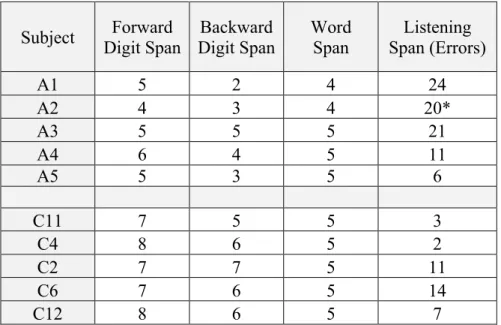
Table 9 and Figures 1 and 2 report scores for the short-term memory and working memory
tasks. Task performance was fairly homogenous within groups for the digit span tasks while the
listening span task was characterized by significant variability within groups.
Exploratory comparisons for verbal working memory were made between groups for the
backward digit span and the listening span. Given the small sample size in each group, it should
be noted that the results do not support any conclusions about population difference and only
offers preliminary data that may spur future research. Also, given that traumatic brain injury and
cerebrovascular accident etiologies may differ in their presentation, it may be or may not be
informative to include the participant with history of traumatic brain injury. The following
results and discussion are written under the assumption that the inclusion of this participant does
not change the limited suggestions we can draw from the exploratory data.
Within the limited sample size, there appeared to be a difference in the performance on both
digit tasks between groups. We had predicted differences for digits backward and not digits
forward. Contrary to our predictions, there was no overlap between the groups for the forward
digit span, indicating that performance was likely different between groups. As shown in Figure
1, the control group forward spans ranged between 7 and 8 while the high-level aphasia group
the backward digit spans ranged between 2 and 5 for the high-level aphasia group and between 5 and 7 for the control group, with one individual in each group scoring a 5.
The word span task had an intentionally low ceiling as it was only intended to rule out short-term memory impairments as a variable for word recall on the listening span task. Most
participants scored at ceiling on the word span task with others just below ceiling. Thus we found no differences in the word span between the high-level aphasia and control groups.
The recall errors on the listening span were characterized by high variability within groups and overlap with multiple subjects between groups. Scores for participants with high-level aphasia ranged between 6 and 24 errors with a mean of 16.4 errors on the listening span. Control participants scored between 2 and 14 errors with a mean of 7.4 errors. One participant, A2, chose to not attempt the five sentence level of the listening span task. Therefore, his listening span error score was adjusted by giving him 3 correct responses on each trial on the five sentence level, as 3 sentences was the highest level he was able to complete accurately.
Interview about Communication Difficulties
Qualitative analysis was completed for interviews with participants with high-level aphasia only and included responses to questions related to return to work and comments on the aphasia visual-analog rating scale. The experimenter or a research assistant transcribed interview
codebook was created for all codes. Codes then were condensed multiple times with regards for common patterns across transcripts. A final 23 codes were selected and sorted into the domains of the A-FROM framework to organize the reported difficulties under a framework focused on life participation (Kagan et al., 2008; See Appendix C. for the condensed codebook) Reliability and Validity of the coding data was enhanced by review by a second author and discussion of analysis with colleagues. After sorting into categories, codes were analyzed for patterns and themes were created to provide generalizations from the interviews.
Themes were then categorized within the A-FROM framework (Kagan et al., 2008)(See Table 8 for a complete list of themes). The A-FROM was chosen as a structure for coding analysis to view the data in a life-participation approach, and so that discussion of codes and themes would focus on understanding barriers and facilitators of communicative life
participation.
Themes within the Life Participation domain include “Participants experience reduced social participation” and “Participants struggle to reenter the workforce and/or engage in other
meaningful activities.” Personal Identity and Attitude related themes include “Participants feel self-conscious about their impairments” and “Participants feel more emotional.” The Language and Community Environment themes are “Attitudes of environment affect communication positive or negatively.” Themes within the Language and Speech Impairment domain include “Language use takes preparation,” Language use requires focused attention,” and “Participants experience salient difficulties with language use.” One additional theme, “Participants
related to fine motor control rather than aphasia. In the following, we discuss content within each of these themes.
Life Participation
A majority of participants reported some degree of reduced participation in group or social situations where demands for communicative effectiveness may be higher. A3 described his experience in group situations as such:
If I try to speak to a lot of people at once, then I say I get held up on myself so I don’t do this. And I definitely, I don’t go much to parties for the very same reason.
Participant A4 reported similar difficulties with social situations:
We went to Thanksgiving in [state] and I met some people that I had never met before. And for me that’s a very uncomfortable situation. I’m trying to think of something clever and witty to say and I’m just kind of standing there like…duh.
Characteristics of communication in group situations may also exacerbate the difficulty experienced by people with high-level aphasia, as stated by A2:
I find myself, especially with my Yankee friends who all talk fast, less able to keep up and therefore, well not necessarily shy away, but I tend to only answer certain questions.
Overall, a pattern of reduced participation in group and social situations was evident throughout many interviews.
Several participants reported a difficulty reentering the workforce, or finding meaningful activities that they felt they could be successful in. This desire to return to work or get involved in volunteering was particularly evident with A4:
…So I have debated can I go back [to work]? Where am I compared to where I was before I had the stroke? So that’s kind of like…I don’t know I really don’t know. And I’ve had a lot of boredom so I’d kind of like to do something.
I’d really like to go back to work and do something kind of meaningful even if I couldn’t go back to work if I could just do some volunteer work. At one time I was going [to go back to work]…but the jobs they were going to have me doing seemed so
mundane. Like taking books and sorting. Pretty mundane stuff. I think I’d have to have a certain amount of interest level.” I could go stock shelves at [local store]. I don’t really want to stock shelves at [local store].
This participant was not alone in struggling to find a meaningful job or volunteer position that fit his interests and ability level. A3 expressed a desire to return to discussion groups about his academic topic of interest, but reported an inability to participate due to his aphasia:
The reason I haven’t been able to is because the only groups like that around here are groups that do that professionally. And so I am not able to get in there and do it. Because not professional. So that’s the problem, that’s a small problem, but yeah, annoying.
Additionally, this participant was not interested in the topics or activities at the local aphasia group and felt stuck between his prior professional settings and the aphasia group.
the work week. The other has returned to a fulltime job in her field of choice and is currently looking at advancing her career through additional school.
Personal Identity and Attitude
Participants’ self-consciousness and self-awareness of their speech and language was one of the most often mentioned aspects of their current communication. A2 provided a detailed description of his feelings about his own self-awareness, and linked this self-awareness to reduced communicative participation:
People try to tell me that they really and truly can’t hear my aphasia. I can hear it immensely just in my verbiage and the more I have to talk the more I know that
eventually everybody is going to know that I have a problem….and so I do become self-conscious, self-aware of my words. And become a little more leery of having to talk very long off the cuff.
All other participants echoed his description of his self-awareness. A5 reported a concern with how her colleagues perceived her speech, but did not believe that she participated less because of this concern:
I think…talking with work colleagues is somewhat difficult because I feel that pressure to be perfect in what I’m saying so it’s a little bit different.
A1 summed up the overall impact of his self-awareness on his personal identity, and reported a dislike of being identified as a stroke survivor:
Two participants (A1 and A4) reported increased emotion to stimuli that did not previously invoke emotional responses. Though not reported by all participants, it’s worth noting that reported very similar changes in their emotional responses as described by A1: “Emotional issues get to me. I get so emotional with people like I never did before.”
Language and Community Environment
Highly related to the self-consciousness and self-awareness expressed by all participants how participant’s communication affected their interactions with the environment. Two participants reported that a lack of knowledge of aphasia adversely impacted communication exchanges. In several instances, A3 reported difficulty with unfamiliar communication partners who did not have a prior knowledge of aphasia: “A lot of people still think that anything that has to do with the brain being damaged must affect intellect.” He later stated,
When I go places where I don’t know anything its hard to make contact with people. And it’s hard to get people to accept my language as just being a physical thing, not a mental thing. So its hard for me to talk with them because they wont accept my…my reasoning. I’ll say I know what I’m talking about here, they’ll say yeah sure. Sot that’s not really good….I’m having trouble saying it like I want to, I’m having trouble having people accept it, accept my spoken language
A2 reported similar experiences with unfamiliar partners with no knowledge of aphasia, but also acknowledged, “if somebody knows what is truly aphasia, they give you all the leeway that you ever need…” A2 was also the only participant to report successful self-advocacy for his aphasia and the difficulties his aphasia presents.
He also stated that he used to give presentations to large groups in his academic field, and continues to do so to some extent. When asked, A2 said that he sometimes discusses his aphasia with the audience before starting his presentation.
Language Impairment
Participants reported a variety of difficulties that were categorized into the impairment domain, but three broad themes emerged from the interviews. First, language use requires preparation. Four of the participants reported some degree of increased preparation for
communication, whether for conversational speech or for other communicative purposes, such as work meetings or larger presentations. A1 reported that conversations and presentations both required more effort and concentration:
I have to think about what I’m going to say and the words I’m going to use…I have to slow down and I have to write down what I’m going to say. Can’t just say it. I have to do dry runs all the time when before I never had to do it.
A2 reported preparing more for his presentations that before his stroke, but that he was much more concerned about communication he could not prepare for beforehand:
So I go to the [conference] and I presented my research. And what I had prepared was very easy. But what I didn’t prepare for was other people’s questions. And so I ran into small difficulties.
A5 also reported increased preparation for meetings to make sure that she communicates her message clearly and that “I don’t get stuck being unclear.”
participants, (A1 and A4)explicitly addressed their difficulty doing several things at once, one stating:
I used to be pretty good at multitasking and keep several things going on at the same time. Now, if I don’t concentrate on what I’m doing, I’m going to forget and then slip off to the side and then an hour later I’m like oh yeah I’m supposed to be doing this.
A5 also reported increased attention needs for successful communication:
If I’m going to convey something clearly, I need to be fairly focused on it. Not to say that I can’t multi-task but more so than before. For example, if I were watching TV and I’m on the computer and [my partner] asks me a question, I really have to listen to him in order to answer it. So that’s a definite change.
Beyond needing more time and focus for successful communication, participants reported a variety of salient difficulties with language use. A3 described difficulties picking the words that express his thoughts most accurately as well as being unsatisfied with the dysfluencies in his speech: “my words and not fluent, the language is not nice…It comes out in parts and pieces.” A3 also expressed a struggle to express themselves clearly and effectively when arguing or debating: “Well I can get a message across no problem, but I can’t argue a point. I can’t try to make, I find it hard to stick to a point and make an argument.” A4 stated similar challenges:
I feel like at once time I could make a pretty good point. I feel like I get jammed up now I don’t feel like I’m expressing the point clearly to where I put myself in a position that I’m winning, I feel like I’m not doing well.
Other Patterns
stroke. A5 reported that she sometimes found herself misspelling words, “my brain thinks faster than I can clearly type,” more frequently than before the injury.
Vocational Outcomes & Aphasia Visual-Analog Rating
At the end of each interview, we asked each participant about their experiences with
returning to work – whether they had returned to work and if they were working as much as they wanted. If they said that they were working less than desired, we also asked them to discuss their largest obstacle to returning.
Only the youngest participant had returned to work full time. Two participants had made some attempt to reenter the workplace since their stroke, but neither was able to find a
satisfactory position. Both reported that their aphasia was their main concern and limitation with finding a satisfactory position. Another participant initially returned to work with slightly
reduced hours, but has recently left to focus on therapy and spending time with his family. He reported a desire to go back to work now, but that he has other priorities at this time, including therapy and his family. The fifth participant reported successfully going back to the same job, but with fewer hours than before and more days off for spending time on activities he enjoys.
discourse production score (10 and 12). A1 and A4 rated the visual analog question similarly at 6.3cm and 5.0cm respectively, but had noticeably different scores on the SAQOL-39 (4.77 and 3.8) and discourse production task (8 and 15).
Interview: Sorting Differences between Groups
Qualitative analysis of the interview with control group participants is beyond the scope of this study. However, subtle sorting differences were evident on casual inspection relative to the high-level aphasia group. The high level aphasia group was more likely to sort items considered communicatively challenging as more difficult (e.g. when you argue or debate, when you give a speech or presentation, or when you talk with several people at once). In contrast, the control group was more likely to sort items that pertained to socially difficult communication situations (e.g. when you talk about important or emotional issues, when you talk one-on-one with family). In general, the high-level aphasia focused on items that were challenging as a result of their aphasia while control participants focused on communicative situations that were difficult for reasons unrelated to information transfer.
Several control participants needed more encouraging and a reframing of the prompt before beginning sorting the cards because they felt that all scenarios were “not difficult.” Two control participants noted that few, if any of the scenarios posed any difficulty, and were then asked to consider the scenarios relative to each other to obtain some rank of communication situations and prompt a further discussion of communication challenges. (See Tables 6 and 7 for sorting
CHAPTER 4: DISCUSSION
Though we had only anticipated differences on the working memory tasks, people with high-level aphasia scored lower on both digit span tasks than the control participants. Notably, the largest difference occurred on the forward digit span. Our interpretation of the listening span task is limited by high variation in scores for all participants, and the task does not appear to be diagnostically sensitive to high-level aphasia. However, the listening span task did reveal that some participants with high-level aphasia have impaired auditory-verbal working memory.
Qualitative analysis of the semi-structured interview indicated that participants with aphasia experience salient language difficulties and these difficulties have an adverse affect on several aspects of life participation. In the following, we discuss clinical implication of working memory assessments towards identifying high-level aphasia, The implications for results of the qualitative study are also discussed with regard to intervention and ultimate outcomes such as returning to work.
Short-term and Working Memory Performance
To determine if verbal working memory tasks can differentiate people with high-level aphasia and people without a neurological history, we assessed working memory capacity to in people with high-level aphasia and in the control group. Though the small sample size in the study limits the scope of our conclusions, some preliminary hypotheses can be made. First, there was no overlap between the groups in the forward digit task and minimal overlap in the
surprised by the apparent difference in performance on the forward digit task. It is possible that phonological storage or articulatory rehearsal is sensitive to impairment in people with high-level aphasia, or that poor performance is a function of reduced attentional capabilities. Previous studies have predicted differences in people with mild aphasia on short-term memory span tasks (Martin et al., 2012) and these differences appear to extend to at least some people with high-level aphasia. The presence of such impairments may also be unrelated to aphasia and represent cognitive impairments that have been reported as a result of brain injury without aphasia
(Tatemichi et al., 1994).
The ceiling we imposed on the word span inhibited our ability to inspect between group differences. It is possible that between group differences may exist on the word span task and affect performance on the listening span, especially since previous studies have identified differences in short-term memory for people with more severe aphasia compared to healthy controls (Martin et al., 2012). In this study, differences in the forward digit spans between groups suggest that differences exist on the word span between healthy controls and people with high-level aphasia.
component in the listening task made an additional contribution to the reduced scores for people with minimal aphasia, suggesting that reduced working memory capacity likely has a central executive and attentional component in addition to impairments in the phonological loop.
Errors on the listening span task for people with aphasia ranged from six to twenty-four (out of forty-two) while errors for control participants ranged from two to fourteen. Several control participants demonstrated difficulty with the listening span while some participants with high-level aphasia were quite successful. Further testing with greater sample sizes may still detect group differences in the mean error rates between people with high-level aphasia and healthy controls, but we suspect the task would still not be diagnostically sensitive.
Several factors may account for the variability on the listening span task. Differences in strategy use were noted within both groups. Some participants appeared to orally rehearse the sentence-final words in order as the trial progressed and give their response in the order of sentence presentation. Other participants organized their responses in reverse order or did not organize responses by order at all. Participants who were able to quickly determine an effective strategy likely had an advantage over those who were not able to find effective strategies. Interpretation of scores is also impacted by a lack of baseline data to determine prior level of function. Scores for prior level of function may be necessary to assess the sensitivity of the task for the population, given the high variability in task performance.
high-level aphasia and understand the effect of such impairments on the effectiveness of intervention. Previous studies have shown that people with mild aphasia perform poorly on working memory tasks and future research should expand their scope to include people who have seemingly recovered from aphasia as well (Martin et al., 2012).
Subjective Communication Difficulties
Overall, people with high-level aphasia reported salient difficulties with expressive and receptive language and that these difficulties have negative consequences on life participation. Many of the reported difficulties echoed those reported by previous studies and other published accounts (Fox, et al., 2009; Cruice et al., 2006, Moss, 1972). In this study, participants with high-level aphasia reported several meaningful language impairments: word-finding difficulties, reduced communicative clarity, and reduced fluency. They also reported that, compared to before their injury, successful communication required additional preparation beforehand, more time while speaking, and additional attention during conversation.
A holistic look at the themes gathered through qualitative analysis reveals that relatively mild language impairments in people with high-level aphasia can have far-reaching effects on
communicative life participation. As predicted by the A-FROM framework, we see a clear connection between language impairments, personal identities and attitudes, communication environments, and reduced life participation. Participants reported salient difficulties with language on a daily basis and persisting communicative needs, at times requiring more focus or time for communication. These difficulties, dysfluences, and/or increased communicative needs may not be readily apparent to the unfamiliar communication partner, but are often painfully obvious to the person with aphasia. The participants’ keen self-awareness of impairments appears to impact interactions with familiar and unfamiliar communication partners and may contribute to reduced communicative life participation.
It is unclear whether the self-consciousness of people with high-level aphasia’s is helpful in their recovery, communication competency, or life participation. A strong awareness of
communication breakdowns can be beneficial in repairing those breakdowns to improve
information transfer. However, awareness of anomia, dysfluencies, and reduced clarity may also be an obstacle for people with high-level aphasia if their awareness induces anxiety,
nervousness, or dislike of social communication and reduces overall participation.
conversation, life participation is generally not affected negatively. However, since these salient communication difficulties appear to influence life participation for people with high-level aphasia, treatment that incorporates strategies for accepting imperfections in communication may be beneficial.
For people with high-level aphasia, past communication experiences and a strong awareness of their communication also appears to have impacted interactions with familiar and unfamiliar communication partners in a variety of settings. All participants reported concern for how they are perceived by communication partners and several expressed a desire to, if possible, hide any sign of impairment from unfamiliar communication partners. Self-consciousness of other’s opinions is an understandable anxiety for many people without aphasia. However, participants also reported negative interactions, often characterized by unfamiliar communication partners’ perceptions of reduced communicative competence and overall intelligence. Participants who may have experienced negative interactions while communicating may be more aware and self-conscious of their salient language difficulties. Their awareness and self-self-consciousness may influence them to participate less.
One distinction between the participants with high-level aphasia and people with more severe aphasia is the possibility of hiding the presence of aphasia to communication partners. For
Disclosure of aphasia appears to improve communication for some people with high-level aphasia, but not all. One participant reported positive outcomes of disclosing his aphasia to communication partners, if those communication partners had an adequate understanding of aphasia. In contrast, another participant reported that most people will still not accept the validity of his communication, despite receiving an explanation of aphasia. Differences in
communication partners may explain the contrasting reports of listener reactions to
self-advocacy. These participants may also make different assumptions about listener reactions that affect perceptions of communication interactions. The relationship between perceptions of listener reactions and social participation in people with high-level aphasia is one area that warrants future exploration.