A STUDY ON
VARATCHI KARAPPAN
Dissertation Submitted To
THE TAMIL NADU DR.M.G.R Medical University
Chennai – 32
For the Partial fulfillment for The Award of Degree of
DOCTOR OF MEDICINE (SIDDHA)
(Branch – III, SIRAPPU MARUTHUVAM)
DEPARTMENT OF SIRAPPU MARUTHUVAM
Government Siddha Medical College
Palayamkottai – 627 002
ACKNOWLEDGEMENT
First of all the author Expresses her elegance to the God almighty for
all his manifold mercies who gave the will power and showered blessings to
complete this dissertation work.
The author warmly acknowledges ardent thanks to the Vice-chancellor, The Tamil Nadu Dr. M.G.R. Medical University, Chennai and The Commissioner, the Directorate of Indian medicine and Homeopathy, Chennai and The Joint Director, Directorate of Indian medicine and
Homeopathy, Chennai who flagged her dissertation with cheer.
The author would also like to thank Dr.M. Thinakaran M.D.(S), Principal, Dr.R. Devarajan M.D(S), Vice principal, Government Siddha Medical College, Palayamkottai for giving his permission for her
dissertation and to make use of the facilities available in this institution to
bring out the dissertation a successful one.
The author owe her special gratitude to Dr. K. SomasekaranB.Sc, B.I.M, M.D.(S), Head of the Department, Post graduate Department of Sirappu Maruthuvam Branch, Government Siddha Medical College, Palayamkottai who stands like a pillar behind all my efforts with very
pleasure. The author hereby vote her hearty thanks for his obvious
directions in all aspects for completion of this work.
The author sincerely expressed her whole hearted thanks to
The author extremely thankful to Dr. S. Ramaguru B.Sc., M.S.(Ortho), D. Ortho., Head of the Orthopedic Department, Tirunelveli Medical College Hospital for his valuable guidance in this
study.
The author wish to pay her sincere thanks to Mr.M.
Kalaivanan,M.Sc., Lecturer Head of the Department of Pharmacology Government Siddha Medical College Palayamkottai and the author wish to
thank for his support in the pharmacological aspect of the dissertation and on
the technicians for their help during the entire course of work.
Mrs. Nagaprema M.Sc., M.Phil, Head of the Department of Biochemistry, Government Siddha Medical College,Palayamkottai.and the technical experts of Biochemistry laboratory for this keen corporation in
eliciting the BioChemical Study Of trial work
The author express her gratitude to our librarian, Mrs. Poongodi M.A., B.LIT., Government Siddha Medical College, for fetching books for reference whenever required.
The author lastly but not leastly acknowledged the timely help
rendered by Broad Band Net Café, Palayamkottai for bringing this dissertation work in a colourful manner.
The author have to thank all her colleagues and friends for assisting and helping one in many ways.
INTRODUCTION
‘tPu kUe;njd;Wk; tpz;Nzhh; kUe;njd;Wk;
ehhp kUe;njd;Wk; ee;jpaUs; nra;jhd;
Mjp kUe;njd;wwpth ufyplQ;
Nrhjp kUe;jpJ nrhy;y nthz;zhNj.”
- jpUke;jpuk;
‘kWg;gJly; Neha; kUe;njdyhFk;
kWg;gJs Neha; kUe;njdr; rhYk;
kWg;gjpdp Neha; thuhjpUf;f
kWg;gJ rhit kUe;njdyhNk.”
- jpUke;jpuk; 8000
The Siddha system of medicine is one of the ancient system of
medicine. The other systems of medicine deal only with prevention and
treatment of disease. But Siddha system of medicine not only deals with
prevention and treatment but also strives to prolong the longevity of human
life and also quality of life. The siddha system of medicine is receiving
attention of modern scientific world, now a days. For its clinical
application in many infractable diseases.
The siddha system of medicine is a gift of mankind by ancient
siddhars this traditional system of medicine is said to have
originated from Lord Siva, revealed it to Lord Sakthi, one, which
‘nrhy;yplNt Njtpf;Fr; rjhrptd; jhd;
nrhy;yNt NjtpAk; ee;jpf;Fr; nrhy;y
ey;yplNt ee;jpjd;te;jphpf;Fr; nrhy;y
eaKl jdte;jphp aRtdpf;Fr; nrhy;y
my;yplNt aRtdpahj; Njth; jhKk
mfj;jpah;f; ciuj;jplNt ak;K dPe;jpu
Gy;yplNt Gyj;jpah;f;FgNj rpf;f
Gyj;jpaUk; Njiuah;Fg; Gfd;wpl;lhNu”
- itj;jpa rpe;jhkzp
Sattamuni has explained that the aliment which are all
exisiting in the universe are all present in the body also. He says
follows,
‘mz;lj;jpy; cs;sNj gpz;lk;
gpz;lj;jp cs;sNj mz;lk;
mz;lKk; gpz;lKk; xd;Nw
mwpe;Jjhd; ghh;f;Fk; NghNj”
- rl;lKdp
So, according to siddha science, disease in man do not
orginate in himself but from the influence which act upon him.
In our literature man is compared to the world, because the
elements that exist in the world, exist in man as well and
therefore any changes in the elementary condition of the external
The WHO defines, Health is a state of complete physical, mental and
social well being and not merely the absence of disease. This doctrine
was already proclaimed even before the prehistoric period by the unique
system of siddha medicine. Thus this siddha is the first system to
emphasize health as a prefect state of physical, psychological, social and
spiritual component of human being. Which is recently enclosed by the
WHO.
The three humors namely vatha, pitha, kapha normally exist in the
ratio 1:1/2 :1/4. Each humor is made up of two of the pancha boothas.
Thus,Vatha is formed by combination of Vayu and Akayam
thjk; → tha[ + Mfhak;
Pitha is formed by the Theyu bootha
gpj;jk; → nja[
Kapha is formed by the combination of Piruthivi and Appu
fgk; → gpUjptp + mg;g[
Derangement of the ratio in these humors leads to vatha, kappa and pitha
Siddhars view that diseases may occur due to the following
reasons:
1. Derangement of 3 humors
2. Spiritual impacts.
3. astrological influence
4. poisonous substances.
5. Psychological conditions.
6. Karmic law
a. The author has selected the diseaseVaratchi Karappan, which is
correlated with eczema in modern science for the dissertation
study, “Varatchi Karappan” one of the most commonest
skin diseases. As we move on to the modern world with
our changing life styles and food habits we are prone to
many skin disease due to highly polluted and
contaminated environment; allergic and sensitive
individuals are prone to allergy from diet and
cosmetics.“Varatchi Karappan, a highly socio stigmatic
disease upsets an individual both mentally and
physically.
It is large incapacitating disease, bogging down the normal life of a
present around the globe does not cure the disease radically . So for, such an
intractable disease, the world craves for a cure which is the reason why the
author has chosen this disease Varatchi Karappan’ for the dissertation work.
On the basis of siddha methodology, the author chooses the drug of
choice,
1. Sirukanjori ver choornam (internally)
1G, thrice a day in water.
2. Varal Karappan Thaylam (Externally)
One who arrives at the exact diagnosis with a clear understanding
of its pathology, pathogenesis and aetiology, all the other aspects to
treat the disease, definitely leads good results. The outcome of this
dissertation will give way in the global arena to solve the much
awaited melody, the karappan and brings salvation to the Karappan
patients.
AIM AND OBJECTIVES
Our human body is entirely covered by skin which is the most
important organ and it reflects so many internal pathologies. The
skin itself can be affected by so many diseases like kuttam,
kalanchaga padai etc.
Among them Varatchi karappan is a common ailment affecting
so many people. Though there is a lot of treatments for Varatchi
karappan, curable medications are very less, because the disease is
aggravated by change in their life-style, diet habits, nutritional
status, environmental conditions, increased chemical content in
food items and by using artifical and cosmetic synthetic
preparations etc., when the disease has once occured remission and
relapse happens subsequently through out the life of the patient.
Hence, the patient is very much of agitated and subjected to a great
deal of mental and physical sufferings. For such an intractable
disease the world craves for a good medicine. So the author has
selected this disease for the dissertation work to evaluate the better
i) The principle object of this study is to create awareness
for the siddha system of medicine among other medicinal
system people.
ii) To highlight the efficacy of siddha drugs among the
common public.
iii) To know the extent of correlation of aetiology,
classification, symptomatology and diagnostic methods.
iv) To have an idea of an incidence of Varatchi karappan
with reference to age, sex, socio-economic status, habits,
family history related to any pshyco-somatic problems
and paruva kalams (seasons).
v) To have a complete study of the disease in various topics
like mukkutram, pori pulangal, udal kattukal, envagai
thervugal etc.
vi) To study the diseases by doing complete clinical
investigations.
vii) To have a clinical trial of Varatchi karappan with siru
kanjori ver chooranam as Internal medicine and varatchi
karappan thylam as external applications.
viii) To know the biochemical analysis and pharmacological
analysis of selected drugs.
ix) To create awareness among the patients in the
REVIEW OF LITERATURES
SIDDHA ASPECTS
The Siddha system is mainly classified into two major system is
mainly classified into two major principles. One is the ‘Mudhal Kopaadu’ or
the first principle. The first principle describes the creation of lives on each
and the factor helping in the living process. From the basic principle we shall
come to know the fact that all creatures which live in this world are all
formed by the five elements called pancha poothas, namely vinn, kaal, anal,
punal and mann. The second principle is to promote the human being to a
noble health status with medicines, adjuvants and dietary habits. The line of
treatment in siddha has go a specially, i.e. The treatment is not only physical
and mental but also it is spiritual. In siddha system, the theory of pancha
pootha plays a major role in all aspects. As per that theory, skin is a
component of vayu. Moreever this skin gives our body a beautiful shape and
structure. Skin acts as the linking media between our body and the outer
world, the skin is the first organ affected by any change in the universe and
mind.
Generally any skin disease causes socio-ecnomic problem, mental
torture and social stigma to the patient.
Siddhers who always had a love and sympathy towards the mankind
analyzing the aetiology, pathology and the treatment for skin diseases and
fug;ghd;
Neha; ,ay; (Definition)
Njhypy; jpkph;> FU> Gz;> jbg;G Mfpa FwpFzq;fis cila
gilfis cz;lhf;fp mt;tplq;fspy; tPf;fk;> nfhg;Gsq;fs; fz;L my;yJ
nrjpy; Nghd;W Njhy; Ru Rug;ghfp Njhypd; ,aw;if epwj;ij NtWgLj;jp
rpy Ntis ntbg;Gz;lhfp> ePh; frpjy; Mfpa FwpFzq;fis fhl;Lk;
Njhw;gpzpia fug;ghd; vd;W $Wth;.
Neha; tUk; top: (Aetiology)
In Yugi Vaithya Chindhamani
‘Vohd fug;ghdpd; cw;gj;jp Nfsha;
Vw;wkha; khkprq;fs; Grpf;ifahYk;>
$ohd fk;Gjpid tuF rhik
nghbjhd fpoq;Ftif aUe;jyhYk;>
ghohd ngz; khia jd;dpw; rpf;Fk;
ghq;fhd tpufj;jhy; Kaw;rpahYk;
jhohd gz;lq;fs; rikj;Jj; jpd;dy;
jhf;FNk fug;ghd; jd; rhay; jhNd
rhayha;j; jdf;Fj; jhd; %j;j ngz;izj;
jhtpNdhh; jho;r;rpahq;rhjp jd;dpy;
fhayha;f; fye;Jz;Nlhh; fyfk; nra;Njhh;
fw;Gila kq;ifaiuf; fUjpNdhh;fs;
thayha; tho; kuj;ij ntl;bNdhh;fs;
kUj;Jth;fs; tz;zhh; ehtpjh;fs; $ypf;
$ayha;f; nfhlh Njhh;fs; FUepe;jpj;j
nfhLk;ghtp fug;ghdpw; Fwpf; nfhs;thNu”
Excessive intake of fish, meat, cereals like ragi, maize, rhizomes.
Excessive sexual indulgence.
Anti social activities which ultimately end in psychic disturbances leads to Karappan disease.
Dietary Factors
‘ngUFQ; Nrhs kpWq;Fk; ngUq;fk;G
tuF fhUld; thioapd; fhNahL
ciunfhs; ghfy; nfspw;W kPd; cz;bby;
tphpt jha;f;fug; ghDkp Fe;jNj”
- rpj;j kUj;Jtk; rpwg;G
This poem specifies the dietary relations with the karappan disease.
bitter gourd, ragi, maize, unriped banana, fish items aggravates the
disease.
In Guru naadi
‘rq;ifapy; tp\ fug;ghd; tUkhNwJ
rhuKld; fpUkp tpOe;jd;ikNaJ
cl;bzNk mjpfk; tUkpe;jphpa Nghfj;jh
YoWJUfp aj;jpapNyNtT nfhz;L
el;lzkha; nte;j njhU kr;ir jd;dpy;
ehl;lkpl;l fpUkpaJaZFk; NghJ
kl;LlNd fpUkpnay;yhk; gwe;jq;Nfwp
‘jpl;lKld; tpl fug;ghd; gwe;J NkNy
jpdTlNd guguj;Jr; nrhwpAz;lhNk
gay;nkhopapu; Njfj;jpy; fpUkpjhNd
gue;JVtp Fl;lk;Nghy; Gs;spfhZk;
kayJTq; fpUkpAe;jhd; ele;J Gf;fpy;
NkdpaJ rurnud ntbj;Jg; Gz;zhw;
fay; ngUFk; Foy; kltPh; nrhy;yf; Nfsph;
fufuj;Jr; nrhwp ngUFq; fug;ghd; jhNd”.
- FU ehb E}y;
Excessive Sexual indulgence aggravates Azhal thathu which inturn
affects the Skin. So it is clear that “Karappan” is not due to micro organism.
But the organisma only enter into the body through the ulcers of
“Karappan”.
In Para rasa sekaram
“thjgpj;jq; fgkpit %d;wth;
NwJ thy;ntsp thy;kpb ahtpdh;
Nfhij ahuba ghh;itah; thw;Fsph;
Ngj ephpit ahYd NgRNfs;
Ntff; fhw;wjpdh; gid nty;yj;jhy;
ghf kpf;fyhd; Nkjpg; ghnta;ayhy;
jhfkhdp tUf;f jprhh;jyhy;
Nghf thio tOjiy Ks;spf;fha;
fhAk; gy;yplj; jhw;Ruj; jhw;fspy;
vAk; tz;nlyp ahy;tUNk Jntsp
Fb ey;ywpthd vUtpdhh;
Living in torrid climate and cold weather.
Excessive sexual indulgence.
Drinking contaminated water.
Airborne infection.
Excessive intake of palm jaggery and brinjals, plantain etc.,
Poisonous bites are the factors.
Neha; vz; (Classification)
In Agathiar Rana Nool
‘vz;gJ fug;ghd; jd;id apak;gpLkhW NfsPh;
ez;gpLk; thjk; gpj;jk; eyk;nfl;Lj;jhdk; tPq;Fk;
Gz;gLk; fuq;fs; re;J Giye;Jly; fLj;J NehFk;
td;ikAld; ntbj;J R+iy tUtJ uzkPnjd;Nd”
- mfj;jpah; uz E}y;
It was mentioned that karappan was classified into 80 types.
In Agathiar 2000
‘tpsk;gpL thjNehT vz;gJ ehYkpff;
cs;sq;fs; rd;dp Kg;gNjhq;Fly; thAnkl;L
foq;fK Kg;gj;njO fug;gD kWgj;jhW
jdq;nfhs;spg;GUjp ehY rhw;Wis Fwitnal;Nl”
- mfj;jpah; 2000
In Yugi Vaithya Chindhamani
‘Mnkd;w fug;ghd;jhd; VOtpjkhFk;
mlq;fhj thjj;jpd; fug;ghNdhL
fhnkd;w fz;lkhq; fug;ghdhFk;
fUfpa Njhh; twl;rpahq; fug;ghNdhL
Njnkd;w jpkph;thj fug;ghd; ehYk;
rpurpdpNy ngUq; fghyf; fug;ghd;
Nfhnkd;w gpj;jkhq; fug;ghNdhL
nghpa Nrl;Lkf; fug;ghd; ngah;jhNd”
- A+fp itj;jpa rpe;jhkzp
1. thj fug;ghd;
2. gpj;j fug;ghd;
3. fg fug;ghd;
4. jpkph;thj fug;ghd; 5. fz;l fug;ghd; 6. fghyf; fug;ghd;
7. twl;rp fug;ghd;
In Guru Naadi
‘gLtd; Kg;gj;jpuz;L gUnthU ehw;gj;njhd;W
KLfpLk; tp\gkhW Kw;W NthGrp %d;We;
jpLf;fpLk; gPyp %d;W rpurpdpw; rpye;jp nrhy;ypy;
fLfpLik gj;jhW fug;ghd; nkd;gj;ije;J”.
Karappan was classified into 85 types.
In Pathinen Siddhar Balavagada Thirattu
‘nrq;fug;ghd; mdy; fug;ghd; jhDk; kz;ilr;
rpuq;Fgz;Zk; mhpfug;ghd; nghhpf ug;ghd;
mq;fkjp nyOfug;ghd; jhDkpf;f
msuhk;cjp uf;fug;ghd; fl;b NahL
nghq;fkha; tPq;fp fug;gh De;jhd;
Gfyhpa rl;iljb ntbf ug;ghd;
rpq;fKf vhpf;fug;ghd; thj gpj;jr;
Nrj;kNjhl fug;ghd; gjpndl;lhNk”
- gjpnzd; rpj;jh; ghythfl jpul;L
1. thj fug;ghd; 2. gpj;j fug;ghd; 3. fg fug;ghd; 4. mhp fug;ghd;
5. XL fug;ghd;
6. R+iy fug;ghd;
7. ntb fug;ghd; 8. kz;ilf; fug;ghd; 9. rl;ilf; fug;ghd;
10. CJ fug;ghd; 11. fUq;fug;ghd; 12. nghhpfug;ghd; 13. nfhs;sp fug;ghd;
14. Njhl fug;ghd;
15. thiy fug;ghd;
16. tws; fug;ghd; 17. tPq;F fug;ghd; 18. nrq; fug;ghd;
The Signs and Symptoms of Varatchi karappan
In Yugi Vaithya Chindhamani
‘fz;lkha; Kfk;tPq;Fk; Fj;j Yz;lhk;
fdkhf clk;ngq;Fk; kpfNt CWk;
Jz;lkhA lk;Gijj;Jr; nrhhpj Yz;lhk;
NrhUNk nae;Neu kaf;fj; jhNy
tz;lfe; jhdpy;yhk Ylk;G tw;Wk;
khWgh lha;g; gpjw;wp kWFk; thh;j;ij
gpz;lkha;f;fp le;Jz;L GyhNy ehWk;
ngUtwl;rpf; fug;ghd;wd; Nghp jhNk”
Swelling of whole body
Pricking sensatio
Itching
Vesicle
Oozing
Pustules
Fatigue
Confusion
Thickening of the skin
In Pathinen Siddhar Balavakada Thirattu
‘cr;rp KjYs;sq;fh xw;wstp ntt;tplKk;
er;Rr; rpW rpuq;F ez;zpNa ePr;ry;
ntbj;J ePh; NkT eik Nkth Jwf;fk;
fbj;j twl;rpf; fug;ghd; fhz;”
Small vesicles, from head to foot
Itching, oozing from the crusted vesicles
Insomnia
In Para rasa sekaram- karappan roga nithanam
‘thUQ; nrhwpe;J kaq;fhNj twl;rp fug;ghd; Fzq;Nfz;kpd;
CUQ;nrhwpAk; guguj;Nj Alk;Gtw;wp aijg;Gz;lhk;
jPUkpUe;J gue;NjWk; jpfkha; rhk;gy; nghUf;NfDk;
MUnkhUth;f;F Fz;lhdhy yulha;g; Gyhy; Nghy ehWkNj”
Thickening of the skin.
Itching, oozing, emaciation, swelling
Grey coloured scales
Bad smell
‘fhy; jiy Alk;gnjq;Fk; fdf;fNt rpW rpuq;fhq;r;
NryJ nfl;L tw;wpj; jplKld; nrhwpT khfpr;
rhyNt fhe;J ehrp kplDld; fufuf;Fk;
khy;jU klkhd; fd;Nw twl;rp Nrh; fug;ghdhNk”
Pain followed by appearace of vesicles over head to foot, itchin.
Burnign sensation
Sinusitis
Prognosis of Karappan (º¡ò¾¢Âõ - «º¡ò¾¢Âõ)
“ã÷ì¸Á¡õ º¡ò¾¢Âò¨¾ ¦Á¡Æ¢Âì §¸Ç¡ö
¦Á¡Æ¢¸¢ýÈ Å¡¾ ¸ÃôÀ¡ý Èý§É¡Î
°÷ì¸Á¡õ À¢ò¾ ¸ÃôÀ¡ÛÁ¡ Ìõ
¯Â÷¸¢ýÈ ÅÈðº¢Â¡í ¸À¡Äì ¸ÃôÀ¡ý
¾÷ì¸Á¡ apп¡Öï º¡ò¾¢ÂÁ¡õ
¾Ùì¸¡É ¾¢Á¢÷Å¡¾ì ¸ÃôÀ¡ý ¸ñ¼õ
¿£÷ì¸Á¡ï §ºðÀ ¸ÃôÀ¡ýÈý §É¡Î
¦ºôÀ¢Â§¾¡÷ þÐ ãýÚõ «º¡ò¾¢ÂÁ¡§Á"
- 丢 ¨Åò¾¢Â º¢ó¾¡Á½¢
º¡ò¾¢Âõ
1. Å¡j ¸ÃôÀ¡d;
2. À¢ò¾ ¸ÃôÀ¡ý
3. ÅÈ𺢠¸ÃôÀ¡ý
4. ¸À¡Ä ¸ÃôÀ¡ý
«º¡ò¾¢Âõ
1. ¾¢Á¢÷Å¡¾ ¸ÃôÀ¡ý
2. ¸ñ¼ ¸ÃôÀ¡ý
gpzpawp Kiwik
‘gpzpawp Kiwik” vd;gJ cliyg; gw;wpa Nehiaj; njhpe;J
nfhs;Sfpw xOf;fk; vdg;gLk;.
1. nghwpahw;NjHjy;
2. Gydhywpjy;
3. tpdhjy; 1. nghwp
%f;F> tha;> fz;> Njhy;. nrtp vd Itifg;gLk;.
2. Gyd;
ehw;wk; (kzk;)> Rit> xsp> CW> Xir vd Itifg;gLk;.
3. tpdhjy;
gpzpAw;wtiug; gw;wp mwpa Ntz;batw;iw gpzpahspiaf;
nfhz;Nlh my;yJ mtu; Rw;wj;jhiuf; nfhz;Nlh mwpe;J
gpzpiaf; fzpj;jiyf; Fwpf;Fk;.
vz;tifj; NjHT
‘ehb ];ghprk; ehepwk; nkhoptpop
kyk; %j;jpukpit kUj;jtuhAjk;”
- Neha; ehly; Neha; Kjy; ehly; (Kjy; ghfk;)
vz;tifj; NjHTfshdit kUj;JtH gpzpia fzpj;jwpa
cjTk; fUtpfshFk;.
‘ePba tpopapdhYk; epd;w ehf;Fwpg;gpdhYk;
thba NkdpapdhYk; kynkhL ePhpdhYk;
$ba tpahjp jd;idr;Rfk; ngw mwpe;J nrhy;Ny”
vz;tifj; NjHTfs;
1. ehb 2. ];ghprk;
3. eh
4. epwk;
5. nkhop
6. tpop 7. kyk; 8. %j;jpuk;
1. ehb (Pulse)
vz;tifj; NjHTfspy; kpf El;gKk;> Kf;fpaKk; tha;e;jJ.
ehb vd;why; clypy; capH jhpj;jpUg;gjw;Ff; fhuzkhd rf;jp
vd;;W $wg;gLfpwJ.
jr ehbfspy; Kf;fpakhdit ,lfiy> gpq;fiy>RopKid.
,it %d;Wk; KiwNa mghdd;> gpuhzd;> rkhdd; vd;w thAf;fspd;
$l;Lwthy; njhopy; GhpAk; NghJ capHj;jhJ Njhd;WfpwJ.
,lfiy + mghdd; = thjk; (thAtpd; $W)
gpq;fiy + gpuhzd; = gpj;jk; (NjAtpd; $W)
RopKid + rkhdd; = fgk; (mg;Gtpd; $W)
¿¡Ê À¡÷ìÌõ Å¢¾õ: (Method of Pulse reading)
“¸Ã¢Ó¸Éʨ šúò¾¢ì
¨¸¾É¢ø ¿¡Ê À¡÷츢ø
´ÕŢà §Ä¡Êø Å¡¾õ
¯Â÷ ¿ÎÅ¢ÃÄ¢ü À¢ò¾õ
¾¢ÕÅ¢Ãø ãýÈ¢§Ä¡Êø
º¢§ÄòÐÁ ¿¡Ê ¾¡§É"
- «¸ò¾¢Â÷ ¿¡Ê áø
ehb ngz;fSf;F ,lf;ifapYk;> Mz;fSf;F tyf;ifapYk;
ghh;f;f Ntz;Lk;. ngz;fSf;F ehgpf;$h;kk; Nky;Nehf;fpAk;
Mz;fSf;F fPo;Nehf;fpAk; ,Ug;gNj fhuzk;.
¿¡Ê À¡÷ìÌÁ¢¼í¸û: (Location of pulses)
“¾¡ÐӨȧ¸û ¾É¢ò¾Ì¾¢î ºó§¾¡Î
µÐÚ ¸¡Á¢Â Óó¾¢ ¦¿Î Á¡÷Ò
¸¡Ð ¦¿ÎãìÌì ¸ñ¼õ ¸Ãõ ÒÕÅõ
§À¡ÐÚÓ Ò¸ú ÀòÐõ À¡÷ò¾¢§¼"
- ¾¢ÕãÄ÷ ¿¡Êáø
§ÁüÜȢ þ¼í¸Ç¢ø ¿¡Ê À¡÷ì¸ôÀÊÛõ À¢ÃõÁÓÉ¢ ÜüÚôÀÊ
¸Ãò¾¢ø ¿¡Ê À¡÷ôÀÐ º¢Èó¾Ð.
“§À÷ó¾¢¼§Å º¸ÄÕìÌí ¸Ãò¾¢É¡Ê
khj;jpiuasT (Rhythm of pulse)
‘nka;asT thjnkhd;W
Nky;gpj;j Nkhuiuahk;
Iaq;fhnyd;Nw mwp”
thjk;> gpj;jk;> fgk; %d;Wk; 1:½:¼ vd;w khj;jpiuastpy; Njfk;
ed;dpiyapypUg;gijr; rpj;jHfs; fzf;fpl;bUf;fpwhHfs;
twl;rp fug;ghd; Nehapy; Ma;thsuhy; Kad;w mstpy;
ghpNrhjpj;J mwpag;gl;l ehb
thjgpj;j ehb
thjfg ehb
2. ];ghprk; (Tactile)
twl;rp fug;ghd; Neha; ghjpf;fg;gl;l ,lj;jpy; FU> nfhg;Gsk;>
Gz;> jbg;G> nrjpy; Nghd;w Rug;G> typ; fhzg;gl;lJ.
3. eh (Tongue)
twl;rp fug;ghdhy; ghjpf;fg;gl;l xU rpy NehahsHf;F eh
cyHe;J fhzg;gl;lJ.
4. epwk; (Colour)
twl;rp fug;ghdhy; ghjpf;fg;gl;l rpy gFjpfspy; Njhy; rpte;Jk;>
fWj;Jk; fhzg;gl;lJ.
5. nkhop (Speech)
twl;rp fug;ghd; NehapdHf;F nkhopapy; vt;tpj mrhjhuz
6. tpop (Eye)
rpyUf;F tajpd; fhuzkhf fz;Giu (Cataract) fhzg;gl;lJ.
,d;Dk; rpyUf;F fz;nzhpr;ry; ,Ue;jJ.
7. kyk; (Stools)
twl;rpfug;ghd; gpzpahsH rpyUf;F kyr;rpf;fy; fhzg;gl;lJ.
8. %j;jpuk; (Urine)
m) ePHf;Fwp
‘te;j ePHf;fhpvil kzk; EiuvQ;rnyd;
iwe;jpaYsit aiwFJ KiwNa”
epwk;> kzk;> Eiu> vil> vQ;ry; vd;Dk; Ie;J ,ay;fspy;
ghpN;rhjpj;J mwpa Ntz;Lk;.
M) nea;f;Fwp
‘mUe;Jkh wpujKk; mtpNuh jkjha;
m/jy; myHjy; mfhyT+z; jtpHj;jow;
Fw;ws tUe;jp cwq;fp itfiw
Mbf;fyrj; jhtpNafhJ nga;
njhUK$Hj;jf; fiyf;Fl;gL ePHpd;
epwf;Fwp nea;f;Fwp epUkpj;jy; flNd ”
- NjiuaH
Nkw;$wpa tpjp nghUe;jpa rpWePhpy; xU Jsp vz;nzia
rpjwhky; tpl;L mJ guTfpd;w tpjj;ij njhpe;J nfhs;s Ntz;Lk;.
thjePH:
‘muntd ePz;bd/Nj thjk;”
gpj;jePH:
‘Mop Nghw;gutpd; m/Nj gpj;jk;”
vz;nza;j;Jsp Nkhjpuk; Nghy; ,iltpl;Lg; gutpdhy; me;ePH
gpj;jePH.
fgePH:
‘Kj;njhj;J epw;fpd; nkhoptnjd; fgNk”
vz;nza;j;Jsp tpl;lJ tpl;lthNw rpwpJk; guthky; Kj;Jg;Nghy;
epw;Fkhdhy; me;ePH Ia ePH.
twl;rp fug;ghd; Nehapy; fgePH fhzg;gLfpwJ.
Kf;Fw;w ePH:
‘mOe;J nea;f;Fwp mJTKk;kyj;jpy;”
ePhpy; vz;nza;Jsp mOe;jpdhy; mJ Kf;Fw;w ePu;;.
jdpj;jdpAz;lhd nea;f;Fwpfnsy;yhk; xd;wplj;jpNyNa
fhzg;gLtJ Kf;Fw;w ePH.
gpw ghpNrhjid Kiwfs;:
(Other Diagnostic Parameters)
1. capHj;jhJf;fs;
2. VO clw;fl;Lfs;
3. QhNde;jphpaq;fs; 4. fd;Nke;jphpaq;fs; 5. Itif jpiz 6. gUtfhyq;fs;
1. capHj;jhJf;fs;
‘Kg;gpzp kUtp KdpT nfhs; Fwpg;igj; jg;gh
jwpAk; jd;ikAk; thj gpj;j itak; gphpitA
kitehk; Vwpapwq;fp ,ize;J fye;J khwp
khwp tUk; nra;ifahw; gpzp Neh;ikawpe;J
ePl;L kUe;Nj rPhpajhnkdr; nrg;Gth; rpj;jNu”
- rpfpr;rhuj;d jPgk;
a. thjk;
thjk; vd;gJ thA> thA vd;gJ capiuf; Fwpg;gJ
jphpNjh\q;fspy; thjNk Kjd;ikahdJ.
b. thOkplk;
mghdd;> kyk;> ,lfiy> ce;jpapd; fPo; %yk;> fhkf;nfhb> ,Lg;G
vYk;G> Njhy;> euk;Gf; $l;lk;> fPy;fs;> kapHf;fhy;fs;> Cd;;.
thjj;jpd; gphpTfs; (gj;J)
1. gpuhzd;
%r;R tpLjy;> thq;Fjy; nra;Ak;.
Grpf;Fk; czTfis nrhpf;fg; gz;Zk;.
2. mghdd;
kyryj;ijf; fPNo js;Sk;> Mrdthiar; RUf;Fk;.
md;drhuj;ij Nru Ntz;ba ,lq;fspy;
3. tpahdd;
mirAk; nghUs;> mirahg; nghUs; vd;Dk;
,uz;bYkpUe;J nfhz;L cWg;Gfis ePl;lTk;>
klf;fTk; nra;J> ghprq;fisawpAk;.
cz;Zk; cztpd; rhuj;ij mt;tt;tplq;fspy;
epug;;gpj;J cliyf; fhf;Fk;.
4. cjhdd;
,J cztpd; rhuj;NjhL $bapUe;J mij
mq;fq;Nf epWj;JtNjhL mij ntspg;gLj;jpAk;>
fyf;fpAk; tUjy; nra;Ak;.
5. rkhdd;
kw;w thAf;fis kpQ;rnthl;lhky; klf;fpr;
rhpg;gLj;jpr; Nrug; gz;Zk;.
mWRitfisAk;> md;dk;>jz;zPH Mfpatw;iwAk;
rkg;gLj;jp clypnyy;yhk; NrUk;gb nra;Ak;.
6. ehfd;
fz;fis ,ikf;Fk;gb nra;Ak;. kapHfis rpypHf;fg;
gz;Zk;.
7. $Hkd;
fz;fisj; jpwf;fTk;> %lTk; gz;Zk;. cyfg;
nghUs;fs; ahtw;iwAk; fz;fSf;Ff; fhz;gpf;Fk;.
8. fpUfud;
ehtpw;frpitAk;> ehrpapw;frpitAk;> grpiaAk;
cz;lhf;Fk;.
Jk;kiyAk;> ,UkiyAk; cz;lhf;Fk;.
9. Njtjj;jd;
Nrhk;giyAk;> maHr;rp> rz;il nfhs;sy;> jHf;fk;
Ngry;> kpf;f Nfhgk; Mfpatw;iw cz;lhf;Fk;.
10. jdQ;nrad;
fhjpy; fly; Nghypiujy>; ,we;Jtpbd; fhw;nwy;yhk;
ntspg;gl;l gpd;dH %d;whtJ ehspy; jiy
ntbj;jgpd; jhd; NghFk;.
twl;rpfug;ghd; NehapdH rpyUf;F gpuhzd;>
mghdd;> tpahdd;> cjhdd;> rkhdd;> $Hkd;> fpUfud;>
ghjpg;gile;Js;sJ.
b. gpj;jk;
thOkplk;
gpq;fiy> gpuhzthA> ePHg;ig> %yhf;fpdp> ,Ujak;>
jiy> nfhg;G+o;> ,iug;ig> tpaHit> ehtpY}Wfpd;w
ePH> nre;ePH> rhuk;> fz;> Njhy; ,itfs;
gpj;jk; Itifg;gLk; mitahtd
1. mdw;gpj;jk;
cz;l czTfis nrhpg;gpf;Fk;gb nra;Ak;.
2. ,uQ;rfk;
,J nre;ePiu kpFjpg;gLj;Jk; gz;GilaJ. cztpypUe;J
gphpe;Jz;lhd rhw;Wf;Fr; nre;epwj;ijj; jUfpwJ.
3. rhjfk;
,J mwpT> Gj;jp> gw;W ,tw;iwf; nfhz;L tpUg;gkhd
njhopiyr; nra;J Kbf;Fk;.
4. gpuhrfk;
,J NjhYf;F xspiaj; jUk; gz;GilaJ. twlr;rpfug;ghd;
NehapdH midtUf;Fk; gpuhrfk; ghjpf;fg;gl;Ls;sJ
5. MNyhrfk;
,J fz;fSf;Fg; nghUs;fisj; njhptpf;Fk; gz;GilaJ.
twl;rpfug;ghd; Nehapdh; rpyUf;F mdw;gpj;jk;> ,uQ;rfk;>
rhjfk;> gpuhrfk;> MNyhrfk; ghjpg;gile;Js;sJ.
c. Iak;
thOkplk;
rkhdthA> ROKid> ntz;zPH> jiy> Mf;fpid> ehf;F>
cz;zhf;F> nfhOg;G> kr;ir> FUjp> %f;F> khHG> euk;G> vYk;G>
Iak; Ie;J tifg;gLk; mitahtd
1. mtyk;gfk;
,J EiuaPuypypUe;J nfhz;L jkufj;jpw;F
mbg;gilahapUf;fpd;wJ. kw;w ehd;F Iaq;fl;F gw;Wf;
NfhlhapUf;fpd;wJ.
2. fpNyjfk;
,J ,iug;igapypUe;J nfhz;L czTg; nghUs;> ePH
Kjypaitfis <ug;gLj;jp nkj;njdr; nra;Ak;.
3. Nghjfk;
,J ehtpypUe;J nfhz;L cz;Zfpw nghUl;fspd; Ritfis
mwpag;gz;Zk;.
4. jw;gfk;
,J jiyapdpd;W fz;fSf;Ff; FspHr;rpiaj; jUk;.
5. re;jpfk;
,J G+l;Lfspy; epd;W> vy;yhf; fPy;fisAk; xd;Nwhnlhd;W
nghUj;jpj; jsur; nra;J nfhz;bUf;Fk;.
twl;rp Nehapdh; rpyUf;F mtyk;gfk;> fpNyjfk;> jw;gfk;>
Kf;Fw;wq;fspd; kpF Fzk; - Fiw Fzk;
F
zk;
thjk; gpj;jk; fgk;
kpF
Fzk;
cly; ,isj;jy;> #lhd
nghUs;fspy; tpUg;gk;>
cly; eLq;fy;> tapW
cg;gy;> kyf;fl;L> cly;
td;ik Fiwjy;> J}f;fk;
nfly;> Ik;nghwpfspd;
td;ik nfly;>
tha;gpjw;wy;> jiy
Row;wy;> Cf;fkpd;ik.
fz;> kyk;> rpWePH>
Njhy; ,itfs; kQ;rspj;jy;> grp> ePH Ntl;if kpFjpg;gly;> cly; KOtJk; vhpr;rYz;lhjy; Fiwe;j J}f;fk;. mf;fpdp ke;jg;gly;>
tha; eP&wy;> Cf;fk;
Fiwjy;> cly; fdkhf
Njhd;WtJld;
ntz;zpwj;ijAk;>
FspHr;rpiaAk;
miljy;> cly; Kw;Wk;
cs;s fl;Lfs; jsuy;
,iug;G> cg;gprk;>
,Uky;> kpFJ}f;fk;
,it cz;lhjy;.
Fiw
Fzk;
cly; Nehjy;> jho;e;j
Fuy;> njhopy; Fd;wy;>
mwpT kq;fy;> %Hr;irAz;lhjy;> Ia tsHr;rpapy; fhZk; gpzpAz;lhjy; ke;jhf;fpdp> FspHr;rp> epwf;FiwT> ,aw;if Ia tsHr;rpf;Ff; NfLz;lhjy;
jiy Row;wy;> fPy;fspy;
gir Kw;Wk; ePq;fp
mit jsHr;rpailjy;>
Iak; thOkplq;fspy;
Iak; Fiwjy;> tpaHit
ngUfy;> jkufj;jpy;
Kf;Fw;wj;jpw;Fk; mWRitf;Fk; cs;s njhlHG :
thpir
vz; Fw;wk;
kpFjpg;gLj;Jk; Ritfs; rkdk; nra;Ak; Ritfs; 1. thjk;
(thA +Mfhak;)
fhHg;G> ifg;G> JtHg;G ,dpg;G> Gspg;G> cg;G
2. gpj;jk; (jP )
Gspg;G> fhHg;G> cg;G JtHg;G> ,dpg;G> ifg;G
3. fgk; (kz; + ePH)
,dpg;G> Gspg;G> cg;G fhHg;G> JtHg;G> ifg;G
Rit> gQ;rG+jk; Kf;Fw;wk; ,itfSf;fpilNa cs;s njhlHG :
thpir
vz; Rit gQ;rG+jk; Kf;Fw;wk;
1 ,dpg;G gpUjptp + mg;G
fgk; ↑>
thjk; (-)↓>
gpj;jk; (-) ↓
2 Gspg;G gpUjptp + NjA
fgk; ↑>
gpj;jk; ↑>
3 cg;G mg;G + NjA
fgk; ↑>
gpj;jk;↑>
thjk; (-)↓
4 ifg;G thA + Mfhak;
thjk; ↑>
fgk; (-)↓>
gpj;jk; (-)↓
5 fhHg;G thA + NjA
thjk; ↑>
gpj;jk; ↑ >
fgk; (-)↓
6 JtHg;G gpUjptp + thA
thjk; ↑>
fgk; ↑>
gpj;jk; (-)↓
↑ - tsHr;rp> (-)↓ -rkg;gLjy;
VO clw;fl;Lfs;
‘,urk; cjpuk; ,iwr;rp Njhy; Nkij
kUtpa tj;jp thOk; nkhU kr;ir
gutpa Rf;fpyk; ghohk; cghjp
cUgk yhDly; xd;n;wdyhNk”
1. rhuk; (Chyle)
cliyAk;> kdijAk; Cf;fKwr; nra;tJ.
2. nre;ePH (Blood)
mwpT> td;ik> xsp> nrUf;F> xyp ,itfis epiyf;fr;
nra;tJ.
3. Cd; (Muscle)
clypd; cUtj;ij mjd; njhopw;fpzq;f mikj;jYk; vd;ig
tsH;j;jYk;.
4. nfhOg;G (Fat)
xt;NthH cWg;Gk; jj;jk; nraiy ,aw;Wk; nghOJ fbdkpd;wp
,aq;f mtw;wpw;F nea;g;Gg;gir jUtJ.
5. vYk;G (Bone)
cliy xOq;Fgl epWj;jp itj;jy;. Nkd;ikahd cWg;Gfis
ghJfhj;jy;.
6. %is(Bone Marrow)
vd;Gf;Fs; epiwe;J mitfSf;F td;ikAk;> nkd;ikAk; jUtJ.
7. ntz;zPH (Sperm)
jd;idnahj;j cUtg; ngUf;fj;jpw;F ,lkhfpa
vz; clw;fl;Lfs; kpF Fzk; Fiw Fzk;
1. rhuk; grpapd;ik>thapy;ePh;
CWjy;
vilFiwjy;>
Nrhh;T>
Njhy;twl;rp
2 nre;ePh; fl;bfs;>gpyPf
tsh;r;rp>
fz;Njhy;rptj;jy;
Nrhh;T>
3. Cd; fOj;J Kfj;ij
Rw;wp fl;bfs;
vilFiwjy;
4. nfhOg;G %r;R jpdwy; typ
5. vYk;G gw;fs; vYk;G
cWjpailjy;
gw;fs;>vYk;G>
efk;
JistpOjy;
6. %is fz;fs; tPq;Fjy;>
Gz;fs; Mwhik
vd;G
JistpOjy;>fz;
FoptpOjy;
7. ntz;zPh; fhkk;kpFjy; kyl;L
jd;ik>typ
twl;rp fug;ghd; Nehapy; rhuk;> nre;ePH> Cd;> nfhOg;G
VO clw;fl;Lfs;> Kf;Fw;wk;> gQ;rG+jk; ,tw;wpw;fpilNa cs;s
njhlHG
thpir
vz; Fw;wk; jhJ gQ;rG+jk;
1 thjk; vd;G ePH + kz;
2 gpj;jk; rhuk;> nre;ePH> Cd;
ePH + Mfhak;>
kz;+ePH>
ePH + jP
3 fgk;
nfhOg;G> %is>
Rf;fpyk;/RNuhzpjk;
kz; + kz;>
ePH +thA
QhNde;jphpak;
1. nka;
tspapdplkhf epd;W clypy; nghUe;jp czh;it mwpAk;.
2. tha;
Gdypdplkhf epd;W ehtpy; nghUe;jp Ritia mwpAk;.
3. nrtp
tpRk;gpdplkhf epd;W nrtpapy;; nghUe;jp xypia mwpAk;.
4. fz;
mdypdplkhf epd;W fz;zpy; nghUe;jp cUtj;ij mwpAk;.
5. %f;F
gpUjptpapdplkhf epd;W %f;fpy; nghUe;jp thridia mwpAk;.
fd;Nke;jphpaq;fs;
tha; - tpRk;gplkha; epd;W trdpf;Fk;
fhy; - thAtpdplkha; epd;W elf;Fk;
if - mdyplkha; epd;W ,LjYk;>Vw;wYk; nra;Ak;
vUtha; - mg;Gtpdplkha; epd;W kyj;ijf; fopf;Fk;
fUtha; - gpUjptpapdplkha; epw;Fk;
twl;rpfug;ghd; Nehapy;if>fhy;>vUtha; ghjpf;fg;gl;Ls;sJ.
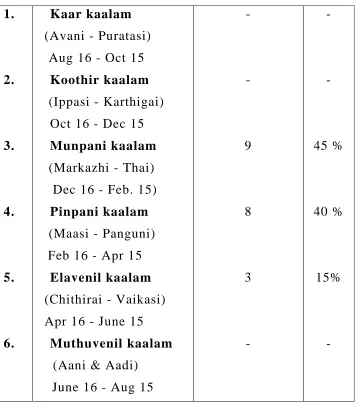
fhy xOf;fk;
gd;dpuz;L jpq;fs; nfhz;l XH Mz;il MW gphpTfshf gphpf;f
,uz;L jpq;fisf; nfhz;l xt;nthU gphpTk; fhyk; vdg;gLk;.
mf;fhyq;fspy; epfOk; khWjYf;Fj; jf;fthW Neha; tuhkypUf;f rpy
xOf;f tpjpfis rpj;jHfs; $wpAs;sdh;. mJNt “fhy xOf;fk;”
vdg;gLk;.
thpir
vz; fhyk; Fw;wk; Fw;w epiy Rit
1
fhHfhyk; Mtzp> Gul;lhrp>
(Mf];l; 16 - mf;NlhgH 15)
thjk; ↑↑ gpj;jk; ↑
Ntw;Wepiy tsh;r;rp jd;epiytsh;r;rp ,dpg;G> Gspg;G> cg;G 2 $jpH fhyk; Ig;grp> fhHj;jpif
(mf;NlhgH 16 - brk;gH 15)
thjk; (-) gpj;jk; ↑↑
jd;epiy miljy; Ntw;Wepiytsh;r;rp ,dpg;G> ifg;G> JtHg;G 3 Kd;gdp fhyk; khHfop> ij
(brk;gH 16 - gpj;jk; (-) jd;epiy miljy;
4
gpd;gdp fhyk; khrp> gq;Fdp (gpg;uthp 16 - Vg;uy;
15)
fgk; ↑ jd;epiy tsh;r;rp
,dpg;G> Gspg;G> JtHg;G 5 ,sNtdpy; fhyk; rpj;jpiu> itfhrp (Vg;uy; 16 - [_d;
15)
fgk; ↑↑ Ntw;Wepiy tsh;r;rp
ifg;G> fhHg;G> JtHg;G 6 KJNtdpy;fhyk; Mdp> Mb ([_d; 16 - Mf];l15;)
thjk;> ↑ fgk; (-)
jd;epiy tsh;r;rp
jd;epiymiljy; ,dpg;G
jpiz
FwpQ;rp (Hill area) - kiyAk; kiyrhh;e;j ,lKk;
Ky;iy (Forest area) - fhLk; fhLrhh;e;j ,lKk;
kUjk; (Fertile land) - taYk; tay; rhh;e;j ,lKk;
nea;jy; (Coastal area) - flYk; fly;rhh;e;j ,lKk;
ghiy (Desert land) - kzYk;> kzy; rhh;e;j ,lKk;
twl;rp fug;ghd; Nehapdh; ngUk;ghyhNdhh; kUj epyj;jpdh;.
cly; td;ik
1. ,aw;if td;ik
,J rj;Jt> uN[h> jNkh Fzq;fspdpd;Wk; ,aw;ifahfNt
cz;lhtJ
2. nraw;if td;ik
cliy mjd; Fzj; jd;ikf;F chpa czthjp nray;fshYk;>
3. fhy td;ik
,J tajhYk;> ,sNtdpy; Kjypa ngUk;nghOjhYk; cz;lhtJ.
cly; td;ik ghjpf;fg;gLk; NghJ twl;rp fug;ghd; Neha;
cz;lhfpwJ.
Kf;Fw;w NtWghLfs;
‘kpfpDq; FiwapDk; Neha; nra;Ak; E}NyhH
tsp Kjyh vz;zpa %d;W”
- jpUf;Fws;
#f;Fk rhPuq;fshfpa rg;j jhJf;fSk; tsp> moy;> Iakhfpa
Kf;Fw;wq;fSk; jj;jk; ,aw;if jd;ikapd;Wk; NtWgLk; epiy Neha;
vdg;gLk;.
czT Kiw> gof;ftof;fq;fs;> fhykhWghLfshy;> thjk;>
gpj;jk;> fgk; %d;W jhJf;fSk; jd;dpiy gpwo;e;J Nehia
cz;lhf;FfpwJ.
twl;rp fug;ghd; Nehapy; jd;tpid> gpwtpidfspd; gadhfj;
J}z;lg;gl;l Iaf;Fw;wkhdJ> tsp moy; Jiz nfhz;L Fwp
Fzq;fis cz;lhf;FfpwJ.
‘jhdKs;s Nrj;J ke;jhdpsfpy; ntg;G
---
apUj;Nuhfq; fug;ghd; tpuz Njhlk;”
thj kpFjpAld; c\;zk; NrHtjhYk; cz;lhfpwJ.
‘rpwg;ghd thjj;jpYl;bze;jhNd
---
gpzp ePf;fk;
gpzp ,Utifg;gLk;.
1. Kf;Fw;wq;fspd; Ntw;Wikahy; clw;gpzpnad;Wk;
2.Kf;Fzq;fspd; Ntw;Wikahy; csg;gpzpnad;Wk; ,Utifg;gLk;.
kUj;Jtk; vd;gJ gpzpia ePf;FtJld; gpzp tuhky; fhf;fTk;
top tFf;f Ntz;Lk;. mjhtJ>
fhg;G - Prevention
ePf;fk; - Treatment
epiwT - Restoration
fhg;G (Prevention)
Nehapdpd;W clypidf; fhf;f rpj;jHfs; $wpa ehs; xOf;fk;>
fhy xOf;fk;> gpzpaZfh tpjpfis filg;gpbf;f mwpTWj;j
Ntz;Lk;.
Nfhgk;> Jf;fk;> kd mOj;jk; ,tw;wpypUe;J tpLgl %r;Rg; gapw;rp>
Mrdq;fis nra;a mwpTWj;j Ntz;Lk;.
thj> gpj;j> fg NjfpfSf;Fj; jf;fthW czTtiffis rhg;gpl
mwpTWj;j Ntz;Lk;.
ePf;fk; (Treatment)
tpNurdk;
cs;kUe;J
ntspkUe;J
gj;jpak; kw;Wk; czTKiwfs;
tpNurdk;
jd;dpiy gpwo;e;j Fw;wq;fisj; jd;dpiyg;gLj;j fopr;ry; kUe;J
toq;f Ntz;Lk;.
‘thj kyhJ Nkdp nflhJ”
‘tpNurdj;jhy; thje;jhOk;”
nts;is vz;nza; 10 kpy;yp ypl;lh; ntWk; tapw;wpy; nte;ePhpy;
nfhLf;f Ntz;Lk;.
cs; kUe;J
rpWfhQ;nrhwp Nth; #uzk; = 1-2 fpuhk; fhiy> khiy
%d;WNtis - ePhpy;
ntsp kUe;J
tws; fhug;ghd; ijyk;.
gj;jpak; kw;Wk; czT Kiw
‘gj;jpaj;ij NehiaaD ghdj;ij yq;fzj;ijg;
gj;jpaj;ij Kd;kUtd; gz;zypw;nfhs; - gj;jpaj;ij
Vfkh ahHj;jhY Nkwhr; nrtptopNghNdha;
Vfkh ahHj;jhY nka;”
-Njud; akf ntz;gh
fug;ghd; Nehapid cz;lhf;ff;$ba kw;Wk; mjpfg;gLj;jf;$ba
czT tiffis ePf;f Ntz;Lk;. Mitahtd
vspjpy; rPuzpf;Fk; czT tiffis vLj;Jf; nfhs;sy; eyk;.
kuf;fwp czT> ghy; kw;Wk; ghy; nghUs;fs;> rj;Js;s czTfs;
cl;nfhs;syhk;.
epiwT (Restoration)
Neha;f;Fg; gpd;dh; clypid gioa epiyf;F nfhzh;jy;
Kw;$wpa czT gj;jpa KiwfisAk;> Mrdk;> gpuhzahk
KiwfisAk; njhlh;e;J filgpbf;f mwpTWj;j Ntz;Lk;.
mDghdk;:
rpj;j kUj;Jtj;jpy; mDghdk; Kf;fpaj;Jtk; tha;e;jJ. jf;f
mDghdj;jpy; nfhLf;Fk; NghJ jhd; kUe;J KOg;gyidAk;
nfhLf;Fk;.
‘mDghdj;jhNy atpo;jk; gypf;Fk;
,dpjhd Rf;F fd;dy; ,Q;rp gpD Kjfhy;
NfhNkak; ghy; Kiyg;ghy; Nfhnea; Njd; ntw;wpiyePh;
Mkpij ahuha;e;J nra;ayhk;”
- Njud; ntz;gh
gpuhzhahkk;
%r;R (Respiration ) vd;gJ
cs;%r;R G+ufk; (Inspiration)
ntsp%r;R ,Nurfk; (Expiration)
Fk;gfk; (Retention)
vd;w %d;W epiyfisAilaJ. nghJthd epiyapy; ehk;
%r;rpdhy; cs; thq;Fk; caph;f;fhy; KOtJk; ekJ clk;gpy; fye;J
tpLtjpy;iy. ,t;thW clk;gpy; fythj caph;f;fhy; ntsp%r;rpy;
Vida fhy;fSld; tPzhfr; nrd;W tpLfpwJ. tPzha;f; fopAk;
,g;gapw;rpia %r;Rg; gapw;rp> gpuhzhahkk;> thrp my;yJ thA jhuiz
vdg;gLk;.
gpuhzhakk; fw;gKiwfspy; xd;W vd;gij fPo; tUk;
Nkw;Nfhs;fspdhy; njspayhk;.
‘tspapid thq;fp taj;jpy; mlf;fpy;
gspq;nfhj;Jf; fhak; gUf;fpDk; gpQ;rhk;”
[ - jpUke;jpuk;
thAjhuiz gapw;rp
thAjhuiz nra;a gJkhrdk; my;yJ rpj;jhrdk; Vw;wJ.
ml;lhq;f Nahfj;jpy; ,y;ywj;jhUf;Fg; gJkhrdKk;. Jwtwj;jhUf;Fr;
rpj;jhrdKk; Vw;wJ vdf;$wg;gl;Ls;sJ.
1. tyJ iff;fl;il tpuyhy; tyJ ehrpj; Jisia %bf; nfhz;L
,lJ Jisahy; nkJthff; fhw;iw cs;Ns G+hpf;f Ntz;Lk;.
2. gpwF ,lJ ehrpj; JisiaAk; Nkhjpu tpuy;> rpW tpuy;fshy; %bf;nfhz;L %r;ir mg;gbNa Fk;gfk; nra;a Ntz;Lk;.
3. mLj;J tyf;iff; fl;il tpuiy vLj;Jtpl;L kpf kpf nkJthf
ty ehrpj;Jis topahff; fhw;iw ,Nurpf;f Ntz;Lk; ,dp>
4. Kd;NghyNt ty %f;Fj;Jis topahff; fhw;iwg; G+ufk; nra;J
5. rw;W Neuk; Fk;gpj;J.
6. ,l ehrpj;Jthuk; topahf ,Nurpf;f Ntz;Lk;.
,t; MWk; xU gpuhzhahkk; MFk;. ,J Nghy; njhlh;e;J nra;a
Ntz;Lk;.
gpuhzahkj;jpw;nfd nrhy;yg;gl;l rpy Kf;fpa tpjpfis
filgpbj;J thrp nra;a Ntz;Lk;.
,ij jpdKk; nra;a %d;W jpq;fspy; ehbfs; Rj;jkhfpd;wd.
RthrKk;> kdKk; xd;iw tpl;L xd;W jdpj;J ,aq;fhjjhy;
Rthrj;ij xOq;FgLj;jp elj;jpdhy; kdKk; xLq;fp
mikjpAz;lhFk;.
‘kdnkd;Dk; khllq;fpy; jhz;ltf;NfhNd - Kj;jp
tha;j;jnjd; nwz;Nzlh jhz;ltf;;NfhNd“
- jpU%yu;
gpuhzhahkk; gw;wpa ,d;Dk; tphpthd gy nra;jpfs; . jpU%yh;
jpUke;jpuk;> Qhd ruE}y;> Xsitf;Fws;> jpUts;Sth; Qhdk;>
rptthf;fpah; Qhdk; Nghd;w Gj;jfq;fspy; nfhLf;fg;gl;Ls;sJ.
Mrdk; (,Uf;if epiy)
Nafhrdg; gapw;rp cliy ed;dpiyapy; itj;jpUg;gJ kl;Lkpd;wp
gpzpfs; clypy; NruhJ jLf;fpd;wd. gpzp te;jpUe;jhYk; mtw;iw
ePf;Ffpd;wd. NkYk; ,g;gapw;rpfshy; kdk; J}a;ikahfp xUikg;gl;L
vOr;rpAz;lhFk;.
Asanas or yogic exercise make the mind alert, improves
concentration and help to maintain a buoyancy of spirit. They create a
gJkhrdk;: (gJkk; -jhkiu)
rkjsj;jpy; rk;kzkpl;L cl;fhh;e;J tyg;ghjj;ij
,lj;njhilkPJk; ,lg;ghjj;ij tyj;njhil kPJk; Vw;wp ,uz;L
iffisAk; Nfhh;j;J kyh;e;jpUf;FkhW ,Uj;jy; .
gJkhrdk; nrhpkhd rf;jpAz;lhf;Fk;. cly; eyKk;
kdkfpo;r;rpAk; Vw;gLj;Jk.; Kf;Fw;wq;fSk; jd;dpiyg;gLk;.
Gaq;fhrdk; (Gaq;fk; - ghk;G)
fhy;fis ePl;b Fg;Gwg;gLj;J iffis Cd;wp jiy> khh;G>
tapw;wpd; Nky;gFjp tiu NkNy J}f;fp itj;jpUj;jy;. Neha; vjph;g;G
rf;jpia mjpfg;gLj;Jk;.
G+uz rt rhe;jpahrdk;
ky;yhe;J gLj;J fhy;fis NeuhAk;> iffis clNyhL
gf;fthl;bYk; itj;J Neuha;g; gLj;jpUj;jy.; ,J fisg;ig Nghf;fp
kdJf;F Gj;Jzh;r;rp cz;lhf;Fk;.
gpzpaZfh tpjp
‘jpz;z kpuz;Ls;Ns rpf;f tlf;fhkw;
ngz;zpd; ghnyhd;iwg; ngUf;fhky; - cz;Zq;fhy;
ePh;RUf;fp Nkhh;ngUf;fp nea;AUf;fp Az;gth;jk;
NgUiuf;fg; NghNk gpzp”
‘ghYz;Nghk;; vz;nza;ngwpd; nte;ePhpw; Fspg;Nghk;;
gfw;GzNuhk;; gfw;WapNyhk;; ghNahjuK %j;j
VyQ;Nrh; FoypaNuh bsntapYk; tpUk;Nghk;;
,uz;llf;Nfhk; xd;iwtpNlhk; ,lJ ifapw; gLg;Nghk;
“%yQ;Nrh; fwp EfNuhk; %j;jjaph; cz;Nghk;
Qhye;jhd; te;jpbDk; grpj;njhopa Tz;Nzhk;
ekdhh;f;fpq; NfJfit ehkpUf;F kplj;Nj”
‘MWjpq;fl; nfhUjlit tkdkUe; japy;Nthk;
mlh;ehd;F kjpf;nfhUf;fhw; NgjpAiw Efh;Nthk;
NjWkjp nahd;wiuf; Nfhh; juerpak; ngWNthk;
jpq;fsiuf; fpuz;LjuQ; rtutpUg; GWNthk;
tpopfSf;FQ; rd%d;W ehl;nfhUfh ypLNthk;
ehWfe;jk; Gl;gkpit eLeprpapd; KfNuhk;
ekdhh;f;fpq; NfJfit ehkpUf;F kplj;Nj”
“À¸ò¦¾¡ØìÌ Á¡¾Ãºí ¸ÃóШ¼ôÀ Á¢¨Åàð
À¼¦¿Õí§¸¡õ; ¾£À¨Áó¾÷ Áÿ¢ÆÄ¢ø ź¢§Â¡õ;
͸ôÒ½÷ ºÉÀº Éò¾Õ½ï ¦ºö§Â¡õ;
ÐïºÖ½ Å¢ÕÁÄ墨 §Â¡¸ÁØì ¸¡¨¼
ÅÌô¦ÀÎ츢ü º¢óиº Á¢¨ÅÁ¡¨Ä Å¢Õõ§À¡õ;
ÅüºÄó¦¾ö ÅõÀ¢Ð÷ºü ÌÕ¨ÅÅ¢¼ Á¡ð§¼¡õ;
¿¸îºÄÓ Ó¨ÇîºÄÓó ¦¾È¢ìÌÁ¢¼ Áϧ¸¡õ;
MODERN ASPECTS
The Skin Anatomy
The integument, or skin (cutis) is an anatomically and
physiologically specialized boundary lamina essential to life. it
is major organ of the body, forming about 80% of its total mass
and having an area of between 1.2 to 2.2 m2. In total thickness
into ranges from about 1.5 to 4 mm. Skin covers the entire
external surface of the body including the external auditory
meatus and lateral aspect of tympanic membrane. It is
continuous with the mucosa of the alimentary, respiratory and
urogenital tract at their respective orifices,where the specialized
skin of mucocutaneous junction occurs; it also fuses with the
conjunctiva at the lacrimal puncta.
Skin is composed of epidermis (superficial epithelial layer)
dermis (connective tissue layer ) hypo dermis (sub cutaneous
layer)
Epidermis
The epidermis is formed of non-vascular stratified
epithelium. It’s usual thickness is between 0.07 mm and 0.12
mm. The epidermis is mainly two divisible into two main
(keratinocytes) which forms the bulk and the pigmentary system
(melanocytes) which produces the pigment.
There are five layers in the epidermis.
Stratum Germinativum (or) Stratum Basale
It is the deepest portion of epidermis and is composed of
several layers of columnar cells.Any trauma to this layer result
in scarring ,trauma above thislevel heal with out scarring .some
cells contain granules of pigment called melanin.
Stratum malpighii
It is superficial to the basal cell layer and is composed of
several layers of polyhedral cell, connected to each other by
intercellular bridges. In the stratum malpighii, the cytoplasmic
organalles are diminished, the centrioles absent, tonofibrils
increased.
Stratum Granulosum
It is superficial to the stratum malpighii. It is composed of
flat, fusiform cells which are one to three layers thick. These
cells contain irregular, regular granules of keratohyalin and
Stratum lucidum
It is superficial to the stratum granulosum, is the pale,
wavy - looking layer. This layer contains refractile droplets of
eleidin.
Stratum corneum
This is the most superficial layer, the outer surface of
which is exposed to the atmosphere. It consists of many layers
of non-nucleated, flattened and cornified cells. Epidermial horny
layer contain keratohyalin is referred as soft keratin.
Basal lamine (Basement membrane)
Dermal side of the basal lamina contains of few scattered
collagen fibres.
Dermis
Dermis is supplied with blood vessels.It contains
connective tissues and dermal appendages.Connective tissue is
formed by (1)collegen fibres (2)elastic fibres (3)ground
substance.The dermis which is bounded distally by its junction
with the epidermis and proximally by the subcutaneous fat.The
connective tissue cells in dermis are spindle shaped .Dermal
appendages like Hair follicles, various types of sebaceous and
round cells, fibrocyte and a few pigment carrying histiocytes.
In the deeper layer of dermis, then in arterio-venous anastomosis
surrounded by sphincter like group of smooth muscles under
autonomic nervous control.
Sebaceous glands
They are scattered all over the integument with hair
follicles.. The sebaceous glands are derived from the epithelial
cells of the hair follicles and are present everywhere in the skin
except on the palms and soles.
They are numerous and large on the scalp
forehead,ears,face,sternal and inter scapular region.In hairy
portion they open in hair follicles.Meibomian glands,mammary
glands and smegma glands of penis are modified sebaceous
glands.They are more active at and after puberty,during
menstruation and pregnancy.The ducts of the glands are blined
stratified squamous epithelium,which is countinous with external
root of hair.
Sweat glands
These are found in all areas of the skin except nail
beds,lips,and glans penis.The sweat glands open into sweat ducts
from it to the epidermis, which it transverses in a corkscrew
manner to open on the surface at the pore.
Apocrine glands
They occur in the axillae, areola and nipples of breasts,
umbilicus, around the anus and the genitalia. The myo-epithelial
cells are highly developed and more abundant in these glands.
They are specialized sweat glands, and their secretion is
odoriferous with a secondary sexual significance.
Hair
Hair is found on almost every part of the body surface
except on the palms and the soles, the dorsal surface of the
terminal phalanges,inner sugface of labia,inner surface of
prepuceand and the glans penis.Hair development is under
endocrine condrol.
Hair is made of hard keratin and is analogous to nail. It is
formed by the hair matrix, a layer of specified epidermal cells,
capping the papilla, the two structures making up the hair bulb.
Melanocytes are present in the matrix and form the pigment of
hair. The portion of the hair below the surface of the scalp is
known as the hair root. Above the surface of the scalp, the hair is
is the main structural component and is made up of tightly
packed pisiform keratinised cells.
Nails
These are semi-transparent, plates - like horny structures,
covering the dorsal surfaces of the distal phalanges of the fingers
and toes. The nail is composed of many layers of flattened
keratinized cells fused into a homogenous mass.
They arise from epidermis lining an invagination of skin at
the base of the nail, this specialised epidermis known as the nail
matrix. The invagination of skin at the base of the nail is called
the nail fold.
The anterior border encroches upon the nail plate as a
flattened keratinous rim, the cuticle and forms a protective
barrier against irritants and infection.
Blood Vessels
The blood supply of the skin originates from a large
number of arterioles forming anastamosis in the deepest part of
the cortex. From here single vessles run upwards and form a
second network in the upper cortex. Finally terminal arterioles
ascend into the papillae ending in capillary loops; which drain
into connecting venules. The blood return to the large veins in
Lymphatics
The skin contains a rich network of lymphatics, which
drain into a few larger vessels in the hypodermis.
Nerve Supply
The nerve supply of the skin consists of a motor
sympathetic portion dervied from the sympathetic gangila and
sensory spinal portion arising from the dorsal root ganglia. The
sympathetic fibres innervate the blood vessel, erector pilorum
muscles and apocrine duct, where the fibres are adrenergic and
cause contraction.
PHYSIOLOGY
1. Protective Function
The epidermis and subcutaneous fat play roles in the
protective functions, the mechanical properties of the skin
depends mainly on the dermis. It protects the penetration of
harmful substances and bacterial invasions. Another is to protect
against sunlight by synthesis of melanin pigment.
2. Immunological Function
The skin is the front line of the defences of the body. In
essence the defence involves, the protection of antibody -
contact sensitization, immuno surveillance against viral
infections and neoplasms.
3. Sensory Functions
The skin is richly supplied with nerves and various types of
specialized sensory end-organs, which provide information
regarding environmental changes, so that the body can then
adjust its activities accordingly. In some animals, the hair at
certain situations have specialized sensory receptors located at
the bases of the hair follicules which serve to enhance sensory
appreciation.
4. Secretion and Excretion
The skin possesses various types of glands, which pour
secretions on the surface. The more important glands are sweat
and sebaceous glands. The eccrine glands which are scattered all
over the body surface secrete a thin, transparent, watery fluid,
known as true sweat; while the apocrine glands secrete a thicker,
rather milky and odoriferous solution.
Sweat in its composition consists of 1.2% solids and 98.8%
water. The important substances excreted in it are sodium
chloride, sodium phosphate, sodium bicarbonate, keratin and a
small amount of urea. The skin can also excrete certain drugs
The sebaceous glands of the skin secrete sebum, which is
composed of fatty acids, cholesterol, alcohols etc. Fatty acids
have a mild fungistatic activity. The sebum acts as a lubricant
for the drying effects of the atmosphere.
5. Synthesis of vitamin D
Vitamin D is synthesised in the skin as a result of exposure
to ultra violet ‘B’ (UVB) radiation and, since it is carried in the
blood attached to a binding protein to exercise a specific effect
at a different site. Vitamin D5 is essential for skeletal
development, and it contains antirachitic properties. Vitamin D3
is formed principally in the stratum spinosum and the stratum
basale, from the precursor 7 - dehydrocholesterol by way of a
provitamin D3 (2,5).
6. Body Heat Regulation
The skin plays the most important role in the regulation of
heat loss. It loses heat to the external environment in three ways:
by conduction, by radiation and by evaporation. Heat loss by the
first two mechanisms take place when the environmental
temperature is lower than that of the skin. Heat loss by
evaporation mainly means the amount of heat spent by the body
heat loss through the skin is regulated by various physiological
mechanisms which include
1. The reaction of the cutaneous vessels.
2. The reaction of the smooth muscle fibres of the skin and
3. Persipiration
7. Endocrine Function
Hair follicles and sebaceous glands are the targets for
androgenic steroids secreted by the gonads and the adrenal
cortex and melanocytes and directly influenced by polypeptide
hormones of the pituitary.
8. Storage Function of Skin
Blood is stored in the rich sub papillary plexus of the
dermis, about one litre. The skin is also a good store house of
ergosterol which is irradiated, by the ultra violet light of the sun
and converted into vitamin D.The junction between dermis and
hypodermis has a considerable capacity for storing fat and
permanent store of subcutaneous adipose tissue. Certain
substances like glucose and chloride also acts as a reservoir for
topically applied corticosteroids (or) other hormones which
absorbed slowly for many days from the skin surface.
9. Absorption
skin permeability substances that are completely insoluble in
water and lipids do not penerate.
10. Gaseous exchange through Skin
A small amount of gaseous exchange occurs through the
skin. In man the amount of CO
2 exchanged through the skin is
negligible compared to the amount exhaled from the lungs.
ECZEMA (EC MEANS OUT,AND ZEO MEANS BOIL)
It is a non-contagious inflammation of the skin
characterised by itching, erythema, papules with epidermo
spongio-oedema, vesicles, weeping, crusting, pustules and
scaling.
Etiology
Basically 2 factors cause dermatitis (or) eczema.
1. An allergic or a sensitive skin
2. Expose to an allergen or an irritant.
Common allergens
1. Paraphenylene diamine
2. Nickel sulphate
3. Potassium dichromate
4. Parthenium hysterophorus
7. Formaldehyde
8. Turpentine
9. Garlic
10. Epoxyresin
Exogenous eczema
Dermatitis confined to exposed part of the body causes
photo dermatitis,contact dermatitis like plants ,cosmetics,
clothing, footwears, occupationalchemicals,medicaments,ect.
Allergic contact dermatitis
Erythema is usually the first clinical sign followed by
itching, vesiculation (or) formation of bullae. The vesicles often
rupture and form crusts which may become infected secondarily.
If the exposure to the allergen is prolonged, thickening of the
skin usually occurs and fissures may develop. When the pruritus
is severe enough one may see scratch marks. If the sensitizing
agent has not been removed from the skin and is rubbed by
scratching into uninvolved areas, new lesions will occur. The
inflammatory exudates or blister fluid itself does not contain the
sensitser in amount sufficient to produce new lesions, if the
sensitiser is removed the eruption will clear completely, usually
within a matter of a few weeks. Histologically the picture is not
Classification
There are two groups of eczema.
Exogenous Endogenous
Irritant Atopic
Allergic Seborrhoeic
Photodermatitis Discoid
Asteatotic
Gravitational
Neurodermatitis
Infectious eczymatoid dermatitis
I. Exogenous eczema
a) Irritant dermatitis (or) contact dermatitis
Acute or chronic inflammation, often asymmetric or oddly
- shaped, produced by substances contacting the skin and toxic or
allergic reaction. Primary irritants may damage normal skin or
irritate existing dermatitis. The mechanisms by which these irritants damage the skin are different for different agents. (eg)
detergents activate keratinocytes, making them to release
inflammatory cytokines.
b) Allergic dermatitis
It ranges form transient redness of severe swelling with
bullae, pruritus and vesiculation are common If the causative
and crust, as inflammation subsides,scaling and some temporary
thickening of the skin occurs. Continued exposure to the
causative agent may perpetuate the dermatitis.
c) Photo allergic (or) phototoxic dermatitis
Dematitis is confined to the exposed parts of the body (viz)
face, neck, ‘V’ of the chest, hands and external surfaces of the
forearms and dorsa of feet and the adjoining arts of the leg. The integument is sensitive to sunlight and ultra-violet rays.
The common-causes are
1. Drugs like sulphonamides
2. Foods like figs etc.
3. External application of bithionol etc.
4. Plants and their products like meadow grass, mustards,
lime oil, celery etc.
Vitamin B complex deficiency, porphyrinuria, seborrhoeic
diathesis and liver disorders predispose to photodermatitis.
The general predisposing causes are age, familial
predisposition, allergy, debility, climate and psychological
factors. Familial sensitiveness is an important factor. There is
usually a personal (or) family history of allergy viz asthma,
eczema and hay fever. Eczema usually occurs in infancy, at
puberty and at the time of menopause.
General physical debility predisposes to eczema by lowering the
resistance of the individual.
Climatic extremes like heat, dampness, severe cold and
psychological stresses promote the development of eczema,
besides the above mentioned conditions,local factors like
xeroderma, a greasy skin hyperhidrosis, varicose veins causing
congestion and focus of lowered resistance hypostasis predispose
to eczema developement. In the dry winters of northern India,
cracking of the integument of exposed parts may result in
eczematization “eczema crackle”. Exciting causes are varied
(viz) chemicals, plants, clothing, cosmetics, medicaments,
infections, drugs, diet and focal sepsis.Once the skin has been
irritated and sensitized, it becomes prone to further insults.
Plants
Irritant and sensitizing properties of plants have long been
known to Indian physicians well-known examples of such plants
are Semicarpus anacardium, Anacardiaceae, Croton tiglium of
Euphorbiaceae, Compositae (chrysanthemum), podophyllym,
garlic meadow grass, peel of oranges, onions etc.
Cosmetics
face-content hair oil, shampoo’s paraben, benzocaine, lanolin,
thimerosal etc.
Clothing
Rubber chappals, foot wear, spectacle resins, frames,
nylon, synthetic dyes, most buttons are formaldehyde resins,
epoxyresins are all common sensitizers.
Medicaments
This includes sulphonamides, penicillin, streptomycin,
cocaine, tincture benzoin, cetrimide, phenergan cream and
sticking plaster etc.
Industrial and occupational agents
Occupation
Agriculturists - Plants, weeds, fertilizers
Automobile workers - Oils, petrol, solvents, grease paints
Building workers - Cement, lime, paints, insecticides,
wood, kerosine, turpentine oil
Chemical and chemicalsexplosives,solvents,pharmaceutical
industries oils disinfectants, detergents
Coal miners - Mechanical injuries
Dentists - Cocaine anditsderivatives
Engineering industries - Cutting oils, solvents
House wives - Soaps, detergents,
vegetables, fruits, nickel,
Nurses and Doctors - Iodine,streptomycin,
chlorpromazine,tincture
benzoin
Photographers - Hardeners, solvents,
glues, cellulose esters
Rubber workers - Additives like TMT,
MBT, dyes, glues, oils
Tannery workers - Chromate, formaldehyde,
arsenic, alkalies, acids.
Textile workers - Formaldehyde, solvents,
dyes, bleaches
Precipitating exciting and aggrevating factors may be
summarized as follows.
1. Irritants - Physical, chemical or
electrical
2. Sensitizers - Plants, cosmetics,
clothing, medicaments
and occupational
hazards.
3. External infections - Streptococci,
Staphylococci,
6. Diet and state of digestion
7. Diathesis - Allergy, hyperhidrosis,
xerodermic
8. Drugs - Given for the disease
9. State of local (or) general nutrition
10. Climate - Temperatureand humidity
Scratching, chemical trauma, climatic strains and stresses
keep the process going with the result that eczema becomes
chronic.
It is still controversial whether the endogenous factors like
diet, emotional strain and stress, focal sepsis, state of digestion,
nutrition are more important than exogenous factors like
infection, irritants and sensitizers (or) vice versa.
In practice mixed eczemas are much more common than
pure entities, history and clinical observation are very important
in establishing the exact etiological diagnosis.
Endogenous eczema
There is no evident of external irritants or allergens .
There are three common patterns of distribution
(1) Atopic-involving etelids sides of neck,cubital
fossa,popliteal fossa
(2) Nummularpatternaffectingdorsumoffingers,hands,feet,
arms,thigh (extremities)
The common sub varieties are infantile eczema, atopic
eczema, nummular eczema, disseminated eczema and
cheiropompholyx.
a) Atopic dermatitis : is a form of eczema prevalent during
infancy and childhood.
Incidence in general population is between 1 to 5%.
Exact pathogenesis of atopic dermatitis is unknown.
Currently it is believed that IgE - mediated reactions and cellular
responses contribute to the chronic inflammation of this disorder.
It typically runs a course of exacerbations and remissions.
Triggering factors like soap, harsh chemicals, heat and
humidity, stress and anxiety, certain foods inhalant allergens and
certain infections plays an important role.
Common offending foods - Eggs, milk, wheat,
soyaproteinand peanut.
Inhalant allergens - House dust mite, pets,
pollen and cutgrass
Bacterial causes - Staphylococcal and
Streptococcal
Viral causes - Warts,Molluscum
contagiousum
and Herpes simplex
b) Seborrhoeic dermatitis
An inflammatory scaling disease of the scalp, face and
occasionally other areas.
Symptoms develop gradually, dermatitis is usually apparent
as dry or greasy scaling of the scalp with variable pruritus. In
severe disease, yellow-red scaling papules appear along the
hairline, behind the ears, in the external auditory canals, on the
eye-brows, on the bridge of the nose, in the nasolabial folds and
over the sternum. Marginal blepharitis with dry yellow crusts
and conjunctival irritation may be present. Seborrhoeic
dermatitis does not cause hair loss.
The incidence and severity of disease seems to be affected
by genetic factors, emotional or physical stress and climate.
Patients with neurologic disease especially Parkinson’s
disease or HIV may have severe seborrhoeic dermatitis.
c) Discoid (or) nummular dermatitis
Chronic inflammation of the skin characterized by coin
shaped, vesicular, crusted, scaling, and usually pruritic lesions.
The cause is unknown it is more common in middle-aged patients
and is often associated with dry skin.
Lesions start as pruritic patches of confluent vesicles and
later papules that later ooze serum and form crusts. Lesions are
eruptive and widespread. Exacerbations and remissions may
d) Stasis (or) gravitation dermatitis
Persistent inflammation of the skin of the lower legs,
commonly associated with venous incompetency.
The eruption is usually localized to the ankle, where
oedema, erythema, mild scaling and brownish discolouration
occur. Secondary bacterial infection and eventual ulceration may
occur. The cause is mainly due to perivascular fibrin deposition
and abnormal small-vessel vaso constrictive reflexes.
e) Neuro dermatitis (or) lichen simplex chronicus
A chronic, superficial, pruritic inflammation of the skin
characterised by dry, scaling, well-demarcated, hyperpigmented,
lichenified plaques of oval, irregular or angular shape. Allergy
appears to play no part, usual onset ranges between 20-50 years
of age.
Without an apparent reason, an area of skin begins to itch
recurrently, the common sites are occiput, arms and legs.
Vigorous scratching gives only transient relief. Stress and
tension increase the pruritus and scratching may become an
f) Infection eczematoid dermatitis (or) infective type
This result from sensitization to certain organisms like
streptococci, staphylococci, dermatophytes and yeast organisms.
Clinically they are characterized by slow development, no
vesiculation, a crust is formed instead. The patches are sharply
defined and they occur in circles which by union become
polycyclic. It spreads not only by direct contiguity, also to other
body folds and hair-follicles.
g) Asteatotic (or) exfoliative dermatitis
Severe widespread erythema and scaling of the skin.
Usually no cause is found. It is induced by a systemic drug or
topical agent and occur secondary to certain dermatitides (eg)
Atopic, Psoriatic, Pityriasis rubra pilaris, contact dermatitis.
The onset is insidious (or) rapid. The entire skin surface
becomes red, scaly, thickened and occasionally crusted, pruritus
may be severe or absent.
While overlap between the 2 groups is common, distinction
between them is critical for treatment.
Other types
Infantile eczema
This occurs in children between the ages of 3 months and 2
years. Usually starts on cheeks, spreading slowly to the
forehead, chin, scalp, arms, trunk and legs. The typical lesions