Parenting Early Intervention
Pathfinder Evaluation
Research Report DCSF-RW054
Geoff Lindsay
1, Hilton Davies
2, Sue Band
1,
Mairi Ann Cullen
1, Stephen Cullen
1, Steve Strand
1,
Chris Hasluck
1, Ray Evans
1and Sarah Stewart-Brown
1 1University of Warwick
Parenting Early Intervention
Pathfinder Evaluation
Geoff Lindsay
1, Hilton Davies
2,Sue Band
1,
Mairi Ann Cullen
1, Stephen Cullen
1, Steve Strand
1,
Chris Hasluck
1, Ray Evans
1and Sarah Stewart-Brown
11
University of Warwick
2Kings College, London
The views expressed in this report are the authors’ and do not necessarily reflect those of the Department for Children, Schools and Families.
CONTENTS
EXECUTIVE SUMMARY
3
1.
INTRODUCTION15
2.
THE EARLY DEVELOPMENT OF THE PATHFINDER27
3.
OUTCOMES FROM THE PARENT TRAINING GROUPS50
4.
ASSESSING THE COST EFFECTIVENESS OF PEIP70
5.
THE PROGRAMME IN ACTION89
6.
CONCLUSIONS AND RECOMMENDATIONS151
REFERENCES
161
EXECUTIVE SUMMARY
Background
The well-being of children in the UK is being compromised with large numbers of children experiencing behavioural, emotional and social difficulties. This is a significant issue for society since the long term consequences of these problems include impaired educational development, later adult mental health problems, early entry into crime and high social and financial costs. Since parents are fundamental to their children’s development there has been considerable interest in the development of programmes that support the parent role including those that are intended to enhance the understanding and skills of parents through direct training. There is now considerable evidence to suggest that such programmes do have benefits in improving antisocial behaviour in children and the psychological and social functioning of parents. However there is a need to examine the effectiveness of such
programmes in the real world as opposed to optimal conditions and also to provide evidence for the use of non-UK programmes in this country.
This report presents the evidence of the evaluation of the Parenting Early Intervention Pathfinder (PEIP). The PEIP was a DCSF funded programme over the period September 2006 – March 2008 at a cost of £7.6 million in DCSF grant payments to LAs. PEIP funded 18 local authorities (LAs) to implement one of three selected parenting programmes with parents of children aged 8 – 13 years: Incredible Years, Triple P and Strengthening Families, Strengthening Communities, selected as having a sound evidence base for their
effectiveness. The main aim of the study was to explore the roll out of these three
programmes on a large scale across a substantial number of LAs: to examine parent and child outcomes, cost-effectiveness and the processes that optimise (or impair) the delivery of parenting programmes.
Main Findings
• The Parenting Early Intervention Pathfinder has been successful in rolling out three evidence-based parenting programmes across 18 LAs with high levels of positive gains for parents and their children.
• The PEIP increased the pool of trained facilitators: approximately 1100 additional trained staff.
• PEIP provided parenting training for 3575 parents on 425 courses of which 338 courses finished by the end of the PEIP and 87 were continuing.
• Parental course completion rate was good and similar across programmes: 73% of parents overall.
• The training was very successful as measured by improvements in the parents’ mental well-being, their parenting skills, their sense of being a parent, and also in the behaviour of the child about whom they were concerned.
• The three programmes produced comparable outcomes on all measures of improvement.
• Cost effectiveness varied greatly between LAs using the same programme indicating the importance of local policy and organisational factors.
• Cost effectiveness also varied between the three programmes: the average cost per parent completing was £2955, with Incredible Years courses being the most costly.
Detailed findings
General Outcome
• There was universal enthusiasm for the project from all groups involved in terms of the success of the roll out and the outcomes.
• The outcome measures suggest that the programmes had very positive effects on the parents’ mental well-being; their perceptions of themselves as a parent and their parenting skills; and their perceptions of their children’s behaviour.
Programme Differences
• Although the three programmes all include a focus on parenting, based upon social learning theory, they differ in:
o length of sessions;
o length of courses;
o their specific training methods;
o the style of training;
o additional issues included (e.g. culture, violence, parental mental health
problems and relationship difficulties);
o and the system context; only Triple P specify an integrated intervention
system.
• All three programmes provided similar facilitator training programmes and specified supervision and accreditation procedures, with the Incredible Years being the most elaborate.
• All programmes have considered or are in the process of considering the extent to which their training meets the National Occupational Standards for work with parents.
Management of Roll-out
• Although DSCF were perceived as supportive and helpful, the set up timescales were seen as unrealistic and not allowing enough time for the complex organisational task.
• There were wide variations in how long it took local authorities to be in a position to run their first groups and in a small number of LAs very few had finished by the time the project ended. Delays resulted from the recruitment and training of facilitators, setting up the infrastructure, and identifying and recruiting parents. Implementation was particularly delayed in areas that did not already have established systems and an existing pool of facilitators. In addition some LAs extended the training of
facilitators, so delaying implementation.
• The Parenting Early Intervention Pathfinder was successful in rolling out these three programmes (Triple P, Incredible Years and Strengthening Families, Strengthening Communities) on a large scale, across 18 local authorities with comparable benefits from each programme.
• The scale and complexity of the roll out resulted in a number of operational challenges including:
o the realisation that setting up was a longer process than expected;
o the limiting effects of the short timescale of the pilot;
o the need fully to engage managers of facilitators drawn from local authority
departments;
o the late recognition that coordination was crucial and the importance of
o and supervision issues.
• A problem particular to the Incredible Years sites was the decision to put together a course specifically for the PEIP in order to meet the needs of the age group (8-13 years) and likely problems to be encountered. Changes to the course, DVD material, manuals and handouts caused some concern, increased the length of the course and delayed facilitator training.
• However, this particular issue amongst others illustrated the need, emphasised by the programme leads, for consultation between programme leads and central and local government before beginning the project, in order to ensure a clear
understanding of what implementation involved and to avoid unrealistic expectations (e.g. of time-scales, training and supervision issues and numbers to be trained).
Facilitators
• Each programme managed to train a reasonable number of facilitators with by far the most training done by Triple P whose facilitators had frequently trained on a number of different intervention levels, formats and groups. Strengthening Families,
Strengthening Communities trained 356 facilitators; Incredible Years trained approximately 300; Triple P trained 430.
• Facilitators were recruited from a wide range of professional backgrounds across all sectors. However, a number of areas successfully included parents without relevant qualifications, and in one Strengthening Families, Strengthening Communities and one Triple P local authority parents were highly valued as facilitators.
• Facilitators were in general very positive about all three programmes, including the quality and relevance of the training they received, the processes of co-facilitation, and the outcomes.
• Issues raised by facilitators and operational leads as problematic included:
o the amount of work involved in preparing facilitator materials;
o the amount of training involved beyond the initial training;
o accessing training quickly since in the case of Triple P it involved trainers
from Australia;
o keeping facilitators’ motivation going when their day jobs crowded in on their
time;
o the amount of time facilitators need to plan their programme;
o that facilitators were put forward without sufficient consideration given to
o and that facilitators had insufficient information in advance about what would
be involved in the role.
• Although most local authorities were satisfied with the numbers of facilitators
recruited and trained and the way in which this was done, none expected to have the capacity to train significant numbers of new facilitators following the end of the PEIP programme. Most facilitators were expected to remain in post, yet there were concerns in some authorities about not having enough to continue, because of high demand for courses, managers’ reluctance to release workers from their usual roles, and loss of staff through natural wastage.
Facilitator Supervision
• The majority of facilitators were satisfied with the level of support provided.
o All local authorities using the Incredible Years programme had regular
supervision from accredited mentors with additional supervision from local sources.
o The situation was more varied for SFSC and Triple P in quality, level and
type.
o This included peer supervision, which was seen as of varying usefulness and
effectiveness, supervision from line managers, which was mostly doubted in value because of their lack of specialist expertise and support from
programme leads, which was usually valued.
o However, some facilitators had received no one-to-one support and had
difficulties accessing supervision at all.
o Supervision frequency was higher in Incredible Years than the other
programmes, but there were questions about whether there were the resources to maintain it at this level.
• Supervision was less of an issue for operational leads, although they had concerns about its unusual time requirement, not being equipped to deal with the issues arising themselves and the need for supervision crossing professional boundaries.
Parent Recruitment and Course Allocation
• Parent recruitment methods were diverse:
o through Child and Adolescent Mental Health Services (CAMHS )only;
o self-referral advertised through road shows, local press, schools, libraries,
various centres and web sites;
• There appeared to be two major methods of deciding whether a parenting course was appropriate, either by frontline workers, who in some cases were given training to do this, or by the use of a central coordinator. It was unclear however to what extent parents were involved in this decision making, but the process of matching was in some cases linked to the Common Assessment Framework.
Parenting Courses and Participants
• The number of parenting courses completed by the end of March 31st 2008 was 338:
Incredible Years ran 70; Triple P: 185; SFSC: 83; in addition 87 courses were still underway: Incredible Years (6), Triple P (45), SFSC (36).
• The number of parents who started was 3575 overall: Incredible Years 721; Triple P: 1418, SFSC: 1436.
• Differences in numbers of parenting groups and numbers of parents trained reflected the different programmes but there were also local variations including in particular LAs, for example, substantial delays in starting the PEIP and a decision to add extra training for the facilitators to improve their preparation.
• Differences in numbers of groups conducted during the PEIP using the different programmes also reflected the different number of sessions required to deliver each programme.
• The completion rate overall was 73% and very similar for each of the programmes: 72% Incredible Years, 70% Triple P and 76% SFSC..
• Recruitment of fathers was low (12% of the participants were male) and only two groups had been run specifically for fathers. All local authorities were aware of this as a problem and related it to: timing of courses, “parent” seen as meaning “mother”, the lack of male facilitators and suitable venues.
• Otherwise programmes were targeted appropriately. At the start of the parenting courses:
o parental mental well-being was significantly lower than expected from norms;
o the majority of the children were judged by their parents attending the courses
to show very high levels of emotional and behavioural problems (62% classified in the clinical range on the SDQ compared to the national expectation of 10%);
o the majority of parents had not continued their education beyond 16 years
o courses had been accessed by a wide range of minority ethnic groups who
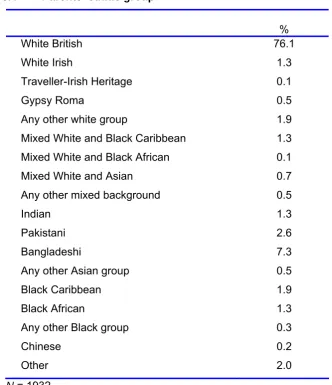
comprised 23.9% of the total (76.1% were White British).
o the mean age of the children was 9.2 years with 64% in the target 8-13 year
age band, although the range was 1 to 18 years;
o two-third were boys and 17.7% of the children overall had statements of
special educational needs, about six times higher than the population as a whole.
Programme Fidelity
• In general there was clear awareness of the need to maintain programme fidelity amongst facilitators. Changes were made to courses, but mostly within the guidelines.
• Facilitator satisfaction with materials was generally high, although there were
criticisms of American English, predominance of Australian culture shown, wordiness and complexity of language, and high literacy demands.
• Literacy challenge was generally addressed by facilitators adapting their language as necessary, adapting transparencies and other written materials and providing help with literacy. As a consequence these were not major issues as far as parents were concerned.
• Courses were tailored to some extent in terms of time:
o For Incredible Years this involved lengthening some topics as allowed in the
guidelines, but cutting others.
o For Triple P and SFSC, there were difficulties fitting the content into the time
available and sessions were for example lengthened by facilitators being available before and after sessions, and contacting parents if they missed sessions.
o There were some problems with telephone contacts and at least one Triple P
facilitator replaced them with face-to-face sessions.
o Rites of passage as a topic was often cited as problematic in Strengthening
Families, Strengthening Communities; as a result the emphasis given to it was reduced or it was omitted.
o The response to role play varied in parents, and was associated with both
Course Outcomes
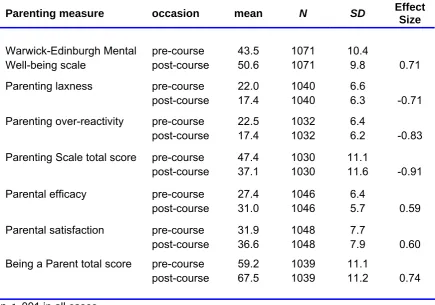
• All courses were effective in improving parental mental well-being, parenting behaviour, parental efficacy and satisfaction as measured by self-report, with moderate to large effect sizes on all 7 measures.
• The parenting courses were effective in producing statistically highly significant improvements in the parents’ perceptions of the emotional and behavioural functioning of the children on all scales of the Strengths and Difficulties Questionnaire with effect sizes in the small to moderate range.
• The percentage of children rated in the clinical range on the Strengths and Difficulties Questionnaire Total Difficulties score reduced from 58% to 33%.
• In spite of the differences in the characteristics of the three programmes, they were all equally effective in terms of the majority of outcomes.
• Changes the parents reported included being calmer with their children, more confident in parenting, and giving more time to talking and listening to their children. They thought their relationship with their children had improved, as well as their behaviour, well-being, self-esteem and interest in school, although this was not universally the case.
• Parents overall were extremely favourable in their evaluation of all three
programmes; they valued the content, the group experience, the qualities of and relationship built up with the facilitators and the practicality of child care,
refreshments and transport. Some parents, however, suggested that their course was too short and too intense.
• Since social support and community building is such an important issue, the extent to which parents continued to meet after their course was explored. Although three local authorities had encouraged and enabled this (e.g. by providing rooms in schools) and it was apparent that some parents might have formed lasting
friendships, operational leads were generally unclear about the extent to which this happened.
Cost effectiveness
• The average cost of a PEIP parenting group was £17961. The average cost of an Incredible Years group was comparatively high reflecting the small number of such groups held during the PEIP;
with the other two programme types, reflecting the comparatively small number of groups delivered;
• Differences in cost effectiveness within programme types (i.e. between LAs using the same programme) were equally as large as differences between each programme type. This intra-programme variation was related to differences in the number of groups delivered and the size of those groups, differences that were more likely to be associated with the effectiveness of the team delivering a programme (management, prior experience etc.) and the social context within which they sought to deliver PEIP (the level of need within the LA) rather than with differences in the content of
programme itself.
• Some intra-programme differences were due to local context (e.g. the number of previously trained facilitators) and/or local policy decisions (e.g. to provide additional training for facilitators).
• Inter-programme variation was related to the number of sessions needed to run each programme and the consequent practical effect of organising groups during the period of the PEIP.
• The estimated cost-effectiveness of PEIP was less (that is the costs relative to outputs was higher) than estimates of earlier studies but it is likely that such earlier studies only consider incremental or marginal cost and did not take account of the full costs of providing parenting programmes.
Extended Schools
• In terms of the extended schools agenda, although there was variability, some schools were very positive about parenting programmes and were involved in the identification of families, the provision of premises and staff as facilitators. Non-teaching staff such as PSAs and learning mentors were seen as particularly useful in recruiting and engaging parents
The Future
• Most authorities will continue to work with their allocated PEIP programme, but with the addition of a range of other programmes, in order to take account of different levels of need.
• A major concern was with sustainability once the DCSF funding came to an end.
• The PEIP programme seems to have been an important ingredient in the
development/revision of local authorities’ Parenting Strategy, presumably because of its being one of the most important developments in this area.
• In terms of continuation of the PEIP programme once it came to an end, a third of the local authorities were not fully decided, but the majority intended to use a core team, perhaps with additions. They were going to do this with a combination of approaches including: facilitation by PEIP trained people within their existing roles; using the voluntary sector; within the extended schools services or children’s centres; and via a core team of parent support staff.
Main recommendations
• Systematic parenting support should be rolled out across the UK.
• In terms of outcomes for this particular group (i.e. 8-13 year olds likely to be
antisocial) any of the three programmes used in the project may be selected as they show comparable effectiveness.
Specific recommendations
• Local Authorities should also consider the cost effectiveness of the programmes as
the present study indicates that these vary, with Incredible Years the most expensive.
• LAs should also recognise that a substantial element of the cost effectiveness of the delivery of any programme is within their control: this concerns issues of
organisation, planning and implementation.
• Given the multiple differences between the three programmes yet the same
outcomes, it follows that other home grown courses might be equally effective, and priority should be given to the search for and evaluation of alternatives.
• Extended schools have the potential to play an important role in the delivery of parenting support including parenting programmes.
• The search for alternatives should focus on support that is based upon broader and more explicit models of parenting than are available currently and evaluative
• The notion of fidelity which is considered so important by programme leads might need serious thought given the fact that similar outcomes are produced by very different programmes.
• Local authorities should know that rolling out such programmes is time consuming and complex; they should therefore include in their plans: consultation with
programme developers at the earliest opportunity; a designated local and knowledgeable programme coordinator; and engagement and training of the managers of staff recruited as facilitators.
• Recruitment of facilitators is crucial and needs to be done carefully, yet more attention needs to be given to making selection criteria appropriate and explicit. Since parents can be effective, research is needed to explore the personal qualities and interpersonal skills needed to be effective as a facilitator and not just to base this on previous experience and qualifications.
• Facilitator training requires time and care and should involve clear and detailed accreditation procedures.
• Knowledge of parenting and how to support this should be embedded in all parts of children’s services and it is suggested that this would be helped by facilitators being recruited from and working within all service areas.
• Facilitators should be given the time and resources to run parenting courses and this should always include ongoing and regular supervision from people who have the knowledge and training to provide it.
• Parents should be recruited for parenting programmes by all means possible, not through single services. Decisions should be made in partnership with parents, preferably by practitioners with whom they already have a relationship and who they trust.
• All personnel should be trained to identify families with problems, to engage them, and to provide first level support, and to decide intervention requirements in partnership with them.
• The provision of parenting courses should be appropriate to the developmental stage and needs of children and families and set within an elaborate and coordinated system of care in which there are a range of support options and not just parenting courses.
• Care should be taken to engage and retain families once recruited onto courses. Funded crèche provision is essential to this and on-going contact with parents between sessions where necessary, as well as transport facilities and refreshments.
• Explicit attention should be given to the building of social support and community building with systematic policy put in place to aid the continued mutual support of groups once formal courses have come to an end.
• Systems for maintaining the benefits of parenting programmes beyond the period of the courses should be developed.
Previous Reports
Lindsay, G., Band, S., Cullen, M.A., & Cullen, S. (2007). Parent early intervention pathfinder 1st interim report. Coventry: University of Warwick, CEDAR. (14pp).
Lindsay, G., Band, S., Cullen, M.A., & Cullen, S. (2007). Evaluation of the parent early intervention pathfinder 2nd Interim report.DCSF-RW035. London: DCSF. (59pp).
http://www.dfes.gov.uk/research/data/uploadfiles/DCSF-RW035.pdf
Lindsay, G., Band, S., Cullen, M.A., & Cullen, S. (2007). Evaluation of the parent early intervention pathfinder: Additional study of the involvement of extended schools
DCSF-RW035. (50pp). London: DCSF.
1.
INTRODUCTION1.1 The purpose of the Parent Early Intervention Pathfinder
The Parent Early Intervention Pathfinder was an initiative to fund local authorities (LAs) to implement one of three selected parenting programmes: Triple P, Incredible Years and Strengthening Families, Strengthening Communities. The three programmes were selected by the Department for Children, Schools and Families (DCSF) following a review of available programmes (Moran, Ghate & van der Merwe, 2004).
The Pathfinder funded 18 LAs (6 per programme) located across England as the core group. In addition, two non-funded comparison LAs were invited to be included in the study. The programme started in the summer of 2006 and ended on 31 March 2008. The Pathfinder was designed to provide parenting programmes in order to change the behaviour of parents and therefore to influence positively the behaviour of the children. The Pathfinder was designed to focus on parents of children aged 8-13 years, although it was recognized by DCSF that the benefits of improved parenting may influence younger and older siblings in the family.
1.2 Background
The well-being of children in the UK is being compromised (UNICEF, 2007) with large numbers of children in the population experiencing behavioural, emotional and social difficulties (e.g. Attride-Stirling, Davis, Markless, et al, 2001; Meltzer, Gatward, Goodman & Ford, 2000). This is a significant issue for society, since the long term consequences of these problems include impaired educational development, later adult mental health problems (e.g. Broidy, et al, 2003; Robins & Rutter, 1990), early entry into crime (e.g. Carswell, Maughan, Davis, et al, 2004) and high social and financial costs (Scott, Knapp, Henderson & Maughan, 2001). Given the high prevalence of such problems and the failure of traditional services to cope with this need (e.g. Audit Commission, 1999), there is an urgent requirement for change incorporating increased and well targeted resources in the early years with preventive and promotional approaches involving appropriately trained staff and effective methods.
Pugh, De’Ath & Smith, 1994). The UK government has indicated its commitment to the importance of prevention and support for parenting for a number of years through, for example, establishing the Family and Parenting Institute, the development of the Sure Start agenda, the Parenting Fund and On Track. More recently through its Respect Action Plan (2006) it has made a commitment to the further development of a number of parenting services, with an emphasis on those families deemed to need most help to develop and maintain their parenting role. For example, the National Academy for Parenting Practitioners was set up in 2007 to help the appropriate development of the children’s workforce to meet the needs of parents. Considerable effort is being put into the development and evaluation of a home visiting programme beginning in pregnancy and based on the Nurse-Family Partnership programme from the USA (e.g. Olds, Henderson, Chamberlin, et al, 1986). The role of Parent Support Adviser is being developed and piloted in schools in twenty local authorities around England to identify parents, whose children might go on to develop significant problems, and to support them in ways that might prevent further difficulties (Lindsay et al, 2007). The Parent Early Intervention Pathfinder (PEIP), the subject of this report, was set up to consider the wide scale implementation of parenting programmes in local authority areas.
Many parenting programmes have been developed in the last forty years focusing on a range of outcomes including the academic, cognitive, behavioural, emotional and social development of children (e.g. Pugh et al, 1994). Parent training was given impetus by behavioural models of child treatment derived from learning and social learning theories and applied particularly to antisocial behaviour (e.g. Patterson & Gullion, 1968). Harsh and inconsistent parenting is associated with antisocial behaviour and, although this may not necessarily be causal, Patterson (1982) showed that parenting can have a causal role in strengthening and maintaining it.
outside of the UK and evaluation is limited by small scale studies and lack of evidence for generalisability (e.g. Moran, et al, 2004). Moran et al. (2004) suggest a number of questions still to be answered including those to do with recruitment and retention. Many process and system issues remain to be fully explored, including the more general question of exactly “what works for whom under what circumstances”. There is currently inadequate evidence to direct the large scale implementation of such interventions and this is particularly
important given the argument (e.g. Spencer, 2003) that parenting is socially patterned and embedded (e.g. based upon inequality and lack of child friendliness) and that it will require more than individual programmes to reduce the prevalence of anti-social behaviour across the population.
These are fundamental issues of concern for a government which seeks to fund parenting programmes on a large scale within the UK. The present Parent Early Intervention
Pathfinder (PEIP) project therefore provides an opportunity to explore some of these, since the aim was to roll out three different parenting programmes, each of which was to be implemented within six different local authority areas. The three programmes selected by the DCSF were the Incredible Years (e.g. Webster-Stratton & Hancock, 1998),
Strengthening Families, Strengthening Communities (Steele, Marigna, Tello & Johnston, 2000) and Triple P (e.g. Sanders, Markie-Dadds & Turner, 2003).
The Incredible Years programme has clear evidence for its efficacy from studies in the USA (e.g. Brestan & Eyberg, 1998) and it has also been evaluated in four randomized controlled trials in the UK (Scott et al., 2001; Patterson et al., 2002; Gardner et al., 2006; Hutchings et al., 2007). These studies involved parents of children aged 2-9 with conduct problems recruited from a variety of sources including child and adolescent mental health services, a voluntary agency, GP practices and Sure Start centres. However, the programme has not been evaluated in relation to the older group of children (8-13 years) involved in the Pathfinder.
children at increased risk for problems (e.g. parental mental health and relationship problems).
Strengthening Families, Strengthening Communities was designed for and predominantly used with minority ethnic groups. There is evidence of effectiveness in that families were shown to increase their level of activity and discussion together, to increase positive
discipline and communication strategies with their children, decrease negative discipline and communication and improve child and parent competence in a large pre- to post-assessment in the UK (Wilding & Barton, 2007). However, the programme has not been evaluated by way of a randomized controlled trial in the USA, where it was developed, or in the UK.
The current study is an interesting opportunity to consider the usefulness and effectiveness of parenting programmes in a real world context and to explore their implementation on a large scale. Much of the research in this area has been on outcome evaluation of individual programmes, or what Weisz and Gray (2007) call serial efficacy trials. In contrast the study described in this report provides a unique opportunity to compare directly the outcomes of the three different programmes, which may be considered similar in intent and in competition for the available market. However, the study will also explore issues of implementation in terms of the organization required to set up the programmes, the recruitment and training of programme leaders or facilitators, the recruitment and retention of families, the processes they go through and their evaluation of the intervention and implementation fidelity.
1.3 The Study
1.3.1 Aims and design
The aim of the study of the Parent Early Intervention Pathfinder (PEIP) was to examine the effectiveness of three evidence-based parenting programmes, selected by the DCSF, in the context of a large scale roll out across England. Although the DCSF had selected these programmes because there was at least some evidence that they had positive effects, the intention here was to see how well the programmes could be implemented on a wider scale, what processes enabled this, whether their effectiveness could be maintained under such a less controlled situation, and what the relative costs are across the different programmes and local authorities.
conditions in a research study. Roll out itself brings with it important questions. For
example, will fidelity be maintained? The scientific basis for a programme’s effectiveness is provided by the original and any subsequent, carefully implemented research studies. However, to be useful on a wider scale it is necessary for fidelity to be maintained under less controlled conditions.
Secondly, the scale of a roll out is also a key factor. A programme developer may be able to guide and control further use of the intervention if it is rolled out on a small scale. This is an important stage in development. But what happens when the scale is substantially greater and direct control diminishes? Various steps need to be taken to maximise the likelihood of fidelity of implementation under these new conditions.
Thirdly, there is the less tangible factor concerning the shift from the developer to a number of others who will now implement the programme. Original developers have a commitment and dedication arising from the programme being their own work, but what happens when those implementing it are local practitioners and somewhat removed from the originator? Here also there is a need to take account of this effect when rolling out a programme.
These issues are central to policy development. Highly successful programmes are only useful to policy makers if there is also evidence that they can be rolled out on a large scale. In the present case this requires implementation across (potentially all) local authorities (LAs) in England. LAs vary greatly in their demographics, organisational structures,
resources and priorities. The task of central government in a development such as the PEIP is to examine whether an evidence-based programme can maintain its effects even under these much more varied conditions.
These different strands require different methodological approaches. The examination of effects requires the use of standardised measures which can be applied consistently and analysed statistically. The process issues, however, require qualitative methods exploring with key people what happened and even more importantly how and why, in their view,
these events occurred. Hence, complex programme implementation requires a combined
methods approach in order to obtain a comprehensive, triangulated perspective.
The present study was designed with these factors in mind. The original aim, as stated by DCSF, was to include a comparative element concerning two factors: the developmental
status of the LA and the impact of the additional funding provided by the PEIP. This led to a design whereby 15 LAs (5 per Programme) were selected as the main focus; three LAs (one per Programme) were selected as a comparison group on the basis of a judgement that their work on parenting support/training was less developed. This was an interesting and
potentially useful idea but our initial work revealed that the original judgments of LA ranking in this factor were not sufficiently robust. Consequently, it was not valid to separate the 18 into the two groups of 15 and three.
Second, the inclusion of three unfunded comparison LAs was also a potentially useful design element. However, this also ran into difficulties very early on. One LA declined to take part. The other two LAs had no reason to allocate resources to being part of an evaluation study. They received no financial incentive. Despite this, we received support from one of these LAs in particular but this did not allow the full implementation of the use of this unfunded comparison group design. For example, only one of these LAs returned any of the parent level questionnaires. Consequently, the data from these two LAs have been more limited and largely qualitative. Nevertheless, they did play a useful part as the development of the parenting policies, for example, could usefully be explored as a comparison, because these LAs had to undertake this process without the benefit of a funded Programme (See
Appendix 3, Vignette 7).
The final design of this evaluation, therefore, essentially comprises two major elements: a study of the roll out of three evidence-based parenting programmes across 18 LAs in
England and a comparative study of the roll out of the three programmes each implemented in six LAs.
1.3.2 The sample
Local authorities
The main sample comprised 18 local authorities (LAs). These were selected by the DCSF on the basis of bids to be included in the Pathfinder. The LAs were spread throughout England and included urban and rural authorities. Each of these LAs was allocated funds in order to support the implementation of one of the three Programmes selected by the DCSF. The DCSF determined which Programme each LA was required to implement, using the LA’s expressed preferences and past experience as a guide.
In addition, two LAs were selected by the DCSF but received no financial support. As discussed above, these provided an unfunded comparison group (See Appendix 3, Vignette 7).
In order to maintain confidentiality each LA was allocated two codes. One code, is used in Section 4 (cost effectiveness) where LAs are grouped by programme; a different code, randomly allocated, is used throughout the rest of the report.
Interviewees
Interviews were held over the period of the study with key persons. Four rounds of interviews were held to capture the setting up of the PEIP (September 2006 – February 2007); the initial period of implementation (Phase 2: June-October 2007); the engagement of PEIP with schools/extended schools (Phase 3: September – October 2007); and the final period of the Pathfinder (Phase 4: November 2007 – February 2008) - Table 1.1.
Table 1.1 Interviewees by phase of the study
Phase
1 2 3 4
Strategic lead 20 18 19 17
Operational lead 21 18
Facilitators 94 38 73
Parents 81
The strategic lead in each LA was a senior officer with responsibilities that included the PEIP and the parenting strategy.
Operational leads had day-to-day management responsibilities for the implementation of the PEIP. Most LAs had a single operational lead but a small number had two. Their titles varied, often being called ‘coordinators’ or ‘project managers’.
Each LA was invited to identify 5-10 facilitators to take part in the study. This was to take into account an expected drop out from the sample for the various reasons common to such a large scale study – difficulties in making contact, illness, moving jobs etc. over the study. Contact was maintained with these facilitators over the course of the project.
Parents were proposed by the LAs’ operational leads who were asked for between 5 and 8 parents. Because they were to be interviewed either alone or in groups (see Procedure) this target range allowed for local circumstances (e.g. access to parent groups for interviews) to allow for a target of 5 parents per LA.
Head teachers were identified by operational leads with specific reference to their
experience of PEIP in the context of extended schools as this formed a specific element of the evaluation, added to the original design, in autumn 2007.
In addition, interviews were held with representatives of each programme at the start of the PEIP. A follow up questionnaire and email correspondence was held in February 2007 to enable representatives from each Programme to report any changes to their Programme that had occurred over the period of the PEIP.
1.3.3. Measures
Interviews
Parent questionnaires
Four established instruments were selected for completion by parents at the start and end of their parenting group. This allows comparisons to be made, in particular to examine any changes over this period. The four instruments were selected after examination of the measures typically used or recommended by the three programmes in their normal
operation. This selection was undertaken following discussions with the programme leads and was intended to limit the impact of the national evaluation on the programme
implementation. The four measures were as follows.
Strengths and Difficulties Questionnaire (SDQ)1 This is a 25 item measure of the parent’s
views of the behaviour of the target child. Each item has a 3-point scale. It comprises four scales that assess levels of problems: Emotional symptoms, Conduct problems,
Hyperactivity, and Peer Problems. These can be summed to produce a Total difficulties score. In addition, the SDQ has questions concerning the impact of the child’s behaviour.
Warwick-Edinburgh Mental Well-Being Scale (WEMWBS)2 This is a 14 item 5-point scale
which assesses mental well-being. It includes items such as ‘I’ve been feeling useful’, ‘I’ve been feeling good about myself’. This scale was selected as it is worded positively: its focus is positive (well-being) rather than illness-oriented (e.g. depression).
The Parenting Scale3 This is a 13 item 7-point scale which examines two dimensions of
parenting, Laxness and Over-reactivity, each comprising six items. The 13th item on
monitoring contributes only to the total score.
Being a Parent4 This is an adaptation by Johnston & Mash (1989) of the Parenting Sense of
Competence Scale (Gibaud-Wallston & Wandersman,1978), which assesses parenting self-esteem. The 16 items assess Parenting Satisfaction, an affective dimension reflecting parenting frustration, anxiety, and motivation, and Parenting Efficacy, an instrumental
dimension reflecting competence, problem-solving ability, and capability in the parenting role
1 http://www.sdqinfo.com/b1.html
2 Tennant, R., Fishwick, R., Platt, S., Joseph, S., & Stewart-Brown, S. (2006).
Monitoring positive mental health in Scotland: validating the Affectometer 2 scale and developing the Warwick Edinburgh Mental Well-being Scale for the UK. Edinburgh: NHS Health Scotland
3 Irvine, A.B., Biglan, A., Smolkowski, K., & Ary, D.V. (1999). The value of the P
arenting Scale for
(Johnston & Mash, 1989). Parents are asked to respond to a series of statements about parenting, indicating their agreement or disagreement. Each item is measured on a 6-point Likert scale, ranging from 1 (Strongly agree) to 6 (Strongly disagree).
These four scales were incorporated into both the pre-course and post-course booklets for completion by parents. In addition, the Pre-course booklet included demographic questions including gender, ethnicity and level of education. The post-course booklet included a 10 item ‘How was your group’ scale; nine items were scored on 4-point scales and one on a 3-point scale. This was constructed for the evaluation.
LA data
Data were collected from LAs on the number of groups run, the numbers of parents starting each group and the numbers of parents completing each group. These data allowed calculations of course completion/drop out rates. Data were also collected from LAs and each programme on the number of facilitators trained.
1.3.4 Procedure
Interviews
The initial interviews with strategic leads, operational leads and facilitators were face to face. This was partly to aid the development of a relationship between the researcher and the interviewee which would support engagement during the project. In addition, this allowed the interviewee to ask questions about the study and be assured of confidentiality by a researcher with whom they were in conversation. Finally, this method also allowed the complexities of the first interviews to be addressed. During later interviews with these participants a mixture of face-to-face and telephone interviews was conducted.
Questionnaires
A pre-course booklet and post-course booklet were developed to incorporate the measures described above. Each was 7 pages long plus front cover. Parents were asked to include their name and signature to allow their pre-course and post-course booklet data to be matched. An information sheet was provided for each parent together with guidance to the facilitator who would give out and collect in the booklets. Parents were assured of
confidentiality and that no person would be identified.
Local authorities were invited to specify the number of booklets required. In practice this led to a gross over-estimate of the numbers needed indicating a substantial over-estimate of the parents expected to be included in the groups.
Each LA was sent the appropriate booklets together with a form for each facilitator to list the number of parents in the group and those who completed the booklet. As part of their normal operation the three programmes used measures such as those selected for the evaluation to provide information that might be used by the facilitator in working with parents.
Consequently, permission was given to facilitators to photocopy each booklet for discussion with the parent concerned but otherwise the booklets were confidential. The facilitators were asked to place the booklets and group list in a reply paid envelope for return to CEDAR.
1.4 The focus of the report
Over the period of the study, three other reports have been produced. The first provides information on the early phase, September 2006 to February 2007, of the PEIP; the second reports on PEIP during the period June – October 2007 when the PEIP was established; the third reports the relationship between PEIP and extended schools, work carried out over the period September to October 2007. Information for these earlier reports is summarised in Section 2, along with a new section on training.
Section 3 presents the evidence derived from the quantitative data derived from the parent booklets. This includes information on the parents attending the groups and analyses of the pre- and post-course questionnaires. Also included are the data from LAs reporting the numbers of groups run and parents who attended and dropped out.
Section 5 presents the qualitative data derived from interviews over the final phase of the study (October 2007 to February 2008).
Section 6 presents a discussion of the results and their implications.
2. T
HE EARLY DEVELOPMENT OF THEP
ATHFINDERIn this Section we summarise the evidence for the evaluation of PEIP in its early stages. This covers the period when LAs were establishing their infrastructure and teams, were appointing and arranging for the training of facilitators, and those facilitators were just
beginning to put their new learning into practice. As these results have been made available in three earlier reports5,6, 7 this Section will present a summary of that work followed by a
substantive section on training.
2.1 Setting up PEIP
PEIP was set up by the DCSF during the summer of 2006 with a start date of September 1st.
The strategic leads interviewed in the early months reported that this had been carried out at great speed and with a sense of urgency. They had needed to construct their bids, have them scrutinised and accepted and then set up the necessary systems. This presented difficulties given the complexity involved.
“The timescales were slightly unrealistic given that it was to be a partnership and we
have extraordinarily effective partnerships across the board, including a Parenting
Education Strategy with three specific task groups and we struggled to get a
partnership bid in, because no time to meet with people, only two weeks to consult
with them and come up with what we were being asked to do. And just coming up to
the school holidays.” (LA6-S)
However, as seasoned LA officers, this was not a new experience.
“OK. It wasn’t the worst I’ve experienced of central government.” (LA3-S)
Furthermore, these LA officers were generally positive about the support and helpfulness of the DCSF team managing the project.
5Lindsay, G., Band, S., Cullen, M.A., & Cullen, S. (2007).
Parent early intervention pathfinder 1st interim report.
Coventry: University of Warwick, CEDAR. (14pp).
6Lindsay, G., Band, S., Cullen, M.A., & Cullen, S. (2007).
Evaluation of the parent early intervention pathfinder 2nd Interim report.DCSF-RW035. London: DCSF. (59pp).
http://www.dfes.gov.uk/research/data/uploadfiles/DCSF-RW035.pdf
LAs had different criteria for their expressed preferences for one of the Programmes. In some cases they sought to consolidate previous work, while in others they wanted to extend their options. Not all had their preference accepted but this was not seen as problematic. There was more concern to ensure that local circumstances were taken into account.
The local circumstances seen as important by interviewees varied widely. Urban or rural settings; poverty and disadvantage; pockets of drug and alcohol abuse and early pregnancy; and specific minority ethnic populations all reflected the wide variety of LA locations and characteristics. In some LAs, Travellers were identified as a particular focus while in others a minority ethnic population might raise important issues for delivery of language or
particular cultural factors, including those relating to gender. Experience of delivery in other languages was reported.
The LAs were building upon a range of initiatives addressing the needs of parents. This experience had raised the issue fundamental to the Pathfinder namely early intervention.
This was conceptualized as a preventative strategy: intervening at a time when children were relatively young would, it was hoped, prevent later, more problematic anti-social behaviour. Earlier projects (e.g. Sure Start) were in this tradition, and indeed this is a long-standing policy orientation in health and education, but it is grounded in the requirement that the intervention is effective. By using three programmes for which evidence of effectiveness already existed the LAs hoped to have positive outcomes. Also, ‘early’ in the PEIP context referred to the stage of development of children’s problematic behaviour rather than
chronological age. In the context of parenting programmes the focus on 8 – 13 years is not ‘early’.
This raised the issue of the status of the children in the potential cohort, in particular their place on a continuum of increasingly problematic behaviour. In some cases the LAs were able to select different variants of the programme in order to address different children. Some LAs noted that the 8-13 age group had received less coverage in the past and so welcomed this initiative, while others argued that the focus should be on children younger than 8 years.
Section 2.2) and the numbers involved put a major strain on the resources of the
Programmes. One significant result was that implementation of the PEIP was delayed by the need to train the facilitators, a task that took a number of months because of the limited training resources.
LAs had different models of facilitator recruitment which had to interact with the different requirements of the Programme. For example, the three Programmes differ in terms of the level of prior experience expected before training. This also affected their willingness to consider parents for training (i.e. parents without a professional training) – see Section 2.4.
Two LAs, however, actively sought to involve parents as facilitators and many stressed that their main criteria concerned personal qualities including ability to empathise, being non-judgmental and approachable, and an awareness of the communities from which the parents would come.
Our first Interim Report summarised the key findings at this stage as follows:
• The setting up of the Pathfinder was carried out in a short period at a difficult time, which limited LAs’ ability to consult and deliver a bid based on work with relevant parties. However, LAs accepted that working with these constraints was common practice.
• LAs generally were able to use the programme they chose, although some would have liked access to more than one programme to address different needs.
• LAs’ preferences were informed by previous experience and their understandings of the foci of each of the programmes.
• LAs’ plans for implementation took account of several different factors reflecting local needs including specific communities (geography and ethnicity), specific needs (e.g. drug abuse, crime or early pregnancy) and past experience of programmes.
• While initial time pressures were seen as problematic, LAs were positive about the responses of the DCSF to issues to optimize delivery and, where appropriate, take note of the LAs’ concerns.
• Finance, including the timing of initial payments and limitations on carry over, were a concern for LAs.
• Recruitment had generally been delayed and the final number of facilitators is not clear.
• LAs were undertaking recruitment across a wide range of professional
backgrounds, favouring a focus on personal characteristics such as empathy and listening rather than professional qualifications.
• Programmes differed in their willingness to use parents or non-professionals as facilitators.
• Training facilitators was a major challenge in terms of
o The logistics of a limited number of trainers
o The time taken to undertake recruitment
• Support post-training was built into programmes and was intended, by LAs, to be made available.
• The number of parents likely to be trained was unclear but was intended to be about 100-300 per LA.
• LAs were positive, enthusiastic and optimistic that the Pathfinder will be a success and that its benefits can be sustained.
2.2 ‘Settling In’
groups did not start until well into 2007. The next stage of the evaluation, therefore, was also delayed to match this and took place during the period June – October 2007.
At this time we focused on the running of groups, including; engagement of parents; the facilitators’ views of their training and of the course materials; support for facilitators; and strategic issues including the development of the LA’s parenting strategy.
2.2.1 The parenting groups: early stages
Even as late as June 2007 and beyond, not all facilitators had actually run a group. Various factors were mentioned, but the result was that by the end of the 2006-7 school year there were widely different degrees of progress. In some cases the difficulties concerned the LA’s delay in setting up the infrastructure or of finding parents for the groups. In other cases, however, the problem concerned the Programme itself. The Incredible Years programme had good evidence of its efficacy, but the PEIP was aimed at an older age range (8-13 years) for which there was no evidence base. The Programme team, therefore, decided to develop a variant (see Section 2.4). This delayed training for facilitators. Furthermore, this also led to a lengthening of the Incredible Years programme, so limiting the number that could be run. The indications at this point, therefore, were that the three programmes could have different outcomes in terms of numbers of groups run and hence of parents helped.
Despite those early difficulties the facilitators who had run groups were very enthusiastic and positive. There was a very strong sense among these facilitators, across all three
programmes, that the groups would be successful, for example:
‘For me I feel that Triple P is such a universal programme that it’s so varied, I mean
there’s so many bolt-ons that we can access that we would be able to meet quite a
variety of needs within the community.’ (LA9/F4)
‘I think the Strengthening Families Strengthening Communities programme itself is
fantastic. My only gripe is with the way the materials are presented. I love the way it
gets parents to think of the bigger picture, not just a process of discipline, but rites of
passage too – it made me stop and think and I think it’s good too for parents to stop
and think about why they do the things they do and where they learnt things
“Incredible Years is the best thing we’ve ever done in all my years, one of the
most effective things in getting to the biggest group of parents all at once and
having such amazing effects on the whole family, it seems to me.’ (LA11/F10)
Facilitators, supported by the LAs’ operational leads, were developing effective means to engage parents to attend the course and then to stay the course. Also, they needed to
ensure parents were actually engaged while attending the course. A wide range of strategies
were being developed to support parents, notably the most needy and/or vulnerable. A variety of means were needed as there was a wide variation among the parents, reflecting the provenance of their coming to the group, which ranged from the willing and keen to the ‘sent’. Overall, a high level of engagement was reported – four out of five facilitators saw parents as a whole as engaged or very engaged (Table 2.1).
Table 2.1 Facilitators’ ratings of parents’ engagement during the course
Very engaged Engaged Mixed response Hard to keep
engaged
Very hard to keep engaged
31 15 11 1 1
N= 59
2.2.2 Course Materials
There was a high level of positive regard for the course materials; almost nine out of ten facilitators regarded these as suitable or very suitable (Table 2.2). Concerns focused on the costs involved and the match with the English context – two programmes are American (Incredible Years and Strengthening Families Strengthening Communities) and the other Australian (Triple P).
Table 2.2 Facilitators’ views of the suitability of the programme materials
Very suitable Suitable Not particularly
suitable
Not at all suitable
21 31 6 1
Facilitators expressed concerns about language and representations of standards of living. The following quotation highlights both the concern about relevance of the material and also that the facilitators had found ways of presenting them positively:
‘The families that we work with are predominantly from estates and some of the
videos might not always be reflective of the lifestyles.….. there is quite a lot of
problem-solving which shows a mother and a father and your 2.4 children idea of a
family where, on that course, there was only one family that fit that. The others were
single parents or blended families. So in some of the problem-solving [work] the
women were like, ‘Well, I’d have told him to bugger off! He wouldn’t speak to me like
that!’ But as tools the videos are fantastic to use as talking points so they are suitable
for that. I think they could do with updating. Some of them are a bit old-fashioned and
then sometimes the parents get a bit distracted by the haircuts and you’ve got to
bring them back on track and say, ‘We’re looking at the point, not what’s going on in
the background’. So a bit of updating would be good on them but I know that’s a
huge expense.’ (LA14/F5)
Nevertheless, the content of the programmes and their theoretical underpinnings were widely admired:
‘….the basis is sound, it brings into play things that no other courses I have run
have.’ (LA19/F5).
‘The theory behind it, I was sold on straight away.’ (LA14/F7)
‘I think the structure of the programme …. Being able to highlight specific behaviours
… it’s a more strict framework in which to operate and I think that’s been beneficial.’
(LA18/F6)
Although there were concerns about the literacy demands, the manuals and support materials were also well regarded.
‘The parent manuals are really good and the parents are very proud of them’
(LA6/F6)
‘They use the books as a bible, they take ownership of them and what I did was give
everybody a folder with a pencil with their books so that they went away feeling that it
was for them to keep and hold and put together and put their worksheets in at home
and they all came back with the folders and the books with post-it notes and scribbles
all over them and things like that and you’re thinking “I’ve never seen this before, this
is amazing!”’ (LA9/F4)
2.2.3 Training
The facilitators were overwhelmingly positive about the relevance of their training: 95% considered it very relevant or relevant with over half (53%) rating it very relevant (Table 2.3). These data present a strong endorsement of the training as the facilitators made these judgements on relevance once they had experienced facilitating or co-facilitating a group, unlike the situation where such scales are completed at the end of the training itself.
Table 2.3 Facilitators’ views on the relevance of their training
Very relevant Relevant Not particularly
relevant
Not at all relevant
35 28 2 1
N = 66
Examples of the positive views are exemplified in these quotations:
One facilitator commented that she:
‘really enjoyed the week’s training and being a parent myself with a young child, I
benefited a lot. I still use the manual myself at home…...it did change a lot of my own
personal parenting skills’ (LA20/F9).
A strategic lead in the same LA provided a wider perspective that was also positive:
‘The feedback about the training has been fantastic: I mean, there’s been lots of
informal feedback from the schools, from the staff who went who’ve talked to the
2.2.4 Facilitators and Co-facilitators
The parenting groups typically had more than one facilitator. In such an approach it is essential that the two (or three) co-facilitators gel. This was the situation here with over 95% of facilitators reporting that the dynamics with their co-facilitators had worked well or very well – indeed four out of five gave the higher rating (Table 2.4).
Table 2.4 Facilitators’ ratings of the dynamic between themselves and co-
facilitators
Very well Well Not particularly well Not at all well
40 9 2 0
N = 51
Because LAs had different systems – and the Programme also had different requirements – co-facilitators could come from the same service or, in another LA, from very different settings. Furthermore, the involvement of parents as co-facilitators brought in an additional factor. Interestingly, those professional facilitators who had worked with parent facilitators were positive. The main factors identified to aid effective collaboration included good planning and personality characteristics.
2.2.5 Support and supervision
Support of facilitators is an important element in parent training programmes. This can be of two main types. First, there is the support of a line manager. This is often practical and deals with the normal running of the job. However, in the helping professions there is recognition of the need for a different form of support, one which allows the worker to deal with
At this time we found that the facilitators felt that they were receiving good support from their manager (Table 2.5).
Table 2.5 Facilitators’ ratings of their manager’s support
Very supportive Supportive Not particularly
supportive
Not at all supportive
31 18 5 1
N = 55
Facilitators were less likely, however, to receive supervision as indicated in Table 2.6 - note less than half those reporting their manager’s support were in receipt of supervision. When this did occur it was beneficial.
Table 2.6 Facilitators’ ratings of the helpfulness of supervision they had
received
Very helpful Helpful Not particularly
helpful
Not at all helpful
12 8 2 2
N = 24
The nature of support differed. Some facilitators (e.g. educational and clinical psychologists) received support as part of their day to day work and could utilise this support for their PEIP work. Supervision was also available from the relevant PEIP programme as part of follow up after initial training. (Appendix 1). Such supervision also provides the opportunity to maintain fidelity of programme implementation. This was valued where it occurred but the limited resources affected availability.
2.2.6 Strategic issues
positive elements and strategic leads could see how, for example, developing locality structures could help the parenting strategy and PEIP in particular.
A related issue concerns the number of parenting interventions that an LA should include in its strategy. This should be, at least in part, a reflection of the balance between universal and targeted provision as programmes have different purposes and foci. With respect to the focus of PEIP there is still a question for LAs, however. There are different histories across the 20 PEIP LAs (including the unfunded comparisons) with some having developed
services using one or more of the three PEIP programmes prior to PEIP, plus other
programmes. Should an LA focus on one programme for its targeted provision or invest in several? There are benefits in diversity but also challenges, not least in the training and purchasing of resources, coupled with a greater complexity.
This could lead to tension, for example, if an LA had a locally developed scheme, as exemplified by this quotation:
The phrase that you hear, is “are you saying that our own stuff is not as good as
[Programme]” And that is quite difficult because the PEIP, and, in our case, the
[Programme], comes with a massive, international evidence base, which, of course,
our home grown stuff, doesn’t have’. (LA9/S)
In other cases there was evidence of a stronger, coherent relationship between PEIP and the overall strategy. This partly depended upon the prior history of the LA with respect to parent support, but it was also argued to be a function of the balance between different elements in the parenting strategy. One strategic lead argued that having a ‘total package’ of parent support had been a key element in implementing PEIP.
2.2.7 Impact and sustainability
The highly positive view of the success of the Programme was found among strategic and operational leads as well as facilitators. This was not uncritical praise but was evident across the PEIP. Furthermore, and as explained in Section 2.3, there were beneficial engagements with schools, especially extended schools.
‘I think actually, although it is early days, the impact has been huge […] and I think
better as well. Schools really wanted to look at this programme and I think that’s
really good’. (LA19/O1)
Sustainability, however, was a concern. As the PEIP was DCSF funded there were worries about what would happen after the Pathfinder ended. There was a strong commitment to continue but would there be financial support available?
2.2.8 Summary
By the summer of 2007 the PEIP had, in theory, been in operation a year. In practice, the actual running of parenting groups had been underway for a much shorter time. This was due to the need to set up the infrastructure and train facilitators. Nevertheless, by this time there was a strongly positive attitude which was common across all LAs and hence across all three Programmes. This evidence for their opinions was largely impressionistic but no less powerful for that. Facilitators were experiencing the positive changes in parents
attending their groups. There were a number of operational difficulties but in many respects, across the PEIP as a whole, the roll out was progressing well. The main concern was the sustainability post March 2008. Future funding was unknown and therefore a concern.
2.3 PEIP and extended schools
During September and October 2007 we undertook an additional study of the extent of extended schools’ involvement with PEIP8. The development of extended schools is a major
policy initiative within education. It was already apparent that across the LAs PEIP had links with schools. An important issue therefore was the extent of this developing relationship and the degree to which it led to mutual benefits to the schools and the delivery of parenting programmes.
2.3.1 PEIP engagement with extended schools
Extended schools are seen by the government as a key development to enable the delivery of Every Child Matters. In its publication Extended Schools: Building on Experience (DCFS,
2007) the Department for Children, Schools and Families reports that there were already
8
5000 schools offering an extended range of services. Research to date has indicated the range of services being developed (Chamberlain et al, 2006)