FORMULATION AND
TABLETS OF SUMATRIPTAN SUCCINATE
The Tamil Nadu Dr. M.G.R. Medical University
In partial
MASTER OF PHARMACY
N. RAGHAVENDRA ARYA
Mr. A.UMAR FARUKSHA., M. Pharm.
Assistant Professor, Department of Pharmaceutics
ADHIPARASAKTHI
(ACCREDITED BY “NAAC” WITH A CGPA OF 2.74 ON A FOUR POINT SCALE AT “B” GRADE)
MELMARUVATHUR
FORMULATION AND IN-VITRO EVALUATION OF BILAYER
TABLETS OF SUMATRIPTAN SUCCINATE
A Dissertation submitted to
The Tamil Nadu Dr. M.G.R. Medical University
Chennai - 600 032
In partial fulfillment for the award of Degree of
MASTER OF PHARMACY
(Pharmaceutics)
Submitted by
N. RAGHAVENDRA ARYA
Register No: 26106016
Under the Guidance of
Mr. A.UMAR FARUKSHA., M. Pharm.
Assistant Professor, Department of Pharmaceutics
ADHIPARASAKTHI COLLEGE OF PHARMACY
(ACCREDITED BY “NAAC” WITH A CGPA OF 2.74 ON A FOUR POINT SCALE AT “B” GRADE)
MELMARUVATHUR - 603 319
OCTOBER- 2012
EVALUATION OF BILAYER
TABLETS OF SUMATRIPTAN SUCCINATE
The Tamil Nadu Dr. M.G.R. Medical University
COLLEGE OF PHARMACY
CERTIFICATE
This is to certify that the research work entitled “FORMULATION AND
IN-VITRO EVALUATION OF BILAYER TABLETS OF SUMATRIPTAN
SUCCINATE” submitted to The Tamil Nadu Dr. M.G.R. Medical University, Chennai in partial fulfillment for the award of the Degree of the Master of Pharmacy (Pharmaceutics) was carried out by “N.RAGHAVENDRA ARYA (Register No. 26106016)’’ in the Department of Pharmaceutics under my direct guidance and supervision during the academic year 2011-2012.
A. UMAR FARUKSHA, M. Pharm.,
Assistant Professor,
Department of Pharmaceutics,
Place: Melmaruvathur Adhiparasakthi College of Pharmacy,
CERTIFICATE
This is to certify that the dissertation entitled “FORMULATION AND IN-VITRO
EVALUATION OF BILAYER TABLETS OF SUMATRIPTAN SUCCINATE” the
bonafide research work carried out by “N.RAGHAVENDRA ARYA” (Register No. 26106016)’’ in the Department of Pharmaceutics, Adhiparasakthi College of Pharmacy,
Melmaruvathur which is affiliated to The Tamil Nadu Dr. M.G.R. Medical University, Chennai, under the guidance of Mr. A.UMAR FARUKSHA, M. Pharm., Department of
Pharmaceutics, Adhiparasakthi College of Pharmacy, during the academic year 2011-2012.
Prof. (Dr.) T. VETRICHELVAN, M. Pharm., Ph.D.,
Principal,
Place: Melmaruvathur Adhiparasakthi College of Pharmacy,
Dedicated
To
ACKNOWLEDGEMENT
First and foremost, I wish to express my deep sense of gratitude to His Holiness ARULTHIRU AMMA for his ever growing Blessings in each step of the study.
I wish to express my sincere thanks to our respected Vice-President, THIRUMATHI V. LAKSHMI BANGARU ADIGALAR, ACMEC Trust, Melmaruvathur,
for her excellence in providing skillful and compassionate spirit of unstinted support for carrying out this research work.
I would like to thank GOD for showing his blessings upon me by providing me this opportunity to excel one step further in life.
I consider myself to be very fortunate to have, Mr. A.UMAR FARUKSHA,
M. Pharm., Assistant Professor, Adhiparasakthi College of Pharmacy, and Melmaruvathur,
as Guide, who with his dynamic approach boosted my moral, which helped me to a very great extent in the completion of this dissertation. His assurances and advice had helped me in good steady. His guidance, support, enthuses and encouragement, which made the dissertation an educative and interesting experience. I am in short of words to thank him for unlimited patience, freedom of thought, faith and affection bestowed upon me throughout my project work.
I wish to extend my sincere thanks to Prof. Dr. T. VETRICHELVAN, M. Pharm., Ph. D., Principal, Adhiparasakthi College of Pharmacy, Melmaruvathur, for providing
invigorating and conductive environment to pursue this research work with great ease.
I express my heartfelt thanks to Prof Mr. K. SUNDARAMOORTHY, B.Sc., M. Pharm., Prof Dr. S. SHANMUGAM, M.Pharm., Ph.D., Mr. T. AYYAPPAN
M. Pharm., Department of Pharmaceutics, and other teaching staff and the non-teaching staff
Mrs. THAKSHYANI, D. Pharm., for their valuable help and guidance during the course of
my research work.
I am very grateful to our Librarian Mr. M. SURESH, M.L.I.S., for his kind co-operation and help in providing all reference books and literatures for the completion of this project.
I am highly indebted to SAVAN PHARMACEUTICALS LTD, Hyderabad, for allowing me to do project. I thank to Mr. SANJAY and Mr. RAFEEQ (M.Pharm) for his kind obligation in procuring gift sample of Sumatriptan succinate.
I am very thankful to my brother K.S SREENIVAS, M.Pharm., for providing all facilities and assistance during preparation and my friends M.HEMA and G.SUNIL for helping me to find out the literature review and completion of my project without any disturbances.
I am very grateful to Ram computers, for their kind co-operation and help during the typing work of whole dissertation book.
I am thankful to my colleague, my dear friends, for being a great source of help whenever I needed and for sharing their ideas and extending support during the course of study.
Above all “Thank you” to the Almighty, who has given me this opportunity to extend my gratitude to all those people who have helped me and guided me throughout my life. I bow my head in complete submission before him for the blessings poured on me.
CONTENTS
Chapter
Title
Page
No.
1 INTRODUCTION 1
2 LITERATURE SURVEY
2.1. Literature review 32
2.2. Drug Profile 41
2.3. Polymers and Excipients Profile 46
3 AIM AND OBJECTIVES 64
4 PLAN OF WORK 65
5 MATERIALS AND EQUIPMENTS
5.1.Materials used 67
5.2. Equipments used 68
6 PREFORMULATION STUDIES 69
6.1. Characterization of Drug 69
6.2. Drug-Polymers Compatibility Studies 72 6.3. Preparation and Evaluation of powder blends 73
7 FORMULATION OF SUMATRIPTAN SUCCINATE
BILAYER TABLETS 76
8 EVALUATION OF SUMATRIPTAN SUCCINATE
BILAYER TABLETS
79
8.1. Physico-Chemical Properties of Tablets 80
8.2. In-vitro Dissolution Studies 81
8.3. Release drug data model fitting 82
8.4.Stability studies 83
Chapter
Title
Page No.
9 RESULTS AND DISCUSSION 84
9.1. Characterization of Drug 84
9.2. Drug-Polymers Compatibility Studies 91 9.3. Evaluation of Micromeritic properties of powder
blends 97
9.4. Evaluation of Tablets 99
9.5. Stability Studies 111
10 SUMMARY AND CONCLUSION 119
11 FUTURE PROSPECTUS 121
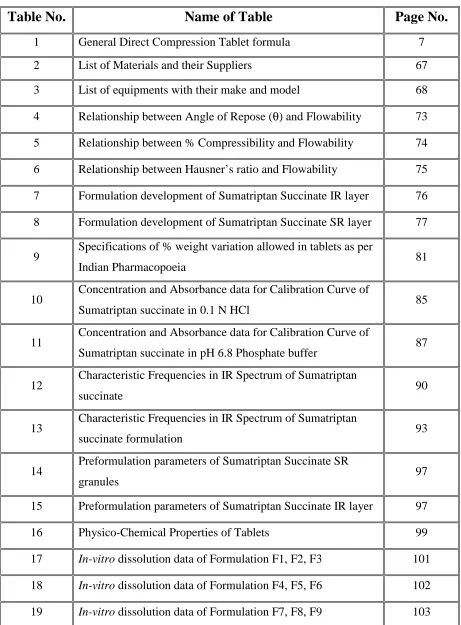
LIST OF TABLES
Table No.
Name of Table
Page No.
1 General Direct Compression Tablet formula 7
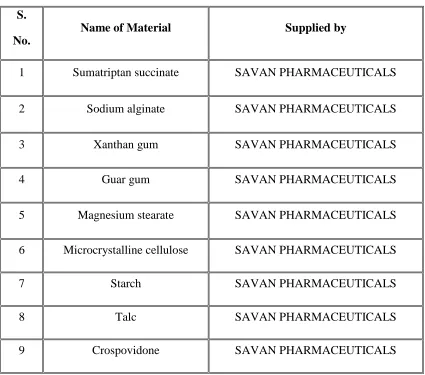
2 List of Materials and their Suppliers 67
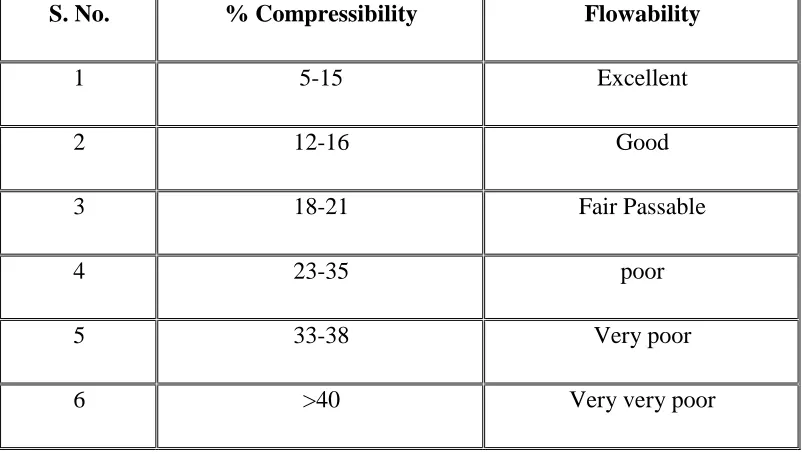
3 List of equipments with their make and model 68 4 Relationship between Angle of Repose (θ) and Flowability 73 5 Relationship between % Compressibility and Flowability 74 6 Relationship between Hausner’s ratio and Flowability 75 7 Formulation development of Sumatriptan Succinate IR layer 76 8 Formulation development of Sumatriptan Succinate SR layer 77
9 Specifications of % weight variation allowed in tablets as per
Indian Pharmacopoeia 81
10 Concentration and Absorbance data for Calibration Curve of
Sumatriptan succinate in 0.1 N HCl 85
11 Concentration and Absorbance data for Calibration Curve of
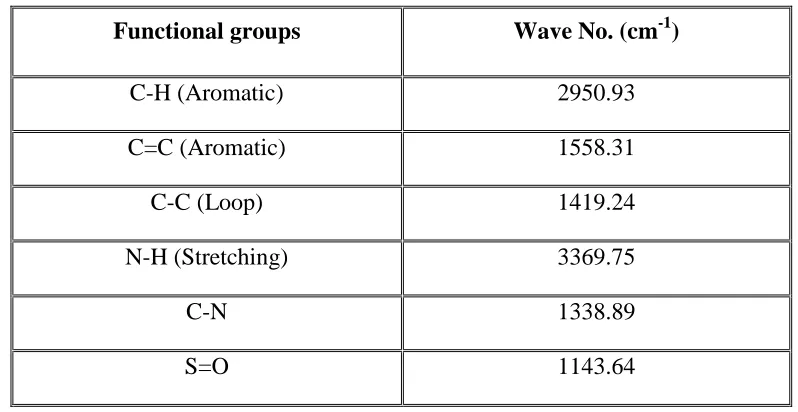
Sumatriptan succinate in pH 6.8 Phosphate buffer 87 12 Characteristic Frequencies in IR Spectrum of Sumatriptan
succinate 90
13 Characteristic Frequencies in IR Spectrum of Sumatriptan
succinate formulation 93
14 Preformulation parameters of Sumatriptan Succinate SR
granules 97
15 Preformulation parameters of Sumatriptan Succinate IR layer 97
16 Physico-Chemical Properties of Tablets 99
17 In-vitro dissolution data of Formulation F1, F2, F3 101
18 In-vitro dissolution data of Formulation F4, F5, F6 102
20 Different Kinetic models for Formulations F1-F9 106 21 Hardness of formulation F1 at the end of 1 month of stability 111
22 Drug content of formulation F7 at the end of 1 month of
stability 112
23 In-vitro dissolution data of formulation F7 at the end of 1
month of stability 112
24 Hardness of formulation F7 at the end of 2 months of stability 113
25 Drug content of formulation F7 at the end of 2 months of
stability 114
26 In-vitro dissolution data of formulation F7 at the end of 2
months of stability 114
27 Hardness of formulation F7 at the end of 3 months of stability 115
28 Drug content of formulation F7 at the end of 3 months of
stability 116
29 In-vitro dissolution data of formulation F7 at the end of 3
LIST OF FIGURES
Figure No.
Name of Figure
Page No.
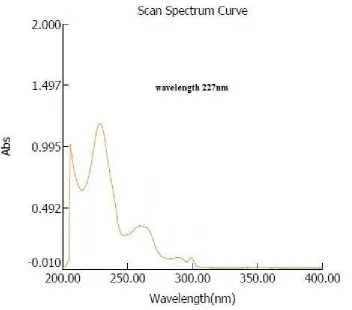
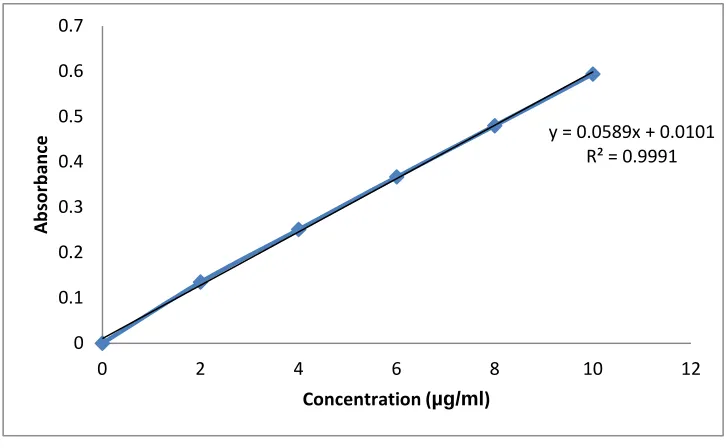
1 Absorption maximum of Sumatriptan succinate in 0.1N
HCl 85
2 Calibration Curve of Sumatriptan succinate in 0.1 N HCl 86 3 Absorption maximum of Sumatriptan succinate in pH
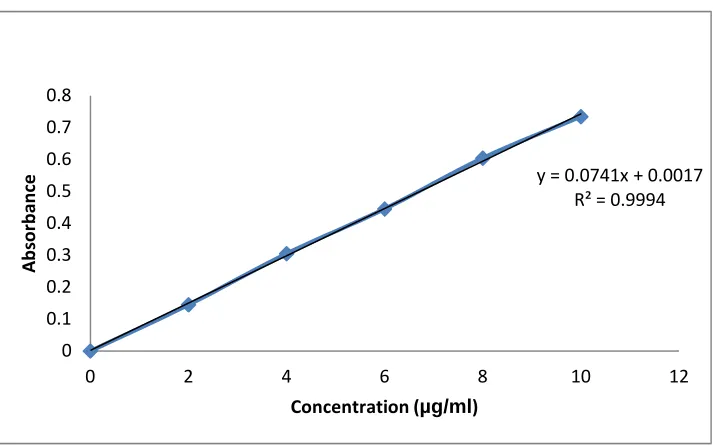
6.8 phosphate buffer 87
4 Calibration Curve of Sumatriptan succinate by using pH
6.8 phosphate buffer 88
5 FTIR spectra of Sumatriptan succinate pure drug 89
6 FTIR spectroscopy of guar gum 91
7 FTIR spectroscopy of xanthan gum 91
8 FTIR spectroscopy of crospovidone 92
9 FTIR spectroscopy of best formulation 92
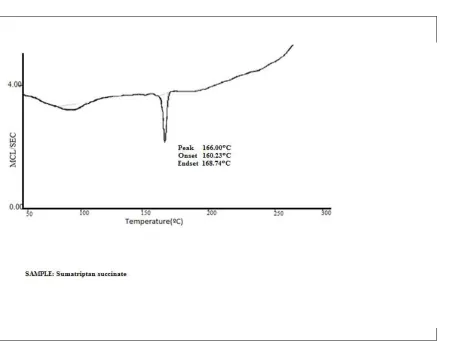
10 Thermo gram of SUMATRIPTAN SUCCINATE 94
11 Thermo gram of SUMATRIPTAN SUCCINATE +
GUAR GUM 95
12 Thermo gram of SUMATRIPTAN SUCCINATE +
XANTHAN GUM 95
13 Cumulative percentage drug release profile of F1,F2,F3 102 14 Cumulative percentage drug release profile of F4,F5,F6 103 15 Cumulative percentage drug release profile of F7,F8,F9 104
16 Peppas plot of formulation F1 106
17 Peppas plot of formulation F2 107
19 Peppas plot of formulation F4 108
20 Peppas plot of formulation F5 108
21 Matrix plot of formulation F6 109
22 Peppas plot of formulation F7 109
23 Matrix plot of formulation F8 110
24 Matrix plot of formulation F9 110
25 In-vitro dissolution profile of formulation F7 at the end
of 1 month of stability 113
26 In-vitro dissolution profile of formulation F7 at the end
of 2 months of stability 115
27 In-vitro dissolution profile of formulation F7 at the end
of 3 months of stability
117
28 Comparison of drug content for formulation F7 with
initial and different periods of stability 117
29
Comparison of cumulative percentage drug released at the end of 24 hours for formulation F7 with initial and different periods of stability
ABBREVIATIONS
GG ---- Guar Gum XG ---- Xanthan Gum
SA ---- Sodium alginate EC ---- Ethyl Cellulose UV ---- Ultra Violet HCl ---- Hydrochloric acid µg ---- Microgram
λmax ---- Absorption maximum ml ---- Milliliter
N ---- Normality mg ---- Milligram nm ---- Nanometer
FTIR ---- Fourier Transform-Infra Red Spectroscopy DSC ---- Differential Scanning Calorimetry
cm ---- Centimeter % ---- Percentage
RH ---- Relative Humidity
USP ---- United State Pharmacopoeia IP ---- Indian Pharmacopoeia t ---- Time
PBS ---- Phosphate Buffer Solution
ICH ---- International Conference on Harmonization w/v ---- weight/volume
RPM ---- Revolutions per Minute mm ---- Millimeter
S. No. ---- Serial Number
°C ---- Degree Celsius
SD ---- Standard Deviation DE ---- Dissolution Efficiency MDT ---- Mean Dissolution Time Hrs ---- Hours
CHAPTER
CHAPTER
CHAPTER
CHAPTER----1
1
1
1
ADHIPARASAKTHI COLLEGE OF PHARMACY 1
1.
INTRODUCTION
(Yie WC.,1992; Rawlins EA.,1992; Lachman L.)
1.1 Introduction to tablets:
For many decades, treatment of acute disease or a chronic illness has been mostly accomplished by delivery of drugs to patients using various pharmaceutical dosage forms including tablets, capsules, pills, suppositories, creams, ointments, liquids, aerosols and injectables as drug carriers.
Drug may be administered by variety of routes but oral administration is adopted wherever possible. It is safest, easiest and most economical route of drug administration. Among the drugs that are administered orally solid oral dosage forms i.e. tablets and capsules represent the preferred class of products.
Solid medicaments may be administered orally as powders, pills, cachets, capsules or tablets. These dosage forms contain a quantity of drug which is given as a single unit and they are known collectively as solid unit dosage forms, even in the case of sustained action preparations which, technically contain the equivalent of several normal doses of drug. The stringent formulation requirements of modern medicaments, the many advantages of tablet and capsule medication, coupled with expanding health services and the commitment need for large-scale economic manufacture, have led to a steady decline in the prescribing of powders and pills. Tablets and capsules on the other hand, currently account for well over two third of the total number and cost of medicines produced all over the world.
ADHIPARASAKTHI COLLEGE OF PHARMACY 2 1.1.1 Advantages and disadvantages of tablets as dosage forms
(AultonM, Loyd V. Allen)
Tablets are the most popular dosage form used today and therefore there are several advantages associated with their use. However it is also important to highlight the disadvantages associated with their use.
Advantages
Tablets are convenient to use and are an elegant dosage form.
A wide range of tablet types is available, offering a range of drug release rates and durations of clinical effect. Tablets may be formulated to offer rapid drug release or controlled drug release, the latter reducing the number of daily doses required (and in so doing increasing patient compliance).
Tablets may be formulated to release the therapeutic agent at a particular site within the gastrointestinal tract to reduce side effects, promote absorption at that site and provide a local effect (e.g. ulcerative colitis). This may not be easily achieved by other dosage forms that are administered orally.
Tablets may be formulated to contain more than one therapeutic agent (even if there is a physical or chemical incompatibility between each active agent). Moreover, the release of each therapeutic agent may be effectively controlled by the tablet formulation and design.
With the exception of proteins, all classes of therapeutic agents may be administered orally in the form of tablets.
It is easier to mask the taste of bitter drugs using tablets than for other dosage forms, e.g. liquids.
Tablets are generally an inexpensive dosage form.
Tablets may be easily manufactured to show product identification, e.g. exhibiting the required markings on the surface.
The chemical, physical and microbiological stability of tablet dosage forms is superior to other dosage forms.
Disadvantages
ADHIPARASAKTHI COLLEGE OF PHARMACY 3 The absorption of therapeutic agents from tablets is dependent on physiological factors, e.g. gastric emptying rate.
The compression properties of certain therapeutic agents are poor and may present problems in their subsequent formulation and manufacture as tablets.
The administration of tablets to certain groups, e.g. children and the elderly may be problematic due to difficulties in swallowing. These problems may be overcome by using effervescent tablet dosage forms.
1.1.2 Properties of an ideal tablet:
The objective of formulation and fabrication of tablet is to deliver the correct amount of drug in proper form at or over proper time.
Tablet should be elegant having its own identity and free from defects such as cracks, chips, contamination, discoloration etc.
It should have chemical and physical stability to maintain its physical integrity over time.
It should be capable to prevent any alteration in the chemical and physical properties of medicinal agents.
It should be capable of withstanding the rigors of mechanical shocks encountered in its production, packaging, shipping and dispensing.
An ideal tablet should be able to release the medicaments in body in predictable and reproducible manner.
1.1.3 Different types of Tablets (Dr P.K. Sahoo)
(A) Tablets ingested orally:
1. Compressed tablet, e.g. Paracetamol tablet 2. Multiple compressed tablet `
3. Repeat action tablet
4. Delayed release tablet, e.g. Enteric coated Bisacodyl tablet 5. Sugar coated tablet, e.g. Multivitamin tablet
ADHIPARASAKTHI COLLEGE OF PHARMACY 4 (B) Tablets used in oral cavity:
1. Buccal tablet, e.g. Vitamin-c tablet
2. Sublingual tablet, e.g. Vicks Menthol tablet 3. Troches or lozenges
4. Dental cone
(c) Tablets administered by other route: 1. Implantation tablet
2. Vaginal tablet, e.g. Clotrimazole tablet (D) Tablets used to prepare solution:
1. Effervescent tablet, e.g. Dispirin tablet (Aspirin) 2. Dispensing tablet, e.g. Enzyme tablet (Digiplex) 3. Hypodermic tablet
4. Tablet triturates e.g. Enzyme tablet (Digiplex)
Compressed tablets: Standard uncoated tablets are manufactured by compression. The general methods are by wet granulation, dry granulation or direct compression, used for rapid disintegration and drug release. Both type of action – systemic effect and local effect.
Multiple compressed tablets: For incompatible components these are:
Layered tablet:- Either two layered (for two components) or three layered (for three components) tablet.
Compressed coated type:- Either tablet within a tablet or tablet within a tablet within a tablet. Tablet in this category are usually prepared for two reasons
o To separate physically or chemically incompatible ingredients. o To produce repeat action or prolong action product.
Repeat action tablet: Sugar coated or multiple compressed tablets are used for this
purpose .The core tablet is usually coated with shellac or an enteric polymer so that it will not release its drug in stomach but intestine.
Delayed action and enteric-coated tablet: This dosage form is intended to release the drug after some time delay or after the tablet has passed one part of the GIT into another. All enteric coated tablets are type of delayed action tablet but all delayed action tablets are not enteric or not intended to produce enteric action.
ADHIPARASAKTHI COLLEGE OF PHARMACY 5 combination. Sugar coating doubled the tablet weight. Now polymers are used with sugar solution.
Film coated tablet: One type of coated tablet in which drug is not required in coating. This is an attractive method within one or two hours. Polymers such as hydroxypropylcellulose, hydroxypropylmethyl cellulose, and colloidal dispersion of ethylcellulose are commonly used. A 30% dispersion of ethyl cellulose is known as aquacoat. Advantage of film coated over sugar coated tablets is better mechanical strength and flexibility of the coating, little increase in tablet weight.
Chewable tablet: These are intended to be chewed in the mouth before swallowing. Used for large tablet of antacid, bitter or foul testing drugs are not suitable for this type tablet.
Buccal and sublingual tablet: These tablets are small, flat and are intended to be held between the cheek and teeth or in cheek pouch (buccal tablet) or below the tongue (sublingual tablet). Drugs used by this route are for quick systematic action. The tablets are designed not to be disintegrated but slowly dissolve.
Troches and lozenges: Used in the oral cavity to exert local effect in mouth and throat. They are commonly used to treat sore throat or to control coughing in common cold. They may contain local anaesthetics, antiseptic, antibacterial agents,
demulcents, astringent and antitussive. The tablets are dissolving slowly over a period of 30 minutes.
Dental cone: These tablets are designed to be placed in the empty socket remaining after tooth extraction. Main purpose is to prevent microbial growth in the socket or to reduce bleeding.
Implantation tablets: designed for substances implantation to provide prolonged drug effect from one month to a year, tablets are usually small, cylindrical not more than 8mm length. These methods require special surgical technique for implantation and discontinuation of therapy. Generally used for administration of growth hormone to food producing animal.
Vaginal tablets: These are designed to undergo slow dissolution and drug release in vaginal cavity. Tablets are wide or pear shaped, used to antibacterial, antiseptic and astringent to treat vaginal infection.
ADHIPARASAKTHI COLLEGE OF PHARMACY 6 ingredient with mixture of organic acid such as citric acid or tartaric acid and sodium bicarbonate.
Dispersing tablets: Tablets are intended to be added to a given volume of water to produce a solution of a given drug concentration.
Hypodermic tablets: These tablets are composed of one or more drugs with water-soluble ingredients. Drug is added to sterile water to prepare sterile solution, which is injectable.
Tablet triturates: Usually are made from moist materials using a triturate mold, which gives them the shape of cylinder. Such tablet must be completely and rapidly soluble.
1.2 Techniques to formulate the tablets
(Bentley’s, Larry L. Augsburger, Bogner RH.,1997)
Normally tablets are manufactured by any one of the following methods. Direct compression
Granulation 1.2.1 Direct compression:
The process of direct compression is a process of applying pressure via an upper and a lower punch to materials held in die cavity without doing any prior granulation processes.
A compressible vehicle is blended with the medicinal agent, and if necessary, with a lubricant and a disintegrant, and then the blend is compressed. Substances that are commonly used as directly compressible vehicles are: Lactose, Dicalcium phosphate (Emcompress), Spray Dried Mannitol (Pearlitol SD 200), Microcrystalline Cellulose (Avicel), compressible sugar (Di-Pac), Starch (Sta-Rx 1500), Hydrolyzed Starch (Celutab), and a blend of Sugar, Invert sugar, Starch and Magnesium stearate (Nutab).
The following statements are considered main advantages of direct compression method:
o Single process, because the critical steps like granulation, drying or not involved. o Thermoliabile and moisture sensitive drug can be used in this technique, in which it
ADHIPARASAKTHI COLLEGE OF PHARMACY 7 o Energy and cost of manufacturing is less comparative to granulation method.
o Faster dissolution was obtained.
The following statements are considered disadvantages of direct compression method: o Tablet weight, thickness, hardness uniformity is difficult to achieve.
o Segregation of drug and excipient may occur.
o For the low dose tablets required content uniformity is difficult to achieve.
Table 1: General Direct Compression Tablet formula
1.2.2 Granulation (Loyd V. Allen)
Its part of the pharmaceutical process that attempts to improve the flow of powdered materials by forming spheres like aggregates called granules.
a) Dry granulation
In the dry methods of granulation the primary powder particles are aggregated under high pressure and no liquid is used.
b) Wet granulation
Tabletting by wet granulation process is the most widely used method for pharmaceutical materials. The technique involves a number of stages. During the development of a tablet formulation, all the physical variables that affect the resultant granules have to be also considered to maximize the quality of the final product.
Wet granulation involves the massing of a mix of dry primary powder particles using a granulating fluid. The fluid contains a solvent, which must be volatile, so that it can be removed by drying and it must be non-toxic.
Active Pharmaceutical Ingredient 0.1-99% Filler-binder
(Dependent on API loading and compactability)
1-99%
Disintegrant 0.5-2%
ADHIPARASAKTHI COLLEGE OF PHARMACY 8 Typical liquids of Aqueous (or) Non Aqueous Solvents can be used alone or in combination.
The granulation agents may be used alone or usually as a solvent containing a dissolved solvent in turn containing a dissolved adhesive (also referred to as binder (or) binding agent) which is used to ensure particle adhesion when the granule is dry.
1.3 Tablet Ingredients (Dr P.K. Sahoo) In addition to active ingredients, tablet contains a number of inert materials known as additives or excipients. Different excipients are:
1. Diluent
2. Binder and adhesive 3. Disintegrants
4. Lubricants and glidants 5. Colouring agents 6. Flavouring agents 7. Sweetening agents
1.3.1. Diluent: Diluents are fillers used to make required bulk of the tablet when the drug dosage itself is inadequate to produce the bulk. Secondary reason is to provide better tablet properties such as improve cohesion, to permit use of direct compression manufacturing or to promote flow. A diluent should have following properties:
1. They must be non toxic
2. They must be commercially available in acceptable grade 3. There cost must be low
4. They must be physiologically inert
5. They must be physically & chemically stable by themselves & in combination with the drugs.
6. They must be free from all microbial contamination. 7. They do not alter the bioavailability of drug.
8. They must be colour compatible. Commonly used tablet diluents
ADHIPARASAKTHI COLLEGE OF PHARMACY 9 4. Microcrystalline cellulose-Avicel (PH 101and PH 102)
5. Dibasic calcium phosphate dehydrate 6. Calcium sulphate dihydrate
7. Mannitol 8. Sorbitol
9. Sucrose- Sugartab, DiPac, Nutab 10. Dextrose
Lactose: Most widely used diluent in tablet formulation. Lactose has no reaction with most drugs, whether it is used in hydrous or anhydrous form. Anhydrous lactose has advantage over lactose that it does not undergo Maillard reaction which is browning & discoloration of tablet due to the interaction of amine drug with lactose. Spray dried lactose in conc 20-25% of active ingredient is used for direct compression.
Starch obtained from corn, wheat, potatoes is used as diluent, Sta-Rx 1500 is free flowing, direct compressible starch used as diluent, binder and /or disintegrating agent. Two hydrolyzed starch Emdex and Celutab, which are combination of 90-92% of dextrose and 3-5% of maltose, are free flowing and direct compressible.
Sucrose is used as diluent. Some sugar-based diluents are used for direct compression. These are:
a) Sugartab: 90-93% sucrose and 7-10% invert sugar b) DiPac: 97%sucrose and 3% modified dextrin
c) Nu Tab: 95%sucrose & 4% invert sugar with small amount of corn starch & magnesium stearate.
Microcrystalline cellulose, having trade name Avicel is used for direct compression. These are two types: PH101 (Powder) and PH102 (Granules). Dibasic calcium phosphate and calcium sulphate used as diluents but reduce bioavailability of tetracycline tablet.
1.3.2. Binders and Adhesives: These materials are added either dry or in wet- form to form granules or to form cohesive compacts for directly compressed tablet.
Example: Acacia, tragacanth- Solution for 10-25% Conc.
Cellulose derivatives- Methyl cellulose, Hydroxypropyl methyl cellulose, Hydroxypropyl cellulose
Gelatin- 10-20% solution Glucose- 50% solution
ADHIPARASAKTHI COLLEGE OF PHARMACY 10 Starch paste-10-20% solution
Sodium alginate Sorbitol
1.3.3. Disintegrants: Added to a tablet formulation to facilitate its breaking or
disintegration when it contact in water in the GIT. Example: Starch- 5-20% of tablet weight.
Starch derivative – Primogel and Explotab (1-8%)
Clays- Veegum HV, bentonite 10% level in colored tablet only Cellulose derivatives- Ac- Di-Sol (sodium carboxy methyl cellulose) Alginate
PVP (Polyvinylpyrrolidone), cross-linked
Super disintegrants: Swells up to ten fold within 30 seconds when contact water.
Example: Croscarmellose- cross-linked cellulose, Crosspovidone- cross-linked povidone (polymer), Sodium starch glycolate- cross-linked starch. These cross-linked products swell upto 10 fold within 30 seconds when in contact with water.
A portion of disintegrant is added before granulation and a portion before compression, which serve as glidants or lubricant. Evaluation of carbon dioxide in effervescent tablets is also one way of disintegration
1.3.4. Lubricant and Glidants: Lubricants are intended to prevent adhesion of the tablet materials to the surface of dies and punches, reduce inter particle friction and may improve the rate of flow of the tablet granulation.
Glidants are intended to promote flow of granules or powder material by reducing the friction between the particles.
Example: Lubricants- Stearic acid, Stearic acid salt - Stearic acid, Magnesium stearate, Talc, PEG (Polyethylene glycols), Surfactants
Glidants- Corn Starch – 5-10% conc., Talc-5% conc., Silica derivative - Colloidal silicas such as Cab-O-Sil, Syloid, Aerosil in 0.25-3% conc.
1.3.5. Colouring agent: The use of colours and dyes in a tablet has three purposes:
ADHIPARASAKTHI COLLEGE OF PHARMACY 11 (3) Production of more elegant product
All colouring agents must be approved and certified by FDA. Two forms of colours are used in tablet preparation – FD &C and D & C dyes. These dyes are applied as solution in the granulating agent or Lake form of these dyes. Lakes are dyes absorbed on hydrous oxide and employed as dry powder colouring.
Example: FD & C yellow 6-sunset yellow FD & C yellow 5- Tartrazine
FD & C green 3- Fast Green FD & C blue 1- Brilliant Blue FD & C blue 2 - Indigo carmine D & C red 3- Erythrosine
D & C red 22 – Eosin Y
1.3.6. Flavouring agents: For chewable tablet- flavour oil are used.
1.3.7. Sweetening agents: For chewable tablets: Sugar, mannitol.
Saccharine (artificial): 500 times sweeter than sucrose Disadvantage: Bitter aftertaste and carcinogenic Aspartame (artificial)
Disadvantage: Lack of stability in presence of moisture.
(Darshana HD.,2000; Turner S.,2004; Chien YW.,2010)
ADHIPARASAKTHI COLLEGE OF PHARMACY 12 A large number of preparations deliver drugs in immediate release form that are absorbed in the upper regions of the small intestine, an increasingly important group of products frequently referred to as modified, controlled, or extended-release delivery systems are designed to deliver drug in the entire gastrointestinal (GI) tract but always in a controlled manner. The common rationale underpinning all systems is to modulate the magnitude and duration of drug action and to dissociate or modify these from the inherent limitations and properties of the drug molecules.
In recent times, various developed and developing countries move towards combination therapy for treatment of multiple diseases and disorders requiring long term therapy such as hypertension and diabetes. Combination therapy have various advantages over monotherapy such as problem of dose dependent side effects is minimized, a low dose of two different agents reduces the dose related risk, the addition of one agent may potentiate effects of other agent. Using low dosage of two different agents minimizes the clinical and metabolic side effects that occur with maximal dosage of individual component of the combined tablet and thus dose of the single components can be reduced. Bilayer tablets are novel drug delivery systems where combination of two or more drugs in single unit having different release profiles improves patient compliance, prolongs the drugs action, avoid saw tooth kinetics resulting in effective therapy along with better control of plasma drug level. Bilayer tablets are very common dosage form for drugs such as captopril, metoprolol, amoxicillin and potassium clavanate, propanolol hydrochloride, bambuterol hydrochloride. Joint national committee VI recognized the value of combination therapy and suggested that combining drugs with different modes of action will often allow smaller doses of drugs to be used to achive control and minimize the potential dose dependent side effects. JNCvi recomended that the combination of a low dose of two drugs in fixed dose combination is an appropriate choice for initial treatment of any chronic disease. Hence management of multiple diseases can be effectively and better done by bilayer tablet or layering tablet.
1.4 Layered tablet: (Lieberman HA.,2008; Cremer K.,2001)
ADHIPARASAKTHI COLLEGE OF PHARMACY 13 barrier between them. Layer tablet may be bilayer, trilayer or multilayer depending up on the number of layers.
1.4.1 Multi layer tablets:
This tablet consists of two or more layers of materials compressed successively in the same tablets. The colour of each layer may be the same or different. The tablets having layers of different colours are known as multicoloured tablets.
Multilayer tablets are the tablets made by compressing several different granulations fed into a die in succession, one on top of another, in layers. Each layer comes from a separate feed frame with individual weight control. Rotary tablet presses can be setup for two or three layers. More are possible but the design become very special. Ideally, a slight compression of each layer and individual layer ejection permits weight checking for control purposes.
1.4.2 Advantage of multilayer tablets:
This dosage form has the advantage of separating two incompatible substances with an inert barrier between them.
It makes possible sustained-release preparations with the immediate-release quantity in one layer and the slow release proportion in the second. A third layer, with an immediate release might be added.
ADHIPARASAKTHI COLLEGE OF PHARMACY 14 1.4.3 Problems in layered tablets:
Lack of proper bonding of two layers.
Stress due to high compression force degrades certain actives, e.g; ramipril.
1.4.4 Bilayer tablets: (Lachman.,2008)
Bilayer tablets are prepared with one layer of drug for immediate release while second layer designed to release drug later, either as second dose or in an extended release manner. Bilayer tablet is suitable for sequential release of two drugs in combination, separate two incompatible substances, and also for sustained release tablet in which one layer is immediate release as initial dose and second layer is maintenance dose.
1.4.5 Applications:
1. Used in combination therapy.
2. Used to deliver the loading dose and sustained dose of the same or different drugs. 3. Used for bilayer floating in which one layer is floating layer another one is release
layer of the drug.
4. Used to deliver the two different drugs having different release profiles. 1.4.6 Advantages:
1. Bilayer tablet is suitable for preventing direct contact of two drugs and thus two maximize the efficacy of combination of two drugs.
2. Patient compliance is enhanced leading to improve drug regimen efficacy.
3. Patient convenience is improved because fewer daily doses are required compared to traditional delivery system.
4. Bilayer tablets can be designed in such a manner as to modify releases as either of the layers can be kept as extended and the other as immediate release.
5. Fixed low-dose combinations are very useful tools for treatment. 1.4.7 Disadvantages:
1. Adds complexity and bilayer rotatary presses are expensive. 2. Insufficient hardness, layer separation, reduced yield. 3. Inaccurate individual layer weight control.
ADHIPARASAKTHI COLLEGE OF PHARMACY 15 1.4.8 Ideal properties for bilayer tablet press:
1. Preventing capping and separation of the two individual layers that constitute the bilayer tablet.
2. Preventing cross-contamination between the two layers. 3. Producing a clear visual separation between the two layers.
4. High yield, accurate and individual weight control of the two layers. 1.4.9 Types of bilayer tablet press:
1. Single sided tablet press. 2. Double sided tablet press.
3. Bilayer tablet press with displacement monitoring.
1. Single sided tablet press: The simplest design is a single sided press with both chambers of the doublet feeder separated from each other. Each chamber is gravity or forced fed with different power, producing the two individual layers of tablets. When die passes under the feeder, it is first loaded with the first layer powder followed by the second layer powder. Then the entire tablet is compressed in one or two steps.
Limitations of the single sided press:
1. No weight monitoring / control of the individual layers. 2. No distinct visual separation between the two layers.
3. Very short first layer dwell time due to the small compression roller, possibly resulting in poor de-aeration, capping and hardness problems.
4. This may be corrected by reducing the turrent-rotation speed (to extend the dwell time) but with the consequence of lower tablet output.
2. Double sided tablet press: In most double sided tablet presses with automated
ADHIPARASAKTHI COLLEGE OF PHARMACY 16 3. Bilayer tablet press with displacement: The displacement tablet weight control
principle is fundamentally different from the principle based upon compression force. When measuring displacement, the control system sensitivity does not depend on the tablet weight but depends on the applied precompression force.
1.4.10 SIZES AND SHAPES: (Banker G)
Size is limited by the capacity of the machine with the total thickness being the same as a single-layer tablet. Many shape other than round or possible and or limited only by the ingenuity of the die maker. However, deep concavities can cause distoriation of the layers. Therefore standard concave and flat-face beveled edge tooling make for the best appearance, especially when the layers are of different colours.
1.4.11 GRANULATIONS:
For a good- quality tablets with sharp definition between the layers, special care must be taken as follows…
• Dusty fines must be limited. Fines smaller than 100 mesh should be kept at a minimum
• Maximum granule size should be less than 16 mesh for smooth, scrape –off at the die • Materials that smear chalk, or coat on the die table must be avoided to obtain clean
scrape-off and uncontaminated layers.
• Low moisture is essential if incompatibilities are used.
• Weak granules that break down easily must be avoided. Excessive amounts of lubrication, especially metallic stearates, should be avoided for better adhesion of the layers.
• Formulation of bi layer tablets is more demanding than the single-layer tablets. For this reason selection of additives is critical.
1.5 TABLET BILAYER PRESS
ADHIPARASAKTHI COLLEGE OF PHARMACY 17 There are two types of layer presses presently in use-one in which each layer can be ejected from the press separately for the purpose of weight checking, and the second in which the first layer is compressed so hard that the second layer will not bond to it, or will bond so poorly that upon ejection the layers easily separated for weighing. Once the proper weight adjustments have been made by adjusting the die fill, the pressure is adjusted to the proper tablet hardness and bonding of the layers.
One hazard of layer tablet production is the lack of proper bonding of the layers. This can result in a lot of 100,000, tablets ending up as 200,000 layers after several days if the layers are not sufficiently bonded.
In a two-layer tablet press, two hopers above the rotary die table feed granulated material to two separate feed frames without intermixing. Continuous, gentle circulation of the materials through hoppers and feed frames assures uniform filling without segregation of particle sizes that would otherwise carry over to the second layer and affect the layer weight ,tablet hardness, and, in case of differently coloured granulations , the appearance of the tablet. The same procedure is followed in the three layer press with three hoppers for the granulations instead of two.
Certain single layer or unit tablet presses are equipped with two compression station prior to the final compaction. These high speed productions by increasing dwell time of the material under pressure make tablets harder and denser.
1.5.1 CONVENTIONAL TECHNIQUES FOR PREPARATION OF BILAYERED
TABLETS: (Banker G)
Bi layered tablets can be prepared by the following methods:
Tablet moulding Direct compression Spray drying Sublimation
Freeze drying (or) Lyophilization Mass extrusion
Taste masking
ADHIPARASAKTHI COLLEGE OF PHARMACY 18 1) Tablet Moulding:
Moulded tablets are usually prepared by different moulding techniques.
A. Compression moulding: The powder mixture previously moistened with a solvent like ethanol/water is compressed into mould plates to form a wetted mass.
B. Heat moulding: The moulded forms can be obtained directly from a molten matrix in which the drug is dispersed / dissolved.
C. No vacuum Lyophilization: In this process at standard pressure the solvent from a drug solution or suspension is evaporated.
Tablets produced by moulding are solid dispersion. Moulded tablets disintegrate more rapidly and offer improved taste because the dispersion matrix is in general made from water soluble sugars. The active ingredients in most cases are absorbed through the mucosal lining of the mouth. The tablets prepared by moulding offer more rapid disintegration and improved taste as the dispersion matrix is made from water soluble excipients (sugars).
Moulded tablets typically do not possess great mechanical strength. Erosion and breakage of the moulded tablet often occur during handling and opening of blister packs. 2) Direct Compression
It is the easiest way to manufacture tablets with low cost, conventional equipments, commonly available excipients and a limited number of processing steps leading to this technique is preferable one. High doses can be accommodated and final weight of tablet can easily exceed that of other production methods.
ADHIPARASAKTHI COLLEGE OF PHARMACY 19 3) Spray Drying
Spray drying technique produces highly porous and fine powders as the processing solvent is evaporated during the process. This technique is based upon a particulate support matrix that is prepared by spray drying an aqueous composition containing support matrix and other components to form a highly porous and fine powder. This is then mixed with active ingredient and compressed into tablet, which disintegrated in less than 20 seconds when immersed in an aqueous medium.
4) Sublimation
Compressed tablets composed of water soluble excipients as tablet matrix often do not dissolve rapidly due to low porosity. Bi layer tablets having porous structure and sufficient mechanical strength, which dissolves quickly have been developed using urea, ammonium carbonate, camphor, naphthalene, and tablet excipients and finally compressed the blend. Porous structure is generated by sublimation of volatile oil.
5) Freeze Drying / Lyophilization
A process in which water is sublimated from the product after freezing is called Freeze drying. Lyophilization results in preparations which are highly porous with a very high specific surface area, which dissolve rapidly and show improved absorption and bioavailability.
The use of Freeze drying is limited due to high cost of the equipment and processing. Other major disadvantages of the final dosage forms include lack of physical resistance in standard blister packs.
6) Mass Extrusion
ADHIPARASAKTHI COLLEGE OF PHARMACY 20 7) Taste Masking
Taste masking is an essential requirement for bi layer Tablets for commercial success. Drugs with unacceptable bitter taste can be microencapsulated into pH sensitive acrylic polymers like Eudragit E, Eudragit L-55 and Eudragit RL.
8) Use of Sugar Based Excipients
Sugar based excipients (eg: Sorbitol, mannitol, dextrose, xylitol, fructose etc.) have been used as bulk agents. Aqueous solubility and sweetness impart pleasing mouth feel and good taste masking. But no sugar based materials have fast dissolution rate and good compressibility and/or compatibility. However technologies are developed to make use of the sugar based excipients in the design of bi layer tablet.
1.5.2 Potential reason for considering the double-layer dosage form:
One of the most common reasons that have developed for wishing to manufacture double-layer product centres on sustained release verses immediate release active ingredients and the related bioavailability of each within the human body. It is the intention of the manufacturer in some cases to formulate products that utilize two different actives, one whose pharmacological effect is available to the body shortly after it is ingested (immediate release) and another that fulfils its route more slowly over a long period of time (sustain release). These two functions can be neatly delivered in the same tablet by separating the actives into two distinct layers. Some active ingredient combinations for a tablet may also be better suited to the double layer form if they cannot easily be blended in to the same final formulation. Certain ingredient may simply need to be physically separated due to incompatibility. An example of a characteristic that might foster such incompatibility would be disparate dissolution rates.
ADHIPARASAKTHI COLLEGE OF PHARMACY 21 Perhaps the most interesting emerging use for a double-layer tablet focuses on the desire to thwart abuse of a constituent ingredient. Abusers of pharmaceutical preparation have been increasingly successful and inventive in their ability to extract powerful ingredient for use not intended by the manufacture.
Certain new painkillers, for example, provide wonderful benefits to a patient in need who uses them according to the manufacturer instructions. When an abuser mishandles them, however, they can become dangerous and potentially addictive. The makers of some of this type of products are beginning to investigate the use of double- layer forms, where an antagonist layer is formulated in such a way as to foil would be abuser’s attempt to extract the active ingredient that they are seeking it abuse.
1.5.3 Solving incompatibility problem:
Not only active ingredients but also excipients may cause incompatibility either with other excipients or with the drug, and thus lead to unsatisfactory product stability. They preferred strategy to avoid such undesirable interaction is to reformulate the product using other excipients rather than designing a layer tablet.
Drug-drug interactions leading to incompatibility are rare. However, even if the problem occurs, it is usually solved by using other strategies, such as isolating one of the drugs by micro encapsulation prior to its incorporation, or by developing hard gelatin capsules which contain two species of pellets with different drugs.
Nevertheless, some products also use layer tablets for the same purpose. One of the most successful formulations of these types is the popular American multivitamin product, Dual Tabs, which contains vitamins in one of its two layers, and mineral salts, betaine, and glutamic acid, some of which would accelerate the decomposition of the vitamins, in the other.
1.5.4 Some novel bilayer and trilayer tablet devices:
(Patra CN.,2007; Sonara GS.,2007; Ohmori S.,2000; Li B.,2007; Fassihi R.,1997;)
A. Sustained release bilayer tablets:
ADHIPARASAKTHI COLLEGE OF PHARMACY 22 sustain the drug release. The pharmacokinetic advantage relies on the fact that drug release from fast releasing granules lead to a sudden rise in the blood concentration. However, the blood level is maintained at steady state as the drug is released from the sustaining granule. Among the different polymers, Eudragit and ethylcellulose have been used successfully to obtain appropriate sustained release matrix formulations of different materials.
B. Bilayer and floating-bioadhesive tablets:
A bilayer and floating-bioadhesive drug delivery system exhibiting a unique combination of floatation and bioadhesion to prolong residence in the stomach. The sustained layer was compressed and granules of the floating layer were added to it then both layers were compressed using a single station rotator press. Granules and tablets were characterized using a official method. The kind of the tablet exhibits independent regulation of buoyancy and drug release.
C. Bilayer caplets:
A bilayer caplets are excellent in two respect; firstly, single unit, such as bilayer caplets, excel in unit size than multiple unit, such as spansule capsules, and secondly, tablet shape changes from flat to capsule-like, namely caplets, that improves easiness in swallowing as compared with flat tablets.
D. Tablet in capsule devices:
This novel system is so called tablet in capsule devices. The designed capsule device consists of an impermeable capsule body and a soluble cap. The multi-layered formulation prepared is filled within the capsule body and sealed with the water-soluble cap. Three-layered tablets, which serves as the first two pulses, a two-layered tablet or in powdered forms, which forms the pulsatile drug release. Both multi-layered tablets are inserted into an impermeable capsule body with a water soluble cap, lactose filled in the bottom.
E. Three layered tablet system:
ADHIPARASAKTHI COLLEGE OF PHARMACY 23 layer can also involve a drug-free hydrophilic polymer barrier providing delayed (5h) drug absorption.
1.5.5 Bilayer problems: (Vogeleer J.,2002)
Layer separation. Insufficient hardness.
Inaccurate individual layer weight control. Cross contamination between layers. Reduced yield.
1.5.6 Bi-layer tablets: Quality and GMP-requirement:
To produce a quality bi-layer tablet, in a validated and GMP-way, it is important that the selected press is capable of:
Preventing capping and separation of the two individual layers that constitute the bilayer tablet.
Providing sufficient tablet hardness.
Preventing cross-contamination between the two layers. High yield.
Accurate and individual weight control of the two layers.
ADHIPARASAKTHI COLLEGE OF PHARMACY 24 suggest that 18% of women and six percent of men suffer from migraine and those numbers are increasing. The highest incidence of migraine occurs between the ages of 20 and 35 and often associated with a positive family history of the disease.
Migraine is a common episodic pain disorder, the treatment of which can be acute to stop an attack or preventive to reduce the frequency, duration or severity of attacks. Preventive treatment is used when attacks are frequent or disabling. Many different medication groups are used for preventive treatment, including β-blockers, antidepressants and antiepileptic drugs. Their mechanisms of action include raising the threshold to migraine activation, enhancing antinociception, inhibiting cortical spreading depression, inhibiting peripheral and central sensitization, blocking neurogenic inflammation and modulating sympathetic, parasympathetic or 5-HT tone. In this article, I review evidence of the effectiveness of migraine preventive drugs. I also discuss the setting of treatment priorities.
ADHIPARASAKTHI COLLEGE OF PHARMACY 25 1.6.2 Theories of migraine:
a) Vascular theory
In the late 1930’s, Harold Wolff became the first researcher to place migraine on a scientific basis, Wolf measured the diameter of the extracranial (temporal) arteries in patients suffering migraine attacks and found them to be dilated. These patients were treated with vasoconstrictors (ergotamine) which relieved the pain and decreased the arterial dilation. Although subsequent events leading to headache (and associated symptoms) are not completely understood, the increased vascular pulsation may activate stretch receptors. This would, in turn increase the activity of neuropeptide containing (mainly calcitonin gene-related peptide (CGRP) perivascular nerves which may ultimately cause pain and other associated symptoms. In line with the finding that carotid arteriovenous anastomoses dilatation play a role in the pathogenesis of migraine, it is reasonable to believe that compounds which produce a cranioselective vasoconstriction may have a potential therapeutic use in the treatment of migraine. In anaesthetized dogs and pigs acutely acting antimigraine drugs, ergot alkaloids (ergotamine and dihydroergotamine) and triptans (sumatriptan and second generation triptans) produced potent vasoconstriction in the canine and porcine carotid vasculature. Further studies demonstrated that mainly 5-HT1B receptors mediate sumatriptan- induced cranial vasoconstriction, involving carotid arteriovenous anastomoses and temporal and middle meningeal arteries.
b) Neurological theory
ADHIPARASAKTHI COLLEGE OF PHARMACY 26 thought to be the cause of the transient sensory or motor impairments that frequently proceed the painful period of a migraine attack.
c) Neurogenic theory:
ADHIPARASAKTHI COLLEGE OF PHARMACY 27 treatment of the migraine in the serotonergic agonists. This theory is in consistent with the proposal that serotonergic agonist alleviate the acute pain of migraine by inhibiting the release of substance P and CGRP from trigeminal sensory afferent neurons surrounding the meninges.
1.6.4 Pain mechanisms in migraine:
The pathogenesis of pain in migraine is not completely understood so far, but three key factors merit considerations are: the cranial blood vessels, the trigeminal innervation of the vessels, and the reflex connection of the trigeminal system in the cranial parasympathetic outflow. The substance of the brain is largely insensate; pain can be generated by large cranial vessels, proximal intracranial vessels or by the dura mater. These vessels are innervated by branches of the ophthalmic division of the trigeminal nerve, whereas the structures of the posterior fossa are innervated by branches of the C2 nerve roots. In nonhuman primates, stimulation of vascular afferents leads to the activation of neurons in the superficial layers of the trigeminal nucleus caudalis in the region of the craniomedullary junction and the superficial layers of the dorsal horns C1 and C2 levels of the spinal cord trigeminocervical complex. Similarly, stimulation of branches of C2 activates neurons in the same regions of the brain. The involvement of ophthalmic division of the trigeminal nerve and the overlap with structures innervated by C2 explain the common distribution of migraine pain over the frontal and temporal regions, as well as involvement of parietal, occipital and high cervical regions by what is, in essence, referred pain. Peripheral trigeminal activation in migraine is evidenced by release of CGRP, a vasodilator, but the mechanism of generation of pain is not clear. Studies in animals suggest that the pain may be caused by a sterile neurogenic inflammatory process in the dura mater, but this mechanism has not been clearly demonstrated to correlate in humans. The pain may be a combination of an altered perception as a result of peripheral or central sterilization of craniovascular input that is not usually painful and the activation of feed-forward neurovascular dilator mechanism that is functionally specific for the first (ophthalmic) division of the trigeminal nerve.
1.6.5 Emerging therapies (Peterson K.A., 2005; Edvinsson., 2004; Goldstein D.J.,1999)
a) Calciotonin gene-related peptide (CGRP) antagonists:
ADHIPARASAKTHI COLLEGE OF PHARMACY 28 with the activation of trigeminovascular system. CGRP immunoreactive fibres originating in the trigeminal ganglion innervate cranial cerebral blood vessels. In animals, stimulation of these sensory nerve fibers has been shown to cause antidromic release of CGRP and subsequent vasodilatation in the cerebral vasculature. Plasma concentrations of CGRP in the jugular venous blood, but not of other neuropeptides were elevated during the headache phase of migraine. Furthermore, in migraine patients: (a) strong correlation was found between plasma CGRP concentrations and migraine headache (b) infusion of CGRP produced a migraine-like headache (c) baseline CGRP levels were considerably higher and (d) the changes in plasma CGRP levels during migraine attacks significantly correlated with the headache intensity. Hence, inhibition of CGRP or antagonism of CGRP receptors could be a viable therapeutic target for the pharmacological treatment of migraine. In line with this concept, an important breakthrough in the field of CGRP is the development of potent CGRP receptor antagonist olcegepant (BIBN4096BS). In the in vivo animal models of migraine, olcegepant attenuated the vasodilation induced by trigeminal stimulation and capsaicin- induced anastomotic dilatation. Data from recently published clinical proof-of-concept study by demonstrated the effectiveness and safety of olcegepant for acute treatment of migraine, in which the response rate was found similar to oral triptans. No cardiovascular side effects have been reported following administration of olcegepant. The lack of cardiovascular side effects may prove to be a major advantage for using CGRP receptor antagonists to treat migraine.
b) Anticonvulsants:
Migraine and epilepsy share several features and respond too many of the same pharmacological agents suggesting similar mechanism may be involved in their pathophysiology, hence new targets are being investigated for the prophylactic therapy of migraine. Amongst these, anticonvulsants as a class of drugs hold promise for the migraine prophylaxis. These drugs are thought to act through multiple mechanisms involving voltage gated ion channels, ligand gated ion channels, GABA (g- amino butyric acid), glutamate etc. In the central nervous system, GABA is a major inhibitory neurotransmitter and known anticonvulsant drugs like sodium valproate, topiramate and gabapentine have been shown to be effective in preventing migraine through modulation of GABA neurotransmission.
c) Histamine H3 agonists:
ADHIPARASAKTHI COLLEGE OF PHARMACY 29 agonist may offer an alternative approach to migraine prophylaxis.
d) Botulinum toxin type A:
BoNT-A, produced by the bacterium Clostridium botolinium consists of a heavy chain and light chain linked by a disulfide bond. BoNT-A binds to pre-synaptic nerve terminal and is internalized into the cell, where it inhibits acetylcholine release by interfering with vesicle docking. These effects make BoNT-A useful for the treatment of many disorders related to excessive muscle contraction, such as strabismus, blepharospasm, hemifacial spasm and cervical dystonia. New applications of BoNT-A in pain therapy support a mechanism for pain reduction that is more complex than a simple secondary effect of muscle relaxation. BoNT-A has been used successfully to treat several different types of headaches, including tension type headaches. cervicogenic headaches and migraine. Although some types of headaches may have been relieved by the inhibition of muscle contraction at trigger points, the efficacy of BoNT-A in treating migraine headache implies a direct action on sensory neurons, with an indirect central action. It is believed that release of vasoactive neuropeptides, such as SP and CGRP from the trigeminal nerve onto the vasculature produces vasodilatation and plasma protein extravasation due to increased permeability of post capillary venules. It is proposed that, the effectiveness of BoNT-A for the treatment of migraine in the clinical setting may be due to its inhibition of neurogenic inflammation induced by the peripheral release of SP and CGRP.
e) Coenzyme Q10:
ADHIPARASAKTHI COLLEGE OF PHARMACY 30 element of the electron transport chain, suggesting that it could also work as migraine preventive.
f) NK-1 receptors:
According to neurogenic inflammation theory of migraine, SP induces dural inflammation and increases sensitization to migraine headache pain by stimulating NK-1 receptors. Lanepitant is a high affinity, non-peptide, competitive NK-1 receptor antagonist that acts both peripherally and centrally and reported to be effective in guinea pig model of dural inflammation. Thus, NK-1 receptor antagonists may have a role in migraine therapy.
g) Nociceptin:
Nociceptin is an endogenous ligand for the opiate-4 (OP- 4) receptor. The OP-4 receptor abundantly expressed in various CNS structures in rodents, nonhuman primates and in humans, supporting the role of nociceptin in multitude of CNS functions, including motor and balance control, reinforcement and reward, nociception, the stress response, sexual behavior, aggression and autonomic control of physiologic processes. It has been reported that approximately 70% of neurons in the human trigeminal ganglion exhibit nociceptin immunoreactivity and express OP-4 receptor mRNA. In these cells nociceptin is co-localized with CGRP and substance P, marker peptides of the trigeminovascular system. This distribution suggests that nociceptin may be involved in the regulation of neuropeptide release from trigeminal nerve terminals and perhaps in migraine. Interestingly, in an animal model nociceptin dose-dependently suppressed the neurogenic dural vasodilatation, while it had no effect on baseline vessel diameter, also in a recent study lower circulating levels of nociceptin was observed during migraine attacks. Hence drugs targeting OP-4 receptor might be a promising alternative in the pharmacological treatment of migraine.
h) Melatonin:
CHAPTER
CHAPTER
CHAPTER
CHAPTER----2
2
2
2
LITERATURE SURVEY
ADHIPARASAKTHI COLLEGE OF PHARMACY 32
2. LITERATURE SURVEY
2.1. Literature Review:1. Bhalala chirag., et al. (2012) formulated bilayer tablets of Metformin HCL and
Pioglitazone HCL of which Metformin HCL as sustained release and Pioglitazone HCL as immediate release layer. Sustained layer were prepared by wet granulation method using HPMC K4 as polymer, immediate release layer were prepared by direct compression method using superdisintegrants such as crosscarmellose sodium. In vitro release studies were carried out by USP type 2 paddle apparatus. The result showed that polymer HPMC K4 in sustained layer can control the release of drug. The in vitro release profile of drug from sustained release layer could be expressed by higuchi’s equation as pilot show high linearity R2=0.9911and diffusion was the dominant mechanism of drug release. The formulation (F9) having immediate release layer produces immediate effect 94.53±0.30 within 45 minutes followed by sustained release effect (95.77±0.37) upto 8 hours. The present study concluded that Bilayer tablets of Pioglitazone HCL and Metformin HCL can be a better alternative to conventional dosage form for providing sustained drug delivery.
2. Chinam Niranjan Patra., et al. (2007) developed a bilayer tablet of propranolol
hydrochloride using superdisintegrant sodium starch glycolate for the fast release