© 2019 by the Serbian Biological Society How to cite this article: Mokarram-Kashtiban S, Hosseini SM, Kouchaksaraei 281 Masoud Tabari, Younesi H. Biochar improves the morphological, physiological and biochemical properties of white willow seedlings in heavy metal-contaminated soil. Arch Biol Sci. 2019;71(2):281-91.
Biochar improves the morphological, physiological and biochemical properties of white
willow seedlings in heavy metal-contaminated soil
Sahar Mokarram-Kashtiban1, Seyed Mohsen Hosseini1,*, Masoud Tabari Kouchaksaraei1 and Habibollah Younesi2
1Department of Forestry, Faculty of Natural Resources, Tarbiat Modares University, Noor, Iran
2Department of Environmental Sciences, Faculty of Natural Resources, Tarbiat Modares University, Noor, Iran
*Corresponding author: [email protected]
Received: September 18, 2018; Revised: February 9, 2019; Accepted: February 14, 2019; Published online: March 1, 2019
Abstract: Biochar is an efficient soil amendment used for promoting plant resistance to heavy metal (HM)-contaminated soils. There is a need for further investigation of its impacts on plants and soil. This study was undertaken as a pot experi-ment to assess the effect of biochar (0, 2.5, and 5% mass fractions) on the morphological, physiological and biochemical responses of white willow seedlings (Salix alba L.) cultured in uncontaminated soil and mixed soil contaminated with HM (Cu, Pb, and Cd). Additionally, some chemical properties and HM bioavailability were evaluated. Biochar increased height and diameter, root elongation, leaf area and dry biomass of the seedlings in both soils. Its addition to the contaminated soil reduced electrolyte leakage, the malondialdehyde and proline contents but increased the chlorophyll content, net photo-synthesis rate, intercellular CO2 concentration and transpiration rate in the leaf. Use of biochar (especially at 5% rate) in both soils, increased soil pH, total nitrogen, soil organic carbon and available P and K, while in the contaminated soil the availability of Cu, Pb, and Cd decreased. The results showed that biochar is a suitable amendment to contaminated soils that improves plant properties by improving soil chemical features and immobilizing HMs.
Keywords: heavy metal bioavailability; phytoremediation; soil amendment; soil properties; biochar
Abbreviations: Brunauer-Emmett-Teller (BET); Barrett-Joyner-Halenda (BJH); intercellular CO2 concentration (Ci); tran-spiration rate (E); electrolyte leakage (El); stomatal conductance (Gs); leaf area (LA); heavy metal (HM); malondialdehyde (MDA); total nitrogen (TN); scanning electron microscopy (SEM); specific leaf area (SLA); soil organic carbon (SOC); water use efficiency (WUE)
INTRODUCTION
Human population growth and anthropogenic activities, which have led to a decrease in soil quality and yield production, have become an important issue throughout the world, especially in developing countries [1]. Soil pollution by HM is the result of human activities such as mining, the smelting industry, burning fossil fuels, industrial and municipal waste disposal, industrial and municipal wastewater discharge, irrigation with polluted water and use of pesticides and agricultural fertilizers [2]. High concentrations of HM such as cadmium (Cd), lead (Pb), chromium (Cr), copper (Cu), and mercury (Hg) produce toxic effects on soil processes [3]. To eliminate HM from contaminated soils, metal-accumulator plants have been used as a novel eco-friendly and cost-effective approach, referred to as phytoremediation [4].
Willows are multipurpose trees [5] that have high biomass production, rapid regeneration, an extensive root system and tolerance to changed environmental conditions [6]. Recent studies have confirmed the potential of willows to survive in metal-enriched soils and their use in phytoremediation [7-10]. Although willows are not hyperaccumulator plants, their toler-ance to HM toxicity, rapid growth and high biomass production makes them suitable for phytoremediation [8-12]. Willows are utilized in short rotation coppicing systems for both biofuel production and soil reme-diation purposes [12]. In order to ensure the optimal performance of willows, amendments such as biochar could be considered a good option [6].
tem-peratures in the absence of oxygen. During pyrolysis, volatile matter production creates a porous structure in biochar and holes on its surface [14]. In some cases, the biochar pore size is lower than 100 nm [15], which makes biochar a nanostructure according to the In-ternational Union of Pure and Applied Chemistry (IUPAC) standard. Recent studies indicate that bio-char can increase soil essential nutrients and provide a habitat for soil microorganisms [6,13]. Biochar is widely used in biomass waste management [16] by improving the physical and biological properties of soil [17], by reducing the adverse effects of pollutant soils [18], and particularly for increasing crop yield [19].
The biochar porous nanostructure acts as adsorp-tion sites for soil HM and enables water retenadsorp-tion [14]. According to earlier findings, biochar could improve the HM uptake by plants through growth increment [3,20-21] or absorption of HM and reducing their bioavailability [22]. Regarding biochar-assisted phytore-mediation with willow, Lebrun et al. [23] showed that adding pinewood biochar to Pb- and As-contaminated soil increased the growth and biomass production of willow and the metal content in willow trees. In ad-dition, a positive effect of biochar was noticed on soil quality [23]. In contrast, Lebrun et al. [6] found no positive effect after the addition of pinewood biochar on willow growth parameters and on the physicochemi-cal properties in a multi-contaminated soil. In these studies, willow growth parameters and their ability to accumulate HM were investigated and different results were obtained for different conditions.
Since there are inconsistent results from previous investigations, further studies need to explore useful information regarding the impact of biochar on white willow with different feedstock (broadleaf wood biochar) in HM-contaminated soils. Furthermore, the analysis of physiological and biochemical properties of the plants as stress indicators is considered to be useful in describing plant tolerance to HM stress as it provides information on how plants are affected by contaminants [24]. Along with these properties, growth analysis could also provide new insights into the plants’ response to HM-contaminated soil amended by biochar.
The objective of the present study was to analyze the effects of biochar amendment and HM contamina-tion (Cu, Pb, and Cd) on selected morphological (dry
biomass, height and diameter growth and leaf area), physiological (photosynthetic rate, transpiration rate, stomatal conductance, internal CO2 concentration and water use efficiency), and biochemical (electrolyte leak-age, malondialdehyde and proline content) properties of white willow seedling growth. Furthermore, the effect of soil amendment on certain soil chemical properties (pH, total nitrogen, soil organic carbon and available K and P) and availability of Cu, Pb, and Cd were investigated.
MATERIALS AND METHODS
Preparation and planting of cuttings
Cuttings of white willow were collected from the Ard-abil Agriculture and Natural Resources Research and Education Center, AREEO (northwest Iran). Uniform cuttings with a 20-25 cm height and 1.5-2 cm diameter were transplanted at the end of February 2016 into 1-kg cylindrical plastic pots (10 cm diameter, 15 cm height) that were filled with sand. The pots were kept at the Research Greenhouse of the Faculty of Natural Resource, Tarbiat Modares University (northern Iran). The greenhouse temperature was adjusted to 18-25oC
with 12 h of light. Pots were watered with an equal amount of water twice a week for two months before transplantation of the seedlings into pots with clean and mixed HM-contaminated soils.
Preparation and analysis of soil samples
A bulk soil sample was collected (depth of 0-20 cm) from an uncontaminated area located in the Mazan-daran province, northern Iran. The collected soil was air-dried and sieved through a 2-mm mesh and mixed thoroughly with sand at a 2:1 ratio (sand/soil). The pots (10 cm diameter and 20 cm height) were filled with 3 kg of prepared soil. Half of these pots (9 pots) were spiked with 500, 200, and 20 mg of Pb, Cu, and Cd kg−1 soil as Pb (NO
3)2, Cu (NO3)2, and Cd (NO3)2
[25], and the other half were not spiked with HM (uncontaminated soil). The pots were kept in the greenhouse (18-25oC, 12 h light) for at least 8 weeks
before transplanting the seedlings.
soil/distilled water suspension after 1.5 h shaking and 1 h equilibration using an Orion Ionalyzer Model 901 pH meter. Organic carbon (SOC) and total nitrogen (TN) of the soils were determined according to the Walkley-Black [26] and Kjeldahl [27] methods. Nitric-perchloric acid digestion method in a metal digestion apparatus (HotBlock, VELP Scientifica, DK8S, Italy) was used to determine the macro- and microelements (Pb, Cu, Cd, Ca, P, K, Mg, Mn, Fe, Al, Zn, and Ni) of the soil [28]. The concentrations were determined using inductively coupled plasma optical emission spectrometry (ICP-OES, Optima 2100, Perkin Elmer, USA) with a five-point calibration standard curve. The accuracy of the metal recovery reached 97-117% for CRM 277. The available phosphate-phosphorus (PO43--P) content was measured by the Olsen method
[29]. Available K was determined by the ammonium acetate extraction method (pH=9) and atomic absorp-tion spectroscopy (AAS, Shimadzu aa-6300, Japan) [30]. The main characteristics and HM concentrations of the soils are presented in Supplementary Table S1.
At harvesting time, soil samples were taken from the pots, air-dried and sieved through a 2-mm mesh. The soil pH, TN, SOC, and available K and P were determined as described above. The acid-extractable concentrations of Cu, Pb, and Cd, indicating the avail-able forms of the HM, were determined according to the BCR 1 method in the contaminated soil. According to Liu et al. [31], BCR 1 is a suitable method for iden-tifying the bioavailable form of HM for plant uptake. Based on this method, a 20-mL acetic acid solution (0.11 M) was added to 1 g of soil and shaken for 16 h at 250 rpm at room temperature. The samples were centrifuged for 20 min at 3000 x g and the supernatants were filtered using Whatman no.43 ashless filter pa-per and adjusted to 25 mL with deionized water [31]. The accuracy of the metal recovery of Cu, Pb, and Cd reached 96.3, 112, and 97% for CRM 277, respectively. The Cu, Pb, and Cd availability in the soil are shown in Supplementary Table S2.
Preparation and analysis of biochar samples
In order to produce biochar, the waste biomass of horn-beam (Carpinus betulus L.) was used as feedstock. The feedstock was cut into fine particles (<4 mm) to minimize heat transfer differences and heated in a reactor from
room temperature to 400oC at a rate of 10oC min-1under
a nitrogen flow of 200 mL min-1; then the temperature
was maintained at 400oC for 2 h. Prior to carbonization,
the feedstock was dried at 105°C overnight in an oven. The biochar was then cooled down to room temperature in the absence of air and the obtained particles were sieved to obtain <0.4 mm particles [32].
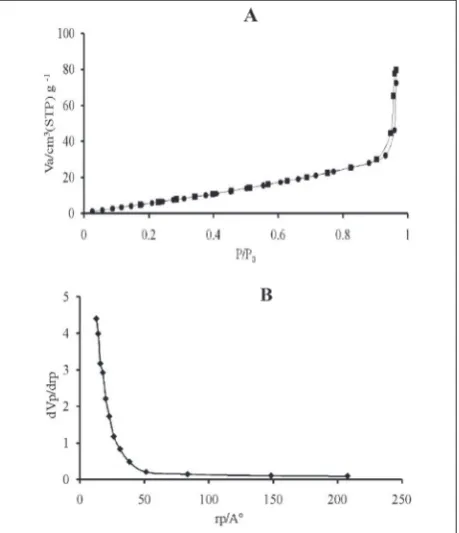
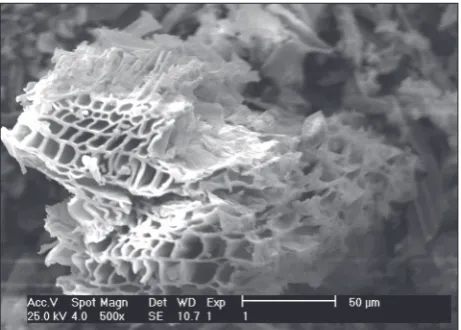
The surface area and structure of the produced biochar were determined using the BET method by N2 adsorption analysis (at 77 k with Specific Surface Area and Porosity Analyzer (PHS-1020, PHSCHINA). The pore size distributions of the biochar were measured by the BJH method (Fig. 1). The surface morphology of the biochar was determined by SEM. The elemental composition (C, H, N, and O%) of the biochar was determined with the CHNOS element analyzer (El-ementar, Germany). Biochar pH was determined in a 1:5 biochar/distilled water suspension after 1.5 h of shaking and 1 h equilibration using an Orion Ionalyzer Model 901 pH meter. Biochar macro- and microele-ments were determined and are described in the above section. Table S1 shows the main characteristics and HM concentrations in the prepared biochar.
Experimental setup
After three months, uniform seedlings (15 to 20 cm in height) grown in sandy beds were selected and trans-planted into pots with uncontaminated and mixed HM (Cu, Pb, and Cd)-contaminated soils. Simultaneously with seedling transplantation, the produced biochar was added to each pot at 0, 2.5 and 5% of the mass. Six treatments were defined as: uncontaminated soil+0% biochar (uncontaminated control), uncontaminated soil+2.5%, uncontaminated soil+5% biochar, mixed HM-contaminated soil+biochar 0% (contaminated control), mixed HM-contaminated soil+2.5% biochar, and mixed HM-contaminated soil+5% biochar. The ex-perimental design was a completely randomized design with three replicates. The pots were maintained in the greenhouse at 20-25±2oC and 12 h light for 160 days.
Cu, Pb and Cd accumulation in seedlings
In order to determine the Cu, Pb, and Cd concentra-tions in the seedling biomass, 1 g of oven-dried plant samples (70°C for 72 h) were digested in a mixture of HNO3 and HClO4 (4:1) using the metal digestion ap-paratus [33]. Next, the digested samples were passed through Whatman no. 43 filter paper and adjusted to 25 mL with deionized water. The concentrations of HM in the plant and soil samples were determined in extracts using atomic absorption spectrophotometry (SavantAA, AAS, GBC, Australia) with five-point calibration standard solutions of Cu, Pb, and Cd. The recovery of Cu, Pb, and Cd was 98, 105, and 98% for CRM 100, respectively. The HM concentrations in the seedling biomass are shown in Supplementary Table S2.
Willow seedling morphological, physiological and biochemical properties
Morphological properties
After measuring the gas exchange parameters, pots were harvested and the stem diameter, plant height and root length were measured for individual seedlings using a Vernier caliper and steel ruler, respectively. Plant samples were transferred to the laboratory and separated into root, stem, and leaf tissues, washed with running tap water and then with deionized water. The leaf area (LA, cm2) was measured using a leaf area meter
(C1-202 Area Meter, CID Inc., USA). To measure the dry biomass, different parts of the plant, including the leaves, stems and roots, were oven-dried at 70oC for
72 h and weighed. The specific leaf area (SLA) was obtained by dividing the LA by the leaf dry weight.
Physiological properties
At harvest time, non-destructive analysis was conducted to measure gas exchange on randomly selected, fully expanded leaves (n=5; one measurement per plant) using a portable gas exchange device (LI-6400, LI-COR Inc., Neb., USA). Gas exchange parameters, including photosynthetic rate (Pn; μmol m−2 s−1), transpiration
rate (E; mmol H2O m−2 s−1), stomatal conductance (Gs;
mmol H2O m−2 s−1) and internal CO
2 concentration
(Ci; μmol m−2 s−1) were measured. Water use efficiency
(WUE) was calculated by dividing the photosynthetic rates by the transpiration rate.
Biochemical properties
In order to determine leaf electrolyte leakage (EL), four intact and fully expanded leaves were selected and rinsed with deionized water. Foliar circular plates (0.5 cm diameter) were cut and placed in a tube containing 10 mL of deionized water [34]. After 24 h, the electri-cal conductivity (EC1) of samples was measured using an Orion Ionalyzer Model 901 EC meter. The samples were autoclaved at 121.5oC and 15 Pa for 15 min and
after cooling the samples, electrical conductivity (EC2) was measured. EL (%) was calculated using the fol-lowing formula:
EL (%) = EC1
EC2 × 100 (1)
To evaluate the MDA, proline and Chl contents, parts of the fresh leaves were homogenized in liquid N2 and stored at -80oC. The MDA content was determined as
The proline content was estimated based on the method of Bates et al. [36]; 0.3 g of frozen leaf samples were extracted in 5 mL of 3% sulfosalicylic acid and centrifuged at 3000 × g for 20 min. Two mL of each centrifuged sample was mixed with 2 mL of ninhydrin acid and 2 mL of glacial acetic acid and incubated at 100°C for 1 h. After cooling the samples in an ice bath, 4 mL of toluene was added to the samples and shaken for 1 min. A standard curve prepared using L-proline (0-100 mg mL-1; absorbance at 520 nm) was used to
determine the proline content [36].
Chl ‘a’ and ‘b’ pigments were estimated according to the Arnon method [37]. To this end, 0.2 g of N2 -frozen leaves were homogenized in 80% chilled acetone in the dark and centrifuged (10000 × g for 10 min at 4oC). The absorbance of the prepared extracts was
measured at 645 and 663 nm. Finally, the Chl ‘a’ and ‘b’ levels were calculated using the following formulas:
Chl a = (19.3A663–0.86A645)V
100W (2)
Chl b = (19.3A643–0.86A665)V
100W (3)
Statistical analyses
All data are expressed as the mean±SD of three in-dependent experiments with three replications. The Shapiro-Wilk’s and Levene’s tests were used to test the normality and homogeneity of variances of the data, respectively. Significant differences in data were analyzed using two-way and one-way ANOVA at 95% confidence level. Tukey’s test was used as post-hoc for mean comparisons of the data. The IBM SPSS 19 software package was used for analyses.
RESULTS
Biochar properties
According to BET analysis (Fig. 1A), the biochar ab-sorption/desorption isotherm is fitted to a type III isotherm based on the IUPAC standard. Type III iso-therm points to an almost multilayer formation. The isotherm hysteresis indicates bottleneck or slit-shaped pores. The BET of the prepared biochar was 34.87 m2 g-1.
The BJH isotherm (Fig. 1B) indicated that the pore size was less than 50 nm and the pores were almost micro- and mesoporous. The SEM image illustrates the porous structure of the biochar (Fig. 2). The pro-duced biochar has a higher content of nutrients such as phosphorus and potassium than contained in the soil (Supplementary Table S1). The concentrations of Cu (11.61 mg kg-1), Pb (7.42 mg kg-1) and Cd (0.19 mg
kg-1) in the produced biochar (Table S1) were lower
than the minimum threshold values (Cu=63, Pb=70, and Cd=1.4 mg kg-1; Supplementary Table S3),
accord-ing to the IBI biochar guidelines [38].
Soil properties and HM accumulation in seedling tissues
P of the soil increased with the application of biochar (2.5 and 5%) in the contaminated soil (by about 73 and 151%, respectively) and in the uncontaminated soil (by about 77 and 103%, respectively). In the mixed HM-contaminated soil, biochar addition significantly (p<0.01) decreased the availability of Cu, Pb, and Cd by about 13-23%, 38-57%, and 28-30%, respectively, in comparison to the contaminated control treatment (Supplementary Table S2). Furthermore, biochar ap-plication significantly decreased the concentration of Cu, Pb, and Cd in white willow dry biomass (p<0.01, Supplementary Table S2).
Plant morphological, physiological and biochemical responses
Except for the root, stem and root biomass and SLA, other morphological properties of the seedlings
exhib-ited a significant (p<0.01) response to soil types. In the mixed HM-contaminated soil, the total dry biomass, root elongation, diameter and height, and LA signifi-cantly decreased (p<0.001) by 19, 60, 44, 48, and 22%, respectively, when compared to the uncontaminated soil (without biochar addition) (Table 2).
Apart from the SLA, other growth and morphologi-cal properties were significantly (p<0.01) improved by biochar addition to both uncontaminated and mixed HM-contaminated soils. In the uncontaminated soil, the addition of 2.5% biochar significantly increased the total dry biomass, height and LA (about 34, 51, and 4% respectively); however, the 5% biochar amendment increased the leaf (110%), stem (41%), root (98%) and total (83%) biomass, root elongation (126%), diameter (29%) and height (93%) and LA (8%) in comparison to the uncontaminated soil (p<0.001).
Table 1. Biochar effectson the chemical properties of uncontaminated and mixed HM-contaminated soils.
Soil type Biochar(%) pH (%)TN SOC(%) C/N Available P(mg kg-1) Available K(mg kg-1)
Uncontaminated 2.50 8.07±0.03c8.13±0.01a 0.057±0.002c0.084±0.003b 0.84±0.04b0.52±0.01c 9.96±0.28bc9.06±0.37c 24.03±1.22d42.59±1.51b 184.67±16.25b103.19±6.04c
5 8.15±0.01a 0.120±0.01a 1.26±0.05a 10.75±0.63ab 48.82±1.62a 228.47±15.73a
Mixed HM Contaminated
0 8.02±0.04c 0.052±0.001c 0.52±0.01c 10.01±0.13bc 14.10±1.03e 92.33±5.13c
2.5 8.12±0.01ab 0.086±0.002b 0.87±0.02b 10.19±0.55abc 33.06±1.98c 164.33±10.69b
5 8.14±0.01ab 0.111±0.008a 1.23±0.01a 11.61±0.95a 48.01±1.52a 232.2±5.29a
B ** *** ns ** *** ns
S *** *** *** *** *** ***
B×S ns ns ns ns *** ns
S – soil type; B – biochar; S×B – interaction of soil type and biochar; TN – total nitrogen; SOC – soil organic carbon.
Different letters within columns indicate significant differences according to Tukey’s multiple range tests. The significant F-test value was obtained by two-way ANOVA and indicated at the end of each column at p< 0.01 (**), p< 0.001 (***), and ns= not significant.
Table 2. Biochar effects on selected morphological properties of willow seedlings grown in clean and mixed HM-contaminated soils. Soil type Biochar (%) biomass (g)Leaf biomass (g)Shoot biomass (g)Root biomass (g)Total dry increase (%)Height increase (%)Diameter elongation (%)Root LA (cm2) SLA (cm2 g-1)
Uncontaminated
0 1.03±0.03bc 1.08±0.07bc 1.24±0.13cd 3.35±0.12c 56.98±4.98b 39.74±3.66bc 61.54±11.37bc 5.85±0.05c 278.29±1.71ab 2.5 1.47±0.06b 1.31±0.06ab 1.73±0.04bc 4.51±0.05b 86.39±3.63a 45.94±0.29ab 94.08±35.48ab 6.09±0.04b 285.21±3.16a 5 2.16±0.05a 1.53±0.06a 2.47±0.12a 6.15±0.14a 110.10±14.33a 51.56±4.38a 139.28±10.85a 6.32±0.05a 291.88±2.41a Mixed HM
Contaminated
0 0.76±0.22c 0.85±0.12c 1.08±0.13d 2.69±0.31d 29.58±4.31c 22.05±4.39d 24.34±10.54e 4.53±0.09e 261.17±13.09b 2.5 1.23±0.16bc 0.93±0.23c 1.26±0.23cd 3.42±0.16c 56.03±4.91b 14.90±0.95d 107.32±38.04ab 5.58±0.03d 257.55±8.48b 5 1.49±0.43b 1.16±0.09bc 1.90±0.33b 4.56±0.30b 88.87±13.85a 33.69±5.61c 85.84±23.83abc 5.71±0.3d 259.98±9.39b
B *** *** *** *** *** *** ** *** ***
S *** *** *** *** *** *** *** *** ns
B×S ns ns ns *** ns *** ** *** ns
S: soil type, B: biochar. S×B: interaction of soil type and biochar, SLA: leaf area, SLA: specific leaf area.
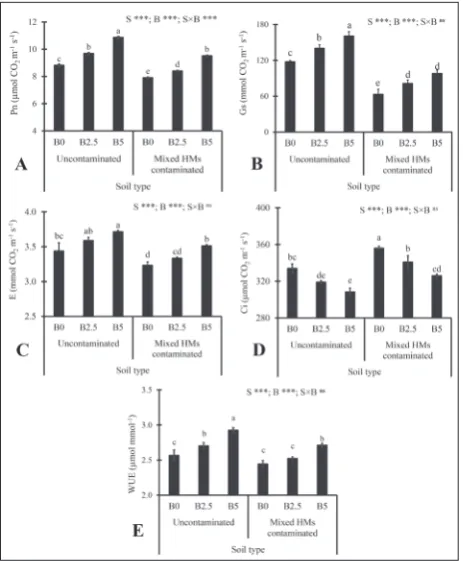
Gas exchange (Pn, E, Gs, Ci, and WUE), analyzed in fresh leaves of the seedlings, is presented in Fig. 3. The Pn, Gs, and E rates in leaves declined in seedlings grown in the contaminated soil as compared to the uncontaminated soil, while the biochar amendment significantly enhanced the rates of Pn, Gs, and E in the leaves of seedlings grown in both soils (Fig. 3A to E). The highest values of Pn, Gs, and E were noticed for the highest added level of biochar (5%) in both soils. The interaction effect of the biochar treatment and soil type for the Pn content was found to be significant (p<0.05); however, this interaction was not significant for the Gs, E, Ci and WUE. The WUE increased by increasing the biochar level in the uncontaminated soil; however, in the contaminated soil WUE was high only after 5% biochar addition.
In the mixed HM-contaminated soil, the EL in-creased by 173% (Fig. 4A). However, by adding biochar into the mixed HM-contaminated soil, a significant decrease was observed in the EL value, about 22 to 27% in the 2.5% and 5% biochar applications, respectively (Fig. 4A). The EL value of seedling leaves grown in the uncontaminated soil was 60% less than that in the mixed HM-contaminated soil. On the other hand, a significant variation in the EL value was not observed at different biochar doses in seedlings grown in the uncontaminated soil.
The leaves of seedlings grown in the mixed HM-contaminated soil had a significantly high MDA content (about 186%) in comparison to the uncontaminated control (Fig. 4B). On the other hand, only the high dose of biochar significantly decreased the MDA content in the leaves of willow seedlings grown in the contaminated soil. No significant variation was observed in the uncontaminated soil treatments af-ter biochar addition (Fig. 4A to C), indicating that the biochar did not have a phytotoxic effect on the Fig. 4. Mean and standard deviation of EL (A), MDA (B), and proline content (C) of white willow seedlings induced by biochar treatment in clean and mixed HM-contaminated soils from three replicates. Different letters indicate significant differences according to Tukey’s multiple range tests after performing two-way ANOVA multifactor analysis of biochar 0, 2.5, and 5% mass fractions (B0, B2.5, and B5, respectively) and uncontaminated and mixed HM-contaminated soils. The significant F-test value is indicated at the top of each figure at p<0.05 (*), p<0.01 (**) and p<0.001 (***), S – soil type factor, B – biochar factor, S×B – interaction of soil type and biochar.
seedlings. According to Fig. 4C, in the contaminated soil the proline content of the leaf increased by about 65% as compared to the uncontaminated treatment. The proline content decreased by 6% after 5% biochar addition to the mixed HM-contaminated soil. There was no significant difference in the proline content in the uncontaminated soil treated with biochar.
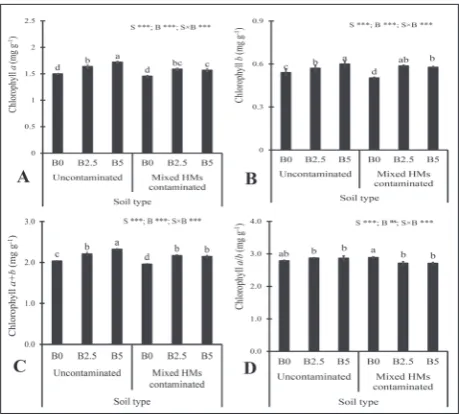
The concentration of Chl b and a+b significantly decreased in the mixed HM-contaminated soil in comparison to the uncontaminated control soil by 6.8 and 3.8%, respectively (Figs. 5B and C). The ad-dition of biochar to the mixed HM-contaminated soil increased the Chl a (5%), b (8%), a+b (6%), and decreased the Chl a/b (2%) ratio (Figs. 5A to D) in comparison to the contaminated control. There were no significant differences in these parameters between the effects of high and low levels of biochar. The results also indicated that 5% biochar increased the Chl a, b, and a+b content of white willow leaves by 15, 11, and 14%, respectively, in the uncontaminated soil. Also, 2.5% biochar significantly increased the Chl a (9%),
b (5%), and a+b (8%) contents; however, these incre-ments were lower than observed in the 5% biochar uncontaminated control soil (Figs. 5A to C).
DISCUSSION
The present study evaluated the effect of biochar on the morphological, physiological and biochemical properties of white willow in mixed HM-contaminated and uncontaminated soils. The biochar application improved almost all soil properties (increased soil pH, TN, SOC, available P, and K) both in mixed HM-contaminated and unHM-contaminated soils, which is in line with the findings of Adekiya et al. [39], who reported a similar effect of biochar in terms of improving soil chemical properties. The TN, SOC, available K, and P were higher in the 5% biochar treatments than the 2.5% treatments. In addition, the prepared biochar had a substantial content of nutrients like C, N, P, and K and its amendment to soil increased these nutrient contents. Soil pH increment might be explained by a higher pH of the prepared biochar than those in the soil. Jin et al. [40] reported that a higher content of alkaline materials (e.g. wood ash) and negatively charged carboxyl groups and phenolics in biochar could make the soil more alkaline.
Additionally, the biochar application decreased Cu, Pb, and Cd availability in the mixed HM-contaminated soil, corroborated by previous investigations [6]. The reduction in Cu, Pb, and Cd availability in soil could be attributed to pH increment due to the biochar ad-dition to soil. This is in line with the recent finding of Yang et al. [41] who reported that the addition of biochar to soil resulted in a decreased availability of Cd and Zn. Also, the prepared biochar has a porous structure that is favorable for HM immobilization by trapping in the porous structure, as stated by Lahori et al. [42]. The Cu and Pb immobilization was more in the 5% biochar rather than the 2.5% biochar. This could be due to the higher pore amount that entered the soil by the 5% biochar addition. The morphological properties of white willow, such as the dry biomass of leaf, stem, root, diameter growth and root elongation had a negative response to the mixed HM contamina-tion. Similar to the morphological properties, the gas exchange of white willow leaves was adversely affected by HM toxicity (Fig. 3). Low Pn, Gs, and E and high Fig. 5. Mean and standard deviation of Chl a, b, a+b, and a/b (A,
accumulation of CO2 in white willow leaves indicates stomatal closure due to HM stress that was also proved by dos Reis et al. [43].
Similar to the findings of Chen et al. [44] and Yang et al. [45], in our study biochar addition significantly improved the morphological and gas exchange prop-erties of white willow seedlings both in the uncon-taminated and conuncon-taminated soils. The 5% biochar improved the white willow morphological and gas exchange properties in comparison to the 2.5% biochar, indicating that soil quality improvement by biochar addition could facilitate plant growth. In addition to the nutrients’ enhancement of soil, the HM immobili-zation that occurred by the biochar application could improve white willow growth and its physiological properties. The 5% biochar was more effective in soil nutrient increment and HM immobilization as well as in the white willow morphological and gas exchange parameters than the 2.5% biochar. Lebrun et al. [6] observed a similar beneficial biochar effect on biomass production and reducing Pb availability in soil pore water when growing Salicaceae species on Pb- and As-contaminated soils amended by biochar obtained from lightwood-pinewood and harboring. Furthermore, Rodríguez-Vila et al. [46] also reported soil chemical improvement and Cu, Ni, Pb, Zn, and Co immobilization by the addition of biochar to Brassica juncea L. seedling.
Significantly, higher values of EL concentration in leaves could be attributed to HM stress [47]. Similar to the EL, the concentrations of MDA and proline were high in white willow seedlings. Under such conditions, increasing the MDA and proline contents could protect plants against oxidative damage and act as a defense mechanism in stressful conditions [48-49]. The insig-nificant EL, MDA and proline contents in the leaves of seedlings grown in uncontaminated soil and amended with biochar (both 2.5 and 5%) indicated no phytotox-icity of the prepared biochar for white willow. Parallel to the increases in MDA and proline, the Chl a and b content decreased in white willow leaves, confirming that chlorophyll content can be a useful biomarker of HM abiotic stress [50]. The reduction in the leaf Chl a, b, and a+b could negatively affect the photosynthesis and gas exchange in white willow seedlings. It can be stated that damage to the respiration pathway and then
disorder in photosynthesis finally led to decreases in the concentration of Chl a and b of the white willow seedlings. Biochar addition increased the Chl a and b concentrations in the white willow seedlings grown in both soils. Furthermore, in the contaminated soil, the biochar application decreased the EL, proline and MDA contents in the seedlings’ leaves. These results are in agreement with the findings of Mehmood et al. [51] and Zhang et al. [52]. We also found that, similar to the morphological and physiological properties, the application of 5% biochar had a more important role in improving the chemical properties of white willow leaves than the 2.5% biochar, since it can provide better growth conditions for the seedlings.
The biochar addition to the mixed HM-contam-inated soil significantly decreased the uptake of Cu, Pb, and Cd in white willow seedlings that could be attributed to the immobilization of HM in the con-taminated soil. This finding is in line with Sarwar et al. [53]. Globally, this study indicated that in both uncontaminated and mixed HM-contaminated soils, biochar could supply the essential nutrients in soil and enhance plant growth. These conditions finally led to an enhancement in plant resistance to HM stress in contaminated soil beyond the immobilization of HM. The high dose of biochar (5%) had more positive ef-fects on improving the investigated properties of white willow than the low dose (2.5%).
CONCLUSION
Acknowledgments: The work is based on research undertaken for a Ph.D. thesis and was supported by the Tarbiat Modares University (TMU), Islamic Republic of Iran.
Author contributions: SMK performed the experiments, analyzed the data and wrote the manuscript. SMH, MTK, and HY contributed to the experimental design and manuscript editing. All authors reviewed and approved the final manuscript.
Conflict of interest disclosure: The authors declare that they have no conflict of interest.
REFERENCES
1. Xu M, Li Q, Wilson G. Degradation of soil physicochemical quality by ephemeral gully erosion on sloping cropland of the hilly Loess Plateau, China. Soil Tillage Res. 2016;155:9-18.
2. Khan S, Cao Q, Zheng YM, Huang YZ, Zhu YG. Health risks of heavy metals in contaminated soils and food crops irrigated with wastewater in Beijing, China. Environ Pollut. 2008;152(3):686-92.
3. Paz-Ferreiro J, Lu H, Fu S, Méndez A, Gascó G. Use of phy-toremediation and biochar to remediate heavy metal pol-luted soils: a review. Solid Earth. 2014;5(1):65-75.
4. Vuksanović V, Kovačević B, Katanić M, Orlović S, Miladinović D. In vitro Evaluation of Copper Toler-ance and Accumulation in Populus nigra. Arch Biol Sci. 2017;69(4):679-87.
5. Rai PK, Kumar V, Lee S, Raza N, Kim KH, Ok YS, Tsang DC. Nanoparticle-plant interaction: Implications in energy, environment, and agriculture. Environ Int. 2018;119:1-19. 6. Lebrun M, Miard F, Hattab-Hambli N, Bourgerie S,
Morab-ito D. Assisted phytoremediation of a multi-contaminated industrial soil using biochar and garden soil amendments associated with Salix alba or Salix viminalis: abilities to sta-bilize As, Pb, and Cu. Water Air Soil Pollut. 2018;229(5):163. 7. Bedell JP, Capilla X, Giry C, Schwartz C, Morel JL, Perrodin
Y. Distribution, movement and availability of Cd and Zn in a dredged sediment cultivated with Salix alba. Environ Exp Bot. 2009;67(2):403-14.
8. Mleczek M, Rutkowski P, Rissmann I, Kaczmarek Z, Golin-ski P, Szentner K, Strażyńskan K, Stachowiak A. Biomass productivity and phytoremediation potential of Salix alba
and Salix viminalis. Biomass Bioenergy. 2010;34(9):1410-18. 9. Kuzovkina YA, Volk TA. The characterization of willow
(Salix L.) varieties for use in ecological engineering applica-tions: co-ordination of structure, function and autecology. Ecol Eng. 2009;35(8):1178-89.
10. Janssen J, Weyens N, Croes S, Beckersa B, Meiresonneb L, Van Peteghemb P, Carleera R, Vangronsvelda J. Phytoreme-diation of metal contaminated soil using willow: exploiting plant-associated bacteria to improve biomass production and metal uptake. Int J Phytoremediat. 2015;17(11):1123-36. 11. Wang S, Shi X, Sun H, Chen Y, Pan H, Yang X, Rafiq T.
Variations in metal tolerance and accumulation in three hydroponically cultivated varieties of Salixintegra treated with lead. PloS One. 2014; 9(9):e108568.
12. Marmiroli M, Pietrini F, Maestri E, Zacchini M, Marmiroli N, Massacci A. Growth, physiological and molecular traits in
Salicaceae trees investigated for phytoremediation of heavy metals and organics. Tree Physiol. 2011;31(12):1319-34. 13. Zheng H, Wang Z, Deng X, Herbert S, Xing B. Impacts of
adding biochar on nitrogen retention and bioavailability in agricultural soil. Geoderma. 2013;206:32-39.
14. Moralı U, Şensöz S. Pyrolysis of hornbeam shell (Carpinus betulus L.) in a fixed bed reactor: Characterization of bio-oil and bio-char. Fuel. 2015;150:672-78.
15. Li R, Shahbazi A, Wang L, Zhang B, Chung CC, Dayton D, Yan Q. Nanostructured molybdenum carbide on biochar for CO2 reforming of CH4. Fuel. 2018;225:403-10.
16. Roberts KG, Gloy BA, Joseph S. Life cycle assessment of bio-char systems: Estimating the energetic, economic and cli-mate change potential. Environ Sci Technol. 2009;44(2):827-33.
17. Lehmann J, Gaunt J, Rondon M. Bio-char sequestration in terrestrial ecosystems–a review. Mitig Adapt Strat Gl. 2006;11(2):403-27.
18. Zhang X, Wang H, He L, Lu K, Sarmah A, Li J, Bolan NS, Pei J, Huang H. Using biochar for remediation of soils contami-nated with heavy metals and organic pollutants. Environ Sci Pollut Res. 2013;20(12):8472-83.
19. Sohi SP, Krull E, Lopez-Capel E, Bol R. A review of biochar and its use and function in soil. Adv Agron. 2010;105:47-82. 20. Cui L, Yan J, Yang Y, Li L, Quan G, Ding C, Chen T, Fu
Q, Chang A. Influence of biochar on microbial activities of heavy metals contaminated paddy fields. Bioresources. 2013;8(4):5536-48.
21. Puga AP, Abreu CA, Melo LCA, Beesley L. Biochar appli-cation to a contaminated soil reduces the availability and plant uptake of zinc, lead and cadmium. J Environ Manage. 2015;159:86-93.
22. Rees F, Sterckeman T, Morel JL. Root development of non-accumulating and hypernon-accumulating plants in metal-contaminated soils amended with biochar. Chemosphere. 2016;142(4):48-55.
23. Lebrun M, Macri C, Miard F, Hattab-Hambli N, Motel-ica-Heino, M, Morabito D, Bourgerie S. Effect of biochar amendments on As and Pb mobility and phytoavailability in contaminated mine technosols phytoremediated by Salix. J Geochem Explor. 2017;182:149-56.
24. Cao Y, Ma C, Chen G, Zhang J, Xing B. Physiological and biochemical responses of Salixintegra Thunb. under copper stress as affected by soil flooding. Environ Pollut. 2017;225:644-53.
25. Chirakkara RA, Reddy KR. Biomass and chemical amend-ments for enhanced phytoremediation of mixed contami-nated soils. Ecol Eng. 2015;85(5):265-74.
26. Bremner JM, Mulvaney CS. Nitrogen-total. In: Page AL, Miller RH, Keeney RR, editors. Methods of Soil Analysis. Part 2. 2nd ed. Madison,WI: American Society of Agron-omy; 1975. p. 595-624.
28. Parra A, Zornoza R, Conesa E, Gómez-López M, Faz A. Seedling emergence, growth and trace elements tolerance and accumulation by Lamiaceae species in a mine soil. Che-mosphere. 2014;113:132-40
29. Chapman HD, Pratt PF. Methods of analysis for soils, plants and waters. Soil Science. 1962; 93(1):68.
30. Bower CA, Reitemeier RF, Fireman M. Exchangeable cation analysis of saline and alkali soils. Soil Sci. 1952;73(4):251-62. 31. Liu B, Ai S, Zhang W, Huang D, Zhang Y. Assessment of the
bioavailability, bioaccessibility and transfer of heavy metals in the soil-grain-human systems near a mining and smelt-ing area in NW China. Sci Total Environ. 2017;609:822-9. 32. Randolph P, Bansode RR, Hassan OA, Rehrah D, Ravella R,
Reddy MR, Watts DW, Novak JM, Ahmedna M. Effect of biochars produced from solid organic municipal waste on soil quality parameters. J Environ Manage. 2017;192:271-80. 33. De Maria S, Rivelli AR, Kuffner M, Sessitsch A, Wenzel WW,
Gorfer M, Strauss J, Puschenreiter M. Interactions between accumulation of trace elements and macronutrients in Salix caprea after inoculation with rhizosphere microorganisms. Chemosphere. 2011;84(9):256-61.
34. Ortiz N, Armada E, Duque E, Roldán A, Azcón R. Contri-bution of arbuscular mycorrhizal fungi and/or bacteria to enhancing plant drought tolerance under natural soil con-ditions: effectiveness of autochthonous or allochthonous strains. Plant Physiol. 2015;174:87-96.
35. Rao S, Shekhawat GS. Toxicity of ZnO engineered nanopar-ticles and evaluation of their effect on growth, metabolism and tissue specific accumulation in Brassica juncea. J Envi-ron Chem Eng. 2014;2(1):105-14.
36. Bates L, Waldren R, Teare I. Rapid determination of free proline for water-stress studies. Plant Soil. 1973;39:205-07. 37. Arnon DI. Copper enzymes in isolated chloroplasts.
Poly-phenol oxidase in Beta vulgaris. Plant Physiol.1949;24:1-15. 38. Shepherd JG, Buss W, Sohi SP, Heal KV. Bioavailability of
phosphorus, other nutrients and potentially toxic elements from marginal biomass-derived biochar assessed in barley (Hordeumvulgare) growth experiments. Sci Total Environ. 2017;584:448-57.
39. Adekiya AO, Agbede TM, Aboyeji CM, Dunsin O, Simeon VT. Effects of biochar and poultry manure on soil charac-teristics and the yield of radish. Sci Hort. 2019;243:457-63. 40. Jin Z, Chen C, Chen X, Hopkins I, Zhang X, Han, Z, Jiang
F, Billy G. The crucial factors of soil fertility and rapeseed yield-A five year field trial with biochar addition in upland red soil, China. Sci Total Environ. 2019;649:1467-80. 41. Yang X, Lu K, McGrouther K, Che L, Hu G, Wang Q, Liu X,
Shen L, Huang H, Ye Z, Wang H. Bioavailability of Cd and Zn in soils treated with biochars derived from tobacco stalk and dead pigs. J Soils Sediments. 2017;17(3):751-62. 42. Lahori AH, Zhanyu G, Zhang Z, Ronghua LI, Mahar
A, Awasthi MK, Feng Sh, Sial, TA, Kumbhar F, Ping W, Shuncheng J. Use of biochar as an amendment for reme-diation of heavy metal-contaminated soils: Prospects and challenges. Pedosphere. 2017;27(6):991-14.
43. dos Reis AR, de Queiroz Barcelos JP, de Souza Osório CRW, Santos EF, Lisboa LAM, Santini JMK, José Dornelas dos San-tosa M, Furlani Juniorb E, Camposb M, Alexandre Monteiro de Figueiredoe P, Lavres, J. A glimpse into the physiological, biochemical and nutritional status of soybean plants under Ni-stress conditions. Environ Exper Bot. 2017;144:76-87. 44. Chen D, Guo H, Li R, Li L, Pan G, Chang A, Joseph S. Low
uptake affinity cultivars with biochar to tackle Cd-tainted rice-a field study over four rice seasons in Hunan, China. Sci Total Environ. 2016;541:1489-98.
45. Yang X, Liu J, Mc Grouther K. Effect of biochar on the extractability of heavy metals (Cd, Cu, Pb, and Zn) and enzyme activity in soil. Environ Sci Pollut Res. 2016;23(2):974-84.
46. Rodríguez-Vila A, Covelo EF, Forján R, Asensio V. Recover-ing a copper mine soil usRecover-ing organic amendments and phy-tomanagement with Brassicajuncea L. J Environ Manage. 2015;147:73-80.
47. Igumenova TI, Cole TR, Katti S, Morales KA, Erickson SG, Sung MW, Nyenhuis SB, Taylor AB, Hart PJ, Holzenburg A, Cafiso DS. Not just ionic mimicry: Biophysics of toxic metal ion interactions with peripheral membrane targets. Biophys J. 2018;114(3):33a.
48. Pandey VC, Singh JS, Kumar A, Tewari DD. Accumulation of heavy metals by chickpea grown in fly ash treated soil: effect on antioxidants. Clean Soil Air Water. 2010;38(12):1116-23. 49. Guo B, Dai S, Wang R, Guo J, Ding Y, Xu Y. Combined
effects of elevated CO2 and Cd-contaminated soil on the growth, gas exchange, antioxidant defense, and Cd accu-mulation of poplars and willows. Environ Exper Bot. 2015;115:1-10.
50. Oncel I, Keles Y, Ustun AS. Interactive effects of tempera-ture and heavy metal stress on the growth and some bio-chemical compounds in wheat seedlings. Environ Pollut. 2000;107(3):315-20.
51. Mehmood S, Saeed DA, Rizwan M, Khan MN, Aziz O, Bashir S, Ibrahim M, Ditta A, Akmal M, Mumtaz MA, Ahmed W. Impact of different amendments on biochemi-cal responses of sesame (Sesamum indicum L.) plants grown in lead-cadmium contaminated soil. Plant Physiol Biochem. 2018;132:345-55.
52. Zhang ZY, Jun M, Shu D, Chen WF. Effect of biochar on relieving cadmium stress and reducing accumulation in super japonica rice. J Integr Agr. 2014;13(3):547-53. 53. Sarwar N, Imran M, Shaheen MR, Ishaque W, Kamran MA,
Matloob A, Rehim A, Hussain S. Phytoremediation strate-gies for soils contaminated with heavy metals: Modifications and future perspectives. Chemosphere. 2017;171:710-21.
Supplementary Data