CONTEXTUAL FACTORS THAT CONTRIBUTE TO INCREASED RISK OF HIV AMONG TRANSGENDER AND MSM SEX WORKERS AND RECOMMENDATIONS FOR SERVICE DELIVERY
William Meihack Miller
A dissertation submitted to the faculty at the University of North Carolina at Chapel Hill in partial fulfillment of the requirements for the degree of Doctor of Philosophy in the Department of
Epidemiology in the Gillings School of Global Public Health.
Chapel Hill 2015
© 2015 William Meihack Miller
ABSTRACT
William Meihack Miller: Contextual factors that contribute to increased risk of HIV among transgender and MSM sex workers and recommendations for service delivery
(Under the direction of William C. Miller)
Globally, male-to-female transgender women and men who have sex with men (MSM) are at increased risk of HIV infection compared to the general population. Despite effective interventions to prevent HIV infection, the incidence among these populations continues to rise. The purpose of this dissertation was to 1) describe the MSM and transgender women missed through venue-based sampling and illustrate how data on venues frequented by MSM and transgender women can be used to prioritize delivery of HIV prevention services; 2) identify contextual factors that contribute to HIV risk among transgender sex workers in Guatemala City.
We recruited 1077 unique MSM and transgender women into two cross-sectional behavioral surveys using respondent-driven sampling (RDS) and time-location sampling (TLS) in Guatemala City. To compare the populations reached through RDS vs. venues, the outcomes included the number of partners, sex work, concurrent partners and sex with women. Additionally, access to HIV testing, free condoms, lubricant and IEC activities was analyzed. Contextual outcomes included discrimination, physical abuse, forced sex, rejection by family, drug and alcohol use and were measured through the behavioral questionnaire. Gender identity and sex work were combined to form the exposure.
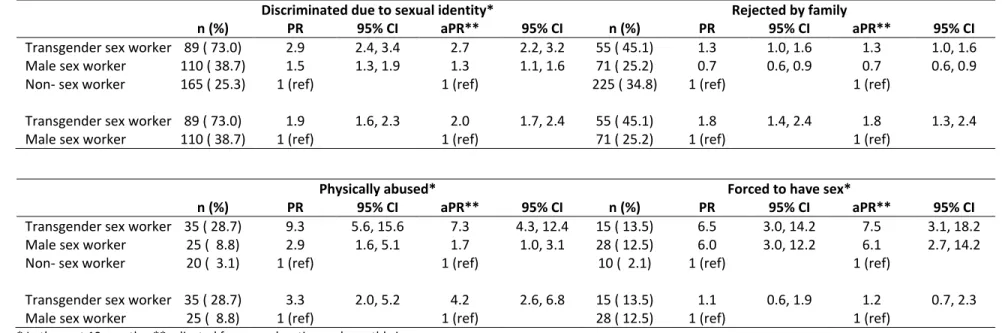
The overwhelming majority of transgender women had received money for sex in the past year. Transgender sex workers were three times as likely to be discriminated against, seven times as likely to be physically abused and eight times as likely to be forced to have sex compared to MSM who did not sell sex. Binge drinking and illicit drug use were more common among transgender sex workers than among non-sex workers.
ACKNOWLEDGMENTS
First and foremost I would like to thank Bill Miller, for his continuous advice and mentorship. Through him I have a heightened appreciation for good writing and the determination to further polish my writing skills. As a disclaimer, Bill and I are not related, and on that note I will never forget Nancy Colvin’s e-mail advising the students and faculty that there would soon be two William Miller’s in the department. My new classmates and colleagues knew me as ‘the other Bill Miller.’ Coincidentally, I later asked Bill, to be my advisor and chair.
Sharon Weir has led me through the world of international guidelines and the PLACE method. Her influence on this work is seen through the focus on HIV prevention programs for the people who need them most. I thank Sharon for being so inspiring and supporting, and the MEASURE Evaluation and LINKAGES Projects for funding my doctoral studies. Clare Barrington was my comadre for on-the-ground knowledge of the Latin American context. Audrey Pettifor and Mike Emch kept me on my toes with their questions and comments, cueing me to rethink my aims and analyses.
This work would not exist if not for Gabriela Paz-Bailey. I am grateful for her advice on my analyses and articles and for teaching me everything I know about HIV and STI surveillance. Pia MacDonald has offered me career advice as an advisor and a mentor.
My hat goes off to the RDS-TLS study team in Guatemala for their effort to collect the data for this dissertation, particularly Berta Alvarez, Jose Manuel Aguilar, Sabrina Boyce, Flor de Maria
Hernandez, Nelson Arambu, and Andres Alvarado. I thank all the participants for giving their time to this study.
I am grateful to my classmates who helped me through the years of coursework, proposal writing and finally the dissertation and to Nancy Colvin, Carmen Woody, Valerie Hudock and Jennifer Moore for helping me navigate departmental procedures.
I would not be where I am today without the love and support of my parents, siblings and grandparents. They have kept me coming home to my roots from wherever in the world I had landed. I love and miss my grandfather, Arden, who encouraged me to study epidemiology and explore careers that I would have never known existed.
TABLE OF CONTENTS
LIST OF TABLES ... ix
LIST OF FIGURES ... x
LIST OF ABBREVIATIONS ... xi
CHAPTER ONE: SPECIFIC AIMS ... 1
CHAPTER TWO: BACKGROUND ... 3
STUDY SITE ... 3
INDIVIDUAL RISK FACTORS ... 5
SOCIAL AND SEXUAL NETWORK LEVEL FACTORS ... 7
COMMUNITY LEVEL FACTORS... 7
SYNDEMIC ... 10
SAMPLING METHODS ... 11
INNOVATION ... 16
CHAPTER THREE: RESEARCH DESIGN AND METHODS ... 17
GENERAL PLAN OF WORK ... 17
PARENT STUDY:RDS-TLSCOMPARISON STUDY ... 17
STUDY POPULATION ... 18
DATA COLLECTION ... 18
STATISTICAL ANALYSIS ... 18
CHAPTER FOUR: THE WHERE AND HOW FOR REACHING TRANSGENDER WOMEN AND MEN WHO HAVE SEX WITH MEN WITH HIV PREVENTION
SERVICES IN GUATEMALA ... 35
INTRODUCTION ... 35
METHODS ... 36
RESULTS ... 38
DISCUSSION: ... 39
TABLES AND FIGURES: ... 43
CHAPTER FIVE: SEX WORK, DISCRIMINATION, DRUG USE AND ABUSE: A SYNDEMIC FOR HIV RISK AMONG MALE-TO-FEMALE TRANSGENDER WOMEN IN GUATEMALA ... 48
INTRODUCTION ... 48
METHODS ... 49
RESULTS ... 52
DISCUSSION ... 53
TABLES AND FIGURES: ... 57
CHAPTER SIX: CONCLUSIONS ... 60
SUMMARY OF FINDINGS ... 60
PUBLIC HEALTH IMPLICATIONS ... 63
FUTURE RESEARCH DIRECTIONS ... 67
CONCLUSIONS ... 67
LIST OF TABLES
Table 1. Comparison of MSM and transgender women recruited through
RDS who do not frequent venues to the TLS sample ... 43 Table 2. Type of venues where TLS participants were recruited,
estimated MSM and transgender women per venue and percent
of participants with a large social network of MSM ... 44 Table 3. Sexual behaviors in past 12 months among TLS recruits by type
of recruitment venue ... 45 Table 4. Exposure to prevention services, past 12 months, TLS recruits
by type of recruitment venue ... 46 Table 5. Demographics by transgender identity and recent history of sex
work, MSM and transgender women, Guatemala City ... 57 Table 6. Crude and adjusted analysis for drug and alcohol use as
associated with transgender identity and recent history of sex
work ... 58 Table 7. Crude and adjusted analysis for mistreatment, forced sex and
social exclusion as associated with transgender identity and
LIST OF FIGURES
Figure 1. Illustrative decision tree for delivery of prevention services to subpopulations of MSM and transgender women in Guatemala
LIST OF ABBREVIATIONS
AIDS acquired immunodeficiency syndrome aPR adjusted prevalence ratio
ART antiretroviral therapy CD4 cluster of differentiation 4
CDC Centers for Disease Control and Prevention CI confidence interval
HIV human immunodeficiency virus
IBSS integrated bio-behavioral surveillance studies IEC information, education and communication MSM men who have sex with men
PLACE priorities for local aids control efforts PR prevalence ratio
PrEP pre-exposure prophylaxis of HIV RDS respondent-driven sampling STI sexually transmitted infection TLS time-location sampling
CHAPTER ONE: SPECIFIC AIMS
HIV has had a disproportionate impact on men who have sex with men (MSM) and male-to-female transgender women in most countries. In 38 low- and middle-income countries, MSM were, on average, 19 times as likely to be infected with HIV than the general population.1 Transgender women
are 50 times as likely to be HIV positive compared to the general population.2 In urban areas of
developing countries, MSM and particularly transgender women engage in sex work to support
themselves in the face of limited opportunities and employment discrimination, further increasing their exposure to HIV.3-7 Sex workers and transgender women fear or have experienced discrimination when
accessing sexual health services,8-15 though increased perception of risk also promotes utilization of
preventive services.16 To reach MSM and transgender women, social venues and sites where sex
workers meet clients, or “hot spots” have long been targeted by program managers and outreach workers.17
In light of high HIV prevalence among transgender women, researchers have identified
engagement in sex work, higher number of lifetime partners and unprotected receptive anal intercourse as possible reasons for increased risk.9,18,19 However, the reasons for transgender women’s high risk
behavior are poorly described. In addition, prevention programs could better harness data collected at social venues and through social networks to develop novel interventions.
of recruitment venue and 2) demographic factors and adverse life events that act as underlying determinants of HIV infection among transgender women who receive money for sex.
Aim 1: Compare the sexual behavior and access to prevention services among the MSM and transgender women reached:
a) through RDS who do not frequent venues vs. those reached through venue-based sampling;
b) at different types of venues as part of venue-based sampling.
CHAPTER TWO: BACKGROUND
Study Site
Guatemala is situated south of Mexico and north of El Salvador and Honduras. It was the heart of the Mayan civilization in the first millennium AD before colonization by the Spanish in 1524. During three centuries of Spanish rule, Guatemala was the capital of the Central American Captaincy General, an administrative district of New Spain covering Chiapas, Mexico, Guatemala, Honduras, El Salvador, Nicaragua and Costa Rica.20 In 1821, the Captaincy General of Guatemala won its independence. The
short-lived United Provinces of Central America was dissolved in 1840 and a series of authoritarian and democratic regimes followed.20 Between 1944 and 1996 the country suffered under a 30-year civil war.21
Democratic but weak governments ensued since 1996 as Guatemala has attempted to recover from its violent, oppressive history.
The estimated population in 2010 for Guatemala was approximately 14 million people, of which 49% were men and 51% women. The average annual population growth was 2% from 1998-2010. Guatemala has a predominantly young population with 37% under 15 years and a median age of 21 years.22,23 Life expectancy was 69 years for men and 73 for women. In 2010, Guatemala was 116th in the
human development index, ranking second lowest in Latin America and the Caribbean.24 The per capita
gross domestic product (GDP) was $4,350 and the public expenditure in health was 2.5% of the GDP.25
Nearly one quarter of the population above 15 years of age is illiterate and poverty levels show that 14% of the population lives on less than $1.25/day, 3rd highest percentage in the region. The Gini index of
countries in Latin America with a large indigenous population; currently 23 ethnic minorities are recognized each with its own language.
HIV is a growing health problem in Central America. For 2010, approximately 178,000 people were infected with HIV in Central America, largely concentrated in Guatemala (58,000; 33%), Honduras (26,000; 15%) and El Salvador (25,000; 14%).26 As in most countries, many people are still unaware of
their status as a total of only 29,000 cases were reported in Guatemala between 1984 and 2010. Nearly 13,500 people or 56% of those estimated in need antiretroviral therapy have access to treatment.27 The
male to female ratio has fallen from 5:1 in 1996 to 1.3:1 in 2010.28 The declining male-to-female ratio of
reported cases, together with an increasing number and visibility of women living with HIV infection in Guatemala, have been characterized as ”heterosexualization” of the epidemic. However, in Central America as in most of Latin America, the epidemic still disproportionately affects traditional high-prevalence populations such as female sex workers and men who have sex with men.29-33 Based on
antenatal care data, overall HIV prevalence in Guatemala has remained below 1%. HIV surveys among pregnant women have reported prevalence of 0.8% (n=1,309) in 1998, 0.3% (n=3,656) in 2000, 0.5% (n=7,008) in 2003, and 0.3% (n=1,190) in 2006.34
Key populations at increased risk of HIV infection such as men who have sex with men (MSM), male-to-female transgender women, female sex workers, and people who inject drugs have been the subject of limited research and surveillance conducted in Guatemala. The multicenter study is the most cited source of HIV prevalence data among key populations but was completed more than a decade ago in 2001.35 Based on the multicenter study, MSM from Guatemala City had an HIV prevalence was 12%
The next sections will discuss the individual, network and community risk factors for HIV faced by MSM and transgender women. The categorization is based on the social ecological model37 and
Baral’s modified social ecological model for MSM.38
Individual Risk Factors
Sexually transmitted infections (including HIV) remain a major health problem for MSM (gay, bisexual and heterosexual-identifying men who have sex with men) and male-to-female transgender women. In addition to a higher prevalence of many common genital STI, rectal and pharyngeal infections are suspected to go undiagnosed. Most STI place an individual at increased risk for acquisition of HIV. The identification and treatment of STI in MSM is thus extremely important both for the individual’s health and the general health of the community. MSM, and particularly HIV-positive MSM, have a higher incidence of precursor lesions and anal cancer as a result of infection with Human Papilloma Virus.39
The pooled HIV prevalence among MSM in countries where studies were conducted between 2000 and 2006 was 13%, 19 times the prevalence in the general population.1 The pooled HIV prevalence among
transgender women was 19%, 50 times that of the general population in countries where prevalence studies were conducted between 2001 and 2011.2 In China alone, MSM were 99 times as likely as the
general population to be infected with HIV, 30 times as likely to be infected with syphilis, 13 times for gonorrhea, 10 times for Hepatitis C, 2 times for chlamydia.40 STI prevalence among MSM and
transgender women varies greatly from context to context and is clearly an important cofactor for HIV infection.41-44
sexual intercourse between men and women, MSM and transgender women who have multiple sexual partners are at increased likelihood of transmitting or acquiring HIV and other STI.6,45,46 MSM who have
only have male partners and those who engage in receptive anal intercourse are at increased risk compared to those that have sex with men and women and those that only practice insertive anal intercourse.44
Further adding to HIV risk among MSM and transgender women, drug use among MSM is higher than in the general population.47 In addition to the direct health effects of drug use and alcohol abuse,
including addiction, there is high secondary risk for STI through increased sexual partnerships and inconsistent condom use as a result of the disinhibition and social contexts.48 Drug use and alcohol
abuse are associated with increased rates of high-risk sexual behavior, as well as sharing of infected injecting equipment.39,49 Use of illicit drugs as well as prescription erectile dysfunction drugs have been
associated with UAI16,45,46,50-61 and HIV infection48,49,58,62,63
Assuming a gender identity different from ones sex at birth is associated with multiple individual risk factors. When transgender women have been compared to MSM in simple bivariate analyses they had more lifetime partners but used condoms more often than MSM.9,18 In India, transgender women
were more knowledgeable of HIV and simultaneously at greater risk of HIV infection18,64 while in
Pakistan awareness of HIV was lower.65
In many countries transgender women are more likely to sell sex, have a higher burden of HIV, and present more risky behavior overall.18,19 Risk factors are frequently interrelated, and among
transgender women engagement in sex work has been seen to be associated with positive HIV status, use of street drugs (crystal methamphetamine, cocaine, heroin, ecstasy, GHB and ketamine),
homelessness and a low educational level.16,54,66-70 Some have concluded that substance abuse is way to
initiation.71 These interrelated risk factors are have been shown to be additive, as a co-occurrence of
factors, for HIV risk among transgender women.72
Social and Sexual Network Level Factors
Social networks involve family, friends, neighbors and others that shape HIV risk for their members. Biological (e.g. HIV infection rates) or behavioral (e.g. sexual contact, sharing of injection equipment) risk factors facilitate HIV transmission within a network.38 Networks characterized by sex
work, drug use, high viral load or STI increase the probability of transmission within networks. Network size and density are other important network factors. Conversely, social networks can provide social support and serve as protective factors against HIV infection.
Among MSM and transgender women sex work has been associated with HIV acquisition5 and
UAI.4 In China, MSM and transgender who sold sex were more likely to have higher income, use erectile
dysfunction drugs and be younger, an example of where individual risk factors overlap in a high risk network to increase chances of HIV infection.9
In some cases transgender women lack a social support network73 while in other cases they
have an alternative support network74-76 In some instances, what would normally be a harmful network
factor, such as engagement in sex work, has been associated with increased perception of social support among transgender women.16 Independent of the risk, sex work serves a solution for transgender
women: proving elusive financial viability and validating much desired female gender56 and as way to
pay for body modifications.69
Community Level Factors
Communities, as defined by social ties, relationships between organizations or geographic boundaries, can increase or mitigate HIV risk.77 Community norms can affect acceptability and
been associated with increased HIV risk among MSM and transgender women.80-84 MSM and
transgender women have been found to hide their sexuality from family, friends and colleagues to avoid stigma or discrimination.46,72,85-87
Based on interviews with transgender women, motivation for engaging in sex work is financial, a sign that employment in other less risky fields is unattainable or unprofitable.16,71,88,89 Transgender
women experience educational and employment discrimination16,46,52,54,66,90-93, family, school and social
rejection,74 as well as violence, forced sex, physical and verbal abuse.52,56,94,95 One risk factor can lead to
another as random acts of violence from general public were found to be associated with drug use.69
Due to the multiple sources of negative social reinforcement faced by MSM and transgender women, high rates of episodic and chronic mental illness are common. These vary from anxieties related to a daily life lived in secret; long-term depression and anxiety related to social isolation; post-traumatic stress related to physical or emotional violence, or loss of family; and many other effects on mental well-being. Psychosocial stressors such as verbal, physical and sexual abuse have been tied to risk taking behavior96-98 Stigma, discrimination and exclusion or fear thereof can lead to anxiety, depression, mental
health disorders6,55,56,68,91,99-102 which have been found to be correlated with UAI.53,54,103 Similarly, sexual
assault and partner violence have been seen to be associated with HIV status.55,58 Childhood sexual
coercion is has been studied more recently and was shown to predict UAI58,104-106 Power relations
between genders, a societal norm associated with HIV risk among heterosexual couples, also affected transgender sex workers in Pakistan where they reported less negotiating power for condom use.107-109
facilities.8-14,110 On the other hand, engagement in sex work is, in some cases, associated with history of
HIV testing among transgender women.16 HIV testing leads with reduced risk behaviors and early entry
to care111,112 and is currently a major prevention strategy for all populations worldwide. High level of
testing among transgender sex workers may indicate willingness to engage in risk reduction.16 Utilization
varies greatly and in Indonesia HIV testing among transgender women and MSM is rare (3%) and contact with prevention programs (11% of MSM and 49% of transgender) is moderate.113 While three quarters
of MSM in Guangzhou, China had accessed HIV prevention service in the past 12 months only 14% had been tested for HIV. AIDS awareness, HIV testing in the past 12 months and coverage of HIV prevention services were protective in relation to HIV and syphilis infection but not significantly so.43
Stigma and discrimination often drive MSM and transgender women from rural to urban areas, where same-sex behavior is more acceptable and where social venues popular among MSM exist. Some social venues, such as saunas or bathhouses cater specifically to MSM looking for on-site sex. Venues such as bathhouses, parks and sex clubs permit anonymous, clandestine sex.114 Many social venues
promote the acceptability of alcohol and drugs, an example of a community factor moderating the effect on an individual behavior on unprotected sex, number of partners and HIV infection. Venues can also be tapped as routes for HIV prevention intervention, particularly when data is available on venues or venue patrons.115
HIV risk often varies by the type of venues where people meet sexual partners. Most commonly, frequenting saunas is associated with HIV5,116-120 and syphilis infection.117,118 In China, MSM at saunas
were found to be 15 times as likely to be HIV positive than MSM from bars.121 In a meta-analysis from
China, MSM who met partners in saunas were at higher risk than those who met them through the internet (ORHIV = 2.3; ORsyphilis = 1.6), bars (ORHIV=1.7, ORsyphilis = 1.4) and parks (ORsyphilis = 1.6).122 Sauna
atmosphere and HIV policies and norms related to sex in public areas and substance use.114,124-127
Condom availability in saunas was shown to be inversely associated with UAI in Taiwan.128,129 In addition
to saunas, meeting partners at bars or dance clubs was linked to HIV infection in Seattle (OR = 8.2)119 In
China, men recruited at gay entertainment venues more likely to have sold sex, had more partners, sex with women, unprotected vaginal sex, erectile dysfunction and illicit drug use than men from
community-based organizations.9
Since the invention of the internet, MSM have started using web sites and chat rooms to meet new partners, and in some settings those who meet partners over internet have more UAI, partners and are more likely to be infected with HIV than those who meet partners at other gay venues.138,139119,130,131
In China, those who go to venues in addition to finding partners online have more partners than those that only go to venues or only use the internet to meet partners.132
HIV risk related to venues is a public health concern as well as an opportunity to provide HIV preventive services. When social venues frequented by MSM and transgender women have been explored for HIV prevention activities, gay bars were seen as the easiest to identify compared to other venues; health education, condoms are rarely provided in parks and smaller venues and in China, and utilization of HIV-related services was found to be lowest in recreational centers and highest in saunas and bars.116 Prevention programs around the world should take advantage of social venues to offer HIV
preventive services to MSM and transgender women, and programs could make better use of data on risk and health service utilization in addition to designing more creative interventions to reach venue patrons.
Syndemic
described by Singer, “a syndemic involves a set of enmeshed and mutually enhancing health problems that working together in a context of deleterious social and physical conditions that increase
vulnerability, significantly affect the overall disease status of a population.”134 Thus, a syndemic is more
than the interaction of diseases; rather, it is the mutually reinforcing interaction of disease and social conditions.134-136
Psychosocial health problems, polysubstance use, depression, partner violence, and childhood sexual abuse were significantly and positively associated with high-risk sexual behavior (multiple partners and UAI) and HIV infection among urban MSM.55,58 Comorbidity research tends to focus on the
sociological issues of boundaries and overlap of diagnoses, whereas syndemic research focuses on communities experiencing co-occurring epidemics that additively increase negative health
consequences.137
Among transgender women, four health and psychosocial factors including low self-esteem, polysubstance use, victimization, and intimate partner violence were found to have an additive relationship with HIV status and UAI.72
Sampling Methods
The gold standard for acquiring HIV data is probability-based population surveys. However, due to the small population, residential dispersion and stigma, obtaining representative data on MSM and other key populations presents a methodological challenge. Researchers have used random-digit dialing to sample MSM from geographic areas known to have large gay populations.138,139 However, stigma and
lack of financial independence in countries like Guatemala prevent MSM from concentrating in particular neighborhoods, mobile phones have replaced land lines making random-digit dialing impractical and random-digit dialing could always miss men who live outside gay-identified areas.140
population-based surveys would need to be very large to include enough subjects for precise estimates. Moreover, due to the illegal and stigmatized nature of their behaviors, such populations are often under-recognized and under-reported in household, population-based surveys. On the other hand, recruiting subjects at locations where they are highly visible in large numbers, such as at service facilities or social venues, can be efficient but lacks validity in representation.
Several approaches have been proposed to balance the need for recruitment efficiency and inclusiveness in representation. Snowball sampling increases efficiency, identification, and inclusion of hidden populations by having members of the target population recruit other members.141 However,
snowball sampling lacks validity in representation because the composition of the sample is dependent upon the choice of initial recruits or “seeds” and short recruitment chains, mostly the recruits of seeds.142 Time-location sampling (TLS) seeks to approximate probability sampling by mapping the
universe of venues where the target population can be found in large numbers, randomly selecting the location, day and time for recruitment and systematically selecting participants from the venue.140,143
However, TLS only includes the population that frequents selected venues. A newer method known as respondent-driven sampling (RDS) lends statistical rigor to conventional snowball sampling through longer recruitment chains, recruitment limits, and the collection of data used to statistically adjust for the biases inherent in how people of similar characteristics are networked and likely to recruit each other.144 RDS has been used for surveillance of key populations in the United States and in more than 83
countries worldwide.145 Although statistical questions about RDS remain,146,147 there is a growing body of
experience using the method.69,206
individual’s influence on sample accrual. Additionally, information on linkages between recruiters and recruits and the size of participants’ social MSM networks are collected to statistically adjust for recruitment biases.148,149 Relative social network sizes affect a person’s probability of being recruited
into the study and their ability to recruit others. An underlying assumption of RDS is that long-chain recruitment represents a first-order Markov process that reaches a dynamic equilibrium, therefore neutralizing the tendencies of people with similar characteristics to associate with each other
(homophily).148 Adjusted analyses are thought to reflect the underlying makeup of the target population
when the sample reaches “equilibrium,” that is, when additional waves of recruitment do not
substantially change the composition of the sample with respect to key variables (e.g. socio-economic status). In practice, equilibrium is usually achieved in four to five waves for most variables.148
Recruitment chains begin with seeds, people purposefully selected as members of the target population. Each seed receives 2 uniquely coded coupons to be used to recruit other participants. Eligible people who present with a coupon give consent, enroll, and in turn are given recruitment coupons until the sample size is reached.
The following assumptions apply to RDS for adjusted data to represent the target population: 1) Participants know each other as members of the target population; 2) networks forms one single large component; 3) the population is large enough for a sampling with replacement model to be appropriate; 4) respondents can accurately report their personal network size; 5) recruitment occurs randomly from the network. Each of these assumptions can be invalidated if 1) participants recruit strangers possibly due to lack of instruction or strong interest in secondary incentives; 2) subgroups of the target
recruitment training or misaligned incentives. The RDS assumptions must be met for RDS to be a probability-based method, should explored in the formative work before implementing a study and be can be tested during recruitment. There is no perfect method for sampling MSM and RDS is one of few methods that approach representativeness.
A second sampling strategy used to recruit hard-to-reach populations is time-location sampling, a probability based method for enrolling members of a target population at social venues.140,150 It is a
useful strategy for sampling MSM, because it focuses resources on places and times where MSM are expected to congregate. TLS and similar strategies such as Priorities for Local AIDS Control Efforts (PLACE) have also been used to sample female sex workers.151 However, the method has been used
primarily in gay-identified areas of urban centers, where relatively hospitable field conditions prevail. Important questions remain about whether time-location sampling is feasible in less gay-identified areas, whether its samples are representative of the target population, and whether respondents interviewed in public places give honest and accurate sexual reports. Time-location sampling is
Potential respondents typically are engaged in other activities, venues may offer little privacy, and individuals who decline participation cannot be systematically re-contacted as in telephone or
household surveys. In the Young Men’s Survey conducted in San Francisco and Berkeley, California, for example, approximately 2,000 young men were approached over a 32-week period in venues expected to yield large numbers of young MSM. Only 44% of the 1,773 men screened were eligible on the basis of age and residence and 61% of the eligible men agreed to participate.152,153 In the Guatemalan parent
study, 2,901 men were approached, 55% (1,603) accepted the eligibility screening. Of these, 738 were eligible (46%), 628 agreed to participate (85%) and 609 (97%) were interviewed.154 Although the
response rate may be explained in part by demanding study requirements, these figures do not bode well for reaching large numbers of MSM outside gay areas.
Another issue concerns choice of venues. Achieving a representative sample requires not only high participation rates but also venues that are frequented by most of the target population. Surveying in “low yield” or difficult (e.g., unsafe) venues is costly, in terms of money, time, and staff morale. For these reasons, some studies like the Young Men’s Survey in the U.S. and the Guatemalan parent study excluded settings expected to yield fewer than 2 eligible men per hour.150,154,155 Such exclusion criteria
We have witnessed increasing use of RDS and TLS recruitment in surveillance and research and a few comparisons of the two methods.154,156-159 This research will take a novel approach to comparing the
two methods. We hypothesize that RDS and TLS recruit distinct populations from the target population of MSM from Guatemala City. Different behavioral paradigms in the two study arms would support this hypothesis and encourage researchers to choose a sampling strategy carefully based on the target sub-population of interest. Continuity of sampling strategies over time and utility of data to inform
prevention programs as well as factors around implementation and logistics are key concerns when planning a study.154,156,159-161
Innovation
Few studies have compared risk behaviors and underlying determinants of HIV infections among MSM and transgender individuals. HIV prevalence tends to be higher among transgender women compared to MSM though comparisons of sexual behaviors exhibited by MSM and transgender women are rare. To date, only two publications have addressed HIV risk among these populations in
Guatemala.15,154
CHAPTER THREE: RESEARCH DESIGN AND METHODS
General Plan of Work
We used the data from cross-sectional respondent-driven sampling (RDS) and time-location sampling (TLS) surveys conducted simultaneously in Guatemala City in 2010, to 1) compare participants’ risk behavior and utilization of preventive services among populations recruited through RDS vs. TLS; and of participants recruited at of different types of social venues; and 2) compare male-to-female transgender women who engage in sex work to MSM sex workers and MSM-non sex workers.
Parent Study: RDS-TLS Comparison Study
The RDS-TLS comparison study was conducted to compare RDS and TLS as sampling strategies to recruit MSM and male-borne transgender women into HIV-related research and prevention programs. Tephinet, Inc. and Del Valle University of Guatemala, led by G Paz-Bailey, initiated a cross-sectional RDS and a TLS study on October 1, 2010 in Guatemala City with identical eligibility criteria and continuing enrolment until the desired sample size was reached (November 23, 2010 for TLS and December 17, 2010 for RDS).154 Participants were allowed to enroll in both surveys if they happened to be recruited
study aimed to compare socio-demographic and behavioral characteristics, logistics, population size estimates, costs, and proportion of hidden MSM reached using each sampling strategy.154
Study Population
Men recruited into either study must have been at least 18 years of age, residents of the greater metropolitan area of Guatemala City and have had anal sex with at least one male sexual contact in the past 12 months. Potential participants were excluded if considered too inebriated or drugged to
coherently participate in the survey. To participate in the RDS study men must have had a valid coupon, and to participate in the TLS study men must have been recruited at a randomly sampled venue. All participants provided written informed consent for the behavioral interview.
Data Collection
Interviewers used a standard structured questionnaire for all eligible, consenting participants. In the TLS arm, potential participants were asked to step aside to for a private conversation where
interviewers explained the risks and benefits of the study and asked for participants’ consent. In the RDS arm, private rooms at the study site were available to screen participants for eligibility criteria and ask for consent. The face-to-face interviews lasted between 15 and 45 minutes. Questions covered sociodemographic characteristics, social network size, attendance of social venues, sexual history, recent male committed and casual partners, commercial partners, clients, knowledge of HIV transmission, history of STI, abuse, alcohol and drug use, access to HIV testing, condoms and
informational or educational programs on HIV. No biological samples were taken as part of the study.
Statistical Analysis
Outcomes: more than 10 male partners, receiving money for sex, having concurrent partners, sex with a female partner, access to HIV testing, free condoms, lubricant and exposure to IEC, all within the past 12 months.
Sexual behaviors:
More than 10 partners was assessed as, “In the past 12 months, how many male sex partners did you have?” resulting in a continuous variable with an inverse exponential form. This variable was recoded to a dichotomous variable for people with more than 10 partners vs. 10 or less in the past 12 months. Ten partners was chosen as a cut point based on the distribution values and our assumption that more than 10 partners in 1 year could be considered high exposure to HIV. All participants answered the first question and none were coded as missing.
Received money for sex was assessed via, “Has a man ever paid you for sex?” and “In the past 12 months, has a man paid you for anal sex?” The second variable was recoded so that all people who have never been paid for sex were coded as not having been paid for sex in the past 12 months. All participants answer the question and none were coded as missing.
Sex with a female partner was assessed with the question, “Have you ever had sex with a woman?” and subsequently in reference to the past 12 months. A new variable was created in which all participants who had never had sex with a woman were coded as not having had sex with a woman in the past 12 months. One person did not answer the first question and was left as missing.
Prevention access:
Access to HIV testing was assessed via, “Have you ever had an HIV test done?” The question was followed up by asking the day, month and year, “When was the last time you were tested for HIV?” The number of days since the participant’s last HIV test was calculated using the date of the interview. Participants who were tested between 0 and 365 days prior to the interview were considered tested for HIV in the past 12 months. The 12 month cut point was chosen based on global indicator reporting recommendations from UNAIDS. Twelve participants did not answer the first question, the date of the last test or the interviewer entered a date after the interview date and were coded as missing.
Access to lubricant was assessed via, “In the past 12 months, have you received any of the following services at this clinic or NGO? And lubricant was read to the participant as one of the possible services. This variable was not recoded and three participants did not respond. Exposure to IEC was estimated through, “In the past 12 months, have you participated in any
activity related to HIV and AIDS information or education (i.e. lectures, workshops)?”All participants answered the question.
Exposure: recruitment through TLS vs. RDS, and RDS participants were limited to those that had not gone to venues to socialize or meet sexual partners. The parent study paper compared all participants recruited through RDS to those recruited through TLS. This analysis is a variation on the parent study paper to better describe the participants who will be excluded from a venue-based survey, i.e. those recruited through RDS who do not frequent venues.
Bivariable Analyses
RDS recruits who reported not frequenting venues were compared to the TLS sample to answer the question of which sub-populations are missed by a venue-based approach.
TLS percentages were calculated using advance survey procedure where the venue-day-time event was the cluster and the month as a sampling frame was the strata. TLS sampling weights were calculated as the inverse of the product of three-stage selection probabilities, in which the stages comprised sampling of venues, venue-day-time units and participants.
SAS 9.4 (SAS Institute Inc., Cary, NC USA). Chi-square, z scores and respective p-values to compare RDS and TLS populations were calculated in Microsoft Excel as described below.
For dichotomous variables, unpooled Z tests were used to test for differences between survey-adjusted RDS and TLS proportions, where the test was constructed as the difference between the two estimates divided by the square root of the sum of their variances. Chi square tests were used to test for differences for categorical variables with 3 or more levels. The Chi square tests were adjusted for the complex sampling designs by dividing the Chi square test statistics by the average of the design effects from RDS and TLS for the variable under investigation.162 A comparison of the unweighted TLS and
RDS-estimated proportions was not conducted since the purpose of this study was to evaluate differences in the MSM sub-populations reached by both sampling strategies and not in the samples themselves.
Sampling weights
For TLS, sampling weights were calculated as the inverse of the product of a three-stage selection probabilities, in which the stages comprised sampling of venues, VDTs and participants. Replacement VDTs were assumed to have the same selection probabilities as the originally selected VDTs. Sampling weights were adjusted for nonresponse and for unequal selection probabilities of venue attendees.163 Men attend venues with different frequencies, and this results in frequent visitors having a
higher chance of being selected to participate in the study due to the multiple venues, days and times attended. The different patterns of attendance result in multiple routes of selection for certain
individuals. To adjust for multiple routes of selection, the sampling weights were divided by the product of the fraction of the year that the study occurred (53 days/ 365.25 days) and the self-reported
the number of eligible MSM present at each VDT, the count of all males present at each recruitment event as recorded by study staff was multiplied by either (1) the relative proportion of eligible MSM at gay and mixed sites (a ‘‘mixed’’ site had both gay and non-gay attendees, such as a bar with 50 % gay attendees) or (2) the estimated proportion of MSM (roughly 3 %) in Guatemala city at public sites (e.g., malls and restaurants). Extreme weights were trimmed based on a method developed by Westat.164
Aim 1b. Compare the sexual behavior and access to prevention services among the MSM population reached at different types of venues as part of venue-based sampling.
Outcomes: more than 10 male partners, receiving money for sex, having concurrent partners, sex with a female partner, access to HIV testing, free condoms, lubricant and exposure to IEC, all within the past 12 months. Described in detail above under Aim 1a.
Exposure: Type of recruitment venue in TLS, categorized by study staff as bar, club, restaurant/café, mall, park/street, sauna/hotel, or non-governmental organization (NGO). The categories, movie theater and internet café, were excluded venue due to the small number of participants recruited from these sites.
Univariable analyses for TLS sample
The percent of TLS recruits by the type of recruitment venue were calculated where 𝑝̂ is the percentage calculated by A / N, where A is the number of individuals with from the specific type of venue and N is the total number of participants.
high traffic venues, the enumerator drew an imaginary line the floor and counted the men that crossed the line. At low-traffic venues, the enumerator counted the men in the area defined as the venue. The enumerator used a handheld ticker to count the men present at the venue-day-time event. The number of men present at each VDT event was averaged stratified by the type of recruitment venue. 𝑒̅𝑏𝑎𝑟 = ∑𝑛𝑖=1𝑉𝐷𝑇𝑖
𝑛
The percent of eligible MSM (𝑝̂𝑒𝑙𝑖𝑔𝑖𝑏𝑙𝑒 ) was based on the average number of men and
transgender women who met the eligibility criteria at a type of site (Ā) divided by the average number of men approached during the four-hour visit (𝑁̅) (𝑝̂𝑒𝑙𝑖𝑔𝑖𝑏𝑙𝑒= 𝐴̅
𝑁̅). All men approached at the VDT event
would be screened for eligibility and all approaches whether eligible or ineligible would be stored in the database. The Ā was calculated prior as the average number of eligible participants at the 69 VDT events stratified by type of site. 𝑁̅ was calculated prior as the average number of men approached at the 69 VDT events stratified by the type of site.
The estimated number of eligible MSM and transgender women by type of site (Neligible) was
calculated by multiplying the average number of potential participants enumerated at type of site (Ē) by the percent eligible (𝑝̂𝑒𝑙𝑖𝑔𝑖𝑏𝑙𝑒). For example, 𝑁𝑒𝑙𝑖𝑔𝑖𝑏𝑙𝑒𝑏𝑎𝑟 = 𝐸̅𝑏𝑎𝑟∗ 𝑝̂𝑒𝑙𝑖𝑔𝑖𝑏𝑙𝑒𝑏𝑎𝑟
Bivariable Analyses
Bivariable analyses were conducted for the behavioral and prevention access outcomes by the type of venue where TLS participants were recruited.
Log binomial models were used to calculate prevalence ratios for behavioral and prevention access outcomes by the type of recruitment venue. General estimating equations (GEE) were used to account for correlation among participants recruited at the same venue-day-time event and TLS weights described above were applied.
Aim 2. Identify demographic factors and adverse life events that act as underlying determinants of HIV infection among transgender women and other MSM who receive money for sex
Participants recruited through RDS and TLS were combined to maximize the size of the
transgender population. The analyses were carried out without weighting the sample for the probability of selection, as different methods exist for weighting RDS and TLS data. Participants who participated in both RDS and TLS arms were excluded (n = 38).
Outcomes: Drug and alcohol use: use of illicit drugs and binge drinking in the past 7 days. Adverse life events: feeling discriminated due to sexual orientation, physical abuse, being forced to have sex against one’s will, all in the past 12 months and rejection by family due to participants’ sexual identify.
Drug and alcohol use:
used for analysis was recoded as having used any of the above mentioned drugs in the past 12 months vs. no drug use for all participants. Six participants did not respond and were coded as missing.
Alcohol use was assessed through, “During the past month, have you had any alcoholic drinks? Yes or no” and to those who responded affirmatively, “During the past month, how many times did you have 4 or more alcoholic drinks in one sitting?” The answer to the second question was collected as a continuous value and recoded for all participants including those who did not drink alcohol in the past 30 days as a dichotomous variable: >=4 episodes of binge drinking in the past 30 days, i.e. at least one episode in the past 7 days vs. <1 episode in the past 7 days. All participants responded to the questions on alcohol use.
Adverse life events:
Feeling discriminated against was assessed by, “In the past 12 months, have you been discriminated or stigmatized because of your sexual orientation? By discrimination, we mean hitting, punching, kicking, threatening, nagging, scolding, or humiliating.” All participants responded and this variable was not recoded.
Physical abuse was assessed, “What discriminatory act have you suffered” and the response options were: Physical abuse (hitting, punching, kicking); Verbal abuse (threats, scolding, humiliation); Extortion / Blackmail; Robbery or assault; Sexual violation; Other. A variable was created for participants who experience physical abuse in the past 12 months vs. not, where participants who did not feel discriminated against in the previous question were coded as not being physically abused.
Participants who had ever been forced to have sex but not in the past 12 months were recoded as not having been forced to have sex in a new variable. Due to a faulty skip pattern 241
participants were not asked these questions in the first month of the study. Multiple imputation was considered to replace the missing values with an imputed value based on other variables not used given that models converged with the available data.
Rejection by family was assessed through, “Has anyone in your family ever shown you contempt or rejection because of your sexual orientation?” Seven participants did not respond and were left as missing.
Exposure: Transgender identity and receiving money for sex in the past 12 months.
Transgender identity was assessed through the question, “Among men who have sex with men there are those who identify themselves as gay, bisexual, heterosexual or transgender. How do you identify yourself?” The options given were: heterosexual, gay, bisexual, transgender (transsexual and transvestite were also part of the transgender option) and other. Interviewers read the five options and told the participant to choose one. Sex with another man in the past 12 months was part of the eligibility criteria, and among those eligible some identified as heterosexual. Participants who chose the option ‘other’ were asked to specify and the resulting text fields were recoded as one of the first four options based on the researchers’ interpretation of the response.
History of sex work was assessed as “Has anyone ever paid you for anal sex?” For those who answered affirmatively, the question was repeated in reference to the past 12 months.
sex workers); and 3) male-identifying MSM who did not sell sex in the past 12 months (hereafter referred to as non-sex workers or cis-gender non-sex workers).
Ideally, we would have made transgender women who did not engage in sex work a referent group. However, the sample size from this population was too small and we decided to exclude those participants from the analysis rather than group them with the cis-gender non-sex workers. The fact that half of the transgender women who had not received money for sex in the past year had engaged in sex work at some point in their lives supported the conclusion.
Covariates Sociodemographic and behavior variables:
Age was collected by asking the participants’ age. The relationship between age and the outcome Education was asked as “What is the highest level of education you have finished?” Options
included: literate, primary, middle school, high school, university/postgraduate. This variable was recoded as: primary education or less; some or completed high school; and some or completed university education. One person did not respond.
Bivariable Analyses
We presented the prevalence of transgender identity among participants and by the sociodemographic and behavioral variables mentioned above in contingency tables. Where 𝑝̂ is the prevalence calculated by A / N, where A is the number of individuals with the outcome (transgender identify) and N is the total number of participants.
Bivariable analyses were conducted using ANOVA for a difference in means, Kruskal-Wallis test for difference in medians and Cochran-Mantel-Haenszel general association test for difference in proportions. These tests were selected given that the exposure variable had 3 levels (transgender sex worker, male sex worker and non-sex worker). Bivariable log binomial models were used to calculate prevalence ratios and the respective confidence limits for most outcomes unless the small number of events required use of a Poisson model with robust variance estimates (physical abuse outcome). Prevalence ratios were calculated over odds ratios given that the survey was cross-sectional in nature and the prevalence of most outcomes were over 30%.
Multivariable Analyses
Multivariable log binomial models were used to calculate prevalence ratios and the respective confidence limits. Age, income and educational level were identified as potential confounders using directed acyclic graphs. The relationship between each outcome and continuous age, continuous income and ordinal education was assessed to determine the functional form and appropriate form for the each covariate in each multivariable model. The final models for each outcome are described below:
Drug and alcohol use: Illicit drug use:
o Income: Weak linear relationship between income and drug use. A continuous recoded income variable as described above was included in the model.
o Education: an inverse linear relationship between education level and drug use. A 3-level categorical education variable was included.
Final model: ln(P(drug_use=1)|X) = α + β1(transgender_SW) + β2(male_SW) +
β3(age) + β4(income) + β5(primary) + β6(high_school)
Binge drinking:
o Age: a weak inverse linear relationship between age and binge drinking. A continuous age variable was used.
o Income: a weak linear relationship between income and binge drinking. A recoded income variable was included.
o Education: Weak relationship between university education and binge drinking. A 3-level categorical education variable was included.
Final model: ln(P(binge_drinking=1)|X) = α + β1(transgender_SW) + β2(male_SW) +
β3(age) + β4(income) + β5(primary) + β6(high_school)
Adverse life events: Discrimination:
o Age: A weak inverse linear relationship between age and having experienced discrimination. A continuous age variable was included.
o Income: A inverse quadratic relationship between income and having experienced discrimination
Final model: ln(P(discrimination=1)|X) = α + β1(transgender_SW) + β2(male_SW) +
β3(age) + β4(income) + β5(income_squared) + β6(primary) + β7(high_school)
Rejection by family:
o Age: A weak inverse linear relationship between age and rejection by family. A continuous age variable was included.
o Income: No relationship between income and rejection by family. No variable for income was included.
o Education: Weak relationship between middle/high school and rejection by family. A 3-level categorical education variable was included.
Final model: ln(P(rejection_fam=1)|X) = α + β1(transgender_SW) + β2(male_SW) +
β3(age) + β5(primary) + β6(high_school)
Physical abuse:
o Age: No relationship between age and physical abuse. An age variable was not included in the model.
o Income: An inverse linear relationship between income and physical abuse. A continuous recoded income variable was included.
o Education: Inverse linear relationship between education and physical abuse. A 3-level categorical education variable was included.
Final model: ln(P(physical_abuse=1)|X) = α + β1(transgender_SW) + β2(male_SW) +
Forced sex:
o Age: Weak inverse linear relationship between age and having been forced to have sex. A continuous age variable was included.
o Income: An inverse linear relationship between income and forced sex. A continuous income variable was included.
o Education: An inverse linear relationship between education level and forced sex. A 3-level categorical education variable was included.
Final model: ln(P(forced_sex=1)|X) = α + β1(transgender_SW) + β2(male_SW) +
β3(age) + β4(income) + β5(primary) + β6(high_school)
Limitations
Behavioral survey data is inherently subject to social-desirability bias and recall bias. Social desirability bias is particularly problematic when dealing with sensitive topics such as sexual partnership and condom use and when interviews are conducted by an interviewer. To counteract this bias audio computer-assisted self-interviewing (ACASI) has been developed and widely used.165,166 In the parent
study we decided to conduct face-to-face interviews for logistical reasons. While ACASI works well in an office or study site setting, use of a laptop in a venue for TLS would be complicated if not dangerous for study staff. We were not collecting biological samples and had no other reason to exit venues with participants where a mobile site would have been an alternative. To maintain similar standards for the RDS and TLS studies, we decided that interviewers should conduct face-to-face interviews using
As discussed in the sections on the sampling methods, there is no gold standard representative method for sampling MSM. The target population of venue-based methods is intrinsically those that frequent venues and therefore people who do not frequent identified venues are excluded. The representativeness of the venue-going population depends on the definition of “venue” and the thoroughness of the formative venue identification work. Participants may self-select by SES during consent screening and fear of stigma related to same-sex behavior may lead to high levels of non-response. RDS adjusted estimates are potentially biased when the major assumptions are not met: participants know each other as members of the target population; network forms one single large component; the population is large enough for a sampling with replacement model to be appropriate; respondents can accurately report their personal network size; recruitment occurs randomly from the network. During recruitment for the parent study, no excluded subpopulations were detected and 5 out of 8 seeds produced chains longer than 5 waves, the longest with 21 waves and 168 referrals. We have no reason to believe that RDS assumptions were not met. At the same time, since participants recruit subsequent participants, it is difficult to obtain non-response rates when using RDS and we cannot draw conclusion about the potential sample had all invited participants accepted.
All cross-sectional research is plagued by the inability to distinguish temporality of events and therefore presume causality. For example, we are unable to ascertain whether the exposure
(acknowledgment of transgender identity and engagement in sex work) preceded the outcome (number of sexual partners in the past year or recent contact with preventive services) and therefore cannot assume that associations to be causal. At the same time, we asked about outcomes in the recent past in hopes that exposure would precede outcomes or at least occur over time simultaneously.
CHAPTER FOUR: THE WHERE AND HOW FOR REACHING TRANSGENDER WOMEN AND MEN
WHO HAVE SEX WITH MEN WITH HIV PREVENTION SERVICES IN GUATEMALA
Introduction
Male-to-female transgender women and men who have sex with men (MSM) and are at increased risk of HIV infection in countries worldwide. In low- and middle-income countries, such as Guatemala, transgender women are, on average, 50 times as likely and MSM are 19 times as likely to be infected with HIV than the general population.1,2 The HIV prevalence among MSM in Latin American and
Caribbean countries varies greatly from 2% in Uruguay to 31% in Mexico with a median of 11%.33 In
2013, the prevalence was 9% among MSM and 24% among transgender women in Guatemala City.167
The importance of intervening among MSM and transgender women to prevent HIV infection has been extensively recognized among donors and national governments.168
In the U.S., venues where MSM socialize, meet new partners or have sex were identified early in the epidemic as locations to collect surveillance data and to prevent new infections.120 Venue-based
sampling such as time-location sampling (TLS) has been used to recruit MSM and transgender women and inform prevention programs in numerous countries.169-171 In countries where social stigma and
homophobia makes recruitment of MSM and transgender women in venues infeasible or
unrepresentative, convenience or respondent-driven sampling (RDS) has been used to inform HIV prevention programs.172-175 However, methods to identify subpopulations at increased risk and tailor
interventions to specific types of venues have not been described.
differences in the populations recruited.154 This study examines the value of surveillance data collected
from MSM and transgender women through RDS and venues for the design of prevention programs. The objectives are to compare the sexual behavior and access to prevention services among the MSM and transgender population reached through 1) venue-based sampling vs. respondent-driven sampling; and 2) different types of venues as part of venue-based sampling.
Methods
Parent study
The RDS-TLS comparison study was conducted in 2010 to compare RDS and TLS as sampling strategies to recruit MSM and transgender women into HIV-related research and prevention programs.154 Recruits from either study were at least 18 years of age, residents of the greater
metropolitan area of Guatemala City and had at least one male sexual contact in the past 12 months. All participants provided written informed consent for the behavioral interview. The study was approved by the U.S. Centers for Disease Control and Prevention’s Global AIDS Program Associate Director for
Science Office and the Del Valle University of Guatemala’s institutional review board. Interviewers gave the same questionnaire to all eligible, consenting participants. Questions covered sociodemographic characteristics, attendance of social venues, sexual history, condoms use with different types of
partners, access to HIV testing, condoms and information/education/ communication programs (IEC) on HIV.
Measures
female partner, HIV testing, receipt of free condoms and lubricant and exposure to peer or outreach workers providing IEC, all within the past 12 months.
Exposure variables include: type of recruitment venue in TLS, categorized by study staff as club, bar, mall, restaurant/café, sauna/hotel, street/park or non-governmental organization (NGO). The categories, movie theater and internet café, were excluded due to the small number of participants recruited from these sites. The average number of potential participants at a site was measured by counting the number of men and transgender women who appeared to be over the age of 18 at the site during a four-hour visit. The percent of eligible participants was based on the number of men and transgender women who met the eligibility criteria divided by the number of people approached during the four-hour visit. The estimated number of eligible MSM and transgender women per site was
calculated for each site by multiplying the number of men enumerated at a site by the percent eligible. The number of MSM and transgender women at each site and by each type of site is helpful to plan for mobile service delivery, e.g. the number of outreach workers, condoms, HIV tests or other supplies needed.
Statistical analysis
RDS participants who did not frequent venues were compared to the TLS participants to answer the question of which sub-populations are missed by a venue-based approach. TLS subpopulations were characterized on sexual behaviors and access to prevention services by the type of recruitment venue.
and outcomes using the Respondent Driven Sampling Analysis Tool version 7.1 (Cornell University, Ithaca, NY, USA). TLS analyses were performed using SAS 9.4 (SAS Institute Inc., Cary, NC USA). Chi-square, z scores and respective p-values to compare RDS and TLS populations were calculated in Microsoft Excel as described previously.154
Log binomial models were used to calculate prevalence ratios for behavioral and prevention access outcomes by the type of recruitment venue. General estimating equations (GEE) were used to account for correlation among participants recruited at the same venue-day-time event and TLS weights were applied. This secondary analysis was approved by the institutional review board at the University of North Carolina at Chapel Hill.
Results
RDS participants vs. TLS participants
Most RDS participants reported frequenting venues to meet new partners or socialize. As expected, RDS participants who did not go to venues were somewhat different from their TLS counterparts. RDS recruits who did not frequent venues were older, less likely to have a university education and were less likely to identify as gay (Table 1). With regard to their sexual behavior, the RDS recruits who did not frequent venues were more likely to have concurrent partners (57 vs. 33%, p = 0.02), have received money for sex (46 vs. 28%, p = 0.1) or have sex with women (49 vs. 27%, p = 0.03).
Venue recruitment patterns
TLS participants were recruited primarily in clubs and at street or park sites (Table 2). Smaller proportions were recruited at bars, movie theaters, malls, restaurants/cafes, internet cafes,
saunas/darkrooms/hotels/spas and NGOs. Parks, streets and malls are high volume sites but low eligibility meant it would be difficult to target MSM specifically. At NGOs, saunas, hotels and clubs, over 80% of men interviewed were eligible, i.e. MSM or transgender women. However, saunas and hotels are estimated to have an average of 16 MSM at a busy time while clubs average 132 MSM. On the other hand, MSM interviewed at NGOs report the highest number of MSM and transgender women peers, peers who could be potentially reached through a social network-based intervention.
TLS participants recruited at NGOs, streets, parks, saunas and hotels were more likely to have more than 10 male partners, receive money for sex or have concurrent partners in the past 12 months compared to people from bars (
Table 3). Men and transgender women at these types of venues were considered at high risk and hence in need of prevention interventions.
Participants recruited at NGOs had the best access to HIV prevention services with overall coverage greater than 85% while HIV testing was low among men from restaurants and cafes and access to free condoms was also low among men at malls, saunas and hotels (Table 4). Additionally, those recruited in parks or on streets were less likely to be exposed to an IEC intervention in the past year.
Discussion:
heterosexual or bisexual. Based on the behavioral self-report, the non-venue-going RDS population was more likely to have concurrent male partners, female partners, and to sell sex. Social network based interventions may be able to reach these sub-groups more efficiently.
RDS and TLS have been shown to reach different sub-populations.176-178 Comparisons of RDS and
TLS populations of black MSM in San Francisco, CA, USA and MSM in Fortaleza, Brazil concluded that RDS was more effective at reaching low SES and bisexual men.156,159 However, in Shenzhen, China, TLS
reached an older, less educated, bisexual population of MSM who do not sell sex though HIV prevalence was similar when compared to the RDS population.179 Characteristics of the populations reached using a
venue-based or social network-based approach has implications for delivery of prevention services and the ability to tailor interventions for specific sub-groups.
TLS recruits from saunas, hotels, streets and parks had more of sexual partners, were more likely to have concurrent partners and to receive money for sex. Saunas or bathhouses are historical hotspots for HIV and STI transmission among MSM in the U.S. and in China where men at saunas were 15 times as likely to be infected with HIV compared to those at bars.5,116-121 Parks and streets are known as principal
venues for sex work by both men and women in Guatemala City.
Based on our analysis, NGOs are effective at reaching men and transgender women at highest risk as seen by the higher number of sexual partners and prevalence of sex work. NGO also reached people who have large social networks, over half of whom knew more than 100 MSM and transgender women. Prevention programs may be able to take advantage of NGO patrons’ social networks to reach a larger, broader population for delivery of all services, including HIV testing, and linkages to HIV care.180
Limitations