Metropolitan University.
Downloaded from:
http://e-space.mmu.ac.uk/344/
Usage rights:
Creative Commons: Attribution-Noncommercial-No
Deriva-tive Works 4.0
Please cite the published version
Methodology and Algorithms for Urdu
Language Processing in a Conversational
Agent
Mohammed Kaleem
A thesis submitted in partial fulfilment of the
requirements of the Manchester Metropolitan University
for the degree of Doctor of Philosophy
Manchester Metropolitan University
i
Abstract
This thesis presents the research and development of a novel text based goal-orientated conversational agent (CA) for the Urdu language called UMAIR (Urdu Machine for Artificially Intelligent Recourse). A CA is a computer program that emulates a human in order to facilitate a conversation with the user. The aim is investigate the Urdu language and its lexical and grammatical features in order to, design a novel engine to handle the language unique features of Urdu. The weakness in current Conversational Agent (CA) engines is that they are not suited to be implemented in other languages which have grammar rules and structure totally different to English. From a historical perspective CA’s including the design of scripting engines, scripting methodologies, resources and implementation procedures have been implemented for the most part in English and other Western languages (i.e. German and Spanish). The development of an Urdu conversational agent has required the research and development of new CA framework which incorporates methodologies and components in order overcome the language unique features of Urdu such as free word order, inconsistent use of space, diacritical marks and spelling. The new CA framework was utilised to implement UMAIR. UMAIR is a customer service agent for National Database and Registration Authority (NADRA) designed to answer user queries related to ID card and Passport applications. UMAIR is able to answer user queries related to the domain through discourse with the user by leading the conversation using questions and offering appropriate advice with the intention of leading the discourse to a pre-determined goal. The research and development of UMAIR led to the creation of several novel CA components, namely a new rule based Urdu CA engine which combines pattern matching and sentence/string similarity techniques along with new algorithms to process user utterances. Furthermore, a CA evaluation framework has been researched and tested which addresses the gap in research to develop the evaluation of natural language systems in general. Empirical end user evaluation has validated the new algorithms and components implemented in UMAIR. The results show that UMAIR is effective as an Urdu CA, with the majority of conversations leading to the goal of the conversation. Moreover the results also revealed that the components of the framework work well to mitigate the challenges of free word order and inconsistent word segmentation.
ii
Contents
Chapter 1 - Introduction ... 1
1.1 Research Aims and Objectives ... 1
1.1.1 Research Question ... 1
1.1.2 Aim ... 1
1.1.3 Objectives ... 2
1.2 Background and Motivation ... 3
1.3 Research contributions ... 4 1.4 Thesis Structure ... 5 Conversational Agents ... 8 2.1 Introduction ... 8 2.2 Conversational Agents ... 9 2.3 Applications of CAs ... 12 2.4 Embodied CAs ... 14
2.5 Goal Orientated Conversational Agents (GO-CA) ... 15
2.6 Conversational Agent Engines ... 16
2.7 Conversation Agent Knowledge Base Development ... 19
2.8 CA’s and Memory ... 22
2.9 Conversational Agent Evaluation ... 23
2.9.1 Formulation of Evaluation Metrics ... 25
2.9.2 Subjective Evaluation Methodologies... 27
2.9.3 Objective Evaluation Methodologies ... 29
2.10 Conclusion ... 30
Urdu Language ... 31
3.1 Introduction ... 31
3.2 Written Style of Urdu ... 31
iii
3.4 Nastaliq Writing Style ... 33
3.5 Diacritics ... 34
3.6 Ambiguity ... 36
3.7 Word Order ... 36
3.8 Word segmentation ... 38
3.9 Common Spelling Mistakes/Variation ... 42
3.10 Lack of resources ... 43
3.11 Conclusion ... 43
Developing a Conversational Agent for the Urdu Language ... 47
4.1 Introduction ... 47
4.2 UMAIR CA Framework Overview ... 47
4.2.1 Novel Urdu Engine ... 48
4.2.2 Knowledge Base... 49
4.2.3 Graphical User Interface ... 49
4.3 Methodology for Implementing the UCA ... 50
4.4 Phase 1: Creating Urdu Scripting Language and Knowledge Base ... 52
4.4.1 Urdu Scripting language ... 52
4.4.2 Scripting Methodology ... 55
4.5 Phase 2: Implement the UCA Framework ... 58
4.5.1 Urdu CA Engine Components ... 59
4.5.2 Pattern Matching Engine Components ... 61
4.5.3 The Word Order Web (WOW) Similarity Algorithm Overview ... 65
4.5.4 WOW Algorithm Explanation/Walkthrough ... 66
4.5.5 Significance of the WOW Algorithm ... 69
4.5.6 Utterance Sentiment Classifier ... 70
4.5.7 The Controller ... 70
iv
4.5.9 Temporal Memory (Log File) ... 73
4.5.10 Offensive Language Inspector ... 74
4.5.11 Utterance Filter... 74
4.5.12 Onscreen Urdu Keyboard ... 75
4.5.13 Graphical User Interface (GUI) ... 76
4.6 Phase 3: Implementation of UMAIR ... 76
4.6.1 The Domain ... 76
4.6.2 Knowledge Engineering the Domain ... 77
4.6.3 Knowledge Tree Construction ... 78
4.6.4 Conversation Design ... 79
4.6.5 Strategies for conversation ... 80
4.7 Phase 4: Testing and Evaluation of the UCA ... 81
4.8 Chapter Summary ... 81
UMAIR Prototype 1 – Evaluation Methodology and Results ... 83
5.1 Introduction ... 83
5.2 Experiment Methodology ... 84
5.2.1 Hypotheses ... 85
5.3 Formulation of Evaluation Metrics ... 87
5.4 Data Collection ... 88
5.4.1 Subjective Data Collection ... 88
5.4.2 Objective Data Collection ... 89
5.5 Participants Sample & Demographic ... 89
5.6 Evaluation Scenarios ... 90
5.7 Participants Interaction ... 90
5.7.1 Experiment 1 – An experiment in a Wizard of OZ setting ... 90
5.7.2 Experiment 2 – Log file analysis of experiment 1 data ... 92
v
Evaluation Results and Discussion ... 94
6.1 Data Reliability ... 94
6.2 Rationale for the selection of statistical test ... 95
6.3 Experiment 1 – Results and Discussion ... 97
6.4 Experiment 2 – Results and Discussion ... 101
6.5 Discussion ... 102
6.6 Chapter Summary ... 104
UMAIR with Improved Architecture ... 107
7.1 Introduction ... 107
7.2 Improvements to the WOW similarity algorithm ... 109
7.3 Predictive text ... 111
7.4 Word segmentation algorithm/component ... 112
7.5 Word frequency component ... 120
7.6 Knowledge base expansion ... 122
7.7 Short term memory ... 122
7.8 Urdu Domain Specific and General Dictionary ... 125
7.9 Improved/Updated User Interface ... 126
7.10 Updated Architecture Diagram ... 127
7.11 Scripting tool ... 128
7.12 Chapter summary ... 130
UMAIR Phase Two Evaluation Methodology & Results ... 131
8.1 Introduction ... 131 8.2 Experiment Design ... 131 8.3 Hypothesis ... 132 Experiment ... 132 8.4 Participant interaction ... 133 8.5 Evaluation Metrics ... 134 8.6 Data Collection ... 135
vi
8.6.1 Subjective Data Collection ... 135
8.6.2 Objective Data Collection ... 135
8.7 Data Analysis ... 136
8.8 Scenarios ... 137
8.9 Sample ... 137
8.9.1 Sample distribution by location ... 137
8.9.2 Sample distribution by gender ... 138
8.9.3 Sample distribution by age ... 139
8.9.4 Sample distribution by education level ... 140
8.10 Results ... 141
8.11 Log file analysis ... 141
8.12 Descriptive analysis of objective data from old and new data sets ... 142
8.13 Mann-Whitney U test ... 142
8.13.1 Number of unrecognised utterances ... 142
8.13.2 Time taken to reach the goal of the conversation ... 143
8.13.3 Number of utterances processed by WOW algorithm ... 144
8.13.4 Goal Achievement ... 144
8.14 Comparative descriptive analysis of data between locations ... 145
8.14.1 Duration of conversation between the locations datasets ... 146
8.14.2 Number of utterances requiring word segmentation between the locations datasets ... 146
8.14.3 Number of unrecognised utterances between the locations datasets . 147 8.14.4 Number of utterances requiring WOW processing between the locations datasets 148 8.14.5 Conversation goal achievement between the locations datasets ... 148
8.15 Analysis of questionnaire data ... 149
vii
Discussion ... 161
Thesis Conclusion ... 169
10.1 Research Contributions ... 173
10.1.1 Urdu CA engine ... 173
10.1.2 Urdu scripting language ... 173
10.1.3 WOW algorithm ... 174
10.1.4 Urdu word segmentation algorithm ... 174
10.1.5 Methodology for CA development in resource poor languages ... 175
10.1.6 Framework for CA evaluation ... 175
10.2 Future research ... 175
References ... 179
Appendices ... 188
Appendix A – Questionnaire for UMAIR prototype one ... 189
Appendix B - Questionnaire for UMAIR prototype two ... 192
Appendix C – UMAIR Log File ... 194
Appendix D – Process flow charts ... 200
Appendix E – Evaluation scenarios for first and second evaluation ... 210
Appendix F – ConvAgent Tree Tool ... 214
Appendix G – Normality Histograms first evaluation ... 216
Appendix H – Normality Histograms second evaluation ... 219
Appendix I - Industry contact approval ... 222
Appendix J – Interview Questions ... 224
viii
List of Figures
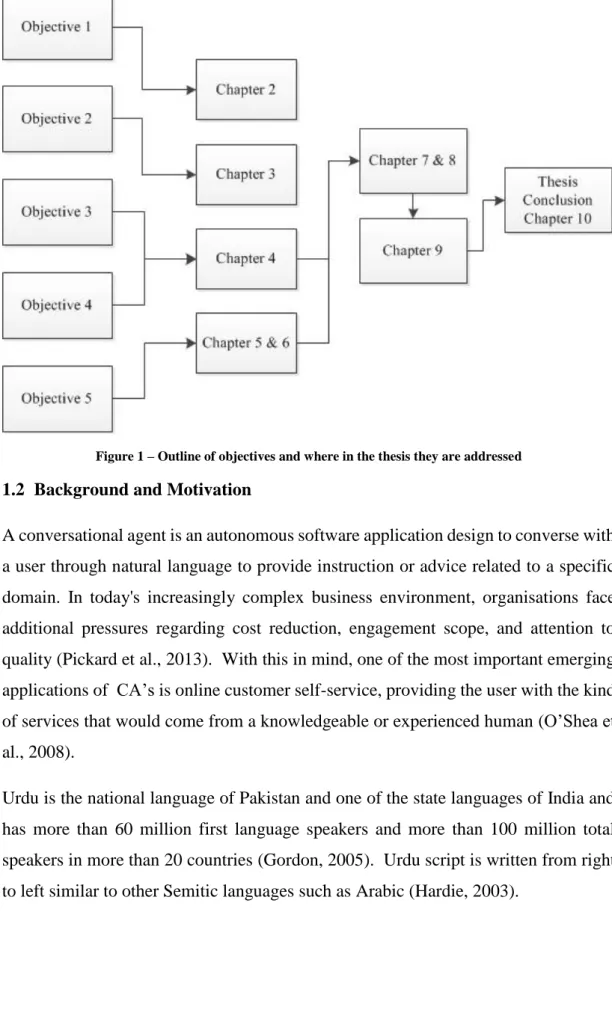
Figure 1 – Outline of objectives and where in the thesis they are addressed... 3
Figure 2 – Example scripted rule from InfoChat ... 11
Figure 3 - Scripting hierarchy of a single context ... 18
Figure 4 - Example of a general scripted rule ... 18
Figure 5 - GQM Model (Van Solingen et al., 2002) ... 27
Figure 6 - Urdu text written in both styles ... 32
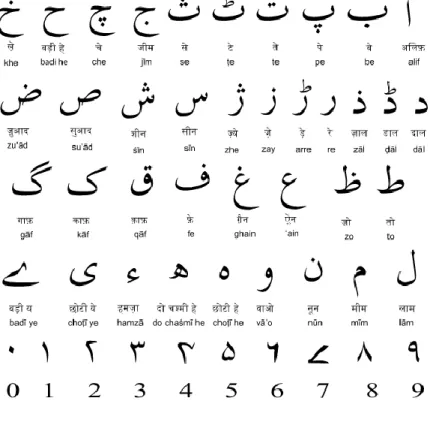
Figure 7 - Urdu alphabet (38 letters) and numbers ... 32
Figure 8 - Position of diacritical marks around consanants ... 34
Figure 9 - Urdu diacritical marks with the consonant bey ... 34
Figure 10 - Additional diacritical marks used in Urdu ... 35
Figure 11 - Same text written with and without diacritics ... 36
Figure 12 - Isloated and cursively written versions of sample text in Urdu. ... 39
Figure 13 – Cursive ligature with all joiner characters (Kaleem) ... 40
Figure 14 – Cursive ligature with non- joiner characters (King) ... 40
Figure 15 - Four forms of the letter khah ... 40
Figure 16 - Non-Joiners in Urdu ... 41
Figure 17 - Joiners in Urdu ... 41
Figure 18 - Example of text when word ends in joiner ... 41
Figure 19 - Example of text when word ends in non-joiner ... 42
Figure 20 – Proposed UCA architecture diagram ... 50
Figure 21 - GO-CA Software Development Methodology ... 50
Figure 22 – Patterns mapped to rules ... 55
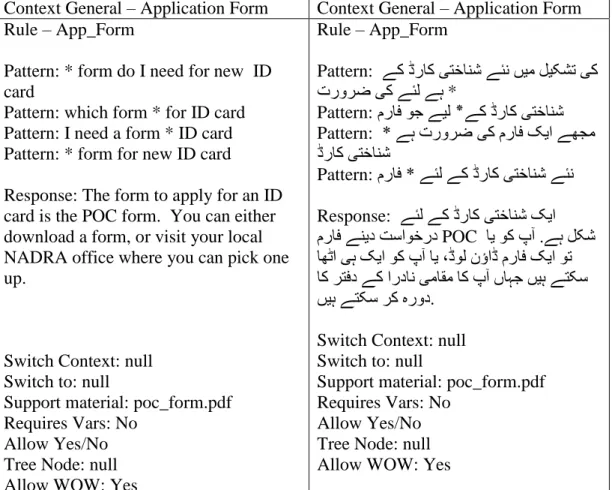
Figure 23 - Extract of UCA scripting language (translated) ... 56
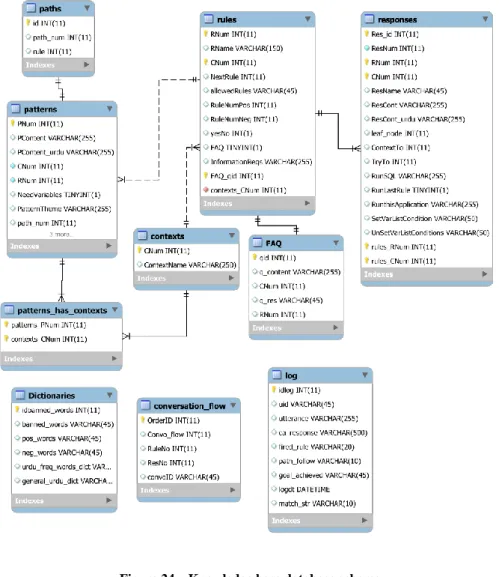
Figure 24 – Knowledge base database schema ... 58
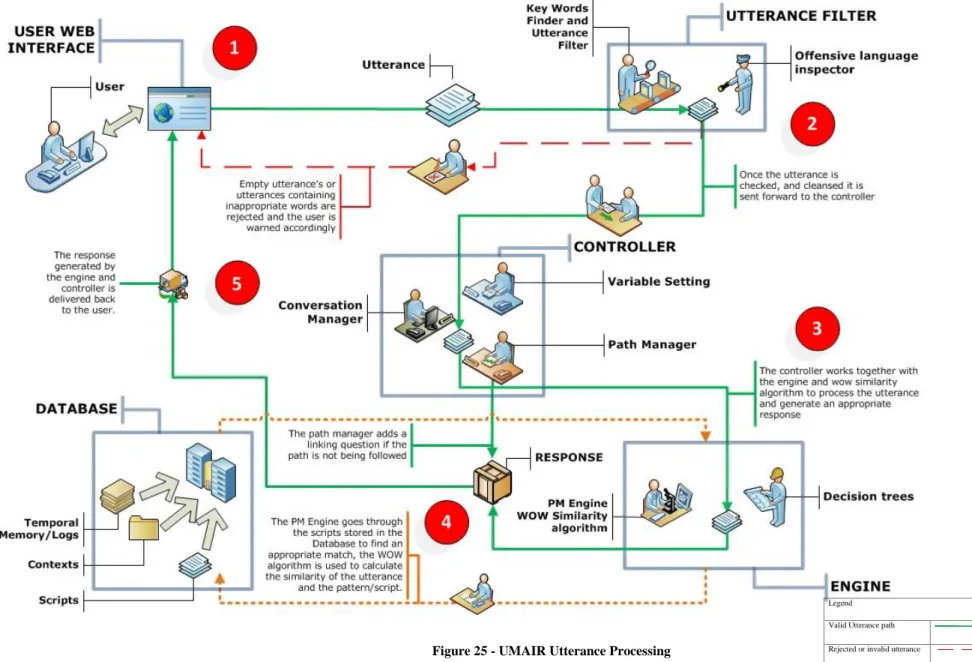
Figure 25 - UMAIR Utterance Processing ... 60
Figure 26 - A bipartite graph ... 64
Figure 27 – Matrix of edge weight ... 64
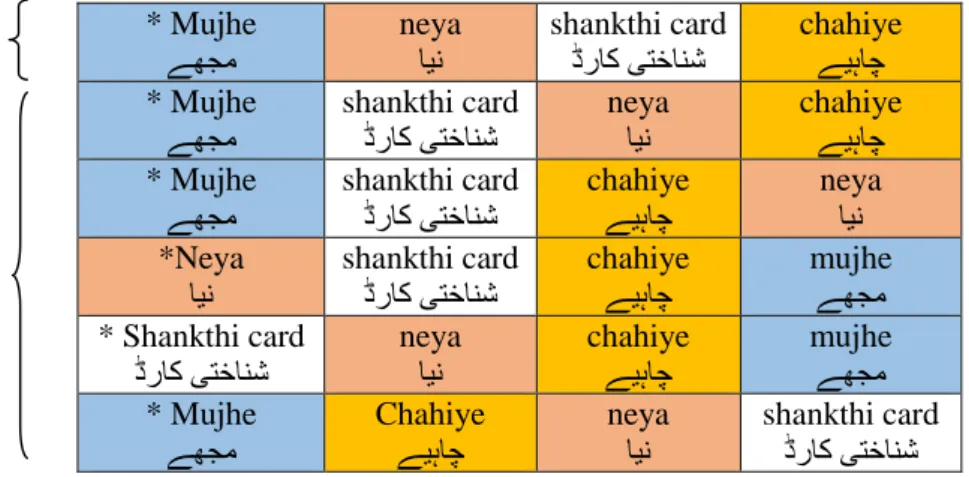
Figure 28 - WOW algorithm walkthrough with example ... 68
Figure 29 - Path Manager managing rules in conversation path ... 73
Figure 30 - UMAIR Custom On-screen Urdu Keyboard ... 75
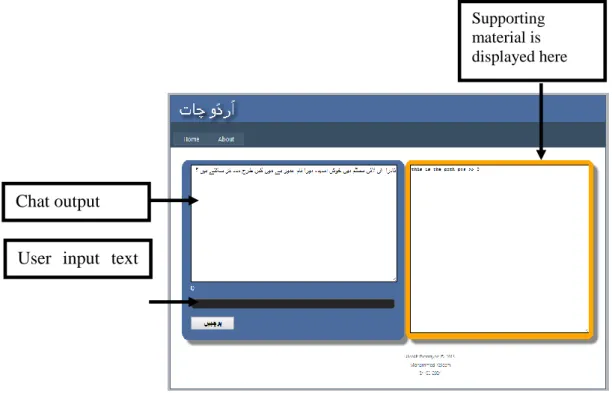
Figure 31 - UMAIR Main Interface ... 76
ix
Figure 33 - Example of sub contexts mapped within context layers ... 80
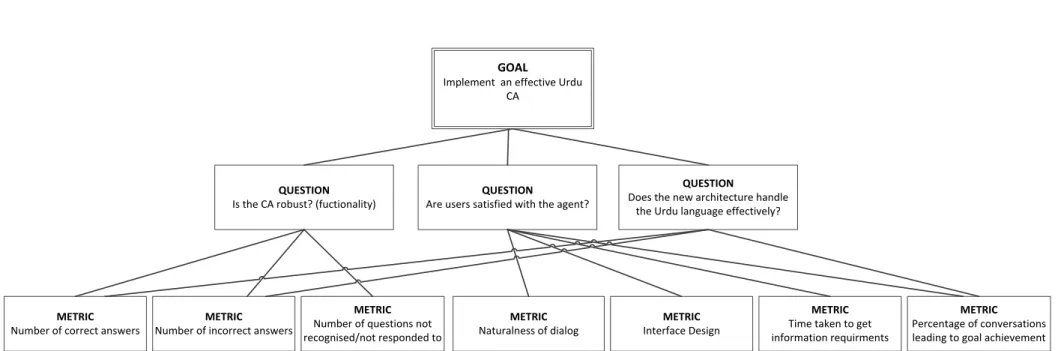
Figure 34 - GQM Model for UCA Evaluation ... 87
Figure 35 - Excerpt from UMAIR Log file transcript ... 101
Figure 36- Predictive text feature from UMAIR UI ... 111
Figure 37 - Inconsistent and consistent word spacing ... 113
Figure 38 - Word segmentation process flow ... 114
Figure 39 - Results of tokenisation ... 116
Figure 40 – Unrecognised token processing ... 117
Figure 41- Updated UMAIR UI ... 126
Figure 42 – Embodied character actions ... 127
Figure 43 – Updated Architecture ... 128
Figure 44 - Scripting tool UI ... 129
Figure 45 – Data analysis groups ... 136
Figure 46 - Histogram of sample location... 138
Figure 47 – Histogram of sample gender ... 139
Figure 48 - Histogram of sample age ... 139
Figure 49 - Pie chart of sample education level ... 140
Figure 50 – Bar graph showing education levels between sample locations ... 140
Figure 51 - Bar Chart Question 1 Results ... 152
Figure 52 - Bar Chart Question 2 Results ... 152
Figure 53 - Bar Chart Question 3 Results ... 153
Figure 54 - Bar Chart Question 4 Results ... 154
Figure 55 - Bar Chart Question 5 Results ... 154
Figure 56 - Bar Chart Question 6 Results ... 155
Figure 57 - Bar Chart Question 7 Results ... 156
Figure 58 - Bar Chart Question 9 Results ... 156
Figure 59 - Bar Chart Question 10 Results ... 157
x
List of Equations
Equation 1 - Levenshtein edit distance algorithm ... 63
Equation 2 - Bipartie Graph Algorithm ... 63
Equation 3 - Algorithm for computing weights of tokens/node edges ... 66
Equation 4 - Kuhn-Munkres maximum weight of edges of biparte graph ... 67
Equation 5 – Strength Similarity Algorithm ... 67
Equation 6 - Utterance classification equation... 70
Equation 7 – Updated edit distance algorithm ... 110
Equation 8 - Identify the potential words (npw) in token ... 115
Equation 9 – Validate split words from token ... 116
xi
Dedication
This thesis is dedicated to my mother and father. Both of whom are like a candle – It consumes itself to light the way for others.
xii
Acknowledgements
ِهـَّللا ِمْسِب ِميِحَّرلا ِنٰـَم ْحَّرلا
In the name of Allah, the Entirely Merciful, the Especially Merciful.
َنوُدُبْعَت ُهاَّيِإ ْمُتنُك نِإ ِهـَّلِل اوُرُكْشاَو
And be grateful to Allah if it is [indeed] Him that you worship. [2:172]
ا ًرْسُي ِرْسُعْلا َعَم َّنِإَف
For indeed, with hardship [will be] ease. [94:5]
In my limited vernacular I fall short to convey my thanks and sincere gratitude to Almighty Allah. I pray that Allah accepts my thanks for bestowing upon me truly countless blessings. I thank Allah for granting me with all the knowledge and abilities I possess and for the guidance I have received throughout my life. Indeed everything is from Allah and I am eternally grateful.
ُميِلَعلا ُعيِمَّسلا َتْنَأ َكَّنِإ اَّنِم ْلَّبَقَت اَنَّبَر
Our Lord! Accept (this service) from us: For Thou art the Hearing, the All-knowing [2:127]
Two manifestations of my blessings from Allah are my mother (Bismillah Bibi) and father (Mohammed Naeem). Without their support and love I would not have been able to achieve a single thing in my life. Everything I am today is due to them and the sacrifices they have made for me and my brother and sister throughout their lives’. I want to thank my brother (Mohammed Aleem) and sister (Sarwat Bismillah) for their constant love, patience and support.
I would like to extend my sincere heartfelt gratitude to my supervisors Dr James O’Shea and Dr Keeley Crockett. I believe it was their unrelenting support, encouragement, expertise, guidance, time and belief in me that made me complete this PhD. It has truly been an honour and a pleasure to have worked alongside such people, who not only helped me through this PhD, but were also there whenever I needed them in any capacity. I am lucky to have had such great supervisors who made my PhD
xiii
journey possible and picked me up and showed me the way during times I felt down and dejected. I learned a lot about myself and about life in general during this time.
To my childhood friends Asif Naseem and Arfan Ahmed thanks boys, I appreciate all the support and encouragement. I would also like to thank Hina Safarish Gill, for all the help and support with the Urdu language. I would like to extend a special thanks to Huda Aldossary, for sparking my academic journey and for being such a genuine friend. Special thanks to Omar Alobadi, thank you brother for all the help and support and the long discussions.
Last but by no means least, the person that I will be forever indebted to is Dr Shaikha Abdulatef AlSanad. Shaikha, I do not know how to thank you. I am lucky to have met someone like you, and I want to express my immense appreciation for everything you did for me and all the things you taught me. Thank you for the help, support and advice. You stood by me when I felt alone, and guided me when I was lost. Meeting you was a blessing. Thank you for being patient with me, during the days I was stressed/disheartened. Meeting you was one of the best consequences of this journey. I can say with conviction you will be my best friend for life, regardless of the geographical distance between us.
xiv
List of Publications
Kaleem, M., O'Shea, J. D., & Crockett, K. A. (2014, September). Word order variation and string similarity algorithm to reduce pattern scripting in pattern matching conversational agents. In Computational Intelligence (UKCI), 2014 14th UK Workshop on (pp. 1-8). IEEE.
Kaleem, M., K. A. Crockett and J. D. O'Shea (2014). Development of UMAIR the Urdu Conversational Agent for Customer Service. Proceedings of the World Congress on Engineering, IEANG 2014, London, July 2014, in press. (Awarded Best Student Paper Award of the 2014 International Conference of Computational Intelligence and Intelligent Systems)
Kaleem, M., K. A. Crockett and J. D. O'Shea (2014). UMAIR the Urdu Conversational Agent. Manchester Metropolitan University Research Day (July 2014).
xv
List of Abbreviations
AI Artificial Intelligence
AIML Artificial Intelligence Mark-up Language
CA Conversational Agent
CM Conversation Manager
ECA Embodied Conversational Agents
FAQ Frequently Asked Question
GQM Goal Question Metric
GUI Graphical User Interface
IVA Intelligent Virtual Agents
KB Knowledge Base
NADRA National Database and Registration Authority
NLP Natural Language Processing
PARADISE Paradigm for Dialogue System Evaluation
PM Pattern Matching
STS Short Text Similarity
UCA Urdu Conversational Agent
UMAIR Urdu Machine for Artificially Intelligent Recourse
WOW Word Order Wizard
WOZ Wizard of Oz
1
Chapter 1 - Introduction
This thesis outlines a research endeavour undertaken to investigate whether a functional and effective Conversational Agent (CA) can be implemented for the Urdu language. The research entails thorough research in to the inner working of conversational agents, as well as the grammatical and morphological nature of the Urdu language and the inherent challenges that come with implementing the Urdu language in a CA. The research has led to the development of UMAIR (Urdu Machine for Artificially Intelligent Recourse). The architecture of UMAIR encompasses several new components that are specifically designed to handle the unique challenges of the Urdu language. This chapter provides the context and motivations behind this research, along with a short summary of the research contributions and a brief outline of the thesis structure.
1.1 Research Aims and Objectives
The primary focus of this research endeavour is to answer the research questions by testing hypotheses related to the research question. This will entail research in to CA’s and the components they comprise of, as well as investigate the Urdu language and the unique features of the language with the aim of, designing a novel CA engine to handle the language unique features of Urdu. The project objectives are to use the research to design and implement a functional Urdu CA as a proof of concept to demonstrate the novel algorithms and components developed. The prototype CA should allow discourse with users, and provide some assistant within a selected problem domain.
1.1.1Research Question
The primary question for this research is:
Can the Urdu language be implemented in a CA to produce an effective, functional CA?
1.1.2Aim
The primary aim of this research is to investigate appropriate methodologies to design and implement a novel Urdu Conversational Agent (UCA) architecture and an
2
associated Urdu scripting language. The UCA architecture will consist of a novel Pattern Matching (PM) engine that is designed to handle the unique features of Urdu, and a new scripting language will be devised to deal with the shortcomings of existing English scripting methodologies. The effectiveness of the UCA will be evaluated through the development of a customer service orientated UCA for an organisation, that enables human participants to converse and discuss their queries with the agent and in turn receive directions as to the best course of action to solve their query.
1.1.3Objectives
In order to answer the research questions/test the hypothesis the following objectives must be achieved:
(1) Investigate and evaluate existing CA scripting methodologies and engines to formulate a suitable implementation method for Urdu.
(2) Research and analyse the grammar, features and structure of the Urdu language along with existing methodologies of CA development, the techniques used to implement CA’s. Formulate how these techniques can be used to extract responses from Urdu text. Subsequently, design a novel UCA engine architecture and scripting language for the implementation of a prototype UCA.
(3) Investigate knowledge engineering techniques to create a domain specific knowledge base and implement a new suitable knowledge base for the selected domain based on the results of the investigation.
(4) Implement the UCA, using the knowledge base developed in objective 3 and the architecture and the scripting language in objective 2 (based on findings of the findings of the language analysis in objective 2).
(5) Evaluate the final UCA by its ability to handle the Urdu language, as well as qualitative and quantitative end user evaluation through an appropriate evaluation framework.
Figure 1 outlines the research objectives, and where in this thesis it is addressed and situated.
3
Figure 1 – Outline of objectives and where in the thesis they are addressed
1.2 Background and Motivation
A conversational agent is an autonomous software application design to converse with a user through natural language to provide instruction or advice related to a specific domain. In today's increasingly complex business environment, organisations face additional pressures regarding cost reduction, engagement scope, and attention to quality (Pickard et al., 2013). With this in mind, one of the most important emerging applications of CA’s is online customer self-service, providing the user with the kind of services that would come from a knowledgeable or experienced human (O’Shea et al., 2008).
Urdu is the national language of Pakistan and one of the state languages of India and has more than 60 million first language speakers and more than 100 million total speakers in more than 20 countries (Gordon, 2005). Urdu script is written from right to left similar to other Semitic languages such as Arabic (Hardie, 2003).
4
In 2008 Pakistan was hit by the worst floods in its history, in light of this natural disaster a relief website was set up in English to give vital information about help, rescue efforts and shelter to those affected by the floods. The relief and recovery process is critical in nature, and needs to be made as efficient as possible. Information and Communication Technology (ICT) can play a key role in facilitating this process. However, the website proved to be quite ineffective in terms of dissemination of vital information until it was translated into Urdu (Sarfraz et al., 2010).
The traditional language for deployment of ICT solutions has been English, but it is evident that in order to reach the masses, the language medium needs to be one that is understood by the masses. Sriramesh et al. (2007) have stated that stress should be laid especially on the use of local languages given the fact that English is understood by only a small fraction of the population in Pakistan. This notion is supported by Sarfraz et al. (2010) who states given the low English literacy levels in Pakistan, it is evident that information disseminated in English will have a smaller audience and therefore a smaller impact.
Consequently, to make information accessible on a wider scale, in particular, to the large portion of the population that is not literate in English, it has to be localized into Urdu.
It is apparent that the web is playing a pivotal role in bringing information to the populations around the world (Sarfraz et al., 2011). Thus information available in localized contexts is more relevant to speakers of different languages; this is one of the drivers of this research. After several years of research and development activities CAs in English, European and East Asian languages CA’s have become a popular area of research. But unfortunately South Asian Languages especially Urdu have received less attention (Anwar et al., 2006).
1.3 Research contributions
The most significant contributions of this work are:
Proof of concept Urdu CA that demonstrates that it is indeed possible to implement a CA in the Urdu language that is able to mitigate and handle the language unique challenges of Urdu.
5
A new Urdu scripting methodology and language that is designed specifically to allow fine control of the language unique features of Urdu during the scripting process.
The WOW and word segmentation algorithms that mitigate the challenges of free word order and inconsistent word spacing that are features present in Urdu as well as other Eastern and South Asian languages. The algorithms reduce the scripting effort by processing the free word order and inconsistent word segmentation, therefore reducing the burden on the scripter to anticipate all possible variations of an utterance during the scripting process, saving substantial time and effort.
An architecture for creating an Urdu Conversational Agent and a generic development methodology for creating conversational agents for resource poor languages.
A new conversational agent evaluation framework has been developed and tested, which can be utilised to evaluate conversational agents from the objective and subjective perspective.
A functional final prototype Urdu conversational agent and the results of two empirical evaluation experiments which validate the generic methodologies and architecture components.
1.4 Thesis Structure
The research conducted is presented in this thesis over ten chapters. The background review of existing literature and the current state of research related to the nature of this research is detailed over two chapters. Chapter two introduces and details the concept of conversational agents, the historical aspects of the field and the current state of the research, this is followed by a review of some existing CA’s and the limitations of current CA architecture components. Chapter three provides an in depth overview of the grammatical and morphological nature of the Urdu language, along with the language unique challenges of the Urdu language.
Chapter four details the development process adopted to implement an Urdu CA. The development process is split in to four phase methodology, each of the phases of the methodology is explained in detail. Phase one and two form the methodology for
6
implementing an Urdu CA. Phase one is the creation of a CA knowledge base. Phase two details the creation of the Urdu CA architecture components in depth and algorithms deployed to mitigate the challenges of the Urdu language. Phase three outlines the creation of UMAIR the Urdu conversational agent using methodology devised in phase one and two. Phase four outlines the evaluation of the developed Urdu CA (UMAIR).
Chapter five of the thesis presents the evaluation methodology and results of the empirical experiments carried out to test the research question/hypothesis from both objective and subjective aspects. The experiments involved end user participants who interacted with UMAIR and filled out questionnaires to rate different aspects of their experience with UMAIR. A Wizard of Oz (Schlögl et al., 2014) experiment was also carried out in order to test if UMAIR was comparable to a human in terms of objective task completion. This was followed by an analysis of the participant’s dialogue captured during their interaction with UMAIR and the WOZ in order to gauge the differences between UMAIR and WOZ.
Chapter six presents the results and a detailed discussion of the results of the experiments conducted to evaluate the first UMAIR prototype. The chapter highlights the aspects of the architecture that needed to be strengthened in order to increase the effectiveness, accuracy and robustness of UMAIR, such as the inconsistent word segmentation issue and spelling mistakes made by the users during their interaction with UMAIR.
Following the evaluation experiments, chapter seven illustrates the further research and development undertaken to strengthen UMAIR’s architecture to address the shortcomings and weaknesses highlighted through the first evaluation. This chapter details the amendments made to the existing architecture components as well as the new components added to the architecture that were researched and developed to overcome the shortcomings of the first prototype revealed through the first evaluation.
Chapter eight describes the evaluation methodology and the results of the experiments carried out to test the effectiveness of the second UMAIR prototype to determine whether the updates and additional components addressed the weaknesses found during the first evaluation.
7
Chapter nine provides a discussion related to the findings of the second evaluation and how the results impact the overall effectiveness of the second prototype compared to the first prototype. The discussion also outlines the results of the second evaluation and their impact on concluding the research hypothesis.
Chapter ten outlines the conclusions drawn from the research findings and discussion, the main contributions of the research as well as providing recommendations for future research avenues that could be followed.
8
Conversational Agents
2.1 Introduction
Natural language communication with a computer has been a goal in the field of artificial intelligence for many decades inspired by the Turing Test (Turing, 1950). The Turing test was devised to evaluate whether a computer program could convince a judge that they were actually conversing with a human. Early attempts at passing the Turing test involved computer programs called chatterbots, that employed tricks during the conversation to create the illusion of intelligence, but in actual fact had no intelligence actually programmed in to the system (Weizenbaum, 1966). More recent developments in the field have produced artificially intelligent Conversational Agents (CAs). CA’s facilitate communication between humans and computer using natural language (O’Shea et al., 2014) that are able to mimic human experts to offer domain specific advice and information to the user (O’Shea et al., 2011) in order for them to reach some pre-defined goal for example technical advice related to some product or device.
The creation of a new UCA is based on principles adopted from research in several key areas, specifically the Urdu language, conversational agent architectures and goal orientated CA’s. This chapter reviews the literature to outline the different approaches/methodologies to implementing CA’s. CA’s are defined with relation to their functionality and examples are reviewed and discussed. Subsequent sections explore and outline scenarios where CA’s have been applied and the two main types of CA’s in terms of functionality (i.e. linguistic text based CA’s and embodied CA’s). CA development is thoroughly explored and CA architecture components are outlined in terms of their functionality and contribution to the overall architecture. Subsequent to this CA knowledge bases are investigated, along with knowledge base development techniques and their associated shortcomings. Finally, CA evaluation methodologies are detailed and a possible new framework/approach for the evaluation of CA’s is proposed and outlined.
9
2.2 Conversational Agents
The term “Conversational Agent” (CA) is interpreted in different ways by different researchers; however the essence of CAs is natural language dialogue between the human and an application running on a computer (O’Shea et al., 2011). Rubin et al. (2010), define them as a natural language interaction interface designed to simulate conversation with a real person. According to Alobaidi et al. (2013) a CA is an agent which uses natural language dialogue to communicate with users. Lester et al. (2004) posit that CA’s exploit natural language technologies to engage users in text-based information-seeking and task-oriented dialogs for a broad range of applications.
Conversational agents are representative intelligent agents that are able to respond to user requests and queries in an intelligent way (with natural language dialogue). They can understand the intention of users through conversation normally through a text based interface, after understanding, they are able to offer an appropriate service or advice. A CA also has the ability to reason and pursue a course of action based on its interactions with humans and other agents (Crockett et al., 2011). There are two distinct categories of CAs, ‘Embodied CAs’ and ‘Linguistic CAs’ (Mairesse et al., 2007, O’Shea et al., 2014). Embodied CAs are animated anthropomorphic interface agents, that can communicate with a user using verbal and paralinguistic methods for example embodied CAs often possess an animated humanoid body and exhibit attributes such as facial expressions and movement of eye gaze (Malatesta et al., 2009, O’Shea et al., 2014). While Linguistic CA’s handle conversation in written or spoken forms (Cassell, 2000a). For the purpose of the research carried out in this project, the main focus will be on linguistic CA’s as this research in is an initial step into the creation of a linguistic Urdu language CA.
One of the earliest examples of a CA developed was ELIZA (Weizenbaum, 1966). ELIZA is a Chatbot capable of creating the illusion that the agent was actually listening and understanding the user’s utterances and providing intelligent responses posed as questions emulating a Rogerian psychotherapist (Rzepka and Araki, 2015), however it was just using simple pattern matching techniques that worked by simply parsing and recomposing key words based on the user input to formulate responses. ELIZA's main trick was to use questions to draw a conversation out of the user, the
10
main criticism ELIZA and other Chatbot applications faced was the program's lack of intelligence and context awareness that could influence, track and direct the conversation (Crockett et al., 2011).
As the field of CA’s advanced, ALICE (Artificial Linguistic Intelligent Computer Entity) was produced. The knowledge base for ALICE is stored in AIML (Artificial Intelligent Markup Language) files. Fundamentally AIML is a pattern matching scripting language derived from Extensible Markup Language (XML) and used symbolic reduction to parse user utterances and generate responses. What is considered to be the brain of ALICE is made up of around 41,000 elements called categories. Each category combines a question and answer, or stimulus and response, known as the “pattern” and “template” respectively. The AIML software stores the patterns in a tree like structure and is managed by an object called the graphmaster, implementing a pattern storage and matching algorithm (Wallace, 2009). In ALICE, the AIML technology was responsible for pattern matching and to relate a user input with a response in the chatterbot’s Knowledge Base (KB) (Marietto et al., 2013). This is achieved through the process of symbolic reduction which broke the user input down to its constituent parts in order to find matches to the patterns. In essence the ALICE engine is a more refined version of the simpler engine used in ELIZA (Shawar and Atwell, 2002) however it still lacked the sophistication of more recent engines.
An example of a recent CA is InfoChat (Michie and Sammut, 2001). InfoChat introduced some new approaches to CA development and scripting in an effort to add some artificial intelligence to the discussion between the user and the CA in order for the conversation to reach a goal. InfoChat implements a pattern matching approach using a sophisticated scripting language known as Pattern Script. InfoChat scripting language is a rule-based language, which depends on a rule based structure to handle the expected conversation, However, it also uses the concept of “spreading activation”, which strengthens or inhibits rule firing based on conversation history adding a level of awareness to the system. Furthermore, InfoChat introduced a more sophisticated technique of determining the similarity of user utterances and scripted patterns, which is calculated through several parameters such as activation level and pattern strength. The majority of CA’s utilise Pattern Matching (PM) and language scripting techniques within their engines. Within CA’s Scripts are usually organized into contexts
11
consisting of a number of hierarchically arranged rules (Sammut, 2001). Scripts are typically scripted using rules as shown in Figure 2.
<Rule_01> a:0.5 p:50 *<confused-0>* p:50 *<confusing-0>* p:50 *<sure-neg-0>* p:50 *<sure-neg-1>* p:50 *help* p:50 *not *<understand-0>* r:What can I do for you?
Figure 2 – Example scripted rule from InfoChat
Each rule possesses a list of structural patterns of sentences and an associated User input is matched against each pattern through an engine with the intention of finding a match (O’Shea et al., 2014). The scripts are used to structure and organise the knowledge base. The knowledge is broken down into contexts and each context consists of rules which in turn have patterns to represent them. The rule also has an associated response which is conveyed back to the user when that rule is invoked through pattern matching the user utterance.
Nevertheless the disadvantages of these earlier systems mentioned (ELIZA, ALICE) was that their knowledge bases are very general, they tended to have a general breadth of knowledge but no depth allowing for shallow, general conversations only, exhibiting little or no intelligence. Furthermore, the vast majority of conversational agent systems have been developed for English, therefore are not suitable for Urdu and other eastern languages due to the difference in grammar and written system (explored in depth in chapter three). The key features of a conversational agent can be summarised as:
A CA is a computer program that facilitates natural language dialog with a computer.
A CA enables autonomous 24 hour information access to users.
A CA system architecture has many different components, common components are:
o A knowledge base with provides it with knowledge related to a certain domain (Alobaidi et al., 2013, O’Shea et al., 2014).
12
o An engine that processes the user utterances against patterns stored in the knowledge base with the purpose of finding a match and then delivering a response back to the user (Kaleem et al., 2014a, Latham et al., 2014, Latham et al., 2010a, O’Shea et al., 2011, O’Shea et al., 2010, Kaleem et al., 2014b).
o Memory which can beshortor long term which allows the system the ability to remember conversation related information (Richards and Bransky, 2014, O’Shea et al., 2014).
o A user interface (UI) that enables the human user to input text in to the system (Cassell, 2000b, Nunamaker et al., 2011, O’Shea et al., 2011).
The following sections will delve deep into these features with the intention of outlining the contribution each of these components and features have in relation to the CA functionality.
2.3 Applications of CAs
There is a high variety of applications in which conversational agents can be used, one of the most widespread of which is information retrieval (Griol et al., 2013). CA’s have been deployed on retail websites (Etemad-Sajadi, 2014, Kulms et al., 2014), where they respond to customers’ inquiries about products and services. CA’s associated with financial services’ websites answer questions about account balances and provide portfolio information. CA’s for entertainment are deployed in games to engage players in situated dialogs about the game-world events (Lester et al., 2004). Pedagogical CA’s assist students by providing problem- solving advice as they learn (Hayashi, 2013, Alobaidi et al., 2013). A more recent ‘main stream commercial’ application of intelligent agents has been the virtual personal assistant, popular examples of which are Apple Inc.’s “Siri” (Apple, 2014), Microsoft’s ‘Cortana’ (Microsoft, 2014) and Google’s ‘OK Google’ (Google, 2014). These personal assistants are all voice based conversational agents, however the core functionality remains similar as traditional CA approaches. The user speaks a command and the application synthesises the speech in to text which is then processed by an engine to generate an appropriate response (Bellegarda, 2014).
13
It is apparent that CA’s are starting to play a more prominent role in everyday applications and in one particular sector of applications, that being enterprise software (Lester et al., 2004). In recent years, the demand for more cost-effective solutions to the customer service problem has increased dramatically as companies are looking to save money wherever possible in response to the global economic downturn. Implementing automated solutions such as CA’s can significantly reduce the high customer service budgets that companies have devoted to training and labour costs. Through exploiting the enabling technologies of the Web and advances computational linguistics, conversational agents offer companies the ability to provide customer service much more economically than with traditional methods (Silvervarg and Jönsson, 2011).
Effective communication is principal for a wide range of tasks in enterprise. Communication comprising information-seeking and task/goal-oriented dialogues is central to many major families of business applications which have seen CA’s implemented to handle varying tasks:
1. Customer service: Responding to customers’ general questions about products and services, e.g., answering questions about problems/queries in a given domain (Rubin et al., 2010).
2. Help desk: Responding to internal employee questions, e.g., responding to HR questions (Lester et al., 2004).
3. Website navigation: Guiding customers to relevant portions of complex websites. A “Website concierge” is invaluable in helping people determine where information or services reside on a company’s website (Shimazu, 2002). 4. Guided selling: Providing answers and guidance in the sales process, particularly for complex products being sold to novice customers (Keeling et al., 2004).
5. Technical support: Responding to technical problems, such as diagnosing a problem with a device (O’Shea et al., 2011).
6. Education – Conversational intelligent tutoring systems (Alobaidi et al., 2013, Latham et al., 2014).
14
In customer facing deployments, conversational agents interact directly with customers to help them obtain answers to their questions (Lester et al., 2004). In this type of application CA’s have been very successful and users have expressed their appreciation of the systems. This is evident in the evaluation results of the HR Bully and Harassment Help System developed by Latham et al. (2010a), who’s findings include among others that the vast majority users of their system were “able to find the information they sought without difficulty”.
2.4 Embodied CAs
Embodied conversational agents (ECA) are computer-generated characters that demonstrate many of the same properties as humans in face-to-face conversation, including the ability to produce and respond to verbal and non-verbal communication (Cassell, 2000a, Derrick and Ligon, 2014). According to Derrick and Ligon (2014) ECA’s are human-like renderings, often coupled with environmental sensors that interface with people in natural ways. An Embodied CA is regarded as a multimodal interface which displays a face, hand gestures, expressions etc., in order to interact with a human (or representation of a human in a computer environment) and a dialogue system where both verbal and nonverbal devices advance and regulate the dialogue between the user and the computer (Cassell et al., 2001, Boisseleau et al., 2014).
According to O’Shea et al. (2011) the extent of embodiment can vary considerably. They suggest that embodiment in its simplest from involves a graphic representation of the agent which is capable of facial expressions, where the intention is to provide a generally heightened sense of realism/naturalness. An advanced implementation of embodiment would be an agent capable of simulating facial expressions and human like gestures (Babu et al., 2006).
Cassell et al. (2001) argue that embodiment can serve an even stronger function if system designers use actual human conversational protocols in the design of the interface. For example, communicative behaviours such as salutations and farewells, conversational turn-taking with interruptions, and describing objects using hand gestures are examples of protocols that all native speakers of a language already know how to perform and can thus be utilised in creating a more natural intelligent interface, embodiment is required for the successful implementation of CA’s (Cassell et al.,
15
2001). This notion is supported by O’Shea et al. (2011) who state that there is clear potential for embodiment to improve CA’s, for example through disambiguating pronouns such as this and that using pointing gestures to provide visual clues and hints. The embodied character or visual representation of the CA should complement the UI and not look incongruous to the overall interface. Since this research is more focused on the development of a new Urdu CA engine and addressing the linguistic challenges of Urdu, the main focus will be the algorithms and methodologies required to achieve an effective UCA.
2.5 Goal Orientated Conversational Agents (GO-CA)
A Goal-Oriented CA (GO-CA) is a type of conversational agent which has a deep strategic purpose which enables it to direct a conversation to achieve a goal (O’Shea et al., 2011, Crockett et al., 2011). The predominant difference between traditional CA and GO-CA is that a GO-CA through the process of dialogue, captures appropriate attributes to model the particular problem experienced by the user in order identify the appropriate solution (O’Shea et al., 2011) and lead the discussion towards achieving the goal.
GO-CA’s are designed to converse with humans through the use of natural language dialogue to achieve a specific task (Crockett et al., 2010, O’Shea et al., 2011). For example, identifying and selling a person a mortgage or providing guidance through an organisation’s policies and procedures in plain English (Latham et al., 2010a). Traditionally, they utilise pattern matching algorithms to capture the values of specific attributes through text based discussion with a user. This is achieved through the use of scripts which contain sets of rules about the domain and a knowledge base to guide the conversation towards achieving a specific goal.
GO-CA’s systems can provide anonymous, automated, interactive and consistent advice 24 hours a day in many different scenarios, including online customer self-service/assistance, providing the user with the kind of services that would come from a knowledgeable or experienced human (O’Shea et al., 2008) for example helpdesk/customer service agents that respond to customers’ inquiries about products and services (Rubin et al., 2010).
16
Pedagogical conversational agents (also known as Intelligent Tutoring Systems) that assist students by providing problem- solving advice as they learn with the goal of delivering some learning based objective (Alobaidi et al., 2013, Latham et al., 2014).
Typically, the vast majority of GO-CA’s to date have been deployed in the English language, and development in other languages is little to non-existent.
2.6 Conversational Agent Engines
CAs engines have been developed using many different techniques. The three main techniques are Natural Language Processing (NLP) Short Text Semantic Similarity (STSS), and Pattern Matching (PM). NLP, STSS and PM are approaches that differ from Machine Translation (MT), as the aim of machine translation is to translate text in one language to another. Whereas, the CA technique aims to process the text in order to understand it and formulate an appropriate response. In the development of sophisticated natural language processing systems, it is understood that a rich lexical knowledge base is at the heart of any intelligent system that attempts to go beyond the syntactic analysis of sentences (Ahmed and Hautli, 2011). A lexical resource such as a WordNet can shed light on the meaning of a sentence by providing information on the lexical semantics of the words in the sentence. However, these lexical resources face a serious drawback: their development is time-consuming, costly and requires trained linguists that are aware of the lexical variation of a language. The task becomes even harder when only few other resources for the language exist which are readily available and the possibilities for automatic acquisition of data are rather restricted. With research being mainly focused on European languages like English and German (Bender, 2009, Almarsoomi et al., 2012). This resource sparseness is a problem for Urdu, which is explored further in chapter 3 (Ahmed and Hautli, 2011).
NLP is an area of research that explores how computers can be used to understand and manipulate natural language text or speech to do useful things (Chowdhury, 2003). NLP assumes certain aspects for it to work effectively. The utterance is expected to be grammatically correct which usually it is not, incorrect sentences may be “repaired” but this adds computational overhead. Another point is that languages are very rich in form and structure, and contain ambiguities. A word can have more than one meaning (lexical ambiguity) or a sentence might have more than one structure (syntactic
17
ambiguity/free word order), in light of this the NLP approach is not suitable to develop a CA in the Urdu language.
Another approach that is adopted in the development of CA’s is the utilisation of Short Text Semantic Similarity (STSS) measures to gauge the similarity between short sentences (10 – 25 words longs) (O’Shea et al., 2008, O’Shea et al., 2014). Through employing sentence similarity measures, scripting can be reduced to a few prototype sentences (O'Shea et al., 2009). The similarity between short texts is computed through the use of a knowledge base such as the English WordNet or text corpora and an algorithm/measure that utilises the knowledge base resource to calculate the similarity between two texts of short length. However due to the lack of resources in Urdu such as an appropriate WordNet, lexicons, annotated electronic dictionaries, corpora and well-developed ontologies that describe relationships among words and entities in written text (Naseem and Hussain, 2007) NLP and STSS are not appropriate methods to develop a Urdu CA, and to date no Urdu STSS measures exist. It should be noted that work has begun on the development of an Urdu WordNet (Zafar et al., 2012). The work is still in very early stages and not developed enough to be deployed in a CA, because the current Urdu WordNet is a translated derivative of the Hindi WordNet therefore is incomplete and contains words that are not used in Urdu which in its current state of development makes it unsuitable to be use in a CA (Adeeba and Hussain, 2011).
The remaining technique known as Pattern Matching (PM) is one of the most ubiquitous and popular methods for building systems that appear to be able to conduct coherent, intelligent dialogues with users (Bickmore and Giorgino, 2006). Most text-based CA’s adopt the pattern matching approach as it is currently the one that works best for extended dialogues (O’Shea, 2011). This notion is also supported by Allen et al. (2001) who state that pattern-matching techniques are used to great effect in dialogue systems. The PM approach aims to match the user utterance to a database of pre-scripted patterns, rather than trying to understand the utterance. Once a pattern is matched an appropriate response is delivered back to the user.
PM CA’s use a pre-compiled repository of scripts, which are grouped into contexts (Illustrated in Figure 3). Each context is made up of a number of rules. Each rule
18
consists of a number of patterns and a linked response which make up the CA’s knowledge base (Kaleem et al., 2014b).
Figure 3 - Scripting hierarchy of a single context
Each rule is the sub-topic/context that relates to an attribute of the main context that a user utterance may be matched with. Each rule can have a number of different patterns that are used to match it with a user utterance. Patterns consist of a collection of words and wildcard symbols (e.g. *, $), wildcards are used within patterns to match any number of words, broadening the rules to match utterances containing specific key phrases. An example of a scripted rule is illustrated in Figure 4.
Context ID Card – Application Form Rule – App_Form
Pattern: * form do I need to for a new ID card Pattern: * which form shall I fill * ID card Pattern: * need a form a new ID card
Pattern: * form to apply for a replacement ID card Response: To apply for a new ID card you need to fill a POC form.
Figure 4 - Example of a general scripted rule
An algorithm decides the best fitting rule to fire and deals with conflict resolution in situations where multiple rules fire, thus producing a CA response. PM is a suitable method for developing an Urdu CA as it does not require extensive lexical resources, or grammatically correct or complete user input to work. The PM approach has been used to create CA’s in the Arabic language, which show promising results (Alobaidi et al., 2013, Hijjawi et al., 2014). Nonetheless due to the inherent difference between Urdu and Arabic (e.g. additional characters, word order) it not possible to use an Arabic CA engine to process Urdu text. Consequently, it is necessary to research and develop a PM engine specifically for the Urdu language.
However, there are some drawbacks of the PM approach which are the scripting process itself and the subsequent maintenance of the scripts. Traditional CA scripting
19
requires the script writer to consider every permutation of a user utterance that a user may send as input (O’Shea, 2013). The PM approach requires precompiled scripts that define the conversation to be executed by a pattern-matching engine. Scripting is a time-consuming process. It is focused solely on the structural form of the sentence. This requires the anticipation of all possible user utterances, generation of word order permutations of the utterances and generalization of patterns through the replacement of selected terms by wild cards. The main disadvantage of pattern matching systems is the labour-intensive (and therefore costly) nature of their development (O’Shea et al., 2011).
Furthermore, modifications to rules containing the patterns can impact on the performance of other rules. Consequently the entire database of scripts has to be reassessed in order to maintain the integrity of the scripted rules and avoid rule clashes and misfiring rules. This is a high maintenance cost and almost impossible process. In addition, different script writers possess differing levels of ability and as such this can prove to be an exasperating task (O’Shea, 2013).
An example of a PM CA is InfoChat (Michie and Sammut, 2001). InfoChat implements a pattern matching approach using a sophisticated scripting language known as Pattern Script (Michie and Sammut, 2001). InfoChat scripting language is a rule-based language, using the type of rule structure shown in Figure 2 to handle the expected conversation. InfoChat was further developed by Convagent which did try and aim to automate the scripting process using a Goal-orientated tree tool. Semi automation was achieved through the tool but the problems of script development and maintenance still remained.
2.7 Conversation Agent Knowledge Base Development
According to Engelmore and Feigenbaum (1993) GO-CA’s are expert systems which, contain two essential parts: the knowledge base; and the reasoning, or inference, engine. The knowledge base of such systems is comprised of both factual and heuristic/experiential knowledge. Factual knowledge is that knowledge of the task domain that is widely shared, typically found in textbooks or journals, and commonly agreed upon by those knowledgeable in the particular field. Heuristic knowledge is the less rigorous, more experiential, more judgmental knowledge of performance. In
20
contrast to factual knowledge, heuristic knowledge is rarely discussed, and is largely subjective. It is the knowledge of good practice, good judgment, and plausible reasoning in the field.
The knowledge representation process formalizes and organizes the knowledge. One widely used representation is the production rule, or simply rule (Engelmore and Feigenbaum, 1993). A rule consists of an IF part and a THEN part (also called a condition and an action). The IF part lists a set of conditions in some logical combination. The piece of knowledge represented by the production rule is relevant to the line of reasoning being developed if the IF part of the rule is satisfied; consequently, the THEN part can be concluded, or its problem-solving action taken. Expert systems whose knowledge is represented in rule form are called rule-based systems. (Engelmore and Feigenbaum, 1993, Buchanan and Shortliffe, 1984, Agbo-Ajala et al., 2014).
Historically the development of a Knowledge Base (KB) was seen as a transfer process of human knowledge into an implemented structured knowledge base. This transfer was based on the assumption that the knowledge which is required by the KB already exists and just has to be collected and implemented. Most often, the required knowledge is obtained by interviewing experts on how they solve specific tasks (Musen, 1993). Typically, this knowledge is implemented as production rules which are then executed by an associated rule interpreter/engine. More recently an overall consensus has emerged that the process of building a KB may be seen as a modelling activity. Constructing a KB means building a computer model with the aim of realising problem-solving capabilities comparable to a domain expert. It is not intended to create a cognitive adequate model, i.e. to simulate the cognitive processes of an expert in general, but to create a model which offers similar results in problem-solving for problems in the particular domain or area of concern (Morik, 1991, Studer et al., 1998).
This modelling view of the knowledge base building process has the following consequences:
Like every model, a knowledge model is only an approximation of the reality. In principle, the modelling process is an on-going process,
21
because it is a continuous activity with the aim of approximating the intended behaviour.
The knowledge modelling process is a cyclic process. New observations and testing may lead to a refinement, modification or completion of the already built-up model. On the other hand, the model may guide the further acquisition of knowledge.
The knowledge modelling process is dependent on the subjective interpretations of the knowledge engineer. Therefore, this process is never perfect, thus an evaluation of the model with respect to reality is indispensable for the creation of an adequate model. According to this feedback loop, the model must, therefore, be revisable and adaptable in every stage of the modelling process (Studer et al., 1998).
The initial phase of creating a KBS it knowledge extraction, where the knowledge required is collated and recorded so it can be stored and structured accordingly. According to O’Shea et al. (2011) knowledge about a domain is extracted from many different sources, including:
Managers in the client organisation
Practitioners in the client organisation who interact with the customers who will use the CA being developed
Documented procedures of the client organisation (e.g. workflow charts)
3rd party websites (e.g. government legislation concerning the domain) Telephone logs of customer calls related to the domain.
CA’s utilise structured knowledge bases in order to store knowledge such as conversation scripts, rules and responses specifically related to the domain implementation. The user utterances are matched to the scripts in the knowledge base that in turn fire rules that have responses associated with them. The architecture of a CA encompasses a KB that that is related with the agent’s domain, examples include, sales (Bickmore and Cassell, 2005), debt advice (Crockett et al., 2009) or teaching the main principles of Islam (Alobaidi et al., 2013) and a dynamic discourse knowledge base that deals with what has already been said (i.e. memory) (Cassell, 2000b) .
22
2.8 CA’s and Memory
To engage in any form of dialogue, an aspect of memory is essential. Human memories may be triggered through the use of clues, cue words and through the use of semantic relations. CA design must incorporate an aspect of memory simulation in order to develop a human-like dialogue. According to Baddeley (1999) an important requirement for successful human interaction is our ability to store, retain, recall and organise information. This ability is known as memory and it is essential to our basic functioning as human beings. Memory performs the important functions of learning, organising and remembering, forgetting, repression, storage and retrieval; all of which centre on information related to facts, details and events. For instance, our ability to remember time and events allows us to keep track of what we have done, and to make plans for the future.
Furthermore, memory plays an essential role in fostering trust between humans and without memory the notion of a companion with whom you share experiences would be meaningless. Memory has been studied extensively. Increasingly architectures, both agent and cognitive, include memory modules to ensure retention of relevant information. Memory will be particularly important for Intelligent Virtual Agents (IVA)/CA’s that continue to be found useful after their novelty effect has worn off (Kasap and Magnenat-Thalmann, 2012).
Kasap et al. (2009), have researched memory in a pedagogical virtual agent they designed called ‘Eva’. They state that memory has typically been implemented to address the issue of how agents remember information from one interaction to another. However memory is essential for agents to effectively carry out the role for which they are designed. An example for a pedagogical agent is it needs to remember past lessons held with a student as in the case of Eva, who uses a memory-based emotion model and memories of past interactions (i.e., episodic memory) to build interpersonal relationships with users. The inclusion of memory models in Intelligent Virtual Agent’s (IVA’s) is similar to the inclusion of student models in intelligent tutoring systems these student models may contain learning achievements, preferences and learning styles.
23
Brom and Lukavský (2009) have also stressed the need for memory in agents. They state that it is necessary for agents to utilise memory for a broad range of tasks like debriefing, giving information, remembering the course of interactions, searching for objects, knowledge sharing and learning. It is to be noted that the overarching concept behind the creation of intelligent virtual agents/CA’s is believability, where the primary goal is to produce agents that imitate human-like behaviour (Richards and Bransky, 2014). A CA that can exhibit a human-form of memory can develop a more meaningful relationship with its user resulting in a broad range of dialogue opportunities. This leads the way for a truly intelligent agent. The inclusion of memory to a CA adds self-awareness, character and intelligence (O’Shea, 2011).
In CA’s short term memory relates the system remembering conversation related variables such as the users name and the context of the discussion. Long term memory is the long term storage of the captured variables in a database or other medium which can be utilised at a later date in order for the system to simulate recall of previous knowledge and discussions with returning users (Richards and Bransky, 2014).
2.9 Conversational Agent Evaluation
In the IEEE Glossary of Software System Engineering Terminology (IEEE, 2000), quality is defined as the degree to which a system, a component, or a process meets customer or user needs or expectations. According to (Roy and Graham, 2008), the quality of software is measured primarily against the degree to which requirements, such as correctness, reliability and usability are met. The factors that affect quality are termed as quality attributes. There are different categorisations of quality attributes. They further state that quality attributes can be categorized into two broad groups: attributes that can be directly measured (e.g. performance) and attributes that can be indirectly measured (e.g. usability). These attributes can be translated into objective and subjective metrics respectively.
In order to build a conversational system, data is needed on how users behave and their perceptions when interacting with the system (Skantze and Hjalmarsson, 2013). According to Martinez et al. (2008), it is quite difficult to evaluate dialogue systems. In addition to the lack of evaluation standards within the dialogue community, at the same time, it is difficult to find performance figures from real world applications that