BASED INTERPROFESSIONAL EDUCATION EXPERIENCE
By Shannon Marie Ashe Liberty University
A Dissertation Presented in Partial Fulfillment Of the Requirements for the Degree
Doctor of Education
Liberty University 2020
ATTITUDES OF HEALTH PROFESSION FACULTY INVOLVED IN A SIMULATION– BASED INTERPROFESSIONAL EDUCATION EXPERIENCE
by Shannon Marie Ashe
A Dissertation Presented in Partial Fulfillment Of the Requirements for the Degree
Doctor of Education
Liberty University, Lynchburg, VA 2020
APPROVED BY:
D. J. Mattson, EdD, Committee Chair
Michelle Barthlow, EdD, Committee Member
ABSTRACT
Interprofessional education and collaborative practice are the current standards of the global healthcare field. In order to better understand the barriers to completing simulation-based
interprofessional education (Sim-IPE), faculty attitudes and perceptions need to be identified and addressed. In the current study, the researcher sought to identify the attitudes of health
profession faculty at a private university within a college of health sciences that includes over 20 academic programs, exclusive of medicine, in relation to a planned large-scale Sim-IPE in the acute care setting. Utilizing both a correlational and repeated measures approach, the researcher explored a previously planned interprofessional experience that allowed pretest and posttest measurements to be collected. The researcher surveyed faculty before and after the encounter utilizing the Attitudes towards Interprofessional Education (AIPE) and the Attitudes Towards Health Care Teams (ATHCT) scales. Archival data revealed 22 matched pairs of responses for analysis. Correlational analysis of post-test scale scores to years of experience was not
significant. Paired t-test analysis of pre- and post-event measurement for each scale were not significant. Initial pre-event scores were largely positive, to the high end of the available scale. A ceiling effect created a monotonous sample that showed faculty, on the whole, greatly value interprofessional education and teamwork-based practice. Future studies should explore potential variation in faculty barriers to implementation that continue to exist after involvement in an event, as well as consideration of other scales to identify faculty attitudes in relation to involvement in a large-scale simulation-based interprofessional education event.
Keywords: Sim-IPE, faculty attitudes, health profession education, interprofessional education, IPE, simulation, higher education.
Dedication
This work is dedicated to: my husband, Chris, for the many hours I was away from the family; my children, Cole, Kaylee, and Alida, for allowing Mommy the time to write (almost) without interruption; and my parents and siblings for their amazing faith that I could complete this journey.
Acknowledgments
I want to thank the many people who helped make this possible, including: my committee members, Dr. DJ Mattson and Dr. Michelle Barthlow; my committee member, mentor, and coworker, Dr. Jill Pence; my proofreaders Brent Evans, Marietta Best, Dr. John Danzler; the instrument creator, Dr. Vernon Curran; and my classmates who gave me encouragement throughout the journey. Most of all I am forever thankful to God in heaven Who gave me the opportunity to pursue and complete my dream.
Table of Contents ABSTRACT ... 3 Dedication... 4 Acknowledgments... 5 List of Tables ... 9 List of Figures ... 10 List of Abbreviations ... 11
CHAPTER ONE: INTRODUCTION ... 12
Overview ... 12
Background ... 12
Problem Statement ... 15
Purpose Statement ... 17
Significance of the Study ... 17
Research Questions ... 19
Definitions... 20
CHAPTER TWO: LITERATURE REVIEW ... 23
Overview ... 23 Introduction ... 23 Theoretical Framework ... 24 Dewey ... 25 Lewin ... 26 Piaget ... 28 Kolb ... 29
Related Literature ... 30
Simulation-Based Education ... 32
Interprofessional Education ... 33
Health Care Education Standards ... 36
Simulation in Interprofessional Education ... 39
Tools for Assessment of Simulation-Based Interprofessional Education ... 41
Student Response to Interprofessional Education ... 44
Faculty Response to Interprofessional Education... 47
Summary ... 52
CHAPTER THREE: METHODOLOGY ... 55
Overview ... 55
Design ... 55
Research Questions ... 56
Hypotheses ... 57
Participants and Setting ... 57
Instrumentation ... 59
Attitudes Towards Interprofessional Education ... 60
Attitudes Towards Health Care Teams ... 61
Procedures ... 63
Data Analysis ... 64
Analysis of Null Hypotheses 1 and 2, Correlation ... 65
Analysis for Null Hypotheses 3 and 4, Paired Sample t-Tests ... 66
Overview ... 68 Research Questions ... 68 Null Hypotheses ... 69 Descriptive Statistics ... 69 Results... 71 Hypotheses ... 71
CHAPTER FIVE: CONCLUSIONS ... 83
Overview ... 83
Discussion ... 83
Research Questions 1 and 2 ... 84
Research Questions 3 and 4 ... 86
Implications ... 89
Limitations ... 91
Recommendations for Future Research ... 93
Conclusion ... 95
REFERENCES ... 97
APPENDICES ... 114
Appendix A: Attitudes Towards Interprofessional Education ... 114
Appendix B: Attitudes Towards Interprofessional Health Care Teams ... 117
Appendix C: Approval from Curran... 120
Appendix D: Liberty University IRB Approval... 122
List of Tables
Table 1 Descriptive Statistics: Dependent Variable Scores on ATHCT... 70
Table 2 Descriptive Statistics: Dependent Variable Scores on AIPE ... 70
Table 3 Descriptive Statistics for Post Tests Converted to Ranks... 71
Table 4 Correlation Between Years of Experience and Rank Scores on AIPE Post-Experience . 73 Table 5 Correlation Between Years of Experience and Rank Scores on ATHCT Post-Experience ... 75
Table 6 Tests of Normality AIPE ... 76
Table 7 Tests of Between Time Effects AIPE ... 77
Table 8 Tests of Between Time Effects Wilcoxon Ranks AIPE ... 78
Table 9 Tests of Normality for ATHCT... 80
Table 10 Tests of Between Time Effects ATHCT ... 81
List of Figures
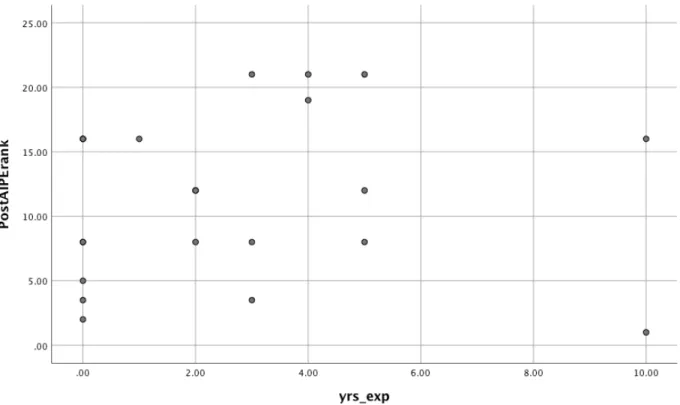
Figure 1. Scatter plot for years of experience and rank scores on AIPE. ... 72
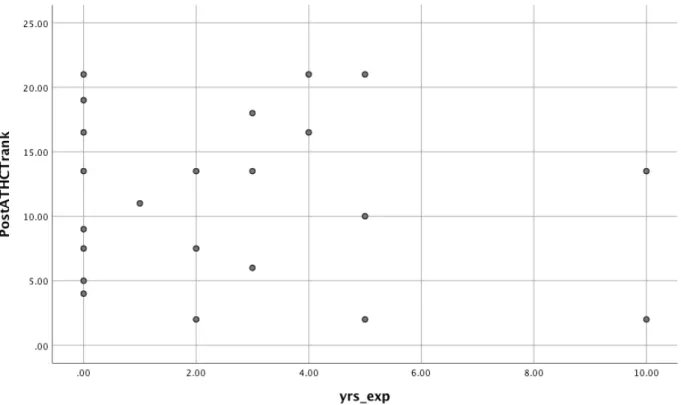
Figure 2. Scatter plot for years of experience and rank scores on ATHCT. ... 74
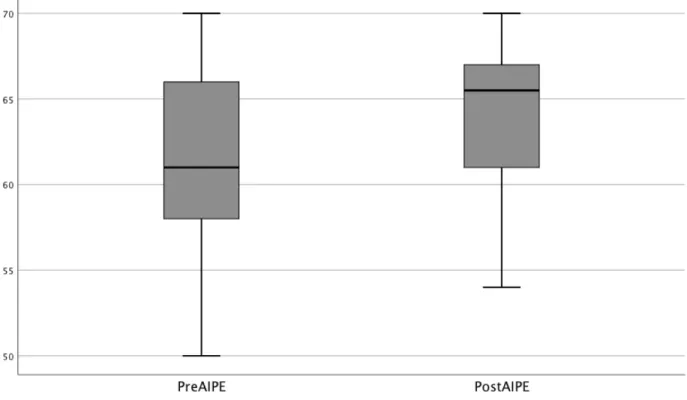
Figure 3. Boxplot for AIPE scale scores. ... 76
List of Abbreviations Attitudes Towards Health Care Teams (ATHCT)
Attitudes Towards Interprofessional Education (AIPE) Health Professional Accreditation Collaborative (HPAC) Individual Teamwork Observation and Feedback Tool (iTOFT) Institute of Medicine (IOM)
International Association for Clinical Simulation and Learning (INACSL) Interprofessional Attitudes Scale (IPAS)
Interprofessional Collaboration and Practice (ICP) Interprofessional Education (IPE)
Interprofessional Education Collaborative (IPEC) Interprofessional Practice (IPP)
Learning Style Inventory (LSI)
Readiness for Interprofessional Learning Scale (RIPLS) Simulation-based Interprofessional Education (Sim-IPE) Standardized Person (SP)
Student Perceptions of Interprofessional Practice – Revised (SPICE-R) TeamSTEPPS Teamwork Attitudes Questionnaire (t-TAQ)
CHAPTER ONE: INTRODUCTION Overview
Interprofessional collaboration and practice (ICP) has become the cornerstone of health care to improve patient outcomes and decrease medical errors. In order to provide a foundation in ICP, health profession programs have been charged with teaching this vital skill.
Interprofessional education (IPE) is mandated by many accrediting bodies, but requires time, effort, resources, and administrative support to effectively administer (Interprofessional
Education Collaborative [IPEC], 2016). Faculty must consider the venture worthwhile to invest time, resources, and experience. Concerns regarding faculty attitudes and perceptions has been considered in the resultant research. In the introduction the researcher will orient the reader to the background of both interprofessional education and simulation in health profession
education. The researcher will further define the problem to be addressed, purpose of the study, research questions, and operational terminology.
Background
Coordination in health care is vital to patient outcomes. Over 50 years of census data revealed effective collaboration of health care professionals impacted clinical error rates, patient mortality rates, and length of hospital stay (World Health Organization [WHO], 2010). The growing concerns for global epidemics such as malaria, AIDS/HIV, and tuberculosis spurred interprofessional collaboration and has benefited from teams to improve disease management and education programs. Collaborative practice has been shown to decrease error rates in
managing complex and chronic illnesses (IPEC, 2016). Acute-care medicine, managing complex conditions, requires patient-centered care that is coordinated amongst healthcare professionals (National Academies of Practice, 2019). Providing a means to enable students to understand and
form a foundation in teamwork is paramount to collaborative practice (Institute of Medicine of the National Academies, 2015).
With the field of health care constantly and rapidly changing, broad spectrum knowledge by any one profession is difficult. Publications in health care alone are increasing and
researchers project that medical knowledge can double every 2 to 3 months due to the
information available (Birt, Stromberg, Cowling, & Moro, 2018). Additionally, the same studies found collaborative care can benefit health care workers by providing increased job satisfaction, decreased staff turnover, and decreased tension and conflict among caregivers. Collaborative practice requires understanding of roles and responsibilities of each profession. This
understanding will aid not only in delegation of care, but also in cross over of tasks required in patient care that can be shared by professions. Currently, the primary concern is that most health professions have been historically trained independently of other professions. “Healthcare professionals are predominantly trained in intraprofessional settings . . . each profession thus organizes its own teaching and is unaware of what is taught or learnt in other professions” (Khan, Shahnaz, & Gomathi, 2016, p. e278).
In the studies gained by the WHO (2010), people showed little understanding of the roles and responsibilities of what outside professions were to do, so little appreciation existed of the various professionals’ abilities to work together to enhance patient care. When considering most health professionals were trained only within their own discipline and the resultant isolation was not conducive to meaningful interactions, change was needed at the foundation. With the results of the studies, the WHO set out to create a mandate for health profession education to include IPE in the course of study.
of appropriate interprofessional practice. The IPEC (2016) created and has since refined the core competencies of interprofessional education (IPEC Expert Panel, 2011). Emphasis on
interprofessional communication and practices, roles and responsibilities of collaborative practice, interprofessional teamwork and team-based practice, and values/ethics for interprofessional practice have become the pillars of health profession practice. Creating opportunities for students to explore each of these domains of interprofessional practice (IPP) is an increasingly popular topic in health profession education.
Designing interprofessional learning experiences can be challenging (Palaganas, Epps, & Raemer, 2014). Collaboration among faculty in professions that have previously been taught and even practiced independently requires removal of preconceived prejudices and respect for other professions. Coordination of courses to allow students that are at similar levels of professional understanding requires knowledge of cross courses, which may involve administrative oversight. Time required to design an effective experience that meets objectives of multiple disciplines requires commitments to interaction among faculty in all involved disciplines (Beck Dallaghan, Hoffman, Lyden, & Bevil, 2016).
Several researchers have found students have gained improved awareness and perception of interprofessional practice through interprofessional education and simulation events (Aleshire, Dampier, & Woltenberg, 2018; Fewster-Thuente, 2014; Jutte, Browne, & Reynolds, 2016). Students gain increased awareness and appreciation for other health professions, improved communication with other disciplines, and better awareness of their own profession’s role in health care. Current research supports faculty with positive attitudes towards IPE are more effective educators. Positive attitudes of faculty toward IPE influence students within the experiences (Guraya & Barr, 2018). Faculty must organize, emphasize, and demonstrate the
respect for professions to promote and implement beneficial IPE events. Steinert (2005) described faculty barriers to IPE include negative attitudes of faculty towards other health professions and collaboration with other disciplines.
Simulation-based education in the health professions has been highly effective in promoting professional communication and comprehensive learning (International Association for Clinical Simulation and Learning [INACSL] Standards Committee, 2016; Murphy &
Nimmagadda, 2015). Simulation in health sciences involves delivery of content, experience with content, reflection and evaluation of experiences, and further experimentation and use of
knowledge derived from earlier steps. This experiential learning cycle, described by Kolb (2015), expounds on the principles of Dewey’s pragmatic constructivist learning and Piaget’s cognitive development. Using these theories of learning better enables educators to develop and implement meaningful simulation-based experiences (DeCaporale-Ryan, Dadiz, & Peyre, 2016; Fewster-Thuente, 2014). However, faculty must understand and regard the value of simulation-based IPE in order to spend the time and effort necessary to create the ideal learning experience for their students (Mariani, Cantrelle, & Meakim, 2014).
Problem Statement
Following the WHO’s 2010 Framework for Action on Interprofessional Education and Collaborative Practice, accrediting bodies have increased requirements for health profession faculty to implement IPE (Stoddard, Johnson, & Brownfield, 2019). IPE and collaborative practice have improved patient outcomes, decrease medical errors, and improve outcomes in epidemic disease outbreaks (Institute of Medicine of the National Academies, 2015). Barriers to IPE remain, such as time involved to create, scheduling conflicts, and lack of knowledge of roles and responsibilities (INACSL Standards Committee, 2016; IPEC, 2016; Wilcox, Miller-Cribbs,
Kientz, Carlson, & DeShea, 2017). Positive attitudes towards IPE of faculty and preceptors have been shown to have a positive influence on students’ learning outcomes (Loversidge & Demb, 2015).
Simulation-based IPE (Sim-IPE) has shown to be a positive influence on student perceptions of teamwork, interprofessional collaboration, and understanding of roles and responsibilities (Failla & Macauley, 2014; Paige, Garbee, Brown, & Rojas, 2015). Analysis of Sim-IPE has revealed increases in students’ self-efficacy in pre- and post- analysis (Paige et al., 2015). Students have also reported increased respect and understanding of other health
professions following Sim-IPE (Liaw, Siau, Zhou, & Lau, 2014). Additionally, communication skills have shown improvement in Sim-IPE training (Costello et al., 2017; Sweigart et al., 2016).
Research regarding faculty attitudes after being involved in Sim-IPE has not been conducted. Previous researchers examined variations in disciplines, gender, clinical experience, and previous level of involvement in IPE; however, none have directly considered an evaluation of attitudes regarding a Sim-IPE (Hinderer et al., 2016; Joynes, 2018; Loversidge & Demb, 2015). Grymonpre (2016) and Steinert (2005) have also explored faculty development in improving faculty perceptions of IPE and realized a need to have faculty identify specific
concerns to types of IPE. As Hinderer et al. (2016) noted faculty confidence and attitudes to IPE must be developed in relation to the various forms of delivery. Grymonpre explained that
evaluations of the effectiveness of development and utilization of IPE in faculty must also be expanded upon to improve learning outcomes for students engaged in IPE.
Providing opportunities for multiple disciplines to interact within a Sim-IPE can be taxing on resources, time, and schedules. Previous researchers examined perceptions of and attitudes towards IPE with faculty within a health science college in a cross-sectional design
(Al-Qahtani & Guraya, 2016; Beck Dallaghan, Hoffman, Lyden, & Bevil, 2016; Gary, Gosselin, & Bentley, 2018). The researchers showed predominantly positive attitudes and perceptions, though not entirely positive for all disciplines studied. However, a well-planned event with five or more disciplines provides an opportunity to discover the effects on perceptions of IPE in regard to Sim-IPE. The problem studied was whether being part of a large-scale IPE simulation experience as a faculty member would affect or change attitudes towards IPE.
Purpose Statement
The purpose of this quantitative study was to explore the effects of a simulation-based IPE experience on the attitudes of faculty toward teamwork and IPE. The design was two-fold requiring both correlational and repeated measures analysis. In its correlational design, the criterion variable of level of experience in IPE has been measured against the predictor variable of attitudes of faculty after involvement in a Sim-IPE. In its repeated measures design, the independent variable of before and after involvement in extensive acute care Sim-IPE has been measured in relation to the dependent variable of attitudes of health profession faculty. The dependent and predictor variables have been measured by the Attitudes Toward Interprofessional Education Scale (AIPE) and the Attitudes Toward Health Care Teams Scale (ATCHT). The health profession faculty participants were from a moderate sized, southeastern university with a college of health sciences, including over 20 programs in healthcare professions, exclusive of medicine.
Significance of the Study
Following the mandates by the WHO (2010) and then the IPEC Expert Panel (2011), IPE competency requirements have increased in accreditation standards (Stoddard et al., 2019). Many sources have noted barriers to IPE, such as resources, administrative support, scheduling
conflicts, and student outcome measurements; however, a barrier that has been only partially explored is faculty attitudes and perceptions (Curran, Sharpe, & Forristall, 2007; Johnson, Lynch, Lockeman, & Dow, 2015). Student perceptions and attitudes have been shown to improve with experience in Sim-IPE as well as other experiential IPE events (Khan, Shahnaz, & Gomathi, 2016). Guidance from involved and engaged faculty has promoted this learning (Johnson et al., 2015).
Previous studies examining faculty attitudes have shown a reliable baseline in values. Unlike student studies, only cross-sectional analysis of faculty perceptions and attitudes have been published. Researchers publishing studies involving students have seen variations in attitudes toward teamwork, collaboration, and interprofessional practice at various stages within an educational program as well as variation when exposed to actual IPE experiences, including simulation-based IPE (Aleshire, Dampier, & Woltenberg, 2018; Liaw et al., 2014). Gary et al. (2018) and Hinderer et al. (2016), researched faculty baseline attitudes towards teamwork, collaboration, and interprofessional practice in students and healthcare professions. Steinert (2005) have examined the role of faculty development on attitudes of faculty . Other researchers have shown mixed reports of attitudes towards interprofessional education. While means are more positive than negative, truly positive values are higher in females (Al-Qahtani & Guraya, 2016) and in nursing faculty (Gary et al., 2018).
Even with baseline means of agreement with statements of benefits of interprofessional education, opportunity remains to improve scale scores. As the emphasis for IPE continues, helping faculty involved in simulation and administration better understand how health
profession faculty perceive IPE and what can be done to improve the process has been beneficial. Gaining information regarding changes in faculty attitudes surrounding involvement in actual
IPE experiences may provide the information necessary to direct further IPE efforts. Grymonpre (2016) cited faculty development as a means to improve faculty engagement in IPE. This study proposed to provide results to enhance faculty development specific to simulation-based IPE.
Faculty examined within this study were from a non-medical college of health sciences. The simulation-based scenario was acute-care based and reflections can be tailored to similar situations in health profession education. Faculty were considered for previous IPE experience and can be generalized to similar faculty composition in other colleges with health profession programs. As many universities have either one or more of the disciplines involved, the study will serve as a foundation to simulation-based interprofessional education in a large-scale, hospital-based scenario.
This researcher sought to recognize the variations in attitudes towards health care teams and attitudes towards interprofessional education of healthcare faculty with differing levels of previous IPE involvement after participating in a large scale, simulation-based interprofessional education experience. The introductory nature of this inquiry is necessitated by the current gap in literature regarding faculty attitudes in reference to involvement in multidisciplinary Sim-IPE. Information gained can provide direction and reference for faculty development within IPE directly related to use of simulation-based education in IPE. This researcher proposed further consideration of variation in pre- and post-test scores using validated tools to determine the extent of change in attitudes of faculty when participating in the implementation of a Sim-IPE.
Research Questions
Consideration of the potential relationship between faculty attitudes to IPE and the student learning outcomes in IPE brought the researcher to contemplate the following questions.
attitudes towards interprofessional education following a Sim-IPE?
RQ2: Is there a relationship between previous years of experience in IPE and faculty attitudes toward health care teams following a Sim-IPE?
RQ3: Is there a difference in faculty attitudes towards interprofessional education before and after involvement in Sim-IPE?
RQ4: Is there a difference in faculty attitudes toward health care teams before and after involvement in Sim-IPE?
Definitions
1. Attitude – a person’s viewpoint and perspective relating to a situation (Makino et al., 2018)
2. Collaborative practice – occurs in health care when “multiple health workers from different professional backgrounds provide comprehensive services by working with patients, their families, caregivers and communities to deliver the highest quality of care across settings” (WHO, 2010, p. 13)
3. Fidelity (in simulation) – “the degree to which the simulation replicates the real event and/or workplace; this includes physical, psychological, and environmental elements” (Lioce et al., 2020, p. 18)
4. Healthcare professionals – “individuals who study, diagnose, treat and prevent human illness, injury and other physical and mental impairments in accordance with the needs of the populations they serve” (WHO, 2010, para 1)
5. Interprofessional education (IPE) – “two or more health professions learning about, from, and with each other to enable effective collaboration and improve health outcomes” (World Health Organization, 2010, p. 7)
6. Paired samples t-test – statistical test “to compare means for groups of scores that are obtained by making repeated measurements” (Warner, 2013, p. 965)
7. Repeated measures design – research design to measure a single group of participants at intervals in which an intervention is interjected in between at least one interval (Gall, Gall, & Borg, 2007)
8. Simulated person (SP) – a person who portrays a role to meet the objectives of a simulation; also be referred to as a standardized patient/family/healthcare provider if “formally trained to act as real patients in order to simulate a set of symptoms or
problems used for healthcare education, evaluation, and research” (Lioce et al., 2020, p. 43)
9. Simulation – “a technique that creates a situation or environment to allow persons to experience a representation of a real event for the purpose of practice, learning,
evaluation, testing, or to gain understanding of systems or human actions” (Lioce et al., 2020, p. 44)
10.Simulation-based Interprofessional Education (Sim-IPE) – “health care workers from different professions working together using a near representation of an actual patient care simulation” (Failla & Macauley, 2014, p. 576)
11.Simulator – “Any object or representation used during training or assessment that behaves or operates like a given system and responds to the user’s actions” (Lioce et al., 2020, p. 48)
12.Spearman’s Rank Order Correlation – nonparametric statistical test to determine the correlation of means between an ordinal criterion variable and an interval predictor variable (Warner, 2013)
13.Virtualreality simulation – “simulations that use a variety of immersive, highly visual, 3D characteristics to replicate real-life situations and/or healthcare procedures;”
distinguished from computer-based simulation by generally incorporating physical or other interfaces, i.e. computer keyboard, “mouse, speech and voice recognition, motion sensors, or haptic devices” (Lioce et al., 2020, p. 54)
CHAPTER TWO: LITERATURE REVIEW Overview
In this study the researcher focused on faculty perceptions in consideration of a large-scale, simulation-based interprofessional education (Sim-IPE) event. In order to provide a complete background, the narrative of the literature review will reflect the research available to the point of the publication of this dissertation regarding Sim-IPE and its dependence on faculty engagement. The introduction will provide understanding of the flow of the review. The theoretical framework will outline previous learning theories that define simulation-based education. Further, the review of literature will discuss interprofessional education (IPE), health care education standards, based education, simulation in IPE, tools for simulation-based IPE assessment, student responses to IPE, and faculty responses to IPE.
Introduction
IPE and collaborative practice are buzz words in the healthcare field. As medical errors have risen and complexity of cases increased, the need for collaborative practice also increases. Collaborative practice allows professionals from multiple healthcare disciplines to look at all potential interactions and complications within the various body systems in treating complex diseases and illnesses. Health care professionals can reduce medical errors and improve patient outcomes through collaborative efforts that enable multiple levels of validation of interventions and diagnosis (Greiner, Knebel, & Institute of Medicine [IOM], 2003). The condition remains that most professions were not trained, originally, to understand and appreciate the roles and responsibilities of other professions, therefore enhancing the need for continuing education and training in interprofessional collaborative practice.
interprofessional collaboration. IPE is defined with two or more professions learning together, and interprofessional practice (IPP) is further defined as working together to provide appropriate care for patients (World Health Organization [WHO], 2010). Providing avenues for IPE in health profession education programs can enable students to have a firm foundation in
appropriate patient-centered care, safety, and medical error reduction. The core concepts of both IPE and practice are teamwork, communication, values and ethics, and roles and responsibilities (Interprofessional Education Collaborative [IPEC], 2016).
Providing students opportunities to learn inter-professionally and to understand the model of teamwork, communication, collaboration, and respect for other professionals is increasingly important in health profession education (IPEC, 2016). Simulation-based IPE (Sim-IPE) provides a forum for active experimentation of collaborative practice among health profession students of varying disciplines. The theoretical framework for Sim-IPE involves experiential learning founded in experiences, reflection, evaluation, and further experimentation. The foundations of simulation-based IPE derive from the foundations of IPE, simulation in health profession education, and the connection between Sim-IPE. The ability to progress Sim-IPE has been defined utilizing various assessment tools by their applicability to student learning, as seen in student perceptions, and to faculty’s ability to adopt Sim-IPE as seen in faculty perceptions.
Theoretical Framework
Experiential learning theory framed this study. Experiential education has been described as following four phases of learning: concrete experience; reflective observation; abstract
conceptualization; and active experimentation (DeCaporale-Ryan, Dadiz, & Peyre, 2016). This theory of experiential learning was first introduced by Kolb in 1984 and was developed
learning theory provides an avenue for educators to explore this relationship between knowledge and application. Health profession education maintains an expectation that students will
graduate prepared to take their place in the work force directly following credentialing. Employers have responded, emphasizing the need to bridge the theory-practice gap and allow students to apply knowledge gained in traditionally didactic coursework in real world scenarios to grow their understanding of practice (Hill, 2017).
Experiential education is, at its core, learner-centered education. Experiential education holds foundation in the changing views of social and cultural experiences and how they influence assimilation and application of knowledge. Early learning understanding included Aristotle’s empiricist beliefs of knowledge coming from the surrounding environment. Schunk (2016) further developed into learning theories highly influenced by the way individuals both learn from their environment and utilize their knowledge to interact with the environment. Following initial empiricist understanding, various social learning philosophers and theorists paved the way to understanding experiential learning. Most notably, John Dewey’s pragmatist approach, Kurt Lewin’s reflective theory, and Jean Piaget’s constructivist cognitive development all provided background for experiential learning theory, as currently known and described by David Kolb. Dewey
A pragmatist who credited acquisition of knowledge with the experiences that surrounded the introduction and application of the information presented, John Dewey is one of the founders of experiential learning (Knight, 2006). The ability to formalize learning in the context of the experience is tied the learner’s reflection on the experience. Dewey viewed intellectual gains as those cognitive functions enforced through problem solving in relation to experiences of the learner. The pragmatist’s educational philosophy involves students engaging in concrete
experiences for concept introduction and allows further scenarios to utilize new information as applicable knowledge.
Experiential education, according to Dewey, allows a student to take traditional learning to a level that will allow challenge and interpretation, which can change and adapt to future environments (Kolb & Kolb, 2017). A key to this learning was time to reflect on the experience, providing intellectual musings on future application of the knowledge gained. Dewey’s theory was rooted in situational learning, guiding students to accept and assimilate constructs as they fit into presented scenarios and problems (Parkay, Anctil, & Hass, 2014). Dewey concluded that students provided with an experience and time for self and guided reflection provided an avenue to further self-understanding of behavior and response.
Dewey related much of his philosophy to the elementary and secondary school levels, while later writing and engagements suggest an elevation of theory to higher education. Dewey challenged institutions of higher education to engage students in deeper understanding of the world and to create meaningful change through research and applications that influenced and molded conceptualization of meaning and purpose (Stoller, 2018). Engagement of students’ interest and cultivation of their ability to experience, examine, and apply knowledge gained are the tenants of Dewey’s goals for higher education curriculum. Higher education strives to produce meaningful change through new structures to react to changing social environments. Students can enact this change through study and adaptions due to experiences in the current environment.
Lewin
Known for contributions to education through leadership style, mathematical problem solving and group work construction, Kurt Lewin has been a pioneer for reflective, social
learning, which also contributed background to experiential learning theory. “The consistent theme in all Lewin’s work was his concern for the integration of theory and practice” (Kolb, 2015, p. 9). His experimentation in group learning led to discoveries of the benefits of reflection and debriefing post experience. Lewin began engaging participants in a post-experience, active, guided reflection and discussion of the event. Discovered within this added element of
experiential learning was the ability to dissect the experience from varying points of view to allow all participants to understand emotions and considerations of others also involved in the experience. This reflection and debriefing permits learners the ability to change their knowledge of the situation and its solutions to best reflect all individuals involved.
Field theory is what is now considered Lewin’s philosophy of learning. A status of knowledge and attitudes is altered and changed as forces are put on the individual’s equilibrium (Wheeler, 2008). In order to modify behavior, the environment must be created to provide an experience and a reflection that will provide changes to previous behavior in line with the objectives. Alterations in equilibrium will influence learners to find a means to stabilize the environment In which they are learning. Subsequent experimentation in group dynamics provided further reference to Lewin’s theory, which acquired knowledge and behavior can be influenced by tailored experiences and guided reflection that embeds objectives within the mind of the learner.
Lewin based adaptions to behavior and understanding on an inherent desire to obtain equilibrium (Burnes & Bargal, 2017). Individuals and groups change behavior based on those environmental constructs that influence previous responses to an experience. Environmental obstacles that either inhibit behavior or encourage behavior are synthesized into the previous experience and behavior is adapted to fit. Previously learned response is unfrozen, adaptions are
attempted, examined, and evaluated. Finally, the outcome is realized and behaviors that work are refrozen in the subconscious to be utilized at next occurrence (Schein, 1999). In a group setting, this process can be reflected upon and analyzed using multiple fields of view. Piaget
Jean Piaget, who contributed background to experiential learning theory along with Dewey and Lewin, viewed cognitive development in light of maturity in both physical and social experiences (Schunk, 2016). Within this developmental philosophy, children’s learning changes both by internal development and by the experiences they are exposed to. Critical thinking would then attract previous learned concepts as well as newly presented material into problem solving of situations that are to be imagined or felt. The underlying principle to knowledge acquisition and understanding is structured engagement of preceding development. New knowledge and understanding must be built on existing knowledge, and critical thinking can be accessed through engagement that encourages the learner to reflect upon earlier understanding.
Piaget’s merger of development of appropriate learning as defined by experiences felt, perceived, or explained is vital to experiential learning’s footprint. At the time of Piaget’s initial research, standardized testing and traditional teaching reigned, and his ideas of situational
learning were in stark contrast to traditional, conceptual learning (Kolb, 2015). His work, though taking time to root itself in educational philosophies, paved the way to utilizing experience-based education specific to cognitive developmental stages for curriculum development. Piaget
grounded his work in the understanding that experiences modified behavior through an individual’s mental organization of the consideration of outcomes (Dongo-Montoya, 2018). Providing structured, objective-based opportunities for information utilization allows students to grow in their understanding and provide ability to draw upon previous experiences when new
opportunities present themselves.
Further work by Piaget was rooted in constructivist philosophy. Piaget closely examined the role of the social environment’s influence on learning and development (Dongo-Montoya, 2018). Consideration of social influence allows students to utilize previous understanding and knowledge in new context based on peer emphasis. Allowing students to work in group settings, Piaget found students used group knowledge and influence to emphasize importance of certain skills and behaviors. Assimilation of new knowledge in experiences or in interactions provided an additional level or schema to the information base of students (Bormanaki & Khoshhal, 2017). This scaffolding of information allowed the student to accommodate behaviors and responses to the environment in new experiences and uses of knowledge.
Kolb
Experiential “learning is the process whereby knowledge is created through the
transformation of experience” (Kolb, 2015, p. 49). Building on the philosophies and theories as such influential individuals as Dewey, Lewin, Piaget, Follet, Jung, and others, David Kolb designed the experiential learning theory and released his first comprehensive book definition in 1964. Kolb’s more recent release of his revised second edition of the experiential learning theory provides his initial insight and direction as well as additional research, use, and reflection in regard to learning cycle, learning style, and the associated Learning Style Inventory (LSI) that he has found in the 30-year interim. Experiential learning, as defined by Kolb, has been utilized in health profession education programs to provide application and development of knowledge, skills, and abilities specific to those professions that provide health care (DeCaporale-Ryan et al., 2016; Hill, 2017; Kolb & Kolb, 2017).
acquisition must be present. Using objectives, an experience is designed by faculty to meet the objectives. In simulation, a scenario with enough depth to allow students to meet skill,
communication, and critical thinking objectives is designed (Nunes de Oliveira et al., 2015). The experience is implemented and students are facilitated to engage appropriate to the objectives. Following the experience, self, group, observer, and peer reflection are facilitated to engage the learner in understanding what new knowledge was gained in the experience. This information is further evaluated to determine if future interactions with similar experiences should be responded to the same or what variance should be employed (Wang & Zorek, 2016). Future experiences, whether intentional through designed scenarios or within clinical experiences, should be considered with the same reflection, evaluation, and adaptions to response.
Educators in higher education are utilizing experiential learning theory and its minor constructs to provide an opportunity for students to gain further depth of knowledge. Guided by the theories and research of those philosophers and scientists, Dewey, Lewin, and Piaget, David Kolb (2015) has made a well-defined structure and process. Educators can utilize experiential learning theory in all phases to allow student application of knowledge, skills, and abilities while in school to prepare them for utilization and growth of knowledge in the future practice setting. As health profession education continues to grow as an interdisciplinary study, patients are benefitting from the impact of this education as graduates move into the professional roles. The graduates are able to understand the process of retention, retrieval, and application of knowledge through guided experiences in school, which will help guide them in the practical setting
(Risling-de Jong, Styron, & Styron, 2016).
Related Literature
learning that enables experience, guided reflection, evaluation, and considerations for reapplication. Experiential learning theory underpins the design and implementation of simulation-based health profession learning. Further consideration of team-based learning is essential to IPP as defined within the framework provided by the WHO (2010) and further by the IPEC (2016). Team-based practice, understanding of roles and responsibilities, and
communication form the essential intentions of both experiential learning and interprofessional education.
Health profession education must prepare learners for patient-centered care in the work force (WHO, 2010). A patient is a complicated individual with complex causes to illness, injury, health, and overall wellbeing. Serving the human population increasingly requires health
professionals to communicate with each other with respect and understanding of each
profession’s roles and responsibilities (Committee on Quality of Health Care in America, 2001). Preparation of health professionals must include similar constructs to ensure future professionals are able to provide collaborative, patient-centered care. Faculty are then tasked with
development of curriculum, courses, objectives, events, and experiences that will facilitate development of this important skill in all health professional students.
Consideration of attitudes to IPE of faculty is multifaceted as it is with students. Scales used to determine attitudes must assess correlations to previous experience as well as impact of involvement in simulation-based IPE. In the resultant discussion, both simulation-based healthcare education and IPE will be defined to better identify faculty attitudes towards IPE utilizing a simulation-based experience requires. Assessment of Sim-IPE range in relation to the desired outcomes of the event, so tools used to define understanding will be examined. Further, student response to simulation-based health profession education and IPE is important to provide
a basis for use of simulation in interprofessional education. Research has shown the evidence of negative faculty attitude and perception of IPE as a barrier to creation of IPE and student
learning and this attitude impact should be further explored (Gardner, Chamberlin, & Stowe, 2002; Hoffman & Redman-Bentley, 2012). Further exploration of faculty attitudes to
interprofessional education and their potential impact on student learning in health profession programs will be explored, in this review of literature and in this study.
Simulation-Based Education
Simulation-based education is firmly rooted in experiential learning theory (Kolb, D. A., 2015). Providing a learner an experience guided by learning objectives, ability to react,
reflection in debriefing, and an opportunity to utilize knowledge either in future simulations or in clinical practice provides a unique, fluid, and interactive learning environment (Sweigart et al., 2016). Simulation-based training as a form of experiential education requires faculty to determine learning objectives and design a scenario or lab that will promote those objectives. High-fidelity simulation-based training further promotes use of critical thinking as more than rote skills are required both to navigate the scenario and then to debrief on the outcomes to understand the best practice for future situations (Dennis, Furness, Duggan, & Critchett, 2017).
Recognition of the complexity of simulation-based education has led some of the larger medical education associations to publish additional guidelines. The Association for Medical Education in Europe provided the best evidence-based practical guide to simulation in health care education in 2013. Identification of outcomes and objectives is identified as of paramount importance to the design of simulation (Motola, Devine, Chung, Sullivan, & Issenberg, 2013). This carries over to all forms of educational programs in experiential learning. Also identified as high priority is curricular integration. Not all curricular goals fit simulation activities. Faculty
should fully develop objectives to determine the course and direction of programs.
Simulations vary as an experiential learning mode. Determining the appropriate medium, modality, instructional method, and presentation take care and deliberation (Chiniara et al., 2013). When considering simulation for health care education, instructional design is a daunting task that can be improved with guidelines and well researched directives. Chiniara et al. (2013) provided a framework that gives educators an opportunity to consider the various forms of simulation and use a conceptual approach to design. Simulation-based education encompasses experiential education at the lowest fidelity level of skill acquisition in a repeated practice with feedback (Dennis et al., 2017). Higher fidelity simulation allows further development of skills in complex patterns that require recall and manipulation to manage whole system and
environmental effects as well. Making a complete learning environment requires additional consideration of guided reflection in debriefing focusing on learning objectives (DeCaporale-Ryan et al., 2016).
Interprofessional Education
the IOM 2001 report Quality Chasms addressed quality care of patients with complex and/or chronic illnesses as requiring interdisciplinary teams (Committee on Quality of Health Care in America, 2001). The IOM found interdisciplinary teams with effective communication, appropriate collaboration in findings, and a team atmosphere in treatment aided patients in transitioning levels of care and in managing complex cases. The evidence and emphasis
provided in the Greiner et al. (2003) subsequent report regarding education of health professions began to give direction to the development of education programs for students seeking entry in to health professions. Most patients with chronic conditions benefitted from the combined
exercise physiology, internal medicine, rehabilitation, and others. The defining characteristic noted by the IOM included collaboration of the various clinicians to ensure all aspects of health and wellness are considered and addressed in the plan of care.
The WHO has spent considerable time and effort in reviewing effectiveness of
interdisciplinary practice. The WHO (2010) has described and recommended health profession education include interprofessional education to provide “development of a ‘collaborative practice-ready’ health workforce” (p. 13). Patient-centered practice requires collaboration of various health professionals to be able to provide care to the entire individual to reduce medical errors and misdiagnoses. The IPEC was created to further define and detail instruction in IPE following the initial framework provided by the IOM in 2003 ( IPEC Expert Panel, 2011). The core competencies developed in 2011 and reviewed in 2016 postulated the need for health professional students to learn skills in collaboration and team-based practice in order to understand, appreciate, and be able to apply the same in their future practice.
In a review of studies on interprofessional education, Herath et al. (2017) noted the benefits of interdisciplinary practice and collaboration were again affirmed. Nursing and medical students have found increased understanding and appreciations for the roles and responsibilities of professions with which they work in simulation (Fewster-Thuente, 2014; Liaw, Siau, Zhou, & Lau, 2014). Additionally, communication, professional understanding, and respect for other health professions was noted in IPE research using low fidelity simulation, case studies, and didactic courses (Friend, Friend, Ford, & Ewell, 2016; Jutte, Browne, & Reynolds, 2016). More recent studies in IPE have shown that students process change with IPE
experiences on more consistent intervals throughout the curriculum. Olson and Brosnan (2017) reported students in a 2-year longitudinal study to begin to consider incorporating care of other
professions in plan of care as well as in decision making process.
IPE is proposed to link to IPP. For IPE to be successful, students should feel prepared to work in interprofessional teams in later practice settings. Cross-sectional studies of students in various health professions have been considered for readiness for interprofessional practice (as opposed to interprofessional learning). Sevin et al. (2015) studied students in three different universities and discovered a statistically positive correlation between previous IPE experience and perceived preparedness for interprofessional practice. Makino et al. (2018) also reported a cross-sectional study of two universities, one that incorporates IPE into their curriculum and one that does not. Makino et al. found the students with previous IPE experience have statistically more positive attitudes towards working in health care teams. Identifying students’ apparent increases in readiness for IPP can bolster the use of IPE in preparing students for patient-centered collaborative practice.
IPE faces a number of barriers. A primary barrier was finding appropriate equivalent levels of education of students, faculty availability, facilities, and administrative support (DeCaporale-Ryan et al., 2016; Fewster-Thuente, 2014; Herath et al., 2017). Organization of time with faculty from all disciplines before the event for planning, coordination of student schedules, and division of resource cost can be impediments in educational programs (Jones, Schuer, Taylor, Zephyr, & Jones, 2015). A well-developed yearly Sim-IPE with nursing and medical students is noted to take significant time and effort of the faculty, but has shown each time to be worthwhile to the students (Horsley et al., 2016). While Horsley et al. (2016) found the benefits to interprofessional education across all studies outweighed the limitations, they also noted further studies on perceptions of interprofessional education are needed to discover how to further improve upon this manner of learning.
West et al. (2016) surveyed multiple medical schools and found faculty development and faculty commitment as limiting factors to IPE in most schools. A majority of the institutions surveyed had current IPE practices. A primary characteristic in successful IPE was the importance of faculty understanding of implementation of objectives of IPE such as team
building and communication. While barriers in IPE remain, researchers observed training in IPE and use of validated evaluation tools provided structure and guidance to faculty. In 2018,
Coleman described a program that trained educators prior to working with students in defined IPE experiences. The educators reportedly benefited from development in the process of IPE implementation as well as experiences working in interdisciplinary teams to develop IPE experiences for their students (Coleman, 2018). Providing direction, support, and assistance to faculty is a firm basis in enhancing development of IPE experiences for health profession students.
Health Care Education Standards
Nursing and medical education have led the charge following the WHO and then the American Medical Association mandates for patient-centered care that revolves around
appropriate interprofessional discourse and begins with interprofessional education (International Association for Clinical Simulation and Learning [INACSL] Standards Committee, 2016). The IPEC (2016) that provided the initial core competencies was constructed of nursing, medicine, pharmacy, public health, and dentistry. Within nursing, the National League of Nursing supports IPE, and the International Nursing Association for Clinical Simulation and Learning (INACSL) has further described the effect and requirements of simulation-based learning within
interprofessional education (INACSL Standards Committee, 2016). The International
simulation-based medical education specific to team-simulation-based training (Motola et al., 2013).
Representatives for the American Association of Colleges of Nursing, the American Association of Colleges of Osteopathic Medicine, the American Association of Colleges of Pharmacy, the American Dental Education Association, the Association of Medical Colleges, and the Association of Schools of Public Health developed the IPEC to further the design of interprofessional education standards. The Core Competencies for Interprofessional
Collaborative Practice was released in 2011 with specific advice in structuring IPE within higher education (IPEC Expert Panel, 2011). This document furthered the standard set forth in nursing to broaden to practices required by medical, nursing, dentistry, pharmacy, and public health programs.
A systematic review of U.S. accreditation documentation in 2013 revealed the beginnings of implementation of accreditation standards referencing IPE (Zorek & Raehl, 2013). In this analysis, medicine, dentistry, and occupational therapy each had one accountable standard for IPE, while physical therapy, physician assistant studies, public health had between two and four accountable standards regarding IPE. Pharmacy’s newest accreditation guidelines had the most accountable standards regarding IPE. In nursing, those guidelines provided by the Commission on Collegiate Nursing Education included three to 13 accountable standards to IPE, dependent on level of degree to be obtained within nursing. However, their additional accrediting body, the National League of Nursing, had no accountable standards (Zorek & Raehl, 2013). Additionally, most programs’ accreditation standards did not align with other disciplines standards. As most IPE is conducted with multiple disciplines, variations in standards can create a barrier to
objective development for activities. Utilizing objectives that span all disciplines, such as those detailed by IPEC, multiple programs can successfully design events to meet the demands of
collaborative care (IPEC, 2016). While the IPEC considerations were beginning to be
implemented in U.S., other countries have similar organizations to influence adoption of similar language within accreditation standards focusing on IPE.
In 2014 the original bodies of the IPEC took another step toward coordination of health profession education. The Health Profession Accreditation Collaborative (HPAC) was formed with the accrediting bodies for medicine (LCME), nursing (CCNE), pharmacy (ACPE), dentistry (CODA), public health (CEPH), and osteopathic medicine (COCA). The goal of the group was to prepare graduates for collaborative practice through accreditation standards (IPEC, 2016). The HPAC has since added 17 additional accrediting bodies to work together to formulate an educational framework and expectation for IPE (Skelton, 2017). Development of this
community has provided an avenue for discussion of combined competencies for all health professions and many are adopting these competencies within health profession education. Formulation of standards provides a basis for objectives for curriculum; however, assessment is necessary to understand if learning objective have been met. Formative
assessment of IPE standards is still in development. Multiple authors have reported the lack of one specific tool that identifies learner development of IPE objectives (Shrader, Farland, Danielson, Sicat, & Umland, 2017; Thistlethwaite, 2016). Rogers et al. (2017) noted
consideration of development of assessments that can span the disciplines and be considered in accreditation documentation. In consideration of the WHO directives for development of a collaborative-ready work force, the Ottawa conference in 2016 provided an avenue for development of global assessments that complement the IPEC core competencies, as well as those of the Interprofessional Capability Framework favored by the UK, the National
Framework used by Australia. Patient-centered care being at the center, assessments were designed to measure students learning in safety, communication, and teamwork as well as defining levels of knowledge.
Simulation in Interprofessional Education
IPE began primarily with focus groups and case study discussions, so true collaborative practice was limited to the theoretical study of patient care (Palaganas, Epps, & Raemer, 2014). With use of simulation in IPE, the students were able to collaborate both through communication and through action. Immersing the students within a realistic clinical environment allowed all professions involved to approach, address, and adjust to the changing facets of working with a patient as well as with other health care providers. Palaganas et al. (2014) also addressed the very specific consideration in Sim-IPE that is debriefing. This phase of the experience allows the transfer of learning from the managed to the understood theories and acts within the conscious mind.
Best practices in simulation-based healthcare education require faculty designing and implementing the experience beginning with outlining objectives (Motola et al., 2013). A scenario, case study, set of skills, or other experiential event is then designed to allow students to meet the learning objectives. Scenarios decided upon must be reevaluated throughout the
planning process to ensure objectives are still being met. Implementation of the simulation experience requires forethought into required equipment, documentation, consumable resources, faculty resources, and student preparation (Chiniara et al., 2013). For enhanced reality or fidelity of simulation, resources must be fully considered and prepared to allow students to immerse themselves in the simulation and suspend disbelief.
both pre-event briefing of students and post-event debriefing of students and/or self-reflections on the process. Pre-briefing should include orientation, expectations, and feedback preparation (Motola et al., 2013). Debriefing and feedback can be utilized during the simulation or following the simulation. Debriefing allows objectives to be reinforced and understanding of concepts desired within the simulation clarified. Finally, the simulation should be evaluated by faculty and students so adjustments can be made to future events based on the experiences gained.
When incorporating simulation-based education into IPE, additional considerations must be met. Objectives move from individual discipline tasks to group tasks achieved collaboratively or to communication alone (IPEC, 2016). Faculty from each discipline involved must have a voice in the development of scenarios to ensure validity of the case. Faculty from all disciplines involved must also be able to commit additional faculty and student resources in time and preparation. Administrative support is essential for funding, space, and time availability for all departments involved (INACSL Standards Committee, 2016). Evaluations should measure objectives that transpose all professions involved in the simulation, and refining of future events should identify needs according to interprofessional objectives.
Simulation in IPE has been evaluated and studied for achievement of IPEC competencies. Using the Readiness for Interprofessional Learning Scale (RIPLS), researchers have created pre- and post-IPE event experiments to determine the perceptions of students regarding what they learned in the experience (Abramoff, 2013; Judge et al., 2015; Wilcox, Miller-Cribbs, Kientz, Carlson, & DeShea, 2017). The researchers reaffirmed the benefits of simulation in promoting interprofessional discourse and improved understanding of interdisciplinary roles. Murphy and Nimmagadda (2015) found significant improvements in attitudes and perceptions of roles within both student groups following the Sim-IPE. Providing a mechanism for students to practice
communication and collaboration has proven to be an effective form of advancement for respect and understanding of other professions.
Paige, Garbee, Brown, and Rojas (2015), authors of a Sim-IPE within surgical patient care, noted that this can be a “powerful educational tool permitting the acquisition of KSAs [knowledge, skills, and abilities] . . . in a safe, nonthreatening learning environment at no risk to a patient” (p. 752). Paige et al. cited numerous studies reporting improved patient outcomes with less medical errors when interprofessional education interventions are used in the health care setting. Paige et al. noted the limitations to such a task similar to other studies, such as matching learners, addressing attitudes of faculty and administration, and identifying appropriate matching outcomes and curriculum goals. One of the six primary focuses Paige et al. identified to
addressing these concerns was to gain commitment from the faculty. In a study of a Sim-IPE curriculum with nursing and medical students, the immense need for the faculty to work collaboratively and extensively with the students is both perceived as a challenge but a surmountable obstacle (Horsley et al., 2016).
Tools for Assessment of Simulation-Based Interprofessional Education
Evaluations can be open-ended or utilize specific tools that will assess learner knowledge adjustments due to involvement in the simulation. In simulation-based interprofessional
education, a number of scales have been examined to address changes in attitudes and behaviors according to the primary goals of IPE. As simulation best practices dictate, objective-driven scenarios and experiences, evaluations should reflect the objectives (Motola et al., 2013). Available tools for Sim-IPE focus on one or more of the IPEC considerations, which included interprofessional communication, roles and responsibilities for collaborative practice, values and ethics for interprofessional practice, and teamwork and team-based practice guide the objectives
of Sim-IPE.
Some of the available assessments are limited due to the programs they highlight, such as provider-practitioner relationships. In a scenario with no provider role, such as nursing working with physical therapy, questions based on the communication between a provider and a
practitioner would not be appropriate to the objectives of the simulation. However, despite these program specific considerations, a few validated assessment tools directly for Sim-IPE are available (Havyer et al., 2016; Shrader et al., 2017). While not an exhaustive list, the Interprofessional Attitudes Scale (IPAS), the RIPLS, TeamSTEPPS Teamwork Attitudes Questionnaire (T-TAQ), Attitudes Toward Health Care Teams Scale (ATHCT), Student Perceptions of Physician-Pharmacist Interprofessional Clinical Education-Revised (SPICE-R), and Individual Teamwork Observation and Feedback Tool (iTOFT) all are validated, can be used with multiple health care professions, and identify one or more of the IPEC competencies.
The RIPLS was originally designed and tested by Parsell and Bligh in 1999, the same year as the initial report of the IOM, prior to the IOM white paper in 2001, the WHO mandates in 2010, and the IPEC initial competencies in 2011 or the revisions in 2016. The scales were designed to begin to measure relationships, collaboration and teamwork, roles and
responsibilities, and patient-care implications (Parsell & Bligh, 1999). Initial tests were run with eight health professions. While acutely used within interprofessional education, concerns of internal validity surfaced and some researchers have developed more reliable subscales
(McFayden et al., 2005) or variations to full use (Kerry, Wang, & Bai, 2018). Still readily used to assess multiple disciplines within health care professions, the revisions of the RIPLS are on the rise to assess changes in attitudes of students in health care professions (Mahler, Berger, & Reeves, 2015).
Faculty attitudes often relate more directly to the perception of their students’ readiness for learning. In 2007, Curran, Sharpe, and Forristall adapted the wording of the original RIPLS for use with faculty. Internal validity in the researchers’ original article was reportedly effective. Further testing utilizing the adapted scale has presented consistent validity and reliability ratings (Gary, Gosselin, & Bentley, 2018; Olenick & Allen, 2013). Use of the adapted subscale for faculty has provided a means to begin to determine the underlying beliefs of the educators responsible for development and implementation of IPE curriculum. The adapted scale is now considered the Attitudes Towards Interprofessional Education (AIPE) (Curran et al., 2007).
In 1999 Heinemann, Schmitt, Farrell, and Brallier also sought to identify attitudes of individuals involved in interprofessional practice as well as in interprofessional education. The development of the ATHCT provided measurements to help guide the enlightening concerns regarding collaboration and teamwork among health care professionals to improve patient outcomes (Heinemann et al., 1999). Primary importance in the scale was its ability to measure attitudes of multiple professions within healthcare as opposed to previous scales that separated attitudes for physicians and nurses. Further validation by outside groups when used in the educational setting provided strong reliability and internal validity (Hyer, Fairchild, Abraham, Mezey, & Fulmer, 2000). The original scale denotes physicians as the lead in health care teams. However, modification in 2007 by Curran et al. removed this language to make the scale more potable for other possible providers. Validity of the modified scale has been noted and retested to provide adequate reliability (Curran et al., 2007; Makino et al., 2018).
While other scales are available and utilized widely for assessment of student attitudes and perceptions, those adapted by Curran et al. (2007) provide the basis for quantitative study of faculty response. Curran et al. provided adaptions and validity testing for the ATHCT, the AIPE,
and the Attitudes Towards Interprofessional Learning in the Academic Setting (AILAS). The AILAS was originally developed by Gardner et al. in 2002 to provide information regarding perceived barriers to interprofessional education by health care administrators. Curran et al. utilized the scale to address faculty throughout health profession education, which has been further explored by Casa-Levine (2017), Gary et al. (2018), and Olenick and Allen (2013). The internal validity of the AILAS has been reported by each as somewhat lower than those of the AIPE and the ATHCT.
Student Response to Interprofessional Education
Increased awareness of the roles and responsibilities of other health professions is the one of the primary reasons for IPE. Lines of communication cannot be effectively increased without appreciation for each other’s professional responsibilities. This appreciation can then further develop into greater learning of skills to work collaboratively with other health care providers. However, the question has been asked to determine if this appreciation is happening in health professions students. Jutte, Brown, and Reynolds (2016) addressed this question in a study designed to find perceptions of allied health and nursing students. Following the project-based IPE course, students’ attitudes as well as understanding reportedly increased for both health profession student populations involved. Even working within a virtual environment, students’ perceptions of other professions, interdisciplinary communication, and teamwork improved before and after Sim-IPE experiences (Sweigart et al., 2016). TeamSTEPPS is a program developed to increase communication and decrease medical errors caused by
miscommunications. Using this design, the students were able to reportedly increase teamwork attitudes using virtual reality simulation.
Szczerba, Rega, and Peeters (2014) also found improved perceptions of students regarding the other professions involved. King et al. utilized the unmodified RIPLS to find any changes in perceptions and were positively affirmed following an interprofessional simulation experience. King et al. involved simulation with teaching interventions dispersed as needed within the scenario and overall scores improved while maintaining an appropriate internal validity. Studies such as that by Cant, Leech, and Hood (2015) similarly note that involvement in IPE is best addressed throughout the curriculum and ideally beginning early within health profession curriculums using the same scale. Can et al. considered medical students at varying levels of education and found with increased coursework that detailed communication, respect for other professions, and teamwork, scores within the RIPLS increased as well.
Faculty observation of students in a large-scale simulation, Disaster Day, was completed for nursing, pharmacy, physical therapy assistant, emergency medical technician, and radiology students (West et al., 2015). Faculty evaluated the simulation for achievement of IPEC
competencies and found the students were able to meet collaborative practice, communication, and teamwork goals of the large-scale simulation experience. In a repetitive standardized emergency response simulation, students from varying health professions were evaluated for teamwork and efficiency of response (Miller, Rambeck, & Snyder, 2014). Students improved response in each repetition as observed by emergency response health professionals. Students also self-reported improvement in team-based scores such as communication, planning, and role definition.
To help with assessing attitudes to health care teams, Heinemann et al. (1999) designed the ATHCT to look at teamwork, communication, and respect in health care teams. This