University of South Carolina
Scholar Commons
Theses and Dissertations
2015
A Longitudinal Examination of the Mediating Role
of Social Problem Solving between Parental
Attachment and Early Adolescents’ Life Satisfaction
Xu JiangUniversity of South Carolina
Follow this and additional works at:https://scholarcommons.sc.edu/etd
Part of theSchool Psychology Commons
This Open Access Dissertation is brought to you by Scholar Commons. It has been accepted for inclusion in Theses and Dissertations by an authorized administrator of Scholar Commons. For more information, please [email protected].
Recommended Citation
A Longitudinal Examination of the Mediating Role of Social Problem
Solving between Parental Attachment and Early Adolescents’ Life
Satisfaction
By
Xu Jiang
Bachelor of Science Beijing Normal University, 2009
Master of Arts
University of South Carolina, 2012
Submitted in Partial Fulfillment of the Requirements
For the Degree of Doctor of Philosophy in
School Psychology
College of Arts and Sciences
University of South Carolina
2015
Accepted by:
E. Scott Huebner, Major Professor
Kimberly Hills, Committee Member
Amanda Fairchild, Committee Member
Robert Valois, Committee Member
ACKNOWLEDGEMENTS
First, I want to thank my mother, Zhe Yang, for her unconditional love and deepest faith
in me. She is such an extraordinary woman who is incredibly independent, persistent,
caring, and open-minded. I am extremely thankful for her understanding and support for
every big decision I made in life, including pursuing a doctoral degree overseas.
I would like to thank Dr. Scott Huebner, my mentor, for his guidance and support
to me, with my whole heart. The longer I stayed, the more I loved working with him and
doing research in our lab. There is an old Chinese saying that goes: A mentor for a day is
a mentor for a lifetime. That is certainly the truth with Dr. Huebner. His enthusiasm for
research, optimistic attitude toward life, commitment to his career and his approach to
advise students are the things that I can learn and benefit from for a lifetime.
I am very grateful to Dr. Kimberly Hills, who has been my co-advisor, instructor,
supervisor and committee member. Her consistent support since the first day I was in the
program has assisted me to grow professionally and academically, and it will always be
remembered. I also want to thank Dr. Richard Nagle, my clinical supervisor, who has
always been supportive and warm to students. His words of wisdom and encouragement
on some days lightened my way and carried me to the next stage. In addition, I appreciate
two other professors who served on my committee – thanks Dr. Amanda Fairchild for
teaching me about advanced quantitative methods, one of which is presented in my
dissertation project; and thanks Dr. Robert Valois for offering valuable comments and
ABSTRACT
Both attachment theory and empirical evidence indicate that the quality of parental
attachment profoundly influences many different aspects of adolescent life. However, one
area that has been somewhat neglected in the literature is the discovery of the
psychosocial mechanisms that account for the link between parental attachment and
important adolescent developmental outcomes, such as social problem solving (D’Zurilla
& Goldfried, 1971) and life satisfaction (LS: Diener, 1994). Driven by the conceptual
framework of development of LS proposed by Evans (1994), Attachment Theory and
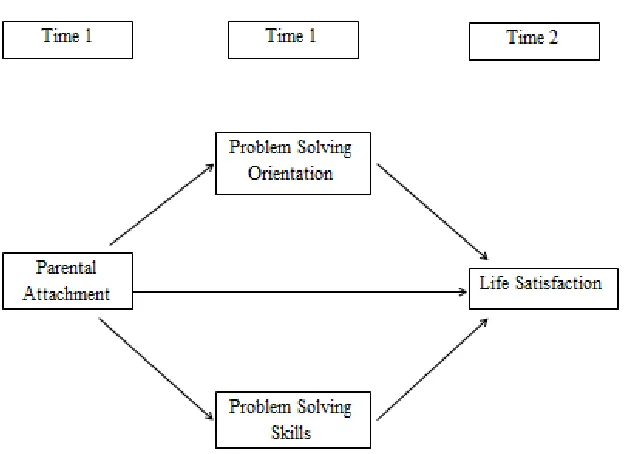
Social Problem Solving Theory, a mediation model was hypothesized to explore the link
between parental attachment and adolescent LS via two components of social problem
solving: social problem solving orientation and social problem solving skills. A
prospective design was used with a large sample of early adolescents (n=652) who
participated at two time points, 6 months apart. Results showed that: 1) parental
attachment significantly related to social problem solving orientation, social problem
solving skills and LS; 2) the direct effect of parental attachment on later LS, accounting
for baseline LS, was significant, and effect size was in the moderate range; 3) though
social problem solving orientation and skill set both significantly correlated with LS, the
mediated effects of social problem solving orientation and skill set in the link between
parental attachment and LS were not significant, with very small effect size. These
findings suggested that parental attachment is one important determinant of adolescents’
explanations of the non-significant results were discussed. Implications for
psychological and educational services for adolescents were highlighted. Limitations and
TABLE OF CONTENTS
ACKNOWLEDGEMENTS ... iii
ABSTRACT ... iv
LIST OF TABLES ... vii
LIST OF FIGURES ... viii
CHAPTER I: INTRODUCTION………..………...1
1. Importance of Subjective Well-being and Life Satisfaction.………..……...….1
2. Parental Attachment……..….…………..………..…….……...…...22
3. Social Problem Solving…..………..………...…..26
4. Research Questions………..49
CHAPTER II. RESERACH METHODS………..……57
CHAPTER III. RESULTS………..……….………...61
Chapter IV. DISCUSSION…..………..…………...77
REFERENCES………..…..………..….….103
APPENDIX A: Students’ Life Satisfaction Scale ………..…..……..…..…..132
APPENDIX B: Social Problem-Solving Inventory for Adolescents ……….…….133
APPENDIX C: Inventory of Parent and Peer Attachment—Mother…..…..…………...135
LIST OF TABLES
LIST OF FIGURES
Figure 1.1 A modified version of Evan’s model of factors affecting life satisfaction…...53
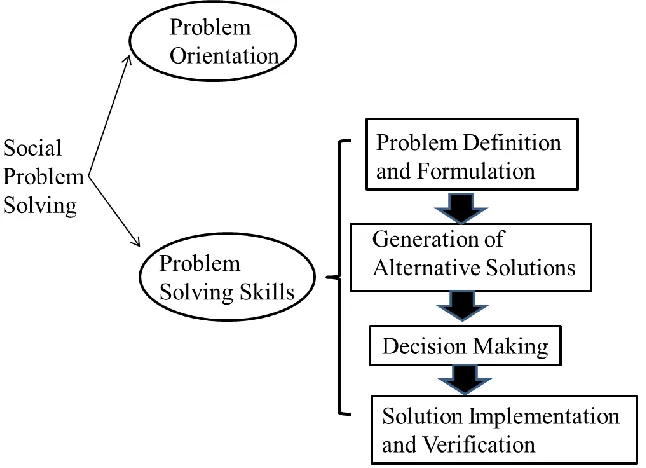
Figure 1.2 Original Social Problem Solving Process Model………54
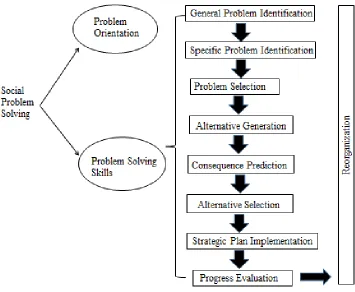
Figure 1.3. The Process Model of Social Problem Solving………...55
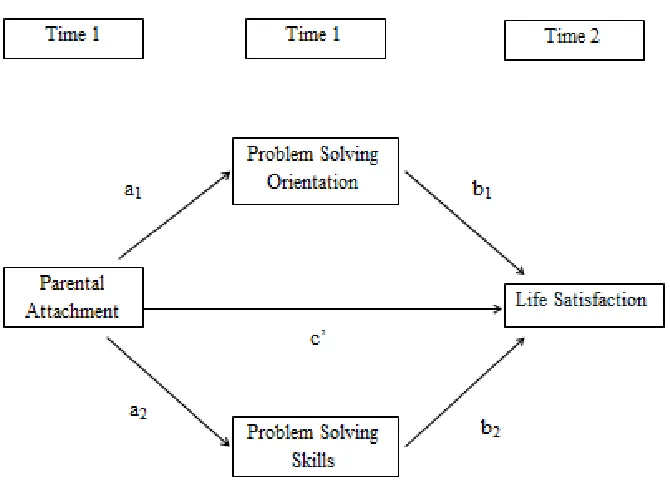
Figure 1.4 A Conceptual Mediation Model for the Present Study………..………..56
Figure 3.1 Conceptual mediation pathway with paths indicated by letter………...73
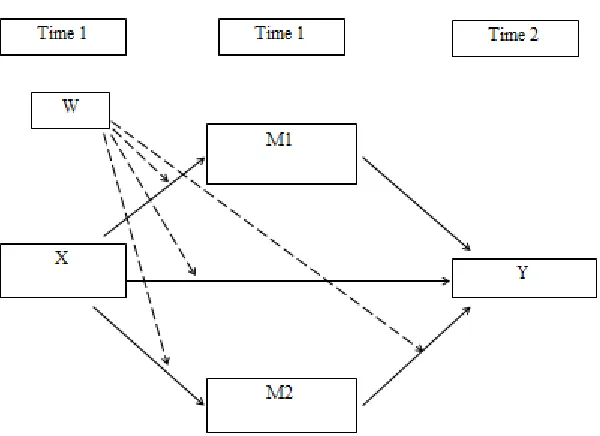
Figure 3.2 Path diagram for the Moderated Mediated Model………...74
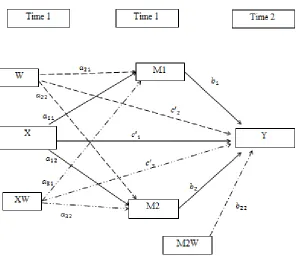
Figure 3.3 Statistical diagram of the Moderated Mediation Model………..75
CHAPTER I
INTRODUCTION
1. Importance of Subjective Well-being and Life Satisfaction
Psychology is not just a branch of medicine concerned with illness or health; it is larger.
--- Seligman and Csikszentmihalyi, 2000
From the time of Aristotle (384–322 BC), the pursuit of happiness and the achievement
of the “good life” have been major concerns among philosophers and theologians. Within
the modern era, some Western psychologists have continued to address this question. For
example, humanistic psychologists (e.g., Maslow, 1971; Rogers, 1961; Allport, 1961)
have pointed to a wide array of topics and issues relevant to the understanding of the
“good life” and optimal human functioning. The issues have included a critique of the
medical model of mental illness, which historically is deficit-based, wherein the
underlying criterion of mental health is the absence of psychological deficits. There has
been an increasing dissatisfaction with deficit models of mental health (e.g., Cowen,
1983; McCullough & Snyder, 2000; Seligman & Csikzentmihalyi, 2000). For example,
Kazdin (1993) argued that the mental health of youth should encompass two domains: the
absence of dysfunction and optimal functioning in psychological domains.
Building on these important historical efforts, Seligman and Csikszentmihalyi
(2000) have called for a science of positive psychology to complement psychology’s
that “At this juncture, the social and behavioral sciences can play an enormously
important role. They can articulate a vision of the good life that is empirically sound
while being understandable and attractive. Psychology should be able to help document
what kinds of families result from children who flourish, what work settings support the
greatest satisfaction among workers, what policies result in the strongest civic
engagement, and how people’s lives can be most worth living. ” Subsequently, research
in the field of positive psychology has been increasing and has led to an improved
understanding of human strengths and a good life; and more effective preventive
behavioral health work. Indeed, what psychologists have learned over 50 years is that the
disease model does not move psychology closer to the prevention of serious problems in
mental health. Instead, the major strides in prevention have come largely from a
perspective focused on systematically building competency, not on correcting weakness
(Seligman & Csikszentmihalyi, 2000).
Notions of positive psychology can be instrumental in mental health
professionals’ conceptualization of services provided to children, parents, teachers, and
other school professionals. Moreover, building strengths, enhancing skills, and coalescing
resources in children’s lives should be among the benchmark functions for these
professionals, including, but not limited to, school psychologists, counselors and social
workers. Well-being research on environmental and intrapersonal factors can be
particularly useful for guiding practical efforts in mental health service with the aim of
enhancing youth well-being. Thus, the current study investigated the psychosocial
mechanisms that may account for the link between external resources (parental
mediated effect of an intrapersonal factor (social problem solving) in this link. A
literature review of research on each main construct used in the present study is provided
in following sections.
1.1Subjective Well-being
It is natural for humans to pursue happiness. Interestingly, interpretations of the term
happiness have been inconsistent in the human sciences. From a hedonic perspective,
happiness shouldcenter on subjective reports of quality of life, and this account
incorporates subjective well-being (SWB), which is perhaps the most widely used
construct in the field of positive psychology. Specifically, SWB accounts incorporate
both hedonic experiences (positive and negative affects) and cognitive evaluations of
how well a person’s life is going generally (Diener, 1994; Dolan & White, 2006;
Veenhoven, 2006). Again, SWB is subjective and distinguishable from objective
indicators of well-being, such as wealth, educational achievement, and risk behavior
levels.
The model of SWB was developed for the purpose of studying adults’ well-being
(see Diener, 1994). However, this model has been extended to apply to late childhood
and adolescence (aged eight and above) in a number of studies (Huebner, 1991b;
Huebner, 1997; Huebner & Dew, 1996). As a cognitive component of SWB, global life
satisfaction (LS) reflects a cognitive judgment of one’s satisfaction with his or her life as
a whole (Diener & Diener, 1995). LS also can be assessed in different subdomains, such
as the satisfaction of family, school, friends, self and living environment (Huebner,
1994), particularly for school age children and adolescents. The two affective
in the frequency of experienced emotions (e.g., joy, pride, guilt, and sadness). However,
given the greater stability of LS reports relative to affect reports (Huebner, Suldo, &
Gilman, 2006), LS has been studied the most in assessing SWB in adults (e.g., the
Satisfaction with Life Scale, SWLS, Diener et al., 1985) and youth (e.g., Students’ Life
Satisfaction Scale, SLSS, Huebner, 1994). Major findings from youth LS studies will be
summarized in the following sections.
1.2 Life Satisfaction in Youth
Research on adolescent groups has consistently shown that lower LS is
negatively related to many dysfunctional outcomes, such as social stress, anxiety (Gilman
& Huebner, 2006), depression (Lewinsohn, Redner, & Seeley, 1991; Gilman & Huebner,
2006), suicidal ideation (Valois, Zullig, Huebner, & Drane, 2004), risk-taking or deviant
behavior (e.g., carrying a weapon, fighting, or drunk driving; Valois, Zullig, Huebner, &
Drane, 2001; Suldo & Huebner, 2003), alcohol (Newcomb, Bentler, & Collins, 1986;
Raphael, Rukholm, Brown, Hill-Bailey, & Donato, 1996), sexual risk-taking (Valois,
Zullig, Huebner, Kammermann & Drane, 2002), and drug use (Zullig, Valois, Huebner,
Oeltmann, & Drane, 2001). A few longitudinal studies have also revealed that global LS
predicted adolescents’ levels of depression, stress, social anxiety (Huebner, Funk &
Gilman, 2000) and externalizing behavior longitudinally (Suldo & Huebner, 2004a).
These results are important because they suggest that low LS might be a precursor of
more serious pathological symptoms, which could be helpful in preventive efforts in
mental health work.
In contrast, person-centered studies have found that, in comparison to students
exhibit less internalizing and externalizing behaviors (Huebner & Alderman, 1993; Suldo
& Huebner, 2004a; Suldo & Huebner, 2004b; Suldo & Huebner, 2006); higher levels of
academic performance, interpersonal relationships, and intrapersonal functioning
(Gilman & Huebner, 2006). Furthermore, high LS is also associated with a number of
positive attributes, such as increased self-efficacy and self-esteem (Gilman, Huebner &
Laughlin, 2000; MacDonald, Piquero, Valois, & Zullig, 2005; Valois, et al., 2001) and
youth developmental assets (Valois, Zullig, Huebner & Drane, 2009) and perceived youth
empowerment (Paxton, Valois & Drane, 2005).
LS has also been suggested to serve as one psychosocial mechanism which
accounts for the relationship between environmental conditions and adaptive outcomes.
For example, research has shown that LS mediates the relationship between social
support-involvement, as one dimension of authoritative parenting, and adolescent
problem behavior (Suldo & Huebner, 2004b). Furthermore, results from another study
(Suldo & Huebner, 2004a) showed that LS moderated the relationship between stressful
life events and adolescents’ subsequent externalizing behaviors, which suggested that
positive LS could buffer against the negative effects of stress and lower the chance of
subsequent psychopathological problems.
Based on these findings, scholars have suggested that LS can be an important
protective factor for youth to reduce negative effects or risks experienced from stress or
problem behaviors (Huebner, Suldo & Valois, 2005). As Huebner et al. (2004b)
suggested, a child’s perceived quality of life is a psychological strength that should be a
paramount focus to prevent pathology and promote positive changes across multiple
SWB has been far less than that devoted to adults. Much more SWB research with young
people is needed to understand individual differences in youth LS.
1.3 Correlates of LS
Discovery of the benefits of LS in adolescents’ development has driven
researchers in the field to study its determinants, correlates, and mediators in order to
understand the nature of LS as well as the intervention pathways to promotion. This
section provides a comprehensive review of the cumulative findings on correlates of
youth LS. It also provides a foundation for the more detailed elaboration of parental
attachment and social problem solving in later sections.
1.3.1 Basic Demographics
The relationship between socio-demographics (e.g., age, gender, and SES) and LS
has often been found to be weak, although several studies noted some modest
associations (see Proctor et al., 2009).
Age. Results on age differences in LS are conflicting in existing cross-sectional research.
In some studies there were non-significant relationships between age and LS (Ash &
Huebner, 2001; Dew& Huebner, 1994; Huebner, 1991a; Huebner & Alderman, 1993;
Sastre & Ferriere, 2000), whereas a number of studies have shown that global LS tend to
slightly decrease from with the onset and progression of adolescence (Chang,
McBride-Chang, Stewart, & Au, 2003; Demo & Acock, 1996; Flouri & Buchanan, 2002; Marks,
Shah, & Westall, 2004; Suldo & Huebner, 2004b). Similar findings are also reported in
studies conducted in several countries other than the US, such as Israel (e.g., Ullman &
Tatar, 2001), South Korea (e.g., Park, 2005), and China (e.g., Chang et al., 2003; Leung,
Gender. The findings related to the relation between children’s global LS and gender are
inconsistent. Many studies indicate that overall LS is fairly constant across gender (e.g.,
Ash & Huebner, 2001; Huebner, Drane & Valois, 2000; Chang, et al., 2003; Dew &
Huebner, 1994; Gilman, Ashby, Sverko, Florell, & Varjas, 2005; Huebner, 1991;
Huebner, 1994; Huebner & Alderman, 1993; Phinney & Ong, 2002; Sastre & Ferriere,
2000); while other studies suggest gender differences, with girls reporting lower LS as
compared to boys (e.g., Neto, 1993).
Race and SES. Conclusions on the effects of race and SES on youth LS are inconsistent.
The majority of studies reported no significant difference in mean levels of global LS
between ethnic groups (Ash & Huebner, 2001; Adelman, Taylor, & Nelson, 1989;
Huebner, 1994; Gilman & Huebner, 1997; Huebner, Drane, & Valois, 2000). Although
some studies have reported modest difference between African Americans and
Caucasians, with lower levels of LS in African American youth (Huebner, 1994; Gilman,
2001; Huebner, Valois, Paxton, & Drane, 2005), some of them reported non-significant
correlations between LS and socio-economic status (SES) (Sam, 1998; Gilman &
Huebner, 1997; Wilson, Henry, & Peterson, 1997). However, some other studies reported
that students whose families have higher SES (e.g., using the indicator of receiving free
or reduced lunch at school or not) tend to have higher levels of satisfaction (Ash &
Huebner, 2001; Dew & Huebner, 1994; Huebner & Alderman, 1993).
1.3.2 Environmental factors
1.3.2.1 Living environment
Family vs. residential placement. Notallchildren and adolescents live with their
related to differences in caregiving environments. For instance, compared with children
who lived in group homes via foster care because of extreme deterioration of their own
families, children who lived at home with their parents reported twenty percent higher
mean levels of global LS (Sastre & Ferriere, 2000).
Family composition. For those children and adolescents who live in non-residential
center environments, researchers have investigated the impact of family composition on
their LS. First, students who live in intact families are more likely to experience higher
levels of LS than those who are from divorced, single-parent families or step families, as
the findings revealed in the studies in US (Huebner, Seligson, Valois, & Suldo, 2006;
Demo & Acock, 1996), UK (Flouri & Buchanan, 2002), and Norwegian youth (Storksen,
Roysamb, Moum, & Tambs, 2005). However, this conclusion is not consistent across
studies. For instance, one study with urban African-American adolescents showed
adolescents who resided with their single mother and extended family members showed
the highest LS compared to other groups (Zimmerman, Salem, & Maton, 1995). This
finding suggests that there could be other factors accounting for greater impact on
adolescents’ LS within the familial context, beyond family composition or marital status.
Quality of the actual parent(s)-child relationships or interactions has been considered as
the primary determinant of adolescents’ LS, a topic which will be returned to later in the
section on “interpersonal relationships”.
Neighborhoods. In a longitudinal study of rural adolescents from the Appalachian
region in the US, researchers found that among economically disadvantaged youth,
besides family SES, and perceived disparity between the desired number of children and
were predictors of LS, such as community size and perceived discrepancy between
desired residence and actual residence (Wilson et al., 1997). In a related study in
Australia, researchers found that children from distressed neighborhoods (e.g., high
crime/violence levels, reside on industrial or commercial streets or in poorly maintained
houses, and/or in rented accommodations) reported lower overall LS compared to
children who lived in healthy residential areas (Homel & Burns, 1989).
Other than “where,” “who” live in a neighborhood appear to matter to
adolescents’ LS as well. One study with American adolescents suggested that those who
lived in neighborhoods with a relatively homogenous ethnic composition reported higher
LS than adolescents who resided in more ethnically diverse communities (Sam, 1998).
Another study with immigrant adolescents in Portugal revealed similar findings:
residence in a neighborhood in which most inhabitants were of the adolescents’ same
ethnic identity predicted increased LS (Neto, 2001). However, before formulating
conclusions about the effects of heterogeneity of ethnic composition in the
neighborhoods, more studies are needed, along with a deeper examination of the role of
local cultural factors (i.e., religion, community climate).
Life events. Research has shown that recent experiences of major life events such as
changing schools, parental divorce, and change in SES accounted for significant variance
in adolescents’ LS scores, even after controlling for important personality traits
(McKnight, Huebner, & Suldo, 2002). In general, studies suggested that major life events
(e.g., parents’ divorce, death of a family member) and minor life events (e.g., daily
hassles, everyday stressors) exert a modest to moderate effect on youth’s LS (Ash &
(2000) also found positive daily events (e.g., hobbies, frequent opportunities to help
others) better predicted LS than the accumulation of major or daily life stressors. In fact,
research indicates that positive daily events may be the most crucial contributor to LS
variance when only the impact of major and daily events on LS is considered
(McCullough, et al., 2000).
Culture. Much of the research on youth LS has been published in studies with
participants from Western cultures. Relatively few cross-cultural comparisons have been
undertaken to analyze the influence of culture. In one study, Japanese students reported
less happiness, considerably lower levels of LS, along with higher numbers of physical
and psychiatric symptoms, and more stressful life events than Swedish adolescents
(Tanaka, Mollborg, Terashima, & Borres, 2005). Similarly, Park and Huebner (2005)
compared the LS reports of Korean and American students and found that Korean
students reported lower LS than their American counterparts; results which are consistent
with those reported in studies of adults (e.g., Diener & Diener, 1995).
When researchers used domain-based LS measures rather than measures of global
LS, more interesting findings were found. The greatest differences seem to exist in the
Self and School domains, though the findings of other domain comparisons are not
completely consistent. For example, Liu and colleagues (2005) found that Chinese
students scored higher on the dimensions of Friends and School than American students
and Irish students. Similarly, in another study, Korean students reported significantly less
satisfaction in the Self domain, and higher satisfaction in School domain, whereas
American students reported higher satisfaction in the Self domain and less satisfaction in
found that the School domain was the weakest indicator for global LS reports and was
ranked lower in importance than the Family, Friends, Self, or Living environment
domains (Liu et al., 2003).
1.3.2.2 Social relationships
Parent-child relationships. Parent-child relationship variables are among the strongest
correlates of LS during youth. Grossman and Rowat (1995) found that a perceived poor
parental relationship, and not family marital status, was associated with reduced LS
among a group of Canadian adolescents. Moreover, frequency and magnitude of
parent-adolescent disagreements are inversely related to LS in parent-adolescents from European
American and Vietnamese American cultures (Phinney & Ong, 2002) as well as in
Chinese youth (Shek, 1997). Conversely, it is not surprising that more positive relations
with parents are strongly associated with higher levels of LS (Dew & Huebner, 1994;
Gilman & Huebner, 2006; Gilman et al., 2000; Leung & Zhang, 2000). Particularly,
compared to other interpersonal relationships (e.g., peer relationships, teacher-student
relationships), the quality of the parent-child relationship has been found to be the
strongest interpersonal relationship predictor of LS among youth ages 8 to 18 (Dew &
Huebner, 1994; Huebner, Seligson, Valois, & Suldo, 2006; Suldo & Huebner, 2004b).
These results are supported by similar research using different indicators of parent-child
relationships. For instance, LS is closely linked to parent attachment (Nickerson &
Nagle, 2004) and perceived family functioning (Heaven, Searight, Chastain, & Skitka,
1996). Theoretical foundation and empirical evidence of the importance of parental
Peer relationships. The interaction with peers not only significantly contributes to
adolescents’ socialization, but also their SWB. In general, children with higher quality of
peer relationships score higher on measures of global LS (Huebner & Alderman, 1993;
Oberle, Schonert-Reichl, & Zumbo, 2011) and measures of specific life domains
(Nickerson & Nagle, 2004). Similarly, adolescents who report high levels of LS typically
feel that they receive more social support from both friends and classmates (Suldo &
Huebner, 2006). In contrast, students who experience negative interactions with their
peers report lower levels of LS (DeSantis- King, Huebner, Suldo, & Valois, 2006; Martin
& Huebner, 2007). Particularly, students who are relationally victimized (e.g., teased by
peers or purposefully excluded from peer groups) experience significantly less frequent
positive emotions in school and lower global LS (Flouri & Buchanan, 2002; Martin, &
Huebner, 2007; Martin, Huebner, & Valois, 2008). Besides purposeful acts of physical or
relational victimization, another relatively passive, but still negative peer interaction,
neglect, also could lower the levels of SWB. For instance, one study showed that
students who received few prosocial acts were more likely to experience low global LS
than those who received frequent prosocial acts from peers (Martin & Huebner, 2007).
Teacher-student relationship. There are only a few studies examining the effect of
teacher-student relationship on students’ global subjective well-being. For instance, by
studying three groups of adolescents with high, average and low LS, Suldo and Huebner
(2006) found that adolescents with high LS perceived higher mean ratings of social
support from teachers than their peers with average or very low LS, who did not differ in
their levels of teacher support. A series of studies conducted by Huebner and his
relationships is not the strongest predictors of overall LS (Siddall, Huebner & Jiang,
2013), but is the strongest predictor of school satisfaction in adolescents (Jiang, Huebner
& Siddall, 2013). Obviously, more research is needed to determine the total contribution
of teacher-student relationship to LS to adolescents’ subjective well-being.
1.3.3 Intrapersonal factors
1.3.3.1 Personality traits
Personality. Research has indicated that personality traits contribute to LS, especially
extraversion and neuroticism. Similar to the findings from adult studies, extraversion is
positively associated with LS while neuroticism is negatively associated with LS in
adolescents (Fogle, Huebner, & Laughlin, 2002; Heaven, 1989; Huebner, 1991a).
Further, neuroticism has been found to be one of the strongest personality traits that
correlate with LS in children (Heaven, 1989; Huebner, 1991a). Both psychoticism and
introversion are negatively related to LS in children, but these correlations were not
strong in Heaven’s (1989) study.
Locus of control. Another personal trait that is strongly and consistently correlated with
LS is locus of control. Internal locus of control, which reflects individuals’ beliefs that
they are personally responsible for the events in their lives, is associated with higher
levels of LS, whereas external locus of control, which reflects individuals’ beliefs that
that their life events are attributable to external causes, has moderately negative
correlations with LS (Ash & Huebner, 2001; Huebner, 1991a; Huebner, et al., 2000; Dew
& Huebner, 1994; Huebner & Dew, 1993; Gilman et al., 2000; Gilman & Huebner, 2006;
Shogren, Lopez, Wehmeyer, Little, & Pressgrove, 2006). Ash and Huebner’s study
environmental stressors and LS, providing evidence that environmental variables and
intrapersonal variables likely interact in determining LS.
Self-esteem and self-concept. The empirical evidence has consistently shown that LS
positively relates to self-esteem, and the correlations are moderate to strong among
normally developed children and adolescents (e.g. Dew & Huebner, 1994; Huebner,
1991a; Neto, 1993; Gilman & Huebner, 2006; Gilman et al., 2000); and among several
diverse groups, such as inner-city African American adolescent males (Zimmerman, et
al., 1995), and elementary students who are at risk academically (Huebner & Alderman,
1993). Significant positive correlations also exist between LS and global self-concept
(McCullough, et al., 2000; Huebner, 1991a; Terry & Huebner, 1995; Gilman & Huebner,
1997) as well as with multiple domains of self-concept (Dew & Huebner, 1994; Gilman
& Huebner, 1997).
1.3.3.2 Cognitive-Motivational factors
Self-efficacy. Self-efficacy, the personal belief in what one can do, or is capable of doing,
is an important determinant of behavior and influences whether and how one perseveres
against the obstacles and challenges of life (Maddux, 2002). General self-efficacy
beliefs, which combine adolescents’ self-efficacy in family, school and peer contexts,
were found to be among the most consistent predictors of LS among adolescents from
five sociocultural groups living in America (i.e. European, African, Chinese, Mexican,
Dominican) (see Bradley & Corwyn, 2004). Beyond general self-efficacy, researchers
also have studied self-efficacy in specific domains, including social self-efficacy (Muris,
(Muris, 2001; Valois, Umstaddt, Zullig & Paxton, 2008; Valois & Zullig, 2013; Valois,
Zullig, Kammermann & Kershner, 2013; Valois, Zullig & Hunter, 2014).
Social self-efficacy. Fogle, Huebner, and Laughlin (2002) compared social
self-efficacy (children’s perception of their own competence in the social context) with
objective social competence (as rated by teachers) in predictions of young adolescents’
LS. This study revealed a moderate correlation between social self-efficacy
(self-perception) and LS. In contrast, they found that social competence rated by teachers was
unrelated to children’s LS. Suldo and Huebner (2006) found that the highest levels of
social self-efficacy were present among middle and high school students who also had
the highest level of LS. In addition, Fogle and colleagues(2002) found that the
relationship between extraversion and LS was mediated by perceived social self-efficacy.
Academic self-efficacy. The studies of self-efficacy in the context of schooling
reveal that self-perceptions of academic abilities have yielded moderate relations with LS
(Huebner & Alderman, 1993; Huebner, 1991a). Additionally, academic self-efficacy is
the highest among middle and high school students who also have high levels of LS, and
it is the lowest among students with low levels of LS. In Suldo and Huebner’s (2006)
study of adolescents with high LS, more than 85% of individuals with very high LS also
reported above-average academic self-efficacy, which led to the authors’ conclusion that
academic self-efficacy should be identified as a necessary criterion for high LS.
Researchers also found that a similar construct “academic self-concept” was moderately
correlated with both global and domain-specific LS among students in in Hong Kong
Emotional self-efficacy. LS is associated with adolescents’ perception of their
ability to control their emotions, including coping with negative emotions. For example,
adolescents with very high LS have substantially higher levels of emotional self-efficacy
than those with average levels of LS, and individuals who have very low levels of LS
reported the lowest levels of emotional self-efficacy (Suldo & Huebner, 2006). In an
Italian study with late adolescents and young adults, researchers found that self-efficacy
beliefs in managing negative affect at 19 years contributed significant variance to reports
of self-esteem, LS, and optimism at age 21 years (Caprara, Alessandri, & Barbaranelli,
2010).
Optimism. Optimism is a generalized expectancy that one will experience a favorable
outcome in the future (Scheier & Carver, 1985). Two main theoretical constructs have
developed to define optimism: dispositional optimism (Scheier & Carver, 1992) and
explanatory or attributional style (Buchanan & Seligman, 2003). The former definition
of optimism (as a disposition) is concerned with how people pursue goals with the global
expectation that good things will be plentiful in the future and bad things will be scarce
(Peterson, 2000). In contrast, the latter definition of optimism (as explanatory or
attributional style) is concerned with how an individual explains bad and good life events
(Peterson, 2000).
Most of the studies on optimism employed the conceptualization of a personality
disposition. Significant associations between optimism and well-being have been found
in both cross-sectional and longitudinal studies. For instance, dispositional optimism has
been found to be negatively associated with depression (i.e., Chang, 1998a, 1998b;
1998a, 1998b, 2002; Wrosch & Scheier, 2003;Curbow, Somerfield, Baker, Wingard, &
Legro, 1993). The relations between optimism and LS generalizes to childhood and
adolescents (e.g., Extremera, Durán, & Rey, 2007; Oberle, et al., 2011), although the
number of empirical studies is fewer than those for adults (Deptula, Cohen, Phillipsen, &
Ey, 2006). Similar findings have been also reported in an adolescent sample in Hong
Kong (Ho, Cheung & Cheung, 2010), and young adults in mainland China (Yuan,
Zhang, Zhao & Liu, 2006) and in Turkey (Yalçın, 2011), respectively.
A few studies applied the conceptualization of optimism as attribution style and
explored its relationship with LS. In a sample of high school students, Rigby and
Huebner (2005) found a positive correlation between LS and the adaptive attribution style
for positive events, and a negative correlation between LS and the maladaptive attribution
style for negative events. Further, adolescents’ causal attributions for good events
mediated the relationship between emotional stability and LS. Optimism was also found
to partially mediate the relationships between various sources of social support (school,
family, peer, and overall) and LS among urban youth (Alder, 2007).
Hope. According to a modern hope theory, hope incorporates three components: goals
thinking, agency thinking, and pathways thinking (Snyder, Cheavens, & Sympson, 1997).
In addition to the capacity to conceptualize goals, hope also involves the belief that one
can generate workable routes to goals (pathway thinking), and has the motivation to be
able to begin and sustain the effort necessary to follow a particular pathway (agency
thinking; Lopez, Snyder, Magyar-Moe, Edwards, Pedrotti, & Janowski, 2004). A few
studies have examined hope among children and adolescents. For example, one study
correlated with internalizing and externalizing behaviors (Valle, Huebner & Suldo,
2004). Using various psycho-educational and psychological indicators of school
adjustment in the study of hope, Gilman, Dooley, and Florell (2006) also found that both
the Pathways and Agency subscales of the Children’s Hope Scale (CHS: see Snyder et al.
1997) were positively correlated to global LS, personal adjustment, and grade point
average (GPA), but negatively correlated to indicators of psychological distress, and
school maladjustment. Expanding on previous hope work, Valle et al.’s (2006) study
showed that hope functions as a buffer (i.e., moderator) between stressful life events and
adolescent global LS. Jiang and colleagues (2013) found that hope also mediated the
relationship between parental attachment and LS in early adolescents.
Interestingly, a few LS studies examined the effect of multiple
cognitive-motivational factors such as hope and optimism at the same time. For instance, hope and
optimism were significant predictors of SWB indices in various groups, including
low-income, urban, ethnic minority adolescents(Vacek, Coyle & Vera, 2010),
Mexican-American adolescents (Edwards, 2004) and secondary school students from Singapore,
even after controlling for hope and optimism, respectively (Wong & Lim, 2009).
Personal Goals. Personal goals are the consciously embraced, personally meaningful
objectives that individuals pursue in their daily lives (Emmons, 1986; Little, 1983).
Conscious goal pursuit has long been linked with increased subjective well-being and
happiness in empirical research; however, the samples are almost limited to adults. For
example, college students’ perception of personal goals striving importance and
1986). Moreover, goal importance and goal attainment are positively related to both
positive affect and LS (Emmons 1986; Emmons & Diener, 1986).
Extrinsic vs. Intrinsic goals. The pursuit and attainment of personal goals
usually involve the processes of value application, value pursuit, and value achievement,
with the underlying purpose to fulfill needs and attain happiness (Locke, 2002). As Deci
and Ryan (2000) hypothesized, there are two major, distinguishable types of goals with
quite distinct values. Extrinsic goals are primarily focused on the attainment of external
rewards (i.e., money, possessions) and other people’s approval (i.e., admiration, praise),
whereas intrinsic goals derive from basic psychological needs and are engaged in for the
inherent satisfaction obtained from the activity itself, such as striving for personal
growth, intimacy, and contribution to the community.
Research on the effect of extrinsic goals vs. intrinsic goals on youth well-being is
rare. With a sample of Spanish adolescents aged 12 to 16, researchers investigated how
satisfaction of life domains and overall LS, values, internal/external perceived control
influenced the option of planning or by chance searching information on the Internet.
Results showed that satisfaction with life as a whole positively correlated with
non-materialistic values (see Casas, Gonzalez, Figuer, & Coenders, 2004). Relatedly,
adolescents who admired materialistic characteristics or put a high priority on being rich
were especially likely to have a variety of DSM diagnoses, including conduct disorder,
attention deficit disorder, separation anxiety disorder, and personality disorders (e.g.,
borderline) (Cohen & Cohen, 1996). Such evidence supports the hypothesis that intrinsic
more research is needed to explore positive indicators of well-being in adolescents,
including LS.
1.4 Summary of LS Correlates and Gap in Research
In general, it appears that many variables serve as important correlates of
adolescents’ LS. However, research has shown that demographic variables are typically
relatively weak predictors of youth global LS (Gilman & Huebner, 2003; Huebner &
Gilman, 2004; Huebner, Suldo, Valois, Drane, & Zullig, 2004b; Huebner, Valois, Paxton,
& Drane, 2005), whereas contextual and intrapersonal factors serve as stronger predictors
in adolescents’ LS (Ma & Huebner, 2008).
Besides comparing the impact of individual variables on youth LS, it is also
important to investigate how multiple variables influence LS in the same model. Based
on a review on life satisfaction in adult studies, Evans (1994) proposed a
biosocial-cognitive model to guide this investigation. This model suggests that personality /
dispositional factors along with environmental factors affect the cognitive appraisal (e.g.,
LS) both directly and indirectly. The indirect effect implies that there are a variety of
cognitive and behavioral factors that may serve as mediators of the relation between LS
and the dispositional and environmental factors. Though it has derived from adult
studies, this comprehensive model may also prove useful in the study of youth LS
development. A modified model for school age children is shown in Figure 1). The basis
for the modifications is described subsequently.
As the pathways in Evan’s model suggested, researchers have paid attention to the
mechanisms in simplified linear relationships in development of youth LS. For example,
mediated the relationship between extraversion and LS (Fogle, et al., 2002); optimism
mediated the relationship between emotional stability and LS (Rigby & Huebner, 2005);
and locus of control mediated the relationship between environmental stressors and LS
(Ash & Huebner, 2001).
Regarding the effect of environmental factors on youth LS, researchers have
consistently found that parent-child relationships significantly contribute to individual
differences in adolescents’ LS (e.g., Suldo & Huebner, 2004b; Ma & Huebner, 2008);
however, one area that has been somewhat neglected in the literature is the explication of
the psychosocial mechanisms that may account for the link between parent-child
relationships and LS. Based on Evan’s (1994) model, it is reasonable to hypothesize that
the intrapersonal factors, such as the cognitive-motivational factors, function as the
mediators between parent-child relationship and adolescents’ LS. Although rare, existing
evidence has provided support for the mediation role of some cognitive-motivational
factors, such as optimism (Alder, 2007) and hope (Jiang, et al., 2013) in the link between
various sources of social support (school, family, peer, and overall) and LS in
adolescents. It is worthwhile to note that hope is an intrapersonal variable reflecting
moderately enduring, cross-situational subjective appraisals of goal-related capabilities.
Specifically, in addition to the capacity to conceptualize goals, hope also involves the
belief that one can generate workable routes to goals (pathway thinking), and has the
motivation to be able to begin and sustain the effort necessary to follow a particular
pathway (agency thinking) (Lopez et al., 2004). This construct conceptualizes a broad
goal-related capability within the cognitive-motivational domain. However, it does not
behavioral component in the goal-related capability (e.g., how the individual actually
behaves). To provide a more in-depth analysis of the function of goal-related capabilities
in youth’s development of LS, one construct “social problem solving,” which comprises
cognitive, affective and behavioral components, will be examined in the present study.
This study aimed to fill the gap in the research on the relationship between youth
goal-related capability and their LS. Since social problem solving is an individual factor
conducive to change (i.e., educational and psychological intervention; see Elias &
Clabby, 1992; Elias & Tobias, 1996), from a practical standpoint, this study will further
the understanding of the mechanisms that account for the association between
environmental situation or change and youth LS, and consequently may have relevance to
intervention efforts. To provide a theoretical foundation for the proposed mediated
model, major theories, including Attachment theory and Social Problem Solving theory,
are reviewed next.
2. Parental Attachment
2.1 Attachment Theory
Attachment theory provides a theoretically rich and empirically- validated model
for the parent-child relationship (Ainsworth, 1989; Hazan & Shaver, 1987, 1994).
According to attachment theory, a supportive, encouraging, and cooperative parent (or
caretaker) who is available as a source of support fosters the development of a secure
parent-child attachment bond. This attachment bond, in turn, provides the child with a
secure base from which to explore the environment and develop personal and
interpersonal competencies (Bretherton, 1992). Specifically, children who experience
being loved and cared for. Feelings of worth and value become internalized as part of the
child’s attachment cognitions, as “internal working models,” which lead to positive
feelings about themselves, others and the world; and beliefs about one’s worthiness and
competence as well as expectations regarding the availability and likely responsiveness
of significant others in one’s life (Ainsworth, 1989); while insecure attachment
relationships have the opposite effect. According to Bowlby (1969/1982), these working
models are postulated to become more organized and complex with development, and
their influence to become more habitual and automatic. This theoretical perspective
implies that attachment quality is quite stable during adolescence, especially in a
relatively constant caregiving environment (Thompson, 2000). Integrated research
findings in early adolescence (Ammaniti, Van, IJzendoorn, Speranza, & Tambelli, 2000),
middle to late adolescence (Allen, McElhaney, Kuperminc, & Jodl, 2004; Zimmermann
& Becker-Stoll, 2002), and young adulthood (Kirkpatrick & Hazan, 1994; Scharfe &
Bartholomew, 1994), indicate that this view is supported.
2.2 Assessing parental attachment in adolescence
The multidimensional character of attachment is implicit in attachment theory and
research (Parkes & Stevenson-Hinde, 1982). Two major dimensions of attachment are
suggested by the literature; behavioral aspects and affective/cognitive aspects (Hinde,
1982). Studies of infants or very young children usually use observational methods to
assess the former dimension, from which affective experience is inferred. To assess
adolescent attachment, a self-report instrument is more commonly used, mainly because
adolescents are able to report their behaviors (e.g., adolescents’ proximity seeking and
“internal working model” by which the individual represents attachment figures
(Bretherton, 1985).
One commonly used measure to assess attachment in adolescents is the Inventory
of Parent and Peer Attachment (IPPA) developed by Armsden and Greenberg (1987).
They have defined attachment as an enduring affectionate bond that may be signaled by
feelings of security, trust, good communication and acceptance. Based on this
conceptualization, this measure assesses three broad dimensions of attachment: degree of
trust (10 items), quality of communication (8 items) and alienation (7 items) (Armsden &
Greenberg, 1987). These constructs are highly correlated and serve as measures of the
affective and cognitive dimensions of parental attachment. The total summary score is
the most useful measure of attachment security and it conceptualizes adolescent
attachment as a continuum of security ranging from high to low. Also, the IPPA includes
three scales which are designed to assess adolescents’ feelings toward different
attachment figures, namely, Mother Attachment, Father Attachment and Peer
Attachment. In the present study the focus was parental attachment, therefore only the
Mother Attachment Scale and Father Attachment scale were used.
Attachment security has been conceptualized and assessed both categorically and
continuously in the literature. Categories of children’s attachment usually include secure,
anxious-ambivalent, and avoidant styles. Research with adolescents using these
categories has shown that relative to avoidant and anxious-ambivalent adolescents,
securely attached adolescents experience significantly less general anxiety, dysthymia,
and depression (Cooper, Shaver, & Collins, 1998; Mickelson, Kessler, & Shaver, 1997;
measuring level of attachment on a continuum as from insecure to secure, and this is the
measure applied in the present study. Research findings using this method are reviewed
in the next section.
2.3 Attachment and LS
The influence of parental attachment is profound and pervasive in many different
aspects of individuals’ lives. Research has shown that adolescents who are securely
attached to their parents display higher academic success (Bell, Allen, Hauser, &
O’Conner, 1996; Cutrona, Cole, Colangelo, Assouline, & Russell, 1994); interpersonal
functioning (Black & McCartney, 1997; Carr, 2009; Berlin, Cassidy, & Appleyard,
2008); lower likelihood for delinquency (Higgins, Jennings, & Mahoney, 201,), less
general anxiety, dysthymia, and depression (Cooper, et al. 1998; Mickelsonet et al., 1997;
Roberts, et.al., 1996), lower psychological distress (Bradford & Lyddon, 1994) and
higher LS (Armsden & Greenberg, 1987; Nickerson & Nagle, 2004; Ma & Huebner,
2008). Regarding the subjective well-being indicator of LS specifically, there has been
evidence of a link between parental attachment and adolescents’ LS. To date, a number
of studies have shown that secure attachment is significantly associated with higher LS
among adolescents (Armsden & Greenberg, 1987; Nickerson & Nagle, 2004; Ma &
Huebner, 2008; Jiang, et al., 2013). Thus, in the present study it was hypothesized that
parental attachment would be significantly related to early adolescents’ LS.
Parental attachment is also hypothesized to be significantly associated with social
problem solving. The theoretical foundation and empirical support for this hypothesis are
3. Social Problem Solving
Positive youth development (PYD) is an emerging perspective in the field of
positive psychology. PYD asserts that the deficit view of youth has dominated the fields
of psychology, education, public health, sociology, and other fields for too long time.
Thus, scholars need to move beyond this dominant view of the twentieth century, toward
a view of the positive qualities of youth — their agency, insights, capabilities and
contributions; and the positive outcomes (e.g., a happy child with a flourishing life).
With this goal in mind, several molecular constructs can contribute to the concept of
“positive youth development” such as “resilience” (see Masten, 2007) and “coping” (see
Compas, Connor-Smith, & Jaser, 2004). In both instances, particular attention has been
given to abilities and skills needed in negative environmental situations or life events
such as abuse, trauma, or chronic illness in order for children and adolescents to produce
positive responses. However, less attention has been paid to positive responses in more
pervasive types of problems in life. As some scholars claimed, social problem-solving
and decision-making skills are primary, without which success in social and vocational
spheres is impossible (Elias & Tobias, 1996).
Some researchers called for a major research effort in this area decades ago (e.g.,
D’Zurilla & Goldfield, 1971), encouraging inquiry into the role of social problem-solving
in adjustment and the importance of problem-solving training from a preventive
perspective. Specifically, D’Zurilla and Goldfield (1971) argued that improving social
problem-solving through training would enable individuals to enhance their functioning
in a positive direction and help deal more effectively with future problems. In turn, this
changes. However, the majority of research on social problem solving, including
assessment and intervention studies, has been focused on clinical populations, such as
individuals with anxiety disorders (Albano et al. 1995), depression (Nezu, 1986), and
suicidal tendencies (Clum, Yang, Febbraro, & Canfield,1996). Because the dominant
paradigm in psychology has been to “repair” individual’s functioning (e.g., social
problem-solving skills) only after “deficits” have been demonstrated, systematic training
in such skill development has not been made widely available to all children. Ironically,
these skills are part of everyday life, thus there are abundant opportunities for children to
learn and practice effective strategies. Clearly, there is a need for mental health
professionals and educators to recognize the value of proactively promoting students’
social problem solving in general education, not waiting until the occurrence of serious
difficulty.
Furthermore, from a positive psychology perspective, psychologists should not
limit the goals of mental health service to mere reduction or prevention of psychological
problems; instead, we should foster strengths and positive qualities in students who will
become responsible adults for a diversity of social roles. Leaders in many fields have
recognized that among the skills that all children will need are those that enable them to
think clearly, make thoughtful decisions, and resolve in a satisfactory manner the many
problems and challenges they will face in and out of school (Elias & Clabby, 1992). This
view is also in concordance with the national educational goals that emphasize the
development of problem solving and thinking skills, rather than rote learning (Children's
Defense Fund, 1992). Not surprisingly, development of social problem solving ability
effectively in society, and the schools should provide an optimal learning environment
for students to acquire, practice and enhance this ability.
3.1Social Problem Solving
According to D’Zurilla and Nezu (1982), social problem solving (SPS) refers to a
self-directed, cognitive-affective-behavioral process people use to solve problems that
occur in everyday life. During this process, a person attempts to identify or discover
potentially effective solutions for a particular problem and increases the probability of
selecting the most effective solution from among the various alternatives (D’Zurilla &
Goldfried, 1971). Depending on the problem solving goals, the aim of this process may
be changing the problematic situation for the better, reducing the emotional distress that it
produces, or both. As this definition implies, SPS is a conscious, rational effortful, and
purposeful activity (D’Zurilla & Goldfried, 1971; D’Zurilla, 1986). The specific terms
used in this concept are defined in the following paragraphs.
Problem. Problems are evitable in everyone’s life. According to D’Zurilla and
Goldfried (1971), “Problem” is defined as “any life situation or task that demands a
response for adaptive or effective functioning” (p.107). The demands in these situations
may originate in the environment (e.g., objective task demands) or within the person
(e.g., a personal goal, needs, or commitment). This definition emphasizes that a
problematic situation is not just the source of stress and “problems”, but includes a
response on the part of the individual.
Social. The adjective “social” in the term of social problem-solving is not meant
to limit the study of problem solving to any particular type of problem (e.g., interpersonal
one’s adaptive functioning in the real-life social environment. Specifically, it can be
severe negative environmental situations or life events such as abuse, trauma, or chronic
illness, but it can also include less severe but more pervasive problems in ordinary life,
from a single time-limited event (e.g., missing a bus to school, transferring to a new
school, conflict with a classmate), to a series of similar or related events (e.g., repeated
unreasonable demands from a peer, falling behind in a subject), or a chronic, ongoing
situation (e.g., continuous pressure from parents, or feelings of difficulty related to
reaching a certain a goal). Moreover, the demands in these situations may originate in the
environment (e.g., objective task demands) or within the person (e.g., a personal goal,
needs, or commitment). Hence, social problem solving deals with all types of problems
that might affect a person’s overall functioning. The rationale behind this is the
general-situation theory of problem solving has been emphasized by multiple researchers (e.g.,
D’Zurilla & Sheedy, 1992; Shure & Spivack, 1972). To these researchers, problem
solving was a more general process, which means that a person who had good problem
solving ability in one area would have good problem solving ability in other areas as
well. For example, though the important features of effective problem solving dealing
with failing an exam at school and with an argument with one’s parents may differ
substantially, both may be characteristic of an adolescent who is capable of dealing
purposefully and effectively with the wide-ranging demands encountered in daily life
(Campas, 1987).
Much of the research on social problem-solving and problem-solving therapy has
used the prescriptive model of social problem solving originally introduced by D'Zurilla
D'Zurilla & Nezu, 1990; D'Zurilla & Nezu & Maydeu -Olivares, 2002). The original
process model has also been adopted and modified by a different group of scholars
(Frauenknecht &Black, 1995). Three important models will be illustrated in following
sections.
3.2 Original Social Problem Solving Process Model
One of the major assumptions of this theory is that social problem solving ability
is not a unitary construct, but a multidimensional construct consisting of several different,
albeit related, components. In the original model describe by D'Zurilla and Goldfried
(1971), social problem solving ability was assumed to consist of two broad, partially
independent components: problem orientation and problem-solving skills (later referred
to as “problem solving proper” by D'Zurilla and Nezu, 1999; and then “problem style” by
D'Zurilla et al., 2002). See the theoretical model of this process model in Figure 2.
Social problem solving orientation was described as a metacognitive process
involving the operation of a set of relatively stable cognitive-emotional schemas that
reflect a person’s general beliefs, appraisals, and feelings about problems in living, as
well as his or her own problem-solving ability. This process was believed to serve an
important motivational function in social problem solving.
Social problem-solving skills, on the other hand, referred to the cognitive and
behavioral activities by which a person attempts to understand problems and find
effective “solutions” or ways of coping with them. D’Zurilla and Goldfried (1971)
asserted the following five-stages best represented a consensus viewpoint of the rational
alternative ideas, (c) deciding what course of action to take, (d) implementing the
decision, and (e) verification. A description of the whole process follows.
Defining and formulating problems involves operationalizing problems into
relevant or irrelevant information (D’Zurilla & Nezu, 1982). This process allows an
individual to draw more accurate conclusions about a situation in order to generate more
appropriate solutions in the next stage. Individuals can produce many traditional and
contemporary ideas in order to identify the best solution for a particular situation.
Subsequently, an individual has to scrutinize his or her objective or goal in the presenting
situation to make decisions on what will be the best course of action in order to achieve
the goal. Once a decision has been made, the course of action is implemented. Upon the
implementation of the selected action, a verification process is needed to test if the action
results in an optimal outcome. If the optimal solution is reached, the rational problem
solving process is concluded; however, if not, the problem solving process should
continue until one is reached. Notably, although the process is divided into five stages,
the authors emphasize that effective problem solving does not necessarily occur in a
sequential order, rather, the stages may “overlap and interact” (D’Zurilla & Goldfried,
1971, p.12). In addition, the value of this process is not limited to producing optimal
solutions solely; yet, the process is more about evolving as an individual gains more
knowledge and new experiences.
Based on this theoretical process model, D’Zurilla and Nezu (1990) developed a
self-report measure of social problem-solving, called the Social Problem-Solving
Inventory (SPSI). The SPSI consists of 70 Likert-type items rated on a 5-point scale, and
solving Skills Scale (PSSS). The Problem Orientation Scale (POS) is comprised of three
subscales “Cognition Subscale (CS)”, “Emotion Subscale (ES)”, “Behavior Subscale
(BS)”; while the Problem solving Skills Scale (PSSS) was divided into four subscales,
“Problem Definition and Formulation Subscale (PDFS)”, “Generation of Alternative
Solutions Subscale (GASS)”, “Decision Making Subscale (DMS)”, “Solution
Implementation and Verification Subscale (SIVS)”. Detailed descriptions of this scale
can be found in Maydeu -Olivares and D’Zurilla (1995).
3.3 The Expanded Social Problem Solving Process model
The original model of the social problem-solving process (D’Zurilla & Goldfried,
1971) was later adopted and expanded by Frauenknecht and Black (1995) to guide the
development of a social problem-solving intervention (stress management) for adolescent
populations. In accordance with the idea from the original process model (D’Zurilla &
Goldfried, 1971), social problem-solving ability in Frauenknecht and Black’s (2003)
model consists of two components: social problem-solving orientation and skills, but the
factors of problem-solving orientation and stages of problem-solving skills are slightly
different from those described in D’Zurilla et al. (2002) (see Figure 3).
In Frauenknecht and Black’s (1995) model, the concept of problem orientation is
considered to be the motivational component of social problem solving and reflects three
sets in the cognitive, emotional, and behavioral domains, including an individual’s
self-efficacy in his or her intellectual capacities to engage in the process (a cognitive set),
positive feelings a person experiences when faced with the need to solve a problem (an
emotional set), and the willingness of the person to approach rather than avoid the
affectively oriented to problem solve; in other words, they must value the process and
believe that the time and effort expended will produce desirable outcomes (Frauenknecht
& Black, 2003).
Problem-solving skills, like those defined in the original process model, refer to
the cognitive and behavioral activities by which a person attempts to understand
problems and find effective “solutions” or ways of coping with them. Frauenknecht and
Black (2003) divided social problem-solving skills into following nine stages (instead of
five in the original process model). Descriptions of each stage are as follows.
Step a, b, c
a). general problem identification,
b). specific problem identification,
c). problem selection,
General problem identification is the primary means of identifying that a problem
exists. According to Frauenknecht and Black (2003), “Problems” are identified through
“cues” or attitudes, emotions, behaviors, and/or physiologic “tests of reality.” These
“tests” indicate a general overall discomfort without one’s knowing the specific source of
the discomfort. Once the person recognizes that a “general” problem exists, in the next
step the individual uses self-knowledge, self-monitoring, and self-questions to help
isolate the specific problem. During this step, it also is critical to determine how much
control over the problem the person has in order to determine what further actions should
be taken. These more specific skills incorporate the first stage “Problem Definition and
Step d, e, f
d). alternative generation,
e). consequence predication,
f). alternative selection,
These three steps correspond to the stages of “Generation of Alternative
Solutions” and “Decision Making” in the original process model. Generating alternative
options or solutions requires the cognitive skills of brainstorming, free-associating, or
freewheeling, the skills which help an individual “step outside” his or her typical way of
thinking and usual approaches to problems. Once an individual has a list of alternatives,
he or she should predict consequences or weigh the advantages and disadvantages of each
option. Then the individual should identify decisional criteria and apply them to each
option in order to make the decision. At the completion of these tasks, a person should
be able to identify and select the best solution or solutions based upon how these options
have met criteria.
Step g. h. i
g). strategic plan implementation,
h). progress evaluation, and
i). reorganization.
Steps g and h in this model are equal to the last stage of “Solution Implementation
and Verification” in the original process model. Step g is to implement the selected
solution by creating a strategic plan of action. In this step, the problem solver needs to
have the knowledge of resources or information in order to initiate the action and actually