ScholarWorks
ScholarWorks
Walden Dissertations and Doctoral Studies Walden Dissertations and Doctoral Studies Collection
2020
Understanding Teachers’ Experiences Implementing an Innovative
Understanding Teachers’ Experiences Implementing an Innovative
Early Literacy Program
Early Literacy Program
Stephanie CallawayWalden University
Follow this and additional works at: https://scholarworks.waldenu.edu/dissertations
Part of the Pre-Elementary, Early Childhood, Kindergarten Teacher Education Commons
This Dissertation is brought to you for free and open access by the Walden Dissertations and Doctoral Studies Collection at ScholarWorks. It has been accepted for inclusion in Walden Dissertations and Doctoral Studies by an authorized administrator of ScholarWorks. For more information, please contact [email protected].
Walden University
College of Education
This is to certify that the doctoral dissertation by
Stephanie Callaway
has been found to be complete and satisfactory in all respects, and that any and all revisions required by
the review committee have been made.
Review Committee
Dr. Donna Russell, Committee Chairperson, Education Faculty Dr. Deanne Otto, Committee Member, Education Faculty Dr. Amy Gaskins, University Reviewer, Education Faculty
Chief Academic Officer and Provost Sue Subocz, Ph.D.
Walden University 2020
Abstract
Understanding Teachers’ Experiences Implementing an Innovative Early Literacy
Program by
Stephanie Callaway
MS, Nova Southeastern University, 2002 BS, Central Michigan University, 1998
Dissertation Submitted in Fulfillment of the Requirements for the Degree of
Doctor of Philosophy Education
Walden University May 2020
Abstract
The problem addressed in this study was the lack of effective literacy interventions for the development of reading skills for primary students who are at-risk for dropping out of high school. The purpose of this study was to examine early literacy instruction by
exploring the insights and perspectives of primary educators who participated in a literacy intervention program known as the supporting literacy model. The conceptual framework was based on sociocultural learning theory and self-efficacy theory. The main research question for this qualitative multiple case study addressed the experiences of teachers and instructional coaches who implemented the supporting literacy model. Purposive sampling was used to identify 8 educators who taught kindergarten through 2nd grade in the literacy intervention program. Data were collected through semistructured interviews, a reflective journal topic response, and curriculum artifacts. The data were analyzed through thematic inductive analysis using the cross case analysis to identify codes, patterns, and emerging themes that described these educators’ experiences. The results of this study indicated that the teachers were confident in their abilities to implement a differentiated literacy curriculum into their classroom. Additionally, they described intensive, ongoing professional development that supported their work with students and provided them with the skills and knowledge to implement an innovative early literacy program. The implementation of effective early literacy interventions may decrease the risk of high school dropout and support student success beyond graduation.
Understanding Teachers’ Experiences Implementing an Innovative Early Literacy
Program by
Stephanie Callaway
MS, Nova Southeastern University, 2002 BS, Central Michigan University, 1998
Dissertation Submitted in Fulfillment of the Requirements for the Degree of
Doctor of Philosophy Education
Walden University May 2020
Acknowledgements
Dr. Donna Russell’s knowledge, wisdom, and structured guidance made way for
this body of research. Her dedication to the highest standards of scholarly research inspired the self-effort needed to persist toward completion of this work. Thank you, Dr. Deanne Otto, who directed the methodological context of this study. Her tremendous support resulted in this contribution to the field of early literacy. Thank you both.
Dedication
To my son, Channing, you have lived your life with mom forever a student. I dedicate this work to you in honor of the sacrifices made so that I could reach this pinnacle. From my heart, thank you.
This work is also dedicated to Mrs. Cohen, a kindergarten teacher who ignited my love for teaching and learning. Mrs. Cohen carried out her service in public education with great esteem. She remains a fixed image of who I want to be as an educator.
i Table of Contents
List of Tables ...v
List of Figures ... vi
Chapter 1: Introduction to the Study ...1
Background ...3
Problem Statement ...6
Purpose of the Study ...8
Research Questions ...8
Conceptual Framework ...8
Nature of the Study ...10
Definitions...10
Assumptions ...13
Scope and Delimitations ...13
Limitations ...14
Significance...16
Summary ...16
Chapter 2: Literature Review ...18
Literature Search Strategy...19
Conceptual Framework ...20
Literature Related to Key Concepts ...24
Supporting Literacy Model Framework... 25
ii
Professional Development for SLM ... 30
Technology for Literacy Development ... 32
Family Literacy Learning ... 35
Academic Adjustment of SLM Students ... 38
Research on Intervention Models ... 41
Summary and Conclusions ...44
Chapter 3: Research Method ...46
Research Design and Rationale ...46
Role of the Researcher ...47
Methodology ...48
Participant Selection Logic ... 48
Instrumentation ... 49
Interview Protocol ... 50
Procedures for Recruitment, Participation, and Data Collection ...51
Recruitment ... 51
Data Collection Plan ... 52
Research Setting... 53
Data Analysis Plan ... 54
Summary ... 55
Issues of Trustworthiness ...56
Ethical Procedures ...58
iii Summary ...60 Chapter 4: Results ...61 Research Setting...62 Demographics ...62 Summary of Participants ...65 Data Collection ...69 Recruitment ...71 Data Analysis ...73
Data Structuring: Dedoose ™ ...74
Summary of Participants ...77 P1 ... 77 P2 ... 78 P3 ... 79 P4 ... 80 P5 ... 81 P6 ... 83 P7 ... 84 P8 ... 84 Categorical Aggregation ...85 Evidence of Trustworthiness...86 Results ...89
iv
Theme 2: Differentiated Instruction Within the Classroom ... 93
Theme 3: Interactions Outside the SLM Classroom ... 104
Summary ...112
Chapter 5: Discussions, Conclusions, and Recommendations ...114
Interpretation of the Findings...115
Personal Beliefs and Self Efficacy ... 116
Sociocultural Learning ... 117
Supporting Literacy Model In and Outside the Classroom ... 118
Limitations of the Study...119
Recommendations ...121
Implications...122
Conclusion ...124
References ...126
v List of Tables
Table 1. Comparison of SLM and Traditional Literacy Instruction ...5 Table 2. SLM Professional Development Aligned to Domains and Dimensions of
Coaching ...31 Table 3. Steps Involved in the Motivation Process...40 Table 4. Participant Demographics ...64 Table 5. Codes, Categories, and Themes ... 76-77
vi List of Figures
Figure 1. SLM concepts ...19
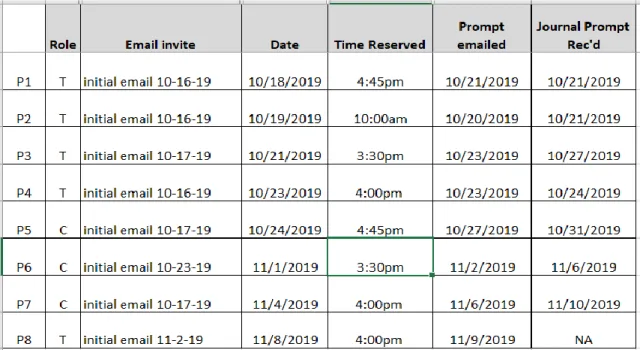
Figure 2. Recruitment and data collection ...71
Figure 3. Paraprofessional ways to assist ...82
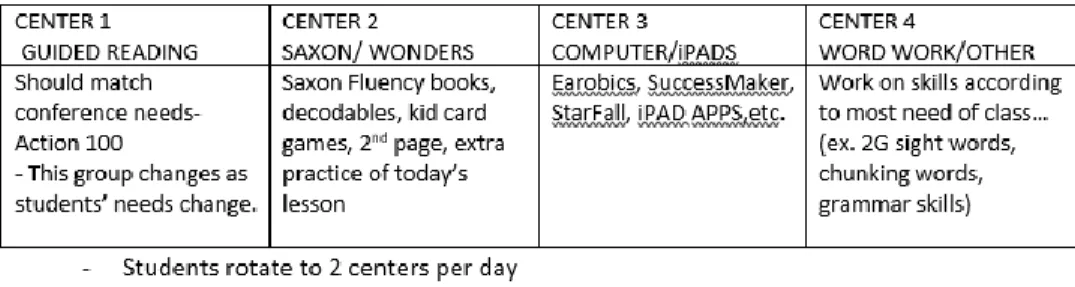
Figure 4. Sample literacy block ...94
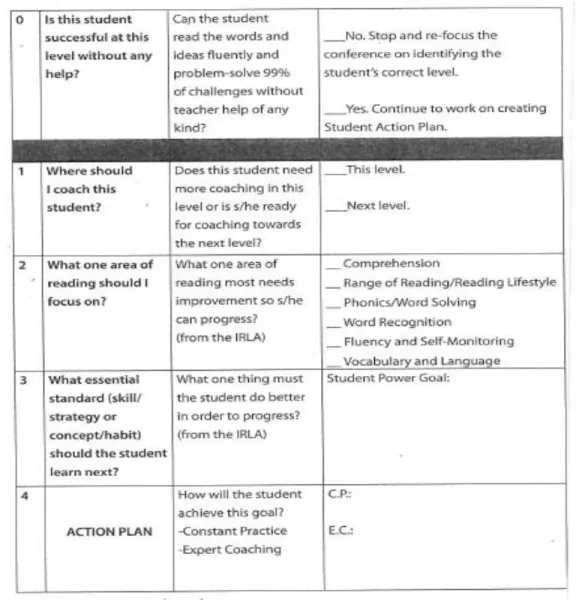
Figure 5. Sample conferencing tool ...102
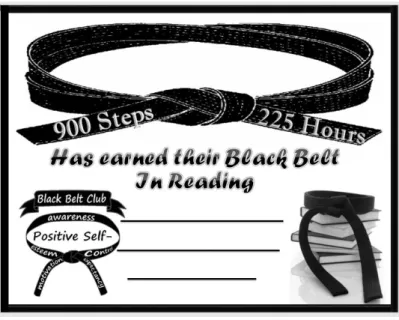
Figure 6. Sample certificate for reading steps ...109
Chapter 1: Introduction to the Study
There is a critical need for young children to acquire literacy skills. A child not reading on grade level by the end of third grade is 25% less likely to graduate high school than a child who is a proficient reader (Hernandez, 2011). Additionally, a child who has lived in poverty for a year or more is at greater risk of leaving high school without a diploma (Hernandez, 2011). Intensive early literacy interventions are shown to support these at-risk students toward high school graduation, aptitude for 21st Century skills, and college or workforce readiness (Hernandez, 2011).
Students who acquire foundational literacy skills in primary grades are better equipped to maximize future educational and life experiences. Educators use early literacy development as a mechanism to predict students’ educational development (Gullo, 2013; Organisation for Economic Cooperation and Development, 2013). Delays in emergent literacy development set a course of poor academic adjustment and create the need for ongoing intensive literacy intervention (Hilbert & Eis, 2014). In recent decades, intervention programs to correct literacy deficits have resulted in less time for students reading whole text, a declined focus on reading comprehension, and fragmented skill instruction (Ortlieb, 2012). To reduce these barriers to learning and to eliminate early literacy gaps as soon as possible, instruction must be highly effective and
developmentally engaging (Gage, MacSuga-Gage, Prykanowski, Coyne, & Scott, 2015). Previous research has shown that addressing student behavior and classroom culture is also needed to enhance students’ motivation to learn and to improve the efficacy of intervention pedagogy (Gage et al., 2015). Al-Hendawi (2013) described the need to create an optimal match between the school environment and a student’s
temperament to achieve the greatest educational outcomes. A classroom culture created around shared accountability, consistent procedures and routines, and collaboration is needed to give students positive opportunities to respond to intervention reading instruction and receive the benefits from immediate, specific praise for accomplished benchmarks (Gage et al., 2015).
The supporting literacy model (SLM)used a dual focus on intensive well designed reading instruction and positive behavior support to address the academic and social demands of learning to read. This school-within-a-school model provides unique conditions of teaching and learning that differ from the traditional instructional program. While much is known about teaching children how to read, no peer-reviewed studies were found on the SLM approach to building capacity for effective literacy instruction and understanding how these strategies are viewed, valued, and used by those responsible for implementation. Analyzing the implementer’s perspectives has shed light on the fidelity of SLM implementation and how SLM is believed to influence early literacy development for at-risk learners.
Researchers have identified that low early literacy skills are linked to an increased risk of dropping out of high school (Carnegie Corporation of New York, 2011).
Additionally, early literacy intervention programs have been shown to be effective in improving literacy skills. The purpose of this study was to examine early literacy instruction by exploring the insights and perspectives of primary educators who
participated in the SLM. Understanding how educators experienced the implementation of this literacy development model may provide new knowledge about how primary
students learn to read in a 21st Century context. These new understandings are needed to help students achieve and sustain on-time and on-grade level trajectories toward high school graduation and college or workforce readiness.
The major sections of this chapter include the background of the study, problem statement, and purpose of the study. The research questions, conceptual frameworks, and the nature of the study are explained. The significance of the study follows the
definitions, assumptions, scope and delimitations, and limitations of the study.
Background
Declining literacy rates have detrimental consequences for future education and life experiences among these students and raise concern over how to more effectively teach the young to read. Researchers have identified the link between low literacy levels and continued academic failure (Dugas Bryan, Ortlieb, & Cheek, 2013). Researchers have shown that retention in elementary school, combined with other at-risk student characteristics, sets a course of repeated failure and early school dropout (Montague, Enders, Cavendish, & Castro, 2011).
The SLM was designed to combat mandatory retention in third grade due to poor performance on high stakes tests. Supporting literacy instruction is also intended to accelerate literacy development for at-risk students to reduce the length of time they are nonproficient in reading. SLM instruction originated from the desire to move away from an exaggerated focus on test preparation and return to a teaching philosophy that all children can and do learn when they experience success through differentiated and direct
instruction, self-directed educational experiences, and positive, formative feedback toward goal attainment (Osborne & Jones, 2011).
SLM was implemented in 2011 by one public school district as a result of root cause analysis, problem-solving, and action planning for improved literacy instruction for risk students. SLM pedagogy was designed to improve literacy development among at-risk students in kindergarten, first, and second grade while also addressing students’ academic adjustment needs. The goal was to ensure developmentally appropriate reading trajectories for all students (Bruning, Schraw, & Norby, 2011; Dugas Bryan et al., 2013). There is much research on early literacy instruction, but there are no known studies on the comprehensive frameworks found in SLM.
The SLM is innovative in that it individualizes reading instruction through frequent progress monitoring, facilitates ongoing professional development for teachers in the area of reading instruction, supports the development of teachers through one-on-one coaching, and involves parents in at-home literacy development. SLM students received weekly positive reinforcement for achieving individualized reading targets, and they developed research and writing skills as part of 21st Century competencies using mobile technology and research labs. The differences between SLM and traditional literacy instruction are shown in Table 1.
Table 1
Comparison of SLM and Traditional Literacy Instruction
SLM Traditional
150-minute literacy block Core and Intervention
90-minute literacy block Core only
Daily explicit phonics instruction through Saxon Phonics
Core reading series
Independent Reading Level Assessment Framework (IRLA)
Unavailable
Daily progress monitoring through PACE software and fall, winter, spring AIMsweb
Fall, winter, spring, AIMsweb progress monitoring
Full-time paraprofessional for one-to-one and small group instructional support
Part-time paraprofessional support during guided reading instruction
Monthly rigorous SLM teacher training Teacher selected topic and frequency Adjunct SLM Coach assigned to each cohort for
monitoring and coaching
School site reading coach to support instruction shared among all faculty
Classroom leveled science libraries Unavailable iPad mobile technology for student use in
researching the sciences
If available, teachers may check out from the library
Reading Pals, community outreach, shared-book experiences
Unavailable
Incentivized, daily at-home reading and parent participation
Teacher discretion
Weekly student recognition for reaching individualized goals
Teacher discretion
This study is needed to more deeply understand early literacy instruction from the experiences of teachers and coaches as implementers of SLM. Their experiences and perspectives will add to current research on how to most effectively teach at-risk primary students to read through SLM frameworks.
Problem Statement
The problem addressed in this study is the lack of effective literacy interventions for the development of reading skills for primary aged students who are at-risk for dropping out of high school. Researchers have identified that low early literacy skills are linked to an increased risk of dropping out of high school. Hernandez (2011) analyzed the relationship between third graders’ literacy and poverty in the United States. Hernandez
found that nonproficient students are 17% more likely to drop out of high school. This correlation increases if the child’s reading proficiency is lower. The rate goes up if the child has lived in poverty for more than 1 year, increasing to 32% of those children who test below reading proficiency in third grade at-risk to not graduate from high school (Hernandez, 2011).
According to the OECD (2013), literacy is defined as “the ability to understand, evaluate, use, and engage with written texts to participate in society, achieve one’s goals, and develop one’s knowledge and potential” (p. 4). The results of the 2013 Programme
for the International Assessment of Adult Competencies revealed that literacy skills
influence the economic and social status and that low proficiency is correlated to greater economic disadvantage, unemployment, and poor health (OECD, 2013). The study also revealed a correlation between illiteracy and social marginalization (OECD, 2013). These
findings suggest that early literacy instruction must better equip students with the skills necessary for full and satisfying participation in society. Additionally, researchers have shown that early intervention programs to teach reading have been effective in increasing these students’ reading abilities (Wanzek et al., 2018). Early intervention efforts,
according to Kaminski, Powell-Smith, Hommel, McMahon, and Aguayo (2014), are linked to sustained professional development for educators in order to be successful in raising the students’ reading levels. There is a gap in the research that defines the educators’ experiences implementing an intensive early literacy program. This study is
designed to understand the experiences of educators who have implemented an intensive early literacy program for primary students in an effort to reduce nonproficiency rates.
The decline of literacy proficiency for third-grade students in one school district, as measured by the state’s standardized test, created the need for stakeholder
collaboration and led to the design of an innovative approach to literacy instruction, known as the SLM. The district policy mandates retention for these nonproficient
students. As a result, an early literacy intervention for primary students was implemented in the school district. In 2011, SLM was implemented and driven by the mission to improve initial literacy instruction for at-risk, economically disadvantaged primary students. The SLM was used for 6 years, and little is known about its impact on literacy proficiency and how or why this model influences learning to read. The program was discontinued with the election of a new district superintendent. Understanding how educators experienced SLM may yield valuable information as to how educators perceived and practiced literacy instruction within SLM.
Purpose of the Study
The purpose of this study was to examine early literacy instruction by exploring the insights and perspectives of primary educators who participated in an intervention program known as the SLM. Analyzing early implementer’s perspectives will shed light on the fidelity of SLM implementation and how SLM is believed to influence early literacy development for at-risk learners. Understanding how the young best learn to read in a 21st Century context is needed to help students achieve and sustain time and on-grade level trajectories toward high school graduation and college or workforce
readiness.
Research Questions
The primary research question for this qualitative multiple case study is as follows: What are the experiences of SLM teachers and instructional coaches in implementing the SLM program? The secondary questions are as follows: How do teachers and coaches experience literacy instruction in SLM? What are teachers’ and instructional coaches’ perceptions of the SLM literacy program?
Conceptual Framework
The two conceptual frameworks that grounded this qualitative study are Vygotsky’s (as cited in Jaramillo, 1996) sociocultural learning theory and Bandura’s
(1977) self-efficacy theory. Sociocultural learning theory is a contextual lens for understanding how social interaction among group members influences learning (Jaramillo, 1996). In the case of SLM, professional development and routine collaboration among educators were distinctive characteristics of program
implementation. Understanding how these interactions in the SLM culture were
experienced by SLM teachers and instructional coaches was one function of the current study. In addition, the conditions of learning for SLM students was studied through the sociocultural lens. SLM teachers and coaches observed their students working in
structured and collaborative environments. According to Shepardson and Britsch (2015), formal and specialized learning activities in social contexts help students form new knowledge and conceptual understanding.
Bandura’s (1993) self-efficacy theory provides context for understanding the
individual experience of SLM educators in the reflection of their implementation of new literacy pedagogy and other SLM program elements. Understanding the complex
relationship between perception of ability and subsequent performance provides a lens to understand how teachers and coaches experienced SLM implementation. Self-beliefs about the capacity to implement program elements are needed to understand the differences between skill acquisition, such as the professional development of SLM teachers and coaches, and the ability to use these skills to affect learning (Bandura, 1993).
Sociocultural learning and self-efficacy are conceptual frameworks related to this case study approach and the key research questions. Moreover, these theories were the foundation for data collection and analysis. Exploring beliefs and perspectives about the SLM experience through these theoretical underpinnings was necessary to originate meaning from the data. Sociocultural learning, self-efficacy, and the relationship of these theories to the current study is further explained in Chapter 2.
Nature of the Study
This study is a qualitative multiple case study based on Yin’s model of thematic
inductive analysis (see Yazan, 2015). In a qualitative case study inquiry, the researcher collects, reviews, and examines the subjective observations of participants within the context of a lived experiences through open-ended, semistructured interviews and analysis of related artifacts, such as lesson plans and curriculum documents to explain and describe the experience of participants (Creswell, 2013). For the current study, data were collected through face-to-face interviews from eight SLM educators. Study
participants also responded to one reflective topic prompt and provided curriculum artifacts for analysis. Within-case analysis, followed by thematic analysis, afforded an interpretation of the SLM experience toward understanding the complex nature of this program approach for literacy instruction (see Creswell, 2013). The analysis of multiple sources of data from different participant roles was used to form an in-depth
understanding of the SLM instructional experience.
Definitions
Academic adjustment: To what extent an individual perceives him or herself
capable of completing academic tasks. Motivation toward the desired outcome influences the constructs of self-view and identification with academic achievement (Osborne & Jones, 2011).
At-risk: A general term used to describe a student who is economically
disadvantaged and performs below level grade level in one or more areas of social, emotional, and academic development (Copeman Petig, 2015).
Behavior management: Encompasses classroom structure, clearly defined behavioral expectations, intervention on disruptive or unproductive behaviors, and specific praise or reward for desired outcomes (Gage et al., 2015).
Coaching-based professional development: Individualized teacher feedback
specific to the current classroom conditions intended to enhance instructional efficacy as measured through students’ responses to instruction (Powell & Diamond, 2013).
Electronic books: A form of paperless text and graphics that offer reading
experiences with interactive features, such as narration, animations, games, reading strategies, and music (Salmon, 2014).
Emergent literacy development: The acquisition of discrete reading skills, such as
print awareness, use of idiomorphs, phonemic awareness, and phonics, as foundational language experiences prerequisite to reading fluency and comprehension (Neumann & Neumann, 2012).
Literacy learning: The comprehensive application of discrete literacy skills to
demonstrate mastery of reading and text comprehension (Scull, 2013).
Media literacy: Cpmprised of technical, social, and collaborative digital
competencies whereby students interact with text, content, and others to achieve learning goals (Tripp, 2011).
Oral reading fluency: The process whereby students decode letters to sounds and
sounds to words with automaticity and accuracy. The rate of oral reading fluency is a key indicator of early literacy skills (Gage et al., 2015).
Parent involvement: The primary caregiver’s disposition to and participation in the student’s educational experience (Boudo et al., 2014).
Remediation: A general description of the intentional skill-based instruction to
improve a student’s trajectory toward proficiency (Ortlieb, 2012).
Scaffold: Describes intentional instructional support to eliminate learning gaps in
knowledge or skill (Channa & Nordin, 2015).
Supporting literacy model: A comprehensive approach to literacy instruction
intended to improve oral reading fluency rates of at-risk, primary students in Grades K to 2. SLM is a stand-alone intervention whereby only SLM students receive program components, which include coaching-based professional development, balanced literacy approaches with guided reading and explicit skill instruction, behavior modification, one-to-one student use of technology, and parent involvement (Foorman, Herrera, Dombek, Schatschneider, & Petscher, 2017).
Tier 3 literacy interventions: Intended to stimulate change and accelerate literacy
development for at-risk students and are delivered through differentiated and individualized instruction (Kaminski et al., 2014).
Word recognition: Describes the mental grapheme representations stored and
retrieved to read fluently (Apel, Thomas-Tate, Wilson-Fowler, & Brimo, 2012).
Zone of proximal development: Describes the learner’s state of cognitive capacity
Assumptions
This study was conducted under assumptions that all sample participants have experienced the same phenomena, participants provided responses that were candid and honest based on their personal recollection of SLM, and participants reflectively
responded to the questions during the interview with a sincere interest in the research. I also assumed that SLM teachers and coaches were using SLM components such as professional development, family literacy, shared book experiences, and motivational learning designs as they implemented SLM.
Scope and Delimitations
The purpose of this study was to examine early literacy instruction by exploring the insights and perspectives of primary educators who participated in an intervention program known as the SLM. The study was designed to understand the experiences of teachers implementing an early literacy program. Purposive sampling yielded SLM educators with 2 or more years of SLM experience. Semistructured interviews, analysis of journal topic responses, and analysis of curriculum artifacts yielded qualitative data reflecting the educator’s perspective within the scope of SLM pedagogy. The scope of the
study was confined to one school district in the southeast region of the United States. The professional development required of SLM educators provided a major context for the design and delivery of SLM pedagogy for at-risk primary students. Additional characteristics of SLM included in this study were the use of technology and the inclusion of family literacy. SLM pedagogy included instructional delivery for differentiated instruction, research labs, and a focus on student communication across
reading, writing, and presenting content. Delimitations of the study included the perspective of the problem of early literacy instruction for at-risk primary students and the creation of the research questions.
Limitations
The current study was limited by time, geography, and student demographics. Educators’ experiences in SLM were limited to implementation during the years
following a decline in student achievement within the district. The design of the interview questions considered the focus on improving literacy rates for SLM educators within the context of extensive professional development and instructional coaching. Interview questions were also designed to elicit reflection on how SLM influenced literacy development among at-risk populations. Diversity within the participant pool was intended to reduce the geographical limitation on study findings.
In the current study, I did not examine the quantity or quality of SLM instruction in terms of student and teacher attendance and mobility. Nor did I address fidelity measures of program implementation. To address both research elements, future studies on the SLM might include student interviews and analysis of literacy performance data for subsequent years of SLM students’ schooling to determine whether SLM students achieved or sustained proficient trajectories. Future researchers might explore
quantitative measurement and analysis of areas of literacy development for SLM students, including oral reading fluency, vocabulary, and comprehension.
In working with SLM teachers and coaches, ethical considerations included creating relationships where participants are fully informed through transparent, two-way
communication. SLM educators must trust the researcher to communicate their perceptions and beliefs about SLM pedagogy honestly. Establishing trust among
participants through honest and open discussion and sharing reflective journals as checks for accurate reporting was part of this research. Respect for the autonomous nature of teaching led to establishing trust and open communication among the participants. Participants were made fully aware of the study’s purpose, methodologies, and use in educational research.
A reflexive journal was used to record daily reflections on data collection and analyses processes as a safeguard against personal bias and to ensure open
communication with participants. I avoided bias by not including any participants from the school site where I was the principal. To further reduce bias throughout the study, I excluded any participant with whom I have worked in any capacity within the school or district. I also used member checking to ensure the interview transcripts accurately reflected the participant’s experiences.
Issues related to limitations of transferability and dependability were addressed through the use of research strategies, such as detailed descriptions, variation and number of participants, and common bounded considerations such as time, place, and activity. Participants were selected to represent a variety of years of experience, degree and certification backgrounds, and gender. Dependability issues were addressed through a complete audit trail. Memos and a reflexive journal were kept, and all data were tracked and securely stored to provide a comprehensive response to data collection and analysis.
Significance
Although much is known about early literacy development and the influence of academic adjustment as predictors of future academic success, the broadened scope of 21st Century learning creates a need for contemporary research about literacy learning for at-risk primary students. More research is needed to examine the effect of initial and intervention literacy instruction in hopes of reducing at-risk student populations before intermediate education and the introduction of high stakes testing. The SLM approach was designed to achieve these goals, but how the experiences of early implementers shaped the implementation of this innovation is not known. This study aligns with innovation and positive social change because it takes a closer look at learning support systems, equitable access to 21st Century learning for at-risk students, and sustainable academic success to support a trajectory for high-school graduation, college or workforce readiness, and full participation in society.
Summary
Positive social change involves addressing the needs of marginalized populations to ensure all groups have equitable access to life and liberty. Literacy is a pillar of equitable access to higher education, workforce, and involvement in processes of government. A literate society positively influences the health and growth of their communities. A review of current literature emphasizes the need to improve primary literacy instruction toward 21st Century competencies (see OECD, 2013).
This may be done by providing on-going professional development for teachers in effective literacy instruction supported by routine on-site coaching (Powell & Diamond,
2013), by providing instruction within the zone of proximal development for emergent learners (Channa & Nordin, 2015), and by incentivizing shared-book experiences to strengthen parent involvement of early literacy development (Han & Neuharth-Pritchett, 2014). In this study, I explored how teachers and academic coaches experienced these SLM instructional building blocks. Chapter 2 provides a thorough review of the literature related to these literacy concepts.
Chapter 2: Literature Review
The purpose of this study was to examine early literacy instruction by exploring the insights and perspectives of primary educators who participated in an intervention program known as the SLM. The primary research question for this qualitative multiple case study is as follows: What are the experiences of SLM teachers and instructional coaches in implementing the SLM program? The secondary questions are as follows: How do teachers and coaches experience literacy instruction in SLM? What are teachers’ and instructional coaches’ perceptions of the SLM literacy program?
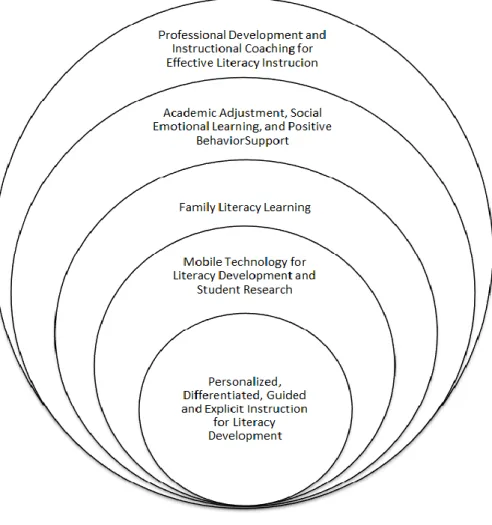
The major sections of Chapter 2 include literature search strategies, conceptual foundations for early literacy development, an exhaustive review of the current literature to support the research questions for this study, and a synthesis of studies related to the key variables of literacy instruction for at-risk primary students. Figure 1 illustrates the major themes in current research surrounding SLM approaches to literacy instruction to be explained within this chapter.
Figure 1. SLM concepts.
Literature Search Strategy
For this literature review, I used EBSCO, ProQuest, Sage Premier, ERIC, and Google Scholar to locate current research in the areas of teacher professional
development for early literacy instruction, the use of technology for literacy learning, and the influence of academic adjustment and parent involvement on literacy development. Articles related to these conceptual frameworks within the field of early literacy were analyzed for connective links to the research questions and SLM frameworks. Research
on early literacy intervention programs, emergent literacy, and influences on reading for at-risk students was fully used as underpinnings for this study.
Key terms included the following: primary literacy development, emergent
literacy, literacy instruction in the primary grades, reading comprehension, teacher
training, professional development for educators, coaching and modeling for developing
teachers, 21st Century literacies, parent involvement in literacy development, technology
for literacy learning, and academic adjustment.
Conceptual Framework
Two core theories served as the conceptual framework for this study: Bandura’s (1977) social learning theory, focusing on self-efficacy, and Vygotsky’s (as cited in Jaramillo, 1996) sociocultural learning theory. Bandura’s (1977) theory of behavioral change observed the conditions of change in human behavior through cognitive processing, personal experience, persistence, performance, and mastery. The
phenomenon of self-efficacy was defined in Bandura’s research as internally perceived competence and successful task completion. Bandura attributed task initiation, coping, persistence, and performance to a “conviction that one can successfully execute the behavior required to produce the outcomes” (p. 193). Bandura’s self-efficacy theory is
directly linked to the motivation for learning. Efficacy expectations influence the strength and duration of effort toward the desired outcome, and if success is achieved, efficacy expectations become more generalized (Bandura, 1977).
According to Bandura (1994), self-efficacy involves four psychological
thought, or cognition, seeks to understand events by relating them to similar previous experiences and then anticipating what is required for goal attainment. In this state of evaluating current and future possibilities, individuals do so by reflecting on past experiences (Bandura, 1994). The belief that one can navigate new tasks with success is predicated by the success of other tasks or experiences. Conversely, failure may lead to diminished performance (Bandura, 1994). Previous experiences and beliefs about oneself shape self-efficacy. What motivates an individual to achieve, even in the face of
adversity, is attributed to the satisfaction of performance or accomplishment and the ability to increase effort matched to the difficulty of the task. Individuals who believe they can accomplish goals self-direct thought and action accordingly. Motivational processes are linked to cognitive processes by thought, action, and outcomes (Bandura, 1994).
Affective processes are those encountered with anxiety or stress associated with worry or perceived threats to task completion (Bandura, 1994). Negative thoughts can lead to task avoidance and self-deprecation. Again, coping mechanisms play a significant role in how an individual reacts to stress and how this reaction positively or negatively influences self-efficacy (Bandura, 1994). The selection process further reveals that internal thought leads to personal choice and is derived from perceived abilities, competencies, and interests (Bandura, 1994). Strong self-efficacy results in expansive possibilities from which to choose (Bandura, 1994). Self-efficacy originates from internal thought in reflective and predictive ways. Bandura’s research on understanding the
relationship between self-efficacy and performance is necessary to understand how to assist in the development of high levels of self-efficacy for new learning.
The current study on understanding educators’ experiences implementing SLM was conducted through the lens of Bandura’s self-efficacy theory. While I made no hypothesis of a causal effect of teacher’s self-efficacy on the fidelity of implementation, researchers have found a positive relationship between teacher self-efficacy and teacher effectiveness in interactions with students and regulating students’ learning (Sehgal, Nambudiri, & Mishra, 2017). Within the context of instruction and teaching, Sehgal et al. (2017) proposed that self-efficacy and performance are correlated and that a teacher who is motivated to improve his/her practice in pursuit of improving learning outcomes for students is more effective. Bandura (1994) further suggested that innovative and productive work requires resiliency, significant effort, and endurance over time.
Modeling, social persuasion, and scaffolding through strategically planned activities are three ways found in the research to build and strengthen self-efficacy in others (Bandura, 1994). SLM educators participated in rigorous professional
development, which included all three dimensions of self-efficacy strengthening. SLM teachers and instructional coaches routinely observed SLM instruction in a variety of classroom settings, and SLM professional development was planned with intentional support to develop pedagogical skills associated with SLM programs. Supporting literacy educators often collaborated to share and reflect on best practices for implementation. SLM collaboration involved problem-solving and instructional coaching. SLM educators frequently met to support one another in a collective learning environment where
instructional efficacy was paired with core values, program goals, and collaboration among implementers for program fidelity.
The second theory in the conceptual framework is Vygotsky’s (as cited in
John-Steiner & Mahn, 1996) sociocultural learning theory. Vygotsky studied the phenomenon of learning in formal education settings and found that understanding how learning occurs cannot be understood by observing the student alone. Observations of learning must include social interactions in the classroom. Vygotsky theorized that learning is achieved through individual and social experiences (as cited in John-Steiner & Mahn, 1996). Sociocultural learning theory focuses on the internalization of experiences through social interaction and explains how human development occurs through participation in activities, which are initially facilitated by caregivers (John-Steiner & Mahn, 1996).
According to Jaramillo (1996), school curricula should be developed with consideration for the learner’s interests and interactions between teachers and students.
Jaramillo asserted that teachers are responsible for guiding students’ social and cultural experiences. SLM educators facilitate classroom interactions to help students navigate and negotiate new meaning through problem-solving, discussion, and exploration. SLM frameworks of learning include student collaboration, presentations of new concepts, and family interactions focused on at-home literacy. Teacher-student interactions facilitate the internalization of new behaviors for the young. John-Steiner and Mahn (1996) described how this transmission occurs as modes of internalization and asserted that both direct instruction and collaborative learning experiences are beneficial to the internalization process.
The study of organizational development, through the lens of professional
development, has extended sociocultural learning to adult learners. Boreham and Morgan (2004) studied organization development through the sociocultural perspective and described interactions within the social context as essential and beneficial to the improvement processes. Following the study of oil refineries in the United Kingdom, Boreham and Morgan determined that organizational learning occurred through “the adoption of a particular set of relational practices as the creation of a social structure to sustain such learning” (p. 314). Boreham and Morgan also explained that growth occurs
in the workplace when collaboration, teamwork, and open communication are key participation expectations.
Boreham and Morgan’s (2004) findings align with the sociocultural learning theory found in the implementation of SLM, whereby educators routinely participated in social learning opportunities structured around the SLM frameworks. SLM teachers and coaches participated in monthly professional development and weekly coaching sessions. How SLM educators experienced professional development and coaching during
implementation was one area of examination for the current study. This research is intended to help understand SLM educator’s experiences in working with other SLM educators throughout program implementation.
Literature Related to Key Concepts
The balanced-literacy approach contextualizes SLM literacy instruction whereby students receive both explicit instruction in the building blocks of early alphabetic principles and prerequisite reading skills while also experiencing whole language,
immersive literacy, and application of literacy skills in research labs. The main research topics that ground this study include early literacy instruction, teacher professional development, the use of technology for young learners, family literacy, academic adjustment, and effective intervention instruction.
Supporting Literacy Model Framework
The SLM framework was based on the concepts of early literacy development and educational approaches for professional development, academic adjustment, mobile technology for learning, and family literacy. A social context for teaching and learning was embedded across these concepts. For the SLM teacher, collaboration and
professional development provide opportunities to apply new pedagogy and to reflect on their practice (Sturm, 2014). In addition to individual reflection, group reflection assists SLM teachers in identifying what methods are accepted, rejected, or refined (Sturm, 2014). For the SLM student, the acquisition of new knowledge and skills was influenced by interactions with others in the classroom and at home (Hoglund, Brown, Jones, & Aber, 2015).
Frequent and ongoing assessment of students’ skill level and conceptual
understanding is a prerequisite to effective literacy instruction and is needed to diagnose deficits in the five areas of literacy development. According to Dugas Bryan, Ortlieb, and Cheek (n.d) routine assessment serves to (a) inform teachers’ decisions for instruction, (b) assess student’s strengths and knowledge, (c) determine what the student can do
independently and with support, (d) document progress for parents and students, (e) summarize achievement over time, and (f) report progress to other stakeholders (p. 39).
Gullo (2013) found that data-driven decision-making assists in identifying the differences between “curriculum content or instructional strategies and children’s differing levels of development or different learning styles” (p. 415).
A major component of SLM was the frequent use of students’ performance data to identify instructional needs within the domains of phonemic awareness, phonics, vocabulary, fluency, and comprehension. These broad categories of early literacy development are useful in describing students’ readiness for diagnostic instruction. Research acknowledges differences in speech, language, and literacy development among at-risk student populations (Apel et al., 2012, p. 368). The SLM framework relied on student performance data to plan for individualized, student-centered learning experiences.
SLM takes instructional rigor and student motivation into account to create a balance between explicit instruction and student-direct learning. Students participated in whole group and small group instruction of discrete literacy skills and applied these skills in self-selected reading and research experiences. This interdisciplinary approach, which embedded science and social studies within the literacy experience, extended direct instruction and guided practice of literacy for SLM students.
Weekly, teachers evaluated and tracked growth trajectories through one-on-one assessment and provide diagnostic instruction to reduce deficits in the areas of phonemic awareness, phonics, vocabulary, fluency, and comprehension. The variety and frequency of data collection were not only used to make instructional decisions but were also used to identify the professional development needs of SLM teachers. The SLM was created
on the practice of using routine performance data to provide an understanding of curriculum design, root causes or potential problems, and to identify the gap between curriculum, instruction, and students’ unique learning needs.
Early Literacy
Early literacy instruction for at-risk primary students involves comprehensive knowledge of the progression of literacy development from sound units that can be manipulated for rhyming and phonological awareness to decoding, encoding, and word-recognition (Apel et al., 2012; Goldstein, 2011; MacDonald & Figueredo, 2010). Findings from this case study on children’s language and reading development point to the importance of providing young children experiences with oral and written language structures, story grammar, and vocabulary development opportunities (Scull, 2013). Hilbert and Eis (2014) also described the delay of early literacy skills for at-risk students and the need for intervention to improve phonological awareness, vocabulary, and print awareness for word-attack and letter-word identification.
In their examination of prekindergarten literacy intervention, Hilbert and Eis (2014) found that explicit literacy skill instruction, use of scaffolding strategies, and guided reading experiences were effective in increasing students’ vocabulary and print knowledge for at-risk learners. Roskos, Burstein, and Sullivan (2013) proposed direct and embedded vocabulary instruction to improve vocabulary development and word learning for at-risk students. Roskos et al., (2013) suggested that vocabulary instruction benefits students’ word learning gains and that repeat experiences with new words within broader
Kruk, Prentice, and Moen’s (2013) longitudinal study found that the amount of
time at-risk preschool students spent emerged in balanced-literacy to include guided reading and explicit phonics instruction positively influenced decoding and
comprehension. Their research suggested that early preventative practices improved students’ response to literacy instruction in subsequent years of education. Can,
Ginsburg-Block, Golinkoff, and Hirsh-Pasek (2013) also studied long-term predictive relationships between early vocabulary skills and language acquisition and found a “positive and significant association between early vocabulary skills and later semantic
abilities” (p. 831).
The complexity of early literacy development requires teachers to know the progression of skill development and to understand the relationships between systematic phonics instruction, word decoding, vocabulary development, oral reading fluency, and reading comprehension (Schaars, Segers, & Verhoeven, 2017). For instruction to be responsive and individualized for every student, early literacy educators must be
adequately trained in (a) practices for diagnosing instructional needs; (b) methodologies for moving students along the continuum of literacy development; and (c) strategies for creating supportive environments for learning.
The main constructs of early literacy development include explicit instruction in discrete skills such as phonemic awareness, phonics, vocabulary, and text mapping for comprehension to whole-language approaches for literacy development within the context of shared reading experiences and guided reading discussions (Goldstein, 2011; Lee, 2013). According to Goldstein (2011), emergent readers transition through several
phases of literacy development, first becoming aware of sounds associated with printed letters and words, then decoding words by understanding and applying sound-symbol relationships while also developing recall of sight words which evolve into reading fluency.
Apart from phonics and word recognition, Goldstein (2011) also emphasized early language acquisition to include students’ knowledge of word meanings within a developing vocabulary and cognition for active comprehension. The earliest behaviors associated with literacy development are observed during oral language, where children socially participate in conversations during literature experiences (MacDonald & Figueredo, 2010). These early behaviors are passive but indicative of students’ future development in learning to read (MacDonald & Figueredo, 2010).
Researchers showed that parents can enhance the development of these early literacy skills by understanding their roles in providing preschool literacy experiences and creating a culture of family literacy for lifelong learning (Anderson, Anderson, & Teichert, 2013). However, once students enter formal education, primary teachers are responsible for assessing and diagnosing students’ emergent literacy skills within the
areas of phonemic awareness, phonics, vocabulary, fluency, and reading comprehension and then individualize instruction to move students from one level of proficiency to the next (Goldstein, 2011). The focus of SLM was to develop these literacy skills among young students to advance their literacy skills in primary grades and offset future problems related to low literacy levels.
Professional Development for SLM
For SLM to address all domains of emergent literacy, teachers must be effectively trained in (a) the core comprehensive reading program; (b) quantitative reading
inventories to diagnose skill deficits; (c) targeted intervention literacy instruction in phonics, phonemic awareness, fluency, vocabulary, and comprehension; and (d)
strategies to promote positive academic adjustment. SLM teachers and coaches received training in a variety of pedagogies, literacy development programs, and learning
modalities. The integration of the core reading program, Daily Five Reading and Writing, Guided Reading, Essential Questions, Gradual Release, Research Labs, and the
Independent Reading Level Assessment (IRLA) were part of professional development for teachers and coaches.
Initial considerations for planning professional development, which also served as a basis for yearlong SLM instructional coaching, included (a) credentialed trainers, (b) clear learning outcomes, (c) intentional collaboration, (d) and opportunities for reflection on practice (Lannin et al., 2014). Hammond and Moore (2018) advised that effective professional development via instructional coaching is premised on the content and pedagogical expertise of the coach and the availability of onsite classroom support (p. 115). Building a sense of collaboration and community for SLM teachers and coaches established a framework for developing instructional efficacy and sustainable
implementation within authentic contexts of SLM classrooms (Lannin et al., 2014; Miller & Stewart, 2013).
Miller and Stewart (2013) and Perkins and Cooter's (2013) research evaluated professional development programs intended to build teacher capacity and improve student performance. Each study examined the characteristics of effective professional development programs in literacy programs. They found that teacher-directed and literacy-focused professional development programs were effective. These aspects of professional development are part of a conceptual framework for SLM professional development. The SLM professional development and classroom coaching align with Powell and Diamond’s (2013) Domains and Dimensions of Coaching in Table 2.
Table 2
SLM Professional Development Aligned to Domains and Dimensions of Coaching
Domain Dimension SLM
Structure Frequency of onsite coaching sessions
Onsite weekly coaching lasting one or more hours
Process Feedback on teacher’s newly implemented practices
Observed lessons, review of student performance data, direct instruction on methodology, reflect on practice
Content Evidence-based practices that promote desired learning outcomes
Guided Reading, individual instruction, IRLA, Research Labs, Family Literacy
Hammond and Moore (2018) found instructional coaching is most likely to be effective when facilitated by a trusted individual and engaged in specific feedback related to new implementation strategies. Their findings suggest that the frequency and duration of instructional coaching following the initial professional training are as important as the expertise of the coach and relevancy of the new pedagogy (Hammond & Moore, 2018).
Formative feedback was also found to enhance teacher confidence utilizing new methods in the classroom and worked to eliminate the gap between current and improved practice (Hammond & Moore, 2018; Powell & Diamond, 2013).
Professional development and weekly instructional coaching are essential elements of the SLM literacy program. SLM teachers and coaches routinely evaluated practice for desired student learning outcomes as measured by oral reading fluency, reading comprehension, and interaction with a variety of informational texts. The collaborative nature of improving literacy instruction in SLM leveraged training,
planning, implementation, and evaluation of each SLM component to ensure a responsive course of the intervention.
Technology for Literacy Development
The advent of mobile technology has created new conditions for how teachers, students, and parents interact with online educational resources to engage, instruct, practice, and enjoy literacy learning (Boudo et al., 2014; Salmon, 2014). The use of technology to enhance students’ interaction with reading through educational games,
remedial instruction, electronic books, and self-selected web-based research is shown in the research to benefit literacy development (Gahwaji, 2016; Salmon, 2014). Digital natives use mobile technology to access, process, explore, and assimilate new knowledge and skill. Each student in the SLM classroom had an iPad for research, computer-assisted instruction, and skill practice.
Common Sense Media (2014) compared the use of media among children ages zero to eight in 2011 to that of 2013. Key findings showed (Common Sense Media, 2014):
A five-fold increase in ownership of tablet devices such as iPads, from 8% in 2011 to 40% in 2013 (p. 60).
Almost twice as many children have used mobile media compared with two years ago, and the average amount of time children spend using mobile devices has tripled (p. 60).
Among five to eight-year-old children, the use of interactive media for educational content is higher than among younger children (p. 62).
Access to mobile media devices and applications among poor and minority children is much higher than it was two years ago, but a large gap between rich and poor persists (p. 61).
Increased use of mobile technology among young children as a way of accessing new learning through games, applications, and media content makes tablets and iPads theoretically sound additions to the learning experience. The variety of educational and literacy applications readily available on mobile devices is shown in the research as an important variable to increased student engagement, motivation, and literacy learning (Harrison & McTavish, 2018; Neumann, 2018).
The SLM classroom afforded every student an iPad for use at school and at home. The Apple iPad came to the technology market in 2010 and has since evolved students’ interaction with the digital world (Merchant, 2015). Neumann (2018) found student use
of iPad literacy applications “positively fostered children’s letter knowledge, print
concepts, and name writing skills” and allowed for a variety of media interactions, which motivated use (p. 245). Harrison and McTavish (2018) also investigated the use of tablet applications for young children and found that preschoolers demonstrate independent and adaptable use of tablet devices, which can lead to acquiring skills for early literacy
development.
Research on literacy instruction and early intervention points to the benefits of educational technologies as an engaging source for learning (Boudo et al., 2014;
Gahwaji, 2016). Gahwaji (2016) describes computer-assisted instruction, whereby young learners interact with literacy content, tutorial lessons, and program-generated feedback (p. 14). Other types of technology for literacy development include the use of mobile technology, such as iPads, to access electronic books, online libraries, and multimedia content (Roskos et al., 2013; Salmon, 2014).
SLM students used iPads to complete science-based research labs, as part of reading in the content areas, and to practice discrete literacy skills. As well, SLM students use iPads to access a variety of engaging content through songs, complex graphics, and read alongs to promote comprehension more readily (Salmon, 2014). According to Salmon (2014), digital sources of text and information increased
motivation, engagement, and advanced vocabulary. Roskos et al., (2013) also examined the potential of educational technologies for delayed learners and found that electronic books improved print awareness, sound-symbol relationships, and vocabulary
development. These studies demonstrate the benefits of using mobile devices to scaffold and reinforce literacy development for young children.
The use of mobile technology to research self-selected topics in the sciences improves student motivation and encourages learning through digital media. The use of digital media in SLM classrooms addressed the needs of poor children and families by providing internet and web access for educational purposes (Tripp, 2011). The SLM promotes digital equality for engaging, student-centered instruction to reduce the performance gap among economically disadvantaged students through the use of IPad technology in every SLM classroom (Tripp, 2011, p. 330). Combined with teacher and parent training in literacy skill acquisition, SLM provided an environment for the
development of analytical, social, technical, and creative skills for primary students. SLM students use technology to research topics, create digital media, and share research
through student-to-student reading projects for language and literacy development.
Family Literacy Learning
Family literacy learning, as a key component of SLM, was integrated as a result of research findings that show a positive relationship between caregiver’s attitudes,
beliefs, and behaviors about literacy development and the acquisition of early literacy skills for their children (Özen Altınkaynak & Akman, 2016). To increase awareness for literacy support at home and to strengthen literacy learning among SLM families, several partnership tasks were implemented.
Quarterly meetings were held where presenters showcased the literacy curriculum, instructional pedagogy, and student learning opportunities. The
intended outcome was to give caregivers insight into the workings of the SLM classroom.
To facilitate two-way communication between the school and home and to address student and family needs in real-time, caregivers completed surveys during the school year.
All stakeholders completed a partnership compact, which outlined the roles and responsibilities toward the common goal of improved literacy development for SLM students.
Caregivers participated in two annual Parent Academies to learn how to create supportive literacy learning environments at home and how to fully support the learning structures in place at school.
Caregivers and students documented their daily, shared-book experiences in a reading log. Students participated in a medallion recognition program using the reading log results. This at-home literacy could be facilitated by anyone in the home, such as an older sibling or extended family members, and translated into positive reinforcement at school.
In the early planning of SLM, home literacy experiences were identified as a significant causal relationship where reading activities and engagement at home
promoted interest and literacy learning for young children (Pezoa, Mendive, & Strasser, 2019). Anderson et al., (2013) found that families who participated in a structured family literacy program “gained insights as to how they could continue to support their
their child’s needs (p. 33). From this study, major themes emerged that align with SLM’s
family literacy component. At home literacy influences success in school and life; therefore, family literacy programs should aim to improve knowledge about literacy and childhood development, social-emotional learning, home to school transitions, and curriculum and pedagogy used in the classroom (Anderson et al., 2013).
SLM focused efforts for integrating family literacy on increasing shared book experiences. Han and Neuharth-Pritchett (2014) and Hill and Diamond (2013) assert that emergent reading skills such as making meaning from text, understanding concepts of print, and developing oral language and vocabulary result from shared book experiences at home. For at-risk students, shared-book experiences at home provide children with exposure to models of complex language. According to Hill and Diamond (2013), shared-book experiences are even more important for students with disabilities or other delays in literacy learning. Özen Altınkaynak and Akman (2016) investigated the effects of family literacy learning and concluded that families who create supportive environments at home for literacy development had positive, long term effects on student’s phonological
awareness, word and print awareness, vocabulary, and expressive language skills. However, Pezoa et al., (2019) study on the transactional relationship between student’s reading interest and parent’s literacy engagement found that not all shared book
experiences benefit reading interest in pre-school and kindergarten children.
Access to quality books and the frequency of shared book experiences are notable influences on the extent to which this activity affects emergent literacy (Pezoa et al., 2019). To combat the lack of quality books available at home needed to engage students
in interesting and challenging literacy discussions, Santos, Fettig, and Shaffer (2012) emphasized that family resource rooms must include a variety of book levels and genres as a significant contribution from schools to students and their families.
Developing and strengthening literacy experiences at home is supported in the research as a causal relationship between student’s social-emotional learning needs and interest, motivation, and skills in learning to read. SLM leans on this supposition in designing meaningful family literacy learning to engage and sustain parent’s literacy
practices at home. The coordination of resources shared between school and home, alongside routine communication and training opportunities, gives families support for shared book experiences and interactive reading activities with their children.
Academic Adjustment of SLM Students
Pezoa et al., (2019) described students’ motivation to read as derived from internal and external drives where children demonstrate an interest in reading and other related activities because they are enjoyable, believed to be important, or valued as a self-directed experience. Academic adjustment is linked in research to motivation, interest, and social-emotional aspects of learning and was one of the SLM program frameworks. SLM implemented external motivators for learning to read through positive
reinforcements for behavior and academic performance and nurtured students’ internal motivation to read by scaffolding competency through guided reading and explicit instruction. SLM provided studentsa positive culture for learning, which is shown in the research to benefit social-emotional learning and cognitive development (Santos et al., 2012). Students who experience positive reinforcement in early learning, whether at
home, in school, or within the community, are more likely to demonstrate confidence, persistence, attentiveness, responsiveness, the ability to communicate, solve problems, and form relationships with others (Al-Hendawi, 2013; Santos et al., 2012).
Early studies on temperament, defined by Al-Hendawi (2013) as an innate “behavioral style that is concerned with an individual’s patterns of responding to various
situations,” examined the relationship between temperament, school experiences, and academic achievement (p. 180). Al-Hendawi’s (2013) analysis of temperament studies reveals the need for educators to create personalized learning environments where
student’s unique behaviors and school adjustment are considered for planning instruction.
Domain identification, or how an individual perceives the self through
performance in a specific domain, is an important understanding for teachers of at-risk students (Osborne & Jones, 2011). Educators can use this knowledge to influence students’ academic adjustment through effective scaffolding and positive learning
experiences. Within the context of SLM practices, social and academic experiences were intentionally constructed to promote positive domain identification, or in other words, to help at-risk learners see themselves as effective readers, writers, and researchers through the use of carefully planned scaffolding social and academic experiences. SLM
developers understood the need to layer effective literacy instruction atop addressing the self-efficacy needs of at-risk learners.
Osborne and Jones (2011) found that positive associations with academic ability among high school students correlated to other important adjustment factors such as motivation, effort, participation, effort, and subsequently, academic achievement. The