ABSTRACT
STEED, LAURIE ELAINE. Development and Validation of Processes for Continuous Flow Microwave Processing of Foods Containing Sweetpotato Particulates. (Under the direction of Dr. Van-Den Truong and Dr. KP Sandeep.)
Continuous flow microwave processing has been successfully utilized in
commercial production of homogenous foods, and now there is an opportunity to use
this technology to enhance the quality of multiphase foods. However, due to the
high temperatures and mechanical stress incurred by continuous processing, it is
challenging to maintain food particulate shape, which would be necessary for
consumer acceptance in products like soups. Covington, NC 413 and Oriental
sweetpotato cubes (Ipomoea batatas), with orange, purple and white flesh,
respectively, were subjected to various pretreatments in order to investigate their
effects on reducing degradation of texture due to thermal processing. Control and
treated samples were loaded into a stainless steel cell, heated in an oil bath to an
internal temperature of 125 °C and held for 30 sec. Among the pretreatments
examined a 2-step pretreatment that included soaking in 0.3M Na2CO3 at 25 °C for 1
h followed by low temperature blanching at 62 °C in 1% (w/v) CaCl2 provided the
greatest firmness retention for all sweetpotato cultivars. Covington cubes, which are
the most sensitive to thermal degradation, were pretreated by the 2-step process
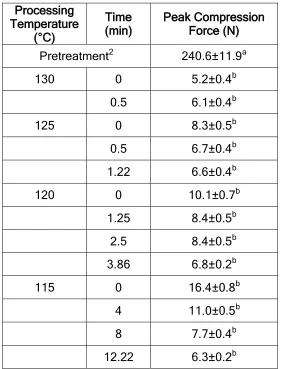
and evaluated at temperatures ranging from 115-130 °C for 0-12.22 min. Across all
temperatures and times, peak force to fracture of the tested cubes showed no
significant difference (p<0.05) illustrating the robustness of the pretreatment. The
subsequent processing caused significant decreases in all components, but the
values stayed within what has been commonly reported for sweetpotatoes.
Since texture measurements indicated sweetpotatoes prepared by the 2-step
pretreatment can maintain firmness at a level adequate to survive commercial
processes, potential for use in high temperature thermal applications such as
microwave processing was investigated. Dielectric property measurements showed
that while dielectric constant did not change due to pretreatment, dielectric loss
factor increased for pretreated Oriental and NC 413 sweetpotatoes when compared
to raw samples and this was attributed to the application of CaCl2 during the
pretreatment. Five microwave runs with the target temperatures of 115, 121, and
125 °C were conducted utilizing a pilot scale 100 kW system. Pretreated cubes were
inserted into a carrier fluid of orange-fleshed sweetpotato puree and received
microwave application at three points. After passing through the hold tube they were
cooled, and collected in a pressurized tank outfitted with a sieve. All inserted
sweetpotato cubes were recovered, and subjected to firmness and color
measurements. For all cultivars, microwave processing caused a significant
decrease in firmness as measured by peak compression force (N), however texture
was firm enough for all cubes to stay intact after going through the microwave
heating process. Microwave processing also caused a significant decrease in color
components, but not to a level outside of what has been previously reported.
After creating a food particulate that could withstand continuous flow
system was attempted utilizing immobilized spore beads of Geobacillus
stearothermophilus. Immobilized beads were placed in prefabricated cube-shaped
particles made of polymethylpentene, which has been proven to heat more
conservatively than food particles made from various vegetables. Prefabricated
particles also contained magnets, which tracked their movement throughout the
system and allowed for calculation of residence times. The prefabricated particles
were inserted into a stream of orange-fleshed sweetpotato puree utilized as the
carrier fluid and subjected to microwave application. At the end of the process they
were collected and the immobilized spore beads were enumerated to determine
surviving populations. Magnetic tracking showed that each particle was accounted
for as it moved throughout the system unobstructed and spent 78±1 sec in the hold
tube. Hold tube exit temperatures ranged from 96.9-129.9 °C due to variable
microwave power. Log inactivation of G. stearothermophilus spores ranged from
0.20 – 2.05 and was most consistent when temperatures at the hold tube exit were
stable. Based on the success of achieving free particle flow and utilization of
immobilized spore beads as bioindicators, this study shows promise in achieving
Development and Validation of Processes for Continuous Flow Microwave Processing of Foods Containing Sweetpotato Particulates
by
Laurie Elaine Steed
A dissertation submitted to the Graduate Faculty of North Carolina State University
in partial fulfillment of the requirements for the Degree of
Doctor of Philosophy
Food Science
Raleigh, North Carolina
2011
APPROVED BY:
Van-Den Truong, Ph.D. K.P. Sandeep, Ph.D.
Committee Chair Co-Committee Chair
Lee-Ann Jaykus, Ph.D. Kenneth R. Swartzel, Ph.D.
DEDICATION
To those who believed I was capable of great things, before I could even conceive of
BIOGRAPHY
Laurie Elaine Steed was born on February 12, 1983 to Monty and Sandy Steed.
She grew up in Wilmington, North Carolina and spent her childhood playing with her
younger brothers Aaron and Trevor. At a young age she enjoyed dancing, but in
middle school she found her first true love in the sport of saddleseat equitation and
rode horses competitively through high school, until her academic career became
too rigorous. Laurie graduated in 2001 from New Hanover High School 8th in her
class and with 21 credit hours accumulated from taking AP courses.
That fall Laurie moved to Raleigh to attend North Carolina State University and
was admitted to the College of Engineering. Due to her early interest in chemistry,
she thought that Chemical Engineering held the key to her future and matriculated
into the program at the end of her freshman year. However, in the spring of her
sophomore year she realized that the major was ill fitting for her and dropped out of
her chemical engineering classes. She considered a major change of pace and
contemplated not only transferring to several other schools, but also looked at the
College of Design, specifically for architecture or interior design. However, when two
of her Chi Omega sorority sisters, Melody Milroy and Tiffany Brinley, heard about her
dilemma they were quick to suggest their own program - food science. Two weeks
later Laurie had toured Schaub hall, filled out paperwork, and successfully switched
her major to Food Science. When she started her coursework the fall of her junior
year it was obvious that she had finally found her place at NC State.
accepted a research assistantship with Dr. Van-Den Truong of the USDA-ARS
sweetpotato lab. She became involved in the Food Science club and served as
Dairy Bar co-chair and Trip/Tour chair while working on her M.S. Thesis:
Nutraceutical and rheological properties of purple-fleshed sweetpotato purees as
affected by continuous flow microwave-assisted aseptic processing. Laurie originally
had no interest in pursuing a degree higher than her M.S., but as she continued her
studies and learned more about the industry, she became aware that what she would
like to accomplish in her career would require a Ph.D. As luck would have it, there
was a Ph.D. project that was granted funding but had no graduate student. When it
was offered to Laurie, she accepted. In May 2007 she completed her M.S. degree
and started her Ph.D. program in June 2007.
Laurie continued her involvement in the Food Science club and served as Vice
President for the 2007-2008 school year. She coordinated campus visits with all of
the visiting company representatives and formally interviewed with several as well.
In the fall of 2007 she was offered an internship to General Mills for the summer of
2008, which she accepted. Laurie spent the summer working on reformulations of
several Hamburger Helper products. The project was successful and later her
formulas were implemented in commercial products. Her experience working in the
food industry, and specifically with General Mills, was one of the highlights of her
graduate career.
Today, Laurie has spent nine and a half years at NC State, and is a proud
She will complete her Ph.D. and spend one last holiday season at home before
moving to Minneapolis in January to start her professional career as a Research
Scientist II at General Mills. Her academic career has taught her many things, but
mostly has instilled her with the confidence in herself necessary to succeed at
ACKNOWLEDGEMENTS
For my committee
Dr. Truong – For me, no degree would have been possible without your never-ending
professional and personal support; your devotion to your students is simply
unmatched. I am grateful for the many opportunities that working for you has
provided and that you have always called me “Dr. Laurie”, for that is what first made
me consider a Ph.D.
Dr. Sandeep, Dr. Simunovic, & Dr. Swartzel – All graduate students should be so
lucky as I am to have committee members that are always excited and willing to be
thoroughly involved in the research process. You have kept me challenged and
motivated to be a better candidate, and I am so thankful that you’ve chosen to be a
part of this 5.5 year journey with me.
Dr. Jaykus – I have deeply respected you since I took your Food Micro class where
you taught me how to apply knowledge, rather than just memorize facts. I believe
that getting to work closely with you and experience an area of food science outside
of my comfort zone has made me a better scientist and appreciate your support and
guidance.
For my department
I am so proud to be a graduate from the FBNS Department at NC State, and I can
only hope that the feeling is mutual. I would not be the student I am today if it were
supporter and friend for the last 7 years. Along with Dr. Daubert and Dr.
Klaenhammer, knowing that there were faculty members like you to learn from made
it impossible to consider other programs.
For the USDA-ARS lab group
Thank you all so much for your professional and technical support throughout the
last 5.5 years.
Dr. McFeeters – I cannot say that I have enjoyed every lab meeting, but under your
leadership I have enjoyed the sense of community that it fosters within our lab. I also
deeply appreciate all of the times that you have allocated USDA funding to my work
on sweetpotatoes.
Seth Fornea - Your ability to always remain positive inspires me to realize that
things are never as bad as they seem - you squirrel friend you.
Sandy Parker – You have been a constant source of support and I have loved every
minute we have spent talking together, no matter the subject. I’ve enjoyed watching
you grow as a mother to your beautiful twins, and will dearly miss being a part of
your family.
For my friends
To those that have come, conquered, and moved on: Jessica Childs, Josh Evans,
Drew Watson, Megan Whitson, Maegan Olsen, Nick Kuhlman, Craig Koskiniemi,
that goes by that I do not miss having each and every one of you in close proximity.
Your friendship is invaluable to me and you may be gone, but will never be forgotten.
To those that I leave behind:
Audrey Kreske – Your advice through all of this has been the most valuable of all. I
honestly can’t thank you enough for all of the ways that you’ve been there and
helped out, whether it was running up for a chit-chat session or staying late to help
with my experiments. You are a remarkable woman and I admire you immensely.
Kelsey Ryan – Our friendship is new, and yet has been so dear to me as I finish this
process. The summer of 2010 will never be forgotten for so many reasons and you
are a part of all of them. I’m so glad that we finally got to be roommates, even if it did
involve an air mattress, and love that we will be fellow Minnesotans!
Pat and Nin Leksrisompong – My fellow “lifers” in the department, this will be you
guys soon and you’ll make it look effortless, unlike I did, because you are both so
beautiful and intelligent.
To those that have known me the longest:
Kate Fox – Our friendship is constant and stable and dependable and I love that it’s
been a fixture in my life for over 10 years. You are the picture of class and grace and
I am so excited for all that life holds for you in Dallas.
Jaclyn and Matt Efird – Your friendship has moved past being a luxury to being a
necessity and I am most nervous about not having you nearby, because who else
houses, your marriage, and now into your about-to-be family of 4. I cannot wait to
see you as parents and to meet the little Monkey Man who will be lucky enough to
know the endless love that you are both capable of giving.
For my family
You never told me who I should be, or what I should do, but instead taught me how
to figure it out for myself, all while providing unconditional love and support.
TABLE OF CONTENTS
LIST OF TABLES ... xii
LIST OF FIGURES ... xiii
CHAPTER 1: LITERATURE REVIEW ... 1
1. Sweetpotatoes ... 1
1.1 Sweetpotato Origin and Worldwide Production ... 1
1.2 Nutritional and Health Benefits of Sweetpotatoes ... 2
1.3 Commercially Available Processed Products ... 6
2. The Chemistry of Sweetpotato Texture ... 10
2.1 Methods to Increase Firmness in Processed Products ... 12
2.1.1 Low temperature blanching ... 12
2.1.2 pH Modification ... 14
2.1.3 Calcium chloride addition ... 15
3. Microwave Processing of Foods ... 16
3.1 Microwave Heating ... 17
3.2 Dielectric Properties of Food Materials ... 18
3.3 Dielectric Heating Mechanisms ... 19
3.3.1 Ionic conduction ... 19
3.3.2 Dipole rotation ... 20
3.4 Dielectric Properties of Sweetpotato Products ... 20
3.5 Measurement of Dielectric Properties ... 22
3.6 Successful Microwave Application to Food Products ... 23
3.6.1 Homogeneous food products ... 23
3.6.2 Multiphase food systems ... 25
4. Microbiological Validation ... 27
4.1 Bioindicators ... 28
4.2 Spore Characteristics and Germination ... 30
4.2.1 Quantifying RNA in Germinating Spores ... 33
4.3 Spores Utilized for Microbial Validation of Microwave Processing ... 33
4.3.1 Molecular Based Detection Methods ... 35
5. References ... 36
CHAPTER 2: INFLUENCE OF PRETREATMENT CONDITIONS ON TEXTURE AND COLOR RETENTION OF THERMALLY PROCESSED SWEETPOTATOES . 46 1. Abstract ... 46
2. Introduction ... 47
3. Materials and Methods ... 49
4. Results and Discussion ... 53
5. Conclusions ... 61
CHAPTER 3: CONTINUOUS FLOW MICROWAVE PROCESSING OF FOODS
CONTAINING SWEETPOTATO PARTICULATES SWEETPOTATOES ... 69
1. Abstract ... 69
2. Introduction ... 70
3. Materials and Methods ... 73
4. Results and Discussion ... 77
5. Conclusions ... 84
6. References ... 84
CHAPTER 4: MICROBIOLOGICAL VALIDATION OF A CONTINUOUS FLOW INDUSTRIAL MICROWAVE SYSTEM ... 94
1. Abstract ... 94
2. Introduction ... 95
3. Materials and Methods ... 98
4. Results and Discussion ... 101
5. Conclusions ... 105
6. References ... 106
APPENDICIES ... 116
1. Appendix I: Dielectric Properties for Sweetpotatoes at 2450 MHz ... 117
LIST OF TABLES
CHAPTER 2
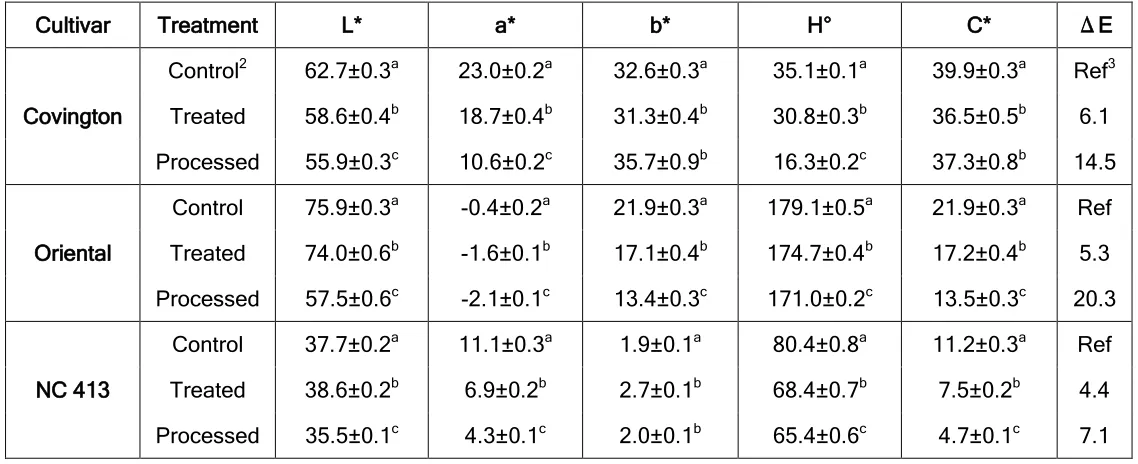
TABLE 1. Average Peak Compression Force (N) of Pretreated Sweetpotato Cubes Before and After Thermal Processing... 65 TABLE 2. Average Peak Compression Force (N) of Covington Cubes Subjected to 2-Step Pretreatment and High Temperature Processing ... 66 TABLE 3. Hunter Color Values for Sweetpotato Cubes Subjected to a 2-step
Pretreatment and Subsequent Thermal Processing at 125 °C for 30 sec ... 68
CHAPTER 3
TABLE 1. Peak Compression Force (N) of Sweetpotato Cubes at Different Stages of Processing ... 91 TABLE 2. Microwave Processing Temperatures and Firmness of Sweetpotato Cubes ... 92 TABLE 3. Hunter Color Values for Sweetpotato Cubes Subjected to a 2-step
Pretreatment and Subsequent Thermal Processing at 125 °C for 30 sec ... 93
CHAPTER 4
TABLE 1. Consistency (logCFU/ml) of Alginate-Immobilized beads of G.
LIST OF FIGURES
CHAPTER 1
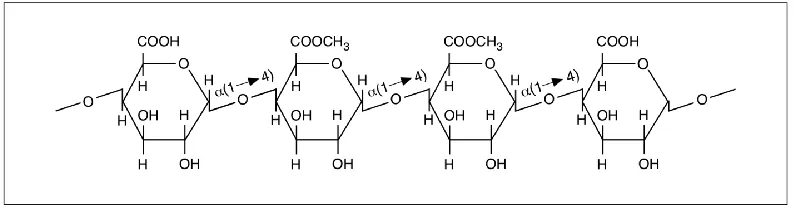
FIGURE 1. The Structure of Pectin ... 44 FIGURE 2. Splitting of the Glycosidic Bond by Beta-Elimination ... 45
CHAPTER 2
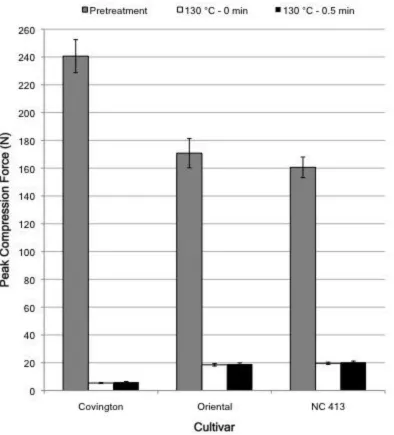
FIGURE 1. Peak Compression Force (N) of 2-step Pretreated Cubes After
Thermally Processing at 130 °C ... 67
CHAPTER 3
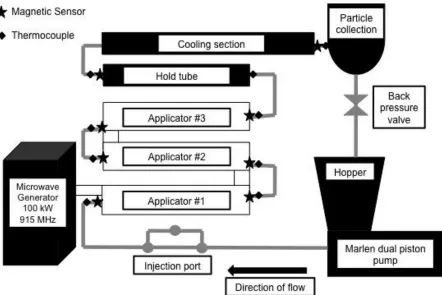
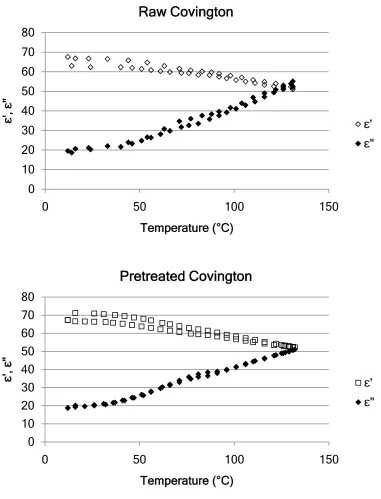
FIGURE 1. Schematic of 100 kW Continuous Flow Microwave System ... 87 FIGURE 2. Dielectric Constants (open symbols) and Dielectric Loss Factors
(closed symbols) Measured at 915 MHz for Raw and Pretreated Covington
Samples ... 88 FIGURE 3. Dielectric Constants (open symbols) and Dielectric Loss Factors
(closed symbols) Measured at 915 MHz for Raw and Pretreated Oriental Samples ... 89 FIGURE 4. Dielectric Constants (open symbols) and Dielectric Loss Factors
(closed symbols) Measured at 915 MHz for Raw and Pretreated NC 413 Samples ... 90
CHAPTER 4
CHAPTER 1
LITERATURE REVIEW
1. SWEETPOTATOES
1.1. Sweetpotato Origin and Worldwide Production
Sweetpotatoes (Ipomoea batatas) originated in the region between the
Yucatan Peninsula of Mexico and the Orinoco River in Venezula and were
domesticated in Central America at least 5000 years ago. In 1492, Columbus took
sweetpotatoes to Europe from his first voyage, allowing Portuguese explorers to take
them to Africa, India, Southeast Asia and the East Indies in the 16th century.
Spanish ships brought sweetpotatoes from Mexico to the Philippines, which allowed
other explorers to spread them to Vietnam, India, Burma and finally China in the 16th
century (Loebenstein 2009). Due to their broad adaptability, hardiness and ability to
multiply planting material rapidly from few roots, sweetpotatoes extended through
Asia, Africa and Latin America in the 17th and 18th centuries (CIP 1999; Woolfe
1992).
Today sweetpotatoes are the seventh most important crop following wheat,
rice, maize, potato, barley, and cassava (CIP 1999; Woolfe 1992). China is the
leading producer of sweetpotatoes with production of about 100 million tons, or 70%
of the total world production. Vietnam is the second largest producer, and both of
these countries devote a majority of the crop to animal feed. However, they also
incorporate multiple processed forms for human consumption, such as noodles,
Sweetpotatoes play an important role in many other countries as well. In
Brazil sweetpotato is the fourth most consumed vegetable, while in Africa it is
considered a “poor person’s crop” and “women’s work” to produce. The United
States produces about 720 thousand metric tons and utilizes sweetpotatoes in fewer
ways than other countries, predominantly as a fresh crop with canned chunks, frozen
French fry and potato chip products becoming increasingly available. Consumption
usually peaks during the winter months between the holidays of Thanksgiving and
Christmas. With the exception of California, sweetpotatoes are mostly grown in
southern states. North Carolina is the largest producer of sweetpotatoes and
accounts for 38% of the annual United States sweetpotato production, while
Mississippi and Louisiana account for 35% (Loebenstein 2009, Estes 2009).
1.2. Nutritional and Health Advantages of Sweetpotatoes
The nutritional superiority of sweetpotatoes has led this food commodity to a
recent surge in popularity. The Center for Science in the Public Interest and the
Nutrition Action Health Letter awarded the sweetpotato first place rankings when
compared to the nutritional characteristics of other vegetables (NCSPC 2007).
Developing countries have long been dependent upon sweetpotatoes as a valuable
source of energy. Sweetpotatoes produce more biomass and nutrients per hectare
than any other food crop in the world with carbohydrates accounting for 80-90% of
the total dry matter of a sweetpotato root, and several types are present, including
starch, cellulose, hemicelluloses, pectins and sugars (Loebenstein 2009; Padmaja
B2, C and E), minerals (calcium, magnesium, potassium and zinc), and dietary fiber
(Suda and others 2003). These nutrient levels coupled with their non-specific
growing conditions, make sweetpotatoes valuable to many regions in times of civil
crisis and natural disasters (CIP 1999).
Orange sweetpotatoes derive their color from carotenoids and depending on
the carotene content, the flesh color can range in intensity from white or cream to
light or dark orange (Padmaja 2009). Beta-carotene represents 86.4 - 89.0% of the
carotenoids in yellow and orange-fleshed sweetpotatoes. This pigment is
considered important because of its role as a vitamin A precursor, which maintains
and protects eye tissues, and has been linked to enhanced immune response and
suppressed cancer development (Woolfe 1992). Since beta-carotene is the most
abundant pigment in orange-fleshed varieties, which can contain up to 16 mg/100 g
fresh weight (fw), sweetpotatoes are recognized as one of the best dietary sources of
Vitamin A (Padmaja 2009).
In the United States orange-fleshed cultivars dominate sweetpotato
production. Approximately 60-65% of the production area is devoted to Beauregard,
a variety released by the Louisiana State University Agricultural Center in 1987 that
gained popularity due to its resistance to several horticultural diseases and its good
baking and canning qualities. Another cultivar, Covington, was released by the
North Carolina Agricultural Research Station in 2005 and has grown to occupy over
30% of the sweetpotato production area. It has similar advantages to Beauregard,
jumbo roots (Yencho and others 2008; Carpena 2009). Other cultivars in production
include Jewel and Evangeline, which could become important to the United States
due to its darker orange color and more consistent root shape (Carpena 2009).
Recently, researchers worldwide have developed many new cultivars of
sweetpotatoes with varying flesh colors that are finding market success because
they have the same nutritious benefits as orange sweetpotatoes, but also contain
additional functional pigments including flavones, beta-carotene, phenolic acids and
anthocyanins (Suda and others 2003).
Purple-fleshed sweetpotatoes have intense purple color in the skins and flesh
of the storage root due to the accumulation of anthocyanins (Philpott and others
2003; Terahara and others 2004). These cultivars were developed in breeding
programs for use as natural food colorants, but are now gaining popularity as a
dietary source for anthocyanins. A prominent example is the Japanese cultivar,
Ayamurasaki, which was developed at the National Agricultural Research Center for
Kyushu Okinawa Region. Extracts have been used to make commercial products
including natural colorants, food dies, juices, and fermented beverages while pastes
and flours have been utilized in breads, noodles, jams and sweetpotato chips
available in eastern Asia (Suda and others 2003; Yamakawa and Yoshimoto 2002;
Oki and others 2002).
Furthermore, anthocyanins isolated from purple-fleshed sweetpotatoes show
a great amount of promise in relation to their physiological function. Researchers
TA 98, the ability to suppress glucose metabolism by α-glucosidase inhibitory action,
and play an active role in memory enhancement (Yoshimoto and others 1999, 2001;
Matsui and others 2002; Cho and others 2003). In all of these experiments, rats
were used to show in vivo physiological function of anthocyanins. Suda and others
(2002) proved that acylated anthocyanins from purple-fleshed sweetpotato were
directly absorbed and isolated intact from plasma. The peonidin-type anthocyanin
examined had a larger molecular weight than other anthocyanins reported to be
absorbed in rats or humans indicating that acylated anthocyanins from
sweetpotatoes could also be absorbed (Suda and others 2002).
In the United States purple-fleshed sweetpotatoes are not commonly
commercially produced or consumed. The Sweetpotato Breeding Program at North
Carolina State University has grown a cultivar coded NC 414 for research purposes
and a similar purple cultivar has found limited success in North Carolina markets and
as a novelty crop sold by individual farmers. Steed and Truong (2008a) found that
the peels of NC 414 roots have the highest phenolic and anthocyanin content, along
with antioxidant activity but overall contribute only 10-15% of the total weight of the
roots. Phenolic content of the whole and steamed roots were 469.9 13.8 and
401.6 24.1 chlorogenic acid equivalents (CAE)/100 g fw, respectively. These values
were not significantly different, but as expected, were much higher than those
reported by Truong and others (2007) for orange-fleshed sweetpotatoes which
Anthocyanin content ranged from 80.2 5.5 to 107.8 1.8 mg
cyanidin-3-glucoside/100 g fw for raw and steamed roots, respectively. This placed purple
fleshed sweetpotatoes in the middle of the spectrum of high anthocyanin fruits and
vegetables as their content compared well with cherries, grapes, plums, raspberries,
eggplant and red radishes (Steed and others 2008a; Wu and others 2006).
Antioxidant activity measured by the DPPH method (Brand-Williams and others
1995) showed that NC 414 had higher radical scavenging activity than 16
purple-fleshed cultivars examined by Oki and others (2002). Radical scavenging activity as
measured by the ORAC assay (Prior and others 2003) placed them in a group of
fruits with high antioxidant activities like blackberries, cultivated blueberries and
sweet cherries, illustrating the potential of purple fleshed sweetpotatoes as a
functional food ingredient (Wu and others 2004; Steed and Truong 2008a).
1.3. Commercially Available Processed Products
Despite the 42% increase in sweetpotato production over the last 20 years,
per capita consumption has remained constant around 2 kg and was estimated to be
2.36 kg for 2008. Only about 1.5% of Americans eat fresh sweetpotatoes regularly,
and even fewer (0.5%) consume processed products. Since few restaurants offer
sweetpotatoes as a vegetable choice and only a small selection of processed forms
are available to institutional suppliers, 89% of sweetpotato consumption occurs at
home, which is more than any other vegetable purchased. This lack in diversity of
processed products available in the marketplace presents an opportunity for growth
Many commercial sweetpotato growers view the process of curing as in
indispensable first step in providing a year-round supply of quality sweetpotatoes.
Fresh roots are cured at 30 C, 85-90% relative humidity, for 3-7 d immediately after
harvest. This process provides several benefits such as enhancing culinary and
eating quality and aiding wound healing, which reduces loss due to shrinkage and
disease. After proper curing roots can be stored in climate-controlled facilities at 13
C, 85-90% relative humidity with adequate ventilation and sweetpotatoes that are
free from disease or other physiological problems can be stored for up to 13 mo and
remain sellable (Smith and others 2009).
To guarantee a constant supply of sweetpotatoes, they are often canned.
This process beings with grading, cleaning, pre-heating, peeling either manually or
with 7-10% (w/w) boiling lye, and trimming. Sweetpotatoes are then halved,
quartered or cut into cubes to improve consumer acceptability and facilitate filling of
the cans. These pieces are blanched at 77 C for 1-3 min and then packed tightly
into cans. The cans are filled with a sugar syrup solution, (20-40% w/w
concentration) salt water or water depending on the product. Size 303 cans are
retorted at 121 C for 35 min then cooled and stored at room temperature (Truong
and others 1998; Padmaja 2009).
Frying thinly sliced sweetpotatoes into chips or rectangular strips into French
fries is one way to transform them into more stable edible products. Cultivars with
high amino acid and sugar content will encounter heavy browning due to the maillard
finished chips will be left as is, coated with sugar, salted, or spiced. French fries can
be fried, frozen, and then oven baked before consumption or fried prior to
consumption (Padmaja 2009).
Sweetpotato purees can be used directly as baby food or serve as the base
for other food products such as dehydrated flakes, patties, breads, beverages and
candies (Padmaja 2009; Kays 1985). Purees have many production advantages
because a high quality puree can be made from any size or shape of roots (Fasina
and others 2003). Since approximately 40% of the crop is left in the field due to
inadequate size, the production of puree alleviates this lack of utilization (Kays
1985). To obtain a consistent product despite handling and storage differences, α-
and β-amylase were added to achieve a consistent level of starch conversion, but
this involved the introduction of a food additive. To bypass this problem an enzyme
activation technique that utilizes native amylotlytic enzymes was developed, and this
method is still used today (Kays 1985; Truong and Avula 2010).
Recently a method for converting purple sweetpotatoes into puree was
published. The addition of water is imperative to create a flowable puree due to the
higher dry matter content of this cultivar, which makes it naturally more viscous.
Sweetpotatoes were washed, sliced, steam cooked, adjusted to a dry matter content
of 18% and pushed through a 0.15 cm screen. This puree could then be subjected
to different forms of thermal processing including continuous flow microwave
There are two main forms of commercially available sweetpotato puree -
canned and frozen. Due to the thickness of sweetpotato purees, the Natl. Food
Products Assn. recommends that a size 307 x 409 can with an initial temperature of
87 C be retorted for 84 min at 121 C, to ensure adequate heating of the cold spot
(NFPA 1996). This long processing time at retort temperature produces a poor
quality product. Furthermore, the quality of the puree in the can varies depending on
its location in relation to the can wall, where over-processing creates puree with dark
color and burnt flavor. To improve the quality, it is best to limit the can size to a no.
10, however this reduces the applications in the food industry (Coronel and others
2005; Steed and others 2008b).
Due to the poor quality product created by canning, frozen packaging has
become increasingly popular. While this offers a lower degradation of the nutritional
and aesthetic properties of the puree, the resources needed by industry for storage
and distribution are substantial. Also, thawing is a poorly controlled process that is
time consuming and lengthened with bigger package (Coronel and others 2005;
Kays 1985).
For all processed products, texture plays a key role in consumer acceptance.
As sweetpotatoes are stored, naturally present enzyme systems decrease starch
content to make the roots softer and more susceptible to disintegration and
sloughing during processing (Walter and others 1992; Walter and others 2003).
Sweetpotatoes canned shortly after harvest are firmer than those canned several
maintain a consistent product year round (Walter and others 1992). Also, fried
products made from roots that have been stored for long periods of time excessively
retain oil and result in an unacceptable finished product. Taking this into
consideration, it is imperative that the processes are adapted to contain techniques
that will increase firmness (Padmaja 2009).
2. THE CHEMISTRY OF SWEETPOTATO TEXTURE
Maintaining the texture of fruits and vegetables during storage and processing
is a key component to consumer acceptance and product success (Van Buren
1979). In sweetpotatoes specifically, the inability to control the textural properties of
processed roots has been a major obstacle in the development of all of the
commercially available products previously discussed (Walter and others 1993).
The compounds that contribute to texture are found largely in the cell wall and
middle lamella region, which plays a role in intercellular adhesion. These
compounds include cellulose, which gives rigidity and resistance to tearing,
hemicellulose and pectic substances, which confer plasticity and the ability to stretch
(Van Buren 1979).
Pectic substances are composed of chains of galacturonic acid residues
linked by α1->4 glycosidic bonds (Figure 1). They can be heavily crosslinked and
act as “glue” between adjacent plant cells therefore contributing to the mechanical
strength of the wall (Ainsworth 1994). About 1/3 of the dry substance of the primary
pectic substances. They are chemically reactive and brought into solution more
easily than other cell wall components, so changes in pectic substances are often
related to textural changes that result from ripening, storage and cooking (Van Buren
1979).
Pectic substances can undergo a wide range of chemical reactions in
conditions similar to those associated with food processing. One of the most
important reactions, β-elimination, is catalyzed by hydroxyl ions readily found in
cooking or canning environments (Figure 2). In this reaction depolymerization results
from β-elimination splitting of the glycosidic bonds and requires that the carboxyl
group of the residue undergoing β-elimination be esterified since that increases the
electron deficit at C5. Hydroxyl ions speed the reaction by aiding in the removal of
H+ from the C5 position, and heat is also shown to increase reaction time. Once the
glycosidic bond is split, the pectic substances become more soluble, which results in
softening of fruit and vegetable texture (Van Buren 1979).
When pectic substances undergo demethoxylation of the esterified carboxyl
group, β-elimination cannot occur. There are several enzymes present within fruits
and vegetables that are capable of catalyzing this reaction. Pectin methylesterases
(PMEs) are such enzymes and they have been found in a wide range of produce. In
cauliflower, carrots, potatoes, sweetpotatoes, peas and beans, endogenous PME is
believed to be responsible for a firming effect when activated at a low blanching
temperature (Benen and others 2003). PME demethylates the carboxymethyl
has a two-fold affect on texture (Canet and others 2005). The resulting free
carboxylic acid groups can bind calcium which can cross-link pectin chains creating
greater cell-to-cell adhesion and firmer texture. But also, reducing the level of
methylesterification of the pectic substances reduces the tendency of β-elimination
to occur at higher temperatures, which also prevents softening (Anthon and Barrett
2006; Ni and others 2004).
2.1. Methods to Increase Firmness in Processed Products
2.1.1. Low temperature blanching
Low Temperature Blanching (LTB) takes place at temperatures ranging from 55-80
°C and has been effective for a range of vegetables including carrots, potatoes,
beans, cauliflower and tomatoes (Truong and others 1998). This low temperature
was first thought to activate PME by Bartolome and Hoff in 1972 when they noted
that potato tissue preheated at 60-70 °C was firmer and sloughed less when fully
processed. Based on their study of the cell wall constituents in preheated potatoes,
they hypothesized that cell membranes are disrupted at temperatures greater than
50 °C which allows for solutes such as mineral ions from the cytoplasm and vacuoles
to diffuse in and activate PME. The enzyme interacts with accessible methyl ester
groups to produce free carboxyl groups which can cross link with diffusing
magnesium or calcium ions to produce tissue that is more resistant to further
degradation (Bartolome and Hoff 1972). LTB at 60-65 °C for 30-45 min was also
shown to increase firmness, hardness, cohesiveness and chewiness for potatoes
absorption to overall improve the quality of the finished product when compared to
the control (Aguilar and others 1997).
For white potato PME has been found to be most active after the roots have
been kept in refrigerated storage at 4 °C for 35 d. This led to firmer cooked samples
when blanched at 58-60 °C for 66-75 min before cooking (Canet and others 2005).
This is especially important to note for processed sweetpotatoes. Usually
sweetpotatoes are processed for only a short time every year because those that are
stored for too long tend to soften and disintegrate. Truong and others (1998)
performed LTB on cylindrical sweetpotato samples stored for 9-12 mo at
temperatures ranging from 50-80 °C for 15-274 min. Samples un-blanched and
blanched in boiling water for 2 min then cooled were used as controls. After LTB half
of the sample was steamed at atmospheric pressure, and both halves were
subjected to instrumental texture measurements utilizing compression analysis. In
addition, samples of selected blanching treatments were canned in syrup for textural
and sensory evaluations (Truong and others 1998). Results indicated that for
sweetpotatoes an optimum LTB temperature is around 62 °C, with the highest peak
forces from compression found at 60 and 90 min. Canned samples that were
blanched at this temperature were also found to be 2-3 times more intact and 2-7
times firmer than controls, with sensory data showing greatest acceptance for
samples blanched for 30-45 min. A study published in 2003 on sweetpotatoes
subjected to LTB showed that PME activity decreased 82% after 20 min of blanching
90 min, showing that firmness due to pectin demethylation only explains part of the
observed increased firmness and the rest is due to unknown factors that have still
not been elucidated (Walter and others 2003). 2.1.2. pH modification
The effect of pH on texture has been described as low pH leading to
enhanced softening due to hydrolytic cleavage of glycosidic bonds of sugar
components in the cell wall, while at neutral pH’s enhanced softening is a result of
the β-elimination reaction (Van Buren 1979). However, in a research note, carrots
with 0.77-3.13% gluconic acid included in the brine before canning resulted in a
firmer texture (Heil and McCarthy 1989). This was most likely a result of the lower
processing temperature required for the lowered pH. Sweetpotatoes treated with
citric, hydrochloric, acetic, lactic, and malic acids were found to decrease
heat-mediated softening. It was proposed that the mechanism by which acidulants
increase firmness was due to the least amount of pectin solubilizing and partial
inactivation of endogenous amyloloytic enzymes (Walter and others 1992).
Acidulants have limited applications because of resulting flavor changes, and
the firmness retention was lost when tissue acidification was readjusted to a normal
pH, so base-mediated firmness retention was explored (Walter and others 1992;
Walter and others 1993). Sweetpotato strips vacuum infiltrated with Na3PO4,
Na2CO3, NH4OH2 or NaOH prior to heat processing were found to be firmer than
untreated strips, and Na3PO4 and Na2CO3 were the most effective at increasing
readjusted to the normal pH range of 5.9-6.2, firmness did not decrease (Walter and
others 1993). It was also found that vacuum infiltration with Na3PO4 followed by
blanching, adjustment of tissue pH to approximately 6.0, and canning in sucrose
syrup led to increased firmness retention and decreased disintegration when
compared to sweetpotatoes without phosphate treatment. This firming effect was
also found in sweetpotatoes that had been stored for up to 10 mo, therefore
prolonging the processing season (Walter and others 1997). This type of treatment
could easily be adapted for other types of processed sweetpotato products.
2.1.3. Calcium chloride addition
When heat processing causes an undesirable degree of softness calcium
salts are commonly added before cooking, although rarely at a level over 0.1% of the
fruit or vegetable weight in order to avoid off flavors. While calcium can cause
softening by increasing the rate of β-elimination, it can also enhance firmness
through complexes with pectic substances in a mechanism known as the “egg-box
model” and overall the net result has been to increase firmness (Grant and others
1973). Calcium and potassium have a greater influence on texture of vegetables
because their pH is commonly in a range where free carboxyl groups of pectins are
dissociated and can interact with the ions (Van Buren 1979).
Smout and others (2005) found that a calcium pretreatment of soaking for 1 h
in 0.5% CaCl2 alone or before or after a heat step of 70 °C for 30 min caused a
decrease in texture degradation kinetics, and therefore resulted in a significant
high-pressure pretreatment or with LTB also lead to a pronounced improvement in carrot
texture. This effect was greater than calcium treatment or LTB alone (Sila and
others 2005). Furthermore, LTB in a CaCl2 solution with a concentration of 0.17-0.21
M at 63.3-66 °C for 11.6-14.4 min was reported to provide an optimum protective
effect in maintaining cell wall integrity for frozen jalapeno peppers (Perez-Aleman
and others 2005).
In sweetpotatoes the effect of calcium has been coupled with base treated
tissue. Sweetpotato strips treated with 0.03 M Na2CO3, blanched, vacuum infiltrated
with 0.6% CaCl2 in an acetate buffer resulted in a 3-fold increase in shear force over
the control strips and could easily be applied in other processing applications (Walter
and others 1993).
3. MICROWAVE PROCESSING OF FOOD
While thermal processing of food products is the most widely used method of
food preservation, conventional methods for processing low acid foods to achieve
commercial sterility and shelf-stability often cause a degradation of color, flavor,
texture, and nutrients (Kumar and others 2007a; Wang and others 2003). An
emerging technology that shows promise as an alternative method of thermal
processing is microwave heating. Industry has already adapted the process to
temper frozen foods, pre-cook bacon, pasteurize packaged food, and provide the
3.1. Microwave Heating
Microwaves are non-ionizing radiation that fall within frequency bands of 300
MHz to 300 GHz. Because this frequency range adjoins the range of radio
frequencies used for broadcasting, mobile phones, and radar transmissions, special
frequency bands are reserved for microwave applications. The Federal
Communications Commission permits 2450 MHz for home microwave ovens while
915 MHz is utilized mostly in industrial applications (Tang 2005). Microwaves are
similar to visible light in that they can be focused into beams and transmitted through
hollow tubes. Materials that come into contact with microwaves can absorb, reflect,
or transmit the electromagnetic waves, the outcome of which is determined by the
dielectric properties of the material (Singh and Heldman 2001; Coronel and others
2005). Heating occurs when materials convert the electromagnetic energy into
thermal energy and occurs through ionic polarization or dipole rotation (Singh and
Heldman 2001).
Microwave heating offers a way to overcome the problems associated with
food preservation by canning and freezing methods, especially when considering
viscous products. In contrast to conventional heating, which relies on heat transfer
to the product from direct or indirect contact with a hot or to a cold medium,
microwaves interact directly with the food to generate heat volumetrically (Sumnu
and Sahin 2005). Heat is generated by the absorption of microwaves and
conversion into thermal energy, which is then transferred through the food by
2001; Sumnu and Sahin, 2005). Because heat is generated volumetrically,
microwave heating avoids overcooking of the surface of more viscous food products
such as purees, and undercooking of the center which occurs with conventional
heating methods, such as canning (Coronel and others 2005). Also, the heat
generated by microwaves can significantly reduce the time required for
pasteurization and sterilization resulting in a better quality product (Sumnu and
Sahin, 2005).
3.2. Dielectric Properties of Food Materials
The dielectric properties of foods are primarily responsible for determining the
way the material will heat when exposed to electromagnetic energy created by
microwaves. Knowledge of the dielectric properties is essential to understanding the
heating behavior of a food in microwave systems and they are characterized by two
main components: the dielectric constant (ε’) and the dielectric loss factor (ε”).
The dielectric constant is the ability of the food to store energy when placed in
an electromagnetic field while the loss factor is an imaginary quantity for the ability of
a material to convert electromagnetic energy into heat (Tang 2005; Sumnu and
Sahin 2005). Loss tangent (tan δ) describes how well a product absorbs microwave
energy and is a ratio of loss factor to the dielectric constant:
tan δ = ε”/ε’
When the dielectric constant changes with temperature, loss tangent is a
better estimate of power dissipation. A product with a higher loss tangent will heat
exposed to microwave radiation at the same frequency (Gabriel and others 1998).
Power penetration depth is the distance in meters at which power drops to 1/e
(37%) of its value at the surface of the material and is defined by the following
equation (Nelson and Datta 2001; Kumar and others 2007a):
where λ is the wavelength of the microwave in free space in meters. This equation is
valid for a plane wave incident upon a semi-infinite slab, and used to calculate the
tube diameter for a continuous flow microwave heating system (Kumar and others
2007a). From the equation, penetration depth is related to the dielectric properties of
the material and a reduced frequency or wavelength of the microwave, will result in a
decreased penetration depth (Koskiniemi 2009).
3.3. Dielelectric Heating Mechanisms 3.3.1. Ionic Conduction
Applying an electric field to food materials that have ions causes the ions to
move at an accelerated pace due to their inherent charge. As they move within the
food matrix they collide with adjacent ions, causing a conversion of kinetic energy
into thermal energy. Foods with higher concentrations of ions will have more
collisions and therefore increase more in temperature (Singh and Heldman 2001).
At lower frequencies ionic conductivity will be the major mechanism of heating the
3.3.2. Dipole Rotation
Food materials contain polar molecules that have a random orientation.
Water is a prevalent component of most food items, and is a known polar solvent.
The application of an electric field causes the molecules to orient themselves to align
with the polarity of the field. Microwaves create fields with rapidly alternating polarity
and the polar molecules will rotate to maintain alignment with the changing electric
field causing friction with the surrounding food matrix. This leads to the creation of
heat, and higher temperatures cause faster rotation and therefore more heat
generation (Singh and Heldman 2001). It is important to note that dipole rotation is a
bulk phenomenon since it results from the movement of many molecules (Gabriel
and others 1998).
Dipoles rapidly oscillate at a rate based on the microwave frequency, which
can be millions to billions of times per sec. Every time the dipole re-orients to align
itself with the electromagnetic field, the field has already changed again, resulting in
a phase difference between the orientation of the field and the dipole. This phase
difference produces dielectric heating due to the lost energy from random collisions
of the dipole (Tang 2005).
3.4. Dielectric Properties of Sweetpotato Products
Sweetpotatoes contain 52-85% moisture and it has been reported that foods
with moisture content greater than 35% will have a substantial amount of free water
percentage of polar molecules in sweetpotatoes, dielectric heating will greatly be
influenced by the rotation of polar molecules (Walter and others 2000).
Dielectric properties for orange-fleshed sweetpotato purees were measured at a
frequency range of 900-2450 MHz and temperatures from 10-145 °C and the values
were within the range for food materials with >60% moisture (Fasina and others
2003; Nelson and Datta 2001). For sweetpotato purees, both dielectric constant and
loss factor decreased with increasing frequency. The frequency range examined is
reflective of the common frequencies used in food processing, usually 915 or 2450
MHz, and at these frequencies both ionic conduction and dipole rotation are
involved. As frequency increases the ability of the molecules to orient with the
rapidly changing field decreases. This causes a decrease in both dielectric constant
and loss factor, which was illustrated with the sweetpotato puree. Also, dielectric
properties were highest at 900 MHz due to the occurrence of more dipole rotation
(Tang 2005; Fasina and others 2003).
Dielectric constant decreased with increasing temperature and dielectric loss
factor increased for temperatures 35 °C and greater. It has been established that
dielectric constant decreases with increasing temperature due to a decrease in
dielectric relaxation time. Relaxation time is associated with time for the dipoles to
revert to random orientation when the electromagnetic field is removed (Sumnu and
Sahin 2005; Steed and others 2008b). Temperature increases also cause dipole
rotation to decrease, because they increase thermal agitation so that fewer dipoles
temperatures ionic conduction is predominantly responsible for the resulting loss
factor of sweetpotato puree. Furthermore, increasing temperature leads to a
reduction in viscosity of the puree, which led to increased mobility of the ions and
higher conductivity (Tang 2005; Fasina and others 2003).
In another study, dielectric constant and loss factor were measured for
orange-fleshed sweetpotato purees at frequencies 915 and 2450 MHz over a range
of temperatures from 10-145 °C (Coronel and others 2005). The values were similar
to those reported by Fasina and others (2003) and therefore also fell within the range
reported for other food materials (Nelson and Datta 2001). For sweetpotatoes with
high starch content such as the cultivars with white, yellow and purple-fleshed colors,
the flow-ability of the purees needs to be adjusted by starch hydrolysis or water
addition. When the viscosity of cooked purple-fleshed sweetpotatoes was adjusted
by water addition to match that of orange-fleshed sweetpotato purees, the resulting
dielectric properties corresponded well with what had been previously reported
(Steed and others 2008b).
3.5. Measurement of dielectric properties
Of the available methods to measure dielectric properties, using an
open-ended coaxial probe is the most preferred because it can measure properties over a
wide frequency range, is easy to use, and can be used for solids or liquids. The tip
of the probe is placed in contact with the food material and emits a sinusoidal wave
at a specific frequency. The phase and amplitude of the reflected signal are read by
Koskiniemi 2009). In this method the food material is placed in a sample cell and
heated over a range of temperatures by heating in a water or oil bath. Measuring
dielectric properties in these static conditions has limitations in that only a small
portion of the sample is measured and only in a small area around the probe. In a
multiphase food product this may not be representative of what is happening with the
bulk of the food product.
Kumar and others placed a coaxial probe a continuous flow microwave
system to measure the dielectric properties of food products that were circulated with
temperature raising from 20-130 °C (2007b). The results showed that for
homogeneous products like skim milk, pea puree, and carrot puree, dielectric
properties measured in the continuous flow system were similar to those obtained by
a static coaxial probe across a temperature range. However, for salsa con queso
there were numerous discrepancies between the measurements taken at static and
dynamic conditions. Static conditions were shown to under predict dielectric loss
factor and over predict dielectric constant resulting in a lower loss tangent. This
means that for salsa con queso measurement of dielectric properties under static
conditions will predict a slower rate of microwave heating than will occur
experimentally (Kumar and others 2007b).
3.6. Successful Microwave Application to Food Products 3.6.1. Homogeneous food products
In the past five years there has been a lot of work done with industrial scale
to the fast and efficient heating it offers. Most of this work has focused on
homogeneous food products. In 2003 a research team processed milk with the
microwave system and found that the overall temperature distribution was even with
a less than 4 °C difference between the highest and lowest temperatures at the exit
of the 5 kW applicator (Coronel and others 2003).
The system was scaled up to 60 kW capacity and has been used to process
fruit and vegetable purees, where high viscosity often causes quality degradation by
other thermal processing methods. In 2005, the first report of a vegetable puree
processed this way was published. Orange-fleshed sweetpotato puree was
subjected to continuous flow microwave processing and it was feasible to produce a
shelf-stable product with no detectable microbial populations after 90 d of storage at
room temperature. Also, the finished product had an apparent viscosity and color
comparable to the untreated puree, illustrating high quality retention (Coronel and
others 2005). This proved microwave heating as a viable technology that can be
employed by the sweetpotato industry as a way to convert raw roots into a high
quality shelf stable product, which can be utilized as a functional food ingredient.
Based on the successful development of a microwave process for
orange-fleshed sweetpotato puree, the process was investigated for application to
purple-fleshed sweetpotato purees, where color retention would be of utmost importance for
a finished product. The process was again found successful and led to a 5.9%
increase in total phenolic content and a 14.5% decrease in anthocyanin content, but
ORAC assays. Overall, color change measured by ΔE was not significant for the
microwave processed puree, although there was a slight loss of saturation in blueish
purple color (Steed and others 2008b). This product was compared to a
purple-fleshed sweetpotato puree that was thermally processed by canning and found to be
superior in all aspects, especially in the area of color retention, where the canned
sample had high degradation of anthocyanins due to long retort times necessary to
heat the cold spot. Consequently, the color of the canned puree was reddish- brown
(Steed and others 2008c).
3.6.2. Multiphase food systems
With the success in homogeneous products, it is imperative from a processing
standpoint to extend the technology to foods that contain particulates. A multiphase
food product, salsa con queso, has been microwave processed. It was found that as
processing temperature increased the temperature differences in the salsa con
queso at the center and wall of the heating tube narrowed. Thus, continuous flow
microwave processing is a feasible alternative method of processing for multiphase
food products and could overcome the problems associated with degradation of
color, flavor, texture, and nutrients that occurs with conventional heating methods
(Kumar and others 2007a). However, in the United States processes for multiphase
foods must be validated before a product can be marketed commercially. This is a
large hurdle in the commercialization process because accepted validation
In a particulate food, the geometric center of a food particle is the critical point
of interest, since in conventional heating this will be the slowest heating point. This
is difficult to quantify because each particle flows with a different velocity resulting in
a variation of achieved lethality and making it necessary to know particle residence
time. Also, in a continuous flow system it is challenging to monitor the temperature
distribution within the particles as they flow through the system, which dictates the
need for mathematical modeling (Cacace and others 1994; Sandeep and Zuritz
1995).
One alternative to this dilemma is the use of biological validation techniques,
and they are necessary when time-temperature history of the product is unavailable.
The first validation of a multiphase aseptic process was for a diced potato soup and
prepared by a joint workshop of industry professionals. When it was duplicated by
Tetra Pak Inc. and filed with the FDA it received a no-objection letter. However,
these filings have to be done for every particulate product, and the cost to food
manufacturers with a broad portfolio is considerable (Jasrotia and others 2008;
CAPPS and NCFST Workshop 1995-1996).
In order to make microbial validation more affordable, simulated food particles
are often utilized. The fabricated particles contain an interior chamber that can be
used to hold magnetic implants and sensors that can give temperature data or
provide tracking through the system to obtain time-temperature data. Jasrotia and
others (2008) developed a method for fabrication and validation of simulated
thermal properties that showed they may heat slower than food particles and the
study confirmed this expectation. Data also showed that despite the simulated food
particles having a hollowed out cavity, they still heated slower than solid food
particles and accumulated less F0 values as well, proving that they exhibit
conservative thermal properties. This information could be useful for future
validation studies since the interior cavity allows for use of biological indicators and
other validation tools (Jasrotia and others 2008).
4. MICROBIOLOGICAL VALIDATION
There are three main methods for assessing sterilization processes.
Thermocouple techniques provide a time-temperature history by placing a
thermocouple within the food product. This type of monitoring does not take into
account environmental factors or convective movements during heating.
Additionally, it is not applicable to food particles that move while being processed
(Serp and others 2002). Chemical indicators use enzymes, sugar inversion, or color
changes to show that a certain time-temperature history has been achieved, but this
method is usually viewed as not precise enough and also has the shortcomings of
the thermocouple method (Stam 2008; Serp and others 2002). Recently, a heat
resistant enzyme, beta-glucosidase from Pyrococcus furiosus was used to develop a
time-temperature indicator. It was found to be more resistant than other biological
indicators and a convenient tool for fast, easy, and more robust assessment of the
The use of biological indicators is considered to be the most advantageous
method. Microorganisms are directly or indirectly incorporated into the material,
which means that they will undergo the same thermal process as the native
microflora (Serp and others 2002). Microbiological validation has been widely used
for various thermal processes, including retorting, high-temperature short time
processes and microwave heating (Brinley and others 2007; Guan and others 2003).
4.1. Bioindicators
To ensure food safety, when low acid foods are thermally processed to
produce shelf-stable products the goal is commercial sterility which is defined as a
12D inactivation of Clostridium botulinum. This is the most important spore-forming
pathogen because it produces a potent neurotoxin with an LD50 of 20-50 ng. Since
spores are much more resistant to heat than their vegetative counterparts, it is
important from a public health standpoint to guarantee that a process eradicates all
threat of C. botulinum from occurring. The D-value is the time required at a given
temperature to produce a 1 log or 90% reduction in the target bacterial population.
Depending on the strain of C. botulinum the D-value at 121.1 °C (sterilization
temperature) ranges from 0.05-0.22 min. This means that a 12D inactivation is
about 2.64 min, but it is a common practice in industry to round this up to 3.0 min,
since an overestimation will only guarantee further that all C. botulinum has been
eliminated (Brown 2000).
Due to the inherent risk of working directly with C. botulinum, it is a common
processed by steam flash sterilization and aseptic filling was validated using
inoculated packs of Clostridium sporogenes, Bacillus subtilis, and Bacillus
stearothermophilus (Smith and Kopelman 1982). C. sporogenes is often chosen due
to the genetic and cultural similarity to C. botulinum. It causes anaerobic spoilage,
which leads to bloated containers and therefore allows for visual assessment. It has
a D-value at 121.1 °C of 1.5 min which means that it is more resistant and a 5D
inactivation will be equivalent to a 12D inactivation for C. botulinum. However
researchers lately have had trouble cultivating spore stocks with thermal kinetics of
these levels, and due to its anaerobic nature it is difficult to enumerate without the
proper equipment.
B. subtilis is a gram-positive spore former. Spores from the Bacillus genus
are distinguished by their aerobic nature (mostly strict, some facultative) and ability
to produce catalase. Most Bacilli spores are environmentally ubiquitous and can
survive for years in their dormant state (Slepecky 1992; Paidhungat and Setlow
2002). These spores are easy to produce and widely available for purchase. The
D-value at 121.1 °C is 0.4 min, so they are more resistant that C. botulinum but are not
pathogenic (Rawsthorne and others 2009).
B. stearothermophilus has since be reassigned to the genus Geobacillus and
is nonpathogenic but is a common source of thermophilic spoilage when containers
are temperature abused and held at 50-55 °C. It is the most heat resistant of the
organims discussed and has a D-value of 2.0 min at 121.1 °C but has been reported
4.2. Spore Characteristics and Germination
Endospores are highly refractile structures formed within the vegetative cells.
They have an unusual resistance to chemical and physical agents as first found in B.
subtilis spores. Spores that survive thermal processing are of concern because they
can germinate into vegetative cells and lead to sickness (Slepecky 1992; Paidhungat
and Setlow 2002).
There are three fundamentally different processes that are responsible for
changing a dormant bacterial spore into a vegetative cell: activation, germination and
outgrowth. Activation is the process that conditions the spore for germination. It is
usually achieved by a sublethal heat treatment, but exposure to low pH, thiol
compounds, and strong oxidizing agents can also be responsible for activation
(Keynan and Evenchik 1969). In Bacilli, pretreatment, or activation, has been shown
to dramatically increase a subsequent germination response, but B. subitilis does not
require prior treatment to germinate (Moir 1992; Paidhungat and Setlow 2002). An
activated spore will maintain most of its spore properties, and an activated spore can
undergo germination or revert to a fully dormant spore (Keynan and Evenchik 1969).
When a spore is committed, the irreversible process of germination ensues
when activated spores are exposed to germinants. These can be metabolizable
(amino acids, ribosides, and sugars), non-metabolizable (ions, surfactants, and
chelates), enzymatic (lysozyme, spore lytic enzyme, and protease), physical in
nature (cracking surface layers) or environmental such as changes in pH,
Bacilli was L-alanine, but valine and isoleucine can also be effective, especially for
B. subtilis and G. stearothermophilus. An alternative germinant for B. subtilis is a
combination of asparagine, glucose, fructose, and KCl (AGFK) (Moir 1992).
Germination can be inhibited by exposure to D-alanine, which is a competive
inhibitor to L-alanine. Alcohols behave non-competitvely to inhibit germination, and
azide has been shown to inhibit B. subtilis germination by means of AGFK. This
trigger is also sensitive to the presence of low concentrations of mercuric salts or
tosyl arginine methyl ester, which will prevent germination by AGFK and L-alanine
(Moir, 1992).
During germination the characteristic resistance of spores to heat,
desiccation, pressure, vacuum, ultraviolet and ionizing radiation, antibiotics and
other chemicals, and extremes of pH, are completely lost. However, the germinated
spore is cytologically distinct from a vegetative cell because it lacks a full
complement of typical vegetative macromolecules and enzymatic activities (Gould
1969). Germination is considered to be a degradative process, and therefore does
not involve extensive synthesis of new macromolecules. In fact, during germination
spores excrete up to 30% of their dry weight, which comes from the collapse of the
core and cortex material (Moir 1992). The exudate is composed mostly of calcium,
dipicolonic acid (DPA) and fragments of depolymerized murein. Changes in the
cortex make up the principal cytological change during germination. It either
disappears completely, swells, or becomes spongy or fibrillar without much change
Detection of germinating spores can be accomplished by dark phase contrast
optics. When the heat resistance of the endospore is lost during germination, so is
the refractive index, causing the spores to turn from bright to dark contrast (Gould
1969). An easier method to quantitatively monitor germination is to measure the
optical density. It will decrease by approximately 50% if all of the spores in the
suspension germinate (Moir 1992). Germinated spores also become stainable due
to an increase in permeability. Spores that have begun germination will
approximately double in volume before the new cells emerge from the cell coats due
to the production of new cell material. The enlargement can be detected
microscopically and measured as another means of detecting germination (Gould
1969). New cell material is generated using energy produced by the metabolism of
energy reserves stored in the dormant spore and the amino acids generated by
protein degradation. While these endogenous energy reserves will support ATP
production and some macromolecular synthesis early in germination, further growth
will have to be supplemented with exogenous metabolites (Setlow 1984).
Dormant spores do not contain any stored functional mRNA and synthesis of
functional mRNA begins in the first min of germination and precedes the initiation of
protein synthesis by several min (Setlow 1984). Once a spore has completed the
germination process it will enter the outgrowth stage, where the spore protoplast
resumes growth, emerges from the coat remnants and RNA, protein and DNA