SUBSTANCE USE AND ENGAGEMENT ACROSS THE HIV CARE CONTINUUM AMONG FEMALE SEX WORKERS, A KEY POPULATION IN MALAWI
Kathryn E. Lancaster
A dissertation submitted to the faculty at the University of North Carolina at Chapel Hill in partial fulfillment of the requirements for the degree of Doctor of Philosophy in the
Department of Epidemiology in the Gillings School of Global Public Health.
Chapel Hill 2015
Approved by:
William C. Miller
Vivian F. Go
Irving F. Hoffman
Brian W. Pence
©2015
ABSTRACT
Kathryn E. Lancaster: Substance use and engagement across the HIV care continuum among female sex workers, a key population in Malawi
(Under the direction of William C. Miller)
The effect of substance use on optimal engagement across the HIV care continuum
must be delineated to inform strategies that enhance HIV testing and treatment for female sex
workers (FSW), a key population in sub-Saharan Africa for HIV transmission. We
characterize the HIV care continuum and evaluate the association between substance use
with engagement in HIV testing and treatment among FSW in Lilongwe, Malawi.
From July through September 2014, we enrolled 200 FSW ≥18 years using
venue-based sampling into a cross-sectional evaluation to assess engagement in the HIV care
continuum and substance use. Seropositive FSW, identified using HIV rapid testing,
received rapid CD4 counts and viral loads using dried blood spots. We examined the
associations of alcohol and marijuana use with lack of HIV infection awareness and
sub-optimal HIV treatment outcomes: lack of ART use among ART-eligible and viral
nonsuppression.
FSW had a very high HIV seroprevalence of 69%. Sixty-nine percent of
HIV-infected FSW had a history of HIV care, 52% reported current ART use, and 45% were
virally suppressed. Among HIV-infected FSW, 45% were non-hazardous drinkers, 28%
were hazardous drinkers, 12% were harmful drinkers, and 15% were alcohol dependent. We
infection awareness. The prevalence ratio for lack of HIV infection awareness in
multivariable analysis was 1.14 (95% CI: 0.53, 2.45) among current marijuana users. In
multivariable analysis, FSW who were harmful drinkers or alcohol dependent were 1.9 (95%
CI: 1.0, 3.8) times as likely to not use ART. The bivariable prevalence ratio for FSW
nonsuppressed was 2.0 (95% CI: 0.6, 6.5) among harmful drinkers and alcohol dependent
FSW. In multivariable analysis, FSW who were currently using marijuana were 1.9 (95%
CI: 0.8, 4.6) times as likely to not use ART.
Alcohol use is an influential barrier to achieving optimal HIV testing and treatment
outcomes, which are necessary to receive the clinical, immunological, and transmission
benefits of therapy. Prioritizing combination interventions to incorporate alcohol risk
reduction strategies, in addition to other substances, will improve the uptake of HIV testing
ACKNOWLEDGEMENTS
This work was supported by the NIH Research Training Grant (R25 TW009340)
funded by the Fogarty International Center, the NIH Office of the Director Office of AIDS
Research, ORWH, NCI, and NHLBI, the NIAID T32 training grant (T32 AI0700), and the
UNC Center for AIDS Research, an NIH funded program (P30 AI50410). I also received
additional fieldwork support from the UNC Gillings School of Global Public Health's Dr.
Curtis Glenn Southard Award.
I extended my utmost, deepest gratitude to my dissertation committee for donating
their time, guidance, and support to the completion of this dissertation. My mentor and
dissertation chair, Bill, deserves special recognition for his unwavering guidance through the
past 4 years. His generous instruction, advice, and mentorship have been integral to my
development as an investigator. Irving, as my unfailing advocate and for welcoming me into
the research rich, UNC Project-Malawi. Brian, for his invaluable time and support
throughout this process. Kim, for her abundance of thoughtful guidance, advice, and ideas.
And Vivian, for her unending optimism and enthusiasm of this work and for always
providing me reassurance no matter where I am was the world.
This research would not have been possible without the team at both UNC Project
Malawi and Theatre for a Change. I would like to thank our team, in particular, Thandie
Lungu and Katy Chadwick, for their thoughts and feedback throughout this study. I am
grateful for the outreach team’s dedication, interviewing skills, knowledge, and commitment
also like to thank all the participants in this study who courageously shared their time,
thoughts, and stories.
Finally, I am forever in debt to my loving and supportive family: my parents, for
showing me the value of hard work and supporting me all around the world; my sisters, for
teaching true strength and resilience, both professionally and personally; my niece and
nephews, for unknowingly encouraging me to continue pursuing my dreams. And of course,
my wonderful partner, Kevin, for his enduring love, support, and generosity throughout this
TABLE OF CONTENTS
LIST OF TABLES ... x
LIST OF FIGURES ... xi
LIST OF ABBREVIATIONS ... xii
CHAPTER I: SPECIFIC AIMS ... 1
Aim 1: Characterize the HIV care continuum among FSW in Lilongwe, Malawi. ... 2
Aim 2: Evaluate and compare the associations of alcohol and marijuana use with HIV testing: awareness of HIV infection. ... 2
Aim 3: Evaluate and compare the associations of alcohol and marijuana use with engagement into HIV treatment: current use of ART among ART eligible FSW and viral suppression. ... 3
CHAPTER II: BACKGROUND AND SIGNIFICANCE ... 4
Conceptual framework ... 9
Preliminary studies ... 9
Innovation ... 11
Summary ... 13
CHAPTER III: RESEARCH DESIGN AND METHODS ... 16
Study design overview ... 16
Study setting ... 16
Study procedures ... 18
Protection of human subjects ... 20
Data collection ... 20
Limitations ... 30
CHAPTER IV: THE HIV CARE CONTINUUM AMONG FEMALE SEX WORKERS, A KEY POPULATION IN LILONGWE, MALAWI ... 36
INTRODUCTION ... 36
METHODS ... 37
Study procedures ... 37
Data collection ... 39
Data analyses ... 40
Sensitivity Analyses ... 41
Ethics Statement ... 42
RESULTS ... 42
CHAPTER V: SUBSTANCE USE AND AWARENESS OF HIV INFECTION AMONG HIV-INFECTED FEMALE SEX WORKERS IN LILONGWE, MALAWI... 56
Introduction ... 56
Methods ... 57
Results ... 62
Discussion ... 64
CHAPTER VI: THE ASSOCATION BETWEEN SUBSTANCE USE AND SUB-OPTIMAL HIV TREATMENT OUTCOMES AMONG HIV- INFECTED FEMALE SEX WORKERS IN LILONGWE, MALAWI ... 74
Introduction ... 74
Methods ... 75
Results ... 80
Discussion ... 82
CHAPTER VII: DISCUSSION AND CONCLUSION ... 91
Public health implications ... 93
Future directions ... 96
Conclusions ... 97
LIST OF TABLES
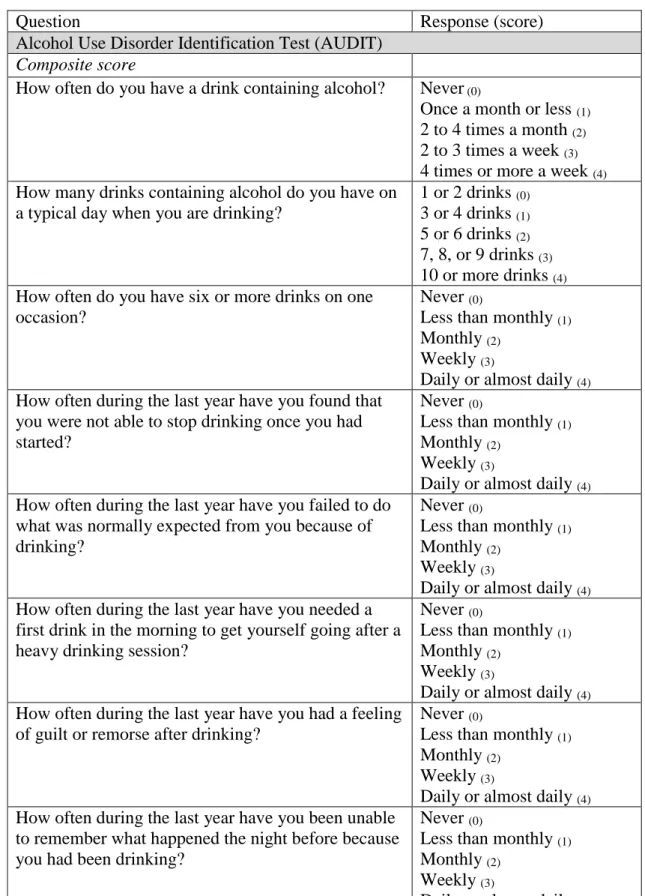
Table 1. Measurement of alcohol use ... 33
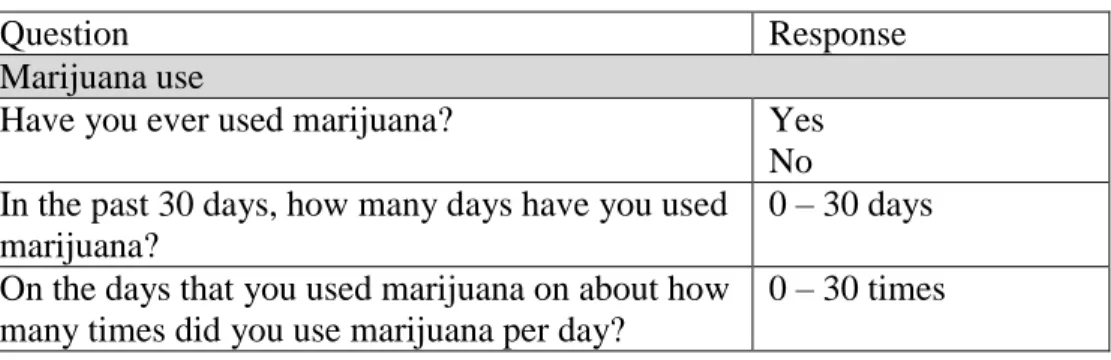
Table 2. Measurement of marijuana use ... 35
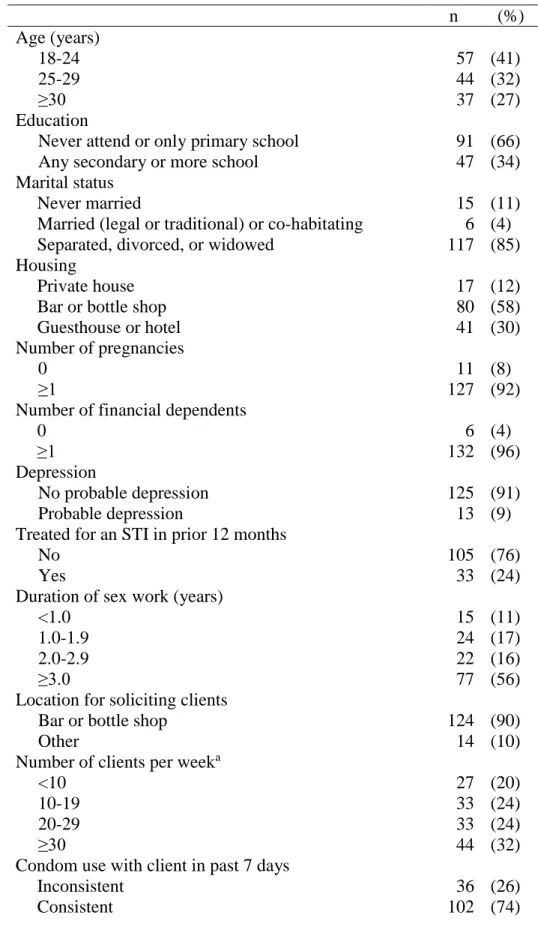
Table 3. Characteristics of female sex workers in Lilongwe, Malawi, July-September 2014 ... 51
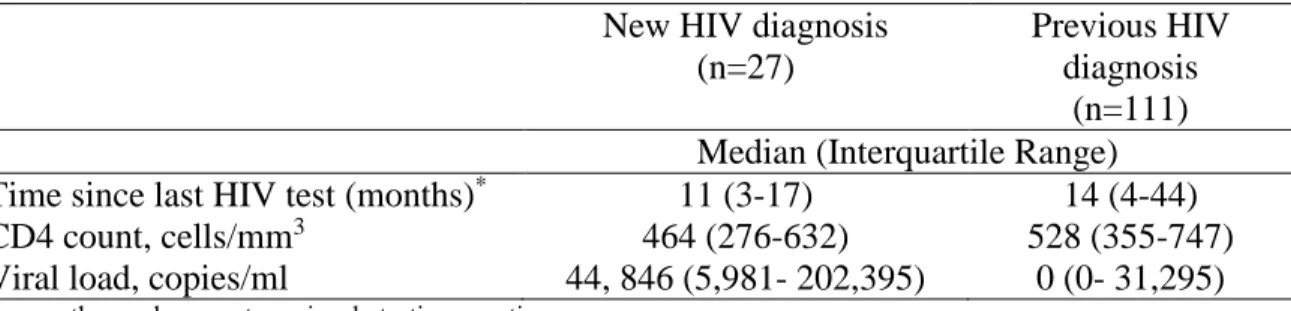
Table 4. HIV testing history, CD4 count, and VL at the time of cross-sectional survey by new and previous HIV diagnosis for female sex workers, (n=138) ... 53
Table 5. Associations of demographic and transmission risk behaviors with HIV care continuum outcomes (previously HIV diagnosed, history of HIV care, and current ART use) among HIV-infected female sex workers in Lilongwe, Malawi ... 55
Table 6. Characteristics of HIV-infected female sex workers in Lilongwe, Malawi, July-September 2014, n=138 ... 69
Table 7. Frequency and history of HIV testing by HIV infection awareness among previously tested HIV-infected female sex workers in Lilongwe, Malawi, July-September 2014 ... 71
Table 8. Patterns of alcohol and marijuana use by HIV infection awareness among previously tested HIV-infected female sex workers in Lilongwe, Malawi, July-September 2014 ... 72
Table 9. Associations of alcohol and marijuana use, alone and together, with lack of HIV infection awareness (n=138) ... 73
Table 10. Characteristics and substance use of ART-eligible female sex workers in Lilongwe, Malawi, July-September 2014, (N=96) ... 87
LIST OF FIGURES
Figure 1. Barriers to engagement into the HIV care continuum among FSW ... 14
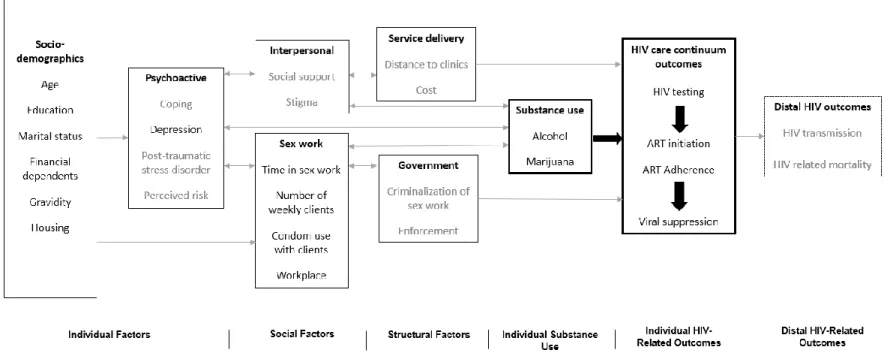
Figure 2. Conceptual framework for the impact of substance use on engagement in key HIV care continuum outcomes ... 15
Figure 3. Map of Lilongwe, Malawi ... 32
Figure 4. HIV Care Continuum among HIV-infected female sex workers, Lilongwe, Malawi (n=138). A) Among all HIV-infected FSW; B) Among FSW achieving prior step... 54
LIST OF ABBREVIATIONS
aPR Adjusted prevalence ratio
ART Antiretroviral treatment
AUDIT Alcohol Use Disorder Identification Test
CAB Community advisory board
CD4 Cluster of Differentiation 4
CI Confidence interval
DBS Dried blood spot
FSW Female sex worker
HIV Human Immunodeficiency Virus
HSRC Health and Population National Health Sciences Research Committee
IQR Interquartile range
PHQ-9 Patient Health Questionnaire-9
PLACE Priorities for Local AIDS Control Efforts
PR Prevalence ratio
PrEP Pre-exposure prophylaxis
RNA Ribonucleic acid
STI Sexually transmitted infections
TasP Treatment as prevention
TfaC Theatre for a Change
UNC The University of North Carolina
CHAPTER I: SPECIFIC AIMS
Substance use is highly prevalent among female sex workers (FSW) globally.[1-7]
FSW often engage in substance use to facilitate soliciting clients, to self-medicate for
depression and to cope with stigma and stress related to sex work.[1, 4, 8-10] Substance
using FSW have low condom usage and high rates of sexual abuse and sexually transmitted
infections, which all disproportionately place substance using FSW at high-risk for HIV
infection.[2, 11-13]
FSW are considered a key population for HIV prevention and treatment, with
approximately 60% of FSW undiagnosed and thus unable to be engaged into care and receive
antiretroviral treatment (ART). Expanded ART for FSW can improve health outcomes and
ultimately onward transmission.[14-16] This success depends on being fully engaged in the
HIV care continuum: timely diagnosis, engagement in care, adherence on antiretroviral
therapy, and retention.[17-20] Full engagement is a particular challenge among FSWs in
sub-Saharan Africa.[14, 21, 22] However to date, there are few interventions linking FSW to
HIV testing and care and no interventions specifically focusing on increased access to ART.
Commonly used substances, alcohol and marijuana, may be one important barrier to
full engagement for FSW and likely one contributing cause of HIV risk among FSW and
their clients. The patterns of substance use and the pathways through which alcohol and
marijuana use may affect the HIV care continuum must be clearly delineated to prevent
FSW-related HIV acquisition and transmission. We hypothesize that FSW who have a high
compared to FSW who do not have high levels of alcohol and marijuana use. Identification
of the patterns and pathways through which alcohol and marijuana use affects each point
along the HIV care continuum will inform strategies to increase access to HIV testing, care,
and treatment for FSW.
For this dissertation, we conducted a cross-sectional evaluation to determine whether
substance use, particularly alcohol and marijuana, among FSW significantly affects
engagement in HIV testing, care, and treatment in Lilongwe, Malawi. In Malawi, the most
common substances used are alcohol and marijuana.[23, 24] Recent systematic, nationally
representative prevalence estimates for current alcohol and marijuana use are limited;
nonetheless alcohol and marijuana are considered acceptable and inexpensive forms of
intoxication in Malawi.[24-26] Venue-based recruitment was used to recruit a sample of
FSW. Consented FSW participated in a face-to-face survey and received rapid HIV testing.
Among the seropositive FSW, CD4 cell count and HIV-1 RNA levels were ascertained. This
study was supported by the well-established research infrastructure of UNC Project-Malawi
in Lilongwe, Malawi. The specific aims were addressed in three manuscripts:
Aim 1: Characterize the HIV care continuum among FSW in Lilongwe, Malawi. Overview: We identified 200 FSW using venue-based recruitment to participate in a
face-to-face behavioral survey examining HIV testing history and engagement in HIV care and
treatment. HIV serostatus was confirmed for all enrolled FSW. Seropositive FSW provide
blood samples for ascertaining CD4 counts and plasma HIV-1 RNA levels.
Aim 2: Evaluate and compare the associations of alcohol and marijuana use with HIV testing: awareness of HIV infection. Overview: We assessed HIV infection
HIV rapid testing to confirm HIV serostatus. We examined the relationships between
alcohol and marijuana use, alone and together, and HIV infection awareness.
Aim 3: Evaluate and compare the associations of alcohol and marijuana use with engagement into HIV treatment: current use of ART among ART eligible FSW and viral suppression. Overview: Among women who are seropositive, virological and immunological status was determined. FSW eligible for ART was based on Malawi’s
Ministry of Health ART eligibility definition.[27] Among the FSW that have initiated ART,
ART adherence was assessed based on the primary goal of ART– viral suppression.[28]
This dissertation is one of the first studies to assess the impact alcohol and marijuana
use along each stage of the HIV care continuum among FSW, a key population
disproportionately affected by HIV. A future combination intervention increasing both
substance use treatment and access to HIV testing and treatment for FSW will be informed
CHAPTER II: BACKGROUND AND SIGNIFICANCE HIV prevalence among FSW in sub-Saharan Africa
HIV prevalence among FSW remains disproportionately high despite decades of
prevention activities. FSW have been a key prevention population for the HIV epidemic since the 1980’s.[29] Yet, these women still are disproportionately more likely to acquire
HIV than all other women of reproductive age.[29-34] Globally, the burden of HIV among
FSW is approximately 12%. When compared to other regions, Sub-Saharan Africa holds the
highest HIV prevalence among FSW, at approximately 37%.[30] FSW within generalized
epidemics in sub-Saharan Africa have more than 12-times increased odds of living with HIV
when compared to all women.[30] FSW in Malawi carry one of the highest burdens of HIV
at an estimated 70%.[30]
Despite nearly 20 years of prevention efforts, FSW in sub-Saharan Africa continue to
experience high incidence of HIV.[14, 30, 35] The heightened risk for HIV acquisition and
transmission among FSW functions through a complex lattice of behavioral, biological, and
structural risks.[36] Behavioral risk factors at the individual level are varied and
numerous.[32] FSW have high-risk sexual exposures– high rates of unprotected sex,[11, 31,
37, 38] anal sex,[39, 40] different sexual partners,[6, 41] concurrent sexual partners,[6, 32,
42] and substance use.[2, 4, 8, 13] Biologically, the burden of sexually transmitted infections
(STI), besides, HIV, in FSW is high. Generally at any point in time, two-thirds of FSW in
sub-Saharan Africa have a curable STI.[32] This high prevalence of STIs and the synergist
Indirectly, structural risk factors further exacerbate HIV acquisition and transmission as FSW
are more likely to experience stigma and discrimination reducing their ability to access HIV
care and treatment services.[14, 30, 36, 44] Furthermore, the illicit nature, organization, and
power dynamics of sex work limits FSW’s ability to negotiate for safer sexual practices.[35,
36] Prevention activities must be complemented with novel combination interventions,
addressing behavioral, biological, and structural risk factors, for HIV-infected FSW in order
to prevent further HIV transmission.
FSW access to HIV care and treatment
HIV-infected FSW infrequently access HIV care and treatment services. Alarmingly,
only one-third of FSW in sub-Saharan Africa receive adequate HIV prevention services, even
fewer access HIV care and treatment services.[14, 21] Approximately 60% of FSW in the
region are unaware of their HIV infection and most FSW only learn of their infection at
antenatal care clinics during pregnancy.[14, 21]
A situation analysis conducted by the Family Planning Association of Malawi in
2011, reported nearly 70% of the 913 FSW interviewed were unaware of their current HIV
infection.[41] Qualitative findings revealed that the majority of FSW avoided receiving HIV
testing and counseling out of fear for their results. Similar to other countries in the region,
most FSW were aware of their HIV infection due to mandatory testing during pregnancy.
The most common reason for voluntary HIV testing was because of frequent illnesses or
deterioration of health.[41] Identifying HIV-infected FSW is only the first of several critical
steps of accessing HIV care and treatment.
The proportion of FSW who are eligible or and access to ART is scarcely evaluated
and treatment can decrease morbidity and mortality, and ultimately onward
transmission,[14-16] no interventions specifically focusing on increased access to ART for FSW in
sub-Saharan Africa were identified in a recent systematic review.[14] The full effect of expanded
ART cannot be achieved unless the myriad of barriers for engagement into care are FSW are
identified and addressed.
Barriers of engagement into HIV care and treatment for FSW in sub-Saharan Africa
are poorly understood. Although the challenges of engagement in care and treatment are
well-described for many HIV-infected persons in sub-Saharan Africa,[45, 46] FSW
experience unique barriers that may further complicate HIV care. The multilevel barriers for
full engagement into the HIV care continuum among FSW have been documented in other
HIV prevalent settings. Figure 2.1 depicts an adaption of the social ecological framework
describing structural, work environment, interpersonal, and individual level barriers
identified among FSW in similar settings that are likely exacerbating HIV risk and limiting
their ability to seek HIV testing, care and treatment in sub-Saharan Africa.
Structural level barriers arising out of the illegal nature of their work, cultural factors,
geographic, lack of economic and educational opportunities, and discrimination from
community and healthcare providers likely force FSW out of the HIV care continuum.[15,
16, 29, 32, 33, 44] The work environment where FSW solicit clients further impedes their
ability to seek HIV care and treatment. FSW who are street-based have higher prevalence of
sexual risk behaviors and likely are less engaged for HIV care and treatment as most HIV
surveillance activities focus on venue-based FSW.[47] Many FSW endure violence from a
multitude of sources, whether it be from paying clients or police.[1, 2, 8, 13, 48]
particularly limited for FSW.[11, 31, 37] At the interpersonal level, the FSW-client
partnership dyads, FSW-stable partnership dyads, and gender norms influence the ability
condom negotiation, the potential for intimate partner violence, and number of partners.[12,
36, 42, 49-53] The lack of social support networks for FSW precludes HIV prevention and
treatment behaviors.[54-56] FSW experience individual level barriers to care, including
substance use and depression.[2, 4, 38] Furthermore, biologically, FSW who have STI
co-infections are disproportionately at more risk for HIV, making is more challenging for
remaining fully engaged in the HIV care continuum.[32, 43] The specific multilevel barriers
to engagement into HIV care and treatment, although well described in other high HIV
prevalent settings, are poorly described for FSW in sub-Saharan Africa and must be
identified to develop effective combination prevention and treatment interventions.
Substance use among FSW
Substance use is prevalent and likely an important barrier to engagement into the HIV
care continuum among FSW in sub-Saharan Africa. FSW have higher rates of substance use, including alcohol and marijuana, when compared to the general population due to their
occupational and environmental factors.[4, 13] In Malawi, nearly 45% of FSW report
consuming 4 to 5 bottles of alcoholic beverages per day, which puts these women at great
risk for alcohol dependency.[8, 41, 57] Despite the recognition high prevalence of alcohol
use among FSW, alcohol use among FSW are rarely systematically measured.[4, 58]
Alcohol use is generally documented as lifetime use or general use, with studies rarely
utilizing standardized and reliable screening tools, such as the Alcohol Use Disorder
Identification Test (AUDIT), to assess the frequency and severity of alcohol use behaviors.
among FSW, in addition to more accurately examining the relationship between alcohol use
and HIV care and treatment among FSW.
The hazardous effects of alcohol use among HIV-infected individuals, not engaging
in sex work, has been well documented. Among the general population, alcohol use severely
affects utilization of HIV care.[59-62] The majority of longitudinal cohort studies have
shown decreased ART adherence among HIV-infected individuals with alcohol use
disorders. However the measurement of alcohol use disorders substantially differed, by
assessing heavy drinking, hazardous drinking or severe drinking.[60, 63, 64] Additionally,
the culmination of these results are further complicated by the differing measures of ART
adherence: self-report, pill counts, or MEMS caps. Even after accounting for HAART
adherence, alcohol consumption is biologically associated with high viral load and other poor
immunologic and virological outcomes.[65, 66] Furthermore, hazardous drinking generally
impairs cognitive functions and judgment, making it increasingly difficult to manage ART
adherence and many other aspect of HIV care and treatment.[59, 61]
Heavy use of marijuana, similar to alcohol, adversely affect decision-making,
cognitive functions, and memory.[67, 68] These adverse effects negatively likely negatively
influence the necessary health seeking behavior for managing HIV care and treatment,
including ART adherence.[69-71] However, evidence is remains unclear if marijuana also
precludes HIV specific health care utilization given the apparent lack of estimates of
marijuana use. Marijuana use estimates among FSW in Malawi are absent, nonetheless,
marijuana is highly produced and a cheap form of intoxication.[24, 25, 72] Substance use of
both alcohol and marijuana are likely one major threat to improving linkage to HIV testing,
Conceptual framework
This dissertation is guided by self-regulation and coping theories that individuals
engage in substance use to help cope with negative life events and dysregulate emotional
states brought on by sex work, which in turn may influence HIV health seeking
behaviors.[73-75] We have developed a multidimensional conceptual model focused on the
potential impact of alcohol and marijuana use on engagement in key HIV care continuum
outcomes: HIV testing, ART initiation and ART adherence, and viral suppression among
FSW (Figure 2.2). The model depicts the influence of individual, social, and structural
factors on each other, while simultaneously affecting alcohol and marijuana use among FSW.
The factors in grey are unmeasured factors, while the factors in black were measured through
this study. For this dissertation, we explore the relationship between alcohol and marijuana
use and engagement in HIV testing and treatment, while controlling for other measured
individual, social, and structural factors. We hypothesize that FSW who have a high levels
of alcohol and marijuana use, will have less completion of the HIV care continuum compared
to FSW who do not have high levels of alcohol and marijuana use.
Preliminary studies
In 2009, the UNC developed and implemented Priorities for Local AIDS Control
Efforts (PLACE) in Lilongwe to assess key HIV transmission networks, including FSW, for
the Ministry of Health.[76] Of these, approximately 65% were bottle stores or bars/taverns
and 23% were hotels, guest houses, or rest houses. Among women (n=427) interviewed at
these sites, 76% reported engaging in sex for pay in the past 4 weeks and 61% self-identified
as a sex worker.
Malawi, with 3,500 FSW in Lilongwe. FSW were mostly 20-24 years old, found at bars,
bottle stores, and guesthouses, and would take clients to nearby cars or rest houses. Few
problems were identified for enrolling FSW; however, the length of the survey had to be
strongly considered as to not serve as a participation disincentive.
In 2008, UNC Project assessed HIV prevalence in Malawi using multiple surveillance
data sources.[77] Among FSW, the HIV prevalence was 74%. Only 10% of FSW reported
condom use with their last sexual partner. About 70% of FSW reported ever being tested for
HIV. In 2013, Theatre for a Change, a non-governmental organization and partners with
UNC Project-Malawi, provided 1,213 FSW at approximately 25 different identified venues
with health services in their mobile clinic. Services included STI testing, family planning,
psycho-social support, contraception and condoms. These activities and the collaboration
between UNC Project and Theatre for a Change demonstrate our ability to reach the FSW
population in Lilongwe. Given the high burden of HIV infection, the FSW are clearly a key
population for HIV prevention and treatment research.
Key informant interviews were conducted with FSW community liaisons in 2014 by
UNC Project assessed marijuana and alcohol prevalence among FSW in Lilongwe.
Respondents agreed that both marijuana and alcohol use are common within Lilongwe and
particularly among FSW. Marijuana is considerably cheaper than alcohol and FSW often
smoke marijuana in between clients while working or as a leisure activity when not working.
In general, the respondents reported that FSW who engaged in alcohol consumption would
also engage in marijuana use, yet, the patterns and frequency of using both marijuana and
Innovation
Acceptability, feasibility, and efficacy of HIV treatment as prevention strategies
among FSW is unknown.ART significantly reduces HIV transmission among monogamous,
serodiscordant couples through decreased viral load in genital secretions.[18] The
community-level effect of treatment as prevention is highly dependent on the success of
identifying, linking to care, and initiating early ART among HIV-infected persons.[19, 20,
78, 79] However, FSW substantially differ from the predominately monogamous
heterosexual couples of HPTN 052.[18]
As previously mention, FSW tend to engage in high risk sexual behaviors, including
– high rates of unprotected sex,[11, 31, 37, 38] anal sex,[39, 40] different sexual partners,[6,
41] and concurrent sexual partners.[6, 32, 42] Additionally, FSW have higher rates of STI
co-infections.[32, 43] The combination of these factors making FSW one of the hardest to
reach populations for HIV care and treatment. FSW have low levels of engagement into care
and have the potential to transmit drug resistant HIV if adequate viral suppression is not
achieved.[14, 21, 80, 81] To maximize the benefits of treatment as prevention strategies,
strategies to keep FSW engaged into the HIV care continuum must be identified.
Understanding substance use’s influence on the HIV continuum of care will inform
future treatment as prevention interventions for FSW. FSW are an important contributor to
HIV transmission, affecting the global HIV epidemic, making FSW in crucial need for
“treatment as prevention” strategies.[19, 82] Modeling shows that prioritizing treatment
access to FSW could influence HIV transmission, if FSW are appropriately engaged into care
and adhere to treatment.[19] Given the negative effect of substance use on engagement in
the impact of substance use on each point along the HIV care continuum will lead to future
combination interventions that focus on substance use treatment and increasing access to
HIV testing, care, and treatment among FSW.
Actively identifying FSW in the field to provide rapid CD4 testing will facilitate
immediate HIV care referral. Approaches to streamline HIV services for FSW are
imperative. Rapid point-of-care CD4 testing has the great potential to improve immediate
decision-making, patient management, and referral for hard-to-reach FSW. The PIMA
analyzer has been validated in several resource-limited settings to identify
ART-eligibility.[83-86] When compared to a standard FACSCailbur platform the PIMA CD4
counts had no significant difference.[84, 85] The use of PIMA in mobile HIV testing and
counseling settings in South Africa improved linkages to HIV care among HIV-infected
individuals.[87] Provision of CD4 testing in the field to FSW may alleviate testing burden
not only for FSW, but also for centralized clinic-based laboratories. To date, point-of-care
CD4 has yet to be employed for FSW in the field.
FSW will continue to disproportionately affect the global HIV epidemic, if left
behind. FSW will not benefit immunologically and clinically if they remain outside the HIV care continuum.[88, 89] Furthermore, they may continue to transmit the virus and as
mathematical modeling has shown, FSW significantly affect the HIV epidemic.[14, 19, 90]
Increasing access to ART for FSW would have a significant effect on the HIV transmission
in high HIV prevalent settings. In 2013, the WHO’s recommended CD4 threshold for ART
initiation increased to 500 cells/mm3.[91] Theoretical models conducted in Kenya, reveal
that expanding ART access to both FSW and their male clients who met the new WHO
within the next decade.[92] Directing HIV prevention efforts to FSW is an essential
cost-efficient use of already limited health systems and financial resources and additionally can
dramatically reduce HIV transmission rates for all subpopulations.[93, 94] However, this
reduction is largely dependent on FSW receiving a timely diagnosis, engaging in care,
adhering to ART, and retaining in HIV care.
Summary
Understanding the impact of alcohol and marijuana use has on the HIV care
continuum among FSW will provide empirical evidence for developing and enhancing
treatment as prevention strategies for FSW in sub-Saharan Africa. The results from this
study will have significant implications for the design of a combination intervention that
focuses on substance use treatment and increasing access to HIV testing and treatment
15
CHAPTER III: RESEARCH DESIGN AND METHODS Study design overview
To evaluate whether substance use, particularly alcohol and marijuana, significantly
affects engagement in HIV testing and treatment among FSW, we conducted a
cross-sectional evaluation of FSW in Lilongwe, Malawi. We used venue-based recruitment to
recruit a sample of FSW. All consented FSW participated in a face-to-face survey and
received rapid HIV testing. Among the seropositive FSW, we obtained CD4 cell counts and
HIV-1 RNA levels. We designed and implemented this study through a collaboration
between The University of North Carolina at Chapel Hill, UNC Project Malawi, and Theatre
for a Change, a non-governmental organization in Malawi.
The research protocol, survey, and consent forms were reviewed and approved by the
Institutional Review Board at the University of North Carolina and the Malawi Ministry of
Health and Population National Health Sciences Research Committee (HSRC). All
participants provided written informed consent prior to completing study activities. All study
related activities were conducted in a safe and private location.
Study setting
Lilongwe is located in the Central Region of the Republic of Malawi (Figure 3.1).
Nested within the district is Malawi’s administrative capital, Lilongwe City, with an
estimated population of 1,346,360 persons. The Malawian law does not explicitly
criminalize sex work; however, “the keeping of brothels” and “living on the earnings of
often perform night raids to arrest persons loitering in entertainment and public places, and
FSW are most commonly arrested.[41] To navigate the potential legal implications of
working with FSW, community engagement activities were undertaken within the
well-established infrastructure of UNC Project-Malawi.
UNC Project-Malawi provided an extensive research platform in Lilongwe, including
a permanent research team, field workers, health care professionals, and an infrastructure that
will support the implementation of this study. For over twenty years, UNC and the Malawi
Ministry of Health have collaborated on research, care, and training programs in Lilongwe.
UNC Project-Malawi has a large, diverse and most importantly, active community advisory
board (CAB). The CAB is made up of participants in clinical trials, people living with HIV,
and local community members, including traditional, civic, political, and religious
community leaders.
This study also reflected a partnership with the non-governmental organization,
Theatre for a Change (TfaC). Since 2003, TfaC has worked to empower women and girls
and to develop programs focused on sex workers and their clients, sexually exploited
children, pre-service and in-service teachers and primary school children. TfaC has
far-reaching relationships with local stakeholders, including chiefs, police, NGOs, United
Nations agencies and government ministries.
UNC Project-Malawi provided the necessary infrastructure to navigate the complex
and hard-to-reach FSW networks of Lilongwe. UNC Project-Malawi was the optimal site for
Study procedures
Pre-implementation activities
In May 2014, prior to study recruitment, we held a stakeholder meeting with queen
mothers in Lilongwe. Queen mothers are mentor FSW who live at venues where FSW solicit
sex. At this meeting, 24 queen mothers attended, representing 23 different venues in
Lilongwe. During the stakeholder meeting, we informed the queen mothers about this study
and its procedures. We provided a forum for concerns to be raised and addressed. Also,
through UNC Project Malawi, our study was presented and discussed during the monthly
community advisory board (CAB) meeting.
Community mapping and venue identification
From July 2014 through September 2014, we systematically recruited FSW using
venue-based sampling. Our outreach team comprised peer FSW, HIV testing counselors,
interviewers, a study nurse, and male driver in a mobile clinic. We developed the list of
venues, in collaboration with Theatre for a Change and sex work stakeholders, where FSW
are known to solicit sex. . Brief face-to-face interviews were conducted with representatives
or management from the identified venues to obtain characteristics of the venue, patrons, and
alcohol availability. Permission to recruit participants, in addition to commitment of
ensuring safety of outreach team, was be obtained from venue management. Brief
face-to-face interviews with people who are socializing at the venue were conducted to confirm
whether or not FSW have solicited sex at the venue.
Identification and recruitment of participants
To systematically identify FSW, we used venue-based recruitment to identify FSW.
These methods have documented success with identification of hidden populations, including
and asked if they were willing to participate in screening for an HIV research study. After
verbal consent was obtained, women were brought to a confidential location outside received
a brief screening survey to assess eligibility for participation.
Selection criteria
We used the 2011 Family Planning Association of Malawi’s definition of sex work,
as someone “who had received money in exchange for sex either regularly or occasionally up
to 12 months prior to the survey”.
Inclusion criteria
Female age ≥18 years
Self identifies as someone who has received money in exchange for sex either
regularly or occasionally up to 12 months prior to the date of the survey
Willingness to complete survey, undergo HIV testing and counseling and provide
blood sample
Exclusion criteria
Female <18 years
Male
Incapable of providing informed consent
Informed consent
If willing and eligible, FSW were asked to provide written informed consent for
participation in the study. The interviewer explained the purpose of the research study and
criteria for participation. During the informed consent process, the interview described the
procedures the procedures, the risks and benefits of participation, the duration of
signature on the consent form. Non-literate participants were asked to document their
understanding and consent with a mark (e.g., an X or thumbprint) in the presence of a literate
party, impartial witness. FSW participants who are non-literate chose a literate
third-party witness whom they feel comfortable disclosing their participation in the study. Copies
of the consent form were offered to the participants.
Protection of human subjects
The research protocol was reviewed by the Institutional Review Board at the
University of North Carolina and the Malawi Ministry of Health and Population National
Health Sciences Research Committee (HSRC). All procedures conformed to U.S. and
Malawian ethical standards for human subjects research. This study received approval from
the Institutional Review Board at the University of North Carolina on December 7, 2013
(IRB#: 13-3283). Approval from the HSRC was received on March 11, 2014 (Protocol#:
1224).
Data collection
Consented FSW then received a face-to-face behavioral survey on substance use
including alcohol and marijuana use, HIV testing history, HIV infection awareness,
engagement in HIV care, and ART use. We assessed HIV serostatus for all consented FSW.
Per Malawian National HTC guidelines, FSW received serial HIV-antibody rapid tests,
Determine HIV-1/2 and Uni-Gold rapid HIV-antibody. Pre- and post-HIV test counseling,
clinic referral, and risk reduction counseling was administered, and both male and female
condoms were offered.
For FSW with confirmed HIV infection, another finger stick was performed to collect
blood for CD4 measurement and plasma HIV-1 RNA levels. CD4 measurement was
available in approximately 20 minutes.[84, 99] The results were provided to the participant
and a trained study nurse was available to assist the participant with interpretation of these
results.
Dried blood spots (DBS) were collected to determine HIV-1 RNA concentrations.
DBS is an effective method for measuring plasma HIV-1 RNA levels.[100-102] Samples
were kept in drying boxing with a humidity indicator card to monitor moisture levels, until
they were brought to the UNC Project laboratory. HIV-1 RNA levels were available for
women within 4 weeks of DBS collection and results were provided by a trained study nurse.
Aim 1: Characterize the HIV care continuum among FSW in Lilongwe, Malawi
HIV care continuum assessments
HIV diagnosis: We asked FSW to report the date and results of their most recent HIV
test to determine new vs. previous diagnosis. We defined a new HIV diagnosis as FSW who
were seropositive, based HIV rapid testing, and self-reported being HIV negative at their
most recent HIV test (or never testing previously). We defined a previous diagnosis as those
reporting being HIV-positive at their most recent test.
History of HIV care: For FSW who were self-reported being HIV-positive, we asked “Have you ever seen an HIV health care provider?” FSW who responded yes to the question
or reported current ART use were classified as having a history of HIV care. All other FSW
were classified as not having a history of HIV care.
Current ART use: FSW who were previously diagnosed were asked the question “Are you currently on ART?” Those who responded yes were defined as being on ART. All other
ART eligibility: FSW were considered ART-eligible if they reported current ART
use, had CD4 ≤500 cells/mm3 following the Malawi national guidelines, were currently
pregnant or breastfeeding, or had a pregnancy after July 2011 following Option B+ policy.
All other FSW were classified as ART-ineligible.
ART adherence: For the FSW who reported being on ART, we asked the question “In
the last 4 weeks, when was the last time you missed taking any of your anti-HIV
medications?” with the response options as: within the past week; 1-2 weeks ago; 2-4 weeks
ago; or never skipped medications in the last 4 weeks.
Viral suppression: For all confirmed seropositive FSW, viral load was assessed. We
defined FSW as virally suppressed with an HIV-1 RNA ≤5000 copies/mL and defined as
undetectable with an HIV-RNA ≤550 copies/mL, which are the recommended thresholds
when using fingerstick DBS.[47, 103]
Covariates
We obtained data on demographic characteristics and sexual risk behaviors, which
included: age (18-24, 25-29, ≥30 years),[104] years in sex work (<1, 1.0-1.9, 2.0-2.9, ≥3.0
years),[105] weekly number clients (<10, 10-19, 20-29, ≥30 clients),[106] and condom use
during vaginal sex with clients in prior 7 days (consistent use, inconsistent use).[106]
Sensitivity analyses
In addition to our primary analysis of the characterizing the HIV care continuum, we
conducted two separate sensitivity analyses to address apparent discrepancies across key
continuum indicators in a small number of FSW. In the first sensitivity analysis, FSW who
were virally suppressed but self-reported not previously diagnosed were re-assigned as
sensitivity analysis, FSW who were virally suppressed but whose self-reports suggested they
had not been previously diagnosed or did not report current ART use were re-assigned to
categories in which they were assumed to be previously diagnosed, have a history of care,
and be current ART users. After we re-classified these FSW, we then re-calculated the key
continuum outcomes and compared with our primary analysis.
Aim 2: Evaluate and compare the associations of alcohol and marijuana use with lack of awareness of HIV infection
Alcohol use assessment
Alcohol use will be captured using the World Health Organization’s Alcohol Use
Identification Test (AUDIT).[107-110] The AUDIT measures alcohol use behaviors and
alcohol use disorder symptoms (Table 3.1). The AUDIT is a screening tool for hazardous
drinking, which is a pattern of drinking that poses high risk of future damage to physical or
mental health. This screening tool has been validated in various populations and has been
widely used to screen for hazardous drinking in sub-Saharan Africa.[111, 112] The AUDIT
is a brief 10 question survey that consists of questions related to specific domains, like
hazardous alcohol use, alcohol dependence symptoms, and harmful alcohol use. Each of the
10 questions has a set of responses with a corresponding score of 0 to 4. Scores are added
from each question resulting in one composite score ranging from 0 to 40. A score of 8 or
above indicates hazardous drinking, with an average sensitivity of the 90% and specificity of
80% varying among populations and countries. The WHO recommends shifting the cut-off
for indication of hazardous drinking to a score of 7 to increase the sensitivity among
women.[110] Therefore, FSW with an AUDIT score of 7 will be indicative of hazardous
Marijuana use assessment
Marijuana use was measured in terms of reported lifetime marijuana use and number
of days using marijuana within the past 30 days (Table 3.2). Current marijuana use was
defined as at least one day of marijuana use within the prior 30 days.
HIV history and infection assessments
To measure HIV infection awareness, we asked FSW to report the results of their last
HIV test. FSW who were HIV-seropositive and self-reported themselves as HIV-negative
from last HIV test, never receiving their results from an HIV test, or never previously tested
for HIV were considered unware of HIV infection.
Covariates
We used directed acyclic graphs, based on the literature, to identify a minimally
sufficient adjustment set of covariates to include in our analysis of the associations between
alcohol and marijuana use, alone and together, with lack of HIV infection awareness.
Covariates examined -included age (18-24, 25-29, ≥30 years), education (never attended
school/only primary school, any secondary school/more school), marital status (never
married, cohabitating/married, separated/divorced/widowed), housing (private house, bottle
shop/bar, hotel/guesthouse), gravidity (no previous pregnancies, any previous pregnancies),
financial dependents (no dependents, any dependents), probable depression measured by the
Patient Health Questionnaire-9 (PHQ9 <10, PHQ9 ≥10),[113-115] and treatment for an STI
in the prior 12 months (no, yes). We also examined years in sex work (<1, 1.0-1.9, 2.0-2.9,
≥3.0 years), location for soliciting paying sexual partners (bar/bottle shop, other), weekly
number of clients (<10, 10-19, 20-29, ≥30 clients), condom use during vaginal sex with
using a condom during vaginal sex (no, yes), alcohol use prior to last vaginal sex with client
(no, yes), and any marijuana use prior to last vaginal sex with client (no, yes). Categorization
of the covariates were based on interpretability and replicability.
Aim 3: Evaluate and compare the associations of alcohol and marijuana use with
engagement into HIV treatment: current use of ART among ART eligible FSW and viral suppression
Alcohol use assessment
Alcohol use was assessed as previously presented in aim 2.
Marijuana use assessment
Marijuana use was assessed as previously presented in aim 2.
HIV treatment assessments
We asked FSW to report the date and results of their most recent HIV test to
determine new vs. previous diagnosis. We defined a new HIV diagnosis as FSW who were
seropositive, based HIV rapid testing, and self-reported being HIV negative at their most
recent HIV test (or never testing previously). We defined a previous diagnosis as those
reporting being HIV-positive at their most recent test.
We measured reported current ART use among all ART eligible FSW. ART
eligibility was defined as those reporting current ART use, a CD4 ≤500 cells/mm3 following
the Malawi national guidelines, currently pregnant or breastfeeding, or any pregnancy after
July 2011 following Option B+ policy.[116] Option B+ provides confirmed HIV-infected
pregnant and breastfeeding women lifelong ART regardless of CD4 count or clinical stage.
FSW who answered no to the question “Are you currently on ART?” were defined as not
We measured HIV-1 RNA concentration for viral suppression. FSW were classified
as virally nonsuppression with an HIV-1 RNA >5000 copies/mL which is the recommended
thresholds when using fingerstick DBS.[47, 103]
Covariates
We used directed acyclic graphs, based on the literature, to identify minimally
sufficient adjustment set of covariates to include in our models examining the associations
between alcohol and marijuana use with sub-optimal HIV care and treatment outcomes. The
covariates we examined- included age (18-24, 25-29, ≥30 years), education (never attended
school/only primary school, any secondary school/more school), marital status (never
married, cohabitating/married, separated/divorced/widowed), housing (private house, bottle
shop/bar, hotel/guesthouse), gravidity (no previous pregnancies, any previous pregnancies),
financial dependents (no dependents, any dependents), probable depression measured by the
Patient Health Questionnaire-9 (PHQ9 <10, PHQ9 ≥10),[113-115] and treated for an STI in
the prior 12 months (no, yes). We also examined years in sex work (<1, 1.0-1.9, 2.0-2.9,
≥3.0 years), location for soliciting paying sexual partners (bar/bottle shop, other), weekly
number clients (<10, 10-19, 20-29, ≥30 clients), condom use during vaginal sex with clients
in prior 7 days (consistent use, inconsistent use), paying sexual partner demanded not using
a condom for vaginal sex (no, yes), and alcohol use prior to last vaginal sex with client (no,
yes) Categorization of the covariates were based on interpretability and replicability.
Data management and analysis Data management
Data was derived from two source: face-to-face behavioral survey and laboratory
data. Survey data and laboratory results were entered using Open Data Kit Collect on an
study staff. All entered data was uploaded to the password-protected UNC Project shared
server daily. Data was housed at UNC Project-Malawi in Lilongwe, an HPTN/ACTG/MTN
site, and the University of North Carolina at Chapel Hill. All data collected underwent
quality assurance and quality control testing adapted from HPTN/ACTG studies. Study staff
developed and implemented a system to track all questionnaires. All FSW participants were
assigned a unique study identification number that was used for this study. Survey data and
biological data were linked through this study identification number.
Aim 1: Characterize the HIV care continuum among FSW in Lilongwe, Malawi
Statistical analyses
We used frequency distributions and descriptive statistics to characterize the study
population. Proportions and associated 95% confidence intervals (CI) were computed for
HIV serostatus and three key outcome of the HIV care continuum: history of HIV care,
current ART use, and virally suppressed. We characterized these continuum indicators using
two different approaches. The first approach is estimated using all HIV-infected FSW as the
denominator, which provides information about opportunities for HIV transmission from
FSW to their sexual partners. The second approach is estimated using the number of
HIV-infected FSW achieving the prior step in the continuum, which more directly highlights
healthcare delivery gaps for HIV prevention and treatment services. For example, within the
second approach, the proportion of FSW who have a history of care has the denominator of
FSW who reported being previously diagnosed. In addition to these analyses of the three
primary continuum outcomes (history of care, current ART use, and viral suppression), we
also assessed ART use in relation to ART eligibility, and ART adherence among those on
We explored a demographic characteristics and transmission risk behaviors
associated with HIV care continuum outcomes. A parsimonious set of demographic and
transmission risk behaviors were established based on literature review and sample size
considerations and included: age,[104] years in sex work,[105] weekly number clients,[106]
and condom use during vaginal sex with clients in prior 7 days.[106] The HIV care
continuum outcomes assessed were a) previous diagnosis (vs. new diagnosis) among all
HIV-infected FSW, b) history of HIV care (vs. no history of care) among those previously
diagnosed, c) reported current ART use (vs. no current ART use) among those previously
diagnosed and ART-eligible. We examined associations using Poisson regression models
with robust variance estimates to estimate prevalence ratios (PR) with 95% confidence
intervals.[117]
Aim 2: Evaluate and compare the associations of alcohol and marijuana use with lack of awareness of HIV infection
Statistical analyses
Characteristics, history of HIV testing, and substance use were summarized using
frequencies and proportions for categorical variables and medians and interquartile ranges
(IQR) for continuous variables.
We conducted analyses for the associations of alcohol and marijuana use with the
primary outcome of lack of HIV infection awareness. We developed a product interaction
term to assess the association between alcohol and marijuana use together and lack of HIV
infection awareness. We used Poisson regression with robust variance estimates to estimate
bivariable and multivariable prevalence ratios (PR) with 95% confidence intervals (CI), due
prevalence ratio is the proportion of participants that have the outcome (D+) among exposed
(E+) over the proportion of people that have the outcome (D+) among unexposed (E-).
𝑃𝑟𝑒𝑣𝑎𝑙𝑒𝑛𝑐𝑒 𝑅𝑎𝑡𝑖𝑜 =𝑃(𝐷 +|𝐸+)
𝑃(𝐷 +|𝐸−)
Prevalence ratios are interpretable, less biased, and in comparison to odds ratios, the
PR tends to be more consistent when estimating the total effect.[120-122] In order to
estimate the total effect of these associations, additional covariates were examined as
possible confounders and effect measure modifiers.
Potential confounders were assessed one-by-one, and retained in final adjusted
multivariable models if removal resulted in a >10% change in the prevalence ratio estimate.
Interactions were only considered for variables of interest that met positivity assumptions and
were retained in the final adjusted multivariable models if they had public health relevance
and reached statistical significance at alpha=0.10. Collinearity was evaluated in the model
using Pearson’s correlation coefficient; none of the covariates showed significant correlation
(p-value ≥0.5).
Aim 3: Evaluate and compare the associations of alcohol and marijuana use with
engagement into HIV treatment: current use of ART among ART eligible FSW and viral suppression
Statistical analyses
We summarized the characteristics, substance use, and engagement in HIV treatment
using frequencies and proportions for categorical variables and medians and interquartile
ranges (IQR) for continuous variables.
We conducted separate analyses for the associations of alcohol and marijuana use
with the primary outcomes of lack of ART use and viral nonsuppression. We used Poisson
permitted, multivariable prevalence ratios (PR) with 95% confidence intervals (CI).[118,
119]
We assessed potential confounders one-by-one, and retained in the final adjusted
multivariable models if removal resulted in >10% change in estimate. Interactions were only
considered for variables of interest that met positivity assumptions and retained in final
adjusted multivariable models if they reached statistical significance at alpha=0.10 and
considered to have public health relevance. Collinearity was evaluated in the model using
Pearson’s correlation coefficient, though, none of the covariates showed significant
correlation (p value ≥0.5).
Limitations
Specific limitations to each aim are incorporated within the discussions of chapters 4
through 6. Here we present certain limitations that applied to the implementation and design
of all our aims.
Challenges associated with recruiting FSW
During the community mapping activities, we engaged with venue owners to inform
them that we were conducting a substance use and sexual health study among women
patrons. We alleviated any resistance owners had by study staff showing up announced. We
were also aware of the difficulties identifying FSW and subsequently obtaining their consent
to participate in the survey while they were working. The duration of the survey was kept
manageable, as not to serve as a disincentive for participation. We also conveyed the
benefits of receiving HIV testing on site, particularly among FSW who are unaware of their
Self-report of substance use
The measure of substance use was based on self-report. Given the need for social
acceptance, this measurement may be susceptible to social desirability bias and recall bias.
We incorporated strategies in survey administration to minimize these potential biases, such
as the use of trained interviewers, building rapport, and reassuring confidentiality throughout
the survey.
Generalizability of results
All FSW who are enrolled in this study were enrolled at venues where they were be
soliciting clients. Therefore, street-based FSW were likely not included in our sample.
These FSW may fundamentally be different than those in our study, in terms of their HIV
risk structure and health seeking behaviors. We made sure that our results did not
Table 1. Measurement of alcohol use
Question Response (score)
Alcohol Use Disorder Identification Test (AUDIT) Composite score
How often do you have a drink containing alcohol? Never (0)
Once a month or less (1)
2 to 4 times a month (2)
2 to 3 times a week (3)
4 times or more a week (4)
How many drinks containing alcohol do you have on a typical day when you are drinking?
1 or 2 drinks (0)
3 or 4 drinks (1)
5 or 6 drinks (2)
7, 8, or 9 drinks (3)
10 or more drinks (4)
How often do you have six or more drinks on one occasion?
Never (0)
Less than monthly (1)
Monthly (2)
Weekly (3)
Daily or almost daily (4)
How often during the last year have you found that you were not able to stop drinking once you had started?
Never (0)
Less than monthly (1)
Monthly (2)
Weekly (3)
Daily or almost daily (4)
How often during the last year have you failed to do what was normally expected from you because of drinking?
Never (0)
Less than monthly (1)
Monthly (2)
Weekly (3)
Daily or almost daily (4)
How often during the last year have you needed a first drink in the morning to get yourself going after a heavy drinking session?
Never (0)
Less than monthly (1)
Monthly (2)
Weekly (3)
Daily or almost daily (4)
How often during the last year have you had a feeling of guilt or remorse after drinking?
Never (0)
Less than monthly (1)
Monthly (2)
Weekly (3)
Daily or almost daily (4)
How often during the last year have you been unable to remember what happened the night before because you had been drinking?
Never (0)
Less than monthly (1)
Monthly (2)
Weekly (3)
Have you or someone else been injured as a result of your drinking?
No (0)
Yes, but no in the last year (2)
Yes, during the last year (4)
Has a relative, friend, or a doctor or other health worker been concerned about your drinking or suggested that you cut down on your drinking?
No (0)
Yes, but no in the last year (2)
Table 2. Measurement of marijuana use
Question Response
Marijuana use
Have you ever used marijuana? Yes
No In the past 30 days, how many days have you used marijuana?
0 – 30 days
On the days that you used marijuana on about how many times did you use marijuana per day?
CHAPTER IV: THE HIV CARE CONTINUUM AMONG FEMALE SEX WORKERS, A KEY POPULATION IN LILONGWE, MALAWI
INTRODUCTION
HIV prevalence among female sex workers (FSW) remains disproportionately high
despite decades of prevention activities.[29-34] Globally, the HIV prevalence among FSW is
12%, with a higher prevalence of 37% in sub-Saharan Africa. HIV-infected FSW have a
higher number of sexual partners compared to other women of reproductive age, increasing
the likelihood of HIV acquisition, as well as transmission to their clients and onward
transmission from clients to other sexual partners.[30, 123] Effective interventions are
clearly needed to reduce HIV acquisition and transmission from this key population.
Anti-retroviral therapy (ART) sharply reduces HIV morbidity, mortality, and
transmission.[18, 124] To experience these benefits of ART, HIV-infected persons must be
diagnosed and receive HIV care and treatment. The HIV care continuum is a commonly
used framework that provides cross-sectional descriptions of population-level engagement in
HIV testing, care, and treatment. [12, 20] If HIV-infected FSW fail to attain optimal
outcomes along this “HIV continuum,” they will not receive the clinical benefits of HIV care
and treatment, and also will likely continue to transmit HIV.[19, 125]
The HIV care continuum has not been well characterized in FSW.[125, 126]
Estimates of ART initiation, adherence, and treatment outcomes among this key population
in sub-Saharan have been derived predominately from small, intensively followed cohorts
estimates of engagement in HIV care and treatment among FSW outside of these intensively
followed cohorts, the unmet needs of this population are difficult to assess.
We conducted the first study to characterize the HIV care continuum among FSW in
Lilongwe, Malawi, where the FSW HIV prevalence (70%) is one of the highest globally.[30]
In addition to quantifying the continuum, we examined the associations between continuum
outcomes and both demographic characteristics and transmission risk behaviors.
METHODS Study procedures
We designed and implemented this study through a collaboration between The
University of North Carolina at Chapel Hill, UNC Project Malawi, and Theatre for a Change
(TfaC), a non-governmental organization in Malawi with far-reaching relationships with
local sex work stakeholders including FSW, chiefs, police, local NGOs, and Malawian
government ministries. This study is a descriptive, cross-sectional biological and behavioral
survey among FSW in Lilongwe, Malawi. FSW were systematically recruited using
venue-based sampling. Venue-venue-based sampling has documented success with identification of
hidden populations, including FSW.[12, 95-98] Our reach team comprised of HIV testing
counselors, interviewers, a study nurse, male driver for the mobile clinic, and a peer FSW to
facilitate approaching women at the venues. In collaboration with TfaC, we developed the
list of venues where FSW are known to solicit sex.
From July through September 2014, FSW were recruited from 23 different venues
within Lilongwe; most venues were bars and bottle shops. Women at a venue were
approached by a member of our outreach team and asked if they would like to participate in a
definition of sex work, as someone “who had received money in exchange for sex either
regularly or occasionally up to 12 months prior to the survey”. Women were eligible for
enrollment if they were at least 18 years of age and self-reported as a FSW. All FSW
provided written informed consent.
All consenting FSW completed a structured behavioral survey to obtain detailed
information on demographics, pregnancy history, transmission risk behaviors, HIV testing
history, and engagement in HIV care and treatment. The survey was translated from English
to Chichewa, the predominant language in Malawi, and back translated. The survey was
available in both languages to all FSW.
HIV serostatus was confirmed for all participating FSW using Malawian National
HIV Testing and Counseling guidelines, which indicate serial HIV-antibody rapid tests,
Determine HIV-1/2 and Uni-Gold rapid HIV-antibody. Pre- and post-HIV test counseling,
clinic referral, and risk reduction counseling were administered, and both male and female
condoms were offered. FSW were defined as HIV seronegative with a negative Determine
HIV-1/2 test result or HIV seropositive with positive Determine HIV-1/2 and Uni-Gold test
results.
For FSW with confirmed HIV infection, another finger stick was performed to collect
blood for CD4 measurement and plasma HIV-1 RNA levels. CD4 measurement was
obtained using the Pima CD4TM, a self-contained, cartridge-based test platform with results
available in approximately 20 minutes.[84, 99] The results were provided to the participant
and a trained study nurse was available to assist the participant with interpretation of these
Dried blood spot (DBS) were collected to determine HIV-1 RNA
concentrations.[100-102] Samples were kept in drying boxing with a humidity indicator card
to monitor moisture levels, until they were brought to the UNC Project laboratory. HIV-1
RNA levels were available for within 4 weeks of DBS collection and results were provided
by a trained study nurse.
All FSW confirmed HIV seropositive were referred to Lighthouse Trust HIV Clinic
in Lilongwe for medical care and treatment. All study-related activities were conducted in a
safe and private location.
Data collection
To assess whether women testing positive were newly (vs. previously) diagnosed,
FSW were asked to report the date and results of their most recent HIV test. FSW who were
seropositive and self-reported being HIV negative at their most recent HIV test (or never
testing previously) were defined as a new HIV diagnosis; those reporting being HIV-positive
at their most recent test were classified as previously diagnosed. Previously diagnosed FSW
who responded yes to the question “Have you ever seen an HIV health care provider?” or
reported current ART use were classified as having history of HIV care. Previously
diagnosed FSW who answered yes to the question “Are you currently on ART?” were
classified as being on ART. ART-eligible FSW were defined as those reporting current ART
use, a CD4 ≤500 cells/mm3 following the Malawi national guidelines, currently pregnant or
breastfeeding, or any pregnancy after July 2011 following Option B+ policy.[116] The
Option B+ policy provides confirmed HIV-infected pregnant and breastfeeding women
lifelong ART regardless of CD4 count or clinical stage. ART adherence was assessed based