Theses and Dissertations
2016
Promoting Progress to Assist Youth with
Disordered Eating in School Mental Health
Bryn Elizabeth SchieleUniversity of South Carolina
Follow this and additional works at:https://scholarcommons.sc.edu/etd Part of theSchool Psychology Commons
This Open Access Dissertation is brought to you by Scholar Commons. It has been accepted for inclusion in Theses and Dissertations by an authorized administrator of Scholar Commons. For more information, please [email protected].
Recommended Citation
by
Bryn Elizabeth Schiele
Bachelor of Arts
University of Texas at Austin, 2010
Master of Arts
University of South Carolina, 2013
Submitted in Partial Fulfillment of the Requirements
For the Degree of Doctor of Philosophy in
School Psychology
College of Arts and Sciences
University of South Carolina
2016
Accepted by:
Mark D. Weist, Major Professor
Kimberly J. Hills, Committee Member
Bret R. Kloos, Committee Member
Nancy A. Lever, Committee Member
It is with great pride that I dedicate this doctoral dissertation to my grandparents,
James and Phyllis Mitchell. Their wisdom, perseverance and passion for intellectual
growth continue to inspire me. I think of them and miss their presence daily, and wish
There are many individuals who have helped me reach my goal of obtaining my
doctoral degree. Without their support and encouragement, my completion of this
dissertation would not have been possible.
First and foremost, I thank my mother and father for providing unending love,
stability and guidance throughout my life. Your faith in me, encouragement and words of
wisdom helped me to make this project a reality. The countless sacrifices you made
enabled me to persevere in the pursuit of my dreams and receive an excellent education;
for this I am eternally grateful. To Meg, I could not ask for a more loving and supportive
sister, confidant and friend.
Special thanks to Dr. Mark Weist, my dissertation chairperson and advisor, for his
steady support and guidance throughout my graduate career. His confidence in my
pursuit of this area of research and acceptance of my ideas made what could have been a
daunting task a manageable one and enabled me to complete the project in a timely
manner. Many thanks also go to the other members of my committee, Dr. Kimberly Hills,
Dr. Bret Kloos and Dr. Nancy Lever, for their valuable and constructive feedback
throughout this process. Finally, thanks to Sue Connolly-Nelson and the Hearth Center
for Eating Disorders staff for help and support while conducting my research on their
grounds.
Disordered eating has become a significant issue among children and adolescents;
nearly 14% of all youth displaying disordered eating patterns. Despite the prevalence of
these disorders amongst school-age students, there is a deficit of empirical literature on
the integration of eating disorder support services in schools, as well as a lack of
knowledge and training of school mental health (SMH) professionals regarding the
appropriate interventions for this population. While eating disorders have previously been
considered as outside of the school mental health domain of practice (e.g., Judge, 2001),
this view has changed and there exists a significant need to provide accessible
identification and intervention services for these students in schools.
The present paper is a mixed methods research study conducted to examine the
perspectives of those most closely linked to eating disorder services (i.e., adolescents in
recovery from eating disorders, family members, SMH professionals), and their
viewpoints regarding the integration of such services within a SMH framework. Current
SMH services for youth with disordered eating and perspectives on their delivery were
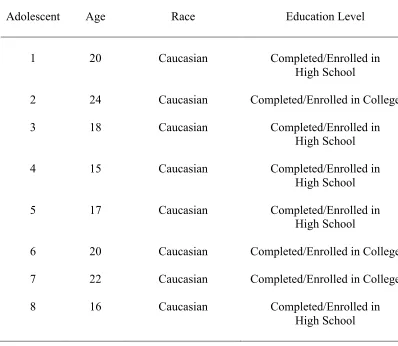
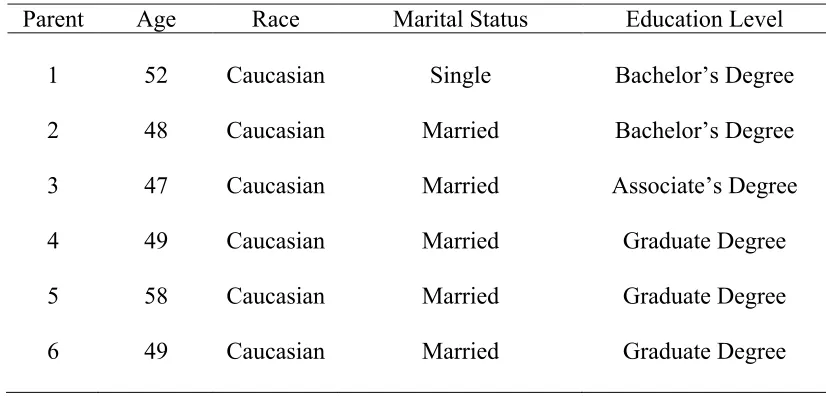
explored using qualitative methods of individual interviews. A purposeful sample of 14
participants was recruited from an eating disorder treatment facility in the southeastern
United States. Eight adolescent females who received treatment for disordered eating
while in primary or secondary schools and 6 of their respective mothers completed
perspectives of these professionals on service provision and barriers to service delivery
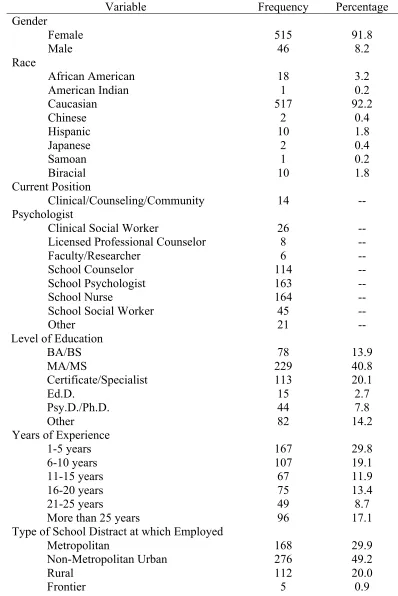
were explored. A national sample of 720 SMH professionals completed the survey, with
561 of those useable.
Qualitative and quantitative data were collected concurrently and analyzed
separately, prior to converging the data strands to better understand SMH services for
disordered eating. Qualitative analyses of interview data revealed the following themes
regarding experiences of the adolescents and families that hindered or helped recovery:
Isolation, Perfectionism, Difficulties with Self-Acceptance and Comparison to Others,
Uncertainty, Teacher Identification, Support in Recovery. Half of the sample (N = 4)
received school support while being treated for disordered eating, but school support was
unrelated to disordered eating. Themes surrounding the benefits of including SMH
services for this population included: Increased Awareness, Support in Recovery, Family
Involvement, and Linking to Resources. The costs of including these services cited in
interviews were: Time Away from Academics, Need for Trained Professionals, and Not
Enough Time for Training.
Quantitative results suggested that the majority of SMH professionals have not
received training in the identification and/or intervention of disordered eating.
Conversely, most professionals demonstrated adequate knowledge of symptoms and risk
factors of disordered eating, and reported encountering and working with students who
exhibited disordered eating behaviors in the last year. Professionals indicated moderate to
intervene.
The findings from this study provide a basis for researchers to understand the
experiences of adolescents with disordered eating in the schools. This exploratory study
aimed to spearhead further research on the development, evaluation and implementation
of school-based intervention programs for youth with disordered eating. Implications for
clinical practice and training were discussed, followed by limitations of the current study
and future directions for research.
DEDICATION ... iii
ACKNOWLEDGEMENTS ... iv
ABSTRACT ... v
LIST OF TABLES ... xi
CHAPTER 1:INTRODUCTION ... 1
STATEMENT OF THE PROBLEM ... 4
PURPOSE OF THE STUDY ... 5
RESEARCH QUESTIONS ... 6
SIGNIFICANCE OF THE STUDY ... 8
CHAPTER 2:LITERATURE REVIEW ... 11
EATING DISORDERS ... 12
PREVALENCE ... 14
RISK FACTORS ... 19
ETIOLOGY ... 27
CURRENT IDENTIFICATION,ASSESSMENT AND INTERVENTION PRACTICES ... 32
CURRENT SCHOOL SERVICE PROVISION ... 37
IS THERE A NEED FOR SMHPROGRAMS? ... 41
CHAPTER 3:METHODS ... 46
MIXED METHOD DATA ANALYSIS ... 61
CHAPTER 4:RESULTS ... 63
QUALITATIVE RESULTS ... 63
QUANTITATIVE RESULTS ... 79
CHAPTER 5:DISCUSSION ... 109
SUMMARY AND PURPOSE OF THE STUDY ... 109
DISCUSSION OF FINDINGS ... 110
IMPLICATIONS OF THE STUDY ... 129
RECOMMENDATIONS FOR CLINICAL PRACTICE ... 132
LIMITATIONS ... 134
FUTURE RESEARCH ... 137
SUMMARY ... 140
REFERENCES ... 142
APPENDIX A–INSTITUTIONAL REVIEW BOARD APPROVAL ... 194
APPENDIX B–INTERVIEW PARTICIPATION LETTER ... 195
APPENDIX C–INTERVIEW CONSENT FORMS ... 197
APPENDIX D–INTERVIEW DEMOGRAPHICS QUESTIONNAIRES ... 200
APPENDIX E–QUALITATIVE INTERVIEWS ... 202
APPENDIX F–SMHSURVEY INVITATION LETTER ... 206
APPENDIX G–SMHSURVEY ... 207
APPENDIX H–SMHORGANIZATION PARTICIPANTS ... 216
Table 4.1 Demographic Characteristics of Adolescents in Recovery from ED ... 89
Table 4.2 Demographic Characteristics of Mothers of Adolescents in Recovery from ED ... 90
Table 4.3 Demographic Characteristics of Survey Respondents ... 91
Table 4.4 SMH Ability to Differentiate Between Disorders ... 93
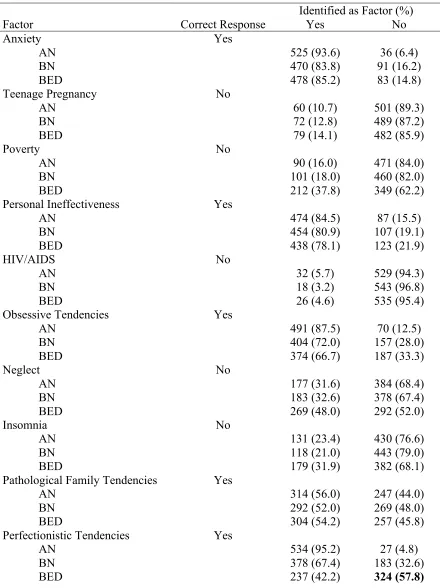
Table 4.5 Correct and Incorrect Responses to Factors which Precipitate and/or Exacerbate Eating Disorders ... 95
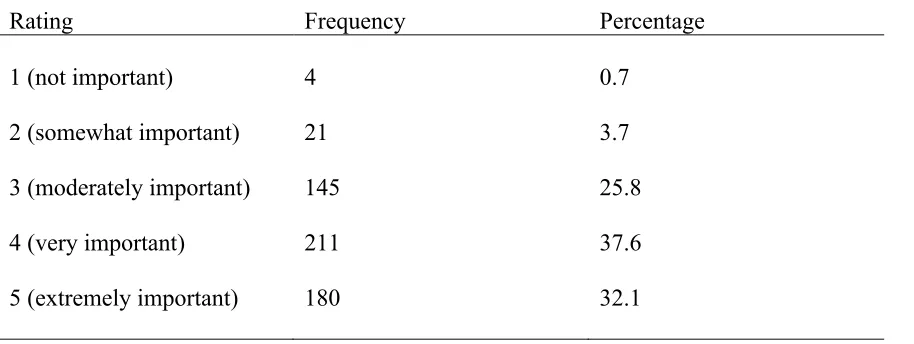
Table 4.6 Ratings of Importance of Eating Disorder Specific Training ... 97
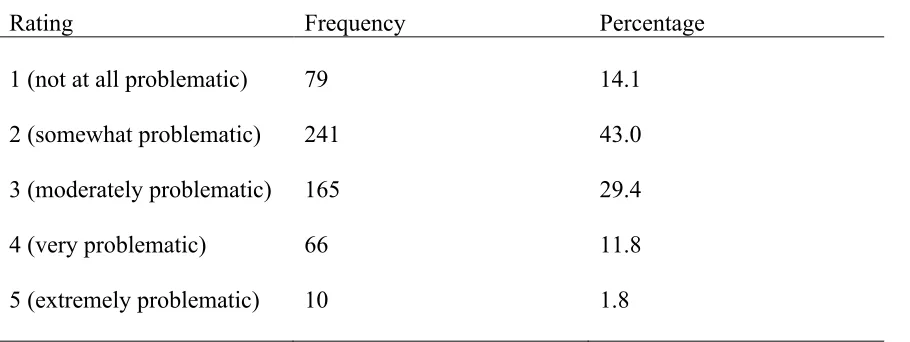
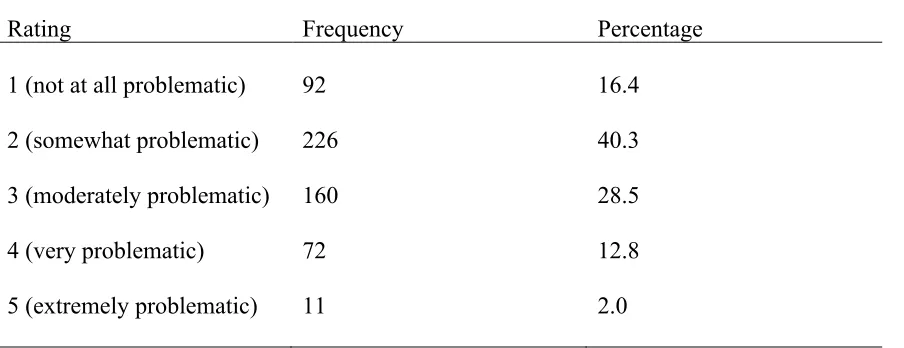
Table 4.7 Ratings of Problematic Anorexia Nervosa ... 98
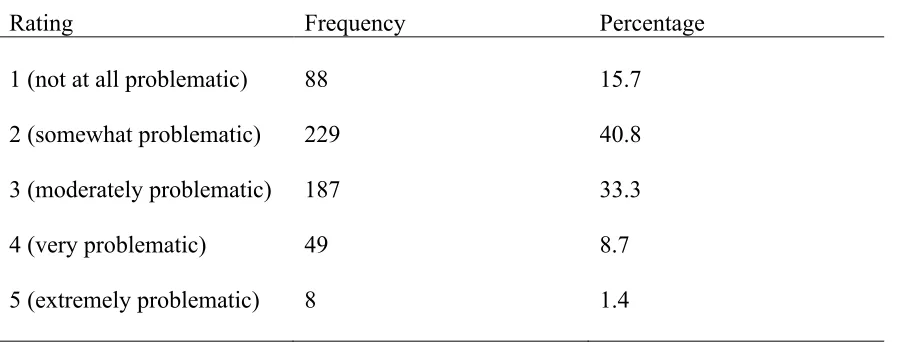
Table 4.8 Ratings of Problematic Bulimia Nervosa ... 99
Table 4.9 Ratings of Problematic Binge Eating Disorder ... 100
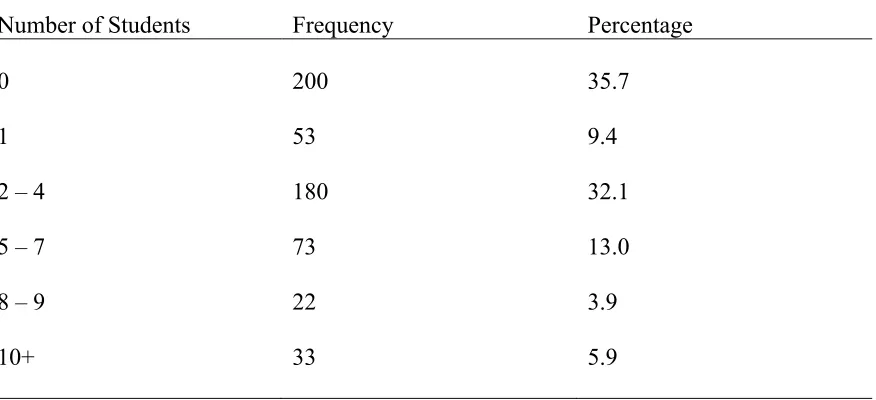
Table 4.10 Frequency Encounter Youth with Disordered Eating ... 101
Table 4.11 Involvement with Students with Disordered Eating ... 102
Table 4.12 Rank Order of Frequency of School Personnel Who Intervene ... 103
Table 4.13 Rank Order of School Personnel Who Take Primary Responsibility of Intervention ... 104
Table 4.14 Common Practice for SMH Professionals with Students with Disordered Eating ... 105
Table 4.15 Rank Order of Services Used and Effectiveness ... 106
INTRODUCTION
Disordered eating has become a significant issue in today’s society. Eating
disorders, including Anorexia Nervosa (AN), Bulimia Nervosa (BN) and Binge Eating
Disorder (BED), are considered some of the most prevalent, dangerous and difficult to
treat mental health problems (Stice, 2002). Recent estimates suggest that 20 million
women and 10 million men suffer from an eating disorder at some point in their lives
(Wade, Keski-Rahkonene, & Hudson, 2011). Not only are these rates on the rise
(Hudson, Hiripi, Pope Jr., & Kessler, 2007; Streigel-Moore & Franko, 2003; Wade et al.,
2011), but also a significant majority of disordered eating cases go unreported due to the
secretive nature of the disorders (Beglin & Fairburn, 1992). Research suggests that those
who engage in high levels of disordered eating practices elect to not participate in
research and surveys on disordered eating. Additionally, according to the Diagnostic and
Statistical Manual of Mental Disorders, 5th Edition (DSM-5; American Psychiatric
Association, 2013), prevalence rates often fail to include those who do not meet
diagnostic criteria for an eating disorder (Fairburn & Bohn, 2005). A significant number
of individuals fall within this category, with an estimated 10-20% of all females engaging
in subclinical disordered eating practices.
While the prevalence of negative body image and disordered eating practices
but also issues such as cost (Agras, 2001), lack of insurance coverage (Cachelin &
Striegel-Moore, 2006: Rome et al., 2003) and trouble accessing trained outpatient mental
health practitioners (Robinson, Boachie & Lafrance, 2013; Wilson, Grilo & Vitousek,
2007) delay treatment and prolong the effects of symptoms. It has been estimated that up
to 14% of all youth display disordered eating patterns, but fail to meet diagnostic criteria
for an eating disorder (Chamay-Weber, Narring & Michaud, 2005), resulting in lack of
treatment access. Additionally, only 50% of referrals for childhood onset eating disorder
meet diagnostic criteria (Bryant-Waugh & Lask, 1995). Even if symptoms are severe
enough to meet criteria, individuals with eating disorders are frequently described as
“difficult to treat” (Kaplan & Garfinkel, 1999). This is due to the pervasive nature of the
disorders, as well as high levels of comorbidity with depressive, anxiety, substance use
and personality disorders (Touchette et al., 2011). If left untreated, the negative
consequences of disordered eating are very significant.
The onset of eating disorders tends to occur in early to middle adolescence, with
recent epidemiological estimates suggesting that AN, BN and BED onset around 12 years
of age (Swanson et al., 2011). Body dissatisfaction is commonly endorsed by elementary
(Dohnt & Tiggemann, 2006; Smolak, 2004), middle (Hausenblas, Downs, Fleming &
Connaughton, 2002), and high school students (Bucchianeri, Arikian, Hannan, Eisenberg
& Neumark-Sztainer, 2013; Croll, Neumark-Sztainer, Story & Ireland, 2002), with
children as young as three years of age demonstrating negative and positive attitudes
associated with weight (Cramer & Steinwert, 1998; Harriger, Calogero, Witherington &
behaviors such as fasting or skipping meals, taking diet pills or laxatives, vomiting and
binge-eating (Croll et al., 2002). Children as early as first and third grade have reported
engaging in disordered eating behaviors to control their weight (Flannery-Schroeder &
Chrisler, 1996; Ricciardelli & McCabe, 2001; Robinson, Chang, Heydel & Killen, 2001;
Schur, Sanders & Steiner, 2000). Research suggests that age of onset significantly
predicts negative life outcomes, with onset of disordered eating between the ages of 10
and 15 being associated with a 25-year reduction in lifespan (Norris, Bondy, Pinhas,
Grange & Lock, 2011).
Unfortunately, less than 1/3 of all youth experiencing significant mental health
needs receive intervention and support services across disorders (Leaf, Schultz, Kiser &
Pruitt, 2003; Policy Leadership Cadre for Mental Health in Schools, 2001). The gap
between child and adolescent mental health needs and available services has been
documented by federal reports (see the Surgeon General’s Report on Children’s Mental
Health, U.S. Public Health Service, 2000), and there has been wide-spread recognition of
school service provision as key in the transformation of child and adolescent mental
health services (President’s New Freedom Commission, 2003). Thus, expanded school
mental health (SMH) programs have emerged as a unique approach to provide mental
health services for youth and families (Weist, Evans & Lever, 2003). SMH programs
involve collaboration between schools and community-based mental health providers to
provide a full range of mental health services (i.e., assessment, prevention, intervention)
individuals, SMH professionals are in an ideal position to intervene (Shulman &
Mulloy-Anderson, 2011). With eating disorders becoming increasingly more prevalent among
children and adolescents (Ornstein et al., 2013), and emerging at younger ages, it is
crucial that SMH professionals have the proper knowledge and skills to provide effective
treatment. However, SMH professionals often do not feel adequately prepared or
supported to provide such services. Furthermore, little attention has been paid to the role
of school health and mental health professionals (i.e., school psychologists, counselors,
social workers, nurses) with regard to the identification and intervention of disordered
eating. The dearth of research within this domain further complicates whether disordered
eating intervention is an appropriate role for SMH professionals.
Statement of the Problem
The early emergence and rise in disordered eating among children and
adolescents is a significant public health issue that needs addressing. However, a
significant gap exists between the mental health needs of such youth and the availability
of evidence-based services to meet the rising need of disordered eating identification,
prevention and intervention (Gowers & Bryant-Waugh, 2004; Gowers, 2008; Hart,
Granillo, Jorm & Paxton, 2011). With less than half of individuals diagnosed with eating
disorders accessing appropriate treatment (Eating Disorders Coalition, 2007), SMH
services are in an ideal position for appropriate intervention. The severity of the
academic, psychological, behavioral, familial and social negative outcomes associated
with the disorders provides further evidence to suggest that attention must be paid to
Purpose of the Study
The need for studies to address the lack of appropriate services for students with
eating disorders is critical. There is not only a deficit of empirical literature on the
integration of eating disorder support services in schools, but also a lack of knowledge
and training amongst SMH professionals (e.g., school psychologists, counselors, social
workers, nurses) regarding the appropriate interventions for this population (Harshbarger
et al., 2011; Jimerson & Pavelski, 2000; Miller & Jome, 2008). Furthermore, there is little
to no research on the perspectives of key figures involved in intervention services for
treatment of eating disorders.
This study was designed to help address the need for increased awareness of, and
support for, individuals struggling with disordered eating within the school system.
Utilizing a mixed methods design, this study investigated the perspectives of adolescent
females and family members in relation to the current availability of identification,
support and intervention services within the schools to help identify ways to increase
such services. Interviews with youth who have experienced difficulties with eating
disorders and their mothers provided an understanding of their unique experiences with
SMH service provision and their desire for enhanced supports; information not obtainable
via quantitative methods. Reviewing student and family history served to indicate themes
in the experience of students with disordered eating.
Further, the results of this work may be utilized to delineate the manner by which
identification and intervention services for individuals exhibiting symptoms of eating
training to provide such services by surveying SMH service providers. SMH
professionals are increasingly called on to provide access to quality mental health care by
linking schools with local mental health systems (U.S. Department of Education Office of
Elementary and Secondary Education, 2002). Furthermore, there is a consensus for the
placement of mental health programs in schools to provide effective interventions for
students with emotional distress where they are (Hoagwood & Erwin, 1997). Given the
increasing responsibility of these professionals, as well as the increasing prevalence of
disordered eating among children and adolescents, it is highly likely that these providers
will encounter cases presenting with eating difficulties. Surveying SMH professionals on
current practices, as well as frequency by which they encounter youth with disordered
eating, enabled the estimation of the occurrence of disordered eating symptoms in
schools. Evaluating the prevalence of disordered eating within the schools provided
further evidence for the need for increased service provision for this population. Survey
results include current practitioner knowledge of eating disorder symptoms and training
on appropriate practices with this population. This information served to identify gaps in
education and training that graduate programs may fill, to increase SMH professional
knowledge and training that they may then be able to provide identification and direct
intervention services.
Research Questions
For the qualitative phase of the proposed study, research questions were:
1. What have been the experiences of individuals and families receiving treatment
are the most common practices delivered?
3. What are the perceived benefits of including services for youth with disordered
eating in school mental health?
4. Are their perceived costs of including services for youth with disordered eating in
school mental health? If so, what are they?
For the quantitative portion of the proposed study, the research questions were as
follows; corresponding survey items and analytic techniques can be found in Appendix I.
1. Are SMH professionals knowledgeable of symptoms of anorexia, bulimia and
binge eating disorder?
2. Do SMH professionals accurately identify precipitating and exacerbating factors
of eating disorders?
3. What type of training have SMH professionals received regarding the
identification and treatment of disordered eating in youth?
4. How important do SMH professionals believe training in disordered eating is?
5. What is the frequency of which SMH professionals encounter youth with
disordered eating in need of services?
6. Who is more likely to intervene in a case of disordered eating in the schools?
7. What are the most common practices for SMH professionals when presented with
a student with disordered eating?
8. Is advanced training in disordered eating associated with higher competence in
with disordered eating falls within the SMH domain of practice?
10.What are prominent barriers to SMH involvement in the identification and
intervention of disordered eating?
Significance of the Study
The rising prevalence of eating disorders among school-aged children and
adolescents is of great concern. Much research suggests that, although concerns regarding
body image and nutritional choices are considered normative during early and middle
adolescence (Stice & Whitenton, 2002), these concerns are starting to arise at earlier ages
and may be more concerning (Dohnt & Tiggemann, 2006; Smolak, Levine & Schermer,
1998; Wood, Becker & Thompson, 1996). Furthermore, engagement in disordered eating
behaviors, such as binge eating, purging, dieting and exercising to lose weight, is
frequently reported among children (Ricciardelli & McCabe, 2001) and adolescents
(Neumark-Sztainer, Wall, Larson, Eisenberg & Loth, 2011). While body image concerns
and dieting behaviors are more common among Caucasian females, there is evidence to
suggest that there has been an increased prevalence in males (Mond, Mitchison & Hay,
2014; Strother, Lemberg, Stanford & Tuberville, 2012) and across racial groups (Franko,
Becker, Thomas & Herzog, 2006).
Unfortunately, a substantial majority of children and adolescents who engage in
disordered eating behaviors do not access treatment. Reasons behind lack of services
have been speculated to include various individual, therapist, familial, and systems-level
factors (Bell, 2003; Burket & Hodgin, 1993; Hart et al., 2011). The longer an individual
eating are damaging and impact nearly every domain of life, including physiological
(e.g., Rome & Ammerman, 2003; Thein-Nissenbaum, 2013), psychological (e.g.,
Berkman, Lohr & Bulik, 2007; Masuda, Price, Anderson & Wendell, 2010; Mond, Hay,
Rodgers & Owen, 2009), social (e.g., Allen, Byrne, Oddy & Crosby, 2013; Mond et al.,
2009) and academic (e.g., Joe, Joe & Rowley, 2009; Yanover & Thompson, 2008)
domains.
Due to limited research and mixed findings, the specific impact of disordered
eating on academic achievement is unclear. However, disordered eating has been shown
to detrimentally impact on cognitive performance and executive functioning, with
individuals with AN and obesity demonstrating deficits in set-shifting and
decision-making (e.g., Brogan, Hevey & Pignatti, 2010; Cavedini et al., 2006; Fassino et al., 2002;
Lopez et al., 2008). Further, malnutrition interferes with cognitive functioning, resulting
in decreased attention span, difficulties with concentration and increased fatigue (Parker,
1989). Given the severity of both immediate and longstanding impacts of disordered
eating, as well as negative direct effects on school performance and behavior, school
professionals are in a unique position to become involved in the identification of eating
disorders, as well as provision of prevention and intervention services. More specifically,
SMH professionals may be best positioned to identify students displaying disordered
eating symptoms, given previous training and experience in identifying and ameliorating
other mental health difficulties. For instance, it has been suggested that school-based
screening has resulted in a one-third increase in identification of mental health difficulties
developing externalizing (e.g., Hayes, Giallo & Richardson, 2010; Winther, Carlsson &
CHAPTER 2
LITERATURE REVIEW
Disordered eating is described as regular engagement in destructive eating
practices such as restricting, dieting, binging, skipping meals and compulsive eating
(NEDC, 2011). The three most prominent eating disorders within the American
Psychiatric Association within the fifth edition of the Diagnostic and Statistical Manual
of Mental Disorders (DSM-5; APA, 2013) are Anorexia Nervosa, Bulimia Nervosa and
Binge Eating Disorder. Each disorder is differentiated by criteria specifying engagement
in characteristic eating practices, frequency of disordered eating and cognitive
perceptions regarding weight.
This review describes how, despite the astounding prevalence of such disorders
and the need for effective treatments, students with disordered eating do not access
appropriate services. Further, SMH programs often fail to focus on disordered eating and
efforts are needed to enhance SMH service provision. First, this review focuses on
behaviors associated with the predominant eating disorders by providing a description of
each of the disorders, as well as a brief historical presentation. Additionally, information
is presented regarding the prevalence of these disorders. Rates are discussed for different
genders, ethnicities and socioeconomic groups, as well as for individual risk factors that
increase the likelihood of developing disordered eating behaviors. Further, risk factors
Subsequently, theorized etiological models of disordered eating including biological,
psychological, familial and social/cultural factors are described to aid in understanding of
the development of these disorders. Frequent comorbidities and associated outcomes are
then reviewed to explicate the long-term effects of untreated disordered eating behavior.
As youth with disordered eating often experience long latency to service (Hart et
al., 2011; Oakley Browne, Wells & McGee, 2006), this review covers issues related to
decreased service receipt. How youth with disordered eating exhibit decreased
help-seeking behavior is described, as well as difficulties accessing treatment that are
associated with the professionals and methods involved in assessment and identification.
Further, this review describes qualities of the standard services utilized to treat disordered
eating to demonstrate their insufficiencies as the sole method of treatment and support the
need for increased SMH program focus. The current state of SMH programs specific to
service provision is explained, as well as hypothesized reasoning as to why disordered
eating services are not more fully developed. The overarching aim of the following
review is to demonstrate the notion that disordered eating is a compelling mental health
need and critical avenue for SMH programs, supporting the proposed study.
Eating Disorders
Anorexia Nervosa (AN) involves engagement in self-starvation and restrictive
eating practices, resulting in excessive weight loss (Sours, 1974; Schiele, 2014).
Individuals diagnosed with AN have a substantial fear of weight gain and subjectively
consider themselves overweight despite significantly low body weight (i.e., less than that
minimally expected given age, sex and physical health) and severe emaciation (Thomson
in more restrictive eating behaviors and those who engage in compensatory behaviors
(e.g., purging, use of laxatives or diuretics) following a binge-eating episode. Restricting
and binge-eating/purging subtypes are included as research suggests that differences in
presentation inform assessment and treatment (Stice & Peterson, 2009). For instance,
engagement in binge/purge behaviors has been associated with higher rates of
comorbidity and worse long-term prognoses (e.g., Deter & Herzog, 1994); however,
these data have not been supported longitudinally (Eddy et al., 2001).
While AN is characterized by extreme control over food intake, Bulimia Nervosa
(BN) involves a severe lack of control. To be diagnosed with BN, one must report
recurrent episodes of binge eating that are characterized by consumption of an objectively
large amount of food in a discrete or limited time period (American Psychiatric
Association, 2013). Further, these episodes must involve a lack of control over
consumption that makes one feel as though they cannot stop eating. Individuals with BN
engage in recurrent compensatory behaviors to prevent weight gain from binges,
including: self-induced vomiting; use of laxatives, diuretics or other dietary medications;
fasting; or excessive exercise. While individuals with BN do not express significant fears
of weight gain as seen in AN, body image and weight overwhelmingly influence
self-esteem. BN is often more difficult to diagnose than AN, as individuals diagnosed with
BN are typically within the normal weight range and engage in binge eating in secrecy.
Similar to BN, Binge-Eating Disorder (BED) is characterized by recurrent binge
episodes involving overconsumption and lack of control, but without compensatory
behaviors to compensate for caloric intake (Myers & Wiman, 2013). Episodes are
individuals with BED eat when they are not hungry and continue to eat beyond satiety.
BED was not added as an eating disorder until the Diagnostic and Statistical Manual of
Mental Disorders, Fifth Edition (DSM-5; APA, 2013) due to debate regarding its
existence, chronicity and stability (Hudson et al., 2007).
DSM-5 also specifies criteria for feeding disorders, including Pica, Rumination
and Avoidant/Restrictive Food Intake Disorder. If an individual presents with disordered
eating that results in functional impairment but does not meet full diagnostic criteria of
one of the aforementioned disorders, the categories of an Other Specified (OSFED) or
Unspecified Feeding or Eating Disorder (USFED). The previously listed disorders do not
involve practices to prevent weight gain, and as such, comprehensive reviews of each
disorder have been excluded from this study.
Prevalence
Epidemiological findings suggest that the prevalence of eating disorders is
relatively low in the general population. Lifetime prevalence of AN, BN and BED are
estimated between .6%-3%, 1%-3% and 2.8%-4% respectively (Hudson et al., 2007;
Smink, van Hoeken, & Hoek, 2013). However, reported rates often fail to include
individuals who exhibit disordered eating behaviors but do not meet full diagnostic
criteria, suggesting that these are gross underestimates. For example, Machado and
colleagues (2007) found in a nationwide community sample prevalence of eating disorder
not otherwise specified (EDNOS) at 2.37% while rates of AN and BN were .39% and
.30%.
Estimated prevalence among adolescents is reportedly similar to rates in
While prevalence estimates of eating disorders among children under 13 have not been
calculated, serious eating disturbances and body image concerns do exist in this
population. Davison and colleagues (2003) found that females between 5 to 7 years of
age who indicated high weight concerns or body dissatisfaction engaged in greater
dietary restraint and more frequently endorsed maladaptive eating attitudes. More recent
investigation of 9- and 10-year-old females involved in the Pittsburgh Girls Study
(Loeber et al., 2002) found that clinically significant anorexic behaviors were endorsed
by 11% of the sample at age 9 and 7% at age 10 (DeLeel, Hughes, Miller, Hipwell &
Theodore, 2009). Further, 35% of 9-year-olds and 38% of 11-year-olds reported poor
body image. Given such prevalence rates, much work has focused on prevalence
associated with various demographic factors, including gender, ethnicity and
socioeconomic status.
Gender. Both AN and BN are more commonly diagnosed among females than
males (Hoek, 2006). Estimated rates of AN and BN hover around .1-.3% among males,
while much higher rates exist among females at 1-2% for AN and 2-3% for BN (Bulik et
al., 2006; Hudson et al., 2007). However, it is estimated that 5-10% of all eating disorders
occur in males (Rosen, 2010). Further, engagement in subthreshold binge eating is
reportedly higher among males (.6% women versus 1.9% males), and diagnosis of any
BED is comparable between genders, with rates in both estimated between 4-5%
(Hudson et al., 2007). While prevalent in males, it has been argued that characteristics of
eating disorders are quite different between genders. Striegel-Moore and colleagues
(2009) found that men were more likely to report overeating while women were more
more likely than men to report disordered eating behaviors such as body checking,
avoidance, binge eating, fasting and vomiting. While some studies suggest that eating
disorders do not differ substantially between males and females (e.g., Bramon-Bosch,
Troop, & Treasure, 2000), others have found that eating disorders are expressed
differently among males (Anderson & Bulik, 2004). Further, there are significant
differences in associated factors, risks, comorbidities and potentially underlying reasons
driving disordered eating behavior (Olivardia, Pope Jr, Borowiecki III & Cohane, 2004).
Ethnicity. The stereotypic belief regarding disordered eating behavior is that it
arises most frequently among Western, Caucasian female individuals (Crago, Shisslak, &
Estes, 1996; Wildes, Emery, & Simons, 2001). Sociocultural models of disordered eating
posit that individuals of minority ethnic cultures are at lower risk for eating pathology
than Caucasians due to less cultural pressure to match the thin ideal in non-White cultures
(Stice, 1994). However, differences among groups remain unclear due to limited studies
with diverse samples and mixed findings resulting from work that has been completed.
While possibly more frequently identified among European, White individuals, it appears
disordered eating is prevalent beyond this population (Striegel-Moore & Smolak, 2000).
A number of studies report a high prevalence of BED, but minimal restrictive eating
disorders (i.e., AN and BN) among Latino, Asian and African American females and
males (Alegria et al., 2007; Nicdao, Hong, & Takeuchi, 2007; Taylor, Caldwell, Baser,
Faison, & Jackson, 2007).
However, Marques and colleagues (2011) found similar 12-month and lifetime
prevalence rates of AN, BN and BED across non-Latino White, Latina, Asian and
and the overall sample did not reflect greater rates of disordered eating in the non-Latino
White group. In fact, data suggest that Latino, Asian and African American individuals
report more symptoms of binge eating and binge/purge patterns than their non-Latino
White counterparts. This is consistent with findings from Alegria and colleagues (2007),
where Latinos indicated higher rates of BED in comparison to the majority population.
While appearance concerns and emotional well-being are related to risk for
disordered eating across ethnicities (Croll et al., 2002), research suggests that age of
onset, education, acculturation, ethnic subgroup and body mass index (BMI) are
correlated to presentation of eating pathology in ethnic minorities (e.g., Hudson et al.,
2007; Nicdao et al., 2007; Taylor et al., 2007). It is commonly suggested that immigrants
to Western cultures who identify strongly with Western values related to body image and
dieting (i.e., value of a thin physique, normative dieting and media promotion of slender
female body) report more disordered eating than those who identify with their culture of
origin (White, 1992). However, the results of a meta-analysis investigating the role of
ethnicity and culture in eating disturbance indicate otherwise (Wildes et al., 2001).
Although evidence suggests few differences in prevalence, there are substantial
differences among those who seek and access appropriate treatment (Marques et al.,
2011). While 85% of a sample of minority females sought treatment for disordered
eating, barely half had received treatment (Cachelin, Rebeck, Veisel, & Striegel-Moore,
2001). Such mixed findings necessitate further research with men and women of ethnic
minorities. Franko and colleagues (2007) recommend the development of
culturally-sensitive diagnostic criteria, as well as further epidemiological investigations of risk and
Socioeconomic Status. Increased prevalence of disordered eating practices has
also been associated with upper economic status. Early studies of AN, both case- and
group-wise, indicated a strong association between disordered eating and high
socioeconomic status (e.g., Crisp, Palmer & Kalucy, 1976; Kendell, Hall, Hailey, &
Babigian, 1973; Morgan & Russell, 1975). Garfinkel and Garner (1982), however, stated
that up until the early 1980s, no adequate investigation of AN existed. Despite significant
methodological problems and questionable validity of these findings, the association
between SES and disordered eating was regarded as a longstanding clinical truth (see
Gard & Freeman, 1996).
Since the mid to late 1980’s, a number of studies have investigated this
relationship and obtained mixed findings regarding prevalence. Previous studies have
demonstrated an inverse association between SES and weight (Rogers, Resnick, Mitchell,
& Blum, 1997), but fail to consistently confirm the existence of a relationship between
SES and disordered eating. Story and colleagues (1995) found that adolescent girls from
higher SES families were more likely to diet and engage in unhealthy weight control
practices. Further, Rogers and colleagues (1997) demonstrated a significant relationship
between SES and subclinical self-induced vomiting with a sample of adolescent females.
However, more recent research has found no such association. Wang and colleagues
(2005) reported a significant relationship between body dissatisfaction and parental SES
among a sample of Australian children and adolescents, but not regarding actual
disordered eating practices. Discrepancies in research findings are hypothesized to be
attributed to a referral bias, with individuals from higher SES groups being more likely to
Risk Factors
With the prevalence of these disorders on the rise across groups, much research
has examined factors that increase the likelihood of developing disordered eating with the
aim to earlier identify or prevent their onset. A number of variables have been
investigated that influence the development of eating disorders, with more than 30
variables being suggested as putative risk factors (for review see Jacobi, Hayward, de
Zwaan, Kraemer & Agras, 2004). A risk factor is defined as a variable that impacts the
development, course and maintenance of a disorder (Kraemer et al., 1997). Previous work
indicates that risk factors for disordered eating include developmental, biological,
psychological, social and familial factors. It has been suggested that the aforementioned
factors are prospective predictors of subsequent disordered outcomes, or otherwise
termed “causal risk factors” (Stice, 2002). However, it is unclear whether these factors,
such as low self-esteem and depression, are preceding factors, symptoms, maintaining
variables or consequences of disordered eating. As researchers are often unable to assume
causality, investigation has focused on concurrent predictors, or variables commonly
observed in those with the disorders but that have no established causal relationship
(Littleton & Ollendick, 2003). For the purposes of this review, the most prominent causal
and concurrent risk factors have been explored.
As previously stated, there is an increased prevalence of disordered eating among
females. In fact, it has been argued that the best predictor that an individual will develop
an eating disorder is being female (Hudson et al., 2007; Jacobi et al., 2004; Lindberg &
Hjern, 2003; Striegel-Moore & Bulik, 2007). Although eating disorders are becoming
of females are diagnosed with an eating disorder whereas 1% of males meet criteria
(Merikangas et al., 2010). A variety of explanations have been suggested as to why
females are at greater risk, with much focus being placed on sociocultural factors. The
“thin-ideal” is the notion that the societal standard of beauty in Western cultures for
women is well below the weight of the average woman, similar to women presented in
fashion media (McCarthy, 1990; Thompson, Heinberg, Altabe, & Tantleff-Dunn, 1999).
Internalization of this unattainable ideal often results in body dissatisfaction and
decreased self-esteem, as female’s self-esteem is often closely tied to this construct
(Davies & Furnham, 1986).
Relatedly, the risk of developing disordered eating significantly increases with
greater body dissatisfaction and weight concern. Body-image dissatisfaction involves
subjective feelings of unhappiness associated with an aspect of one’s appearance
(Thompson & Stice, 2001). As previously mentioned, internalization of socially accepted
ideals of attractiveness results in discontent with one’s weight and physical appearance.
These attitudes are further reinforced by the attitudes of significant others, such as parents
and peers (Kandel, 1980). The benefits of attaining the thin-ideal are consequently
socially reinforced, communicating to youth social benefits of thinness (e.g., social
acceptance; Hohlstein, Smith, & Atlas, 1998). Internalization of this ideal results in
decreased self-esteem as well as decreased satisfaction with body image, as the socially
accepted ideal is virtually unattainable. Body-image dissatisfaction is believed to increase
one’s risk for eating pathology because it often results in dieting for weight control and
Beyond sex and body-image dissatisfaction, age is consistently cited as a risk
factor for disordered eating. Given the physical changes associated with puberty, being of
adolescent age is believed to significantly increase the risk of developing an eating
disorder (Ackard, & Peterson, 2001; Killen et al., 1992). The highest incidence of
disordered eating occurs during middle adolescence and early adulthood, with peak age
of onset for AN between 19-20, BN between 16-20 and purging between 18-20 (Stice,
Marti & Rohde, 2013). Both cross-sectional (Jones, Bennett, Olmsted, Lawson & Rodin,
2001; Swanson et al., 2011) and longitudinal (Neumark-Sztainer et al., 2011) research
support the high prevalence of disordered eating among adolescent females, with rates
remaining constant into early adulthood. Researchers have argued that biological and
sociocultural changes that occur during adolescence for females explain the increased
risk in this group. Traditional theories have emphasized physical changes associated with
puberty (e.g., increased adiposity), which are followed by psychosocial outcomes (e.g.,
increased body dissatisfaction) and potentially result in disordered eating (Fornari &
Dancyger, 2003; Klump, 2013). Pubertal timing is suggested to impact females more than
males because increased adiposity for females associated with puberty is against the thin
beauty ideal, whereas increased muscle mass for males is in line with the masculine ideal
(Bulik, 2002; Fornari & Dancyger, 2003).
With respect to psychosocial variables, low self-esteem has consistently been
suggested as a concurrent risk factor for disordered eating (Shea & Pritchard, 2007). Low
self-esteem is reportedly influential in the development of disordered eating for AN
(Fairburn et al., 1999; Jacobi, Paul, de Zwaan, Nutzinger, & Dahme, 2002; Jacobi et al.,
Abramson, & Heatherton, 1999) and BED (de Zwaan et al., 1994; Grilo, Masheb, Brody,
Burke-Martindale, & Rothschild, 2005). Additionally, self-esteem is significantly
associated with treatment outcomes (Baell & Wertheim, 1992; Fairburn, Peveler, Jones,
Hope & Doll, 1993). In fact, pretreatment level of self-esteem has been indicated as the
sole consistent predictor of treatment success for individuals with BN (Fairburn, Kirk,
O’Connor, Anastasdiades, & Cooper, 1987; Fairburn et al., 1993). Furthermore, previous
research found high self-esteem to be the only predictor of treatment completion for
individuals with AN (Halmi et el., 2005). While low self-esteem is consistently tied to
body dissatisfaction, the exact nature of the relationship is unknown. There is some
evidence to suggest that low self-esteem predicts and acts as a catalyst for body
dissatisfaction (Gilbert & Meyer, 2005; Shea & Pritchard, 2007). Previous work by
Silverstone (1992) implicated low self-esteem as a necessary prerequisite for disordered
eating. However, other research has posited body dissatisfaction (due to thin-ideal
internalization) as the cause behind low self-esteem (Paxton, Neumark-Sztainer, Hannan
& Eisenberg, 2006; Tiggemann, 2005). There is also evidence to suggest that low
self-esteem among patients with disordered eating is dependent on comorbid depression
(Wilksch & Wade, 2004). As such, research has yet to determine the nature of the
relationship between self-esteem and eating pathology.
Additional psychological risk factors that have been implicated as risk factors for
disordered eating include perfectionism (Bardone-Cone, 2007; Franco-Paredes,
Mancilla-Díaz, Vázquez-Arévalo, López-Augilar, & Álvarez-Rayón, 2005), neuroticism (Cassin,
& von Ranson, 2005; MacLaren, & Best, 2009), and impulsivity (Boisseau,
2004). Perfectionism involves the setting of unrealistically high standards that one rigidly
adheres to and bases their self-worth on (Frost, Marten, Lahart & Rosenblate, 1990).
Although previously conceptualized as a unidimensional construct, many researchers
argue that it is better thought of as a multidimensional concept with adaptive and
maladaptive features (Bieling, Israeli & Antony, 2004; Pearson & Gleaves, 2006).
Individuals with AN have consistently demonstrated elevated levels of perfectionism
when compared to healthy controls, while findings among those with BN and BED have
been less consistent (for review see Bardone-Cone et al., 2007). Further, individuals with
AN and BN are reported to have higher levels of perfectionism in childhood than
non-disordered individuals (Fairburn, Cooper, Doll, & Welch, 1999; Fairburn, Welch, Doll,
Davies, & O’Connor, 1997). Regarding the Big Five Model of Personality (i.e., a model
of personality traits that includes subscales of Neuroticism, Extraversion, Openness to
Experience, Agreeableness, and Conscientiousness; Costa & McCrae, 1992) neuroticism,
which is a trait characterized by anxiety, fear, moodiness, worry, envy, frustration,
jealousy and loneliness, is the facet most consistently associated with disordered eating
(MacLaren & Best, 2009). High levels of neuroticism reportedly increase the risk of an
eating disorder, especially when in conjunction with low extraversion (Miller, Schmidt,
Vaillancourt, McDougall, & Laliberte, 2006). Levels of impulsivity, which involves
decreased forethought prior to acting, are reportedly different in those with AN in
comparison to those with BN and BED (MacLaren & Best, 2009). While studies suggest
individuals with AN are less impulsive than healthy controls (Claes, Vandereycken, &
Vertommen, 2002; Fahy & Eisler, 1993), individuals with BN and BED demonstrate
Pearson, Zapolski and Smith (2015) suggest that impulsive actions predict early
engagement in binge eating. However, studies on personality variables predominantly
rely on self-report measure and have largely been correlational in nature. As such, the
direction of causality is largely unknown.
Psychological disorders have also been suggested as concurrent risk factors. In
particular, it has been suggested early-onset anxiety disorders may predispose one to
develop an eating disorder (Bulik, Sullivan, Carter & Joyce, 1996; Godart, Flament,
Lecrubier, & Jeammet, 2000). Deep and colleagues (1995) found, through retrospective
study of recovered patients, that childhood anxiety disorders preceded the diagnosis of
AN by roughly 5 years. More specifically, some research has postulated a possible causal
relationship between Obsessive-Compulsive Disorder (OCD) in childhood and the
development of disordered eating (Anderluh, Tchanturia, Rabe-Hesketh & Treasure,
2003; Kaye et al., 2004; Micali et al., 2011). Micali and colleagues (2011) found that this
risk is specifically heightened for female children with OCD who have a family history of
disordered eating. However, it may be that anxiety is secondary to eating pathology or
that anxiety and disordered eating share a common vulnerability factor.
There is also some evidence to suggest that early-onset depressive symptoms are
associated with early onset binge eating among children and adolescence (Pearson et al.,
2015). Other research, however, has suggested that thin-ideal internalization and body
dissatisfaction result in subsequent depression (McCarthy, 1990), the effects of starvation
contribute to depression (Hughes et al., 2013) and depressed mood significantly improves
diagnostic overlap between eating disorders and depression (e.g., decreased appetite,
emotional lability, lethargy; American Psychiatric Association, 2000).
Personality dysfunction has also been suggested to increase the risk of disordered
eating. The reported prevalence of personality disorders amongst individuals with AN
ranges from 22% to 87% (Reas, Rø, Katerud, Hummelen, & Pedersen, 2013; Rosenvinge,
Martinussen, & Østensen, 2000), and most commonly are Cluster C disorders (i.e.,
Avoidant, Dependent, Obsessive-Compulsive) followed by borderline personality
disorder. Although the prevalence of personality disorders is unknown among individuals
with eating disorders, restricting type AN is often associated with obsessive-compulsive
personality features, while eating disorders involving impulsivity (e.g., AN binge/purge
type, BN, BED) are often associated with impulsive personality features (Sansone, Levitt
& Sansone, 2004). However, regarding comorbid psychological conditions, it is difficult
to determine whether they precede the onset of the disorder, are outcomes of disordered
eating or share an underlying causal mechanism.
In addition to individual risk factors, there is much research to suggest that a
number of familial variables increase the likelihood that one will develop an eating
disorder. The presence of a family history of disordered eating significantly increases the
likelihood that an individual will develop an eating disorder. Relatives of probands with
AN or BN have elevated proportions of AN and BN compared to relatives of unaffected
controls (Lilenfeld et al., 1998; Strober, Freeman, Lampert, Diamond, & Kaye, 2000).
Further, individuals with a first-degree relative with AN are reported to be 11 times more
likely to be diagnosed with AN (Strober et al., 2000), while estimates of BN suggest that
(Kassett et al., 1989) times more likely to develop the condition. BED also occurs at a
higher frequency among family members of individuals with BED, although at a
somewhat lower rate (between 1.9 to 2.2 times more likely; Hudson et al., 2006; Javaras
et al., 2008; Lee et al., 1999).
There is also some evidence to suggest that specific parenting practices and
family interaction patterns may increase the risk that one will develop an eating disorder.
Minuchin and colleagues (1978) postulated the existence of a certain family structure
associated with the development and maintenance of disordered eating behaviors.
Minuchin suggested that “anorectic” family dynamics were characterized by
enmeshment, rigidity, overprotectiveness and lack of conflict resolution; however, this
model has not been supported in further research (Kog, Vertommen & Vandereycken,
1987). More recent work has focused on level of emotional expressivity (Felker &
Stivers, 1994) and responsiveness (Lyke & Matsen, 2013) involved in familial
interactions. Research suggests that family members of individuals with eating disorders
exhibit difficulties in the experience and expression of appropriate emotion (McGrane &
Carr, 2002). There is also much literature suggesting that poor or insecure attachment
relationships increase the risk for disordered eating (see Ward, Ramsay, Turnbull,
Benedettini, & Treasure, 2000). Others have argued that, rather than the dysfunctional
family interactions and environment being instrumental in increased risk, the content of
what is expressed, valued and modeled among family members (e.g., appearance
critiques, parent weight control practices, comments about dieting) is the main familial
Etiology
There have been numerous attempts to explain the causal factors underlying
disordered eating. Some have attempted to identify specific putative causes, as well as
combinations of factors into theoretical hypotheses. However, given that it is nearly
impossible to conduct experimental research involving manipulation of the suggested
causal factor and researchers are unable to combine all potential factors into a model,
research has yet to identify the specific causal pathway that results in disordered eating.
A number of gene studies have confirmed a link between genetics and eating
disorders, suggesting that the disorders are highly heritable. Twin studies indicate that
roughly 60% (Bulik et al., 2006) to 88% (Thornton, Mazzeo & Bulik, 2011) of the
variance in risk for developing AN is due to genetics. Similarly, population-based studies
of BN suggest heritability estimates between 54% and 83% (Bulik, Sullivan & Kendler,
1998; Wade et al., 2011), and 50% for BED (Bulik et al., 1998). Research suggests that
the associated concerns, fears and preoccupations with weight and food are also highly
heritable (Klump, McGue & Iacono, 2000).
There is some evidence to suggest neuroendocrine dysfunction as causal in the
development of disordered eating. Researchers also speculate that neuronal functional
differences, such as in the serotonin (5-HT) system, glucose metabolism and cerebral
blood flow, are causative in the development eating disorders (for review see Kaye, 2008;
Phillipou, Rossell, & Castle, 2013). However, as much of this work is conducted on
individuals who have already been diagnosed with eating disorders, it is unclear as to
whether these differences exist prior to the onset of eating pathology or are a result of
the pubertal activation of ovarian hormone estrogen is causal in the development of
disordered eating. Not only does estrogen drive many of the physical changes associated
with puberty (Wilson, Foster, Kronenberg, & Larsen, 1998), but it is also proposed to
impact the production, reception and transduction of serotonin (Klump & Culbert, 2007;
Klump et al., 2010). However, this is early research with only a few relevant studies,
underscoring the need for caution in forming conclusions.
Family systems theories suggest a number of functioning characteristics that may
be influential in the development of disordered eating behavior. As previously mentioned
Minuchin, Rosman and Baker (1978) describe the “anorectic” family as highly enmeshed
and rigid, characterized by an overprotective attitude toward the child. Within these
families, it was argued that there exists decreased conflict resolution and increased
involvement of children in parental conflicts. While bulimic families also present with
system dysfunction, they differ from anorectic families in that they are characterized by
disorganization, conflict-escalation, ambivalent enmeshment, and lack of control and
effective problem solving. Researchers speculate that dysfunctional family patterns result
in difficulties with identity formation and self-control, leading to disordered eating
behaviors (Polivy & Herman, 2002). This line of research, however, has received
criticism for assuming that familial dysfunction is causal rather than in response to
disordered eating behaviors (Treasure et al., 2008), as attempts to substantiate family
patterns specifically linked to eating disorders resulted in null findings (e.g., Dare, Le
Grange, Eisler, & Rutherford, 1994; Humphrey, 1989). Furthermore, Ward and
illness, rather than causal. While family functioning may influence disordered eating
behaviors, it appears additional variables are necessary to understand their development.
Sociocultural theories (e.g., Szmukler & Patton, 1995) implicate the cultural value
of the “feminine ideal,” as well as the communication of such ideal, in the development
of disordered eating. It is suggested that, the ideal figure is difficult to maintain across
cultures, indicating that in cultures where food is scarce the ideal body shape is more
likely to be round (Polivy & Herman, 2002). Early sociocultural theorists focused
predominantly on the culture of thinness where there is an abundance of food and
resources. This culture was concentrated amongst individuals in upper socioeconomic
groups where eating disorders were more frequently identified (Bruch, 1973; Garfinkel &
Garner, 1982). The media have increasingly presented images in line with the
“thin-ideal,” or the societal standard of beauty in Western cultures for women to be well below
the weight of the average woman. As such, exposure to the female thin-ideal now occurs
across groups and, simultaneously, eating disorders have risen in occurrence. Thus, much
attention has shifted to the influence of the media as a causal variable. Tiggemann and
Slater (2004) found that brief exposure to music videos containing thin ideal body images
resulted in decreased mood and increased body dissatisfaction among women. Further,
research suggests that amount of time spent watching soap operas, movies and music
videos predicted body dissatisfaction and drive for thinness (Tiggemann & Pickering,
1996).
Sociocultural theories have also focused on peer influences as contributors to the
development of eating disordered attitudes and behaviors (Shomaker & Furman, 2009).
pressures from peers become highly salient during adolescence (Sullivan, 1953). Such
theories suggest that social reinforcement perpetuates values and modeling promotes
engagement in specific behaviors. Stice (1998) argues that peers communicate messages
to support the thin ideal through encouragement to diet and comments regarding weight,
resulting in the internalization of such values and eating pathology. Lieberman and
colleagues (2001) found that peer pressure predicted eating behavior and body esteem
among adolescent girls, and girls rated as more popular were more likely to engage in
disordered eating behaviors.
Given the diversity in previously mentioned causes, it is likely that a combination
of such factors accounts for disorder development. The biopsychosocial approach (e.g.,
Herpertz-Dahlmann, Seitz, & Konrad, 2011; Rodgers, Paxton & McLean, 2014)
incorporates all aforementioned variables, as well as individual factors, into a single
theoretical model. Specific to AN, Herpertz-Dahlmann and colleagues (2011) put forth a
model suggesting that baseline vulnerability depends on genetic, prenatal and individual
traits and cognitive style (e.g., obsessionality, perfectionism, deficits in social cognition)
that interact with events occurring at puberty (e.g., brain development, hormones, life
events, cultural values) and determine whether an individual diets. The weight-loss and
starvation subsequently impacts brain development, causing neuropsychological changes
and increased anxiety, depression and obsessionality. Alternatively, Rodgers and
colleagues (2014) found evidence to support a model for the etiology of BN indicating
that depression, low self-esteem, BMI, peer weight-teasing, and sociocultural pressure
Interaction of such risks is associated with increased body dissatisfaction and
weight/shape concerns, resulting in subsequent dietary restraint and bulimic symptoms.
The Attuned Representation model is an additional biopsychosocial model that
has been proposed, conceptualized from a positive psychology framework with an
increased emphasis on use in prevention in schools (Steck, Abrams & Phelps, 2004). This
model integrates risk factors associated with the onset of disordered eating (i.e.,
biological, psychological, and social) while addressing ongoing cultural factors (i.e., the
ecological context in which the child develops) that moderate the risk, etiology and
maintenance of such disorders (Cook-Cotone, 2006). This model involves two interactive
systems: the self-system and the cultural system. The self involves physiological,
emotional and cognitive components, while the cultural system is made up of familial,
community and cultural systems (modeled after Bronfenbrenner’s [1979] model). The
self and cultural systems reciprocally influence each other, and healthy development is
hypothesized to depend on adequate attunement between the self and surrounding
ecological context.
Based on this model, Phelps, Johnston and Augustyniak (1999b) surveyed 830
females between 6th to 12th grade and found that physical concept, social
self-concept, self-concept of competence and academic self-concept were all negatively
associated with bingeing and purging behaviors. Based on these data, Phelps and
colleagues (1999a) implemented a school-based eating disorder prevention program that
addressed both resilience and risk factors. The program demonstrated effectiveness at
reducing known risk factors and increasing protective factors. In an attempt to address the
eating-disturbance prevention program to modify the school ecology. Student
participation in the program resulted in fewer disordered eating behaviors and higher
self-efficacy among overweight girls at two-year follow-up. While it is evident that there is
support for a biopsychosocial etiology, models put forth are lacking in specificity and
researchers have yet to agree on a comprehensive model that captures all relevant
variables (Polivy & Herman, 2002).
Current Identification, Assessment and Intervention Practices
The psychological components are not often those first evident among individuals
with eating disorders. There are significant physical side effects and outcomes associated
with disordered eating. Long-term disordered eating is associated with conditions such as
osteoporosis, cardiac arrhythmia, amenorrhea, esophageal strictures, and gastric ulcers
(Carney & Andersen, 1996). As such, physicians are often the first to indicate the
possible presence of an eating disorder and complete initial evaluations (Sim et al., 2010).
However, physicians often report having received insufficient training in the assessment,
diagnosis and treatment of disordered eating (Boulé & McSherry, 2002), as well as
numerous barriers to the management and treatment of eating disorders (Clarke &
Polimeni-Walker, 2004; Robinson et al., 2013). In fact, a study by Robinson and
colleagues (2013) of Canadian physicians and psychologists revealed that 90% of the
total sample had previously encountered a case involving disordered eating that they were
unable to treat. Physicians cited inhibiting factors that included lack of skill, resources,
patient cooperation and time. Despite being in a unique position to detect symptoms of
When disordered eating is suspected, physicians often monitor weight or refer to a
psychologist for further evaluation.
After being designated as at-risk for the presence of an eating disorder, a
comprehensive assessment should follow. A clinical assessment for disordered eating is
multidimensional, involving medical, psychological, behavioral, nutritional, interpersonal
and psychosocial factors (Stice & Peterson, 2007). Psychological, behavioral,
interpersonal and psychosocial factors may be measured by a combination of
standardized self- and parent-report measures and clinical interviews. A number of
questionnaires exist, such as the Eating Disorder Examination – Questionnaire (EDE-Q;
Fairburn & Beglin, 1994), the Eating Disorder Diagnostic Scale (EDDS; Stice, Telch, &
Rizvi, 2000) and the Eating Disorder Inventory – 2 (EDI-2; Garner, 1991). However,
questionnaires may provide an inaccurate assessment of symptoms due to difficulty
understanding items (Fairburn & Beglin, 1994). As such, it is imperative that clinical
interviews, such as the Eating Disorder Examination (Fairburn & Cooper, 1993) or the
Eating Disorders Diagnostic Interview (EDDI; Stice, Burton, & Shaw, 2004) with
adolescents, be used in conjunction with questionnaires.
Unfortunately, the assessment of youth with eating disorder symptoms carries a
number of challenges. Except for the EDDI, none of the aforementioned measures have
been evaluated with children. Furthermore, children may have difficulty in describing
thoughts, feelings and behaviors, or may be hesitant to do so (Gowers & Bryant-Waugh,
2004). Additionally, a diagnostic feature of AN involves denial of the severity of the
illness, suggesting that individuals with this disorder are not reliable self-reporters.
be based on information provided by children and adolescents. The Children’s Eating
Behavior Inventory (CEBI; Archer, Rosenbaum, & Streiner, 1991) was designed for
parents to complete, and evaluates eating and mealtime problems for children 2-12 years
of age. While best practices for all assessments involve information obtained from
multiple sources through multiple methods (Mash & Hunsley, 2007), clinical studies
have displayed low concordance between parent and adolescent reports of symptoms. It
is hypothesized that this is due to secrecy, minimization and hiding of symptoms
(Couturier, Lock, Forsberg, Vanderheyden, & Yen, 2007; House, Eisler, Simic, & Micali,
2008; Salbach-Andrae et al., 2008; Swanson et al., 2014). Accurate diagnosis is
imperative for appropriate referral and treatment, but the complexity of criteria and
limitations associated with self-report data from children and adolescents make this a
challenging process. Determination of the severity of symptoms is necessary to initiate
treatment, which may involve outpatient therapy, residential treatment or inpatient
hospitalization.
Once the presence of an eating disorder is indicated, treatment should begin.
Given the secretive nature of disordered eating, those experiencing the disorder rarely
seek treatment voluntarily. More frequently, it is parents, relatives or friends who are
initiating the intervention. The primary psychological component of treatment typically
involves individual therapy. Unfortunately, there is not a gold-standard treatment that has
been found to be effective in treating eating disorders. Cognitive-behavioral therapy
(CBT) is supported as the most efficacious psychological treatment for BN (Wilfley,
Kass, Kolko & Stein, 2012), with the primary goal of eliminating the binge-purge cycle