
“ASSESSMENT OF ORAL HEALTH STATUS AND EFFECTIVENESS
OF AN ORAL HEALTH EDUCATION PROGRAM IN 5- 15 YEARS
OLD HEARING IMPAIRED SPECIAL CHILDREN- AN
INTERVENTIONAL STUDY, MADURAI”
A Dissertation Submitted in
Partial fulfillment of the requirements
For the degree of
MASTER OF DENTAL SURGERY (M.D.S)
BRANCH – VII
PUBLIC HEALTH DENTISTRY
THE TAMIL NADU DR. M.G.R. MEDICAL UNIVERSITY
CHENNAI-600 032
TuáàÜtvà
TuáàÜtvà
TuáàÜtvà
Abstract
INTRODUCTION: The disabled children such as physically, mentally and socially handicapped are neglected by their own nearest and dearest ones as well as society. This negligence adversely affects the psychological status of disabled people which in turn affects the oral health.
AIM AND OBJECTIVES: The purpose of this study was to evaluate the effectiveness of oral health education program on oral health status among hearing impaired special children aged 5- 15 year old in Madurai City.
MATERIALS AND METHODS: The study population was selected from two available institutions for hearing impaired, in Madurai city. The final sample consisted of 217 subjects and the age range of study participants varies from 5 to 15 years old of both genders. After collecting the baseline data, oral health education and motivation was imparted at different time intervals with the help of visual aids and demonstration method. Fones method and Modified Bass method of brushing were taught to the children. Oral health status was assessed by using WHO proforma 2013 at baseline and after the health education at 3 and 6 month intervals. The oral health awareness was assessed using a self administered questionnaire at the beginning and end of the study. Data were analysed using chi-square test, Wilcoxon signed rank test, Kruskal walis test, Friedman test and Mann Whitney U test.
RESULTS: At baseline, the mean gingival bleeding, DMFT and dft scores were 0.96, 2.64, and 2.21 respectively. At the end of 3 months and 6 months there was a significant decrease in gingival bleeding. No significant difference was seen in DMFT and dft at different time interval. The oral health awareness increased significantly at the end of the study when compared to the baseline scores.
Abstract
DENTAL PUBLIC HEALTH SIGNIFICANCE: Hearing loss among school going children create a major impact on their life and the present study showed that prevalence of caries, gingival bleeding and traumatic dental injuries were most common among Hearing Impaired children. In-service training in the promotion of good oral health for children with hearing impairment, access to oral health care has been provided for teachers, institutional staff and parents of these under privileged children of god.
KEY WORDS:
LIST OF ABBREVIATIONS
SL.NO ABBREVIATION MEANING
1 SPSS Statistical Package for Social Sciences
2 IBM International Business Machines
3 WHO World Health Organization
4 DMFT Decayed, Missing, Filled permanent Teeth
5 DFT Decayed, Filled primary Teeth
6 ISL Indian Sign Language
LIST OF FIGURES
SI.NO Title Page no
LIST OF TABLES
SI.NO Title Page no
1 Distribution of the study subjects according to age, gender, socioeconomic status and location
39
2 Distribution of study subjects into three age groups with respect to gender
40
3 Responses of the study subjects to questionnaire with respect to knowledge
41
4 Responses of study subjects to questionnaire with respect to attitude
43
5 Responses of study subjects to questionnaire related to Practice for maintaining oral health
44
6 comparison of Mean scores of knowledge, attitude and practice of study subjects at baseline and after intervention
47
7 Gender wise distribution of study subjects based on their Periodontal Status at baseline
47
8 Distribution of Periodontal Status according to age groups at baseline
48
9 Age group wise distribution of mean DMFT among study subjects at baseline
10 Gender wise distribution of mean DMFT among study subjects at baseline
49
11 Comparison of Periodontal Status among study subjects at different intervals
51
12 Comparison of Mean caries tooth (dt, DT), filled tooth (ft, FT) and missing tooth (MT) for Primary Dentition and permanent dentition among study subjects at different intervals.
52
13 Comparison of Oral Health Status of study subjects at different intervals
LIST OF GRAPHS
SI.NO.
Title
Page no
1 Oral Health Status of hearing impaired children aged 5-15 year old
50
2 Intervention urgency of hearing impaired children aged 5-15 year old
CONTENTS
SL.NO TITLE PAGE NO
1 INTRODUCTION 1
2 AIM AND OBJECTIVES 5
3 REVIEW OF LITERATURE 6
4 MATERIALS AND METHODS 26
5 RESULTS 39
6 DISCUSSION 54
7 CONCLUSION 60
8 RECOMMENDATION 62
INTRODUCTION
1
Good health is a fundamental right, a social goal and an essential human need. Oral health is a major determinant and an intrinsic part of general health.1 Oral health has strong biological, psychological and social consequences as it affects aesthetics, communication and quality of life of an individual. Good oral health is vital for proper mastication, digestion, appearance, speech and health. Oral health is a bridge between happiness and good general health and there is evidence that aesthetically unacceptable and functionally inadequate dentitions affect self-esteem, confidence and socialization.2
Unfortunately, oral health care is one of the most neglected needs of the disabled people. The adult onset hearing impairment is heeded to be third leading cause of disability. Hearing impairment can be classified as deaf and hard of hearing.3 A person who is not able to hear as someone with normal hearing thresholds of 25 dB or more in both ears is said to have hearing loss. Hearing loss may be of many kinds such as mild, moderate, severe or profound. It can affect either one ear or both ears and leads to difficulty in hearing the conversational speech or loud sounds.4
INTRODUCTION
2
The hearing impairment can be congenital or acquired. If the impairment is acquired early in life, it has been shown to have a devastating effect on the maturation of the child’s brain and overall development.5
Among the total world’s population, 5% of them i.e 360 million people has disabling hearing loss (328 million adults and 32 million children). Disabling hearing loss refers to hearing loss greater than 40 decibels (dB) in adults and a hearing loss greater than 30 dB in children. The majority of people with disabled hearing belongs to low and middle income countries. Approximately one third of people over age of 65 years are affected by hearing loss. The prevalence in this age group is greatest in South Asia, Asia Pacific followed by sub-Saharan Africa.4
Population based surveys conducted in 2003 in India using the WHO protocol estimated the prevalence of hearing impairment to be around 6.3% or approximately 63 million people suffering from significant auditory loss. The estimated prevalence of adult onset deafness in India was found to be 7.6% and childhood onset deafness to be 2%.6
INTRODUCTION
3
Dental Caries is the most common oral disease of childhood that interferes with the nutrition intake, speech and daily regular activities, because its pain adversely affects the normal food eating. A normal child gets the love and affection from parents and society whereas the disabled children such as physically, mentally and socially handicapped are neglected by their own nearest and dearest ones as well as society. This negligence adversely affects the psychological status which in turn affects the oral health.8
Previous literature showed that among, the 76 children enrolled in the study, the caries prevalence was 42%. Gingivitis was seen in 35% of the children who required oral prophylaxis. The study showed that 19% of the subjects had malocclusion which constituted 3% of anterior open bite seen in, 11% of crowding and class II malocclusion seen in 3%. Fractured anterior teeth were seen among 3.9% of the children examined.9 The mean DMFT was 0.47 and it was higher than the visually impaired (0.19). [10]
Numerous studies on the oral health status of the population have been carried out. However, very little information is available on the dental health of the handicapped population and variousstudies proved that oral health education has either direct or indirect beneficial in oral health of the children. Hence potential interventions to educate these children are essential regarding oral health [2]
INTRODUCTION
4
Aim and Objectives
5
Aim:
To evaluate the effectiveness of oral health education program on oral health status among hearing impaired special children aged 5- 15 year in Madurai City.
Objectives:
To assess the oral health status of hearing impaired special children in Madurai city.
To assess the knowledge, attitude and practice of oral health among hearing impaired special children in Madurai city.
To provide educational intervention about oral health among hearing impaired special children in Madurai city.
To reassess the oral health status of the hearing impaired special children in Madurai city.
To reassess the knowledge, attitude and practice of oral health among hearing impaired special children in Madurai city.
Comparative evaluation of oral health status among hearing impaired special children in Madurai city before and after the intervention.
Review of literature
6
A.G. Mitsea et al (2002) consider that nowadays there is a sharp increase of population with disabilities. The aim of this investigation was to survey the dental health status, estimate the treatment requirements of children and adolescents with cerebral palsy, mental retardation and visual disorders and to estimate the oral health status of these groups of individuals. The clinical examination comprises 170 individuals, between 6 and 15 years old, who were attending four special schools in Athens, Greece. In conclusion, the investigation documents the treatment needs regarding both dentitions are extremely high in all groups of individuals. The result shows that especially in the individuals with mental retardation, oral hygiene status is in general, moderate to low-grade. The highest rate of malocclusion is observed in the group of individuals with cerebral palsy.11
Review of literature
7
Z. AL-Qahtani, A. Hwyne(2004) says that the dental health of disabled children is very important for several reasons. In these children due to behavioral problems, dental treatment was difficult to perform and often requires deep sedation or general anesthesia in a hospital setting. The purpose of the present study was to determine the caries prevalence, severity and oral hygiene status in blind, deaf and mentally retarded female children attending the Presidency of Girls’ Education schools in Riyadh. In the study, 6-7-year-old and 11-12-year old blind, deaf and
mentally retarded registered children were included in the study. Result shows in 6-7-year-old group, the blind, deaf and mentally retarded had similar dmft scores but among the 11-12-year old children, the mentally retarded children had the highest dmft followed by deaf children and concluded the caries prevalence and experience in all the three special groups of children i.e. blind, deaf and mentally retarded were very high. The numbers of blind, deaf and mentally retarded children with poor oral hygiene were very high.13
Review of literature
8
and visually impaired subjects had better oral hygiene (1.49 and 2.04) respectively. Subjects using toothbrush and toothpaste had better oral hygiene than those using other indigenous modes of cleaning and concludeddisabled children experience greater challenges to proper oral hygiene and health care, often due to a lack of basic manual skills and intellectual abilities that precludes adequate practices, such as tooth brushing. Thus Organized and planned action by India’s dental professionals and community and public health authorities is required to address the discrepancies in oral health and hygiene among disabled children and address the barriers to education and care that include cost, fear, and social attitudes.14
Review of literature
9
Stavros Petrou et al (2007) performed a study to describe the health status and health related quality of life preference-based outcomes of children with diagnosed bilateral permanent childhood hearing impairment and a comparison was done between groups of English-speaking children with normal hearing. We studied total of 120 children aged 7 to 9 years and had bilateral permanent childhood hearing impairment of moderate or greater severity, identified from a cohort of 156 . In which from 8 districts of southern England, 733 children were born and 63 English-speaking children with normal hearing and the same place of birth and age at assessment. The Health Utilities Index Mark III was used to interview principal caregivers and questionnaire for proxy-assessed usual health status assessment. Result shows Bilateral permanent childhood hearing impairment is associated with significantly increased proportions of suboptimal levels of function and significantly lower single-attribute utility scores in 6 of the 8 attributes in Health Utilities Index Mark III: vision, hearing, speech, ambulation, dexterity, and cognition. Compared with the children with normal hearing, the mean multi attribute utility score for the children with hearing impairment was significantly lower for both the whole group and the moderate, severe, and profound severity subgroups. The differences in the distributions of the multi attribute utility scores between the children with hearing impairment as a group and the children with normal hearing and between each of the severity subgroups and the children with normal hearing all were statistically significant and concluded that this study provides rigorous evidence of an association between bilateral permanent childhood hearing impairment and diminished health status and health-related quality of life preference-based outcomes during mid childhood. 16
Review of literature
10
school in Udaipur, India. The Simplified Oral Hygiene Index (OHI-S) of Greene and Vermillion was used to assess oral hygiene status and periodontal status by the Community Periodontal Index. A bivariate analysis shows that all the oral hygiene variables varied significantly with age, economic status, and education of the parents. A multiple regression analysis also showed that the single best predictor for oral hygiene status was the education of the mother and explained 92% of the variance. These finding reveals that poor oral hygiene and high levels of periodontal disease were seen in children with hearing impairment, which may be due to a lack of communication. Therefore appropriate oral health education should be tailored to the needs of these students with the support of their teachers and their parents. 5
Suneela Garg et al (2009) narrates that the high burden of deafness globally and in India is largely preventable and avoidable. 278 million people have disabling hearing impairment according to the 2005 estimates of WHO. The prevalence of deafness is from 4.6% to 8.8% in Southeast Asia. In India, nearly 63 million people (6.3%) suffering from significant auditory loss. The Nationwide disability surveys have estimated the second most common cause of disability is hearing loss. A huge challenge in this problem is lack of skilled manpower and human resources. The National Programme for Prevention and Control of Deafness was launched by the Government of India. The major components of the programme with a focus on manpower development and ear service provision including rehabilitation has been highlighted in this article. Since the programme is also being implemented at the primary healthcare level, it envisages a reduction in the burden of deafness and prevention of future hearing loss in India.6
Review of literature
11
(55.47%) with mean age of 14.2± 4.5 and 61 females (44.53%) with mean age of 13.8± 4.2 years and studying in a school for deaf and mute children in Warora were considered. The standard method recommended by WHO for the oral health survey in 1977 was used to collect data. Oral health status was assessed using OHI-S, Loe and Sinless, and CPI Index along with DMFT and DMFS Index. Gingival position was considered for measuring attachment loss. Result shows the mean DMFT was found to be 2.53± 1.72, and mean DMFS, 3.37 ±3.16. The prevalence of dental caries was pegged at 35.32%, with mean OHIS score at 1.49 0.76. Overall gingival index among deaf and mute children was 0.81± 1.46, whereas that for the upper arch and lower arch was 0.9±2 0.84 and 1.19 ±0.95, respectively. The mean score for the CPI Index among deaf and mute children was found to be 0.42 ±0.32. Gingival clinical attachment loss was found to be 0.26 ±0.15mm and concluded these findings suggest that children with hearing disabilities can also have good oral hygiene comparable to normal individuals of the same age group. 17
Review of literature
12
The D was the largest component of DMFT with a mean of 1.49. The F component of 0.08 was very low. Mean DMFT/dftwas greater among hearing-impaired than among blind subjects. Finally, 159 (32%) were periodontally healthy (CPI=0),162 (32%) had shallow pockets (CPI=3) and 36 (7%) had deeper pockets (CPI=4). Increased percentage of the blind (87;43%) than the hearing-impaired (72; 24%) subjects were periodontally healthy (CPI score=0). The most commonly provided form of past treatment was One-surface fillings. Conclusion states that the findings in this study highlight the lack of dental treatment for this group. Overall oral health status was poorer in the hearing-impaired than in the blind subjects. 2
Review of literature
13
Sandeep V et al (2014) conveys that Children with hearing impairment (CHI) have poor oral health and extensive unmet treatment needs. This corresponds to their inability to cooperate with dental treatment and lack of oral health awareness due to communication barriers. Thus the aim of this study was to verify the effect of visual instruction on oral hygiene status of CHI. The study design is Prospective triple blind interventional study. The Oral hygiene status of 372 institutionalized CHI aged 6-16 years was assessed and divided into study (180) and control groups (192) which was evaluated using Loe and Silness Gingival index and Silness and Loe Plaque index. To the study group motivation was done in the form of visual instruction for every weekend for 12 weeks and control group was followed without motivation. Oral hygiene status was re-assessed and analyzed. To compare the scores before and after the instructions Paired
t-test was used. For intergroup comparison between the study and control groups unpaired t-test was used. Result indicates there was a significant mean reduction of plaque (0.37) and gingival scores (0.39) in the study group, but only marginal reduction of plaque (0.08) and gingival scores (0.1) observed in the control group. Significant gender and age variations were observed and concluded thatvisual instruction was found to be an effective oral health education tool in CHI.1
Review of literature
14
50.6% among students with hearing impairment and normal hearing, respectively (p=0.354). After stratifying according to age, the hearing impaired students aged 18-21 years had significantly less filled teeth (p=0.012), and those older than 21 years had less missing teeth due to caries than normal-hearing students (p=0.023).51.8% and 42.2% of normal and hearing-impaired students, have poor oral hygiene respectively (p=0.365). With maternal education level (OR 3.56; 95% CI: 1.52-8.32) and oral hygiene (OR 3.26; 95% CI: 1.64-6.45) caries status was significantly associated. The result indicates that high prevalence of dental caries and poor oral hygiene among college students is alarming. Hearing impairment did not appear to affect the prevalence of these conditions compared to those with normal hearing. Oral health education tools need to be developed and utilized for both normal hearing and hearing impaired college students in Thailand.18
Review of literature
15
and dmfs scores were 1.04 and 1.73, respectively. Out of 202 subjects examined, 182 (90.1%) required treatment. One surface restoration was the most common treatment required followed by two surface restorations, pit and fissure sealants and pulp care and concluded that high prevalence of dental caries among special children is a highly alarming situation and needs immediate attention. Filled teeth are very less, which reflects the provision, and availing of dental care is almost negligible. Awareness should be created among parents and teachers by oral health educators about importance of oral health. 19
Aram M Hamad et al (2015) stated that there is no information available regarding the dental health care and needs of hearing-impaired individuals. Such information is important to improve the oral health in these special need persons.The aims of this study are to check the oral health status and determine attitude of hearing-impaired person toward dentistry. A hundred hearing-impaired volunteers were screened in Basic Hewa Institute for hearing impaired and the oral hygiene status was checked by group of dentist at the same time. The attitudes of participants toward dental health were collected interview questionnaire. Results indicates that the data of this study shows that most of hearing-impaired participants have good to fair oral status (90%) and 81% of them have tooth brushing at least once a day. Family shows to have great impact of these people on their attitude about oral health (50%) followed by advice from school (28%). Finally, Majority of the participants tends to rely upon themselves for their oral hygiene measures and concluded that the findings of this study revealed that despite the hearing difficulty, These people managed to keep their oral health status at good levels and a little extra care by the parent or caretaker regarding oral hygiene can give further improvement.20
Review of literature
16
healthy peers in Sofia. The study includes 100 hearing impaired children and a control group of 100 healthy children. The prevalence of dental caries was assessed with index of the Klein, Palmer & Knutson (1938) - DMFT, taking into account the total number of teeth that are carious (D), missing (M), due to caries or filling (F).The results obtained show that the incidence of dental caries in 89% of the hearing impaired children and 76.8% of healthy peers is over 4 DMFT. 5.02 and 4.39 is the value of the DMFT index in both groups is respectively. The results clearly show the need for preventive measures to improve the dental health of children.21
Review of literature
17
parents of the children with hearing loss have oral health attitude and oral hygiene behavior to unmet treatment needs, OHI-S and oral habits of their children. The parents of the children with hearing lo have diet knowledge; however alone it is not enough, the implementation of this knowledge is equally important.22
Raluca diana suhani et al (2016) states that Dental fear and anxiety is a major barrier for dental care provision. Recognizing anxious patients enhances dental professionals to manage them appropriately. The aim of the study is assessing dental fear and anxiety among a hearing impaired in Cluj-Napoca, Romania and their associated and contributing factors. This is cross sectional study in which 165 deaf participants were invited to complete a questionnaire The study comprises of three sections. The first section had questions about social and economical status, the second section comprises of a Romanian version of the Modified Dental Anxiety Scale (MDAS) and the third was the Dental Fear Survey (DFS). The Data was introduced and analyzed with the Statistical Package for Social Sciences (SPSS) program, version 20.0 (SPSS Inc., Chicago, Illinois, USA).34.9% of respondents were insignificantly anxious, whereas 59.7% were moderate or high anxious in which 5.3% being identified with dental phobia based on the MDAS scores. Finally mean total score for dental anxiety on the MDAS scale was 13.7. Patients who were suffering from a prior negative experience were found to be more anxious (p<0.05) and concluded that Dental fear and anxiety is extensive in the deaf communities. Higher percentages were observed among women and people with a previous traumatic dental experience. 23
Review of literature
18
the oral health status and treatment needs of CHI attending a special school in Bhimavaram
Town, India. The study design was a descriptive cross‑sectional study and conducted in November 2012 at SVS special school for deaf, Bhimavaram, India. This study includes 180
CHI of both genders, aged 6–16 years,divided into Group‑I (6–8 years), Group‑II (9–12 years), and Group‑III (13–16 years). The standards recommended by the WHO for Oral Health Surveys, 1997 was used to record Oral health status and treatment needs were recorded. Dental caries prevalence (decayed, missing, and filled teeth [DMFT/dmft]), gingivitis levels (Löe, Silness Gingival Index), plaque levels (Silness, Löe Plaque index), and treatment needs were the
parameters recorded and analyzed. For proportion Z‑test, one‑way analysis of variance, and Chi‑square test were used in order to analyze the data. Result indicates the prevalence of dental caries in the sample was found to be 65% with a mean level of caries prevalence (DMFT) of 1.6
± 1.3 in Group‑I, Group‑II as 1.9 ± 1.2 and 2.2 ± 1.2 in Group‑III. Nearly about 91.7% of the total children examined were in need of treatment. The mean plaque and gingivitis scores of the sample were 1.70 ± 0.61 and 1.59 ± 0.58, respectively and concluded these findings imply the
overwhelming situation of CHI in oral health perspective. Hence, prevention‑based educational and motivational programs should be targeted to this vital group to achieve adequate oral hygiene levels. 24
Review of literature
19
which 262 (48.5%) were male and 278 (51.5%) were female, 285 (52.8%) children had severe hearing loss and 227 (42.0%) had profound hearing loss. Bleeding on probing was seen in 72 (13.3%) female children as compared to 57 (10.6%) male children. Among them 131 (24.3%) female children had calculus, 124 (23.0%) male children had the same condition. Total caries prevalence was 19.3%. Statistically highly significant difference was seen for mean decayed teeth (DT), missing teeth decayed, missing filled teeth (FT) (P < 0.001), while for mean FT there was no statistically significant difference according to age groups. Statistically highly significant difference was found for mean DT, extracted teeth and decayed, extracted, filled teeth (P < 0.001). An enhanced accessibility to dental services as well as dental health education is compulsory to ensure the optimum dental health within the reach of these less fortunate children.25
Review of literature
20
and one week after dental health education paired t test was used. The Results indicatess that the level of the knowledge increased significantly from 7,73±0,38 before education to 10,75±0,42 after education, and risen to 14,23±0,30 one week after education (p=-0,000). There was significant differences observed in the oral hygiene score before 2,75±1,33, after 1,90±1,37 and a week after dental health education 1,46±1,08 (p=0,000). Dental health education using cartoon video showing method is efficient in increasing knowledge and decreasing oral hygiene score in deaf children.26
Review of literature
21
Trentin M.S et al(2017) conducted a study to determine the prevalence and severity of dental caries, missing and restored teeth (DMFT) and the efficiency of oral health programs from age 11 to 38 among patients with intellectual disabilities, who attended at the Association of Exceptional Children’s Parents and Friends (APAE) in Passo Fundo, southern Brazil. The
prevalence of dental caries was evaluated by DMFT in 109 patients. The mean and standard deviation were assessed by One-way ANOVA with 5% significance level. Result shows 47 of the evaluated students were female and 62 male, with moderate mental disability, Down syndrome, cerebral paralysis and epilepsy. The DMFT average was 3.93 for 11-14 years, 3.47 for 15-19 years, 4.74 for 20-30 years and 5.68 for the group 31-40 years. There were no significant differences among the DMFT index, gender and intellectual disability for the groups and concluded that Patients had acceptable oral hygiene within their limitations, suggesting that prevention and dental care program developed in APAE-PF/RS could be used as a model for health care for patients with intellectual disabilities in other institutions and other cities.28
Review of literature
22
Yazeed Al-Qahtani et al (2017) experimented a study to assess dental caries prevalence and severity in hearing-impaired (HI) and deaf adolescent male students in Eastern Saudi Arabia. A cross-sectional study was performed with 109 male students (46 HI and 63 deaf) between the ages 12-18 yrs. The study group was compared with 218 control students with no hearing disabilities. Two trained examiners conducted clinical examinations to assess the prevalence of dental caries using the Decayed, Missing, Filled surfaces (DMF/S) index. Data were analyzed by age category (12-14yrs, >14-16yrs, and >16-18yrs) and by hearing disability. The DMF/S index was dichotomized at the 75th percentile to establish the severity of dental caries. More than two-thirds of the students had “Decayed” surfaces. The differences noted was statistically significant
(P=0.003) between the HI and control groups for those 12-14 yrs of age. Twelve percent of the sample was caries free and 22% had severe dental caries (mean DMF/S>13). Dental caries was more ubiquitous in the deaf and HI groups compared to the controls. Severe dental caries was more common in the deaf than in the HI and Public health efforts are needed to address the high caries prevalence.30
Review of literature
23
missing, and filled teeth index was 2.83 ± 3.23 and 0.35 ± 1.00, for permanent dentition and primary dentition of the study participants respectively. Dental caries was significantly associated with frequency of brushing and dental visits. The caries experience was high among children with special needs in Goa. There is a noteworthy association between oral health behavior and dental caries experience. Oral health promotion may lead to decline in dental caries level, thus reducing the emotional, physical, and financial drain on their caregivers.31
Review of literature
24
Monika Prasad et al (2018) conducted study to assess dental caries experience, oral hygiene status, periodontal status, and prevalence of malocclusion among differently abled children attending special schools in Delhi. A whole of 1060 (610 males and 450 females), differently abled children were included in the study. The children were splited into visually impaired, hearing and speech impaired and orthopedic physically challenged only. Clinical examination was assessed using Dentition Status and Treatment Need Index and periodontal status recommended by the World Health Organization (WHO), 2013 and examination for malocclusion was made by using Dental Aesthetic Index as described by the WHO Oral Health Survey 1997. To assess the oral hygiene status, the Simplified Oral Hygiene Index introduced by John C Greene and Jack R Vermillion in 1964 was used. Result shows out of 1060 physically challenged children, 56.4% (598) had dental caries with the mean index or decayed, missing, andfilled teeth (DMFT) being 1.10 (standard deviation ±1.26). It was noted that prevalence of dental caries was elevated in visually impaired group (63.2%) and least in hearing and speech impaired group (51.7%). The overall oral hygiene status recorded was good in 58.5%, fair in40.8%, and poor in 0.7% of the study population and concluded that the cumulative neglect of oral health was seen among the physically challenged children. Children with visual impairment had much more inferior oral health when compared with hearing and speech impairment and Orthopedically physically challenged group. An improved ease of access to dental services as well as dental health education is necessary to ensure that optimum dental care should reach this special group.33
Review of literature
25
`tàxÜ|tÄá tÇw
`tàxÜ|tÄá tÇw
`tàxÜ|tÄá tÇw
`tàxÜ|tÄá tÇw
Materials and method
26
STUDY DESIGN:
A Non Randomized, pre and post interventional study was conducted to assess the effectiveness of oral health education on oral health status among hearing impaired children aged 5-15 years in Madurai city.
STUDY AREA:
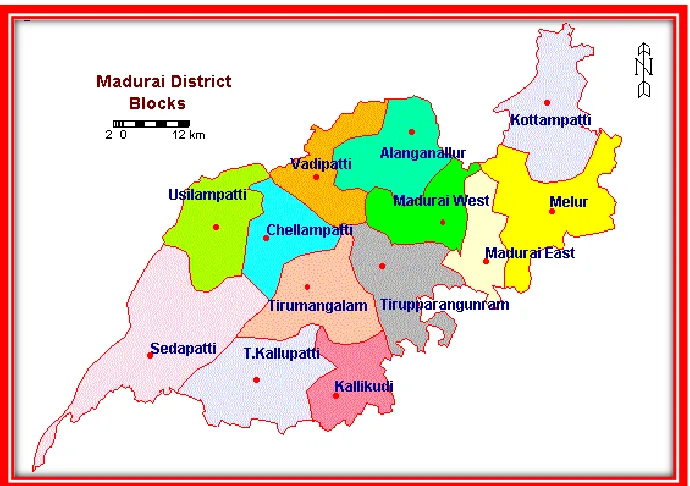
[image:52.612.134.479.375.618.2]Madurai is a major city and cultural headquarters in the state of Tamil Nadu, India.35 For the purpose of administration the city is divided into four zones by the municipal corporation. Madurai West zone, Madurai East zone, Madurai South zone and Madurai North zone.36 Census report of the year 2011 revealed that Madurai district has a population of 30,38,252 up from 25,78,201 in the 2001 census with a growth rate of 17.95%. It had a gender-ratio of 990 females for every 1,000 males. It has a Male literacy of 89.72 and female literacy of 77.16.37
Materials and method
27
ETHICAL APPROVAL & INFORMED CONSENT:
The synopsis of the proposed research was prepared and submitted to the Institutional Review Board Best Dental Science College, Madurai. It was reviewed and scrutinized by the board members of the institution and the approval was obtained to conduct the research (Annexure I). Informed consent of parents or school authorities was obtained before the subjects were included in the study (Annexure II). Participation in this study was purely on voluntary basis and they were allowed to opt out from the study at any time, if they wish to do so. It was emphasized that strict confidentiality would be maintained at all times and no names or personal details will be used in the write up of the study.
Obtaining Approval from the Authorities
Several weeks in advance of the scheduled start of the investigation, written permission was obtained from the principal/ Head master/ correspondent of the school indicating the purpose of the study and details of the examination to be conducted. (Annexure III).
Source of Data
The source of data was primary in nature. The Data were collected by using self- structured questionnaire and WHO oral health assessment form for children39 (Annexure IV and V) employing ADA type III examination procedure.
STUDY POPULATION
Materials and method
28
CRITERIA FOR SUBJECT SELECTION: INCLUSION CRITERIA:
Hearing impaired individuals who were diagnosed as hard of hearing and attending special schools for the hearing impairment were included in the study.
Children aged 5 to 15 years old.
Children those who were willing to participate.
EXCLUSION CRITERIA:
Children with physically/ mentally challenged or any other systemic diseases.
Individuals who were absent from school for a long period.
Children whose parents denied their participation.
Children undergoing orthodontic treatment.
SAMPLE SIZE:
A total of 265 (5- 15 yr old) children were studying in the selected schools. Among them 217 subjects participated in the study after excluding 44 children who were not willing to participate in the study, 2 children undergoing orthodontic treatment and 2 children absent for long period.
TRAINING AND CALIBRATION EXERCISES
Materials and method
29
assessments was 90%. Initial training and calibration of the examiners was followed by a pilot study to check for the feasibility.
PILOT STUDY:
A pilot study was conducted on 30 children to assess the feasibility of the study and to pre-test the questionnaire. The clarity of questionnaire and the time required to complete the assessment form was noted in the pilot study.
QUESTIONNAIRE:
The questionnaire consisted of demographic information which includes case number, name, age, gender, date of birth, and place of birth, phone number and residential address. The questionnaire consisted of 20 oral health related questions which were based on knowledge, attitude and practices among disabled children.
FACE/CONTENT VALIDITY:
Face validity of the questionnaire was tested by an expert panel (from the Department Of Public Health Dentistry) and was modified in accordance with their recommendations to ensure comprehensive ability. A pilot study was carried out with 30 subjects in order to test items’ understandability and the content validity. Information collected from these study participants were used to make final refinements to the questionnaire. The level of missing data was used as an indicator of inappropriate worded questions and those questions were re-framed accordingly.
INTERNAL CONSISTENCY (RELIABILITY):
Materials and method
30
was used in the study. The internal consistency was assessed by Cronbach’s 𝛼. The results of the
pilot study showed a good consistency with 𝛼 values higher than 0.9.
STUDY PROCEDURE:
The selected schools were approached on a scheduled day and data were collected using (a) self administered questionnaire, (b) clinical examination.
Questionnaire was used to record demographic details and knowledge, attitude and practice of oral health among study participants.
Clinical examination (Type III, ADA Specification40) was performed by the principle investigator. The average time taken for clinical examination for each child/ subject was 15- 20 minutes. The principle investigator examined about eighteen children per day. Baseline data was collected using questionnaire and WHO oral health assessment form for children, 2013.
The oral health education tool was formulated based on the assessment of oral health knowledge, attitude and practice and oral health status of the study subjects. Oral health education was delivered at different sessions in the respective institutions. To evaluate the effectiveness of the health education, oral examination was carried out at 2 different intervals, one at 3 months and 6 months from the baseline to assess oral health status using WHO oral health assessment form for children, 2013. All the examination was performed by the same examiner.
COMPONENTS OF THE INVESTIGATION Base line data collection:
1. Questionnaire:
Materials and method
31
questionnaire. The Principle investigator had a detailed discussion with the teachers before the session regarding the questionnaire and sought their co-operation to help the children to complete the questionnaire. The information pertaining to knowledge, attitude and practice towards oral health of 5- 9 years age group was collected from the caregivers/ parents. (Annexure IV)
2. Clinical Examination:
According to ADA specification Type III Clinical examination was carried out using modified WHO Oral Health Assessment children Form (2013). Clinical examinations were carried out by a single calibrated examiner at the schools during the working days in working hours. Data were recorded by the assistant was sit close to the examiner for better audibility and communication. Subjects who were absent at the time of the first examination were seen at later dates. Children were made seated on office chair under natural daylight. No artificial dental illumination was used. The examinations were carried out by using a number 4 plane dental mouth mirror, dental tweezer and a specially designed lightweight CPI probe with a 0.5 mm ball tip having black band between 3.5 and 5.5 mm and 8.5 and 11.5 mm from the ball tip.
a. WHO oral health assessment form (2013)
Materials and method
32
3. Health education:
Health education is considered to be a one of the primary level of prevention and considered to be cost effective. Based on the baseline data, oral health education model was designed by the investigator him- self and it was imparted to the students. Along with oral health education video, demonstration of brushing method to children was given in small groups. The health education video was made for the duration of 8 minutes 30 seconds in Indian Sign Language with Tamil subtitles. The video covered 1) anatomy and functions of tooth 2) causes, progression and prevention of dental caries 3) causes, progression and prevention of gingival disease 4) effects of tobacco consumption 5) diet 6) importance of oral health practices required to maintain it and 7) brushing technique.
a. Demonstration of brushing method:
Brushing method (Fone’s technique for age group of 5- 12 years and modified Bass
technique for 13- 15 years) was demonstrated separately forming small groups. Children were encouraged to ask queries pertaining to brushing method and such queries were sorted/ cleared in same session. Each group discussion lasted for 10 minutes. After each session, randomly one or two children were picked and were asked to demonstrate the brushing technique which was taught. Playing the health education video and brushing method demonstration was conducted second Friday of every month as a reinforcing programme to the children.
2nd Data collection: (at 3rd month after baseline):
Materials and method
33
3rd Data collection: (at 6th month after baseline):
6 months from the start of the study, the 3rd data were collected by using clinical examination along with the questionnaire following the baseline criteria.
ARMAMENTARIUM:
The following instruments were used for the study: 1. Plane mouth mirrors- number 4
2. WHO probes 3. Tweezers 4. Gauze
5. Sterilized cotton rolls 6. Kidney trays
7. Disposable gloves 8. Disposable mouth masks 9. Korsolex solution
10. Hand Sanitizer
11. WHO proforma and questionnaire 12. Health education material
CROSS INFECTION CONTROL:
Materials and method
34
grams). One part of Korsolex was diluted to nine parts of clean tap water to get 10% solution, into which, pre-rinsed instruments were immersed for a minimum of 30 minutes before being reused, if needed. Used instruments were placed in the disinfectant solution, then washed and drained well before re sterilization. At the end of each day examination, the entire instruments were autoclaved. Gloves were changed before the examination on every subject. The collected wastes during examination were segregated and disposed based on biomedical waste management guidelines.
EMERGENCY CARE AND REFERRAL:
After the examination a brief summary of the findings were explained to the institutional authorities. If a life threatening condition, or a condition that requires immediate attention, was detected during the examination appropriate measures has been taken to refer the case to our institution and proper care had been taken.
STATISTICAL ANALYSIS:
Photograph
35
Photograph 1: Armamentarium
Photograph
36
Photograph 3: Study setting- Leonard school for hearing impaired
Photograph
37
Photograph 5: Clinical examination
Photograph
38
Photograph 7: Demonstration of brushing technique
Photograph 8: Health education given by visual aids
Results
39
An interventional study was conducted to assess the effectiveness of oral health education on oral health status among the hearing impaired 5-15 year old institutionalized special children in Madurai City.
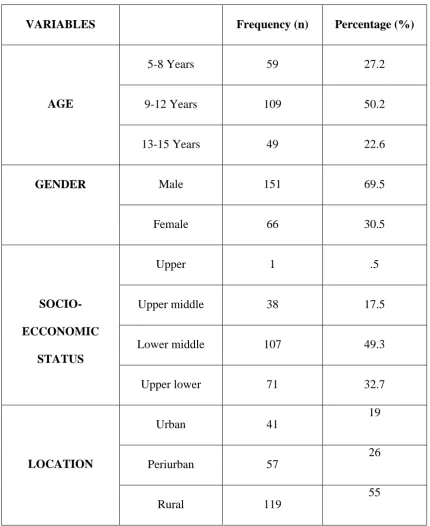
Table 1: Distribution of the study subjects according to age, gender, socioeconomic status and location
VARIABLES Frequency (n) Percentage (%)
AGE
5-8 Years 59 27.2
9-12 Years 109 50.2
13-15 Years 49 22.6
GENDER Male 151 69.5
Female 66 30.5
SOCIO- ECCONOMIC
STATUS
Upper 1 .5
Upper middle 38 17.5
Lower middle 107 49.3
Upper lower 71 32.7
LOCATION
Urban 41
19
Periurban 57
26
Rural 119
[image:67.595.83.514.226.753.2]Results
40
[image:68.595.151.443.340.510.2]Table 1 shows the distribution of the study subjects according to age gender, socio- economic status and location. Among the study subjects, majority 109(50.2%) of the participants were belong to 9- 12 years old followed by 59(27.2%) in 5- 8 years old and 49(22.6%) in 13- 15 years age group. The sample consisted of 151 boys (69.5%) and 66 girls (30.5%). Among the total study subjects, majority of the participants were belong to lower middle class 107(49.3%), followed by upper lower class 71(32.7%), upper middle 38(17.5%) and upper class 1(0.5%). Majority of the participants were from the rural area 119(55%), followed by periurban 57(26%) and only 41(19%) were from urban area.
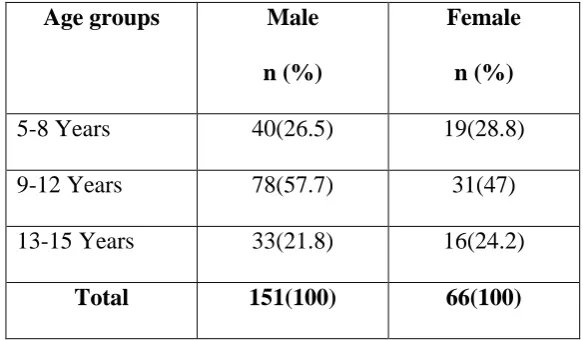
Table 2: Distribution of study subjects into three age groups with respect to gender
Age groups Male n (%)
Female n (%)
5-8 Years 40(26.5) 19(28.8)
9-12 Years 78(57.7) 31(47)
13-15 Years 33(21.8) 16(24.2)
Total 151(100) 66(100)
Results
[image:69.595.85.514.92.768.2]41
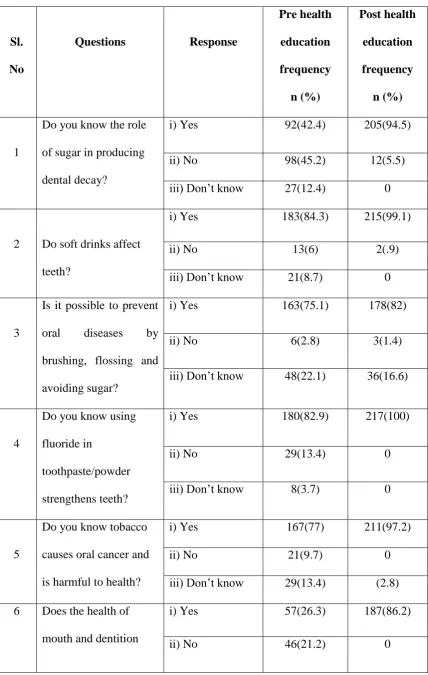
Table 3: Responses of the study subjects to questionnaire with respect to knowledge
Sl. No
Questions Response
Pre health education frequency n (%) Post health education frequency n (%) 1
Do you know the role of sugar in producing
dental decay?
i) Yes 92(42.4) 205(94.5)
ii) No 98(45.2) 12(5.5)
iii) Don’t know 27(12.4) 0
2 Do soft drinks affect teeth?
i) Yes 183(84.3) 215(99.1)
ii) No 13(6) 2(.9)
iii) Don’t know 21(8.7) 0
3
Is it possible to prevent oral diseases by brushing, flossing and avoiding sugar?
i) Yes 163(75.1) 178(82)
ii) No 6(2.8) 3(1.4)
iii) Don’t know 48(22.1) 36(16.6)
4
Do you know using fluoride in
toothpaste/powder strengthens teeth?
i) Yes 180(82.9) 217(100)
ii) No 29(13.4) 0
iii) Don’t know 8(3.7) 0
5
Do you know tobacco causes oral cancer and is harmful to health?
i) Yes 167(77) 211(97.2)
ii) No 21(9.7) 0
iii) Don’t know 29(13.4) (2.8)
6 Does the health of mouth and dentition
i) Yes 57(26.3) 187(86.2)
Results
42
impact the health of the body?
iii) Don’t know 114(52.5) 12.4(13.8)
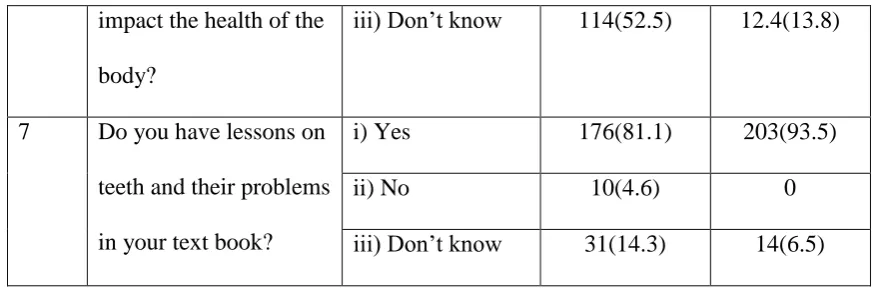
7 Do you have lessons on teeth and their problems in your text book?
i) Yes 176(81.1) 203(93.5)
ii) No 10(4.6) 0
[image:70.595.78.515.70.218.2]iii) Don’t know 31(14.3) 14(6.5)
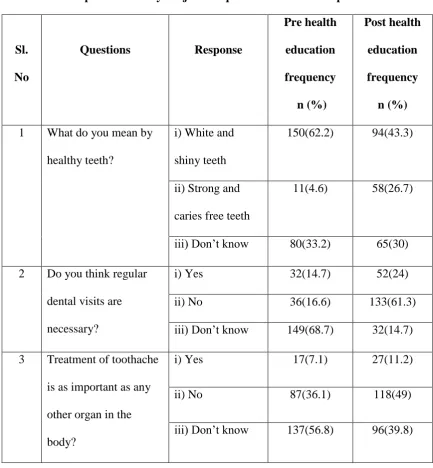
Table 3 shows the subjects knowledge with respect to factors that are responsible for good oral health. 42.4 % of subjects knew about the role of sugar in producing dental decay and it was increased after the educational intervention to 94.5%. Majority of the respondents (84.3%) knew that soft drinks affect teeth. After the educational intervention, it was increased by 99.1%. 75.1% of the subjects were consider that brushing, flossing and avoiding sugar prevents oral disease which was increased to 82% after 6 months from baseline.
Results
[image:71.595.80.514.84.553.2]43
Table 4: Responses of study subjects to questionnaire with respect to attitude
Sl. No
Questions Response
Pre health education frequency n (%) Post health education frequency n (%)
1 What do you mean by healthy teeth?
i) White and shiny teeth
150(62.2) 94(43.3)
ii) Strong and caries free teeth
11(4.6) 58(26.7)
iii) Don’t know 80(33.2) 65(30)
2 Do you think regular dental visits are necessary?
i) Yes 32(14.7) 52(24)
ii) No 36(16.6) 133(61.3)
iii) Don’t know 149(68.7) 32(14.7)
3 Treatment of toothache is as important as any other organ in the body?
i) Yes 17(7.1) 27(11.2)
ii) No 87(36.1) 118(49)
iii) Don’t know 137(56.8) 96(39.8)
[image:71.595.83.515.90.548.2]Results
44
Table 5: Responses of study subjects to questionnaire related to Practice for maintaining oral health
Sl. No Questions Response
Pre health education frequency n (%) Post health education frequency n (%)
1 Is it necessary to always rinse our mouth with water after each meal to remove food debris?
i) Yes 172(79.3) 209(96.3)
ii) No 22(10.1) 0
iii) Don’t know 23(10.6) 8(3.7)
2 How often do you visit the dentist?
i) Once in every six months
0 0
ii) Once in every 12 months
30(13.8) 87(40.1)
iii) Occasionally 82(37.8) 104(47.9) iv) Only when
dental
problems occur
104(47.9) 26(12.0)
v) Never visited 1(.5) 0
3 Reasons for visiting a dentist?
i) Tooth decay 165(76) 196(90.3) ii) Dental pain 12(5.5) 5(2.3) iii) Gum bleeding 39(18.5) 16(7.4) iv) Dental check
up
[image:72.595.86.515.111.765.2]Results
45
4 How do you
generally clean your teeth?
i) Brush 196(90.3) 216(99.5) ii) Finger 21(9.7) 1(.5)
iii) Neem stick 0 0
5 How many times do you brush a day?
i) Once 141(65) 7(3.2) ii) Twice 74(34.1) 210(96.8)
iii) Thrice 2(.9) 0
6 How do you brush your teeth?
i) Up and down 10(4.6) 29(13.4)
ii) Left to right 53(24.4) 24(11.1) iii) Circular 92(42.4) 144(66.4) iv) Combination 62(28.6) 20(9.2)
7 How frequently do you change your tooth brush?
i) Within 1-3 month
117(53.9) 126(58.1)
ii) Within 3-6 month
27(12.4) 75(34.6)
iii) Within 1 year 14(6.5) 14(6.5) iv) Until brush
worn out
59(27.1)) 2(1)
8 What material do you use to clean your teeth?
i) Tooth paste 189(87.1) 217(100) ii) Tooth powder 24(11.1) 0
iii) Others 4(1.8) 0
9 Do you use dental floss to clean your teeth?
i) Yes 0 0
ii) No 112(51.6) 216(99.5)
Results
46
10 Do you clean your tongue regularly?
i) Yes 155(71.4) 215(99.1)
ii) No 59(27.2) 2(.9)
iii) Sometimes 3(1.4) 0
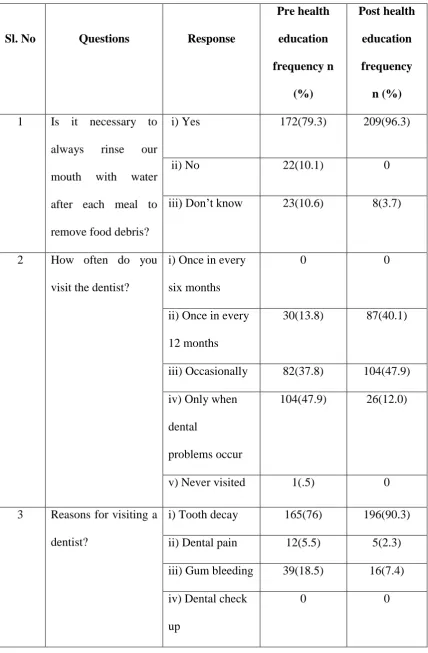
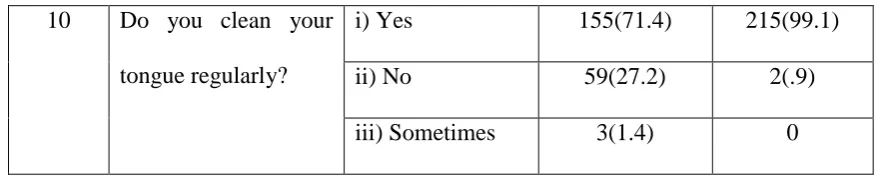
Table 5 shows the study subjects response towards oral hygiene practices. About 79.3% of study subjects consider rinsing of their mouth with water after each meal is necessary which was increased to 96.3% after the educational intervention.
47.9% of the study subjects visited dentist only when they had problems and nearly 50 % of the subjects visited dentist seldomly. 76% of the subjects visited dentist for treating their decayed tooth followed by 18.5% for bleeding gums and very few (5.5%) for dental pain.
Majority (90.3%) of the subjects were using tooth paste and brush to clean their teeth. After the educational intervention, it was increased to 99.5%. At baseline, Majority of subjects used to clean their teeth once a day (65%). After the educational intervention, approximately 97% started brushing their teeth twice daily. Only 42.4% of the subjects brush their teeth in circular motion and it was increased to 66.4% after intervention.
[image:74.595.77.521.70.160.2]Results
47
Table 6: comparison of Mean scores of knowledge, attitude and practice of study subjects at baseline and after intervention
VARIABLES Baseline
(MEAN ± SD)
After intervention
(MEAN ± SD)
p value
Knowledge 4.69±1.507 5.1±0.793 0.026**
Attitude 0.37±0.563 .49±0.578 0.030**
Practice 4.72±1.663 4.98±0.962 0.042**
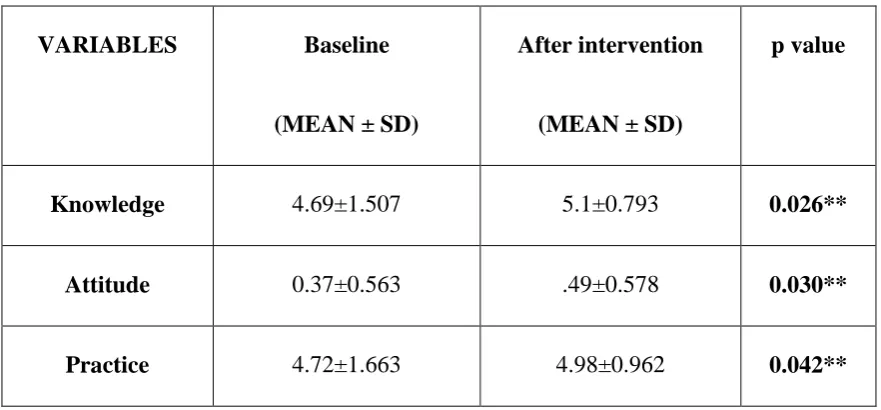
[image:75.595.78.519.135.340.2]Table 6 shows that comparison of mean scores of knowledge, attitude and practice among study subjects at baseline and after the intervention. There was a change in knowledge (p=0.026), attitude (p=0.030) and practice (p= 0.042) among study participants was noticed and it was statistically significant at the follow-up.
Table 7: Gender wise distribution of study subjects based on their Periodontal Status at baseline
Gender Healthy 0 Bleeding 1 Chi-square p-value
Male 30(13.8) 125(57.6)
119.11 0.00**
Female 18(8.3) 44(20.2)
[image:75.595.116.479.532.668.2]Results
48
[image:76.595.117.478.203.367.2]Table 7 shows Gender wise distribution of study subjects based on their Periodontal Status. More number of (57.6%) males had gingival bleeding than females (20.2%) and the difference was statistically significant with the p value < 0.05 respectively.
Table 8: Distribution of Periodontal Status according to age groups at baseline
Age groups Healthy 0 Bleeding 1 Chi-square p-value
5-8 Years 13(5.9) 51(23.5)
18.908 0.001**
9-12 Years 29(13.3) 97(44.7)
13-15 Years 6(2.76) 21(9.67)
Total 44(20.2) 169(77.8)
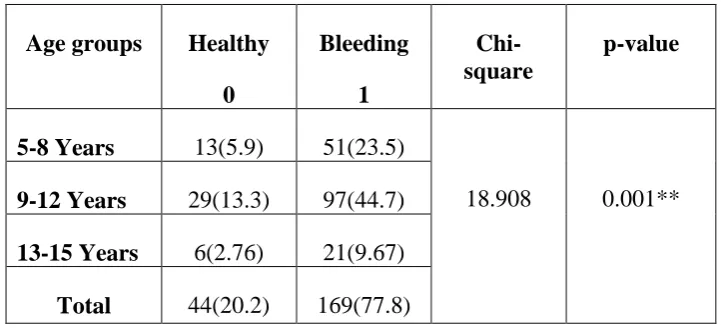
[image:76.595.72.531.550.729.2]Table 8 shows the distribution of the periodontal status according to the age groups. Among the study subjects, participants affected by gingival bleeding was found to be higher 97(44.7%) in 9-12 years, followed by 51(23.5%) among 5– 8 years and 21(9.67%) among 13 to 15 years age group. The difference was found to be statistically significant (p < 0.001).
Table 9: Age group wise distribution of mean DMFT among study subjects at baseline
Age groups (Year) dt Mean±SD ft Mean±SD DT Mean±SD MT Mean±SD FT Mean±SD DMFT Mean±SD
5-8 2.19±.87 0.09±.34 0.22±.42 0.00±.00 1.46±.78 2.53±1.53
9-12 2.20±.81 0.06±.03 0.86±.34 0.00±.00 1.92±.74 2.78±.814
13-15 2.12±.55 0.03±.24 1.07±1.37 0.18±.44 2.02±.80 2.43±1.08
Results
49
Table 9 shows the age group wise distribution of mean DMFT among study subjects. The mean dental caries in primary dentition (dt) was higher in 9-12 years age group with 2.20±.81 followed by 5-8 years (2.19±.87) and 13- 15 years (2.12±.55). The mean dental caries in permanent dentition (DT) showed increasing pattern with respect to age groups 0.22±.42 (5-8 years), 0.86±.34 (9-12years) and 1.07±1.37 (13-15 years). There was a statistically significant difference between various age groups (p<0.000).
The mean missing tooth due to dental caries in permanent dentition was not observed in age group below 13 years. A mean missing tooth of 0.18±0.44 was observed in age groups of 13- 15 years and it was statistically significant (p< .000).
The mean filled tooth in primary dentition (ft) was declining in 5-8 years age group with 0.09±.34 followed by 9-12 years with 0.06±.03 and 13- 15 years (0.03±.24) where as mean filled component in permanent dentition showed increasing pattern with respect to age groups and the difference between these 3 age groups in primary dentition and permanent dentition were statistically significant with the p value< 0.000.
[image:77.595.67.531.610.747.2]The mean DMFT was higher in 9- 12 years age group with 2.78±.814 followed by 13- 15 years with 2.43±1.08 and 5- 8 years (2.53±1.53). There was a statistically significant difference between various age groups (p< 0.014).
Table 10: Gender wise distribution of mean DMFT among study subjects at baseline Gender dt Mean±SD ft Mean±SD DT Mean±SD MT Mean±SD FT Mean±SD DMFT Mean±SD Male 1.97±.60 0.04±.22 0.17±.39 0.04±.22 2.16±.73 2.35±1.11
Female 2.17±.39 0.09±.34 0.24±.44 0.05±.23 2.48±.90 2.74±1.90
Results
50
Table 10 shows the gender wise distribution of mean DMFT among study subjects. The mean dental caries, missing tooth and filled tooth was higher in females than the males which was statistically significant with the p value of 0.000, 0.016 and 0.0035 respectively. Hence the Mean DMFT was higher in Females and it was statistically significant (p< 0.002).
Graph 1: Oral Health Status of hearing impaired children aged 5-15 year old
Graph 1 shows the oral health status of a study subjects. Among the study subjects, prevalence of enamel hypoplasia was found to be 24(11%) and overall prevalence of Dental fluorosis was found to be 16(7.4%). The prevalence of trauma and dental erosion was negligent. 5.10% 7.40% 11% 1.83% 0% 0.00% 2.00% 4.00% 6.00% 8.00% 10.00% 12.00%
Trauma Dental fluorosis Enamel
hypoplasia
Dental Erossion Oral mucosal lesions PE R CE N TA GE
[image:78.595.81.516.228.479.2]Results
51
Graph 2: Intervention urgency of hearing impaired children aged 5-15 year old
[image:79.595.81.516.109.366.2]Graph 2 shows the Intervention urgency of hearing impaired children aged 5-15 year old. Among the study subjects, 99 (46%) of the participants needed prompt treatment followed by 52 (24%) of the participants needed immediate treatment, 45 (21%) of participants needed preventive or routine treatment, 14 (6.4%) of the participants needed referred or comprehensive evaluation and only 7 (3%) of the study subjects did not need any treatment respectively.
Table 11: Comparison of Periodontal Status among study subjects at different intervals
VARIABLES Baseline
(MEAN ± SD)
At 3rd month
(MEAN ± SD)
At 6th month
(MEAN ± SD)
p value
Gingival bleeding .96±.200 .92±.269 .89±.314 .001**
Results
52
Table 11 shows that Comparison of Periodontal Status among study subjects at different intervals. The results shows a reduction in gingival bleeding from the baseline (.96±.200) to 6th month (.89±.314) duration among the study subjects which was found to be statistically highly significant with the p value <001.
Table 12: Comparison of Mean caries tooth (dt, DT), filled tooth (ft, FT) and missing tooth (MT) for Primary Dentition and permanent dentition among study subjects at different intervals.
VARIABLES Baseline
(MEAN ± SD)
At 3rd Month
(MEAN ± SD)
At 6th Month
(MEAN ± SD)
p value
dt 2.16±.784 2.14±.833 2.11±.885 .012**
ft .05±.259 .08±.308 .10±.332 .000**
DT .77±.828 .76±.833 .74±.838 .005**
MT .04±.222 .06±.248 .06±.264 .022**
FT 1.76±.858 1.79±.823 1.82±.793 .017**
DMFT 2.64±.110 2.64±.110 2.64±.110 1.00
[image:80.595.86.514.264.473.2]Results
[image:81.595.71.525.110.276.2]53
Table 13: Comparison of Oral Health Status of study subjects at different intervals
VARIABLES Baseline
(MEAN ± SD)
At 3rd Month
(MEAN ± SD)
At 6th Month
(MEAN ± SD)
p value
Trauma .05±.220 .05±.220 .05±.210 0.37
Dental Erosion .02±.135 .02±.135 .02±.135 1.00
Enamel Hypolplasia .11±.309 .11±.309 .11±.309 1.00
Dental fluorosis .07±.262 .07±.262 .07±.262 1.00
Discussion
54
Oral health and maintenance of good oral hygiene are of great importance for each and every individual. It forms an integral part of overall health and well-being of an individual especially in disabled due to their compromised congenital and medical conditions. People with intellectual disabilities often are not able to express their pain and discomfort. Often they do not have the ability to take care of their oral hygiene independently due to their disabilities. Oral diseases pose a major health problem among these individuals.41
Children with intellectual and physical disabilities come under population with special needs, These special children have the right to receive same standards of oral health care as normal children but there are evidence that they experience poor oral and general health.2 The oral problems in disabled people has been attributed to lack of awareness about oral hygiene measures, an inability to access oral care facilities, diet, eating patterns, medication, physical limitations and attitudes of parents and care providers, all of which contribute to poor oral health.2 The prevalence of dental disease and its severity are higher among disabled children when compared with general population.
About 15% of the world's population lives with some form of disability, of whom 2-4% experience significant difficulties in functioning. According to the census of India 2011 about 2.21% of the total population suffers from a disability. Physical disability tops the chart amounting to 20.3% followed by hearing impairment 18.9%, visual impairment 18.8% and mentally retarded 5.6%.42 In poor societies, many disabled persons find it difficult to survive because nutritional status is very low and services are often inadequate and hence disabled people live in extreme poverty, misery and despair, leading to dependency and deprivation.2
Discussion
55
Hence the aim of this study was to evaluate the effectiveness of oral health education program on oral health status among hearing impaired special children aged 5- 15 year in Madurai city. To our knowledge, this was the first comprehensive interventional study conducted among hearing impaired special children in Madurai city. It was hoped that this study would provide data for the health care providers in implementing oral health promotion programs for the hearing impaired special children.
In the current study, 217 subjects were included. Among them 69.5% were males and rest were females and this is similar to the study carried out by Pradhan M et al (70.4% males) 3, Jain M et al (76.8% males) 2 and Reddy VK et al(72.6% males) 10 respectively. The variation in number of study subjects and reason for small sample size in the current study may be attributed to the fact that the 11% of the females and (9%) of the males do not attend the special schools.44
The study subjects had a good knowledge about oral health. Almost 57.6% of the subjects did know the role of sugar in producing dental caries and it was increased after the health education that is about 73%. This could be due to a socio- economic background, education level and awareness towards oral health among their parents. Hence the or
![Isolation of omnipotent suppressors in an [eta+] yeast strain.](data:image/gif;base64,R0lGODlhAQABAIAAAP///wAAACH5BAEAAAAALAAAAAABAAEAAAICRAEAOw==)