Principles in Patterns (PiP):
Final Evaluation Report
WP7:40 Project evaluation synthesis
July 2012
Creator: George Macgregor
1. Acknowledgements
The Principles in Patterns (PiP) project was funded by the JISC under the Institutional Approaches to Curriculum Design Programme. Thanks are extended to the JISC Programme Team for their support and to Rachel Harris (Inspire Research) who has provided evaluation guidance and feedback throughout the project evaluation phase.
Within the University of Strathclyde, thanks go to those who have facilitated or participated in evaluation activity. In particular, thanks are extended to the Humanities & Social Sciences (HaSS) Faculty for agreeing to participate in system piloting, something that could not have happened without the enthusiastic support of Bryan Hall, Cathy Smith and their colleagues at the HaSS Academic Quality Team. Thanks also go to the other stakeholders that have made piloting and subsequent evaluation possible. This includes HaSS academic staff members, members of the HaSS Academic Quality Working Group, the HaSS Academic Committee, and members of central service support teams, particularly Student Lifecycle and Ordinance & Regulations.
Creator: George Macgregor
Contents
1. Acknowledgements ... 2
Figures ... 5
2. Tables ... 6
3. Executive summary ... 7
3.1 Brief description of the project ... 7
3.2 Summary of evaluation questions and methodology ... 7
3.3 Summary of main findings ... 7
3.4 Summary of recommendations ... 7
4. PiP background and evaluation context ... 9
4.1 Description of PiP and the evaluation context ... 9
4.2 Strand and phase evaluation reports ... 11
4.3 Related work and sector developments ... 12
5. Evaluation approach ... 15
5.1 Purpose of the evaluation and core evaluation questions ... 15
Core evaluation objectives: Evaluation of system pilot (C-CAP system) (WP7:37) ... 15
Core evaluation questions: Impact and process evaluation (WP7:38) ... 15
Critical analysis of BPI technique and C-CAP within class and course approval (WP7:39) ... 17
5.2 Design of the evaluation ... 17
Evaluation of system pilot (C-CAP system) (WP7:37): Heuristic evaluation ... 17
Evaluation of system pilot (C-CAP system) (WP7:37): User acceptance testing ... 18
Impact and process evaluation (WP7:38) ... 19
Evaluation of impact on business processes (WP7:39) ... 21
Approach design informed by… ... 22
Evaluation limitations (e.g. related to methods, data sources, biases) ... 22
6. Evaluation findings ... 24
6.1 Findings for each evaluative strand ... 24
Evaluation of system pilot (C-CAP system) (WP7:37): Heuristic evaluation ... 24
Evaluation of system pilot (C-CAP system) (WP7:37): User acceptance testing ... 25
Impact and process evaluation (WP7:38) ... 26
Evaluation of impact on business processes (WP7:39) ... 31
6.2 Unexpected findings ... 39
7. Conclusions and recommendations ... 41
Creator: George Macgregor
7.2 Recommendations ... 45
8. References ... 48
9. Appendix A: PiP Evaluation Plan ... 55
10. Appendix B: Evaluation of systems pilot (WP7:37): Heuristic evaluation of course and class approval online pilot (C-CAP)... 55
11. Appendix C: Evaluation of systems pilot (WP7:37): User acceptance testing of course and class approval online pilot (C-CAP) ... 55
12. Appendix D: Impact and process evaluation (WP7:38): C-CAP impact and process evaluation 55
Creator: George Macgregor
Figures
Creator: George Macgregor
2. Tables
Creator: George Macgregor
3. Executive summary
3.1 Brief description of the project
The Principles in Patterns (PiP) project was funded by JISC under its Institutional Approaches to Curriculum Design Programme to develop new, innovative technology-supported approaches to curriculum design, approval and review. It is anticipated that such technology-supported approaches can improve the efficacy of curriculum approval processes at higher education (HE) institutions, thereby improving curriculum responsiveness and enabling improved and rapid review mechanisms which may produce enhancements to pedagogy. The aims of the PiP project were to develop and test a prototype online system (Class and Course Approval Pilot: C-CAP) and a linked set of support materials that could: a) improve the efficiency of course and class approval processes at the University of Strathclyde; b) support the alignment of course and class provision with institutional policies and strategies, and; c) integrate the course and class approval processes into the corporate information environment.
3.2 Summary of evaluation questions and methodology
The evaluation methodology was structured according to several evaluative phases, within which a number of quantitative, qualitative and theoretical techniques were deployed. Data collection approaches germane to a number disparate domains was used. Evaluation techniques included heuristic evaluation, protocol analysis, stimulated recall, questionnaire instruments (pre- and post-test), group interviews, Most Significant Change (MSC) approach, theoretical process analysis, qualitative benchmarking, Pareto analysis, and structural metric analysis. The evaluation was designed to enable better understanding of C-CAP’s impact within particular stakeholder groups and on approval process efficacy. This included exploring the acceptance of C-CAP among users, its ability to support curriculum design tasks, and its potential for effecting improvements in approval process management and efficiency. An additional objective was to use findings from prototype testing to inform future practice and the embedding of C-CAP at the University of Strathclyde. More generally the findings were intended to inform the HE sector about the technology-supported approaches that can be deployed to improve curriculum design and approval processes.
3.3 Summary of main findings
Evaluation activity found the technology-supported approach to curriculum design and approval developed by PiP developed to demonstrate high levels of user acceptance, promote improvements to the quality of curriculum designs, render more transparent and efficient aspects of the curriculum approval and quality monitoring process, demonstrate process efficacy and resolve a number of chronic information management difficulties which pervaded the previous state. The creation of a central repository of curriculum designs as the basis for their management as “knowledge assets”, thus facilitating re-use and sharing of designs and exposure of tacit curriculum design practice. However, further process improvements remain possible and evidence of system resistance was found in some stakeholder groups.
3.4 Summary of recommendations
C-Creator: George Macgregor
Creator: George Macgregor
4. PiP background and evaluation context
4.1 Description of PiP and the evaluation context
The Principles in Patterns (PiP) project was funded by JISC under its Institutional Approaches to Curriculum Design Programme [1] to develop new, innovative technology-supported approaches to curriculum design, approval and review. It is anticipated that such technology-supported approaches can improve the efficacy of curriculum approval processes at higher education (HE) institutions, thereby improving curriculum responsiveness and enabling improved and rapid review mechanisms which may produce enhancements to pedagogy [1], [2]. Curriculum design in HE is a key “teachable moment” and often remains one of the few occasions when academics will plan and structure their intended teaching [3]. Technology-supported curriculum design therefore presents an opportunity for improving academic quality, pedagogy and learning impact [4]. Approaches that are innovative in their use of technology offer the promise of an interactive curriculum design process within which the designer is offered system assistance to better adhere to pedagogical best practice, is exposed to novel and high impact learning designs from which to draw inspiration, and benefits from system support to detect common design issues, many of which can delay curriculum approval and distract academic quality teams from monitoring substantive academic issues, e.g. [5], [6].
The rapid generation of new programmes of study, or the rapid adaptation of existing curricula, is also increasingly necessary. Institutions need to better respond to quickly changing academic contexts, the changing demands of employment marketplaces and the expectations of professional bodies [2], [7], [8]. Disciplines within the sciences and engineering appear to be particularly exposed to these pressures, with new technological or environmental developments increasingly necessitating the re-engineering of curricula or the rapid embedding of new skills [8], [9]. This scenario is also influenced by the globalisation of the HE sector more generally [10], [11] which, within the realm of curriculum design and approval, is placing additional pressure on institutions to devise specialist curricula designed to attract international students and/or suitable for delivery at international branch campuses [11–13]. Ensuring that high levels of academic quality are maintained also adds a further layer of complexity to an HE curriculum design and approval scenario that requires increasing levels of responsiveness and learning impact [2], [8].
Creator: George Macgregor
The Institutional Approaches to Curriculum Design Programme [1] represents a unique example of funded innovation and development. Very little academic literature is therefore available to influence the evaluation of technology-supported approaches to curriculum design and approval. Dedicated theoretical tools to expose approval processes to systematic evaluation are also lacking. Rather than using informal evaluative approaches or relying on looser forms of evidence, the PiP project was ambitious in its desire to develop a programme of evaluation that was structured, rigorous and – to some extent - replicable, i.e. can be deployed by other institutions that might wish to improve their curriculum design systems and approval processes.
Within PiP there were essentially three phenomena of interest: the PiP system (the Class & Course Approval Pilot: C-CAP) which enables the design and approval of curricula; the curriculum approval process itself and the
extent to which process change can be effected, and; the various stakeholders and the way in which the system and process supports and affects them. Academics and academic quality teams are probably among the most important within this latter group. The PiP Evaluation Plan [15] describes a series of evaluative strands that each align with these three phenomena, as well as components of the PiP workpackage plan.
The original PiP Project Plan [16] identified formal evaluation as an important component of the project and included a skeletal and embryonic evaluation plan. Institutional reorganisation at the University of Strathclyde in 2010 resulted in a revised project and workpackage plan to reflect the consequent restructuring of the project and its deliverables [14]. An alternative evaluation plan was therefore devised and finalised in November 2011 (Appendix A) and forms the basis of the evaluation work documented here [15]. This evaluation plan was sympathetic to the revisions made to the project’s scope and detailed four distinct evaluative strands. These strands were as follows:
1. Evaluation of system pilot (C-CAP
system)(WP7:37): Heuristic evaluation and C-CAP user acceptance testing 2. Impact and process evaluation (WP7:38): C-CAP impact and process evaluation
3. Evaluation of impact on business processes (WP7:39): Critical analysis of BPI technique and C-CAP within class and course approval
[image:10.595.295.525.82.341.2]4. Final project evaluation (WP7:40)
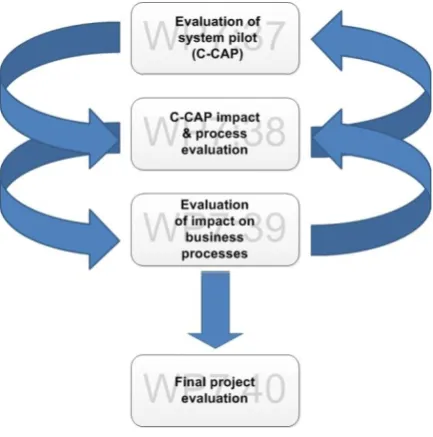
Figure 1: Overview of evaluative strands and evaluative sub-phases.
[image:10.595.308.525.436.655.2]Creator: George Macgregor
Each evaluative strand contained several evaluative phases (see Section 5 – Evaluation approach for details) (Figure 1) and although the evaluative phases within each strand were relatively self-contained, the evaluation was designed such that some phases would inform data gathering or analysis in other strands (Figure 2). The overall approach could therefore be described as a combination of formative and summative evaluation. In some circumstances this enabled triangulation to occur thus corroborating evaluative findings from other strands. It was also consistent with the overall incremental systems design methodology adopted by the project [17], [18]. For example, aspects of the “heuristic evaluation” phase (Figure 1) fed into the iterative development of the pilot system at an early stage in the evaluation process, thus improving the quality and validity of subsequent user acceptance testing. The importance of this approach will be highlighted throughout this report where appropriate; but in the above noted instance its relevance is described at the PiP Blog [19], the PiP YouTube Channel [20] and in the user acceptance testing report for WP7:37 [6] (see Appendix C). The exception to the overall recursive evaluation approach was strand four (Final project evaluation), the output of which is this document. This report synthesises, analyses and discusses the findings from previous evaluative strands and delivers summary conclusions and recommendations. Since it was not the purpose of this strand to gather or analyse new evidence, strand four is not detailed in the evaluation plan [15].
It should also be recognised that it was not feasible to implement all evaluation findings or recommendations within the lifetime of the project, either owing to insufficient project resources or because it was outside PiP’s remit. These findings have formed the basis for project continuation and sustainability planning and feature in the conclusions and recommendations section.
4.2 Strand and phase evaluation reports
A series of detailed evaluation strand reports were produced and published on the PiP website throughout the lifetime of the evaluation (November 2011 – June 2012), including:
Evaluation of systems pilot (WP7:37) - Heuristic Evaluation of Course and Class Approval Online Pilot (C-CAP) [21]
Evaluation of systems pilot (WP7:37) - User acceptance testing of Course and Class Approval Online Pilot (C-CAP) [6]
C-CAP impact and process evaluation (WP7:38) – Piloting of C-CAP: evaluation of impact and implications for system and process development [22]
Evaluation of impact on business processes (WP7:39) - Critical analysis of BPI technique and Course and Class Approval Pilot (C-CAP) within class and course approval [5]
These reports are included as appendices to - and form the intellectual basis for the contents of – this document. Each strand report describes the evaluation processes in detail and provides further specificity on important aspects of the evaluation process (e.g. evaluation aims, methodological matters, data analysis, findings, conclusions, etc.). This report therefore synthesises headline findings or significant methodological issues. Those interested in the finer details of the PiP evaluation are encouraged to consult the above noted strand reports.
Creator: George Macgregor
4.3 Related work and sector developments
As we have noted, the Institutional Approaches to Curriculum Design Programme remains a unique example of development and innovation activity, not just within the UK, but internationally. There has therefore been a limited foundation of academic literature or related work upon which to develop the various elements of the project, including the evaluation. The area of study also suffers from an insufficient body of conceptual or theoretical work from which to inform development or experimentation with technology-supported curriculum design and approval tools. Smith and Brown [24] and Lai [25] discuss the importance of technology facilitated approaches to design and approval for the purposes of improving pedagogy and, in Lai’s case, in increasing the portability and sharing of curricula within specific educational contexts. However, both Smith and Brown [24] and Lai [25] discuss only the theoretical opportunities of technology-supported curriculum design and no prototype systems or approaches are proposed.
The transformative potential of design patterns in curriculum design have been explored more thoroughly by a number of researchers and, although the importance of this aspect of the PiP project has diminished since institutional reorganisation [14], it remains an important long term objective of the project and has influenced the technical development of C-CAP. Inspired by the work of Alexander [26] on their application within the architecture domain, the practical application of design patterns has been most prominent within the area of computing and software engineering [27–32], where instructors have developed patterns to capture and communicate knowledge on how best to teach complex technologies to disparate audiences. They have also been used as a way of representing successful models of technology implementation [32]. Effectively communicating complex technologies to learners is often problematic for IT instructors and is further complicated by the varying teaching experience of instructors. Even when advice from an “expert” instructor is found it may lack reflection or a rationale as to why a particular teaching strategy or approach is successful [33]. This has motivated research into mechanisms for sharing pedagogical patterns and establishing best practice [32], although it has been acknowledged that there are limitations to some patterns [28].
Activity from the computing domain has more recently stimulated interest and research within education and educational design more generally, with Goodyear [34] providing a useful theoretical basis for future work within the domain. Subsequent research, particularly via the E-LEN project [35], has tended to focus on pattern application within e-learning contexts since formalising best practice in this context has been most urgent and is arguably easier to codify and therefore share [36–39]. However, this research has focussed less on the specifics of curriculum design and is more concerned with identifying patterns in good e-learning experiences, e.g. to ensure pedagogical principles are adhered to and learning impact is maximised through appropriate learning tasks, critical success factors within specific e-learning activities, etc. [40]. Kolås and Staupe [39] propose the use of “design wizards” to help practitioners in harnessing pedagogical patterns, but they also note the difficulties in attempting to systematise pedagogical design patterns in online environments. Even within the context of C-CAP, where attempts have been made to homogenise curriculum design templates to improve academic quality monitoring and greater adherence to pedagogical “good practice”, attempts to systematise the components of typical curriculum designs (e.g. learning activities, assessments, etc.) has been difficult [6]. More recently, Laurillard and her colleagues [41– 43] have shown how generic learning designs could be captured in a Learning Activity Management System (LAMS) and its potential for sharing the pedagogic forms instructors design and how this could support other teachers. A useful framework for this approach has also been proposed by Laurillard and Ljubojevic [41] but has yet to be implemented computationally in any LAMS or technology used to facilitate tech-supported curriculum design.
Creator: George Macgregor
activities, whether this is to support the professional development of academics, make explicit curriculum design practice, or aid quality assurance. Along with the aforementioned examples, the re-use of curriculum design information is considered to support institutional efficiency and competitiveness, the importance of which has reflected the increased economic and operational pressures affecting the HE sector. Whilst many UK HE institutions are engaging in KM activities and recognise the importance of KM in improving competitive advantage [45], [46], it remains a relatively new development within the education sector and the overall institutional impact of KM activities is often limited by poor adherence to appropriate or coherent KM strategies [47]. Such limited success at HE has also been attributed to, among other things, the characteristics of academic staff, the academic culture, and the management structure and styles that tend to prevail in universities, all of which can stifle KM innovation [47], [48]; although it should be noted that this scenario is by no means peculiar to the UK, e.g. [49], [50]. As creators of knowledge, the silo-based approach to KM activity has often tended to prioritise the curation of research outputs and large-scale IT initiatives which do not necessarily facilitate KM [47], let alone the management of curriculum information and data. There is greater recognition that UK institutions need to improve their ability to capture explicit and tacit knowledge to facilitate re-use and sharing, particularly within the area of curriculum design [51]. Some overseas institutions have already taken steps to include curriculum design within their wider KM strategies and activities such is its importance [52], [53]. Wright [51] notes some of the typical approaches to managing explicit curriculum knowledge, such as creating repositories for assessments, interdisciplinary learning and curriculum improvements. As this report will demonstrate, C-CAP’s creation of a central repository of curriculum design, whilst helping to resolve the issues identified in the baselining exercise [5], appears to be a positive contribution to better capturing, managing and sharing the University’s collective curriculum knowledge.
Whilst the management of curriculum design information aligns with the broader KM aspirations of competitive advantage, the exploitation of digital technologies to facilitate responsive curriculum design and approval and to enable process improvement has attracted more interest. For this reason business process improvement strategies have been gaining traction within HE and the public sector more generally. PiP represents one such example, demonstrating a renewed focus on technology-supported approval techniques that support substantive process improvements [14]. Although there is growing academic interest in deploying business process change strategies within the public sector [54–59] and even within higher education [58], [60], very little detailed literature has been published on specific HE implementation strategies, or even how best to evaluate business process change within HE. In a comparative paper Macintosh [58] summarises the business change strategies of several HE institutions and compares them to private sector approaches. Although Macintosh provides useful case studies, evaluation approaches are not discussed and instead the research focuses on the adjustments required for public sector approaches to business change to be successful. The work of Kettinger and his colleagues [61], [62] is frequently cited as a template for business process change in the public sector such is its success in the private sector [56], [63]. In an exhaustive review of business process change methods, techniques and tools, Kettinger et al. [61] propose their Stage-Activity (S-A) Framework. The S-A Framework is designed to assist practitioners in developing and deploying new business change initiatives and has become one of the most widely recognised [55] and cited approaches [56], [64–67]. More specifically, Jain et al. [60] describe the successful use of business process reengineering (BPR) techniques to redesign curricula, using BPR and benchmarking as a means of identifying improvements to pedagogy within an undergraduate degree class. Jain et al.’s work represents a unique contribution to process thinking within curriculum design; but it is focused on a single degree module, relies on an analysis of student learning outcomes in order to validate its success, and does not explore a process encompassing numerous actors or sub-processes (e.g. a typical curriculum approval process).
Creator: George Macgregor
Creator: George Macgregor
5. Evaluation approach
5.1 Purpose of the evaluation and core evaluation questions
PiP documentation [14] lists the current project aims to be the development and testing of a prototype online expert system and a linked set of support materials that could: a) improve the efficiency of course and class approval processes at the University of Strathclyde; b) support the alignment of course and class provision with institutional policies and strategies, and; c) integrate the course and class approval processes into the corporate information environment. An additional objective is to use the findings to inform local and external innovation and practice. The broad purpose of the formal evaluation was therefore to examine core project deliverables, to assess their fitness for purpose and their impact on wider institutional systems and processes. This involved - among other things - systems testing, the gathering and analysis of user data (from key stakeholders) using a variety of research techniques in order to identify opportunities for system and process enhancements, interpreting the perceptions and reactions of stakeholders to the Class and Course Approval Pilot (C-CAP) system, and assessing the overall institutional impact of the project.
The core evaluation questions were multifarious given the number of evaluative strands (see section 3) and were detailed in the PiP Evaluation Plan [15]. Each associated evaluation report explains the rationale behind the aims and objectives in further detail and readers interested in these aspects are encouraged to visit Appendices B, C, D, and E. The evaluation questions for each strand are summarised below:
Core evaluation objectives: Evaluation of system pilot (C-CAP system) (WP7:37)
There were two phases to this evaluative strand. The objective of the first phase was to identify significant usability problems with C-CAP prior to its exposure to stakeholders and to measure the extent to which C-CAP promoted established heuristic factors [68], [69]. The second phase was then to expose C-CAP to facets of HCI testing in order to validate aspects of the first phase and to evaluate C-CAP within in a real user context. This included a wider aim of attempting to capture data on C-CAP’s ability to support academic participants in the design of curricula. The following broad research objectives influenced this phase of the evaluative design:
Measuring the extent to which C-CAP functionality met users’ expectations within specific curriculum design tasks
Assessing the performance of C-CAP in supporting participants in curriculum design tasks and the approval process, and its potential for improving pedagogy
Eliciting data on the current approval process and how C-CAP could contribute to improvements in the process (i.e. its fitness for purpose)
Measuring the overall usability of C-CAP (e.g. interface design and functionality instinctive, navigable, etc.) and capturing data on users’ preferred system design/features
Core evaluation questions: Impact and process evaluation (WP7:38)
This evaluation phase was primarily concerned with assessing the impact of the C-CAP system within specific stakeholder groups. Triangulating results from the previous evaluative strand was therefore an underlying objective; but more significantly it sought to understand the potential impact of the C-CAP system among stakeholders and the extent to which the system was considered to support them in the curriculum approval processes. The following series of related evaluation objectives were identified:
Creator: George Macgregor
Eliciting and capturing data and evidence of the nature of change, efficiencies, outcomes, attitudes, etc.
The nature of identified changes across stakeholder groups (e.g. patterns, discords, synergies, etc.)
The aspects of C-CAP stakeholders consider to have the greatest potential for institutional change and which have effected greatest change in the curriculum design and approval roles normally assigned to specific stakeholder groups
The extent to which the “three orbs model” – described in a PiP blog post [23] and the outcome of conclusions drawn from user acceptance testing conducted in strand WP7:37 [6] – accurately models curriculum design and approval reality.
The purpose of the “three orbs” model (Figure 3) was to better understand the conflicting information needs at the centre of the curriculum approval process and suggest that there are in fact three conflicting "information needs" within the process perspective: academic needs, operational needs and aspirational needs. These information needs could be described as three divergent sub-perspectives, all existing as important parts of an information ecosystem and all underpinning the wider process. The model is characterised by these divergent process information needs, each pulling away from each other (Figure 3). As these divergent needs pull away from each other the tolerance levels of the academic actor situated at the centre of the model becomes stretched as they attempt to satisfy these disparate information needs. Satisfying these needs is nevertheless required to facilitate the curriculum approval process. All the needs form part of a curricula information ecosystem. A successful framework for curriculum design and approval is therefore one that can square these divergent needs and ergo deliver a system and an underlying process that lies within actors' overall tolerance levels. Failure to achieve equilibrium (i.e. an imbalance in the information ecosystem) may foster the development of ill-conceived curricula (perhaps resulting in delays to approval) and may lead to cynicism about the overall process as academics' tolerance levels become stretched. Detail on interpreting the model can be gleaned from other evaluation activity [22] or dissemination outputs [23].
[image:16.595.130.484.471.723.2]Creator: George Macgregor
It was also a requirement of this evaluation that additional qualitative data be gathered to validate specific findings from WP7:39, thus better understanding the nature of the business process improvements and changes effected by C-CAP. Additional qualitative data was therefore sought on the following aspects of WP7:39 for validation purposes:
Qualitative benchmarking: As described in more detail below, a comparative qualitative benchmarking process was used in WP7:39 to establish whether five process and document workflow issues identified as part of the PiP baselining exercise [70] in the “previous state” had been addressed in the “new state” [5].
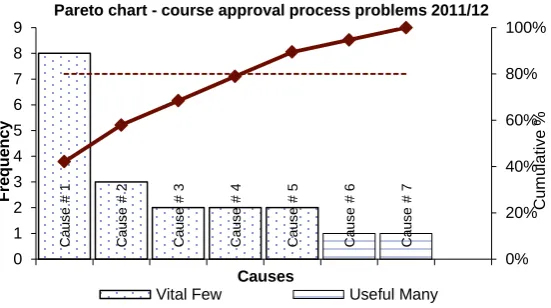
Pareto analysis: Pareto analysis and charting was used in WP7:39 to identify and prioritise the most common problems under the “previous state” [5]. This problem data was then used to assist in assessing the potential impact of C-CAP on approval processes (“new state”). Some of the issues highlighted by the Pareto data were not addressed satisfactorily in the “new state” and, as per the recursive evaluation strategy, a conclusion of WP7:39 was therefore that the qualitative components of this strand should seek to identify “potential system support functionality” [5].
Critical analysis of BPI technique and C-CAP within class and course approval (WP7:39)
This evaluative strand (WP7:39) was interested in analysing the business process techniques used by PiP, their efficacy, and the impact of process changes on the curriculum approval process. Process changes were implemented via C-CAP. A broad evaluative objective was therefore to capture and evidence improvements in the curriculum design and approval process as instantiated by C-CAP and ergo the PiP project. The following broad evaluation objectives influenced the evaluative design:
To what extent have improvements to the curriculum design and approval process – as instantiated by C-CAP - resulted in efficiencies, i.e. has the process been improved significantly?
To what extent has C-CAP – and the process improvements it facilitates - resolved acknowledged approval process deficiencies?
An additional exploratory goal was to improve community understanding of the links between technology-supported approaches to curriculum design and the way process improvement initiatives can be embedded, integrated and function as a vehicle for process transparency, efficiency and effectiveness.
5.2 Design of the evaluation
The following sections present a summary of the overall design of the evaluation. More detail of the execution of the evaluation strands can be found in the associated strand reports [5], [6], [21], [22].
Evaluation of system pilot (C-CAP system) (WP7:37): Heuristic evaluation
Creator: George Macgregor
1. Visibility of system status
2. Match between system and the real world 3. User control and freedom
4. Consistency and standards 5. Error prevention
6. Recognition rather than recall 7. Flexibility and efficiency of use 8. Aesthetic and minimalist design
9. Help users recognise, diagnose, and recover from errors 10. Help and documentation
The success of heuristic evaluation in detecting ‘major’ and ‘minor’ usability problems is well documented (e.g. [72–78]); although its inability to capture data on all possible usability problems [79] means that it is often used as a precursor to user testing, e.g. so that user testing focuses on deeper system issues rather than on those that can easily be debugged. The merits of such an approach are outlined on the PiP blog [19] and is reflected in the PiP Evaluation Plan [15]. Further detail on the execution of the heuristic evaluation can be found in the associated strand report [21], which can be found in Appendix B.
Evaluation of system pilot (C-CAP system) (WP7:37): User acceptance testing
The user acceptance testing sessions were designed to include four distinct sections: Pre-session questionnaire instrument, protocol analysis, stimulated recall, and a post-session questionnaire. Each session was circa 60 mins in duration, including ethical conditions (e.g. signing of consent form, explanation of research scope, etc). Data collection was conducted throughout January 2012 in a controlled IT lab setting.
Protocol analysis is a frequently deployed user testing methodology for software, interfaces, systems, etc. in which participants are asked to complete a series of tasks with the test/pilot system (in this case C-CAP) while simultaneously verbalising their thoughts. Verbalisations (or protocols) are sound recorded and transcribed for analysis. Additional data may also be gathered (e.g. screen captures, evaluator logs, etc). To best model a genuine curriculum design process and test the C-CAP system in supporting curriculum design and approval, participants were asked to bring a recently drafted curriculum design form with them to the session. Participants were then instructed to replicate their form using the C-CAP system while thinking aloud, recognising that the form structure in C-CAP was different and often more detailed than existing curriculum design forms. Participants were briefed on the process of thinking aloud, which was in line with established protocol analysis procedures [80] [81]. Screen capture software was used to record both participants’ C-CAP interface interaction (visual data) and to sound record their “think aloud” protocols (audio data). Screen capture and associated audio data from the protocol analysis were uploaded into QSR NVivo 9 for content analysis, coding and further analysis. Data analysis was conducted according Holsti’s [82] methodologies for content analysis and van Someren et al.’s techniques for category creation [81]. NVivo 9 was also used for audio transcription. Throughout the protocol analysis session evaluator logs were used to record “significant events” that occurred during participants’ interaction with the C-CAP system, e.g. navigation was not located where the participant anticipated, C-C-CAP experienced a system error, participant experienced difficulty using the drop down menus for aligning assessment with learning objectives, etc.
Creator: George Macgregor
considered favourable because although the participant is asked to verbalise after they have completed the task, they are often able to provide more detailed verbalisations owing to reduced cognitive load [85]. A total of six participants provided stimulated recall data. Stimulated recall data were sound recorded and uploaded to NVivo 9 for transcription and analysis alongside protocol analysis data.
Pre- and post-session questionnaires were administered prior to the commencement of the protocol analysis and after stimulated recall. The pre-session questionnaire was designed to collect basic demographic information and capture participants’ IT efficacy. IT efficacy was measured using an adapted version of Murphy et al.’s [86] original Computer Self-Efficacy (CSE) scale, modified by Torkzadeh et al [87]. The instrument was also designed to elicit from participants their opinions and perceptions of the current curriculum approval process and its current issues. The post-session questionnaire was administered after the completion of stimulated recall (if applicable). The post-session instrument was designed to capture data on users’ success with the system and gather definitive data on the aspects of the system that participants perceived most favourably and those they did not. This was based on a customised version of the standard System Usability Scale (SUS) post-test instrument, first proposed by Brooke [88] and subsequently developed, deployed and validated by other usability researchers (e.g. [89], [90], [91], [92]). Brooke’s instrument comprises a 10 item questionnaire using 5 point Likert scale response options. The Adjective Rating Scale (ARS) – proposed by Bangor et al. [89] to complement, validate and provide an overall qualitative explanation of user experience using SUS - was also used. The post-session questionnaire also sought to capture perceptions of how C-CAP supported them in the curriculum design process and its potential for improving approval processes at the University of Strathclyde.
Both questionnaire instruments were administered using Bristol Online Surveys (BOS), an online survey tool [93]. Data from BOS was exported to a .csv file for analysis in MS Excel and in SPSS. The post-session instrument was also imported to NVivo 9 for analysis of open-ended question responses (i.e. Q.3).
Further detail on the procedure and execution of the user acceptance testing can be found in the associated strand report [6], which can be found in Appendix C.
Impact and process evaluation (WP7:38)
The primary focus of this phase was to assess the impact of the C-CAP system and processes within specific stakeholder groups. The organisational nature of this focus necessitated appropriate data collection techniques. Qualitative data was therefore captured from stakeholders using group interviews and Most Significant Change (MSC) stories. Theorists and researchers within the domains of organisational theory and psychology note the importance of the “group method” for exploring and understanding institutional processes [94]. Group interviews are most suitable when the phenomenon being studied requires the exploration and description of ideas. Group interviews are similar to focus groups but differ in their management and focus. In the group interview method the facilitator performs an active role in directing and structuring group discussions. Aspects of this phase fed into WP7:39 and therefore sought further qualitative data on the extent of business process change using C-CAP. Note that one-to-one interviews were conducted with those stakeholders that were unable to attend the group interview sessions.
Creator: George Macgregor
Its popularity is manifest in its ability to capture secondary outcomes, such as those of personal significance to the participants or particular groups of participants [97]. MSC was administered at the same event as phase 1 (i.e. during the same session as the group interview).
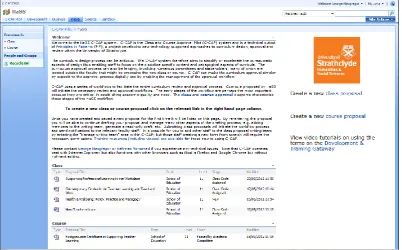
[image:20.595.98.501.258.508.2]Prior to conducting the group interviews and the MSC approach, C-CAP was piloted within the Humanities & Social Sciences (HaSS) Faculty for three months starting from mid-March 2012. A HaSS specific implementation of C-CAP was created (Figure 2). Discussions with the HaSS Academic Quality Team identified two academics who intended to design new curricula and that were willing to participate in piloting. Their involvement generated one post-graduate course and four classes that were each used as the focus for piloting. Note that C-CAP was also piloted, albeit in a more informal capacity, within the Strathclyde Business School (SBS) and the Faculty of Science; however, piloting in these faculties was limited to “dummy” proposals as neither faculty had the administrative capacity to participate during the timescales required.
Figure 4: HaSS implementation of C-CAP. Screen dump of HaSS C-CAP home page, including status list of current / recent curriculum proposals.
Piloting involved participation from members of the following stakeholder groups:
Academics: Academic staff responsible for designing and – if approved - delivering the curricula proposed.
Faculty Academic Quality Team: Staff within the Faculty responsible for managing Faculty level curriculum approval processes and academic quality assurance.
Academic Quality Working Group: A working group of academics from within the Faculty responsible for reviewing and providing feedback on proposed new classes and/or courses. The Academic Quality Working Group provides an initial level of academic scrutiny prior to consideration by the Faculty Academic Committee.
Faculty Academic Committee: Academic Committee is the mechanism by which proposed curricula (specifically courses) are scrutinised, reviewed and formally approved (or not) by senior members of the Faculty. Successful approval at Academic Committee essentially concludes Faculty level approval processes, after which a number of University processes are initiated.
Creator: George Macgregor
Student Lifecycle is responsible for a wide range of administrative services at the University of Strathclyde, their remit within the curriculum approval processes is to assign class/course codes, record aspects of curriculum data for monitoring, registering news classes/courses in the catalogue, and so forth.
The class approval process was modelled and piloted in its entirety using C-CAP. All classes that were designed, approved and piloted with C-CAP therefore followed the process through to its conclusion. The course approval process was modelled and piloted up to Senate approval (the final process step). All curricula were successfully approved. Final Senate approval was omitted from the course piloting because suitable procedures for communicating curriculum information to Senate have yet to be established. The senior membership of the Senate is such that organising such procedures or their participation would have delayed piloting unnecessarily. It should however be noted that this is simply an administrative issue rather a technical one. Further detail on the nature of the curriculum approval process, including process flow diagrams and rich diagrams, can be found in the WP7:39 evaluation strand report [4].
Prior to piloting all relevant stakeholders received one-to-one C-CAP orientation sessions, each tailored specifically to their role within the curriculum design and approval process. Dedicated training materials were also created to support stakeholders and were delivered using the University of Strathclyde’s Development & Training Gateway.
Evaluation of impact on business processes (WP7:39)
Stage 6 (“Evaluate”; S6A1) of Kettinger et al.’s [61] S-A Framework accommodates evaluation and
details a suite of techniques which can be usefully deployed in the evaluation of business process change. Two of the most suitable techniques within the PiP context include: focus groups (group interviews) and employee and team attitude assessments. Given the lack of objective metrics upon which to base comparative analyses, the use of qualitative data sources was considered integral for this present evaluation and is considered by Kettinger et al. as important to understanding overall process performance. Similarly, Sarkis and Talluri [98] note the need for qualitative data to feature prominently in any evaluation of business process change. The recursive nature of the evaluation plan [15] is such that qualitative data collected from WP7:38 fed into the evaluative activities of this present phase (see above).
Pareto charting is also cited [61] as an important root-cause evaluation technique. To facilitate Pareto charting, data pertaining to the curriculum approval process in the Faculty of Humanities and Social Sciences (HaSS) during 2011/2012 was gathered. This data covered the curriculum approval period beginning October 2011 up to mid March 2012, when HaSS C-CAP piloting began. Data included the number of curriculum proposals for classes and courses that suffered delayed approval or rejection, as well as information on the nature of the problem (“cause”) that resulted in delayed approval or outright rejection. Whilst such data is no substitute for genuine baselining data, its purpose in this instance was – via Pareto analysis - to identify significant problems within the current curriculum approval process and to use this problem data to assist in assessing the potential impact of C-CAP on approval processes.
Creator: George Macgregor
[image:22.595.71.528.129.387.2]as the “new state”. An assessment of overall “project radicalness” [61] was also conducted to determine the suitability of the process change strategy adopted by PiP.
Table 1: Summary table of structural metrics for business process design and evaluation, as proposed by Balasubramanian and Gupta [101].
Structural metric Description Nature of overall performance
impact
Branching automation factor (BAF)
BAF is a structural metric that reflects the extent to which process flow decision are determined by a system through definitive business rules.
Cycle time
Communication automation factor (CAF)
CAF is a measure of system driven communication in a process. It can be defined as the proportion of inter-participant information exchanges in a process where the information source is a system.
Reliability, cost
Activity automation factor (AAF)
AAF measures the extent to which system support is
embedded in process execution. Cycle time, cost, throughput
Role integration factor (RIF)
RIF denotes the level of integration in the activities carried out by a role within a process. Integration represents the continuity in execution of activities by a role during the process.
Throughput
Process visibility factor (PVF)
PVF attempts to measure the extent to which process states are visible to specific process stakeholders via process information reporting, recording or notification.
Reliability
Person dependency factor (PDF)
PDF calculates the extent to which process execution
is dependent upon human discretion. Reliability
Activity parallelism factor (APF)
APF measure the extent to which activities in a process can be executed simultaneously. It can be defined as the proportion of activities that are executed in parallel in a process.
Cycle time, throughput
Transition delay risk factor (TDRF)
TDRF is a measure of the potential delay that could creep in due to frequent transitions of process execution to humans.
Reliability
To further quantify the improvements effected by C-CAP in process performance, the approval process was subjected to Balasubramanian and Gupta’s “structural metrics” [101]. Balasubramanian and Gupta [101] provide a formal yet flexible technique to evaluate the implications of process redesign on process performance. They propose a list of structural metrics that can be easily deployed to create a formal approach to business process change evaluation. These metrics and the nature of their impact on overall process performance are described in Table 1. Balasubramanian and Gupta’s metrics synthesise, build upon and extend the work of others, including Nissen [102] and Kueng and Kawalek [103]. Many of Balasubramanian and Gupta’s metrics are applicable to the HE sector and to the curriculum approval process and have been cited in the literature as useful for assessing performance impact [104–106].
Approach design informed by…
No single overarching evaluation philosophy influenced the approach adopted by PiP. As preceding sections have intimated, the PiP Project’s multifarious nature spans numerous areas of academic interest, including information systems, Human-Computer Interaction (HCI), business process change, organisational behaviour, and the areas of education pertaining to pedagogy and curriculum design. The data collection techniques within the overall approach therefore reflect this heterogeneous context and were an attempt to deploy a suite of data collection techniques that are consistent with the aims of each evaluative strand. The evaluative strands therefore use a mixture of quantitative and qualitative techniques, as well as some theoretical techniques, from a disparate set of academic disciplines [20].
Evaluation limitations (e.g. related to methods, data sources, biases)
Creator: George Macgregor
curriculum design process is typically lengthy), it is probable that the artificial nature of the curriculum design task compromised data collection slightly. Indeed, the artificial nature of the curriculum design task was such that it limited participants’ potential for creativity; the majority of their creative work was essentially complete, thus leaving little scope for reflection. A recommendation in the user acceptance testing strand report [6] was that future work should instead employ ‘design diaries’ in which participants would note or verbalise their experiences of designing curricula with C-CAP. Verbalisations and reflections could be captured via video diary [107]. Such an approach would lack the control enjoyed by the approach adopted in the user acceptance testing, but it would, a) yield useful data on how C-CAP can stimulate new curricula, b) would allow time for users to improve their C-CAP efficacy, and c) would enable participants to reflect upon their designs and how C-CAP inspired the adoption of innovative designs.
MSC story collection also demonstrated data collection limitations. Several participants clearly experienced difficulties identifying appropriate or “significant” stories and some of their stories consequently lacked detail or depth. The difficulties in capturing MSC stories have been investigated by Willetts and Crawford [108] who concluded that MSC stories can be difficult for participants to articulate, primarily owing to the higher-order skills that are required to provide a “good” story (e.g. the reflective skills). They also note the problems participants have in deciding which stories are “significant” and worthy of reporting. Both of these aforementioned limitations were expressed informally by most participants as reasons why they were dissatisfied with the stories they submitted. Some attributed their dissatisfaction to the length of time spent piloting C-CAP and their limited experience of using the system for sustained periods of time. Therefore an additional explanation for the disappointing quality of MSC stories may relate to the limited time that was set aside for Faculty piloting and the relatively small number of participants involved in the piloting. For example, in their MSC guide, Davies and Dart [34] recommend extended periods of story collection. Such periods are recommended to span a year, during which stories might be collected every three months. A shorter but more intensive period of story collection in this instance was predicated upon the assumption that more faculties would agree to participate in the piloting and would also agree to pilot earlier in 2012. The limited scope of the piloting was therefore attributable to the low administrative capacity of other faculties. Whilst all key process stakeholders were involved in piloting C-CAP and generating the subsequent MSC stories, the quality of the stories in this instance may have been better had the period of piloting been longer, thus exposing all users to the system for extended periods of time and better enabling them to recognise significant changes over time. Additionally, had more faculties participated in the piloting more MSC stories would have been generated, from which story selection may have been considered more satisfactory.
Creator: George Macgregor
6. Evaluation findings
6.1 Findings for each evaluative strand
Evaluation of system pilot (C-CAP system) (WP7:37): Heuristic evaluation
[image:24.595.80.512.438.733.2]The heuristic evaluation of the C-CAP system yielded a total of 27 heuristic violations. Of these violations, only 33% were classified at a mean severity rating ≥ 3. In fact, 67% of total violations were classified at a mean severity rating of ≤ 2.67, and of these 11% were classified at severity rating 1. Figure 5 charts the total number of recorded violations and the mean severity level per heuristic. The C-CAP system therefore performed well under heuristic evaluation, demonstrating good use of short cuts and accelerators, high levels of user control owing to the use of familiar rich-text editors enabling incorrect actions to be “undone”, and minimalist and uncluttered design. The rich-text editors also demonstrated adherence to the de facto standard of the word processing dashboard. The heuristic evaluation nevertheless identified several problematic heuristic violations which required resolution. It should be noted that despite creating “catastrophic” usability problems on some occasions, many of the issues rated at > 2.67 were minor technical problems that were preventing critical user actions. The complexity of the curriculum design process is such at violations pertaining to Nielsen’s heuristics #6 and #7 [69] are probably the most critical to long-term user acceptance. Neither of these issues presented a technical usability problem; but they occurred more than any other violations (total of 6 and 7 violations respectively) and demanded unnecessarily high levels of recall from the user which ergo exposed the user to high levels of cognitive load, thus contributing to what was already an intellectually onerous process for the user. The associated strand report provides full results from the heuristic evaluation and indicative examples of the violations identified.
Figure 5: Number of violations grouped by heuristic and associated mean severity level by heuristic.
0 0.5 1 1.5 2 2.5 3 3.5 4
0 1 2 3 4 5 6 7 8
M
e
a
n
s
e
v
e
rit
y
le
v
e
l
N
u
m
b
er
o
f
h
eu
ristic
v
iolat
ion
s
Number of violations and mean severity level, grouped by heuristic
Creator: George Macgregor
Solutions to all violations were prioritised and considered for implementation by the PiP technical team in advance of user acceptance evaluation and faculty piloting, thus minimising users’ cognitive load and optimising the quality of data collected during user acceptance testing, e.g. [6], [19]. The user acceptance testing report [6] and the PiP Blog [19] discuss this strategy in more detail.
Evaluation of system pilot (C-CAP system) (WP7:37): User acceptance testing
In this phase of evaluation found the C-CAP system to be positively received. C-CAP achieved a positive System Usability Scale (SUS) score (SUS = 73.5) and ARS rating (ARS = 4.7). Researchers note [89] that “promising” SUS scores are generally > 70 therefore placing participants’ perceptions of C-CAP at a favourable level. An ARS rating of 4.7 places C-CAP within the “Good” ARS user-friendless category. Whilst these results could be partially attributable to the high computer efficacy of the participants (M = 4.74; Mdn = 5), protocol and stimulated recall data revealed that participants were, in general, favourably disposed to the C-CAP system. Numerous problems with the usability of C-CAP were nevertheless identified. Where appropriate modifications to enhance user acceptance and accommodate users’ preferences were implemented prior to faculty piloting in WP7:38.
Analysis of the qualitative data captured by the “think aloud” protocols, stimulated recall and open-ended questionnaire items generated a detailed hierarchical coding framework (see user acceptance testing strand report [6]). This framework directed further data querying. Two super-nodes emerged from the data: system issues, and; process and pedagogical issues. These super-nodes contained 32 and 18 sub-nodes respectively and reflected the nature of the user acceptance evaluation, which was deliberately designed to elicit data on the extent to which C-CAP could support participants in the curriculum design and approval process. It was also designed to expose system and usability issues which were not identified during the heuristic evaluation. The following additional super-nodes were also created: participant; participant attitudes (i.e. mixed, negative, neutral, positive), and; interesting quotes. These additional super-nodes were used to facilitate data querying and did not to reflect the intellectual content of the data, and were therefore omitted from the framework.
Analysis of the qualitative data exposed participants’ overall perception of the C-CAP system. The results were detailed but – for the purposes of this final evaluation report - have been summarised below. Full details of the data analysis and results are available in Appendix C.
C-CAP perceptions were generally positive, triangulating the positive SUS score from the post-session questionnaire instrument. Many participants frequently made positive comments throughout their interaction with the C-CAP system, whilst others commented more holistically of the potential of C-CAP to improve the curriculum approval process.
Qualitative data analysis uncovered isolated participant hostility to the use of any system to aid the curriculum design and approval process. This was based on a deeper suspicion of University systems and their implementation across the institution, as well as their perceived inflexibility.
Creator: George Macgregor
Only one participant used the context sensitive help (participant #6), which included detailed guidance on the learning activity values available and their scope. Had participants been more inclined to view this help then they may have been more likely to perceive their peculiar teaching delivery methods to fall within the scope of C-CAP’s values.
Aspects of assessment design that caused further confusion for many participants pertained to assessment deadlines. The collection of such data was intended to encourage curriculum designers and course leaders to consider cohort assessment load during semesters; however, many participants considered the collection of such information to be unfeasible because assessment activities and their deadlines are often only decided immediately prior to class delivery.
Broader data themes pertaining to flexibility in teaching practice and the perceived pointlessness of some curriculum design requirements in C-CAP were found. Many participants reported their unease with drafting overly prescriptive curricula which might in future restrict their teaching practice and lead to further bureaucracy, whilst others felt it was disingenuous to provide prescription so far in advance of teaching delivery.
One aspect of curriculum design that dominates educational literature is the idea of constructive alignment [110], [111]; optimising assessments to best measure student learning against the stated learning objectives. The version of C-CAP used for the user acceptance evaluation therefore required participants to engage in constructive alignment; however, few participants viewed this requirement favourably. Data analysis indicated that the majority of academics either considered their learning objectives to be assessed by all stated assessments, or felt it was irrelevant to include such detail as it can be highly ephemeral. Mandating constructive alignment did not appear to support C-CAP’s ability to promote
greater reflection of assessment strategy. Querying of the qualitative data indicated that only one participant considered C-CAP to inspire reflection during constructive alignment. This participant had experience of management responsibilities and was appreciative of C-CAP’s ambitions in this respect; but even this participant recognised the difficulties in implementing such a system more widely.
Questionnaire data suggested that participants were generally positive about the potential of C-CAP to support them in curriculum design, but were generally indifferent about the potential of C-CAP to improve their pedagogy or the quality of the curricula they design. An isolated participant was vehement in their view that such a system usurped the creativity inherent to the curriculum design process and restricted innovative practice.
Many participants often expressed uncertainty about aspects of the approval process and certain information requirements, e.g. such as credit-to-hour weightings. Curriculum design practice was also found to be highly variable. For example, some participants included hours towards summative assessment, while others expected the time spent on completing assessments to be in addition to the stated study hours. Some participants also acknowledged the disparate practice and its absurdity from an operational perspective.
Impact and process evaluation (WP7:38)
Analysis of the group interview data produced a hierarchical coding framework which was used to direct analysis and data querying (see pilot impact strand report [22]). This framework detailed the principal themes that emerged from the data and provided details of all the sub-nodes, node definitions and indicative supporting quote(s). Owing to the detail of the findings produced from this particular strand, we limit ourselves to summarising the key findings. Full details of the data analysis and results are available from the associated strand report [22], available in Appendix D.
Creator: George Macgregor
Simplicity of the drafting process: The structured approach to drafting, as implemented within C-CAP, was found to simplify the drafting process for academics and was considered by academic quality team members as something that could potentially solve the common process misunderstandings experienced by academics.
Clarity of design and approval expectations: Forms were considered to be more prescriptive and to clarify the curriculum information expectations for writing teams, thereby helping to improve the specificity and ergo the quality of curricula.
Improved process transparency and visibility: Issues surrounding a lack of process visibility or transparency were reported as having been resolved in other evaluation activity [5] and was further verified through analysis of interview data. Transparency was considered to have improved because C-CAP not only supported curriculum design by providing greater prescription in terms of the information expected in curriculum designs but also because it made transparent the various approval process milestones and enabled stakeholders to observe process statuses (or be notified of them). Academic Committee participants were similarly pleased about the improvement in transparency, particularly with respect to the delivery and capture of review feedback within C-CAP. Improved transparency was therefore a clear change that was effected by C-CAP; although it should be noted that were minor concerns that the transparency of departmental decision making was not what it should be, particularly in relation to decisions about whether new curricula should be proposed in the first place. The resolution of this issue, however, was found to fall outside the responsibility of C-CAP.
Enhanced process control: For academic quality team members the new state was considered to have increased the level of control they had when managing the academic quality monitoring and approval process, something that was lacking under the previous state owing to the decentralised nature of the design process. C-CAP was therefore embraced as a better mechanism for controlling, monitoring, structuring and minimising errors in the approval process. The increased control given to academic quality staff was not identified explicitly by academic participants as a source of annoyance; instead academics perceived C-CAP to provide higher levels of control too and, in some circumstances, found it to be empowering. This also appears to be intimately connected to the underlying transparency made possible through improved process visibility, something that was confirmed by the qualitative data. Process control was also highlighted as the “most significant change” resulting from C-CAP implementation, as captured via the MSC story collection approach. Further discussion of MSC data is provided later in this section.
![Figure 3: "Three orbs model", characterising the three conflicting information needs at the centre of the curriculum approval process, as proposed in [23]](https://thumb-us.123doks.com/thumbv2/123dok_us/1676763.121107/16.595.130.484.471.723/figure-characterising-conflicting-information-curriculum-approval-process-proposed.webp)
![Table 1: Summary table of structural metrics for business process design and evaluation, as proposed by Balasubramanian and Gupta [101]](https://thumb-us.123doks.com/thumbv2/123dok_us/1676763.121107/22.595.71.528.129.387/summary-structural-metrics-business-process-evaluation-proposed-balasubramanian.webp)


![Table 4: Davenport's [127] categories of potential impact on process innovation of IT and system solutions](https://thumb-us.123doks.com/thumbv2/123dok_us/1676763.121107/32.595.68.527.194.584/table-davenport-categories-potential-impact-process-innovation-solutions.webp)