Georgia State University Georgia State University
ScholarWorks @ Georgia State University
ScholarWorks @ Georgia State University
Public Health Theses School of Public Health
Spring 5-10-2014
Health Sector Strategy and Economic Development in Cameroon:
Health Sector Strategy and Economic Development in Cameroon:
History, Challenges and Perspectives.
History, Challenges and Perspectives.
Valery Nzima Nzima
Follow this and additional works at: https://scholarworks.gsu.edu/iph_theses
Recommended Citation Recommended Citation
Nzima Nzima, Valery, "Health Sector Strategy and Economic Development in Cameroon: History, Challenges and Perspectives.." Thesis, Georgia State University, 2014.
https://scholarworks.gsu.edu/iph_theses/341
i EXECUTIVE SUMMARY
There are complex and multisectoral interdependent relationships between health systems
and economic development in Cameroon that have been barely described in literature. Since its
colonial and post-independence periods, Cameroon has faced an important economic crisis, from
the mid-80s to the mid-2000s, which was addressed through structural adjustment programs
(SAPs). The combined effects of the economic crisis and the liberal and market based programs
resulted in a significant reduction of social programs and public interventions that negatively
affected the country’s social structure, including the health sector. For example, life expectancy
at birth moved from 53.3 years in 1986 to 49 years in 2000.
As the country regained macroeconomic stability, and attained the completion point of
the Highly Indebted Poor Countries Initiative in the mid-2000s, there was some room to improve
social development, including population health status. This was the motivation for the strategic
planning process that started with the elaboration of Vision 2035 (Cameroon’s national
development strategy for 2010-2035) followed by the Growth and Employment Strategic Paper
(the first decennial implementation phase of Vision 2035). The health sector, one of the seven
development sectors identified in the 2010-2019 phase of the implementation of the national
development policy, updated its 2001-2015 strategic plan to cohere with the national
development strategy, as well as to align its objectives with that of the Millennium Development
Goals (MDGs).
The 2001-2015 health sector strategy was aimed at strengthening health districts,
reducing morbidity, decreasing maternal and child mortality, and improving intersectoral
ii critical challenges that were either not efficiently addressed or simply not accounted for, mainly
because of weaknesses in the baseline assessment, and the lack of formative evaluation of its
theory of change and process implementation. These challenges include but are not limited to: i)
a poor health information system that is highly centralized and not utilized at peripheral level
where all activities are implemented; ii) structural and capacity building problems in health
service administrations at peripheral and central levels; iii) the inadequacy of training of the
health workforce with present and forecasted population health status.
Having analyzed these challenges, the author of this capstone proposed the following
policy alternatives:
i) The organizational chart of the Ministry of Public Health should be in accordance
with that of the Health Sector Strategy programs and with the New Financial
Regime Act that command results-based management and programs’ autonomy.
ii) Formative evaluation (needs assessment and process evaluation) should be
conducted for any strategy or program prior to its implementation.
iii) The programs of the Health Sector Strategy should be restructured into two
vertical programs (disease control and prevention and health promotion) and one
horizontal program that would support the vertical programs on aspects such as
governance, health workforce, infrastructures, drugs and laboratory supply, as
well as strategic planning and financing.
iv) A rising portion of health districts’ revenues should originate from the
iii reinforcing their economic autonomy, health information system, and quality of
service delivery.
v) Health workforce capacity (for clinicians and health district management teams)
should be reinforced in accordance with present and forecasted population health
iv Health Sector Strategy and Economic Development in Cameroon: History, Challenges and
Perspectives.
By
Valery NZIMA NZIMA,
MD, University of Yaoundé I, Cameroon
A Capstone Submitted to the Graduate Faculty
of Georgia State University in Partial Fulfillment
of the Requirements for the Degree
MASTER OF PUBLIC HEALTH
ATLANTA, GEORGIA
v Health Sector Strategy and Economic Development in Cameroon: History, Challenges and
Perspectives.
By
Valery Nzima Nzima
Approved:
Bruce Clement Perry, MD, MPH
Committee Chair
Lee Rivers Mobley, PhD
Committee Member
Betty Armstrong-Mensah, PhD, MIA
Committee Member
April 21st, 2014
vi ACKNOWLEDGEMENTS
I would like to express my sincere thanks and appreciation the entire School of Public
Health staff of Georgia State University in general, and to my advisors, Dr. Bruce Clement
Perry, MD, MPH, and Dr. Lee Rivers Mobley, PhD in particular for their assistance, guidance,
continuous support, feedback, and advice.
Additionally, I would like to specially thank the US Department of State, the Fulbright
program, and the Institute of International Education (IIE) for having offered me this wonderful
opportunity to pursue this Masters of Public Health program that is a major step toward
achieving my professional goals.
I am much obliged to the Government of the Republic of Cameroon that granted me
permission to pursue this program, and to the Ministry of Economy, Planning, and Regional
Development that hosted me during my three months practicum.
Last and not least, I would love to extend my deep gratitude to my lovely wife, and
vii NOTICE TO BORROWERS
All theses deposited in the Georgia State University Library must be used in accordance
with the stipulations described by the author in the preceding statement.
The author of this thesis is:
Valery Nzima Nzima
The Chair of the committee for this thesis is:
Bruce Clement Perry, MD, MPH
School of Public Health, Urban Life Building Georgia State University
140 Decatur Street, Suite 878 Atlanta, GA 30303
Users of this thesis who are not regularly enrolled as students of Georgia State University are required to attest acceptance of the preceding stipulation by signing below. Libraries borrowing this thesis for the use of their patrons are required to see that each user records here the
information requested.
viii LIST OF ABBREVIATIONS
DALYs Disability Adjusted Life Years
FCFA Franc de la Communaute Financiere d'Afrique (or currency of the African Financial Community in English)
GDP Gross Domestic Product
GNI Gross National Income
HIPC Highly Indebted Poor Countries
IMF International Monetary Fund
MDGs Millennium Development Goals
MINEPAT Ministry of Economy, Planning, and Regional Development (Cameroon)
NGOs Non-Governmental Organizations
PRSP Poverty Reduction Strategic Paper
SAPs Structural Adjustment Programs
SMART Specific, Measurable, Achievable, Realistic, and Timely
SWOT Strengths, Weaknesses, Opportunities, Threats
UNICEF United Nation Children's Fund
ix LIST OF TABLES AND FIGURES
LIST OF TABLES
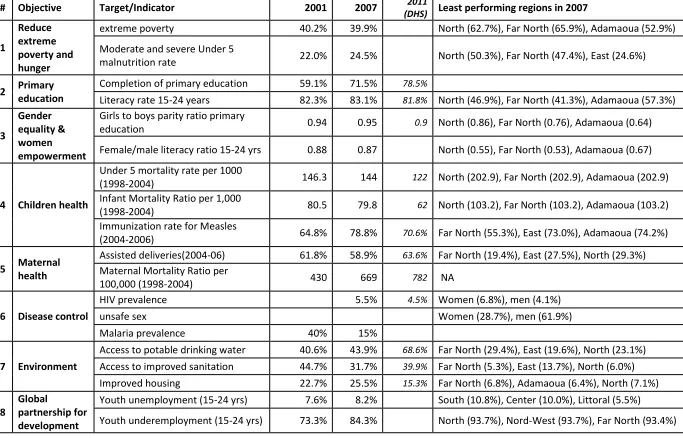
Table 1: Cameroon: Millennium Development Goals (MDGs) country progress report 2008 .... 36
Table 2: SWOT analysis of preparation phase of the elaboration of the health sector strategy ... 45
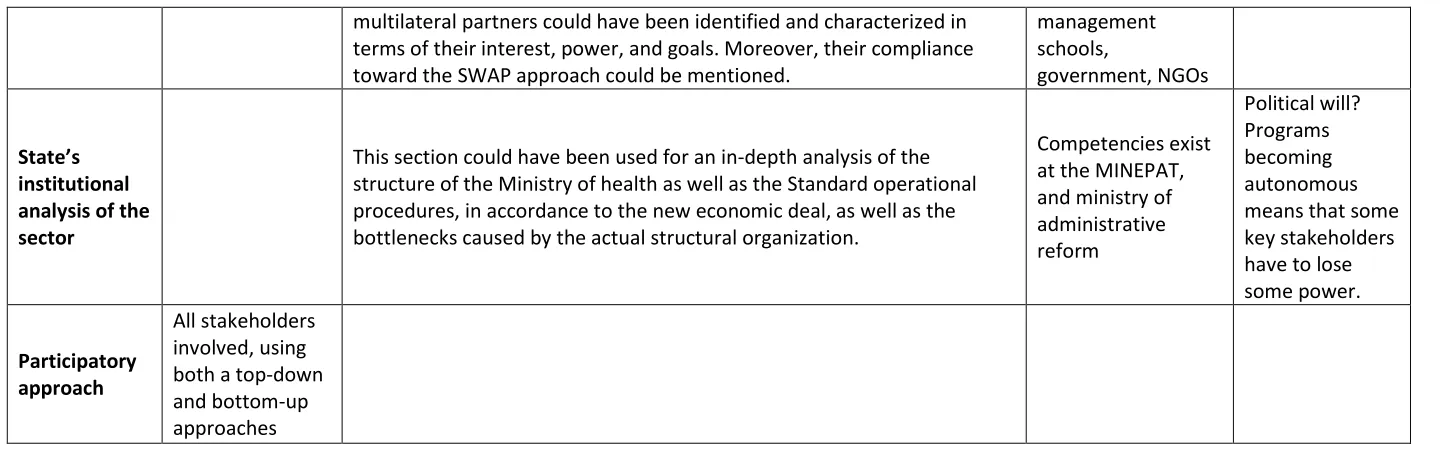
Table 3: Diagnosis or situational analysis ... 46
Table 4: Analysis of Strategies, objectives, means, actions, and priority setting ... 48
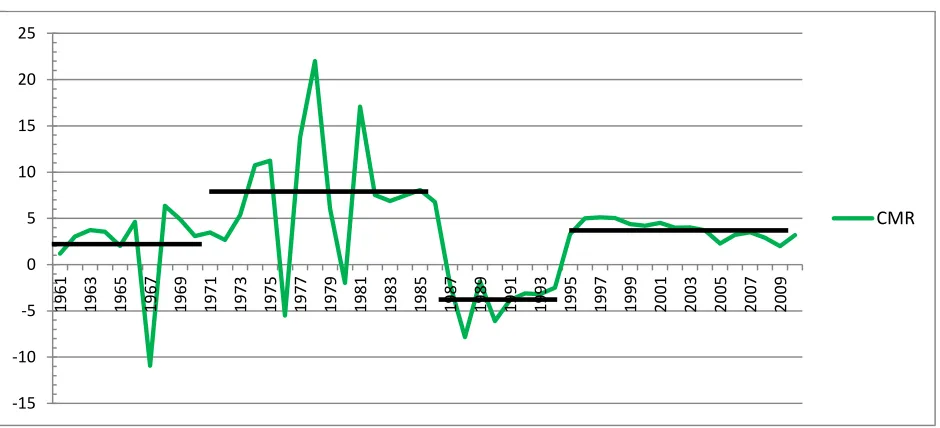
LIST OF FIGURES Figure 1: Evolution of GDP growth (%) in Cameroon (1961-2011). ... 21
Figure 2: Corruption Perception Index in Cameroon (1996-2013) ... 29
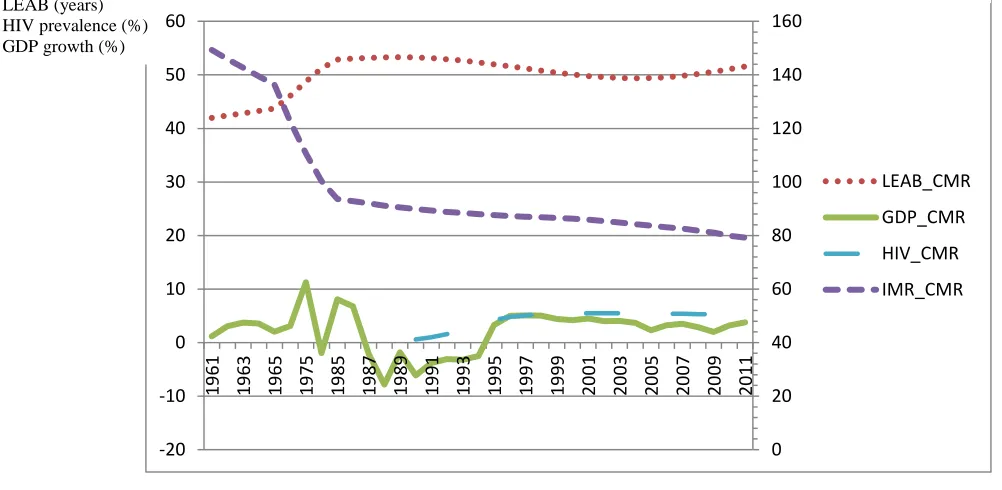
Figure 3: Correlation between GDP growth, Life Expectancy, Infant Mortality, and HIV. ... 32
x TABLE OF CONTENTS
1 Introduction ... 1
1.1 Background ... 1
1.2 Key questions to be answered in the literature review ... 3
1.3 Impact of the study... 4
2 Methods and procedures ... 5
3 Definition of concepts ... 7
3.1 Health system and health sector ... 7
3.2 Health System Strengthening ... 8
3.3 Health sector reform ... 8
3.4 Economic development ... 12
3.5 Strategic planning ... 14
4 Evolution of the economic and political context of the health sector ... 15
4.1 Pre-colonial and colonial period (before 1960) ... 15
4.2 Between independence and Alma Ata conference (1960-1978) ... 20
4.3 Between Alma Ata Conference and Re-orientation of primary health care (1979-1990) 23 4.4 After Re-orientation of primary health care (1991- 2006) ... 28
4.5 2001-2010 Health Sector Strategy ... 34
4.6 Since the achievement of completion point of the HIPC Initiative (2006-2014) ... 37
4.7 Different phases of the elaboration of the health sector strategy ... 40
xi
5 SWOT of 2001-2015 health sector strategy using MINEPAT (2009) framework ... 45
5.1 Preparation phase of the elaboration of the 2001-2015 health sector strategy ... 45
5.2 Diagnosis or situational analysis ... 46
5.3 Strategies, objectives, means, and priority setting ... 48
6 Key public health challenges and policy alternatives ... 50
6.1 Governance challenges ... 50
6.1 Qualitative orientation of health workforce training ... 56
6.2 Health information system and health sector strategy ... 58
7 Conclusion ... 61
1
1 Introduction
1.1 Background
According to the World Health Organization, the health status of a country’s population
is an important determinant or even a prerequisite for its development since health contributes to
people’s happiness, wellbeing, economic progress, longevity, productivity, and savings (WHO,
2014b). Thus, every country should invest to make its population healthier. However, this is not
always easy for developing countries such as Cameroon that need a healthier workforce to
overcome its development challenges. In such countries, resources are scarce and needs are very
important as they face a double burden of disease with an important share of communicable
diseases and a rising proportion of non-communicable diseases (Marshall, 2004). Moreover,
developing countries have to face other development challenges such as homeland security,
education, improved water and sanitation, infrastructures, energy supply, food safety and
security.
Cameroon is a developing country located in Central Sub-Saharan Africa, at the heart of
the Gulf of Guinea, which became independent in 1960. The variety of its ecology (Savana,
Semi-arid, and Forest zones) makes it to be called “Africa in miniature” (Jua, 1990). It has an
estimated population of 21.7 million inhabitants in 2012 living in 475,442 square kilometers
(183,569 square miles), two official languages which are French and English (inherited from
colonization), and more than 230 ethnic groups. Christianity is the dominant religion (70%),
followed by Islam (21%), and indigenous beliefs (6%) (INS & ICF, 2012). Regarding its
macroeconomic indicators, Cameroon was classified in 2012 as a lower middle income country
by the World Bank with a GDP per capita of $1,167; a real GDP growth rate of 4.7%; a current
2 ranked 150th out of 187 countries for Human Development Index, in the 2011 Human
Development Report, having scored 0.492 on a scale of 0 to 1; given a life expectancy at birth of
51.2 years, an expected years of schooling of 10.9 years, a mean years of schooling of 4.9 years,
and GNI (Purchasing Power Parity) of $2,114 (UNDP, 2011).
Concerning its health sector, the country has experienced many reforms and some of the
milestones for these reforms are the independence (1960), the Alma Ata Declaration of Primary
Health Care (1978), the World Health Organization’s (WHO) Interregional conferences of
Harare (1987) and Bamako (1987), the health policy statement (1992), the declaration of
implementation of the reorientation of primary health care (1993), the adoption of 2001-2010
Health Sector Strategy, the adoption of Vision 2035 (the 2010-2035 national development
strategy) and Growth and Employment Strategic Paper in 2009 (the first decennial
implementation phase of Vision 2035), followed by the revision of the health sector strategy
(2010). These reforms have either been initiated in response to or influenced by the financial and
economic condition of the country.
Most of these changes occurred during the deep economic crisis that Cameroon
experienced from the mid-80s to the mid-2000s, which necessitated the implementation of
structural adjustment policies (SAPs) by the World Bank and the International Monetary Fund
(IMF) (Konings, 1996). These structural adjustment policies aimed at stabilizing the country’s
macroeconomic indicators through a liberal economic program with a market approach, the
privatization of public owned companies, and a severe reduction of social programs and public
interventions (WHO, 2014d). These negatively affected the social structure (WHO, 2014d),
including a worsening of health indicators such as life expectancy at birth that moved from 53
3 was similar in other Sub-Saharan Africa countries where it resulted in political instabilities
(Nigeria, Chad, Central African Republic, Democratic Republic of Congo, Cote d’Ivoire, Niger,
and Togo), Cameroon is among few countries that enjoyed political stability (Gabriel, 1999). In
2006, Cameroon benefited from a 27% debt relief, from the World Bank Group, IMF, African
Development Bank, multilateral, bilateral, and commercial partners, after reaching the
completion point of the Highly Indebted Poor Countries (HIPC) Initiative (IMF, 2006). This
offered the country an opportunity to launch its development vision for 2035 as well as its
2010-2019 Growth and Employment Strategy Paper. As a result, the 2001-2010 health sector strategy
was revised in 2009, in order to its alignment under the national development policy, and to the
Millennium Development Goals as well: this revision gave birth to the 2001-2015 health sector
strategy.
1.2 Key questions to be answered in the literature review
Nowadays, most countries, including developed countries are multiplying reforms with
one constant motive which is the reduction of health care costs (other reform motives include
accessibility and quality of care). The particular context of Cameron, a lower middle-income
country, is similar to many developing countries with high burden of diseases (both
communicable and non-communicable) and concurrent development challenges. Thus, the main
question to be answered is how the financing of health (which is a social benefit, thus, generally
considered as non-productive) has been influenced over time by the economic environment in
Cameroon. Another question is to look at the potential challenges due to the changing national
and global economic contexts and how these could impact the elaboration or the implementation
4 Answering these questions will require this report to summarize in parallel the history of
both the economic environment and the health sector in Cameroon, from the precolonial period
to 2012. In addition, the 2001-2015 health sector strategy will be analyzed using a SWOT
(Strengths, Weaknesses, Opportunities, and Threats) matrix. Further, major challenges of the
current 2001-2015 health sector strategy will be presented and analyzed, and policy alternatives
will be proposed.
1.3 Impact of the study
Regarding the evolution of the health sector and that of the economic environment
presented above, there seem to have been a concomitancy between economic development and
health sector policies in Cameroon that has been barely described in the literature. According to
Peabody (1996), these relationships between economic reforms and health policies are complex,
multisectoral; thus, there is a need for health policy makers to develop appropriate strategies in
order to limit the negative effects of these reforms on individual and population health.
Therefore, alongside with the objective of providing historical health economics and policy data,
this capstone project could as well provide decision makers of the health sector with needed
5
2 Methods and procedures
After a three months practicum at the Ministry of Economy, Planning, and Regional
Development, and at the Health Sector Strategy Steering Committee in Cameroon, in order to
meet the study’s objectives, a narrative literature review was conducted, using both grey
literature and scholarly articles. Grey literature constituted mainly books, and published and
unpublished official reports from the Ministry of Public Health, the Ministry in charge of
Economy and Planning, international organizations such as the World Bank, International
Monetary Fund, and United Nation agencies such as WHO, and UNICEF, as well as books from
Georgia State University’s library and interlibrary loan system. These reports were obtained
either through online research, using Google research engines, or through the libraries of the
aforementioned institutions. As for the scholarly articles, a research was conducted in search
engines (Iris library, Google Scholar, Georgia State Discover, PubMed, PAIS International,
EBSCO Global Health, Embase). Search key words included “Cameroon”, Sub-Saharan
Africa”, “Health Sector”, “Health Sector Strategy”, “Health System reform”, “Health sector
reform”, “Health System Strengthening”, “Economic Development”, “Millennium Development
Goals”, “Structural Adjustment Programs”, “Pre-colonial/colonial”, “Strategic planning”.
These keywords were combined using the “AND” and “OR” conjunctions. Articles in French
and English were included, and no filter was activated for publication date. However, to make
easy the historical contextual analysis, five periods have been used: the first period is the
pre-independence or the colonial period (before 1960); the second period is the early
post-independence and before the Alma Ata conference (1960-1977); the third period is between
Alma Ata conference and the re-orientation of primary health care (1978-1990); the next period
6 or the period that after the completion of the completion of the Highly Indebted Poor Countries
7
3 Definition of concepts
3.1 Health system and health sector
Most of the time, the concepts “health system” and “health sector” are used
interchangeably; however, according to the World Health Organization, the difference
relies in the fact that utilization of the second concept, health sector, is restricted to
actions conducted by governments (that could include state and non-state actors as well)
(WHO, 2010).
Defining heath system requires one to consider the holistic definition of health (a state of
complete physical, social and mental wellbeing), as well as all that could contribute to its
achievement. For Smith & Hanson (2012), a health system is a collection of people,
organizations, and actions which through complex interactions among themselves and with other
systems, promote, restore, or maintain population health. The World Health Organization’s
framework (WHO, 2014e) schematizes the health system in six building blocks that interact
together to achieve the goal of improved coverage, responsiveness, social and financial risk
protection, and efficiency. These building blocks are:
i. Aleadership and governance building block, whose role is to provide strategic
framework and policies, forecasting, regulation and incentives, coalition building,
and accountability;
ii. Ahealth financing system that is responsible for adequate fundraising in order to
facilitate an efficient health service provision and organize a risk pooling mechanism;
iii. Ahealth workforce building block that has to be composed of competent and
mixed staff that ensure the best possible outcome with responsiveness, fairness, and
8
iv. Ahealth information system that organizes the production, analysis,
dissemination, and utilization of reliable and timely information to enhance
performance of the system and improve health;
v. Ahealth service delivery building block, which is the most visible aspect of
the health system, comprising the combined utilization of money, staff, equipment,
and drugs for delivery interventions;
vi. Anessential medicines building block that has to ensure equitable access to
quality and cost-effective essential medical products, vaccines, and technologies.
Unlike this inventory framework provided by the World health Organization, the
relational health system model proposed by Frenk (1994) depicts not only the complex
interactions among elements of the health system in terms of their description and directionality,
but it also clarifies interactions between the health sector and other sectors as well as levers for
control and regulation. These other sectors include universities (workforce development and
research), health insurance companies or social security institutions, companies that supply
medications, reagents, and technologies (Frenk, 1994).
3.2 Health System Strengthening
The World Health Organization defines Health System Strengthening as a process
through which a country identifies and addresses its key health challenges through policies and
actions that lead to the increase of access, quality, efficiency, and coverage of health services and
thus, improve population health (WHO, 2014c).
3.3 Health sector reform
There are various classifications of reform drivers. According to Cassels (1995), a health
9 their inefficient utilization. He classifies these challenges that result in a poor customers’
satisfaction into three categories: scarcity of resources, low access to health services, and low
quality of provided services (Cassels, 1995). Low access to health services is either influenced
by demand factors such as socioeconomic status, culture, gender; or supply factors such as
geographic distribution of health services, nature of service provided, and poor management of
services. Factors that are responsible for low quality of services include long waiting times,
demotivated and poorly trained staff, lack of privacy and confidentiality, frequent out of stock of
drugs and reagents, malfunctioning equipment (Cassels, 1995). The three conditions stated above
are met in developing countries in general and in Cameroon in particular, meaning that there is a
necessity for a health sector reform. On the other hand, Frenk (1994) categorizes reform drivers
in terms of economic reasons such as economic crisis leading to scarcity of resources and thus
some type of rationing, while economic growth leads to expansion of social benefits; political
and ideological reasons like a change in government; epidemiological reasons including
epidemiologic transitions that could deeply change the distribution morbidity and mortality
drivers, as well as the population structure. For Saltman and Figueras (1998), reform is imposed
by the association of several factors including demographics, technology, economic imperatives,
increasing necessity for efficiency, pressures, and a patient’s choice and influence.
There is thus no universal definition of a health system reform. Attempting to define the
health sector reform, Lambo and Sambo (2003) stated that it is as “a sustained process of
fundamental change in national health policy and institutional arrangements guided by
governments and designed to improve the functioning and performance of the health system, and
ultimately, the health status of the population”. In another definition, Cassels (1995) theorizes
10 reform of institutions that facilitates the implementation of these policies. By priorities, Cassels
means equity and efficiency in resource allocation, as well as consumer satisfaction and
empowerment, as well as risk reduction (Cassels, 1995). Furthermore, Cassels highlights that
reforms are conducted through fundamental changes rather than in increments, and necessitates
significant structural changes as the inefficient functioning model is embedded in a given
structure (Cassels, 1995).
While analyzing health system reforms that occurred in Europe in the 80s, Saltman and
Figueras (1998) found four recurrent themes or challenges. For the first challenge, states had to
decide on how to adapt market mechanisms in funding and resource allocation, in order to
enhance performances through competition and patient choice. The second challenge was related
to the creation of a supportive environment to support decentralization as a strategy to face
inefficient and heavily centralized bureaucracy. The third challenge was to reinforce citizen
empowerment and patients’ rights in terms of choosing their physicians, hospitals, as well as
treatment strategies. The last challenge was related to strengthening public health initiatives
through intersectoral management for health as many health determinants (education, housing,
employment, agriculture, and others) are out of the scope of health services.
In order to achieve these reform objectives, Frenk (1994) suggests that states can possibly
combine three mechanisms that are highly interdependent. These include: regulation, financing,
and direct provision of services. For Saltman and Figueras (1998), four general categories of
policy interventions have been utilized in Europe, including: cost control strategies, funding
health care systems, resource allocation of health care systems, and health service delivery. Cost
reduction interventions on the demand side included cost-sharing tools (copayment,
11 referral, or pharmaceuticals; and systematization of priority setting for resource allocation based
on economic evaluation studies and public debates (Saltman & Figueras, 1998). On the supply
side, European states reduced the number of physicians and hospital beds, curbed the costs of
workforce and of products for health service delivery, modified reimbursement mechanisms, and
enhanced the utilization of technologies (Saltman & Figueras, 1998). Regarding the health
financing aspect, European countries stabilized their principle of universal access to health
services even though a few countries chose to introduce competition among private insurers
(Saltman & Figueras, 1998). Effective resource allocation strategies included contracting and
split the provider and purchaser functions; the adoption of new reimbursement schemes such as a
mix of salary, capitation, and fees for service for physicians; and prospective budgets, and
retrospective reimbursement based on performances for hospitals (Saltman & Figueras, 1998). In
order to enhance the efficiency of health service delivery, states utilized “outcomes movement”
strategies that include: quality assurance, health technology assessment, continuous quality
improvement, systematic reviews, and clinical guidelines (Saltman & Figueras, 1998).
At the same time, in Sub-Saharan Africa, several key factors prevailed during the health
sector reforms in the 90s. These include poor governance, the late 1970s world economic and
financial crisis that severely hit Sub-Saharan African countries, negative effects of structural
adjustment policies on social policies including health and education, the advent of new
information technologies and democracy that gave more rights to citizens, epidemiological
changes with the emergence of new epidemics such as HIV/AIDS and non-communicable
diseases, as well as the inefficiency of health subsystems and services (Lambo & Sambo, 2003).
According to Lambo and Sambo (2003), Sub-Saharan African countries implemented health
12 improving health access and coverage, improving quality of services, improving population
health status, improve efficiency, improving resource pooling, improving community
participation and consumer satisfaction, revitalize health districts.
In order to achieve the aforementioned goals, they found that countries utilized four
categories of reform strategies: strategies on health system leadership, organization and
management, provision of quality health care, and financing of health services (Lambo &
Sambo, 2003). Strategies on health system leadership included decentralization; review of
policies and strategies; redefinition of roles, functions, and organization charts; management of
support services. Regarding the organization and management of health services, countries
utilized policy tools such as the definition of minimum package of services, the strengthening of
institutional capacities, the promotion of community participation, the promotion of
public-private partnership, the strengthening of primary health care approach, and health services
integration. As for the provision of quality health care, it was based on such strategies as the
development of health workforce, the utilization of essential drugs, the improvement of quality
services, and the utilization of operational research. Reform strategies for health financing
comprised broadening sources of resource pooling, improving management of resources. No
country planned to increase funding for health, or to use cost-effectiveness as a reform strategy.
3.4 Economic development
Economists define economic development in different ways, including industrialization,
economic growth followed by change, achievements of ideals of modernization, or even
economic independence. However, Ndongko (1986) defines development as a “sustained,
secular improvement in material wellbeing which may be reflected by an increasing flow of
13 considering the existing social, cultural, and political framework.” Further, he mentions that in
order to achieve such a state of development, there should be an economic growth that has to
precede the redistribution of social welfare, otherwise there is no possible development
(Ndongko, 1986). More specifically, Smith & Hanson (2012) state that increasing wealth would
lead to consumption of goods such as clean water, safe food, and education, and to the increased
provision of public services (through increased government revenue) such as health services and
transport facilities that contribute to improve population health status.
On the other hand, development through the modification of resources utilized for energy
supply (non-renewable energy sources from nuclear or fossil origin), the expansion of the World
Trade Organization [and other entities, including but not limited to the Africa, Caribbean, and
Pacific trade zone; the Central Africa States Economic Community; and the European Union] as
well as dumping policies for ‘bad products’ that are far cheaper, the increased production and
utilization of electronic devices that result in the exportation of their wastes to poor countries,
and deforestation could have detrimental effects on population health condition (Smith &
Hanson, 2012). One major example, according to Smith and Hanson (2012), is the expected
increase of food-related non-communicable diseases such as Diabetes, which prevalence will
double in thirty years, reaching 366 million cases in 2030, with more than 75% of these cases
being located in developing countries. Thus, there is a need to plan ahead in order to have a
comprehensive vision and implementation framework for a nation’s development, in order to
obtain sustainable development in a globally unstable economic environment, maximize the
positive effects and minimize negative consequences of development on population health. This
14
3.5 Strategic planning
Originating from the military vocabulary, the concept of “strategy” was related to as the
effective utilization of resources to defeat enemies, and this concept later on was utilized in
business as from the end of World War II, since the economic environment was rapidly changing
(Bracker, 1980). The fast pace of integration of scientific discoveries into the economy made
competition tougher, and therefore, there was a need for businesses to anticipate future events in
order to remain viable on the long term (Bracker, 1980). Among historical definitions provided
by Bracker (1980), the most interesting ones included that of McNichols in 1977 who sees
strategy as “embedded in policy formulation: it comprises a series of decisions reflecting the
determination of basic business objectives and the utilization of skills and resources to attain
those goals”, and that of Mintzberg in 1979 for whom “strategy is the mediating force between
the organization and the environment: consistent patterns in streams of organizational decisions
to deal with the environment”.
The Cameroonian Ministry of Economy and Regional Development (MINEPAT) defines
strategic planning as a planning process through which an organization defines its mid-term or
long-term realistic goals and objectives and develops strategies to achieve them in accordance
with its mission, environment, and resources (MINEPAT, 2011). This cyclical and continuous
process has to be embedded in a result based management scheme, and should respect some key
principles including:
- Flexibility: to adapt to environmental variations;
- Selectivity: to focus on the essentials;
- Participation: to involve all relevant stakeholders;
15
4 Evolution of the economic and political context of the health sector
4.1 Pre-colonial and colonial period (before 1960)
After the Berlin conference in 1884, Cameroon became a German protectorate and this
lasted until the WWI; Britain and France defeated Germany in Cameroon 1916 and they
occupied the country, which was later on placed by the League of Nations in 1919 under French
mandate for its eastern part (the largest) and under British mandate for its western part (Ardener,
1962). The “British-Cameroon” colonial administration was attached to Nigeria’s while the
French’s was managed in the country’s capital, Yaoundé. Nigeria and Cameroon were made of
tribes and kingdoms, with either weak or strong feudal organization with growing economies
relying more on agriculture and trade, and the surplus of food production was redistributed to
non-producers, including traditional healers (Owona, 1973;Ityavyar, 1987). The latter were
already organized in such specialties as midwifes, medicine men, diviners, magicians…,
transmitting knowledge in an initiating mode, without any record (Ityavyar, 1987; Magoro,
Masoga, & Mearns, 2010).
a. Colonial health system in “German Cameroon”
During the colonial period (1884-1960), traditional medicine was “weakened” and
became informal due to stigmatization, discouragement, and repression by colonial and religious
masters, even though their western health care system was only made of urban health structures
with access initially limited to the latters (Magoro et al., 2010). During this period, the
environment was perceived as particularly hostile to the colonial masters due to high prevalence
of infectious diseases (prevalence also got high as a result of slavery during which the healthiest
were removed from the pool), including Malaria, Trypanosomiasis, intestinal worms, Leprosy,
16 point that the Germans believed that the local population will be eradicated in a hundred years’
time (Nzogue, 2006). The Germans, through an indirect administration (using mostly coercible
traditional representatives) organized the fight against these diseases that led to the improvement
of life expectancy, even though health spending was described as highly insignificant given the
uprising taxation, tenure, and land policies (Woodson, 1939; Aydelotte, 1942).
b. Colonial health system in “British Cameroon”
According to Ityavyar (1987), the British colonial administration, helped by the religious
organizations, developed a comprehensive health system that was initially concentrated in urban
and coastal areas, and later on extended to the inner country due to the health workforce
development through the creation of several training nursing, midwifery, pharmacists, and
medical schools (47% of existing hospitals in 1960 were mission-owned and enrolled 352
doctors and had 7241 beds). In order to supply the growing colonial economy with healthy
workforce, in 1946, the British colonial administration created a University College, a Faculty of
Medicine, a School of pharmacy, a School of Dental Technology, a School of Dental Hygienists,
a School of Radiography, a School of Medical Laboratory Technology, regional schools for
nurses, midwifes, sanitary inspectors, and health advisors (WHO, 1959; Ityavyar, 1987). In
addition, the colonial administration designed a “Ten Year National Health Development Plan”
that had to be coordinated by the Federal Ministry of Health, assisted by a Secretary of Health
and five Divisional Officers (Curative Service Division, Urban Health Division, Endemic
diseases division, Dental Health division, and Chemistry division) (WHO, 1959; Ityavyar, 1987).
This reform organized a three layer health system with central services coordinated by
the Minister and his division officers, the regional body with the three medical divisions
17 by a medical officer working in a public hospital (WHO, 1959). The implementation of this
strategic plan resulted in the improvement of life expectancy which, according to the United
Nation’s estimates, was between 31.3 and 36.5 years in the early 1950s (Ayeni, 1976). Also, the
annual death rate improved from 28.8/1,000 to 12.4/1,000, and the infant mortality ratio
improved from 285/1,000 to 81/1,000 live births, respectively from 1928 to 1955 (Ityavyar,
1987). The principal causes of mortality and morbidity in 1959 in Southern Cameroon were
malaria, accidental injuries, worm infestations, bronchitis, dysentery, and diseases of the eye and
ear (WHO, 1963). In 1956, the Southern Cameroon had 19 hospitals (6 public, 13 mission and
private), and 1,059 beds (WHO, 1959).
c. Colonial health system in “French Cameroon”
On the other hand, in the “French Cameroon”, the Infant Mortality Ratio was as high as
486/1,000 live births in 1922, due principally to Malaria and other epidemics as mentioned
earlier (Nzogue, 2006). The French colonial administration oriented its health strategy more
toward hygiene and sanitation activities in urban settings, in addition to disease specific
prevention interventions at community level (Nzogue, 2006; Monteillet, 2006). More
specifically, the first policies that the colonial administration put in place in 1916 (inspired from
their experience in other African colonies) were strict regulations that aimed at ensuring
primarily their protection through urban planning, racial segregation, waste collection and
treatment, sewage systems, cemeteries, and immunization against tuberculosis; and later on
“hygiene mobile” teams coordinated by Dr. Eugene Jamot (Nzogue, 2006). These measures were
not sustainable, due to the fact that they were mainly coercive rather than educative, and
indigenous populations, unable to understand what was going on, became resistant or apathetic
18 populations were attracted by monetary economy in the cities) and low investment in cities
layout, slums grew rapidly downstream of colonial residential areas, and were abandoned to
themselves; as a result, these areas had population census and benefited from a few sporadic
public health interventions (Nzogue, 2006).
Moreover, the promotion of agriculture in marshy places was responsible for vector
propagation in the inner country (Monteillet, 2006). In fact, Monteillet (2006) claims that
France’s colonial authorities were not well prepared to organize and manage efficiently the
colonial health system in Cameroon as their health workforce was understaffed and they built a
small number of hospitals; and he explained this by the fact that France had been trying to bring
its health spending to the lowest possible level. A study found later that between 1870 and 1936,
Britain had funded 77% of black African investments in Africa as opposed to 5.2% funded by
France (Coquery & Vidrovitch, 1985).
In contrast to Nigeria, Cameroon had only one colonial nursing training school in Ayos,
created in 1933 by the colonial masters and indigenous physicians had to be trained in Senegal
were the French colonial administration created a medical school, or in France, after their
graduation from the nursing school (Nzogue, 2006). In fact, the first university and the first
faculty of medicine were created in Cameroon respectively one year and nine years after the
country became independent: in 1961 and 1969 respectively (FMSB, 2014). At independence in
1960, the health workforce in 1960 comprised 159 doctors, 11 dentists, 46 pharmacists, 2184
nurses and nursing auxiliaries, and 45 midwifes (WHO, 1963). Regarding the health service
delivery, there were 4 hospitals in 1960; 58 health centers; 72 infirmaries, dispensaries, and
leprosaria; with a total bed per population ratio of 3.95/1000 (WHO, 1963). Also, Government
19
d. Colonial economy of Cameroon
The economic models implemented in African colonies were the Cash Crop Export
Strategies and the Import Substitution and Industry Policies (Wambalaba, 1999). The strategy of
massive production of crops such as coffee, cocoa, cotton, oil palm… was utilized for a rapid
monetization of the colonial economy and led to the development of vertical and horizontal
inequities as the regions having those crop plantations were wealthier than those that did not, and
also due to the low wages paid to the workers (Wambalaba, 1999). However, this cash and crop
export policy led to a rising interwar economy growth that, due to its high dependence on
international market for these crops, was severely hit by the 1929-31 economic crisis, which also
attained the colonial powers, especially France, more severely (Coquery & Vidrovitch, 1985).
Despite their significant increase of production of goods to compensate their low cost, the
country became indebted, and the colonial authorities had to increase taxes and this resulted in
rationing, famine, epidemics, large scale urban immigration, and increased mortality (Coquery &
Vidrovitch, 1985).
Another consequence of the Great Depression, was the creation of social and political
tensions, and nationalist /independent movements, as the colonial administrations failed to
provide basic essential social services such as health; education; and imported necessity goods
such as clothes, dishes and kitchen ware, which gave indigenous populations the impression of a
failed colonial administration (Diop, Birmigham, Hrbek, Margarido, & Niane, 1993). France’s
colonial development plan was never implemented due to its inner political instability, to WWII,
and to its colonial direct-administration strategy, which resulted in the collapse of indigenous
traditional organizations (Diop et al., 1993). On the other hand, Britain, using an
20 some social and economic reforms on 1940 (known as the Colonial Development and Welfare
Act), in addition to some constitutional reforms aiming at preparing the decolonization process
(Crowder, 1993). Independence movements in the Southern Cameroon (the southern part of the
British Cameroon) failed to obtain their independence from Nigeria, as the British claimed that
the region would not be economically viable; instead it became a federal region of Nigeria in
1953; and in 1961, it became independent and got reunited to its French counterpart, la
Republique du Cameroun (Awasom, 1998).
4.2 Between independence and Alma Ata conference (1960-1978)
a. Economic development between 1960 and 1978
The “French-Cameroon” became independent in 1960 and the Southern Cameroon (the
southern part of British-Cameroon) in 1961, and both Cameroons became the Federal Republic
of Cameroon in 1961, the United Republic of Cameroon in 1972, and the Republic of Cameroon
in 1983 (INS & ICF, 2012). The expansion of primary and secondary education (due to colonial
development plans implemented in the late 50s); the high demand of crops export on the
international market; the oil production that began in the late 1970s; and the support of
international financial institutions let the country implement optimistically the Import
Substitution and Industry Policies, aiming at delocalizing some western companies for low-cost
production, in order to satisfy the rising postwar demand in western countries (Wambalaba,
1999; Crowder, 1993; Ndongko, 1986). During this period, Cameroon was cited as a
21
-15 -10 -5 0 5 10 15 20 25
1961 1963 1965 1967 1969 1971 1973 1975 1977 1979 1981 1983 1985 1987 1989 1991 1993 1995 1997 1999 2001 2003 2005 2007 2009
CMR
Data source: World Bank (2014)
[image:33.612.86.556.244.458.2]GDP: Dross Domestic Product
22 The government political economy was based on the planned liberalism philosophy, and
auto-centered development strategy, aiming at encouraging local production of necessity goods
through foreign direct investments and state run corporations that were mainly funded by oil
revenues (Dessouane & Verre, 1986). These policies proved inefficient for two major reasons:
the first reason was structural as the colonial administration limited communication (lack of
roads and railways) and trade infrastructures between neighboring countries not belonging to the
same colonial entity (thus limiting the market size), and because it was difficult to coordinate the
crops production between countries and almost all of them produced similar products
(Wambalaba, 1999). The second reason is the lack of long-term strategies (quinquennial plans)
and the wrong choices and implementation strategies chosen for agribusiness and industrial
sectors’ development such as top-down planning and inefficient market analyses (Dessouane &
Verre, 1986). Therefore, these major agribusiness projects and industries, which later-on
appeared to be “white elephants”, ended up being highly resource consuming and inefficient
(Willame, 1985).
b. Health system between 1960 and 1978
Based on the studies provided in 1959 by a French contractor (Societe Generale
d’Etudes et de Planifications), the government designed its first quinquennial plan for 1961-65,
which major health objectives was to reinforce preventive medicine and health promotion
(school health, nutrition), health workforce, vertical and horizontal equity in the distribution of
health services, and the development of vertical programs for Malaria control, and maternal and
child health (WHO, 1967). The health aspect of the plan had to be coordinated by the
23 Government specialist; however, this health plan [was not implemented and] served mainly as a
precursor of the development of the second quinquennial plan (WHO, 1967).
The Federal Minister of Health and Population created in 1961 became in 1965 the
Commission-General of Public Health and Populations with a deputy assigned for the
west-Cameroon; the Commissioner-General was assisted by a Director General of Public Health who
had to coordinate seven departments which were: Endemic Diseases and Rural Health, Maternal
and Child Health, Malaria Eradication, Pharmaceutical Services, Medical and Hospital Surveys
and Statistics, Public Hygiene and Environmental Sanitation, Nursing Care and Education
(WHO, 1967). At intermediate level, there were one hospital per department (staffed with a
clinician doctor) and a departmental health centers in charge of preventive medicine, including
mobile units for immunizations and patients-finding (WHO, 1971).
For service delivery, the country had 71 hospitals, 730 medical centers, and 34
Leprosaria, for a total of 13,499 beds (2.6/1,000 inhabitants); the out-patients service utilization
rate was 29.4% (1.5 million consultations for a total population of 5.1 million inhabitants in
1965); and the major diseases included malaria, measles, whooping-cough, dysentery, yaws,
pulmonary infections (WHO, 1967). The health workforce in 1965 comprised 196 doctors
(1/26,000 inhabitants) of whom 65% worked for the Government, 7 dentists, 79 midwifes, 105
assistant nurses (WHO, 1967); and for health financing, the Government spent 10% of its
budget for health (368 CFA Francs per capita) in 1965.
4.3 Between Alma Ata Conference and the re-orientation of primary health care
(1979-1990)
24 As mentioned earlier, the oil production that began in the late 1970s boosted substantially
the economic growth of Cameroon and thus, the country made several massive hazardous
investments aiming at reinforcing its primary and secondary sectors. Even though Cameroon
resisted to major external shocks such as the first oil crisis of the late 70s and the severe drought
in the early 80s, it followed five years later the steps of other Sub-Saharan African countries like
Cote d’Ivoire and Ghana (Schneider et al., 1992; Kapur, Hadjimichael, Hilbers, Schiff, &
Szymczak, 1991) in a severe economic recession as from 1986 (Chauvin, 2012). This economic
crisis was explained by the concomitance of external shocks such as the drop in oil cost on the
international market, an important reduction of crops exports’ revenues due to a reduction of
terms of trade and a 40% decrease in currency value vis-à-vis of US Dollar, the mid-80s’ oil
crisis, and a 40% loss of the currency (Tchoungui et al., 1995).
In addition to these external factors, some intrinsic causes for the economic crisis
included the massive investments in inefficient development of agribusiness and industrial
programs, which later on were defined as “White elephants” (Willame, 1985). In fact, these
programs were included in the quinquennial plans that were described by Gabriel (1999) as mere
lists of projects aiming at attracting direct foreign investment rather than a comprehensive and
integrated economic, financial, and social development strategy. The management of these
already poorly planned (Willame, 1985) 150 state-owned companies was based on
“Neopatrimonialism”, which Gabriel (1999) defines as “…a highly personal and clientelistic
type of rule involving the massive redistribution of state resources.” Moreover, the country
experienced political instabilities in 1984, with the tentative coup d'état against the newly
25 As a result of the economic crisis, all the macroeconomic indicators were in the red as
from 1985: national debt that moved from $431.4 million in 1973 to $3,367.4 million ten years
later (Willame, 1985); and this debt even reached 126.7% of GDP in 1995 (AfDB/OECD, 2004).
Public investment decreased from 15% of national budget in the 80s to 2.2% in 1992; real per
capita GDP fell by 50% from 1986 and 1993; important banks representing 75% of the market
went bankrupt (Gabriel; 1999). After the failure of its initiatives to correct macroeconomic and
financial indicators as from 1987 through savings on public costs and public spending, the
Government enacted several structural adjustment policy plans with the International Monetary
Fund (IMF) in 1988, 1991, 1994, and the World Bank in 1989 and 1994 (Tchoungui et al.,
1995).
The structural adjustment policies aimed at stabilizing the country’s public finances and
stimulating its economy, using actions on the supply side, the demand side, or on both sides
(Tchoungui et al., 1995). These adjustment policies failed for several reasons including the
underestimation of the effects on the long exposure to the exchange rate issue, and inadequate
governance (Tchoungui et al., 1995). Many indicators could testify the deleterious effect of these
structural adjustment policies on the country’s economy. The first is the massive
“informalisation” of the economy (which was depicted by the World Bank as the most
significant and least appreciated of the structural adjustment plans) mainly due to the tremendous
reduction of the formal sector employments; this informalisation came along with the
reinforcement of ethnic solidarity (Tchoungui et al., 1995; Yokono, 1995). Another consequence
is the rise in poverty level that moved from 49% in 1983 to 71% in 1993, and a 55% decrease in
per capita real GDP from 1986 to 1993 (Tchoungui et al., 1995). These tremendous effects were
26 cash crop farming as well as a 40% reduction in food crop production prices (Tchoungui et al.,
1995).
b. Health system post-Alma Ata conference (1979-1990)
After the declaration of the Health for All in 2000 strategy in 1977, WHO and its member
countries issued the Alma Ata declaration in 1978 (WHO Afro, 2011). Cameroon adopted this
strategy and enacted in 1982 through a presidential decree its first health development policy act
oriented toward Primary Health Care (Essomba, Bryant, & Bodart, 1993). These health
development policies supported by surplus of the petroleum boom (Tchoungui et al., 1995)
aimed at transforming the postcolonial intermittent health care into a continuous integrated
health service offered for free across the country (Essomba et al., 1993). As a result of the
implementation of Primary Health Care policies from 1982 to 1985/6 (before the economic
crisis), the country gained 1 year of life expectancy at birth (from 50 to 51 years); a 12%
decrease in the under-five mortality rate that moved from 176 to 153/1,000; a 15% reduction in
the infant mortality ration that moved from 110 to 94/1,000; and a 32% decrease in the crude
death rate that moved from 19/1,000 to 13/1,000 (Essomba et al., 1993).
However, the global context was not favorable to the implementation of Primary Health
Care policies as the United States were opposed for two main reasons: the first being the fact that
it was launched and steered by its rival, the Soviet Union; and the second being that the United
States were opposed to the World Health Organization’s program aiming at extending access to
generic drugs (Brown, Cueto, & Fee, 2006). Thus, the United States piloted a series of measures
including the launching of an alternative meeting called “Bellagio meeting” for “Selective
Primary Health Care” in 1979; followed a year later by the introduction of the Health thematic in
27 supposed to be an emergency postwar fund); and WHO’s budget got reduced in favor of the
latter institutions (Brown et al., 2006). Under the leadership of the World Bank, developing
countries enacted vertical health programs, as well as a market based approach which was
incompatible with an integrative long term health development strategy (Brown et al., 2006).
In Cameroon, as in many African countries, community health activities were stopped in
30% of surveyed villages between 1982 and 1988 and 50% of community health workers
received no training sessions (Essomba et al., 1993). In addition, the health system experienced
difficulties with continuity of care (no referral system); integration of care (community based
workers focused on curative health care and abandoned promotional activities); inclusiveness of
care (health services failed to include community health workers); consistency of care (due to
poor training of community workers); and mainly financial sustainability as per capita health
expenditures were reduced by almost 50% between 1985 and 1992 (from CFAF 3,971 to 2,061)
and Government health expenditures experienced a negative annual average growth of -7.8% per
year from 1986 to 1993 ; Okalla & Le Vigouroux, 2001). As from 1989, the Government began
to prepare its new health reform aiming at correction flaws observed during the implementation
of Primary Health Care policies and the elaboration of a National Health Development Plan
(Essomba et al., 1993; Okalla & Le Vigouroux, 2001).
In 1994, it was recognized by bilateral and multilateral agencies including WHO and the
World Bank, that most of Sub-Saharan African health systems had failed and that important
reforms had to be implemented following key principal guidelines including countries’
ownership, internal market and public-private partnership, decentralization, intersectoral
28 (WHO, 1994). It was during this period that WHO took back the driver seat of technician of
health systems strengthening (Brown et al., 2006).
4.4 After the re-orientation of primary health care (1991- 2006)
a. Political economy after the re-orientation of primary health care (1991- 2006)
In order to reduce significantly public expenditures, Government privatized a wide range
of state-owned companies; reduced investment on infrastructures for health, education, transport,
energy; and a significant reduction of its payroll (AfDB/OECD, 2004; Tchoungui et al., 1995;
Willame, 1985; Yokono, 1995). However, refusing to apply the proposed 40% cut in public
workforce (which had risen from a mere 20,000 civil servants in 1960 to almost 250,000 in
1980); Government instead chose to apply a 30% salary cuts in January 1993, followed by
another 50% salary cuts in the same year some months later (Tchoungui et al., 1995; Yokono,
1995; Gabriel, 1999). A different approach was considered in countries such as Cote d’Ivoire
that instead decided to freeze public payroll, while Ghana even increased salaries of civil servant
to avoid brain drain (Kapur et al., 1991; Schneider et al., 1992). This total 70% cut of civil
servants salaries in 1993, added to the 50% currency devaluation in 1994 which resulted in a
29% increase of consumer price index (Tchoungui et al., 1995), were responsible for the 70%
increase of the level of corruption (Israr, Razum, Ndiforchu, & Martiny, 2000) that tarnished the
country’s image and thus, reduced its attractability toward foreign direct investors
(AfDB/OECD, 2004). As a result, Cameroon was ranked the most highly corrupted country of
the world for the years 1998 and 1999, and since then, corruption remained endemic in the
country, despite some slight changes, as shown in Figure 2 (Transparency International, 2014).
According to Gabriel (1999), the early 1990s political unrests, which were due to several
29 installing multipartism in the country, and steps toward democracy have been too slow due to the
strong power of neopatrimonialism. Also, a new constitution was adopted in 1996 with some
major changes including the decentralization process, which implementation is still going on
30 Despite the return of economy growth in 1994 (Figure 1), Cameroon failed to meet some
important structural adjustment program goals, and this was the reason for the second structural
adjustment program (SAP II) in 1997-1998 and 1999-2000 which aimed at restoring
macroeconomic balance, sustainable growth, and reducing poverty (Razafindramanana &
Diomande, 2002). Some of the loans received during this period were geared towards social
services (education and health) and agriculture, and this resulted in a 10.3% drop in poverty rate
(that moved from 50.5% in 1996 to 40.2% in 2001) (Razafindramanana & Diomande, 2002).
This was mainly due to the deterioration of some health indicators, including the reduction of life
expectancy at birth that moved from 53 years in 1986 at the onset of the crisis, to 49 years in
2000, a brutal regression in the trend of Infant Mortality Ratio, and the generalization of the HIV
epidemic as summarized in Figure 3 (Razafindramanana & Diomande, 2002).
Further reforms engaged upon completion of SAP II included the development of a civil
service reform, a national governance program (NGP) in 2000, and a poverty reduction strategic
plan (PRSP) in 2003, which was a condition for the country’s eligibility for the Heavily
Indebted Poor Countries (HIPC) Initiative as from the year 2000, when the interim document
(PSRP) was issued (Razafindramanana & Diomande, 2002). The completion of this initiative in
2006 resulted in a debt relief program including a 27% of its total external debt; which
reimbursement was substituted with the funding of governance, growth, and poverty reduction
programs (IMF, 2006).
b. The health system after the re-orientation of primary health care (1991- 2006)
i. Governance: 1993 Reorientation of Primary Health Care
Cameroon reformed its health system in 1993 in order to “re-orient” its primary health
self-31 reliance; close link between health and development; and the respect of human rights (rights to
information and free will) (Ministry of Public Health, 1993). This reform aimed at developing a
solid three layers pyramidal health system with a strong basis through the creation and the
strengthening of health districts (operational layer), that had to be fully integrated into local
development committees; and technically and strategically supported by provincial and central
health services respectively (Ministry of Public Health, 1993).
ii. Health system financing in 1991-2006
The cuts of Government health expenditure that had been going on since the onset of the
economic crisis, reached a peak of -25% in 1993 (Okalla & Le Vigouroux, 2001). This could had
been an important reason for the launching of the co-financing of the health system that was
introduced in this reform through community financing measures such as payment of services,
purchasing of essential drugs, volunteering, gifts, bequest; as well as non-community financing
strategies, including public or state budget as well as development assistance for health (Ministry
of Public Health, 1993). However, with economic recovery and mainly poverty reduction
strategy, public spending for health rose back, even faster than GDP, peaking at 8.8% of
Government spending in 2003 as shown in Figure 4 (World Bank, 2014). Private health spending
that was funded almost entirely out-of-pocket (95%), represented around 75-80% of total health
32 0 20 40 60 80 100 120 140 160 -20 -10 0 10 20 30 40 50 60 19 61 19 63 19 65 19 75 19 85 19 87 19 89 19 91 19 93 19 95 19 97 19 99 20 01 20 03 20 05 20 07 20 09 20 11 LEAB_CMR GDP_CMR HIV_CMR IMR_CMR
Figure 3. Correlation between GDP growth, Life Expectancy, Infant Mortality, and HIV.
LEAB (years) HIV prevalence (%) GDP growth (%)
Data source: World Bank (2014)
LEAB: Life Expectancy at Birth; IMR: Infant Mortality Ratio; HIV: HIV Prevalence; GDP: Gross Domestic Product THE/GDP Public/THE Public/Gvt 92.5 93.0 93.5 94.0 94.5 95.0 95.5 0.0 5.0 10.0 15.0 20.0 25.0 30.0 19 95 19 96 19 97 19 98 19 99 20 00 20 01 20 02 20 03 20 04 20 05 20 06 20 07 20 08 20 09
THE as % of GDP
Public health spending (% of THE)
Public spending (% of Gvt spending)
OOP spending (% of private spending)
OOP spending
Data source: World Bank (2014) THE: Total Health Expenditures; GDP: Gross Domestic Product; Gvt: Government; OOP: Out-of -Pockets
33
iii. Health workforce in 1991-2006
For the health workforce, experiencing a 2/3rd cut in their wages and an increased living
cost, almost 25 to 30% of health workers trained in Cameroon decided to leave the country for
“greener pastures”, and 70-80% of those trained outside the country did not come back (Amani,
2010; Israr et al., 2000). In fact, the fraction of Cameroonian physicians abroad represented
about 45% in 2000 (Clemens & Pettersson, 2008), and 49.3% of them were willing to leave the
country in 2003 (Amani, 2010). Those remaining in the country had been experiencing an
increased work load as a result, and they concentrated in urban cities (Amani, 2010) and
developed multiple coping strategies including poor diet and lifestyle to reduce consumption;
income-raising activities either related to their profession (corruption, selling of unreliable drugs,
working in private clinics, providing informal care) or non-related (farming or petit commerce)
(Israr et al., 2000). This means that the co-financing mechanism has not been be sufficient to
compensate wages lost and provide motivation to health workforce.
iv. Health infrastructures and service delivery in 1991-2006
Regarding health infrastructures, after their expansion that followed the petroleum boom
of the late 1970s, they were deteriorated due to austerity policies during the economic crisis
period and the implementation of the structural adjustment programs. However, the number of
health centers and hospitals increased due to the poverty reduction strategies, the
decentralization, and the 1993 health system reform that created health districts; an indicator of
this is the ratio of hospital bed per inhabitant that was 1/400 in 1997, compared to 1/900 in
Sub-Saharan Africa (Medard, 2011; Okalla & Le Vigouroux, 2001).
34 A new health information system was developed to accompany the implementation of the
1993 health reform; however, upon its evaluation in 2008, its performance were very poor due to
several factors including the absence of a legal framework; the multiplicity of sub-systems for
health information; the lack of qualified human resources; poor and inappropriate infrastructures
despite the support from multilateral and bilateral partners (European Union, WHO, and GTZ);
the poor management of vital statistics (almost not organized); as well as the low request and
utilization of health information by decision makers and resource allocation at every level of the
health pyramid; and poor supervision and feedback mechanisms (Ministry of Public Health,
2008; Ndongo & Ongolo-Zogo, 2010).
4.5 2001-2010 Health Sector Strategy
Cameroon developed its first health sector strategic plan for 2001-2010, as a part of the
poverty reduction strategy development, aiming at reducing by a third, the morbidity and
mortality of vulnerable populations; increasing access to health services with more than 90% of
the population living less than one hour walk from health facilities that will be provided with
minimum activity packages; and promoting an effective and efficient management of resources
in the health system (Ministry of Public Health, 2006). For this new strategy, the mission of the
Ministry of Public Health was to contribute to the achievement of the Millennium Development
Goals (MDGs) through the implementation of eight programs amongst which four were vertical
programs (disease control, reproductive health, health promotion, and the supply of essential
medications, lab reagents, and special devices) and four were horizontal programs (health
financing, total quality management, institutional development, improved access to health