HEALTHY WEIGHT BEHAVIORS AND WEIGHT CHANGE IN PARENTS AND PRESCHOOL-AGED CHILDREN
Brooke Tompkins Nezami
A dissertation submitted to the faculty at the University of North Carolina at Chapel Hill in partial fulfillment of the requirements for the degree of Doctor of Philosophy in the
Department of Health Behavior in the Gillings School of Global Public Health.
Chapel Hill 2016
ii © 2016
iii ABSTRACT
Brooke Tompkins Nezami: Healthy Weight Behaviors and Weight Change in Parents and Preschool-Aged Children
(Under the direction of Deborah F. Tate)
The high prevalence of obesity among children, coupled with the strong link between child weight and parent weight, highlights the importance of identifying successful interventions that use parents as the agent of change to encourage sustainable healthy behaviors in children. The purpose of this dissertation was to identify successful intervention strategies for intervening with parents of young children. Aim One used a serial mediation model to evaluate the mediating effect of exercise barriers and moderate-to-vigorous physical activity (MVPA) changes on the relationship between number of children in the home and weight change of adults (N=263) in an 18-month behavioral weight loss intervention. An increasing number of children in the home was associated with lower percent weight loss at 6 months, which was mediated by greater exercise barriers at baseline and a lower increase in MVPA by 6 months. There was no relationship between number of children in the home and percent weight regain from 6 to 18 months. Aim Two was a 6-month randomized controlled trial that tested the efficacy of an intervention that targeted mothers of children ages 3 to 5 (N=51) to reduce child sugar-sweetened beverage (SSB) consumption and maternal weight through the use of a smartphone-delivered website, text
messages, and simplified self-monitoring compared to a waitlist control group. Children in Smart Moms reduced their SSB intake significantly more than children in the control group at 6 months (-9.5 oz. vs. -1.9 oz., p<.01). Mothers in Smart Moms lost significantly more weight than
iv
the intervention targets mediated the effect of the intervention on child SSB change. Reductions in maternal caloric beverages and parental concern for the child’s diet at 3 months mediated the effect of the intervention on child SSB change at 6 months. By adapting the traditional
behavioral intervention to a focus on specific dietary behaviors and delivering intervention materials via technology to reduce time demands and increase parental adherence, this
v
ACKNOWLEDGEMENTS
The completion of this dissertation would not have been possible without the support and guidance I received from Dr. Deborah Tate, my mentor and dissertation chair. Dr. Tate has provided me with excellent training in intervention and public health research. I would not have been able to complete a randomized controlled trial as part of my dissertation without her expertise and continued encouragement. In addition, I gratefully acknowledge the support of my dissertation committee members, including Drs. Michael Bowling, Susan Ennett, Leslie Lytle, and Dianne Ward, who provided me with helpful guidance along the way and ensured that I completed the program with the knowledge and skills I need as I continue to pursue a career in public health and obesity.
I acknowledge the Gillings School of Global Public Health for providing me with funding for my intervention study through the Gillings Dissertation Award. This award allowed me to conduct a randomized controlled trial and provide incentives to study participants. In addition, I acknowledge and thank the support I received from the NRSA Predoctoral Traineeship in Maternal and Child Obesity under the direction of Dr. Barry Popkin and Dr. Linda Adair and the support I received during my final year from the Graduate School’s
Dissertation Completion Fellowship.
I would also like to thank the staff members and students in Dr. Tate’s UNC Weight
vi
vii
TABLE OF CONTENTS
LIST OF TABLES ... x
LIST OF FIGURES ... xi
CHAPTER I: INTRODUCTION ... 1
Overview ... 1
Specific Aims ... 3
Significance ... 3
CHAPTER II: LITERATURE REVIEW ... 5
Problem of Early Childhood Obesity ... 5
Problem of Adult Obesity ... 6
Determinants and Correlates of Childhood Obesity ... 7
Determinants and Correlates of Maternal Obesity ... 14
Behavioral Programs for Obesity ... 16
Summary ... 26
CHAPTER III: THEORETICAL FRAMEWORK ... 28
Social Cognitive Theory ... 28
Study One ... 28
Studies Two and Three ... 29
Conceptual Model ... 35
viii
CHAPTER IV: EFFECT OF CHILDREN IN THE HOME ON EXERCISE BARRIERS, PHYSICAL ACTIVITY AND WEIGHT
LOSS IN A BEHAVIORAL WEIGHT LOSS INTERVENTION... 40
Introduction ... 40
Methods ... 45
Results... 50
Discussion ... 52
CHAPTER V: REDUCING SUGAR-SWEETENED BEVERAGE INTAKE IN PRESCHOOL-AGED CHILDREN: RESULTS FROM THE SMART MOMS RANDOMIZED TRIAL ... 65
Introduction ... 65
Methods ... 68
Results... 79
Discussion ... 83
CHAPTER VI: EFFECT OF THE SMART MOMS INTERVENTION ON THEORETICAL AND BEHAVIORAL INTERVENTION TARGETS AS MEDIATORS OF CHANGE IN CHILD SUGAR-SWEETENED BEVERAGE INTAKE ... 102
Introduction ... 102
Methods ... 105
Results... 112
Discussion ... 114
CHAPTER VII: SYNTHESIS OF FINDINGS AND RECOMMENDATIONS ... 124
Summary of Findings ... 124
Implications for Research and Future Directions ... 136
Conclusion ... 138
ix
APPENDIX II: LIFESTYLE QUESTIONNAIRE ... 151
APPENDIX III: MEASURES OF SELF-EFFICACY, OUTCOME EXPECTATIONS, AND LIMIT SETTING ... 156
APPENDIX IV: MEALS IN OUR HOUSEHOLD MEASURE ... 161
APPENDIX V: HOME FOOD ENVIRONMENT MEASURE ... 171
x
LIST OF TABLES
Table 4.1 Baseline demographic characteristics by number of children in
the home ... 60
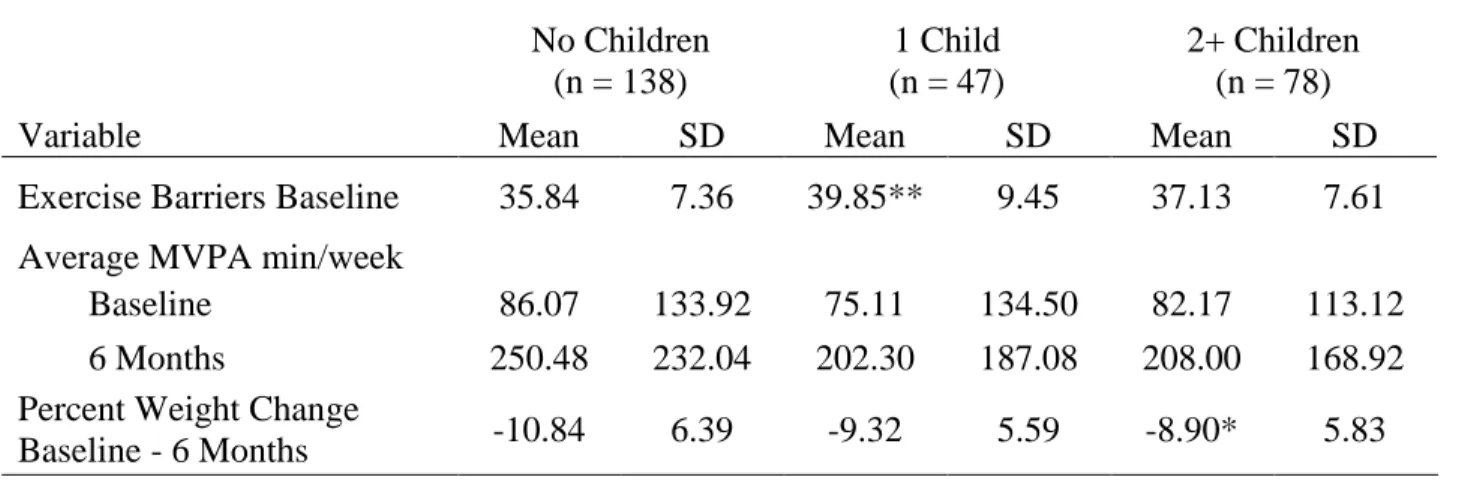
Table 4.2 Means across child status for exercise barriers, physical activity,
and percent weight change ... 61
Table 4.3 Means of exercise barriers items across number of children and
time ... 62
Table 4.4 Indirect effects of number of children in the home on percent
weight loss and percent weight regain ... 63 Table 5.1 Evidence to determine sample size ... 91
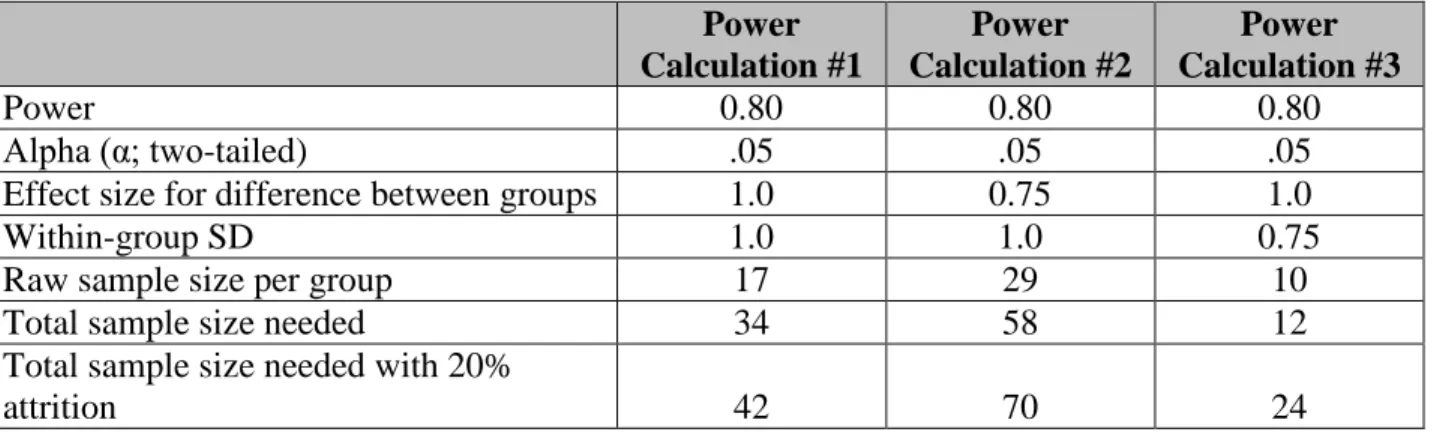
Table 5.2 Estimates of needed sample size for change in daily servings of
sugar-sweetened beverages ... 92 Table 5.3 Smart Moms lessons ... 93 Table 5.4 Baseline characteristics ... 94
Table 5.5 Sugar-sweetened beverage, weight, and dietary outcomes within
and between groups ... 95
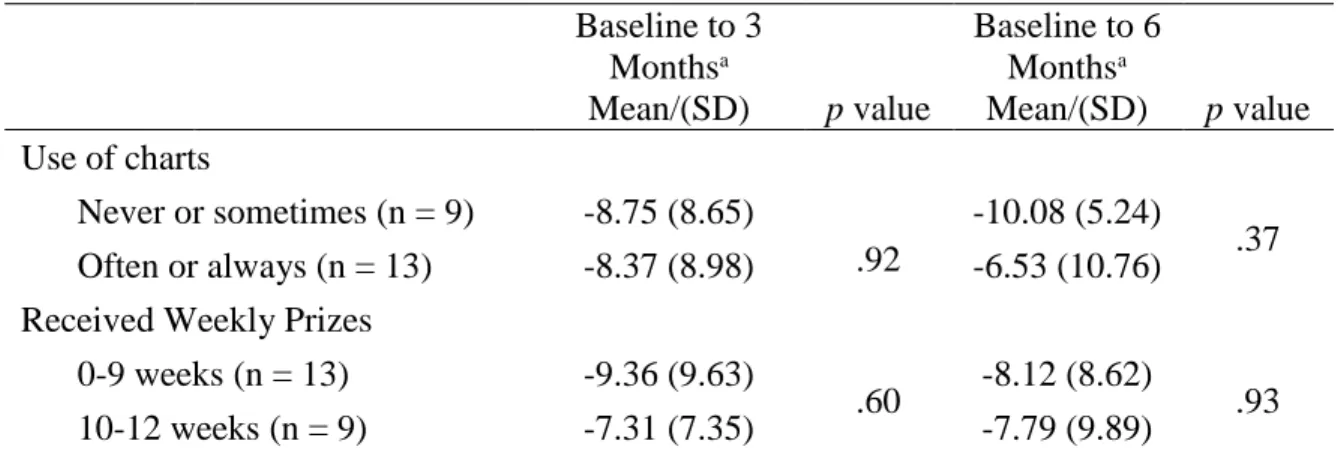
Table 5.6 Child SSB change at 3 and 6 months by use of positive
reinforcement charts ... 97
Table 6.1 Change in intervention targets from baseline to 3 months within
and between groups ... 121
Table 6.2 Multiple mediation indirect effects on child SSB change at 6
xi
LIST OF FIGURES
Figure 4.1 Depiction of serial mediation models and results of each
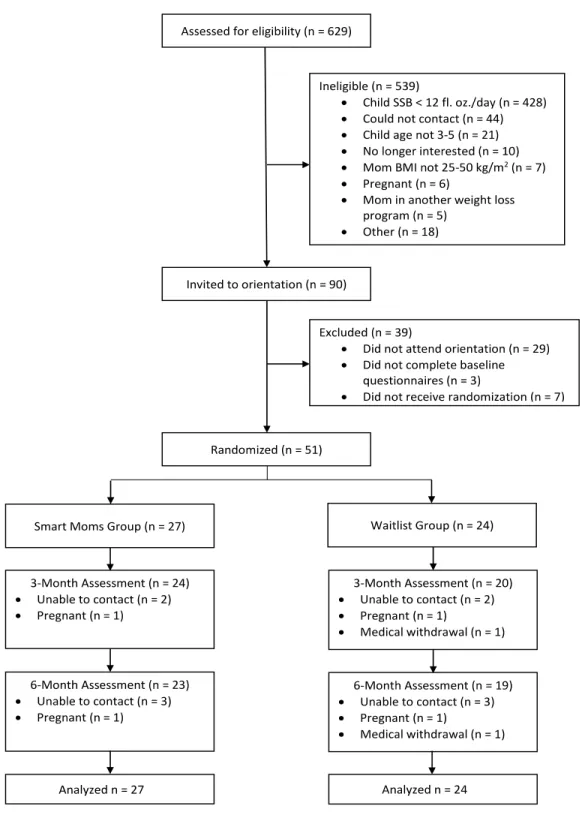
pathway. ... 64 Figure 5.1 Study recruitment, enrollment, and retention (CONSORT) ... 98 Figure 5.2 Change in child SSB consumption. ... 99
Figure 5.3 Child 100% fruit juice, SSBs, and water at baseline and 6
1
CHAPTER I: INTRODUCTION Overview
Healthy People 2020 reported as one of its objectives to reduce the proportion of adults, adolescents, and children who are obese, with the goal of reducing the rate of obesity in children ages 2-5 from 10.7% to 9.6% in ten years (U.S. DHHS, 2010). Given that 25% of overweight children become overweight by the age of 5 (Harrington et al., 2010), and one in three low-income children are overweight by age 5 (CDC, 2010) it is imperative to focus on increasing children’s healthy weight behaviors and preventing weight gain in early childhood. Much
research has shown that engaging parents in the treatment or prevention of child obesity increases success (Epstein, Paluch, Roemmich, & Beecher, 2007); however, adults with young children often engage in fewer healthy behaviors compared to adults without children, and have barriers to treatment participation that primarily include the time demands of taking care of a family. Thus, to this date, few parent-targeted interventions to prevent childhood weight gain have been successful, and few have been able to significantly change diet and physical activity behaviors, particularly in young children. What is missing from the literature are successful interventions that target the parent as the agent of change in order to promote healthy behaviors, with the long-term goal of preventing child obesity.
2
eating and physical activity behaviors by modeling behavior, monitoring children’s behavior, and enforcing limits and rules within the household. Young children of overweight and obese mothers often engage in behaviors similar to their mothers, including SSB consumption and screen time, and thus are at high risk of becoming overweight or obese (Sonneville et al., 2012; Strauss & Knight, 1999). Research to date suggests that interventions that target mothers could be an effective way to promote weight loss while also preventing child weight gain.
Unfortunately, observational evidence suggests that having children in the home is associated with increased weight gain among mothers, who are often less physically active than fathers and adults without children (Bellows-Riecken & Rhodes, 2008; Nomaguchi, 2004; Sternfeld,
Ainsworth, & Quesenberry, 1999). What is not yet known is if adults with children who are participants in behavioral weight loss interventions experience greater difficulty with behavior change and weight loss. Nonetheless, the most effective childhood obesity prevention
interventions for young children thus far have involved significant parent engagement,
suggesting that family-based interventions that take into account the needs of both parents and children are needed. Because mothers face many barriers to weight control behavior change, including time demands and lack of childcare, there is a need for interventions that are uniquely targeted to the needs of mothers and children, such that they minimize mothers’ need to travel,
prevent them from having to rearrange their schedules, and minimize the amount of time spent in participation in order to be successful at weight loss and changing their own and their child’s
behaviors.
3
recommendations and weight loss success of adults with children compared to adults without children in a traditional behavioral weight loss intervention and (2) to test the efficacy of an intervention that targets mothers of children ages 3 to 5 to reduce sugar-sweetened beverage consumption. The specific aims of this dissertation are described below.
Specific Aims
Study 1: Determine if the number of children in the home is associated with weight loss at 6 months and weight regain at 18 months among participants in a behavioral weight loss
intervention, and whether those relationships are mediated by barriers to exercise and changes in moderate-to-vigorous activity (MVPA) during the intervention.
Study 2: Develop and evaluate the effect of a 6-month intervention that targets mothers who are overweight or obese and who have a child ages 3-5 on change in child sugar-sweetened beverage consumption at 6 months compared to a waitlist control group, with secondary aims of
evaluating maternal weight loss and change in caloric beverage consumption at 6 months. Study 3: Evaluate change in the intervention targets from baseline to 3 months as mediators of the relationship between the intervention and change in child SSB intake at 6 months.
Significance
4
5
CHAPTER II: LITERATURE REVIEW Problem of Early Childhood Obesity
Childhood obesity is problem of continued public health concern, as rates of overweight and obesity among young children have increased dramatically in the last several decades. In 1976, only 5% of children ages 2-5 were classified as obese (BMI for age ≥ 95th percentile; (Ogden, Flegal, Carroll, & Johnson, 2002), whereas in 2010, 12.1% of preschoolers were obese and 26.7% were overweight (BMI for age ≥ 85th percentile; (Ogden, Carroll, Kit, & Flegal,
2012). Of all overweight and obese children, one in three become overweight before they turn five years old (CDC, 2010), indicating the need to intervene at young ages to prevent the onset of weight gain.
The increase in rates of obesity in the early stages of child development presents a
6
tolerance, and lipid abnormalities (Sinha et al., 2002; Viner, Segal, Lichtarowicz-Krynska, & Hindmarsh, 2005; Weiss et al., 2004).
In addition to the health outcomes of obesity in childhood, overweight and obese preschoolers are at risk of experiencing weight-based stigmatization when they begin school (Puhl & Latner, 2007). Overweight children experience stigmatization and bullying from their peers, and are seen as less likeable than normal weight children (Kraig & Keel, 2001; Lumeng et al., 2010; Puhl & Latner, 2007). Both peers and teachers view overweight children as more socially withdrawn, more aggressive, and with fewer leadership qualities (Zeller, Reiter-Purtill, & Ramey, 2008), and teasing from peers has been related to poorer school performance
(Krukowski et al., 2009). The negative psychosocial consequences of obesity during childhood have the potential to affect children’s emotional and academic development, thus re-emphasizing
the need to intervene with young children to prevent excessive weight gain. Problem of Adult Obesity
The prevalence of adult obesity has also increased substantially in the last few decades and continues to be a critical issue of public health. In 2010, 35.7% of adults were obese (body mass index, BMI, ≥ 30 kg/m2) and 68.8% of adults were overweight (Flegal, Carroll, Ogden, &
7 Maternal Obesity
Though the obesity rate among all adults is high, there is emerging evidence that suggests that women with children are at higher risk of obesity than women without children. A
longitudinal population-based study found that mothers who had at least one child under the age of five in the home had a higher BMI than women without children in the home, but interestingly the same was not true for fathers (Berge, Larson, Bauer, & Neumark-Sztainer, 2011). Another longitudinal study using data from the Coronary Artery Risk Development in Young Adults (CARDIA) cohort study found that women ages 18-30 who became mothers within the 7-year study period gained more weight than women who did not have children (Laroche et al., 2013). In that study, among black women, having a child was associated with an increase of 0.65 BMI units, while among white women, it was associated with an increase of 1.12 BMI units. Similar to the previous study, there were no differences in BMI between men who had children during the study period and men who did not. On the other hand, in the American Changing Lives Survey, both male and female participants with children gained weight more rapidly than participants without children over a period of 15 years (Umberson, Liu, Mirowsky, & Reczek, 2011). The data from multiple national surveys strongly suggests that bringing children into the home is a significant life transition that increases the risk of obesity, and signifies the early years of parenthood as a critical time to intervene for weight control.
Determinants and Correlates of Childhood Obesity
8
longitudinal cohort studies have suggested that certain parental and early childhood factors act independently and in combination with one another to predict early childhood obesity (Burke, Beilin, & Dunbar, 2001; Flores & Lin, 2013). Consistent predictors of child weight gain include parent BMI, parent dietary intake, parent physical activity, and the diet, physical activity, and sedentary behaviors of the child (Davison & Birch, 2001). A study using data from the Early Childhood Longitudinal Birth Cohort found that, in a multivariate model, maternal
pre-pregnancy weight, sugar-sweetened beverage consumption, screen time, and child weight at 2 years old were predictive of severe obesity in kindergarten (Flores & Lin, 2013). In fact, children who crossed the 85th percentile at 2 years of age had 8 times the odds of becoming severely obese in kindergarten compared to those below the 85th percentile at 2 years old. This reinforces the need to identify and intervene upon the strongest risk factors for early childhood obesity, including sugar-sweetened beverage consumption and the home environment, in order to prevent early, rapid weight gain during the preschool years.
Sugar-Sweetened Beverage Consumption
The American Academy of Pediatrics (AAP) recommends that parents not allow children ages 2-5 to consume any sugar-sweetened beverages (Barlow and Expert Committee, 2007). This includes non-juice fruit drinks, sport drinks, caloric sodas, and flavored milks. The AAP
9
Despite the American Academy of Pediatrics’ (AAP) recommendation that children ages
2-5 should not be consuming any sugar-sweetened beverages, NHANES data indicates that, on average, preschoolers consume 5 ounces of fruit drinks and 3.25 ounces of soda per day, in addition to 4.7 ounces of 100% fruit juice (O'Connor, Yang, & Nicklas, 2006). Although consumption of non-juice fruit drinks has remained consistent in the last three decades,
consumption of 100% fruit juice has increased to more than 50% of children ages 1-5 (Fulgoni & Quann, 2012). In addition, though soda consumption is not as common among preschoolers as it is among adolescents, data from a surveillance study found that 35.9% of 2-year-old children drink soda at least once per week (Garnett, Rosenberg, & Morris, 2013). Children in this age range are consuming an average of 70 calories a day from sugary drinks including caloric carbonated beverages, fruit drinks, and sport drinks (Ogden, Kit, Carroll, & Park, 2011). This increases to 176 calories a day when including consumption of 100% fruit juice (Wang, Bleich, & Gortmaker, 2008). Given that the American Heart Association recommends that the diet of children 2-3 years old be limited to 1000 calories per day and 1200-1400 calories per day for children 4-5 years old (Gidding et al., 2006), calories from SSBs and fruit juices are making up 12-18% of preschoolers’ recommended energy intake. The increased intake of fruit juices and sodas among young children is a concerning trend and given the association between SSB consumption and obesity among children, reducing sugar-sweetened beverage consumption seems to be a promising target for intervention to prevent early childhood obesity.
10
with higher BMI later in childhood (DeBoer, Scharf, & Demmer, 2013; Millar et al., 2014; Shroff et al., 2013). In an intervention with over 1,000 children ages 4-12, consumption of sweet drinks was significantly associated with change in BMI z-scores, whereas fruit and vegetable consumption was not associated (Johnson, Kremer, Swinburn, & de Silva-Sanigorski, 2012). It is often assumed that consumption of 100% fruit juice in early childhood is acceptable and even expected, and some studies have found no effect of 100% fruit juice on changes in weight status during childhood (Field, 2003; J. D. Skinner, Carruth, Moran, Houck, & Coletta, 1999). In a cross-sectional NHANES study, consumption of 100% fruit juice, fruit drinks, and soft drinks was associated with increased energy intake, but was not associated with BMI z-score (O'Connor et al., 2006). However, a study examining fruit juice consumption among children ages 1-5 in the Special Supplemental Nutrition Program for Women, Infants, and Children (WIC) program found that, among overweight children, servings of fruit juice per day was associated with excess weight gain, but there was no association among normal weight children (Faith, Dennison, Edmunds, & Stratton, 2006). There have been few studies targeting SSB reduction in children, but results from one study in children ages 4-12 found that replacing SSBs with noncaloric beverages can, in fact, lead to a lower increase in BMI z-scores over time (de Ruyter, Olthof, Seidell, & Katan, 2012).
Home and Family Environment
The home and family environment has been found to be an important environmental determinant of early childhood weight status because, at the preschool age, behaviors are formed primarily in the home. Parents serve as “gatekeepers” in the home by acting as role models for
11
between characteristics of the home environment and the diet and physical activity behaviors of parents and children (Birch & Davison, 2001; Sonneville et al., 2012; Strauss & Knight, 1999). The link between the home environment and childhood behaviors operates through a variety mechanisms, including parent weight, parent behaviors and role modeling, and aspects of the physical environment that promote or inhibit certain diet and physical activity behaviors. An obesogenic home environment is often characterized by the presence of high calorie foods and SSBs, low availability of fruits and vegetables, an increased number of TVs, a TV in the child’s
bedroom, and little play/exercise equipment in the home.
Parent Weight. Parent weight is one of the strongest predictors of child weight (Flores &
12
al., 2008), which gives even more weight to the importance of reducing maternal obesity in order to prevent child obesity.
Parent Behaviors. As suggested by observational learning and Social Cognitive Theory,
the behavior of children is often correlated with parent behavior. In fact, there is a known correlation between maternal diet and child diet that occurs as early as 6-12 months of age (Robinson et al., 2007). The correlation between child and parent diet and physical activity behaviors is partially due to genetic similarities, but is primarily due to environmental influences (Perusse, Leblanc, & Bouchard, 1988; Vauthier, Lluch, Lecomte, Artur, & Herbeth, 1996). At the preschool age, environmental influences are limited mostly to the family environment. This environment is often the central socialization context for children, and research has demonstrated that parents, as agents of socialization, can influence the health behaviors of their children (Hays, Power, & Olvera, 2001; Lees & Tinsley, 1998). This suggests that parents act as role models for their child’s eating and physical activity behaviors (Davison & Birch, 2001), and that after
repeated exposure and observation, children will learn to like the foods and behaviors they see their parents modeling (Birch, 1992).
Research on modeling of specific behaviors has found that maternal SSB consumption is correlated with child SSB consumption (Sonneville et al., 2012; Vereecken, Keukelier, & Maes, 2004) and reduction in maternal consumption of SSBs is associated with a reduction in child consumption of SSBs (Klohe-Lehman et al., 2007). An analysis of baseline data from an
13
of SSB per day, 78% of children also consumed zero ounces, compared to only 45% of children whose mothers did not.
Food and Activity Home Environment. The behavior of children is often affected by
the physical context of the home environment. For example, a study on sugar-sweetened beverages found that 80% of SSBs consumed by young children are consumed in the home environment (Wang et al., 2008), and there is evidence that the amount of fruit juice, sodas, and other sweetened drinks available in the home is associated with child SSB consumption
(Spurrier, Magarey, Golley, Curnow, & Sawyer, 2008). Because women, especially after having children, serve as gatekeepers to food and activities in the home, it is critical to intervene with mothers to change the aspects of the home environment that can facilitate reductions in SSB consumption.
Limit Setting. There is not as much research that has studied the effect of limit setting
and rules on child SSB intake, but research with parent-child dyads has shown that parents of healthy weight were more likely to have family rules and less difficulty with rule enforcement compared to families in which the parent was overweight (Hearst et al., 2012; Lytle et al., 2011). A longitudinal study of children from infancy until the age of 6 years old indicated that the practice of mothers setting limits on sweets and junk food was associated with reduced odds of consuming SSBs more than one time per day (Park, Li, & Birch, 2015).
These relationships indicate that young children with obese mothers are particularly important targets for obesity prevention due to their high risk of becoming obese. Moreover, early childhood is an opportune time for parents to influence their child’s healthy weight
14
particular, parents are key targets for changing children’s SSB consumption, as they are able to limit and guide these behaviors within the home.
Determinants and Correlates of Maternal Obesity
Mothers of young children may be at particularly high risk of obesity due to many factors, including excessive weight gain during pregnancy and failure to lose weight postpartum (Linne, Dye, Barkeling, & Rossner, 2004; Rooney, Schauberger, & Mathiason, 2005; Rossner & Ohlin, 1995). Compounding the effect of gestational weight gain, mothers may also decrease their physical activity in the transition to motherhood or as they have more children. Cross-sectional studies have shown that mothers engage in less physical activity than women without children (Bellows-Riecken & Rhodes, 2008; Burke, Beilin, Dunbar, & Kevan, 2004; Marcus, Pinto, Simkin, Audrain, & Taylor, 1994; Verhoef & Love, 1994) and fathers (Bellows-Riecken & Rhodes, 2008). After having a child, more than half of active women no longer meet physical activity recommendations (Albright, Maddock, & Nigg, 2005; McIntyre & Rhodes, 2009). Other studies have also indicated that women with children in the home are more sedentary than those without (Marcus et al., 1994; Scharff, Homan, Kreuter, & Brennan, 1999), and mothers with children under the age of 5 are at even greater risk of physical inactivity (Nomaguchi, 2004; Sternfeld, Ainsworth, & Quesenberry, 1999). The relationship between motherhood and
nutritional intake is less clear, but a longitudinal study exploring differences between parents of children younger than 5 years and non-parents showed that mothers had a greater consumption of SSBs, greater energy intake, and greater saturated fat intake compared to women without
15 Sugar-Sweetened Beverage Consumption
Among adults, sugar-sweetened beverage consumption is not just associated with obesity, but has also been shown to increase the risk of non-alcoholic fatty liver disease, diabetes, the metabolic syndrome, and cardiovascular disease (Dhingra et al., 2007; Malik et al., 2010; Vartanian, Schwartz, & Brownell, 2007). Laboratory experiments have found that drinking excessive amounts of SSBs for just a short period of time can produce symptoms of metabolic syndrome, decrease low-density lipoproteins and increase high-density lipoproteins, which increases risk for CVD (Aeberli et al., 2011; Vos, Kimmons, Gillespie, Welsh, & Blanck, 2008). In the United States, adults consume 21% of their calories from SSBs alone (Duffey & Popkin, 2007). Baseline data from an intervention study targeting 400 overweight and obese mothers of preschool children found that only 33% were not consuming any sugar-sweetened beverages (Turer et al., 2013).
The literature exploring the hypothesis that a reduction in SSB consumption leads to a reduction in weight has often been conflicting, but recent randomized controlled trials have demonstrated that reducing sugar-sweetened beverage consumption in adults can lead to a reduction in weight. In the first study, decreasing servings of SSBs by 1 per day was associated with a decrease in weight of almost 0.5 kg (Chen et al., 2009). In another study among
16
lose 5% of their weight at 6 months compared to the control group, which suggests that reducing caloric intake from beverages can lead to clinically meaningful weight loss in the absence of other prescribed changes.
Behavioral Programs for Obesity
Weight Loss and Weight-Related Behavior Programs for Young Children
Behavioral interventions for preschool-aged children have been increasing in number in recent years, but the extant studies have seen only limited success. The goal of some
interventions has been to produce weight loss in overweight or obese children, but the goal of others has been to improve diet or physical activity behaviors in order to prevent future weight gain. Among interventions done in the preschool setting that consist of weekly group meetings for the children focused on diet and physical activity and involve little parent contact, none have been effective at changing weight by the end of the intervention (Fitzgibbon et al., 2005, 2006). However, one of those studies, the Hip Hop to Health, Jr. study conducted in Head Start
preschools, found that children in the intervention group had gained significantly less weight than children in the control group at 1 and 2 years follow-up (Fitzgibbon et al., 2005).
Interventions in preschool settings that targeted specific behaviors rather than weight have been more successful. Two studies added structured physical activity sessions into the preschool curriculum and found an increase in child physical activity (Annesi, Smith, & Tennant, 2013; Trost, Fees, & Dzewaltowski, 2008) and another study specifically targeted caloric drinks in addition to fruit and vegetable consumption and found that the intervention group had
17
centers, and they found that nutrition improved in the centers that followed the program (Ward et al., 2008).
The active involvement of the parent is known to be a critical factor for success in childhood interventions (Golan, 2006). Especially among preschoolers, the key seems to be a focus on parent engagement or the addition of a parent component to interventions that are conducted in a preschool or childcare center setting (Golan, 2006; Hesketh & Campbell, 2010). In a revised version of Hip Hop to Health, Jr., 6 weekly in-person classes and weekly newsletters for parents were added to the intervention group, compared to a control group that received only general health information. However, at the end of the 14-week study, there were no differences between groups in BMI z-scores and no differences on any diet or physical activity-related measures, including screen time and sedentary behavior (Fitzgibbon et al., 2013). Notably, only 38% of the parents attended the first session, and attendance decreased further after that, which was potentially why no differences were found between groups. In a study where preschools were randomized to an intervention group targeting physical activity and sedentary time or to a control group, parents and their children attended 10 weekly sessions at the school. At the end of the intervention, children in the intervention group engaged in significantly less sedentary time than the control group, and the reduction in sedentary time was associated with parents’ physical
activity levels and number of TVs in the home (O'Dwyer, Fairclough, Knowles, & Stratton, 2012). An even shorter study randomized parents of overweight children ages 3-10 to a group receiving four weekly 2-hour in-person sessions focused on nutrition, physical activity, and motivation, or to a waitlist control group. At post-intervention, there were no differences in children’s screen time, but children in the intervention group significantly decreased BMI
18
PA activities were incorporated into Head Start centers, but parents received letters on child BMI, a communication campaign, and participated in a 6-week parent led program. After 6 months, children had increased light PA, reduced TV viewing, and reduced daily energy intake (Davison, Jurkowski, Li, Kranz, & Lawson, 2013).
Many recent studies of early child weight and behaviors have targeted solely parents as the agent of change, with the goal of changing parent behavior in order to lead to changes in child behavior. The KAN-DO study, a large RCT with mother-child dyads of children ages 2-5, was designed to improve diet, physical activity and weight, with the intervention curriculum components delivered via monthly mailed kits, telephone counseling sessions, and child activity materials. They found that mothers in the intervention group reduced their own consumption of SSBs and increased the availability of healthy food in the home; however, there were no
19
activity behaviors, one home-based study targeted solely vegetable intake in parents and children ages 2-5, and consisted of 4 newsletters and 2 telephone calls focused on goal setting, problem solving, and tailored feedback (Tabak, Tate, Stevens, Siega-Riz, & Ward, 2012). The
intervention successfully increased parents’ offering of both fruits and vegetables, indicating that
a relatively low intensity intervention aimed at parents as the agent of change can be successful at changing specific behaviors.
A seminal paper by Dietz and Robinson supports the need for parental involvement in the prevention of child obesity, and recommends that parents use four strategies to control weight gain, including controlling the environment, setting goals, monitoring behavior, and rewarding successful behavior change (Dietz & Robinson, 2005). A recent statement by the American Heart Association echoed the Dietz and Robinson paper by creating a conceptual model of core strategies for changing behavior in family-based interventions (Faith et al., 2012). They indicated that identifying the behavior to change is an important first step, after which parents are
encouraged to change the environment, set behavioral goals, and develop self-efficacy for that behavior. Of the interventions targeting behavior and weight change in preschool-aged children, some of the most successful interventions were those that specifically targeted the parent as the agent of change and incorporated behavioral change techniques into the intervention.
Weight Loss Programs for Adults
Typical adult behavioral weight loss interventions consist of reducing caloric intake, gradually increasing moderate-to-vigorous intensity exercise, and self-monitoring of diet and exercise (Diabetes Prevention Program Research Group, 2002). The standard behavioral program consists of weekly face-to-face group sessions that last between 60 and 90 minutes, often
20
will add additional components such as telephone calls, text messages to prompt self-monitoring and goal setting, or a study website where participants can access study materials and
self-monitor their diet and exercise. These interventions are known to be effective and typically result in significant weight losses by 6 months (Wing, Gorin, & Tate, 2006).
Parents in Standard Behavioral and Family-Based Weight Loss Interventions
Because families play a crucial role in the development of child behaviors and
21
especially those that require weekly group meetings (P. R. Brown et al., 2001b). Interventions with face-to-face group meetings that have specifically targeted mothers have had poor
attendance and retention (Hartman, Hosper, & Stronks, 2011). As an example, in a large RCT of postpartum women with 18 in-person group meetings and additional telephone calls focusing on healthy eating and physical activity, the group meetings had only 27% attendance. There was no difference in weight loss between the intervention and control groups, and no differences in SSB consumption. But importantly, the number of group meetings attended was positively associated with weight loss (Ostbye et al., 2009). A study with mothers of children ages 1-4 that involved 8 weekly 2-hour classes had only 44% of participants in attendance at the first session, and
attendance continued to decrease over time (Jordan et al., 2008). One RCT with mothers of infants up to 18 months old required only six 2-hour face-to-face group sessions, and while adherence to group meetings was not reported, 34% of the participants dropped out before the follow-up assessment. This is lower than some other studies, potentially because the meetings were scheduled at the same time as a first-time parents’ group that the participants had already been attending prior to the intervention (Lioret et al., 2012). Even with as little as 6 to 8 in-person meetings, the studies described still had problems with retention, indicating that mothers of young children require study components that will fit into their busy schedule.
22
with face-to-face group meetings, but effective for populations who are unable to attend weekly group meetings. In particular, a 6-month weight loss intervention among postpartum mothers delivered via mailed materials and telephone contacts resulted in weight losses of 7.8 kg, and had only 23% dropout compared to a dropout of 40% in the control group (Leermakers, Anglin, & Wing, 1998). In an intervention specific to mothers of children ages 2-5, the intervention group received 12 weekly newsletters and was compared to a group that received a one-time booklet given during the first week of the program. Results indicated that the newsletter group had significant increases in child outdoor play compared to the control group, and had 98% follow-up at 12 weeks (Essery, DiMarco, Rich, & Nichols, 2008). Other research among adults has found that a low maintenance intervention focused on reducing sugar-sweetened beverages by replacing them with either water or diet beverages can result in significant weight losses (Tate et al., 2012).
The evidence reviewed here suggests that interventions that do not require face-to-face group meetings are ideal for parents; however, a critical gap in the intervention literature is the lack of family-based interventions targeted toward mothers of young children that seek to
23
intervention with a focus on monitoring a small set of behaviors could be a promising method for intervening with parents and children.
eHealth and mHealth Behavioral Weight Loss Interventions
Emerging technologies have been used to develop interventions that address the difficulties to attendance and adherence in face-to-face interventions. While the success of in-person interventions is maximized among participants who are most adherent and attend a greater number of group meetings, participants who are unable to fully participate in face-to-face groups may respond better to interventions that are delivered remotely, via the internet and/or text messages.
24
encouragement, to an internet weight loss program with automated feedback improved weight loss outcomes by 4.7 kg in comparison to the no-counseling group (Tate et al., 2006).
Using mobile phones is a relatively novel technique, but one that has shown to be effective across a range of behaviors including smoking cessation and physical activity (Fjeldsoe, Marshall, & Miller, 2009; Head, Noar, Iannarino, & Grant Harrington, 2013).
Interventions using text messages and mobile-based websites or applications have the capability to reach many people, as mobile phone use is high and continues to increase among adults in the United States. Among the 91% of Americans who own a cell phone, 63% of them use it to access the internet or email; therefore, 57% of all U.S. adults use a cell phone to access the internet (Duggan & Smith, 2013). This is more than twice the amount in 2009, indicating that mobile web use is increasing quickly and will soon be a technology that most Americans use and have access to. When examining mobile web users by demographic characteristics, 85% of adults ages 18-29 are users, followed closely by 73% of adults ages 30-49. Adults from high-income
25
26
In summary, there has been a widespread adoption of eHealth and mHealth interventions, many of which have been effective in producing clinically meaningful changes in behaviors and weight loss. Notably, these interventions would seem to be well suited to populations that have difficulty adhering to the standard face-to-face interventions, including parents of young
children, but surprisingly few studies have been done using the internet and/or text messaging as modes of delivery to reduce weight or produce changes in weight-related behaviors among mothers of young children. Due to the barriers and time demands experienced by parents, an intervention that requires self-monitoring of primarily 2 behaviors, via text message or a mobile-based website that is accessible to participants at any time of day, could be a successful
technique by which to promote behavior change. Summary
Over the last 40 years, research has confirmed a trend for the onset of obesity at increasingly younger ages. This is concerning, because, despite the belief among many that children “grow out of their baby fat,” excessive weight gain in early childhood is known to
27
28
CHAPTER III: THEORETICAL FRAMEWORK Social Cognitive Theory
Social Cognitive Theory (SCT) posits that individual, social and environmental factors interact in a reciprocal manner (i.e. reciprocal determinism) to explain behavior (Bandura, 1977). The studies in this dissertation are based on a SCT framework, as the weight-related behaviors of both parents and children can be described in terms of the constructs in SCT that lead to behavior change.
Study One
29
Owen, Crawford, Bauman, & Sallis, 2003), but what is not known is if parents report more or different barriers to exercise than non-parents.
The analyses proposed in Study One are based on the hypothesis that adults with children in the home will report increased perceived barriers to exercise at the beginning of the study compared to adults without children. In addition, as SCT suggests, the greater amount of exercise barriers will be associated with behavior change, such that their increases in physical activity will be lower than the increases in physical activity seen among adults who are not caring for children in the home. This, in turn, will be associated with lower weight loss during the initial phase of the intervention and a greater weight regain in the maintenance phase.
Studies Two and Three
In a review of parents as the “agent of change” in childhood obesity programs, the
American Heart Association concluded that changing the environment leads to a change in behavior, and setting behavioral goals encourages parents to self-monitor their behavior, which also then leads to a change in behavior (Faith et al., 2012). SCT acknowledges and accounts for the effect of interacting levels of influence on behavior. While SCT has frequently been used in studies of childhood overweight, it has most often only applied its constructs, most notably self-efficacy, to the development and/or evaluation of individual behavior and weight change within interventions. There are few studies that have acknowledged the varying levels of influence on child behavior and the reciprocal nature between personal and environmental influences.
30
proposed in this study will target the following constructs from SCT that have been associated with sugar-sweetened beverage consumption in previous studies: self-efficacy, outcome expectations, perceived barriers (i.e. what Bandura refers to as impediments), self-regulation, observational learning, positive reinforcement, and aspects of the home environment. In addition, though not taken from SCT, the intervention will target limit setting within the home. The
overall goal is to use SCT to target the behavior of mothers of young children to, in turn, promote behavior change in the child. The conceptual model for the intervention is depicted in Figure 3.1.
Self-Efficacy. Self-efficacy is defined as an individual’s confidence in performing a
behavior across a variety of situations and circumstances (McAlister, Perry, & Parcel, 2008). Individuals who have self-efficacy for a particular behavior or set of behaviors are confident they can complete it, set higher goals for themselves, and believe that their behavior will have
positive outcomes (Bandura, 2004). In the weight loss field, self-efficacy for weight loss is generally assessed as self-efficacy for a variety of diet and physical activity-related behaviors, and has often been associated with weight loss. In this study, self-efficacy for making changes in sugar-sweetened beverage consumption will be of particular interest and the extant research base suggests that this will be a useful target for change in this intervention. In a cross-sectional study of 1- and 5-year olds, higher maternal self-efficacy for limiting non-core foods was associated with lower consumption of SSBs in both 1- and year-olds and with increased water intake in 5-year-olds (Campbell, Hesketh, Silverii, & Abbott, 2010). Yet another set of studies has
31
above studies have all been cross-sectional and cannot conclude that an increase in self-efficacy is predictive of behavior, the intervention proposed here accounts for a relationship between self-efficacy and behavior that goes in both directions (Figure 3.1), as an increase in self-self-efficacy could lead to a change in behavior, while success in changing behavior could in turn lead to an increase in self-efficacy, further reinforcing the cycle of behavior change.
Within this intervention, maternal self-efficacy will be specific to making changes in the home environment, reducing personal SSB consumption, and limiting child SSBs. To increase maternal self-efficacy, the intervention will foster performance accomplishments among the participants, which Bandura (1977) proposed as strongly related to self-efficacy. To do this, the intervention will promote short-term, reasonable goal setting in order to change SSB and screen time behaviors gradually over time, and will encourage mothers to keep track of their progress and acknowledge when they have reached a goal. In addition, they will receive performance feedback from the study staff that praises their achievements when they meet one of their goals. Overall, mothers’ successful performance in changing the home environment, engaging in limit
setting, and changing her own SSB consumption and screen time should lead to further increases in self-efficacy.
Outcome Expectations. Outcome expectations refer to the belief that a given behavior
32
do not believe that it has a strong relationship with weight (Beck, Takayama, Halpern-Felsher, Badiner, & C Barker, 2013; Bolling et al., 2009). Therefore, a critical part of this intervention will seek to change mothers’ expectations about the benefits of reducing SSBs and 100% fruit
juice.
Perceived Barriers. Bandura specified that impediments to behavior have to be overcome
before the individual can engage in the behavior (Bandura, 2004). Much research has shown that as perceived barriers to behavior change increase, the likelihood of behavior change decreases. The results of one qualitative study suggested that parents are hesitant to restrict 100% fruit juice because they anticipate crying, whining, or temper tantrums from their child (Bolling et al., 2009). While not yet studied among parents of preschoolers, a cross-sectional study with parents of older children found that perceived barriers, including the inability to get the child to follow the rules, lack of time, and the child’s dislike of certain foods, were associated with the child’s
intake of healthy foods (Weber Cullen et al., 2000). To reduce the perceived barriers of mothers in this intervention, they will be encouraged to identify barriers to making changes to SSBs and will brainstorm strategies to overcome those barriers. In addition, they will receive prompts via text message to self-monitor their behaviors and to continue making changes, which will serve as a cue to engage in a behavior despite the perceived barriers.
Self-Regulation. Self-regulation is the idea that an individual can take control of and
regulate his or her own behavior (McAlister et al., 2008). In the intervention context, this is often done through goal setting, self-monitoring of behaviors, problem solving, and rewards or
33
loss and is an essential component for behavior change (Butryn, Phelan, Hill, & Wing, 2007; Linde, Jeffery, French, Pronk, & Boyle, 2005; Wadden, Butryn, & Wilson, 2007).
Within this intervention, mothers will be asked to self-monitor their own consumption of SSBs, in addition to the SSB consumption of their child each day. Because research has
suggested that receiving daily prompting to self-monitor increases the rates of self-monitoring (Greaney et al., 2012), mothers will be prompted multiple times weekly via text message to self-monitor these behaviors.
Observational Learning. Observational learning implies that individuals learn behavior
through vicarious learning, or by observing the behavior of others (Bandura, 1977). In family-based interventions, observational learning is a critical factor for change in child behavior, as the child is socialized primarily in the family environment and learns behaviors from his or her parents. There are many studies that show correlations between a variety of parent and child diet and physical activity behaviors. Several cross-sectional studies have found positive relationships between mother and child soft drink consumption in particular (Sonneville et al., 2012;
34
Home Environment. SCT posits that environmental factors can directly influence
behavior and may interact with personal, behavioral, and other environmental factors to influence behavior (McAlister et al., 2008). The home environment is where young children spend most of their time, and “obesogenic” environments, or those that promote unhealthy diet
and limit engagement in physical activity, are known to be associated with child weight status (Sonneville et al., 2012). A cross-sectional study has shown that the availability of fruit juice, fruit drinks, and soft drinks in the home are associated with child SSB consumption (Spurrier et al., 2008). Because mothers serve as the primary gatekeepers to the availability of food and media items in the household, it is critical to intervene with mothers to improve the home
environment. Within this intervention, mothers will be asked to decrease the availability of SSBs (100% fruit juices, fruit drinks, lemonade, caloric soft drinks, sweetened teas, sports drinks, and flavored milks) in the home, and increase the availability of water and other healthy foods, such as fruits and vegetables.
Limit Setting. Parental limit setting within the household has been related to child diet
35
provided with a chart to post in the household on which the child can place stickers for each day a rule is followed.
Positive Reinforcement. Positive reinforcement, a principle taken from operant
conditioning, involves introducing a positive stimulus, or outcome, following a desired behavior in order to make the behavior more likely to occur again (B. F. Skinner, 1974). In the case of obesity, it generally means that some kind of verbal praise or tangible reward is provided following engagement in a weight-loss-promoting behavior, such as eating vegetables or engaging in an exercise session. Though positive reinforcement has not been studied in regards to reducing SSB intake among children, there is some evidence that using positive reinforcement strategies can increase children’s physical activity, their liking of physical activity, and reduce
their preference for sedentary behavior (Epstein, Saelens, Myers, & Vito, 1997). In this study, mothers will be encouraged to use positive reinforcement techniques with their child by using study-provided weekly beverage charts and stickers, with weekly prizes on the weeks that children meet their goal, in order to provide positive outcomes for reducing SSB consumption and making it more fun for the child.
Conceptual Model
As described above, Social Cognitive Theory is the primary theory used to develop this intervention. Maternal outcome expectations, perceived barriers, regulation, and self-efficacy were chosen as targets of change due to their specific associations with their own and their child’s sugar-sweetened beverage consumption. First, the intervention will directly target
36
mothers will then make changes in the home environment to reduce SSBs, will increase the use of positive reinforcement with their child, will reduce their own SSB consumption, and will impose limits on these behaviors in the household. In turn, children will reduce their SSB
consumption (Figure 3.1.a.). Because maternal weight loss is a secondary outcome, a similar but modified conceptual model is presented with maternal weight loss as the outcome (Figure 3.1.b.).
Overview of Behavioral Techniques in Study Two
Several reviews of childhood and family-based interventions have been conducted that have evaluated the components and behavioral change techniques within each intervention and determined which are most often present in effective interventions. A review of physical activity and nutrition interventions targeting mothers of young children found that interventions needed to have used at least 3 out of 5 of the following components of intervention development: formative research, based on theory, use of behavior change strategies, evidence-based, and targeted to socio-economic status/ethnicity (Hartman et al., 2011). Based on those criteria, the intervention proposed in this study used 3 of the 5 components to develop the intervention, including being based on theory, using multiple behavior change strategies, and based on evidence, thus increasing the chance that this intervention will be effective.
37
relapse (Golley, Hendrie, Slater, & Corsini, 2011). There are several behavioral change
38
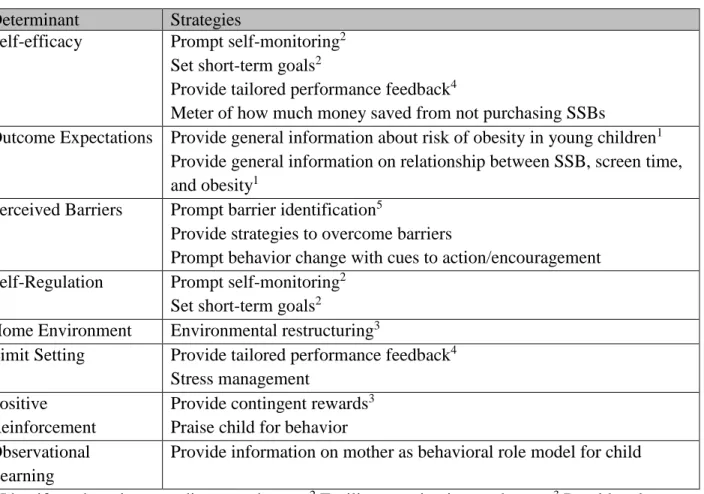
Table 3.1. Theoretical constructs matched to intervention strategies Determinant Strategies
Self-efficacy Prompt self-monitoring2 Set short-term goals2
Provide tailored performance feedback4
Meter of how much money saved from not purchasing SSBs
Outcome Expectations Provide general information about risk of obesity in young children1 Provide general information on relationship between SSB, screen time, and obesity1
Perceived Barriers Prompt barrier identification5
Provide strategies to overcome barriers
Prompt behavior change with cues to action/encouragement Self-Regulation Prompt self-monitoring2
Set short-term goals2
Home Environment Environmental restructuring3
Limit Setting Provide tailored performance feedback4 Stress management
Positive Reinforcement
Provide contingent rewards3
Praise child for behavior Observational
Learning
Provide information on mother as behavioral role model for child
1 Identify and motivate readiness to change; 2 Facilitate motivation to change; 3 Provide relevant
39
3.1.a. Conceptual model of change in primary outcome: child sugar-sweetened beverage consumption
3.1.b. Conceptual model of change in secondary outcome: maternal weight change Figure 3.1: Conceptual models of the intervention outcomes
Intervention
Self-Efficacy Outcome Expectations
Perceived Barriers
Self-Regulation
Home Environment
Maternal Weight Intervention
Self-Efficacy Outcome Expectations
Perceived Barriers
Self-Regulation
Home Environment
Maternal SSB
Limit Setting
Child SSB
Observational Learning Positive
40
CHAPTER IV: EFFECT OF CHILDREN IN THE HOME ON EXERCISE BARRIERS, PHYSICAL ACTIVITY AND WEIGHT LOSS IN A BEHAVIORAL WEIGHT LOSS
INTERVENTION Introduction
Physical activity is an important behavior for maintaining a healthy weight, and is known to reduce the risk of weight gain, chronic disease, and mortality (Donnelly et al., 2009;
Schoenborn & Stommel, 2011). Despite the health benefits of physical activity, only 20% of adults currently meet the American College of Sports Medicine’s recommendations of 150
minutes of moderate physical activity a week or 75 minutes of vigorous physical activity per week, in addition to strength training 2 days a week (CDC, 2015; Haskell et al., 2007). Finding time for 150 minutes or more per week of physical activity may be difficult for many adults who have competing obligations such as demanding work schedules or taking care of a family.
41
adults without children in the home (Nomaguchi, 2004), and a study among young adults found that parents engaged in approximately one hour less of moderate-to-vigorous physical activity (MVPA) per week than nonparents (Berge et al., 2011). In addition, longitudinal research has demonstrated a causal effect of parenthood on decreased self-reported exercise, with several studies finding that physical activity levels decrease during the transition into motherhood and fatherhood compared to adults who remain childless (Bell & Lee, 2005; Brown & Trost, 2003; Hull et al., 2010).
Two additional studies have used objective measurements to compare the physical activity levels of parents and nonparents but had mixed results. In a large study of over 1800 adults that used accelerometers to measure physical activity, being a parent was not associated with MVPA levels (Candelaria et al., 2012). However, in a study of couples where physical activity was measured objectively across a 12-month period, there was a significant decrease in MVPA among women who had their first child during that time period compared to women who did not have children, but this relationship was not significant for men (Rhodes et al., 2014). Thus, the objective physical activity data do not firmly suggest that MVPA differs between parents and nonparents. However, perhaps there are temporary decreases in MVPA following the birth of a child due to the lifestyle changes that occur that may require that adults reduce their leisure-time physical activity in order to give greater attention to the new child.
As some of the research has shown that the birth of a child could lead to reduced activity levels, it is reasonable to assume that additional time demands required by two or more children would have an even greater impact on parents’ ability to prioritize physical activity. A
42
with a higher likelihood of engaging in increased minutes of household activities (Sternfeld et al., 1999). Three additional studies evaluated the effect of increasing numbers of children in the home on physical activity levels using accelerometers as an objective measure of physical activity. The first study found that there were no differences in daily MVPA minutes between parents with one child or two or more children in the home compared to adults without children (Adamo, 2012). Another study similarly found no differences in MVPA levels between parents with one child, two child, or three or more children compared to no children, but parents with two children in the home had higher levels of light physical activity (LPA) compared to adults with no children (Gaston, Edwards, Doelman, & Tober, 2014). In the Rhodes et al. study, there was no significant decrease in MVPA for women or men who had their second child compared to either the adults with no children or those who had their first child (2014). While this research suggests that parents with multiple children do not have differing MVPA levels compared to adults with only one child or no children, it is important to consider that most of the research has compared parents with one child, two or more children, etc. to the reference group of adults without children. What is needed to make conclusions about the effect of increasing numbers of children in the home is an evaluation of the dose-response relationship between the number of dependent children in the home and parents’ physical activity levels.
43
activity and thus may impact weight change. Many of parents’ perceived exercise barriers are
similar to those among all adults, but notably, 98.6% of mothers report that time commitments for children are a barrier to physical activity, followed by time commitments for chores, time commitments for partners, and fatigue (P. R. Brown et al., 2001a). Other barriers to physical activity among mothers and fathers include lack of childcare, lack of time, and feeling guilt for taking time away from family-related duties (Albright et al., 2005; Mailey et al., 2014; Miller, 2005; Pereira et al., 2007). Research has shown that there is a negative association between perceived exercise barriers and physical activity levels (Salmon et al., 2003), but there have been no studies that have directly compared the exercise barriers of parents and non-parents, and whether the association between exercise barriers and actual physical activity levels varies between the two subgroups.
While the evidence reviewed above suggests that there may be differences between adults with and without children in the home in terms of how they perceive, prioritize, and engage in exercise, what has not yet been studied is whether parents report more or different barriers to physical activity than non-parents, whether these barriers are associated with engagement in MVPA, and whether or not parents are more likely to gain weight over time due to increased exercise barriers and lower levels of MVPA. Even less is known about the success of adults with children in behavioral weight loss interventions. During participation in an intervention,
44
barriers to exercise, they may have difficulty increasing their physical activity to an amount that will help them lose weight. It is not yet known if adults with children who are participants in behavioral weight loss interventions experience greater difficulty with physical activity change and weight loss than adults without children.
45
which in turn would be associated with a greater reduction in MVPA from 6 to 18 months, and in turn greater percent weight regain from 6 to 18 months.
Methods
Study Design and Participants
46 Measures
Percent Weight Loss and Percent Weight Regain. The two outcome variables in this
study were percent weight loss (PWL) at 6 months and percent weight regain (PWG), which was the percent of weight lost from baseline to 6 months that was regained between 6 and 18 months. Weight and height were measured at baseline, 6, and 18 months in clinics at UNC Chapel Hill and the University of Pittsburgh. Percent weight change variables were calculated using the following formulas:
𝑃𝑊𝐿 = (𝑊𝑒𝑖𝑔ℎ𝑡 𝑎𝑡 6 𝑚𝑜𝑛𝑡ℎ𝑠 − 𝐵𝑎𝑠𝑒𝑙𝑖𝑛𝑒 𝑊𝑒𝑖𝑔ℎ𝑡
𝐵𝑎𝑠𝑒𝑙𝑖𝑛𝑒 𝑊𝑒𝑖𝑔ℎ𝑡 ) × 100
𝑃𝑊𝐺 = (𝑊𝑒𝑖𝑔ℎ𝑡 𝑎𝑡 18 𝑚𝑜𝑛𝑡ℎ𝑠 − 𝑊𝑒𝑖𝑔ℎ𝑡 𝑎𝑡 6 𝑚𝑜𝑛𝑡ℎ𝑠
𝑊𝑒𝑖𝑔ℎ𝑡 𝑎𝑡 6 𝑚𝑜𝑛𝑡ℎ𝑠 − 𝑊𝑒𝑖𝑔ℎ𝑡 𝑎𝑡 𝐵𝑎𝑠𝑒𝑙𝑖𝑛𝑒 ) × 100
The PWL variable has increasingly negative values as weight declines. After calculating PWG, the sign of the variable was reversed, so that it would have increasingly positive values
representing greater weight regain.
Number of Children in the Home. As part of the demographics and lifestyle
questionnaire, participants indicated the number of children under the age of 18 in the home. The primary independent variable for this aim was the number of children under the age of 18 in the home. Parents were classified as having no children, one child, or two or more children in the home.
Exercise Barriers. Perceived exercise barriers were assessed at baseline and 6 months
47
calculated as the sum of the 14 barriers items. Examples of items included “The major reason I do not exercise is that…” “I do not have enough time,” “it interferes with work,” and “family obligations” (Likert scale from 1 = strongly disagree to 5 = strongly agree).
Physical Activity. Physical activity was assessed at baseline, 6, and 18 months using the
SenseWear Pro Armband (BodyMedia, Inc.). Participants were told to wear the armband for 7 days during each assessment period for at least 10 hours a day. The primary outcome for this aim was total minutes per week of MVPA, calculated using combined bouts of activity that were at least 10 minutes in duration at 3 or more METs.
Statistical Analysis
All analyses were conducted using SAS 9.3 (SAS Institute, Cary, NC). Descriptive statistics, including means and frequencies, were calculated for demographic variables, exercise barriers, MVPA, PWL, and PWG across levels of number of children in the home. Demographic variables were tested for their association with number of children in the home and PWL/PWG using ANOVA for continuous variables and chi-square tests for categorical variables, and significant confounders were included as covariates in the mediation analyses. For descriptive purposes, linear regression models were used to compare exercise barriers, MVPA, and PWL/PWG at each time point across levels of number of children in the home, in which the levels of one child and two or more children were entered as dummy variables compared to no children. After running outlier diagnostics of leverage, discrepancy, and influence, a total of five outliers were removed from the sample; two outliers of MVPA at 6 months (adjusted for
48
The PROCESS macro for SAS (Hayes, 2013) was used to test hypotheses that the
number of children in the home was associated with short- and long-term percent weight change, and that this relationship was mediated in sequence by perceived exercise barriers and changes in MVPA. In simple mediation models, the independent variable (IV) is tested for its association with the dependent variable (DV; c path), the IV is also tested for its association with the mediator (a path), and the mediator is tested for its association with the DV, controlling for the IV (b path). The significance of the indirect effect (a*b), or the effect of the independent variable on the dependent variable through its effect on the mediator, can be evaluated using a variety of methods such as the Sobel test (Sobel, 1982) or using bootstrapped approaches (Preacher & Hayes, 2004). In contrast to simple mediation, serial mediation models test the effect of an independent variable on the dependent variable through its effect on two or more mediators in sequence (Figure 4.1). The PROCESS macro for SAS has several advantages over traditional methods of mediation, such as the Sobel test, because it allows for testing of complex models, including serial mediation, and tests the significance of multiple indirect effects without reducing power. PROCESS uses an ordinary least squares regression-based path analytic framework and bias-corrected bootstrapped confidence intervals to evaluate the significance of indirect effects, which are significant when the confidence interval does not include zero.
49
prior to randomization. The first model, termed the initiation model, evaluated the impact of number of children in the home on the initiation of physical activity and weight change at 6 months, whereas the maintenance model evaluated the impact of number of children in the home on the maintenance of physical activity changes and weight maintenance from 6 to 18 months. Though an indirect path operating through both exercise barriers and change in MVPA is
expected to mediate the relationship between number of children in the home and percent weight change, PROCESS includes estimates for all possible indirect paths, including those that operate through pathways a2 and b1, as shown in Figure 4.1.
In the initiation model, the number of children in the home was entered as the
50 Results
Sample Characteristics
The baseline characteristics of the study sample by number of children in the home are presented in Table 4.1. Overall, participants were 69.3% white and 82.9% female, and had an average BMI of 33.0 (± 3.6) at baseline. Participants with two or more children in the home had a significantly greater BMI at baseline than participants with no children (B = -1.13, p = .01) and a marginally significant higher BMI than participants with one child (B= -1.11, p = .06). There was a linear association between number of children in the home and marital status such that participants with more children in the home were more likely to be married (p < .0001).
The means and standard deviations of variables in each model can be found in Table 4.2. A total of 263 participants with complete data at 6 months were included in the analysis of the initiation model. There were no differences in dropout by 6 months by number of children in the home. At 18 months, however, the completers sample was reduced to 202 participants. There were significant differences in retention from baseline to 18 months based on number of children in the home, with 75% retention among participants with no children in the home, 83% retention for participants with one child, and 64% retention among participants with two or more children (χ2 = 7.62, p = .02).
Baseline Exercise Barriers, Initiation of Physical Activity and Weight Loss