i
ii
Table of Contents
Acknowledgements………....v
Abstract………...vii
Chapter 1: Introduction…..………..1
Early Beginnings and CEF………...3
Research Questions………..5
Key Terms and Definitions………..7
Overview of Chapters…..………9
Review of the Health of Low-income and Homeless Individuals……….11
Chapter 2: Contours of the Debate - Analysis of Existing Literature…….………...16
Three Models of Homelessness………...16
Anthropology and Homelessness………...19
Healthcare Access Barrier Framework………..23
Chapter 3: Research Methodology………....……….26
Data Collection………..26
Participant Recruitment……….31
Chapter 4: Subject Population Characterization……….………32
The Community Empowerment Fund: CEF………..32
What is an Advocate?...34
Member Intake, Demographics and Logistics………...37
iii
Survey Demographics………...43
Focus Group Demographics....………..43
Chapter 5: Member Conceptions of Health………..46
Review and Analysis of Member Responses……….46
Chapter 6: Member Discussions of Health……….………...56
Chapter 7: Healthcare Access Barriers………...62
Individual/Personal Constraints…..……..………...62
Health Service Seeking Behavior…..………66
Structural/Systemic Organization: Healthcare System Organization………76
Cost and Insurance……….80
Insurance: The Biggest Barrier to Healthcare?.……….84
The Catch-22………..…91
Applying the Healthcare Access Barrier Framework to the Catch-22………...95
Chapter 8: Interventions to Improve Health and Healthcare Access………….………97
Coordinated Care………...………97
Cost and Insurance…….………..…100
E-Health….………..103
Chapter 9: The Right to Healthcare…………..………...107
Chapter 10: Conclusions………...113
CEF Member Discussions of Health...113
Research Limitations………...114
General Conclusions………....115
iv
References………..……….119
Appendix………..………...122
CEF Member Demographic Charts and Figures………..122
Methodology Materials………..………..………127
Interview Schedule………..………..…………...127
Healthcare Access Survey………128
Focus Group Script………….………..………..……….134
v
Acknowledgements
First, I would like to thank my thesis advisor, Dr. Mark Sorensen, for supporting and
challenging me throughout my thesis project, from its early inception, to discussions of content
and formatting. You inspired me to push beyond what I thought this project was capable of and
acted as a grounding source when I felt overwhelmed. I would also like to thank Dr. Don Nonini
for stepping in to take Professor Sorensen’s place when he had to take leave for medical reasons.
You provided a fresh outlook on my project and helped make sure it could become all it could
be. Next, I extend my thanks to Dr. Amanda Thompson and Dr. Jocelyn Chua for being part of
my thesis review committee. Your encouragements and support through the editing and review
process were invaluable. I would also like to thank the Rodney F. Hood Undergraduate Research
Fund, administered by Honors Carolina, for their financial support of this project.
The next group of people that are more than deserving of thanks are the members who
engage with the Community Empowerment Fund, CEF. Your courage and fiery spirits, which
you use to identify and conquer your goals each and every day, are an inspiration to everyone
you interact with. You are the ones who create your own destiny and fashion the network and
support which foster this thriving and caring community. I implore you to continue to engage
with one another, continue to discuss not only serious and emotionally tiring topics, but also the
fun, comical topics which you happen upon, and embody the change you wish to make on your
community, one meeting at a time.
Many thanks to Maggie West and Jonathan Young for your combined support, not only
vi
and the people within it, have affected and changed me for the better continue to surprise me.
Thank you to all of the CEF advocates and all of the work they put into making CEF the
organization it has been, presently is, and will become. Everyone’s collaboration and compassion
matters and is making a strong, positive impact on this community, one meeting at a time.
Finally, thank you to all of my friends and family for their support throughout this
project, from their puzzled questions trying to understand exactly what I was doing, to
encouragements to continue moving forward. All of these, and more, did not go unnoticed, and
vii Abstract
One of the most vulnerable populations in the United States today are those that are
chronically homeless and those in danger of homelessness, such as the unemployed. During my
freshman year at UNC-CH, I conducted a research project on a population of individuals that
work with the nonprofit, CEF, to achieve a higher level of financial independence. This study
focused on the primary factors that contribute to and perpetuate homelessness. This study along
with others like it, have found that a primary factor contributing to homelessness and
unemployment is an individual’s personal health.
Following these findings, this thesis focuses on these individuals’ interactions with health
and healthcare resources. Based on the current literature regarding this topic, there appears to be
a lack of information concerning how individuals within this population themselves perceive
healthcare. Typically, the information available is represented by healthcare providers or
members outside of this population. This thesis used interviews and focus groups to further the
understanding of how individuals of this population use, access, and perceive healthcare related
to their goals and daily life. This thesis is important because a stronger understanding of these
areas can help healthcare policies and resources adapt to better fit the social and structural needs
of these individuals. It is also important for this population to be given a voice and space to
1
Chapter 1: Introduction
“Seventy percent of SSI and SSDI applications are denied the first time around.” These
were the words presented to a member during their CEF appointment with me. They had gotten
their SSDI application results back and, true to the statistics, had been denied their first time.
Supplemental Security Income (SSI) and Social Security Disability Insurance (SSDI) are federal
programs that provide assistance to people who meet certain federal requirements, such as the
federal definition of “disabled.” Such benefits can provide direct income when recipients need it
most, and provide access to healthcare (Social Security Administration).
“Well what do I have to do now?” The member asks, still digesting the daunting statistic
for first-time application denial. I did the only thing I could do, which was to tell them about the
appeal process, offer to work with them through it, and recommend the legal services of a local
lawyer firm CEF is connected with to help build their case. However, the primary issue was, on
average, the first application decision likely took four to six months, and appeals usually take
another few months to a year. All the while, the member most likely has been, and will be,
struggling with their income and making ends meet with their bills, in addition to potentially
paying for lawyers and subsequent doctor’s visits. This is because those who apply for such
benefits often have a new or old injury or disorder which hinders their ability to find or maintain
employment. It could also be they meet other criteria, such as low-income, as defined by the
eligibility requirements.
The primary reason for the application denial seems to be the ability to prove an applicant
2
the disability, as well as other evidence to support their case for receiving benefits. The
conception of proving a disability, and the assumed ability to access a care provider in order to
diagnose and subsequently provide evidence for a disability, are problematic for such applicants.
This is especially true first, in the face of stringent federal definitions of what constitutes a
disability. This is also true due to barriers to healthcare that such individuals are faced with.
Returning to the member, the next challenge was reconciling the future steps we should take to
appeal the case, and prove the reality of the disability, which seemed all too obvious to us. From
our meetings together, the case seemed open and closed. As an advocate, I could see how they
were injured and how it hindered their daily functions, and obviously qualified as a disability to
me, but the challenge was providing a solid case to prove it to the right people.
In situations where they have medical bills piling up, have limited or lost employment
due to the disability, and then have to face the absurdity of having to prove a case that one
deserves federal assistance, it can all be too overwhelming. “It’s like man, look at my life right
now and all that’s going on, I need help!” they say with disdain (Member-advocate meeting July
2016). This story provides an anecdote of a situation which shows how the health and well-being
of a person, in addition to processes surrounding health, can have direct effects on multiple
aspects of their lives, such as employment, access to healthcare, and qualifications for
supplemental benefits. Their story provides a case that comprises numerous ideas that will be
addressed in the pages that follow. These include conceptions of health, barriers to healthcare,
personal experiences with healthcare, cost and insurance, and how illness can have direct and
3
Early Beginnings and CEF
Thinking back, this thesis was but a fleeting dream that started when I was a first year at
UNC Chapel Hill. I was a member of the campus Living Learning Community, UNITAS (a
group name that indeed is not an acronym nor does it stand for anything). Part of being a
member in UNITAS meant taking two anthropology courses that dealt with learning about social
justice issues. The primary focus of the courses was a capstone project based on ethnographic
research in a local community organization. The topic for my project covered the factors that
lead to, and perpetuate, conditions of homelessness among people, called members, who sought
out the help of the Community Empowerment Fund, CEF. It was here that I found my
beginnings as a developing anthropology student and eventually a social worker. It was an
ethnographic study where I utilized classic anthropological methods of one-on-one
semi-structured interviews and participant observation to inform my research.
After spending the spring semester of 2014 as a participant observer and ethnographer, I
decided to continue working with CEF as a fully engaged advocate. Now, seven semesters and
140 one-on-one member-advocate meetings later, I have developed into a senior advocate and
CEF admin leader as the Coordinator of the Savings Taskforce. During this time, I have worked
with many CEF members and collaborated with them to achieve their goals, be it finding a better
job, stable housing, or, interestingly enough, a chainsaw to support a startup landscaping
business. Throughout these interactions, I continued to think about my previous research and
how I could continue to invest my time in this population of people and further impact them.
Soon, I began to notice that one of the things rarely discussed in member meetings was personal
health or healthcare resources. Being a pre-medicine student, health is a topic that is forefront in
4
My initial search began by becoming part of the CEF Health Committee. The primary
duty of this committee was to compile and develop a research database related to local healthcare
resources and make it available for both advocates and members to use. These included various
clinics that offered free or subsidized healthcare to individuals. We made sure to include
information from all service areas, including primary care, dentistry, optometry, and mental
health resources. We also performed health check-ins with members, especially if they checked
the “Better Physical or Mental Healthcare” goal box upon initial intake. This was all in an effort
to increase member access to healthcare and help connect them to appropriate resources. Though
we were satisfied with the progress made in sorting resources and developing the database, we
struggled to formulate an effective means through which we could both inform members of the
resource options, and have members actively engage with them. It is one thing to make resources
available, but another thing entirely to actually connect them to individuals who need them most.
Following this, we developed an advocate training program to present at the monthly
advocate meetings. In this way, we hoped to share what resources were available for members to
use and hopefully strengthen their connections. We talked through the importance of health, how
to bring up and effectively discuss health with members during appointments. Advocates seemed
receptive to the information and voiced their agreement with the importance of the discussion of
health. Some also described their own observations that few CEF mentioned their health during
meetings. Even by a show of hands, it only seemed like a handful of people had been a part of an
appointment where a member brought up their health or requested information related to health
resources. So, other advocates had observed this trend as well, yet it had not been adequately
5
As an organization, we had taken steps to try to bridge this gap. However, I continued to
wonder what else may be getting in the way of members and the discussion of health and
healthcare resources. I decided it was time to take up my role as an anthropologist and officially
research into the matter. And thus, with many years in the making, this research study was put
into motion. As an advocate and anthropologist, I wanted to understand why health did not
appear to be in the forefront of members’ minds as evidenced by it rarely being addressed in
member-advocate appointments.
Research Questions
Major Research Questions:
1) How do CEF members understand health in regards to their individual health, the health
of those around them, and in relation to their goals?
2) Why do members usually not discuss their personal health in CEF meetings?
3) How do members use, access, and perceive healthcare resources?
The topic that I was first interested in was how members perceive their overall health. I
wanted to determine if the reason members did not discuss their health in member-advocate
meetings was due to their perception of their personal health. However, in order to understand
this concept, I needed to step back and ask a deeper question, what does “health” mean to CEF
members? Health in itself in a complex topic that can be approached from many different, and
interacting, viewpoints. My understanding of health can be vastly different from the members I
would engage with due to our different backgrounds and beliefs. Is health strictly physical, or
mental, or perhaps social or economic? Is health a personal, secret matter, or something shared
6
health, was an important benchmark to engage with first in order to better inform this issue of
health and its absence during member appointments.
The next topic I was concerned with was why members didn’t discuss health related
topics with their advocates beyond their general understanding of health. Was it that they were
not conscious of their health or not concerned with their health? Perhaps they were just not
comfortable approaching advocates with these personal topics? Perhaps health just did not rank
high on their goals or concerns compared to finding a job, or housing, or other issues they
wished to address. Perhaps they were already adequately connected with healthcare resources
and did not require advocate assistance?
Following these potential answers, I was still concerned with how members use and
access healthcare resources. As with health, this topic could also be approached from many
different angles. One angle is, what motivates people to seek out healthcare? What constitutes a
need to actively pursue professional care? What has to “go wrong” or be wrong with a person’s
concept of health that pushes them to ask for help? How do individuals decide when it is time to
see a doctor versus when it is time to go to the hospital or emergency room? What constitutes a
medical illness or emergency? Do people always go to a doctor, or do they seek out advice and
help from friends and family, or do they simply put off care? These could all contribute to
healthcare resource usage patterns. These initial deciding factors that lead to the choice of health
seeking behavior are key to understanding the issue of health resource utilization.
The next topic of interest was in regards to what stops or inhibits individuals from
pursuing healthcare resources and treatment? Are there personal factors, systemic motivators or
inhibitors, obvious or obscure influences? Do individuals simply not know when or how to
7
listed by the literature and policymakers are time, cost of healthcare, and lack of insurance. Are
these the only factors, or are they just the ones that bear the most weight? Are there others that
could be just as important in weighing out the risks and benefits of pursuing healthcare
resources? I assert that approaching the issue from a different lens, one outside of economic and
public policy fields, can help illuminate these hidden factors. Such factors could potentially be
invaluable in the development of future interventions to help alleviate barriers and increase
access of health resources.
I use the methods of structured ethnographic interviews, focus groups, and participant
observation to answer these questions. I present an ethnographic case study of individuals in
homeless and low-income situations, which work with CEF, during the fall of 2016. I use these
research questions to attempt to show the merits of approaching this problem through the lens of
the field of anthropology, particularly through ethnographic and qualitative approaches, rather
than through a public policy or economic lens. I also hope to increase the scope through which
these topics are reviewed in order to influence positive changes that will alleviate such problems
of healthcare access and health disparities for homeless and low-income populations.
Key Terms and Definitions
The following section is to help clarify key terms and definitions used throughout this
study and its subsequent discussions. The terms for homelessness are derived from definitions
from the Department of Housing and Urban Development of Orange County (HUD Exchange
2011). The definition of low-income was derived from the United States Department of Health
8
1. Low-income
a. Having an annual income that does not exceed 200% of the federal poverty guidelines: $11,770 for one-person household to $24,250 for four-person household.
2. Homeless
a. An individual or family who lacks a fixed, regular, and adequate nighttime residence
b. Acute
i. Having experienced less than three episodes of homelessness within a twelve-month period
c. Chronic
i. Having experienced three or more episodes of homelessness within a twelve-month period
3. CEF Member
a. An individual who engages with CEF programs and resources, such as member-advocate meetings or Opportunity Classes.1 Individuals come from varying
backgrounds, as well as economic, housing, and legal backgrounds. There are no eligibility requirements to become a member
4. CEF Advocate
a. A volunteer who undergoes CEF program trainings in order to meet with CEF members and collaborate with them to achieve their goals. Majority of advocates are UNC Chapel Hill students
5. Conservative Model2
a. An approach to homelessness that ascribes its cause to a personal pathology whereby homeless individuals are inherently lazy or have other negative
characteristics. They are thought of as deviants who choose not to take part in the broader economic and social systems. The solution to homelessness from this model is to defund federal benefits programs and force such individuals to reenter and participate in job/labor markets
6. Disease Model
a. An approach to the cause of homelessness that is viewed under a medicalized model where homeless individuals have a mental disability or addictions that lead to homeless situations. The solution to homelessness from this model is to both treat and prevent mental illness and addiction in order to alleviate and prevent homelessness
1CEF Opportunity Class is a twelve-course program offered every Saturday from 9am-1pm. Their goal is to provide
members with information which can help them transition out of poverty and homelessness. Such skills and information include budgeting habits, performing an effective job search, and building credit. What makes these classes unique is that they are taught by a CEF member who has been with CEF since the beginning. In this way, the information is more approachable, relatable, and empowering, since the instructor has experienced similar situations as members. The classes not only provide valuable information, it also provides a support system as members share their personal stories and experiences dealing with poverty and homelessness. There is also a Women’s Opportunity Class catered specifically to women on Sundays. Members are able to attend classes at any time, they need only show up and start engaging.
2 My descriptions of the models of homelessness are themes brought on by studying into the discourse of
9
7. Structural/Systemic Model
a. An approach to the cause of homelessness which ascribes to a systemic/structural pathology whereby homeless individuals arrive into such situations not only due to potential negative personal decisions, but also due to broader social and structural systems which lead to homelessness. Such systems include racism, deindustrialization, and broader economic, employment, and housing practices and opportunities
Overview of Chapters
After reviewing the literature, previous studies, and methodology of this study, the heart
of this thesis is reached in the research findings and discussion chapters. For the research
findings chapter, I review the findings of the different research methods of the study. In the
discussion chapter, I provide an analysis and review of previous studies related to healthcare
access barriers. I also suggest a framework that can be used to organize, approach, and
understand these issues. The framework categorizes the different barriers to healthcare under
Individuals/Personal Constraints, Health Service Seeking Behavior, Structural/Social
Organization, and Cost and Insurance.
I assert that the problem of healthcare access is not just cost and structure of public
systems and services alone. The issue extends into personal experiences, perceptions, and
understandings of health and health seeking behaviors. Following the understandings under the
structural/systemic model for homelessness, the problem is a dynamic interaction between
personal/individual and social/population level concerns and understandings of the meaning of
health and homelessness (Gowan 2000). In essence, the problem will not be solved simply by
increasing or diversifying funding to certain programs or organization, or by restructuring the
10
these efforts, and more, coupled with a shift in social understandings of homelessness and duties
related to healthcare. It is my hope that a mixed review of both my findings and others’ will
provide a comprehensive examination of these topics.
In the concluding sections of the discussion, I review potential interventions that could be
used to alleviate the barriers to healthcare access. This includes a summary of what they are,
their merits, and also their drawbacks. This is, once again, in an effort to provide a complete
review of the issue, while also contributing solutions to the problems in addition to simply
identifying its symptoms. Finally, I provide a review of the debate that I feel encompasses the
motivations for researching into this issue of healthcare access. This is the debate regarding the
right to healthcare. This debate contributes to explanations of why researchers and governmental
leaders are concerned with understanding the health disparities experienced by certain groups
within the population. While there appears to be a “common sense” moral understanding that
health disparities are of public concern, the steps that would need to be taken to protect such a
human right, if such a right was officially recognized, are of intense cost-benefit debate. It is
such pivotal discussions and debates as these that are necessary in order to make large scale
changes to address such high stakes societal issues. This will act as a closing thoughts section to
help readers engage with one of the moral dilemmas for healthcare policy.
In order to solve a problem, one must understand the all factors that bring it into being.
Without this understanding, interventions being implemented may not be comprehensive or
effective enough to fix the problems which they seek to solve. The issue of health is important
because the health of individuals has a direct impact on peoples’ lives, not only biologically, but
also socially and emotionally. It influences their ability to take advantage of opportunities they
11
be alleviated, individuals may be able to more comprehensively achieve higher standards of
living. This is why research into health disparities and healthcare access barriers is important.
This study will provide a case study of a particular population in order to show the
validity of past research findings and provide further examples to fill possible gaps and to
expand information related to this issue. Following the subsequent analysis and discussion, a
clearer understanding of this problem will have been reached and thus allow for potential
solutions to be closer at hand as more sides of the problem are brought to light. This study can
hopefully inform future interventions that can address the complex system of factors that
intersect multiple aspects of these individuals’ lives.
Review of the Health of Low-income and Homeless Individuals
“The quality of national healthcare may be measured by the care we provide to the most
vulnerable among us (NewsHour, Jan. 21, 2002).” This is a powerful statement by former
Surgeon General David Satcher, which highlights the importance of understanding the health
disparities experienced by low-income and homeless individuals. Through many previous
studies, it has become apparent that there are vast differences in health between homeless and
low-income individuals in the US compared to the general population.
First, there are increased rates of infectious disease and chronic medical conditions
(Wagner et al. 2014). There are also increased cancer related risks due to smoking, alcohol, and
sun exposure. Not only are homeless patients admitted to inpatient units five times more often,
they also generally have to stay longer than housed individuals.3,4 People living with poverty and
3Martell JV, Seitz RS, Harada JK, Kobayashi J, Sasaki VK, Wong C. 1992. “Hospitalization in an urban homeless
population: the Honolulu Urban Homeless Project.” Ann Intern Med. 116:299–303.
4Salit SA, Kuhn EM, Hartz AJ, Vu JM, Mosso, AL. 1998. “Hospitalization costs associated with homelessness in
12
homelessness suffer from combined burdens of residential instability, poor social networks, and
significant levels of physical and mental health disease (Schanzer 2007). Typical health issues
cited are: hypertension, consequences of violence, chronic obstructive pulmonary disease
(COPD), skin disease and acute infections, liver diseases, kidney diseases, and GI diseases
(Wagner et al. 2014). In addition to this, other factors that are associated with homelessness
include: being male, coming from African American descent, having a substance use disorder,
and lacking Medicaid insurance (Folsom et al. 2005).
How exactly, then, can the environments these individuals reside in affect their health? In
their study of the effects of socioeconomic disadvantage on the human body, Gruenewald et al.
(2012) sought to find out. They too acknowledge the extensive literature documenting the
association between socioeconomic status (SES) and health, such that lower SES is associated
with greater risk of adverse health outcomes. They hypothesize that certain SES-patterned
environmental exposures, psychological, social, and behavioral processes affect the functioning
of biological regulatory systems. The underlying logic is that these factors place demands on
these biological systems that lead to greater wear and tear over time, which subsequently
enhances the risk for poor health and functioning. Indeed, they find support for an accumulation
of risk over the life course due to certain pathways, such as experiences of higher allostatic load.
This can lead to greater risk for morbidity and mortality in later adulthood.
In my search for further information regarding the health disparities of individuals similar
to the population that interacts with CEF, my challenge was finding articles that considered
individuals not only in homeless situations, but also low income or unstable housing situations. It
seems that researchers often place these populations into a single category, rather than
13
because low-income individuals, also referred to as the urban poor, those in unstable housing,
and homeless individuals each experience differential environments and thus differential
stressors. For homeless individuals in particular, this stress difference arises because, “losing a
home has multiple negative side effects such as loss of security, stability, and increased stress
and fear for the future,” which can cause accumulation of stressors housed individuals, even
those with low-income, do not experience (Wagner et al. 2014). As discussed by Gruenwald and
colleagues (2012), these differences in stress can produce substantial differences in health
between such populations.
A trend of increasing concern is the disparity between mortality and morbidity for
homeless populations. In their study of a homeless population in Pennsylvania, Hibbs et al.
(1994) matched individuals identified in their data system to mortality reports to make direct,
calculations for mortality to the cohort that was studied. They found that age-adjusted mortality
rate for the homeless population was three and a half times higher than the general population,
while the age-adjusted years of potential life lost before age 75 was also over three and a half
times higher than the general population. Their quote, “the nearly fourfold increase in mortality
that we observed is an unacceptable human cost of homelessness that merits intervention,” is a
sobering key point that justifies research into understanding and remedying these health
disparities (Hibbs et al. 1994).
Based on their data, they make the claim that this excess mortality is not explained solely
by age, race, or sex distribution, nor any single identifiable risk factor (Hibbs et al. 1994).
This study found that the top causes of mortality, in this cohort, were injuries, poisoning, liver
disease, and things related to substance abuse. This is contrary to other studies that claim
14
cause of mortality in this cohort, below the ones previously listed. Given these results, they
conclude that any purely therapeutic intervention is unlikely to affect the most common causes of
death among the homeless. This point helps strengthen my claim that healthcare access is not the
only solution to these issues of health disparities. There needs to be more integration of services
to help address the true cause of the health problems, which include life situations and other
socially relevant factors (Hibbs et al. 1994).
In the face of such morbidity and mortality for homeless and low-income individuals, the
quality and types of healthcare services available are called into question. Perhaps if they were of
a higher standard, maybe the health disparities could be diminished? Following the perceived
prestige, power, and authority of the United States, many might assume it would be a world
leader in healthcare quality, and thus spending. The assumption of spending is true, considering
in 2010, the US spent $2.6 trillion on healthcare. Yet the irony, and mystery, is that despite
spending twice as much on healthcare as other developed countries, the US ranked last in studies
of quality, efficiency, and equity compared to other countries (Britain, Canada, Germany,
Netherlands, Australia, and New Zealand) (Hellander 2011). Additionally, the US ranked 49th in
male and female life expectancy combined, not due to smoking, obesity, traffic fatalities, or
homicides. This means that the health of the general population, measured relative to life
expectancy, is lower than other countries around the world.
The problems of homeless individuals accessing healthcare are exacerbated by existent
problems in the US healthcare system such as rising costs, barriers to obtaining private
insurance, as well as access to patient records and paperwork processing. Given the situations,
social statuses, limitations, and barriers experienced by homeless and low-income individuals, it
15
David Satcher’s statement is a measure to be taken seriously, it is all too evident that something
must be done for the US healthcare system in order to address the health disparities faced by
16
Chapter 2: Contours of the Debate - Analysis of Existing Literature
Three Models of Homelessness
Anthropological work regarding vulnerable populations of homeless and low-income
individuals has become increasingly prominent over the past few decades. This is especially true
following the increased visibility homeless and low-income situations have obtained as growing
social problems. An important transition in researcher and governmental perspective of
individuals of this population, was from a personal pathology to a social and systemic pathology.
This developed due to the formation of three models for understanding the causes of
homelessness.
The first is referred to as the conservative model. In its early beginnings, it was the
common view of that homelessness was caused by personal pathology. In other words, it was
contextualized as being caused by moral or character flaws intrinsic to the individuals, whereby
they were lazy, they did not want to find work, and/or they want to continue to live off of benefit
programs, among other reasons (Gowan 2000). It is a viewpoint which is still of considerable
prevalence within broader social understandings of the general public, as well as governmental
and public policy discussions. The solution for homelessness was thus to take away enabling
programs, such as federal benefits, and push adherent individuals into the public system and
force them to rejoin job and labor markets.
The next model, called the disease model, succeeded, but did not entirely replace, the
conservative model. This is a medicalized model which places homeless individuals under
17
such as mental illness, addiction, or even family dysfunction (Gowan 2000). The major issue
with this model is that it hones in on the mental illness and substance abuse of the few and
distracted from homeless situations which developed due to other factors, such as poor working
and housing opportunities. The irony of these two model approaches is that the nature of the
quality of the society the individuals live in is not called into question.
The solution, or treatment, for homelessness under the disease model was to provide
services to intervene, prevent, and treat addiction and mental illnesses so that such individual
pathologies would not lead to the kinds of behavior which subsequently lead to homelessness.
This included providing systematic shelters, drug rehab centers, and even, arguably, prisons to
“reach out” and help those who have reached this rock-bottom, assuming they are willing to
acknowledge their “sickness” and take the approved steps to alleviate the situation (Gowan
2000). This approach is problematic in that it focuses too heavily on proximal causes of
homelessness, such as depression or substance abuse, and overlooks broader societal structures,
such as a diminished housing and job market and various forms of structural violence. As Gowan
(2000) summarizes it, “such discourse renders natural and inevitable the grand social upheavals
of our times.” Essentially, such approaches overlook broader structural causes and render them
irrelevant or potentially unchangeable because of their natural origins.
Despite these problematic outcomes, the initial intentions of the disease model can be
observed as well-meaning. This model most likely arose from scientific and medical concern for
the well-being of the homeless and low-income populations and related attempts to remedy the
situation in as tangible a way as possible. These concerns were probably connected to the
mission of healthcare professionals, which could bias them towards the disease model. Their
18
their training and expertise. They could observe the direct correlation between mental illness and
addictions as contributing to homelessness and low-income situations, and thus developed means
to remedy these factors. In this way, the disease model is not wholly negative, it is grounded in
certain truths and good intentions, but is limited in its scope relative to the spectrum of causes of
homelessness for the entire homeless population.
Due to increased research and visibility of homelessness as a problem, researchers and
leaders have started to view these issues of homelessness and low-income through a third
viewpoint, the structural/systemic, model. This is a model which views the causes and
perpetuation of homelessness as having less to do with personal issues alone, and more to do
with social and societal structures and how they have contributed to these problems (Glasser and
Bridgman 1999). Perhaps it was not that individuals did not want to find work, but that they
could not, due to a diminished job market, or lack of transportation, or due to discrimination
against homeless individuals and their perceived character traits? Perhaps they remain homeless
because of other potential barriers that arose from a homeless status, such as poor credit
inhibiting rental and homeowner opportunities or questionably unfair tickets or outdated criminal
charges on a personal record. These are a few of the common reasons actual CEF members have
faced regarding employment and housing barriers. Such a transition made it apparent that
solutions to treat homelessness were not as simple as funding or defunding a certain program, or
implementing “treatment” plans to fix those with a medicalized homeless pathology. It would
take systematic and strategic interventions that addressed the multiple interacting factors
contributing to homelessness.
Although I will address the effects and implications of these models of thinking regard
19
discussions within this model because I believe it provides the most accurate approach and
captures a broader, more holistic scope of the problem. This model is also the most appropriate
viewpoint to take in order to arrive at a comprehensive result for my research questions
regarding CEF member conceptions of health related to their opinions of the broader causes of
healthcare access issues, as well as reasons for not discussing their personal health in CEF
member-advocate meetings. This is because the conservative and disease models would render
such research questions pointless because their tenants already provide answers for such
questions. My results thus can not only provide further support for the structural/systemic model,
but also provide new avenues to continue to explore this complex issue of the causes of
homelessness and healthcare access.
Anthropology and Homelessness
The field of anthropology was a strong contributor to the transition to the
structural/systemic model due to its methods, theories, and modes of analysis. The hallmark
approaches that make anthropology uniquely qualified to examine these issues through a novel
lens are ethnographic approaches, participant observations, and cultural relativism. Even in its
early beginnings of research into the homeless population, anthropology has utilized
ethnographic approaches and participant observation to enter the worlds of the individuals
studied. From Spradley’s study of the nascent culture of a new alcohol treatment center (1970),
to Estroff’s review of the subculture of psychiatric patients related to deinstitutionalization and
homelessness (1985), these approaches have been the cornerstone of such research.5 The
5Estroff’s research with deinstitutionalized mental health patients, has connections to broader discussions related to
20
essential idea of what ethnographic approaches are, according to Spradley (1979), is working to
describe the culture of individuals by not just studying them, but learning from them. In other
words, it is, “understanding another way of life from the native point of view (Spradley 1979).”
Participant observation is defined as actively engaging in the activities of the individuals being
studied in an effort to understand their reality from the inside-out (Spradley, 1979).
The philosophy of cultural relativism is a crucial part of a larger whole that forms the
intellectual underpinnings of anthropological homelessness research today (Glasser and
Bridgman 1999: 6). It is defined as understanding how each element of a culture fits into the
larger cultural context without passing moral judgments. Essentially, this means understanding
the value of the smaller facets of a culture towards the whole of that culture in and of itself,
without comparing them to the values of an outside moral system or culture.
As Glasser aptly explains, these three approaches, “are especially suited for uncovering
the subtleties of problems that arise as societies adapt to the complexities of contemporary life
(Glasser and Bridgman 1999: Preface).” These studies have helped to show that issues with
homelessness and poverty are not acute matters brought on by personal choices alone, but are
also an end result of decades of social policies that have ignored the deterioration of the nation’s
cities (Glasser and Bridgman 1999). It also became apparent, through longitudinal studies, that
homelessness, rather than solely being an acute issue, has chronic manifestations as well,
composed of a dynamic of episodic and recurrent circumstances (Hopper 2003: pg. 59).
This increase in incidence of chronic homelessness and poverty has led to growing
concern for the health of individuals in these situations. As was discussed in the introduction of
this thesis, many studies have found that the health of homeless and low-income individuals is
21
populations of “poor plus homeless” individuals who experience a compounding or amplification
of such negative health effects. This created a push for research in order to identify the causes of
these differences (Ensign 1998; Folsom et al. 2005; Gruenewald et al. 2012; Hibbs et al. 1994;
Wagner et al. 2014). The conclusion reached by these studies is that the primary causes of this
health disparity, aside from the differential experience of daily stressors which have negative
effects on personal health, is significant differences in healthcare access due to a variety of
reasons.
One of the primary speculated reasons why individuals in homeless and financially
dependent situations may not have access to healthcare resources is in regards to the cost of
healthcare. This approach can be seen in the discussions and policies geared towards healthcare
reform, such as the Affordable Care Act, which often speak of controlling costs of healthcare in
order to make healthcare more accessible. The line of thinking regarding these discussions is in
regards to economically driven choices individuals make regarding their income. For example,
the case may be that there is conflict with other personal interests such as choosing between
healthcare, food, shelter, and some other necessity. An example of such a conflict is discussed in
the sixth chapter under “The Catch-22.” However, an interesting story further develops if the
issues are approached by looking beyond economic considerations and into more socially-based
considerations. This is where anthropology, with its etiology and methods, takes its place as a
unique contributor to the understanding of this issue. The explanations for why these health
disparities and issue of access have developed may indeed move beyond the economic sphere of
influence, and into more biologically and socially relevant influences. As observed by Haley
22
transport means, lack of healthcare insurance, and negative experiences with the healthcare
system.
It is often the goal of anthropology to examine problems and their standard or “logical”
conclusions from a different perspective. That is, stepping back from the typical lens of viewing
an issue, and looking for other explanations or perspectives. One such perspective is the
biosocial perspective. This is a perspective that focuses on the notion that the health of an
individual is not determined by their biology or genetics alone. In order to fully address health
concerns and resources, one must also take into account the social determinants of health as well.
Beyond this, it can often be fruitful to examine the structural, environmental, and cultural factors
that influence health and its perceptions. In this way, a more holistic approach to health can be
taken that better fits the needs of those in which the healthcare system serves. This is the
approach that I advocate for in regards to researching the issue of health and healthcare access.
According to a review of various studies and papers associated with population health
and healthcare access, there is a fair amount of data available regarding the homeless
population’s health disparities and problems accessing healthcare. However, in review of these
sources, it seems there have primarily been studies that gather and report on many quantitative
data and factors. Between the years of 2000 and 2005, there were eight published studies that
used unique combinations of sample, study, design, and conclusions (Haley, 2007). However,
there exists a limitation in the research. This limitation is that it often lacks qualitative
information on the perceptions the individuals being studied have regarding their primary health
and access problems. Their voices regarding their own experiences with healthcare had little
attention. One of the primary factors that explain why this limitation has arisen is that typical
23
speak with local health experts. These visits are often brief, biased by what health experts are
able to see, and lack inclusion of the social contexts and participation of individuals targeted by
the assessments (Ensign, 1998).
This lack of voice and first person opinion from the very individuals being studied is a
crucial gap to be filled. Who better to ask and receive information from than the ones with the
most expertise on the issue? This is especially true in the face of public, national, and
international healthcare policy changes. The only way to guarantee effective and successful
healthcare resources, treatments, and interventions is to identify the exact needs of the very
individuals being treated and barriers preventing such treatment efficiencies. In this way, public
health officials and clinicians can focus on ensuring that individuals of these subgroups receive
healthcare through coordinated treatment and support designed for their needs, as suggested by
previous studies (Hwang, 2005). The other strength to facilitating a space for such opinions and
voices to be heard is that it can be empowering for the individual and community. It can
potentially instill and rekindle a sense of independence, power, and autonomy that may be
perceived as lessened or nonexistent in a disadvantaged population (Ball, 2013). Just as it has
done in the past with homeless and low-income populations, anthropological perspectives have
the capacity to fill this gap and further the understanding of this issue.
Healthcare Access Barrier Framework
In review of previous studies related to healthcare access barriers, I have developed the
following categories and themes that can help form a framework of how to approach these issues
of healthcare access. This framework approach can help to better organize the numerous factors
that can influence healthcare access and perhaps facilitate an increased understanding of their
24
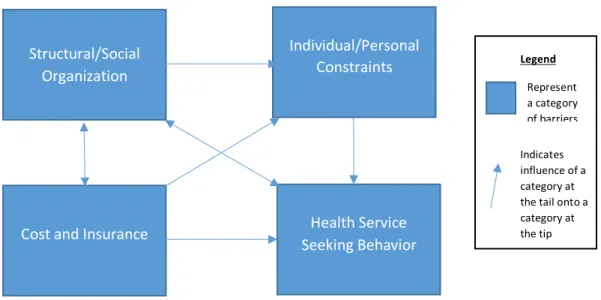
Figure 1a. Healthcare Access Barrier Framework
The first grouped theme is Structural/Social Organization factors. This is a category that
includes the structural causes of poverty and economic inequality of wealth distribution within
the US, social understandings of health, as well as the US healthcare system’s organization and
processes. The second category is Individual/Personal Constraints that includes factors such as
time, personal goals, transportation, and personal priorities. This category is influenced by the
Structural/Social Organization category by framing how individuals think about and approach
their health as well as healthcare. The third category is Health Service Seeking Behavior, which
includes the different factors that can influence an individual’s criteria and decisions to act on a
health issue by engaging with the healthcare system. This category is influenced by both the
Individual/Personal Constraints and Structural/Social Organization categories.
An example of their combined influence is regarding personal identities of homeless and
low-income individuals shaped by their experiences with stigma and bias regarding the
characteristics of individuals within these socioeconomic categories. This category can also have
a reciprocal influence on the Structural/Social Organization category as such behaviors can Structural/Social
Organization
Individual/Personal Constraints
Health Service Seeking Behavior Cost and Insurance
Indicates influence of a category at the tail onto a category at the tip Legend
25
reinforce perceptions and stereotypes of homeless and low-income individuals in broader social
and healthcare settings. The final category for healthcare access barriers is Cost and Insurance,
which includes all factors which control and affect the cost of healthcare and insurance
processes. This category is influenced by the Structural/Social Organization category, and
influences the Individual/Personal Constraints and Health Service Seeking Behavior categories.
This framework of healthcare access barriers will be discussed in detail within chapter six.
In the face of all of these barriers within their categories, it begs the question of what
interventions and movements have and are being implemented to lessen the strength or even
remove these obstacles. In light of this, one of the last chapters of this thesis will provide a
review of a few interventions or potential interventions to alleviate problems with healthcare
access. These include topics of E-health, coordinated care systems, and insurance expansion
options. None of these interventions are the perfect solution for this issue. They have their share
of both pros and cons related to their effectiveness. However, the point is that a combination of
26
Chapter 3: Research Methodology
Data Collection
Originally, I planned to use a mix of quantitative and qualitative methods in order to best
represent the study population and fill the knowledge gap I discussed in the literature review. I
planned to use interviews, surveys, and a focus group, because each of these methods have their
own set of strengths, weaknesses, biases, and checks. When combined together, they would help
display a more complete and unbiased set of conclusions which apply to this study population.
These are not only the standard methods utilized by anthropologists as they approach this
research topic, they are also inspired by the two main approaches that have been applied to
international health assessments. They are the PRA (participatory rural appraisal) and RAP
(rapid assessment procedures), as discussed in Ensign’s 1998 study. PRA focuses on
empowering local individuals by assisting them in identifying their own problems and
developing solutions thereof. It also includes data collection focusing on visual aspects, such as
community mapping, which help articulate and represent ideas in a way words alone cannot. The
RAP techniques are similar, but focus on direct observations and in-depth interviewing (Ensign,
1998). By using these models of data collection, this study will provide its intended
comprehensive and representative data.
The method of personal interviews was used because it allows for firsthand insight into
the experiences and opinions of individuals within the study population. This type of data was
crucial because it pushes beyond the quantitative numbers and into the qualitative aspects that
27
extrapolate trends and form conclusions based on the responses. It is another to document,
analyze, and draw trends and conclusions from the individual truths held in personal experiences.
Specifically for this study, ethnographic interviews were utilized. An ethnographic
interview is different from an ordinary interview in that its structure, flow, and direction are
unique. In an ethnographic interview, there is an explicit purpose, turn taking is less balanced
and skewed towards the interviewee, the interviewee is encouraged to elaborate, and
ethnographic questions are used. These are types of questions that deal with describing one's own
observations, feelings, or thoughts on the structural systems in place in a group, organization or
society (Spradley, 1979). It is also important to note that there may not ever be an answer to a
question, only theories or ideas.
An interview has its strengths in that the interviewer will often enter a discussion with the
interviewee with a certain cultural orientation and set of questions, however, will end up coming
out with a different point of view and set of answers than they began with. This can help keep in
check the biases the interviewer may have and also expose areas for study not previously
acknowledged. Interviews are also more beneficial than surveys since individuals can better
answer questions verbally than in written form, as with surveys (Wagner et al. 2014). The main
weakness to interviewing is the time and effort it takes to set up an interview, hold the interview,
transcribe, and eventually analyze the resulting conversation. This ultimately limits the reach of
the study in proportion to time allotted.
These interview limitations are why survey methods were originally planned to be
incorporated. Surveys are a simple, yet powerful way to collect data from a certain population of
individuals. From such responses, opinions and trends can be extrapolated and quantitative charts
28
enables the researcher to reach a higher number of individuals who may desire to be part of a
study, but who do not have time for a full, extensive interview. These are the main strengths of
survey methods.
However, the weakness of surveying comes from the fact that the data can only be so
informative or generalizable depending on the response pool size, as well as question and
selection biases. This is why all data collected and trends formulated must be analyzed and
reported with acknowledgment of their limitations, possible areas of bias, and their power for
generalizability. One such area of bias, which is common for all surveys, is sample bias derived
from the selectivity of respondents themselves. There can be multiple factors that encourage
certain individual to elect to participate in a survey, and discourage others. This can range from
access to survey materials and their submission processes, to personal connections or
experiences related to survey content.
It is for these reasons that all conclusions and trends observed would be compared to
interview questions to determine if the observed data is similar the individual responses from
interviewees. Even with the confounding factor of individual uniqueness or outlier
characteristics, with enough interviews, a common theme or conclusion can be drawn which
should be supported in the quantitative data. Unfortunately, the survey portion of the study was
unable to be followed through due to the inability to effectively distribute and recollect it from
the study population. However, a copy of the planned survey is included in the Appendix for
reference.
Finally, a focus group was utilized in order to expand the scope of the interview data. It
consisted of leading a group discussion revolving around health and questions asked in the
29
groups within CEF: the CEF Members Alumni Advisory Council and “Talking Sidewalks.” The
participants were informed of the change in typical meeting content and were allowed to opt-in
or opt-out of the experience.
The strength of this method is the ability to observe how the influence of multiple
opinions change, strengthen, or weaken, the narratives the surveys and individual interviews tell.
Group discussions can also encourage others to speak up more, or inspire memories or ideas
participants would otherwise not recall in a solo interview, should a nonjudgmental, comfortable
environment be in place. However, the weakness of focus groups is that one person may tend to
speak up more than others, or a sense of groupthink or conformity may arise due to social group
pressures. These pressures were minimized by introducing ground rules at the start of the
discussion that facilitated an open and comfortable space for discussion, as well as the mediation
of the discussion by the principal investigator.
From my past studies with this population, one of the key factors I observed were
limitations in transportation and geographic barriers. To this end, I wanted to incorporate a
“community mapping” activity into interviews and the focus group. Unfortunately, this also went
unfulfilled due to time constraints of participants during interviews and focus groups. However, I
will describe the process due to its utility for this and future studies related to this topic.
The community mapping activity was inspired by the design included in the Ensign study
of Baltimore Homeless Youth (Ensign, 1998). Participants would be given paper, writing
utensils, and other distinctive marking materials, and asked to draw a rough map of Chapel Hill.
They would be asked to sketch out important buildings or locations they use daily, important
streets, and locations of healthcare facilities. The hope of this method of data collection is to
30
resource locations. This data could perhaps shed light on hidden factors such as geographic
barriers or transportation limitations that might contribute to healthcare access and use. It could
also show how knowledgeable individuals are of healthcare resource options.
This study also incorporated analysis of demographic data provided by members to CEF
when they first make contact and begin working with CEF. This information is given at the
individual’s discretion with a standard demographic survey intake form. The information is used
to better understand the situation and background of the individual to initiate a plan for how CEF
will help the individual and connect them to the resources that could be of use to them. This
information is contained on a secure database that only CEF admin members and staff have
access. I was granted access to this information, during my previous study, in the form of charts
and graphs that show trends that represent the population of members that can then be analyzed
to help contextualize the population. I gained access to this information once again for this study
through my relationships within CEF and through permissions from the administrative leaders.
Since the information is reported in the form of finalized charts and graphs representative of the
entire member population, none of the information presented can be connected to any one
individual and therefore confidentiality is maintained.
Finally, I used the classic anthropological method of ethnographic participant observation
to inform my research. This is where the ethnographer is actively engaged in the activities of the
individuals in the field site in an effort to understand their reality from the inside out (DeWalt
and DeWalt 2011). Although I did not take any physical notes or make formal conclusions
throughout my experience, I have worked with members and listened to their stories over the
years I have been a part of CEF. I will describe and incorporate trends and stories I have
31
of this methodology is that participants are not directly influenced by questions that may narrow
their views or answers due to their wording or the participant’s desire to give the answer they
believe is desired. However, it is also limiting in that observations may be taken out of context or
be biased by the observer looking for certain actions, creating a searching bias. This can also be
true if those being observed realize they are being observed and consciously or subconsciously
change their behaviors, known as the Hawthorne effect (McCambridge et al. 2014).
Participant Recruitment
Members were recruited for this study primarily through posters, which were advertised
throughout the CEF office in the waiting and meeting areas. The poster described the study, what
participants would be asked to do, and explained the incentive6 for participation in the study. Members were also passively recruited by discussing the project with them after their
appointments and sending out information to advocates over the email listerv. The goal was for
advocates and members to be on the lookout for potential individuals who would be interested.
This was a form of recruitment known as snowball sampling. Despite initial intentions and plans
to hold fifteen interviews and a single focus group, in the end, I performed a total of three
interviews, as well as two focus groups of four and three participants. This represents a total
study population of ten individuals.
6 Participants in the interview portion were offered, first $10, then $25 gift cards to Harris Teeter. This was a local
32
Chapter 4: Subject Population Characterization
For the following section, I describe the demographic context of the CEF member
population within the larger context of CEF as an organization.
The Community Empowerment Fund: CEF
The Community Empowerment Fund, or more commonly CEF, is a UNC Chapel Hill
student founded organization whose goal is to facilitate a transition out of poverty and to guide
its members to a life of financial independence (Community Empowerment Fund). The people
who comprise CEF, are local individuals from Chapel Hill, Durham, Carrboro, and
Hillsborough7 who are experiencing homelessness, unemployment, low-income, and other forms of financial difficulties. These individuals are referred to as members, rather than clients, to
produce an environment that gives them ownership over their interactions with the organization,
and all programs they wish to partake in. This helps to give them back a sense of autonomy,
which they may have experienced a reduction of, due to the experience of homeless and
low-income situations. Together with student volunteers, called advocates, members collaborate on
an appointment basis to set and achieve goals that will improve their life situations.
Member-advocate appointments are generally set on a first-come-first-served basis, with
preference to schedule members with advocates they have been paired with. Implicit to this
process is the ability for members to choose which meeting slot they prefer based on availability,
date and time, as well as who the advocate is, be it because they know the advocate or even the
33
advocate’s gender, should they wish. However, this last selective option of member pairings
based on gender is not explicitly stated during appointment scheduling. There is no official
policy or procedure regarding a member’s ability to choose advocates based on gender, it is more
implicit on a case-by-case basis. However, the idea for appointments are for members to feel
comfortable working with their advocates, therefore few restrictions are in place for how
members may choose advocates.
Although this study took place in the CEF Chapel Hill office, CEF also has an office in
Durham. The CEF Chapel Hill office is located just off Rosemary Street, on Columbia Street,
about three miles from the local men’s and women’s shelters, which are associated with the
Inter-Faith Council for Social Services (IFC). It is also located along a few bus lines and has
visitor parking available. The CEF office is wheelchair accessible and has clearly marked signs
to guide members to the correct location, within the shared office building.
As mentioned in the introduction, CEF offers a variety of social work related resources
from employment preparation, housing resources, legal services, banking and finances, personal
document services, and everything in-between. CEF also partners with local organizations to
provide an extensive network to help members succeed. Specific for healthcare, CEF offers
assistance applying for federal healthcare benefits, such as SNAP, WIC, TANF, Medicaid,
Medicare, and SSI/SSDI. It also offers connections to local programs, such as free/subsidies
clinics and a program, Charity Care, which helps with medical bill and medication payments. In
essence, CEF provides healthcare resources related to entering into the healthcare system itself,
such as finding ways to get around or reduce cost or insurance barriers, filling out paperwork, or
acquiring documentation. This is the extent that it can legally operate as a non-profit social work