YAVELAK, MARY KATHRYNN. Design and Implementation of Population-Specific Interventions to Improve Consumer Food Safety Behaviors. (Under the direction of Dr. Benjamin Chapman and Dr. Dana Hanson).
With an estimated 48 million illnesses per year, foodborne illnesses (FBI) cause an estimated $77.7 billion annual financial burden in the United States. The Centers for Disease Control and Prevention (CDC) highlights the importance of risk awareness for food prepared in the home, as the home has been identified as the second most common setting for a FBI outbreak after retail food settings. Educational programs intended to improve safe food preparation
practices of consumers have been used as an intervention strategy to reduce consumer risk of FBI. Many of these forms of food safety education are distributed through mass digital
messaging and targeted toward the general consumer. These mass interventions have difficulties targeting additional valuable constructs of behavior change outside of education. As
recommended food safety practices encompass behaviors that require specific skill-sets, more emphasis in food safety intervention development should be placed on helping consumers develop those necessary skills.
their food safety behaviors.
An in-person, beef-specific food safety workshop was designed and implemented to assess current food safety behaviors of consumers who prepare food at temporary events (TEs) and aim to create sustained food safety behavior change. Trained instructors provided information on handwashing, cleaning and sanitizing, food thermometer use, and indicating meat doneness to customers (n=107) of the Pennsylvania State University Meats Lab using hands-on activities to empower participants while applying newly acquired skills. Self-reported food safety behavior data was collected prior to and one and four months following the intervention. After one month, 92.7% of participants reported changing food safety behaviors due to the intervention (n=41). Short and long term follow-up data also showed increases in thermometer use and retention of knowledge for handwashing, cross-contamination, and cleaning and sanitizing.
by
Mary Kathrynn Yavelak
A thesis submitted to the Graduate Faculty of North Carolina State University
in partial fulfillment of the requirements for the degree of
Master of Science
Food Science
Raleigh, North Carolina 2019
APPROVED BY:
_______________________________ _______________________________ Dr. Benjamin Chapman Dr. Dana Hanson
Committee Co-Chair Committee Co-Chair
DEDICATION
To mom and dad:
BIOGRAPHY
Mary Kathrynn Yavelak was born and raised in Gastonia, North Carolina. She is the daughter of James and Kristine Yavelak, and the baby sister to her four siblings. Mary got her first experience with foodborne illness at the age of 10, when many of her friends attended a social event that resulted in 25 confirmed cases of Salmonella; this experience really opened her eyes to the importance of food safety. As a 13-time winner in local, state, and international science fairs, Mary grew up as a self-proclaimed nerd. When applying for colleges, she was overly excited about the opportunity to study her favorite things: food and science.
ACKNOWLEDGMENTS
I would first like to thank Dr. Benjamin Chapman for believing in me when I was a young sophomore who had no clue what I wanted to do. You have made me into the passionate food safety nerd that I am, and I cannot thank you enough for your mentorship and guidance. Thank you, Dr. Dana Hanson, for pushing me beyond my personal limits and teaching me how to persevere even when I fail. There was never any problem too big or small that I felt I could not come to you for guidance, and you always lead me in the best direction. I would also like to provide a special thanks to Dr. Anne McLaughlin and Dr. Keith Harris for exposing me to topics outside my food safety comfort zone. You all were integral parts of my graduate school journey.
Last, but certainly not least, I would like to thank the sixteen most loving, supportive, and amazing people I am lucky enough to call my immediate family for providing me a safe space to escape the stress of graduate school. Mom and dad, you amaze me with your grace and I am so blessed to be your daughter. Mom, thanks for your intuition that kept me healthy and answering when I called every day for the past two years. Dad, thanks for instilling in me a curiosity for the world around me, which became a love for science. Grandma and grandpa, you are the hardest working people I know, and you inspired me to keep going. To my six sweet nephews, thank you for the endless snuggles and love when I came home; being an example for you is my greatest motivation in life. To my siblings and siblings-in-law, I cannot put into words how much the support from you during this process has meant to me. Joe, you are the best at talking about life, and I am grateful for our deep conversations over the past two years. Donnie, you watching me graduate for the second time will mean the absolute world to me; thanks for reminding me that we are all just breathing time machines. Bianca, I would not be a scientist without your wisdom, support, and countless edits through 16 science fairs. Bekah, thank you for keeping me laughing and supplying me with plenty of TV shows to watch when I needed a break. Veronica, I truly would not have had this opportunity without you. I have thoroughly enjoyed spending my graduate career getting to collaborate on food safety projects with my sister and best friend. You will forever be my food safety hero.
TABLE OF CONTENTS
LIST OF TABLES ... vii
LIST OF FIGURES ... viii
INTRODUCTION ... 1
References ... 5
CHAPTER ONE: Changing Consumer Food Safety Behaviors: A Review of Literature ... 8
References ... 15
CHAPTER TWO: Assessing Consumer Food Safety Knowledge and Practice at Temporary Events ... 20
Introduction ... 20
Materials and methods ... 22
Results ... 30
Discussion ... 39
Conclusion ... 48
References ... 49
CHAPTER THREE: Educating North Carolina Youth Using a Beef-specific Food Safety Day Camp ... 53
Introduction ... 53
Materials and methods ... 55
Results ... 65
Discussion ... 69
Conclusion ... 71
References ... 73
CONCLUSION ... 78
APPENDICES ... 82
Appendix A: Baseline survey for treatment and control TE participant groups and 1-month follow-up survey for control group ... 83
Appendix B: 1- and 4-months post-intervention survey for treatment TE participant group ... 86
Appendix C: Excerpts from BBQ Bootcamp instructor training guide ... 89
Appendix D: BBQ Bootcamp budget and list of supplies ... 104
Appendix E: BBQ Bootcamp schedule of events ... 105
Appendix F: BBQ Bootcamp pre-test ... 106
LIST OF TABLES
Table 2.1 Assessment of short- and long-term knowledge of treatment group, measured
using a Likert-type scale (1-5). ... 32
Table 2.2 Treatment group participants’ self-reported food thermometer usage. ... 32
Table 2.3 Self-reported practices by treatment group participants who reported using food thermometers. ... 33
Table 2.4 Treatment group participants’ self-reported measures for determining doneness of meat products. ... 34
Table 2.5 Participants’ self-reported practices about washing meat prior to preparation.. ... 35
Table 2.6 Participants’ self-reported cleaning and sanitizing practices. ... 36
Table 2.7 Participants’ self-reported handwashing practices. ... 37
Table 2.8 Participants’ self-reported TE food preparation practices. ... 38
Table 3.1 Incorporation of multiple intelligences into program (Gardner, 1983). ... 56
LIST OF FIGURES
Figure 2.1 Flow of educational stations in the PSU Meats Lab. ... 28 Figure 2.2 Retention of participants in both treatment and control groups through all
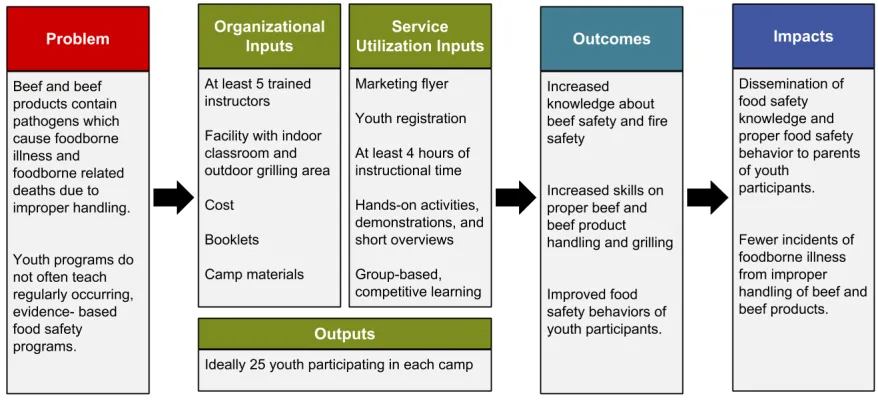
stages of data collection. ... 31 Figure 3.1 Logic model depicting program inputs, outputs, and impacts. ... 55 Figure 3.2 Youth self-reported self-efficacy about topics covered during BBQ Bootcamp
using a Likert-type scale. ... 66
Figure 3.3 Youth knowledge of recommended internal temperatures of intact and
non-intact beef products. ... 67
Figure 3.4 Youth self-reported baseline practices and intentions after attending BBQ
INTRODUCTION
Foodborne illness (FBI) affects approximately 1 in 6 people in the United States (U.S.) annually (Scallan & Mahon, 2012). Of the 48 million estimated individuals affected by FBI, an estimated 128,000 are hospitalized and 3,000 die (Scallan & Mahon, 2012). Thirty-one known pathogens cause roughly 9.4 million illnesses, 55,961 hospitalizations, and 1,351 deaths in the U.S. each year(Scallan et al., 2011). An annual financial burden of ~$77.7 billion dollars includes costs of medical care, unemployment, (potential) chronic conditions developed, and pain and suffering (Scharff, 2012). These estimates, however, do not account for the inevitable financial burdens to public health and industry resulting from foodborne illness cases or outbreaks. The Centers for Disease Control and Prevention (CDC) has identified the five main contributing factors to foodborne illness as: food from unsafe sources; poor personal hygiene; improper cooking; improper cooling; and cross contamination (Centers for Disease Control and Prevention, 1996). The World Health Organization (WHO) and other public health entities recognize similar factors (World Health Organization, 2006).
Meat and poultry products are implicated in 29% of reported foodborne illness cases and 22% of foodborne illness-linked deaths (Painter et al., 2013). Animal proteins may carry
zoonotic pathogens such as Escherichia coli(E.coli) O157, Salmonella, and Campylobacter,
which are all high-priority pathogens to the U.S. Interagency Food Safety Analytics
Collaboration (IFSAC) due to their roles in causing illnesses (Interagency Food Safety Analytics Collaboration, 2017). With an estimated 776,841 illnesses per year, beef-related FBIs cause an estimated $1.356 billion annual financial burden in the U.S. (Batz, Hoffmann, & Morris, 2012).
A common approach to influencing consumer behavior is utilizing risk communication strategies in digital mass messaging. Current food safety messaging typically focuses on universal principles targeted towards the general consumer (Partnership for Food Safety
Education, n.d.; United States Department of Agriculture, n.d.). Large-scale risk communication allows consumers to receive knowledge on risks and benefits of typical food safety behaviors (Food and Agriculture Organization & World Health Organization, 2016). However, these communications often fail to teach skills that may be associated with positive food safety practices. Programs that target health behaviors, like food safety behaviors, can be used to provide educational assistance specifically focused on preventing unwanted health behavior consequences. Health programs are ideally a strategically planned partnership between experts and stakeholders as a positive aggregate intervention strategy within a community. In-person food safety education programs show promise in improving consumer food safety behaviors; but, new consumer-specific strategies utilizing psychological theories on behavior change are needed (Sivaramalingam et al., 2015).
contemplation or preparation stages require motivation and intention to continue on to
subsequent stages (Ajzen & Fishbein, 1970; Michie, van Stralen, & West, 2011). Finally, those in the action and maintenance stages must have the capabilities to practice and sustain the recommended behavior (Michie et al., 2011).
The purpose of this thesis was to utilize health behavior intervention guidelines and behavior change theories to design and implement food safety interventions intended to change improper food-related behaviors of two distinct consumer groups—an approach not often taken in current food safety interventions. Most current food safety interventions focus the majority of efforts on education about food safety and not other factors contributing to behavior change. The TTM was used as a framework to organize the behavior change theories and models to impact participants at various stages of preparedness for behavior change. Various consumer behavior studies show consumers range from being unaware of foodborne risks to following
recommended practices; thus, for this study, assumptions were made that participants of the interventions were at varying stages of the behavior change process according to the TTM (Phang & Bruhn, 2011; Redmond & Griffith, 2004).
The first of these interventions, an analysis of consumer knowledge and practices at temporary events (TEs), took place at an American university football tailgate with an intended audience of consumers who prepare food at TEs (Chapter 2). TEs are defined here as instances where food is prepared outside a home or typical food preparation setting and served to
determining meat product doneness. Before and after partaking in the workshop-style intervention, participants answered survey questions to quantify their food safety behaviors. Results from this study are twofold; the baseline data can be used to fill gaps in the literature surrounding food preparation habits of consumers who partake in outdoor food preparation. Additionally, post-intervention data analyzed the efficacy of the intervention and illuminated areas that can be changed before further implementation.
The second intervention covered in this thesis is a one-day camp model designed to educate youth on beef science and safety (Chapter 3). Topics covered in the camp curriculum included beef primals and cuts, foodborne illness risk factors, outdoor cooking safety, and beef product preparation. Hands-on activities and demonstrations allowed youth to develop skills in addition to knowledge acquirement, and supervised food preparation built self-efficacy toward the newly acquired skills. Pre- and post-test survey data from participants evaluated the
intervention’s effectiveness as an education and skill-building tool for North Carolina
Cooperative Extension. Further implementation of the youth-focused intervention is important in filling current gaps in programming in North Carolina, where youth are not provided resources to learn about food safety.
As an aggregation of evidence-based food safety programs, this thesis explores the efficacy of utilizing population-specific interventions to improve consumer food safety behaviors. With the potential to have impacts beyond the measured behaviors, efficacious consumer-targeted food safety interventions could reduce the incidence of FBI resulting from improper consumer food preparation.
REFERENCES
Ajzen, I., & Fishbein, M. (1970). The prediction of behavior from attitudinal and normative
variables. Journal of Experimental Social Psychology, 6(4), 466–487.
https://doi.org/10.1016/0022-1031(70)90057-0
Batz, M. B., Hoffmann, S., & Morris, J. G. (2012). Ranking the Disease Burden of 14 Pathogens
in Food Sources in the United States Using Attribution Data from Outbreak Investigations
and Expert Elicitation 3. https://doi.org/10.4315/0362-028X.JFP-11-418
Centers for Disease Control and Prevention. (1996). Surveillance for Foodborne-Disease
Outbreaks — United States, 1988–1992. Morbidity and Mortality Weekly Report, 45(5).
Retrieved from
https://www.cdc.gov/foodsafety/fdoss/pdf/mmwr-surveillance-for-foodborne-disease-outbreaks-united-states-1988-1992.pdf
Food and Agriculture Organization, & World Health Organization. (2016). Risk Communication
Applied to Food Safety Handbook. Rome. Retrieved from
www.fao.org/food/food-safety-quality
Interagency Food Safety Analytics Collaboration. (2017). Foodborne illness source attribution
estimates for 2013 for Salmonella, Escherichia coli O157, Listeria monocytogenes, and
Campylobacter using multi-year outbreak surveillance data, United States. GA and D.C.
Retrieved from
https://www.cdc.gov/foodsafety/pdfs/IFSAC-2013FoodborneillnessSourceEstimates-508.pdf
Michie, S., van Stralen, M. M., & West, R. (2011). The behaviour change wheel: A new method
for characterising and designing behaviour change interventions. Implementation Science,
6(1), 42. https://doi.org/10.1186/1748-5908-6-42
P. M. (2013). Attribution of Foodborne Illnesses, Hospitalizations, and Deaths to Food
Commodities by using Outbreak Data, United States, 1998–2008. Emerging Infectious
Diseases, 19(3), 407–415. https://doi.org/10.3201/eid1903.111866
Partnership for Food Safety Education. (n.d.). The Core Four Practices for Food Safety.
Retrieved August 21, 2017, from
http://www.fightbac.org/food-safety-basics/the-core-four-practices/
Phang, H. S., & Bruhn, C. M. (2011). Burger Preparation: What Consumers Say and Do in the
Home. https://doi.org/10.4315/0362-028X.JFP-10-417
Prochaska, J. O., Velicer, W. F., & Velic~, W. F. (1997). The Transtheoretical Model of Health
Behavior Change. J Health Promot (Vol. 12). Retrieved from
https://pdfs.semanticscholar.org/d8d1/915aa556ec4ff962efe2a99295dd2e8bda89.pdf
Redmond, E. C., & Griffith, C. J. (2004). Consumer perceptions of food safety risk, control and
responsibility. https://doi.org/10.1016/j.appet.2004.05.003
Rosenstock, I. M. (1974a). Historical origins of the health belief model. Health Education
Monographs,2, 328-335. Health Education Monographs (Vol. 2). Retrieved from
https://journals.sagepub.com/doi/pdf/10.1177/109019817400200403
Rosenstock, I. M. (1974b). The Health Belief Model and Preventive Health Behavior. Health
Education Monographs (Vol. 2). Retrieved from
https://journals.sagepub.com/doi/pdf/10.1177/109019817400200405
Scallan, E., Hoekstra, R. M., Angulo, F. J., Tauxe, R. V., Widdowson, M.-A., Roy, S. L., …
Griffin, P. M. (2011). Foodborne Illness Acquired in the United States—Major Pathogens.
Emerging Infectious Diseases, 17(1). https://doi.org/10.3201/eid1701.P11101
in 2012: A foundation for food safety in the United States. Clinical Infectious Diseases,
54(SUPPL.5). https://doi.org/10.1093/cid/cis257
Scharff, R. L. (2012). Economic Burden from Health Losses Due to Foodborne Illness in the
United States. https://doi.org/10.4315/0362-028X.JFP-11-058
Sivaramalingam, B., Young, I., Pham, M. T., Waddell, L., Greig, J., Mascarenhas, M., &
Papadopoulos, A. (2015). Scoping Review of Research on the Effectiveness of Food-Safety
Education Interventions Directed at Consumers. Foodborne Pathogens and Disease, 12(7),
561–570. https://doi.org/10.1089/fpd.2014.1927
United States Department of Agriculture. (n.d.). Check Your Steps: Clean, Separate, Cook, Chill.
Retrieved August 21, 2017, from
https://www.fsis.usda.gov/wps/portal/fsis/topics/food-
safety-education/teach-others/fsis-educational-campaigns/check-your-steps/check-your-steps
World Health Organization. (2006). Five Keys to Safer Food Manual. Retrieved from
http://apps.who.int/iris/bitstream/handle/10665/43546/9789241594639_eng.pdf;jsessionid=
CHAPTER ONE:
Changing Consumer Food Safety Behaviors: A Review of Literature
The Centers for Disease Control and Prevention (CDC) highlights the importance of risk awareness for food prepared in the home; the home has been identified as the second most common setting for a foodborne illness (FBI) outbreak after retail food settings (Gould et al., 2013). Visual inspections of consumers’ kitchens reveal many potential food safety risks,
including improper storage, pest invasion, and lack of cleanliness (Borrusso, Henley, & Quinlan, 2015). Research on beef-specific food safety behaviors of consumers is limited, but has reached much the same conclusions as other food safety studies: consumers do not typically follow recommended food safety guidelines (Phang & Bruhn, 2011; Yang, 2018). Consumers self-report engaging in risky food safety behaviors such as improper storage that could cause cross contamination, washing meat products, and failure to use a food thermometer to determine beef product doneness (Yang, 2018). Risky behaviors are significantly associated with demographic factors; for example, minority and underrepresented populations and those with higher education were both more likely to engage in risky behaviors (Yang, 2018). An observation study on beef hamburger preparation similarly revealed that there were discrepancies between consumer actions and recommended behaviors related to thawing, cross contamination prevention, and using a food thermometer to determine product doneness (Phang & Bruhn, 2011). Both these and similar beef-specific food safety behavior studies illuminate the need for better risk
communication surrounding the risks of beef preparation and the benefits of following the recommended preparation guidelines.
own a grill or smoker use the appliance year-round (Larry Olmsted, 2016). Food preparation that occurs outside of the home may pose an additional risk due to the reduced amount of available equipment (i.e.: hand washing sinks and separate utensils for raw and cooked products).
Risk communication and food safety messaging
The Food and Agricultural Organization (FAO) and World Health Organization (WHO) define risk communication of food as “the exchange of information and opinions concerning risk and risk-related factors among risk assessors, risk managers, consumers and other interested parties” (Food and Agriculture Organization & World Health Organization, 1998). Experts in the field are primarily responsible for communicating food safety risk information to consumers or other personnel. Risk communication does not stand alone in food safety; rather, it is one of three parts in the larger scope of risk. Before risks can be communicated, they are first scientifically evaluated and then managed to reduce them to a specific level (Food and Agriculture
Organization & World Health Organization, 2016). Risk communication is of great importance to food safety because it is the primary method of facilitating conversation around food-related topics and bridging gaps between experts and non-experts (Food and Agriculture Organization & World Health Organization, 2016). Effective risk communicators convey both the risks and benefits associated with food while incorporating trust, openness, transparency, timeliness, and responsiveness (Food and Agriculture Organization & World Health Organization, 2016).
Failure to correctly perform each of the aforementioned actions may increase FBI risk through an inadequate reduction of foodborne pathogens. The mitigation of risk from animal-associated pathogens emphasizes cooking to a safe internal temperature, to reduce pathogen load by 6.5 or 7 logs. Per the U.S. Food and Drug Administration (U.S. FDA) guidelines in the 2017 Food Code, the recommended temperature for beef products is 145°F for 15 seconds for intact meat and 155°F for 17 seconds for non-intact or mechanically tenderized products; guidelines from the United States Department of Agriculture (USDA) suggest that non-intact meat be cooked to 160°F (U.S. Food and Drug Administration, 2017; United States Department of Agriculture Food Safety and Inspection Service, n.d.). Differences in recommended end-point temperatures for intact and non-intact meat products can be attributed to the internalization of pathogens during the tenderization process (Luchansky, Phebus, Thippareddi, & Call, 2008). Other important consumer cooking recommendations for meat and poultry products include using a food thermometer to measure the internal temperature. Although consumers typically use more subjective methods for determining doneness (i.e. color, feel, and smell), using a food
thermometer is the only scientifically-sound measure to determine meat product doneness (Phang & Bruhn, 2011; United States Department of Agriculture Food Safety and Inspection Service, 2013). Other indicators are subjective to outside factors and influenced by consumer perceptions; using color to determine when meat is cooked is a common indicator but is affected by premature browning and consumer recognition of color (Killinger, Hunt, Campbell, & Kropf, 2000; Lyon, Berry, Soderberg, & Clinch, 2000). The goal of food safety messaging is to impact behaviors, but research has demonstrated that consumers do not always follow recommended practices.
Changing consumer behavior
Despite attempts to educate consumers about the risks associated with improper food preparation, many consumers still engage in risky or not recommended food safety
practices. Psychologists have studied human behaviors and concluded that there are many factors that contribute to changing behavior, some of which are best targeted to people in various stages of behavior change. In this review, food safety behaviors are categorized as one of many “health behaviors” due to the potential medical consequences if ignored. Health behaviors in particular can be personal, so the use of behavior change theories that are validated to health behaviors can provide the best foundation for interventions.
The Theory of Planned Behavior (TPB) states that in order for a behavior to be changed, one must have an intention to change the behavior; intent is formed through attitudes, subjective norms, and perceived behavioral control (Ajzen & Fishbein, 1970). According to the TPB, a person’s direct knowledge about the risk of an incorrect behavior is not as important for behavior change; instead, how the person feels or what they see others doing has a larger impact on
behavior change. Although knowledge can often improve one’s attitude toward a specific subject, very strong attitudes can be steady over time and are resistant to coercion, thus
necessitating strategies other than education (Ajzen, 2000). Validation for use in health behavior settings has concluded that efforts to impact attitudes, norms, and self-efficacy were effective in changing health behaviors (Sheeran et al., 2016). Additionally, a beef-specific food safety behavior study recognized that self-efficacy and personal control were attributed to consumers’ food safety behaviors, even those that were risky (Yang, 2018).
A relatively new system, the Behaviour Change Wheel (BCW), attributes initial behavior change to the capability, opportunity, and motivation of the person (Michie, van Stralen, & West, 2011). These three concepts, known as the COM-B system, are equally represented in the center of the wheel as the essential components of behavior change. Surrounding these concepts are various constructs that can be targets of interventions (education, persuasion, incentivisation, coercion, training, enablement, modeling, environmental restructuring, and restrictions) (Michie et al., 2011). Utilization of the BCW in interventions relates to determining where the deficit lies in the COM-B system and focusing efforts that contribute to the core concepts of behavior change.
most efforts are placed on increasing the knowledge of consumers about best food safety practices. Education is most commonly used because it can be an inexpensive and easily
widespread effort; but without conjunction to other tools, education alone can be less effective or even ineffective changing consumer behavior.
Interventions for food safety behaviors
Health interventions can be used in public health settings in a preventative or therapeutic way. Food safety interventions are often prevention focused; information and skill building tactics are targeted because compliance with given guidelines will reduce FBI risk. A few reviews have focused on food safety interventions delivered to consumers (Campbell et al., 1998; Sivaramalingam et al., 2015). A comprehensive review on food safety interventions illuminated the need for more randomized controlled trials, targeted populations, novel technologies, and incorporation of behavior change theories (Sivaramalingam et al., 2015).
Although research on the effectiveness of online versus in-person health interventions is inconclusive, food safety interventions that occur in-person allow for direct conversation between consumers and food safety professionals. In-person interventions also promote skill building through demonstration and practice. When interventions occur in group settings, the concept of social norms becomes relevant since seeing others engaging in a correct food safety behavior may increase a consumer’s intention toward adopting the behavior (Ajzen & Fishbein, 1970). Providing consumers with all the tools and information needed to practice recommended food safety behaviors draws upon the HBM and BCW by providing consumers with the
Cognitive factors (such as attitudes and knowledge) are often chosen as measures of food safety interventions due to their accessibility and small expense in measurement. For large-scale interventions, cognitive factors and behaviors are often gathered through self-reported
measurements. Surveys afford various ways to ask questions (i.e.: multiple choice, yes/no, and short answer). Both multiple choice and yes/no questions allow for an explicit answer to the question with little misinterpretation (Redmond & Griffith, 2003). Allowing consumers to answer questions themselves may not give as comparable data, but may lead to more honest answers, which can be used qualitatively. Self-reported data can be subject to social desirability bias, where consumers may answer questions in a way that they think is more favorable to the researcher (Fisher, 1993; Redmond & Griffith, 2003). However, with variables that are subject to social pressure, indirect questioning can reduce the social desirability bias in self-reported
studies (Fisher, 1993). Redmond and Griffith (2003) found that only 17% of consumer food safety studies utilized observational studies, which are not subject to the social desirability bias. In-person observations require more resources, specifically time and money, and often cannot include the social norm aspects of group interventions. Observations may also be subject to the Hawthorne Effect, a concept that resulted from experiments in Chicago where participants changed their actions due to their knowledge of being watched (Mayo, 1945). Regarding the various biases and effects that can occur with data collection methods, utilizing a mixed-method approach can minimize limitations and maximize benefits associated with each method
(Creswell, Klassen, Clark, & Smith, n.d.). Future areas of study in food safety interventions should take into account the gaps discussed in this review and utilize science-based methods for development and implementation of more efficacious interventions.
REFERENCES
Ajzen, I. (2000). Nature and Operation of Attitudes. Retrieved from www.annualreviews.org Ajzen, I., & Fishbein, M. (1970). The prediction of behavior from attitudinal and normative
variables. Journal of Experimental Social Psychology, 6(4), 466–487. https://doi.org/10.1016/0022-1031(70)90057-0
Borrusso, P. A., Henley, S., & Quinlan, J. J. (2015). Visual Audit of Food Safety Hazards Present in Homes in an Urban Environment. Food Protection Trends, 35(4), 290–301. Retrieved from
https://mail-attachment.googleusercontent.com/attachment/u/0/?ui=2&ik=28876ac0b8&view=att&th=1 57c3f1c2009e7fe&attid=0.1.5&disp=inline&safe=1&zw&saddbat=ANGjdJ83sSI8XKD9Rs
3JOtJeCUB-tawQ-MT7ffAH9x0eGj2mNlICVjzyHC32eAoWybztbJ-RQUmPRXIhoagQYT6LiTidIRskY8Bmlki
Campbell, M. ., Gardner, C. ., Dwyer, J. ., Isaacs, S., Krueger, P., & Ying, J. . (1998).
Effectiveness of public health interventions in food safety: a systematic review. Canadian Journal of Public Health, (2). Retrieved from
http://ovidsp.ovid.com/ovidweb.cgi?T=JS&PAGE=reference&D=dare&NEWS=N&AN=00 125498-100000000-17100
Centers for Disease Control and Prevention. (2017). Keep Food Safe. Retrieved February 20, 2018, from https://www.cdc.gov/foodsafety/keep-food-safe.html
Creswell, J. W., Klassen, A. C., Clark, V. L. P., & Smith, K. C. (n.d.). Best Practices for Mixed Methods Research in the Health Sciences. Retrieved from https://obssr.od.nih.gov/wp-content/uploads/2016/02/Best_Practices_for_Mixed_Methods_Research.pdf
Consumer Research, 20(2), 303. https://doi.org/10.1086/209351
Food and Agriculture Organization, & World Health Organization. (1998). The application of risk communication to food standards and safety matters. Retrieved from
http://www.fao.org/3/a-x1271e.pdf
Food and Agriculture Organization, & World Health Organization. (2016). Risk Communication Applied to Food Safety Handbook. Rome. Retrieved from www.fao.org/food/food-safety-quality
Gould, H. L., Mungai, E. A., Johnson, S. D., Richardson, L. C., Williams, I. T., Griffin, P. M., … Hall, A. J. (2013). Surveillance for foodborne disease outbreaks--United States, 2009-2010.
MMWR. Morbidity and Mortality Weekly Report, 62(3), 41–47. Retrieved from http://www.ncbi.nlm.nih.gov/pubmed/23344696
Killinger, K. M., Hunt, M. C., Campbell, R. E., & Kropf, D. H. (2000). Factors Affecting Premature Browning During Cooking of Store-purchased Ground Beef. Journal of Food Science, 65(4), 585–588. https://doi.org/10.1111/j.1365-2621.2000.tb16053.x
Larry Olmsted. (2016). The United States of Barbecue - America’s Love Affair With Backyard Cooking. Retrieved February 20, 2018, from
https://www.forbes.com/sites/larryolmsted/2016/04/28/the-united-states-of-barbecue-americas-love-affair-with-backyard-cooking/#1b9939845a1d
Luchansky, J. B., Phebus, R. K., Thippareddi, H., & Call, J. E. (2008). Translocation of Surface-Inoculated Escherichia coli O157:H7 into Beef Subprimals following Blade Tenderization †
‡. Journal of Food Protection (Vol. 71). Retrieved from www.healthandfitnessproducts. Lyon, B. G., Berry, B. W., Soderberg, D., & Clinch, N. (2000). Visual Color and Doneness
End Point Temperatures. Journal of Food Protection (Vol. 63). Retrieved from http://jfoodprotection.org/doi/pdf/10.4315/0362-028X-63.10.1389
Mayo, E. (1945). The social problems of an industrial civilization. Andover, Massachusetts. Michie, S., van Stralen, M. M., & West, R. (2011). The behaviour change wheel: A new method
for characterising and designing behaviour change interventions. Implementation Science,
6(1), 42. https://doi.org/10.1186/1748-5908-6-42
Partnership for Food Safety Education. (n.d.). The Core Four Practices for Food Safety.
Retrieved August 21, 2017, from http://www.fightbac.org/food-safety-basics/the-core-four-practices/
Phang, H. S., & Bruhn, C. M. (2011). Burger Preparation: What Consumers Say and Do in the Home. https://doi.org/10.4315/0362-028X.JFP-10-417
Redmond, E. C., & Griffith, C. J. (2003). A comparison and evaluation of research methods used in consumer food safety studies. International Journal of Consumer Studies, 27(1), 17–33. https://doi.org/10.1046/j.1470-6431.2003.00283.x
Redmond, E. C., & Griffith, C. J. (2004). Consumer perceptions of food safety risk, control and responsibility. https://doi.org/10.1016/j.appet.2004.05.003
Rosenstock, I. M. (1974a). Historical origins of the health belief model. Health Education Monographs,2, 328-335. Health Education Monographs (Vol. 2). Retrieved from https://journals.sagepub.com/doi/pdf/10.1177/109019817400200403
Rosenstock, I. M. (1974b). The Health Belief Model and Preventive Health Behavior. Health Education Monographs (Vol. 2). Retrieved from
https://journals.sagepub.com/doi/pdf/10.1177/109019817400200405
Rothman, A. J. (2016). The Impact of Changing Attitudes, Norms, and Self-Efficacy on Health-Related Intentions and Behavior: A Meta-Analysis.
https://doi.org/10.1037/hea0000387.supp
Sivaramalingam, B., Young, I., Pham, M. T., Waddell, L., Greig, J., Mascarenhas, M., &
Papadopoulos, A. (2015). Scoping Review of Research on the Effectiveness of Food-Safety Education Interventions Directed at Consumers. Foodborne Pathogens and Disease, 12(7), 561–570. https://doi.org/10.1089/fpd.2014.1927
U.S. Food and Drug Administration. (2017). FDA Food Code 2017. Retrieved from
https://www.fda.gov/downloads/food/guidanceregulation/retailfoodprotection/foodcode/uc m595140.pdf
United States Department of Agriculture. (n.d.). Check Your Steps: Clean, Separate, Cook, Chill. Retrieved August 21, 2017, from https://www.fsis.usda.gov/wps/portal/fsis/topics/food- safety-education/teach-others/fsis-educational-campaigns/check-your-steps/check-your-steps
United States Department of Agriculture Food Safety and Inspection Service. (n.d.). Safe Minimum Internal Temperature Chart. Retrieved January 14, 2019, from
https://www.fsis.usda.gov/wps/portal/fsis/topics/food-safety-education/get-answers/food-safety-fact-sheets/safe-food-handling/safe-minimum-internal-temperature-chart/ct_index United States Department of Agriculture Food Safety and Inspection Service. (2013). Color of
Cooked Ground Beef as It Relates to Doneness. Retrieved March 1, 2019, from
https://www.fsis.usda.gov/wps/portal/fsis/topics/food-safety-education/get-answers/food-
Yang, L. L. (2018). Assessment of consumers’ knowledge, attitudes, awareness, and beliefs of food handling and beef safety handling behaviors. Retrieved from
https://vtechworks.lib.vt.edu/bitstream/handle/10919/84496/Yang_LL_D_2018.pdf?sequen ce=1&isAllowed=y
CHAPTER TWO:
Assessing Consumers’ Food Safety Knowledge and Practice at Temporary Events
Introduction
A temporary event (TE) describes when consumers prepare some or all food outside the
home or typical food preparation setting and serve to individuals not for profit; these events
include tailgates and other types of community gatherings. While cooking at a TE, food
preparers have limited access to vital foodborne illness (FBI)-related risk factor resources (i.e.:
running water, cleaning utensils, and separate cooking tools for raw and cooked products)
(Centers for Disease Control and Prevention, 1996; World Health Organization, 2006). Due to a
lack of food safety infrastructure, trained food preparers, and conventional food preparation
facilities, a subset of meat-related foodborne illnesses occur at temporary or informal events
(Public Health - Dayton & Montgomery County, 2012). Previous studies have found that most
food preparers at tailgates—“informal events that take place in parking lots prior to large events
where the attendees prepare and consume food outside”—do not use a food thermometer when
preparing meat products (Yavelak, Chapman, Cope, & Hochstein, 2018).
Other studies investigating the attitudes and behaviors of tailgate attendees found that
46.9% of tailgaters seldom or never paid attention to packages for safe handling instructions
highlighting that education efforts should be targeted elsewhere for this population (Hanson,
Hughes, & Liu, 2015). Although campaigns have strived to teach tailgate food safety, few
campaigns have been both in-person and directed towards an audience comprised specifically of
tailgaters (Goodwin, 2016; United States Department of Agriculture Food Safety and Inspection
A pilot TE study was conducted to develop and implement a food safety educational
intervention at a North Carolina State University football game event, known familiarly as a
‘tailgate’ to teach attendees food safety and encourage the participants to employ risk-reduction
practices at TEs and in the home. The goal of this study was to determine if in-person food safety
education of tailgaters could lead to behavior changes that could eventually reduce the number of
FBI cases seen at TEs. Tailgate-specific FBI risk can be avoided by cooking meat to the correct
internal temperature, using accurate measures for determining doneness of meat, properly
cleaning and sanitizing surfaces to prevent cross-contamination, and practicing good personal
hygiene.
The pilot TE study data revealed that 42% (n= 257) of the participants did not use a food
thermometer before attending the tailgate demonstration. Those who reported using
thermometers primarily used them on pork (74%), beef (69%), and chicken (61%) when asked to
choose all that apply (n=148); thermometers were used more infrequently on eggs and fish.
Frequency of thermometer use varied; only 15% of participants reported using a thermometer
always (n=148). Some participants voluntarily skipped stations, failing to complete the whole
intervention, which may have impacted efficacy.
The purpose of this study was to build on the TE pilot and determine if an in-person,
hands-on food safety intervention focused on TE-specific contributing factors is an effective
approach in changing sustained self-reported food safety behaviors of consumers who attend
TEs. It was hypothesized that initial control and treatment behaviors would not be significantly
different; but, the treatment group was hypothesized to have a positive, significant change in
self-reported food safety behaviors sustained through four months.
Materials and methods
Intervention development
An intervention was developed to impact food safety practices of consumers who
frequent TEs. Education was focused around four main food safety best practices: personal
hygiene, cleaning and sanitizing, thermometer use, and determining meat doneness (Centers for
Disease Control and Prevention, 1996; United States Department of Agriculture, n.d.; World
Health Organization, 2006). Due to the large volume of topics necessitating coverage, the
educational intervention was divided into stations. Each station covered one of each of the four
specific topics. To utilize group-facilitated learning, where participants are encouraged to learn
from each other’s questions, thoughts, and actions, stations were designed to accommodate 4-8
people at a time (Cornell University, 2017). The four educational stations also utilized hands-on
demonstrations lead by trained instructors. The hands-on demonstrations emphasized learning
impact to generate participant interest and empowerment to feel confident in practicing food
safety (Holstermann, Grube, & Bögeholz, 2010).
The intervention was delivered in-person to relay all information in an engaging and
personal way. Two volunteers with prior food safety education lead each station. Other
volunteers helped participants move between stations. Conversations at each station were loosely
based around the Motivational Interviewing counseling style, which helps unmotivated
individuals find motivation to change behaviors (Hardcastle et al., 2015). All stations had a
semi-structured script, where instructors emphasized specific points, but participants could ask
questions and direct the conversation to be relevant to them. An example script was provided to
each volunteer at least one week prior to the intervention to become familiar with the
participants to complete the whole intervention. Instructors at each station asked participants
about their current practices before giving information about the best practices for mitigating the
food safety risk. Conversations then transitioned to the reasons why utilizing the information
would be beneficial to the health of the participating individuals and the people for whom they
prepare food for. Any remaining time was reserved for additional questions from the
participants.
Site selection
This project was conducted in State College, Pennsylvania at The Pennsylvania State
University’s (PSU) on-campus Meats Laboratory. The site was selected because of its proximity
to project stakeholders and the large quantity of tailgaters present at PSU’s sporting events. Each
week, the PSU Meats Laboratory holds an on-site meat sale to provide meat for patrons to
prepare during tailgates. These sales attract between 100-400 patrons who fit the target
population of consumers who engage in the risky practice of preparing food at TEs.
To attract the largest possible participant crowd, the project was completed during a PSU
football game that historically has the largest number of tailgaters. The average attendance for
PSU home games in 2017 was 106,707 spectators, ranking PSU third in home game attendance
in the U.S. Division I Football Bowl Subdivision (FBS), and making it an ideal location to hold
the intervention study given the number of people to interact with (Iarmolenko, Young Bae, &
Chick, n.d.; NCAA, 2017). Students and other attendees often congregate at tailgating areas days
before games to participate in coordinated tailgating events.
Participants
A quasi-experimental design was implemented with two participant groups: a control
group and a treatment group. Food safety behaviors of both groups were assessed prior to the
intervention, but the treatment group was the only participant group who attended the
intervention at the PSU football tailgate. The group that received the intervention included a
convenience sample of all available and willing patrons at a meat sale before a specific PSU
football tailgate. Patrons were incentivized to complete the intervention at the site of the meat
sale for a coupon. The control group consisted of meat lab patrons and tailgaters. A convenience
sample of tailgaters was selected during the tailgate the same weekend of the intervention. The
meat lab patrons who were part of the control group consisted of a convenience sample who did
not attend the meat sale during the week the intervention was given; recruitment used the meat
lab database with a survey to screen out those who had already been given the intervention.
Baseline data collection
A baseline food safety survey on food safety knowledge, attitudes, and practices was
provided to all participants in the control and treatment groups. This survey was designed to
determine how subjects use best food safety practices during food preparation before the
intervention occurred. The survey consisted of five sections (thermometer use,
cross-contamination, cleaning and sanitizing, personal hygiene, and tailgating food safety) with 21
questions. The question formats were multiple choice (yes/no), choose all that apply,
Intervention implementation
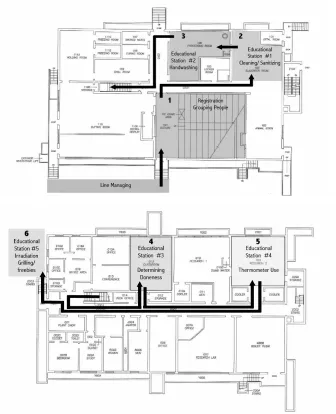
Figure 2.1 depicts the flow of the intervention inside the PSU Meats Lab. Participants
visited stations on each of the topics (personal hygiene, cleaning and sanitizing, thermometer
use, and determining meat doneness) before completing the intervention.
Personal hygiene. Instructors focused on the importance of personal hygiene in
preventing foodborne illness. The station included a hand-washing sink for participants to
practice proper hand washing. Instructors explained the steps involved in handwashing,
highlighting that water temperature was not as important as having soap, water, and a single-use
drying towel. The example script included the following: “Having good personal hygiene means
that you have on clean clothes and that your hands are properly washed. There are 5 steps of
proper handwashing: 1.Wet hands; 2. Put soap on hands; 3. 10-15 seconds of scrubbing; 4. Rinse
hands; 5. Dry hands”. During this implementation, handwashing was demonstrated using a sink
with running water, but could be adapted using bottles of water or a water cooler if running water
is unavailable at tailgating settings.
Cleaning and sanitizing. Participants were taught how to adapt traditional in-home
cleaning and sanitizing practices for tailgating areas to prevent cross-contamination. An excerpt
from the example script reads: “Cooking the meat to the correct temperature kills pathogens to a
point where it is unlikely for the consumer to get sick. However, if you are not careful about
cross contamination, you can be almost just as at risk for a foodborne illness as you would be if
you ate the raw meat”. Instructors leading this station defined cross-contamination as “the
emphasized that occurrence is likely when using the same spatula or plate for raw and cooked
burger. The difference between cleaning and sanitizing was emphasized by group leaders;
cleaning describes the mechanical removal during of dirt and sanitizing describes antimicrobial
effects. Participants were encouraged to use two sanitizing wipes to accomplish both steps in
tailgate settings.
Thermometer use. Instructors emphasized the importance of using thermometers when
cooking meat and meat products at tailgates. For example, the script read: “When beef is ground,
pathogens that are usually on the surface can be found in the center of the beef as well. To ensure
that these pathogens are killed and will not make you sick, a thermometer should be used to
check the internal temperature of the food”. Volunteers aided participants in taking the
temperature of burgers on a grill, emphasizing proper thermometer placement. Another key idea
stressed at this station was the difference in end-point temperatures for various meats. Because
ground beef patties were used in the demonstration, the recommended 160°F internal
temperature for ground beef was highlighted.
Determining meat doneness. Instructors dispelled incorrect methods of determining meat
doneness such as color of meat, color of juice, or texture of meat. An excerpt of the example
script for this station is as follows: “The color of meat has too many variables to be a reliable
indicator of doneness. Some factors that can change meat color are how long the meat sat out
before being cooked and the fat content of the meat. Additionally, analyzing color is a qualitative
property, so different people may see and describe different colors while looking at the same
demonstrate that a direct link between the color of meat and its internal temperature cannot be
made.
Additional resources. After visiting each station, participants received a free irradiated
ground beef patty and a digital, tip-sensitive food thermometer. The participants had already
been informed of the importance of the thermometer, but were then also taught about irradiation
as a food processing step. The example script for this station read: “The beef that you are about
to eat has been irradiated for safety. The irradiation of beef is used to reduce the amount of
foodborne pathogens on the meat, lessening the chances of making you sick. There is a big
misunderstanding with irradiation, as many people see it as a process that will harm the people
that consume it. There is no scientific evidence that eating this meat will make you sick, and as a
bonus, it is safer to bring to a temporary cooking area such as a tailgate”.
Other food safety paraphernalia were available for participants to take as well, such as
tailgate gear (i.e.: aprons, drink holders, etc.) branded with the “160°F is Good” message.
Although education and knowledge gain are included in many behavior change models, other
concepts such as opportunity and attitude can also contribute to behavior change (Ajzen &
Fishbein, 1970; Michie, van Stralen, & West, 2011). Receiving a thermometer provides
participants with an opportunity to practice concepts learned and the idea that they have
(perceived) behavioral control over their food safety actions. The branded “160°F is Good” gear
can aid in promoting subjective norm by encouraging adherence to recommended food safety
Figure 2.1 – Flow of educational stations in the PSU Meats Lab.
Follow-up surveys
All follow-up information was collected via electronic internet surveys created in Google
Forms (https://docs.google.com/forms). Surveys were open for responses for one week from the
collection, and the second follow-up survey was administered four months post-intervention. The
one-month follow-up was meant to determine short-term effects on food safety behaviors of
participants following the intervention. The four-month follow-up showed long-term retention of
information and how self-reported food safety behaviors were affected.
The follow-up surveys were very similar to the pre-intervention survey, utilizing a
sample of the same questions for comparison between surveys. Additional questions in the
intervention group follow-up surveys asked subjects to recall what they learned in the
intervention and if/how their practices have changed. The control group was not asked these
questions because they did not attend the intervention.
Data analysis
All responses were reported as percentages, but some questions accepted multiple answer
choices, allowing for the sum of percentages to be greater than 100% for these questions. The
majority of the data collected is represented as descriptive data in tables that can be used to
understand more information about the TE population and design interventions to accommodate
their current food preparation practices.
Significance in Liket-type scale responses among baseline, one-month, and four-month
responses were assessed using a paired t-test of the n=32 participants who completed all three
surveys.
All survey responses were coded into recommended and not recommended behaviors and
summed to form a total score for each participant at each data collection point. These scores
practices of the attendees. An independent t-test was conducted for all baseline scores between
treatment and control groups to determine if these groups varied prior to intervention delivery.
Questions that had repeated measures in baseline, short, and long-term data collection
were divided into two groups; one focusing on the questions that were explicitly taught in the
intervention, and one focusing on questions that were not explicitly taught (See Appendix A for
distinction). Dividing the two groups allows information to be collected on how efficacious the
intervention was at teaching explicit behaviors versus providing information attendees could
carry over into other areas. A mixed-model analysis of variance (ANOVA) was performed to
detect differences in scores between subject groups at the baseline and short-term data collection;
the test was done for both taught and untaught questions. A repeated measures ANOVA was
performed on the scores collected from the treatment group at baseline, one month and four
months to determine the change in food preparation practices over time following the
intervention; this analysis was also done for both taught and untaught questions. A Bonferroni
adjustment was used to account for multiple comparisons, and effect sizes and p-values were
reported from these analyses.
All statistical data analysis was performed using IBM SPSS Statistics version 24. All
significance was defined as a p-value of less than 0.05.
Results
The control group consisted of n=23 tailgaters and patrons of the meat lab that did not
attend the intervention. After one month, n=9 participants in the control group completed a
follow-up survey, a response rate of 39%. There were n=107 participants in the in-person
complete the one-month follow up, which yielded n=41 responses, a response rate of 38%. All
one month responders (n=41) were sent the four-month follow up survey, which returned n=32
responses, a response rate of 78%. The breakdown of study participants is represented in Figure
2.2.
Figure 2.2 - Retention of participants in both treatment and control groups through all stages of data collection.
Knowledge retention
Retention of knowledge was measured on a 1 (not knowledgeable) to 5 (very
knowledgeable) Likert-type scale (Table 2.1). A paired t-test of participants from the pre- and
one month-post assessment showed knowledge significantly increased (p<0.05) for lessons
addressing cross-contamination, cleaning and sanitizing, and handwashing (n=41). A similar test
showed sustained knowledge (p>0.05) between one and four months for cross contamination and
cleaning and sanitizing (n=32).
Table 2.1 – Assessment of short- and long-term knowledge of treatment group, measured using a
Likert-type scale (1-5).
Pre-intervention (n=107) 1-month post- intervention (n=41) 4-months post- intervention (n=32) Average cross- contamination knowledge
3.2 4.3a
4.3
Average cleaning and sanitizing knowledge
3.2 4.4a
4.3
Average handwashing knowledge
3.8 4.5a
4.3b
Significance is defined as p<0.05 a
significant result between pre-intervention and one-month post-intervention in paired t-test of n=32 participants retained throughout study
b significant result between one-month post-intervention and four-months post-intervention in
paired t-test of n=32 participants retained throughout study
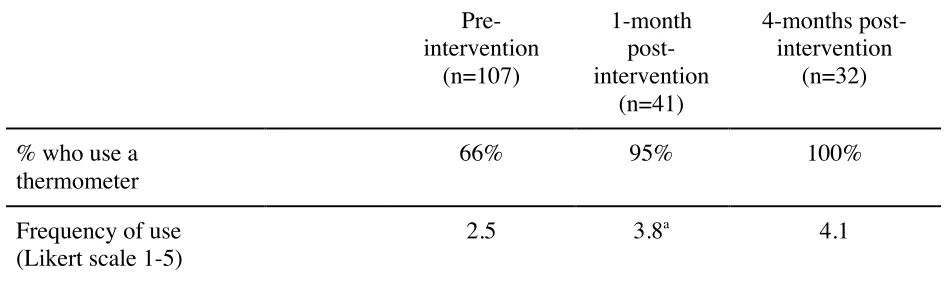
Thermometer use
Table 2.2 – Treatment group participants’ self-reported food thermometer usage.
Pre- intervention (n=107) 1-month post- intervention (n=41) 4-months post- intervention (n=32)
% who use a thermometer
66% 95% 100%
Frequency of use (Likert scale 1-5)
2.5 3.8a
4.1
Significance is defined as p<0.05 a
significant result between pre-intervention and one-month post-intervention in paired t-test of n=32 participants retained throughout study
b
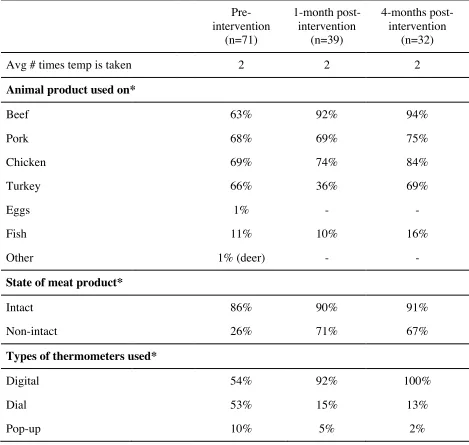
Table 2.3 – Self-reported practices by treatment group participants who reported using food
thermometers.
Pre- intervention
(n=71)
1-month post- intervention
(n=39)
4-months post- intervention
(n=32)
Avg # times temp is taken 2 2 2
Animal product used on*
Beef 63% 92% 94%
Pork 68% 69% 75%
Chicken 69% 74% 84%
Turkey 66% 36% 69%
Eggs 1% - -
Fish 11% 10% 16%
Other 1% (deer) - -
State of meat product*
Intact 86% 90% 91%
Non-intact 26% 71% 67%
Types of thermometers used*
Digital 54% 92% 100%
Dial 53% 15% 13%
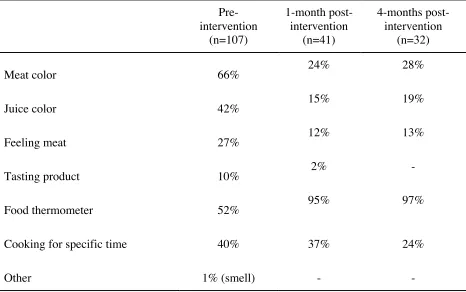
Table 2.4 – Treatment group participants’ self-reported measures for determining doneness of
meat products.
Pre- intervention
(n=107)
1-month post- intervention
(n=41)
4-months post- intervention
(n=32)
Meat color 66% 24% 28%
Juice color 42% 15% 19%
Feeling meat 27% 12% 13%
Tasting product 10% 2% -
Food thermometer 52% 95% 97%
Cooking for specific time 40% 37% 24%
Other 1% (smell) - -
Cross-contamination
88% of participants in the treatment group initially said they were conscious of avoiding
cross-contamination, but a higher percentage (92%) reported separating utensils and dishes for
raw and cooked meat (n=107).
Cleaning and sanitizing
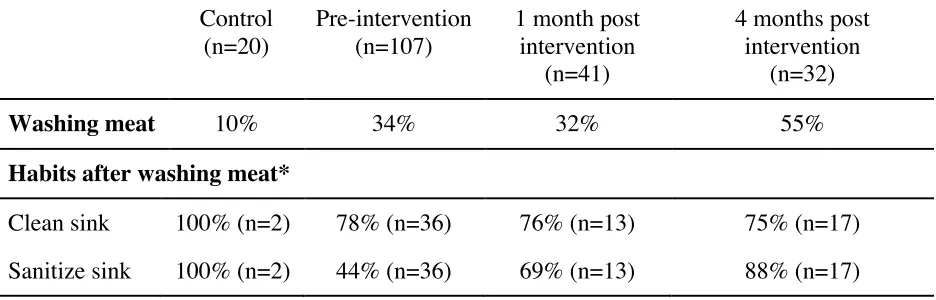
Table 2.5 – Participants’ self-reported practices about washing meat prior to preparation.
Control
(n=20)
Pre-intervention (n=107)
1 month post intervention
(n=41)
4 months post intervention
(n=32)
Washing meat 10% 34% 32% 55%
Habits after washing meat*
Clean sink 100% (n=2) 78% (n=36) 76% (n=13) 75% (n=17)
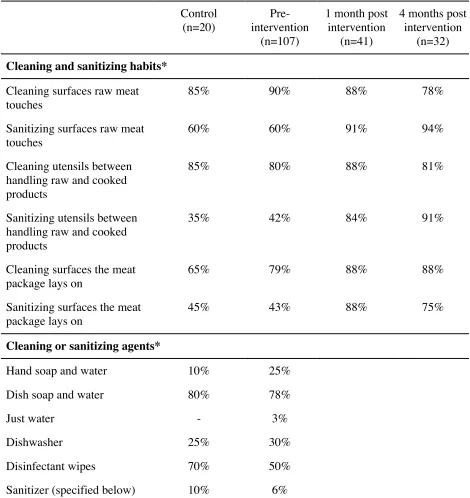
Table 2.6 - Participants’ self-reported cleaning and sanitizing practices. Control (n=20) Pre-intervention (n=107)
1 month post intervention
(n=41)
4 months post intervention
(n=32)
Cleaning and sanitizing habits*
Cleaning surfaces raw meat touches
85% 90% 88% 78%
Sanitizing surfaces raw meat touches
60% 60% 91% 94%
Cleaning utensils between handling raw and cooked products
85% 80% 88% 81%
Sanitizing utensils between handling raw and cooked products
35% 42% 84% 91%
Cleaning surfaces the meat package lays on
65% 79% 88% 88%
Sanitizing surfaces the meat package lays on
45% 43% 88% 75%
Cleaning or sanitizing agents*
Hand soap and water 10% 25%
Dish soap and water 80% 78%
Just water - 3%
Dishwasher 25% 30%
Disinfectant wipes 70% 50%
Sanitizer (specified below) 10% 6%
The specified sanitizer in the control group was Purell Food Service Spray (100%) (n=1,
Clorox (38%), baking soda solution (4%), diffarent (4%), Lysol (8%), Windex all purpose
cleaner (4%), antibacterial (4%), and Dawn (4%) (n=24).
Handwashing
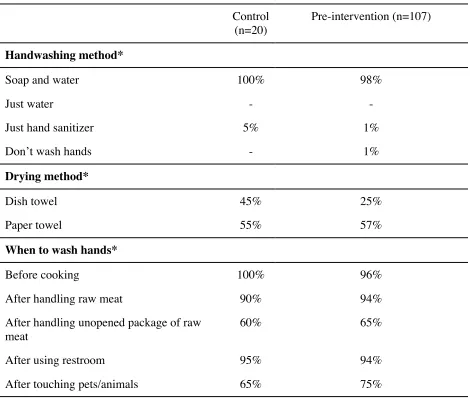
Table 2.7 – Participants’ self-reported handwashing practices.
Control
(n=20)
Pre-intervention (n=107)
Handwashing method*
Soap and water 100% 98%
Just water - -
Just hand sanitizer 5% 1%
Don’t wash hands - 1%
Drying method*
Dish towel 45% 25%
Paper towel 55% 57%
When to wash hands*
Before cooking 100% 96%
After handling raw meat 90% 94%
After handling unopened package of raw meat
60% 65%
After using restroom 95% 94%
After touching pets/animals 65% 75%
Tailgating and TE habits
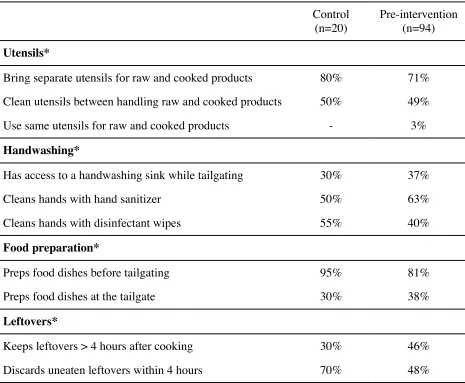
Table 2.8 – Participants’ self-reported TE food preparation practices.
Control
(n=20)
Pre-intervention (n=94)
Utensils*
Bring separate utensils for raw and cooked products 80% 71%
Clean utensils between handling raw and cooked products 50% 49%
Use same utensils for raw and cooked products - 3%
Handwashing*
Has access to a handwashing sink while tailgating 30% 37%
Cleans hands with hand sanitizer 50% 63%
Cleans hands with disinfectant wipes 55% 40%
Food preparation*
Preps food dishes before tailgating 95% 81%
Preps food dishes at the tailgate 30% 38%
Leftovers*
Keeps leftovers > 4 hours after cooking 30% 46%
Discards uneaten leftovers within 4 hours 70% 48%
Key messages
Participants who attended the walk-through workshop were asked to recall up to four key
messages they learned one month following the intervention. Topics mentioned included using a
thermometer (66%), color not being a reliable indicator for meat doneness (63%), cleaning and
Self-reported behavior change
After one month, 93% of treatment participants reported changing food safety behaviors
as a result of the intervention (n=41). 61% of participants reported changing their handwashing
habits as a result of the intervention (n=41). Those that reported changing the practices (n=25)
reported changing them in the following ways: method of drying hands (32%), frequency of
handwashing (28%), proper steps of handwashing (28%), and length of handwashing process
(20%). 41% of participants reported still enacting their changed handwashing habits after 4
months as a result of the intervention (n=32). Those that reported changing the practices (n=21)
reported changing them in the following ways: method of drying hands (33%), frequency of
handwashing (29%), proper steps of handwashing (19%), and length of handwashing process
(39%). 85% of participants reported changing some aspect of their cleaning and sanitizing habits
as a result of the intervention (n=41). The most commonly reported change was the addition of
sanitizing practices in 25% of individuals (n=35). 81% of participants reported having still
changed some aspect of their cleaning and sanitizing habits after 4 months as a result of the
intervention (n=32).
* For these questions, participants were able to choose all answers that apply to them.
Discussion
An independent t-test on the summed score of recommended practices compared initial
practices for the treatment and control groups. The total possible score was 37, and mean scores
from the treatment and control groups were calculated to be 33 and 35, respectively. The t-test
a convenience sample, the control group and treatment group were overall similar enough at
baseline to show representativeness of temporary event attendees at PSU.
A mixed-methods ANOVA of the treatment and control group scores for the questions
explicitly taught during the intervention revealed a between group significant difference in mean
scores from baseline to one-month data collection with an interaction of the subjects’ participant
group (p<0.001, partial eta squared=0.143). These results suggest that an increase in
recommended practices for taught questions is dependent upon the group (treatment or control)
the participants were in; thus, the information taught in the intervention aided in increasing
treatment group members’ recommended food preparation behaviors. A similar mixed-methods
ANOVA was performed for questions that were not explicitly taught in the intervention to see if
participants were able to apply the information to scenarios that were not discussed. A significant
difference between control and treatment mean scores was seen with time as a main effect
(p<0.001, partial eta squared=0.77); however, when testing the interaction between participant
group and time, no significant difference (p=0.99, partial eta squared <0.001) in mean scores was
detected for these non-explicit questions. Results from these analyses show that the intervention
was effective at improving recommended food preparation practices for questions relative to
intervention content, but any differences seen in areas not explicitly covered in the intervention
cannot be attributed to the intervention. Future implementation should account for this by
explicitly teaching all important information instead of assuming participants can carry over
knowledge into other practices.
A repeated-measures ANOVA was performed on treatment group scores at all three data
collection points. For questions explicitly taught in the intervention, within subject effects were
over time. A pairwise comparison further analyzed between which data collection points
significant effects were seen, and a Bonferroni correction adjusted for multiple comparisons.
Significant increases were detected (p<0.001) between baseline and one month and between
baseline and four months for the questions explicitly covered in the intervention. No significant
differences in mean scores were detected (p=1) between the one-month and four-month data
collection points. These results suggest that for questions on material covered in the intervention,
an increase in recommended practices was seen between baseline and one month and the
increase was sustained through four months. For questions not explicitly covered in the
intervention, significant differences in mean scores were seen between baseline and one month
(p=0.003), baseline and four months (p<0.001), and one month and four months (p=0.002). Data
from these analyses suggest that although the treatment group saw significant increases in
recommended practices for questions both taught and not explicitly taught during the
intervention, the increase in recommended practices was quicker and sustained for the
information explicitly taught; the practices relevant to the not explicitly taught information saw a
more gradual increase in recommended practices. This supports the earlier suggestion that all
pertinent information should be taught during an intervention instead of making assumptions that
attendees can quickly carry over information into other areas.
Knowledge retention results represent that the intervention executed in this study
increases knowledge of cross-contamination, cleaning and sanitizing, and handwashing.
Although statistical analysis revealed that knowledge of handwashing was significantly lower at
four months, the self-reported average knowledge of participants was sustained through four
months for all other topics covered in the intervention. As a result of this intervention,