Citation: Goodwin, R., Lincoln, N., dasNair, R., & Bateman, A. (2015). External memory aids for memory problems in people with multiple sclerosis: a systematic review. Neuropsychological Rehabilitation. Nov 26:1-22. [Epub ahead of print]PMID: 26609919
External memory aids for memory problems in people
with multiple sclerosis: A systematic review
Rachel Goodwina,b , Nadina Lincolna, Roshan das Naira,c and Andrew
Batemanb
aDivision of Rehabilitation & Ageing, University of Nottingham, Queen
’
s Medical Centre, Nottingham, UK; bThe Oliver Zangwill Centre for Neuropsychological Rehabilitation, Ely, UK; cDepartment of ClinicalPsychology & Neuropsychology, Nottingham University Hospitals, Nottingham, UK
ABSTRACT
Approximately 40
–
60% of people with multiple sclerosis (MS) have memory problems, which adversely impact on their everyday functioning. Evidence supports the use of external memory aids in people with stroke and brain injury, and suggests they may reduce everyday memory problems in people with MS. Previous reviews of people with MS have only evaluated randomised trials; therefore this review included other methodologies. The aim was to assess the effi
cacy of external memory aids for people with MS for improving memory functioning, mood, quality of life, and coping strategies. Seven databases were systematically searched. Intervention studies that involved training in the use of external memory aids, e.g., personal digital assistants, with at least 75% of people with MS, were included. Based on study design, quality was rated with the SCED or PEDro scale. Nine studies involving 540 participants were included. One single case experimental design (mean of 8 on SCED scale) and eight group studies (mean of 5 on PEDro scale) were included. One study reported a signifi
cant treatment effect on subjective memory functioning, two on mood, and two on coping strategies. There is insuffi
cient evidence to support or refute the effectiveness of external memory aids for improving memory function in people with MS.KEYWORDS Multiple sclerosis; Memory; Neuropsychological rehabilitation; Memory aids
BACKGROUND
Multiple Sclerosis (MS) is a neurodegenerative disease characterised by wide ranging symptoms that may include fatigue, visual and motor physical disability, and cognitive impairments (Gentry, 2008). Cognitive impairments, such as dysfunction in attention, executive abilities and memory, are common in people with MS, with estimates varying from 43 to 72% (Prosiegel & Michael, 1993). Memory problems affect approximately 40
–
60% of people with MS (Rao, 1995). These can be debilitating, persistent and frustrating both to patients and carers (Williamson, Scott, & Adams, 1996).Impairments in cognitive functioning are related to low mood (Gilchrist & Creed,
1994), and have the potential to affect independence in activities of daily living (Langdon & Thompson, 1996). Severe cognitive impairment presents a major barrier to rehabilitation, because individuals may be unable to retain advice or have dif
fi
culty acquiring new skills (Thomas, Thomas, Hillier, Galvin, & Baker, 2006). The safety of people with memory defi
cits can also be compromised, making them vulnerable in the home (e.g., forgetting to turn the oven off) and at work (e.g., forgetting deadlines). Impairments in memory can have a detrimental effect on the psychological well-being of people and others around them (Skeel & Edwards, 2001), and have signifi
cant long-term effects on a person’
s work and social life (Amato, Zipoli, & Portaccio, 2008).Cognitive rehabilitation is a process whereby people with neurological trauma and clinicians work together as a team to remediate or alleviate the resulting cognitive def-icits (Wilson & Watson, 1996). Cognitive rehabilitation literature is divided on what strat-egies work best for people with cognitive impairment (das Nair, Ferguson, Stark, & Lincoln, 2012). Restoration focuses on improving a speci
fi
c cognitive function, potentially through regeneration, and typically involves retraining exercises. Compensation focuses on teaching people to adapt to the presence of a cognitive impairment, and is achieved through teaching people to use internal or external strategies. These include applying/using internal aids, such as mental imagery, mnemonics and rehearsal; or external memory aids, such as diaries, lists and notice boards. Technology has enabled the use of paging systems (Wilson, Emslie, Quirk, & Evans, 2001), mobile phones, and palmtop devices to reduce prospective memory problems.Cicerone et al. (2011) recommended the use of external compensatory devices for people with memory problems following traumatic brain injury (TBI) or stroke; while another review (de Joode, van Heugten, Verhey, & van Boxtel, 2010) found assistive tech-nology, such as personal digital assistants (PDA), reduced prospective memory problems after acquired brain injury (ABI). A recent meta-analysis (Jamieson, Cullen, McGee-Lennon, Brewster, & Evans, 2014) including seven group studies concluded that there was strong evidence for the ef
fi
cacy of prospective memory-prompting devices for people with ABI or degenerative diseases. However, Jamieson et al. (2014) only reviewed one study that included people with MS and concluded that there was a specifi
c need for the investigation of technology for people with degenerative diseases.Recommendations for the provision of cognitive rehabilitation for people with MS have largely been based on single case experimental designs (SCED) and controlled clinical trials (CCT). A systematic review (O
’
Brien, Chiaravalloti, Goverover, & DeLuca,An expert panel underscored the need for cognitive rehabilitation interventions for people with MS and recommended the use of compensatory devices (Multiple Sclerosis Society, 2006). There is some suggestion that external memory aids may be effective in reducing everyday memory problems in people with MS (das Nair & Lincoln, 2012). A recent Cochrane review (das Nair et al., 2012) investigated the evidence base for memory rehabilitation for people with MS. However, the majority of the literature on memory aids did not employ randomised controlled trial (RCT) designs, and so was not included in the Cochrane reviews. A systematic review of external memory aids for cognitive problems in a mixed sample (Gillespie, Best, & O
’
Neill, 2012) highlighted that most studies have been qualitative or single subject designs. Therefore the present systematic review evaluated research that employed other quantitative methodologies, such as quasi-experimental designs and SCEDs, in addition to RCTs. This review supplements Jamieson et al.’
s (2014)fi
ndings by evaluating the effectiveness of all types of external memory aids, not just technological ones; specifi
cally for people with MS; and included comprehensive cognitive rehabilitation programmes, provided the use of memory aids was included.The aim of the review was to determine whether people with MS who received training in the use of external memory aids showed better outcomes in their memory functions, mood, and quality of life, than those given other types of interventions, usual care, or a placebo control.
METHODS
Criteria for considering studies for this
review Type of studies
Studies evaluating the effectiveness of interventions were considered for review. There-fore, RCTs, CCTs, before-and-after designs, and SCEDs were included. A study was deemed to be a RCT on the basis that the individuals followed in the trial were de
fi
nitely or probably assigned prospectively to one of two (or more) alternative forms of healthcare using random allocation (Higgins & Green, 2011). SCED studies were distinguished from descriptive case reports by the inclusion of a control condition either through multiple baseline measures or a separate control measure that allowed the causal impact of the treatment effi
cacy to be inferred, as in reversal/withdrawal (ABA) designs (Tate et al.,2008). AB (where A = baseline and B = intervention) design SCEDs were also considered. Studies were included with any type of control group (i.e., usual care, standard care, placebo, waiting list, other rehabilitation, or intervention).
Type of participants
Types of interventions
Interventions included in this review involved the use of, or training in the use of, external memory aids, de
fi
ned as any external means of compensating for a memory defi
cit, e.g., diaries, PDAs, electronic calendars. Studies involving general cognitive rehabilitation programmes covering other aspects of cognition, such as executive function or visual perception, or other forms of memory rehabilitation, such as training on internal strategies, were included provided they explicitly pro -vided training on the use of external memory aids. Studies were considered to involve an intervention if the training took place over more than a single session. Pharmacological interventions were not included. Where studies had active control groups, it was checked that these groups contained no memory content, to allow pure comparison with the treatment group.Types of outcomes
The primary outcome was a measure that directly assessed the degree of subjective memory problems in everyday life. If more than one outcome measure was used to measure this construct, the following hierarchy was used:
. Everyday Memory Questionnaire (EMQ; Sunderland, Harris, & Baddeley, 1984);
Cognitive Failures Questionnaire (Broadbent, Cooper, FitzGerald, & Parkes, 1982);
Subjective Memory Questionnaire (Davis, Cockburn, Wade, & Smith, 1995); Memory Functioning Questionnaire (Gilewski, Zelinski, & Schaie, 1990). This was based on the degree to which the measures focused on memory and their psychometric properties.
Secondary outcomes were measures of objective memory, mood, quality of life, and coping strategies for memory problems. If more than one outcome measure was used to measure each construct, the following hierarchies were used:
. Performance on memory tests such as the Wechsler Memory Scale (Wechsler, 1997
or newer versions of this test), the Cambridge Prospective Memory Test (Wilson et al., 2005), the Doors and People Memory Test (Baddeley, Emslie, & Nimmo-Smith,
1994), the Rivermead Behavioural Memory Test (RBMT; Wilson, Cockburn, & Badde-ley, 1985 or newer versions of this test).
. Mood, such as the General Health Questionnaire (GHQ; Goldberg, 1992), the Hospital
Anxiety and Depression Scale (Zigmond & Snaith, 1983), the Beck Depression Inven-tory (BDI; Beck, Ward, Mendelson, Mock, & Erbaugh, 1961), the State-Trait Anxiety Inventory (Spielberger, Gorsuch, Lushene, Vagg, & Jacobs, 1983).
. Quality of life, such as the MS Quality of Life Inventory (LaRocca et al., 1996), the MS
Impact Scale (Hobart, Lamping, Fitzpatrick, Riazi, & Thompson, 2001), the Short Form
–
36 (SF-36; Ware & Kosinski, 2001), the Euro-QoL (Brooks, 1996).. Coping strategies for memory problems, such as the Adaptation to Memory Dif
fi
Hierarchies were established by considering the relevance of each measure to each construct and their psychometric properties. MS-speci
fi
c measures were placed above generic measures. General measures of constructs were placed above domain-specifi
c measures (e.g., visual, verbal, etc.). If psychometric properties were not available, the hierarchy was decided through discussion between authors.Search methods for identi
fication of studies
The following electronic databases were searched and all potential studies were ident-i
fi
ed by one author (RAG).Electronic searches
(1)Cochrane Central Register of Controlled Trials (CENTRAL) (The Cochrane Library, latest issue).
(2)MEDLINE (1966 to August 2014). (3)EMBASE (1980 to August 2014).
(4)Cumulative Index to Nursing and Allied Health Literature (CINAHL) (1982 to August 2014).
(5)PsycINFO (1980 to August 2014).
(6)Web of Science (January 1981 to August 2014). (7)PsycBITE (2004 to August 2014).
The search strategy used and modi
fi
ed for all databases can be found in Appendix A.Searching other resources
Citation-tracking of primary study articles was employed and the reference lists of ident-i
fi
ed papers were searched for further relevant studies. Journals covering relevant topics were identifi
ed and the contents of new volumes were hand searched. Grey literature was accessed by searching GreyNet (http://www.greynet.org/) and Mednar (http:// mednar.com/). Thefi
rst four pages of results on Google Scholar (http://scholar.google. co.uk/) were searched, with the date restricted from 2010 to present, along with web-sites relevant to the topic area, such as the MS Society (http://mssociety.org.uk/) and the MS Trust (http://MSTrust.org.uk/). These websites were searched using combinations of the following search terms: memory (memory, cognition, remember, remembering, recall, plan, planning); multiple sclerosis (multiple sclerosis, MS); external aids (memory aids, external aids, reminder systems, assistive technology, paging).Data collection and
analysis Selection of
studies
external memory aids. After this initial search, duplicate papers were
fi
ltered out using endnote software (http://endnote.com).The studies that met the criteria were then subject to a full text review to select studies. Authors were contacted if clari
fi
cation was needed in order to reach the decision or if it was unclear whether training on external memory aids was provided. Authors were also contacted to retrieve data for participants with MS in mixed diagnosis samples.Data extraction, management, and assessment of risk of bias
The methodological quality of each of the selected studies was assessed using the PEDro (Maher, Sherrington, Herbert, Moseley, & Elkins, 2003) or SCED scales (Tate et al., 2008). The PEDro scale was used to rate the group studies and the SCED scale was used for SCED studies. Previous research has established that there is good inter-rater reliability for both scales (Maher et al., 2003; Tate et al., 2008). Both are 10-point scales, with higher scores indicating better methodological quality. For RCTs, the main measures of quality were whether random allocation was concealed and whether outcomes were conducted blind to group allocation (Maher et al., 2003). The inclusion of non-RCTs in this review meant that some studies did not have randomisation and blinding procedures, and these were considered as lower quality.
Data for the review were extracted using a pre-prepared data extraction form that included items listed in Table 1. These characteristics were judged on the basis of information provided in the reports of the studies. Risk was assessed as being low, high or unclear, if the information available was insuf
fi
cient to make this judgement, on the basis of the following criteria: random sequence generation, allocation concealment, blinding, incomplete outcome data.Broadening the inclusion criteria to non-RCT designs meant that studies without control groups were included for evaluation in the review. Therefore it was decided that performing a meta-analysis on the data would be inappropriate and inconsistent with the aims of the study.
TABLE 1. Data extraction form items. Date, country and clinical setting of the study Sample size (percentage of people with MS)
Numbers lost to follow up, at specific time points, by group Adequacy of matching at baseline between groups Inclusion and exclusion criteria
Method of diagnosing MS and memory problem
Description of intervention and control, including duration, frequency, intensity, setting, and individual or group Demographic characteristics of participants (age, gender, years since diagnosis, type of MS, years of education) Outcomes measured, whether primary or secondary and when they were recorded
Random sequence generation Allocation concealment
Blinding of participants and personnel Blinding of outcome assessment Intention to treat analysis used Incomplete data
Other sources of bias Results for each outcome Sample size justification
RESULTS
Description of studies
Results of the search
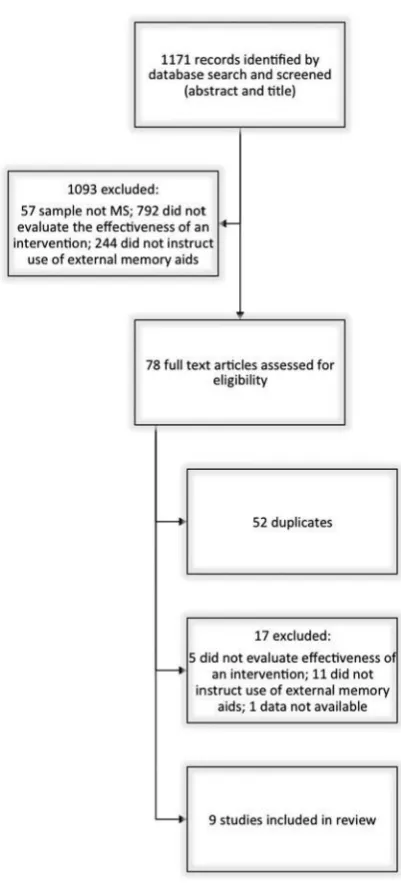
[image:7.441.118.319.150.597.2]The search strategy identi
fi
ed 1171 results for review. Figure 1 provides afl
owchart demonstrating the search process.Excluded studies
In total 1110 studies were excluded on the basis of the exclusion criteria. During title and abstract screening, 1093 papers were excluded. Of these, 792 studies were excluded because they did not evaluate the effectiveness of an intervention, 57 because the sample did not contain MS patients, and 244 because they did not instruct participants in the use of external memory aids. Fifty-two duplicates were removed, leaving 26 studies remaining.
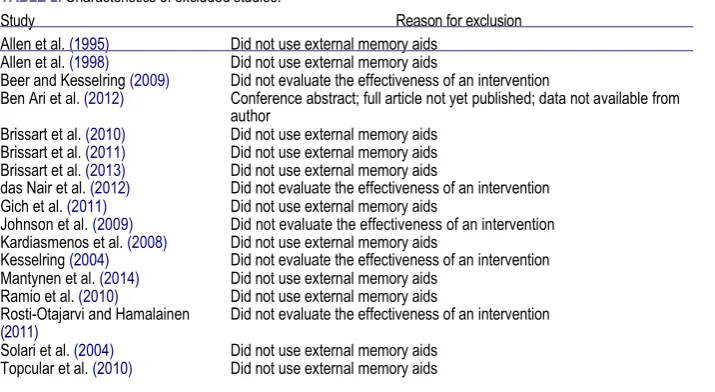
Of the 26 studies that received full text review, 17 were excluded. These excluded studies are summarised in Table 2. Five studies were excluded as they did not evaluate the effectiveness of an intervention (Beer & Kesselring, 2009; das Nair et al., 2012;
Johnson, Bamer, Yorkston, & Amtmann, 2009; Kesselring, 2004; Rosti-Otajarvi & Hama-lainen, 2011), 11 studies did not instruct participants on the use of external memory aids (Allen, Goldstein, Heyman, & Rondinelli, 1998; Allen, Longmore, & Goldstein, 1995; Brissart, Leroy, & Debouverie, 2010; Brissart, Leroy, Morele, Baumann, & Debouv-erie, 2011; Brissart et al., 2013; Gich et al., 2011; Kardiasmenos, Clawson, Wilken, & Wallin, 2008; Mantynen et al., 2014; Ramio et al., 2010; Solari et al., 2004;
Topcular et al., 2010), and one study had been presented as a work in progress at a conference and was not yet published and the data were not available from the author (Ben Ari, Hertzman, Mosberg-Galili, & Hellmann, 2012).
Included studies
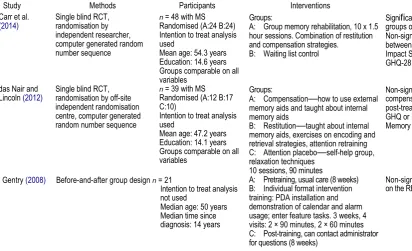
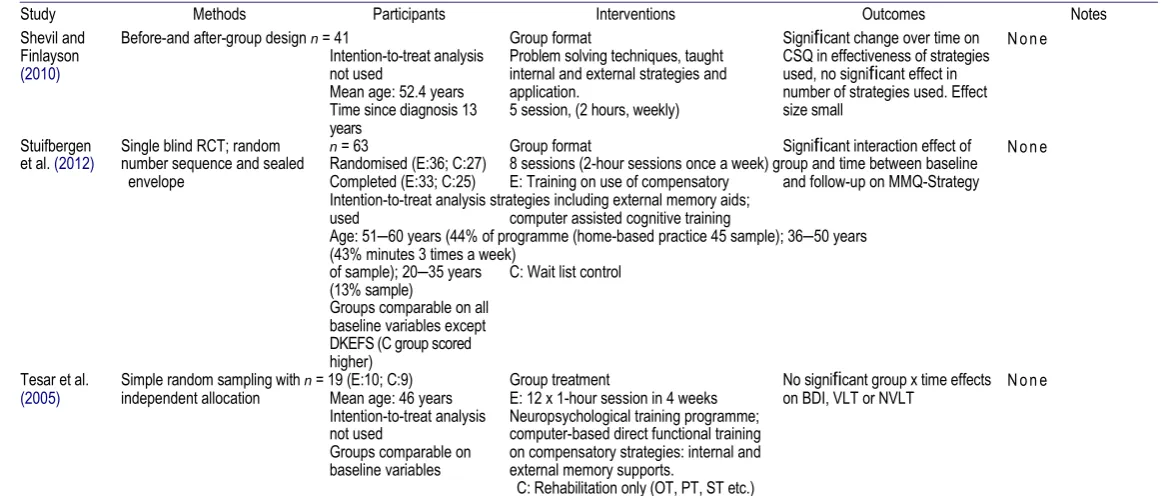
Nine studies, including 540 participants with MS, met the inclusion criteria for this review (Carr, das Nair, Schwartz, & Lincoln, 2014; das Nair & Lincoln, 2012; Gentry,
2008; Jønsson, Korfitzen, Heltberg, Ravnborg, & Byskov-Ottosen, 1993; Lincoln, Dent,
& Harding, 2003; Lincoln et al., 2002; Shevil & Finlayson, 2010; Stuifbergen et al.,
2012; Tesar, Bandion, & Baumhackl, 2005). Please see Table 3 for details.
[image:8.441.47.405.423.619.2]Six studies were from Europe (UK, Denmark, Austria) and three from the USA. Eight studies were conducted in community settings and one was conducted in a rehabilita-tion hospital.
TABLE 2. Characteristics of excluded studies.
Study Reason for exclusion
Allen et al. (1995) Did not use external memory aids Allen et al. (1998) Did not use external memory aids
Beer and Kesselring (2009) Did not evaluate the effectiveness of an intervention
Ben Ari et al. (2012) Conference abstract; full article not yet published; data not available from author
Brissart et al. (2010) Did not use external memory aids Brissart et al. (2011) Did not use external memory aids Brissart et al. (2013) Did not use external memory aids
das Nair et al. (2012) Did not evaluate the effectiveness of an intervention Gich et al. (2011) Did not use external memory aids
Johnson et al. (2009) Did not evaluate the effectiveness of an intervention Kardiasmenos et al. (2008) Did not use external memory aids
Kesselring (2004) Did not evaluate the effectiveness of an intervention Mantynen et al. (2014) Did not use external memory aids
Ramio et al. (2010) Did not use external memory aids
Rosti-Otajarvi and Hamalainen Did not evaluate the effectiveness of an intervention
(2011)
Carr et al.
(2014)
das Nair and Lincoln (2012)
Single blind RCT, randomisation by independent researcher, computer generated random number sequence
Single blind RCT, randomisation by off-site independent randomisation centre, computer generated random number sequence
n = 48 with MS
Randomised (A:24 B:24) Intention to treat analysis used
Mean age: 54.3 years Education: 14.6 years Groups comparable on all variables
n = 39 with MS
Randomised (A:12 B:17 C:10)
Intention to treat analysis used
Mean age: 47.2 years Education: 14.1 years Groups comparable on all variables
Gentry (2008) Before-and-after group design n = 21
Intention to treat analysis not used
[image:9.661.36.449.95.346.2]Median age: 50 years Median time since diagnosis: 14 years
TABLE 3. Characteristics of included studies.
Study Methods Participants Interventions Outcomes Notes
Significant difference between Analysis used in this groups on GHQ-28 at 8 months. review: A vs. B Non-significant differences
between groups on EMQ or MS-Impact Scale at 4 or 8 months, or GHQ-28 at 4 months.
Non-significant differences across Analysis used in this compensation and control group review: A vs. C post-treatment, on EMQ, RBMT-E,
GHQ or Internal and External Memory Aids Questionnaire.
Non-significant change over time None on the RBMT-E
(Continued)
Groups:
A: Group memory rehabilitation, 10 x 1.5 hour sessions. Combination of restitution and compensation strategies.
B: Waiting list control
Groups:
A: Compensation—how to use external memory aids and taught about internal memory aids
B: Restitution—taught about internal memory aids, exercises on encoding and retrieval strategies, attention retraining C: Attention placebo—self-help group, relaxation techniques
10 sessions, 90 minutes
TABLE 3. Continued.
Study Methods Participants Interventions Outcomes Notes
None Closed envelope
randomisation (RCT)
(Continued)
Jønsson et al.
(1993)
Lincoln et al.
(2002)
Lincoln et al.
(2003)
Single blind RCT; independent phone randomisation Computer-generated numbers
Single case experimental design: AB design
n = 40 with MS (E:20;
C:20) hospital in-pts (16 + 16 completed)
Intention to treat analysis not used
Mean age: 44.5 years (SD:
8.3)
Education: 11.5 years (SD:
2.5)
Gender: 19F, 21M Groups comparable on all variables, except visuo-spatial memory and visual perception (E group more impaired)
n = 240
Randomised (A:82; B:79; C:79)
Completed (A:77; B:71; C:73)
Intention-to-treat analysis used
Mean age: 43 years Age left education: 16 years
Groups comparable on all baseline variables n
= 29
Mean age: 43 years Age left education: 16 years
Individual goal-directed treatment E: Compensation (internal and external memory aids), substitution, direct training and neuropsychotherapy
C: Attention placebo—discussion and games
1–1.5 hours 3 times a week; mean 17.2 hours
Individual treatment
A: Only baseline assessment with no feedback
B: Detailed cognitive assessment with feedback
C: Detailed cognitive assessment with feedback and training on internal and external memory aids
Individual treatment A: Baseline
B: Detailed cognitive assessment with feedback and training on internal and external memory aids
Short-term effects: E significantly effected performance on BDI Long-term effects: E had a significant effect on visuo-spatial and memory; C had significant effect on BDI (more depressed at second follow-up)
No significant differences between groups on EMQ, GHQ, SF-36 or MAQ at follow-up 1 or 2 for patient or relative data
Significant reduction in frequency of memory problems per week from baseline to intervention on diaries
Analysis used in this review: A vs. C
N o n e
N o n e
[image:11.661.29.610.79.327.2]N o n e
TABLE 3. Continued.
Study Methods Participants Interventions Outcomes Notes
Shevil and Before-and after-group design n = 41 Group format Significant change over time on
Finlayson Intention-to-treat analysis Problem solving techniques, taught CSQ in effectiveness of strategies
(2010) not used internal and external strategies and used, no significant effect in
Mean age: 52.4 years application. number of strategies used. Effect Time since diagnosis 13 5 session, (2 hours, weekly) size small
years
Stuifbergen Single blind RCT; random n = 63 Group format Significant interaction effect of
et al. (2012) number sequence and sealed Randomised (E:36; C:27) 8 sessions (2-hour sessions once a week) group and time between baseline envelope Completed (E:33; C:25) E: Training on use of compensatory and follow-up on MMQ-Strategy
Intention-to-treat analysis strategies including external memory aids; used computer assisted cognitive training
Age: 51–60 years (44% of programme (home-based practice 45 sample); 36–50 years (43% minutes 3 times a week)
of sample); 20–35 years C: Wait list control (13% sample)
Groups comparable on all baseline variables except DKEFS (C group scored higher)
Tesar et al. Simple random sampling with n = 19 (E:10; C:9) Group treatment No significant group x time effects (2005) independent allocation Mean age: 46 years E: 12 x 1-hour session in 4 weeks on BDI, VLT or NVLT
Intention-to-treat analysis Neuropsychological training programme; not used computer-based direct functional training Groups comparable on on compensatory strategies: internal and baseline variables external memory supports.
C: Rehabilitation only (OT, PT, ST etc.)
Tests used: EMQ: Everyday Memory Questionnaire; GHQ: General Health Questionnaire; RMBT-E: Rivermead Behavioural Memory Test–Extended; BDI: Beck Depression Inventory; SF-36: Short Form; MAQ: Memory Aids Questionnaire; CSQ: Cognitive Strategies Questionnaire; DKEFS: Delis-Kaplan Executive Function System; MMQ-Strategy: Strategy Subscale of the Multi-factorial Memory Questionnaire; VLT: Verbal Learning Test; NVLT: Non-verbal Learning Test.
Types of design.
Six studies were RCTs (Carr et al., 2014; das Nair & Lincoln, 2012;Jønsson et al., 1993; Lincoln et al., 2002; Stuifbergen et al., 2012; Tesar et al., 2005).
Two studies employed before-and-after group designs (Gentry, 2008; Shevil & Finlay-son, 2010), and one study was a SCED (Lincoln et al., 2003). Within the RCTs, the method of generating the randomisation schedule was mentioned in all but one study (Tesar et al., 2005). Independent randomisation was reported in three studies (Carr et al., 2014; das Nair & Lincoln, 2012; Lincoln et al., 2002) and two studies used a closed envelope system (Jønsson et al., 1993; Stuifbergen et al., 2012). Outcomes were assessed by an individual blind to group allocation in
fi
ve RCTs, but not in Tesar et al.(2005). The SCED (Lincoln et al., 2003) employed an AB design for 29 participants within the treatment group of the RCT (Lincoln et al., 2002).
Types of participants.
The diagnosis of participants was based on the Poser criteria (Poser et al., 1983) in four studies (das Nair & Lincoln, 2012; Lincoln et al., 2002, 2003;Tesar et al., 2005); the Jønsson et al. (1993) study used the Schumacher criteria (Schu-macher et al., 1965), and four studies relied on self-reported diagnoses (Carr et al.,
2014; Gentry, 2008; Shevil & Finlayson, 2010; Stuifbergen et al., 2012). Seven studies had mixed types of MS
—
relapsing remitting MS (RRMS), primary progressive MS (PPMS) and secondary progressive MS (SPMS) (Carr et al., 2014; Gentry, 2008; Lincoln et al., 2002, 2003; Jønsson et al., 1993), or RRMS and SPMS (das Nair & Lincoln, 2012;Tesar et al., 2005). The subtypes of MS were not described by Shevil and Finlayson
(2010) or Stuifbergen et al. (2012). The sample size in the studies varied from 19 (Tesar et al., 2005) to 240 (Lincoln et al., 2002); the number of participants receiving active treatment similarly varied from 10 (Tesar et al., 2005) to 82 (Lincoln et al., 2002). The majority of participants were in their mid to late 40s, with mean ages ranging from 42.1 years (Lincoln et al., 2002) to 54.3 years (Carr et al., 2014). Eight studies reported there to be a higher percentage of women than men in their samples, with the percentage of women ranging from 88% (Stuifbergen et al., 2012) to 47% (Jønsson et al., 1993).
Time since diagnosis ranged from a mean of 9 years (Tesar et al., 2005) to 15 years (Jønsson et al., 1993); and years of education varied from a mean of 11.5 years (Jønsson et al., 1993) to the majority having a BSc or postgraduate education (Stuifbergen et al., 2012). In the six studies comparing performance between groups, four studies had groups comparable at baseline on all variables (Carr et al., 2014; das Nair & Lincoln, 2012; Lincoln et al., 2002; Tesar et al., 2005); the remaining two studies were comparable on all baseline variables except visuo-spatial and visual perception (Jønsson et al., 1993) and executive function (Stuifbergen et al., 2012).
Types of interventions.
Four studies employed individual treatment (Gentry, 2008;Jønsson et al., 1993; Lincoln et al., 2002, 2003) and
fi
ve studies used group interventions (Carr et al., 2014; das Nair & Lincoln, 2012; Shevil & Finlayson, 2010; Stuifbergen et al.,2012; Tesar et al., 2005). Two studies ran three-group comparisons (das Nair & Lincoln,
2012; Lincoln et al., 2002) and three studies employed two-group comparisons (treatment vs. control) (Carr et al., 2014; Stuifbergen et al., 2012; Tesar et al., 2005). Two studies evaluated the performance of a single group (Gentry, 2008; Shevil & Finlayson, 2010).
time points at baseline and at multiple time points during intervention (Lincoln et al.,
2003). Most programmes were 3 weeks (Gentry, 2008) to 10 weeks (Carr et al., 2014;
das Nair & Lincoln, 2012) long. Two individual treatment studies speci
fi
ed that the time period was a maximum of 6 months post-assessment (Lincoln et al., 2002, 2003).Sessions were between one hour (Tesar et al., 2005) and two hours (Shevil & Finlayson,
2010; Stuifbergen et al., 2012), and participants met one to three times a week in all studies, except two where it depended on the needs of the participant (Lincoln et al.,
2002, 2003). Eight studies employed comprehensive cognitive or memory rehabilitation programmes, which all included teaching participants how to use external memory aids, as well as internal memory strategies. Of these eight studies,
fi
ve (Carr et al., 2014; das Nair & Lincoln, 2012; Jønsson et al., 1993; Stuifbergen et al., 2012; Tesar et al., 2005)ran programmes that also included cognitive training, such as computerised functional training and attention retraining. One study also included a
“
neuropsychotherapy”
component (Jønsson et al., 1993), and one study provided psycho-education (Shevil & Finlayson, 2010). Six studies (Jønsson et al., 1993; Lincoln et al., 2002, 2003; Shevil & Finlayson, 2010; Stuifbergen et al., 2012; Tesar et al., 2005) were cognitive rehabilitation programmes, which were not speci
fi
c to memory rehabilitation, therefore the amount of time dedicated to memory rehabilitation, let alone external memory aids, is unknown. Gentry (2008) was the only study with the content solely restricted to teaching partici-pants how to use external memory aids. This study involved the installation of PDA soft-ware and demonstration of how to use calendar and alarm functions on a PDA, followed by a post-training period where administrative support was available if needed.Risk of bias in included studies
The risk of bias in the nine included studies was mixed, with high risk of detection bias associated with the lack of blinding in one group study (Tesar et al., 2005), and two group studies at high risk of selection, detection and performance bias associated with the lack of a control group, and therefore absence of randomisation, allocation and blinding procedures (Gentry, 2008; Shevil & Finlayson, 2010). The risk of bias in the SCED (Lincoln et al., 2003) was considered to be generally low, but with some risk of observer bias and bias in determining the treatment ef
fi
cacy due to the AB design. The risk of bias was deemed to be unclear infi
ve studies, due to lack of information when reporting the methods used for random sequence generation (Jønsson et al., 1993; Stuifbergen et al.,2012; Tesar et al., 2005), blinding (Jønsson et al., 1993), and how incomplete data were handled (Gentry, 2008; Shevil & Finlayson, 2010; Tesar et al., 2005).
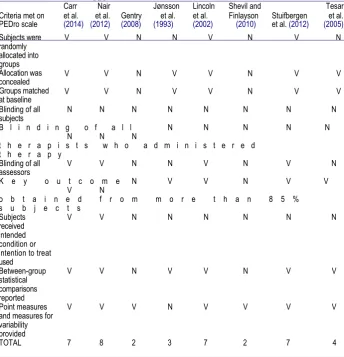
The methodological quality of group studies using the PEDro scale (Maher et al., 2003)
are summarised in Table 4, and single case experimental designs using the SCED scale (Tate et al., 2008) in Table 5. Group studies received a mean score of 5 (SD = 2.51; range = 2
–
8) out of a possible 10. The SCED scored 8 out of a possible 10.Random sequence generation in group studies.
Three group studies werejudged to have a low risk of selection bias on the basis of having adequate random sequence generation, using a computerised random number generator by an independent agency or researcher (Carr et al., 2014; das Nair & Lincoln, 2012; Lincoln et al., 2002).
Three studies were unclear in their explanation of random sequence generation, and thus the risk of bias was unclear (Jønsson et al., 1993; Stuifbergen et al., 2012; Tesar et al.,
TABLE 4. Risk of bias table for group studies, using the PEDro scale (Maher et al., 2003).
d a s
Carr Nair Jønsson Lincoln Shevil and Tesar Criteria met on et al. et al. Gentry et al. et al. Finlayson Stuifbergen et al. PEDro scale (2014) (2012) (2008) (1993) (2002) (2010) et al. (2012) (2005)
Subjects were randomly allocated into groups Allocation was concealed Groups matched at baseline
V V N N V N V N
V V N V V N V V
V V N V V N V V
Blinding of all N N N N N N N N
subjects
B l i n d i n g o f a l l N N N N N N N N
t h e r a p i s t s w h o a d m i n i s t e r e d t h e r a p y
Blinding of all V V N N V N V N
assessors
K e y o u t c o m e N V V N V V V N
o b t a i n e d f r o m m o r e t h a n 8 5 % s u b j e c t s
Subjects V V N N N N N N
received intended condition or intention to treat used
Between-group V V N V V N V V
statistical comparisons reported
Point measures V V V N V V V V
and measures for variability provided
TOTAL 7 8 2 3 7 2 7 4
Allocation in group studies.
Six group studies were judged as having a low risk ofselection bias on the basis of adequate group allocation concealment using a computerised random number generator by an independent unit (Carr et al., 2014; das Nair & Lincoln,
TABLE 5. Risk of bias table for single participant designs on the SCED scale (Tate et al., 2008).
Criteria met on the SCED scale Lincoln et al. (2003)
Target behaviours—precise and repeatable measures V 3 phases, study is ABA or multiple baseline N Baseline (pre-treatment). Sufficient sampling V Treatment phase. Sufficient sampling V
Raw data points recorded V
Inter-rater reliability was established for at least one measure N
Independence of assessors V
Statistical analysis V
Replication either across subjects, therapists or settings V
Evidence for generalisation V
[image:14.441.50.390.494.622.2]2012; Lincoln et al., 2002), or having a separate member of staff, not involved with the study to complete allocation (Tesar et al., 2005), or using a closed envelope system (Jønsson et al., 1993; Stuifbergen et al., 2012). Two studies had no control group and therefore there was a high risk of selection bias (Gentry, 2008; Shevil & Finlayson, 2010).
Blinding in group studies.
Four group studies were single blind (Carr et al., 2014;das Nair & Lincoln, 2012; Lincoln et al., 2002; Stuifbergen et al., 2012), with a blinded outcome assessor, indicating a low risk of detection bias. Three studies had a high risk of bias (Gentry, 2008; Shevil & Finlayson, 2010; Tesar et al., 2005) as they had no blinding procedures, and Jønsson et al. (1993) provided an unclear description of the blinding procedures employed.
Incomplete outcome data in group studies.
Four group studies addressed incomplete data, indicating a low risk of attrition bias. In one study (das Nair & Lincoln,2012), list-wise deletion was utilised and baseline data were imputed for missing follow-up data. In another study (Lincoln et al., 2002), analysis covered just those who completed outcomes, however it also included those who did not receive the intervention as planned in an intention-to-treat analysis. One study (Stuifbergen et al., 2012) replaced missing values with the last observation value carried forward if the participant did not complete later measurements, or imputed if an intermediate value was missing. In another study (Carr et al., 2014), if missed items occurred for less than 10% of questions in a questionnaire, the missing item was replaced with the mean for the questionnaire. The four remaining studies did not address incomplete data: two studies did not use intention-to-treat analysis after reporting dropouts (Gentry, 2008; Shevil & Finlayson, 2010) and two studies provided no explanation of how dropout data were dealt with (Jønsson et al.,
1993; Tesar et al., 2005), thus the risk of bias was unclear.
Risk of bias in SCED studies.
The risk of bias in the one SCED study was generally low (Lincoln et al., 2003). The measure of target behaviours was specifi
ed and the variability in behaviour was established through suffi
cient sampling during the baseline and treatment phase. Verifi
cation of treatment effi
cacy was demonstrated using statistical analysis and generalisation was assured through replication across subjects and transfer to beyond target behaviours. However, there was a high risk of bias in determining treat-ment effi
cacy since an AB design was used. There was also a high risk of observer bias, as inter-rater reliability was not established for measures.Effects of interventions
Parametric and nonparametric statistical analyses were used to compare groups. Signi
fi
cance testing was reported in all studies, however the appropriate measures of variability were not.Outcome 1: Subjective memory measures
Four studies (Carr et al., 2014; das Nair & Lincoln, 2012; Lincoln et al., 2002, 2003)
found a signi
fi
cant effect of treatment on subjective memory functioning, demon-strated by a signifi
cant reduction (p
< .01) in the frequency of reported memory pro-blems per week from baseline to intervention. Subgroup analysis of MS participants from das Nair and Lincoln (2012) detected no signifi
cant effect of treatment; Carr et al. (2014) and Lincoln et al. (2002) found no signifi
cant treatment effect.Outcome 2: Objective memory measures
Two studies (das Nair & Lincoln, 2012; Gentry, 2008) included objective measures of memory; both used the RBMT-E (Wilson et al., 1985). Subgroup analysis of MS partici-pants from das Nair and Lincoln (2012) showed no signi
fi
cant effect of treatment; Gentry (2008) also found no signifi
cant long-term effect.Outcome 3: Mood
Five studies (Carr et al., 2014; das Nair & Lincoln, 2012; Jønsson et al., 1993; Lincoln et al., 2002; Tesar et al., 2005) included measures of participants
’
mood. All measured mood both immediately after treatment and at long-term follow-up. Three of these studies (Carr et al., 2014; das Nair & Lincoln, 2012; Lincoln et al., 2002) used the GHQ (Goldberg, 1992) and two (Jønsson et al., 1993; Tesar et al., 2005) used the BDI (Beck et al., 1961). A signifi
cant effect of intervention was found at long-term follow-up in one study (Carr et al., 2014). Jønsson et al. (1993) found a signifi
cant effect of treatment on mood, however it was due to the control group worsening in mood over time.Outcome 4: Quality of life
Two studies included a measure of quality of life (Carr et al., 2014; Lincoln et al.,
2002). Carr et al. (2014) used the MS Impact Scale (Hobart et al., 2001), and Lincoln et al. (2002) used the SF-36 (Ware & Kosinski, 2001). No effect of treatment on quality of life was found either immediately or at long-term follow-up.
Outcome 5: Coping strategies for memory problems
Four studies (das Nair & Lincoln, 2012; Lincoln et al., 2002; Shevil & Finlayson, 2010;
Stuif-bergen et al., 2012) used measures of coping strategies for memory problems. One study (Shevil & Finlayson, 2010) found a signi
fi
cant treatment effect (p
< .05) on the effectiveness of strategies used on the CSQ (Shevil & Finlayson, 2010), but no signifi
cant effect on the number of strategies used. One study (Stuifbergen et al., 2012) detected a signifi
cant treatment effect (p
< .01) on the use of compensatory strategies on the MMQ-Strategy (Troyer & Rick, 2002). No signifi
cant treatment effect on coping strategies was reported in two studies (das Nair & Lincoln, 2012; Lincoln et al., 2002) on the Internal and External Memory Aids Questionnaire (das Nair & Lincoln, 2012) and the MAQ (Lincoln et al., 2002; Wilson & Moffat, 1984).DISCUSSION
Summary of main results
evidence. However, few additional studies were identi
fi
ed that were not included in previous reviews confi
ned to RCTs.Nine studies were included in this review: six were RCTs, two employed before-and-after group designs, and one was a SCED. One study speci
fi
cally evaluated an external memory aid; the others were either memory rehabilitation or cognitive rehabilitation studies that included a component attending to external memory aids. These studies were published between 1993 and 2014 and the majority were of poor quality; lacking detailed description of the randomisation procedures, blinding, and dealing with incomplete outcome data. Although the one SCED (Lincoln et al., 2003) scored 8 out of 10 for methodological quality, the mean for group studies was only 5 out of 10. Onlyfi
ve of the included studies evaluated participant outcomes using ecologically valid memory measures (Carr et al., 2014; das Nair & Lincoln, 2012; Gentry, 2008; Lincoln et al., 2002, 2003);fi
ve studies included measures of participants’
mood, and only two assessed quality of life.The evidence for the effectiveness of teaching people with MS to use external memory aids to improve everyday memory functioning was limited, with only one study reporting an improvement on a subjective memory measure (Lincoln et al., 2003), and none demonstrating bene
fi
ts on objective measures of memory. However, it should be noted that only four studies employed subjective memory measures, and only two used objective memory measures. Five studies assessed participants’
mood, although only two studies reported positive results following intervention (Carr et al., 2014; Jønsson et al., 1993), and no studies reported an effect on quality of life. Five studies assessed the use of coping strategies for memory problems, with two reporting benefi
cial effects of treatment (Shevil & Finlayson, 2010; Stuifbergen et al., 2012).There are several limitations of this review that need to be considered. Despite sys-tematically searching seven electronic databases it is possible that not all relevant studies were identi
fi
ed. Studies, particularly SCEDs, may have been published in journals that were not covered by the databases, or may not have been identifi
ed with the search strategy used. Due to the nature of memory problems affecting many areas of life, it is possible that some relevant articles did not use the words applied in the search strategy. For example, if an article was named“
problems at work”
, it would not have been included. Selection was also performed by only one author, which reduces the likelihood that errors are detected, compared with employing a review team. Another issue that should be considered is the change in the way SCEDs are classifi
ed. This review classifi
es SCEDs using the SCED scale (Tate et al., 2008), which includes AB designs, such as the Lincoln et al. (2003) study. A revised classifi
cation system has since been developed, the RoBiNT Scale (Tate et al., 2013), which states that AB designs should not be classifi
ed as SCEDs due to the inability to determine cause and effect, with the absence of ABA reversal or multiple baseline designs. Therefore it should be noted that the included SCED (Lincoln et al., 2003) does not provide staggered baselines.Quality of the evidence
Evidence for the effectiveness of external memory aids for people with MS is poor. Only six RCTs were identi
fi
ed, of these,fi
ve were single blind, although it should be noted that the Jønsson et al. (1993) paper stated that blinding was problematic as patients could easily unmask their allocation in conversation. Eight of the nine studies were published after the publication of the CONSORT statement (Moher, Schultz, & Altman, 2003),however these guidelines were not followed in the majority of included studies. The randomisation protocol was unclear in three studies (Jønsson et al., 1993; Stuifbergen et al., 2012; Tesar et al., 2005). All RCTs appeared to have adequate allocation conceal-ment. Inclusion and exclusion criteria were generally de
fi
ned well and all described thefl
ow of participants through the study. The description of interventions and control con-ditions were inadequate in the majority of studies, and the choice of outcome measures used was extremely poor, with only four studies employing ecologically valid memory measures. Feedback from participants was only obtained in two studies (das Nair & Lincoln, 2012; Tesar et al., 2005); responses to this questionnaire were positive.Agreement and disagreement with other studies or reviews
This review adds to the recent Cochrane review on memory rehabilitation for people with MS (das Nair et al., 2012) by including
fi
ve extra studies: two studies published since the review and three non-RCT designs. This review also evaluated only the treat-ment compared to control conditions in two previously included studies (das Nair & Lincoln, 2012; Lincoln et al., 2002). When conducting this review there was the assumption that broadening the criteria to include non-RCTs would yield results that had been excluded from previous Cochrane reviews. However, only two CCTs and one SCED were identifi
ed. Ourfi
ndings complement the das Nair et al. (2012) and Rosti-Otajarvi and Hamalainen (2014) Cochrane reviews, which both concluded that there was no evidence to suggest that memory rehabilitation was more effective than a control. This review supports the opinion from both previous reviews that studies evaluating the effectiveness of memory rehabilitation are of poor quality. This review also complements thefi
ndings of the Thomas et al. (2006) Cochrane review on psychological interventions for MS, showing that interventions designed to help people with cognitive impairments were inconclusive. Although this review does not support the conclusions of recent reviews of neuropsychological rehabilitation (Cicerone et al.,2011; de Joode et al., 2010) in their recommendations of the use of compensatory aids for people experiencing memory problems, it does support a recent review (Jamieson et al., 2014) that concluded there is still a speci
fi
c need for investigations of technology for people with degenerative diseases.CONCLUSIONS
It is also suggested that more RCTs are necessary to provide conclusive evidence as to whether or not external memory aids are effective at reducing memory problems for people with MS.
ORCID
Rachel Goodwinhttp://orcid.org/0000-0002-4084-3120
References
Allen, D. N., Goldstein, G., Heyman, R. A., & Rondinelli, T. (1998). Teaching memory strategies to persons with multiple sclerosis. Journal of Rehabilitation Research & Development, 35(4), 405–410. Allen, D. N., Longmore, S., & Goldstein, G. (1995). Memory training and multiple sclerosis: A case study.
International Journal of Rehabilitation and Health, 1(3), 189–202. doi:10.1007/bf02214731
Amato, M. P., Zipoli, V., & Portaccio, E. (2008). Cognitive changes in multiple sclerosis. Expert Review of Neuotherapeutics, 8(10), 1585–1596. doi:10.1586/14737175.8.10.1585
Baddeley, A. D., Emslie, H., & Nimmo-Smith, I. (1994). Doors and people: Test of visual and verbal recall and recognition. Bury St Edmunds: Thames Valley Test Company.
Beck, A. T., Ward, C. H., Mendelson, M., Mock, J., & Erbaugh, J. K. (1961). An inventory for measuring depression. Archives of General Psychiatry, 4(6), 561–571. doi:10.1001/archpsyc.1961.01710120031004
Beer, S., & Kesselring, J. (2009). Neurorehabilitation in multiple sclerosis. Schweizer Archiv fur Neurologie und Psychiatrie, 160(2), 46–51.
Ben Ari, E., Hertzman, G., Mosberg-Galili, R., & Hellmann, M. (2012). Cognitive rehabilitation: Functional strategies, problem-solving, and self-management skills for clients with multiple sclerosis. Paper presented at 17th Annual Conference of Rehabilitation in Multiple Sclerosis, RIMS 2012, Hamburg, Germany.
Brissart, H., Leroy, M., & Debouverie, M. (2010). Première évaluation d’un programme de remédiation cognitive chez des patients atteints de sclérose en plaques: PROCOG-SEP. Revue Neurologique,
166(4), 406–411. doi:10.1016/j.neurol.2009.06.008
Brissart, H., Leroy, M., Morele, E., Baumann, C., & Debouverie, M. (2011). Efficacy of a cognitive program:
PROCOG-SEP. Paper presented at 21st Meeting of the European Neurological Society, Lisbon, Portugal. Brissart, H., Leroy, M., Morele, E., Baumann, C., Spitz, E., & Debouverie, M. (2013). Cognitive rehabilitation in
multiple sclerosis. Neurocase, 19(6), 553–565.
Broadbent, D. E., Cooper, P. F., FitzGerald, P., & Parkes, K. R. (1982). The cognitive failures questionnaire (CFQ) and its correlates. British Journal of Clinical Psychology, 21(1), 1–16. doi:10.1111/j.2044-8260. 1982.tb01421.x
Brooks, R. (1996). EuroQol: The current state of play. Health Policy, 37(1), 53–72. doi:10.1016/0168-8510 (96)00822-6
Carr, S. E., das Nair, R., Schwartz, A. F., & Lincoln, N. B. (2014). Group memory rehabilitation for people with multiple sclerosis: A feasibility randomized controlled trial. Clinical Rehabilitation, 28(6), 552–561. doi:10.1177/0269215513512336
Chouliara, N. (2013). The development of a questionnaire assessing the outcome of memory rehabilitation for people with acquired brain injury. (Unpublished PhD thesis). University of Nottingham, Nottingham. Cicerone, K. D., Langenbahn, D. M., Braden, C., Malex, J. F., Kalmar, K., Fraas, M.,...Ashman, T.
(2011). Evidence-based cognitive rehabilitation: Updated review of the literature from 2003 through
2008. Archives of Physical Medicine and Rehabilitation, 92, 519–530. doi:10.1016/j.apmr.2010.11.015
das Nair, R., Ferguson, H., Stark, D. L., & Lincoln, N. B. (2012). Memory rehabilitation for people with multiple sclerosis. Cochrane Database of Systematic Reviews, 2012(3), Art. No.: CD008754.
das Nair, R., & Lincoln, N. B. (2012). Evaluation of rehabilitation of memory in neurological disabilities (ReMiND): A randomized controlled trial. Clinical Rehabilitation, 26(10), 894–903. doi:10.1177/ 0269215511435424
Davis, A. M., Cockburn, J. M., Wade, D. T., & Smith, P. T. (1995). A subjective memory assessment questionnaire for use with elderly people after stroke. Clinical Rehabilitation, 9(3), 238–244.
Gentry, T. (2008). PDAs as cognitive aids for people with multiple sclerosis. American Journal of Occupational Therapy, 62(1), 18–27. doi:10.5014/ajot.62.1.18
Gich, J., Ramio-Torrenta, L., Menendez, R., Freixanet, J., Garcia, R., Vilanova, K., & Genis, D. (2011).
Efficacy of a cognitive rehabilitation programme for patients with multiple sclerosis: “EM-line! Project”. Paper presented at 21st Meeting of the European Neurological Society, Lisbon, Portugal.
Gilchrist, A. C., & Creed, F. H. (1994). Depression, cognitive impairment and social stress in multiple sclerosis. Journal of Psychosomatic Research, 38(3), 193–201. doi:10.1016/0022-3999(94)90115-5
Gilewski, M. J., Zelinski, E. M., & Schaie, K. W. (1990). The memory functioning questionnaire for assessment of memory complaints in adulthood and old age. Psychology and Aging, 5(4), 482–490.
doi:10. 1037//0882-7974.5.4.482
Gillespie, A., Best, C., & O’Neill, B. (2012). Cognitive function and assistive technology for cognition: A systematic review. Journal of the International Neuropsychological Society, 18, 1–19. doi:10.1017/ s1355617711001548
Goldberg, D. (1992). General health questionnaire (GHQ-12). Windsor, UK: NFER-Nelson.
Higgins, J. P. T., & Green, S. (Eds). (2011). Cochrane handbook for systematic reviews of interventions. Version 5.1.0 [updated March 2011]. The Cochrane Collaboration.
Hobart, J., Lamping, D., Fitzpatrick, R., Riazi, A., &Thompson, A. (2001). The multiple sclerosis impact scale (MSIS-29): A new patient-based outcome measure. Brain, 124(5), 962–973. doi:10.1093/brain/124.5.962
Jamieson, M., Cullen, B., McGee-Lennon, M., Brewster, B., & Evans, J. J. (2014). The efficacy of cognitive prosthetic technology for people with memory impairments: A systematic review and meta-analysis.
Neuropsychological Rehabilitation, 24(3–4), 419–444. doi:10.1080/09602011.2013.825632
Johnson, K. L., Bamer, A. M., Yorkston, K. M., & Amtmann, D. (2009). Use of cognitive aids and other assis-tive technology by individuals with multiple sclerosis. Disability and Rehabilitation. Assistive Technology, 4(1), 1–8. doi:10.1080/17483100802239648
de Joode, E., van Heugten, C., Verhey, F., & van Boxtel, M. (2010). Efficacy and usability of assistive technology for patients with cognitive deficits: A systematic review. Clinical Rehabilitation, 24(8), 701–714. doi:10.1177/0269215510367551
Jønsson, A., Korfitzen, E. M., Heltberg, A., Ravnborg, M. H., & Byskov-Ottosen, E. (1993). Effects of neurop-sychological treatment in patients with multiple sclerosis. Acta neurologica Scandinavica,
88(6), 394– 400. doi:10.1111/j.1600-0404.1993.tb05366.x
Kardiasmenos, K. S., Clawson, D. M., Wilken, J. A., & Wallin, M. T. (2008). Prospective memory and the effi- cacy of a memory strategy in multiple sclerosis. Neuropsychology, 22(6), 746–754. doi:10.1037/a0013211
Kesselring, J. (2004). Neurorehabilitation in multiple sclerosis what is the evidence-base? Journal of Neurology, 251, 25–29. doi:10.1007/s00415-004-1405-0
Langdon, D. W. & Thompson, A. J. (1996). Cognitive problems in multiple sclerosis. MS Management, 3, 5–9. LaRocca, N. G., Ritvo, P. G., Miller, D. M., Fischer, J. S., Andrews, H., & Paty, D. W. (1996). “Quality of
life” assessment in multiple sclerosis clinical trials: Current status and strategies for improving multiple sclerosis clinical trial design. In D. E. Goodkin & R. A. Rudick (Eds.), Multiple sclerosis: Advances in clinical trial design, treatment and future perspectives (pp. 145–160). London: Springer. Lincoln, N. B., Dent, A., & Harding, J. (2003). Treatment of cognitive problems for people with multiple
sclerosis. British Journal of Therapy and Rehabilitation, 10(9), 412–416. doi:10.12968/bjtr.2003.10.9.13495
Lincoln, N. B., Dent, A., Harding, J., Weyman, N., Nicholl, C., Blumhardt, L. D., & Playford, E. D. (2002).
Evaluation of cognitive assessment and cognitive intervention for people with multiple sclerosis.
Journal of Neurology Neurosurgery and Psychiatry, 72(1), 93–98. doi:10.1136/jnnp.72.1.93
Maher, C. G., Sherrington, C., Herbert, R. D., Moseley, A. M., & Elkins, M. (2003). Reliability of the PEDro scale for rating quality of randomized controlled trials. Physical Therapy, 83(8), 713–721. Mantynen, A., Rosti-Otajarvi, E., Koivisto, K., Lilja, A., Huhtala, H., & Hamalainen, P. (2014).
Neuropsychological rehabilitation does not improve cognitive performance but reduces perceived cognitive deficits in patients with multiple sclerosis: A randomised, controlled, multi-centre trial.
Multiple Sclerosis Journal, 20(1), 99–107. doi:10.1177/1352458513494487
Moher, D., Schulz, K. F., & Altman, D. G. (2003). The CONSORT statement: Revised recommendations for improving the quality of reports of parallel-group randomised trials. Clinical Oral Investigations, 7(1), 2–7. Multiple Sclerosis Society. (2006). Expert opinion paper: Assessment and management of cognitive
impair-ment in multiple sclerosis. New York: The Multiple Sclerosis Society.
Poser, C. M., Paty, D. W., Scheinberg, L., McDonald, W. I., Davis, F. A., Ebers, G. C.,
...
Tourtellotte, W.W. (1983). New diagnostic criteria for multiple sclerosis: Guidelines for research protocols. Annals of
Neurology, 13(3), 227
–
231. doi:10.1002/ana.410130302Prosiegel, M., & Michael, C. (1993). Neuropsychology and multiple sclerosis: Diagnostic and rehabilitative approaches. Journal of the Neurological Sciences, 115, S51
–
S54. doi:10.1016/0022-510x(93)90209-hRamio, I. T. L. L., Gich, J., Menendez, R., Freixanet, J., Garcia, R., Vilanova, J. C., & Genis, D. (2010).
Ef
fi
cacy of a cognitive rehabilitation programme: “EM line! Project”. Paper presented at 26th Congress of the European Committee for Treatment and Research in Multiple Sclerosis, ECTRIMS, 15th Annual Conference of Rehabilitation in MS, RIMS, Gothenburg, Sweden.Rao, S. M. (1995). Neuropsychology of multiple sclerosis. Current Opinion in Neurology, 8, 216
–
220. Rosti-Otajarvi, E. M., & Hamalainen, P. I. (2011). Neuropsychological rehabilitation for multiple sclerosis.Cochrane Database of Systematic Reviews, 2011(11).
Rosti-Otajarvi, E. M., & Hamalainen, P. I. (2014). Neuropsychological rehabilitation for people with multiple sclerosis. Cochrane Database of Systematic Reviews, 2013(2). Art. No.: CD 009131.
Schumacher, G. A., Beebe, G., Kibler, R. F., Kurland, L. T., Kurtzke, J. F., McDowell, F.,
...
Willmon, T. L.(1965). Problems of experimental trials of therapy in multiple sclerosis: Report by the panel on the
evaluation of experimental trials of therapy in multiple sclerosis. Annals of the New York Academy of Sciences, 122 (1), 552
–
568. doi:10.1111/j.1749-6632.1965.tb20235.xShevil, E., & Finlayson, M. (2010). Pilot study of a cognitive intervention program for persons with multiple sclerosis. Health Education Research, 25(1), 41
–
53. doi:10.1093/her/cyp037Skeel, R. L., & Edwards, S. (2001). The assessment and rehabilitation of memory impairments. In B. Johnstone & H. H. Stonnington (Eds.), Rehabilitation of neuropsychological disorders: A practical guide for rehabilitation professionals (pp. 419
–
440). New York, NY: Psychology Press, Taylor & Francis. Solari, A., Motta, A., Mendozzi, L., Pucci, E., Forni, M., Mancardi, G., & Pozzilli, C. (2004).Computer-aided retraining of memory and attention in people with multiple sclerosis: A randomized, double-blind controlled trial. British Journal of Psychiatry, 222(1
–
2), 99–
104. doi:10.1016/j.jns.2004.04.027Spielberger, C. D., Gorsuch, R. L., Lushene, R., Vagg, P. R., & Jacobs, G. A. (1983). Manual for the state-trait anxiety inventory: STAI (Form Y). Palo Alto, CA: Consulting Psychologists Press.
Stuifbergen, A. K., Becker, H., Perez, F., Morison, J., Kullberg, V., & Todd, A. (2012). A randomized controlled trial of a cognitive rehabilitation intervention for persons with multiple sclerosis. Clinical Rehabilitation, 26(10), 882
–
893. doi:10.1177/0269215511434997Sunderland, A., Harris, J. E. & Baddeley, A. D. (1984). Do laboratory tests predict everyday memory? A neu-ropsychological study. Journal of Verbal Learning and Verbal Behavior, 22, 341
–
357.doi:10.1016/s0022-5371(83)90229-3
Tate, R. L., McDonald, S., Percides, M., Togher, L., Schultz, R., & Savage, S. (2008). Rating the methodological quality of single-subject designs and n-of-1 trials: Introducing the single-case experimental design (SCED) scale. Neuropsychological Rehabilitation, 18(4), 385
–
401. doi:10.1080/09602010802009201Tate, R. L., Perceides, M., Rosenkoetter, U., Wakim, D., Godbee, K., Togher, L., & McDonald, S. (2013).
Revision of a method quality rating scale for single-case experimental designs and n-of-1 trials: The 15-item Risk of Bias in N-of-1 Trials (RoBiNT) Scale. Neuropsychological Rehabilitation, 23(5), 619
–
638. doi:10.1080/09602011.2013.824383
Tesar, N., Bandion, K., & Baumhackl, U. (2005). Ef
fi
cacy of a neuropsychological training programme for patients with multiple sclerosis–
A randomised controlled trial. Wiener Klinische Wochenschrift,117 (21
–
22), 747–
754. doi:10.1007/s00508-005-0470-4Thomas, P. W., Thomas, S., Hillier, C., Galvin, K., & Baker, R. (2006). Psychological interventions for multiple sclerosis. Cochrane Database for Systematic Reviews, 2006(1), Art. No.:CD004431.
Topcular, B., Bingol, A., Yildiz, S., Guclu, I., Yandim Kuscu, D., Soysal, A.,
...
Siva, A. (2010). What to do in multiple sclerosis patients with cognitive involvement? Computer-assisted cognitive rehabilitation: Is it a treatment option? Paper presented at 26th Congress of the European Committee for Treatment and Research in Multiple Sclerosis, ECTRIMS, 15th Annual Conference of Rehabilitation in MS, RIMS, Gothenburg, Sweden.Troyer, A. K., & Rick, J. B. (2002). Psychometric properties of a new metamemory questionnaire for older adults. The Journals of Gerontology Series B: Psychological Sciences and Social Sciences, 57(1), P19
–
P27. doi:10.1093/geronb/57.1.p19Wechsler, D. (1997). WMS-III administration of scoring manual. San Antonio, TX: The Psychological Corporation.
Williamson, D. J. G., Scott, J. G., & Adams, R. L. (1996). Traumatic brain injury. In R. L. Adams, O. A. Parsons, J. L. Cultbertson, & S. J. Nixon (Eds.), Neuropsychology for clinical practice: Etiology, assessment, and treatment of common neurological disorder (pp. 9–64). Washington, DC: American Psychological Association.
Wilson, B. A., Cockburn, J., & Baddeley, A. D. (1985). The rivermead behavioural memory test. London: Pearson Assessment.
Wilson, B. A., Emslie, H., Foley, J., Shiel, A., Watson, P., & Hawkins, K. (2005). The Cambridge prospective memory test (CAMPROMPT). London: Harcourt Assessment.
Wilson, B. A., Emslie, H. C., Quirk, K. & Evans, J. J. (2001). Reducing everyday memory and planning problems by means of a paging system: A randomised control crossover study. Journal of Neurology, Neurosurgery and Psychiatry, 70, 477–482. doi:10.1136/jnnp.70.4.477
Wilson, B. A. & Moffat, N. (1984). Clinical management of memory problems. Bury St Edmunds: Chapman & Hall.
Wilson, B. A., & Watson, P. C. (1996). A practical framework for understanding compensatory behaviour in people with organic memory impairment. Memory, 4, 465–486. doi:10.1080/741940776
Zigmond, A. S., & Snaith, R. P. (1983). The hospital anxiety and depression scale. Acta Psychiatrica Scandinavica, 67, 361–370.
Appendix
Search strategy
(1) Multiple sclerosis (exp)
(2) (Demyelinating and autoimmune and disease) or (demyelination) or (demyelinat-ing and diseases) or (optic and neuritis) or (Myelitis and transverse) or (Neuromye-litis and optica) or (Disseminated and sclerosis) or (Devics and disease)
(3) 1 or 2
(4) Memory disorder (exp) (5) Memory (exp)
(6) Attention or Cognit* or (Cognit* and (disorders or impair*)) or Concentrat* or Dis-tract* or Alert* or Amne?sia or (Planning and problem*) or Confabulat* or Recall or (Coniti* and retention) or Recogni* or (Prospective and memory) or Forget* or (Executive and function*) or (Executive and behavio?r) or dysexecutive or planning (7) 4 or 5 or 6
(8) (Assistive and technolog*) or (Assistive and technolog* and device) or (Adaptive and technolog*) or (Assistive and device*) or pager* or (paging and system*) or (Technolog* and aid*) or (pocket and (pc or computer)) or (palm and top) or (per-sonal and digital and assistant) or PDA or (self and help and device*) or (computer* and handheld)
(9) (Memory and aid*) or (Memory and strateg*) or Compensat* or (Electronic and aid*) or (External and aid*) or (External and compensat*) or (memory and device*) or (remind* and system) or remind* or (cogniti* and prosthetic*) or substitute*
(10) 8 or 9
(11) Rehabilitation (exp)
(12) Neurorehab* or Therap* or Treatment or Intervention or Strateg* or Management or (Cogniti* and rehab*) or (Therap* and computer and assist*)
(13) 11 or 12