R E S E A R C H
Open Access
Impact of immediate and delayed chilling
of raw milk on chemical changes in lipid
fraction of pasteurized milk
Muhammad Ajmal
1, Muhammad Nadeem
1*, Muhammad Imran
2, Muhammad Abid
3, Maryam Batool
1,
Imran Taj Khan
1, Nabila Gulzar
1and Muhammad Tayyab
4Abstract
Background:In many developing countries, milk chilling facilities are not available on the farm where milk is produced, rather these are located at the distance of 10–12 km. After milking, it takes about 2–3 h to reach milk to the chilling facilities. The milk is then chilled and transported to the milk processing plants for thermal processing and value addition. In developing countries, shelf life of pasteurized milk is only 3 days, as compared to 7–10 days in developed countries. The factors which are responsible for the shorter shelf life of pasteurized milk should be discovered for the improvement of dairy sectors of these countries. The magnitude of chemical changes which takes place in un-chilled milk and their effect on fatty acids profile, antioxidant status and lipid oxidation is not previously studied.
Methods:Raw milk samples of the same farm were either rapidly chilled to 4 °C immediately or held at room temperature (35 ± 2 °C) for 2 h followed by rapid chilling to 4 °C. Immediately and delayed chilled raw milk samples were stored at 4 °C for 72 h. Both milk samples were pasteurized at 65 °C, filled in 250 ml transparent PET bottles and stored at 4 °C for 6 days. Fatty acid profile, selenium, zinc, total antioxidant capacity, total flavonoid content and 1, 1-diphenyl-2-picrylhydrazyl (DPPH) free radical scavenging activity, free fatty acids, peroxide value and anisidine value were determined at different stages of the experiment. This experiment was repeated with milk of same farm for at least five times.
(Continued on next page)
* Correspondence:[email protected]
1Department of Dairy Technology, University of Veterinary and Animal Sciences, Lahore, Pakistan
Full list of author information is available at the end of the article
(Continued from previous page)
Results:Storing raw milk at ambient temperature (35 ± 2 °C) significantly influenced the pH and lactose content of milk. The loss of short-chain fatty acids in delayed chilled milk was 1.19%, 3.27% and 1.60%, as compared to immediately chilled raw milk. In delayed chilled milk, loss of C18:1and C18:2after 3 days of storage period was 6.67% and 01.22. In
delayed chilled milk after 6 days of storage, loss of C18:1and C18:2was 7.7% and 1.39%, respectively. In immediately chilled
milk loss of C18:1and C18:2after 3 days of storage was 3.48% and 0.64%. In immediately chilled milk loss of C18:1and C18:2
after 6 days of storage was 4.57% and 0.9%. Almost 41% vitamin E was lost when raw milk was stored at ambient temperature for 2 hrs. About 21% and 7% vitamin E was lost in delayed and immediately chilled milk, when samples were analyzed immediately after pasteurization. Loss of selenium and zinc contents after 2 h of ambient storage of raw milk were 0.43 and 224μg/100 g. After 2 h of storage of milk at ambient temperature, free fatty acids increased by 0.03% (p< 0.05). After 6 days of storage, rise of free fatty acids in immediately and delayed chilled milk was 0.06% and 0.14%, respecitively. Rise of 0.13(MeqO2/kg) was recorded, when un-chilled raw milk
was stored at ambient temperature for 2 h. After 3 and 6 days of storage, peroxide value of pasteurized milk (delayed chilled) was 0.88 and 1.56 (MeqO2/kg). After 3 and 6 days of storage, peroxide value of pasteurized
(immediately chilled) was 0.39 and 0.42(MeqO2/kg). After 2 hrs of ambient storage, 18.41% flavonoids were lost.
After 2 hrs of ambient storage of raw milk, loss of total antioxidant capacity and DPPH free radical scavenging activity was 29.31% and 44.53%. After 6 days of pasteurization, loss of total antioxidant capacity and DPPH free radical scavenging activity in delayed chilled raw milk was 72.1% and 89.57%.
Conclusions:The findings of this investigation showed that delayed chilling of raw milk leads to several undesirable chemical changes in lipid fraction of milk.
Keywords:Raw milk, Delay chilling, Lipids characterization, Pasteurization, Storage
Background
In many Asian and African countries, most of the milk is produced on small farms. On an average basis, about 10–15 l milk is produced on each farm. Chilling facilities are usually installed to cater the milk of about 15–25 villages. The distance between the place of milk production and milk chilling facilities is about 10–12 KM. On an average basis, it takes about 2 h to reach milk from the point of production to the chilling facility. During this period, several chemical changes take place in raw milk. Due to perishable nature of milk, immediate chilling of raw milk on the farm is recom-mended, however, due to several reasons in developing countries, practically it is impossible to chill the milk on the farm. To increase the shelf life of raw milk, below 4 °C chilling is recommended and commonly adopted practice all over the world. In Europe, milk processing companies collect chilled milk after every 3 days. Chilled milk may undergo several biochemical changes, certain species of the genus bacillus and
pseudomonas fluorescens can produce proteases and
lipases, these enzymes have the capability of hydrolyzing fat and proteins of milk. During the storage of raw milk at lower temperature, change in microflora of milk takes place, when population of psychrophilic bacteria reaches
about 107to 108/ml [1]. During the storage of heat treated
milk, proteases and lipases induces several undesirable flavors such as bitter, foreign, unclean, fruity, yeasty,
metallic and bitter flavor [2]. Development of oxidized
flavors in pasteurized milk is generally a result of bacterial
growth [3]. Unpleasant aroma in pasteurized milk is caused
by lipolysis of fluid milk after pasteurization by growth of
psychrophilic bacteria in raw milk [4]. Indigenous and
bacterial lipases may lead to the hydrolysis of fat globule, the degree of free fatty acid production in pasteurized milk depends upon psychrophilic count, storage temperature
and metal ions etc. [5]. Objectionable flavors in raw milk
may also be due to the generation of free fatty acids [6].
Low temperature/ chilling induced biochemical changes in raw milk during the 3 days of storage period should be studied for better quality and shelf life of milk and dairy products, as this aspect is not previously investigated. Thermal treatment is mandatory for the manufacturing of fluid milk and other dairy products, the most commonly
used thermal technique is pasteurization [7]. Pasteurized
milk requires refrigeration during distribution/ storage and
offers wide range of products for the dairy industry [8].
Pasteurization and subsequent storage of milk may induce some undesirable biochemical changes in lipid fraction of milk e.g. hydrolysis and auto-oxidation, these undesirable changes lead to the lower consumer acceptability and
shorter shelf life [9]. Heat resistant bacterial lipases are one
of the most common cause of spoilage of spoilage milk
[10]. Milk fat is considered as one of the most significant
milk constituent with respect to the variety of fatty acids, about 400 different fatty acids have been identified in milk
[11]. Thermal processing may influence the physical and
chemical characteristics of milk fat such production of
trans isomers and auto-oxidation. Auto-oxidation in milk
fat consequences in the generation of low molecular
molecular weight substances induce offensive odor and
reduce the amount of fat soluble vitamins in milk [13].
Few oxidation products are connected with the damage of cellular membrane, ageing, cancer and heart diseases
[14, 15]. Biochemical changes taking place in fat fraction
of pasteurized milk needs more detailed investigation. In few studies, the effect of heat treatment on lipolysis of milk is described. In these studies, decline in total fat
content of the milk was used as indication of lipolysis [16].
Effect of heat treatment on some chemical perspectives of pasteurized milk has been studied in detail. However, the effect of delayed/ immediate chilling, 72 hours of chilling on biochemical changes in lipid fraction of pasteurized milk needs more detailed investigation. This study was planned with the objective to determine the effect of immediate/ delayed chilling, 72 h of chilling on fatty acid profile and lipid oxidation in pasteurized milk using conventional and advanced analytical techniques.
Methods
Materials and experimental plan
Raw milk was obtained from a farm and all the milk producing animals were in good health. For hygienic milk collection, sampler and transparent glass bottles were sterilized. Raw milk obtained from a farm was divided into two parts and packaged in sterilized transparent glass bottles. One part was immediately cooled down to 4 °C using chilled water (2 °C) designated as immediately chilled milk, second part was allowed to stand at room temperature (35 °C) for 2 hrs, then it was also cooled down to 4 °C using chilled water (2 °C), designated as delayed chilled milk. Both type of milk was subjected to 72 h chilling at 4 °C, followed by pasteurization at 65 °C for 30 min, filled in 250 ml transparent sterilized bottles and stored at 4 °C for 6 days.
Chemical composition of milk
Chemical composition of milk samples was determined on a lactoscan. Fat, protein, lactose content and pH were determined.
Estimation of fatty acids profile
For the estimation of fatty acid profile of milk, first fat was extracted using diethyl ether, 50–60 mg sample was weighed in screw capped test tube with the help of digital micropipette, followed by addition of 3 ml 2, 2, 4 trimethyl pentane then 0.5 N sodium methoxide solution prepared in HPLC grade methanol was added, samples were vortex at 1500 Rpm for 3 min, followed by 15 min staying time. Upper layer was transferred to GC vials
and 1μl was injected into GC-MS (Agilent, 7890-B) through
auto-sampler, fitted with a methyl lignoserate-coated (film thickness 0.25 m), SP-2330 (SUP ELCO Inc. Supelco Park Bellefonte, PA 16823–004 8, USA) polar capillary column
(30 m × 0.32 mm). Peaks were identified and quantified by
internal standards (FAME-37) [17,18].
Total flavonoid content
Estimation of total flavonoid content in milk samples was performed by a spectrophotometric method using
AlCl3as derivatizing agent. For this test, Rutin was used
as standard, milk sample 0.1 ml and 5% solution of NaNO3 (0.2 ml) were mixed together and incubated for
5 min, then 1 M NaOH 1 mL and 0.2 mL AlCl3 were
added and samples were incubated for 15 min at room temperature. For the measurement of absorbance,
spec-trophotometer was used (510 nm) [19].
Total antioxidant capacity
Total antioxidant capacity was determined in terms of
Ascorbic Acid Equivalent/g [20]. Absorbance of the sample,
blank and series of standards was recorded at 695 nm.
1, 1-diphenyl-2-picrylhydrazyl (DPPH) free radical scavenging activity
Sample (1 ml) was mixed with DPPH solution, which was prepared in in methanol, contents of the test tube were mixed by vortexing followed by incubation at 25 °C for 20 min. Double beam spectrometer was used for determined absorbance at 517 nm and results were
reported in percent inhibition of free radicals [21].
Estimation of vitamins
For the extraction of fat from milk, standard method
was adopted [22]. For the estimation tocopherols, 200μg
sample was homogenized with n-hexane (1 ml), sample
was injected into HPLC (Supelco, Bellefonte, PA). For the preparation of mobile phase, acetic acid and ethyl acetate (0.5% both) in n-hexane, flow rate was 1.5 ml/min, results
of tocopherol were reported inμg/g [23]. For the
estima-tion of vitamin A, milk sample (25 ml) was blended 20 ml each ammoni and ethanol ammonia (25% and 96%). BHT was added to the upper layer at the rate of 0.0025% as an antioxidant, followed by drying the sample at 35 °C using rotary evaporator, 30 ml KOH (5% in ethanol) was added,
saponified at 60 °C for 30 min, extracted withn-hexane,
evaporated on a rotary evaporator. Measurement was performed on HPLC using retinol acetate as standard, mobile phase was composed of acetonitrile-methanol
85:15 [24]. For the determination of vitamin C, each
300 μl milk and metaphosphoric (0.56%) were mixed
together. Absorbance was measured at 254 nm against
ascorbic acid standard [25].
Lipid oxidation
value and anisidine value was determined for 6 days at the
frequency of 0, 3 and 6 days using standard methods [26].
Determination of zinc and selenium
Selenium and Zinc were determined by the standard
methods [27].
Statistical analysis
Experiment was performed in a completely randomized design; each treatment was replicated three times and every sample was analyzed for three times. Data was ana-lyzed using two-way analysis of variance technique. For the determination of significant difference, Duncan Multiple
Range Test was used using SAS 9.1 software [28].
Results and discussion
Chemical composition of milk
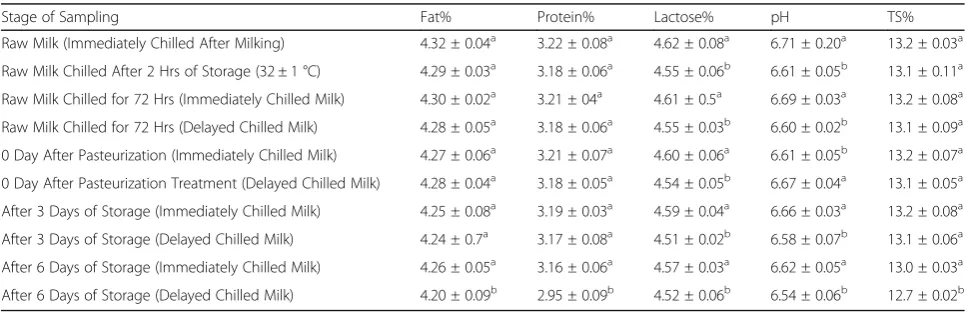
Table1describes the chemical composition of raw, chilled,
pasteurized, 3 and 6 days old milk. Delayed chilling, 72 h of chilling and pasteurization treatment did not have any impact on fat content of milk, however, storage had a significant effect on fat content. After 6 days of storage, fat and protein content of delayed chilled raw milk were
significantly less than their initial values (p< 0.05). Delayed
chilling of raw milk also had a significant impact on lactose
content and pH of milk. Hassan et al. [29] studied the
physical and chemical characteristics of heat treated milk during the storage, fat, protein and SNF content while significant changes were reported in pH of heat treated milk after 12 during storage. Pasteurization did not have a significant impact on lactose and protein content of milk, while, protein content and acidity were significantly
affected by the storage [30]. AlKanhal et al. [31] studied
the effect of storage on compositional attributes of milk, they recorded a decline in protein content with the progression of storage period.
Fatty acid profile
Milk fat is a highly complex fat, more 200 types of fatty acids have been recognized in it, it is the most common and abundant source of short-chain fatty acids. Specific flavour and taste perspectives of dairy products are mainly due to the short-chain fatty acids. In addition to that, milk fat is also a reasonable source of oleic acid, which is regarded beneficial fatty acid in prevention of dyslipidaemia. Milk fat also contains some concentration
of linoleic acid (C18:2). Unsaturated fatty acids are
usu-ally susceptible to auto-oxidation [32]. Auto-oxidation of
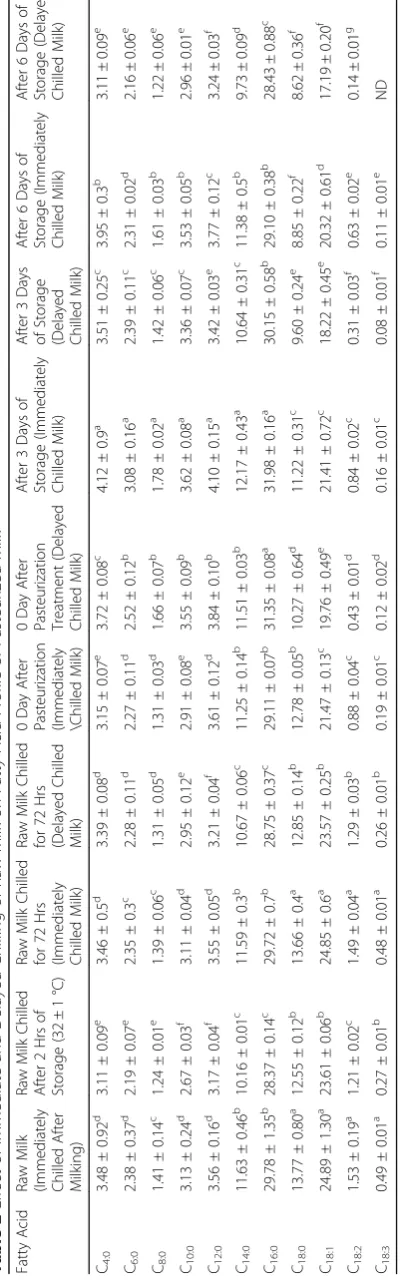
unsaturated fatty acids also depend upon the storage temperature, it is recommended that raw milk should be immediately stored after milking, quality of processed milk and dairy products largely depends upon the quality of raw milk. In current investigation, storage of un-chilled raw milk for 2 h considerably influenced the fatty acid profile, major transition was recorded in short, medium and long-chain fatty acids. Concentrations of short, medium and long-chain unsaturated fatty acids in immediately chilled raw milk were 10.4%, 44.97% and 26.42%. While the concentration of short, medium and long-chain unsaturated fatty acids in delayed chilled (raw milk chilled after 2 h of ambient storage) were 9.21%, 41.7% and 24.82%. The decline in the concentration of short-chain fatty acids in delayed chilled milk was 1.19%, 3.27% and 1.60%, as compared to immediately
chilled raw milk (Table 2). Functional properties of milk
fat are mainly due to the medium-chain fatty acids [33].
Decline in the concentration of medium-chain fatty acids may also lead to the downing of desirable attri-butes in value added milk products prepared from milk with lower magnitude of medium-chain fatty acids.
Vazquez-Landaverde et al. [34] found that C16:0, C18:0
and C18:1 were the major fatty acids in milk. Oleic acid
was the major unsaturated fatty acids in milk [35].
Nadeem et al. [36] prepared ice cream from the milk
which have a lower concentration of medium-chain
Table 1Effect of Immediate and Delayed Chilling of Raw Milk on Chemical Composition of Pasteurized Milk
Stage of Sampling Fat% Protein% Lactose% pH TS%
Raw Milk (Immediately Chilled After Milking) 4.32 ± 0.04a 3.22 ± 0.08a 4.62 ± 0.08a 6.71 ± 0.20a 13.2 ± 0.03a
Raw Milk Chilled After 2 Hrs of Storage (32 ± 1 °C) 4.29 ± 0.03a 3.18 ± 0.06a 4.55 ± 0.06b 6.61 ± 0.05b 13.1 ± 0.11a
Raw Milk Chilled for 72 Hrs (Immediately Chilled Milk) 4.30 ± 0.02a 3.21 ± 04a 4.61 ± 0.5a 6.69 ± 0.03a 13.2 ± 0.08a
Raw Milk Chilled for 72 Hrs (Delayed Chilled Milk) 4.28 ± 0.05a 3.18 ± 0.06a 4.55 ± 0.03b 6.60 ± 0.02b 13.1 ± 0.09a
0 Day After Pasteurization (Immediately Chilled Milk) 4.27 ± 0.06a 3.21 ± 0.07a 4.60 ± 0.06a 6.61 ± 0.05b 13.2 ± 0.07a
0 Day After Pasteurization Treatment (Delayed Chilled Milk) 4.28 ± 0.04a 3.18 ± 0.05a 4.54 ± 0.05b 6.67 ± 0.04a 13.1 ± 0.05a
After 3 Days of Storage (Immediately Chilled Milk) 4.25 ± 0.08a 3.19 ± 0.03a 4.59 ± 0.04a 6.66 ± 0.03a 13.2 ± 0.08a
After 3 Days of Storage (Delayed Chilled Milk) 4.24 ± 0.7a 3.17 ± 0.08a 4.51 ± 0.02b 6.58 ± 0.07b 13.1 ± 0.06a
After 6 Days of Storage (Immediately Chilled Milk) 4.26 ± 0.05a 3.16 ± 0.06a 4.57 ± 0.03a 6.62 ± 0.05a 13.0 ± 0.03a
After 6 Days of Storage (Delayed Chilled Milk) 4.20 ± 0.09b 2.95 ± 0.09b 4.52 ± 0.06b 6.54 ± 0.06b 12.7 ± 0.02b
fatty acids, ice cream had a week texture as compared to the ice cream prepared from milk fat with normal fatty acid composition. Chilling and pasteurization of milk did not have any significant impact on fatty acid profile of immediately and delayed chilled milk. In both types of pasteurized milks, concentration of short-chain and medium chain fatty acid increased while concentration of unsaturated fatty acids decreased. Effect of heat treat-ment on fatty acid profile of milk is reported in literature
Khan et al. [37] studied the impact of pasteurization and
boiling on fatty acid profile of cow and buffalo milk, they reported that heat treated cow and buffalo milk had higher concentration of short and medium-chain fatty acids with lower amount of long-chain unsaturated fatty acids. Concentration of short and medium chain fatty acids in
heat treated milk is lower than raw milk [38]. Storage
period significantly affected the fatty acid profile of delayed chilled milk, while non-significant changes were recorded in the fatty acid profile of immediately chilled
milk. In delayed chilled milk, loss of C18:1and C18:2after
3 days of storage period was 6.67% and 01.22. In delayed
chilled milk after 6 days of storage, loss of C18:1and C18:2
was 7.7% and 1.39%, respectively. In immediately chilled
milk loss of C18:1 and C18:2 after 3 days of storage was
3.48% and 0.64%. In immediately chilled milk loss of C18:1
and C18:2 after 6 days of storage was 4.57% and 0.9%.
Amount of unsaturated fatty acids decreased during the
storage period [39]. Ullah et al. [40] found that
concentra-tion of unsaturated fatty acids in milk fat decreased during
the long-term storage. Nadeem et al. [32] also observed
the same trend in fatty acid profile, when milk fat was stored for 6 months. It was noted that storing of raw milk at ambient temperature for 2 h altered the fatty acid profile. Fatty acids were broken down to oxidation products therefore, peroxide value and anisidine value of delayed chilled at all the subsequent stages were higher than immediately chilled milk. From the fatty acid profile of milk at different stages of storage and processing, it is evident that delayed chilling of raw milk is the major reason for undesirable changes in lipid fraction of pasteurized milk.
Transition in vitamins
Milk has two different types of antioxidant systems, these are categorized as fat soluble and water-soluble antioxidant system. Vitamin A, E and carotenoids constitute the fat-soluble antioxidant system of milk while, vitamin C, tyrosine, casein, whey proteins, zinc and selenium etc. constitute the water-soluble antioxidant system. These antioxidant defense system can prevent oxidative stresses in the body, they can also help to inhibit the lipid oxidation in
milk [33]. Estimation of variation in vitamin content of the
immediately chilled raw milk, delayed chilled milk, raw milk chilled for 72 h, freshly pasteurized milk, 3 and 6 days old
pasteurized milk may provide a useful evidence about the antioxidant behaviour of milk at these stages, therefore, these parameters were studied in this study using HPLC. Vitamin A content of immediately chilled raw milk was
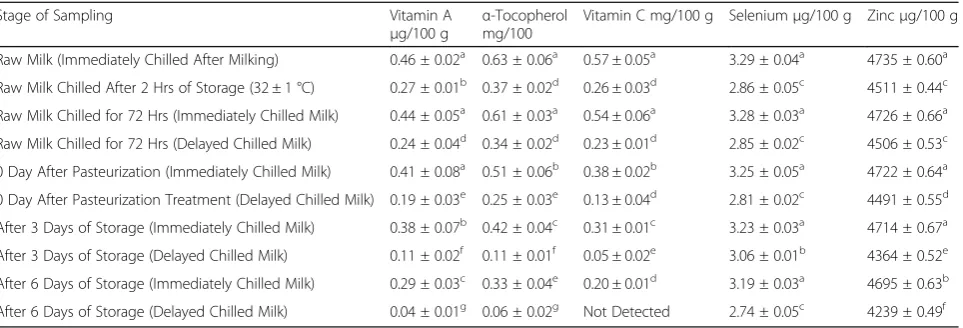
0.46μg/100 g, about 41% vitamin E was lost when raw milk
was stored at ambient temperature for 2 hrs. Vitamin A content of immediately and delayed chilled milk were not affected by the chilling of raw milk for 72 h. About 21% and 7% vitamin E was lost in delayed and immediately chilled milk, when samples were analyzed immediately after pasteurization. After 3 days of storage of pasteurized milk, loss of vitamin E in immediately and delayed chilled milk was 17.39%, after 3 days of storage of pasteurized milk, loss of vitamin E in delayed and immediately chilled raw milk was 76.1% as compared to the vitamin A content of raw milk (immediately chilled after milking). After 6 days of storage of pasteurized milk, loss of vitamin E in delayed and
immediately chilled raw milk was 91.3% and 36.9% (Table3).
Ohlsson and Bengtsson [41] monitored the changes in
vitamin A content, when milk was subjected to heat treatment, it was found that heat treatment had a little effect on vitamin A content of the milk. Saffert et al.
[42] recorded a slight decrease in the amount of vitamin
A of heat treated milk. Vitamin A content of the raw milk subjected to immediate chilling were 0.63 mg/100 g, while storing of milk at ambient temperature for 2 hrs resulted in decline of 41.2% vitamin E. Losses of folic acid may be
50% in sterilized milk [43]. Chilling of both types of raw
detected in 6 days old pasteurized milk samples (delayed chilled raw milk).
Selenium and zinc
Selenium and zinc are micro mineral which are naturally present in milk, these have antioxidant activity in milk. Research work has shown that pasteurization usually have no effect on total mineral content of milk, however, information regarding the changes in content of selenium and zinc is scarce. This is the first investigation in which effect processing and storage is determined on selenium
and zinc content of milk. Siddique et al. [44] found
non-significant effect of heat treatment and storage on total mineral content of milk. Selenium and zinc contents of immediately raw chilled raw milk were 3.29 and
4735 μg/100 g. Loss of selenium and zinc after 2 h of
ambient storage of raw milk were 0.43 and 224 μg/
100 g (Table 3). Chilling and pasteurization have
non-significant effect on selenium and zinc content of immediately and delayed chilled milk. Effect of storage on selenium and zinc on both immediately and delayed chilled milk up to 3 days was non-significant. After 6 days of storage, loss of selenium and zinc in immediately
and delayed chilled milk were 0.55 and 496 μg/100 g.
Selenium is an essential mineral, as per dietary guidelines,
50μg/day selenium should be consumed on daily basis to
prevent cardiovascular diseases and cancer etc. [45]. Zinc
is a major antioxidant mineral of milk, it is an essential mineral, it should be consumed at the rate of 15 mg/day. Literature reported the use of selenium for the
supple-mentation of dairy products [46].
Lipid oxidation
For the estimation of lipid oxidation in raw and pasteur-ized milk, free fatty acids, peroxide value and anisidine value were analyzed. Free fatty acids are the indicators of hydrolytic rancidity, higher concentration of free fatty
acids in milk shows the excessive lipase activity in milk. While, peroxide value and anisidine value quantifies the
peroxides and aldehydes especially 2-alkenals [47]. As
per standards of European Union, maximum allowable limit of free fatty acids, peroxide value and anisidine
value is 0.2%, 10MeqO2/kg and 10, respectively. It is
practically observed that foods having free fatty acids more than 0.16% usually have lower shelf stability and
peroxide value of more than 1MeqO2/kg usually reveals
give a slight rancid flavour in foods [33]. Free fatty
affects the fats and oils in two ways, firstly, they lead to the generation of odoriferous compounds. Secondly, they lead to the acceleration of auto-oxidation, resulting
in shorter shelf of fats and oils [48]. After 2 h of storage of
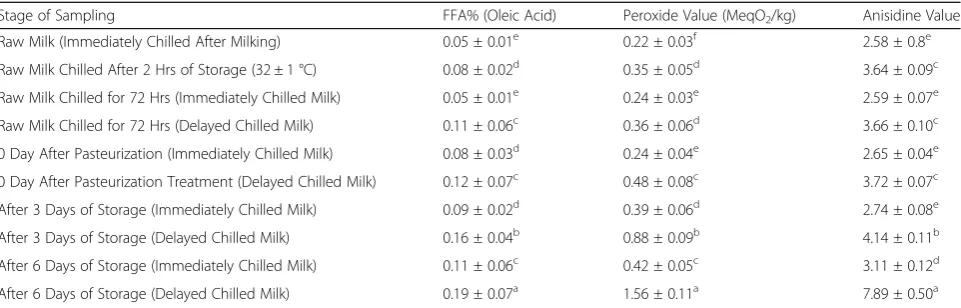
milk at ambient temperature, free fatty acids increased
by 0.03% (p< 0.05). Free fatty acids of 72 h chilled milk
(immediately chilled raw milk) were not different from the free fatty acids of milk immediately chilled milk
(Table 4). Pasteurization did not have any pronounced
effect on free fatty acids content of both delayed and immediately chilled milk. After 3 days of storage, rise of free fatty acids in immediately chilled and delayed chilled milk was 0.01% and 0.04%. After 6 days of storage, rise of free fatty acids in immediately and delayed chilled milk was 0.06% and 0.14%. Keeping in view the influence of free fatty acids on sensory and storage perspectives, edible oil manufacturer strives to a free fatty acid in the range of 0.08% to 0.11%. Free fatty acids of immediately chilled raw milk after 6 days of pasteurization were 0.11%. Role of free fatty acids in the acceleration of auto-oxidation, induction of bad flavours etc. is well established, however, the effect of delayed chilling of raw milk on free fatty acids was determined in this investigation. The rise of 0.14% free fatty acids during 6 days of storage of delayed chilled raw milk was due to the production of more lipases during the 2 hrs of ambient storage, lipase activity in milk stored at ambient temperature without chilling was Table 3Effect of Immediate and Delayed Chilling of Raw Milk on Vitamins and Mineral Content of Pasteurized Milk
Stage of Sampling Vitamin A
μg/100 g α
-Tocopherol mg/100
Vitamin C mg/100 g Seleniumμg/100 g Zincμg/100 g
Raw Milk (Immediately Chilled After Milking) 0.46 ± 0.02a 0.63 ± 0.06a 0.57 ± 0.05a 3.29 ± 0.04a 4735 ± 0.60a
Raw Milk Chilled After 2 Hrs of Storage (32 ± 1 °C) 0.27 ± 0.01b 0.37 ± 0.02d 0.26 ± 0.03d 2.86 ± 0.05c 4511 ± 0.44c
Raw Milk Chilled for 72 Hrs (Immediately Chilled Milk) 0.44 ± 0.05a 0.61 ± 0.03a 0.54 ± 0.06a 3.28 ± 0.03a 4726 ± 0.66a
Raw Milk Chilled for 72 Hrs (Delayed Chilled Milk) 0.24 ± 0.04d 0.34 ± 0.02d 0.23 ± 0.01d 2.85 ± 0.02c 4506 ± 0.53c
0 Day After Pasteurization (Immediately Chilled Milk) 0.41 ± 0.08a 0.51 ± 0.06b 0.38 ± 0.02b 3.25 ± 0.05a 4722 ± 0.64a
0 Day After Pasteurization Treatment (Delayed Chilled Milk) 0.19 ± 0.03e 0.25 ± 0.03e 0.13 ± 0.04d 2.81 ± 0.02c 4491 ± 0.55d
After 3 Days of Storage (Immediately Chilled Milk) 0.38 ± 0.07b 0.42 ± 0.04c 0.31 ± 0.01c 3.23 ± 0.03a 4714 ± 0.67a
After 3 Days of Storage (Delayed Chilled Milk) 0.11 ± 0.02f 0.11 ± 0.01f 0.05 ± 0.02e 3.06 ± 0.01b 4364 ± 0.52e
After 6 Days of Storage (Immediately Chilled Milk) 0.29 ± 0.03c 0.33 ± 0.04e 0.20 ± 0.01d 3.19 ± 0.03a 4695 ± 0.63b
After 6 Days of Storage (Delayed Chilled Milk) 0.04 ± 0.01g 0.06 ± 0.02g Not Detected 2.74 ± 0.05c 4239 ± 0.49f
also significantly higher than the immediately chilled raw milk. In milk lipases may be originated from milk and bac-teria, in 2 hrs time, total plate count significantly increased that leads to excessive lipase activity. Lipases of bacterial origin are more resistant to heat treatment, they survive the pasteurization treatment and may cause / speed up the
spoilage of pasteurized milk [4]. Peroxide value is regarded
is one the most reliable and simple method for the assess-ment of oxidation status of fats and oils, however, this method is not frequently to know the oxidation status of
raw and pasteurized milk. Rise of 0.13(MeqO2/kg) was
recorded, when un-chilled raw milk was stored at ambient temperature for 2 h. Chilling (72 h) and pasteurization did not impart any noticeable impact on peroxide value. However, storage period had a major effect on peroxide value of delayed chilled at both testing intervals. After 3 and 6 days of storage, peroxide value of pasteurized
milk (delayed chilled) was 0.88 and 1.56 (MeqO2/kg).
After 3 and 6 days of storage, peroxide value of pasteurized
(immediately chilled) was 0.39 and 0.42(MeqO2/kg).
Peroxide value also predict the shelf life of foods and
fat rich dairy products [32]. Milk sample having peroxide
value of 0.35 at the time of chilling and immediately after
pasteurization 0.48(MeqO2/kg) revealed poor storage
stability as compared to the milk sample having 0.22
per-oxide value at the time of chilling and 0.24 (MeqO2/kg)
immediately after pasteurization. In developing countries, raw milk takes few to many hrs to reach the chilling facility, therefore, the shelf life of pasteurized milk is low as compared to the developed countries, where milk is immediately cooled after milking. Anisidine value of delayed chilled raw milk was also higher than immediately chilled milk at all stages of processing and
storage (Table4).
Storage effect on antioxidant capacity of pasteurized milk
Effect of pasteurization on various chemical characteris-tics of milk is investigated in detail, however, transition
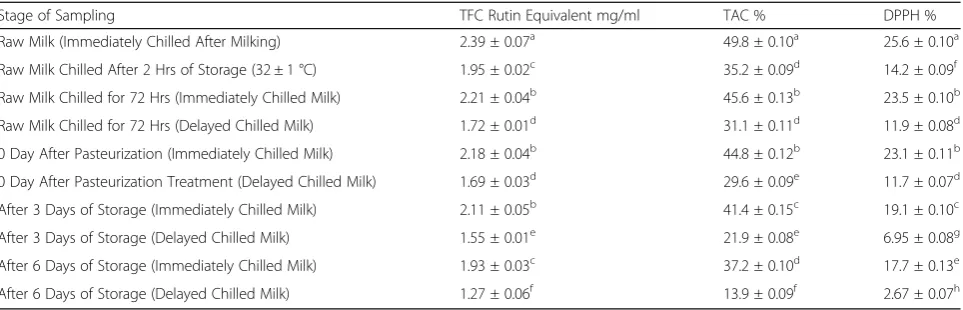
in antioxidant capacity of raw milk, chilled milk, pas-teurized milk and long-term storage is not previously investigated. Some information is available regarding the antioxidant capacity of milk. Feed is the source of flavonoids, if the feed has a higher magnitude of flavo-noids, milk will have higher concentration. In current investigation, flavonoids were estimated in terms of Rutin equivalent/ml. Flavonoids have antioxidant
proper-ties [36]. Total flavonoid content of the raw milk was 2.39
Rutin equivalent/ml. After 2 hrs of ambient storage, 18.41% flavonoids were lost. While the loss of total flavonoids in immediately and delayed chilled raw milk for 72 h was 7.53% and 9.62%, with no effect of pasteurization. After 3 days of storage of pasteurized immediately and delayed chilled raw milk, the loss of
total flavonoids was 11.75% and 35.14% (Table5). After
6 days of storage of pasteurized immediately and delayed chilled raw milk, the loss of total flavonoids was 18.41% and
46.86%. Khan et al. [37] studied the effect of pasteurization,
boiling and storage period on flavonoid content of milk, they reported that heat treatments did not have a significant effect on total flavonoids content of milk, but the storage had a major effect on their concentration. Peroxide values and total flavonoid contents were strongly correlated, determination intervals showed a lower amount of total flavonoid content revealed the higher peroxide value. Total antioxidant capacity denotes the antioxidant status of milk and it is an important indication of the response of the milk to hostage the free radicals, this can be used good indication of antioxidant status of biochemical fluids
[49]. In this investigation, total antioxidant capacity was
determined to observe the antioxidant behaviour of raw, chilled, pasteurized milk at different stages of storage. Total antioxidant capacity and DPPH free radical scaven-ging activity of raw milk were 49.8% and 25.6%. Loss of 29.31% and 44.53 was recorded in total antioxidant capacity and DPPH free radical scavenging activity of milk, after 2 hrs of ambient storage. After 72 h of chilling Table 4Effect of Immediate and Delayed Chilling of Raw Milk on Lipid Oxidation of Pasteurized Milk
Stage of Sampling FFA% (Oleic Acid) Peroxide Value (MeqO2/kg) Anisidine Value
Raw Milk (Immediately Chilled After Milking) 0.05 ± 0.01e 0.22 ± 0.03f 2.58 ± 0.8e
Raw Milk Chilled After 2 Hrs of Storage (32 ± 1 °C) 0.08 ± 0.02d 0.35 ± 0.05d 3.64 ± 0.09c
Raw Milk Chilled for 72 Hrs (Immediately Chilled Milk) 0.05 ± 0.01e 0.24 ± 0.03e 2.59 ± 0.07e
Raw Milk Chilled for 72 Hrs (Delayed Chilled Milk) 0.11 ± 0.06c 0.36 ± 0.06d 3.66 ± 0.10c
0 Day After Pasteurization (Immediately Chilled Milk) 0.08 ± 0.03d 0.24 ± 0.04e 2.65 ± 0.04e
0 Day After Pasteurization Treatment (Delayed Chilled Milk) 0.12 ± 0.07c 0.48 ± 0.08c 3.72 ± 0.07c
After 3 Days of Storage (Immediately Chilled Milk) 0.09 ± 0.02d 0.39 ± 0.06d 2.74 ± 0.08e
After 3 Days of Storage (Delayed Chilled Milk) 0.16 ± 0.04b 0.88 ± 0.09b 4.14 ± 0.11b
After 6 Days of Storage (Immediately Chilled Milk) 0.11 ± 0.06c 0.42 ± 0.05c 3.11 ± 0.12d
After 6 Days of Storage (Delayed Chilled Milk) 0.19 ± 0.07a 1.56 ± 0.11a 7.89 ± 0.50a
of immediately and delayed chilled raw milk, loss of total antioxidant capacity was 8.43% and 37.55%. After 72 h of chilling of immediately and delayed chilled raw milk, loss of DPPH free radical scavenging activity was 8.2% and 53.1%. The effect of pasteurization treatment on total antioxidant capacity and DPPH free radical scavenging
activity of milk was non-significant (p > 0.05). After
3 days of pasteurization, loss of total antioxidant cap-acity and DPPH free radical scavenging activity imme-diately chilled raw milk was 16.86% and 25.39%. After 3 days of pasteurization, loss of total antioxidant capacity and DPPH free radical scavenging activity delayed chilled raw milk was 40.56% and 54.29%. After 6 days of pasteurization, loss of total antioxidant capacity and DPPH free radical scavenging activity immediately chilled raw milk was 25.3% and 30.85%. After 6 days of pasteurization, loss of total antioxidant capacity and DPPH free radical scavenging activity delayed chilled raw milk was 72.1% and 89.57%. These results demonstrated that delayed chilling of raw milk is detrimental for the quality and shelf life of pasteurized milk.
Conclusions
The present study described that the lactose and pH of delayed chilled raw milk was less than immediately chilled milk while major changes were recorded in fatty acid profile of delayed chilled milk during the storage period of 6 days. Delayed chilled raw milk showed higher peroxide value and lower antioxidant capacity. In addition to several other factors, delayed chilling of raw milk may also be one of the most important reason for the shorter shelf life of pasteurized milk in developing countries. From this work, it was concluded that raw milk should be immediately cooled chilled for better shelf life. Therefore, it is recommended that milk collec-tion system in the developing countries should be im-proved to avoid any delay in between milking and chilling of raw milk.
Acknowledgements
The authors are highly obliged to the Library Department, University of Veterinary and Animal Sciences (UVAS), Government College University Faisalabad (GCUF) and IT Department, Higher Education Commission (HEC, Islamabad) for access to journals, books and valuable database.
Funding
Financial assistance for this study was provided by Higher Education Commission of Pakistan.
Availability of data and materials
The dataset supporting the conclusions of this article is included within the article.
Authors’contributions
MA conceptualized and MN provided the technical assistance; MA, MB, ITK, NG and MT performed the study, guided in the data collection and analyze the data; MI helped for drafting the manuscript.“It’s also confirmed that all the authors read and approved the final manuscript”.
Ethics approval and consent to participate
Not Applicable.
Consent for publication
Not Applicable.
Competing interests
The authors declare that they have no competing interests.
Publisher’s Note
Springer Nature remains neutral with regard to jurisdictional claims in published maps and institutional affiliations.
Author details
1Department of Dairy Technology, University of Veterinary and Animal Sciences, Lahore, Pakistan.2Institute of Home and Food Sciences, Faculty of Life Sciences, Government College University, Faisalabad, Pakistan. 3Department of Dairy Technology, PMAS, Arid Agriculture University Sub-Campus, Khushab, Pakistan.4Institute of Biochemistry and
Biotechnology, University of Veterinary and Animal Sciences, Lahore, Pakistan.
Received: 27 January 2018 Accepted: 3 August 2018
References
1. Datta N, Deeth HC. Age gelation of UHT milk- a review. Food Bioprod Process. 2001;79:197–210.
2. Datta N, Deeth HC. Diagnosing the cause of proteolysis in UHT milk. Lebensm Wiss Technol. 2003;36:173–82.
Table 5Effect of Immediate and Delayed Chilling of Raw Milk on Antioxidant Capacity of Pasteurized Milk
Stage of Sampling TFC Rutin Equivalent mg/ml TAC % DPPH %
Raw Milk (Immediately Chilled After Milking) 2.39 ± 0.07a 49.8 ± 0.10a 25.6 ± 0.10a
Raw Milk Chilled After 2 Hrs of Storage (32 ± 1 °C) 1.95 ± 0.02c 35.2 ± 0.09d 14.2 ± 0.09f
Raw Milk Chilled for 72 Hrs (Immediately Chilled Milk) 2.21 ± 0.04b 45.6 ± 0.13b 23.5 ± 0.10b
Raw Milk Chilled for 72 Hrs (Delayed Chilled Milk) 1.72 ± 0.01d 31.1 ± 0.11d 11.9 ± 0.08d
0 Day After Pasteurization (Immediately Chilled Milk) 2.18 ± 0.04b 44.8 ± 0.12b 23.1 ± 0.11b
0 Day After Pasteurization Treatment (Delayed Chilled Milk) 1.69 ± 0.03d 29.6 ± 0.09e 11.7 ± 0.07d
After 3 Days of Storage (Immediately Chilled Milk) 2.11 ± 0.05b 41.4 ± 0.15c 19.1 ± 0.10c
After 3 Days of Storage (Delayed Chilled Milk) 1.55 ± 0.01e 21.9 ± 0.08e 6.95 ± 0.08g
After 6 Days of Storage (Immediately Chilled Milk) 1.93 ± 0.03c 37.2 ± 0.10d 17.7 ± 0.13e
After 6 Days of Storage (Delayed Chilled Milk) 1.27 ± 0.06f 13.9 ± 0.09f 2.67 ± 0.07h
3. Simon M, Hansen AP. Effects of various dairy packaging materials on the shelf life and flavor of pasteurized milk. J Dairy Sci. 2001;84:767–73. 4. Hayes W, White CH, Drake MA. Sensory aroma characteristics of milk
spoilage by Pseudomonas species. J Food Sci. 2002;67:861–7. 5. Gillis E. The effect of heat treatment on the nutritional value of milk. H
Singh NTRS. 2005;519:1–5.
6. Singh H, Creamer LK. Heat stability of milk. In: Fox PF, editor. Advanced dairy chemistry proteins, vol. 1. London, UK: Elsevier Applied Science; 1992. p. 621–56.
7. Sakkas L, Moutafi A, Moschopoulou E, Moatsou G. Assessment of heat treatment of various types of milk. Food Chem. 2014;159:293–301. 8. Scott DL. UHT processing and aseptic filling of dairy foods. MSc Thesis.
Manhattan: Kansas, Kansas State University; 2008.
9. Valero E, Villamiel M, Miralles B, Sanz J, Martínez-Castro I. Changes in flavour and volatile components during storage of whole and skimmed UHT milk. Food Chem. 2001;72(1):51–8.
10. Chen L, Daniel RM, Coolbear T. Detection and impact of protease and lipase activities in milk and milk powders. Int J Dairy. 2003;13:255–75.
11. Richmond HD. Dairy chemistry a practical hand book for dairy chemists and other having control of dairies. Colorado: Cook press; 2007.
12. Nadeem M, Imran M, Taj I, Ajmal M, Junaid M. Omega-3 fatty acids, phenolic compounds and antioxidant characteristics of chia oil supplemented margarine. Lip in Health and Dise. 2017;16:102.https://doi. org/10.1186/s12944-017-0490-x.
13. Al-Rowaily MA. Effect of heating treatments, processing methods and refrigerated storage of milk and some dairy products on lipids oxidation. Pak J Nutr. 2008;7(1):118–25.
14. Anwar F, Qayyum HMA, Hussain AI, Iqbal S. Antioxidant activity 0f 100% and 80% methanol extraction from barlay seed (Hordeum valgave L.) stabilization of sun flower oil. Grasasy Aceites. 2010;6:237–43.
15. Perkins ML, Elliott AJ, D’Arcy BR, Deeth HC. Stale flavour volatiles in Australian commercial UHT milk during storage. Aus J Dairy Technol. 2005;60:230–7. 16. Meshref A. Effect of heating treatments, processing methods and
refrigerated storage of milk and some dairy products on lipids oxidation. Pak J Nutr. 2008;7(1):118–25.
17. Qian SY, Yue GH, Tomer KB, Mason RP. Identification of all classes of spin-trapped carbon centered radicals in soybean lipoxygenase-dependent lipid peroxidations of omega-6 polyunsaturated fatty acids via LC/ESR, LC/MS, and tandem MS. Free Radical Biol Med. 2003;34:1017–28. 18. IUPAC. Standard methods for the analysis of oils, fats and derivatives. 7th
ed. Oxford: IUPAC, Applied Chem Division, Commission on Oils and Fats Derivatives, Blackwell Scientific Publications; 1987.
19. Nile SH, Khobragade CN. Antioxidant activity and flavonoid derivatives of Plumbago Zeylanica. J Nat Products. 2010;3:130–3.
20. Nabasree D, Bratati D. Antioxidant activity of some leafy vegetables of India: a comparative study. Food Chem. 2007;101:471–4.
21. Adesegun SA, Elechi NA, Coker HAB. Antioxidant activities of methanolic extract of Sapium elliticum. Pak J Biol Sci. 2008;11:453–7.
22. AOAC. Official methods of analysis. 16th ed. Gaithersburg: Association of Official Analytical Chemists, AOAC Internat; 1997.
23. Jang S, Xu Z. Lipophilic and hydrophilic antioxidants and their antioxidant activities in purple rice bran. J Agric Food Chem. 2009;57:858–62. 24. Pece A, Pintea A, Bele C, Muresan G, Coroian C. Determination of Vitamin A
from Buffalo Milk Using HPLC Method. Opatija Croatia: 43rd Croatian and 3rd International Symposium on Agriculture; 2014. p. 763–5.
25. Romeu-nadal M, Morera-Pons S, Castellote AI, Lopez-Sabater MC. Rapid high performance liquid c method for vitamin C determination in human milk versus an enzymatic method. J Chromatogr. 2006;830:41–6.
26. AOCS. Official methods and recommended practices of American oil chemist, society 4th AOCS. Champaign, IL, USA: AOCS; 1995. 27. Larmond E. Laboratory Method s f or Sensory Evaluat ion of Foods.
Ottawa Public ations, Canada: Reasearch Branch, Department of Agriculture; 1987. p. 153–6.
28. Steel R, Torrie J, Dickey DA. Principles and procedure of statistics. A biometrical approach. 3rd ed. New York, USA: McGrraw Hill Book. Com; 1997.
29. Hassan A, Amjad I, Mahmood S. Microbiological and physicochemical analysis of different UHT milks available in market. Afri J Food Sci. 2009;3(4):100–6. 30. Do Nascimento IR, de Jesus RM, dos Santos WNL, Souza AS, Fragoso WD,
dos Reis PS. Determination of the minera l composition of fresh bovine milk from the milk-producing areas located in the state of Sergipe in Brazil and evaluation employing exploratory analysis. Microchem J. 2010;96:37–41.
31. AlKanhal HA, Abu-Lehia IH, Al-Saleh AA. Changes in the quality of fresh and recombined ultra-high temperature treated milk during storage. Int Dairy J. 1994;4:221–36.
32. Nadeem M, Situ C, Abdullah M. Effect of olein fractions of milk fat on oxidative stability of ice cream. Int J Food Prop. 2015;18:735–45.https://doi. org/10.1080/10942912.2013.814666.
33. Nadeem M, Ullah R, Ullah A. Improvement of the physical and oxidative stability characteristics of ice cream through intereterifiedMoringa oleifera oil. Pak J Sci Ind Res Ser B Biol Sci. 2016;59:38–43.
34. Vazquez-Landaverde PA, Torres JA, Qian MC. Effect of high-pressure-moderate temperature processing on the volatile profile of milk. J Agri Food Chem. 2006;54:9184–92.
35. Nunes JC, Torres AG. Fatty acid and CLA composition of Brazilian dairy products and contribution to daily intake of CLA. J Food Compos Anal. 2010;23:782–9.
36. Nadeem M, Abdullah M, Khalique A, Hussain I, Mahmud A, Inayat S. The effect of Moringa Oleifera leaf extract as antioxidant on stabilization of butter oil with modified fatty acid profile. J Agric Sci Tech. 2013;15:919–28. 37. Khan IT, Nadeem M, Imran M, Ajmal M, Ayaz M, Khalique A. Antioxidant
capacity and fatty acids characterization of heat treated cow and buffalo milk. Lipids Health Dis. 2017;16:163.
38. McSweeny PLH, Fox PF. Advanced dairy chemistry, proteins. 3rd ed. NY, USA: Kluwer Academic Plenum Pub; 2003.
39. Mahdy G, Yang TA. Changes in fatty acid composition of reconstituted whole milk powder by superheated steam. World J Dairy Food Sci. 2014;9:250–9. 40. Ullah R, Nadeem M, Imran M. Omega-3 fatty acids and oxidative stability of
ice cream supplemented with olein fraction of chia (Salvia hispanical.) oil. Lipids Health Dis. 2017;16:34.
41. Ohlsson T, Bengtsson N. Minimal processing of food with nonthermal methods. In: Ohlsson T, Bengtsson N, editors. Minimal processing technol in the food industry. Cambridge: Woodhead Publishing; 2002. p. 34–60. 42. Saffert A, Pieper G, Jetten J. Effect of package light transmittance on the
vitamin content of milk, part 3: fortified UHT low-fat milk. Packag Technol Sci Int J. 2002;22:31–7.
43. Forssein KM. Folates and dairy products: a critical update. J Am College of Nutr. 2000;19(2):100–10.
44. Siddique F, Anjum FM, Huma N, Jamil A. Effect of different UHT processing temperatures on ash and lactose content of milk during storage at different temperatures. Int J Agric Biol. 2010;12(3):439–42.
45. Tapiero H, Townsend DM, Tew KD. Phytosterols in the prevention of human pathologies. Biomed Pharmacother. 2003;57:321–5.
46. Gulbas SY, Saldamli I. The effect of selenium and zinc fortification on the quality of Turkish white cheese. Interna J Food Sci Nutrin. 2005;56(2):141–6. 47. Nadeem M, Mahmud A, Imran M, Khalique A. Enhancement of the oxidative
stability of whey butter through almond (Prunis dulcis) peel extract. J Food Proc Preserv. 2014;https://doi.org/10.1111/jfpp.12265.
48. Frage N, Mozzon M, Lercker G. Effects of free fatty acids on oxidative stability of vegetable oil. J Am Oil Chem Soc. 1999;76(3):325–9.