COMPARATIVE EFFECTIVENESS AND SAFETY OF ANTICOAGULANTS IN THE PREVENTION OF VENOUS THROMBOEMBOLISM IN ELECTIVE HIP AND KNEE
REPLACEMENT SURGERY PATIENTS
Mrudula Borse Glassberg
A dissertation submitted to the faculty at the University of North Carolina at Chapel Hill in partial fulfillment of the requirements for the degree of Doctor of Philosophy in the Division of
Pharmaceutical Outcomes and Policy in the UNC Eshelman School of Pharmacy.
Chapel Hill 2017
Approved by: Joel Farley Stacie Dusetzina Gang Fang
ii © 2017
iii ABSTRACT
Mrudula Borse Glassberg: Comparative effectiveness and safety of anticoagulants in the prevention of venous thromboembolism in elective hip and knee replacement surgery patients
(Under the direction of Stacie Dusetzina)
One of the serious complications after elective hip or knee replacement surgery
is venous thromboembolism and use of anticoagulants is recommended for prophylaxis.
Rivaroxaban is a newer oral anticoagulant and offers multiple benefits over standard
anticoagulants. However, the safety and effectiveness of rivaroxaban beyond clinical
trials is unknown. This study examined the comparative effectiveness and safety of
rivaroxaban versus warfarin in elective hip and knee replacement patients.
A retrospective cohort of commercial and Medicare patients newly initiating
rivaroxaban or warfarin after hip or knee replacement surgery between January 1, 2011
and December 31, 2015 was identified. Patients who were new users of treatment,
continuously enrolled for 6 months during the baseline period and three months after
the surgery, and older than 18 years were included. Logistic regression with IPTW was
used to examine the association between the choice of anticoagulant and VTE,
bleeding and post-operative joint infection risk.
Of the 117,393 commercially insured patients undergoing elective total hip
replacement, 12,876 and 10,892 were new users of warfarin and rivaroxaban
respectively. Of the 67,207 Medicare patients undergoing total hip replacement, 7,416
and 4,739 were new users of warfarin and rivaroxaban respectively. Of the 212,808
iv
initiated rivaroxaban. Of the 132,073 Medicare knee replacement patients, 15,483 and
8,997 were new users of warfarin and rivaroxaban respectively. Among total hip
replacement patients, warfarin users had significantly higher odds of deep vein
thrombosis (OR 2.63,95%CI 1.97-3.50 in commercial cohort and OR 1.78,95%CI
1.38-2.29 in Medicare cohort) and pulmonary embolism (OR 2.60,95%CI 2.04-3.31 in
commercial cohort and OR 2.09,95%CI 1.66-2.65 in Medicare cohort). The odds of
deep vein thrombosis (OR 2.06,95%CI 1.76-2.42 in commercial cohort and OR
2.21,95%CI 1.84-2.65 in Medicare cohort) and pulmonary embolism (OR 2.03,95%CI
1.78-2.33 in commercial cohort and OR 2.16,95%CI 1.84-2.55 in Medicare cohort) were
also higher among warfarin users in the total knee replacement cohorts. There were no
statistically significant differences in the bleeding risk among rivaroxaban and warfarin
users. The odds of postoperative joint infection (OR 1.57,95%CI 1.16 -2.13 in
commercial cohort and OR 1.79,95%CI 1.14-2.81 in Medicare cohort) were significantly
higher in warfarin users compared to rivaroxaban users.
The results from this dissertation suggest that treatment with rivaroxaban may
help reduce the risk of incident VTE events without any significant increase in the risk of
bleeding or post-operative joint infection compared to warfarin in patients with hip or
v
ACKNOWLEDGEMENTS
Firstly, I would like to express my deepest gratitude to my dissertation committee,
without whom this dissertation would not have been possible. I am especially grateful to
my mentor, Dr. Joel Farley, for his unwavering support and encouragement throughout
my journey as a doctoral student. I would also like to recognize Dr. Stacie Dusetzina for
her advice and support throughout the dissertation process, Dr. Paul Lachiewicz for his
generosity in sharing his clinical expertise in hip and knee replacement surgeries, and
Dr. Gang Fang and Dr. Til Sturmer, whose valuable suggestions helped immensely in
completion of this project.
I would also like to thank the professors in DPOP, my fellow graduate students,
and the administrative assistants who made this graduate program a memorable
experience in my life.
Finally, I would like to thank my family and friends, especially my parents, Jaya
and Ravi, and my sister, Mithila, for always believing in me. I owe everything to the
wisdom and values that they have always provided me. Last but not least, I am
extremely grateful to my husband, Jordan, for motivating and caring for me throughout
vi
TABLE OF CONTENTS
LIST OF TABLES ... viii
LIST OF FIGURES ... ix
LIST OF ABBREVIATIONS ... x
CHAPTER 1: INTRODUCTION 1.1 Overview ... 1
1.2 Significance ... 2
1.3 Specific Aims ... 5
CHAPTER 2: BACKGROUND AND LITERATURE REVIEW 2.1 Elective Total Hip and Knee Replacement Surgery Overview ... 8
2.2 Risk of Venous Thromboembolism in Elective Total Hip and Knee Replacement Surgery ... 9
2.3 Prophylactic Measure for Postoperative Venous Thromboembolism ... 10
2.4 Current Evidence on the Safety and Efficacy of Anticoagulants in the Management of Venous Thromboembolism in Orthopedic Surgery Patienta ... 16
2.5 Research Gap ... 19
2.6 Significance of this Research ... 21
2.7 Conceptual Model ... 22
CHAPTER 3: METHODS 3.1 Data Source ... 27
3.2 Methods by Specific Aims ... 29
3.3 Power Calculations ... 55
vii
4.2 Aim 1B Predictors of Choice of Anticoagulant After Elective Total
Hip and Knee Replacements ... 62
4.3 Aim 2: To Compare the Real World Effectiveness of Novel Oral Anticoagulant Rivaroxaban with Standard Oral Anticoagulant Warfarin in Venous Thromboembolism Prevention Among Patients with Elective Total Hip or Knee Replacement Surgery ... 83
4.4 Aim 3: To Compare the Safety of Novel Oral Anticoagulant Rivaroxaban with Standard Oral Anticoagulant Warfarin in Venous Thromboembolism Prevention Among Patients with Elective Total Hip or Knee Replacement Surgery ... 89
CHAPTER 5: DISCUSSION ... 95
APPENDICES ... 101
viii
LIST OF TABLES
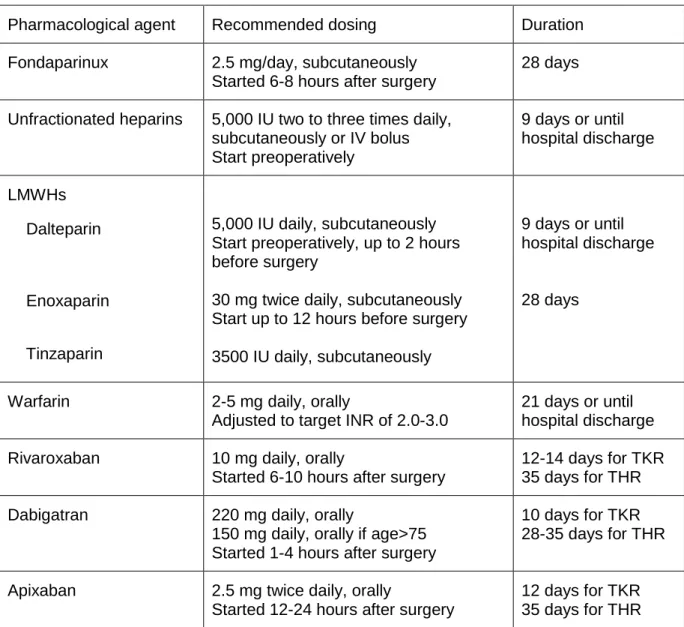
Table 2-1 Pharmacological prophylaxis for VTE after replacement surgery ... 13
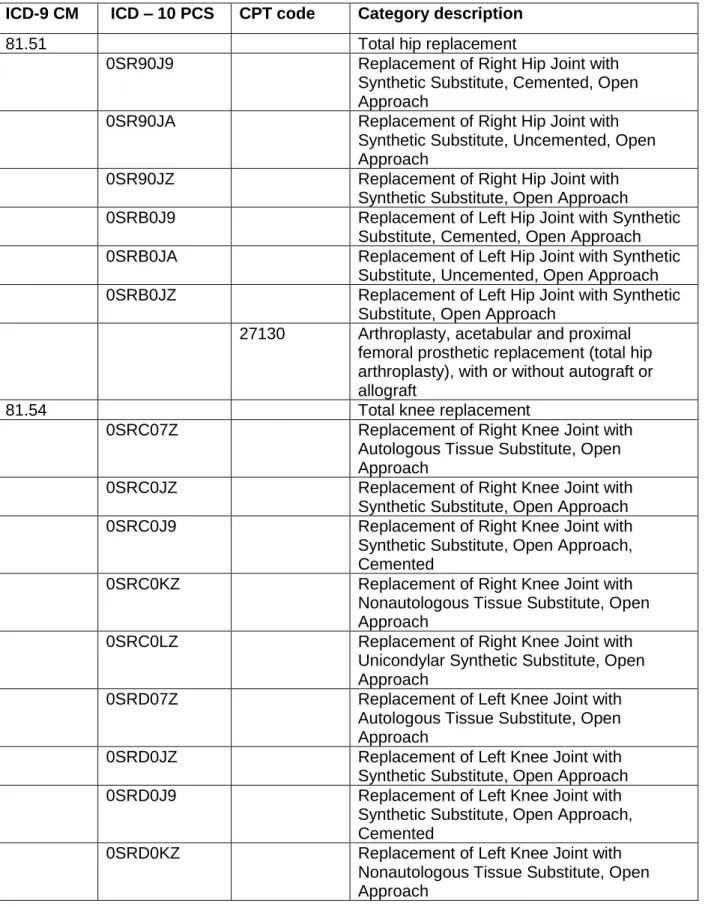
Table 3-1 Procedure codes for elective total hip and knee replacement surgery ... 31
Table 3-2 Covariate descriptions and coding strategies for patient characteristics in baseline period ... 37
Table 3-3 Geographic region definitions ... 40
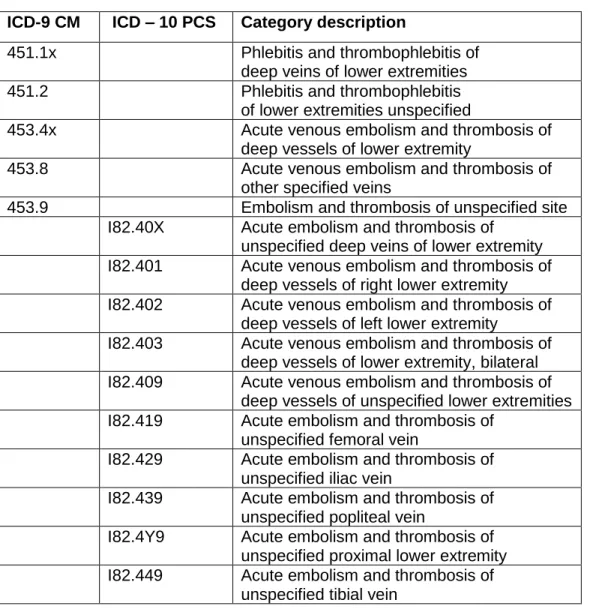
Table 3-4 Medical diagnosis codes for outcomes in aim 2 ... 47
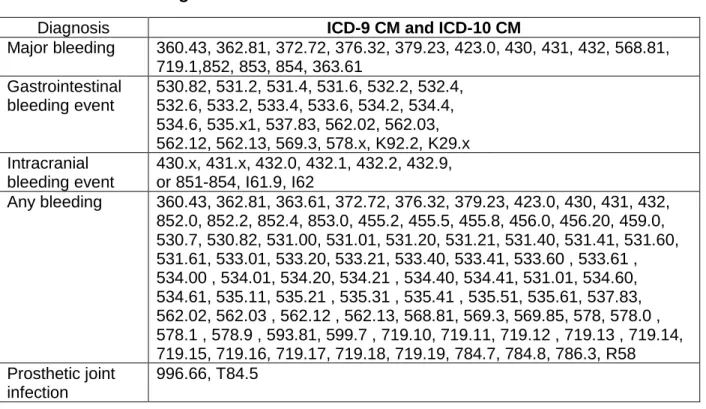
Table 3-5 Medical diagnosis codes for outcomes in aim 3 ... 54
Table 4-1 Baseline characteristics of patients with elective total hip replacement surgery ... 68
Table 4-2 Baseline characteristics of patients with elective total knee replacement surgery ... 72
Table 4-3 Odds of receiving rivaroxaban versus warfarin in total hip replacement patients ... 76
Table 4-4 Odds of receiving rivaroxaban versus warfarin in total knee replacement patients ... 80
Table 4-5 Unadjusted VTE outcomes during 90 days post index period by therapy ... 85
Table 4-6 Association between initiating warfarin versus rivaroxaban and VTE event in propensity score adjusted cohort ... 87
Table 4-7 Sensitivity analysis: Association between warfarin use versus rivaroxaban and VTE events in propensity score adjusted cohort ... 88
Table 4-8 Unadjusted bleeding outcomes during 90 days post index period by therapy ... 91
Table 4-9 Association between initiating warfarin versus rivaroxaban and bleeding event in propensity score adjusted cohort ... 92
ix
LIST OF FIGURES
Figure 2-1 Clotting Cascade and Mechanism of Action of Pharmacological Agents ... 12
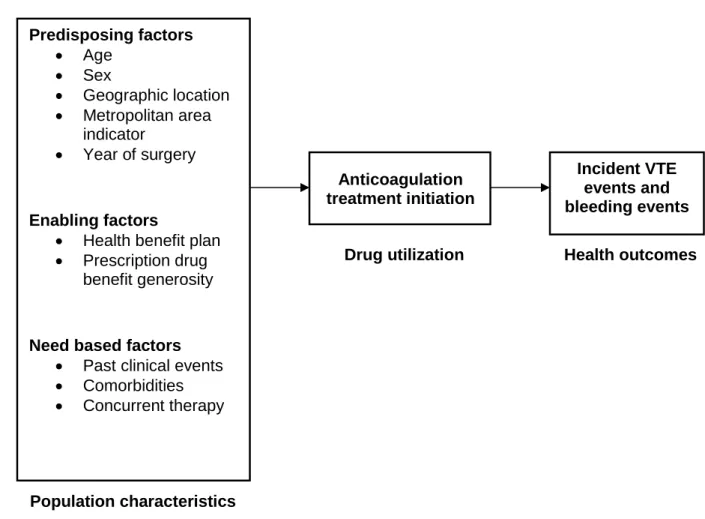
Figure 2-2 Andersen’s Emerging Behavioral Model of Health Services Use (Adapted) ... 23
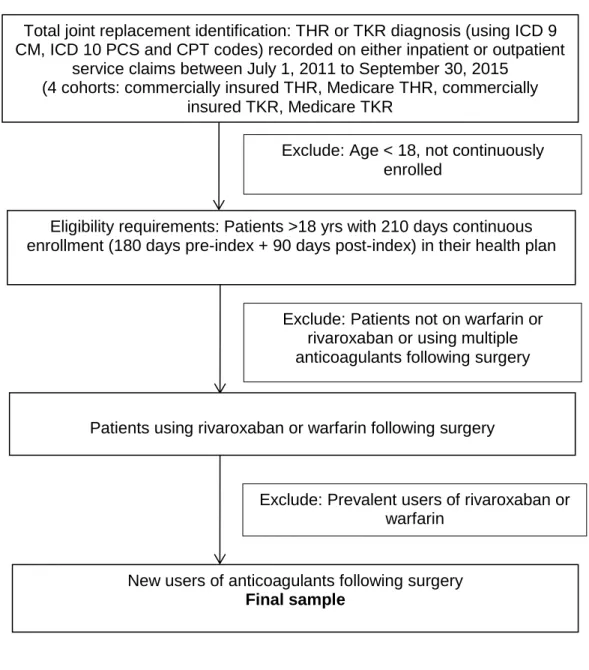
Figure 3-1 Inclusion-Exclusion Criteria for Aim 1b ... 35
Figure 3-2 Study Design for Aim 1 ... 36
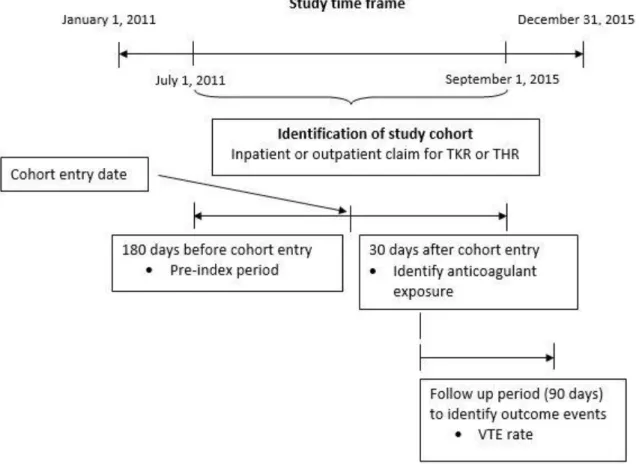
Figure 3-3 Study design for Aim 2 ... 46
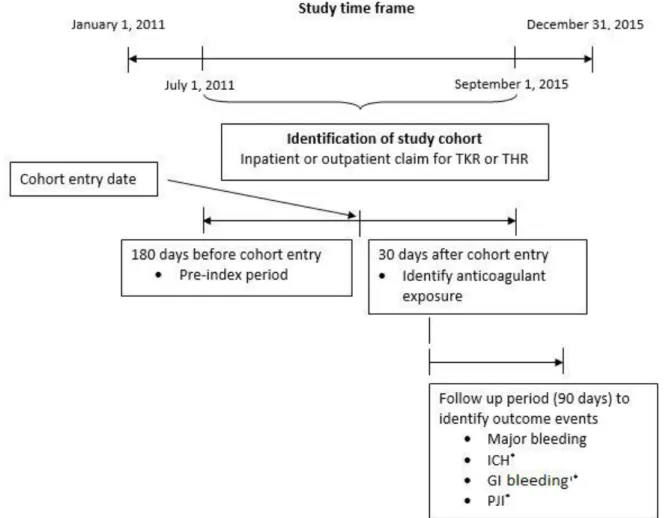
Figure 3-4 Study design for Aim 3 ... 53
Figure 4-1 Market trend for anticoagulant utilization in commercially insured total hip replacement patients ... 57
Figure 4-2 Market trend for anticoagulant utilization in Medicare total hip replacement patients ... 58
Figure 4-3 Market trend for anticoagulant utilization in commercially insured total knee replacement patients ... 59
Figure 4-4 Market trend for anticoagulant utilization in Medicare total knee replacement patients ... 59
Figure 4-5 Market share of anticoagulants in total hip replacement patients ... 60
Figure 4-6 Market share of anticoagulants in total knee replacement patients ... 61
Figure 4-7 Sample derivation flow chart for commercially insured elective total hip replacement surgery patients ... 63
Figure 4-8 Sample derivation flow chart for Medicare elective total hip replacement surgery patients ... 64
Figure 4-9 Sample derivation flow chart for commercially insured elective total knee replacement surgery patients ... 66
x
LIST OF ABBREVIATIONS
AMI Acute myocardial infarction
CCAE Commercial claims and encounters CCI Charlson’s comorbidity index CDHP Consumer driven health plan CHF Congestive heart failure CI Confidence interval COB Coordination of benefits
CPT Current procedural terminology DVT Deep vein thrombosis
EPO Exclusive provider organization FDA Food and Drug Administration FFS Fee for service
GI Gastrointestinal
HDHP High deductible health plan HMO Health maintenance organization
ICD-9-CM International Classification of Diseases, Ninth Revision, Clinical Modification ICD-10-PCS International Classification of Diseases, Tenth Revision, Procedure Coding
System
ICH Intracranial hemorrhage INR International normalized ratio
IPTW Inverse probability treatment weighting LMWH Low molecular weight heparin
xi OR Odds ratio
PE Pulmonary embolism
PJI Post-operative joint infection POS Point of service
PPO Preferred provider organization PS Propensity scores
RCT Randomized clinical trial RR Relative risk
1
Chapter 1 : INTRODUCTION
1.1 Overview
Deep vein thrombosis and pulmonary embolism, collectively known as venous
thromboembolism (VTE), is one of the most serious complications after major
orthopedic surgery, including total knee replacement and total hip replacement
surgery.1-3 It is often associated with significant morbidity and mortality.4 Standard
pharmacological prophylaxis includes use of unfractionated heparin, low molecular
weight heparin (LMWH), fondaparinux, and warfarin.5 Although these standard
therapies are effective in preventing VTE, they have several limitations. LMWHs and
fondaparinux require injection or infusion, which may cause discomfort among patients
and can therefore lead to non-compliance.6,7 Warfarin has a narrow therapeutic window
and requires diet and international normalized ratio (INR) monitoring.7
Due to the limitations of standard anticoagulants, recently approved oral
anticoagulants like dabigatran, apixaban, and rivaroxaban (known as “novel oral
anticoagulants” or “target-specific oral anticoagulants”) are emerging as potential
alternatives in VTE prevention. Randomized clinical trials have demonstrated that novel
oral anticoagulants are superior or non-inferior compared to standard therapy for
prophylaxis of VTE after hip and knee replacement surgeries. 8 Moreover, novel oral
anticoagulants provide the additional benefit of oral administration and do not require
2
compliance and VTE prevention than the standard anticoagulation regimen in a routine
practice setting. However, uncertainty remains about their relative safety, because,
unlike warfarin, most of these newer anticoagulants lack a direct reversal agent in the
event of bleeding complications. 6 Regardless, the utilization and clinical effectiveness
of novel oral anticoagulants in the prevention of VTE compared with standard therapy
such as warfarin remains unclear in real-world clinical practice.
Examining the comparative effectiveness of anticoagulants also necessitates
understanding the factors associated with the choice of a particular treatment,
especially new pharmaceuticals. If certain characteristics are significantly associated
with the use of one therapy versus another, the apparent comparative effectiveness
could be affected, particularly if those characteristics also affect outcomes. Optimal
treatment selection may also differ in specific patient populations and understanding the
risk of clinical outcomes among subgroups can help patients and providers in deciding
between anticoagulants. Hence, it is also important to understand the factors associated
with the choice of anticoagulant for these patients.
1.2 Significance
Each year, there are more than 719,000 total knee replacements and 332,000
total hip replacements performed in the United States.9 Among these commonly
performed procedures, the incidence rate of VTE is 42-57% in hip arthroplasty and
41-85% in knee arthroplasty. 10 VTE is the third most prevalent cardiovascular condition
and is associated with significant morbidity, mortality, and use of healthcare resources.4
In fact, VTE is the leading cause of all preventable hospital deaths.4,11,12 The cumulative
3
of VTE increases from 11% in one year up to 40% within 10 years.13 The annual direct
medical cost of patients who have VTE is $32,918, while the direct medical cost of
those who have recurrent VTE events is $82,110, costing the U.S. healthcare system
approximately $15.5 billion each year.14,15 Optimizing anticoagulation after a hip or knee
replacement surgery is a critical public health need.4
Although various clinical guidelines recommend prophylactic anticoagulation
therapy after hip or knee replacement surgery, real-world treatment patterns in these
patients have yet to be examined.16,17 Understanding the factors associated with the
use of anticoagulants in these patients may help future patient-centered research by
examining areas where treatment-effect heterogeneity may exist. Comparative
effectiveness research is thought to be affected by changing patterns of use in
newly-launched therapies.18,19 Furthermore, the effectiveness and safety of novel oral
anticoagulants compared with standard prophylaxis after hip and knee replacement
surgeries has not been studied extensively outside of randomized-clinical trials (RCTs)
or meta-analyses of these RCTs. Moreover, the RCTs evaluating efficacy of novel oral
anticoagulants among patients undergoing hip and knee replacement surgery are based
on average 10-14 days and up to 35 days of anticoagulation, respectively.20-31 Literature
suggests that the cumulative risk of venous thromboembolism lasts for up to three
months after hip surgery and for one month after total knee replacement.32 There is no
clear evidence of how newer oral anticoagulants perform compared to standard
anticoagulants for prolonged VTE prophylaxis in actual practice.
Additionally, patients enrolled in RCTs may not be true representatives of the
4
time, or physician practice. Given the variation in administration and burden associated
with treatment regimens, conducting an observational study to compare the
effectiveness of available anticoagulants is a novel element.33 As of now, there are no
observational studies that have used real world data to compare the effectiveness of
novel oral anticoagulants in the prevention of VTE after hip or knee replacement
surgery. Recent use of electronic medical records and large healthcare databases has
gained importance to assessing comparative effectiveness.34 This will be the first study
that will use large insurance claims data to assess the real world effectiveness of these
agents in hip and knee replacement surgery patients.
We will analyze data from Truven's MarketScan Commercial Claims and
Encounters and Medicare Supplemental and Coordination of Benefits for the years
2010-2016 for this study. The MarketScan database contains claims submitted from
health plans which have contracts with large private employers or public organizations
in the United States. This longitudinal database covers all inpatient, outpatient, and
prescription claims for individual patients for as long as they remain enrolled in the
health plan.
The goal of this study is to investigate the factors associated with new use of
anticoagulants after hip and knee replacement surgeries, and to study the comparative
effectiveness and safety of novel oral anticoagulants with standard anticoagulants in
these patients. Because of the increasing use of newer anticoagulants, understanding
their comparative effectiveness and safety is of critical importance. The contribution of
5
third-party payers of the real-world utilization and comparative effectiveness in order to
help improve clinical practice.
1.3 Specific Aims
Aim 1: To examine trends and predictors of anticoagulant use following elective total knee replacement or elective total hip replacement surgery.
Aim 1a: To analyze market trends in the utilization of anticoagulants in patients undergoing an elective total hip or knee replacement surgery.
We will analyze the change in uptake of various anticoagulants for VTE
prophylaxis in elective hip and knee replacement surgery patients after the introduction
of newer oral anticoagulants. This will help us understand the change in treatment
patterns in clinical practice over time.
Aim 1b: To identify factors influencing the choice of anticoagulation therapy in patients undergoing an elective total hip or knee replacement surgery.
We will also design a retrospective cohort study to evaluate the influence of
various population characteristics on the choice of anticoagulation therapy in patients
undergoing an elective total hip or knee replacement surgery. We will use the
Andersen’s Behavioral Model for health service use to guide variable selection for the
analysis.35 Andersen’s Model is a multi-level model that incorporates both individual and
contextual determinants of health care use. In this model, predisposing factors like
patient’s age, sex, timing of surgery and geographic location influence patients’ ability
(measured through enabling factors like health insurance type and prescription drug
benefit generosity) to obtain health care. These factors, when added to the need for
6
therapies and comorbidities), predict the use of health care services. In order to
understand the impact of various predictors on the type of anticoagulation therapy,
logistic regression models will be used.
Aim 2: To compare the real world effectiveness of novel oral anticoagulant rivaroxaban with standard oral anticoagulant warfarin in venous thromboembolism prevention
among patients with elective total hip and knee replacement surgery.
In this specific aim, a cohort study will be designed to compare the effectiveness
of rivaroxaban with standard therapy (warfarin) in the prevention of venous
thromboembolism in elective total hip and knee replacement surgery patients. We
chose to only include rivaroxaban as the novel oral anticoagulant comparator because it
was the first approved novel oral anticoagulant in the United States for prevention and
treatment of VTE after a hip or knee replacement and shares almost forty percent of the
market share of oral anticoagulants. Furthermore, apixaban and dabigatran had too
small sample sizes to sufficiently power their individual comparisons to warfarin.
Multiple logistic regression will be used to estimate the odds ratios controlling for
potential confounders identified in specific aim 1.
Aim 3: To compare the safety of novel oral anticoagulant rivaroxaban with standard oral anticoagulant warfarin among patients with elective total hip or knee replacement
surgery.
In this specific aim, we will examine the association between the use of
7
intracranial hemorrhage, gastrointestinal bleeding and perioperative wound infection in
patients undergoing elective total hip or knee replacement surgery.
Research implications:
The results of our aim 1 can improve our understanding of the utilization patterns
and choice of anticoagulation treatment in patients undergoing elective total hip or knee
replacement surgery. This can help identify factors and target patient subgroups for
anticoagulation treatment initiation to maximize treatment benefit from these agents.
Results from aims 2 and 3 can add unique information to the literature by providing
information on whether the novel oral anticoagulants are more effective in the real world
in improving VTE outcomes and preventing major bleed events among patients
undergoing elective hip and knee replacement surgery. These findings will guide
therapeutic decision-making to improve the quality of care provided to patients having
8
Chapter 2 : BACKGROUND AND LITERATURE REVIEW
In section 2.1, we provide an overview of elective total hip or knee replacement
surgery. Section 2.2 provides a review of the literature on the relationship between hip
and knee replacement surgery and venous thromboembolism (VTE). In section 2.3, we
present a review of the current treatment options for VTE prophylaxis after hip and knee
replacement surgeries. In section 2.4, we provide a review of the current evidence
regarding effectiveness and safety of VTE treatment in arthroplasty patients. Section 2.5
identifies the gaps in current literature and provides a rationale for the proposed study.
In section 2.6, we describe the significance of this study and the potential implications of
our findings. Finally, in section 2.7, we propose a theoretical framework for this study.
2.1 Elective total hip and knee replacement surgery overview
Elective major orthopedic surgeries are now commonly performed in the United
States, with approximately one million elderly operated every year.36 Elective major
orthopedic surgeries mainly encompass hip and knee arthroplasties, more commonly
referred to as hip and knee replacements. Hip and knee replacements are surgical
procedures in which the hip and the knee joints, respectively, are replaced by a
prosthetic implant. They are generally performed to alleviate arthritic pain and
inflammation. Depending on the prognosis, they can be performed as a total
replacement or a partial replacement. These procedures are among the most
9
improving quality of life post-surgery in these patients.37-43 With the aging of the baby
boomer population, and higher numbers of younger patients opting for joint
replacements, the number of hip and knee replacements are predicted to increase, and
by 2030, there are expected to be more than 4 million replacement surgeries performed
annually in the United States.44 As the number of total joint arthroplasties performed
continues to grow, a commensurate increase in the number of complications associated
with these surgeries, including venous thromboembolism (VTE) events, can be
anticipated. As such, it important to further our understanding of the effectiveness of
prevention strategies, especially in populations excluded from the clinical trials.
2.2 Risk of venous thromboembolism in elective hip and knee replacement surgery
Venous thromboembolism is one of the serious complications after hip and knee
arthroplasties, and is associated with significant morbidity and mortality.45 Without any
prophylactic measures, the overall risk of VTE after joint replacement surgery ranges
from 33% to 46%.45-47 Venous thromboembolism is a combination of deep vein
thrombosis and pulmonary embolism. Deep vein thrombosis is the formation of a blood
clot (thrombus) within a deep vein, predominantly in the legs or pelvis, causing total or
partial blockage of blood flow. Pulmonary embolism is caused by the detachment
(embolization) of the blood clot which then travels through the bloodstream to the lungs,
resulting in blockage of the pulmonary arteries. Based on the level of blockage,
pulmonary embolism is a potentially life-threatening complication.48
The pathophysiology of VTE and the associated risk factors were first explained
10
commonly referred to as the Virchow’s triad, are thought to contribute to thrombosis.
These factors are: 1) venous stasis, 2) endothelial injury and 3) hypercoagulability.50 All
of these factors are closely linked to orthopedic surgeries, particularly major ones, like
hip and knee arthroplasties, thereby increasing the risk for occurrence of venous
thromboembolism post-surgery.51,52 The positioning of the limb during surgery, localized
post-operative edema, and limited ambulation, both during and immediately after
surgery, all play significant roles in venous stasis and the consequent reduction of blood
flow.52,53 Surgical lesions also increase the release of thromboplastins from damaged
endothelial lining and bone, thereby activating the clotting cascade.52 Because of all of
these factors, the risk of VTE after hip or knee replacement surgery is particularly
high.54
2.3 Prophylactic measures for postoperative venous thromboembolism
The risk of VTE after joint replacement can be reduced by early mobilization and
a combination of one or more of the following preventive strategies: 1) mechanical
agents, 2) injectable agents, 3) older oral anticoagulants, and 4) newer or novel oral
anticoagulants.45 Mechanical prevention involves the use of mechanical compression
devices such as graduated compression stockings, intermittent pneumatic compression
devices, and plantar venous pumps.55 They reduce venous congestion and stasis by
squeezing the lower extremities.56,57 Mechanical devices can help prevent VTE in some
patients and are appealing to surgeons as they do not cause hemorrhagic side effects,
like pharmacological agents can. However, they are expensive, have low rates of
11
contraindicated in conditions such as exposed fracture, cardiac insufficiency, infection,
and ulceration of the lower limbs.59
Several pharmacological agents are available to surgeons for VTE prophylaxis
after joint replacement surgeries. While mechanical devices prevent clots from travelling
through the blood stream and reaching the lungs, anticoagulants are used to prevent
clot formation. Pharmacological agents prevent VTE by targeting hypercoagulability,
activating anti-coagulation factors, and preventing platelet aggregation (Figure 2-1).60
These include injectable agents, older oral anticoagulants, and newer oral
anticoagulants. A brief summary of the different pharmacological agents and their
recommended dosage for VTE prophylaxis after replacement surgery is provided in
12
Figure 2-1 Clotting cascade and mechanism of action of pharmacological agents
13
Table 2-1 Pharmacological prophylaxis for VTE after replacement surgery
Pharmacological agent Recommended dosing Duration Fondaparinux 2.5 mg/day, subcutaneously
Started 6-8 hours after surgery
28 days
Unfractionated heparins 5,000 IU two to three times daily, subcutaneously or IV bolus Start preoperatively
9 days or until hospital discharge
LMWHs Dalteparin
Enoxaparin
Tinzaparin
5,000 IU daily, subcutaneously Start preoperatively, up to 2 hours before surgery
30 mg twice daily, subcutaneously Start up to 12 hours before surgery 3500 IU daily, subcutaneously
9 days or until hospital discharge
28 days
Warfarin 2-5 mg daily, orally
Adjusted to target INR of 2.0-3.0
21 days or until hospital discharge Rivaroxaban 10 mg daily, orally
Started 6-10 hours after surgery
12-14 days for TKR 35 days for THR Dabigatran 220 mg daily, orally
150 mg daily, orally if age>75 Started 1-4 hours after surgery
10 days for TKR 28-35 days for THR
Apixaban 2.5 mg twice daily, orally
Started 12-24 hours after surgery
14
Injectable agents mainly include fondaparinux and heparins – particularly
unfractionated heparin (UFH) and low molecular weight heparins (LMWH).5
Fondaparinux is an indirect inhibitor of the clotting factor Xa.63 It is administered
subcutaneously about 6-8 hours after surgery as a daily dose of 2.5 milligrams. Some
studies suggest that fondaparinux is more effective than LMWHs in preventing VTE
after hip and knee replacements.64,65 However, its use may be associated with an
increased risk of bleeding.64 Moreover, the subcutaneous administration of fondaparinux
on a daily basis can be painful and can lead to non-compliance with the therapy.66UFH
is administered intravenously or subcutaneously a few hours before surgery and every 8-12 hours for VTE prophylaxis after surgery. It is typically only used while the patient is in the hospital because it requires continuous monitoring and dosing adjustments due to inter-patient variability in dose response and changes in patient response over time.67-69
LMWHs are more effective than UFH in VTE prophylaxis and have better
bioavailability, longer half-life, and predictable dose-response relationship.67,70 Because
of these clinical advantages, LMWHs have gradually replaced UFH for most
indications.67 Heparins are inexpensive and effective in preventing VTE after surgery.67
However, patients on heparin may experience some serious side effects, including
heparin-induced thrombocytopenia, bleeding, renal failure, low blood platelets, and pain
at the injection site. Heparin-induced thrombocytopenia is caused by the formation of
abnormal antibodies after heparin administration which activates platelets resulting in
the formation of blood clots. These blood clots can travel through the blood stream and
increase the risk of VTE and stroke. 68 Like all other injectable agents, the main
15
patient compliance. Compliance with therapy is especially challenging after patients are
discharged from the hospital.71 This is particularly concerning because most venous
thrombotic events manifest clinically after discharge from the hospital.72,73
Oral anticoagulants offer the benefit of ease of administration over injectable
agents and are preferable in patients experiencing difficulty in self-administration. Oral
anticoagulants can be broadly classified as older oral anticoagulants (OACs) and newer
or novel oral anticoagulants (NOACs). Warfarin is the most commonly used older oral
anticoagulants. Warfarin indirectly inhibits various blood clotting factors (factors II, VII,
IX, X, and proteins C and S) through vitamin K epoxide reductase complex subunit 1. It
does not act on the circulating clotting factors, but rather on their synthesis in the liver,
explaining its delayed effect. Although effective in preventing VTE, warfarin has several
drawbacks. Warfarin has a narrow therapeutic index, requiring frequent dose
adjustments. Variations in patient genotype have also been shown to affect warfarin
dose requirements.16 In addition, warfarin is highly susceptible to interactions with
prescription and non-prescription drugs, herbal and other natural products, as well as
food and alcohol.74 Therefore, warfarin dose and its therapeutic effect must be
determined by frequent laboratory monitoring of prothrombin time, expressed as
international normalized ratio (INR). This can be expensive and time consuming.
Warfarin therapy is also associated with bleeding complications.16 If started too close to
surgery or at a higher dose, there is an increased risk of bleeding. However, if started
too late and at a lower dose, there is an interval of unprotected time during which the
16
The new oral anticoagulants, which include rivaroxaban, dabigatran, and
apixaban, are poised to simplify the treatment of venous thromboembolism by
eliminating the need for initial parenteral anticoagulant therapy and laboratory
monitoring. In July 2011, rivaroxaban (Xarelto®) was the first novel oral anticoagulant
that was approved by the FDA to reduce the risk of VTE from occurring after knee or hip
replacement surgery. Soon after, in March 2014 and April 2014, respectively, apixaban
(Eliquis®) and dabigatran (Pradaxa®) also received FDA approval for VTE prophylaxis
in patients with arthroplasty. New oral anticoagulants act by inhibiting factor Xa or
thrombin and have a rapid onset of action.75 Peak plasma levels are achieved within 1
to 4 hours after oral administration, thereby eliminating the need for a parenteral
anticoagulant. They also have a wide therapeutic window, little or no interaction with
food and other drugs, minimal inter-patient variability, and display similar
pharmacokinetics in different patient populations. The convenience of the new OACs
has translated into improvements in efficacy and safety as shown in phase III
randomized trials.
2.4 Current evidence on the safety and efficacy of anticoagulants in management of venous thromboembolism in orthopedic surgery patients
Two important factors that are considered when selecting anticoagulant therapy are their effectiveness and safety. Clinicians weigh in the benefits and risks of different anticoagulants and the patient’s medical history when initiating anticoagulants and
selecting the type of anticoagulant.76 Effectiveness is a measure of preventing VTE
17
gastrointestinal bleeding. Some surgeons are also concerned with an increased risk of peri-prosthetic infection with the use of anticoagulants.77
Before the introduction of oral anticoagulants, low molecular weight heparins (LMWHs) have been the standard of care for patients undergoing orthopedic surgery.78 A systematic review of randomized controlled trials demonstrated that LMWHs reduce symptomatic deep vein thrombosis (RR, 0.80; 95% CI, 0.73-0.88) without increasing the risk of major bleeding when compared with unfractionated heparins(RR, 0.91; 95% CI, 0.75-1.09).79 The pooled result of clinical trials comparing LMWHs and fondaparinux failed to demonstrate or exclude a beneficial or detrimental effect of fondaparinux on the
event rate of pulmonary embolism (RR, 1.32; 95%, 0.37-4.74) or deep vein thrombosis
(RR, 1.31; 95% CI, 0.47-3.7). However, there was a statistically significant increase in
the rate of hemorrhagic events (RR, 1.85; 95 % CI, 1.1-3.11) with use of fondaparinux
compared to LMWHs.79 When LMWHs were compared to warfarin, the pooled result of
clinical trials demonstrated that LMWHs significantly reduced the risk of symptomatic
deep vein thrombosis (RR, 0.68; 95 % CI, 0.6-0.78), but also increased the risk of major
bleeding (RR, 1.56; 95% CI, 1.23-2.0). However, while none of the hemorrhagic events
in the LMWH group were fatal, there were two fatal bleeding events in the warfarin
group which raises the safety concerns with warfarin therapy.79
Various phase III trials have compared the effectiveness and safety of new oral
anticoagulants. Four large phase III trials were conducted to compare rivaroxaban and
enoxaparin in patients who had total hip replacement and total knee replacement
surgery. Rivaroxaban (10 mg once daily) demonstrated superiority in reducing VTE after
bleeding-18
event profile to that of enoxaparin in both, RECORD 1 and 2 studies.23,80 RECORD 2
and 3 trials compared the efficacy of rivaroxaban after knee replacement surgery and
also demonstrated superiority compared to enoxaparin (40 mg once daily-RECORD 3)
and enoxaparin (30 mg twice daily-RECORD 4).81,82 Rates of bleeding events were the
same in both groups in RECORD 3 and higher with rivaroxaban, but not statistically
significant in RECORD 4 study.81,82
The utility of dabigatran for VTE prophylaxis after hip or knee replacement has
been investigated in four phase III studies. Dabigatran (150 mg or 220 mg once daily)
demonstrated non-inferior efficacy and a similar safety profile to enoxaparin (40 mg
once daily) for 28 to 35 days after THR (total hip replacement) surgery in RE-NOVATE
and RE-NOVATE II and for 6 to 10 days after TKR (total knee replacement) surgery in
RE-MODEL.25,27,83 There was no significant difference in the rates of major bleeding
between the treatment groups in either study for dabigatran 150 mg once daily,
dabigatran 220 mg once daily, and enoxaparin 40 mg once daily, respectively:25,27
Three phase III trials investigated apixaban in patients who had total hip
replacement or total knee replacement surgery. In the ADVANCE-2 and ADVANCE-3
trials, apixaban (2.5 mg twice daily) demonstrated superiority in reducing the number of
VTE events compared with enoxaparin (40 mg once daily) in patients who had
undergone total knee replacement and total hip replacement surgery, respectively.28,29
As with dabigatran in RE-MOBILIZE, however, apixaban (2.5 mg twice daily) failed to
demonstrate non-inferiority to enoxaparin (30 mg twice daily) in ADVANCE-1.30
Apixaban was not associated with increased rates of major bleeding events, compared
19 2.5 Research Gap
Although randomized controlled trials are considered the “gold standard” in
establishing efficacy of pharmacological agents, practitioners often require evidence of
comparative effectiveness using observational data for understanding and establishing
treatment recommendations in populations beyond the clinical trials.34,84 Randomized
controlled trials are conducted in a very controlled and monitored setting, meaning their
findings may not always reflect the same effect in real life.84 Patients enrolled in the
RCTs may not be a true representative of the actual population and may not represent
variation in the length of therapy, follow up time, or physician practice. For example,
older patients were often excluded from RCTs of novel oral anticoagulants. Given the
variation in patient population, route of administration and burden associated with
treatment regimens, conducting an observational study to compare the effectiveness of
available anticoagulants is itself a novel element. This is especially important in VTE
prophylactic agents like warfarin, in which the safety and effectiveness of the therapy is
dependent on adherence to therapy, diet, and INR monitoring.85 In warfarin patients, the
percentage of time within therapeutic range (TTR) has been shown to strongly correlate
with clinical outcomes.86 And although there is lack of real world data on time spent in
therapeutic range for warfarin patients after major orthopedic surgery, estimates of TTR
in atrial fibrillation patients show that the mean time in TTR is only 48% in the first six
months of starting therapy.87 This is significantly lower than that observed for warfarin
patients in the clinical trials for newer oral anticoagulants and can affect the real world
effectiveness of warfarin therapy.88,89 Similarly, with injectable agents like heparins, the
20
compared to randomized controlled trials which require complete compliance with
therapy.33 No published literature has reported the real world effectiveness and safety
of newer oral anticoagulants with standard anticoagulation therapies in patients with hip
and knee replacement surgery.
Furthermore, the phase III trials assessing efficacy and safety of newer oral
anticoagulants among total knee and hip arthroplasty patients were mostly based on
10-14 days, and in one study, up to 35 days of anticoagulation.21,23-25,27,80,90 However,
research suggests that the risk of VTE persists for up to 3 months after surgery.91 There
is no clear evidence on how long a patient undergoing hip and knee replacement
surgery is anticoagulated with newer OACs in actual practice and what are the risks and
benefits with varying the length of therapy. Understanding the real-world safety and
effectiveness could help establish guideline recommendations through the use of
targeted interventions to increase the effectiveness of pharmacological agents.
There are also considerable gaps in literature related to safety of anticoagulants. Although the clinical trials for newer oral anticoagulants reported the risk of bleeding, it is not possible to compare safety data from trial to trial because there is no standardized
definition of bleeding that has been used uniformly in all randomized controlled trials.
Differences in reported major bleeding rates among pivotal trials for various
anticoagulant agents are driven to a large extent by the actual definitions of bleeding,
which were much stricter and limited in scope in the RECORD trials, driven partially by
the regimens utilized and partially by the properties of the agents themselves.
21
Our study hopes to fill some of these gaps in literature by using real-world healthcare
data.
2.6 Significance of this research
Randomized controlled trials often do not adequately reflect patient heterogeneity
due to selective inclusion criteria, and therefore fall short of informing “real-world”
clinical practice. Randomized controlled trials also may not represent variation in the
length of therapy, follow up time, or physician practice. Given the variation in route of
administration and burden associated with treatment regimens, conducting an
observational study to compare the real-world effectiveness and safety of available
anticoagulants is important. There are currently no observational studies that have used
real world data to compare the effectiveness and safety of new OACs in the prevention
of VTE in patients with orthopedic surgery. Recently, use of electronic medical records
and large healthcare databases has gained importance to assess real-world
comparative effectiveness. In this study, we will explore the real world effectiveness and
safety of anticoagulants using a claims database. We will use a retrospective cohort
study design, which is the strongest study design, to establish casual inference when
observational data is used.92 This dissertation will use the data from administrative
claims submitted from health plans which have contracts with large private employers or
with public organizations in the United States for the years between 2010 and 2016.
The use of this recent data from the “real-world” will strengthen the external validity of
the study by inclusion of patients with multiple comorbid conditions in the study cohort,
22
Results from our specific aim 1 may be useful in accessing and targeting the
most important factors that facilitate anticoagulant treatment initiation. Results from
Specific Aims 2 and 3 may help in guiding therapeutic decision-making to improve the
quality of care provided to patients with orthopedic surgery.
2.7 Conceptual Model
The following section describes the theoretical framework used to guide this
dissertation by identifying factors that contribute to utilization of anticoagulants. A
conceptual model forms the basis for consideration of appropriate variables in any
research study. The proposed conceptual framework for this dissertation was adapted
from Andersen’s Emerging Behavioral Model of Health Services Use.93 According to
the model, the use of healthcare services and subsequent health outcomes are
influenced by a set of population characteristics. More specifically, these characteristics
are divided into three groups: 1) predisposing factors, 2) need factors, and 3) enabling
factors. Predisposing factors include patient characteristics that predispose them to the
utilization of health services (e.g. race, age, gender, geographical factors). Need factors
represent both the perceived and the actual health state of patients that necessitate the
utilization of health services (e.g. comorbid conditions, severity of illness, use of other
medications). Enabling factors include variables representing patients’ ability to secure
the healthcare services (e.g. health insurance type, prescription drug coverage
generosity).
Based on these principles, this model was adapted to fit our research needs.
23
Figure 2-2 Andersen’s Emerging Behavioral Model of Health Services Use (Adapted)
Drug utilization Health outcomes
Population characteristics
We included age, gender, year of surgery and geographical location as the
predisposing factors in our model. Some studies suggest that the risk of intracranial
hemorrhage increases with age in warfarin patients.94,95 This could affect the
prescription of warfarin in older patients. Clinicians might be more likely to prescribe
relatively safer-perceived anticoagulants such as LMWHs for older patients. The
incidence of VTE is higher in elderly men compared to women which could result in
different gender-based anticoagulant prescribing patterns.96,97 Similarly, geographic
variation has been reported in the risk of VTE. 98 Patients residing at higher altitudes
have a reported predisposition for hypercoagulable state and are at an increased risk Predisposing factors
• Age
• Sex
• Geographic location
• Metropolitan area indicator
• Year of surgery
Enabling factors
• Health benefit plan
• Prescription drug benefit generosity
Need based factors • Past clinical events
• Comorbidities
• Concurrent therapy
Anticoagulation treatment initiation
24
for VTE. Based on regional differences, prescribing patterns may vary which will be
explored in our model. We also included the year of surgery as a variable in our model
because prescription patterns change over time, especially with the introduction of new
therapies, availability of new clinical information, and change in therapeutic
guidelines.99-101
Enabling factors are factors that facilitate obtaining health care. In our model, we
translated this into an individual’s ability to obtain the more expensive, newer oral
anticoagulants. A study reported that privately insured patients or patients with a higher
insurance index are more likely to receive new drugs than others.102 We examined this
association in our model and its effect on the type of anticoagulant received by including
the type of health benefit plan and prescription drug benefit generosity index in the
model. We hypothesized that patients with more generous prescription drug benefit will
be more likely prescribed one of the newer oral anticoagulants over warfarin.
Need based factors are clinical factors that necessitate the utilization of health
care services. Bleeding risk is often weighed along with a concurrent VTE risk
assessment in deciding the choice of anticoagulant. We included known risk factors for
bleeding and VTE as the clinical need factors in the model such as past clinical events,
comorbidities and concurrent therapy. Comorbidities and past clinical events such as
previous venous thromboembolism (VTE), ischemic stroke, and acute myocardial
infarction (AMI) are considered risk factors for VTE and were included in the model.110
Bleeding risk is often weighed along with a concurrent VTE risk assessment and
presence of any previous major bleeding event was included in the model. Bleeding risk
25
observational study by the IMPROVE investigators reported on factors found to be most
predictive of in-hospital bleeding in medical patients.61 Active peptic ulcer, active
bleeding within 3 months prior to admission, hepatic failure, age ≥85 years, and male
gender were the strongest independent risk factors. We included these variables along
with presence of gastritis, esophagitis, and duodenitis which are also known risk
factors111 for bleeding in the model. Other patient comorbidities including diabetes
mellitus, atrial fibrillation, congestive heart failure (CHF), cardiovascular diseases,
hypertension, hyperlipidemia, renal impairment, sleep apnea, cancer, dementia and
anemia are also associated with the choice of anticoagulants in patients with atrial
fibrillation and were also included in our model.103 Body mass index is also a known
predictor of choice of anticoagulant therapy. However due to the nature of
administrative claims data, we did not have access to this information. We used
clinically diagnosed obesity as a proxy for body mass index. Concomitant therapies
including antiplatelet therapy, antiarrhythmics, rate control therapies (eg, digoxin, beta‐
blockers, calcium channel blockers), statins, gastroprotective agents, ACE inhibitors,
and hormonal contraceptives are contraindicated in certain anticoagulants104 and can
affect the choice of anticoagulant prescribed. Concomitant use of these medications
with the anticoagulant was also included in the model. The Charlson Comorbidity Index
(CCI) is a commonly-used composite measure of overall disease burden which serves
as a proxy for patient health status; the higher the score, the greater the comorbidity
burden.115, 116 The CCI algorithm using ICD-9 codes has been previously published in a
variety of settings and was employed to garner patient baseline disease burden.105-107
26
in the model. All the covariates were measured in the 180 days baseline period. We
assessed the association of baseline covariates and the choice of anticoagulant using
27
Chapter 3 : METHODS
In section 3.1, the data source used for this dissertation is described. In section 3.2,
methods used are described in detail by specific aims and finally in section 3.3, issues
related to statistical power are discussed.
3.1 Data Source
The Truven Health MarketScan Commercial Claims and Encounters (CCAE) and
Medicare Supplemental and Coordination of Benefits (COB) data were used for this
study. The Truven MarketScan database contains de-identified patient level information
on health care utilization, health care expenditure, insurance enrollment and plan
benefit for commercially insured patients and Medicare-eligible retirees. The CCAE
database consists of employer and health plan sourced data containing medical and
prescription drug claims from over 100 nationwide insurers for around 40 million
individuals annually. Enrollees include active employees, their spouses, early retirees,
COBRA continuees, and their dependents insured by employer-sponsored private
health insurance plans (ie, non-Medicare eligibles). Healthcare for these individuals is
provided under a variety of fee-for-service (FFS), fully capitated, and partially capitated
health plans, including preferred and exclusive provider organizations (PPOs and
EPOs), point of service (POS) plans, indemnity plans, and health maintenance
28
The MarketScan Medicare Supplemental and Coordination of Benefits (Medicare
Supplemental) database contains claims data for Medicare-eligible retirees with
supplemental insurance plans offered by their former employers. There are
approximately 4.3 million enrollees annually included in the database. The Medicare
Supplemental Database provides detailed utilization and health outcomes (e.g. adverse
events) data for healthcare services performed in both, the inpatient and outpatient
settings. Beneficiaries in the MarketScan Medicare database also have drug coverage;
and therefore provide additional valuable information. Claims include the
Medicare-covered portion of payment (represented as Coordination of Benefits Amount, or COB).
Both databases include patient specific inpatient and outpatient service claims,
physician office visits, outpatient prescription drug and enrollment information.
Additionally, the data can be linked to track detailed patient information across sites,
types of providers, and over time thereby reflecting a true continuum of care.108 Due to
its substantial size, longitudinal integrity, and unique data links, this database provides
an ideal opportunity to conduct pharmacoepidemiologic research. In this particular
analysis, data from inpatient services file, outpatient services file, prescription drug
29 3.2 Methods by Specific Aim
The plan for patient population, study design, measurement of variables and statistical
analyses is detailed below by Specific Aim.
3.2.1 Specific Aim 1a: To analyze market trends in the utilization of anticoagulants
in patients undergoing an elective total hip or knee replacement surgery.
Study population
Time frame for the trend analysis was from January 1, 2010 to December 31,
2015. We chose this time frame to analyze the change in utilization of anticoagulants
after the introduction of novel oral anticoagulants to the US market. Dabigatran was the
first non-Vitamin K oral anticoagulant approved by the US FDA on October 19, 2010.
However, it was approved for stroke prevention indication in patients with atrial
fibrillation. On November 23, 2015, dabigatran received approved for VTE prevention
after hip replacement surgery. Rivaroxaban was the first approved novel oral
anticoagulant for VTE prophylaxis after knee and hip replacement surgeries and
received FDA approval on July 1, 2011. Apixaban was introduced to the US market on
December 28, 2012, but received approval for VTE prophylaxis indication following hip
and knee replacement surgery on March 18, 2014.
Patients undergoing a total knee replacement surgery or a total hip replacement
surgery during the study period were identified using inpatient and outpatient claims
data. International Classification of Diseases, Ninth Revision, Clinical Modification
(ICD-9-CM) codes, International Classification of Diseases, Tenth Revision, Procedure
Coding System (ICD-10-PCS) and Current Procedural Terminology (CPT) medical
30
are reported in table 3-1. We extracted and analyzed their prescription drug claims data
for an anticoagulant prescription fill from seven days before their surgery date until three
months after their surgery date. A seven-day pre-surgery period was used to identify
patients that could have filled the prescription in preparation for their surgery. National
drug codes (NDCs) were used to identify the different types of anticoagulants. These
were categorized as low molecular weight heparins, warfarin, dabigatran, rivaroxaban,
and apixaban. We analyzed quarterly prescription volumes in patients undergoing
surgery from January 2010 to December 2015 to understand patterns in treatment
utilization. A quarter was defined as a three-month interval. Prescription volume
included new fills for these medications during the three-month post-surgery window.
We segregated the analysis by the type of surgery – total hip replacement or total knee
replacement, and the type of insurance – commercially insured cohort and Medicare
31
Table 3-1 Procedure codes for elective total hip and knee replacement surgery
ICD-9 CM ICD – 10 PCS CPT code Category description
81.51 Total hip replacement
0SR90J9 Replacement of Right Hip Joint with Synthetic Substitute, Cemented, Open Approach
0SR90JA Replacement of Right Hip Joint with Synthetic Substitute, Uncemented, Open Approach
0SR90JZ Replacement of Right Hip Joint with Synthetic Substitute, Open Approach
0SRB0J9 Replacement of Left Hip Joint with Synthetic Substitute, Cemented, Open Approach 0SRB0JA Replacement of Left Hip Joint with Synthetic
Substitute, Uncemented, Open Approach 0SRB0JZ Replacement of Left Hip Joint with Synthetic
Substitute, Open Approach
27130 Arthroplasty, acetabular and proximal femoral prosthetic replacement (total hip arthroplasty), with or without autograft or allograft
81.54 Total knee replacement
0SRC07Z Replacement of Right Knee Joint with Autologous Tissue Substitute, Open Approach
0SRC0JZ Replacement of Right Knee Joint with Synthetic Substitute, Open Approach 0SRC0J9 Replacement of Right Knee Joint with
Synthetic Substitute, Open Approach, Cemented
0SRC0KZ Replacement of Right Knee Joint with Nonautologous Tissue Substitute, Open Approach
0SRC0LZ Replacement of Right Knee Joint with Unicondylar Synthetic Substitute, Open Approach
0SRD07Z Replacement of Left Knee Joint with Autologous Tissue Substitute, Open Approach
0SRD0JZ Replacement of Left Knee Joint with Synthetic Substitute, Open Approach 0SRD0J9 Replacement of Left Knee Joint with
Synthetic Substitute, Open Approach, Cemented
32
0SRD0LZ Replacement of Left Knee Joint with Unicondylar Synthetic Substitute, Open Approach
0SRT07Z Replacement of Right Knee Joint, Femoral Surface with Autologous Tissue Substitute, Open Approach
0SRT0JZ Replacement of Right Knee Joint, Femoral Surface with Synthetic Substitute, Open Approach
0SRT0KZ Replacement of Right Knee Joint, Femoral Surface with Nonautologous Tissue
Substitute, Open Approach
0SRU07Z Replacement of Left Knee Joint, Femoral Surface with Autologous Tissue Substitute, Open Approach
0SRU0JZ Replacement of Left Knee Joint, Femoral Surface with Synthetic Substitute, Open Approach
0SRU0KZ Replacement of Left Knee Joint, Femoral Surface with Nonautologous Tissue Substitute, Open Approach
0SRV07Z Replacement of Right Knee Joint, Tibial Surface with Autologous Tissue Substitute, Open Approach
0SRV0JZ Replacement of Right Knee Joint, Tibial Surface with Synthetic Substitute, Open Approach
0SRV0KZ Replacement of Right Knee Joint, Tibial Surface with Nonautologous Tissue Substitute, Open Approach
0SRW07Z Replacement of Left Knee Joint, Tibial Surface with Autologous Tissue Substitute, Open Approach
0SRW0JZ Replacement of Left Knee Joint, Tibial Surface with Synthetic Substitute, Open Approach
0SRW0KZ Replacement of Left Knee Joint, Tibial Surface with Nonautologous Tissue Substitute, Open Approach
33
3.2.1.b Specific Aim 1b: To identify factors influencing the choice of
anticoagulation therapy in patients undergoing an elective total hip or knee
replacement surgery.
Patient population
The time frame for our study was from January 1, 2011 to December 31, 2015.
This time frame was selected because the first newer oral anticoagulant, dabigatran,
was approved in United States by the Food and Drug Administration (FDA) on October
19, 2010. To allow for 180 days of baseline and at least 90 days of follow up period for
everyone, the subject identification period started from July 1, 2011 and ended on
September 1, 2015. Patients undergoing a total hip replacement (THR) or a total knee
replacement (TKR) surgery during this time period were eligible for inclusion in the
cohort. We built four separate cohorts based on the type of surgery and type of
insurance: (1) commercially insured total hip replacement patients, (2) Medicare total
hip replacement patients, (3) commercially insured total knee replacement patients, and
(4) Medicare total knee replacement patients. The patient population was separated
accordingly because the risk of outcomes was assumed to be different in each of these
cohorts due to inherent baseline differences in these cohorts. Total knee replacement
and total hip replacement were identified by an inpatient or outpatient claim using
medical billing codes as described in table 3-1. These operational definitions to identify
TKR and THR are based on previously published literature and mapped to include
ICD-10 PCS.109,110 The date of discharge from hospital was considered as the index date.
Patients younger than 18 years were excluded from this study because hip or
34
systematically from total joint replacement in regards with disease progression and
treatment. We further limited the inclusion to patients continuously enrolled in their
health plan for at least 180 days prior to and 90 days after their index date. This was
done because intermittent enrollment may result in incompleteness of the data in our
analytic dataset; which in turn could lead to misinterpretation of our effect estimates.
The 180 days of continuous enrollment period prior to the index date was defined as the
baseline period. In addition, patients were excluded from the study if they had an
anticoagulant prescription fill in the baseline period until seven days prior to the surgery
to examine new users of anticoagulation. We excluded prevalent users because if the
hazard function associated with the use of anticoagulants varies with time, it can
introduce substantial bias. However, we restricted this criterion to seven days before the
surgery due to the assumption that treatment-naïve patients that filled the anticoagulant
prescription just prior to surgery were most likely filling it for use after surgery. The effect
of this assumption was further explored by running a sensitivity analysis for dates of fill
around the surgery date. We also excluded patients who had a previous major
orthopedic surgery in the baseline period to avoid potential confounding factors
associated with previous surgeries and medication use. Figure 3-1 summarizes the
35
Figure 3-1 Inclusion-exclusion criteria for aim 1b
Total joint replacement identification: THR or TKR diagnosis (using ICD 9 CM, ICD 10 PCS and CPT codes) recorded on either inpatient or outpatient
service claims between July 1, 2011 to September 30, 2015 (4 cohorts: commercially insured THR, Medicare THR, commercially
insured TKR, Medicare TKR
Exclude: Age < 18, not continuously enrolled
Eligibility requirements: Patients >18 yrs with 210 days continuous enrollment (180 days pre-index + 90 days post-index) in their health plan
Patients using rivaroxaban or warfarin following surgery
New users of anticoagulants following surgery
Final sample
Exclude: Patients not on warfarin or rivaroxaban or using multiple anticoagulants following surgery
36 Study design
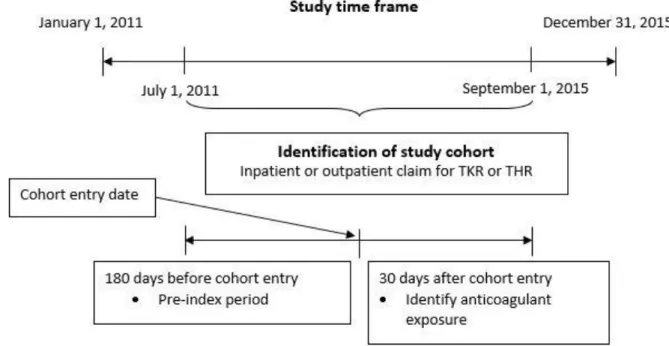
We designed a retrospective cohort study to evaluate factors influencing the
choice of anticoagulant for this particular aim. Patients included in the study cohort (See
Figure 3-1) were followed for 30 days from the index date for determining anticoagulant
treatment exposure. Figure 3-2 shows a schematic diagram of study design for aim 1.
Figure 3-2 Study design for Aim 1
Measurement of variables
Covariates: In this specific aim, we evaluated factors influencing the choice of
anticoagulant treatment in total joint replacement surgery patients (Table 3-2). All the
patient factors were independent variables of interest and were measured during the
37
Table 3-2 Covariate descriptions and coding strategies for patient characteristics in baseline period
Patient Characteristics Covariate Coding Covariate Definition
Predisposing Characteristics
Age at the time of surgery Continuous Age in years at time of orthopedic surgery
Sex 1=Male, 2=Female Sex from enrollment file
Geographic Region 1=Northeast, 2=North central, 3= South, 4=West,
5=Unknown
Region from enrollment file
Metropolitan statistical area indicator
First three digits of zip code Three digit zip code
indicator from enrollment file Time of surgery Year of surgery Year of surgery from
inpatient file
Enabling Resources
Type of health benefit plan 1=Basic/major medical 2=Comprehensive
3=EPO 4=HMO 5=POS 6=PPO
7=POS with capitation 8=CDHP 9=HDHP
Type of health benefit plan from enrollment file
Prescription benefits generosity
1=No/Poor coverage 2=Fair coverage 3=Good coverage
4=Unknown
Ratio of patient cost-sharing for prescription payments relative to total payments for prescriptions
Need Characteristics
38 Previous venous
thromboembolism (VTE)
0=Absent, 1=Present VTE diagnosis
Previous ischemic stroke 0=Absent, 1=Present Ischemic stroke diagnosis Previous myocardial infarction 0=Absent, 1=Present Myocardial infarction
diagnosis
Previous major bleeding 0=Absent, 1=Present Diagnosis of hemorrhagic or gastrointestinal bleeding Comorbidities
Charlson Comorbidity Index (CCI)
Categorical (0, 1, 2-4, ≥5) Patient disease severity
Atrial Fibrillation 0=Absent, 1=Present Atrial fibrillation diagnosis Cardiovascular disease 0=Absent, 1=Present Cardiovascular disease
diagnosis
Congestive Heart Failure 0=Absent, 1=Present Congestive heart failure diagnosis
Hepatic failure 0=Absent, 1=Present Liver failure diagnosis Renal Impairment 0=Absent, 1=Present Chronic kidney disease or
End Stage Renal Disease diagnosis
Peptic Ulcer disease 0=Absent, 1=Present Diagnosis of peptic ulcer disease
Gastritis 0=Absent, 1=Present Diagnosis of gastritis Duodeniitis 0=Absent, 1=Present Diagnosis of duodenitis Esophagitis 0=Absent, 1=Present Diagnosis of esophagitis Hyperlipidemia 0=Absent, 1=Present Hyperlipidemia diagnosis Hypertension 0=Absent, 1=Present Hypertension diagnosis Diabetes Mellitus 0=Absent, 1=Present Diabetes Mellitus diagnosis
Anemia 0=Absent, 1=Present Diagnosis of anemia
Sleep apnea 0=Absent, 1=Present Diagnosis of sleep apnea
Cancer 0=Absent, 1=Present Diagnosis of cancer
39
Number of hospitalizations Categorical (0, ≥1) Number of hospitalizations in baseline
Type of Surgery Setting 0=Outpatient procedure, 1=Inpatient procedure
Type of surgery setting
Concomitant therapies
Antiplatelet therapy (aspirin excluded)
0=Non-use, 1=Use Prescription fill for clopidogrel or Aggrenox Gastroprotective agents 0=Non-use, 1=Use Prescription fill for PPIs,
H2RAs, GI protectants (e.g., sucralfate)
Antiarrhythmics 0=Non-use, 1=Use Prescription fill for flecainide, amiodarone, dronedarone, sotalol, propafenone and dofetilide
Rate control therapy 0=Non-use, 1=Use Prescription fill for beta-blockers, digoxin, or calcium channel blocker
Hormonal contraceptive use 0=Non-use, 1=Use Prescription fill for oral contraceptive
ACEI/ARB therapy 0=Non-use, 1=Use Prescription fill for ACEI/ARB Statin therapy 0=Non-use, 1=Use Prescription fill for HMG
Co-A-reductase (statin)
The details of variables to be measured are provided below.
1. Predisposing factors: Patients’ age on their index date was measured as a
continuous variable. Proportions of male and female patients in each
anticoagulant group were reported. Two variables for the geographic location
were included, 1) geographic region, in which the patients were placed in one of
the following groups based on US census region: Northeast, Midwest, South