University of South Carolina
Scholar Commons
Theses and Dissertations
6-30-2016
Examining The Effect Of Feminist Self-Labeling
And Feminist Perspectives On Young Adults'
Self-Efficacy
Tiffany L. Rogers
University of South Carolina
Follow this and additional works at:https://scholarcommons.sc.edu/etd Part of theEducation Commons
This Open Access Dissertation is brought to you by Scholar Commons. It has been accepted for inclusion in Theses and Dissertations by an authorized
administrator of Scholar Commons. For more information, please [email protected].
Recommended Citation
E
XAMINING THEE
FFECT OFF
EMINISTS
ELF-L
ABELING ANDF
EMINISTP
ERSPECTIVES ONY
OUNGA
DULTS’
S
ELF-E
FFICACYby
Tiffany L. Rogers Bachelor of Science
Georgia Southern University, 2010 Master of Education
Georgia Southern University, 2013
Submitted in Partial Fulfillment of the Requirements For the Degree of Doctor of Philosophy in
Counselor Education College of Education University of South Carolina
2016 Accepted by:
Ryan G. Carlson, Major Professor Kathy Evans, Committee Member Dorothy Limberg, Committee Member Susan Schramm-Pate, Committee Member
D
EDICATIONA
CKNOWLEDGEMENTSI have been extremely fortunate to have such an extraordinary network of support and strength in my life. Without so many people, I would have been unable to complete this process. Although I will thank some of the amazing people in my life in the space below, there are countless others who have aided in my growth and development.
Additionally, I cannot begin to express enough gratitude to those that are mentioned here. To the Counselor Education faculty at the University of South Carolina, thank you for taking a chance on me and providing me innumerable opportunities to succeed while still leaving room for failure and growth. It is from those failures that I have learned the most about myself and my abilities. To my committee members, thank you for contributing to growth as a scholar. Dr. Kathy Evans and Dr. Susan Schramm, having two women on my committee who have provided such clarity and diverse perspectives on feminism has been an amazing gift, and I am grateful for how your expertise has, and will continue, to inform my work. Dr. Dodie Limberg, thank you for being such a
positive, supportive, and encouraging person over the past two years. You have been such an amazing example for me as a female scholar. Seeing the grace you have while
balancing your personal and professional life has provided me with such hope for my own future as a woman in our field.
afloat, and your reminders about the bigger picture have helped me keep things in perspective. You have taught me how to show grace and humility through both triumphs and failures, while demonstrating how to use each instance as motivation to be better. But most of all, I am forever grateful for how you’ve pushed me, supported me, and believed in my abilities in times when I struggled to see them. It is for all of these reasons that I have learned, through you, the kind of scholar and mentor I want to be. Sincerely, thank you.
To my cohort, thank you for your support and encouragement over the last three years. I have learned so much about myself through our relationships, and each of you will always hold a special place in my heart. Dr. Breyan Haizlip, you were the first big influence on my path to academia, and I am grateful for your lessons in leadership, life, and hard work. Shannon, thank you for being so accommodating when I needed to be out of the office to write, attend defenses, or take a mental health day. You have also been such a beautiful example of feminism in my life and you have taught me so much about how to be an advocate for myself and for others.
have learned so many lessons through our relationships, and you have each played a pivotal role in illuminating my path.
Lastly, I owe the most to the two biggest loves of my life, Jamie and Matt. Jamie, you have been a great source of strength for me through more than 20 years of friendship. It has been through your love and support that I have been able to see myself more
A
BSTRACTThe current study utilized data from young adults (undergraduate and graduate students) in order to examine the effect of feminist self-identification (as measured by the Self-Identification as a Feminist Scale) and feminist perspectives (as measured by the Feminist Perspectives Scale—Short Form) on self-efficacy (as measured by General Self-Efficacy Scale total scores). Additionally, this study examined the relationship between demographics (i.e., gender, race) and outcome variables of interest (i.e., feminist self-identification, feminist perspectives, self-efficacy). Participants included 305 individuals who are at least 18 years old and enrolled as undergraduate or graduate students at the University of South Carolina. Multiple regression assessed the relationships among the constructs of feminist self-identification, feminist perspectives, and self-efficacy, while a factorial MANOVA examined differences among demographics (i.e., race, gender) for the variables of interest (i.e., feminist identification, feminist perspectives, self-efficacy). Results indicated that feminist behavior (a component of feminist perspectives) is a significant predictor of self-efficacy, and women had higher ratings than men for feminist identification and feminist perspectives. No significant differences existed between White and non-White participants for feminist identification, feminist
T
ABLE OFC
ONTENTSDEDICATION ... iii
ACKNOWLEDGEMENTS ... iv
ABSTRACT ... vii
LIST OF TABLES ... xi
LIST OF SYMBOLS ... xii
LIST OF ABBREVIATIONS ... xiii
CHAPTER 1INTRODUCTION ...1
PROBLEM STATEMENT ...2
SOCIAL SIGNIFICANCE ...3
PROFESSIONAL SIGNIFICANCE ...5
THEORETICAL FOUNDATION ...7
PURPOSE OF STUDY ...8
RESEARCH QUESTIONS AND HYPOTHESES ...9
RESEARCH DESIGN ...10
METHODOLOGY...11
DATA ANALYSES ...16
DEFINITION OF TERMS ...17
LIMITATIONS ...19
INTRODUCTION ...22
EVOLUTION OF FEMINISM...23
FACTORS AFFECTING FEMINIST IDENTIFICATION ...26
RELATIONSHIP BETWEEN FEMINISM AND SELF-EFFICACY...38
THEORETICAL FOUNDATION ...41
SUMMARY ...44
CHAPTER 3METHODOLOGY ...46
INTRODUCTION ...46
RESEARCH QUESTIONS AND HYPOTHESES ...46
RESEARCH DESIGN ...47
PARTICIPANTS ...48
MEASURES ...53
PROCEDURES ...56
VARIABLES...57
DATA ANALYSES ...57
SUMMARY ...58
CHAPTER 4RESULTS ...60
SAMPLING AND DATA COLLECTION PROCEDURES ...60
DESCRIPTIVE DATA RESULTS ...62
DATA ANALYSIS ...68
RESULTS OF DATA ANALYSIS ...71
SUMMARY ...79
OVERVIEW OF FINDINGS ...81
LIMITATIONS ...88
IMPLICATIONS ...91
CONCLUSION ...100
REFERENCES ...102
APPENDIX A–IRBAPPROVAL LETTER ...110
APPENDIX B–STUDY INFORMATION FORM ...112
APPENDIX C–DEMOGRAPHICS FORM ...114
APPENDIX D–SELF-IDENTIFICATION AS A FEMINIST SCALE ...116
APPENDIX E–FEMINIST PERSPECTIVES SCALE –SHORT FORM ...117
L
IST OFT
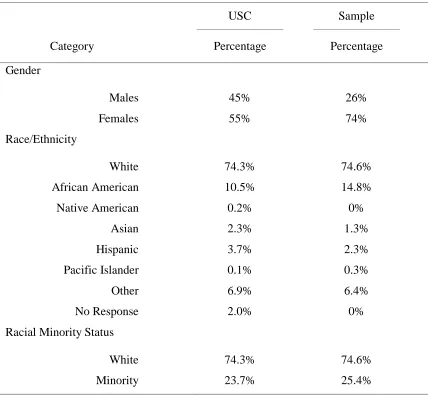
ABLESTable 3.1 Comparing Sample and Population (USC) Demographics...66
Table 4.1 Frequencies of Participants by Ethnicity ...80
Table 4.2 Frequencies of Participants by Gender and Racial Group ...80
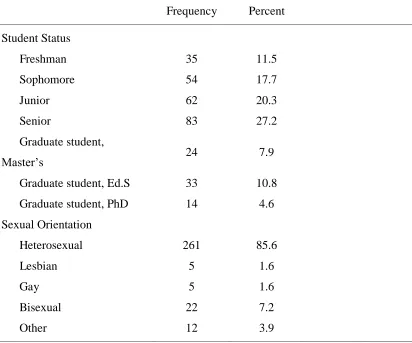
Table 4.3 Frequencies of Participants by Student Status and Sexual Orientation ...81
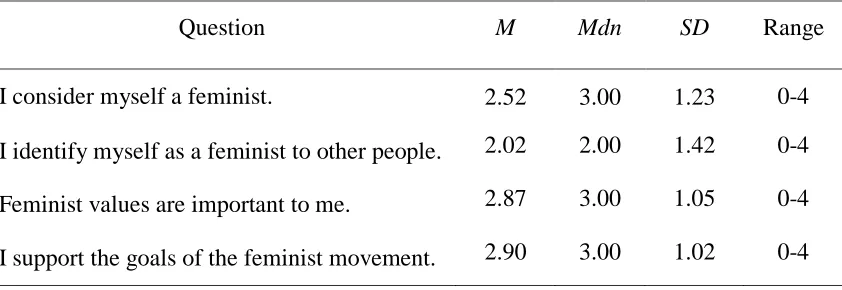
Table 4.4 Descriptive Statistics for Individual SIF Items ...83
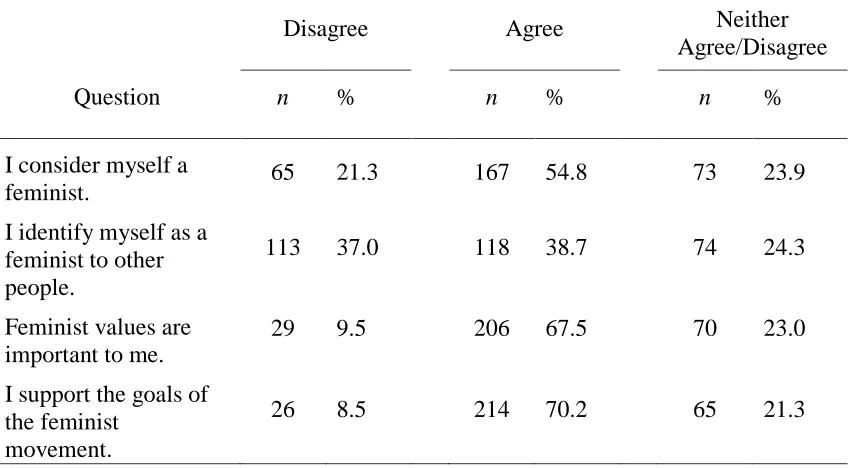
Table 4.5 Frequencies for Level of Agreement with SIF Items ...83
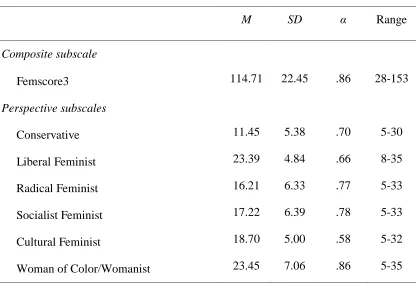
Table 4.6 Psychometric Properties for the FPS3 ...86
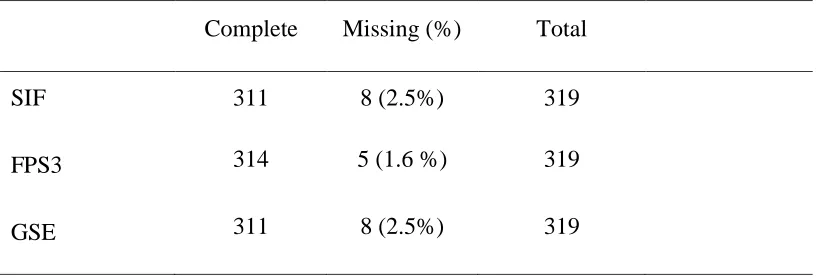
Table 4.7 Missing Data by Assessment ...87
Table 4.8 Pearson Correlations by Participant GSE Score ...88
Table 4.9 Descriptive Statistics for GSE by Gender...89
Table 4.10 Descriptive Statistics for GSE by Minority Status ...90
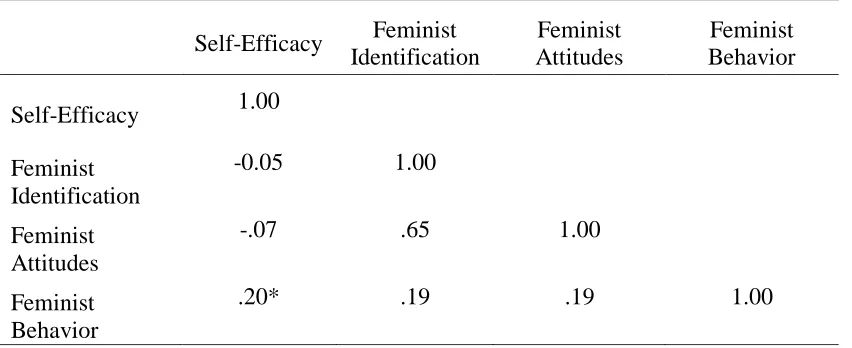
Table 4.11 Pearson Correlations for Feminist Identification, Perspectives, and Self-Efficacy ...92
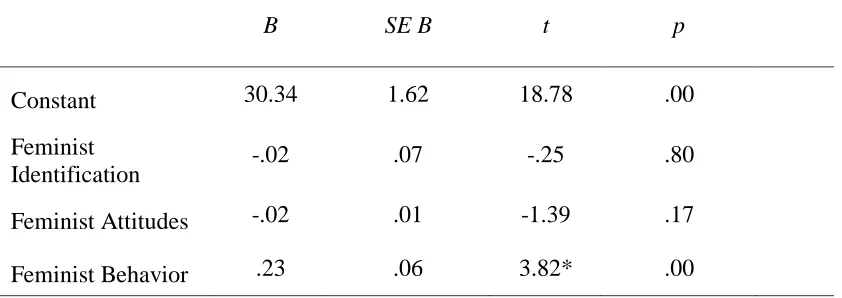
Table 4.12 Predicting Relationship between Feminism and Self-Efficacy ...92
Table 4.13 Model Summary ...93
Table 4.14 ANOVA Table ...94
Table 4.15 Between Subject Statistics by Gender ...96
Table 4.16 Differences between Gender and Dependent Variables ...97
L
IST OFS
YMBOLSp Probability value; the probability of rejecting the null hypothesis
n Sample size N Population size
α alpha (significance) level; acceptable probability of a Type I error
β Beta statistic; probability of a Type II error 1 – β Statistical power
SE B Estimated standard error of B CI Confidence interval
r Pearson product-moment correlation coefficient; measures linear relationship between independent and dependent variables
SD Standard deviation
df Degrees of freedom
M Mean
𝜂𝑝2 Partial eta squared, measure of effect size for MANOVA
L
IST OFA
BBREVIATIONSCHAPTER
1
I
NTRODUCTIONRecently, there have been several campaigns and initiatives to increase awareness of feminist issues and educate people about what the “f-word” really means (e.g., Ban Bossy, LikeAGirl, HeForShe, 2015). While women have been at the forefront of each wave of the feminist movement, more men are voicing their support of feminism. Men and boys are even the focus of the United Nations' HeForShe campaign, encouraging support and activism from males in order to end gender inequality across the
likely to engage in activism, and bisexual and lesbian women who identified as feminists exhibited more self-acceptance (Szymanski, 2004). By better understanding the
relationship between self-efficacy, feminist identification, and feminist perspectives, counselors and counselor educators can better support their supervisees and/or clients.
Problem Statement
perceived physical attractiveness, a more positive body image (Kinsaul, Curtin, Bazzini, & Martz, 2014), and improvement in coping with societal pressures (Rubin, Nemeroff, & Russo, 2004). Because the most recent wave of feminism (i.e., third wave) looks quite different from how society has previously defined what it means to be a feminist, becoming more familiar with how young adults currently view feminism and how they are incorporating the label into their identities is important for counselors and counselor educators in their practice. Understanding how students or clients incorporate the feminist label into their identity can potentially provide a clearer direction for work with students or clients and encourage a more trusting, collaborative relationship.
Social Significance
While men and women frequently report agreeing with feminist ideas and tenets, they rarely self-label as feminists (McCabe, 2005; Roy, Weibust, & Miller, 2007; Williams & Wittig, 1997; Zucker, 2004). When investigating the reasons behind the hesitation to self-label as a feminist, one of the most frequently expressed reasons from both men and women is the fear that they will be perceived negatively and inaccurately by others (Anderson, 2009; McCabe, 2005; Roy, Weibust, & Miller, 2007; Williams & Wittig, 1997; Zucker, 2004). For example, feminist women are thought of as being more intelligent, confident, and productive, they are also thought of as being lesbians, less attractive, and volatile (McCabe, 2005; Roy, Weibust & Miller, 2007; Suter & Toller, 2006; Twenge & Zucker, 1999). Feminist men are often characterized as being gay, less masculine, and having more stereotypically feminine qualities (e.g., emotional,
between feminist perspectives and efficacy (Eisele & Stake, 2008). Higher self-efficacy, defined as an individual’s belief in their ability to achieve a desired outcome, has been linked to increased health, higher levels of achievement, and better social skills (Bandura, 2002). Therefore, further investigation is needed into the relationship among feminist self-labeling, feminist perspectives, and self-efficacy.
By nature, feminism encourages deeper examination of social imperatives (e.g., desire to form and to belong to groups) and societal norms (i.e., rules used to define acceptable behavior in a group) (Ruben et al., 2004). This may be particularly important for women, as such evaluation may act as a buffer for certain mental health issues (e.g., disordered eating, negative body image) (Rubin et al., 2004). However, self-efficacy has been shown to be an even stronger moderator of such issues in women compared to feminism and feminist beliefs (Kinsaul et al., 2014). Therefore, self-efficacy may be the most vital component necessary for improving and maintaining women’s mental health.
Professional Significance
Researchers identified a positive relationship between feminist perspectives and self-efficacy (Eisele & Stake, 2008). This may be partially explained by the positive relationship between nontraditional gender role attitudes and self-esteem (Szymanski, 2004), which are components of feminist perspectives and self-efficacy. If an individual feels more empowered about an issue, they may feel more encouraged and more capable (i.e., self-efficacy) to enact change on behalf of that issue (Eisele & Stake, 2008;
counselor educators insight into how this relationship might affect clients, students, and supervisees in their desire to engage in advocacy for any group or issue. Additionally, the findings may provide implications for how counselor educators may structure their teachings about feminism to make them seem more relevant to students of color and men. For example, if students of color and men significantly vary from White students and women in their understanding and support of feminist perspectives and the feminist label, counselor educators may focus more on making feminism seem more relevant to their lives. As previous researchers have suggested, seeing feminism as relevant to one’s own life is a crucial piece to supporting feminist beliefs and identifying as a feminist (Eisele & Stake, 2008; Hunter & Sellers, 1998; Wiley et al., 2012).
infuse multicultural issues into all coursework (F.7.b.). Furthermore, DeVoe (1990) found that participating in advocacy efforts and feminist consciousness raising may make counselors more aware of feminist issues, resulting in increased insight into power differentials between men and women and awareness of how sexist values can negatively impact relationships.
Theoretical Foundation
Feminist theory is based on the following principles: (a) problems originate in political and social contexts; (b) commitment to social change is necessary; (c) acknowledging different ways of knowing gives voice to women; (d) an egalitarian relationship is central to the therapeutic relationship; and (e) political and social inequity negatively affect all people (Corey, 2009). Feminist theory shares many common threads with multicultural counseling theories (Crethar, Rivera, & Nash, 2008; Goodman et al., 2004) that are currently taught in counselor education programs. And because
multicultural approaches are highly valued in today’s counselor education programs, understanding feminist theory as well seems like a logical next step for counselor educators. Feminist theory also lends itself to this study because of its focus on empowerment and facilitating consciousness raising (Corey, 2009).
differences between men and women (Khajehpour, Ghazvini, Memari, & Rhamani, 2011). Khajehpour et al. (2011) elaborate on this idea by suggesting that modeling is the most powerful means of transmitting cultural values, attitudes and behaviors, and thought patterns across generations. While modeling can occur through direct observation of others, media may also serve as a source from which individuals model behavior. Because young adults tend to be more susceptible to the media’s influence on their behavior and beliefs (Austin, Vord, Pinkleton & Epstein, 2008; Jackson, 2005), using a social cognitive theory lens to explain the potential power of this influence on feminist identification may be useful. Further, tenets of social cognitive theory may help explain why individuals choose to identify or not identify as feminists (e.g., learning as a cognitive process in a social context, vicarious reinforcement). Social cognitive theory may also help to explain the relationship between self-efficacy and advocacy, as those with higher levels of self-efficacy may persist with action despite unfavorable
circumstances as long as they believe their efforts will produce the expected results (Stajkovic & Luthans, 1998). Social cognitive theory also helps to explain how observed behavior (i.e., modeling) can influence values, attitudes, and thoughts, thereby affecting stereotypes and regulation of gender roles that are typically associated with the feminist label (Khajehpour et al., 2011). Thus, incorporating feminist theory and social cognitive theory (SCT) provides both a political/social lens and a learned behavior (i.e., modeling) lens through which to view the impact of feminist labeling and feminist perspectives on self-efficacy in undergraduate and graduate students.
Purpose of Study
and self-efficacy in college-aged students, by examining the differential relationship (i.e., discrepancies between the relationship between feminist self-labeling and self-efficacy, and between feminist perspectives and self-efficacy) of feminist self-identification and feminist perspectives to self-efficacy. As such, the study examined the relationships among variables of interest (i.e., feminist attitudes, feminist perspectives, self-efficacy) and differences among demographics (i.e., gender, race) for each variable of interest. One potential implication for understanding the relationship among feminist identification, self-efficacy, and feminist perspectives might be that counselors and counselor educators gain more awareness of the impact these constructs have on young adult clients,
supervisees, and/or students. Additionally, results might also encourage self-reflection in counselors and counselor educators in order to examine how their own beliefs on
feminism and women may impact their work with clients, students, and/or supervisees.
Research Questions and Hypotheses
This study explored the relationships among demographic factors, feminist perspectives, feminist identification, and self-efficacy for undergraduate and graduate students enrolled at a large four year University in the Southeast. The research questions and null hypotheses are presented below.
Research Question 1
Schwarzer & Jerusalem, 1995) of young adults?
Hypothesis 1A. Feminist identification ratings and feminist perspectives ratings
are positively correlated with self-efficacy ratings.
Hypothesis 1B. Higher ratings for feminist self-identification and feminist
perspectives will predict higher self-efficacy for young adults.
Research Question 2
What differences exist among various races (e.g., White, African American, Hispanic) and gender (i.e., male, female), as measured by the demographics
questionnaire, between feminist self-identification, as measured by the Self-Identification as a Feminist Scale (SFI; Szymanski, 2004), feminist perspectives, as measured by the Feminist Perspectives Scale – Short Form (FPS3; Henley, Spalding, & Kosta, 2000), and self-efficacy, as measured by the General Self-Efficacy Scale (GSE; Schwarzer &
Jerusalem, 1995)?
Hypothesis 2A. Female participants will have higher ratings than male
participants for feminist identification, feminist perspectives, and self-efficacy.
Hypothesis 2B. White participants will have higher ratings than non-White
participants for feminist identification, feminist perspectives, and self-efficacy.
Research Design
assess the relationship between variables without manipulation, while also identifying strength and direction of the relationship (Smith & Davis, 2007). However, correlational research design does not allow the research to determine cause and effect relationships among variables (Smith & Davis, 2007). Prior to beginning the study, I obtained approval from the University of South Carolina’s Institutional Review Board (IRB). Once I
received approval, I began data collection.
The current study included undergraduate and graduate students who volunteered to participate. Students who agreed to participate in the study completed either a paper version or an online version of the assessment (Survey Monkey). Students began the survey by reading the study information form (see Appendix B) and were then prompted to provide consent to participate. If students chose not to continue with the assessments, or wished to discontinue the survey at any time, they were allowed to do so without penalty. Participants then completed: (a) a researcher designed demographic form; (b) a scale assessing feminist self-identification; (c) a scale assessing feminist perspectives; (d) a scale assessing self-efficacy. Participants’ demographics are also included in
subsequent chapters. A more detailed discussion of the methodology for this study is provided in Chapter 3 of this paper.
Methodology
Prior to beginning this study, I received approval from the University’s
Institutional Review Board (IRB). Data was collected in accordance with IRB guidelines. See IRB approval letter in Appendix A.
Participants
the University of South Carolina. There are currently 24,864 undergraduate students enrolled at the University, with this population being 46% male and 54% female. There are 8,108 graduate students enrolled at USC, comprised of 59% females and 41% males. Minorities comprise 21.6% of the undergraduate student population and 31.6% of the graduate student population. I contacted programs such as University 101 (containing approximately 4,000 students), FemCo (a feminist student organization), the Counselor Education and Supervision undergraduate minor program (containing approximately 250 students) and Education Specialist (EdS) program, National Pan-Hellenic Council (NPHC; historically African American or multicultural fraternities and sororities), and large undergraduate introductory courses (e.g., Psychology, Technology, Public Health) in order to recruit participants. I engaged in both active (e.g., face-to-face) and passive (e.g., email, word of mouth) recruitment strategies. Upon IRB approval, I obtained permission from course instructors and program coordinators to briefly speak with their students about participating in the study (i.e., active recruitment). Additionally, I sent emails about the study to professors who taught large undergraduate classes and requested they send study information to their students via email or Blackboard (i.e., passive recruitment). Yancey, Ortega, and Kumanyika (2006) noted that active
recruitment strategies are more effective with culturally diverse participants, hence my intention to partner with programs for minority students (i.e., NPHC, TRIO programs). However, I received few responses in my attempts to contact organizations or groups which contained members of color. Therefore, I did not get the opportunity to utilize active recruitment strategies with some of these groups.
and enrolled as an undergraduate or graduate student at the University of South Carolina. Nonprobability sampling (specifically, convenience sampling) was utilized to obtain participants for this study. Convenience sampling is less expensive, has fewer time-constraints, and participants can be recruited with relative ease (Rubin & Babbie, 2011). Despite its benefits, this sampling strategy may lead to an inadequate representation of various groups in a sample (Rubin & Babbie, 2011). This limitation of the study will be further discussed in Chapter 5. However, since little is known about the relationship between feminism and self-efficacy for men and minorities, convenience sampling may provide insight into whether or not a problem exists in a biased sample. Because
convenience samples are typically already biased (Rubin & Babbie, 2011), uncovering the relationship between feminism and self-efficacy for men and minorities in a biased sample may provide valuable information into how to proceed in future studies with these two groups (Rubin & Babbie, 2011). In other words, if no significant differences exist for men and minorities on the outcome variables compared to women and non-minority participants in the biased sample, it may be unlikely that significant differences would exist in an unbiased sample (Rubin & Babbie, 2011).
I conducted an a priori analysis using G*Power 3.0.10 (Faul, Erdfelder, Lang, & Butchnew, 2008) to determine sample size and adequate power with each of the
recommended power of .80 (Cohen, 1992). G*Power indicated a sample of 107 in order to achieve adequate power for research question one. The power analysis conducted for research question two indicated a sample of 265 participants for adequate power. Because a larger sample size (n=265) was indicated for research question two, the goal is to recruit at least 300 participants in order to avoid committing a Type II error. A Type II error occurs when the researcher fails to reject a false null hypothesis (Rubin & Babbie, 2011), meaning that the researcher reports finding no significant differences between groups when such differences may actually exist.
Instruments
The following instruments were administered to study participants: (a) a researcher designed demographic form; (b) Feminist Perspectives Scale-Short Form (FPS3; Henley, Spalding, & Kosta, 2000); (c) General Self-Efficacy Scale (GSE; Schwarzer & Jerusalem, 1995); and (d) Self-Identification as a Feminist Scale (SIF; Szymanski, 2004). In order to determine the level of reliability of each measure, a
reliability analysis was performed for each instrument to determine Cronbach’s alpha (α). Data for the each instrument’s reliability in this study is discussed in Chapter 4 of this dissertation. All instruments were completed by participants online using Survey Monkey, and results were transferred to SPSS for analysis.
Demographics questionnaire. The researcher-developed demographics
form.
Feminist Perspectives Scale – Short Form (FSP3). The Feminist Perspectives
Scale – Short Form (FSP3; Henley, Spalding, & Kosta, 2000) is a 36-item scale which assessed feminist attitudes and feminist behavior. Of the 36 items on the instrument, 30 items measure feminist attitudes and 6 items measure feminist behavior. The 30
attitudinal items are comprised of 6 subscales: (a) Conservative; (b) Liberal Feminist; (c) Radical Feminist; (d) Social Feminist; (e) Cultural Feminist; (f) Woman of
Color/Womanist). Responses were totaled for each subscale to obtain a total attitudinal score for each of the six subscales. These scores were then summed together to obtain a total score for feminist attitudes (i.e., Femscore3). Responses for the behavioral items were summed separately in order to produce a total score for feminist behavior (i.e., Fembehave3). The FSP3 has shown to have a high internal consistency for Femscore (α = .85), although some of the subscales have shown alpha reliability ≤ .70. However,
Henley, Spalding, & Kosta (2000) suggested using a larger sample size (a sample of 209 was used in the development of the short version of this instrument) in order to increase reliability for the subscales.
General Self-Efficacy Scale (GSE). The General Self-Efficacy Scale (GSE;
.91 (Scholz, Dona, Sud, & Schwarzer, 2002).
Self-Identification as a Feminist Scale (SIF). The Self-Identification as a
Feminist Scale (SIF; Szymanski, 2004) is a 4 item scale which assessed explicit feminist identity and support of the goals and values of the feminist movement. Participants rated items on a 5 point Likert scale based on their level of agreement or disagreement with each item. A total SIF score was obtained by summing all 4 items, with higher scores indicating stronger identification as a feminist. Szymanski (2004) found an alpha reliability of .93 for the SIF.
Data Analyses
I conducted a preliminary analysis of the data in order to identify any outliers, missing data, and violations of assumptions. I used two statistical analyses to explore the two research questions for this study. I utilized a multiple regression to examine the relationships among the constructs of feminist self-identification, feminist perspectives, and self-efficacy (research question one) for all participants. For research question one, feminist self-identification (as measured by the SIF total score) and feminist perspectives (as measured by Femscore3 total score and Fembehave3 total score) served as the
(as measured by the SIF total score), feminist perspectives (as measured by Femscore3 total score and Fembehave3 total score), and self-efficacy (as measured by the total GSE score). The Statistical Package for Social Sciences (SPSS), version 23.0, was utilized for all data analyses.
In order to ensure protection of participants’ rights, data were only be reported in aggregate form, with no identifying information connecting participants to their
responses. All data were contained on a password protected laptop, and I was the only person with access to the data.
Definition of Terms
Following, I operationally defined terms or phrases for the purposes of the current study:
Feminist: Researchers have been unable to agree on a singular definition for what it means to be a feminist (Yoder, Tobias, & Snell, 2011). While there are many
interpretations of the term feminist, the term is largely viewed as a combination of one’s willingness to label as a feminist, espoused beliefs, and the connection between self-labeling and the endorsement of feminist beliefs (Yoder, Tobias, & Snell, 2011). Some researchers have also highlighted the importance of understanding the label of feminist as being both an individual and collective identity (Kelly, 2015). And although the term feminist is typically connected to cohesive political ideas, some scholars underscore the connection of the feminist label to social movements and contexts (Kelly, 2015; Reger, 2012). The term feminist, for the purposes of this study, is defined as “a person who believes in the social, political, and economic equality of the sexes” (Adichie, 2012).
feminist. More specifically, self-labeling as a feminist is “a binary choice that either links, or does not link, a woman to feminists as a social group” (Yoder, Tobias, and Snell, 2011). This label may be adopted publicly (i.e., proclaiming to be feminist to others) or privately (i.e., considering oneself to be a feminist without identifying as a feminist to other people) (Kelly, 2015; Leaper & Arias, 2011; Myaskovsky & Witting, 1997). However, some scholars view feminist self-labeling as part of a feminist identity
continuum (Aronson, 2003; Williams & Wittig, 1997; Zucker, 2004), which may be more applicable to individuals who came of age during “third wave” feminism (Kelly, 2015). As such, this study includes a measure that assesses for feminist identity and self-labeling on a continuum (see Chapter 3).
Feminism: For the purposes of this study, feminism is defined as a political and social movement focused on political, social, and economic equality between men and women (Kelly, 2015). Reger (2012) further explains the complexity of the term by saying that feminism can simultaneously be both “everywhere” (i.e., influential on a person’s worldviews, culture, and social norms) and “nowhere” (i.e., explicit feminist activism is limited or unseen).
one’s self-efficacy: (a) mastery experiences; (b) social modeling; (c) social persuasion; and (d) physiological factors.
Limitations
One limitation of this study is that it is unknown if students who choose to participate in the study are similar to those who do not choose to participate on their identification as feminists, self-efficacy levels, perspectives on feminism, and intentions to engage in activism. For example, participants who chose to engage in this study may have done so because they already have strong, polarized feelings or views (positive or negative) towards feminism, which could skew data. Nonprobability sampling
(specifically, convenience sampling) was utilized to obtain participants for this study. Although convenience sampling is less expensive and has fewer time-constraints than other sampling methods, it may lead to an inadequate representation of various groups in my sample (Rubin & Babbie, 2011). However, the researcher can attempt to improve convenience sampling by making efforts to control and to assess the representative nature of the survey sample (Henry, 1990). For example, I recruited participants from majors who are not typically included in research on feminism and self-efficacy (e.g., Public Health, Exercise Science, Technology). Additionally, I compared sample demographics to those of the USC student population to assess representativeness (see Chapter 3).
of young adults (Rubin & Babbie, 2011).
An additional limitation was the norming populations for the instruments utilized in this study. For example, the Feminist Perspectives Scale (FPS3) was normed on predominantly White and Asian undergraduates. Therefore, results may vary for members of other ethnic groups and for graduate students. The General Self-Efficacy Scale (GSE) was originally normed on German citizens; however, it has since been normed on individuals from 25 different countries (including the United States). The Self-Identification as a Feminist Scale (SIF) was normed on predominantly White, gay or bisexual undergraduate women and therefore may not reflect similar outcomes for
students of color, males, or students who do not identify as gay or bisexual.
Summary
Despite the potential positive benefits of identifying as a feminist, negative stereotypes and beliefs about feminism continue to discourage men and women from self-labeling. By examining the relationships among self-identification as a feminist, feminist perspectives, and self-efficacy, findings from this study may aid counselors and
CHAPTER 2
L
ITERATURER
EVIEWIn order to find relevant articles for this topic, I utilized the Encore search engine provided by The Thomas Cooper Library at the University of South Carolina. I used “feminism,” “feminist label,” “feminist identification,” “feminist self-labeling,” “feminist beliefs,” “feminist perspectives,” “feminist attitudes,” “self-esteem,” “self-efficacy.” Upon researching these terms, I noticed the Sex Roles and Psychology of Women Quarterly were two journals that published the most articles related to my topic. I then conducted a search of my terms within these specific journals. In reading journal articles, I also used the references listed in previous research to locate possible articles for the current study.
counselors and counselor educators. For example, empowerment is an important component of feminism, and individuals who feel more empowered about an issue may feel more encouraged and more capable to enact change on behalf of that issue (Eisele & Stake, 2008; Zimmerman, 1995). The proposed link between empowerment and
advocacy may illuminate important knowledge regarding the relationship between self-efficacy and advocacy in general. However, women’s gender consciousness and collective action efforts have typically been weaker than that of other groups, despite women generally being more aware of gender issues than men (Aronson, 2003).
Additionally, research in this area of inquiry has underrepresented perspectives of men, minorities, or lower socioeconomic status participants. This chapter discusses previous research regarding the evolution of feminism, factors affecting feminist identification, and the relationships between and among feminist identification, feminist perspectives, and self-efficacy. A discussion of the theoretical framework and brief summary of this chapter are also included.
Evolution of Feminism
Aronson, 2003). Information about each wave, along with the current state of feminism, is discussed below.
First Wave of Feminism (Late 1840s-1920s)
With urban industrialization and a move towards more liberal politics in the late 19th century came the first wave of feminism in the United States. The Industrial
Revolution resulted in more women finding full-time work outside of the home, which also provided women with various opportunities to engage in discussions about social and political issues. First wave feminists focused on a variety of issues affecting women and children, such as: (a) the right for women to own property; (b) women’s suffrage; (c) access to higher education; (d) protecting women and children from prostitution; and (e) raising the age of sexual consent for women (Cree, 1996). First wave feminists also believed that women were morally superior to men and rooted their goals in the idea that men and women “inhabited separate spheres,” with the hope of bringing female influence into a male-dominated world (Phillips & Cree, 2014). However, this wave mostly
consisted of middle-class, heterosexual White women and did not take into account perspectives of other classes, races, or sexual orientations (Phillips & Cree, 2014).
Second Wave of Feminism (Early 1960s-Late 1980s)
Women’s work and family lives were transformed yet again both during and after World War II. In the post-WWII world, political views became more liberal and
inequalities as inevitably interlinked,” (Phillips & Cree, 2014) as evidenced by the introduction of the feminist slogan “the personal is political” during this time frame. Second wave feminists continued their focus on some of the same issues as first wave feminists (i.e., equality in educational access, protection of women from prostitution) (Cree, 1996). However, the introduction of the contraceptive pill influenced second wave feminists’ interest in reproductive rights for women (including abortion), equality in the workplace, and rape and domestic violence against women (Phillips & Cree, 2014). Additionally, all of the societal changes during this time helped illuminate that differences do exist among women, and that feminists had not been including the perspectives of women who were not White or middle-class (Ramazanoglu, 1989).
Third and Fourth Waves of Feminism (Late 1980s-present)
The third wave of feminism embraced more ambiguity regarding the definition of what it means to be a feminist. Third wave feminists accepted the idea of different
feminist ideologies, saw gender as an expression not a biological condition, and
young adults who have come of age in the 21st century (i.e., Millennials, Generation Y), technology and social media are viewed as a normal part of life, and therefore exert powerful influence over this and younger generations. However, Zucker (2004) argues that education, personal relationships, and personal struggles are greater influences on feminist identity and perceptions of feminism, whereas exposure to media creates barriers to feminist identification. Young adults use sites like Twitter and Facebook to share political thoughts and opinions with the world. And with the continued evolution of feminism, the parameters of feminist characteristics regarding sexuality, employment, and reproduction also continue to expand. The most recent wave of feminism has also developed a “call-out culture” in which social media is used to address all forms of oppression in an effort to include and support minority groups, working to eliminate power differentials and eradicate previous negative perceptions about feminists (Phillips & Cree, 2014).
Factors Affecting Feminist Identification
While men and women frequently report agreeing with feminist ideas and tenets, they rarely self-label as feminists (McCabe, 2005; Roy, Weibust, & Miller, 2007;
Williams & Wittig, 1997; Zucker, 2004).Despite potential positive benefits to identifying as feminist, a variety of factors inhibit individuals from self-labeling as a feminist.
Negative stereotypes and beliefs about feminism, gender socialization, minority status, and gender all impact one’s choice regarding whether or not they identify as a feminist.
Negative Perceptions of Feminism and Feminists
women do label themselves as feminists, they believe that “typical” feminists are
different than them and more radical in their views (Anderson, 2009; Twenge & Zucker, 1999). Negative portrayals of feminists in the media contribute to these beliefs and may make people hesitant to identify with a group that is not valued or seen in a positive light (Wiley et al., 2012). Roy et al. (2007) found that college-aged women who were exposed to positive portrayals of feminists were twice as likely to identify with feminism
compared to women exposed to negative or neutral portrayals. When investigating the reasons behind the hesitation to self-label as a feminist, one of the most frequently expressed reasons from both men and women is the fear that they will be perceived negatively and inaccurately by others (Anderson, 2009; McCabe, 2005; Roy, Weibust, & Miller, 2007; Zucker, 2004). For example, research has shown that while feminist women are thought of as being more intelligent, confident, and productive, they are also thought of as being lesbians, less attractive, and volatile (McCabe, 2005; Roy, Weibust, & Miller, 2007; Suter & Toller, 2006; Twenge & Zucker, 1999). Men who identify as feminists are typically seen as being less masculine, more likely to be gay, and less attractive than non-feminist men (Anderson, 2009; Twenge & Zucker, 1999). However, women rated
out of thirty-six women self-identified as a feminist without attempting to qualify the label with statements about her background, sexuality, and specific feminist beliefs. Twenge and Zucker (1999) also found that overall women viewed feminists as being “not like me.” Further, women in this study felt that others possess extremely negative
stereotypes and views about feminists, even if the participants themselves did not share the same views. These studies illuminate the deep impact that negative stereotypes of feminism have on those who self-label as feminists. Feminist men are often characterized as being gay, less masculine, and having more stereotypically feminine qualities (e.g., emotional, submissive, physically weaker) (McCabe, 2005; Roy, Weibust, & Miller, 2007; Twenge & Zucker, 1999). Dottolo (2011) also asserted that feminism is often demonized because in-groups react with fear and anger when out-groups make attempts to gain more power; therefore, stereotypes are created and maintained in an effort to preserve the status quo.
However, research has suggested that having positive perceptions of feminists and feeling connected to women can buffer the fear of being perceived negatively by others and increase the likelihood that someone will self-identify as a feminist (Myaskovsky & Wittig, 1997; Roy, Weibust, & Miller; 2007; Wiley et al., 2012). Even brief exposure to positive portrayals of feminists has shown to positively influence perceptions of
feminism, as well as increase the desire to participate in collective action for women (Roy, Weibust, & Miller, 2007; Wiley et al., 2012). Roy, Weibust, and Miller (2007) tested this notion in a study of 414 undergraduate female psychology students.
paragraph that discussed a general topic unrelated to feminism. After reading the paragraph, participants completed a feminist attitudes scale, measure of feminist
identification, gender identification scale, and performance self-esteem measure. Lastly, participants completed an assessment to measure their perceived ability to evaluate the paragraph they read. Roy, Weibust, and Miller (2007) found that participants in the positive portrayal group were nearly twice as likely (30.8%) to label themselves as feminists compared to the negative portrayal group and control group, whose scores were not significantly different from each other (18% and 16.7%, respectively). However, Roy et al. (2007) indicated that women exposed to the positive portrayal condition did not significantly differ from the negative portrayal or control groups on their scores for endorsement of feminist attitudes. Women in the positive portrayal group who identified as feminists had greater nontraditional gender role attitudes and higher performance self-esteem (“expressing confidence about one’s ability to meet challenges” [Roy, Weibust, & Miller, 2007]) than participants in the other two groups. The sample in this study
consisted of predominantly white, heterosexual females, as is the case with most of the studies mentioned in this chapter.
Gender Socialization and Gender Beliefs
feminist men more favorably than non-feminist men overall, they also rated them as less sexually attractive than non-feminist men. Therefore, this study will compare men’s and women’s feminist identity and perceptions on feminism in order to understand existing similarities and differences.
Minorities, Men, and Feminism
While several studies have investigated how such issues affect White college-aged women, perspectives from ethnic and racial minorities and men in the same age group have not been well represented. Previous research has suggested that status as a minority may make individuals more likely to engage in advocacy for other minority groups (Kelly & Breinlinger, 1995; Wiley et al., 2012), some researchers believe that this may not be the case with feminism, as it may only align with the issues and experiences of White, middle class women (Williams & Wittig, 1997; Zucker, 2004). And while some female feminists do not believe that men should be a target of feminist campaigns, hooks (1984) presented the following argument: “since men are the primary agents maintaining and supporting sexism and sexist oppression, they can only be successfully eradicated if men are compelled to assume responsibility for transforming their
consciousness and the consciousness of society as a whole.” Despite the common belief that feminism is only for women, men are also directly affected by anti-feminist
perspectives; this is because, like women, men are not an “ahistorical, universal, and foxed category of analysis” (Mohanty, 1988). These antifeminist perspectives, sometimes referred to as “postfeminism” are rooted in the belief that gender and sexual equality has been achieved, ruling feminism as outdated and unnecessary (O’Neill, 2015).
(2009) randomly assigned 404 college students to complete semantic differential ratings (Pierce et al., 2003) for one of four groups: (a) “man;” (b) “woman;” (c) “feminist man;” or (d) “feminist woman.” Participants were then asked to complete a demographics questionnaire and a feminist identification assessment (Myaskovsky & Wittig, 1997). On the feminist identification assessment, participants were asked to select one of the
following statements regarding their stance on the feminist label: (1) I do not consider myself a feminist at all, and I believe that feminist are harmful to family life and
undermine relationship between men and women; (2) I do not consider myself a feminist; (3) I agree with some of the objectives of the feminist movement but do not call myself a feminist; (4) I agree with most of the objectives of the feminist movement but do not call myself a feminist; (5) I privately consider myself a feminist but do not call myself a feminist around others; (6) I call myself a feminist around others; or (7) I call myself a feminist around others and am currently active in the women’s movement. The
corresponding numbers indicate the level of feminist identification; therefore, a higher number indicates stronger identification as a feminist and a lower number indicates weaker identification as a feminist. The majority of men in the study (59.7%) did not identify as feminists by selecting one of the first two statements, but 32.6% of men said that they agreed with some feminist objectives but did not call themselves feminists (which was the most popular choice of female participants in the study [45.4%]). However, less than 1% of men identified as feminist either publicly or privately compared to nearly 7% of women.
portrayal of feminist men; (2) negative portrayal of feminist men; (3) a history of feminism that did not mention feminist men (control condition). Participants then completed a scale to measure feminist solidarity and an assessment for collective action intentions. Both measures asked items that were rated on a 7-point Likert scale, with scores being averaged; higher scores indicated higher levels of the measure variables. Wiley et al. (2012) found that the brief exposure to positive portrayals of feminist men positively influenced participants’ score on the feminist solidarity scale and the collective action scale, while negative portrayals did not decrease scores on either measure.
Therefore, providing permission for men to be feminists and emphasizing positive
characteristics of feminist men may transform negative beliefs about feminist men. These results underscore the importance of having positive portrayals of feminists, how such portrayals influence self-labeling and advocacy intentions, and why the impact of increased media exposure about feminism may be important to understand. Wiley et al. (2012) also posited that it may not be the presence of negative stereotypes that impact men’s beliefs about feminism and feminist identification, but that it instead may be largely impacted by the absence of overall positive regard for feminist men. This may also hold true for minority groups, as positive portrayals of minority feminists may not be as available.
Masculinity. Ideas of masculinity and manhood are just as rigid as notions of
traditional masculinity norms: winning, emotional control, risk-taking, power over women, violence, dominance, playboy (i.e., being emotional uninvolved in sexual relationships), primacy of work, self-reliance, disdain for homosexuals, and pursuit of status. When men ascribe to traditional masculinity, they are more likely to experience greater psychological distress (Mahalik et al., 2003), to engage in substance abuse
(Mahalik, Lagan, & Morrison, 2006), and to exhibit hostile behavior (Jackupcak, Tull, & Roemer, 2005). Black men who exhibit traditionally masculine behaviors may experience poorer mental health outcomes, such as depression and low self-esteem (Mahalik, Pierre, & Wan, 2006). Further, Ratele (2013) purports that Black men may feel even more pressure to fulfill societal expectations of manhood, as race may be a competing force with gender. For example, although a Black man may be in a dominant position as a male, they may still feel subordinate and experience oppression because of their race; therefore, they may feel the need to overcompensate with traditional masculinity in order to counteract feeling subordinate due to their race. However, some research has indicated that Black men define masculinity differently, including concepts of responsibility, maturity, sacrifice, and accountability in their definition (Mincey et al., 2014).
Men ascribing to traditional masculinity norms has also been shown to negatively affect their female partners. For example, women reported lower relationship satisfaction and self-worth (Burn & Ward 2005) and higher levels of anxiety and depression (Rochlen & Mahalik, 2004) when their male partners embodied traditional masculinity. Further, traditionally masculine husbands in heterosexual, dual-career households were less likely to share childcare and housekeeping responsibilities with their wives, despite both
that traditionally masculine men are more violent in general (Courtenay, 2000), and they are more likely to engage in relationship violence (Mahalik, Aldarondo, Gilbert-Gokhale, & Shore, 2005) and sexual assault (Locke & Mahalik, 2005). This demonstrates the feminist understanding that the sociopolitical context of male privilege negatively impacts the psychological, social, economic, and political development of both men and
women (Brady-Amoon, 2011).
Intersectionality. Intersectionality acknowledges that every person has multiple
identities (e.g., race, class, gender), which create interdependent systems of
discrimination (Love, 2016). As individuals occupy different roles, they have different access to power and resources, acting as the oppressed in some settings and the oppressor in others (Alinia, 2015). In other words, a Black man may be privileged in some settings due to his gender, but in other settings his is penalized (i.e., oppressed) due to his race. Although individuals occupy multiple identities, those who have competing identities may sometimes feel like they have to choose one identity over the other. For example, like Black men, Black women may feel torn between their race and gender when issues of inequality arise. No matter what identity they choose, they will be “taking sides against the self” (Collins, 2000). Historically, Black women have chosen to take the side of race instead of gender, possibly realizing that Black men are also still oppressed (Alinia, 2015). Therefore, Black women may choose to unite against the common enemy of racial inequality, “ignoring internal injustice” (i.e., injustice against women) (Collins, 2000), possibly decreasing the number of Black women who engage in activism for issues other than racism.
each group’s experience is also dependent of other social justice problems (Alinia, 2015). In other words, oppressed groups are created and defined in relation to each other;
however, inequity of power and resource access between those groups still remains. Collins (2000) argues that self-reflexivity, dialogue across oppressed groups, and mutual support is needed. Collins (2000) further suggests that in order to enact political change, groups must stop identifying people as either the oppressed or the oppressor, and instead recognize individual and group identities. Collins’ (2000) notion of mutual support across oppressed groups also strengthens the argument that minority status may increase the likelihood that an individual will engage in supporting minority groups outside of their own (Hunter & Sellers, 1998; Kelly & Breinlinger, 1995; Wiley et al., 2012).
Black feminism. The experience of Black women in America is unique and
complex due to similar experiences with racism, sexism, and stereotyping (Love, 2016). Black feminism focuses on this unique experience, acknowledging the intersectionality of identities like race, class, and gender. Additionally, Black feminism highlights the
(Collins, 2000). However, Black feminism also acknowledges that the collective identity of “Black woman” contains internal differences due to varying positions in sexual orientation, social class, education, age, and religion. These internal differences are important to note, as saliency of oppression type may impact an individual’s ability to view other forms of oppression as equally important. Further, because traditional
feminism has previously focused primarily on the issues more salient to White women, it is important to understand why individuals who ascribe to Black feminism may not support some feminist issues. Additionally, if an individual is unaware of what traditional feminism is due to a lack of education about the topic (Kelly, 2015), it is also unlikely that they would be informed about Black feminist. Consequently, a lack of education about Black feminism, combined with a belief that traditional feminism is only for White women, may reduce the likelihood of African American women identifying as feminists.
Impact of geographic region. Because data for the current study was collected
solely in the southeastern United States, it is important to understand the potential impact
behavior are more defined and more mandated by culture than expectations for men’s behavior (Suitor & Carter, 1999). It is also important to note the impact of religion and political affiliation on gender role attitudes and feminist perspectives, as the south is a predominantly conservative, Christian region. In a study conducted by Lottes and Kuriloff (1992), individuals who were more politically liberal were less accepting of traditional masculinity and negative attitudes about homosexuality, more accepting of
feminist attitudes, and less traditional in attitudes about female sexuality. Further,
Morgan (1987) found that religious devoutness was a significant predictor of traditional
gender role attitudes.
Relationship between Feminism and Self-Efficacy
Bandura (1997) defined self-efficacy as one’s belief in their capacity to achieve a desired outcome. An important component of social cognitive theory, self-efficacy affects an individual’s feelings (e.g., depression, anxiety, depression), thoughts (e.g., motivation, decision making, academic achievement), and actions (e.g., anticipating outcome
following four sources: (a) performance accomplishments; (b) vicarious experiences; (c) verbal persuasion; and (d) physiological states. Performance accomplishments are an individual’s experiences with mastery and are the most influential factor in determining self-efficacy (Bandura, 1977). When an individual successfully executes a task or a skill, that success serves as evidence of his or her ability to accomplish that goal, thereby increasing their efficacy. Conversely, failure will likely decrease an individual’s self-efficacy. Vicarious experiences (i.e., modeling) provide individuals with external
examples of a target goal being obtained. In other words, if individuals see other people succeeding at a task, they may be more likely to believe that they can be successful at accomplishing that same task. While this factor is not as influential as mastery
experiences in increasing self-efficacy, it may be particularly useful for individuals who have low levels of self-efficacy (Bandura, 1977). Verbal persuasion, or social persuasion, is direct encouragement or discouragement from another person that has the ability to impact an individual’s perceived self-efficacy. Finally, self-efficacy can be impacted by physiological states. When an individual experiences emotional or physical responses to a stressor, it is his or her interpretation of those responses that can impact levels of self-efficacy (Bandura, 1977). In other words, if a person experiences heart palpitations and a fluttering sensation in their stomach before giving a speech, his or her self-efficacy may be negatively impacted if he or she perceives those responses as an indicator of
unpreparedness. However, individuals with higher self-efficacy are more likely to
Roy, Weibust, and Miller (2007) found that women exposed to positive portrayals of feminists not only had greater nontraditional gender role attitudes, but also had higher performance self-esteem, which the researchers defined as “expressing confidence about one’s ability to meet challenges.” (p. 154). This definition of performance self-esteem is almost identical to the definition of self-efficacy used in the current study. Adoption of feminist beliefs has also been linked with higher body satisfaction, feeling more attractive, and having an increased ability to cope with societal pressures about
appearance expectations (Kinsaul et al., 2014). Further, Kinsaul et al. (2014) found that self-efficacy was a significant predictor of such factors for college-aged women. In the same study, self-efficacy explained more variance in beliefs about one’s body than feminism itself, suggesting that self-efficacy is a crucial piece in understanding the mental health of college-aged women. And while identification as a feminist may
encourage positive mental health, identifying as a feminist may not be as important as an individual adopting feminist attitudes due to the negative stereotypes about feminists (Eisele & Stake, 2008; Twenge & Zucker, 1999). In other words, feminist identification may not be necessary for positive mental health outcomes because of the heavy
stigmatization of the feminist label.
Development Scale [Bargad & Hyde, 1991]), and a behavioral index created by the researchers). Results suggested that being exposed to feminism in various contexts influences feminist identification; in particular, participants who identified as feminists had more exposure to feminism in the favorable conditions categories. Further, the feminists in the study rated higher on feminist consciousness and experiences of sexism compared to non-feminists and egalitarians (i.e., participants who agreed with feminist ideas but did not label themselves as feminists). Lastly, participants who identified as feminists were more likely to engage in feminist activism, regardless of favorable
conditions or barriers to feminist identification. This finding illuminates the link between feminism and advocacy, suggesting that feminist identification is a better predictor of social justice participation, even if individuals are faced adverse conditions or possible negative consequences.
Theoretical Foundation
Feminist Theory
Feminist theory shares many common threads with multicultural counseling theories (Crethar, Rivera, & Nash, 2008; Goodman et al., 2004) that are currently taught in counselor education programs. Such similarities between feminist and multicultural principles include: (a) identifying social oppression as a contributor to mental health issues; (b) the belief that mental health symptoms are often the result of oppressive conditions, not of pathology; and (c) the importance of clients learning ways to cope with oppression in their everyday lives (Goodman et al., 2004).
counselors and counselor educators are unaware of how racial dynamics and their
conceptualization of treatment and pathology interfere with their thoughts, behaviors, and reactions to clients (Helms & Cook, 1999). Similarly, awareness of one’s biases and prejudices allows counselors and counselor educators to be aware of their inability to be value-free and to clarify such values in a transparent manner with clients, students, or supervisees (Enns, 1997). Because multicultural approaches are highly valued in today’s counselor education programs, understanding feminist theory as well seems like a logical next step for counselor educators. For example, both feminist and multicultural
approaches place a heavy emphasis on social justice, acknowledging that “social justice work is the social context in addition to or instead of the individual” (Goodman et al., 2004, p. 795). And while feminism has been criticized for originating from a place of White privilege and power (Dill, 1983), evolving feminist perspectives are more
inclusive and aware of the experiences and worldviews of non-White women (Goodman et al., 2004). Feminist theory also lends itself to this study because of its focus on
empowerment and facilitating consciousness raising (Corey, 2009). Empowerment consists of one’s perceived personal power, as well as one’s general sense of positive self-regard, which includes self-esteem and self-efficacy (Kinsaul et al., 2014). Group consciousness is a concept which consists of both group identification (e.g., feminist self-labeling) and awareness of existing inequities, with the intention to take action on behalf of the group (Kinsaul et al., 2014).
Social Cognitive Theory
theory (SCT) posits that individuals’ beliefs in their abilities to influence the environment shape their actions in order to produce desired outcomes (Stajkovic & Luthans, 1998). As societal views on sexual mores, family structure, and gender roles continue to evolve, stereotypes continue to be influenced primarily by culture, not by inherent biological differences between men and women (Khajehpour, Ghazvini, Memari, & Rhamani, 2011). Khajehpour et al. (2011) elaborate on this idea by suggesting that modeling is the most powerful means of transmitting cultural values, attitudes and behaviors, and thought patterns across generations. While modeling can occur through direct observation of others, media may also serve as a source from which individuals model behavior. When modeling occurs, the observer extracts underlying rules of behaviors and goes slightly beyond what they have observed, generating new patterns of behavior (Khajehpour, 2011). However, emotional state and preconceptions the observer possesses serve as prejudicial influences. This underscores the important roles of stereotypes and portrayals of feminists and feminism in media. However, Khajehpour et al. (2011) found that self-efficacy beliefs are vital in the attainment and maintenance of gender stereotypes and beliefs about appropriate behavior. Because young adults tend to be more susceptible to the media’s influence on their behavior and beliefs (Austin, Vord, Pinkleton & Epstein, 2008; Jackson, 2005), using a social cognitive theory lens to explain the potential power of this influence on feminist identification may be useful. Further, tenets of social cognitive theory may help explain why individuals choose to identify or not identify as feminists (e.g., learning as a cognitive process in a social context, vicarious
action despite unfavorable circumstances as long as they believe their efforts will produce the expected results (Stajkovic & Luthans, 1998). Social cognitive theory also helps explain how observed behavior (i.e., modeling) can influence values, attitudes, and thoughts, thereby affecting stereotypes and regulation of gender roles that are typically associated with the feminist label (Khajehpour et al., 2011). Thus, incorporating feminist theory and social cognitive theory (SCT) provides both a political/social lens and a learned behavior (i.e., modeling) lens through which to view the impact of feminist labeling and feminist perspectives on self-efficacy in undergraduate and graduate students.
Summary
CHAPTER 3
M
ETHODOLOGYDespite women being more aware of gender-related issues than men, women’s gender consciousness and collective action efforts have been weaker than that of other groups (Aronson, 2003). Previous research on such issues have primarily examined the impact on White, college-aged women, either excluding or underrepresenting male and minority perspectives (Eisele & Stake, 2008; Kinsaul et al., 2014; Roy, Weibust, & Miller, 2007; Twenge & Zucker, 1999; Zucker, 2004). While some researchers believe that minority status makes an individual more likely to support minority groups outside of their own (Hunter & Sellers, 1998; Kelly & Breinlinger, 1995; Wiley et al., 2012), other researchers speculate that feminism may be an exception due its origins in White, middle-class culture (Aronson, 2003; Hunter & Sellers, 1998; Williams & Wittig, 1997; Zucker, 2004). In an effort to be more inclusive, third wave feminism consists of more diverse views on feminist identity and expression of that identity, a contrast to the more singular views of previous waves of feminism (Aronson, 2003; Heywood & Drake, 1997). Such variance in beliefs may cause confusion, possibly contributing to the
feminist identification, as well as the continuous evolution of what it means to be a feminist, examining how young adults view feminism and how they incorporate the label and perspectives into their identities is important for counselors and counselor educators. By understanding how students or clients incorporate the feminist label and feminist perspectives into their identity can potentially provide guidance for their work with students or clients while also encouraging a more trusting, collaborative relationship.
Thus, the current dissertation aimed to (a) examine relationships among feminist self-identification, feminist perspectives, and self-efficacy; and (b) explore existing differences for race and gender on feminist self-identification, feminist perspectives, and self-efficacy in undergraduate and graduate students.
Research Questions & Hypotheses
This study explored the relationships among demographic variables (e.g., race, gender), feminist perspectives, feminist identification, and self-efficacy in young adults. As such, the following research questions were examined.
Research Question 1
What relationship exists among feminist self-identification, feminist perspectives, and self-efficacy? Specifically, can feminist self-identification, as measured by the Self-Identification as a Feminist Scale (SIF, Szymanski, 2004), and feminist perspectives, as measured by the Feminist Perspectives Scale – Short Form (FPS3; Henley, Spalding, & Kosta, 2000) predict self-efficacy, as measured by the General Self-Efficacy Scale (GSE; Schwarzer & Jerusalem, 1995)?
Hypothesis 1A. Feminist identification ratings and feminist perspectives ratings