A CAUSAL COMPARATIVE STUDY ON THE EFFECT OF PROFICIENCY-BASED EDUCATION ON SCHOOL CLIMATE
by Kay B. York Liberty University
A Dissertation Presented in Partial Fulfillment Of the Requirements for the Degree
Doctor of Education
Liberty University 2017
A CAUSAL COMPARATIVE STUDY ON THE EFFECT OF PROFICIENCY-BASED EDUCATION ON SCHOOL CLIMATE
by Kay B. York
A Dissertation Presented in Partial Fulfillment Of the Requirements for the Degree
Doctor of Education
Liberty University, Lynchburg, VA 2017
APPROVED BY:
Michelle J. Barthlow, Ed.D., Committee Chair
Vance Pickard, Ed.D., Committee Member
ABSTRACT
This quantitative, causal comparative study sought to determine if proficiency-based education has an effect on school climate. With sweeping school reform across the United States,
educators are seeking ways to improve student achievement and maintain a positive school climate. This study consisted of 87 teachers in proficiency-based high schools and 125 teachers in non-proficiency-based high schools in New England who were emailed the Secondary School Climate Assessment Instrument (SCAI-S-G). Data analysis consisted of descriptive statistics computed for each teacher group through SPSS. SPSS was also used to conduct separate t tests for each of the eight domains of the SCAI-S-G in order to compare the two groups. Assumption testing was carried out with the Kolmogorov-Smirnov and the Wilks-Shapiro tests. Assumptions of normality were not tenable, therefore, the Mann-Whitney U was run for each of the eight domains of the SCAI-S-G in order to compare the two groups. In order to limit the risk of type I error with multiple tests run, a Bonferroni correction was used. The following research question was examined: Is there a difference between the teachers’ assessments of school climate in a proficiency-based high school and the teachers’ assessments of school climate in a
non-proficiency-based high school on the eight categories measured by the SCAI-S-G? It was found that there was a statistical difference in four domains of school climate with non-proficiency-based schools showing a slightly higher score than proficiency-non-proficiency-based schools for physical environment, student interactions, attitude and culture and community relations. There was no statistically significant difference between non-proficiency-based schools and proficiency-based schools in the domains of faculty relations, leadership and decisions, discipline and learning and assessment. While these results were surprising, in light of the components of the proficiency-based model that encompass student-centered learning, relationships and autonomy, the
information is useful for schools as they strive to build a positive school climate in the midst of educational change. Recommendations for further research could include: to find out if there is correlation between the types of leadership in the schools and school climate in proficiency-based and non-proficiency-proficiency-based schools, the area of school climate and student outcomes, conducting research through the lens of the student and parent population with school climate and proficiency-based and non-proficiency-based education, and research on the impact of self-actualization linked to student success within the proficiency-based model.
Keywords: school climate, organizational climate, proficiency-based education, standards, academic achievement
Dedication
This research is dedicated to my family who has encouraged me each step of the way: my husband Brent who has endured many study evenings and has been my strong support, my children who have cheered me on, as well as my siblings who have encouraged and prayed for me and to my parents who provided me with faith, determination, and a love of learning. Thanks also goes out to my colleagues who have helped and encouraged along the way. And finally, all praise goes to the Lord for His steadfast faithfulness on this journey!
Acknowledgments
I would like to acknowledge those on my committee who have provided their time and guidance to assist me in my doctoral pursuit. To my chair and research consultant, Dr. Michelle Barthlow, a heartfelt thank you for the time you have invested to help me achieve this goal, your gentle guidance and encouragement has been amazing! Dr. Holly Couturier, my Maine
connection and Dr. Vance Pickard, thank you for your time and encouragement throughout this process. I am deeply grateful for each of you!
Table of Contents ABSTRACT ...3 Dedication ...5 Acknowledgments...6 List of Tables ...10 List of Figures ...11 List of Abbreviations ...12
CHAPTER ONE: INTRODUCTION ...13
Overview ...13
Background ...13
Problem Statement ...16
Purpose Statement ...17
Significance of the Study ...18
Research Question ...20
Definitions...20
CHAPTER TWO: LITERATURE REVIEW ...22
Overview ...22
Theoretical Framework ...22
Related Literature...27
Summary ...48
CHAPTER THREE: METHODS ...52
Overview ...52
Research Question ...53
Hypotheses ...53
Participants and Setting...54
Instrumentation ...55
Procedures ...58
Data Analysis ...59
CHAPTER FOUR: FINDINGS ...61
Overview ...61 Research Question ...61 Null Hypotheses ...61 Descriptive Statistics ...62 Results ...64 Hypotheses ...71
CHAPTER FIVE: CONCLUSIONS ...82
Overview ...82
Discussion ...82
Implications...89
Limitations ...92
Recommendations for Future Research ...93
REFERENCES ...94
APPENDICES ...111
Appendix A: Permission to Use Survey Instrument………...111
Appendix C: Participant E-mail………..113
Appendix D: Consent Form………114
Appendix E: IRB Exemption………..116
Appendix F: Survey Instrument………..118
List of Tables
Table 1: Percentages and Frequencies, Study Variables………..62
Table 2: Means and Standard Deviations, Study Variables………...62
Table 3: Tests of Normality, Kolmogorov-Smirnov Tests………...……....63
Table 4: Tests of Normality, Shapiro-Wilk Tests………...64
Table 5: Independent Samples t-test……….75
List of Figures
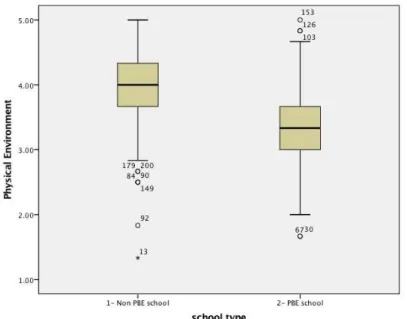
Figure 1: Box and Whisker Plot for Physical Environment scale………65
Figure 2: Box and Whisker Plot for Faculty Relations scale………...65
Figure 3: Box and Whisker Plot for Student Interactions scale………...66
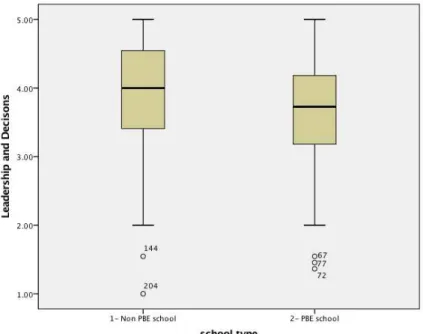
Figure 4: Box and Whisker Plot for Leadership and Decisions scale………..66
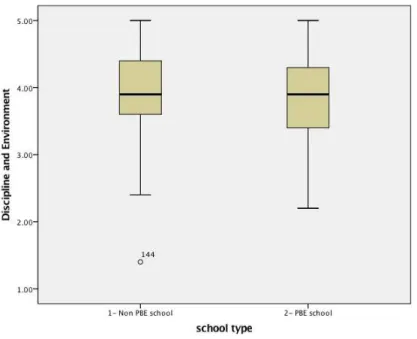
Figure 5: Box and Whisker Plot for Discipline and Environment scale………..67
Figure 6: Box and Whisker Plot for Learning and Assessment scale………..67
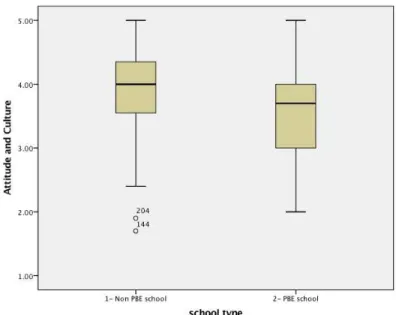
Figure 7: Box and Whisker Plot for Attitude and Culture scale………..68
List of Abbreviations Common Core State Standards (CCSS)
No Child Left Behind (NCLB)
Non-proficiency-based education (Non-PBE) Proficiency-based education (PBE)
The Alliance for the Study of School Climate (ASSC)
CHAPTER ONE: INTRODUCTION Overview
This chapter gives the reader some background information on the topic of school climate and proficiency-based education. It discusses the problem that educational demands place on schools and the subsequent impact on school climate. The chapter finishes with the purpose and significance of the study and the research question.
Background
School climate is something that is taken for granted until it becomes a problem. Freiberg (1998) likened school climate to the air that we breathe, it is just there and not noticed until it turns bad. School climate can have a positive or negative effect on students’ learning and teachers play a major role in the nurturing of a positive school climate (Anari, 2011; Freiberg, 1998; Thapa et al., 2013). With the strong focus on educational reform since the passage of the No Child Left Behind Act (2001) and ESSA (2015), schools and teachers have been under pressure to improve student performance (U.S. Department of Education, 2016). This pressure has increased the stress on teachers and subsequently impacted school climate (Brand, Felner, Seitsinger, Burns, & Bolton, 2008; Stauffer & Mason, 2013; Zullig, Koopman, Patton, & Ubbes, 2010).
The school climate construct goes back over 100 years with work published by Perry in 1908 (Zullig et al., 2010). However, it was not really studied until the 1950’s when the term “organizational climate” was coined in the business world as the workplace environment was scrutinized to look at the effect on productivity (Zullig et al., 2010). In the 1970’s, school climate was viewed through the lens of researchers as they attempted to connect positive school
federal report, “A Nation at Risk”, schools were put under a microscope. This federal report is seen as the historical milestone marking the beginning of the accountability era (Tschannen-Moran & Gareis, 2015). Researchers, school leaders, and even politicians began to seek ways to “fix” the schools (National Commission on Excellence in Education (NCEE), 1983; Zullig et al., 2010). Furthermore, education in the 1990’s, focused not only on schools, but on individual classrooms and teachers. With today’s educational reform, school climate has once again become the focus of study and the impact that these reforms may have on school climate (Stauffer & Mason, 2013; Zullig et al., 2010).
Intertwined with school climate and the focus of school reform is the notion that clear expectations, as expressed in explicit standards and outcomes, will result in improved student scores (Tschannen-Moran & Gareis, 2015). Furthermore, research has linked positive school climate to improved student performance (Brand et al., 2008; Kelley, Thornton, & Daughtery, 2005; Thapa et al., 2013). With the triangle of school reform, positive school climate, and providing students with explicit standards and outcomes, the notion of standards-based education has resurfaced. Standards-based education has many different names including: performance-based education, personalized learning, competency-performance-based education, mass customized learning, and proficiency-based education (Keenan, 2013; Liebtag, 2013; Marzano, 2012; Schwann & McGarvey, 2012). For the purpose of clarity, the term proficiency-based education will be used throughout this paper. Proficiency-based education refers to a system of instruction that includes instruction, formative and summative assessments that are based on a student’s mastery of learning targets or standards before a student can progress to the next lesson or level. A
and proficiency toward a set of standards (CompetencyWorks, 2015; Maine Department of Education, 2015).
Proficiency-based education also came about as a result of the “A Nation at Risk” report in 1983 (U.S. Department of Education) and No Child Left Behind in 2001. Both the report and No Child Left Behind highlighted the problem of low student achievement and sought to find ways to raise student achievement and learning in our nation’s schools. The Common Core State Standards, another historical marker for standards and accountability, were adopted by many states to address educational problems and inequities in curriculum (National Governors’ Association Center for Best Practices and Council of Chief State School Officers, 2010). The Common Core State Standards provide standards for what students need to know to reach clear, academic benchmarks (Tschannen-Moran & Gareis, 2015). The development of standards is one initiative resulting from the educational reform happening in the United States (Clark, 2005). The rationale of educational standards is the foundation of the proficiency-based model of education (Liebtag, 2013).
There are two main theoretical constructs that guide this research. The first is based on Maslow’s (1943) theory of human motivation and Ryan and Deci’s (2000) self-determination theory. Maslow’s theory introduced the idea that each person has unique individual needs that are important to meet in order to meet their full potential (Erickson, 1973; Maslow, 1943; Scales & Leffert, 2004). These needs include physiological, safety, love, esteem and
self-actualization (Maslow, 1943; Scales & Leffert, 2004). Maslow’s defined needs showed an impact on the choices that an individual made and is further emphasized by Maslow’s statement, “We are motivated by the desire to achieve or maintain the various conditions upon which these basic satisfactions rest and by certain more intellectual desires” (Maslow, 1943, p. 394). School
climate is impacted by whether a teacher or student’s needs are being met which in turn impacts the learning and academic success of the students and school (Erickson, 1973; Scales & Leffert, 2004; Thoonen, Sleegers, Oort, Peetsma, & Geijsel, 2011; Wolf, Dulmus, Maguin, & Cristalli, 2013). Deci and Ryan (2000) further the research on motivation and needs of the learner with the theory of self-determination. Deci and Ryan (2000) examined the needs of an individual and the psychological needs that motivate a person. Through empirical research, Deci and Ryan (2000) found that there are three basic needs that foster an individual’s intrinsic motivation including, competence, relatedness, and autonomy. Maslow’s (1943) theory of motivation and the recent work of Deci and Ryan’s (2000) self-determination theory, provide a strong
foundation for understanding proficiency-based education.
Organizational climate theory is the second theoretical construct guiding this research. It was originally developed by the business world and based on employee performance (Schneider, Ehrhart, & Macey, 2013). According to Thoonen et al. (2011), this model ties performance and motivation in the workplace to different characteristics of the work setting and includes external factors such as the social or political environment. This model was used to create a framework to guide research for large-scale reform through the work of Leithwood, Jantzi, and Mascall (2012). Thoonen et al., (2011) used this model in education as a basis for research on school climate.
Problem Statement
The world of education over the last twenty years has increasingly focused on high standards for all students. The No Child Left Behind Act of 2001 required that all students be tested and found proficient in reading and math through state standardized tests (Parkay, Anctil & Hass, 2014). This high-stakes testing mandate has affected the climate of our schools (Parkay
et al., 2014). With the recent passage of The Every Student Succeeds Act (ESSA) in December of 2015, the federal government demonstrated a continued commitment to high standards and accountability in education for all students (U.S. Department of Education, 2016). With the expectations of ESSA, teachers continue to face increasing job demands and are seeking instructional strategies, such as proficiency-based education, to help students meet more stringent academic demands. Students come to school, not only with emotional or physical needs, but also experience stress and test anxiety due to the era of high-stakes testing (Embse & Hasson, 2012). Although there has been much research done on school climate, Thapa et al. (2013) called for more research on school climate from multiple perspectives. Furthermore, Thapa et al. (2013) highlighted a gap in the literature on school climate and called for research that targets specific aspects, activities or curriculum interventions that may affect not only school climate but ultimately, teaching and learning. Due to the increasing difficulty in obtaining consent from schools and parents for research on school climate, Brand et al. (2008), emphasized the utilization of teacher perspectives, carrying out research, through surveys to guide school reform through the lens of school climate. Several studies commissioned by the Nellie Mae Foundation pointed to the limited amount of empirical research on student-centered learning's impact in K-12 classrooms (Friedlander, Burns, Lewis-Chap, Cook-Harvey, &
Darling-Hammond, 2014; LaBanca et al., 2015; Voight, Austin, & Hanson, 2013). The problem is it is unclear how proficiency-based education will impact school climate.
Purpose Statement
The purpose of this causal comparative study is to add to the research on school climate and find out the impact of proficiency-based education on school climate through the perspective of high school teachers. The independent variable will be defined as the proficiency-based
school or the non-proficiency-based school. The dependent variable will be defined as school climate.
Proficiency-based education is a shift in thinking for some teachers and requires teachers to give up long-held beliefs regarding teaching and learning (Starr, 2011). Teachers in
proficiency-based classrooms are no longer the “sage on the stage” but a facilitator of student learning (CompetencyWorks, 2015; Schwahn & McGarvey, 2012). Throughout the United States there are some schools that have made the shift to proficiency-based education however the research is limited on whether or not school climate is impacted by this system of instruction (CompetencyWorks, 2015). This research study will look at whether proficiency-based education has an effect on school climate from teachers’ perspectives in high schools in New England. Proficiency-based education provides students with personalized learning and clear targets as well as teachers with the opportunity to connect with students and achieve academic success (Sturgis, 2015; Marzano, Boogren, Heflebower, Kanold-McIntyre, & Pickering, 2012; Voight, Austin, & Hanson, 2013). Research has linked academic success to positive school climate (Freiberg, 1998, Gumuseli & Eryilmaz, 2011, Embse & Hasson, 2012). With the push for academic reform, Thapa et al. (2013) pointed out that school climate is an important
consideration in strengthening instructional supports and called for more research to be done on school climate linked to various curriculum models or interventions. Therefore, school climate will be examined through the lens of the proficiency and non-proficiency based model.
Significance of the Study
Due to the push by several states for proficiency-based education, some districts throughout the United States have moved to a proficiency-based system. However, there are schools on both ends of the spectrum, with some schools fully implemented and some schools
that are still non-proficiency based (Maine Department of Education, 2015, CompetencyWorks, 2015). Districts and schools that have made the change agree that teacher engagement is important to the change process and dependent on the culture and climate of the schools (Maine Department of Education, 2015).
Proficiency-based education provides clear learning targets for students and allows them to learn at their own pace. This reduces the inequity found in education in the past. According to Friedlander et al. (2014), students in affluent schools tend to get the individual help that they need, have choice in their learning process, and experience authentic learning. However, students in poorly funded schools, low-income areas or schools with a high population of
underserved students, typically do not have the same opportunities for personalized learning and inequity of learning opportunities is present (Friedlander et al., 2014).
The path to academic success requires a paradigm shift for many teachers. The literature pointed to factors that contributed to teacher stress and burnout, with major shifts in school reform as one of these factors (Anari, 2012; Lim & Eo, 2014; Stauffer & Mason, 2013). With the stress and demands in today’s schools and classrooms, positive school climate becomes a major factor in the academic success of schools and students (Thapa et al., 2013). The research highlighted the importance of teacher engagement in the success of the proficiency-based model (Maine Department of Education, 2015). Proponents of the proficiency-based model discussed the positive effects on student learning, teacher collaboration, and engagement
(CompetencyWorks, 2015). The research is limited on whether school climate is different in a proficiency-based school as opposed to a non-proficiency-based school. With the push towards proficiency-based education across New England, this timely study will add to the research on
proficiency-based education and the impact on school climate. The research will further inform educators as they move forward in providing the best environment for teaching and learning.
Research Question
RQ1: Is there a difference between the teachers’ assessments of school climate in a proficiency-based high school and a non-proficiency-based high school on the eight categories measured by The Alliance for the Study of School Climate Secondary Assessment Instrument (SCAI-S-G)?
Definitions
1. School Climate – “The perceptions and practical realities of those within a school as a result of everything that happens within that school, defined across eight separate but inter-related dimensions” (Freiberg, 2005; The Alliance for the Study of School Climate Survey, 2015).
2. Dimension 1-Physical Appearance – “Examines the relationship between the physical characteristics and environment of a school and the climate that it promotes” (SCAI-S-G).
3. Dimension 2-Faculty Relations – “Examines the relationship between how members of the faculty relate to one another and its effects on the climate of the school” (SCAI-S-G). 4. Dimension 3-Student Interactions – “Examines the relationship among student
expectations, peer interactions, and their place in the school and climate that exists” (SCAI-S-G).
5. Dimension 4-Leadership and Decision-Making – Examines the relationships among decision-making mechanisms, how administrative authority is manifested and the climate that is created as a result” (SCAI-S-G).
6. Dimension 5-Discipline and Management Environment – Examines the relationship between the management and discipline approaches used within the school and the climate that is created as a result” (SCAI-S-G).
7. Dimension 6-Learning, Instruction and Assessment – “Examines the relationships among the instructional strategies and the assessment methods used in the school and the climate that is created” (SCAI-S-G).
8. Dimension 7-Attitude and Culture – “Examines the pervasive attitudes and cultures that operate within the school and their relationship to the climate” (SCAI-S-G).
9. Dimension 8-Community Relations – “Examines the relationship between the way that the school is perceived externally and its climate” (SCAI-S-G).
10. Proficiency-Based Education – “Proficiency-based education refers to any system of academic instruction, assessment, grading and reporting that is based on students
demonstrating mastery of the knowledge and skills they are expected to learn before they progress to the next lesson, get promoted to the next grade level or receive a diploma. If students struggle to meet minimum expected standards, they receive additional
instruction, practice time and academic support to help them achieve proficiency, but they do not progress in their education until expected standards are met” (Maine Department of Education, 2015; Sturgis, 2015). Students receive differentiated instruction and support to meet their individual needs. Learning outcomes include application and creation of knowledge and meaningful formative and summative assessment is given (Pace, Moyer, & Williams, 2015).
CHAPTER TWO: LITERATURE REVIEW Overview
This literature review will begin with the discussion of two theoretical frameworks of the study. The first framework is grounded in the work of Abraham Maslow (1943) and his theory of human motivation and Ryan and Deci’s (2000) more recent work on motivation with the development of self-determination theory. The second is the organizational climate theory that is the foundation of school climate (Schneider et al., 2013). The literature review will then focus on school climate and the impact on academic success. School climate will be examined through research in the following eight areas: physical appearance, relationships among faculty, as well as student interactions, leadership and decision-making, discipline and management
environment, teaching and learning, including assessment, attitude and culture, and community relations (ASSC, 2015). Finally, proficiency-based education will be explained and connections made with regard to school climate. Five key elements of a strong proficiency-based model will be discussed including: student mastery, clear targets with measurable learning objectives, formative and summative assessment that is meaningful and positive for students, differentiated teaching and support, and learning targets that include application and creation of new
knowledge (CompetencyWorks, 2015).
Theoretical Framework
There are two main theoretical constructs that guided this research. The first is based on the theory of human motivation (Maslow, 1942; Ryan & Deci, 2000). Maslow’s theory
introduced the idea that each person has unique individual needs that are important to fulfill in order to meet their full potential (Erickson, 1973; Maslow, 1943; Scales & Leffert, 2004). These needs include physiological, safety, love, self-esteem and self-actualization (Maslow, 1943;
Scales & Leffert, 2004). Maslow’s defined needs affect the choices that an individual makes as emphasized by Maslow’s statement, “We are motivated by the desire to achieve or maintain the various conditions upon which these basic satisfactions rest and by certain more intellectual desires (Maslow, 1943, p. 394). School climate is impacted by whether a teacher or student’s needs are being met which in turn impacts the learning and academic success of the students and school (Erickson, 1973; Scales & Leffert, 2004; Thoonen et al., 2011; Wolf et al., 2013).
Building on the work of Maslow, Ryan and Deci (2000) co-founded the
self-determination theory and further defined and explained human motivation. Self-self-determination theory aligns with Maslow’s work on human motivation and the idea that all human beings have basic needs both physical and psychological that must be met in order to reach one’s full
potential (Ryan & Deci, 2000). Ryan and Deci (2000) identified three needs important for the development of self-motivation and positive outcomes: competence, autonomy, and relatedness. The researchers pointed out the importance of motivation in many settings, including the
educational setting. Motivation provides not only energy but also direction and perseverance and ultimately produces results (Ryan & Deci, 2000).
Self-determination theory further explains what motivates people and examines types of motivation and how they are manifest in different situations (Ryan & Deci, 2000). In its simplest form, motivation can be broken down into two types. The first type is autonomous motivation also known as intrinsic motivation. The second type is controlled motivation also known as extrinsic motivation (Deci & Flaste, 1995; Ryan & Deci, 2000).
Developmentalists acknowledge that intrinsic motivation is found in young children and is not dependent upon any type of reward. However, it is unclear why motivation has a tendency to decrease as students progress through school (Ryan & Deci, 2000). Therefore, Ryan and Deci
(2000) sought to understand this phenomenon through self-development theory and researched human motivation not only from a needs standpoint but also to discover conditions that fostered intrinsic motivation. The researchers found that classroom models and curriculum that supported competence, autonomy, and relatedness promoted intrinsic motivation (Deci & Flaste, 1995; Ryan & Deci, 2000).
Intrinsic motivation involves the need to feel competent. Competence is defined as an individual taking on challenges that are not too hard or too easy but provide a meaningful challenge that when achieved provides an individual with a sense of accomplishment and
competence (Deci & Flaste, 2000). High standards and rigor do not guarantee positive outcomes if an individual perceives that they are unattainable (Dweck, Walton, & Cohen, 2014). As an individual perceives competence, this inspires intrinsic motivation (Deci & Flaste, 1995).
While it was found that competence is important in relation to intrinsic motivation, autonomy must also be present (Ryan & Deci, 2000). “People must not only experience
competence or efficacy, they must also experience their behavior as self-determined for intrinsic motivation to be in evidence” (Ryan & Deci, 2000, p. 70). Autonomy rather than control is important in fostering intrinsic motivation (Ryan & Deci, 2000). Choice and the free will of the individual related to the task or activity that they are involved in provides autonomy. Feedback that is not given to control a person’s actions but to encourage and support that person where they are, will result in that person feeling competent (Deci & Flaste, 1995). Research has shown that students taught in a controlling environment show less initiative, less motivation, and learn less (Grolnick & Ryan, 1987; Utman, 1997). Through their research, Ryan and Deci (2000) found that autonomous motivation is an important factor in better performance and
Flaste, 1995). This has also been found to hold true in areas other than education and work, such as sports and music (Frederick & Ryan, 1995). Deci and Flaste (1995) stressed the importance of competence and autonomy related to intrinsic motivation and success for an individual (Deci & Flaste, 1995).
Relatedness was shown to be important in building and maintaining intrinsic motivation (Ryan & Deci, 2000). Relatedness is defined as, “the need to feel connected with others…the need to love and be loved, to care and be cared for” (Deci & Flaste, 1995, p. 88). This
relatedness or connection is supported through research that demonstrated the importance of caring relationships in a student’s academic success (Allen et al., 2013; Drolet & Arcand, 2013; Hawkins, Monahan, & Oesterle, 2010; Murray-Harvey, 2010; Petty, Wang, & Harbaugh, 2013). Intrinsic behaviors are positively impacted in individuals who experienced a sense of belonging and connection (Ryan & Deci, 2000; Dweck et al., 2014).
In order to better understand self-determination theory, one must examine and understand controlled motivation, the opposite of autonomous motivation. Controlled motivation puts various forms of pressure on an individual, including positive reinforcement such as rewards or even praise (Deci & Flaste, 1995). Ryan and Deci (2000) found through their research that this type of motivation produces compliance that tends to produce less learning or understanding and more anxiety, depression, or narcissism. It may also produce defiance and result in negative behaviors or behaviors opposite to the desired outcome (Deci & Flaste, 1995). In education, this controlled motivation may also produce more rote learning, learning for “the test” and less, deeper learning and understanding of the material (Deci & Flaste, 1995). The research of Adams, Forsyth, Dollarhide, Miskell, and Ware (2015), further corroborated autonomous motivation. These researchers found that schools who emphasized autonomy, competence, and
relationships and did not control student behaviors through rewards and punishment were found to be significantly higher in mathematics achievement than those schools who utilized
controlling behaviors (Adams et al., 2015).
The second theoretical construct that guided this research is the theory of organizational climate. It was originally developed for the business world and based on employee performance (Schneider, Ehrhart, & Macey, 2013). Most of the research on the organizational climate theory started in 1950 and attempted to look at the environment of businesses and the impact on morale, productivity, and turnover (Zullig et al., 2010). Organizational climate is defined as, “the shared perceptions of and the meaning attached to the policies, practices, and procedures employees experience and the behaviors they observe getting rewarded and that are supported and
expected” (Schneider et al., 2013, p. 362). Performance and motivation in the workplace are tied to different characteristics of the work setting and includes external factors such as the social or political environment (Thoonen et al., 2011). As workers start in a new job or position, they observe the culture and climate of the organization. Through observation and experiences, including the type of motivation presented, the individual worker makes decisions on performance according to the impact it will have on their psychological well-being (Wolf, Dulmus, & Maguin, 2012). Organizational climates that provide a safe environment to learn from mistakes or failure, and resolve problems are important for successful outcomes (Wolf et al., 2012). Prior research regarding organizational climate established that the characteristics and conditions of the organization had more impact on climate than individuals in the organization (Schneider et al., 2013). A shared perception of individuals within the organization, however, may affect the overall climate and organizational outcomes (Wolf et al., 2013). The literature also indicated a strong connection between poor organizational climate and poor results. This
highlighted the need for best practices in an organization to ensure an improvement in climate that ultimately produces quality outcomes (Schneider et al., 2013). It is important to note that Wolf et al. (2013) pointed out that there were not a large number of studies that specifically linked organizational climate to client outcomes. Further research may be appropriate in this area.
In transferring the business model of organizational climate to the research on school climate, researchers found four essential areas important including: safety, relationships,
teaching and learning, and institutional environment (Anderson, 1982; Brand et al., 2008; Miller & Fredericks, 1990; National School Climate Center, 2015; Thoonen et al., 2011). Each of these areas will be examined through an educational lens and their impact on schools and student success.
Related Literature School Climate
According to the Center for Social and Emotional Education, “School climate is based on patterns of peoples’ experiences of school life and reflects norms, goals, values, interpersonal relationships, teaching and learning practices, and organizational structures” (National School Climate Center, 2015). School climate forms the core of a school. A positive school climate draws students, teachers, administrators, and other staff members to enjoy coming each day (Freiberg, 2005). School climate is part of a healthy school environment and is not something that can be addressed once and fixed. Nurturing school climate takes time, continuous care, and intentional practices (Freiberg, 2005).
Voight, Austin, and Hanson (2013) carried out an extensive study on what makes a school successful. Their research associated the climate of a school with a school’s success more
than a school’s resources. The essential areas associated with school climate impacted the success of the students and school more than resources such as money, teacher experience or support service (Voight et al., 2013). School climate can be shaped and impacted by school districts and therefore is an important consideration in regard to school reform and success (Voight et al., 2013). Van Ryzin (2011) also found that perceptions of school climate were connected to engagement and academics. With many research studies linking positive school climate to teacher and student engagement as well as academic success for students, it is important for schools to better understand areas that impact school climate (Brand et al., 2008; Freiberg, 1998; Stauffer & Mason, 2013; Thapa et al., 2013). There are eight essential areas of school climate that will be examined through research in order to better understand what
encompasses school climate; physical appearance, relationships, safety, leadership and decision-making, discipline environment, learning, instruction, and assessment, attitude and culture, and community relations (Adams et al., 2015; Alliance for the Study of School Climate, 2014; Voight, Austin, & Hanson, 2013).
Physical appearance. The physical appearance of the school including the conditions of the facility and building, impact the climate of the school in various ways (Uline, Wolsey, Tschannen-Moran, & Lin, 2010). The poor quality of facilities may detract good teachers from wanting to work in such an environment. This in turn impacts the quality of teaching and learning for students and ultimately impacts school climate (Horng, 2009; Uline et al., 2010). Research further shows that teachers and students in schools with poor quality facilities and low resources show a reduction in efficacy and motivation to achieve (Horng, 2009; Uline et al., 2010). Uline et al. (2010) pointed out, however, that in one school studied, the facilities were inadequate yet the teachers and students worked hard to build a climate of school pride and
community and positively impacted school climate and achievement. Uline et al. (2010) discussed earlier research that found cleanliness and neatness of a school were preferred by all stakeholders more than newer facilities and may explain why schools that had poor resources still ranked high in school climate. As more research is conducted in this area, findings may point to a better understanding of the relationship between the physical environment and positive school climate. Uline et al. (2010) also noted that further research should investigate the extent to which the physical environment impacts not only an individual’s attitudes and behaviors but also the total school climate.
Relationships. “The process of learning and teaching is fundamentally relational. The patterns of norms, goals, values, and interactions that shape relationships in schools provide an essential foundation for school climate” (Cohen & Geier, 2010, p. 3). Relationships in a school setting happen not only between colleagues but also between teachers and students. These relationships combined together have an impact on the quality of school climate and ultimately the quality of academic life (Bird, Martin, Tummons, & Ball, 2013).
Facultyrelations. The importance of positive relationships among faculty plays a vital role in building a positive school climate. Collegial interactions are important in fostering respect as well as the sharing of ideas that combat feelings of isolation (Conner, 2014).
Troman’s (2008) case study found that relationships mattered to teachers as they discussed their opinions on school climate. Administrative leadership in a school should support the
collaboration and relationship building of faculty that in turn helps to foster a positive school climate and subsequently, impacts academic achievement (Southern Regional Education Board, 2009, 2012). Conner (2014) also pointed out that this collaboration among staff likewise acts as a role model for students in the construction of positive school climate.
Teacher and students. Many research studies demonstrated the importance of
relationships for adolescents (Allen et al., 2013; Drolet & Arcand, 2013; Hawkins, Monahan, & Oesterle, 2010; Murray-Harvey, 2010; Petty, Wang, & Harbaugh, 2013). The research
highlighted the importance of positive support from caring adults. Adolescents expressed their need for positive relationships and the need to be heard and understood (Drolet & Arcand, 2013). Research has shown that interactions in the school setting with teachers impacted the students’ attitudes toward school and ultimately toward academics (Bird et al., 2013; Reglin, 1990; Roeser & Eccles, 1998). It was also found that the positive student-teacher relationship increased student participation and satisfaction with school. This in turn raised academic motivation, and effected the student absence rate and dropout rate (Bird et al., 2013; Wentzel, Battle, Russell, & Looney, 2010). Positive student-teacher relationships helped the student to feel connected to the school. This school connectedness showed a link to positive outcomes and also lessened the probability of other negative behaviors and risk (Hawkins, Monahan, & Oesterle, 2010). Murray-Harvey (2010) provided empirical evidence for the importance of teachers building positive relationships with students that not only impacts students socially and emotionally but is also essential for improving academic achievement. The emotional connection in the classroom is a key piece in predicting student learning and encompasses not only positive student and teacher relationships but also positive peer interactions (Allen et al., 2013).
Peer to peer. Maslow (1943) listed self-esteem as an important, basic need. Self-esteem is linked to the amount of perceived social support among students and a sense of belonging. As social support increases, a person’s self-esteem increases (Budd, Buschman, & Esch, 2009). A sense of belonging is defined by whether or not a student feels accepted and valued as part of the school community (Frehill & Dunsmuir, 2015; Goodenow & Grady, 1993). The literature
addressed the strong need for students to feel like they belong and the impact it has on school success (Allen et al., 2013; Aryana, 2010; Cohen & Garcia, 2008; Goodenow & Grady, 1993; Osterman, 2000). The research highlighted the importance of a student’s need for a sense of belonging with peers in the school and coincided with Maslow’s theory on the defined needs of an individual (Parkay, Anctil, & Hass, 2014; Scales & Leffert, 2004). The need for a sense of belonging can be traced back to the research of Goodenow and Grady (1993) that emphasized the correlation between a student’s sense of belonging and academic motivation and
achievement. According to Goodenow and Grady (1993), “Students’ subjective sense of school belonging has been identified as a potentially important influence on academic motivation, engagement, and participation, especially among students from groups at risk of school dropout” (p. 60). Maslow’s theory is again emphasized as research highlighted the importance of student belongingness in achieving academic success. Students who do not feel that they belong, or believe that they are welcomed and respected in the school will start to disengage and eventually drop out (Finn & Rock, 1997; Goodenow & Grady, 1993). Wallace, Ye, and Chhuon (2012), noted that students needed to have a sense of belonging in areas of their life where they spend significant amounts of time and gave evidence to the connection between academic achievement and sense of belonging. The research of Kingery, Erdley, and Marshall (2011) indicated robust findings that demonstrated peer acceptance as a predictor of academic achievement. Another study also found that a student’s sense of belonging predicted academic success in both high and low poverty areas (Irvin, Meece, Byun, Farmer, & Hutchins, 2011). It is important to note that one research study, while finding no correlation between self-esteem, which is linked to a sense of belonging, and student achievement, also found that self-esteem had no negative effect on
achievement (Baumeister, Campbell, Krueger, & Vohs, 2003). Further research may be appropriate in this area.
The importance of peer-to-peer relationships as they pertain to learning in the classroom impacts the climate of the classroom and the school. Supportive peer relationships were found to strengthen a positive learning climate (Bryk, Sebring, Allensworth, Luppescu, & Easton, 2010). The significance of peer acceptance and friendships is supported by Burack et. al’s (2013) research that found peer acceptance and friendships, and not parent or cultural affiliations, impacted school grades.
Positive student interaction also supported instruction and learning through the use of methods such as cooperative learning (D. Johnson, R. Johnson, & Roseth, 2010). Classroom and school climates that encouraged students to learn together, share, teach each other and value each other produced a positive social interdependence and higher achievement (D. Johnson, R.
Johnson, & Roseth, 2010). The promotion of positive peer relationships through such avenues as cooperative learning fostered self-esteem and supported the belief that a higher self-esteem is shown to have a positive impact on student achievement (Aryana, 2010).
A sense of belonging in the classroom was also linked to a student’s ability to feel confident and competent in regard to academics in the classroom (Darragh, 2013). Darragh (2013) found a direct association between confidence, competence, and a sense of belonging in a mathematics classroom. This research aligned with Ryan and Deci’s (2000) self-development theory and the importance of competence, autonomy, and relatedness.
Peer relationships may impact the development of self-efficacy. Carlisle’s (2011) research highlighted the strong connection between self-efficacy and motivation. This sense of self-regulation is key in goal setting and persistence in following a task to completion (Erdem &
Demirel, 2007). “There is evidence that a high sense of self-efficacy supports motivation, even when the feeling of efficacy is unrealistically high” (Woolfolk as cited in Erdem & Demirel, 2007). Research has shown that schools can impact the development of self-efficacy through relationship building with staff and peers. Schools can also help raise students’ self-efficacy levels through curriculum, instruction, and support that promote academic success (Carlisle, 2011; Scales & Tacccogna, 2000; Starkman, Scales, & Roberts, 1999).
It is important to note that Wentzel’s (2009) research found that older students were more than likely to share academic failures and successes than younger students possibly in order to gain help in school. This is further explored through the research of Lynch, Lerner, and
Levanthal (2013) who found peers influenced behaviors both within the circle of friends and the larger peer group. These findings are inconsistent with other research that demonstrated students are less likely to seek help from peers as they grow older (Altermatt, 2011; O’Neel & Fuligni, 2013). A Chinese study challenged the association of sense of belonging and academic achievement. The researchers found no direct correlation between sense of belonging and academic success (Liu & Lu, 2010). However, with the study limited to Chinese students, the researchers explained that Chinese high school is very difficult and cognitive factors may play a role in academic achievement more than a student’s sense of belonging (Liu & Lu, 2010).
Strong research supports the important role of peers in the educational environment. Consequently, schools should consider the role of peers when working to improve academic success. The influence of peer culture in school, however, requires further research and study (Lynch et al., 2013).
Safety. The need to feel safe remains fundamental to a student’s success. Maslow
and physically important for all human beings. Schools must ensure that both teachers and students have the basic need of safety met before teaching and learning can occur (Thapa, Cohen, Guffey, & Higgins-D’Allessandro, 2013). Research has shown that schools where students do not feel either emotionally or physically safe with peers, have higher rates of absenteeism and lower academic achievement (Astor, Guerra, & Van Acker, 2010; Gregory et al., 2010). Voight et al. (2013) provided additional research that showed the importance of providing a safe and supportive environment to support optimal student performance. Cornell and Mayer (2010) added to the literature on the impact of disorder in schools due to student behaviors that disrupt the classroom and school environment and have been shown to impact learning and academic achievement. Schools that had clear and consistent rules provided students with a feeling of safety and well-being (Bosworth, Ford, & Hernandaz, 2010). It is important to note, however, that schools with safety and order issues must not only look at classroom management and instruction but also take a more interdisciplinary approach with other stakeholders in the community, including mental health providers (Cornell & Mayer, 2010). As Maslow (1943) and Ryan and Deci (2000) demonstrated, the physical and psychological human needs must be met in order to achieve success academically and ultimately in life. As Cornell and Mayer (2010) shared from the Goals 2000, Educate America Act, “by the year 2000, every school in America will be free of drugs and violence and the unauthorized presence of firearms and alcohol, and will offer a disciplined environment conducive to learning” (Goals 2000: Educate America Act, 1994). While this valued goal remains unmet as of today, a safe environment is important to educators. Ultimately, a safe and supportive environment plays a vital role in building positive school climate (Bosworth et al., 2010).
Leadership and decision-making. Research shows that the school administration plays a vital role in determining school climate (Hough & Schmitt, 2011; May & Sanders; Southern Regional Education Board, 2009, 2012; Zullig et al., 2010). Beaudoin (2011) pointed out that transformational leaders are the driving force behind positive school reform and climate. At the building level, this leadership should focus on fostering collaboration and empowering teachers to create the optimal learning environment for students (McCarley, Peters, & Decman, 2014).
Principal’s role. The leadership of the school plays a major role in the development of positive school climate that in turn impacts any type of school reform and the change process (May & Sanders, May & Supovitz, 2011; Sebastian & Allensworth, 2012). Park’s (2012) research gave empirical evidence that a principal’s leadership style contributed to a school climate that is open to change and innovation. The scope of leadership responsibilities varied across districts. May and Supovitz (2011) focused on three areas important to measuring leadership; having a clear vision for the school, building and supporting a collaborative climate, and supporting teachers’ instructional practices. Thoonen et al. (2011) found that
transformational leadership practices such as vision building and individual support promoted teacher empowerment. Leaders who provided support and time for teachers to collaborate were found to be more effective in positive school climate and increased academic improvement (Southern Regional Education Board, 2012). Leaders who provided professional development and intellectual stimulation fostered a climate of collaboration and trust (Thoonen et al., 2011). Tschannen-Moran and Gareis’ (2015) found a strong correlation between trustworthy leadership and the cultivation of a strong school climate. These findings are in agreement with the
extensive research of Kouzes and Posner (2012) who shared that a leader’s behavior is vital to the success of an organization. According to Kouzes and Posner (2012), this behavior should
lead to intentional practices including, “Model the way, inspire a shared vision, challenge the process, enable others to act, and encourage the heart” (p. 29).
While many studies provided evidence of leadership practices that were found to be effective in positive school climate and transformative change, May and Supovitz (2011) took the research one step further and examined the scope of a principal’s efforts and the impact on school climate and instruction. Their research found that a principal’s influence on targeted, individual teachers impacted school improvement more than broad-based influence involving the whole school (May & Supovitz, 2011). According to Park (2012), school administrators tend to overlook or neglect stakeholders in the change process. This impacts the success of school change. Kouzes and Posner (2012) shared the importance of helping individuals within an organization to develop and increase their abilities, self-determination, and confidence that in turn will produce strong leaders and a climate of engagement and success. May and Supovitz (2011) cautioned, however, that only targeting individual teachers may not be the best practice in every situation and suggested that a principal utilize a combination of broad and targeted
influence. Successful principals act as role models, provide direction for the school, support for teachers, and create a climate of collaboration and trust (Thoonen et al., 2011).
Discipline environment. The expectations of student behaviors and the management of student behaviors are factors in a positive or negative school climate (ASSC, 2015; Zullig, Huebner, & Patton, 2010). Strong leadership was found to connect to an orderly learning environment that in turn had a positive effect on school climate (Sebastian & Allensworth, 2012). Shindler, Jones, Williams, Taylor, and Cadenas (2011) also found that individual teacher’s management styles affected not only student achievement but also school climate. Management styles that promoted a sense of responsibility for one’s actions and empowered
students to be self-directed learners were associated with a positive school climate (Shindler et al., 2011). Teachers willing to build relationships and who are committed to the students and school help foster a positive school climate (Shindler et al., 2011).
Learning, instruction, and assessment. Since the beginning of structured education, the concept of teaching and learning centered on the teacher as instructor. Research increasingly points to a shift with the teacher as a facilitator of learning (Khan, 2012; Marzano, 2012;
Schwahn & McGarvey, 2011). With the age of technology and the Internet, students have information at their fingertips. Although information is easy to find and constantly changing in a global world, students need a teacher who can help them apply the information in various ways such as comparing, classifying, analyzing, investigating and inventing (Klein, 2013; Marzano & Kendall, 2008).
A classroom climate that fosters inquiry in a safe environment with high expectations and achievable goals will help students achieve academic success (Hoy, 2012). High expectations are important in building academic tenacity. Academic tenacity is defined as “non-cognitive factors that promote long-term learning and achievement” (Dweck et al., 2014, p. 4). Fostering academic tenacity can be accomplished by challenging students with high standards and the expectation that with the proper support and scaffolding, students will be successful (Dweck et al., 2014; Deci & Flaste, 1995; Schwahn & McGarvey, 2011).
According to Marzano (2007), teaching is an art. Teachers have the ability to impact the effectiveness of the classroom and school not only with climate but also student learning and academic success (Marzano et al., 2012; Tschannen-Moran & Gareis, 2015). Classrooms that meet individual student needs and assist students to become self-regulated with authentic
interactions between peers and teachers are important features to make schools a positive learning environment (Hoy, 2012).
Effective classroom pedagogy may be attained through effective instructional strategies, effective management strategies, and effective curriculum design (Marzano, 2007). By
providing students with clear expectations and goals to achieve in the classroom, teachers are promoting effective instructional strategies and fostering a positive school climate. Academic rigor is supported by providing students with clearly defined learning outcomes and assists in the development of an outstanding academic school climate (Bryk et al., 2010, Marzano et al., 2012). Effective management strategies such as cooperative learning, respect and trust, and strong relationships in the classroom setting, all help to promote a positive climate (Thapa et al., 2012). Not only do these strategies contribute to effective classroom pedagogy and affect school climate, they also align with a proficiency-based model of instruction (Schwahn & McGarvey, 2011).
Teacher’s role. The vision and mission of the school as well as the improvement of
educational practices is part of the important role of a teacher in today’s schools (Kilinc, 2014). We need teachers who are leaders both in and out of the classroom. Teacher leadership is
defined as teachers who lead in and outside of the classroom, and contribute to the community of learners through best teaching practices to increase school improvement (Katzenmeyer & Moller, 2009). Teachers promote a positive school climate when practicing collaboration and
establishing supportive relationships throughout the school (Kilinc, 2014; Sweetland, & Hoy, 2000). Kurt, Duyar, and Calik (2012) further emphasized that a positive or negative school climate impacted the relationships between colleagues and teachers and students. Research has shown that students placed high value on positive relationships with adults who cared about
them. Students reported appreciation of adults who listened to them, helped them to improve, and supported them (Drolet & Arcand, 2013). This type of relationship builds trust, which in turn helps to build a positive school climate (Drolet & Arcand, 2013). Drolet and Arcand (2013) also found that students expressed their appreciation of adults who acknowledged what they could do and worked with them to find ways to develop the student’s individual academic talent.
Effective management in the classroom supports both positive school climate and school change (Newberry, Gallant, & Riley, 2013). According to the National School Climate Center (2015), teachers should be intentional in promoting a positive school climate by being role models, managing classrooms that allow for trust and respect, and providing strong pedagogy. Some examples of strong pedagogic methods are those found in cooperative learning, service learning, and proficiency-based learning (Marzano et al., 2012; National School Climate Center, 2015). While research has shown that positive relationships with peers positively effects
cognitive development, teachers cannot make students have friends. They can, however, employ classroom strategies and methods such as mentioned above, including the organization of
cooperative learning groups and one to one teaching to foster relationships in the school setting (Johnson & Roseth, 2010). It should be noted that proficiency-based education encourages small group learning and individualized instruction (CompetencyWorks, 2015).
Attitude and culture. The school environment involves not only how teachers and students feel connected to the school but also involves the leadership of the school and
professional attitudes of the school staff. Each of these variables has an effect on the total school environment (National School Climate center, 2015). School practices that involve leaders with a strong vision and teachers that focus on relationships and relevant instruction contribute to a school’s academic success (Walters et al., 2014). Friedlaender et al. (2014) found a common
thread among successful schools. Successful schools all emphasized the idea that every student has the potential to learn to high standards. This attitude should drive the vision of the school and the practices of each stakeholder in the school community to achieve success (Friedlaender et al., 2014).
School connectedness. The Centers for Disease Control and Prevention provides a clear definition of school connectedness as “the belief held by students that adults and peers in the school care about their learning as well as about them as individuals” (CDC, 2015, para. 1). School connectedness is nurtured through the promotion of a sense of belonging within the school community. Acceptance and value to the organization promotes this sense of belonging (Frehill & Dunsmuir, 2015; Goodenow & Grady, 1993). The research also highlighted the importance of other stakeholders and their feelings of connectedness to the organization, built through trust and collaboration (Kouzes & Posner, 2012). Trust is the foundation to building and sustaining connections (Kouzes & Posner, 2012). According to Bennis and Nanus, “Trust is the emotional glue that binds followers and leaders together” (1997, p. 142).
The literature addressed the strong need for students to have a sense of belonging and the subsequent impact on school success (Allen et al., 2013; Aryana, 2010; Cohen & Garcia, 2008; Goodenow & Grady, 1993; Osterman, 2000). Goodenow and Grady (1993) defined sense of belonging as “the extent to which students feel personally accepted, respected, included, and supported in the school social environment” (p. 60). Students who feel connected to their school are more likely to have better academic achievement and school attendance (CDC, 2015; Klem & Connell, 2004, Wentzel et al., 2010). The literature also pointed out that school connectedness is linked to a positive school climate and feeling safe at school (Mehta, Cornell, Fan, & Gregory, 2012). Mehta et al.’s (2012) research supported the school safety research that showed students
who felt unsafe or bullied, showed less connectedness and low engagement at school (Astor et al., 2010; Gregory et al., 2010; Thapa et al., 2013; Voight et al., 2013).
Community relations. The importance of the community including parents, businesses, community members, and other organizations has been shown to improve and expand learning opportunities and build relationships that promoted a positive school climate (Perkins, 2008). The research pointed to the relationship between community and school improvement and the desire of community to be involved with the school (Ice, Thapa, & Cohen, 2015).
Having clean and well-maintained physical facilities positively affected community engagement (Uline et al., 2010). The condition of physical facilities also factors in attracting quality teachers and staff. School leaders realize that well maintained, welcoming school environments may effect decisions made by community members, taxpayers, and policymakers who make choices on whether or not to allocate resources for school improvement (Uline et al., 2010).
Jeynes (2007) meta-analysis of 52 research studies sought to determine whether parent involvement made a significant difference in a child’s education. The results of the meta-analysis found an association between parent involvement and a child’s academic success. It also showed the importance of this involvement with various populations as well as various parental programs (Jeynes, 2007).
Building school-family-community relations starts with good communication (Griffin & Galassi, 2010). Schools need to engage parents and community members in the educational process, asking for input, and communicating resources that are available to promote academic success (Griffin & Galassi, 2010). Parents and community members need to feel welcome in the
school and are more likely to communicate with school personnel and access resources to support academic achievement if they have a sense of community (Griffin & Galassi, 2010). Proficiency-Based Education
As the research demonstrates, there is a strong case for the importance of positive school climate. Attention to the needs of teachers and students supports a positive school climate (Newberry et al., 2013). In light of the school reform occurring across the United States, many studies pointed out that schools must find ways not only to promote a positive school climate but also to facilitate student learning and achievement (Corrigan, D’Alessandro, & Brown, 2013; Hoy, 2012; Kilinc, 2014; Stauffer & Mason, 2013; Thoonen et al., 2011; Wentzel et al., 2010). As Freiberg (2005) stated, “Continuous improvement requires continuous information about the learner and the learning environments” (p.24).
One of the major reforms sweeping the nation is the Common Core State Standards created by the Council of Chief State School Officers and the National Governors Association (NGA & CCSSO, 2010). The Common Core State Standards were designed to provide clear academic benchmarks and standards that provide equity, clarity, and collaboration in and among schools (Liebtag, 2013). Proficiency-based education is one way to implement the Common Core State Standards and move towards a more individualized approach of teaching and learning and also encompass many of the essential areas that promote a positive school climate (Maine Department of Education, 2015).
Melville, Bartley, and Weinburgh (2012) pointed out that lasting student gains are dependent on teachers and students working together for the common good. Proficiency-based education encourages peer-to-peer collaboration as well as teachers working collaboratively with students and colleagues. Proficiency-based education is a learner-based model whereby students
are given the individual academic support needed to assist them in mastery of knowledge at their own pace (Maine Department of Education, 2015). Tschannen-Moran and Gareis (2015)
reasoned that if schools are clear about standards and assess students on these standards and educators are held accountable, then academic performance will improve. This sounds simplistic, however, many factors impact academic performance including the area of school climate. Education is complex and schools need to find ways to meet the needs of the learner in the twenty-first century (Tschannen-Moran & Gareis, 2015). Voight et al. (2013) highlighted the outcomes of over 300 studies from the U.S. Department of Education that demonstrated the importance of high expectations, learning connected to students’ needs, and small group instruction to increase academic success. Proficiency-based education is one model that many schools are turning to as they strive to improve academic performance (CompetencyWorks, 2015; Maine Department of Education, 2015).
Students today have very different needs, experiences, and expectations than schools structured 100 years ago (Schwahn & McGarvey, 2011). Technology not only provides knowledge and information at the touch of a button, it also provides schools with many more options for learning (Khan, 2012). Today’s world requires a workforce that is not just proficient in math and reading but able to solve problems, synthesize, and conceive new ideas (Khan, 2012). Proficiency-based education does not rely on tests or one-shot snapshots of a student’s performance but understands that students learn at different rates and in different ways and tailors learning to their individual needs (CompetencyWorks, 2015; Khan, 2012).
Proficiency-based education provides cognitive scaffolding for students. Cognitive scaffolding gives support for students that is more individualized to their needs, and quality feedback that assists students in reaching high standards (Dweck et al., 2014). The students are
able to utilize feedback to improve their learning and ensure that targets or standards are met (Schwahn & McGarvey, 2011).
The proficiency-based classroom supports the three conditions that self-determination theorists found important in motivation for academic success including competence, autonomy, and relatedness (Ryan & Deci, 2000). Students are provided the scaffolding needed to feel competent and yet have autonomy in learning choices (Dweck et al., 2014). Sense of belonging or relatedness is cultivated in a proficiency-based classroom through small group learning and smaller learning communities within the school (Dweck et al., 2014). Many studies have shown the power behind school connectedness and the desire for students to get one-on-one attention from their teachers (Allen et al., 2013; Aryana, 2010; Cohen & Garcia, 2008; Dweck et al., 2014; Goodenow & Grady, 1993; Osterman, 2000).
The research with organizational climate theory aligns with the proficiency-based model highlighting the importance of a work or educational environment that provides a safe, positive environment where failure is not an option. Instead, students know what they need to learn, and mistakes are an avenue to feedback that promotes learning (Dweck et al., 2014; Marzano, 2012; Schwahn & McGarvey, 2011).
The research remains unclear whether or not proficiency-based education has an impact on teacher satisfaction and ultimately school climate. Sturgis (2015) pointed out several factors, however, that may promote teacher satisfaction and thereby impact school climate. Teachers in a proficiency-based model have more autonomy in how they design the learning pathways for their students (Sturgis, 2015). There is also more emphasis on one to one planning and small group instruction. This fosters relationships that are key in a positive school climate
among staff was found in successful proficiency-based school models that promoted respect and trust (Sturgis, 2015).
There are five main elements that are key in proficiency-based education: student mastery, clear targets with measurable learning objectives, formative and summative assessment that is meaningful and positive for students, differentiated teaching and support, and learning targets that include application and creation of new knowledge (CompetencyWorks, 2015). It was also noted that strong teachers and leaders are part of an effective proficiency-based model (CompetencyWorks, 2015).
Student mastery and clear targets go hand in hand. Students are expected to master specified content that is clearly defined. Clear targets are important to the success of students. If students are provided with a clear target, they will hit it (Stiggins, 2014). The materials,
assignments, and teaching instruction align with the specified content to provide clearly defined targets for mastery (Deci, 2009; Schwahn & McGarvey, 2011). The learning is personalized with support and teaching is based on an individual’s needs. Student progress is tracked and
advancement made upon mastery (Marzano, 2012; Schwahn & McGarvey, 2011). A phrase often used in regard to proficiency-based education is, “Learning is constant, and time is the variable” (Sturgis, 2015, p. 8).
Along with clear targets, formative assessments that help students understand what they know and what they need to work on is important before they demonstrate mastery of the learning objectives through a summative assessment. Formative assessments provide teachers with feedback on what students have learned so that support is provided for student mastery (Friedlaender et al., 2014; Marzano, 2012; Schwahn & McGarvey, 2011). High standards and rigor do not guarantee positive student outcomes if students do not perceive that they can attain