Liberty University John R. Rawlings School of Divinity
The Role and Function of a Hospital Chaplain in an Interdisciplinary Team
A Thesis Project Submitted to
the Faculty of Liberty University School of Divinity in Candidacy for the Degree of
Doctor of Ministry
by
Joseph R. Jeffries
Lynchburg, Virginia October 2020
i Copyright © 2020 by Joseph R. Jeffries
ii
Liberty University John W. Rawlings School of Divinity
Thesis Project Approval Sheet
Mentor: Dr. James Fisher, Ph.D., BCC Assistant Professor of Practical Studies John W. Rawlings School of Divinity
Reader: Dr. Brent Kelly, Ph.D. Instructor John W. Rawlings School of Divinity
iii
THE DOCTOR OF MINISTRY THESIS PROJECT ABSTRACT Joseph R. Jeffries
Liberty University John W. Rawlings School of Divinity, 2020 Mentor: Dr. James Fisher
Healthcare workers provide quality of care to patients who enter the hospital. However, to provide the holistic care, patients need interdisciplinary teams who meet and collaborate on a plan of care. There are various skills sets required on an interdisciplinary team including
chaplains. However, members of an interdisciplinary team do not necessarily understand how to utilize the chaplain’s multifaceted training for the best holistic care of the patient. The purpose of this study is to review the interdisciplinary team in the hospital context and address the
understanding of the chaplain’s role and function.
The study will utilize a qualitative research method within the hospital context using interdisciplinary teams as the sample population and a sample size of 12 healthcare workers. The setting will be within the context of the hospital using questionnaires, one-on-one interviews, and observations as data collection methods. This study should help educate healthcare workers on interdisciplinary teams regarding the role and function of the hospital chaplain within the
hospital. It should also draw attention to how members of those on the interdisciplinary teams are trained not only together, but also in their initial medical training, whether it be nursing,
caseworker, pharmacist, or physician. If there is an expectation and consideration for members on the interdisciplinary team to work together then part of their education should be on not only team development, but the different roles and functions of those they will come in contact with during their career in order to provide quality care for patients.
Thesis project topic abstract length: 249 words
iv
Acknowledgments
I would first like to thank my Lord and Savior Jesus Christ for allowing me the opportunity to pursue and complete this project. In Philippians 4:13 it says, “I can do all this through Him who gives me strength.” I would also like to thank my mom and dad Martha and Richard Jeffries who raised me in a wonderful and caring Christian environment. It was through them that I came to know Jesus as my Lord and Savior. They made certain church was a part of my life and always believed in me and told me I could do whatever I wanted. Words alone cannot express the love I have for the both of them. Also, I want to thank my older brother Edwin who is no longer with us but with Christ. I look forward to seeing him and my parents again. I also want to thank my colleagues at Methodist and the participants without whose help I would not have been able to complete this project. I want to thank my mentor Dr. James Fisher for all the hard work of reading and directing my project. Finally, I want to thank my best friend, my wife Wanda Jeffries. She has been my rock, my strength during this project always being patient and giving. Her love towards me has been second only to God. I am forever grateful to her for the support she has given me during this project. I am looking forward to growing older together with her and loving her even more. You will always be my sunshine.
Also, I want to note during the time of this research project a global pandemic was taking place flooding the hospitals with patients having COVID-19. The healthcare workers were expending long hours and struggling with few resources to help those who contracted the virus. However, the healthcare workers remained true professionals by risking their health to care for the city of San Antonio. They are truly the heroes of the fight.
v Contents Figures... ix Chapter 1: Introduction ... 1 Ministry Context ... 2 Hospitals ... 5
Brief History of Chaplains ... 8
Brief History of Hospital Chaplaincy ... 9
Education Requirements of Hospital Chaplains ... 13
Problem Presented ... 18 Purpose Statement ... 21 Basic Assumptions ... 22 Definitions... 22 Limitations ... 24 Delimitations ... 25 Thesis Statement ... 25
Chapter 2: Conceptual Framework ... 26
Review of Precedent Literature ... 26
Relationships with Staff ... 26
Spirituality and Spiritual Care ... 32
Role and Function of the Chaplain ... 41
Training the Staff ... 48
Theological Foundations ... 51
Ministry to Patients ... 53
Teamwork ... 54
vi
Team Development ... 60
Team Approach to Healthcare ... 62
Multidisciplinary Teams ... 64
Transdisciplinary Teams ... 65
Interdisciplinary Teams ... 65
Chapter 3: Methodology ... 68
Intervention Design ... 69
Purpose and Objective ... 69
Step-by-Step Tasks ... 70
Setting ... 73
Participants ... 74
Recruitment of Participants ... 75
Inclusion Criteria ... 77
Timeline and Duration of Sampling ... 77
Informed Consent... 78
Ethical Procedures ... 79
Implementation of Intervention Design ... 80
Data Collection ... 81 Baseline Questionnaire ... 81 Educational Training ... 83 Interviews ... 84 Direct Observations ... 86 Data Sequence ... 87 Chapter 4: Results ... 91 Questionnaire ... 91
vii
Demographic Information ... 91
Age of Participants ... 92
Length of Time on an Interdisciplinary Team ... 93
Role on Interdisciplinary Team ... 94
Employment Length at Current Hospital ... 94
Frequency of Team Meetings ... 95
Theme Development ... 96 Role Perception ... 97 Functional Perception ... 98 Value ... 99 Support ... 99 Educational Awareness ... 100 Formal Training ... 101 Interviews ... 103 Beneficial Knowledge ... 103 Barriers ... 103 Utilization ... 104 Integration ... 104 Observations ... 105 Patient Care ... 105 Relationships ... 105 Data Comparison ... 106 Chapter 5: Conclusion... 109 Results ... 109
viii
Utilization ... 111
Barriers ... 113
Lessons Learned... 113
How Results Might Apply in Other Settings ... 114
Recommendations and Future Research ... 115
How Results Related to the Theological Framework ... 116
How Results Related to the Theoretical Framework ... 117
Recommendations for Chaplains ... 118
Summary ... 119
Bibliography ... 121
Appendix A: IRB Approval Letter ... 130
Appendix B: Recruitment Flyer ... 132
Appendix C: Consent Form ... 134
Appendix D: Baseline Questionnaire... 139
Appendix E: Educational Training PowerPoint Slides ... 140
ix
Figures
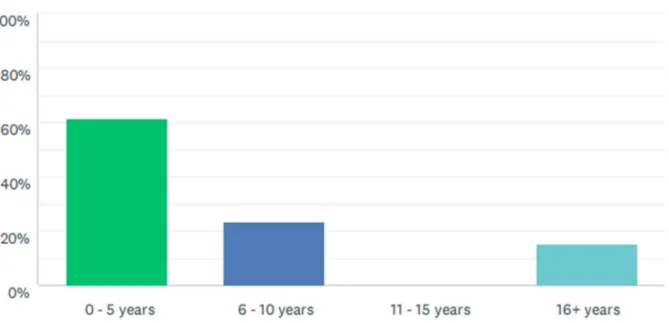
Figure 1. Age of Participants ... 92
Figure 2. Length on Interdisciplinary Team ... 93
Figure 3. Length of Employment at Current Hospital ... 95
Figure 4. Frequency of Team Meeting per Week ... 96
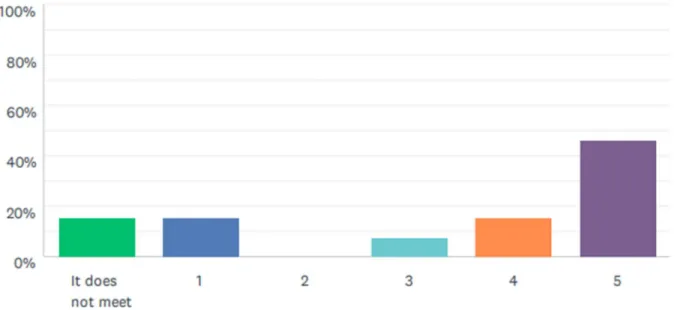
Figure 5. Frequency of Care and Support for Function of Chaplain ... 98
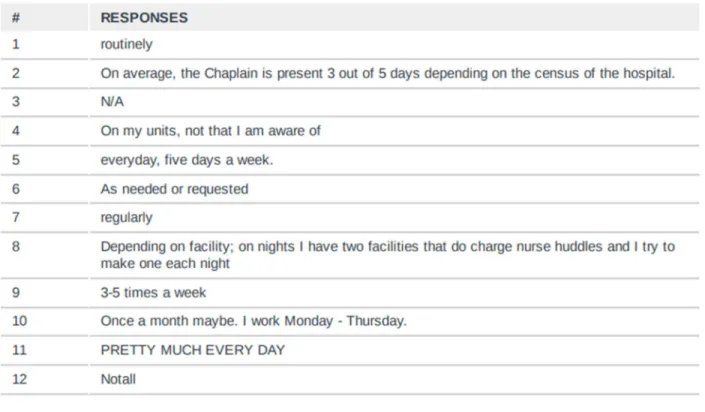
Figure 6. Frequency of IDT Meetings Attended by a Chaplain per Week ... 101
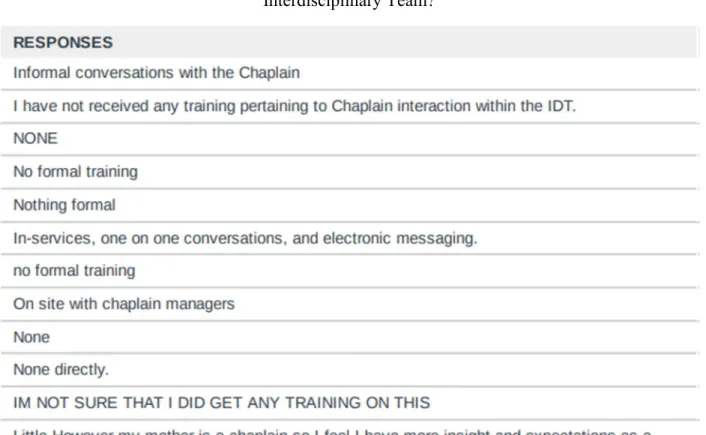
Figure 7. Formal Chaplain Training ... 102
1
Chapter 1: Introduction
Chaplains are called by God to perform ministry, whether it be in the military, prison, fire departments, police departments, church, or hospitals. Henry Blackaby states that being called by God means being a “spiritual leader.”1 The role and function of the hospital chaplain is often described as spiritual leadership within the context of the hospital. The hospital chaplain has many different challenges from working in an environment centered around medicine and costs to ministering with patients and staff of different beliefs.2
Since 1969, the Joint Commission on Accreditation of Healthcare Organizations required spirituality to be a part of a patient's treatment in the hospital.3 Accreditation from the Joint Commission is a requirement for hospitals to continue to participate in Medicare and Medicaid programs.4 Besides hospitals, the Joint Commission also evaluates and accredits hospices, home health agencies, nursing homes, rehabilitation centers, and independent laboratories.5 This requirement produced a more holistic approach to patients, and everyone in healthcare became included in spiritual care.6 However, it is the chaplain who is the primary provider of spiritual care to patients in the hospital context and is the expert healthcare workers contact on issues related to spiritual matters.
1 Henry T. Blackaby, Kenny Skinner, and Kerry L. Skinner, The Power of the Call (Nashville: B&H
Publishing, 1997), 17, accessed November 10, 2019, ProQuest Ebook Central.
2 Winnifred F. Sullivan, A Ministry of Presence: Chaplaincy, Spiritual Care, and the Law (Chicago:
University of Chicago Press, 2014), 84, accessed October 21, 2019, ProQuest Ebook Central.
3 Ibid., 85.
4 Howard P. Greenwald, Health Care in the United States: Organization, Management, and Policy
(Hoboken: John Wiley and Sons, Inc., 2010), 21, accessed December 26, 2019, ProQuest Ebook Central.
5 Ibid.
2
Interdisciplinary teams provide an avenue for treatment utilizing diverse disciplines to provide the best quality of care for the patient. Fewster-Thuente and Velsor-Friedrich suggest daily interdisciplinary team rounds, which often occur in the hospital compared to usual care, are often associated with a shorter stay in the hospital.7 Even though the team strives towards the common goal of providing the best quality care to patients, there are still challenges to the delivery of care. For the hospital chaplain, it is educating other team members of their role and function within the team, providing spiritual care, which is required as part of holistic care, and fulfilling the calling of being a spiritual leader within the context of a hospital.
Ministry Context
There is a Code Blue, which is an emergency situation in the hospital where a patient is in cardiopulmonary arrest requiring a team of providers to rush to a location and start
resuscitative efforts, in the Intensive Care Unit (ICU) from a patient experiencing a cardiac arrest; a family in the ICU is struggling with deciding whether to discontinue care for a loved one or let them continue on a ventilator; there is a fetal demise in Labor and Delivery, parents are in shock, and a patient needs prayer before surgery. These real-life requests by healthcare
workers are but a small fraction of how the hospital chaplain can be utilized regarding both role and function in the hospital context.
These scenarios are samples taking place at Methodist Stone Oak Hospital (MSOH), which serves the greater northern part of the San Antonio area. San Antonio is known by residents as Military Town USA. The city has a population of approximately 1,532,233 with
7 Lori Fewster-Thuente, and Barbara Velsor-Friedrich, “Interdisciplinary Collaboration for Healthcare
Professionals,” Nursing Administration Quarterly 32, no. 1 (Jan/Mar, 2008): 46, accessed December 26, 2019, https://doi:101097/01.NAQ0000305946.31193.61.
3
103,935 being veterans.8 The ethnic diversity of San Antonio is twenty-five percent white, sixty-three percent Hispanic, seven percent black, and sixty-three percent Asian.9 San Antonio has a median household income of $50,980, eighteen percent of people in poverty and sixteen percent of people living without health insurance.10
MSOH is part of the Methodist healthcare systems, which has provided high-quality care to patients from San Antonio and around the world. They are recognized as one of the most respected and preferred health care providers in South Texas, due to the professionalism of their teams of nurses, medical professionals, and physicians. The hospital system is comprised of nine hospitals and an additional twenty medical facilities located throughout the San Antonio and South Texas area.
The United Methodist Church Southwest Texas Conference in 1955, chartered the South Texas Methodist Hospital which opened in 1963. The charter and hospital formed the Methodist Healthcare Systems in 1995, which eventually partnered with HCA Healthcare. It is through this partnership that Methodist Health Systems is able to continue ensuring the needs of the
community are met and served.11
MSOH is a 242-bed Hospital Corporation of America (HCA) facility with nine operating suites and four recently added additional operating rooms in April 2019, located on the north-side of San Antonio. The hospital, which opened its doors in 2009, offers outpatient and inpatient services, including emergency care, obstetrics, newborn intensive care, cardiology, neurosurgery,
8 U.S. Census Bureau, accessed December 24, 2019, https://www.census.gov.
9 “Race and Ethnicity in San Antonio, Texas,” Statistical Atlas, accessed December 24, 2019,
https://statisticalatlas.com/place/Texas/San-Antonio/Race-and-Ethnicity.
10 U.S. Census Bureau, accessed December 24, 2019, https://www.census.gov.
11 “MHS About,” Methodist Healthcare Ministries of South Texas, Inc., accessed June 9, 2020,
4
general surgery, and orthopedics. Some of the key service lines are orthopedics, neurosciences, OB/GYN, oncology, and robotics. MSOH is accredited by the Joint Commission in Stroke Care and designated as an accredited Chest Pain Center. Modern Healthcare has also recognized it as a National Top Workplace for two consecutive years.12 The hospital is still young and developing, with many challenges ahead. The researcher has been working at MSOH since its inception in 2009 and observed many changes in leadership throughout the years.
Currently, MSOH has two fully functional interdisciplinary teams. These two consistent interdisciplinary teams are the Intensive Care Unit (ICU) and the Neonatal Intensive Care Unit (NICU). Both teams meet regularly Monday through Friday in the morning. The other
departments are not as consistent and might meet as often as twice a week. The interdisciplinary team consists of the Hospitalist/Internalist, Charge Nurse, Chaplain, Case Manager, Dietitian, RT/PT, Pharmacist, and Staff Nurse, who presents the report.
The style of the team is to huddle at the outside of each patient's room to hear the
assigned nurse's report and doctor's plan of care with several steps taking place, however, are not inclusive as each hospital have their own routine. The group gathers together and 1) the nurse will present the patient or discuss the patient’s record to the team, 2) each team member upon receiving the information from the nurse will give their input if needed or required based on the suggested plan of care from the group, 3) after the discussion, there is an agreement on a plan of action and the team moves from one patient to the next patient needing care. In all, the
interdisciplinary team usually takes approximately one hour to go through all their patients and the plan of care required, providing the necessary quality of care expected from every hospital.
12 “MHS MHOS Fast Facts,” Methodist Healthcare, accessed December 24, 2019,
5
Within the team, the nurse usually starts off the discussion and presents the patient to the rest of the team. At this particular point, if there are any issues with the patient which need addressing, each discipline will discuss them or ask specific questions. The collaboration among the team is centered around the care for the patient and the necessary actions which will help in recovery.
Hospitals
The role of the hospital chaplain is a modern story when it relates to their specific vocation.13 However, chaplains have been around as long as there have been hospitals. Swift remarks the difficulty of pinpointing the exact emergence or date of hospitals in Europe, which are similar to the current design experienced today but suggests a growth of hospitals between 1066 and 1540 AD.14 Swift also mentions the importance of the centrality of the chaplain in these establishments particularly regarding worship services and feeding those in need.15 Sullivan remarks chaplains have been in Christian societies for over fifteen hundred years and precise origins are uncertain. Sullivan also comments that the first Christian chaplains known of, worked for the Frankish kingdoms however, they eventually became employed by various secular institutions.16
13 Sullivan, A Ministry of Presence, 86.
14 Christopher Swift, Hospital Chaplaincy in the Twenty-First Century: The Crisis of Spiritual Care on the NHS (Farnham: Routledge, 2016), 9, accessed February 11, 2020, ProQuest Ebook Central.
15 Ibid., 12.
6
The idea of taking care of those who are ill have Christian roots, which can be related to the teachings of Jesus to care for the poor and sick.17 The Romans introduced buildings that were like hospitals when treating their sick and wounded in the military as a means of continuing to maintain their strength in force and state.18 This then progressed to Christians who started seeing improving the health of the people as a goal of the church, and then finally, in 325 AD, the Council of Nicaea addressed the need for every town there should be somewhere to place the sick.19 The idea of Christian charitable work led to the establishment of a 300-bed hospital founded in 379 A.D. in St. Basil in Caesarea.20 One of the first institutions which provided medical care started when Aetius, a sectarian Syrian, and others began treating those who were sick in Antioch in the 340s.21
In the United States, hospitals were started by religious institutions, which mainly served those considered inadequate and destitute while the middle class was often taken care of at
home.22 The hospital from a religious standpoint has always served as a place of hope and care.23 During the 1800s and 1900s, most people did not visit a hospital due to how rural the United States was along with the majority of medical care provided at home including childbirth and
17 Harold Koenig, and Malcolm McConnell, Faith in the Future: Healthcare, Aging and the Role of Religion (West Conshohocken: Templeton Press, 2009), 99, accessed January 4, 2020, ProQuest Ebook Central.
18 Cor Wagenaar, and Noor Mens, Hospitals: A Design Manual (Basel/Berlin/Boston: Walter de Gruyter
GmbH, 2018), 42, accessed November 2, 2019, ProQuest Ebook Central.
19 Ibid.
20 Koenig and McConnell, Faith in the Future, 99.
21 Guenter B. Risse, Mending Bodies, Saving Souls: A History of Hospitals (Cary: Oxford University Press,
1999), 83, accessed December 28, 2019, ProQuest Ebook Central.
22 Wagenaar and Mens, Hospitals: A Design Manual, 42. 23 Risse, Mending Bodies, Saving Souls, 5.
7
some surgeries.24 Bregman discusses how priests and ministers for centuries often visited those who were sick or dying at home often performing religious rituals, prayer and confession for forgiveness, all as ways to affirm the presence of God.25 The modern hospital started advancing during the Civil War with advancement in medical and surgical procedures, along with
physicians and nurses working in populating the hospital.26 It was not until the 20th century when medicine became more scientific that hospitals changed, and the middle and upper classes started visiting the hospital instead of having care at home.27
“Hospital is a 14-century loanword from Angelo-French that originally designated what we would now call a hostel – a place where weary travelers could rest before pressing on with their journey.”28 Well into the 18th century, hospitals were charitable institutions and not necessarily the medical institutes we find in 2020. One of the first charity hospitals was the Pennsylvania Hospital established in Philadelphia, founded by Benjamin Franklin in 1751.29 It was not until later into the 18th century did the hospital start taking on the primary task of healing the ill.30 One of the first public institutions established for caring mainly towards the sick was the pest house built in Manhattan Island in 1794.31 A pest house was known to house those
24 Bernard J. Healey, Tina M. Evans, Introduction to Health Care Services: Foundations and Challenges
(Somerset: John Wiley and Sons, Inc., 2014), 82, accessed December 24, 2019, ProQuest Ebook Central.
25 Lucy Bregman, Religion, Death, and Dying (Santa Barbara: ABC-CLIO, 2009), 5, accessed March 8,
2020, ProQuest Ebook Central.
26 Healey and Evans, Introduction to Health Care Services, 82. 27 Sullivan, A Ministry of Presence, 86.
28Merriam-Webster, s.v., accessed October 22, 2019, http://www.merrian-webster.com/dictionary/hospital. 29 Steven Jonas, Raymond L. Goldsteen, and Karen Goldsteen, Introduction to the U.S. Health Care System: Sixth Edition (New York: Springer Publishing Company, 2007), 64, accessed December 23, 2019, ProQuest Ebook Central.
30 Wagenaar and Mens, Hospitals: A Design Manual, 44.
8
individuals who had communicable diseases such as smallpox, tuberculosis, cholera and needed to be quarantined.
Brief History of Chaplains
Crick comments on how chaplaincy is about the ability to both give and receive. In the midst of the chaplain’s ministry, the gift we might receive is the one not wanted. It could be fear from a patient, anger from a soldier, or hopelessness from a prisoner.32 Local ministers who care for the people in their church are limited to just working within the context of the church due to the demands put on them by the people in the church. However, the chaplain ministers within the community. They are employed by state, local, or federal government and private and secular institutions and not the church to which local ministers are often employed. The chaplain must hold both church and institution in context.33
Bregman indicated the chaplain ministers to the whole of the institution whether it be through prayer, meditation, worship services or funerals and memorial services.34 As ministers discuss a calling from God to the ministry in a church, the chaplain too feels called to minister to those outside the walls of the church and in the local community. For the chaplain, it is an opportunity to go into the community and minister to those who are not inside the church but to find the opportunity to share God with others and meet the person where they are in life. For Crick, a chaplain is capable of working in the context of any institution presenting a God who wants to see us whole.35
32 Robert Crick, Outside the Gates: Theology, History, and Practice of Chaplaincy Ministries (HigherLife
Publishing, 2012), 31, accessed February 22, 2020, ProQuest Ebook Central.
33 Ibid., 123.
34 Bregman, Religion, Death, and Dying, 23. 35 Crick, Outside the Gates, 179.
9
Sullivan sees the chaplain as the spiritual advisor who is capable of going where the people are and offering spiritual care, thereby changing the understanding of how ministers are thought of which typically is tied to a church.36 Sullivan argues that part of the state’s
responsibility is ministering to people, which keeps the state stable and the local church is not able to absorb all the effort. Therefore, chaplains are finding themselves filling these gaps in the local community ministering and offering spiritual care.37 In the Western churches, chaplains were mostly found in the military context. However, due to the struggles between the state and church, chaplains soon found ministry opportunities outside the church.38
Sullivan states, “Chaplains serve the times and places in which participation in common local public worship is undesirable, impracticable, or even impossible.”39 The chaplain is willing to go into the world and take the love of God and minister to the needy in a secular world, which is made of different religions because of the calling of God to minister to those outside the church.
Brief History of Hospital Chaplaincy
There is within each individual the ability to try and find purpose and meaning to life. It is also within each of us to try and somehow find resources on how to deal with difficulty, pain and suffering when they are encountered.40 Kelly states in his chaplain research, “Healthcare chaplains work on the premise that all who inhabit healthcare communities as patients, careers,
36 Sullivan, A Ministry of Presence, 54. 37 Ibid., 54.
38 Ibid., 60. 39 Ibid., 63.
40 Ewan Kelly, “The Development of Healthcare Chaplaincy,” The Expository Times 123, no. 10 (July
10
staff and volunteers have a spiritual component to their makeup, as indeed does the organization which they are cared for or work in and are part of.”41
The origin of the word chaplaincy can be traced to Saint Martin of Tours.42 Martin lived an elementary life. He was noted giving a cloak to a beggar and later had a vision of seeing Jesus wearing the very cloak he had offered the man. Martin no longer chose to fight for the Emperor and Roman army and was imprisoned for declaring to be a soldier for God. However, Martin told the Emperor he would fight for him but would not carry anything with him except his faith in God. The next day the Barbarians surrendered, and the Emperor stated it was because of Martin’s faith and his robe came to symbolize care and compassion for those in need.43 Even though this tradition holds to the military, chaplaincy has expanded to many different areas. Today, chaplaincy still holds this mission of service and compassion to those in need.44
When hospital chaplaincy started, most chaplains came from local churches, and the patients in these hospitals were most often strangers to chaplains. For chaplains, it was not about religious affiliation, which was essential, but the patient who was provided spiritual care during their stay.
The same is true today where chaplains care for patients in the hospitals regardless of their ethnicity or religious affiliation, and all unknow at first to the chaplain, but considered part of their flock. Chaplains provide spiritual care to patients of all religious affiliations who may or may not have a church family or affiliation. Patients in the hospital and at home were visited by
41 Ibid.
42 Robert Crick, Outside the Gates, 179. 43 Ibid.,180.
11
ministers of the local community or their church. Robert Crick explains how chaplains express the care of God and his people through meaningful rituals, which are a challenge because of the pluralistic setting which demands advocating, caring, and providing for all families.45
Chaplains before 1920 were often seen and thought of as bearers of religion and spirituality, in formally trained volunteers who visited patients.46 The 1920s marked the beginning of Clinical Pastoral Education (CPE), which came about when seminaries, local churches, and agencies shifted towards social ministries.47 CPE is an educational program designed and accredited through the Association of Clinical Pastoral Education (ACPE), which is nationally recognized. The educational program is divided into four units each consisting of 400 hours of the practice of ministry and reflection with both supervisors and peers. In order to become a board-certified chaplain, a total of four units must be completed.48 Anton Boisen, who is credited for founding the CPE movement, had a goal of taking students and allowing them to study theology through the suffering of people.49 Those chaplains who were part of this
movement started to organize and formed the American Protestant Hospital Association (APHA) in 1939 and articulated their mandates.50
45 Crick, Outside the Gates,130.
46 Wendy Cadge, Paging God: Religion in the Halls of Medicine (Chicago: University of Chicago Press,
2012), 23, accessed October 21, 2019, ProQuest Ebook Central.
47 Crick, Outside the Gates, 213.
48 “About ACPE,” Association of Clinical Pastoral Education, accessed June 8, 2020,
https://www.acpe.edu/ACPE/About_ACPE/About_ACPE.aspx.
49 Ibid., 154.
50 Wendy Cadge, “Healthcare Chaplaincy as a Companion Profession: Historical Developments,” Journal of Health Care Chaplaincy 25, no. 2 (2019): 47, accessed December 28, 2019,
12
Chaplain Russell Dicks presented his standards for work for the chaplain at a Boston Convention, where he addressed Protestant clinicians and hospital administrators. Dicks gave eight points and on his last position, discussed how the chaplain should be allowed to be integrated within nursing education and afforded opportunities with staff to help them interpret the spiritual care of patients.51
In the late 1940’s, Christopher Swift, a Church of England chaplain and author of a book on hospital chaplaincy in England, reported there were a small number of chaplains working in hospitals, and most would return to their parish after spending only a short time in the hospital.52 Currently, independent hospitals decide on the number of chaplains they will employ in order to meet their accreditation criteria.53 And, most significant hospitals employ salaried chaplains, whereas smaller rural hospitals are dependent on local or volunteer chaplains.54
The role and function of the chaplain in the hospital have been questioned and researched for decades.55 The role and function of the chaplain in the hospital are not as fully understood in the hospital by staff and patients as it should in order to provide holistic care to patients. Holistic care requires all facets: the social, physical, mental and spiritual.56 White also comments the
51 Russell L. Dicks, Standards for the Work of the Chaplain in the General Hospital, PDF file, November
1940, https://professionalchaplains.org/files/professional_standards_of_practice/standards_for_work_of_chaplain_ russell_dicks.pdf.
52 Swift, Hospital Chaplaincy in the Twenty-First Century, 41.
53 Margaret J. Orton, “Transforming Chaplaincy: The Emergence of a Healthcare Pastoral Care for a
Post-Modern World,” Journal of Health Care Chaplaincy 15, no. 2 (2008): 121, accessed October 21, 2019, https://doi.org/10.1080/08854720903152513.
54 Ibid.
55 Swift, Hospital Chaplaincy in the Twenty-First Century, 106.
56 Gillian White, Talking about Spirituality in Health Care Practice: A Resource for the Multi-Professional Health Care Team (London: Jessica Kingsley Publishing, 2006), 26, accessed January 4, 2020, ProQuest Ebook Central.
13
chaplain is considered a valuable asset to the hospital; however, the organization does not necessarily understand the role or integration of a chaplain.57 Wilson remarks, "Hospital Chaplaincy is not simply something that one does; it is something that one is.”58
The chaplain can offer patient, staff, and organizational support.59 The Psalmist writes in Psalm 23:4, “Even though I walk through the darkest valley, I will fear no evil, for you are with me; your rod and your staff, they comfort me.”60 The reality is that patients are in the deepest part of the valley, but the presence of the chaplain helps them understand they are not alone in the journey. The chaplain's "doing" is "being" present.
The hospital today is the center and focus of healthcare, modern technology and technical advances, and most importantly, the care of patients. Many are involved in the responsibility of the patient from clinical specialists, nurses, physicians, counselors, case management,
pharmacist, nutrition, respiratory, physical and occupational therapist, and chaplains. The chaplain has been a part of the hospital for centuries and seen as the religious professional in most hospitals.
Education Requirements of Hospital Chaplains
For the most part regarding education and additional requirements for employment in a hospital as a professional board certified chaplain, the chaplain has had four years of college,
57 Ibid., 51.
58 Willard Wilson Will III, “Making Hospital Chaplains in an Age of Biomedicine” (PhD diss., McGill
University, 2010), 151, accessed October 22, 2019, ProQuest Dissertations and Theses Global.
59 Richelle C. Russell, “Professional Chaplains in Comprehensive Patient-Centered Care,” Rhode Island Medical Journal 97, no. 3 (03, 2014): 40, accessed October 22, 2019,
http://ezproxy.liberty.edu/login?url=https://search-proquest-com.ezproxy.liberty.edu/docview/1506146047.
60 Unless otherwise noted, all biblical passages referenced are in the New International Version Bible
14
endorsed by a recognized faith denomination, and received a Master of Divinity degree (MDIV) from an accredited theological school. The MDIV is one of the most recognized and required degree for the majority of ministers as well as chaplains for employment and is considered a professional degree rather than academic.61 After receiving an MDIV, the chaplain must undergo clinical pastoral education (CPE). CPE is divided into Level I and Level II units with 300 hours towards patients and 100 hours with peers and a supervisor taking approximately one year to complete.62 In order to become a board-certified chaplain, a total of four units comprised of 1600 hours must be completed. CPE gives the chaplain an opportunity to learn about strengths and weaknesses as well as working with other professions and how their unique of ministry fits into not just the team but organization as well.63 Some of the essential elements of CPE include the following:
1. The actual practice of ministry to persons
2. Detailed reporting and evaluation of that practice 3. Pastoral supervision
4. A process conception of learning
5. A theoretical perspective on all elements of the program 6. A small group of peers in a common learning experience 7. A specific time period
8. An individual contract for learning consistent with the objectives of CPE
61 Sullivan, A Ministry of Presence, 109. 62 Russell, “Professional Chaplains,” 40.
63 Howard Clinebell, Basic Types of Pastoral Care and Counseling: Resources for the Ministry of Healing and Growth (Nashville: Abingdon Press, 1984), 422.
15
9. The CPE program must be conducted under the auspices of an Association for
Clinical Pastoral Education (ACPE) Certified Educator (faculty) attached to an ACPE accredited CPE center.64
After finishing CPE, the chaplain needs to pass a written and oral board in order to become a board-certified chaplain. There are several organizations which set standards and certify chaplains. Some of these organizations are the Association of Professional Chaplains (APC), the Association of Clinical Pastoral Education (ACPE), the Canadian Association for Pastoral Practice and Education (CAPPE), the National Association of Catholic Chaplains (NACC), and the National Association of Jewish Chaplains (NAJC).65 All of these organizations strive towards setting standards and providing an educational framework enabling them to minister to the spiritual, religious and cultural needs of patients, family and hospital staff. Additionally, chaplains must obtain 50 hours of continuing education per year as part of their certification with the certifying body. As Harold Koenig comments, chaplains are the
professional experts in assessing patients concerning their spiritual needs and taking care of them in the context of the hospital.66
Among many tasks, a chaplain charts, counsels, does referrals, and performs chapel services to only state a few of the tasks they are assigned. These are just some of the noted duties chaplains often perform in the hospital, but not an inclusive listing. Koenig notes along with these, there are also discussions on issues related around the social, psychological, and spiritual,
64 “Information for Prospective Students,” ACPE The Standard for Spiritual Care and Education, accessed
February 12, 2020, http://www.acpe.edu/ACPE/_Students/FAQ_S.aspx.
65 Bregman, Religion, Death, and Dying, 13.
66 Harold G. Koenig, Medicine, Religion and Health: Where Science and Spirituality Meet (West
16
which most healthcare professions usually do not have time to address but are considered the chaplain’s field of expertise.67
However, as detailed in the literature review, numerous indicators pointed towards the notion that there is a lack of awareness of the role and function of a hospital chaplain, even more specifically of the chaplain's role working in an interdisciplinary team. The interdisciplinary team is a relatively new term established in hospitals and often recognized and observed. The team has a diversity of individuals based on the care of the patient. The team provides hope, counsel, guidance, and treatment as a means of addressing every aspect of the individual and providing proper care.68 The team works together as a whole instead of individually, therefore, establishing a sense of connectedness with one another to develop a care plan for patients.69
The Joint Commission on the Accreditation of Healthcare Organizations mandated a more holistic approach (mind, body, and spirit) to care for patients, which paved the way for the chaplain to become identified as the one being the most qualified provider of religious and spiritual care.70
Bregman clarifies the chaplain as the specialist when it comes to holistic care,
specifically for the dying since it allows them the opportunity to: a) advocate for and participate in their own treatment and decision making based on their values and beliefs, b) seek closure through relationships with friends and family, c) reflect on life, d) understand their
hospitalization and feeling hopeful and peaceful, e) enjoy the remaining time and preparing for
67 Koenig, Medicine, Religion, Health, 163.
68 David G. Satin, Health Management for Older Adults: Developing an Interdisciplinary Approach (Cary:
Oxford University Press, 2009), 247, accessed October 23, 2019, ProQuest Ebook Central.
69 Ibid., 248.
70 Florence Gelo, “The Role of the Professional Hospital Chaplain,” in Religion, Death, and Dying, ed.
17
death.71 However, before the establishment of JCAHO and holistic care, chaplains often struggled to become part of a team that provided care for the patient. The full integration of the chaplain as part of the interdisciplinary team is the expectation of hospitals concerning care, but there is still an indication of a lack of awareness relating to how the chaplain is to function as part of the team.
There have been studies that have looked at the role of the chaplain by both pediatric physicians in large hospitals and pediatric physicians in palliative care teams, nurses, and social workers. Physicians in palliative care teams have suggested the chaplain plays an essential role in the team from providing spiritual assessments, offering prayers leading in religious rituals and assisting in goals of care. However, there is a discussion by Damen where there is less
understanding of the activities of the chaplain since most of the comments from teams were general in nature concerning the care of the chaplain and a need for more education from the chaplain to make the team aware of the role and function of the chaplain.72
Physicians described how the chaplain was an essential part of the team, but depending on the severity of the patient, determined whether the chaplain was present.73 Cramer, Tenzek, and Allen concluded in their research; the chaplain is a vital service needed for both patients and families in the hospital setting. However, chaplains have difficulty translating their role and
71 Bregman, Religion, Death, and Dying, 12.
72 Annelieke Damen, Dirk Labuschagne, Laura Fosler, Sean O’Mahony, Stacie Levine, and George
Fitchett, “What Do Chaplains Do: The Views of Palliative Care Physicians, Nurses, and Social Workers,” American Journal of Hospice and Palliative Medicine 36, no. 5 (2019): 399, accessed October 20, 2019,
https://doi-org.ezproxy.liberty.edu/10.1177%2F1049909118807123.
73 Wendy Cadge, Katherine Calle, and Jennifer Dillinger, “What Do Chaplains Contribute to Large
Academic Hospitals? The Perspectives of Pediatric Physicians and Chaplains.” Journal of Religion and Health 50, no. 2 (06, 2011): 306, accessed October 20, 2019, https://doi:10.1007/s10943-011-9474-8.
18
function to team members, patients and administration.74 The authors suggest the reason for the translation disconnect is due to the inability of chaplains communicating their services offered in conventional terms to administrators and their lack of language used or fluency of language to the medical team, which is not translated in outcomes or quantitative measures.75
In looking at how chaplains are used or often thought about being utilized in hospitals today, there is an association for requests of prayer for a patient before, immediately after surgery, or upon death. There might be a request from a patient for a Bible or for a patient to receive communion, but if teams, patients, or administration were asked, "What does the chaplain do on an interdisciplinary team?", it would bring up comments which would not describe necessarily just how essential and important a chaplain is to the hospital.
The hospital chaplain’s role and function are numerous and need to be addressed and explained. Accordingly, with a more thorough understanding of the role and function of the chaplain along with received training, the interdisciplinary team could better utilize the chaplain in the holistic care of the patient. The literature review will look at the themes of the role of chaplain, spiritual, and relationships with staff to address this issue.
Problem Presented
Hospital staff and chaplains work closely together as team members to provide holistic care and treatment to the primary care patient in hospitals today. Teamwork is essential in delivering the expected care of the patient, and part of teamwork is the ability to collaborate and understand roles and functions to provide quality care. To provide holistic care (mind, body, and
74 Emily M. Kramer, Kelly E. Tenzek, and Mike Allen, “Translating Spiritual Care in the Chaplain
Profession,” TheJournal of Pastoral Care and Counseling 67, no.1 (2013): 13, accessed October 22, 2019, https://doi-org.ezproxy.liberty.edu/10.1177%2F154230501306700106.
19
spirit), an interdisciplinary team becomes involved in the care of the patient. Healthcare teams are not a new concept for most hospitals; however, interdisciplinary teams might not always be used correctly or used at all depending on the leadership at the hospital.
The interdisciplinary approach is used for various reasons within the hospital. Some of the essential characteristics of an excellent interdisciplinary team are leadership and
management, communication, quality and outcomes of care, and respecting and understanding roles.76 However, some challenges for an interdisciplinary team are internal communication and relationships, joint-working, management, and leadership.77 On these teams, there are health care workers from various disciplines working together with the patient and family members,
working to come up with a care plan which will help address the necessary needs or concerns of the patient for quality care.
Interdisciplinary teams serve a function and added benefit for hospitals in general. Working together as a team helps ensure the patient will receive the best quality of care the hospital has to afford. In hospitals today, providers specialize in care and therefore rely on others who are also specialized to provide the best treatment for the patient.
No one provider can ensure the patient receives the quality of care necessary and therefore, relies on members of a team to deliver the quality of care needed. This collaboration among health care workers helps ensure optimal outcomes and avoid errors.78 Since a patient
76 Susan A. Nancarrow, Andrew Booth, Steven Ariss, Tony Smith, Pam Enderby, and Alison Roots, “Ten
Principles of Good Interdisciplinary Team Work,” Human Resources for Health 11, no. 19 (2013): 6, accessed November 1, 2019, https://doi:10.1186/1478-4491-11-19.
77 Ibid., 7.
78 Michael A. Rosen, Deborah DiazGranados, Aaron S. Dietz, Lauren E. Benishek, David Thompson, Peter
J. Pronovost, and Sallie J. Weaver, “Teamwork in Healthcare: Key Discoveries Enabling Safer, High-Quality Care,”
American Psychologist 73, no. 4 (2018): 443, accessed November 2, 2019,
20
often receives numerous visits from various healthcare providers, collaboration is essential. The author suggests that inappropriate coordination, as well as poor teamwork among healthcare workers, pose a public health issue.79 Collaboration among team members is necessary. However, a 2015 article discussed "for true collaboration to occur, all disciplines within the healthcare team must be considered equal partners but with different roles and knowledge."80
Interdisciplinary teams will meet as often as five days a week or as frequently as two or three days a week, depending on schedules and leadership. As these individuals work together, they are learning about how the roles and functions of each other’s disciplines operate, along with developing respect for one another even early in one’s career.81 However, the problem is staff members placed on interdisciplinary teams with the chaplain do not fully understand the importance of the role and function of the hospital chaplain. This misunderstanding can cause less awareness by staff members on how to utilize the chaplain and adequately treat the patient holistically, with fewer referrals in the hospital, which could lead to patients not being given the appropriate spiritual care as required per JCAHO standards. The problem this project addressed is that healthcare workers on interdisciplinary teams do not fully understand the role and function of the hospital chaplain to maximize holistic care for patients.
79 Rosen, DiazGranados, Dietz, Benishek, Thompson, Pronovost, and Weaver, “Teamwork in Healthcare,”
443.
80 Christiane S. Hartog, and Julie Benbenishty, “Understanding Nurse-Physician Conflicts in the ICU,” Intensive Care Medicine 41, no. 2 (2, 2015): 333, accessed November 2, 2019, https://doi:10.1007/s00134-014-3517-z.
21
Purpose Statement
This research project will look at interdisciplinary teams in a hospital, working together to provide the best holistic and quality care possible to patients. The purpose of this DMIN project is to examine and address how the interdisciplinary team understands the role and function of the chaplain in order to provide quality holistic care to patients.
Interdisciplinary teams’ origins are noted as far back as World War II, with President Johnson's vision of the poor and underserved having access to healthcare at local health centers is noticed.82 Interdisciplinary teams were not always popular, and its training wavered even though the Veterans Administration make a push for it. Not until the 21st century was there a renewal of interest due to a lack of meeting primary care in the US.83
The hospital is where people come to receive quality care, and for the health care workers, everyone needs to work together to provide quality care. The chaplain plays many essential roles in the hospital setting. By being on an interdisciplinary team, the chaplain can bridge the gap between families and healthcare workers by being familiar with the jargon of medicine and lay workers.84 Being a part of the interdisciplinary team (IDT) meetings with families, chaplains can be advocates ensuring the patient and family's desires are met, such as
82 DeWitt C. Baldwin, “Some Historical Notes on Interdisciplinary and Interprofessional Education and
Practice in Health Care in the USA,” Journal of Interprofessional Care 21, sup1 (7, 2009): 27, accessed November 2, 2019, https://doi.org/10.1080/13561820701594728.
83 Ellen A. Becker, and Karen S. Schell, “Understanding, Facilitating, and Researching Interprofessional
Education,” Respiratory Care 62, no. 7 (7, 2017): 999, accessed November 2, 2019, http://dx.doi.org.ezproxy.liberty.edu/10.4187/respcare.05678.
84 M. Jeanne Wirpsa, Rebecca E. Johnson, Joan Bieler, Lara Boyken, Karen Pugliese, Emily Rosencrans,
and Patricia Murphy, “Interprofessional Models for Shared Decision Making: The Role of the Health Care Chaplain,” Journal of Health Care Chaplaincy 25, vo. 1 (10, 2018): 34, accessed November 2, 2019, https://doi-org.ezproxy.liberty.edu/10.1080/08854726.2018.1501131.
22
religious practices.85 Therefore, it is crucial to understand “why” there is a misunderstanding by other discipline team members of the chaplain’s role and function on the interdisciplinary team and educate the members of the interdisciplinary team on how to better utilize the chaplain in the hospital. Understanding this will benefit not only the hospital but also the interdisciplinary team, patient, and chaplain.
Basic Assumptions
In this study, it is assumed that each staff member involved in the interdisciplinary team is familiar with the role of each other on the team to provide the necessary holistic care and referrals required from the hospital. There is the assumption each member of the team works in harmony with each other to provide holistic care to the patient. It is assumed that each member of the staff will be open and honest about their responses concerning the function and role of the chaplain in the interdisciplinary teams. It is assumed that each member of the team understands the role and function of the chaplain. It is also believed that each interdisciplinary team has a chaplain as part of the team.
Definitions
Within research, there are many terms which are not clearly understood; therefore, it is the researcher’s responsibility to clarify and define the meaning of those words to bring a more well-developed and fully understood term. Certain terms carry with them different meanings with a context. Carefully defining these words will result in a well-constructed research project.
85 Janie J. Taylor, Jennifer L. Hodgson, Irina Kolobova, Angela L. Lamson, Natalia Sira, and David
Musick, “Exploring the Phenomenon of Spiritual Care Between Hospital Chaplains and Hospital Based Healthcare Providers,” Journal of Healthcare Chaplaincy 21, no. 3 (7, 2015) :92, accessed November 2, 2019, https://doi-org.ezproxy.liberty.edu/10.1080/08854726.2015.1015302.
23
A few terms which need addressing for clarification in the project are Interdisciplinary Team, Spiritual Care, and Spirituality.
An Interdisciplinary Team is a healthcare team composed of healthcare providers from separate disciplines who provide care during a single parent visit.86 These healthcare workers come together to provide the best quality of care for the patient as well as help in planning the next step forward for improvement in recovery. Each discipline comes together and discusses the best plan of action for the patient as they look at the concept of holistic care. The
interdisciplinary team will generally consist of a nurse, physician, nutritionist, case manager, social worker, pharmacist, respiratory technician, and chaplain.
Spirituality, as described by Wendy Cadge, is, "an umbrella concept under which people of all religious and spiritual backgrounds can fit on their terms."87 Spirituality is defined
endlessly and in many ways by different religions. Spirituality is the belief in a higher power or a consideration that a person adheres to daily. However, it is spirituality which most patients will look to for healing specifically in the hospital context. The Association of Professional
Chaplains determines the central aspects of spirituality include meaning, purpose, and connectedness.88
Spiritual Care is defined as care provided to address nonreligious concerns involving existential and emotional experience.89 However, it is care that is offered to those patients in the
86 Chike Nzegwu, “Chaplaincy Inclusion in Hospital Interdisciplinary Teams and its Impact on Chaplains’
Well-being” (PhD., Walden University, 2018), 26, accessed September 27, 2019, ProQuest Dissertations and Theses Global.
87 Cadge, Paging God, 208.
88 “The Impact of Professional Spiritual Care,” Association of Professional Chaplains, accessed February 2,
2020, www.professionalchaplains.org/content.asp?pl=86&sl=875&contentid=875.
24
hospital context by a chaplain to address a need or concern about a spiritual nature. The term JCAHO is the Joint Commission on Accreditation of Healthcare Organizations. It is a nonprofit organization based in the United States that accredits healthcare organizations and programs in the country.90
Limitations
Limitations can be looked at as something which hinders the researcher in a study of a particular subject.91 This project will only be a study done in the context of a healthcare hospital and involving the hospital chaplain's role on an interdisciplinary team. The researcher also realizes interdisciplinary teams are not standardized for every hospital and department within the hospital; therefore, the dynamics of the team and relationships are different. The study will only sample hospital staff assigned to an interdisciplinary team. The research study will be limited by time. To address this limitation, time management will be utilized along with the assistance of other chaplain managers in the hospitals who will help with recruitment. Another limitation will be the sample size. Data will be collected from 5 hospitals within the given San Antonio area. A small sample size can limit creditability and transferability. To increase creditability, data will be solely looked at from interdisciplinary teams. Finally, not all interdisciplinary teams have a chaplain assigned to it, therefore, the researcher will take note of this during direct observation and comment on how the team deals with issues which should be addressed by a chaplain.
90 “About the Joint Commission,” About Us, The Joint Commission, accessed October 25, 2019,
https://www.jointcommission.org/about_us/about_the_joint_commission_main.aspx.
91 Tim Sensing, Qualitative Research: A Multi-Methods Approach to Projects for Doctor of Ministry Theses (La Vergne: Wipf and Stock Publishers, 2011), 33.
25
Delimitations
Setting delimitations allows the researcher to establish boundaries on a subject.92 This project will look only at those participants who are part of interdisciplinary teams in a hospital setting and include five hospitals located in San Antonio, Texas. The study will only look at how the participants understand the role and function of the chaplain on interdisciplinary teams and their utilization. During the educational training each participant will receive, the researcher will be the individual responsible for administrating the required training.
Thesis Statement
This study will address and bring awareness to those who are assigned and part of an interdisciplinary team that takes care of patients in a hospital context. If the healthcare workers of the interdisciplinary team fully understood the role and function more thoroughly, then the hospital chaplain would be utilized appropriately, receive additional referrals and be able to provide the necessary holistic care as required per JCAHO to patients.
26
Chapter 2: Conceptual Framework
The second chapter of the research study provides both a theoretical and theological framework for the study as well as an extensive synthesis of the current literature regarding the topics relating to the chaplain on interdisciplinary teams in the hospital context. Current research discusses how the chaplain’s role and function are often misunderstood and discusses the need for additional education or training. The literature discusses this gap of misunderstanding roles and functions but also addresses the need for further education and training to understand further how each other functions within interdisciplinary teams and to provide quality of care for
patients.
Review of Precedent Literature
The role and function of the hospital chaplain have produced many research papers regarding a basic understanding of how chaplains operate within the hospital. There have been many research articles done that relate to relationships with different staff members within the hospital, specifically physicians and nurses. This literature review looked at the relationships between the chaplain and staff members and the roles and functions recognized as being specific to the chaplain's duties within the hospital.
Relationships with Staff
The role and function of the hospital chaplain has often been a debatable and
misunderstood issue within the context of the hospital and, more specifically, an interdisciplinary team. The Joint Commission on the Accreditation of Healthcare Organizations (JCAHO)
27
acknowledges patients' "fundamental rights to considerate care that safeguards their dignity and respects their cultural, psychosocial, and spiritual values."93
The statement of spiritual values being a part of patient care gives the understanding the medical team needs to work together to develop relationships with each other and better provide holistic care to the patient. A study done by Cunningham, Panda, Lambert, Daniel, and DeMars looked at integrating hospital chaplains into hospital care teams to incorporate spiritual care with the patient, thus providing holistic care.94 The findings showed that chaplains add value to the teams as well as a meaningful contribution. Medical students in the study discussed the importance of how the chaplain brought value to the team and added a different perspective during rounds.
To understand how the care of the patient is to be accessed, the chaplain becomes an essential part of the team through relationships with one another and the care of the patient. Often, when dealing with a patient, there are many areas and issues which need addressing. Each member of the healthcare team has an area they address. However, by having a chaplain on a team, they were able to see the complexities of issues each patient’s life has outside of just seeing them as identifiable symptoms.95 The medical students pointed out a sense of willingness to learn and understand more of how chaplains function as part of the team in providing care to patients. Although the study discussed how the impact of chaplains in the healthcare system is critical, their role is misunderstood and often overlooked96 as well as not utilized correctly and
93 Cadge, Paging God, 301.
94 Christopher J.L. Cunningham et al., “Perceptions of Chaplains’ Value and Impact Within Hospital Care
Teams,” Journal of Religion and Health 56, no. 4 (08,2017): 1231, accessed September 19, 2019, https://doi:10.1007/s10943-017-0418-9.
95 Ibid., 1241. 96 Ibid., 1232
28
effectively.97 Therefore, there is an importance on collaborating in a team as a means of
understanding how each other’s role and function fit into providing appropriate care to patients. Some studies looked at the chaplain’s relationships with another staff member and not necessarily the interdisciplinary team. Hemming, Teague, Crowe, and Levine looked at the importance of members in interdisciplinary teams working together, more specifically the physician and chaplain, to provide beneficial holistic care to the patient and improve
collaboration between the chaplain and physician.98 It mentions that chaplains and physicians generally have a limited understanding of each other's expertise.99
Understanding each other’s roles in an interdisciplinary team is key to treatment. In this particular study, Hemming et al., paired up medical interns with chaplain interns to learn and observe each other. Part of the expectation involved in having the chaplain interns teach the medical team their role and function, was to help the medical interns understand how to assist with providing a more holistic approach to care. Chaplains are known to be educators in their field and often explain how they interact with others. By placing chaplains on interdisciplinary teams, the staff members are not only able to interact with one another, but also learn from each another. Chaplains are often used to debrief staff members following a patient's death and help reflect on the experience, which is often beneficial to the team. In the concluding remarks, the importance was for all members of the team to work together and provide the necessary spiritual
97 Cunningham et al., “Perceptions of Chaplains’ Value and Impact Within Hospital Care Teams,” Journal of Religion and Health 56, no. 4 (08,2017): 1231, accessed September 19, 2019, https://doi:10.1007/s10943-017-0418-9.
98 Patrick Hemming et al., “Chaplains on the Medical Team: A Qualitative Analysis of an Interprofessional
Curriculum for Internal Medicine Residents and Chaplain Interns,” Journal of Religion and Health 55, no. 2 (04, 2016): 560, accessed September 23, 2019, https://doi-org.ezproxy.liberty.edu/10.1007/s10943-015-0158-7.
29
care required as well as participating in team-based exercises to develop more interaction with each other.100
In Cunningham, Panda, Lambert, Daniel, and DeMars’ discussion, there was an 87.57% rate from medical students, and 93.10% of residents who agreed to work together with chaplains in a team when treating patients is beneficial and provides a valuable perspective during
rounds.101 Chaplains do offer an invaluable resource, and contrary to other opinions, the study shows that members of the team did value the chaplain102 while concluding that both patients and physicians can benefit from the inclusion of chaplains as core members of the team.103 Having a chaplain as part of the team only adds additional resources for each member to be able to utilize as it would for any position. It is only when recognizing the chaplain’s value and worth in being part of the team as well as providing spiritual care for the patient, that the chaplain can become fully utilized.
Cadge, Calle, and Dillinger focused on the relationship between the pediatric physician and chaplain. The study looked at 13 academic medical centers with a 53% response rate for interviews from the physicians and one staff chaplain from nine of the hospitals; however, the other four hospitals did not have a chaplain representative to return the calls, or the chaplain was unwilling to be interviewed.104 Of the few pediatricians interviewed, they did not know their chaplain since they worked with healthy patients. However, the pediatric oncologist did have
100 Hemming et al., Perceptions of Chaplains’ Value,” 569. 101 Cunningham et al., “Perceptions of Chaplains’ Value,” 1240. 102 Ibid., 1242.
103 Ibid., 1244.
30
contact with their chaplain because of their illness and the seriousness of their patients.105 This indication alludes to the fact that chaplains give preference to patients; however, there is no indication given of frequency of visits based on illness since chaplain visitations are a
preference-based from the patient. Overall, the pediatric oncologist saw their interaction with their chaplains as both positive and encouraging. Finally, Cadge, Calle, and Dillinger discussed how most of the physicians saw the chaplain as part of a team. However, chaplains saw
themselves as only being included when needed, and medical professionals needed to have more of a grasp of their role as a chaplain in the hospital.106
The chaplain’s view of work in the hospital looks through a different lens as opposed to how medical staff understands their profession. The medical staff looks at the patients from a diagnostic perspective, whereas the chaplain is watching from a broader picture and how the environment of the hospital can be changed.107 For the chaplain, it is not the only concern for the patient but also the staff, families, administration, and leadership. There is a broader sense of care that takes place inside the hospital for the chaplain, and the concern is not only for the patient, but everyone involved in the process. Therefore, chaplains provide spiritual care to whom they might reach out to in the hospital.108 Jacobs discusses how the chaplain often focuses on the emotional and spiritual needs of not just the patient but the patient’s family, particularly in
105 Cadge, Calle, and Dillinger, “What Do Chaplains Contribute to Large Academic Hospitals?” 303-304. 106 Ibid., 309.
107 Ibid., 307.
108 Christina Puchalski, and Betty Ferrell, Making Health Care Whole: Integrating Spirituality into Patient Care (West Conshohocken: Templeton Press, 2010), 37, accessed October 29, 2019, ProQuest Ebook Central.
31
times of loss, grief or suffering.109 Jacob also mentions chaplains support staff as well as senior administrators who need to keep the scope of the hospital and those inside in perspective as opposed to contemplating the reimbursement market.110
In regards to understanding the chaplain’s role, Cadge states in her book, “There are still nurses, a chaplain resident once told me, who are surprised to learn that the hospital has
chaplains, even though they are introduced to them at new employee orientation.”111 While there is a discussion on how chaplains are part of a team, there is still a need to understand their role and function on the interdisciplinary team to be able to provide holistic care to the patient. The chaplain’s integration into an interdisciplinary team will help not only the hospital but the staff and patients. Therefore, the chaplain needs a place at the table.112 Doolittle also discusses how there is little data on the chaplain on the health care team and suggests since religious
involvement makes a difference in the healing of the patient, the chaplain has an important role.113
Russell discusses the importance of having a chaplain on an interdisciplinary team due to the support offered to staff, assessments given to patients, and relationships with local ministers who will visit members of their church.114 Hemming, Teague, Crowe, and Levine discussed how there was a limited understanding of roles, which was due to a possible lack of communication,
109 Martha R. Jacobs, “What Are We Doing Here? Chaplains in Contemporary Health Care,” The Hastings Center Report 38, no. 6 (Nov-Dec, 2008): 15, accessed December 23, 2019,
https://search-ebscohost-com.ezproxy.liberty.edu/login.aspx?direct=true&db=mnh&AN=19192710&site=ehost-live&scope=site.
110 Ibid.
111 Cadge, Paging God, 106.
112 Benjamin R. Doolittle, Religion and Spirituality for the Healthcare Provider (Hauppauge: Nova Science
Publishers, 2016), 108, accessed October 29, 2019, ProQuest Ebook Central.
113 Ibid., 107.