ScholarWorks @ Georgia State University
Educational Policy Studies Dissertations Department of Educational Policy Studies
Spring 5-17-2019
Educational Social Justice Agnostic to Zealot: One
White Male Elementary Principal's Journey
Jamie C. Hitzges Georgia State University
Follow this and additional works at:https://scholarworks.gsu.edu/eps_diss
This Dissertation is brought to you for free and open access by the Department of Educational Policy Studies at ScholarWorks @ Georgia State University. It has been accepted for inclusion in Educational Policy Studies Dissertations by an authorized administrator of ScholarWorks @ Georgia State University. For more information, please [email protected].
Recommended Citation
Hitzges, Jamie C., "Educational Social Justice Agnostic to Zealot: One White Male Elementary Principal's Journey." Dissertation, Georgia State University, 2019.
This dissertation, EDUCATIONAL SOCIAL JUSTICE AGNOSTIC TO ZEALOT: ONE
WHITE MALE ELEMENTARY PRINCIPAL’S JOURNEY, by JAMIE C. HITZGES, was prepared under the direction of the candidate’s Dissertation Advisory Committee. It is accepted
by the committee members in partial fulfillment of the requirements for the degree, Doctor of
Philosophy, in the College of Education & Human Development, Georgia State University.
The Dissertation Advisory Committee and the student’s Department Chairperson, as
representatives of the faculty, certify that this dissertation has met all standards of excellence and
scholarship as determined by the faculty.
_________________________________ Sheryl Cowart Moss, Ph.D.
Committee Chair
______________________________ _____________________________________ Jodi Kaufmann, Ph.D. Yinying Wang, Ed.D.
Committee Member Committee Member
______________________________ Date
______________________________ William Curlette, Ph.D.
Chairperson, Department of Education Policy Studies
______________________________ Paul A. Alberto, Ph.D.
Dean
By presenting this dissertation as a partial fulfillment of the requirements for the advanced degree
from Georgia State University, I agree that the library of Georgia State University shall make it
available for inspection and circulation in accordance with its regulations governing materials of
this type. I agree that permission to quote, to copy from, or to publish this dissertation may be
granted by the professor under whose direction it was written, by the College of Education &
Human Development’s Director of Graduate Studies, or by me. Such quoting, copying, or
publishing must be solely for scholarly purposes and will not involve potential financial gain. It is
understood that any copying from or publication of this dissertation which involves potential
financial gain will not be allowed without my written permission.
All dissertations deposited in the Georgia State University library must be used in accordance
with the stipulations prescribed by the author in the preceding statement. The author of this
dissertation is:
Jamie Christopher Hitzges
Department of Educational Policy Studies College of Education and Human Development
Georgia State University 30 Pryor St NW Atlanta, GA 30303
The director of this dissertation is:
Sheryl Cowart Moss, Ph.D.
Department of Educational Policy Studies College of Education and Human Development
Jamie Christopher Hitzges
ADDRESS: 30 Pryor St NW Atlanta, GA 30303
EDUCATION:
PROFESSIONAL EXPERIENCE:
2017 - present Principal
Hall County School District
2012 – 2017 Assistant Superintendent
Jackson County School District
2011 - 2012
2008 - 2011
Principal
Jackson County School District
Assistant Principal
Jackson County School District
PRESENTATIONS AND PUBLICATIONS:
Hitzges, J. C. (2016, May). The power of one. Lindsay’s Legacy Youth Mentoring Keynote
Speaker, Jefferson, GA.
PROFESSIONAL SOCIETIES AND ORGANIZATIONS
2008 – current Association for Supervision and Curriculum Development
Ed.D. 2019 Georgia State University
Educational Policy Studies Specialist Degree 2008 Lincoln Memorial University
Educational Leadership Master’s Degree Bachelor’s Degree 2006 1996 Argosy University
ELEMENTARY PRINCIPAL’S JOURNEY
by
Jamie Hitzges
Under the Direction of Sheryl Cowart Moss, Ph.D.
ABSTRACT
I failed my students as a first-time principal. By not speaking up for students on the
margins, I was complicit in maintaining a status quo that was morally and educationally
reprehensible. As a second-time principal, I attempted to rectify challenges from my first
principalship and to lead in a culturally responsive and socially just way. This autoethnography
explored how culturally responsive and socially just leadership is manifested in practice. Using
vignettes, I presented data detailing my process as I learned to practice culturally responsive
social justice leadership. Next, I analyzed and categorized the vignettes to find meaning based on
adjectival categories that emerged as the data were thematized. My analysis utilized Noddings’
Caring Theory to arrive at deeper meaning. Based on the extant literature, adjectival
categorization, and Caring Theory conceptual analysis, this autoethnography sought to provide
Responsive Social Justice Leadership (CRSJL) moved from individual conversations to
whole-school action, and the efforts to be a CRSJL exacted an emotional toll, required persistence, and
proved that the change process was difficult.
ELEMENTARY PRINCIPAL’S JOURNEY
by
Jamie Hitzges
A Dissertation
Presented in Partial Fulfillment of Requirements for the
Degree of
Doctor of Education
in
Educational Leadership
in
Educational Policy Studies
in
the College of Education and Human Development
Georgia State University
Atlanta, GA
2019
Copyright by Jamie C. Hitzges
DEDICATION
I dedicate this dissertation to my beautiful bride, Laurie, and to my brave children, Casey and Colin. Without their love and support, I would have never made it this far. As the product of brokenness, I have emerged into the light and torn down the walls that had held me back. Even when my family said nothing and watched me struggle with this dissertation (and, perhaps, thought that I was cracking up), they were always there pushing me forward. After all, I love them and wanted to make something of myself and, in turn, make them proud. What great motivation!
I would also like to dedicate this work to all the children I have ever had the pleasure to meet as a teacher or educational leader. You are the reason that I do what I do. You bring me joy and a vicarious lived experience of youth and wonder. I want the world to be so much better for you. It is the productive struggle that creates the breakthrough, but that comes with teachers and leaders who understand what to do to make that happen. I believe that this work is built around and through productive struggle and that, anyone can achieve beyond what is expected. Finally, I dedicate this dissertation to Ms. Billings. You were my Power of One! You recognized
something in me that I did not see in myself. As a teacher, you showed your faith in me. Through a seemingly small act, you altered the course of my life when you nominated me for a
community college scholarship. That act changed the trajectory of my life, and I aspire to serve because of you.
ACKNOWLEDGMENTS
TABLE OF CONTENTS
LIST OF TABLES ... IV
LIST OF FIGURES ... V
1 EXPLORING CULTURALLY RESPONSIVE SOCIAL JUSTICE SCHOOL
LEADERSHIP ...1
Guiding Questions ...5
Review of the literature ...6
REFERENCES ...37
2 ONE WHITE MALE ELEMENTARY SCHOOL PRINCIPAL’S JOURNEY TO CULTURALLY RESPONSIVE SOCIAL JUSTICE LEADERSHIP: AN AUTOETHNOGRAPHY ...50
Methodology ...62
Findings ...82
Conclusions...148
LIST OF TABLES
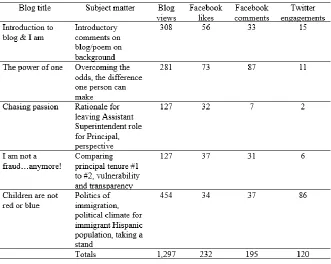
Table 1: Summary of Reader Interaction with This Principal’s Journey Blog ...74
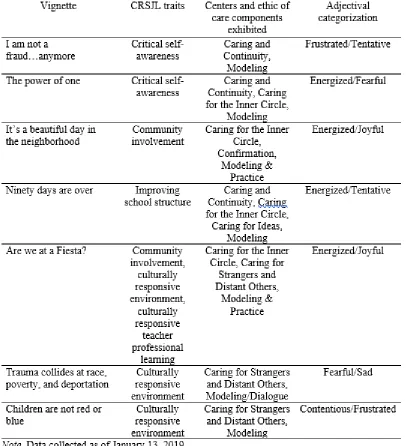
Table 2: CRSJL – Traits, Ethic of Care, and Adjectival Categorization Related to Blog ...83
LIST OF FIGURES
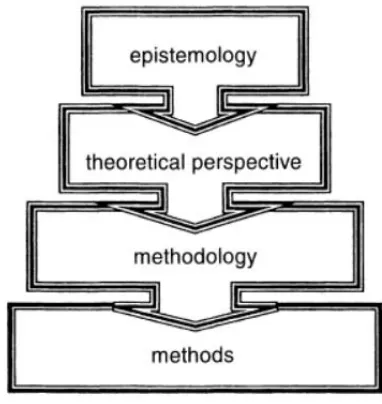
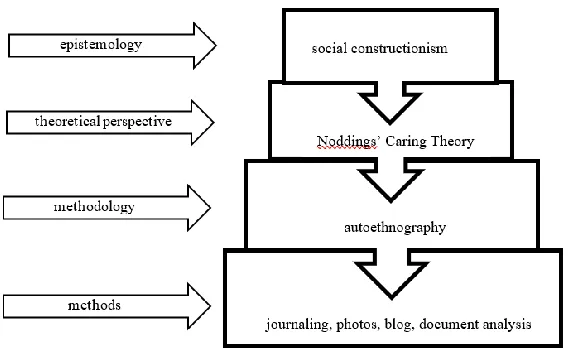
Figure 1: Elements Guiding the Research Process. (Crotty, 2015) ...55
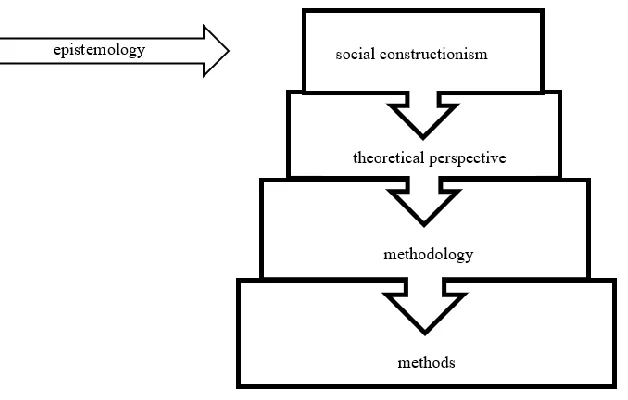
Figure 2: My Epistemological Research Process. Adapted from Crotty (2015) ...56
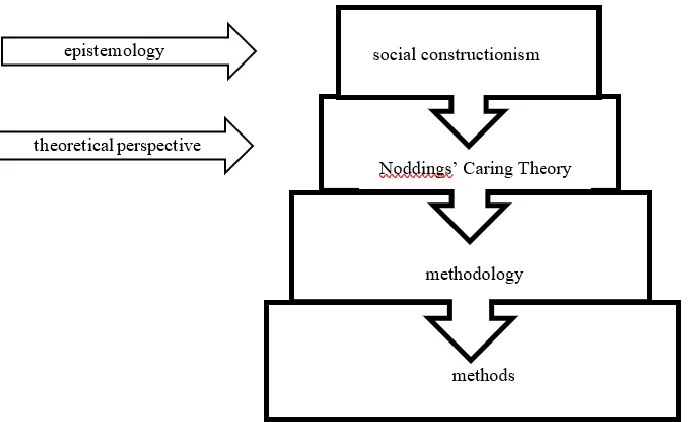
Figure 3: My Research Process Based on Noddings’ Critical Theory. Adopted from Crotty (2015) ...57
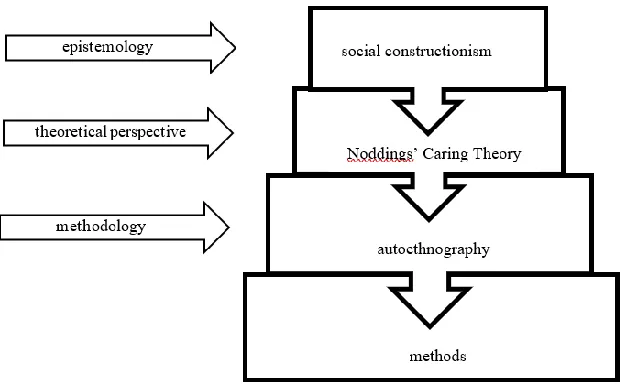
Figure 4: Methodology in my Research Process. Adopted from Crotty (2015) ...63
Figure 5: My Autoethnographic Research Methods. Adopted from Crotty (2015) ...73
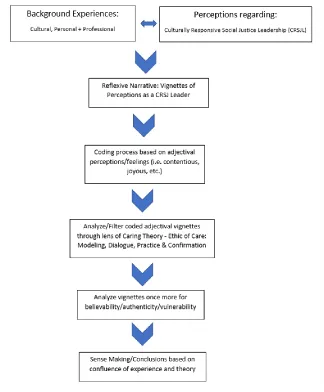
Figure 6: Summary of Narrative Writing Process ...77
Figure 7: Circa 1972, My Mother, Me (in the Arms of My Dad) My Dad, My Brother and My Sister ...93
Figure 8: Circa 1973, Mother, Me (in the Arms of My Sister) and My Brother ...94
Figure 9: Circa 1976, Me - Kindergarten ...94
Figure 10: 1980, Me (Smoker, Drinker, Abused – at the Bottom of a Closet – 4th Grade) ...95
Figure 11: 1989: My Brother, Me, My Dad, and My Sister ...96
Figure 12: 1996: College Graduation – My Sister, Me, and My Brother ...98
Figure 13: Wedding Day 1992: My Wife and Me ...98
Figure 14: 2016: Me – Assistant Superintendent – Sharing the Power of One Speech ...99
Figure 15: Slide from First Preplanning Meeting at Joyner Elementary (August, 2016) ...101
Figure 16: My Son’s X-Ray from a Hunting Accident (2012) ...102
Figure 17: (From Left to Right) My Dad Me and My Brother How I Chose to Remember Them (1988) ...102
Figure 18: Joyner Elementary Neighborhood ...107
Figure 19: Mr. Rogers and Officer Clemmons Cool Their Feet Together in What Was a Dramatic Symbol of Tolerance and Unity (Mr. Rogers’ Neighborhood, 1969) ...108
1 EXPLORING CULTURALLY RESPONSIVE AND SOCIAL JUSTICE SCHOOL
LEADERSHIP
For many, education provides hope of changing the social construct for those who have
less. The world would be a better place if all children received a fair and decent education (Reed
Jr et al., 2004). Many visionaries, like Dr. Martin Luther King, Jr., fought hard and long to
eliminate injustice and inequity and to create a better society. Although they have multiple
reasons, many teachers and administrators enter the field of education with a desire to combat
inequality and to alleviate oppression and injustice inherent in the social arrangement of the
United States (Freire, 1970). These educators often believe that all students can succeed despite
their wide-ranging backgrounds (Bogotch, 2000; K. M. Brown, 2010; Delpit, 2006;
DeMatthews, 2018; Dweck, 2006; Freire, 1970; Khalifa, Gooden, & Davis, 2016; Leithwood &
Jantzi, 2000; Shields, 2009; Theoharis, 2007; Valenzuela, 2010; Webb, 2010).
For many years, the United States exhibited a disregard for non-White students. This
inequity was made clear by the Supreme Court in the case Plessy v. Ferguson (1896). In Plessy,
the Court held that the doctrine of “separate but equal” as applied to Black U.S. citizens was
lawful. Under Plessy, which was subsequently applied to schools, local governments established
a system of subpar inequitable schools for students of color; this structure continued through the
middle of the 20th century and continues until now (Ayscue & Orfield, 2015; DeMatthews,
2018; Freire, 1970; Noddings, 2015). Starting with the 1954 Supreme Court case, Brown v.
Board of Education of Topeka, extending to the Civil Rights Movement and the Elementary and
Secondary Education Act (ESEA) of 1965 and to the days of desegregation, the momentum
United States. During those times, the idea that anyone, regardless of social standing, could
aspire to gain upward mobility with an education was an American dream that undergirded the
changing societal structure.
Fast-forwarding to the current day, laws have evolved to reinforce the efforts of the Civil
Rights leaders of the 1960s; yet, numerous divides still separate schools by race, ethnicity, and
economic status. According to many researchers, the principalship holds the key to sustaining
cultural and instructional change within a schoolhouse (Anderson, 2008; DeMatthews, 2018;
Leithwood & Jantzi, 1990, 2000; Santamaría & Santamaría, 2015). I am a middle class,
Christian, White male principal attempting to lead a largely comprised White faculty and staff, in
a high poverty, Hispanic school, in a culturally responsive and socially just manner. Against this
backdrop, my study delved into the role of the principal. A self-narrative, in the form of an
autoethnography, served as the vehicle to parse out the subcultures, contexts, and circumstances
via a study of my lived experiences as the researcher and as a White male elementary school
principal.
Background of the researcher and topic.
I am.
I am: husband, father, brother, friend.
I am: White male.
I am privileged by my skin.
I am: principal, teacher, assistant superintendent, senior business planning analyst.
I am: desperately poor, middle class, upper class.
I am: the husband of a Cuban wife and father of two bicultural children.
I am: White trailer trash.
I am: the only White kid in an all-African-American classroom.
I am: beaten and mugged, called “Cracker,” “Honky.”
I am: son of deceased father; from Hepatitis C.
I am: son of deceased homosexual mother; from lupus and darkness.
I am: little brother of deceased older brother; from alcoholic cirrhosis of the liver.
I am: father of an amputee son, caused by accidental hunting shotgun blast.
I am childhood: brokenness, incestuous sexual abuse, alcohol and drug consumption.
I am: the product of public education.
I am: the result of many teachers, but mostly one.
I am: second-time principal.
I am: journeying towards equity for the marginalized.
I am: hopeful.
Autoethnography is a qualitative research method that seeks to find and expand on the
lived experience of the self (Adams, Jones, & Ellis, 2015; Bochner & Ellis, 2016). This
autoethnography focused on my perceptions, as a White male principal, as I attempted to lead
my elementary school in a culturally responsive and socially just manner. This study was
situated in a majority poor, highly Hispanic, culturally linguistically diverse school with a
majority White female teaching population. As a White male in power, I am cognizant of my
positionality and the role that I play in reducing opportunity gaps that exist for marginalized
students. I am also aware that, as a White male in a leadership role, I have influence that can
My experiences as an abused, poor student will serve as background knowledge that I
called upon and shared with the teachers with whom I work and others who read this study as I
sought to lead in a way that is aligned with Culturally Responsive Social Justice Leadership
(CRSJL). In the context of a school, culture refers to the spoken and unspoken rules that color
and influence every facet of how a school operates (Khalifa et al., 2016). CRSJL is an
amalgamation of both culturally responsive school leadership (CRSL) and social justice
leadership (SJL). The focus of CRSL is leading a school in a manner—in both belief and
practice—that meets the needs of diverse learners. SJL is an approach based on recognizing
existing unjust school structures and doing something to correct the injustice. In my definition, a
culturally responsive social justice leader seeks to meet the needs of diverse learners and
addresses unjust structures and practices.
This study looked through the theoretical framework lens of Caring Theory put forth by
Nel Noddings (Noddings, 2006). Caring Theory takes the work of Dewey and Freire and pulls in
an ethic and centers of care to reform education into a structure that builds around educational
progressivism, constructionism, and humanism (Noddings, 2015). For me, the intersection of
leading a highly diverse school in a culturally responsive social justice manner and my
experiences as a marginalized student came at an appropriate time.
Several epiphanies instigated my desire to approach autoethnography through the topic of
CRSJL as a sitting principal (Bochner & Ellis, 2016). In my first experience as a principal, I did
not take a culturally responsive social justice advocacy role. Instead, I was an agnostic. My belief
in advocating for marginalized students did not come to the surface as action. I suppressed my
feelings and past because of fear and an unbending shame. Deep down, I have always believed
educational system that recognizes disadvantaged structures and changes those structures
accordingly (Freire, 1970). Further still, as a principal, I desired to lead in a manner that
corrected unjust structures, thereby providing the ideal situation for all students to achieve their
fullest potential, unencumbered by burdens of race, culture, language, disability, or
socioeconomic status (SES) (Khalifa et al., 2016; Theoharis, 2007).
Achievement, discipline, and opportunity gaps exist between White and minority students
throughout the nation (K. M. Brown, 2010; Delpit, 2006; DeMatthews, 2016, 2018; Scanlan &
López, 2014). Why is this the case? Are our school cultures creating hurdles for our
marginalized students? Within autoethnographies, the intersection of self and culture creates an
opportunity to look reflexively, with a desire, to make sense of what is happening within cultural
phenomena. This study addressed the gaps in the literature regarding the “how to” go about
leading a school in a culturally responsive and socially just manner. There is a lack of connection
between existing literature on culturally responsive school leadership and literature about social
justice leadership. The topics of social justice and cultural responsiveness are typically
approached independently of each other (DeMatthews & Mawhinney, 2014; Khalifa, 2011;
Theoharis, 2007; Wang, 2018). I, however, will combine those two topics because they are not
mutually exclusive and fit together under a Caring Theory approach (Noddings, 2015). Caring
Theory addresses the cultural, practical, curricular, and pedagogical approaches that support
culturally responsive and socially just schools (Marshall, Rogers, & Steele, 1996; Noddings,
2015).
Guiding Questions
Through autoethnography, I used this study to explore my perceptions as I sought to lead
manner. As a principal in a school with a historically highly marginalized student population,
investigating autoethnographic perceptions of CRSJL required me to understand the contextual
situation of the school with the mindset of deliberate change of approach.To accomplish this, I
proposed the following questions:
1. How are my practices as a culturally responsive social justice leader manifested in the
school?
2. What challenges did I face as I attempted to cultivate a culturally responsive social
justice school climate in a culturally and linguistically diverse Hispanic environment?
Review of the Literature
School leaders are critical to influencing school culture (Leithwood & Jantzi, 1990).
School culture can directly impact how teachers respond to and approach their students.
Research has established that culturally responsive teachers are critical for minority student
success (Ladson-Billings, 1995b). Viewed holistically, school leaders can impact a school’s
achievement via their approach to culture (Khalifa et al., 2016). Cultural linguistic diversity will
continue to grow in the United States based on the shifting demographics that result from
immigration and decreased White birth rates (Scanlan & López, 2014). Based on the increase in
diversity among students, it is essential that CRSJL be considered as an approach to mitigate the
achievement gap (Khalifa et al., 2016; Theoharis, 2007).
Student demographics in the United States reflect a majority of White students but have
been shifting to more minority students, particularly Hispanics (Boske, Osanloo, & Newcomb,
2017; Scanlan & López, 2014). Culturally and Linguistically Diverse (CLD) Hispanic students
represent a large portion of these students (Scanlan & López, 2014). The pending population
underperformed their White peers, compels further investigation as to how educators can close
the achievement gap (Khalifa et al., 2016).
Statistically, the majority of teachers and administrators in the United States are White
females (Snyder, de Brey, & Dillow, 2016). As such, when facing the difficulty of meeting the
needs of diverse populations, meeting the cultural needs of the CLD population can be a
struggle. Studies have found that cultural consideration of the minoritized student population can
help students perform better academically (Khalifa et al., 2016; Ladson-Billings, 1995b).
Specific to this study, an elementary principal in one northeastern rural Georgia county school
comprised mostly of CLD Hispanic students will address the needs of CRSJL.
This literature review will start with an investigation of the context surrounding culturally
responsive social justice leadership via an investigation of the following:
• Caring Theory,
• educational policy at a school level,
• the role of the principal,
• social justice leadership,
• social justice principal practices,
• culturally responsive school leadership,
• the history of multicultural education,
• academic considerations of marginalized culturally linguistically diverse Hispanic
students,
• culturally responsive pedagogy,
• caring in school leadership,
• Whiteness and White male privilege,
• Critical Race Theory,
• mindfulness,
• compassion,
• empathy, and
• autoethnography and CRSJL.
To position me as the researcher—a White male principal—in the study, a closer
investigation of topics is warranted to further present the ideas around leading a school in a
culturally responsive and socially just manner.
Caring theory.
Nel Noddings posed the Caring Theory as a way to approach education in a way that
cares for our students. This disruptive, caring approach runs much deeper than feelings. Caring
Theory is derived from Progressivism (Dewey, 1902), Pedagogy of the Oppressed (Freire, 2000),
and Feminist Theory (Daly, 1973). The essence of Noddings’ approach to Caring Theory centers
on the idea that education should not be one-size-fits-all. Rather, education should be
individualized in a way that fosters “thoughtful citizens, competent parents, faithful friends,
capable workers, generous neighbors and lifelong learners” (Noddings, 2006, p. 339). Noddings
asserts that teachers should take the time to understand what motivates their students (Noddings,
2015), and standardization should be questioned to determine why certain decisions are made
based on a uniform approach to teaching and learning.
At the root of Caring Theory is an explicit relationship between the teacher and student.
The relationship involves an exchange of speaking, listening, and responding. Noddings (2015)
the caregiver (i.e., teacher) . Without an established caring relationship between student and
teacher, there is liable to be little intrinsic student motivation for learning (Noddings, 2006). To
facilitate caring, Noddings proposes an educational approach arranged around themes of care
(Noddings, 2015), stating: “All students should be engaged in a general education that guides
them in caring for self, intimate others, global others, plants, animals, and the environment, the
human-made world, and ideas” (p. 173). Noddings argues further that themes of care lead to both
a moral life and intellectual success.
Four components are necessary to practice a moral approach to education: modeling,
practice, dialogue and confirmation. First, modeling requires a demonstration of how to care
from teacher to student. Second, dialogue requires open-ended conversation. Next, practice is
associated with experiences in caring. Finally, confirmation seeks and affirms the efforts to care
within the classroom. Noddings (2015) states, “I want to suggest that caring is the very bedrock
of all successful schooling” (p. 27). For the sake of this study, Caring Theory will be examined
as a theoretical framework that will overlay my experience as a principal attempting to lead in a
culturally responsive and socially just manner.
Definition of culturally responsive social justice leadership.
Culturally Responsive Social Justice Leadership (CRSJL) is a combination of Culturally
Responsive School Leadership (CRSL) and Social Justice Leadership (SJL). The primary
definition for SJL comes from the work of Theoharis (2007), who stated, “I define social justice
leadership to mean that these principals make issues of race, class, gender, disability, sexual
orientation, and other historically and currently marginalizing conditions in the United States
central to their advocacy, leadership practice, and vision” (p. 223). The definition for CRSL is
mannerisms, policies, and discourses that influence school climate, school structure, teacher
efficacy, or student outcomes” (p. 1274). CRSL is an approach to leading, specifically focused
on the principal, at a school level that embraces the removal of barriers for minority students
(Khalifa et al., 2016).
I define CRSJL to mean the practices of an educational leader who invites the
experiences of the voiceless minority, people of lower socioeconomic status, culturally
linguistically diverse, disabled, or discriminated others into the conversation of how best to meet
the needs of marginalized students (Berkovich, 2014; K. M. Brown, 2004; Cavanagh, Vigil, &
Garcia, 2014; Dantley & Tillman, 2006; DeMatthews, 2018; DeMatthews & Mawhinney, 2014;
Gay, 2010; Ishimaru, 2013; Khalifa et al., 2016; Ladson-Billings, 1995a; Ladson-Billings,
1995c; Madhlangobe & Gordon, 2009; Scanlan & López, 2014; Skiba, Michael, Nardo, &
Peterson, 2002; Skrla, Scheurich, Garcia, & Nolly, 2004; Sleeter, 2001, 2012; Theoharis, 2007;
Theoharis & O'Toole, 2011; Wang, 2018). A CRSJL exhibits a caring approach that recognizes
the perspectives and backgrounds of faculty and staff, students, families, and the community as
the school seeks to educate students in a manner that considers the best way to promote their
learning (DeMatthews, 2018; Noddings, 2015). A CRSJL engages in open dialogue within the
school, community, and school district in a manner that reveals barriers to learning for
marginalized minority students (DeMatthews, 2018; Khalifa et al., 2016). This leader
exemplifies the courage to speak about matters that run counter to the dominant White-centric
educational experience (McIntosh, 2012; Yosso, 2005). A CRSJL acts to rectify wrongs; to
facilitate for all students in her school, the leader removes barriers and procures resources as
Educational policy at a school level.
According to Cooper, Fusarelli, and Randall (2004), the definition of policy is: “a
political process where needs, goals, and intentions are translated into a set of objectives, laws,
policies, and programs, which in turn affect resource allocations actions and outputs, which are
the basis for evaluation reforms and new policies” (p. 3). Further, policy consists of tools,
targets, and goals that are meant to be enacted in certain places by certain people (Honig, 2006).
Typically, policy makers create, abolish, or modify policy based on a perceived driving need (B.
S. Cooper, Fusarelli, Lance D., Randall, E. Vance, 2004; Schneider & Ingram, 1990; Smylie &
Evans, 2006). Depending on the proposal, the changes will be either supported or rejected by
people who endorse or oppose the goals. While policy from federal, state, and local levels impact
school systems and schools, this study is centered on policymaking at a school level.
The work of Cooper et al. (2004) presented a four-dimensional view of policy theory that
placed ethics and social justice in the center of the decision-making lens of policy. People,
interests, goals, and organization of policy are integral to policy implementation (B. S. Cooper,
Fusarelli, Lance D., Randall, E. Vance, 2004). CRSL calls on leaders, namely principals, to
promote an inclusive school climate for minority students by linking the school to the
community and providing professional learning for faculty and staff (Khalifa et al., 2016).
Rooted within CRSL is an undergirding of a social justice leadership focus that seeks to change
specific behaviors of faculty and staff within the schoolhouse that have purposefully or
accidentally contributed to an oppressive practice (Bogotch, 2000; K. M. Brown, 2004;
Theoharis, 2007). Social justice leadership within CRSL, is a disruption and rearrangement of
structures that allow the marginalized minority students to escape exclusion (Gewirtz, 1998;
In the context of policy creation, the people involved in creating, implementing and
monitoring policy are essential in educational realms (Mintrom, 2001; Odden, 1991; Plank &
Boyd, 1994; Schneider & Ingram, 1993; Spillane, Reiser, & Gomez, 2006; Weatherley &
Lipsky, 1977). As school leaders investigating perceptions of CRSJL, policy-makers must be
willing to examine the school’s contextual situation relative to incorporating inclusive practices
for a majority Hispanic student body. Based on what is learned, those leaders must be willing to
change constructs as necessary. In facilitating change or school policy, it is critical—as has been
researched in both business and education research—to consider social capital between faculty,
staff, students, and community (Boyatzis & McKee, 2005a; Honig, 2006; Smylie & Evans, 2006;
Spillane, Halverson, & Diamond, 2004).
Social capital in educational policy implementation is grounded in relationships and is an
intangible resource that can be drawn upon to successfully enact change (DeMatthews, 2018;
Smylie & Evans, 2006). Successful or failed relationships amongst policy creators and
implementers are based on trust, communication, and expectations (Malen, 2010). If both social
capital and relationships are important in policy creation and implementation, then deliberate
professional learning that centers on CRSJL topics, should be communicated, explained, and
endorsed by all within the school. Schema (i.e., the backgrounds of faculty, staff, and
administration) need to be considered as professional learning plans are developed (B. S. Cooper,
The role of the principal.
Scholars have indicated that the role of the principal is vital to the success of schools
(Heck & Hallinger, 2009). Particularly the principal is deemed as critical within the focus of
culturally responsive school leadership (Khalifa et al., 2016). Culturally responsive school
leaders have many qualities that can be associated with social justice leadership as well as
transformational leadership (Bass, 1985; DeMatthews, 2018; Hooper & Bernhardt, 2016; Khalifa
et al., 2016; Theoharis, 2007). Transformational and social justice leadership have many
overlapping components. In both approaches, a principal could be seen as an inspiring,
motivating, engaging, and empowering leader that strives to create caring and equitable
educational environments for marginalized students as well to leverage assets of the community
by leading faculty and staff (Bass, 1985; Hooper & Bernhardt, 2016; Noddings, 2015).
Balancing the theoretical, philosophical, and pragmatic applications as a culturally
responsive, transformational, caring, and socially just principal is critical to success in a complex
school structure. A principal must be able to inspire faculty and staff to move in the desired
direction (Bolman & Deal, 2013).
Building trust in a school setting.
Researchers have found that building trust among teachers and principals contributes to
school reform (Brewster, Railsback, & Northwest Regional Educational Lab, 2003; Handford &
Leithwood, 2013). To build a climate that facilitates the closure of opportunity gaps for minority
students, a principal must change the dominant White euro-centric construct (Delpit, 2006;
McIntosh, 2012; Theoharis & O'Toole, 2011; Valenzuela, 2010; Yosso, 2005). This reform is
difficult to conduct in schools with mostly White teachers. To establish trust, principals need to
consistency, openness, respect, and integrity (Handford & Leithwood, 2013). Further, and
aligned with the Caring theoretical lens of this study, communicating, valuing dissenting views,
and showing care for teachers has also been proven to increase trust within a school (Brewster et
al., 2003; Handford & Leithwood, 2013). It is critical to this study for the researcher to
understand the contribution of trust-building by a CRSJL to changing existing structures.
Social justice leadership.
An understanding of social justice theory helps explain why this study is a worthwhile
undertaking. Social justice theory evolved from the days of classical Greek philosophers to the
modern day (Berkovich, 2014; Jost & Kay, 2010). Ideas of justice have shifted an elite exclusive
right to a social contract that perceived wrongs should be corrected (Capeheart & Milovanovic,
2007). Fundamentally, the theory emphasizes that societies must treat citizens in a fair and
equitable manner. Moreover, if inequity is evident, it is imperative that a change must be made to
correct that inequity (Berkovich, 2014; Bogotch, 2000; Capeheart & Milovanovic, 2007; Jost &
Kay, 2010; Rawls, 1971; Theoharis, 2007; Theoharis & O'Toole, 2011).
Additionally, as to the notion of rectifying inequities, Capeheart (2007) stated: “Social
justice is concerned not in the narrow focus of what is just for the individual alone, but what is
just for the social whole” (2007, p. 22). Moreover, in the absence of justice, some form of change
should occur. Rawls (1971), in his seminal work, A Theory of Justice, provided the following
crucial definition on social justice:
Justice is the first virtue of social institutions, as truth is of systems of thought. A theory
however elegant and economical must be rejected or revised if it is untrue; likewise laws
and institutions no matter how efficient and well-arranged must be reformed or abolished
Social justice leadership in an educational setting can bring inequalities to light.
Education has seen a growing focus on social justice leadership used to address inequalities
(Berkovich, 2014; Bogotch, 2000; K. M. Brown, 2004; DeMatthews & Mawhinney, 2014; Jost
& Kay, 2010; Theoharis, 2007; Theoharis & O'Toole, 2011; Wang, 2018). Social justice theory
has evolved through the years; in summary, the core principle is that society is obligated to
ensure fairness, through political process or other policies and actions, for all members. Jost and
Kay (2011) defined social justice theory as follows: “a state of affairs in which … procedures,
norms, and rules that govern political and other forms of decision making preserve the basic
rights, liberties and entitlements of individuals” (p. 1122). While social justice has been a focus
of many scholars, they have paid most attention to it at the school level (DeMatthews &
Mawhinney, 2014; Theoharis & O'Toole, 2011). Recently, research has sought to determine how
to move from a microlevel of addressing social justice leadership to a macrolevel via a more
holistic approach (Berkovich, 2014). Based on the theory of social justice, examination of the
approach of culturally responsive leaders is a valid consideration. Bogotch (2002) stated, “Social
justice, just like education, is a deliberate intervention that requires the moral use of power” (p.
2).
Social justice principal practices.
In discussing the role of the principal as a leader of social justice, Wang (2018) stated,
“Efforts to better understand the nature of social justice leadership would do well to begin with a
focus on the characteristics of leaders and the specific actions that leaders take to achieve their
social justice goals” (p. 490). Moving from a theoretical to pragmatic view of social justice
leadership is one of the areas of focus for this study. As the researcher and a principal, the review
actions that a principal can take to promote equality in the school setting. The following methods
will be explained further: (a) rejecting social justice neutrality, (b) hiring, retaining and
professionally developing teachers, (c) leading family and community engagement, (d) managing
situational awareness, and (e) practicing self-care.
Rejecting social justice neutrality.
In rejecting neutrality, DeMatthews (2018) stated, “Principals must shed the idea that
school leadership is neutral, take a stance against social injustices within schools and in
communities, and partner with families to transform their schools” (p. 115). The call to action in
SJL is a move away from positivist thought to a more humanistic critical theoretical frame that
calls upon principals to lead in a way that makes sense of the dilemmas caused by intersections
of society, culture, and school. In rejecting neutrality, an SJL places herself in a position to
question unfair practices and policies. Theoharis Once practice and policies are challenged, a
principal must then advocate for the implementation of corrective measures and a modified
approach to issues centered on race, gender, culture, and other characteristics of identity (K. M.
Brown, 2004; DeMatthews, 2018; DeMatthews & Mawhinney, 2014; Larson & Murtadha, 2002;
Theoharis, 2007; Theoharis & O'Toole, 2011; Wang, 2018).
Hiring, training, and professionally developing teachers.
Facilitation of professional development is a necessary task for any principal who is an
SJL (Theoharis, 2007). Many teachers do not have the prerequisite training to address diversity
(Snyder et al., 2016). During undergraduate teacher preparation coursework, caution and worry
often perpetuate the taboo of speaking about race and injustice between university professor and
students to, and between students (McIntosh, 2012). A principal should facilitate professional
educability, and culture of poverty (DeMatthews, 2018). The bootstrap myth states that any
student, regardless of race, class, gender, or other identity, can succeed by pulling oneself up by
the bootstraps (DeMatthews, 2018). The individual faults myth adheres to the notion that poverty
is a choice. The root of the educability myth centers on claims that poor and minority families
are at fault for poor educational performance. Last, in the culture of poverty myth, students are
associated with poor behavior and limited ability because of their socioeconomic status (SES).
Additionally, research shows that minority students are more likely to have an inexperienced or
unqualified teacher (Ayscue & Orfield, 2015). Teacher turnover is an issue in higher SES
schools because, with the pressures on schools to succeed, many school districts and principals
have pushed teachers to implement one-size-fits-all curricular programs. An SJL has the
responsibility to address this issue at a school level with professional development.
Leading family and community engagement.
Engaging families and the broader community provides opportunities for students and the
school to come together (Theoharis, 2007). This school-supported opportunity communicates
that the school places value in the students’ cultural backgrounds. That connection can foster
collaboration for racial, economic, environment and cultural justice. In addition, an
understanding of the context of school neighborhoods helps to frame some of the decisions that a
principal might make. Within the community, advocacy based on action and communication can
help build broad-based support that can change the narrative of lower SES neighborhoods.
Managing situational awareness.
An SJL must also practice what DeMatthews (2018) terms situational awareness. This
awareness can be related to Bolman and Deal’s (2013) frames (i.e., the practice of exploring and
within an organization). As DeMatthews (2018) noted, there are perils in pushing against the
status quo, especially as it relates to race, power, and equity. In essence, a principal should be
aware of and sensitive to multiple perspectives when trying to lead in a socially just manner.
DeMatthews stated it in this way: “Situational awareness requires both an accurate reading of the
school context as well as the external forces that may be beyond the principal’s control” (p. 141).
Practicing self-care.
The principal must serve in a manner that is, at times, ideologically and diametrically
opposed to the organization for which the principal works, knowing that this approach could be
job-threatening. Being an SJL is sometimes stressful and exhausting work. Nevertheless, a
principal must maintain emotional, mental, and physical well-being (Theoharis, 2009).
Culturally responsive school leadership.
Culturally responsive school leadership was defined by Khalifa et al. (2016) as: “the need
for children’s educators and educational contexts to understand, respond, incorporate,
accommodate, and ultimately celebrate the entirety of the children they serve –including their
languages and literacies, spiritual universes, cultures, racial proclivities, behaviors, knowledges,
critical thought and appearances” (p. 1277). Critical self-awareness, culturally responsive
curricula and teacher preparation, culturally responsive and inclusive environments, and
engaging students and parents in community contexts comprise the actions of a CRSL.
Critical self-awareness and critical consciousness are both used in the literature to
describe a similar attribute of a CRSL (K. M. Brown, 2004; Dantley, 2003; Freire, 2000; Khalifa
et al., 2016; Shields, 2010). Critical self-awareness is borne out of self-reflection that is derived
from one’s history, culture, desires and interests when it comes to serving marginalized students
learning can take place. The research indicates that practicing, developing and using this skill is
important to a CRSL (Khalifa et al., 2016).
Culturally relevant pedagogy and culturally responsive pedagogy are used
interchangeably in the extant literature (Shields, 2010; Sleeter, 2012). Culturally relevant
pedagogy (CRP) has shifted from a teacher initiative to a leadership focus (Gay, 1994; Khalifa et
al., 2016). Yet still, to be a CRSL requires having teachers prepared to instruct in a manner that
promotes success for diverse learners (Sleeter, 2001). In order to facilitate this preparation a
leader should provide and be involved in professional learning on the nature and practices of
culturally responsive curricula (Gay, 2010). Khalifa et al. (2016) made the argument that since
Leithwood found that effective principals are instructional leaders, then they stated “[W]e argue
principals must play a leading role in maintaining cultural responsiveness in their schools” (p.
1281).
Leadership, mostly through the representation of principals, is vital to promoting a
culturally respectful and inclusive school (Dantley & Tillman, 2006; Johnson, 2006; Khalifa et
al., 2016). The word “responsive” in CRSL also indicates a nuanced approach that requires
action (Khalifa et al., 2016). While recruiting and hiring minority teachers is the most direct
route to culturally responsive school environments (Santamaría, 2014), the fact is that minorities
are underrepresented in the workforce (Snyder et al., 2016). With that as the backdrop, leaders
can fill a critical role in fostering CRSL to meet the needs of students from different cultures.
A CRSL considers, invites and involves the students, parents, and community in the
school (Ishimaru, 2013; Khalifa et al., 2016). Additionally, a CRSL principal establishes warm
and respectful dialogue with the culturally diverse parent populations (Madhlangobe & Gordon,
relationships allow for a change of power dynamics that include those that were on the margins
to take a place at the table of discussions regarding neighborhood, school and other
community-based causes (Khalifa et al., 2016).
Leadership for social justice is integral to CRSL (Khalifa et al., 2016; Santamaría, 2014).
Yet, the word “responsive” in CRSL also indicates a nuanced approach that requires action to
recognize, incorporate, and celebrate marginalized cultures (Khalifa et al., 2016). For leaders to
achieve the end-goals of CRSL, they should approach academic achievement equity by
supporting teachers (Santamaría, 2014). When referencing the imperative of addressing CRSL,
Khalifa et al. (2016) stated, “Given the gravity of the topic—and the inequities that continue,
despite the pervasiveness of instructional, transformational, and other forms of school
leadership—this one is timely” (p. 1278). The extant research points to the need to change the
way that school leaders approach culture in order to create a more equitable academic
environment for a growing culturally and linguistically diverse population (Delpit, 2012; Khalifa
et al., 2016; Scanlan & López, 2014; Valenzuela, 2010). Further still, and most important to this
study, research indicates that the connection between caring and CRSL is inherent and critical to
the success of students of color (Garza, 2009; Garza & Soto Huerta, 2014).
History of multicultural education post Brown v. Board of Education.
The Civil Rights Movement and desegregation of schools during the 1960s created a
challenge: how to move away from a White euro-centric instructional approach when handling
an influx of minority students into previously White-dominated schools (Banks, 2008;
DeMatthews, 2018). As schools were forced to integrate minorities and CLD students, the focus
was to assimilate the students into the mainstream White world. Often, the students were
from their cultural background (Scanlan & López, 2014; Valenzuela, 2010). There have been
increased claims that, moving through the 1960s forward to the current day, minority students’
culture should be acknowledged (Banks, 2008). Incorporation of non-native approaches to CLD
and minorities began to grow throughout the late 20th century. Culturally responsive teaching
gained momentum based on the premise that identified CLD and minority students deserve a
connection between school and home cultures (Banks, 2008; Gay & Kirkland, 2003).
With increased focus on integrating minority students after Brown, policymakers
deployed numerous racially explicit policies to privilege the ruling Whites (DeMatthews, 2018;
Wang, 2018). Gerrymandering, zoning, and gentrification have resulted in greater segregation
since the late 1980s (DeMatthews, 2018). A market-based approach to education resulted from
the publication of A Nation at Risk (A nation at risk: The imperative for educational reform,
1983). With the proclamation that a failing educational structure was the main cause for the
poorly equipped workforce and the subsequent economic decline in the United States, an
efficiency-, accountability-based model was touted as a necessary remedy to fix what was
broken. Various permutations of high-stakes testing and accountability have persisted since the
1990s; yet, the achievement gap between Whites and non-Whites continues. The role of the
high-stakes, market-based school system’s principal is challenged by DeMatthews (2018): “Many
principals blindly lead in ways that are authoritarian, hierarchical and businesslike even though
these approaches have rarely yielded positive and long-term results” (p. 67). The context of
education after Brown v. Board of Education is essential to consider in the study of CRSJL.
Academic considerations of marginalized, CLD Hispanic students.
DeMatthews (2018) argues that for a principal to lead a school towards social justice, it is
historical and present conditions of marginalized minority students—particularly Hispanics—is
warranted. According to Nguyen and Kebede (2017), “In 2014, approximately 28% of 42.4
million foreign-born immigrants were from Mexico” (p. 722). Marginalized students are defined
as: non-White, poor, speakers of other languages and with cultural differences as compared to
the majority White euro-centric students (Khalifa et al., 2016; Ladson-Billings, 1995b; Sleeter,
2012; Theoharis, 2007; Theoharis & Haddix, 2011; Valenzuela, 2010). Traditionally, minorities
have not performed as well on standardized tests and other measures as their White counterparts
(Shields, 2009; Snyder et al., 2016). Also, the rate of discipline is disproportionate for minorities
as compared to their White peers (DeMatthews, 2016; Sleeter, 2012).
Practically speaking, U.S. Census projections indicate that by the year 2035, Whites will
move from a majority to a minority position in the United States population (Scanlan & López,
2014). With ethnic and racial diversification increasing within schools, recognizing and
understanding culturally responsive leadership can help principals take action in a manner that
closes gaps between White and marginalized minority students (Khalifa et al., 2016).
Further evidence has indicated that Hispanic CLD students are among the most
academically challenged CLD minority populations in the United States (Orfield & Yun, 1999;
Snyder et al., 2016). Latino students have some of the highest dropout rates and were far more
likely to be segregated from the majority White population than other minorities (Orfield & Yun,
1999; Snyder et al., 2016). With the passage of ESEA (1965), educational parity for minorities
became law. At the time, segregation based on race was much of the focus of ESEA. The
Bilingual Education Act (BEA) of 1968 added to the language of ESEA in a subsequent
reauthorization of the groundbreaking law. The BEA recognized that students with limited
language and promotion of cultural awareness (Wiese & Garcia, 1998). The BEA mandated
changes for CLD students. States balked at the changes and were slow to adopt the new
approaches. Lau v. Nichols (1974) challenged a California school district in the Supreme Court
arguing that the District was not providing equal educational opportunities to native Chinese
speaking students. Even though Lau v. Nichols (1974) upheld the 1968 Bilingual Education Act,
the opportunity gaps between CLD Hispanic students and their White peers persist (Scanlan &
López, 2014).
It is also imperative to consider the interaction of White teachers with CLD students
because, “most culturally diverse students and their teachers live in different worlds, and they do
not fully understand or appreciate one another’s experiential realities” (Gay, 2010, p. 144).
Further still, many teachers view Hispanic students from a deficit perspective and may even
discourage them from speaking in their native tongue and openly disparage the immigrant
culture (Valenzuela, 2010). A principal has the opportunity to address the negativity and to
reframe the view of CLD students away from deficit thinking (Yosso & Solorzano, 2006). The
job of the leader in a school with Hispanic students is to understand this opportunity and act
upon it (Mellom, Portes, Straubhaar, Balderas, & Ariail, 2018). Gallo and Link (2015), stated,
“Rather than accepting the status quo of silence around issues of difference like immigration,
teacher educators need to foster dialogue and exploration to prepare educators for the realities
they will face in the classrooms” (p. 377). In this study, the principal is the “teacher educator.”
Culturally responsive pedagogy.
Culturally relevant pedagogy (CRP) refers to the practice of teaching minoritized student
populations by integrating their cultural schema into classroom instruction (Ladson-Billings,
embrace different perspectives. Without a culturally responsive school leader, there is a reduced
probability that the entire school will sustain a culture of pedagogy that is relevant to minority
students (Khalifa, 2011). With that said, teachers are the critical element in delivering CRP via
inclusive cultural competence, critical self-reflection, expecting academic success, and
developing and maintaining relationships with culturally diverse students (Gerhart, Harris, &
Mixon, 2011; Khalifa et al., 2016; Ladson-Billings, 1995b; Scanlan & López, 2014; Schwarz,
2013).
Cultural competence is a facet of culturally relevant pedagogy (Khalifa et al., 2016;
Milner, 2010; Scanlan & López, 2014). The term cultural competence involves many
components, but is primarily focused on integrating and welcoming nonmainstream cultures of
minority students into the schoolhouse (Khalifa, 2011). This integration can be facilitated by
teachers on culturally relevant pedagogy leadership teams. These teams work to build interests,
native language, and student background knowledge into the instructional day. Further, families
are viewed as critical supports of minority students through an additive perspective. In this
additive view, families are important to support and supplement school culture with proud
sharing of the home culture. Conversely, a harmful subtractive schooling view that seeks to
exclude culturally diverse students (Valenzuela, 2010) is to be avoided.
While curriculum refers to content that is to be taught, the teacher—and more
specifically, the teacher’s background values and beliefs—play an important role in what and
how the teacher approaches class content. With a predominantly White teacher population
(Milner, 2010), it is important to be cognizant via critical self-reflection. Critical self-reflection
should allow a teacher to explore individual self-bias and color blindness (Delpit, 2006; Milner,
Equity audits allow for teachers to determine how to address any inequitable constructs within
the classroom or pervasive content within a culturally diverse school setting (Skrla et al., 2004).
Expectations within a culturally responsive pedagogy play a critical role between the
teachers and their minority students (Khalifa et al., 2016; Milner, 2010). Dweck (2010) has
written extensively on the “growth versus fixed” mindset. In a growth mindset, it is assumed that
a teacher or student can expect that learning is not a finite capacity but, rather, that growth of
ability is based on persistence, high expectations, and effort (Dweck, 2010). The research
indicates that in many culturally diverse school settings, educators are prone to a deficit model of
thinking regarding their students (Scanlan & López, 2014). Simply put, because students speak
another language, come from poverty, or have another cultural perspective, the teacher envisions
the hurdles to learning as unsurmountable; this deficit thinking leads to lower expectations for
student success. A culturally responsive teacher can combat the deficit mindset with a “warm
demander” approach (Delpit, 2012). As a warm demander, the teacher stresses expectations for
student work and the students’ capacity to learn in a loving, caring, structured environment
(Delpit, 2012; Noddings, 2015).
Caring in school leadership.
In many respects, the term caring in school leadership seems to be a rather simple and
benign term as it relates to school. When looking deeper, caring leadership within a school could
be linked to CRSL, SJL, and most certainly, Noddings’ Caring Theory. There is a reasonable
amount of existing research on both compassion and caring approaches to leadership. For the
sake of this study, both terms will be equated with one another. As one digs through Noddings’
literature of Caring Theory, the most likely application is approached from a student to teacher.
also extend that level of care to relationships between leaders and employees and between
educational leaders and teachers. For the sake of this study, the application of Caring Theory will
be assumed to be between principal, faculty, and staff.
Boyatzis, Smith, and Blaize (2006) stated that a compassionate leader must do three
things: show empathy, care, and take action in response to others’ feelings. First, and in line with
CRSL, a leader must be authentically responsive to the “cared for.” Second, and in line with SJL,
a leader must advance the success of the one cared for. Finally, in line with Caring Theory, a
leader’s effort in care must be recognized by those who are receiving care. (Boyatzis, Smith, &
Blaize, 2006).
Louis, Murphy, and Smylie (2016) point to caring leadership as a topic worthy of further
study because caring leaders can positively impact student achievement in low SES schools.
They state, “caring is important in schools and contributes both to the development of more
effective adult cultures and to student learning” (Louis, Murphy, & Smylie, 2016, p. 333).
Principals’ relationships are built around dyadic, authentic, caring interactions with teachers;
these, in turn, form the base of care that creates a positive climate (Louis et al., 2016). In a school
led by a caring principal, teachers have higher self-efficacy and less burnout (Louis et al., 2016).
In investigating the caring leadership, Louis et al. (2016) stated, “In schools, where much of the
work of leadership is invisible to others, achieving the deep mutuality suggested by the
philosophical literature may be difficult” (p. 320). This statement lends credence to my study as I
seek to make the invisible clear via my experiences and reflections through a caring lens as I
attempt to lead, as a CRSJL, in a school with a large Hispanic population.
Noddings’ Caring Theory is presented in a general sense. As leaders, principals are
classroom level based on teacher direction; this study, however, is concerned with me as the
principal. This study seeks to add to meager extant literature regarding the investigation of
CRSJL through the theoretical lens of Caring Theory. Specifically, Noddings’ description of the
ethic of care practices will be overlaid upon my actions as I attempt to be a CRSJL using
Noddings’ four components of dialogue, practice, confirmation, and modeling (Noddings, 2015).
Noddings (2006) stated: “Caring leaders should be teachers” (p. 344). This study places me as
the principal, attempting to lead in a culturally responsive and socially just way. Just as the
teacher is a caregiver for the student, Noddings (2006) states that a principal should replicate that
relationship with the teachers.
To foster caring within schools, Noddings (2006) suggests that principals should dialogue
with teachers in an open-ended and vulnerable manner. They should also model care through
positioning themselves in a way that invites conversation with teachers about operations of the
school. Noddings also notes that a leader should encourage teachers to explore teaching in a way
that reinforces their efficacy. This study will look at the conversations in the school occurring
between a principal and teacher. Noddings implored that leaders are critical in leading when she
stated, “Caring leaders must show the way” (p. 344). As a leader, “showing the way” is
demonstrated by applying the four components of the ethic of care (2015).
Resilience.
Resilience, in this study, is associated with the ability to endure and overcome adversity.
For a high-poverty, highly CLD Hispanic student population, the experience of fitting into a
White world can be a challenge (Cavanagh et al., 2014; Scanlan & López, 2014). Ungar (2004)
found that “contextual specificity” is required in resilience studies. Contextual specificity allows
phenomenon. In studying CRSJL, resilience has an additional place based on the nature of the
change process in a predominantly White-staffed school. Openly discussing controversial topics
requires resilience if the discussion is intended to effect change (Boyatzis & Williams, 2008).
The research on resilience also suggests that it can be fostered through relationships, and it is not
some naturally occurring trait that is only for lucky few are gifted (Hartling, 2008).
Whiteness and white male privilege.
Whiteness and White male privilege are elements that are studied in relation to
educational practice (Collins, 2018; Howard, 2016; McIntosh, 1990; Theoharis & Haddix, 2011).
The study of Whiteness and White male privilege is vital because the teaching population in the
United States is mostly White and many educational leaders are male (Howard, 2016). In
educational realms, Whiteness is defined as the unspoken and invisible methods and beliefs that
are inherently biased in favor of Whites. (Lund & Carr, 2015; Theoharis & Haddix, 2011). In
short, the concept around Whiteness is one of recognizing what is unspoken and ignored by
many Whites when it comes to race: the impact of Whiteness on norms, policies, and practices
(Theoharis & Haddix, 2011). McIntosh (1990) coined the term White privilege, which she
defined as the taken-for-granted privileges that come from being White. In describing these
privileges, McIntosh points out some unearned privileges that each White person has in an
invisible knapsack. These 26 items range from being able to shop alone without being followed
to ignoring the language and customs of persons of color without any repercussions. The
literature surrounding Whiteness and White Privilege is pertinent to the study of CRSJL because
the tenets support identifying race, culture, and injustice and doing something to help the
Many studies claim that racial concerns are no longer valid in our current, purportedly
postracial society. Many Whites assert that race and gender are no longer an issue affecting the
ability of minorities to ascend to the upper reaches of society (Carr, 2016). There are, of course,
minority men and women who have attained high-level positions within government and
business. Based on the election of President Barack Obama in 2008, some Whites would claim
that President Obama’s election is the ultimate piece of evidence that race is no longer a concern
in this country (Rector-Aranda, 2016). With the recent rise of openly contentious racial issues
(e.g., the White nationalist march in Charlottesville), there is evidence that race is still a hurdle
that non-Whites must overcome. Research has also noted the deleterious effects of deportation
policies since the establishment of the United States Immigration and Customs Enforcement
division (Gallo & Link, 2015). After the election of President Trump, there has also been a noted
increase in school-based racism claims (Martel, 2016; Vara-Orta, 2018; Weber, 2017). Prior
racist undertones have become more explicit and are hurled at Hispanics, Jews, Blacks, and other
non-White students. Many teachers and leaders refrain from discussing race and social issues
based on fear and a desire to avoid an uncomfortable conversation (McKenzie & Scheurich,
2004). Howard (2016) stated, “[T]here will be no meaningful movement toward social justice
and real educational reform until there has been a significant transformation in the beliefs,
attitudes, and actions of White Americans” (p. 9). With this as a backdrop, the literature
surrounding Whiteness and White male privilege is essential to this study.
Critical race theory.
Critical Race Theory (CRT) in education is based largely on the premise that racism is
interwoven into the fabric of the United States’ institutional structure and that this pervasive
Theoharis & Haddix, 2011; Vaught & Castagno, 2008; Yosso, 2005). CRT is relevant to this
study based on my attempt to be a CRSJL; the relevance is located at the intersection of me (i.e.,
a White male principal) attempting to be culturally responsive and socially just on behalf of my
vastly high-poverty CLD Hispanic students and my leadership of a majority White faculty and
staff. Further, CRT examines and calls out the complex relationship between power and race.
This examination allows school leaders and teachers to approach the privileged
White-Euro-centric curriculum and pedagogies that inherently undermine equitable structures for minority
students. CRT calls for explicit consideration of cultural and structural arrangements in a school
setting that facilitates the elimination of discriminatory and deficit thinking (Ladson-Billings,
1998; Solorzano & Yosso, 2001).
Social Justice, CRT, and Caring Theory coalesce around the notion that it takes a caring
individual doing what is right and just to do something about injustice and racist, hegemonic
structures (Koonce, 2018; Rector-Aranda, 2016). School leaders should counter notions of
postracial societal claims of colorblindness and race neutrality and unveil contexts involved in
White-based school structures. Additionally, leaders should challenge deficit thinking when it
comes to their non-White students(Solorzano & Yosso, 2001; Valenzuela, 2010). Utilizing CRT
in education would allow leaders and schools to: (a) challenge meritocracy and practices like
tracking, (b) expose underlying power structures that privilege Whites, (c) promote social justice
for minority students, (d) acknowledge student backgrounds (i.e., funds of knowledge) (Moll,
Amanti, Neff, & Gonzalez, 1992), and (e) invite other cultures into the curriculum in both
historical and contemporary senses (Solorzano & Yosso, 2001). Theoharis and Haddix (2011)
stated, “CRT serves as a vehicle for us to interpret why and how White school leaders do
crossracial and cross-cultural boundaries” (p. 1336). The challenge to embrace CRT in schools is
supported by the larger purpose of creating social and racial justice (Yosso, 2005). As noted,
principals are critical to improving the achievement in schools for the marginalized by
approaching CRT in culturally responsive, socially just ways.
Investigating CRT is often equated with a political act (Yosso, 2005). The current
political climate in the United States is fraught with rhetoric, name-calling, and general unrest. In
this sense, addressing race in a school can be problematic because of the potential for political
blowback. DeMatthews (2018) stated, however, that: “When principals and teachers fail to think
critically about poverty and race, they likely participate in maintaining the injustices present in
schools and society” (p. 85). To remain apolitical is not an option for educational leaders when
addressing race. As a White male principal, the literature surrounding CRT supports my study.
Mindfulness, compassion, and empathy.
The work of culturally responsive and social justice leaders is fraught with challenges
and can be physically and mentally exhausting (Boyatzis & McKee, 2005; Boyatzis et al., 2006;
DeMatthews, 2018; DeMatthews & Mawhinney, 2014; Khalifa et al., 2016; Louis et al., 2016).
There is a great deal of neurobiology research that has shown that the effects of stress can lead to
poor performance, burnout and feelings of loneliness in leaders (V. Brown, Olson, & Brady,
2015). The conception of this study assumes that there will be days that are physically and
emotionally exhausting. The idea of working to lead a school as a White male CRSJL runs
counter to what may be “easy,” considering that the status quo of leaving well enough alone
might be the path of least resistance. The intertwined practices of mindfulness, compassion, and