Factors and Dynamics Influencing the
Implementation of Community
Interventions: A Systems Perspective
by
Lyn Radford
(B.A. (Hons) Psychology)
A thesis submitted in total fulfillment of the
requirement of the degree of
DOCTOR OF PHILOSOPHY
School of Psychology
Faculty of Arts, Education and Human Development
Victoria University
Declaration
“I, Lyn Radford, declare that the PhD thesis entitled Factors and Dynamics Influencing the Implementation of Community Interventions: A Systems Perspective, is no more than 100,000 words in length including quotes and exclusive of tables, figures, appendices, bibliography, references and footnotes. This thesis contains no material that has been submitted previously, in whole or in part, for the award of any other academic degree or diploma. Except where otherwise indicated, this thesis is my own work”.
Acknowledgements
There are several people who have made it possible for me to complete this work and I would like to take this opportunity to express my appreciation.
First and foremost the participants of this study who welcomed me into their team and engaged in the spirit of the research.
My many supervisors: Professor Jill Astbury, whose support, encouragement and wisdom, brought this thesis to its completion. Dr Wally Karnilowicz and Dr Delwyn Goodrick whose enthusiasm and expertise helped to develop my
research skills. Finally, Professor Isaac Prilleltensky for his knowledge and support, without which this research would never have begun.
My husband, Haydn, my children, Jordan and Alice, and my parents, Jan and Norm, who have loved and supported me throughout this long process and have tolerated the demands it has placed on all of us.
TABLE OF CONTENTS
CHAPTER 1 ... 1
INTRODUCTION ... 1
CHAPTER 2 ... 6
LITERATURE REVIEW ... 6
2.1 Prevention and Promotion... 6
2.1.1 A brief History of Prevention ... 6
2.1.2 Levels of Prevention ... 7
2.1.3 Promotion... 9
2.1.4 Social Environments and the Ecological Metaphor... 9
2.1.5 Risk and Protective Factors ... 11
2.1.6 Social Epidemiology: Social Capital and Community Development... 12
2.2 Community Prevention and Promotion Interventions ... 14
2.2.1 Community as a Setting for Prevention and Promotion Interventions . 14 2.2.2 Community Interventions ... 15
2.2.3 Community Interventions: An Australian Perspective ... 17
2.2.4 Attributes of Successful Community Interventions... 18
2.2.4.1 A Framework for Community Interventions ... 19
2.2.4.2 Sustainability and Dissemination... 20
2.2.5 The Three Stages of an Intervention... 20
2.3 Implementation of Community Interventions... 22
2.3.1 Factors Influencing the Effectiveness of Implementation ... 24
2.3.1.1 Fidelity versus Flexibility ... 24
2.3.1.2 Program Staff ... 25
2.3.1.3 Partnerships with Stakeholders ... 27
2.3.1.4 Community Participation. ... 28
2.3.1.5 Adequate Resources... 30
2.3.1.6 Context of the Intervention Setting... 31
2.3.1.7 Program Leader or Champion... 31
2.3.2 The Human Element of an Intervention ... 32
2.3.3 Lessons from Organizational Psychology ... 33
2.4 The Gap between Science and Practice ... 34
CHAPTER 3 ... 38
RESEARCH METHODOLOGY... 38
3.1 Answering the Research Question ... 38
3.1.1 The Guiding Epistemology of This Study ... 38
3.1.2 Qualitative Research ... 39
3.2 Case Studies ... 40
3.2.1 Rationale ... 40
3.2.2 Selection of the Case... 41
3.2.3 The Case ... 41
3.2.4 Issues about Access and Entry... 42
3.2.5 The Major Data Collection Methods Used ... 42
3.2.5.1 Participant Observations ... 42
3.2.5.2 Semi-Structured Interviews and Focus Groups... 44
3.2.5.3 Informed Consent... 44
3.2.5.4 Document Analysis ... 45
3.2.5.5 Validity and Credibility ... 46
3.3 Action Research Principles ... 46
3.4 Overview of Data Collection ... 47
3.4.1 Phase One: Program Development ... 50
3.4.2 Phase Two: Implementation ... 51
3.4.2.1 Development of a Framework of Best Practice for Implementation of Community Interventions ... 52
3.4.3 Phase Three: Towards Sustainability... 54
3.5 Data Analysis ... 54
3.5.1 A Change in Direction ... 56
3.5.2 A framework for analysis of results... 57
CHAPTER 4 ... 59
CONNECT FOR KIDS: A CASE STUDY ... 59
4.1 A brief outline of the Program ... 59
4.2 The Coordinating Organization ... 59
4.3 CFK: How it all began ... 60
4.3.1 The Community ... 60
4.3.2 The Beginning... 63
4.3.3 The Program Model ... 65
4.3.4 The Evaluation... 67
4.4 The Organizational Structure of CFK... 68
4.4.1 Meredith... 68
4.4.2 Daniel... 69
4.4.3 Deidre... 69
4.4.4 CFK’s Sessional Workers... 69
4.4.5 Other People Involved with CFK ... 70
4.4.6 Development of a Structure for CFK... 71
4.5 The Evaluation ... 73
4.5.1 My Role in the Evaluation ... 74
4.5.2 My Role as a Researcher ... 75
4.5.3 Tension/Conflict between these Roles... 75
4.6 CFK: The Journey (March 2001 – April 2004) ... 76
4.6.1 Phase One: Program Development (March 2001 – September 2001).. 78
4.6.2 Phase Two: Program Implementation (October 2001 – September 2003) ... 80
4.6.3 Phase Three: Toward Sustainability (October 2003 – April 2004) ... 84
CHAPTER 5 ... 86
FINDINGS ... 86
5.1 A Guided Focus Group ... 86
5.1.1 Guided Focus Group Data ... 87
5.2 Interview Data... 90
5.2.1 Deidre... 90
5.2.1.1 Resourcing/Funding ... 92
5.2.1.2 Continuous and Regular Evaluation... 92
5.2.1.3 Enough Time... 93
5.2.1.4 Networking with the “Right” People ... 93
5.2.1.5 The Right Staff... 93
5.2.1.6 Flexibility ... 94
5.2.1.7 Community... 94
5.2.2 Daniel... 95
5.2.2.1 Sustainability and Community Ownership ... 95
5.2.2.2 Stakeholder Involvement and Collaboration with the “Right” People ... 96
5.2.2.3 Program Staff ... 96
5.2.2.4 Decision Making ... 97
5.2.3.1 Giving the Community what they Ask for... 98
5.2.3.2 Flexibility to Meet the Community’s Changing Needs ... 98
5.2.3.3 Adequate Resources to Meet the Community’s Needs... 98
5.2.3.4 Listening to the Community ... 99
5.2.3.5 Treating all Community Members as Equal ... 99
5.2.3.6 Management as a Potential Barrier ... 100
5.2.3.7 Program Staff as a Potential Barrier... 100
5.2.4 Anthony ... 101
5.2.4.1 Understand the Community ... 101
5.2.4.2 Intervention Credibility... 102
5.2.4.3 Intervention Profile ... 103
5.2.4.4 Relationships... 103
5.2.4.5 The Staff... 104
5.2.4 Exploring the Interview Themes... 104
5.2.4.1 Sustainability... 104
5.2.4.2 Time ... 106
5.2.4.3 Community Participation ... 107
5.2.4.4 Relationship Building and Networking... 109
5.2.4.5 The Program Staff ... 109
5.2.4.6 Intervention Flexibility... 111
5.2.4.7 Giving the community what they want ... 111
5.3 Consensus on a Set of Guiding Principles ... 115
CHAPTER 6 ... 117
A SYSTEMS VIEW OF THE IMPLEMENTATION OF CFK... 117
6.1 Systems Theory and Community Research ... 117
6.2 Systems Thinking... 119
6.2.1 Organizations and systems theory ... 120
6.2.2 An Open Systems Approach to Community Interventions ... 121
6.2.3 An Open Systems Model ... 123
6.3 An Open Systems Examination of CFK: The Elements of CFK... 125
6.3.1 CFK’s Boundary and its Environment... 128
6.3.2 CFK’s Inputs... 129
6.3.3 CFK’s Outputs ... 129
6.3.4 Feedback ... 130
6.4 An Open Systems View of Implementation of Community Interventions 134 6.5 A More Dynamic View of the CFK Journey: CFK Moving Towards
Community Acceptance... 137
6.5.1 Factors Facilitating Community Acceptance of CFK... 139
6.5.1.1 Community Members as Program Staff... 140
6.5.1.2 Program Components that Meet the Community’s Needs... 143
6.5.1.3 Establishment of the Advisory Group and Working Groups... 144
6.5.1.4 Location of the CFK Offices... 149
6.6 Summary ... 150
CHAPTER 7 ... 151
A SYSTEMS VIEW OF THE IMPLEMENTATION OF CFK – PART II... 151
7.1 Systems, Subsystems and their Interactions ... 151
7.2 Subsystem Interactions within CFK and Between CFK and its Environment... 153
7.2.1 CFK Staff - the Subsystems of CFK... 155
7.2.1.1 CFK Group Dynamics ... 156
7.2.2 Interactions and Relationships between CFK and its Environment ... 161
7.2.2.1 Understanding the Community ... 161
7.2.2.2 Relationships between CFK Subsystems and the Community Subsystems ... 165
7.2.2.2.1 Alexandra Secondary College ... 166
7.2.2.2.2 Local Primary Schools, Kindergartens and Play Groups ... 169
7.2.2.2.3 Murrindindi Shire ... 170
7.2.2.2.4 Local Welfare Organizations (GVFC) ... 171
7.3 Summary ... 175
CHAPTER 8 ... 177
A COMBINED SYSTEMS AND ECOLOGICAL APPROACH ... 177
8.1 An Ecological Approach... 177
8.1.1 The Multiple Ecological Levels of a Community Intervention... 177
8.1.2 Understanding Community Change... 179
8.2 A Combined Systems and Ecological Approach... 180
8.2.1 The Structures and Processes of a Social System... 180
8.2.1.1 Social System Structures... 181
8.2.1.2 Social system processes ... 182
8.2.2 The Role of Structures and Processes in Understanding the
Implementation of Community Interventions... 183
8.2.2.1 Values, Norms and Roles... 184
8.2.2.2 Negative Entropy ... 185
8.2.2.3 Entry, Socialization, and Development... 185
8.3 CFK Structures and Processes within the System ... 186
8.4 CFK System Structures and Processes between the System and its Environment... 192
8.5 Entropic Processes in the CFK System... 197
8.6 Relationship between CFK and BSV... 199
8.7 Summary and Conclusions ... 201
CHAPTER 9 ... 203
SYNTHESIS OF FINDINGS AND DISCUSSION ... 203
9.1 A Brief Overview of the Case and some Post Implementation Outcome Data ... 203
9.2 Re-examining the Factors of Effective Implementation: Bridging the Gap between Science and Practice ... 206
9.2.1 Intervention Flexibility ... 207
9.2.2 Intervention Staff ... 210
9.2.3 Relationship building and networking... 214
9.2.4 Community participation ... 218
9.2.5 Time ... 223
9.2.6 Meeting community needs... 227
9.2.7 Program profile ... 229
9.2.8 Sustainability ... 230
9.3 Exploring the relationships between the themes... 233
9.3.1 CFK... 237
9.3.2 BSV... 243
9.4 Placing the findings in the context of the current model ... 243
9.5 Conclusions and the Contribution to Knowledge ... 245
9.5.1 Fidelity versus Flexibility ... 246
9.5.2 Rural Interventions ... 247
9.5.3 Summary and Conclusions ... 248
9.5.5 Research Limitations ... 250
9.5.6 Directions for future research ... 251
LIST OF TABLES
LIST OF FIGURES
Figure 2.1 The Prevention Continuum... 8
Figure 2.2 Ecological Levels of Analysis ... 10
Figure 3.1 Timeline for Data Collection and Program Phases... 49
Figure 4.1 BSV’s Illustration of the Model Framework for CFK... 66
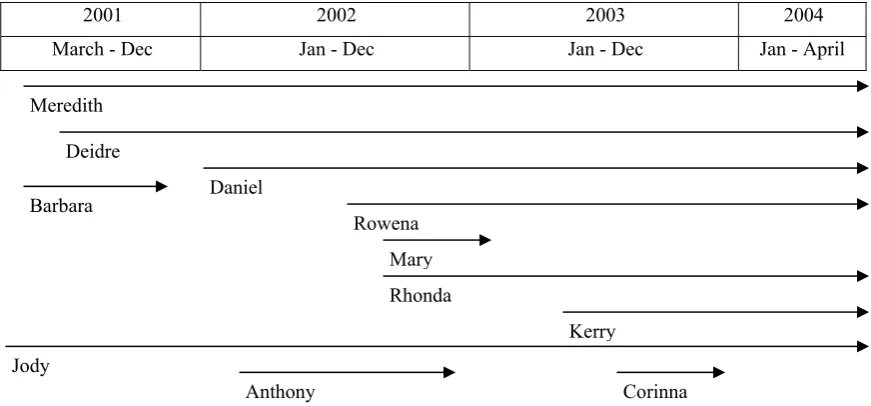
Figure 4.2 The People of CFK and the Periods they were Employed ... 71
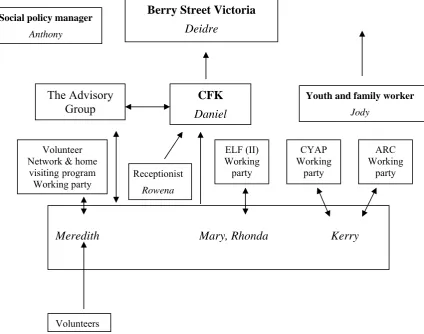
Figure 4.3 The Organizational Structure and the People of CFK ... 72
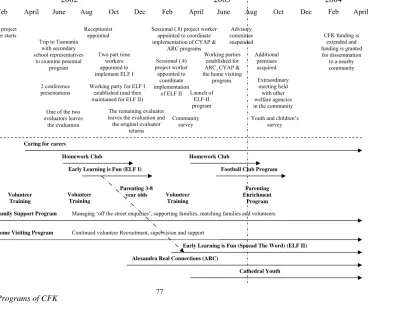
Figure 4.4 The People, Events and Programs of CFK ... 77
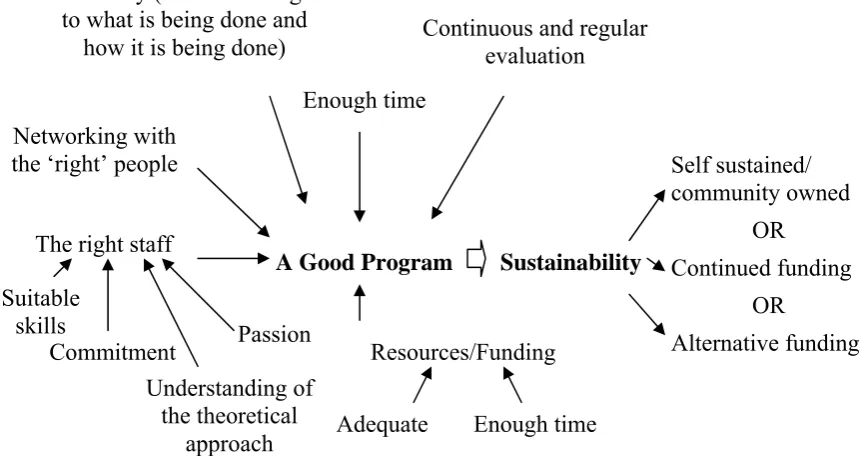
Figure 5.1 Deidre’s Interpretation of a “Good Program”... 92
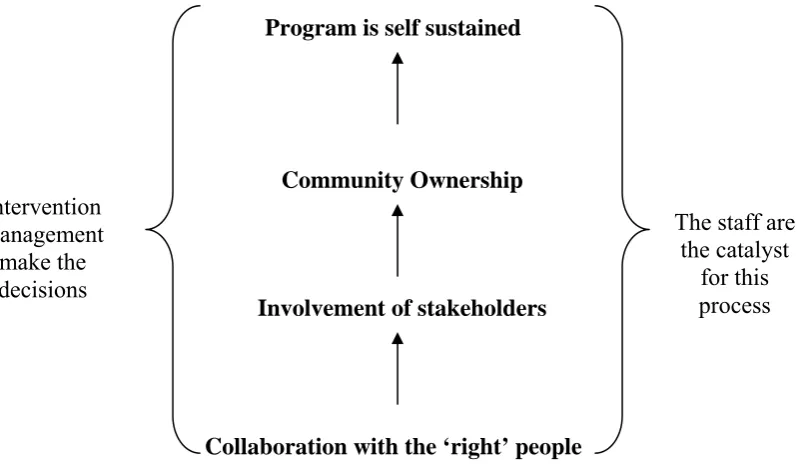
Figure 5.2 Daniel’s View of Program Implementation and Sustainability ... 95
Figure 5.3 Meredith’s Description of Effective Implementation... 97
Figure 5.4 Anthony’s perception of the Implementation of Community Interventions ... 101
Figure 6.1 An Open Systems Model of an Organization ... 123
Figure 6.2 A Systems View of CFK During the Implementation Stage ... 127
Figure 6.3 The Community Intervention During the Development Stage and the Implementation Stage ... 135
Figure 6.4 The Three Phases of CFK and its Movement towards Community Acceptance... 138
Figure 7.1 The Interactions within a Social System and Between the System and its Environment ... 152
Figure 7.2 Subsystem Interactions within CFK and Between CFK and its environment ... 154
Figure 9.1 Real Retention rates by Cohort... 205
Figure 9.2 Real Retention rates by Year ... 205
Figure 9.3 The Two Levels of Sustainability... 232
APPENDICIES
Appendix A Interview Questions for Advisory Committee... 270
Appendix B Review of Literature Given to Participants ... 271
Appendix C Set of Guiding Principles as Reported to Participants... 274
Abstract
Community interventions are a recent development in the field of prevention. This study sought to address the current gap in this area, between scientific knowledge and community practice, through an understanding of practitioners’ experiences of implementation.
A case study was undertaken to explore the context and complexity of implementation processes. Data was collected concurrently with the
implementation of a community intervention located in rural Victoria, Australia, which aimed to reduce early school leaving. Implementers’ perspectives on a guide to best practice, developed from the academic literature, were sought. Concepts from systems theory and ecological approaches were combined to create a framework suitable for the analysis of the data.
The intervention was viewed as an open system. Its progression from being a subsystem of the funded organization to a subsystem of both the funded
organization and the community was examined. Factors such as meeting community needs and community members as program staff were found to facilitate community acceptance. The interactions within and between the subsystems of the intervention and the community were also explored.
School retention rates were suggestive of some level of impact on school leaving. Additional positive outcomes were the facilitation and/or strengthening of links between community subsystems, and a perceived change within the funded organization.
CHAPTER 1
INTRODUCTION
The importance of a focus on prevention, rather than treatment or cure, of psychological or social problems is widely recognized in the academic literature (Durlak, 1997; Felner, Felner, & Silverman, 2000; Greenberg, Domitrovich, & Bumbarger, 2001; Prilleltensky & Nelson, 2000; Rae-Grant, 1994). While there will always be a need for individual treatment, there will never be enough resources available to treat the number of cases that would arise if there was a sole reliance on this method (Felner, Felner, & Silverman, 2000; Rae-Grant, 1994). Research has also shown that prevention interventions are more cost effective than interventions that aim to reverse existing problems (Felner, Felner, & Silverman, 2000), a particularly important consideration in funding
environments characterized by economic rationalism that occurs in Australia and across the globe.
Traditionally it has been in the field of public health where the benefits of prevention have been best documented and where prevention has been associated with significant reductions in morbidity and mortality from a number of diseases (Berkman & Kawachi, 2000). Prevention in the area of health now takes the form of theory-driven programs which provide health education, promote healthy behaviors, and seek to reduce identified behavioral and other risk factors for disease (Clark, 2002). Programs have also extended beyond medical problems and aim to reduce social problems. Settings for the implementation of these programs include schools, hospitals, work places, and more recently
initial program design is so common that it has been given the name ‘program drift’ (Cameron, Karabanow, Laurendau, & Chamberland, 2001).
A number of authors attribute the scarcity of dissemination of successful programs and the drift away from the original program plan, to a lack of
understanding of program implementation. It has been widely accepted that research has focused on program development while program implementation has been neglected (Goodman, 2000; Roberts-Gray & Gray, 1983).
Program implementation is the phase where the planning is put into practice. Previous research has largely concentrated on program planning and outcomes (Goodman, 2000), however, without an understanding of program implementation it is impossible to clearly identify any connections between what was planned and the outcomes of the program. Lack of attention to
implementation mechanisms has been described as a Type III error, which is defined as making an assumption that the intervention caused the outcomes when implementation processes remain unknown (Durlak, 1998b). Interventions implemented in community settings are particularly vulnerable to Type III errors, due to their complexity and multiple components (Goodman, 2000).
A tension exists amongst prevention theorists about the degree of implementation flexibility that should be permitted (Cameron, Karabanow, Laurendau, & Chamberland, 2001). There is a strong argument that program implementation be consistent with planning so as to ascertain the program’s effectiveness, ensure accurate program evaluation, and minimize the effects of program drift (Durlak, 1997; Kramer, Laumann, & Brunson, 2000). However, it has also been argued that there needs to be some degree of flexibility in the implementation to allow for differences between contexts (Schorr, 1997).
The decision about maintaining program integrity or allowing some measure of adaptability is particularly relevant to programs implemented in community settings, as there is high variability amongst community contexts (Serrano-Garcia, 1990). Communities differ in the resources they have available; their attitudes to perceived problems; and political climate. This can lead to difficulties in replicating successes seen in one community to another
implementation process (Edwards, Jumper-Thurman, Plested, Oetting, & Swanson, 2000).
There is a compelling argument for the tailoring of programs to meet the specific needs of the local participants, thereby reducing cultural mismatch and insensitivity (Castro, Barrera, & Martinez, 2004). Collins Murphy and Bierman (2004) assert that adaptive interventions are capable of reducing waste,
minimizing negative effects, increasing compliance and enhancing the
intervention’s potency. Certainly, some degree of responsiveness to the given context could be seen as facilitative.
As community interventions have become more widespread,
implementation practice has shifted from a focus on the organization to a focus on the community. Prior to the development of community interventions, prevention interventions for health promotion were frequently implemented within organizations. Implementation models reflected this and organizational factors were emphasized. Strategies recommended for effective implementation included effective management, supervision, skills, and incentives, and were focused on the individuals and the organizations involved in implementation. The move to interventions implemented in communities, rather than
organizations, necessitated a change in implementation strategies that
acknowledged the unique challenges of a community setting (Goodman, 2000). Community interventions are vastly more complex than interventions implemented within organizational settings. Working across multiple ecological levels they seek broad change in a large number of people (Kubisch et al., 1997). Individual behavior change is deemphasized as social change within the
community becomes the focal point (Goodman, Wandersman, Chinman, Imm, & Morrissey, 1996). It is the actual setting of the intervention which creates the greatest difficulties. Interventions implemented within organizations are contained within the organization and do not need to consider their external environment. Conversely, interventions implemented in community settings are unable to function in this closed fashion as the environment external to the organization is the actual setting for the intervention.
community interventions, as it is vital to the intervention’s success that there is a comprehensive understanding of the community in which the intervention is to be implemented (Edwards, Jumper-Thurman, Plested, Oetting, & Swanson, 2000). The result of this change in focus, from the implementing organization to the community, has been a loss of interest in the implementing organization. This is unfortunate, since a proficient organization is vital to the success of the
intervention. Effective implementation of a community intervention would not be possible without a functioning, implementing organization. The establishment and maintenance of an organization capable of effective implementation is as important to implementation as the content of the intervention itself (Scheirer, 1996).
The shift in emphasis from the organization to the community has seen the development of program logic templates as the accepted framework for effective implementation and evaluation (Goodman, 2000; Goodman, Wandersman, Chinman, Imm, & Morrissey, 1996). This model is a useful way to show the theoretical frame by which the intervention intends to achieve its aims, thereby increasing the efficacy of the intervention’s evaluation (Savaya & Waysman, 2005). However, it does not take into account the fact that each program logic box represents a person or people and that each strategy relies upon the skills of people and their interactions with each other. Interventions change over time, the people within the implementing organization come and go, and each person brings their own skills, knowledge, passions and beliefs to the intervention.
In summary, a deeper understanding of implementation processes and how prevention programs actually work is needed if programs are to be sustained and disseminated. Research into the implementation of community interventions is of particular importance as they are highly complex and are at greater risk of
out with that bath water’ as the organization and the people implementing the program are as vital to its success as the content itself.
The importance of the people implementing a community intervention and the organizational climate in which they work has been widely recognized (Butterfoss, Goodman, & Wandersman, 1996; Lynch, Geller, Hunt, Galano, & Dubas, 1998; St Pierre & Kaltreider, 2001). Teachers as the implementers of school-based prevention programs have been examined and found to be critical to the facilitation of change (Kallestad & Olweus, 2003; Visser & Schoeman, 2004). Previous research (Kubisch et al., 2002) has utilized interviews to explore the experiences of directors and high level practitioners of comprehensive
community interventions, and found that staff were crucial to program success. However, there is a paucity of research examining ground-level workers in community interventions and their implementation experiences. In this study I consider this gap in the literature and attempt to address this omission.
An enhanced understanding of the dynamics and factors occurring within the implementation of a community intervention was the aim of this study. A case study of a community intervention during the implementation phase was employed to observe the implementation as it unfolded, with particular attention given to the perspectives of those implementing the program. This community intervention was implemented in rural Victoria, Australia, and aimed to reduce early school leaving.
The layout of this thesis is slightly unusual in that it reviews new literature in chapters following the methodology chapter. The rationale for this approach was that it represented the intellectual journey undertaken in the analysis of the data. Chapter 2 is a review of the literature related to prevention, community interventions and their implementation. Chapter 3 describes the methodology and chapter 4 describes the actual case.
CHAPTER 2
LITERATURE REVIEW
2.1 Prevention and Promotion
2.1.1 A brief History of Prevention
Lay people’s recognition of the importance of prevention is found in proverbs such as ‘a stitch in time saves nine’ and ‘an ounce of prevention is worth a pound of cure’ (Nelson & Prilleltensky, 2005). Health professionals’ awareness of the importance of prevention has been largely informed by the field of public health. Great gains in health have been achieved through preventive measures such as sanitation, water purification and immunization, which have significantly reduced or eliminated diseases such as typhoid, cholera, and small pox (Albee & Ryan, 1998; Berkman & Kawachi, 2000).
Twentieth century public health prevention strategies have included identifying the agent causing the health problem and removing or neutralizing it; increasing resistance to the agent; and preventing its transmission (Albee & Ryan, 1998). More recently, public health prevention has focused on risk factor reduction and behavioral change. Reduced smoking, obesity, drug and alcohol use, are promoted as preventative behaviors for diseases such as lung cancer and heart disease. Similarly the use of condoms and clean hypodermic needles are encouraged to reduce the spread of infectious diseases such as Human
Immunodeficiency Syndrome/Acquired Immunodeficiency Syndrome (HIV/AIDS) and hepatitis (Albee, 1986).
In recognition of the successes that had been achieved in the prevention of organic disease, public health experts began to consider the possibility of
preventing mental disorders (Albee & Ryan, 1998). Understanding of the links between early experiences and adult personality became more sophisticated and the prevention of mental disorders seemed possible (Albee & Ryan, 1998). However, the early public health approach to prevention of disease reflected a linear model, which was successful when there was a single and identifiable cause, but was ill suited to responding to multi-factorial health conditions
Although there are clear correlations between certain social environments (such as poverty, isolation, social marginalization, and damaging infant/childhood experiences) and psychopathology (Albee & Ryan, 1998), most psychosocial problems have multiple causes making this linear approach to prevention unlikely to succeed (Nelson & Prilleltensky, 2005).
More recently, public health has recognized the multiple determinants of health outcomes, and a more ecological approach to prevention has been employed. This has necessitated an understanding of the relevant factors within the individual, their social systems, and their environment, and their
interrelationships (Higginbotham, Albrecht, & Connor, 2001). This approach has been relatively successful with preventive interventions in public and mental health being found to be more cost efficient and effective than attempts to treat or cure existing problems (Albee & Gullotta, 1997; Cowen, 1996; Felner, Felner, & Silverman, 2000).
2.1.2 Levels of Prevention
The application of prevention theory to mental health problems, in the 1960s, saw the introduction of three levels of prevention (primary, secondary, and tertiary) which were based on the timing of the intervention and the targeted audience (Nelson & Prilleltensky, 2005). Primary prevention has been defined as an intervention which is designed to reduce the incidence of a condition or disorder. Secondary prevention interventions seek to detect early signs of a problem and prevent further problems. Finally, prevention interventions at the tertiary level aim to treat problems and rehabilitate so as to reduce the duration and possible consequences of the problem (Durlak, 1997).
Prilleltensky, Peirson and Nelson (2001) have further adapted the continuum by naming universal and selective interventions as proactive, and indicated interventions as reactive. Durlak (1997) stated that he no longer considered interventions at the tertiary level to be preventative as they had become confused with therapy. In their review of programs that promoted family wellness and prevented the maltreatment of children, Nelson, Laurendau and Chamberland (2001) focused on primary and secondary interventions.
As can be seen in Figure 2.1 (Prilleltensky, Peirson, & Nelson, 2001) the closer an intervention is, on the continuum, to indicated, the smaller the number of people receiving the intervention (Prilleltensky & Nelson, 2000). The current situation in western societies is that most child welfare and mental health prevention programs are at the selective to indicated end of the prevention-intervention continuum (Prilleltensky, Peirson, & Nelson, 2001). Research (Galano et al., 2001) has found that providing programs for ‘at risk’ populations from traditional service providers tended to stigmatize the program and those participating in it. However, broad community support for program initiatives was increased when programs were intended for the entire population.
Figure 2.1: The Prevention Continuum (Prilleltensky, Peirson, & Nelson, 2001)
Rose (1981) first identified the ‘prevention paradox’ in his research on cardiovascular disease. Its proposition is that a universal approach is likely to benefit the community as a whole; however it offers little benefit to the individual. This is because an intervention with a universal focus attempts to lower the incidence of the negative outcome over the entire population, but as most individuals are at low risk of developing the outcome they do not directly experience any benefit from the intervention (Hunt & Emslie, 2001; Stockwell et al., 2004).
INTERVENTIONS
CONTEXT
universal selective indicated
Families functioning well
Families requiring intensive services Families at
Although universal programs have been admired for their intention to reach the entire population, there has also been some argument for the inclusion, within a universal program, of program components that target high risk groups. This approach recognizes that populations are complex and diverse and identifies the need to account for individual differences as well as the developmental needs of the group as a whole (Johnson et al., 1990).
2.1.3 Promotion
Prevention seeks to stop problems from developing and this is complemented by promotion which seeks to enhance functioning (Nelson,
Prilleltensky, & Peters, 1999). Promotion of positive behaviors and capacities are also preventative as they have been shown to reduce problems such as child maltreatment (MacLeod & Nelson, 2000), cardiovascular disease (Solomon, Scarpone, Loew, & Gross, 1992), and substance abuse (Nelson & Prilleltensky, 2005). Health promotion focuses on the positive aspects of health and aims to increase the abilities, strengths, or skills of the target population (Durlak, 1997). For example, prevention interventions can focus on the prevention of mental health problems by seeking to create conditions and practices that reduce risk factors, such as ensuring positive school experiences, while at the same time promoting protective factors such as coping skills (Bogenschneider, 1996; Reiss & Price, 1996).
Cowen (1996) described four essential characteristics of interventions for mental health promotion through wellness enhancement. Such interventions are proactive rather than reactive, population oriented rather than focused on the individual, multi-dimensional rather than uni-focused, and ongoing rather than time limited. Other authors (Bogenschneider, 1996; Greenberg, Domitrovich, & Bumbarger, 2001) believe that both the resilience-promotion and the risk-reductive models are valid in the prevention of mental health problems.
2.1.4 Social Environments and the Ecological Metaphor
their family, school and community (Bogenschneider, 1996; Cowen, 1977). Preventionists recognized that an ecological perspective, which considered the multiple levels of contexts in which children develop, was required in order to understand the protective and risk factors at each of these levels (Prilleltensky & Nelson, 2000; Veno & Thomas, 1996).
The ecological metaphor was introduced to the field of prevention by Kelly (1968, as cited in Trickett, 2002) who realized that the mechanistic, reductionist approach, current in individual psychology at the time, was inappropriate when considering the interactions between individuals and the social systems in which they exist (Nelson & Prilleltensky, 2005). An ecological framework was useful as it considered the context in which the problem occurred, using multiple levels of analysis that included the individual, the family, the community, and society (MacLeod & Nelson, 2000). Figure 2.2 shows the individual embedded within these social environments.
Figure 2.2: Ecological Levels of Analysis
Initially, prevention programs tended to focus on the individual and family levels, enhancing the competence and promoting the well-being of individuals. Although these programs were useful they did not consider the wider social contexts in which the individual or family lived (MacLeod & Nelson, 2000). More recently there has been a shift towards community level interventions, as awareness of the importance of the social setting in which the individual/family resides, has increased. There has also been strong argument for programs that work at the societal level (Levine, 1998; Nelson & Prilleltensky, 2005).
Society
Community Family
2.1.5 Risk and Protective Factors
The nature of prevention is that an intervention needs to occur prior to the onset of the disorder. This means that it is important to recognize the potential causal agents, or risk factors, of the disorder, and possible protective factors that might increase resistance to the disorder (Coie et al., 1993). The concept of risk factors originated in the field of epidemiology, where antecedents of physical diseases and illnesses were first identified (Bogenschneider, 1996). Behavioral and psychological disorders usually have multiple associated risk and protective factors. It is therefore important to identify what they are and how they interact for different disorders and populations at various times (Durlak, 1998a).
A number of risk and protective factors have been identified that are common precipitants to several different psychosocial outcomes (Coie et al., 1993). Barton, Watkins and Jarjoura (1997) identified poverty, poor school performance, and communication problems between the family and the adolescent, as risk factors for teenage pregnancy, early school leaving and substance abuse. Protective factors included strong connections between the adolescent and their family, school, and community, and high levels of parental supervision. Risk and protective factors might be present in the individual or within their environment (Bogenschneider, 1996; Coie et al., 1993; Rae-Grant, 1994; Reiss & Price, 1996). Exposure to multiple risk factors increases an individual’s vulnerability for developing a disorder (Coie et al., 1993).
A criticism of this approach to prevention has been that, despite its
universal approach, it has tended to be implemented at the individual level rather than at higher ecological levels (Bogenschneider, 1996). Levine (1998)
suggested that in order to have a broad effect, preventive interventions need to change social norms, rather than attempting to change the individual. Changes in social norms would produce a social climate, a common culture, and a
community structure that would promote the desired behavior.
2.1.6 Social Epidemiology: Social Capital and Community Development Prevention scientists have learned a great deal from social epidemiology. This includes a better understanding of the health risks specific to populations, not just individuals; socially patterned behaviors; and the importance of early life influences on the subsequent development of disease in adult life (Berkman & Kawachi, 2000). The emphasis taken from social epidemiology on the adaptation of individuals to their environments has been an essential contribution to the field of prevention (Reiss & Price, 1996).
The theories produced by sociologists, psychoanalysts, and
anthropologists, increased awareness of the role that social support and resources played in health (Berkman & Glass, 2000). In the search for characteristics that influence group and individual health outcomes, social cohesion and social capital have become prominent. Social cohesion relates to the connectedness of groups within society and has been found to be a predictor of health outcomes (Nelson & Prilleltensky, 2005). Social capital, is a subset of social cohesion and refers to the social structures that provide individuals with resources and assist in the production of collective action (Kawachi & Berkman, 2000).
benefits that members of the social networks are able to secure as a result of their membership (Whittaker & Banwell, 2002).
Relationships within the community and with those from outside the community are the foundations for building social capital (Kubisch et al., 2002). The relationships have a basis in norms of reciprocity, mutual obligation,
cooperation, and trust (Colclough & Sitaraman, 2005). They are a resource that facilitates the cooperation of groups and individuals to achieve goals (Kilpatrick, Field, & Falk, 2002). In this way social capital facilitates community action, strengthening and building the community from within (Bridger & Luloff, 2001). Factors such as population instability and turnover have been found to have a destructive effect on social capital and social cohesion (Kawachi & Berkman, 2000).
Psychological sense of community (PSOC) is a term originally coined by Sarason (1974) referring to a concept similar to social capital only at a local neighborhood or community level rather than a state or national level (Nelson & Prilleltensky, 2005). It describes the relationship between individuals and the social structures with which they interact (Chavis & Wandersman, 1990). It has been argued that PSOC, along with other community psychology concepts, is a component of social capital (Perkins & Long, 2002). PSOC can be measured at the individual level though it is dependent upon the environment. McMillan and Chavis (1986, p. 9) defined PSOC as “a feeling that members have of belonging, a feeling that members matter to one another and to the group, and a shared faith that members’ needs will be met through their commitment to be together”.
The importance of concepts such as social capital, PSOC and community development for the prevention and promotion of mental health is well known. Levine (1998) called for an understanding of social norms and community processes reflecting a psychological sense of community, in the design of
2.2 Community Prevention and Promotion Interventions
2.2.1 Community as a Setting for Prevention and Promotion Interventions There are a number of different approaches to prevention and promotion interventions. As mentioned above, prevention interventions can be focused on a small group of ‘at risk’ individuals or have a more universal approach. Another difference lies in the setting of the intervention (Nelson, Prilleltensky, & Peters, 1999). A number of different settings, such as schools, hospitals, and
communities, have been used in the design and implementation of prevention programs. Recently there has been renewed interest in local communities (Bridger & Luloff, 2001).
Communities have been viewed as critical to prevention for a number of reasons. The context in which people live, their community, has been found to impact upon health outcomes, therefore improving them has the potential to also produce better outcomes (Stafford & Marmot, 2003). Communities are capable of addressing multiple risk and protective factors at all ecological levels, making them a good setting for prevention programs (Reiss & Price, 1996). There has also been a growing recognition that prevention of many psychosocial problems is the responsibility of the community rather than the individual (Butterfoss, Goodman, & Wandersman, 1996).
The multiple determinants of behavioral disorders have made it difficult to design effective prevention interventions. An attempt to overcome this difficulty has produced a widening of program goals to include the amelioration of
2.2.2 Community Interventions
There are many definitions and understandings of the term community. The two most common definitions are not mutually exclusive. The first concerns geographic location, such as neighborhoods and towns. The second is relational in that it refers to a group of people with a common interest or experience
(McMillan & Chavis, 1986). Given these definitions of community, it is possible, indeed likely, that individuals will belong to more than one community that fulfils their many psychosocial needs (Fisher & Sonn, 1999). There is a strong relationship between community and social capital. Though it is uncertain in which direction the relationship lies, it is clear that stronger communities and high social capital are linked (Colclough & Sitaraman, 2005).
The idea of prevention through community interventions is not a new one. In the 1960s the urgent need for prevention and community interventions was acknowledged by President Kennedy, in the United States of America (USA), and community mental health centers were proposed as a way to reduce
overcrowding in state-mental hospitals (Albee & Ryan-Finn, 1993). Community development corporations, formed by local organizations, aimed to create broad community change, and were the forerunners of the current community-based interventions (Kubisch et al., 2002).
Multi-component community based interventions are becoming
increasingly popular in the field of prevention (Nelson, Amio, Prilleltensky, & Nickels, 2000). They have been successfully utilized to prevent many disorders and negative outcomes (Butterfoss, Goodman, & Wandersman, 1996) including drug and alcohol abuse (Goodman, Wandersman, Chinman, Imm, & Morrissey, 1996; Johnson et al., 1990; Williams & Perry, 1998); adolescent pregnancy (Vincent, Clearie, & Schluchter, 1987); HIV/AIDS (Visser & Schoeman, 2004); and violence (Hines, Macias, & Perrino, 1998).
There is a new breed of community-based intervention that does not focus on the remediation of a specific problem, but seeks broader community change (Baum, 2001). Funding for these programs usually comes from private
community-more effective ways of meeting the needs of children and families (Murphy-Berman, Schnoes, & Chambers, 2000).
Community-based interventions that address several different ecological levels through the implementation of multiple program components are known by many different names. In the USA they are often referred to as comprehensive community initiatives (Kubisch, Weiss, Schorr, & Connell, 1995) or social innovations (Choi, 2003). In Canada, similar interventions are called multi-component, community-based programs (Nelson, Laurendeau, & Chamberland, 2001) or social interventions (Prilleltensky & Nelson, 2000). In Australia the terms comprehensive community intervention projects (Robertson, 1996) and community interventions (Bishop & D'Rozario, 2002) are commonly used.
While these interventions share the common goal of preventing
psychosocial problems through promoting well-being and social capital, some variation exists between them (Kubisch et al., 2002). The many terms used to describe them and the slight variations between them make it difficult to compare and discuss them. For the purposes of this thesis, the term community
intervention will be used, as this research was conducted in Australia.
Community interventions most commonly refer to community in terms of its geographical location (Chaskin, Joseph, & Chipenda-Dansokho, 1997; Edwards, Jumper-Thurman, Plested, Oetting, & Swanson, 2000), though, as noted above, this does not exclude relational communities within the
geographical community (Fisher & Sonn, 1999). They are complex interventions which consist of multiple components and are focused on environmental rather than individual change (Goodman, Wandersman, Chinman, Imm, & Morrissey, 1996). Change is achieved through the interactions between the many
components of the intervention as well as the independent effects of each component (Kubisch, Weiss, Schorr, & Connell, 1995).
PSOC (Chavis & Wandersman, 1990). Community development works towards building social capital through the strengthening of relationships and networks both internal and external to the community (Kilpatrick, Field, & Falk, 2002).
Community development principles are used by community interventions to build community and social capital and revitalize neighborhoods (Chaskin, Joseph, & Chipenda-Dansokho, 1997; MacLeod & Nelson, 2000; McNeely, 1999). Community building works towards developing social capital through the use of resident involvement in specific improvement initiatives. Community interventions are comprehensive initiatives, with an asset-based rather than a needs-based approach tailored to the particular neighborhood (McNeely, 1999; Schnoes, 2000). In this way they attempt to use the community as an instrument of its own change (Baum, 2001).
2.2.3 Community Interventions: An Australian Perspective
The focus of Australian community interventions has been on fostering the existing positive aspects of the community, without directly dealing with
negative elements. This has been particularly true for rural community
interventions where existing resources have been redirected and power structures remain unchallenged (Bishop & D'Rozario, 2002).
Australia is a very large country relative to its population. This means that most Australian rural communities are highly isolated (Herbert-Cheshire, 2000). In recent times these communities have experienced a decline in population and a reduction in services (O'Toole & Burdess, 2004). They are considered to be at greater risk of unemployment, poverty, and poor health, than their urban
counterparts (Herbert-Cheshire & Higgins, 2004). These factors have made rural communities an important context for community interventions in Australia.
In response to the economic and population decline experienced by many rural communities, local development and revitalization strategies have been pursued by these communities and encouraged by State and Federal
Recent research examining community interventions set in rural Australia has raised questions regarding rural development policy. Herbert-Cheshire (2000) argues that government is devolving the burden of responsibility to the community. Similarly O’Toole and Burdess (2004) contend that new policies of community capacity building are resulting in the accountability being shifted to the local level.
Simpson, Wood and Daws (2003) examined a rural community development initiative, based on community empowerment, community
decision-making and capacity building values. The initiative was not sustained. The authors contend that rural Australian communities are in a situation of limited resources and capacities, yet they are being asked to be responsible for their own development. The possibility of failure and its impact on a rural community needs to be thoroughly explored before a community intervention is implemented.
Regional development approaches in Australia have not necessarily lead to improved quality of life for those living in regional Australia. Even when good policies are in place there are potential problems with their implementation. Agencies with small stuff numbers are expected to deliver services across vast geographical areas. Funding is often insufficient and in some cases tied to funding cycles of one or two years. Finally, managers often have to be
particularly skilled at securing funding from different levels of government and programs that might include them (Beer, 2000).
2.2.4 Attributes of Successful Community Interventions
2.2.4.1 A Framework for Community Interventions
It is important for interventions to have a framework which provides the means to consider the program’s potential to achieve its aims, while offering guidelines to enable program providers to reflect upon their practice
(Prilleltensky & Nelson, 2000). The program framework should include consideration of the three levels of prevention, program components aimed at multiple ecological levels, and clear articulation of the program’s main elements and goals.
An ecological framework takes into account the context in which the problem occurs. The importance of interventions addressing all ecological levels of analysis has been widely documented in the prevention literature
(Bogenschneider, 1996; Diebold, Miller, Gensheimer, Mondschein, & Ohmart, 2000; Goodman, 2000). In their review of programs for the prevention of maltreatment of children and the promotion of family wellness, Nelson,
Laurendeau and Chamberland (2001) found that programs that addressed several different ecological levels of analysis were the most effective.
The intervention needs to contain an adequate number of universal prevention program components. As previously discussed, Galano et al. (2001) found that broad community support for an initiative was gained when programs were targeted to the entire population, whereas providing programs for ‘at risk’ populations, via traditional social service agencies, tended to stigmatize the program and those participating in it.
The program’s core elements, long and short term goals, and theoretical underpinnings should be clearly articulated from the outset. This ensures that all involved in the program’s implementation have a full understanding of the mechanisms by which the program works. This is relevant both to the
program manual that clearly explains how the program components should be put into practice.
2.2.4.2 Sustainability and Dissemination
It is the aim of prevention interventions to be sustained within the setting in which they are implemented as well as disseminated to other settings. The loss of a community program at the completion of its initial funded period can have severe effects on a community who come to rely on the program being there. For this reason, it has been recommended that consideration be given to the
program’s sustainability at the commencement of the program’s implementation and the need for future funding acknowledged from the outset. This may mean that it is necessary to seek alternative funding and this should be contemplated earlier rather than later (Akerlund, 2000).
It is clear that program sustainability is an important aspect of prevention work. The dissemination of successful prevention programs is equally important. Adoption and adaptation of an existing program saves time and money, both of which are limited in many community settings (Kramer, Laumann, & Brunson, 2000). Program implementation and evaluation as well as community ownership are considered to be critical components of a program’s potential for
sustainability and dissemination (Akerlund, 2000; Bridger & Luloff, 2001; Cameron, Karabanow, Laurendau, & Chamberland, 2001).
2.2.5 The Three Stages of an Intervention
Community interventions, and indeed all prevention interventions, can be conceptualized with reference to three main stages: (i) planning or development; (ii) implementation, and (iii) evaluation. Though these stages may be considered linear, following the order above, they are by no means discrete and there is a great deal of overlap between them. Each stage has its own factors and processes that will influence the intervention’s effectiveness (Diebold, Miller, Gensheimer, Mondschein, & Ohmart, 2000).
underpinnings and principles of the intervention are developed. The decisions about how the intervention will achieve its goals are also made during this stage of the intervention (Diebold, Miller, Gensheimer, Mondschein, & Ohmart, 2000).
Planners need to be aware of previous research and ensure that elements identified as critical to the success of the intervention, such as multiple
components that tackle all ecological levels and a universal approach to risk and protective factors, are included (Bogenschneider, 1996; Nelson, Laurendeau, & Chamberland, 2001; Rae-Grant, 1994). Consideration also needs to be given to the method by which the intervention intends to build community and increase social capital (Barton, Watkins, & Jarjoura, 1997; MacLeod & Nelson, 2000). The importance of good planning is often noted, however there has also been some argument for frequent opportunities to review and revise the plans during the implementation (Barton, Watkins, & Jarjoura, 1997).
The implementation stage may also be referred to as adherence, fidelity, treatment, or integrity (Durlak, 1998b). It is the stage when the planning that has preceded it, is put into practice. This stage is vital to the evaluation of the
intervention as it is the link between the program development and the program outcomes (Durlak, 1998b). Implementation data is critical to the understanding of program outcomes (Lynch, Geller, Hunt, Galano, & Dubas, 1998). There is no guarantee that what was planned will be implemented, making the monitoring of implementation essential to understanding an intervention’s success or failure (Ferrari & Durlak, 1998).
Researchers (Domitrovich & Greenberg, 2000; Goodman, 2000) have described the lack of implementation monitoring as a Type III error. This is when implementation processes are unclear making it impossible to draw conclusions about program outcomes. It has been suggested that the complexity of
community interventions makes them particularly susceptible to Type III errors (Goodman, 2000).
Program evaluation may begin any time before, during or even after the implementation of the intervention, though an earlier rather than later
to the planned intervention. The evaluation of an intervention is vital as it provides evidence for the success of the program. Without an evaluation the program is unlikely to be sustained, extended or disseminated (Schorr, 1997).
Outcome evaluation is a common form of evaluation in preventive interventions, however, process evaluation, which examines the delivery of the program is an equally important, though all too infrequent, evaluation procedure for prevention interventions (Domitrovich & Greenberg, 2000). Evaluation of community interventions is particularly complex for the following reasons: they operate across multiple levels and systems; it is virtually impossible to find control communities; and many of their goals are difficult to quantify (Kubisch, Weiss, Schorr, & Connell, 1995).
The content of the intervention is developed during the planning stage and the outcomes of the intervention are assessed by the evaluation. However, the effectiveness of the program is influenced, at least as much, by the process of the implementation, as it is by the content of the intervention (Visser & Schoeman, 2004). Clearly all three stages of the intervention are crucial to the success of the intervention. To date, prevention research has focused on program development and outcome evaluation and has paid very little attention to the factors
influencing successful program implementation (Durlak, 1998b; Greenberg, Domitrovich, & Bumbarger, 2001; Kramer, Laumann, & Brunson, 2000). Implementation has been identified as a priority which needs to be addressed in the promotion and prevention of mental health issues in Australia (Parham, 2005).
2.3 Implementation of Community Interventions
in planning and developing programs that are not disseminated to other
communities and the opportunities for other communities to receive the benefits of the interventions are lost (Roberts-Gray & Gray, 1983).
In their meta-analytic review of primary prevention mental health programs for children and adolescents, Durlak and Wells (1997) called for future research into the relationship between implementation and program outcomes. It has been argued that increased understanding of implementation factors will assist in closing the gap between theory and practice, which will increase the delivery of sustainable and effective programs (Gager & Elias, 1997).
Community interventions face particular difficulties when it comes to development, implementation, evaluation, and sustainability. Communities vary in their history, culture, attitudes to particular problems, available resources and political climate (Caplan, 1964; Edwards, Jumper-Thurman, Plested, Oetting, & Swanson, 2000). Community interventions are also financially expensive and time consuming to implement (Chaskin, Joseph, & Chipenda-Dansokho, 1997). Their complexity makes all stages of the intervention difficult and time
consuming. In addition to this, disputes often arise between groups and individuals from the community, that need to be managed (Messinger, 2004).
A number of implementation factors have been highlighted in the preventive literature. While community interventions have specific
implementation requirements findings in the broader field of prevention are still highly relevant to the implementation of community interventions.
Implementation issues that have been highlighted in the literature include: fidelity versus flexibility (Dane & Schneider, 1998; Domitrovich & Greenberg, 2000; Durlak, 1997; Meyer, Miller, & Herman, 1993); program staff (Lochman, 2001; Lynch, Geller, Hunt, Galano, & Dubas, 1998; Schorr, 1997; St Pierre & Kaltreider, 2001); partnerships with key stakeholders (Durlak & Ferrari, 1998; Prilleltensky, Pierson, & Nelson, 1997; St Pierre & Kaltreider, 2001); community participation (Nelson, Amio, Prilleltensky, & Nickels, 2000; Pancer & Cameron, 1994); adequate resources (Kramer, Laumann, & Brunson, 2000; Lynch, Geller, Hunt, Galano, & Dubas, 1998); and the context in which the program is
2.3.1 Factors Influencing the Effectiveness of Implementation
2.3.1.1 Fidelity versus Flexibility
Considerable debate exists in the literature regarding where the emphasis on program implementation should be placed (Dane & Schneider, 1998; Domitrovich & Greenberg, 2000; Meyer, Miller, & Herman, 1993; Weissberg, 1990). Durlak (1997), and Kramer, Laumann, and Brunson (2000) argue that an emphasis on consistency is necessary if a program’s effectiveness is to be evaluated. On the other hand Serrano-Garcia (1990) and Schorr (1997) point out that flexibility must be emphasized in implementation practices so that individual community needs and capacities can be met and community ownership
promoted.
This debate has been fuelled by difficulties in replicating successful interventions (Meyer, Miller, & Herman, 1993). A manualized approach to program development and implementation is considered to increase a program’s evaluation validity, generalizability, and therefore dissemination possibilities (Clarke, 1998). Lynch, Gellar, Hunt, Galano, and Dubas (1998) found that teachers’ adherence to the explicit instructions for the implementation of a resiliency-based early childhood substance abuse and violence prevention initiative, was an essential element in its effectiveness.
Although there is usually an understanding of the importance of adhering to implementation guidelines developed during the planning stage,
implementation fidelity can sometimes be too restrictive and some interventions have found a need for some adaptability for certain elements of the
implementation. For example, Hines, Macias, and Perrino (1998) found that students were not attending their program because it was after school and they were concerned about their safety while walking home. Changing the program schedule to during school hours increased attendance resulting in a more
effective program. Flexibility in program delivery allows implementation staff to meet the specific needs of the community in which the intervention is set (Dane & Schneider, 1998; Kramer, Laumann, & Brunson, 2000).
intended. It is argued that interventions that do not take into account the local culture will not encourage community participation and outcome successes will be reduced (Castro, Barrera, & Martinez, 2004). Adaptive interventions have become a new way to look at prevention and frameworks have been created for the design and evaluation of these interventions (Collins, Murphy, & Bierman, 2004). However, in their review of prevention implementation literature, Stith et al (2006) state that a decrease in effectiveness would be the likely outcome of program adaptation. There is much variability between community contexts and questions about flexibility and fidelity should be considered carefully.
A compromise between these arguments may be that a clear differentiation is made between the program elements that are vital to successful outcomes and those that may be adjusted to accommodate particular contexts and populations (Cameron, Karabanow, Laurendau, & Chamberland, 2001; Dane & Schneider, 1998; Durlak, 1998b; Meyer, Miller, & Herman, 1993; Weissberg, 1990). Regardless of the decision to lean more towards flexibility or more towards fidelity it remains imperative that implementation integrity is monitored and recorded to assist in the evaluation of the intervention and its effects (Clarke, 1998; Dane & Schneider, 1998; Stith et al., 2006).
2.3.1.2 Program Staff
The program staff are the people putting the planning into practice. Clearly this makes them very important to the implementation and the success of the program (Morrissey et al., 1997; Stith et al., 2006). Indeed, they have been found to be the critical agent of change in school settings (Kallestad & Olweus, 2003; Visser & Schoeman, 2004) and vital to the success of community interventions (Kubisch et al., 2002).
An adequate number of staff is also critical to the effectiveness of the intervention. Community interventions are often implemented by a small number of staff and volunteers, placing unnecessary time burdens on those implementing the intervention and making them susceptible to burn-out (Chaskin, Joseph, & Chipenda-Dansokho, 1997). Staff turn over complicates interventions as new staff have not received the appropriate training and must renew relationships created by others (Lynch, Geller, Hunt, Galano, & Dubas, 1998; Stith et al., 2006). This is a particular problem for rural interventions where there is a limited pool of possible staff (Messinger, 2004).
Staff members’ skills and abilities can inhibit or enhance effective implementation in community interventions. For example, in a school setting, staff with poor classroom management skills, were less effective in the
implementation of a substance abuse and violence prevention initiative, despite their training (Lynch, Geller, Hunt, Galano, & Dubas, 1998). It has been recommended that staff be competent and sensitive and that staff-turnover by minimized (Nation et al., 2003). A number of important factors, for the
maintenance of effective and stable staff, have been promoted in the literature. The significance of appropriate training was prominent in much of the literature. Training provides implementers with the opportunity to practice implementation methods and have their questions answered (Nation et al., 2003). Stith et al. (2006) stated that standardized instruction can improve program fidelity as practitioners are taught to implement the program in adherence with its design. Lynch, Geller, Hunt, Galano and Dubas (1998) stated that the high-quality training provided to the teachers implementing an early childhood substance abuse and violence prevention initiative, was a contributing factor to the program’s success. An important component of this training was a review of the research relevant to the program as well as techniques appropriate for the implementation of the program.
found that lack of support led to resentment and negative attitudes from the staff, which at times resulted in the undermining of the program.
Gager and Elias (1997) found that an organizational context that left implementers feeling isolated and unsupported had adverse effects on the program. Schorr (1997) noted the importance of program managers who are competent and committed, have good managerial skills and the ability to inspire their staff. A good manager will create an organizational environment that is supportive, respectful, and inspiring.
The organization also has a role in creating the appropriate climate for staff and managers. Butterfoss, Goodman and Wandersman (1996) found a number of organizational factors that impacted on the effectiveness of community
coalitions. These included effective leadership and greater influence in decision making. An environment that promoted cohesion, allowed independence, and was ordered and organized also enhanced program effectiveness.
2.3.1.3 Partnerships with Stakeholders
The community development principles that most community interventions subscribe to, view partnerships with stakeholders as an essential factor in the development of community (Nelson, Amio, Prilleltensky, & Nickels, 2000). Implementation of a program without partnerships is likely to fail. Partnerships with other community organizations assist in the development of a shared vision for the community (Evashwick & Ory, 2003). The creation of partnerships not only increases the community’s sense of ownership of the intervention, but also its commitment and contributes to the subsequent sustainability of the program (Nelson, Amio, Prilleltensky, & Nickels, 2000). It has been recommended that the development of partnerships should commence during the planning stage as it can be very time consuming (Barton, Watkins, & Jarjoura, 1997).
As noted above, staff are key to the development of these relationships (Schorr, 1997). Large numbers of program recipients complicate the
workers smaller intervention components with lower numbers of recipients, making it possible for them to positively engage and form relationships with these program recipients.
It should also be considered that stakeholders in the community have something to offer implementers. They have knowledge, expertise, and experience of the community in which they live (Bridger & Luloff, 2001). Kramer, Laumann and Brunson (2000) found that community social service agencies provided valuable support for program implementers.
The importance of the establishment and maintenance of partnerships with stakeholders is prominent in the literature. Durlak and Ferrari (1998) examined the implementation of several prevention interventions and found that
collaboration with all stakeholders increased the commitment of those involved. St Pierre and Kaltreider (2001) found that in the implementation of an after-school substance abuse prevention program, it was not only important to seek input from stakeholders at all three stages of the intervention, but also to put into practice the suggestions they provided. Seeing their suggestions used gave stakeholders a sense of ownership over the intervention, ensuring participation and sustainability.
It has been recommended that community interventions begin with programs that show tangible results in the short-term. This gives staff the opportunity to assess the appropriateness of individual programs while at the same time allowing partnerships to be developed with services in the community. It has the further advantage of creating a sense of good-will for the intervention within the community (Kubisch et al., 2002).
2.3.1.4 Community Participation.
Once partnerships are developed program staff need to work
collaboratively with partners and consult the wider community wherever possible (Edwards, Jumper-Thurman, Plested, Oetting, & Swanson, 2000). The
community resources can be incorporated into the program (Bishop, Pellegrini, Syme, & Shepardson, 1993). It is for these reasons that the community should be involved with the program from the outset.
It is important that program developers discuss the need for change as well as how change might be achieved, with community members. Consultation and collaboration must continue during program implementation and evaluation. This will increase community ownership and the potential sustainability of the
program (Edwards, Jumper-Thurman, Plested, Oetting, & Swanson, 2000;
Nelson, Amio, Prilleltensky, & Nickels, 2000). However, clear definitions should be provided regarding who community members are, who should participate and how (Smith-Morris, 2004).
A top-down approach to implementation of a community-based intervention will not achieve the necessary consultative and collaborative processes and democratic participation is a better option (Bridger & Luloff, 2001). Community participation in this process empowers people to control their lives and enriches the connections between community members. It may also be considered fundamental to strengthening the neighborhood and building the community (Potapchuk, 1996). However, it must be recognized that this shifts much of the cost, in terms of time and energy, to the community, which may become an additional source of stress to community members.
A method often used by community interventions to involve community members, is to develop an advisory committee composed of community
members and representatives from local organizations (Evashwick & Ory, 2003). Chaskin, Joseph, and Chipenda-Dansokho (1997) found that an organizational structure that enhanced community participation, while assisting staff to manage the many program components, was to have an advisory type committee for every program component. One difficulty with this structure was that it did not promote program integration.