Efficiency Implications of Free Primary Education Policy on
Quality of Public Day Primary Schools in Kyeni Division, Embu
County, Kenya
Catherine Muthoni Munyi
Doctoral student, Department of Educational Management, Policy and Curriculum Studies, School of Education, Kenyatta University, Kenya
Prof. John Aluko ORODHO
Associate Professor in the Department of Educational Management, Policy and Curriculum Studies, School of Education, Kenyatta University, Kenya, Corresponding author [email protected]
Abstract
The major problematique of this paper is that although major strides have been made to expand basic education in Kenya, the system exhibits high levels of inefficiency, particularly at the primary school levels. To this end, this study examined efficiency implications of free education policy on quality of public day primary schools in Kyeni Division, Embu County, Kenya. The study was guided by five objectives. The study was premised on the Systems Theory. A descriptive survey research design was adopted. Purposive sampling technique was used to select 10 public day primary schools out of the 35 schools in Kyeni division. Simple random sampling was used to select a sample size of 521 subjects comprising 10 Head teachers, 10 School Management Committee (SMCs) chairpersons, 400 students, 100 teachers and one Area Educational Officer (AEO). Questionnaires, Interviews Focus Group Discussions (FGDs) and Observations were used in data collection. Data was processed and analyzed using descriptive and inferential statistics with the aid of Statistical Package for Social Sciences (SPSS. The major findings were that; i) schools lacked enough resources which negatively impacted on the quality of teaching learning thus lowering achievement of learners; and ii) Education in study locale was characterized with increased drop-out and repetition cases and low completion and transition rates. It was recommended that budgetary allocations should be increased and disbursed on time to the schools. In addition, the Government of Kenya as well as individual schools should strive to put in place quality and quantity of instructional resources , regularly in-servicing teachers to improve their pedagogical skills, economically empower parents so that they are able to meet both direct and hidden costs of education, initiate school feeding programmes to boost school attendance and ensure retention, make primary school curriculum more attractive; as well as revamp existing youth polytechnics to strengthen and create centres for vocational and skills training [301 words].
Keywords: Efficiency, Quality, Drop-out, Repetition Rate, Transition, Completion, Public primary schools, Kyeni District, Kenya)
INTRODUCTION Background Information
In tandem with the international conventions and protocols that encourage governments all over the world to provide universal education to its citizens, the Government of Kenya launched Free Primary Education(FPE) in 2003 and free day secondary education (FDSE) in 2008 as a strategy to make education accessible and affordable to many households in the country ( Getange, Onkeo & Orodho,2014; Nyangia & Orodho,2014; Orodho,2013,2014; Republic of Kenya,2013; Mwinyipembe,& Orodho,2014). It is implicit that the Government of the Republic of Kenya envisaged putting up appropriate strategies that would ensure that the free education policies would be efficient and effective in providing quality education to the beneficiaries (Oketch & Ngware, 2012; Orodho, 2013).
It has been argued in several for a that the launch of Free Secondary Education (FSE) in 2008 was meant to address illiteracy, low quality education and low completion rates at the secondary level, high cost of education and poor community participation (Republic of Kenya, 2005a,2005b).Unlike the FPE initiative, which had reference to enormous conventions, resolutions and literature, free secondary education initiative could have been triggered by the politically charged climate that engulfed the country during the 2007 general election which implied that the country may not have been very prepared for its implementation( Orodho,2014). However, there was government commitment to increase transition rate from primary to secondary by seventy percent in all districts (Republic of Kenya, 2013; Orodho, 2014).
regional special needs and gender disparities were addressed (Republic of Kenya, 2012a, 2012b). These efforts were a positive move towards the realization of the Millennium Development Goals (MDGs) and Education for All.
Accordingly, the Government of Kenya through the Ministry of Education has put in place strategies to bridge the gaps a lot of support will be required from all the stakeholders ( Nyangia & Orodho,2014). In which case, the schools must implement cost-saving measures (Republic of Kenya, 2012a, 2012b). These are geared towards the promotion a more efficient development of primary and secondary education to improve access, equity and quality of education at this level.
The immediate outcomes of the education policies were exponential growth in enrolment in public primary schools which escalated from 5.9million in January 2003 to 9.4 million in 2010, an increase of 59.32% (Republic of Kenya/UNESCO, 2012). In terms of financial resources, a total of Ksh 63.4 billion has been spent on the program through purchasing instructional materials, as well as general-purpose expenses/recurrent expenditures through a capitation grant of Ksh 1,020 per child in 19,833 public primary schools (Orodho, 2014; Republic of Kenya, 2012a, 2012b).
Current literature indicate that sustainable provision of the quality primary education as well as subsidized secondary education is fraught with intertwined challenges which include limited facilities, inadequate number of trained teachers and the growing government financial deficits as well as delays in the disbursement of the funds ( Getange, Onkeo & Orodho, 2014; Mwinyipembe & Orodho,2014; Nyangia & Orodho ,2014; Orodho,2013; Sava & Orodho,2014).A study by Orodho (2014) on education financing in Kenya suggests that current failure to expand primary education resources will compromise human capital accumulation and therefore jeopardize economic recovery and development. Economic recovery and growth will prove elusive with small proportions of the labour force completing primary education, and this will undermine the financial sustainability of Education for All (EFA) as envisaged in the national development goals (Nyangia & Orodho, 2014).
All these, therefore, leave schools with no option but to implement workable cost- saving measures. If nothing is done soon to resolve the issue, the progress Kenya has made over the past decade in improving primary education could be at risk of coming undone ( Getange, Onkeo & Orodho, 2014, Orodho,2014; World Bank, 2005). It is on the premise of this background that the study aimed at assessing efficiency and quality implications of free primary education in public day primary schools in Kyeni Division, Embu County, Kenya was grounded.
The State of Art Review
There is abundant literature by educationists and researchers and international agencies on the cost implications of education in both developed and developing countries (Abagi & Odipo, 1997; Kimalu et.al., 2001; Deolalikar, 1998; Mukundi, 2004; Nyangia & Orodho, 2014; Orodho, 2014; Kenya/UNESCO, 2012; Vos, et.al.2004; United Nations, 2013). Most of these studies have indicated that in the past decade many developing countries have expanded primary school access, energized by initiatives such as the United Nations Millennium Development Goals, which call for achieving universal primary education by 2015, although they have been beleaguered by multifarious and intertwined problems ( Getange, Onkeo & Orodho,2014, Orodho ,2013). Some of these problems have been that increased quantity in educational prevision through policies such as free education has not always been matched with improved quality, and only 60% of appropriately aged children gain the skills necessary to attend secondary school worldwide ( Orodho,2013, United Nations,2013).
The Kenyan government recognizes that education enhances human resource development, which is necessary for facilitating high and sustained economic growth and development (Abagi and Odipo, 1997). Since 2003, an estimated 1.5 million children, who were previously out-of school, have turned up to attend classes. However, implementation of free primary education, found school managers off guard; they had not been prepared for the change and so they found it challenging. Many schools had an overwhelming increase in enrollment while others witnessed mass exodus. Average class sizes rose from 40 to 80 while the facilities remained the same. For instance, there are three schools close to slum areas of the capital city of Nairobi which had registered increases of 1,400 pupils, with one teacher per classroom while facilities remained the same (Kimalu et al.., 2001; Nzomo,2001).
Deolalikar, (1998) noted that in Kenya today, approximately 50% of all the country’s primary schools are housed in temporary and/or semi-permanent buildings; others are on split sites. These required changes in the managerial skills of school managers. Most schools were not equipped to handle the large numbers of students in terms of the number of teachers, physical classroom space, and learning resources. Increased primary school enrolment affects the transition to secondary education. Even when completing primary school with excellent performance, enrolment rates for secondary education are directly related to family income; that is, only high quintile families can afford to send their children to secondary schools (MoES&T, 2005).
pressure on the existing school resources, leading to poor performance (MOE, 2006). Statistics for the Kenya Certificate of Primary Education (KCPE) results shows that performance in the examination has been improving at a slower rate since 2003, a sign that increasingly, the high investment in the sector is not yielding quality results. Rapid expansion in enrolment also exacerbate problems of teaching and learning facilities, overflowing classrooms, high pupil-teacher ratios, shortage of text books and other learning materials and affects inflow of pupils (Mukudi, 2004). These conditions are un-conducive to good learning environment which deteriorates the quality of education in public primary schools. Coupled with the envisaged expansion, and the government commitment towards implementation of the Children’s Act (Cap 586 of 2001), which emphasizes on making basic education compulsory and universally accessible, substantial resources will be required (Republic of Kenya, 2005).
The education system in Kenya is dominated by examination-oriented teaching, where passing examinations is the only benchmark for performance. In addition, performance in KCPE has been low over the years. This is manifested in the low transition rates to secondary and university market (Vos et al., 2004). At the end of the eighth year, the Kenya Certificate of Primary Examination (KCPE) is taken and the results are used to determine placement at secondary school on a merit basis. According to the state-owned think-tank, Kenya Institute for Public Policy Research and Analysis (KIPPRA), the country has very few secondary schools and cannot cater for the rising population (KIPPRA, 2006). On average, there is one secondary school per 139 km2 compared to one primary school every 30 km2. In 2003, there were 18,081 primary schools compared to 3,661 and 641 public and private secondary schools respectively. Granted that the GER for the secondary sub-sector declined from 29.4 per cent to 22.2 per cent between 1990 and 2000, the current situation undermines the country’s efforts towards the realization of the EFA goal.
With the high number of pupils in classrooms, teachers are overstretched and are thus unable to give each student adequate attention. Further, analyses indicate that for the last five years, completion rates at primary school level have remained below 50 per cent, with the rate for girls being worse than that for boys (Orodho, 2014). Given the high rate of population growth rate of 3.4% per annum leading to 50% of the population being less than 15 years of age; and increased incidence of poverty, completion rates at primary school level will have dropped drastically to about 35 to 40% by the year 2015. The quality of education, including its relevance to the country’s needs has also been questioned. The overloaded curricula, lack of teaching materials, poor teaching approaches, poor or lack of adequate supervision and low morale of teachers greatly contribute to poor quality of education( Sava & Orodho,2014).
Despite the high enrolment rate in schools, about 1.6 million children are still not in school. A combination of factors including poverty, social problems, child labour, displacement, and lack of schools and teachers, have conspired to keep Kenya's children out of classrooms (Vos et al.., 2004). As Kenya's economy has crumbled over the last few years, many families, forced to live on incomes of about kshs.3, 000 per month, simply cannot manage the costs. Faced with limited resources, and reduced returns from education, parents are not only unable but also unmotivated to educate their children. In the end, these factors have negative effects on children’s school participation. Lack of textbooks hinders many children from attending school regularly; in the end, these children give up education. The frustrations these pupils go through affect their academic performance: they lose interest in education and, eventually, drop out of school (Republic of Kenya/UNESCO, 2012). There is a lot pressure under which pupils in primary schools learn in Kenya (Orodho, 2014). They are taught in congested classes and have short holidays. These burdens have reduced children’s playing time, and affected their motivation for learning. The consequences are that their performance deteriorates and in the long run, drop out of school (Orodho, 2013; Republic of Kenya/UNESCO, 2012).
Teachers’ attitudes towards their work and pupils, their classroom management and their interaction with pupils have great impacts on the academic achievement and the retention in school of their pupils. Few classroom observations in Kenya indicate that there are cases where teachers’ negative attitudes push pupils, especially girls, out of school. These pupils are sometimes neglected, abused, miss-handled, and sent out of class during teaching learning periods. This atmosphere is not conducive to learning and makes some children hate school. An obvious result of all this are absenteeism, poor performance, and non-completion of the education cycle (Orodho, 2013; UNESCO, 2008).
quantitative expansion is given priority as opposed to meeting the urgent need of providing quality education (Mukudi, 2004).
Getange, Onkeo and Orodho (2014) writing on alternative sources of funding secondary education in public secondary schools in Kisii Central District, Kisii county concluded that given that the financial sources in public day secondary schools are unable to meet the required facilities for enhancing quality education, the government should increase the amount disbursed to schools due to inflation and the high cost of living (Getange, Onkeo & Orodho, 2014). The government contribution should be disbursed in time preferably before the start of the term to avoid delay in disbursements which led to financial strains that hinder quality achievement in PDSS. Also provide enough funds for quality assurance officers. All these are based on promises made by the Government of Kenya and documented in the Basic Education Act, 2013 (Getange, Onkeo & Orodho, 2014; Nyangia & Orodho, 2014).
The cumulative implication is that theoretically, one would expect educational expenditures to be associated with better educational outcomes such as higher enrollment rates and increased school completion and spending more on teachers, buildings, textbooks, and other such materials might provide students with better quality facilities and learning opportunities. However, empirical research has vigorously debated the question of whether education expenditures do in fact improve educational outcomes. Although there are many procedures towards improving the quality of education, primary education still faces serious difficulties; that cause the low quality of educational outputs (Orodho, 2013). The Uwezo, 2010 findings of learning assessment paint a grim picture on the levels of learning in public primary schools in Kenya; leaving consistent dominance by the private schools in KCPE. The situation is likely to worsen if drastic measures are not taken.
Problem Statement and Justification
Despite the fact that major strides have been made to provide education in Kenya through the free primary education policy, the policy seems not to be successful going by the current indicators of exhibit high levels of inefficiency, particularly at the lower levels. This is evidenced by high national pupil- teacher ratio, poor performance in national examinations and high wastage as a result of dropout rates and low transition to secondary level (Nyangia & Orodho, 2014; Orodho, 2014). The cumulative effect is that efficiency of primary education has been camouflaged by the desire to promote access to education by increasing education opportunities to school-age population, in a bid to achieve Universal Primary Education (UPE). The country is now faced with the problem of a trade-off between enhancing efficiency of the education sector and increasing primary education (Abagi and Odipo, 1997).
Following the statistics obtained from the education office in Embu County, about 30% of pupils who enter the school system at primary level do not complete the cycle 9 Republic of Kenya, 2013). The question that remains unanswered is what are the efficiency implications of the free primary education policy on quality of public day primary schools in Kyeni division, Embu County?
Purpose and Objectives of the Study
The purpose of this study was to examine public day primary schools’ efficiency and its effects on the quality of education in Kyeni division; and to explore innovative and viable strategies for improving it.
The study was guided by the following five objectives:-
1. To examine the completion rate in public day primary schools in Kyeni division, Embu County. 2. To determine the dropout rate in public day primary schools in Kyeni division, Embu County.
3. To assess the level of achievement of pupils in public day primary schools in Kyeni Division, Embu County. 4. To find out the efficiency implications on quality of public day primary schools in Kyeni division, Embu
County.
Theoretical Framework
This study was based on the Systems Theory of Management in an attempt to justify efficiency in operations of an organization as a system. The theory views an organization as a social system consisting of individuals who cooperate within a formal framework, drawing resources, people and finance from their environment and putting back into that environment. The systems theory maintains that an organization (school) does not only depend on its environment but it is also part of a larger system such as the society or the economic system to which it belongs. Educational system is a complex system comprising of subsystems at different levels; these are macro (state), meso (school) and micro (classroom and the student) levels. At each of these levels, educational decisions are influenced by different actors, for example, at the school level; the school committee, the head teacher, teachers, and parents make certain decisions and give opinions on the management of the school. Schools are open systems hence they respond to the external influences as they attempt to achieve objectives. The implementation of the FPE is an example of a change from the outer environment.
goal. A school system can be looked at as having inputs, processes, outputs and outcomes, which in the long run produce feedback. Inputs include resources such as textbooks, teachers, pupils, money and physical resources. These inputs go through a process where they are planned, organized, motivated and controlled, ultimately to meet the organization’s goals. Outputs are results obtained after inputs are processed. Outcomes are enhanced quality of life or productivity. Feedback would be information from human resources carrying out the process or from the larger environment of the organization, e.g., influences from government, society, economics, and technologies. If there is a mismatch between inputs, processes and outputs in an educational system, then it is said to be inefficient.
In studying a system consisting of inputs, educational processes, and outputs, one of the most desirable outputs is students' achievement. Thus, students' achievement is one of the major indices reflecting the degree of efficiency of the primary education system. A major problem in primary schools in developing countries is educational wastage, resulting from failure to manage the educational system in a manner that enables students to complete their education within the time frame prescribed by the syllabus. Education is the driving force of any nation and like any other organization or enterprise, efficiency; effectiveness and quality ought to be the cornerstones.
RESEARCH METHODOLOGY
This study employed descriptive survey research design. The design has been touted to be very effective in generating facts and figures from a wide section of respondents and assure effective comparisons(Brooks,2013; Orodho, 2009a; 2012) Combinations of purposive and stratified random sampling techniques were applied to select five hundred and twenty one (521) respondents. They include; 10 head teachers and 10 SMC chairpersons; 100 teachers, 400 pupils, and one AEO. This formed about 30% of the public day primary schools in the division. The main instruments used to collect data included: Questionnaires, Focus Group Discussions (FGD) guidelines, Interview Schedules and Observation Checklists. These were first pretested before being used to collect quantitative and qualitative data. From the AEO’s questionnaire, the researcher obtained valuable data on bureaucratic constraints that hamper the flow of information and finances which are critical for implementing the FPE policy. In every school, the head teacher was given a from which the study collected useful quantitative data pertaining to enrolment, transition rates, class size, attendance and distribution of pupils by class and sex; and stock of school facilities. In-depth interviews based on semi-structured questions were done to obtain information from the SMC chairpersons to collect details on problems experienced in resource allocation and suggestions for improvement. FGDs were conducted to collect qualitative data from the pupils and teachers. This aided enlisting of views and perceptions of teachers and students. Observation checklist was used to gather observational data concerning availability of the key teaching facilities such as; classrooms, laboratories, workshops, teaching materials and equipment. The researcher also physically visited designated classes (two lower classes and two upper classes) and made observations regarding, congestion, pupils present and sharing of desks and textbooks. Through this tool, the study collected massive data to enrich qualitative and quantitative data that enabled the researcher to draw conclusions on the adequacy of the teaching-learning resources in the schools.
Qualitative data from Focus Group Discussions (FGDs) and from informal interviews was also analyzed using interview transcriptions and thematic analysis, as suggested by Orodho (2012) and Brooks (2013). Quantitative data was coded; computer formatted, entered into an appropriate computer programme for analysis such as Statistical Package for Social Science (SPSS) as illustrated by Orodho (2009b) . The quantitative and qualitative data was triangulated to generate the required information for this study.
FINDINGS AND DISCUSSION The Main Findings
Completion, transition and dropout rates in public day primary schools
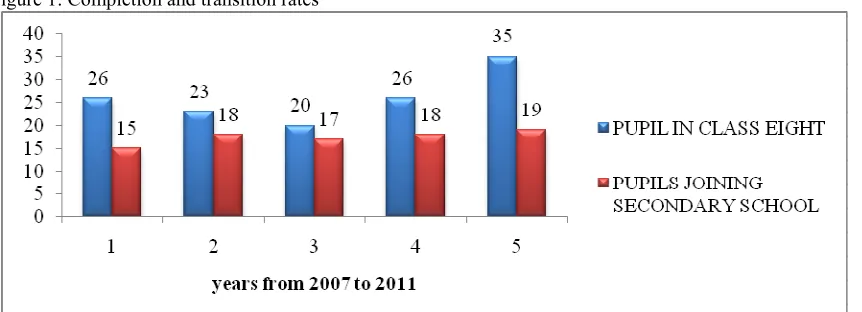
Figure 1: Completion and transition rates
An attempt was made to find out the reasons behind this low transition rate from primary to secondary schools in the study locale. An in-depth interview with SMC chairpersons revealed the following:
Households’ burden in financing secondary education was high –implying that the cost was the key barrier to transitioning to secondary school for the poor who formed the majority in the division. Some parents were also had low premium attached to secondary education and therefore did not value secondary education. Early marriages and teenage pregnancies hindered some girls from completing schools or transitioning to secondary level.
From the citation, it is noted that the SMC chairpersons attributed the low transition of pupils from primary to secondary to factors of a socio-economic and nature. It is regrettable that even after the introduction of noble education policies that make education affordable, some parents do not seem to give education the importance it deserves.
The focus group discussion (fgds) from the teachers and pupils tended to concur on several issues and revealed the following factors:
it was also noted that there was a lot of peer influence in the area to join child labour. Some parents and children were also increasingly engaged in illicit brew businesses and timber sales in order to acquire immediate income. Some children especially those with special needs were also noted to have low esteem and therefore avoided secondary schools while others failed to secure secondary school places as they scored extremely low marks in KCPE. The respondents were concerned that there was a lot of wastage in primary education in the division.
The dropout rate in public day primary schools
The Government of Kenya targets were to improve retention and completion rates for boys and girls from primary to secondary schools by achieving transition from primary to secondary from 47 percent in 2000 to 70 percent in 2010 ( Republic of Kenya/UNESCO,2012). This study attempted to investigate the status of completion and retention or simply dropout rate in the study locale. The study established that the school dropouts were alarmingly increasing in the division. The interviews with SMC chairpersons and focus group discussion with headteacher revealed that, in nearly 80 percent of the schools covered by the study indicted increased dropout amongst the pupils in these schools. The reasons advanced to explain the dropout rate included:
brick making influence in the area to earn daily bread, Miraa harvesting, illicit brew taking by parents, children and some teachers, peer influence, indiscipline cases such as truancy and rudeness, family breakages, health problems, early marriages, overage children, ignorant parents thus lack of pupil motivation to attend schools, poverty, harsh school conditions and poor performance in KCPE in the schools.
The SMC chairpersons of the sampled schools added their voice to this debate and were categorical that some of the other reasons were that:
jobs for their children after school. Some parents also did not bother following up the discipline of their children causing expulsion from schools.
The foregoing factors cited by a cross-section of informed respondents indicate that the main factors responsible for dropout rates were varied but spanned the socio-economic and cultural terrain. This result is in tandem with the study by Sava and Orodho (2014) in the informal settlements of Nairobi that established that socio-economic factors were some of the critical factors thwarting efforts to achieve quality education in basic educational institutions in Kenya. It was apparent that most members of the community still have low premium attached to education. The low premium attached to education is also in line with Orodho, Waweru, Getange and Miriti (2013) in which results from nomadic pastoralists showed most communities still having low premium attached to the education of the girl child.
Quality of pupilsin public day primary schools
An examination of the examination records of pupils’ academic performance at the Kenya Certificate of Primary Education (KCPE) Examination in the study locale indicated dismal performance over the years from 2007 to the time of the study in 2013. It was found necessary to probe some of the key stakeholders on some of the possible causative factors. Interviews with the area Education Officer, teachers and SMC chairpersons revealed several factors, amongst which were:
Low school attendance by pupils ; teachers poor curriculum implantation strategies and performance ; poor selection of learners in terms of learner ability and motivation; un availability of sufficient and relevant instructional resources; unfriendly school environment and poor parental support. Other reasons included irregular school attendance caused by lack of latent school levies such as PTA money, exam and tuition fees, lack of proper school uniform, and lack of food, sickness, peer influence and unfriendly school conditions.
According to the respondents who participated in this study, these cited factors individually or collectively contributed to low pupils academic achievement in national examinations. The Quality Assurance and Standards Personnel who represented the Ministry of Education Added that the other factors causing poor performance included:
Teacher un-preparedness and proficiency in content delivery in a class by majority of teachers; high the pupil-teacher ratios that resulted in low teacher-pupil interaction in classes; and teachers focusing their attention during implementation process on only the brighter pupils leaving out the slow learners.
The QASOs emphasized that in such cases as the ones cited above, pupils hardly got the attention they deserved; hence many were not learning much. They counseled that without personalized attention to all learners, the weak learners would greatly be negatively affected and their performance compromised. This finding is in tandem with the findings from a study by Mwinyipembe and Orodho on the effects of quality assurance and standards officers school nsupervisory roles in enhancing students’ academic performance. Their study established that effective implementation of teaching and learning, especially by QASOs is essential for enhanced students’ academic performance (Mwinyipembe & Orodho, 2014).
On the part of teachers and pupils, they had the following to say regarding factors negatively affecting pupils’ academic performance in national examinations:
They could not give individualized attention to the pupils due to limited contact hours, tough content for the learners, heavy workloads and high PTR. Pupils complained that some teachers were too harsh on them therefore unapproachable which hindered learning.
The foregoing notwithstanding, most of the teachers and headteachers in the sampled schools acknowledged that they had acquired instructional materials from the government; which was identified as one of the major achievements of FPE, particularly through reducing the cost burden on parents. The textbook- pupil ratio was found to range between 1:2 to a ratio of 1:3 for upper classes and 1:3 to a ratio of 1:4-5 for lower classes implying that most pupils had limited access to textbooks. Priority was mostly given to Mathematics, English and Kiswahili books.
supply of textbooks to schools by the government instead of sending money since the amount received was not enough to enable schools acquire good quality books.
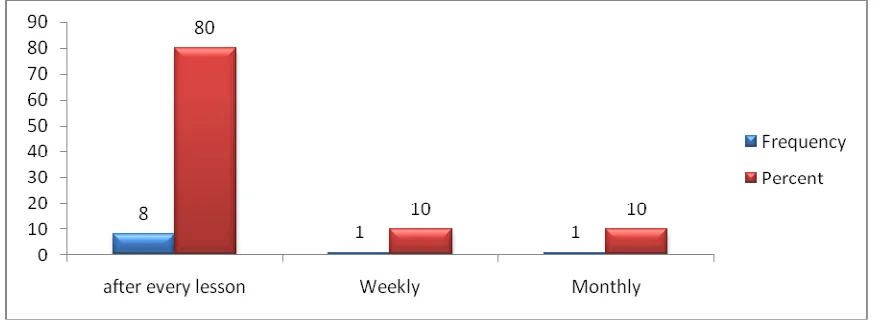
Teachers also noted they were spending a lot of teaching hours attending meetings on textbooks selection. Similarly, head teachers spent a lot of time travelling to buy books at the expense of teaching or running the schools. Teachers unanimously suggested the return of the Kenya School Equipment Scheme. In addition, teachers were of the opinion that tests and assignments should basically serve the purpose of assessing pupils’ achievement in different subjects. The study findings indicated that 8(80%) of the teachers evaluated their learners after every lesson, 1(10%) on weekly basis and 1(10%) on monthly basis as indicated in figure 2. Figure 2 : Frequency of learner evaluation and monitoring in sampled schools
However, only 1(10%) of teachers in the schools studied reported good results by learners in the tests administered while 8(80%) indicated satisfactory results and 1(10%) poor performance. Teachers admitted that they had reduced the number of assignments given to pupils due to overwhelming workloads. Pupils also concurred that teachers had reduced the number of assignments given to them. For the few assignments given, it was reported that some teachers were asking pupils to exchange books and mark for each other in class. This affected teachers’ ability to identify pupils’ weaknesses, gauge their progress and assist them thus affecting the quality of learning. In addition, the overall pupil achievement was relatively low especially in literacy. The findings of the one on one reading tests conducted by the researcher indicated that 8(80%) of pupils in class one could not read even one word in a sentence while in class two 6(60%) of the pupils were unable to read even one word in the provided passage. An assessment of the new skills learnt by learners in different subjects during the week of the study indicated that 6(60%) had not learnt any new skill yet, only 3(30 %) had learnt a new skill while 1(10%) were not sure of what they had learnt.
The interviews with SMC chairpersons regarding parental involvement indicated that:
some parents were reported to play remarkable role towards improving quality of education such as; providing negative attitude towards pupils with food and uniform, paying tuition and exam fees, employing PTA teachers and buying books and revision materials. Others were noted to be involved in dirty politics and the schools. Conflicts between parents and teachers; and the administration of some schools also affected learning.
The headteachers further corroborated the sentiments of the SMC chairpersons by adding the dimension of parental ability to monitor their children’s learning by checking assignments. They stated that:
Few parents monitored their children learning and checked their homework at least occasionally while 9(90%) did not bother checking the learner achievement. Most parents believed that their role was only to provide uniform and food for the children to attend school and relinquished all other roles to the teachers.
Teachers complained that most parents had become ignorant about their children education. Yet, according to the new Basic Education Act (2013) parents through the parents’ teachers’ organization (PTA) are supposed to pay close attention to the holistic development of their children in school.
Implications of quality of public primary school education
The rate of students flow in a system determines whether those entering the school system are able to graduate within the stipulated period. If the rate of progression from the entry point to the point of departure is low, the system is said to be internally inefficient since the affected students are disproportionately using the resources allocated to the sector. A system is termed efficient by enrolling 100%, retain 100% and graduate 100%.
an increase despite the amount of resources pumped into the schools especially with the coming of FPE. The respondents reported that decreased enrolment was caused by poor performance in public day primary schools, increasing number of public boarding and private schools in the division, peer influence for instance due to child labour, miraa harvesting and sales, local brews and brick making in the area, poor attitudes and lack of school ownership by the parents and teachers, lack of parents motivation and support due to ignorance and lack of information; and a tag of war between some schools and the church community. The declining enrolment resulted to underutilization and wastage of resources already provided by the government into the schools.
About 20 percent of the schools studied indicated increased repetition in both lower and upper grades while in 8(80%) of the schools there was decreased repetition rate. Teachers reported that learners were required to repeat a grade in order to catch up with the particular level since with the coming of FPE; some learners were admitted and pushed into levels even without evidence of the previous level or ability. Other learners opted to repeat especially in class 8 in order to score higher marks and secure better secondary school places. Poverty at the household levels also forced some learners to repeat especially due to lack of secondary school fees hoping to get sponsorship from well-wishers with time.
The school environment plays a crucial role in attracting and retaining learners in the school.Majority of the schools under study lacked properfacilities; only 1(10 %) of the schools had proper facilities.Unfriendly school conditions discouraged learners from joining and attending schools resulting to underutilization of resources meant for them.The findings also indicated that only 1(10%) of the schools had well maintained safety and security standards, 4(40%) was fair, 4(40%) poor and 1(10%) had not taken any measure. On the other hand, 4(40%) of the schools did not have water supply at all while 6(60%) had a supply although not regular. This meant that learners wasted time every day on the way to far streams to fetch drinking and cleaning water. This time would be spent in reading or completing assignments. Again when pupils had to leave schools and walk significant distances to fetch water some did not always return to class. The study also found out that 4(40%) of the schools lacked playgrounds while 6(60%) had playgrounds that were inadequate. Most schools also lacked games equipment such as balls and nets which limited pupils’ participation in extra curricula activities. Majority of the schools were also noted to have untidy compounds.
The observations made on classrooms revealed that most schools had permanent classrooms, but were dilapidated. From the classroom walls observations, it was evident that only 2(20%) of the schools classes had walls in good conditions. About 70 percent of the schools had unstable walls, and 1(10%) in crumbling states. The researcher also observed that 7(70%) of the schools had classrooms with broken windows while only 3(30%) were in place. Again, 5(50%) of the classes had old roofs which were also open in places, 4(40%) of the roofs were leaking while only 1(10%) had well covered roofs. Further observations indicated that 9(90%) of the floors in classes were uneven, potted, dusty and in some cases muddy. Only 1(10%) was flat, smooth and clean. In terms of lighting, 6(60%) of the classes had good visibility while 4(40%) had a poor visibility. The situation was worse in lower primary where most classes were dark and especially in the morning hours. The ventilation in 4(40%) of the classes was poor and uncomfortable while only in 6(60%) of the classes was stable and pleasant. Majority of the classes; 8(80%) had poor acoustics and were found to be very noisy and with interferences from outdoors. Only 2(20%) of the classes had good acoustics.
The schools visited showed noticeable variation in learning space. In virtually all schools, the lower classes were congested while the upper classes had fairly adequate space. Seventy percent of the classes had ample spaces for pupils to work while 3(30%) indicated overcrowded classes hindering movements by the teachers and also learners thus affecting learning. In terms of classroommood, pupils were found to be cheerful in 8(80%) of the schools while 2(20%) were dull and drab. Wall charts and visual aids were not available in 7(70%) of the classes in the schools visited while only 3(30%) of the classes had charts. Only 1(10%) of the charts available were of good quality while 2(20%) were of poor quality. Eighty percent of the schools had very old and rough chalkboards with poor visibility from some segments of the classroom which hindered learning. Only 2(20%) of the classes had chalkboards visible from all segments of the classroom.
Insufficient, old and broken furniture was also observed in 8(80%) of the schools studied with pupils seated uncomfortably while only 2(20%) of the classes had good furniture. A large variation existed in the distribution of furniture with the condition being worse in lower grades in the majority of the schools. The shortage of desks forced two or sometimes three pupils to squeeze on to a small bench. Structures such as libraries, workshops and latrines/toilets among other facilities play a pivotal role in enhancing efficiency and quality of education in an institution. The physical counting of latrines in the schools visited indicated that 6(60%) of the schools had enough for both the teachers and pupils.
improvised areas in head teachers’ offices or in classrooms which caused loss and distortion of many books. Teachers in all studied schools sat in crowded and poorly conditioned rooms which interfered with their preparation for lessons thus hindering quality in performance.
Discussion
An educational institution is likened to a factory which has inputs which are processed to get the output. The inputs include variables like pupil-textbook ratio, teacher-pupil ratio, leadership styles, existing libraries and other facilities. An education system is said to be efficient if learners flow through completing a given level in the expected number of years, with relevant knowledge and skills; and then thereafter joining the successive level. When educational resources are supplied to an institution, it is assumed that the learners will utilize them to create a county’s base for future human capital. The findings of the study concerning the level of efficiency and quality of education offered in Kyeni division were disturbing. Dropout cases were noted to be rampant in the schools contradicting the EFA goal. Repetition also indicated wastage of resources invested in the schools in terms of human, material and financial in average years per graduate. Again the repeaters occupied places that would comfortably be occupied by learners form the previous levels causing congestion in classes.
The study also revealed that most schools did not have adequate classroom space to accommodate the large number of pupils in lower grades while in upper grades the space was in excess due to dropout cases and transfer of pupils to boarding and private schools. This also caused underutilization of space as some big classrooms ended up with very few pupils. Three quarters of the classrooms observed were unconducive for learning. Pupils complained that their learning environment was uncomfortable and distracted and therefore they did not concentrate during lessons. The poor conditions of the classrooms impacted negatively on the pupils learning outcomes which discouraged school attendance and lowered the quality of learning in the division. The overall observation of the school structures indicated that a thorough improvement of the available facilities was required in order to improve the quality of education offered and boost pupil retention. The respondents suggested that there was need to provide better classes as well as furniture in schools to meet the required standards. According to UNESCO, the minimum student classroom space should be 1.5 square meters per pupil with one-seater desk, which would translate to 67.5 square meters for a room expected to hold 45 students. The Ministry of Education recommends a 7.5m x 6.0m classroom (Government of Kenya, 2000). This translates to 45 square meters or about 1 square meter per child in a room with 45 children. Teachers also felt that there was need for better staffrooms to boost their morale and thus productivity.
The amount of resources spent on education influences its quality and the amount of learning achieved. The textbook availability in a school enhances achievement of learners as they are exposed to better revision. Paradoxically, there are now more books and learning materials in schools, yet all schools of study revealed that quality has seriously been compromised. Lack of motivated teaching force, large and congested classes, indiscipline cases and low contact hours were noted to contribute greatly to this.
Getange, Onkeo and Orodho (2014) writing on alternative sources of funding secondary education in public secondary schools in Kisii Central District, Kisii county concluded that given that the financial sources in public day secondary schools are unable to meet the required facilities for enhancing quality education, the government should increase the amount disbursed to schools due to inflation and the high cost of living (Getange, Onkeo & Orodho, 2014). The government contribution should be disbursed in time preferably before the start of the term to avoid delay in disbursements which led to financial strains that hinder quality achievement in PDSS. Also provide enough funds for quality assurance officers. All these are based on promises made by the Government of Kenya and documented in the Basic Education Act, 2013 (Getange, Onkeo & Orodho, 2014).
Parental involvement is an important factor in determining learner achievement. It has a multifaceted impact on children’s ability to learn. This was noted to be minimal in the schools of the study. Teachers said that most parents needed to cooperate and assist in their children’s education if quality was to be achieved in the division. They needed to encourage their children to work hard in school and frequently check their homework. Teachers also wanted parents to work hand in hand with them to instill discipline to pupils and not just sitting back.
CONCLUSION AND RECOMMENDATIONS
The major thrust of this study was to examine the efficiency implications of free primary education policy on quality of public day primary schools in Kyeni Division, Embu County, Kenya. From the findings of this study it can be concluded that, in the schools visited, there was consensus that the government had done a lot towards enhancing access to education. Despite this effort, deep concerns were expressed over the falling quality of education. FPE was meant to reduce school dropouts, reduce the number of child labourers, increase school enrolment and increase the quality of education. Yet quantitative data collected in this study has demonstrated that dropout and repetition were pervasive especially in upper grades.
The study also indicated that there were a myriad of intertwined factors that compromised the efficiency of the education provided in the study locale. Some of these included: indiscipline ,which had become a serious problem in schools resulting to dropout cases, instructional materials and other resources which were inadequate and were compromising the quality of education offered, unfriendly school environments were unattractive to learners, hence affecting enrolments while poverty and ignorance lowered completion and transition rates. The pervasive decline in efficiency and quality of public day primary schools education as revealed by this study requires immediate action.
In view of the study findings, the following recommendations should be considered if efficiency and quality in education have to be achieved in public day primary schools in Kyeni division.
1. Increasing budgetary allocations to the schools to improve the quality and quantity of inputs such as instructional materials and physical infrastructure. This will go a long way in creating attractive school environments thus ensuring retention.
2. Recruiting more teachers to ensure adequacy in schools. The government should also improve rewarding systems for teachers in order to motivate them and boost their performance. There should also be regular inspections to inspire teacher performance, provide support, and improve the quality of their teaching. This will improve quality of education offered in schools.
3. The government should provide regular in-service training to teachers to improve their pedagogical skills so that they consistently tailor teaching to meet individual learner differences. Counseling skills training will also provide them with alternative ways of dealing with indiscipline cases among pupils especially the over-age learners.
4. The government should economically empower households in the division by supporting their farming so that they are able to meet both direct and hidden costs of education and in turn support themselves and the schools. This would also bring pay-off in the education sector in that it would reduce the incidence of parents sending their children to work so as to supplement family income.
5. The government should initiate feeding programmes in schools in the division or bring back the school milk programme to attract the poor children to attend schools, ensure retention and help pupils perform better. 6. Designing a more attractive primary curriculum in order to attract and retain learners in schools. Youth
polytechnics in the division should also be revamped to strengthen and create centres for vocational and skills training. This will change parents and pupils’ attitude towards education thus increasing enrolment, completion and transition rates.
7. Institutionalize internal quality monitoring and evaluation in schools as a strategy to enhance quality of education through efficient use of local human resource. This strategy can assist , especially the teachers who still apply ineffective instructional strategies that result into low mastery of literacy and numeracy skills , leading to overall dismal pupils academic performance in national examinations.
References
Abagi, O. & Odipo, G. (1997). Efficiency of Primary Education in Kenya: Situational Analysis and Implications for Educational Reform. Nairobi: IPAR.
Brook,.S.E.(2013). Selecting a sample. Educational Research, 250.
Chiuri, L.W. & Kiumi, J. K. (2005). Economics of Education .Egerton University: Pangolin Publishers.
Deolalikar, A. B. (1998).Public Spending on Education in Kenya: International Comparisons. Washington DC: World Bank.
EFA, (2000). Education For All, Meeting our Collective Commitments, The Dakar Framework for Action. Dakar, Senegal: World Education Forum.
Getange, K, N, Onkeo,J.M & Orodho, A.J.(2014). Alternative sources of funding for free day secondary education (FDSE) in Kisii Central District, Kisii County, Kenya. International Organization of Scientific Research (IOSR) Journal of Dental and Medical Sciences (IOSR-JHSS). Vol.13. Issue 4.Ver. VI (April.2014), pp 14-23.www.iosrjournals.org.
Kerre, B. W. & Obura, A. P. (1992). Basic Education for All in Kenya: Working Document for the National Conference on BEFA, Nairobi: Kenya National Commission for UNESCO.
Kenya. KIPPRA Working Paper No. 4. Nairobi: Kenya Institute for Public Policy Research and Analysis.
KIPPRA, (2006). Budgeting process in Kenya: A case for Social Budgeting. A report prepared for the UNICEF/Government of Kenya Social Budgeting Initiative Project in Kenya. Nairobi: Kenya Institute for Public Policy Research and Analysis.
Koech, D., (1999). “Total Integrated quality education and Training (TIQET).” Report of the Commission of inquiry into the education system of Kenya. Nairobi: Government Printer.
Kothari, C.R, (2004). Research methodology: Methods and Techniques. 2nded. Rajasthan: New Age International Publishers.
Mbatia, P. (2004) . FPE Assessment, Report. Nairobi: The Jomo Kenyatta Foundation.
Mukudi, E. (2004). Financing Primary Education for All: Public Expenditure and Education Outcomes. Brighton, UK: Institute of Development Studies, University of Sussex.
Mwinyipembe, M.M. & Orodho, A.J.(2014). Effectiveness of Quality assurance and standards officers’ supervisory roles in enhancing students’ academic performance in National Examinations in Nakuru District, Kenya. Journal of Education and Practice. Vol.5.No, 16, 2014 pp.69-80. www.iiste.org. Nyangia, E.O.,& Orodho,A.J.(2014).Cost saving measures in public secondary schools : Are these strategies
making education affordable in Kisumu West District, Kisumu County, Kenya?. Journal of Education and Practice. Vol.5.No, 18, 2014 pp.76-87.. www.iiste.org.
Nzomo J., Kariuki J. & Guantai L. (2001). The quality of Education: Some Policy Suggestions Based on the Survey of Schools in Kenya. Paris: UNESCO.
Oketch , M.O.,& Ngware, M.W (Eds.) (2012). Urbanization and Education in East Africa. The African Population and Health Research Centre, 1 st Edition. Nairobi, Kenya.
Orodho, A.J. (2009a). Elements of Education and Social Science Research Methods: Maseno, Kenya: Kanezja Publishers.
Orodho, A.J. (2009b). Techniques of Data Analysis Using Statistical Package for Social Sciences (SPSS) Computer Package. Maseno, Kenya: Kanezja Publishers.
Orodho, A.J. (2012). Techniques of Writing Research proposals in Education and Social Sciences (: Maseno, Kenya: Kanezja Publishers.
Orodho, A.J.(2014).The equity and quality of free day secondary education (FDSE) Policy in Kenya: What is the unfinished business in the financial management. .International Journal of Current Research.Vol.8. Issue 03(March, 2014) 5582-5591. http://www.journalcra.com.
Orodho, A.J, Waweru, P.N, Ndichu.,& Nthinguri.(2013).Basic education in Kenya: Focus on strategies applied to cope with school-based challenges inhibiting effective implementation of curriculum. International Journal of Education and Research. Vol 1.No.11 November, 2013 pp1-10.www.ijern.com.
Orodho, A.J., Waweru, P.N., Getange,K.N & Miriti, J.M.(2013).Progress towards attainment of education for All (EFA) among nomadic pastoralists : Do home-based variables make a difference in Kenya? Research on Humanities and Social Sciences. Vol3.No.21, 2013 pp54-67.www.iiste.org .
Republic of Kenya, (2005). A Policy Framework for Education, Training and Research: Meeting the Challenges of Education, Training and Research in Kenya in the 21st Century. Nairobi: MoES&T. Republic of Kenya. (2005a).) Sessional Paper No. 1 on Policy Reforms for Education, Training and Research:
Meeting the Challenges of Education Training and Research in the 21st Century. Ministry of Education, Science and Technology (MOEST Nairobi: MOEST.
Republic of Kenya(2005b). Kenya Education Sector Support Programme 2005 - 2010: Delivering Quality Education and Training to All Kenyans. Nairobi: MOEST.
Republic of Kenya.(2012a).Sessional Paper No.14 of 2012 on realigning education and training to the Constitution of Kenya 2010 and Vision 2030 and beyond. Ministry of Education Science and Technology. Nairobi. Kenya.
Republic of Kenya.(2012b).A Policy Framework for re-aligning education to the Constitution 2010 and Vision 2030 and beyond.
Republic of Kenya.(2013). The Basic Education Act, 2013 No 14 of 203.The Government Press, Nairobi. Republic of Kenya/UNICEF( 2012).Education for All (EFA) End of Decade Assessment (2001-2010).
Ministry Of Education and INICEF. Nairobi.
Sava, L.A. & Orodho, A.J. (2014). Socio-economic factors influencing pupils’ access to education in informal settlements: A case of Kibera, Nairobi County, Kenya. International Journal of Education and Research.Vol2.No.3 March, 2014 pp1-16.www.ijern.com .
Sifuna D. N. (1990). Development of Education in Africa: the Kenyan Experience. Nairobi: Initiatives Ltd. Sifuna, D. N. (2007). The Challenge of Increasing Access and Improving Quality: An Analysis of Universal
UNESCO, (2005). Challenges of Implementing Free Primary Education in Kenya: Assessment Report. Nairobi: MoES&T
UNESCO, (2008). Education for All Global Monitoring Report 2008. Paris: UNESCO.
UNICEF, (2000). “Defining Quality in Education.” Working Paper Series. UNICEF: New York. Uwezo, (2010). Kenya National Learning Assessment report 2010. Nairobi, Kenya: Uwezo.
Vos, R., Bedi, A. Kimalu, P. & Manda, D. (2004). Achieving Universal Primary Education: Can Kenya afford it? Department of Economics, Working Paper Series, University of Connecticut.
Wamukuru, D.K., Kamau C.W. & Ochola , W.O. (2006). Challenges facing the Implementation of Free Primary Education (FPE) in Kenya: A Teachers Perspective. Afr. J. Qual. Edu., 3: 1- 15.