SMALL
BUSINESS
WHITE
PAPER
SMALL BUsINESS: BIG VISION
The IPA, formed in 1923, is one of
Australia’s three legally recognised
professional accounting bodies
with more than 36,000 members
and students in over 80 countries.
The IPA is a member of the
International Federation of
Accountants, the Accounting
Professional and Ethical Standards
Board and the Confederation of
Asian and Pacific Accountants.
On 1 January 2015, the IPA
acquired the Institute of Financial
Accountants in the United Kingdom
and in doing so formed the IPA
Group which is now the largest small
to medium enterprise focussed
accounting organisation in the
world. The IPA Group is an entity
concept and refers to the shared
infrastructure. The IPA Board is the
governing body of the IPA Group.
The IPA-Deakin SME Research
Centre undertakes multidisciplinary
research on
small-and-medium-sized private businesses and
not-for-profit enterprises. Focusing
on bringing together practitioner
insights with world-class research,
we provide informed comment for
substantive policy development.
The evolution of the Centre
began when the Institute of Public
Accountants (IPA) and the former
School of Accounting, Economics
and Finance commenced the
IPA-Deakin SME Research Partnership
in June 2013, signing a
highly-successful three-year research and
consultancy agreement.
In 2016, the partnership
expanded by bringing together
researchers from the Deakin
Business School and Deakin
Law School to become the
multidisciplinary IPA-Deakin SME
Research Centre.
The Centre aims to build on its
existing portfolio of research and
consultancy for
small-and-medium-sized private enterprises (SMEs) and
not-for-profit enterprises (NFPs).
It is also affiliated with leading
international SME researchers
and research centres, such as
the Small Business Research
Centre at Kingston University
(United Kingdom).
The Centre’s scope of activities
includes providing submissions,
reports, original research, thought
leadership papers and its flagship
Small Business White Paper in
areas such as (but not limited
to) taxation, retirement incomes
policy, regulation, corporations
law, financial services, competition
policy, trade and investment
policy, access to finance, access
to justice, workplace relations,
cyber security, sustainability and
corporate governance.
About the Institute of
Public Accountants
The IPA-Deakin SME
Research Centre
Contents
003
Foreword
006
Executive summary and overall review
011
Introduction
Revitalising the australian economy: navigating the headwinds
025
Chapter One
Productivity
043
Chapter Two
Regulatory overload
062
Chapter Three
Taxation
075
Chapter Four A
SME financial markets: finance principles and alternative financing
112
Chapter Four B
SME financial markets: the case for crowdfunding in australia
134
Chapter Five
Workplace relations
1
67
Chapter Six
Job creation and job destruction
200
Chapter Seven
Innovation
2
16
Chapter Eight
Competition policy
237
Chapter Nine
Family firms
244
Chapter Ten
Internationalisation
265
Chapter Eleven
SME owners’ mental health
268
Chapter Twelve
Cybersecurity
The publication of the second Australian Small Business White Paper represents a significant milestone for the IPA Deakin SME Research Centre and the policy dialogue for small business in Australia. The IPA prides itself on its long, strong association with small business – through more than 36,000 members and students we see and hear accounts of small business issues every day. We felt it was vital to bring these insights together with academic research to provide a series of policy options to policy makers, at all levels of government, to provide the framework for enhanced future prosperity which, unfortunately and alarmingly, is at significant risk.
This publication, which I have had the privilege of co-directing and editing, builds on the original Small Business White Paper, which was extremely well-received by policy makers around Australia and in markets like China and the United Kingdom. The first white paper was used by the Australian Government and many state governments to guide significant reforms. We anticipate that the recommendations in this second white paper will take the advocacy of small business to a new level.
Never before has there been such an assembly of informed academic research, together with practitioner insights. Perhaps today, more than ever, our economy needs to think bigger than ever before. Small business does not equate with small opportunity or narrow vision. Small businesses and our economy require policy solutions that promote small businesses with bold ideas. We therefore focus the recommendations on the theme of ‘small business: big vision’.
This means we must encourage, at every junction, policy makers to have the courage to develop policies that deliver a
Foreword
In a crowded, saturated public arena, there has never
been a more important time for thoughtful policy
that builds on the best available academic research
informed by practice. The methodology applied in
this Australian Small Business White Paper combines a
range of inputs to provide a voice to Australia’s small
business owners, advisers and researchers.
Prof Andrew Conway FIPA FFA
seismic shift. There is one compelling reason for this: Australia’s declining productivity.
We know, through our research, that Australia’s multi-factor productivity (or our quality of life) is in decline. We face the disgraceful dilemma of potentially willing to future generations a quality of life that is worse than the one we currently enjoy. This would be the first time in our history that we are faced with such a prospect. The Australian Small Business White Paper seeks to jolt policy makers into action, to realise that unleashing the productive capacity of small business will boost our economy in ways we can only imagine. To do this requires policy makers to adopt the mindset of an entrepreneur – almost a ‘nothing ventured, nothing gained’ approach.
In other words, stop talking and start doing. Politics is the art of doing and we have an opportunity, informed by evidence and practice, to deliver real change. We recognise that small business will not be the panacea for the productivity crisis befalling Australia. However, it is a key part of the cure. We make recommendations in this paper for Australia to re-engage with the ‘One Belt, One Road’ initiative to ensure the maintenance of trade markets and ongoing competitiveness.
This document has been prepared with numerous inputs. I acknowledge the hundreds of small businesses who shared their insights at our consultations sessions which I was delighted to personally facilitate around Australia, from Darwin to Geelong. We gathered evidence from UK-based academics to inform the way we structured our recommendations. We also looked far afield to places like the OECD for insights.
The primary recommendation in this paper is a message to policy makers: think big, get out of the way of entrepreneurs, and watch small business truly drive productivity.
This Australian Small Business White Paper covers 12 topics which are, to an extent, interrelated:
Productivity Regulation Taxation
SME financial markets Workplace relations
Job creation and job destruction Innovation
Competition policy Family firms
Internationalisation Mental health
The purpose of the document is, through the detailed findings, to make specific, targeted recommendations for policy reform here and now, while at the same time creating a platform for discussion on providing a clearer, bolder vision for the future of small business in this country.
We need to tell policy makers that it is acceptable to be bold in thinking and to generate a new wave of reform. We should begin with the ‘big three’ issues as key productivity enablers: tax, finance and competitiveness. The passage of the tax reforms in the United States on 22 December 2017 should give all stakeholders confidence that major reform is possible. What is required is mature, bi-partisan debate and a focus on productivity and boosting Australia’s competitiveness.
In relation to tax, the three key recommendations are:
1. Broaden the base and lift the rate of GST (subject to appropriate equity measures) 2. Cut direct taxes
3. Undertake a zero-base design of a thoroughly modern taxation system. We must, for the sake of Australia’s competitiveness, initiative a conversation and deliver on the principles of a tax system that is simpler, fairer and more competitive.
What would it look like, for example, if Australia’s GST rate rose to 15% and personal income taxes were slashed or removed for a new entrepreneur’s first five years in business? What does a tax system look like that rewards rather than punishes people under the age of 50 for saving for their retirement? Why do we have excess contributions taxes for those wanting to remove the burden from the state in their retirement? What impact would a policy recommendation have that said: if you’re on the minimum wage, you pay minimum tax? What about a tax rate that applied a tax-free threshold at $30,000 per annum and 15% for minimum wage earners? Or a tax system that rewarded entrepreneurialism, investment in health, education and supporting charities?
As a consequence of increasing the rate of GST, state and territory governments would have greater capacity to
substantially reduce or eliminate key stamp duties and charges on transactions such as property transfers, vehicle registration and insurances.
What if our personal tax rates looked like this?
By increasing the disposable income of Australians on incomes under $100,000 per annum, the system could facilitate the removal (or substantial restructuring and simplification) of complex family tax benefits.
Deductions could be simplified to five broad categories: charitable, educational, entrepreneurial, health and investment.
For companies, the tax rate should be standardised to 25% across the board.
In such a streamlined regime, banks would be levied to fund an Australian growth fund to generate a pool of funds to initiate a surge in start-up businesses that may not ordinarily meet the requirements for traditional bank finance. This would complement a loan guarantee scheme that would support development in a particular industry or geographic location, to reduce reliance on already strained infrastructure.
Foreign investment in critical infrastructure may be matched by a dollar-for-dollar investment to reduce sovereign risk.
States and territories could be incentivised to reduce stamp duties, payroll tax and other charges that were committed to be reduced or abolished following the introduction of the GST, as documented in the Intergovernmental Agreement on Tax Reform.
Such charges and levies which serve to stifle entrepreneurship should be quarantined and directed to special state and territory Infrastructure funds to grow regions and the capacity of the economy. If you like, they could form localised ‘future funds’, with a critical focus on growing the size of the segmented economies within the Commonwealth.
These are all topics for consideration – suggestions for deliberate measures to put on the table for discussion. They will no doubt attract widespread views. However, without a clear, bold direction for tax in Australia, we risk simply missing an opportunity to secure future sustainability due to the fiscal pressure applied by, among other things, our significantly aging population. Australia’s tax mix is simply unsustainable and we hope, through this white paper, to put real concepts forward
Income
Tax rate
$0-$30,000 0%
$30,001 - $60,000 15% $60,000 - $100,000 25%
that provide quick wins and maintain our focus on the future.
To round out our calls for greater leadership at all levels of government, we believe the Commonwealth should play a key facilitation role. It is vital that we re-think our approach to small business policy with a view to the following:
1. An incoming government should commit to holding a small business summit within the first six months of assuming office. It is vital that we curate the brightest minds in research, innovation, regulation, practice and policy to turn Australia into the world’s best place to start and run a small business. 2. The Prime Minister should form and chair
a small business advisory council that would provide direct policy options to government to inform the COAG agenda, with productivity at its core. This critical platform should follow the model set by many other jurisdictions in our region, with an eye towards the regulatory burden. 3. The Small Business Minister should
remain in Cabinet, within the Treasury portfolio. This is critical to ensure the principal economic driver of the
economy is central to the administration of government within a ‘whole of government’ agency.
4. An incoming government should conduct a zero-base design of Australia’s tax system. From our understanding, such an activity has never been undertaken. This should be in partnership with the profession and researchers to develop an applied model for tax reform.
Finally, and perhaps most importantly, we seek to generate a new-level dialogue in relation to the importance of mental health and the wellbeing of small business owners and their advisers. We spend a great deal of time educating accountants and other advisers about the technical elements of small business ownership – however, we have not prepared advisers to look for the signs of mental ill-health or to promote a greater sense of personal wellbeing. One of the most staggering changes in the dialogue we have had with small businesses across Australia, compared to 2015, was how frequently we heard the issue of mental health raised. The prevalence of mental ill-health among small business owners and operators, particularly in regional areas, has prompted an urgent review of the body of evidence in this space. We have commissioned a separate, dedicated research focus on these issues, with a view to developing a
suite of resources for accountants who, so often, are seen by small business owners as their first, most trusted advisers.
I would like to thank the co-contributors and authors of this white paper; namely the IPA’s Vicki Stylianou and Tony Greco, Dr Nick Mroczkowski (Deakin University), Professors George Tanewski (Deakin University), Peter Carey (Deakin University), Robert Blackburn (Kingston University UK) and Marc Cowling (Brighton Business School UK), Ms Rachel Burgess (Deakin University), Mr Wayne Debernardi (IPA Media and Communications team), and the many hundreds of small businesses and advisers who came to our consultation sessions across Australia and the UK.
In addition, I would like to thank and commend the IPA Deakin SME Research Centre Advisory Board – comprising The Hon Bruce Billson (Chair), Dr Michael Schaper, Ms Su McCluskey, Mr Arthur Anastasiou, Dr Nick Mroczkowski, Prof George Tanewski, Prof Barry Cooper and Ms Vicki Stylianou – for the Research Centre’s guidance and leadership.
We welcome feedback and discussion, and encourage you to engage with us as we release the second edition of the Australian Small Business White Paper – Small Business: Big Vision.
Small Business:
Big Vision recommendations
1. Broaden the base and lift the rate of GST (subject to the appropriate equity measures). 2. Cut direct taxes.
3. Undertake a zero-base design of a thoroughly modern taxation system. 4. Reform and simplify the personal income tax scale. 5. Standardise a company tax rate at 25%.
6. States and territories should be held accountable to the Intergovernmental Agreement on Tax Reform to eliminate payroll tax and stamp duties. These revenues should be channelled into a state infrastructure fund to grow the economies.
7. Commit an incoming federal government to hold a small business summit within the first six months of assuming office.
8. The Prime Minister should form and chair a small business advisory council to provide direct policy input and options to the government to inform the COAG agenda with a core focus on productivity. 9. The federal Small Business Minister should remain a permanent position in Cabinet, preferably with its own department.
10. The Australian Government should facilitate small
businesses joining global value chains to remain competitive and access global markets.
Prof Andrew Conway FIPA FFA
Group CEO, Institute of Public Accountants Adjunct Professor, Deakin University Professor of Accounting (honoris causa), SUFE
Productivity matters because, simply put, productivity growth is the primary determinant of income growth. As long as productivity remains stagnant, Australia faces a significant challenge in maintaining the nation’s living standards.
The small business sector (as a huge component of the economy) has the potential to positively influence productivity growth. However, Australian small
businesses now operate in an increasingly complex global environment of increased interconnectedness, interdependence, uncertainty and change. For this reason, and others, the sector requires support to become more innovative and efficient, to employ more people and to export more.
At the IPA-Deakin SME Research Centre, we believe government has an important role to play in positively influencing productivity growth, especially through supporting the small business sector with measures such as:
Enabling and promoting access to affordable finance to improve the longevity of small businesses
Implementing the Harper competition reforms to enhance the competitiveness of small business
Facilitating education and skills development for small business owner- managers
Updating regulatory settings over time, so as not to impede private sector investment
Resisting protectionism and facilitating increased access for small businesses to international markets
Fine-tuning innovation policy to
reward collaborative research, support innovation diffusion and expedite the commercialisation of innovative ideas, especially in the technology space
Executive
summary
The focus of this second Australian Small Business
White Paper – researched, written and published by
the IPA-Deakin SME Research Centre – is on Australia’s
small business sector and how it can contribute to
lifting our national productivity.
Reforming the taxation system to increase incentives and decrease disincentives to the establishment and growth of innovative small businesses
Undertaking workplace relations reform to ensure the framework delivers
consistency and stability to small business owner-managers
Supporting small businesses in developing effective cybersecurity processes and systems, with the aim of preventing or mitigating potential security exposures to their operations.
Non-state actors (such as multinational companies, civil society groups, private interests and individuals) also have a role to play, as they are increasingly able to influence the agenda and outcomes, often through the expert use of social media.
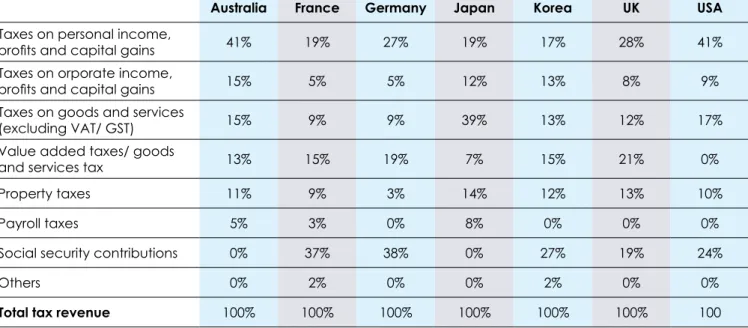
This paper contains a number of key policy recommendations, focusing particularly on assisting the small business sector in the areas of productivity and efficiency; regulatory overload; taxation; finance principles; workplace relations; employment dynamics; innovation; competition policy; family firm financing; internationalisation; SME owners’ mental health; and cybersecurity.
1. Recommendations related to
productivity and efficiency
To support the small business sector’s ability to contribute to Australia’s national productivity growth, the federal government should:
Introduce initiatives to improve managerial capabilities in SMEs
Review capital market efficiency to address the problem of ‘zombie companies’ (those businesses that require bailouts to survive), where too much capital is currently held Review the regulatory framework to
reduce insolvency resolution times Encourage business start-ups to stimulate
efficient, dynamic resource reallocation Conduct a sector review of the
miningindustry
Conduct a competition review of the ‘mining’, ‘manufacturing’ and ‘electricity, gas, water, and waste’ industries
Introduce initiatives to enhance technological absorption rates in ‘older’ firms
Speed up the roll-out and increase the coverage of high-speed broadband Introduce supply-chain efficiency initiatives Introduce initiatives to enhance firms’
Ensure the education system produces enough STEM (science, technology, engineering and maths) graduates, and that the business sector can absorb them at an efficient rate.
2. Recommendations related to
regulatory overload
With an increasing number of small businesses concerned about the impact of laws and regulations on their ability to operate and innovate, we recommend that the federal government should:
Continue emphasising the need for ‘risk-based’ regulation, so entities at a ‘low risk’ of non-compliance are not subjected to inappropriate, unnecessary regulatory scrutiny
Continue contributing to the work of the OECD in enhancing global awareness of good regulatory practice
Continue periodic reviews of regulatory agencies/bodies and statutory boards to ensure the public interest is well served Continue using the Office of Best Practice
Regulation (OBPR) to ensure laws and regulations take account of small business needs
Strengthen the use of small business regulation impact statements
Ensure company extracts and financial statements lodged with the regulator are made freely available
Facilitate the application of technology (‘regtech’) solutions, especially by small business, as a means of easing the regulatory burden
Consolidate corporate and other registers, so small business owners can deal with one portal for all their compliance needs
Pursue necessary measures to implement one regime for registration and regulation of charities and not-for-profits.
We recommend that the Australian Accounting Standards Board (AASB) should continue reviewing existing accounting frameworks to ensure they reflect community needs and maintain the integrity of the measurement and recognition requirements in international financial reporting standards.
We also recommend that preparers of special purpose financial statements should review the format of such statements (following changes made by international accounting standard setters to the conceptual framework).
3. Recommendations related
to taxation
Taxation reform – to encourage entrepreneurs to start, run and keep their businesses in Australia – is an essential ingredient in ensuring a stable economic future for Australia.
We therefore recommend that the federal government should:
Renew its commitment to a comprehensive tax reform process Realign our tax system to reduce its
heavy reliance on individual and corporate income taxes
Explore changes to the GST Explore the use of a parliamentary
forum (such as a committee) to seek further stakeholder views on tax reform Investigate the potential implications
of adopting tax incentives for new businesses, such as those operating in countries such as Singapore
Explore options with the states and territories to either remove payroll taxes or ensure the laws and the way they apply are consistent across the country
Ensure the smooth implementation of the single touch payroll regime Establish clear policy objectives for
small business tax concessions Reform the tax system so that it
provides targeted assistance towards stress points in a business life cycle, such as the start-up phase or during a temporary setback
Remove incentives to complex business structures and consider the creation of a simplified small business entity.
In addition, we recommend a holistic review of small business tax concessions to ensure they are consistent and work collectively to support small businesses through all stages of a business life cycle.
We recommend that professional advisers should constantly promote the in-house facilitation process as a potentially effective, cost-efficient means of resolving tax disputes.
We also recommend a whole-of-government approach for small business assistance programs (accountants are well placed to deliver such programs, as they already act as advisers to small businesses).
4. Recommendations related
to finance principles and
alternative financing
Given the importance of SMEs as
significant contributors to (and drivers of) GDP, we recommend that the federal government should:
Review its current policy settings for SME finance to ensure it follows world’s best practice (as specified by the G20 and OECD)
Provide appropriate incentives that encourage financial institutions to urgently re-examine their finance offerings for SMEs
Initiate loan guarantee schemes Allocate priority funding to vocational
education courses to enhance SME owners’ financial literacy, business strategy and management skills Provide incentives (such as tax
deductibility for education costs) to SME owners for financial literacy and business management education
Fund research initiatives to support the work of the OECD in developing a generally-accepted definition of SMEs Support initiatives for the introduction
of a new bank that services the specific financing needs of the SME sector Pass legislation allowing proprietary
companies to take advantage of equity crowdfunding.
There is a need for clarity relating to the operations and legal aspects of crowdfunding in Australia.
Governments and financial institutions can address the finance gap through alternative finance models such as more asset-backed loans (including the recognition of intangible assets as collateral), project financing and leasing.
Governments, financial institutions and industry groups should also encourage SMEs to use alternative sources of finance as a means of bridging the SME finance gap.
5. Recommendations related to
workplace relations
Small businesses owner-managers benefit from a workable workplace relations framework that delivers consistency and stability. They need to know how to operate optimally within the workplace relations system, but the system itself will not provide competitive advantage.
However, how human resources (HR) are managed within the owner-managers’ firms will be an important driver of (sustainable) competitive advantage.
We therefore recommend that: Continued effort is required to ensure
small business owner-managers understand their legal rights and responsibilities with regard to workplace relations, for the purposes of managing their workforce in a fair, equitable manner and in a way that is conducive to a sustainable, productive work environment. To achieve this:
Easy-to-understand regulatory material needs to be readily available.
Small business owner-managers should be given the opportunity to make anonymous enquiries regarding workplace relations matters (to encourage more accurate, timely information flow).
Regulators, at all levels of government, should continue to address and remain vigilant to compliance burdens. Regulatory requirements need to be simplified and associated cost-burdens minimised where they are unable to be removed.
6. Recommendations related
to net employment dynamics of
Australian SMEs
Our analyses demonstrate that start-ups and young firms are important drivers of net employment in Australia and, when considering the effects of age and innovation together, we find that these factors significantly contribute to job creation and are important sales growth and performance differentiators.
Our results show compelling evidence that the innovation capability of start-ups and young firms underpins the observed firm-employment dynamics, significantly influencing employment outcomes in the Australian economy.
We therefore recommend that:
An important policy objective is to identify start-ups and young firms that have innovation capabilities early, as these firms contribute significantly to net job creation.
7. Recommendations related
to innovation
Given that innovative firms (particularly start- ups) are known to create more jobs than other business categories, governments in Australia should do everything they can to assist businesses
to understand the value of innovation and, where appropriate, provide financial and other incentives to encourage innovative thinking within the small business community.
We recommend that federal, state, territory and local governments should:
Provide more support for research and development by small and medium-sized firms
Promote better linkages between research universities and industry Provide more support for firms to adapt
existing technologies and innovation Develop and implement measures to help
the spread of existing innovations to a broader range of firms
Encourage firms to adopt ‘continuous improvement’ methods to embed incremental innovation.
The federal government, in particular, should:
Provide tax breaks for companies acquiring new technologies not developed in-house Develop a ‘matching’ service to promote
collaborative relationships between multinational corporations and Australian businesses, both domestically and abroad Provide a tax allowance for companies
that invest in intellectual property protection (through patents, copyright, trademarks, design rights etc) in-house Provide tax allowances for companies that generate licensing income for in-house new technologies
Rigorously continue with its ‘patent box’ initiatives, as outlined in its current reform agenda
Further develop government
procurement initiatives to ensure small business procurement targets are met and exceeded by 2022
Allocate funds for further research into youth entrepreneurship in Australia.
8. Recommendations related to
competition policy
To fully give effect to the new competition law provisions for the benefit of small business, we recommend that the ACCC should:
a. Bring cases on the new provisions as quickly as possible to provide clarity on how they will apply in practice
b. Apply the amended misuse of market power provision to exploitative practices as well as exclusionary practices
c. Produce tailored guidance for small businesses on the new concerted practices provision
d. Produce separate guidance on concerted practices for industry associations and their members. The small business community should also consider lobbying the ACCC for a class exemption in relation to identified common commercial transactions that are technically at risk of breaching competition law but are unlikely to do so in practice.
In addition, the benefit of the Harper Reforms (and competition policy generally) could be enhanced for small businesses through an improvement in access to justice for small business. We therefore recommend that:
a. Changes are made to facilitate
representative private damages actions b. Procedural changes are made
to encourage private actions for damages, as the market would be less reliant on the ACCC to bring action c. Higher penalties be imposed on firms
that break competition law, creating a greater deterrence effect
d. Encouragement is given to
compensation schemes for those who have suffered as a result of a breach of competition law
e. Online tools and materials be made available to assist in the early resolution of competition law disputes
f. The introduction of online court processes be considered, particularly for simpler cases.
Many of these recommendations are applicable to broader access to justice issues in Australia.
9. Recommendations related to
family firms
Family firms are a major component of the SME community and contribute significantly to GDP. To address financing needs, some larger family firms list on the Australian Stock Exchange (despite the ASX tightening the listing criteria to discourage small-cap businesses from applying to go public).
We recommend that:
State and federal governments should encourage more research on family firms and their role in contributing to the wealth of the economy
The ASX should consider removing the recent barriers caused by changes to the listing rules, thus encouraging family firms to take up the option of listing (an alternative may be to consider resurrecting the former ‘Second Board’, allowing smaller-cap companies to list and thus have another financing option).
10. Recommendations related to
internationalisation
There is much to be done to help Australian SMEs raise their game in the international marketplace. Evidence shows a weak international performance by SMEs, but also grounds for optimism.
In terms of government policy interventions, we recommend:
A targeted approach, aimed at those SMEs that seek to internationalise but have not yet done so, and those that are already exporting and seek to expand their international reach into new markets
A higher priority on facilitating SME exports in the six most internationally active industries, including ‘mining’, ‘agriculture’, ‘manufacturing’, ‘wholesale’, ‘information media’, and ‘professional’
Greater emphasis on encouraging small and self-employed firms to participate in foreign markets by providing targeted export incentives, support for network and international collaboration, business matching opportunities, and facilitating access to finance
Increased support for growth and innovation to boost the number of exporters and accelerate their international activities
More support for SMEs in terms of detailed information provision, such as tailored advice and a mentoring program for firms internationalising in different geographical markets, in-depth discussion forums and network events.
11. Recommendations related
to SME owners’ mental health
and performance
As research on this issue is ongoing and still in progress, the IPA-Deakin SME Research Centre is unable to provide details on findings or recommendations at the time of writing.
The Centre is of the view, however, that mental health and wellness is a significant area of concern for all businesses, not just SMEs. In this sense, we feel a sense
of responsibility to inform readers of the extent of mental health issues impacting SMEs and their advisers.
We also believe it is important to articulate the current work undertaken by the Centre to identify the real mental health issues impacting IPA members and their clients, and the potential mechanisms that can be utilised to assist businesses, their owners and advisers in their struggle to cope with day-to-day mental health challenges.
12. Recommendations related to
cybersecurity
To avoid or defend against the high risk of cyberattacks, we recommended that SMEs should:
Increase their awareness of the need to apply adequate checks and balances to prevent or mitigate potential security exposures to their operations
Increase their awareness of the significant risk they face from
cybercrime, including the risk of their systems being used as a ‘stepping stone’ into connected systems in the supply chain.
Governments and technology companies also have a role to play in simplifying techniques for ‘hardening and shielding’ websites from cybercrime, so that such techniques are accessible to SMEs (and particularly small businesses). A range of online ‘cloud-based’ host sites should also be established, so that SMEs can migrate their IT systems into a secure cloud environment.
Introduction
Productivity isn’t everything, but in the long
run it is almost everything. A country’s
ability to improve its standard of living over
time depends almost entirely on its ability
to raise its output per worker.
(Paul Krugman 1994, The Age of Diminishing Expectations)
Vicki Stylianou: Executive General Manager,
Advocacy and Technical, IPA
Revitalising
the Australian
economy:
navigating the
headwinds
This is the second Australian Small Business White
Paper produced by the IPA-Deakin SME Research
Centre. When the first Small Business White Paper
was released in 2015, we stated that its principal
purpose was to present policy options for Australia
to deal with the emerging economic challenges
that were confronting the Australian economy.
We posed the fundamental proposition that, while
the Government grapples with ways to address
Australia’s budgetary problems, a much more
profound and urgent challenge was emerging – a
productivity crisis. In the three years since we made
that statement, developments have accentuated
this challenge, creating a greater imperative for
urgent government action.
on the Australian economy and the need to develop appropriate domestic policy responses.
Being a small, open economy, Australia is particularly susceptible to the rise in global protectionism. This could damage future economic growth and undermine the global rules that underpin our trade and investment status. Moreover, at a time when productivity remains stagnant, Australians should be concerned about the potential serious consequences of stagnant productivity on the Australian economy and future living standards.
These economic ‘headwinds’ continue to strengthen and present potential challenges for the Australian economy going forward.
Successfully navigating these
headwinds will be essential to maintain, if not boost, Australian productivity growth, improve national income and raise living standards. The challenges for Australian policymakers are increasing, making the need for action immediate.
Small business continues to be the engine room of economic growth. The latest ABS Business Counts data for 30 June 2017 indicates that, of the 2.24 million businesses in Australia, there were 2.18 million (97.3%) micro and small businesses (those with less than 20 employees) (Figure 1a). Of these, there were 1.4 million (64.2%) micro businesses that did not employ any staff. Small business contributes one-third of GDP, employs 44% of all workers and generates 40% of new jobs. The annual turnover for 60% of these small businesses is less than $200,000 (Figure 1b).
However, if small business is to prosper, some things need to change. Innovation processes are less common in small businesses, with 60% engaged in innovative activity compared to 67% for medium-sized businesses and 80% for large businesses. Small businesses also report slower rates of productivity improvements compared to large firms (28% compared to 36%). While small businesses represent 44% of all businesses that export goods, they only account for 0.5% of exports by value01. Despite increases in the number
of small businesses that are ‘born global’, significant scope exists for them to become more dynamic, innovative and efficient.
Recent research by the OECD and others02 indicates that small business
can play an important role in lifting national productivity growth and, more importantly, national living standards 01 Australian Small Business and Family Enterprise Ombudsman (ASBFEO) (2016). 02 Andrews et al (2015, 2017).
These challenges have been compounded by a global environment that has seen the election of Donald Trump as US President, the uncertainty in Europe and possible contagion effects attributable to Brexit, rising protectionism, the implications from the rise of China as a super power (including geopolitical issues and the so-called ‘trade war’), ongoing technological advances with the advent of the Fourth Industrial Revolution, continuing demographic shifts, transnational cybercrime, the impacts of climate change and continuing refugee crises. At the same time, our world has continued to become increasingly interconnected and interdependent with scientific, technological and logistical advances in countless countries simultaneously driving economic growth globally.
These events have all combined to create an environment of even further uncertainty and change. What we need to consider is the impact of these events
Figure 1:
Australian business counts by size, as at 30 June 2017
Source: ABS 2018, Counts of Australian Businesses, including Entries and Exits, Jun 2013 to Jun 2017, Cat. no. 8165.0, Table 13 and 17.
Small (0-19 employees) 97.5% Medium (20-199 employees) 2.3% Large (200+ employees) 0.2%
Zero to less than $50K
25% $2m to less than $5m 4%
$50K to less than $200K
35% $5m to less than $10m 1%
$200K to less than $2m
34% $10m or more 1%
1a: Employment based
1b: Annual turnover based
Small
(0-19 employees) $50K to lessthan $200K
97.5%
35.0%
through a variety of ways, including improved diffusion of knowledge, products, processes and technologies across businesses.
It is for these various reasons that, as noted in the Foreword to this white paper by Andrew Conway, we look to Small Business: Big Vision to frame our ‘reform agenda’ to tackle these strengthening headwinds confronting the Australian economy.
After all, more prosperous small businesses are good for the Australian economy.
Given the breadth of issues affecting small business in Australia, the white paper selectively focuses on high priority issues. These include:
Understanding productivity in the Australian economy (chapter 1) Regulatory overload (chapter 2) Taxation (chapter 3)
Finance principles and alternative financing (chapter 4A)
The case for crowdfunding in Australia (chapter 4B)
Workplace relations (chapter 5) Net employment dynamics of
Australian SMEs (chapter 6) Innovation (chapter 7)
Competition policy: will the new laws benefit small business? (chapter 8) Family firms (chapter 9)
Internationalisation (chapter 10) SME owners’ mental health and
performance (chapter 11)
Cybersecurity and Australian SMEs (chapter 12)
The respective chapters in this second important white paper make the case for reform and include policy recommendations to tackle existing and emerging headwinds.
Productivity – is critical for
improving Australian living
standards
Productivity growth is vital to improving per capita incomes and living standards, especially over the longer term.
Indeed, as stated by Nobel Laureate Paul Krugman:
Productivity isn’t everything, but in the long run it is almost everything. A country’s ability to improve its standard of living over time depends almost entirely on its ability to raise its output per worker.03
As stated in the first Small Business White Paper, productivity is about how well businesses, industries or countries combine resources to produce goods and services. This includes resources such as raw
materials, labour, skills, capital equipment, land, intellectual property, managerial capability, technology, financial capital, knowledge and ideas.
Productivity growth not only leads to higher living standards, but also enables society to choose from a wider range of options for improving living standards and wellbeing.
03 Krugman, P (1990).
Simply put, growth in productivity is vital for growth in national income and living standards into the future.
Productivity growth in Australia is measured by the ABS and others using one or two interrelated measures. The first is labour productivity, which is defined as output per unit of labour input (typically measured in terms of hours worked). The second is multifactor productivity (MFP), which is a residual measure after taking out the contribution made by the increased use of capital inputs per unit of labour input in production (termed ‘capital deepening’). MFP is generally interpreted as a measure of the efficiency with which labour and capital inputs combined are used in productivity. Most analyses typically assess changes in productivity growth rates over time rather than focusing on the underlying level of productivity.
Productivity – headwinds are
gathering
As shown in Figure 2, the long term trend in Australian labour productivity growth has been steadily declining over the last half-century.
Figure 2:
Australian labour productivity* growth, 1976 to 2017
*Labour productivity is defined as GDP per hour worked.
Source: ABS 2017, Australian System of National Accounts, 2016-17, Cat. No. 5204.0, Table 1.
6 5 4 3 2 1 0 -1 1976 1981 1986 1991 1996 2001 2006 2011 2016 YEAR Annual growth rate 5 year moving average
04 The Treasury (2015). 05 Productivity Commission (2017b). 06 The Treasury (2015). 07 Productivity Commission (2017b). 08 Productivity Commission (2017b). The declining trend is more clearly
indicated by the downward revisions to the 30-year average growth rate made by the Commonwealth Treasury in its successive intergenerational reports, falling from 1.75% in its 2002-03 report to 1.5% in the 2015 report04.
More recently, as noted by the Productivity Commission (PC) in its report Shifting the Dial, 5 Year Productivity Review05 released
in August 2017, annual productivity growth has been ‘flat’ for over a decade.
However, sluggish productivity growth in the Australian economy is not unprecedented, nor is weak national income growth. The recent strong growth in Australia’s terms of trade boosted growth in Australian national income to the envy of most other developed countries and gave rise to the mining boom. Unfortunately, the mining investment boom is now behind us. Looking ahead, it is growth in the non-mining sector that will largely determine the prospects for Australian incomes and living standards.
The declines in productivity growth partially reflect the effects of longer-term structural changes in the Australian economy that have seen a decrease in the relative importance of many traditional ‘goods-producing’ industries such as manufacturing and agriculture, and an increase in many service sector industries. The lower rates of measured growth in labour productivity in many of the service sector industries compared to the generally higher rates in the traditional goods producing industries has contributed to the decline in national labour productivity growth identified in the intergenerational reports06. This trend
is expected to continue, as stated by the PC in its Shifting the Dial report07. In
other words, this long-term trend in labour productivity is expected to continue unless significant productivity-enhancing reform is undertaken and undertaken now.
The use of capital in production (capital deepening) has been the main source of longer-term labour productivity growth in the Australian economy over the last century, accounting for roughly 60%. This means that each use of Australian output tends to be produced using less labour than it did 50 years ago. MFP growth accounted for the remaining 40% of historical labour productivity growth.
More recently, MFP has underpinned labour productivity growth in most industries, with 9 of the 16 industries for which MFP is reliably measured
experiencing positive average MFP over the current productivity cycle (i.e. 2007-08 to 2016-17). This contrasts with the previous productivity slowdowns that have been generally broad-based08.
Yet productivity headwinds are strengthening and have the potential to make it harder for Australia to maintain, let alone improve, living standards into the future. Governments have an essential role to play in addressing these headwinds.
Productivity – governments have
a vital role to play in boosting
productivity and living standards
Governments play a significant role, directly and indirectly, in the effective operation of the Australian economy. Governments set the rules by which markets operate. They regulate and enforce the rules, levy taxes, and provide or fund significant services and infrastructure for the community. These rules, taxes and expenditures affect business profitability and may create artificial incentives for them to alter their behaviour in search of higher returns which can result in unintended consequences or excessive compliance costs.Governments also exert significant influence on wider productivity in the private sector. The PC notes that governments can exert influence on both MFP performance and capital deepening over time, both of which are desirable sources of productivity growth.
Given the myriad of ways and mechanisms that governments, directly and indirectly, impact productivity growth, it is essential that their initiatives and actions are selected, funded and managed as efficiently and effectively as possible to ensure the significant potential benefits are realised.
New and improved policies are also important. For example, significant scope exists to improve productivity growth in the delivery of education and skills development, as would updating regulatory settings to reflect the current economic realities.
The first white paper contained an extensive chapter on ways to develop human capital, and both white papers contain chapters on ways to improve the regulatory environment and Australia’s productivity performance.
As noted in this white paper and elsewhere, technology simultaneously creates and destroys jobs. To the extent that technological shifts require more advanced or new skills from workers,
there is a role for government to ensure education and labour market policy settings enable upskilling and retraining. The first white paper makes a significant case for government to support vocational training, which has an important role to play in this process.
Government also has a role to play in enabling research and providing access to data. We note that recent improvements in data collection and research, such as the development of the BLADE (Business Longitudinal Analysis Data Environment) framework, which was boosted by funding in the 2017-18 Budget, offers great potential for improving productivity growth through better targeting of government policy and the effectiveness of government programs at the firm level.
Australia should follow the lead of New Zealand in promoting more collaboration between the public sector, private sector and academia to improve the contribution of policy to increasing productivity growth ‘by connecting people, shaping research agendas and sharing research’. This will improve the evidence base needed for robust policy development.
Productivity – investment will
also need to play an essential role
going forward
Given that past investment has fuelled the capital deepening that has been an important source of historical
productivity growth, investment needs to play an essential role going forward to underpin productivity growth and maintain living standards.
Prospects for two of the key main industries that contributed to this historical capital deepening – manufacturing and mining – are likely to be more subdued going forward than has been the case historically. If this occurs, future Australian productivity growth will be harder to sustain without capital deepening in other areas of the economy or through improvements in MFP (requiring a significant and sustained reform effort).
Furthermore, as noted in the Federal Budget 2017-18, non-mining business investment remains a key uncertainty for growth since the end of the mining boom. Despite lower official interest rates and surveys indicating above-average business confidence, investment remains muted. This implies that businesses are likely to be waiting for improved business conditions and greater certainty before making significant new investments.
The longer-term structural change towards service sector industries that are more reliant on labour have reduced measured labour productivity growth. These industries also tend to rely more on investment in intangible capital, such as research and development (R&D), information and communications technology, brand equity and
organisational capital, all of which affect productivity and are harder to quantify. However, studies cited by the PC suggest that investment in intangibles is significant but 55% (2012-13 study) of such investment is not treated as investment in the national accounts; and that average annual growth in intangible investment was about 130% that of tangibles since 1974-75. The difference in investment between tangibles and intangibles could also contribute to the differences in productivity observed across firms. The productivity chapter in this white paper discusses the productivity of firms in greater detail.
The IPA-Deakin SME Research Centre suggests that research is needed on how best to improve the measurement of investment in intangibles, especially in the services sector, in the national accounts.
The weak outlook for investment, as discussed above, is supported by the International Monetary Fund (IMF), which observed in 2017 that the prolonged periods of uncertainty and sluggish private investment after the Global Financial Crisis have further held back productivity growth, especially in the advanced economies, and that this slow growth is likely to make challenges such as the aging population harder to address.
The OECD, in its 2018 policy paper The Long View: Scenarios for the world economy to 206009, also referred to
slowing global growth, limited income convergence and rising fiscal pressures as being the long-term baseline projection. However, structural policy reforms can brighten the outlook substantially in all countries (including Australia). For instance, reforms through 2030 to make product market regulation in OECD countries as friendly to competition as in the five leading countries can raise living standards by over 8% in aggregate (and up to 20% in some countries). For this reason, it is imperative that Australia ensures that the benefits of the recent Harper reforms (which came into operation in November 2017) flow through to small business. This topic is discussed in detail in the competition policy chapter in this white paper.
09 Guillemette and Turner (2018).
Globalisation – presents
significant opportunities for
Australian businesses
Globalisation is, for better or worse, a fact of modern life.
Technological changes have made the world a smaller place. Given our relatively small size, globalisation offers great potential to Australian businesses and for improving Australian living standards.
Globalisation, according to the United Nations, is a multi-dimensional process characterised by the acceptance of a set of economic rules for the entire world designed to maximise profits and productivity by universalising markets and production, and by obtaining the support of the ‘state’ with a view to making the national economy more productive and competitive. A simpler definition is that globalisation refers to all those processes by which people of the world are incorporated into a single world society, global society10.
It can also be seen as the worldwide movement toward economic, financial, trade and communications integration.
One in five Australian jobs are trade-related and one in seven rely on exports. Over 50,000 Australian businesses export, contributing $337 billion in export income in 2016. Exporting firms, on average, employ more people and pay higher wages than firms focused on the domestic market alone. Trade liberalisation delivers $8,448 extra income per year for the average family11.
While these figures sound impressive, have we made the most of the opportunities presented by internationalisation? According to the Bertelsmann Stiftung 2018 Globalisation Report, Who Benefits Most from Globalisation?12, Australia’s
internationalisation has developed similarly to the median for all 42 countries assessed in the report. Low commodity prices have reversed some of the structural changes since 2012 that arose from the mining boom, which has resulted in a decrease in trade. This report notes further that Australia is in the middle in terms of per capita income gains from internationalisation.
Australia has very low tariff rates by international standards. This has helped to increase the competitiveness and flexibility of domestic Australian markets. Despite this, Australia is ranked 95th for ease of trading across borders in the 2018 World Bank’s Doing Business survey13.
This indicates that further significant improvements are possible.
Australia needs to improve its performance against these and other measures if it is
to seize the opportunities presented by international developments.
These opportunities exist by exploiting the ‘complementarity’ of our economy with those of our rapidly developing regional neighbours. That is, Asian economic growth relies on what Australia produces. China and India together make up more than 60% of Asia’s economic activity. By 2030, Asia will produce more than half of the world’s economic output and consume more than half of the world’s food and 40% of its energy. By then, over 600 million more people will live in Asian cities. These countries will not only need Australian minerals and energy but also the services we provide to fuel this growth.
At the same time, Australia is looking beyond Asia to find new opportunities in South America, Africa and the Middle East14.
The Australian government will need to maximise economic growth in the region by facilitating the ability of Australian businesses to tap into global value chains; and to increase our relatively low investment in Asia, which may be hindering our ability to tap into these global value chains. This includes manufacturing businesses. Manufacturing makes up $44 billion or 13% of our exports. More than four out of five of all manufacturing businesses are SMEs. They rank fifth among advanced economies for business innovation. This should be applauded, encouraged and improved through government policy settings. Services make up a growing share of our exports, $75 billion or one-fifth of exports in 2016. For instance, Australia is the third largest provider of education to international students15.
Technological progress, urbanisation and rising incomes are leading to an increase in the share of services in economic activity across the globe. Australia has an opportunity to capitalise on the growing demand for tradable services, particularly from Asia. Our comparative advantage in services is in financial services and personal and recreational services. The aging population is another opportunity. There are already more people over 65 years of age in Asia than the whole population of the United States. Aged care services, health services, nursing, asset management and insurance services could all represent opportunities from this demographic change. However, in these industries there are often high domestic barriers to entry, which our trade agreements will need to overcome if these opportunities are to be realised.
10 Albrow and King (1990). 11 Department of Foreign Affairs and Trade (2017). 12 Weiß, Sachs and Weinelt (2018). 13 World Bank (2013). 14 Department of Foreign Affairs and Trade (2017). 15 Department of Foreign Affairs and Trade (2017).
The Trans-Pacific Partnership (TPP), which was a major free trade agreement between 12 countries, was being
negotiated at the time of the last white paper. Since then, the United States withdrew after the election of Donald Trump as President. However, due to efforts by Australia and Japan, the TPP has been reinvented as the TPP-11 which was signed by all 11 countries in March 2018, with tabling in the Australian Parliament in the same month. The agreement will operate as a platform which others can join if they meet the high standards. Australia is committed to expanding the TPP membership over time. The TPP has been promoted as the ‘gold standard’ in free trade agreements in terms of its extensive coverage (including for the first time, a chapter devoted to SMEs) and the standards to which member countries must adhere. Australia needs to ensure substantial market access covering goods and services market openings and regulations on foreign investment.
China’s One Belt One Road (OBOR) initiative presents further opportunities for Australian businesses. It is the Silk Road of the 21st century. ‘Belt and Road’, which was proposed by China and unveiled by Chinese leader Xi Jinping in 2013, is a development strategy and framework, that focuses on connectivity and cooperation between countries, primarily in Eurasia. It comprises two main components: the land-based ‘Silk Road Economic Belt’; and the ocean-going ‘Maritime Silk Road’. The strategy underlines China’s push to play a much bigger role in global affairs, and to export spare production capacity in areas such as steel manufacturing. There are numerous opportunities for Australian businesses to take advantage of the OBOR.
More recently in 2018, Australia has joined the United States and Japan to establish an alternative to OBOR, which also seeks to build infrastructure in emerging economies. The United States has announced plans for a new development finance institution to bring together its response to OBOR.
Australia has expertise in infrastructure development, funding and management. As a result, it could benefit from both projects. SMEs play a vital role as part of the global value chains which undertake these projects. We must ensure that they are supported to enable them to realise these opportunities.
Government needs to seek out ways to further increase the recognition of Australian qualifications and licensing in
overseas markets, thereby creating new opportunities for Australian businesses to export professional and other services and to increase the value of Australian qualifications to international students. Government also needs to broaden services exports beyond education and tourism and look at factors other than cost that influence the ability of Australian service providers to compete internationally. This has been extensively considered in the literature on barriers to export and was discussed in the first Small Business White Paper.
In terms of international collaboration, the United Nations 2030 Agenda for Sustainable Development presents further opportunities. Its 17 Sustainable Development Goals (SDGs) seek to reduce poverty, protect the environment, and promote gender equality, responsible consumption and production, decent work and economic growth, quality education, peace, justice and strong institutions, industry, innovation and infrastructure and partnerships to achieve these goals. In addition to opportunities for Australian SMEs, the SDGs provide a useful, consistent and aspirational framework to inform policy development in Australia and other countries across the world. ‘Humane Entrepreneurship’ has emerged as a useful tool for achieving the SDGs.
It is built on the premise that countries and organisations should extend their priorities beyond the profit margin; and shift their focus onto their people, the environment and society. Human-oriented businesses are deemed to perform better, produce better products and satisfy their customers.
While Asian economies are largely growing, we note that, in the developed world, the headwinds are gathering as productivity gains associated with past technological advances have largely been exhausted, while the benefits for productivity from current and future technological advances have not yet been realised. Real wage growth is not expected to improve in developed economies unless productivity increases. Other constraints on global growth include aging populations, especially in Japan, China and the European Union; high public debt and low official interest rates; and China’s slowing economy as it matures (which the OECD estimates will peak at 27% in the 2030s and then slowly decline).
Overall, international developments present further opportunities for Australian business, including SMEs.
Global trade – can benefit the
Australian economy across
the board
The Australian domestic market is small compared to many international markets. Future economic and population growth in the region will only further increase the size of these markets. For example, it is estimated that Asia’s total infrastructure investment needs will exceed $26.2 trillion by 2030, which is roughly 15 times the current size of the Australian economy.
Australian businesses and the Australian economy have long gained benefits from accessing these markets through trade, investment and other strategic partnerships.
Yet there remains significant untapped potential for Australian businesses to improve engagement in these potentially lucrative markets.
To do this, Australian businesses need to be internationally innovative and competitive as well as having
management that can identify and exploit these opportunities.
Domestic policies can help or hinder the international competitiveness of Australian businesses. Excessive or poorly-targeted regulation can reduce the competitiveness of Australian business or result in unintended collateral damage.
International policies can also indirectly present opportunities for Australian businesses and the Australian economy. For instance, by encouraging APEC countries to improve their productivity growth — whether by supporting education and training, competition, good governance and market
openness, including in services, through helping to improve investment settings, regulatory frameworks, taxation systems, management of natural resources, workforce participation by women or the design and management of national budgets — the ensuing economic growth would increase demand for the goods and services that Australia produces16.
Australian domestic and international policies need to support or reinforce each other to strengthen the resilience and competitiveness of Australian businesses through innovation, science and technology and an environment that facilitates improvements in productivity and a desire to drive exports. SMEs can play a vital role in this process.
Domestic policy must reflect this global reality.
It is pleasing, therefore, that the federal government has reinforced its initiative to
assist Australian businesses, including over 50,000 SMEs, to access international markets, through Austrade and EFIC (‘Finance for Australian Exporters’). It has stated that it will also partner with the private sector through Asialink Business, chambers of commerce and other programs. In the first Small Business White Paper, we noted the need to increase the utilisation of free trade agreements (FTAs), otherwise there would be no point in having them. It is, therefore, pleasing to see that the government has responded with a new FTA portal and other online resources to enable small businesses and others to more readily access the benefits of our trade agreements.
Despite the potentially significant benefits to the Australian economy from increasing internationalisation, we cannot ignore adverse impacts on certain parts of society, thereby potentially further exacerbating the already uneven distribution of income in Australia. In its 2018 report Rising inequality? A stocktake of the evidence17, the PC
states that inequality has risen (slightly) in Australia over the last three decades. It suggests that governments need to ensure regional resilience, adequate training and education, greater labour mobility, greater diffusion of knowledge and innovation, if we are to continue to reap the benefits and address the challenges.
Other global challenges abound, including increasing urbanisation, environmental degradation and the rising demand for sustainable food sources, water and energy. It is not inconceivable that these could become political, economic and security disruptors over the longer term. For Australia, and for any of our trading partners, these issues have the potential to undermine regional stability, contribute to conflict and affect economic interests. For instance, the OECD estimates that 60% more food will be needed by 2050 with growing demand by middle classes for more resource-intensive food like meat; and the United Nations estimates that, if no changes are made to the way water is used, demand will outstrip supply by over 40% by 2030. In addition, the United Nations estimates that the world needs to create around 40 million new jobs every year, just to keep pace with the growth of the global working age population.
The situation becomes more complex when given the increasing influence of non-state actors on global issues, including multinational companies, private interests, civil society groups, celebrities and others, who can influence large numbers of people through the forces of social media.
16 A Department of Foreign Affairs and Trade (2017). 17 Productivity Commission (2018).
Despite not being able to challenge these global trends, we nonetheless need to position and prepare ourselves to take advantage of the tremendous opportunities that these trends present, particularly in ways that benefit all Australians and not just a lucky few. A failure to do so will be to the detriment of us all.
Navigating these headwinds, while taking advantage of global trends and regional opportunities, will define Australia in the coming decades.
Global trade – Australia needs to
resist the growing international
protectionist sentiment
Global economic growth has generally been relatively slow since the Global Financial Crisis.
After decades of falling levels of international protectionism, recent developments have moved in the opposite direction. Protectionism is rising in G20 countries, as indicated by the World Trade Organisation (WTO) register of the annual incidence of application of protectionist measures.
There is also debate about whether Brexit will create increased protectionism. The Committee for Economic Development of Australia (CEDA) believes it will result in more open markets in the United Kingdom. There are numerous countries, including Australia, lining up to