Title Page
Learning about racial equity in teacher practice: A mixed-methods study of white teacher candidate development
by Alyssa Parr
B.A., Lake Forest College, 2013 M.Ed., University of Virginia, 2014
Submitted to the Graduate Faculty of the School of Education in partial fulfillment
of the requirements for the degree of Doctor of Philosophy
University of Pittsburgh 2020
Com mit tee Page
UNIVERSITY OF PITTSBURGH
SCHOOL OF EDUCATION
This dissertation was presented by
Alyssa Parr
It was defended on March 20, 2020 and approved by
Dr. Andrei Cimpian, Associate Professor, Department of Psychology, New York University Dr. Richard Correnti, Associate Professor, Learning Sciences and Policy, University of
Pittsburgh
Dr. Brian Galla, Assistant Professor, Department of Psychology in Education, University of Pittsburgh
Dr. Kari Kokka, Assistant Professor, Department of Instruction and Learning, University of Pittsburgh
Dr. Michelle Sobolak, Director of Teacher Education, Department of Instruction and Learning, University of Pittsburgh
Dissertation Director: Dr. Tanner LeBaron Wallace, Associate Professor, Department of Psychology in Education, University of Pittsburgh
Copyright © by Alyssa Parr 2020
Abstract
Learning about racial equity in teacher practice: A mixed-methods study of white teacher candidate development
Alyssa Parr, PhD University of Pittsburgh, 2020
Students experience lifelong benefits from having an effective teacher (Chetty et al., 2014), but white teachers are often unprepared to effectively support the learning of students of Color (Ladson-Billings, 2001; Lowenstein, 2009). This well-documented ineffective support for learning, and subsequent racial inequity in academic outcomes, likely originates from white teachers’ perceptual frameworks (i.e., cognitive processes, beliefs) that engender deficit-oriented teacher practices and undermine students of Color’s learning. Existing theory (e.g., Adams et al., 2008; Matias & Mackey, 2016) suggests these patterns of inequity can be disrupted through transformative activities that challenge teacher candidates to re-construct their perspectives on issues of race. In this study, I explored how teacher candidates learned about racial equity in teacher practice through transformative teacher education activities. Using a mixed-methods multiple case study design, I collected quantitative survey and behavioral assessments as well as qualitative records of meaning-making from a sample of five teacher candidates participating in a teacher certification program. Then, I employed qualitative coding of interview transcripts, quantitative descriptive statistics and visualization techniques, and mixed-methods evaluations of confirming, disconfirming, and complementary evidence to understand teacher candidates’ development in transformative activities. The findings offer a novel perspective on the developmental process that underlies how teacher candidates challenge perceptual frameworks and
learn about equity in teacher practice during teacher education as well as inform robust targets for future intervention efforts to better prepare white teachers to effectively teach all students.
Table of Contents
Preface ... xv
1.0 Introduction ... 1
2.0 Review of Theoretical Frameworks and Key Constructs ... 4
2.1 Integrating the Sociocultural Psychology of Racism and Oppression and Critical Whiteness Studies: An Organizing Framework ... 6
Summary ... 9
2.2 Transformative Teacher Education Activities ... 10
Types of transformative activities... 11
2.2.1.1 Field-based immersion activities... 11
2.2.1.2 Critical reflection activities ... 12
2.2.1.3 Critical literature and media activities ... 14
Teacher candidate experiences of transformative activities ... 15
Summary ... 19 2.3 Perceptual Frameworks ... 20 Beliefs ... 21 Cognitive processes ... 23 Summary ... 24 2.4 Biographical Factors ... 25 Personal characteristics ... 25 Social factors ... 26 Summary ... 27
2.5 Learning about Racial Equity in Teacher Practice ... 28
Summary ... 29
3.0 The Current Study ... 31
4.0 Methods ... 33 4.1 Researcher Positionality ... 33 4.2 Sample ... 36 4.3 Procedure ... 39 4.4 Data Sources ... 40 Pre-/Post-survey measures ... 40 4.4.1.1 Biographical factors ... 40 4.4.1.2 Perceptual frameworks... 41
4.4.1.3 Learning about racial equity in teacher practice ... 43
Weekly diary measures ... 44
Interviews ... 45
4.5 Data Analysis ... 46
Phase 1—Survey analysis: Descriptive statistics and data visualization ... 46
Phase 2—Interview analysis: Data reduction ... 47
Phase 3—Meta-inferences of survey and interview findings: Comprehensive case summaries ... 49
4.6 Legitimacy: The quality of meta-inferences ... 50
5.0 Findings ... 53
5.1 Unique Transformative Activities: Profiles of Cases ... 54
5.1.1.1 Respecting religions: Got to have more care as a teacher ... 55 5.1.1.2 Observing inequalities among peers: Need to create equal experiences for students ... 57 5.1.1.3 Pre/post survey: Productive challenges to perceptual frameworks 59 Olivia ... 60 5.1.2.1 Learning about the real world: Sparking interest and engagement……… ... 60 5.1.2.2 Everyone can learn: Taking responsibility for all students’ learning… ... 64 5.1.2.3 The BS/MEd Program: Becoming open-minded ... 66 5.1.2.4 Pre/post survey: Productive challenges to perceptual frameworks and learning about racial equity in teacher practice ... 67 Jen. ... 68 5.1.3.1 Learning from Lisa Delpit: How to make culturally appropriate decisions ... 69 5.1.3.2 Conflicted white identity: Heterogeneity in white teacher candidates’ meaning making ... 70 5.1.3.3 Pre/post survey: Mixed evidence for challenging perceptual frameworks and learning about racial equity in teacher practice ... 74 Ellen ... 74 5.1.4.1 Reading about equity in teaching: Reconstructing conceptions of equitable practice ... 75
5.1.4.2 Enacting equitable practices: Recognizing and challenging resistance. ... 76 5.1.4.3 Teaching multilingual students: Using materials students can connect with ... 79 5.1.4.4 Asian club: Re-thinking the meaning of race ... 81 5.1.4.5 Pre/post survey: Mixed evidence for challenging perceptual frameworks and learning about racial equity in teacher practice ... 81 Ash ... 82 5.1.5.1 Reading and discussing texts from diverse authors: The importance of listening... 83 5.1.5.2 Teacher traps: How to enact equitable practice ... 84 5.1.5.3 Obstacles in enacting equitable practices: Struggling to challenge problematic perceptual frameworks ... 85 5.1.5.4 Successes in enacting equitable practices: Re-conceptualizing engaging teacher practice ... 87 5.1.5.5 What about simulating the hard situations? Missed opportunity for building capacity to enact equitable practice ... 90 5.1.5.6 Pre/post survey: Challenging perceptual frameworks ... 91 5.2 Shared Transformative Activities: Perspectives Across Cases ... 92
Race-centered district professional development for student teachers: Similarities and differences in white teacher candidates’ experiences ... 92
Let’s Read! A school-based service program ... 94 5.2.2.1 Teacher responsibility for disparities in student learning ... 95
5.2.2.2 Applying background knowledge: Fighting to reject a deficit perceptual framework ... 97 5.2.2.3 Comparing and contrasting contexts: Re-defining goals for teaching.. ... 98 Thanksgiving: Re-constructing understandings of history and drawing conclusions for classroom practice ... 100
Guest speaker on microaggressions and offensive language: Conflicting feelings of resistance and intrinsic motivation... 101 5.3 Similar Transformative Activities: Perspectives Across Activities and Cases ... 107 Learning from and about peers: Humbly recognizing the limitations of their own perspective and the need to listen ... 107
Observing (in)equity ... 111 5.3.2.1 Uncertainty in making meaning: The need for more guidance .... 111 5.3.2.2 Scaffolding aiding the reconstruction of meaning making to foster racial equity ... 114 5.3.2.3 Reframing racist past as a source of motivation ... 118 The racial mismatch between teachers and students ... 119 5.3.3.1 Field-based immersion: Recognizing the role models students of Color deserve ... 119 5.3.3.2 Course-based activities: Challenges of rejecting whiteness and re-conceptualizing role as a white teacher candidate in already overwhelmingly white school contexts ... 121 Explicit race talk in the field ... 126
5.3.4.1 Evasion of race talk: How a social context can impede capacity for
race talk ... 126
5.3.4.2 Immersion in race talk: How a social context can build capacity for race talk ... 128
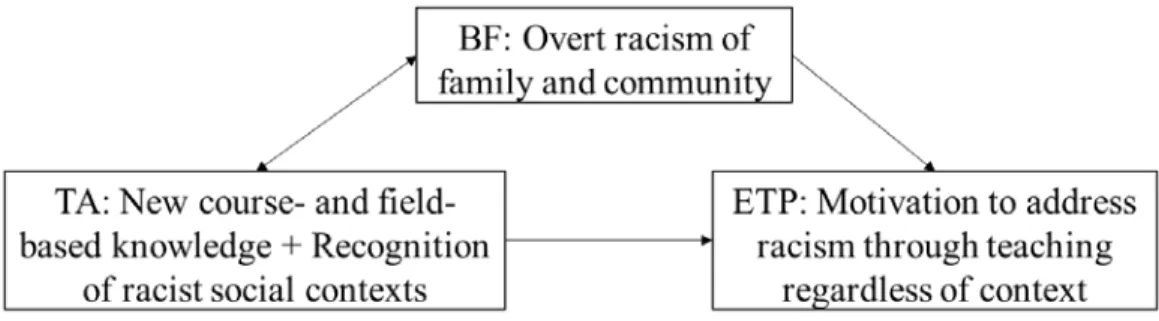
Racist roots: Unlearning and relearning the truth about the racism of family members and communities ... 131
6.0 Discussion... 136
6.1 The Value of a Developmental Framework: Advancing Theory on Teacher Development as it Relates to Racially Equitable Practice ... 138
Learning about racial equity in teacher practice: Direct and indirect pathways ... 139
Biographical factors: Explaining variation in developmental starting points and trajectories ... 141
6.2 Designing Transformative Activities: Considerations for Teacher Educators ... 144
Scaffolding teacher candidates meaning making: Lessening the risk of harm to students and teacher educators of Color ... 144
Leveraging intrinsic motivation: Minimizing resistance from teacher candidates ... 147
6.3 Antiracist Social Contexts in Teacher Education: Considerations for Policy Work….. ... 148
6.4 Limitations and Directions for Future Work ... 149
Appendix A Tables and Figures ... 153
Appendix C Interview Protocols... 169
Appendix D First-Cycle Coding Scheme ... 175
Appendix E Second-Cycle Causation Coding ... 181
Appendix F Transformative Activity Validation Tool ... 182
Appendix G Full Transformative Activity Excerpts for Activities Discussed in the Findings Chapter ... 183
Appendix H Instructional Resources for the Transformative Activities in Participating Courses that Participants Identified ... 239
Appendix I Empirical Growth Plots of Weekly Diary Data ... 245
List of Tables
Table 1. Academic information and data sources for focal participants. ... 39
Appendix Table 1. Pre-/post-survey measures ... 154
Appendix Table 2. Weekly diary survey measures ... 166
Appendix Table 3. October interview protocol ... 169
Appendix Table 4. December interview protocol... 172
Appendix Table 5. First-cycle coding scheme ... 175
List of Figures
Figure 1. Organizing framework ... 9
Figure 2. Diagram of Pattie Interview 1 Transformative Activity 5 ... 59
Figure 3 Diagram of Olivia Interview 2 Transformative Activity 1 ... 64
Figure 4 Diagram of Olivia Interview 2 Transformative Activity 7 ... 66
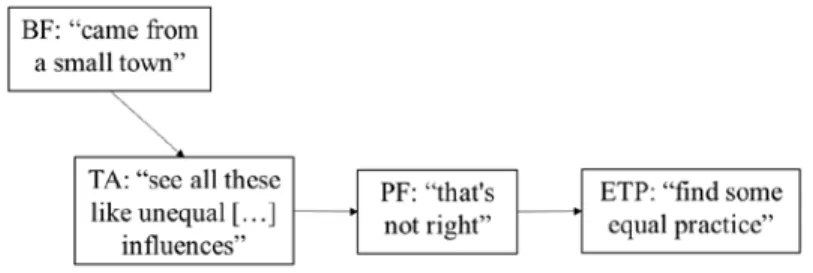
Figure 5 Diagram of Jen Interview 1 Transformative Activity 2 ... 70
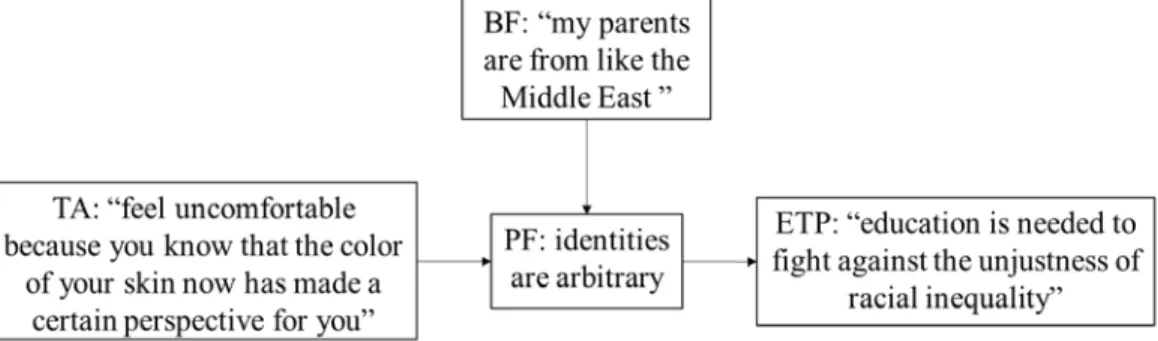
Figure 6 Diagram of Jen Interview 2 Transformative Activity 6 ... 73
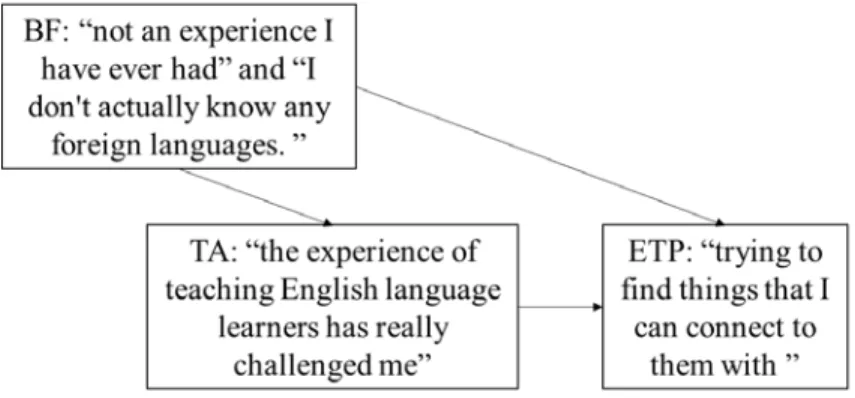
Figure 7 Diagram of Ellen Interview 1 Transformative Activity 5 ... 80
Figure 8 Diagram of Ash Interview 2 Transformative Activity 7 ... 90
Figure 9 Diagram of Olivia Interview 2 Transformative Activity 4 ... 99
Figure 10 Diagram of the guest speaker activity... 107
Figure 11 Diagram of Ellen Interview 1 Transformative Activity 6 ... 115
Figure 12 Diagram of Ellen Interview 1 Transformative Activity 9 ... 116
Figure 13 Diagram of Ash Interview 2 Transformative Activity 5 ... 119
Figure 14 Diagram of Ash Interview 1 Transformative Activity 5 ... 121
Figure 15 Diagram of Ellen Interview 2 Transformative Activity 8 ... 135
Preface
“A developmental perspective is a fundamentally hopeful perspective, always seeing the way we can become bigger” (Berger, 2012, p.94)
Pursuing a PhD was not always part of my plan. In fact, about 11 years ago when I was preparing for my first year in college, I had no idea what my future would entail or even if, given a health scare, I would have a future at all. Upon completing this dissertation, I feel incredibly blessed to have achieved this milestone and abundantly grateful to everyone who has supported me in this journey.
I embarked on this endeavor due to the dedicated faculty at my alma mater, Lake Forest College, who from my first day on campus taught me to focus on how I cultivate my own development each and every day. Thank you, Drs. Verena Bonitz, Kathryn Dohrmann, Sergio Guglielmi, Desmond Odugu, Shelley Sherman, Naomi Wentworth, and (the late) Robert Glassman. I think of what I learned from you all often!
I would also like to thank the faculty who supported me throughout the highs and lows of my doctoral journey. To my advisor and dissertation chair, Tanner Wallace, thank you for taking me under your wing. Your tremendous support and mentorship formed the lighthouse that guided me through the toughest of waters. To my dissertation committee members—Drs. Andrei Cimpian, Richard Correnti, Brian Galla, Kari Kokka, and Michelle Sobolak—thank you for reflecting on this work with me and for your encouraging and inquisitive feedback. I thoroughly enjoyed our discussions in my defense meetings and am grateful to have learned from you all through this dissertation. To my faculty mentors and collaborators, Drs. James Huguley and Lori Delale-O’Connor, who have always believed in my potential as a scholar, thank you for being so joyful
and consistently positive throughout this journey. Your support has been invaluable to me. All of you represent role models I will continue to aspire to as I continue my career!
In addition, I am hugely grateful for the support from many friends and colleagues as I pursued this PhD. Tara Hofkens, you were my first mentor in the doctoral program and have been such a wonderful role model for me to follow—thank you for your continuous support. Laura Betancur, thank you for your friendship. It has been wonderful to navigate this journey together. Annie McNamara, the best cohort partner, our regular check-ins were key in getting me through this program and were one of my favorite parts of this experience. Marijke Hecht, I am so grateful that we could navigate the dissertation and job application processes together. I always looked forward to our meetings and have learned so much from our conversations. Shana DeVlieger, I am so glad that we had the chance to become colleagues and friends in my last year at Pitt. Thank you for your dedicated contributions to coding the interviews, thinking through this dissertation with me, and recommending the quote that opens this preface. I look forward to continuing our collaboration in the years to come! Finally, thank you to all of the undergraduate and graduate students as well as postdocs I had the chance to meet throughout my PhD—there are too many of you to name! I am grateful to have had the opportunity to get to know all of you and am excited to see where our journeys take us in the coming years.
To my parents and sisters, thank you for your years of support and encouragement to pursue my goals. In addition, Amy, thank you for all of the hours you have spent editing my writing! I am grateful we had the opportunity to connect in this way and look forward to seeing how our relationship continues to evolve as we grow older. To my wonderful life partner, Andrés Acuña González, I feel so blessed that our paths crossed in the most unexpected of ways. Your
unwavering support and constant stream of jokes that remind me to laugh and not take myself too seriously have sustained me through this journey. ¡Gracias!
Finally, to my participants who made this dissertation possible, thank you for engaging so deeply in this study with me. Your stories inspire powerful lessons about transformative development that can disrupt racist systems in our society. May we all continue to reflect on the ways we can cultivate our development and work to create a more equitable society each and every day.
1.0 Introduction
White teachers, even though well-intentioned, often enter the profession grossly unprepared to effectively support the learning of students of Color1. Occupying a racially dominant position in society, most white teachers have never been challenged to think of themselves in racialized ways (Ladson-Billings, 2001; Lowenstein, 2009). Furthermore, decades of subconscious racial abuse (e.g., punishment for race-mixing) carried out since childhood to protect white economic and psychological interests has frequently forced white teachers to reject and resent people of Color for fear of being excluded from their white community (Thandeka, 1999). Though they may not realize it, white teachers’ feelings of shame that result from this fear, in turn, can project disgust and inauthentic notions of care for people of Color (Matias & Zembylas, 2016). For example, white teachers often report two sentiments: feeling uncomfortable interacting with students and parents from different racial or ethnic groups (Castro, 2010) and lacking an understanding of the pervasiveness of racism and racial inequity in education (Sleeter, 2008). Additionally, all teachers, including teachers of Color, have been socialized in institutional systems and cultural practices that suggest students of Color and their families are more dangerous and less socially, economically, and politically able than white students and families (DiAngelo, 2018a).
Prevalent and pervasive, this de facto whiteness socialization prepares teachers to make meaning of situations through internalized racial frameworks (Bonilla-Silva, 2018; DiAngelo, 2018a), or what others and I call perceptual frameworks, that reify white racial dominance (Lipsitz,
1 Given that the differential effects of teacher practice on the academic outcomes of students of Color, compared to white students, heavily inform the focus of this study, I capitalize “Color” and decapitalize “white” to center attention
2018; Salter et al., 2018). These perceptual frameworks often inadvertently lead teachers to use deficit-oriented teacher practices that ignore racial oppression, instead attributing failures to students’ internal shortcomings (Valencia, 2010). Ultimately, such practices produce racial inequity in student educational opportunities and outcomes by simultaneously elevating whites to places of power and undermining people of Color. The resulting racial inequities in student educational opportunities and outcomes reinforce beliefs in a racial hierarchy (Adams et al., 2008; Salter & Adams, 2016), refueling the cycle of racism.
Recognizing these limitations of white teachers and the pervasive racial inequalities in educational settings, teacher educators have developed training models to disrupt deficit-oriented teacher practices produced by whiteness socialization. These models (e.g., antiracist teaching, culturally relevant pedagogy, culturally responsive teaching, culturally sustaining pedagogy, social justice pedagogy; Amico, 2016; Ayers et al., 2009; Ladson-Billings, 2014; Paris & Alim, 2014; Villegas & Lucas, 2002) focus on asset-oriented practices that value the knowledge, experiences, and cultures of students from nondominant racial and ethnic groups. Such training does indeed increase teachers’ awareness around issues of race (Cochran-Smith et al., 2015; Jupp et al., 2016). However, such teacher training has had little success in reducing inequalities resulting from teachers’ deficit-oriented practices when teaching students of Color (Cochran-Smith et al., 2015; Jupp et al., 2016).
Scholars, such as Jupp et al. (2016), have theorized that the lack of effectiveness in preparing teachers for racial equity may be due to the complexities of white teacher identities and the static approaches to teaching about racial equity in teacher education that often leave little room for change. Thus, they call for a second wave of white teacher identity studies to identify and disassemble the obstacles that have prevented teacher educators from successfully preparing
teachers, particularly white teachers, to effectively implement asset-oriented pedagogies in their classrooms.
Aligning with the second wave of white teacher identity studies, in this dissertation, I examine how white teacher candidates learn about racial equity (i.e., the dismantling of practices that lead to disparate outcomes by race; Fergus, 2017) in teacher practice during participation in a teacher certification program. Specifically, I explore the teacher education activities that prompt teacher candidates to disrupt the status quo of whiteness in their perceptual frameworks and better understand racial equity in teacher practice. Because these teacher education activities engender development by challenging teacher candidates to make sense of their worlds in new ways, I call them transformative activities. I also examine biographical factors that may play a role in how teacher candidates use experiences of transformative activities to learn about racial equity in teacher practice. Findings from this study will contribute to existing theory on white teacher candidate development of racially equitable classroom practices and will identify how teacher education coursework and fieldwork experiences can better support such development.
There are six chapters in this dissertation. In chapter two, I review the theoretical frameworks and key constructs relevant to understanding how teacher candidates learn about racial equity in teacher practice. Then, in chapter three, I present the research questions that guided this dissertation. In chapter four, I describe my methods and analyses. In chapter five, I discuss my findings regarding the transformative activities teacher candidates engaged in throughout the first semester of their teacher education program and how they used such experiences to learn about racial equity in teacher practice. Finally, in chapter six, I discuss how my findings inform the developmental process by which teacher candidates learn about racial equity in teacher practice and implications of these findings for teacher education theory, practice, and policy.
2.0 Review of Theoretical Frameworks and Key Constructs
Students of Color now make up 51% of the population of students attending K-12 public schools in the United States (U.S. Department of Education & National Center for Education Statistics, 2018) and approximately 80% of the teaching force is white (Taie & Goldring, 2018). Recognizing this demographic imperative (see Lowenstein, 2009) and widespread evidence demonstrating that teacher practice contributes to racial (in)equity in educational opportunities and outcomes for students (e.g., Dee & Penner, 2017; Easton-Brooks & Davis, 2009; Gregory, Clawson, et al., 2016; Wilson et al., 2010), teacher education policymakers and scholars have highlighted the preparation of white teachers to effectively teach students of diverse racial backgrounds as one of the biggest challenges facing K-12 teacher preparation in the United States today.
Given evidence that teacher practice can be manipulated through intervention (e.g., Gregory, Hafen, et al., 2016; Grigg et al., 2013; Nelson-Walker et al., 2013; Okonofua et al., 2016; Rosenthal & Jacobson, 1968), standards for teacher education set by the Council for the Accreditation of Educator Preparation (2013) require teacher education programs to incorporate activities that prepare teacher candidates to teach students from diverse backgrounds and lived experiences. Furthermore, teacher education scholars (e.g., Jupp, 2017; Lensmire et al., 2013; Levine-Rasky, 2000; Matias & Mackey, 2016) have focused their teaching and research on identifying effective ways to train white teachers to enact practices that provide equitable learning opportunities for students from all racial backgrounds. However, to date, the persistence of racial disparities in academic achievement (e.g., Valencia, 2015), school suspensions (e.g., Carter, Skiba, Arredondo, & Pollock, 2017), and referrals to special education (e.g., Ahram, Fergus, & Noguera,
2011) in combination with documented resistance from teacher candidates learning about racial equity (Buchanan, 2015; Buehler et al., 2009; Picower, 2009; Riley et al., 2019) suggests that more needs to be understood about how teacher candidates develop their capacity to contribute to racial equity in education and how teacher educators can support teacher candidates’ development in this area.
In this review, I situate my exploration of the developmental process by which teacher candidates learn about racial equity in teacher practice at the intersection of two distinct literatures: psychological processes for learning about racism and studies of whiteness and racial equity in teacher education. First, I integrate two theoretical frameworks that come from these disciplines— the sociocultural psychology of racism and oppression and critical whiteness studies—to set up an organizing framework for this study. Rather than relying solely on either theoretical framework, I integrate them because learning about racial equity in teacher practice requires a psychological shift away from the ideology of whiteness that produces racially inequitable educational opportunities and outcomes for students. As such, it is important to consider both the psychological processes underlying teacher candidates’ learning about race and how whiteness operates, particularly in educational settings. Following the organizing framework, I discuss existing literature on transformative teacher education activities, perceptual frameworks, biographical factors, and learning about racial equity in teacher practice.
2.1 Integrating the Sociocultural Psychology of Racism and Oppression and Critical Whiteness Studies: An Organizing Framework
Researchers in psychology and education alike have identified perceptual frameworks responsible for racial inequity in teacher practice and recommended activities that might assist teachers in modifying such perceptual frameworks and learning about racial equity in teacher practice. Within these fields, I specifically draw on Adams et al.'s (2008) sociocultural psychology of racism and oppression, which offers a psychological theory of development as it relates to learning about racism, and critical whiteness studies in education, which offers insight into the ways whiteness is socialized and operates in educational settings. Integrating these frameworks, I build an organizing model for this dissertation that shows the developmental process by which teacher candidates may disrupt whiteness by modifying their perceptual frameworks and learning about racial equity in teacher practice.
In psychology, Adams et al. (2008) have outlined a sociocultural psychological process that underlies racism and oppression. They identify the source of racism and oppression in how individuals relate to their social context. Specifically, racist action embedded in the structure of social contexts (e.g., discourse) affords individuals’ racialized ways of seeing the world (i.e., perceptual frameworks, including dehumanizing racial stereotypes, inaccurate representations of history, and colorblind and meritocratic ideologies; Adams et al., 2008). In turn, individuals’ racialized ways of seeing the world maintain the racist structure of social contexts through individuals’ preferences and actions. This process occurs whether the individual realizes it or not
(Kurtiş et al., 2015). To disrupt the sociocultural psychological process from reproducing racism
and oppression, social contexts and individuals’ racialized ways of seeing the world need to be reconstructed to promote tendencies that break down the existing racial hierarchy (i.e., antiracist
tendencies). Adams et al. (2008) suggest that interventions that promote engagement with diversity, challenge oppressive constructions of reality, and center the perspective of the oppressed can aid in the construction of antiracist social contexts and individual perspectives. Importantly, they argue that disruption of racism requires individuals to maintain their connection to antiracist social contexts. Otherwise, racist social contexts will, over time, revert the individual to reproducing racism.
The field of critical whiteness studies provides a transdisciplinary framework (Matias et al., 2014) that outlines similar sources and disruptors of racism and oppression but offers a critical perspective on whiteness. Complementing the psychological and developmental framework provided by the sociocultural psychology of racism and oppression, critical whiteness studies offers insight into the whiteness that teacher candidates must disrupt to learn about racial equity in teacher practice. Focusing on what it means to be white (i.e., the oppressor in our racist society; Leonardo, 2013), critical whiteness scholars identify whiteness—an ideology or way of being in the world (Picower, 2009)—as the mechanism by which a racist society is maintained (Leonardo, 2013). Whiteness has been so effective in maintaining a racist and white supremacist society because it has been normalized and, thus, operates both visibly (e.g., through blatant hatred) and invisibly (e.g., through unconscious biased attitudes and behaviors; Lipsitz, 2018; Sullivan, 2006; Thandeka, 1999). To eliminate racial inequity in education, critical whiteness scholars suggest that educators must dismantle the power of whiteness (Matias & Mackey, 2016). Teacher educators can work to dismantle the power of whiteness by making teacher candidates aware of their racial culpability due to whiteness and the harmful consequences of whiteness (Matias, 2013; Matias et al., 2014), having teachers confess their white privilege (McIntosh, 1988; Tanner, 2017), and
engaging teachers in reflection on lived experiences that influenced their racial identity (Crowley, 2019).
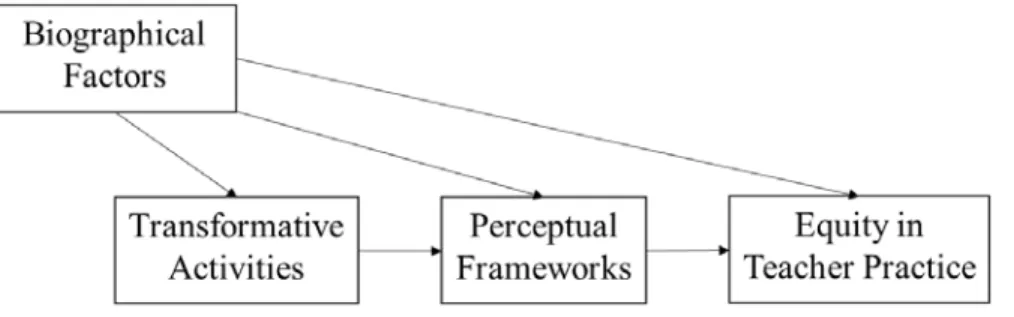
Because transformative teacher education activities have, to date, been unsuccessful in preparing white teachers to support the learning of students of Color, I seek to inform improvements in transformative teacher education activities by building theory to understand the developmental process by which teacher candidates learn about racial equity in teacher practice. To do so, I integrate Adams et al.'s (2008) sociocultural psychology of racism and oppression and critical whiteness studies in education to form the organizing framework guiding this study. Specifically, I position transformative activities as possible teacher education disruptors that alter perceptual frameworks and promote learning about racial equity in teacher practice. Transformative activities refer to activities that promote teacher candidates’ antiracist reconstruction of perspectives and actions known to reproduce inequity. This includes challenging teacher candidates’ existing racialized ways of seeing the world and making teachers more aware of whiteness and how it operates in their social contexts. I conceptualize perceptual frameworks as beliefs and cognitive processes that may relate to racial inequity in teacher practice. Given the potential for novel contribution to this small body of literature, I consider both constructs linked to racial equity in teacher practice (e.g., colorblindness and deficit thinking; Neville, Lilly, Lee, Browne, & Duran, 2005; Valencia, 2010) and human behavior (e.g., cognitive flexibility; Bigler & Liben, 1993; Crisp & Turner, 2011) as well as constructs linked to teacher practice but not yet studied in relation to racial inequity (e.g., beliefs about emotion and motivation; Leroy, Bressoux, Sarrazin, & Trouilloud, 2007; Williams-Johnson et al., 2008). Finally, I position biographical factors as representations of the social contexts that have contributed to teacher candidates’
meaning making systems and consequently play a role in how teacher candidates learn about racial equity in teacher practice (see Figure 1).
Figure 1. Organizing framework
Summary
Identifying whiteness socialization as a factor that prevents teacher educators from successfully preparing teacher candidates to implement racially equitable classroom practices, I integrated two theoretical frameworks (i.e., the sociocultural psychology of racism and oppression, critical whiteness studies) to develop an organizing framework for this dissertation. The framework models the developmental process by which teacher candidates may disrupt their whiteness socialization by modifying perceptual frameworks and learning about racial equity in teacher practice. This novel developmental framework centers the psychological shift in teachers’ perceptual frameworks that likely facilitates learning about racial equity in teacher practice. Furthermore, the framework highlights the role of biographical factors (i.e., representations of social contexts) in how teacher candidates experience transformative activities, modify perceptual frameworks, and learn about racial equity in teacher practice. Adding depth to existing literature that often broadly examines teacher candidates’ knowledge, awareness, and beliefs following transformative teacher education activities, the organizing model for this study supports the
exploration of fine-grained processes detailing how teacher candidates develop within transformative activities.
2.2 Transformative Teacher Education Activities
The demographic imperative and the unpreparedness of white teacher candidates to effectively teach students of Color has motivated teacher educators to foster teacher candidates’ learning about racism and racial equity in education. To date, studies of teacher education have found mixed results regarding the effectiveness of such transformative activities in preparing teacher candidates to contribute to racial equity in education (Cochran-Smith et al., 2015; Jupp et al., 2016). However, extant empirical work provides important insight into how teacher educators have implemented transformative activities and how teacher candidates have experienced transformative activities. Such literature provides valuable insight into how transformative activities may be modified to improve their effectiveness.
In the paragraphs below, I review the literature on transformative teacher education activities that informs this dissertation. Specifically, I structure my review around (a) the types of transformative teacher education activities and (b) the experiences of white teacher candidates in transformative teacher education activities. This review is not exhaustive but aims to provide key insights into current understandings of transformative teacher education activities. These insights highlight the need for more in-depth studies of transformative teacher education activities, particularly from the perspectives of teacher candidates themselves and in relation to teacher practice.
Types of transformative activities
Studies of transformative teacher education activities focused on the following three types of transformative activities: (a) field-based immersion activities, (b) critical reflection activities, and (c) critical literature and media activities. For each type of activity, I describe the approach, offer insight into the outcomes, and share critiques.
2.2.1.1 Field-based immersion activities
One of the most common ways that teacher educators engage teacher candidates in transformative activities is through immersion in school and community contexts serving predominantly students of Color. Researchers studying transformative field-based immersion activities have found that fostering teacher candidates’ opportunities to learn about the experiences of culturally different students (Ukpokodu, 2004), build cross-cultural relationships (Kahn et al., 2014), teach students of Color (Causey et al., 2000; Conaway et al., 2007), and integrate themselves into the school’s community (McDonald et al., 2011) can help teachers feel more comfortable and have more positive attitudes towards working with students of Color. Bell, Horn, and Roxas (2007) also found that teacher candidates who were exposed to non-traditional power dynamics and ample out-of-school learning opportunities in a social justice-oriented service-learning experience developed more advanced understandings of cultural diversity.
In addition, researchers have found that urban immersion programs can effectively re-shape teacher candidates’ perceptions of urban schools (Schaffer et al., 2014; Weber, 2017; White, 2017) and build teacher candidates’ confidence and interest in teaching in urban schools (Schaffer et al., 2014). According to Moule and Higgins (2007), placing teacher candidates with mentor teachers of Color can increase the learning outcomes of white teacher candidates participating in
field-based immersion activities. However, placing teacher candidates with mentor teachers of Color can also unfairly place the burden of preparing teachers to implement equitable practices on those who have been harmed the most by a racist society. Overall, course instructors skilled in supporting teacher candidates’ deep reflection around these topics are particularly important in developing teachers’ awareness and understanding (Bell et al., 2007; Brown, 2004; Kahn et al., 2014; Middleton, 2002).
A key critique of field-based immersion activities is that these activities can lead students of Color to become casualties of white teacher candidates’ learning. Overt racism (Huynh & Fuligni, 2010) and subtle microaggressions (Allen et al., 2013) can have damaging academic, psychological, and physical effects on students. Therefore, such acts of racism or microaggressions teacher candidates enact as they learn to teach might have harmful consequences for the students of Color in the classroom. To minimize such harm to students of Color, scholars (e.g., Durden & Truscott, 2013; Milner, 2006) suggest engaging teacher candidates who are participating in immersive field placements in critical reflection that pushes teacher candidates to think critically about how their practices may affect their students.
2.2.1.2 Critical reflection activities
There is widespread consensus among scholars of teacher education (e.g., Dome et al., 2005; Milner, 2003) that opportunities for teacher candidate reflection are critical to supporting teacher candidates in learning about racial equity in teacher practice. Reflection may be a powerful tool for affecting change because reflection “allows [teachers] to think about what they are doing and why they are doing it to strengthen and/or transform their practices” (Milner, 2003, p. 173). Two types of reflective practices are commonly used in teacher education: race reflective journaling (i.e., individual written self-reflection on the racial influences on teacher candidates’
own work) and critically engaged racial dialogue (i.e., small group or large class discussions of race). Through these reflection activities, teacher candidates often uncover beliefs, perceptions, and experiences that racialize their behavior. Seeing oneself in a racialized way can be uncomfortable and complex. Therefore, race reflective journaling is advantageous because it provides space for teacher candidates to reflect without facing the pressure of exposing their thoughts and experiences to their peers. To effectively use critically engaged racial dialogue, teacher educators need to promote psychologically safe spaces where teacher candidates can feel comfortable engaging in such sensitive dialogue. Importantly, race reflection is not the end goal. Rather, it is a process that should be continuously practiced so that teachers can understand and modify their racialized identities, beliefs, and actions that relate to their work as a teacher.
In practice, scholars such as Crowley (2019) as well as Marx and Pennington (2003), have found that engaging white teacher candidates in reflection can be a powerful means for developing teacher candidates’ knowledge of and comfort in discussing issues of race. Drawing on the seminal work of Thandeka (1999), Crowley (2019) encouraged white teacher candidates to explore their early memories of race as a means for developing critical racial knowledge. Throughout their reflection, teacher candidates grew their racial vocabularies and became better able to identify blind spots in their racial thinking and experiences (Crowley, 2019). Marx and Pennington (2003) engaged white teacher candidates in dialogue about whiteness and white racism; finding that through dialogue, both teacher candidates and researchers were able to become comfortable discussing their racism and develop “a less politicized, more neutral, and more responsibility centered language with which to talk about race and race issues” (p. 104). After developing greater comfort and competence in talking about race, teacher candidates became more aware of the effects of their racism on their students of Color (Marx & Pennington, 2003).
Other scholars have explored reflection integrated into transformative field-based immersion activities. For example, Torok and Aguilar (2000) studied a 3-week intensive summer course with daily self-reflection and brief transformative immersion activities in community settings. Following the course, teacher candidates were more accepting of language differences and increased their knowledge of the learning of multilingual students. Teacher candidates also became more aware of their beliefs about diversity and began to look more critically at educational inequities among diverse students (Torok & Aguilar, 2000). Similarly, Edwards (2011) found that following transformative immersive field experiences with a reflection component, preservice teachers had gained the professional dispositions, skills, and knowledge needed for culturally responsive teaching.
2.2.1.3 Critical literature and media activities
Though not extensive, a small body of work has explored how literature- and media-based curricular activities can engage teacher candidates in transformative explorations of how racism is reproduced. Rogers and Mosley (2008) and Mosley (2010) studied the use of literature portraying white people grappling with antiracism to push white teacher candidates to interrogate whiteness as a racialized identity. In discussing the literature, teacher candidates showed growth in their racial literacy and understanding of what it means to actively engage in antiracism as a teacher.
Pimentel (2010) studied teacher candidates who were given an assignment to identify the “not-so-obvious racist discourses” (p. 53) that operate in films that feature students of Color in a schooling context. As a result of the assignment, teacher candidates were able to identify the ways in which discourses of racism and power struggles were present in the films. Furthermore, these teacher candidates developed a critical literacy that they subsequently brought into their own classrooms as teachers. In fact, Pimentel (2010) found that participants followed-up to share that
they used the same discourse activity with their own students to support critical literacy development in their own classrooms.
Teacher candidate experiences of transformative activities
Despite the importance of transformative activities in teacher candidates’ learning about racial equity in teacher practice, teacher educators have documented widespread resistance to engaging in transformative activities from white teacher candidates (Buchanan, 2015; Buehler et al., 2009; Picower, 2009; Riley et al., 2019). Such resistance can take the form of emotions, thoughts, and behaviors that make transformative activities difficult for instructors to implement. Among the most commonly documented emotions white teacher candidates report are guilt (Buehler et al., 2009; Picower, 2009), discomfort (Buchanan, 2015; DiAngelo, 2018b), anger (Picower, 2009), anxiety (Buehler et al., 2009), and fear of offending others (Riley et al., 2019). Thoughts of resistance conveyed by white teacher candidates often include claims that racism is a thing of the past (Picower, 2009), one individual cannot change a systemic issue like racism (Buehler et al., 2009; Picower, 2009; Pollock et al., 2016), “this doesn’t relate to me” (Picower, 2009; Riley et al., 2019), and racism is individual prejudice or hatred—“there are always going to be good people and bad people, and I am a good person” (DiAngelo, 2018b; Picower, 2009). Furthermore, behaviors that represent white teacher candidate resistance include silence (Case & Hemmings, 2005; Picower, 2009), avoidance (Buehler et al., 2009), social dissuasion (Case & Hemmings, 2005), as well as proving oneself is not racist by showing sexual interest in people of Color or expressing a desire to help (Picower, 2009). These emotions, thoughts, and behaviors can be harmful to white teacher candidates’ peers and instructors of Color.
Given the lifetime of experiences that have reinforced white teacher candidates’ whiteness, it is not surprising that resistance from white teacher candidates is common in transformative activities. Picower (2009) suggests that such resistance is less about passive complicity with the status quo and more about protecting whiteness. White teacher candidates often perceive learning about historic racism and engaging in transformative activities as a personal attack against white people, which puts white teacher candidates on the defensive (Picower, 2009; Seidl & Hancock, 2011). White teacher candidates may become defensive because they have not previously been challenged to think about their racial identity (Picower, 2009). In addition, talking about race forces teacher candidates to question their beliefs about the fairness of society (Tatum, 1992) and to break white solidarity—“the unspoken agreement among whites to protect white advantage and not cause another person to feel racial discomfort” (DiAngelo, 2018b, p. 57). The resulting racial stress is what produces the resistant reaction from white teacher candidates. To overcome racial stress and avoid responding with resistance, white people need to work through the discomfort they feel when being confronted about issues of race (DiAngelo, 2018b). However, the documentation of widespread resistance suggests that the field does not yet have a strong understanding of how to implement transformative activities in ways that minimize resistance and more effectively support the learning of white teacher candidates.
In recent years, some teacher education scholars (e.g., Lensmire et al., 2013; Lowenstein, 2009; Pollock et al., 2010; Trainor, 2016) have critiqued current approaches to transformative teacher education activities by identifying design features that may exacerbate white teacher candidate resistance; thus, unproductively preparing teachers to contribute to educational equity. This literature focuses on three central critiques of existing approaches to transformative teacher education activities. First, confessional pedagogies (e.g., McIntosh's (1988) unpacking the
knapsack of white privilege activity) often disregard the complexities of white racial identity, overemphasize individual racism while minimizing systemic racism, and offer little insight into how teacher candidates might enact an antiracist identity beyond confessing their white privilege (Lensmire et al., 2013). Second, transformative activities that essentialize constructions of whiteness and/or white racial identity go against widespread recognition that homogenizing groups of people and promoting deficit-oriented lenses is problematic (Lowenstein, 2009) and may result in greater resistance from teacher candidates (Trainor, 2016). Third, teacher educators often fail to provide space for the construction of antiracist white identities (Trainor, 2016). Teacher candidates themselves have expressed needing more space to engage in personal work before feeling prepared to take in and enact antiracist teaching practices (Pollock et al., 2010). Therefore, a lack of space to reconstruct one’s racial identity may result in more resistance to transformative activities.
Considering the well-documented resistance from white teacher candidates and limitations of current approaches to transformative teacher education activities, teacher education scholars have identified a few areas for improvement. The following recommendations may guide teacher educators in more effectively engaging white teacher candidates in transformative activities and preparing white teacher candidates to contribute to educational equity:
1. Normalizing resistance. There is consensus that teacher educators should openly discuss the challenges white teacher candidates face when engaging in transformative activities (Pollock et al., 2016; Seidl & Hancock, 2011). Buehler et al. (2009) describe this as the “fraughtness” of developing cultural competence. By normalizing the struggle, teacher candidates may be better able to enact equitable practice (Buehler et al., 2009).
2. Recognizing how racism harms white people. Teacher educators might consider drawing on the abuse white people endure in their journey to establishing a white racial identity (e.g., Thandeka, 1999). Such an approach asks teacher candidates to recall their earliest racial memories and how they learned to be white (Crowley, 2019). In doing so, teacher candidates build an understanding of how they contribute to the reproduction of white supremacy by being complicit (Crowley, 2019). In having teacher candidates problematize complicity, this approach calls for antiracist actions that disrupt rather than support or comply.
3. Shifting away from individual racism. Levine-Rasky (2000) advocates for an alternative approach that shifts away from the individual and, instead, focuses on the discourse, culture, structures, mechanisms, and social relations of whiteness that produce racialized identities. Her recommendations align with a sociocultural psychological approach to antiracist interventions that emphasize how social contexts reify the racial hierarchy. The emergence of studies (e.g., Pimentel, 2010) that turn to literature and media to understand how racism is reproduced through discourse and stereotypical representations of people of Color in society demonstrates that approaches that shift away from individual racism are beginning to be integrated into teacher education.
4. De-privileging spaces. Adair (2008) recommends de-privileging spaces by re-organizing cultural capital (e.g., doing a lesson in Spanish with a class that has a mix of Spanish speaking Latinx students and non-Spanish speaking white students) and re-distributing power in the classroom (e.g., telling stories of personal experiences with discrimination). This approach can push white teacher candidates to listen seriously to
the thoughts of their peers of Color and reconstruct their discourse and understandings to succeed in the course. Adair (2008) found that this was a new experience for white teacher candidates, but white teacher candidates did change their behavior and learned to follow norms different than those their social contexts commonly reinforce.
Summary
Transformative activities clearly play an important role in teacher education programs seeking to push teacher candidates to learn about racial equity in teacher practice. To date, teacher educators have engaged teacher candidates in transformative field-based immersion activities, critical reflection activities, and critical literature and media activities that have expanded teacher candidates’ awareness and understanding of racial (in)equity in education. However, well-documented resistance from white teacher candidates suggests that more needs to be understood to effectively implement transformative teacher education activities. Conducting additional research to understand the role of transformative teacher education activities in teacher candidates’ development is promising given the extant empirical evidence demonstrating that design features may be revised to improve the effectiveness of transformative teacher education activities.
There are a few limitations of the current literature on transformative teacher education activities that I specifically seek to address in this dissertation. In most prior studies, the researcher and/or course instructor determined what is transformative and evaluated teacher candidates’ development. Additionally, prior studies often (a) ignored the larger context of teacher education that goes beyond a single course or field experience and (b) failed to attend to the consequences of transformative activities for teacher practice (Cochran-Smith et al., 2015). Instead, most studies focused on the consequences of transformative activities for teachers’ knowledge and/or beliefs.
In this dissertation, I seek to address these limitations by centering teacher candidates’ voices to better understand what teacher candidates perceive as transformative across all experiences in their teacher education program. In addition, I focus on how teacher candidates use transformative activities to learn about racial equity in teacher practice. In doing so, with this dissertation, I seek to shed light on transformative activities not yet identified and experiences with such activities that best facilitate learning about racial equity in teacher practice.
2.3 Perceptual Frameworks
Perceptual frameworks are a key concern of teacher educators seeking to prepare white teacher candidates to effectively teach all students (Fergus, 2016; McKenzie & Phillips, 2016; Milner, 2010). Teacher candidates’ perceptual frameworks are powerful because they have been reinforced through a lifetime of socialization (DiAngelo, 2018a; Ladson-Billings, 2001; Thandeka, 1999) and frequently operate invisibly through actions that appear unrelated to race (Bonilla-Silva, 2018). For example, a teacher candidate may notice a student of Color in their class has not handed in assignments in the past two weeks. Then, the teacher candidate may assume the student does not want to learn and, consequently, solely remind the student of the importance of doing the assignments. In this example, the teacher candidate’s deficit-oriented practice—attributing the student’s behavior to a lack of motivation and giving a reminder without considering alternative scenarios that may explain why the student did not complete the assignments—may originate in biased belief that all students have equal opportunities to achieve and, thus, not achieving is solely the fault of the student. Teacher candidates’ deficit-oriented approaches can be harmful to students of Color. This may happen outside of a teacher candidate’s conscious awareness but recognizing
such patterns and disrupting them is key in dismantling the racial hierarchy that produces racial inequity. In the following paragraphs, I briefly review perceptual frameworks that may perpetuate racial inequity in teacher practice and should be disrupted through transformative activities.
Beliefs
Teacher beliefs are a powerful means by which racial inequity in student academic opportunities and outcomes is perpetuated. Fergus (2016, 2017a, 2017b) has studied a variety of “bias-based beliefs”—race-centered constructs that perpetuate educational inequities through inequitable teacher practice. Specifically, he has explored colorblindness, deficit thinking, and poverty disciplining. Colorblindness refers to the belief that race “should not and does not” play a role in students’ lives (Neville, Lilly, Lee, Browne, & Duran, 2005, p.60). Deficit thinking is when teachers blame students for their failures due to internal deficits or deficiencies (e.g., poor intellectual abilities or a lack of motivation to learn) attributed to genetics, culture, or family socialization (Valencia, 2010). And, poverty disciplining refers to the belief that students are at fault for educational inequities; thus, students must change rather than schools, teachers, or administrators (Fergus, 2017a). Across multiple studies, researchers have identified that these bias-based beliefs engender teacher behavior that ignores the racial realities students of Color face in school and, in doing so, undermines student learning (e.g., Fergus, 2017a; Lewis, 2001; Watson, 2011).
Other teacher beliefs not yet linked to racial inequity in teacher practice may also contribute to racial inequity in student academic opportunities and outcomes because of their well-documented links to teacher practice in general. For example, beliefs about student emotions refer to beliefs about the ways students can control their emotions, should process their emotions, and
may think about the utility of their emotions (Halberstadt et al., 2013). Researchers have explored the emotional labor of teaching that requires teachers to be attentive to their own and their students’ emotions (e.g., Hargreaves, 2000). They have found that classrooms are commonly viewed as settings in which students’ emotions must be managed and responded to rather than cultivated (Hargreaves, 2000). For example, Stough and Emmer (1998) found in an observational and interview study of feedback that teachers felt negative emotions interfered with students’ learning, so they were to be avoided whenever possible. In a more recent qualitative interview-based study, Williams-Johnson et al. (2008) found that teachers have distinct perspectives on students’ emotions that shape how teachers handle emotional events in the classroom. Some teachers put off emotions—typically saying there is too much that needs to be done in class, others avoid students’ emotions and send students to other staff for help, and some teachers try to help students regulate emotions so that they may re-engage in learning (Williams-Johnson et al., 2008). These studies highlight how teachers’ beliefs about student emotions may vary and have implications for teachers’ practice.
Teachers’ beliefs about motivation may also play a role in inequitable teacher practice. One powerful motivational belief is how individuals think about intelligence. According to Dweck's et al. (1995) implicit theory of intelligence, there are two types of beliefs about intelligence. Individuals who believe that intelligence is a fixed trait that cannot be changed have an entity theory of intelligence. However, individuals who believe that intelligence is a malleable trait have an incremental theory of intelligence (Dweck et al., 1995). Researchers have found that teachers’ implicit theories of intelligence have important consequences for how teachers interact with students. For example, Rattan, Good, and Dweck (2012) found that teachers who held entity theories of intelligence were more likely to judge students as having a low ability level and
subsequently were more likely to comfort students for their low math ability than teachers who held incremental theories of intelligence, which was demotivating for students. Other researchers (e.g., Leroy, Bressoux, Sarrazin, & Trouilloud, 2007) have similarly found that teachers with entity theories of intelligence tend to use fewer instructional strategies known to motivate students (e.g., autonomy-supportive instruction) compared to teachers with incremental theories of intelligence. Researchers have yet to explore how teachers’ beliefs about intelligence relate to racial inequity in teachers’ practice.
Cognitive processes
Researchers in the psychological sciences have found that a range of cognitive frameworks for processing information are related to individuals’ endorsements of racial stereotypes and prejudice (Kite & Whitley, 2016). One such cognitive process is implicit bias that represents the unconscious ways that individuals process information by making automatic judgments or evaluations based on deeply rooted beliefs and attitudes that are not always readily apparent to the individual (Greenwald et al., 1998). Because this process is unconscious and automatic, it affects individuals’ behavior outside of their conscious awareness. Researchers have found that teachers’ implicit racial bias can reduce pedagogical effectiveness (Jacoby-Senghor et al., 2016) and negatively affect the academic performance of racially and ethnically subordinated groups (Jacoby-Senghor et al., 2016; Peterson et al., 2016; van den Bergh et al., 2010). Therefore, I would expect teachers with strong implicit racial biases against students of Color to enact fewer equitable practices compared to other teachers.
Two other cognitive processes have yet to be studied with teachers, but extant empirical work suggests they may relate to the ways individuals interact with people of other racial or ethnic
groups. One of these frameworks is cognitive flexibility that refers to a person’s awareness, willingness, and ability to adapt to any given situation (Martin & Rubin, 1995). People who have greater cognitive flexibility skills and hence are better able to re-classify social stimuli, better adjust to information that goes against well-known stereotypes (Bigler & Liben, 1993) and are less likely to conform to system-justifying ideologies (Crisp & Turner, 2011). Another of these frameworks is the inherence heuristic—a process whereby people draw on inherent information to explain observed phenomena (Cimpian & Salomon, 2014). For example, girls tend to wear pink because pink is a feminine color (Cimpian & Salomon, 2014). Reliance on the inherence heuristic has been linked to general psychological essentialism (Salomon & Cimpian, 2014; Sutherland & Cimpian, 2019), support for the status quo (Hussak & Cimpian, 2015), and conservative political attitudes (Hussak & Cimpian, 2018). Although these constructs have yet to be studied with teachers, I would expect that greater cognitive flexibility and less reliance on the inherence heuristic among teachers would relate to greater equity in teacher practice.
Summary
Because perceptual frameworks produce inequitable teacher practice, perceptual frameworks are an important lever to understand in considering how to cultivate teachers prepared to contribute to racial equity in educational opportunities and outcomes for students. Researchers studying transformative teacher education activities have observed perceptual frameworks operating in teacher candidates’ meaning making. For example, in a course aiming to develop teacher candidates’ equity consciousness, McKenzie and Phillips (2016) observed teacher candidates using deficit thinking to explain that African American students might have lower academic performance due to learning disabilities or cultural inadequacies. To date, however, it is
unclear how transformative teacher education activities may effectively challenge perceptual frameworks. A more nuanced understanding of the psychological processes by which teachers revise their perceptual frameworks is needed to determine how teacher educators may best prepare teacher candidates to promote racial equity.
2.4 Biographical Factors
According to the sociocultural psychology of racism and oppression (Adams et al., 2008) as well as critical whiteness studies, teacher candidates develop their perceptual frameworks through a process of socialization that occurs across the lifespan. Literature on teacher development also highlights the importance of life histories (Johnson, 2007) and early socialization (Lortie, 1975) in understanding teacher candidates’ teaching practices. As such, the biographies of teacher candidates may have important consequences for teacher candidates’ starting points and developmental trajectories in learning about racial equity in teacher practice.
Personal characteristics
In terms of personal characteristics, researchers have identified that teacher candidates’ identities play a role in their development as it relates to racial equity in teacher practice. Picower (2009) found that teacher candidates’ religious, class, and ethnic affiliations played an important role in their thoughts about race. In many instances, Picower (2009) observed teacher candidates employing such identities to maintain hegemonic understandings of the world. For example, one white teacher candidate used her religious identity as a Jewish person to “avoid identifying with
the dominant race responsible for racial discrimination” (p. 200). Another white teacher candidate used her Italian ethnic identity and family immigration history to maintain the myth of meritocracy—that anyone can be successful if they work hard. Each of these examples demonstrate the ways white teacher candidates may use their identities to reinforce their existing perceptual frameworks and evade transformative activities that would help them learn about racial equity in teacher practice.
Johnson (2007) similarly explored factors that played a role in a white teacher candidate’s perspective on teaching for equity. Rather than focusing on identities that perpetuated problematic perceptual frameworks, however, Johnson (2007) identified how a white teacher candidate’s own alienation in school as a student translated into how that teacher sought to teach for equity. Specifically, the teacher candidate drew on her lack of access to learning how to use a computer in high school, which made her feel behind in college, to think critically about how to increase students’ access to resources as a means for teaching for equity.
Social factors
Social factors, including the social contexts and lived experiences of teacher candidates, are also thought to play an important role in how teacher candidates learn about racial equity in teacher practice. For example, scholars have identified the recent increase in the racial segregation of neighborhoods and schools (Charles, 2003; Martin & Varner, 2017) as an important contributor to white teacher candidate’s unpreparedness to effectively teach students of Color (Fergus, 2017b; Sleeter, 2008). A recent social network survey of over 4,000 individuals found that nearly 91% of white U.S. citizen’s social networks were also white (Cox, Navarro-Rivera, & Jones, 2016). Segregation limits the opportunities for white people to develop a consciousness of the ways race
and racism operate in society and in themselves (Seidl & Hancock, 2011). For example, in a study of preservice elementary teachers, Buchanan (2015) found that most teacher candidates never had an opportunity to work and learn with students from different racial identities prior to coming to college and those that did had only isolated or stereotypical accounts of race.
Picower (2009) also found that white teacher candidates’ experiences of hierarchical relationships with people of Color (e.g., having a nanny of Color as a child) informed their beliefs about race. For example, a white teacher candidate used the experience of having a nanny of Color as a child to demonstrate the open-mindedness of her family with regards to people of other races. However, without addressing the history of African Americans in caring for white children, such comments can normalize the positioning of white children and adults as dominant in society.
Finally, Johnson (2007) found that the white teacher candidate in her case study used past experiences observing and seeking to reduce conflict between the growing population of Mexican American students and white students in high school to inform her understandings of teaching for equity. Specifically, the teacher candidate used her experience building community as a high school student council representative as guidance and motivation to similarly build community in her classroom as a teacher as well as connect students’ learning to the needs of the local community.
Summary
Though currently understudied, biographical factors are important to consider in teacher candidates’ learning about racial equity in teacher practice. It is recognized among teacher educators that not all white teachers start their development in the same place or experience transformative activities in the same way (Mason, 2016). Representing teacher candidates’ prior
experiences, it is plausible that biographical factors might explain some of the diversity in teacher candidates’ learning. If so, biographical factors would be critical for teacher educators to consider as they differentiate their approach to transformative teacher education activities to meet the needs of all teacher candidates.
2.5 Learning about Racial Equity in Teacher Practice
Learning about racial equity in teacher practice is critical for preparing effective teachers and fostering fair educational opportunities and outcomes for students from all racial backgrounds. Studies have shown that teacher practices can, in fact, make an important contribution to racial equity. For example, having a certified teacher is associated with narrowing differences in student achievement across racial groups (Easton-Brooks & Davis, 2009). Furthermore, in a laboratory-based randomized-control trial, Wilson et al. (2010) found that inquiry-laboratory-based science instruction resulted in no detectable difference in achievement by race; however, commonplace instruction did result in a detectable difference in achievement by race. Similarly, in a field experiment, Dee and Penner (2017) found that teachers who effectively implemented culturally relevant pedagogy in their classrooms increased student attendance, grade point averages, and credits earned among racially minoritized youth in one particular setting. Recent research also demonstrates that teachers who use more restorative practices have more positive relationships with their students from diverse racial backgrounds and issue fewer exclusionary disciplinary referrals for Latinx and African American students (Gregory, Clawson, et al., 2016).
Furthermore, substantial empirical evidence indicates that teacher practice can be manipulated through intervention. In their seminal study in 1968, Rosenthal and Jacobson found