Loyola eCommons
Loyola eCommons
Dissertations Theses and Dissertations
2018
Social Scientists' Conceptualization and Implementation of
Social Scientists' Conceptualization and Implementation of
Research Ethics and Integrity
Research Ethics and Integrity
Heather A. Pease Loyola University Chicago
Follow this and additional works at: https://ecommons.luc.edu/luc_diss Part of the Educational Assessment, Evaluation, and Research Commons
Recommended Citation Recommended Citation
Pease, Heather A., "Social Scientists' Conceptualization and Implementation of Research Ethics and Integrity" (2018). Dissertations. 2836.
https://ecommons.luc.edu/luc_diss/2836
This Dissertation is brought to you for free and open access by the Theses and Dissertations at Loyola eCommons. It has been accepted for inclusion in Dissertations by an authorized administrator of Loyola eCommons. For more information, please contact [email protected].
SOCIAL SCIENTISTS’ CONCEPTUALIZATION AND IMPLEMENTATION OF RESEARCH ETHICS AND INTEGRITY
A DISSERTATION SUBMITTED TO THE FACULTY OF THE GRADUTE SCHOOL
IN CANDACY FOR THE DEGREE OF DOCTOR OF PHILOSOPHY
PROGRAM IN RESEARCH METHODOLOGY
BY
HEATHER A. PEASE CHICAGO, IL
iii
ACKNOWLEDGEMENTS
I would like to thank Loyola University Chicago, as a collective whole, for helping me become a better version of myself. My dissertation focuses on ethics and integrity, which is a core component of Jesuit values and Ignatian Pedagogy. My assistantship, Higher Learning Commission Accreditation and Pathways project made available via the School of Education facilitated both my intellectual and moral development. The faculty within the School of Education challenged me in unexpected ways. They helped me develop the necessary skills to think more critically, compassionately, and comprehensively about my responsibilities as both a scientist and a member of society. The many peers and friends I have here at Loyola have opened my eyes to alternative perspectives and cultures, allowing me to better understand and communicate with those who are different than myself. All of these skills, developed here at Loyola, went above and beyond my expectations, leaving me in a state of humility and gratitude.
The Office of Research Services and the members of the Institutional Review Board deserve special recognition. I was granted the honor to be the boards first doctoral student member. This privilege allowed me to actively be a part of research ethics and integrity while simultaneously developing experiential knowledge which extended far beyond academic literature and classroom experiences. Needless to say, these experiences helped me craft a dissertation which, hopefully, can be used to inform the enrichment and practice of research ethics and integrity.
iv
I would like to thank the Associate Provost of Research, who was also my assistantship and dissertation supervisor, Terri Pigott, PhD. Dr. Pigott’s unwavering support, vast knowledge, and experience was instrumental to my success. However, it was Dr. Pigott’s level of
compassion and dedication to both myself and my research which made all the difference. Without her, I doubt this dissertation would be what it is today, something which truly represents myself, my passion, and the influence I hope to have on the world. Lastly, I thank my parents, Tom and Phyllis Pease. They never lost hope, faith, or confidence in my ability to earn my doctorate. My passion for ethics and integrity stems from the way in which they lived their lives, in the service of others. (Phyllis Pease succumbed to ALS on Oct. 13, 2017, six months prior to degree conferral.)
For my parents, Tom and Phyllis,
vi
TABLE OF CONTENTS
ACKNOWLEDGEMENTS ... iii
LIST OF TABLES ... viii
LIST OF FIGURES ... ix
LIST OF ABBREVIATIONS ...x
ABSTRACT ... xi
CHAPTER ONE: SOCIAL SCIENTISTS CONCEPTUALIZATION AND IMPLEMENTATION OF RESEARCH ETHICS AND INTEGRITY ...1
CHAPTER TWO: HISTORICAL OVERVIEW OF RESEARCH ETHICS REGULATIONS ...6
Pre-Nuremburg Codes and Regulations...7
Nuremberg Code (1947) ...8
Declaration of Helsinki (1964) ...9
Beecher Report (1966) ...10
Heller Publication (1972) ...11
National Research Act (1974) ...12
Belmont Report (1979) ...14 Informed Consent...16 Risk vs. Benefit ...17 Selection of Subjects ...18 The 1980’s ...19 The 1990’s ...21 The 2000’s ...23 Present Day ...24 Conclusion ...25
CHAPTER THREE: THE SOCIAL SCIENCES ...27
Little Albert (1920) ...28
The Monster Study (1939) ...30
Milgram Obedience Study (1963) ...32
Blue vs. Brown Eyes Exercise (1968) ...35
Zimbardo Prison Experiment (1973) ...38
CHAPTER FOUR: CURRENT TRENDS IN SOCIAL SCIENCES RESEARCH ...40
Research Paradigms ...41
Positivism ...42
Post Positivism ...42
vii
Constructivism ...44
Participatory ...45
Summary ...46
CHAPTER FIVE: METHODS ...73
Role of the Researcher ...74
Phenomenological Methodology ...76
Feminist Lens ...76
Participant Characteristics ...77
Participant Inclusion Criteria ...78
Institution ...78 Recruitment ...79 Data Collection ...79 Transcription ...80 Coding ...80 Preliminary Data ...81 Critical Reflection ...81
CHAPTER SIX: RESULTS ...86
Conceptualization ...87
Research Ethics and Integrity ...87
Consequences ...91
Implementation ...95
Academic Discipline and Academic Culture ...95
Populations and Participants ...99
Research Methodology ...102
Role of the Researcher ...104
Data ...108
Resources ...110
Institutional Review Board (IRB) ...110
Peers and Mentors ...113
CHAPTER SEVEN: DISCUSSION ...117
Conceptualization ...117
Implementation ...119
Academic Discipline and Academic Culture ...119
Populations and Participants ...120
Research Methodology ...120
Role of the Researcher ...121
Data ...121
Resources ...122
Implications and Applications ...123
Critical Self-Reflection ...124
viii
Directions for Future Research ...127
APPENDIX A: RECRUITMENT LETTER ...129
APPENDIX B: CONSENT TO PARTICIPATE IN RESEARCH ...131
APPENDIX C: SEMI-STRUCTURED INTERVIEW QUESTIONS ...134
REFERENCES ...136
ix
LIST OF TABLES
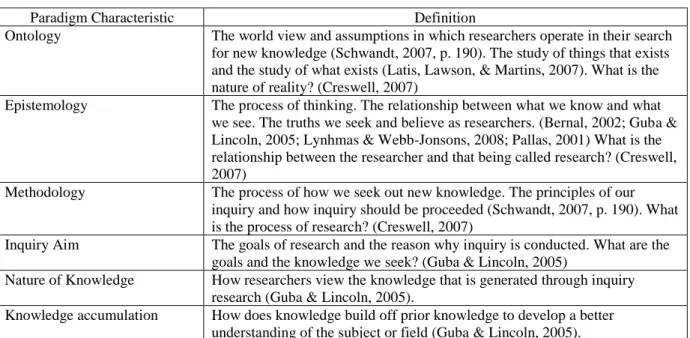
Table 1. Paradigm Characteristics ...47
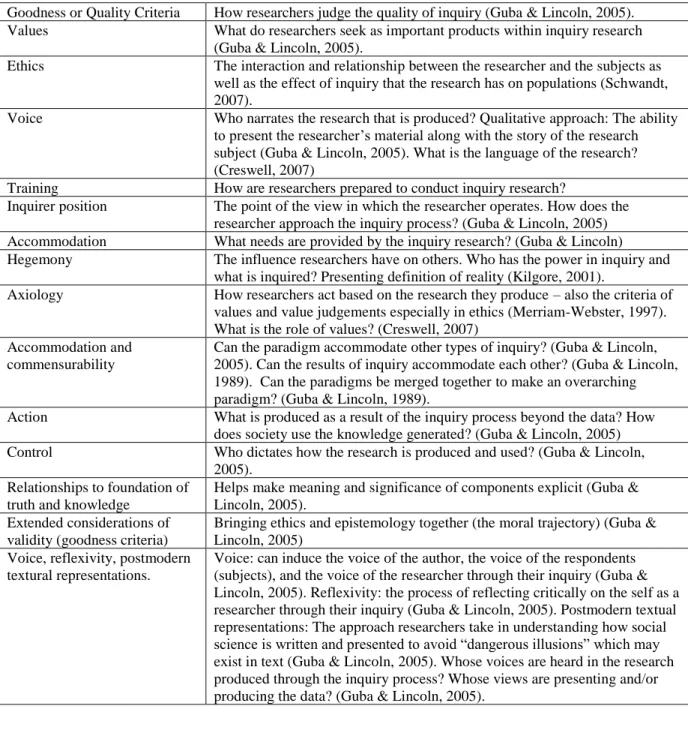
Table 2. Paradigm Position on Selected Issues ...48
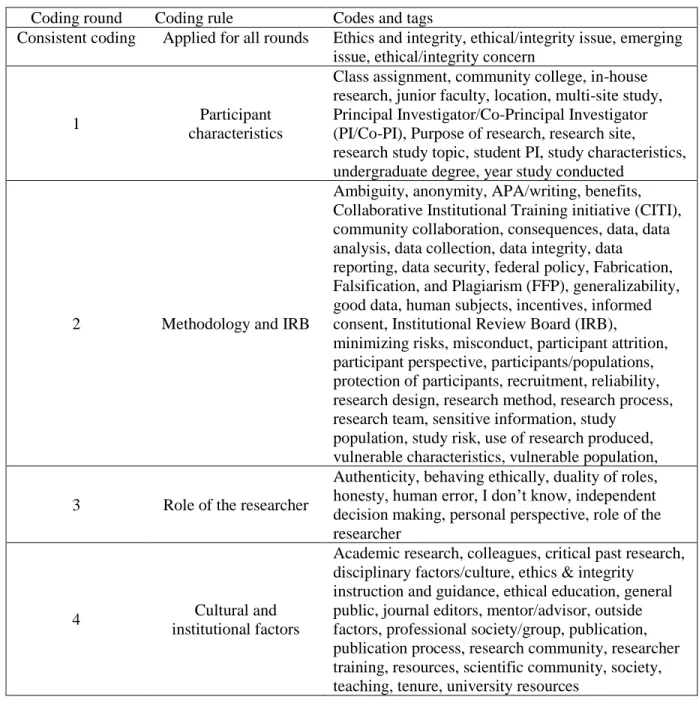
Table 3. Emergent Codes and Tags ...82
x
LIST OF FIGURES
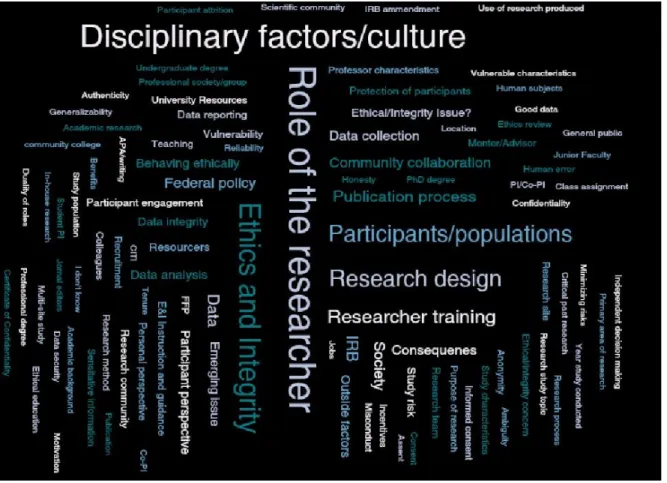
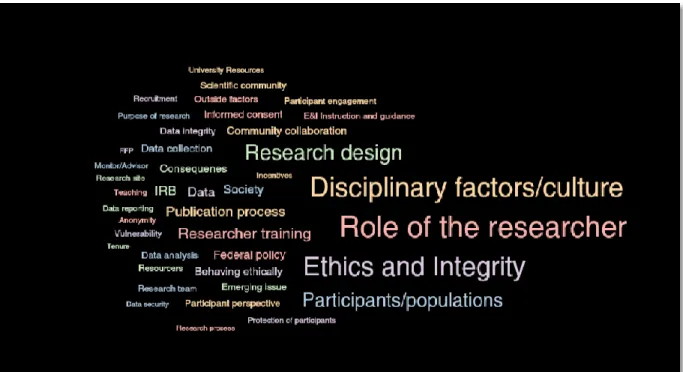
Figure 1. Preliminary Coding Word Cloud...83 Figure 2. Final Coding Word Cloud ...85
xi
LIST OF ABBREVIATIONS APA American Psychological Association ASA American Sociological Association CFR Code of Federal Regulations
CITI Collaborative Institutional Training Initiative Co-Pi Co-Principal Investigator
DC District of Colombia
DNA Deoxyribonucleic acid DoH Declaration of Helsinki
FFP Fabrication, falsification and plagiarism HHS Department of Health and Human Services
IQ Intelligence Quotient
IRB Institutional Review Board
LGBTQ Lesbian, Gay, Bisexual, Transgender, Queer LSD Lysergic acid diethylamide
N Number of participants
NAS National Academy of Sciences NIH National Institute of Health NPRM Notice of Proposed Rule Making OHRP Office of Human Research Protection OPHS Office of Public Health and Science ORI Office of Research Integrity
PI Principal Investigator
RCR Responsible Conduct of Research RCT’s Randomized control trials
US United States
xii ABSTRACT
The purpose of the current study is to identify core themes, values, and principles through which social scientists conceptualize and implement research ethics and integrity. Periods of rapid growth and interest in research ethics and integrity often coincide with significant scientific discoveries (e.g., mapping of the human genome) or scientific misconduct (e.g., Tuskegee
studies). Even though research policies are being developed, they are done in a manner which does not maximize the opportunities to regulate ethics and integrity within social science research. The laws and programs aimed at mitigating acts of misconduct were originally intended for biomedical sciences, yet they are extended to the social sciences, which are rooted in different scientific philosophies, methodologies, and utility. I believe, from a methodological perspective, that ethical and integrity guidelines developed for biomedical sciences do not provide the optimal amount of guidance and protection for researchers and participants within the social sciences. The research question: How do social scientists conceptualize and
implement research ethics and integrity?, was investigated using phenomenological
methodology analyzed through an emergent feminist lens. Seven (N=7) social science tenure-track faculty who conduct human subjects research participated. Data yielded seven themes; discipline/academic culture, role of the researcher, data, IRB, resources, consequences, and research ethics/integrity. Results inform foundational research into the application of research ethics and integrity for social scientists and provide argumentative support for further inquiry.
1
CHAPTER ONE
SOCIAL SCIENTISTS CONCEPTUALIZATION AND IMPLEMENTATION OF RESEARCH ETHICS AND INTEGRITY
Recent socio and political events have fueled ongoing conversations and debate regarding research ethics and integrity in the social sciences. In the fall of 2015, the Department of Health and Human Services (HHS) released proposed changes to the Common Rule (Department of Health and Human Services, 2015), which are scheduled to start taking effect in 2018. Thus, many researchers and regulators are considering their position and beliefs toward the oversight of human subject’s protection in social science research. Mark Israel (2015) states,
Social scientists are angry and frustrated. Still. They believe their work is being
constrained and distorted by regulators of ethical practice who neither understand social science research nor the social, political, economic and cultural contexts within which researchers work. In many countries…researchers have argued that regulators are imposing, and acting on the basis of biomedically driven arrangements that make little or no sense to social scientists (p. 1).
Historically, laws and programs aimed at mitigating acts of misconduct and protecting human subjects were developed by, and for, biomedical researchers in response to a history of questionable research practices within the biomedical community. The Hippocratic Oath (5th century B.C.), the first known document containing guidelines for medical practices and research, has been used as the foundation for all subsequent guidelines and regulations for both biomedical and social science research (Annas & Grodin, 1992).
Current human subject’s protection policies such as the Common Rule are intended for both biomedical and behavioral research even though the research paradigms and methodologies
within these disciplines vary both in research methods and philosophical assumptions. Biomedical research is typically conducted under a positivist or post positivist research
paradigm. These paradigms call for rigorous, replicable, statistically based research such as that seen with true experimental designs and randomized control trials (RCTs). The social sciences do use post positivism, in addition to more fluid and flexible research designs specifically, critical, constructivist, and participatory paradigms. These paradigms are not necessarily
intended for statistical analysis and replication. Much of the data are qualitative and are intended to present individual accounts of unique experiences. In these paradigms, the researcher has progressively more influence and interaction with the participants. The type and degree of influence the researcher may have is often related to the research question, design, data
collection method and analysis. Additionally, extraneous variables and factors are harder to both identify and control. These variables, such as the environment in which the study takes place, cannot only affect the data, but also the well-being of the human subjects, institution,
community, and population of interest.
My concern is that human subject’s research policies are primarily developed from a positivist and post positivist perspective, then extended to researchers using critical,
constructivist, and participatory paradigms. I believe, from a methodological perspective, that guidelines developed primarily for biomedical research are not able to provide the optimal type of guidance and protection for human subject’s researchers and participants within all social sciences. Thus, the intent of my dissertation is to support this hypothesis by investigating social scientists’ conceptualization and implementation of research ethics and integrity in human subject’s research.
This question is of significance because human subject’s research in the social sciences affects multiple parts of society and peoples' daily life. The research conducted by social scientists ranges across a broad array of topics including, but not limited to, education, health, race, religion, law, and politics. These topics are often highly emotionally charged and tap into issues which can greatly affect the way societies and governments function. The sometimes subjective, sensitive and emotional nature of these topics makes ethical and integrity concerns hard to proactively identify, define, and manage. The purpose of the current study is to develop an understanding of the different ways social scientists think about and manage the ethical and integrity concerns they face while conducting research in their respective field. Using qualitative methodology, participants were asked about (a) their background and identity as a researcher, (b) research interest, (c) conceptualization of research ethics and integrity, (d) implementation of research ethics and integrity, (e) consequences of misconduct and ethical violations, and (f) use of resources.
Research ethics and integrity is a convoluted and often subjective construct. The
definition of ethics and integrity varies between and within disciplines. It is widely accepted that there is no one definition of how to practice human subjects research ethics as the parameters of integrity are typically based upon individual, professional, and disciplinary standards. The National Institute of Health (NIH) endorses the following definition: “Research integrity includes: the use of honest and verifiable methods in proposing, performing, and evaluating research; reporting research results with particular attention to adherence to rules, regulations, guidelines and; following commonly accepted professional codes or norms” (National Institutes of Health, 2013). In addition, the NIH also supports the shared values in scientific research as
outlined by Steneck in 2007, specifically, honesty – convey information truthfully and honoring commitments; accuracy – report findings precisely and take care to avoid errors; efficiency – use resources wisely and avoid waste, and objectivity- let the facts speak for themselves and avoid improper bias. The challenge to researchers and oversight organizations is the ambiguous language within these definitions, specifically, following commonly accepted professional codes or norms, objectivity, letting the facts speak for themselves, and avoiding improper bias
(Steneck, 2007). The loosely defined constructs allow individual institutions and researchers to interpret the laws and guidelines in a manner best suited for the individual research project. While this can be a beneficial approach, it presents unique logistical and procedural challenges for protecting human subjects.
Professional codes and norms are often defined by professional associations such as the American Psychological Association (APA) and the American Sociological Association (ASA). These associations develop their codes based on past practices and emergent issues unique to their field of study. The problem is that research ethics and integrity laws and guidelines do not explicitly consider the unique idiosyncrasies of individual disciplines, research paradigms and methodologies. The guidelines are blanket statements which include flexible operational definitions allowing each discipline the opportunity to interpret and implement the guidelines in the manner which best fits each discipline. While this is a highly utilitarian approach, it
functions on the assumption that researchers and professional associations are aware of the ethical and integrity concerns most relevant to their respective domains. This has the potential to produce a great deal of gray area, ambiguity and potential conflict for the application and
Efforts are in place to help researchers address issues regarding ethics, integrity and misconduct. Programs such as CITI (Collaborative Institutional Training Initiative) and institutional-specific educational courses are critical components for researcher training and professional development. While these programs provide a valuable service, evidence suggests researchers are still struggling with the application of these concepts (Kalichman & Plemmons, 2007).
Within this chapter, I will provide (a) an overview of how research ethics and integrity policy was developed; (b) a brief history of notable past social science ethical violations; and (c) a synopsis of current research ethics training and education programs. Additionally, I will explain the differences in research paradigms and research methodologies, and how these can affect the oversight and application of research ethics and integrity. Subsequent chapters will address the research design, data collection, analysis, results, implications, and future directions for this line of inquiry.
6
CHAPTER TWO
HISTORICAL OVERVIEW OF RESEARCH ETHICS REGULATIONS Throughout history, there have been numerous examples of researchers and
experimenters pushing the boundaries of human decency in the name of scientific inquiry. Often only in cases of extreme ethical violations (e.g., 1932 Tuskegee syphilis study), or research misconduct (e.g., Wakefield’s 1998 claim of a relationship between vaccinations and autism) does the issue of research ethics and integrity bubble into the sightline of the popular media and public. Due in part to a past and current day history of ethical violations and scientific
misconduct within the research community (examples below), numerous international governing bodies have collaborated in establishing various sets of guidelines and principles.
Interestingly, policy makers rarely cite social science research as a motivation for expanding or refining regulations. This claim is based on evidence presented in the literature review and the following arguments. The regulations outlined below have been developed for research conducted under positivist and post-positivist paradigms such as those primarily used in biomedical research. While these paradigms are popular and essential, non-positivist based paradigms are becoming increasingly more common and expected. The following is a brief chronological history of documents, publications, and research studies that have been
instrumental in the development of federal and international policies. This chronological history is a brief synopsis of an extensive timeline provided by Resnick, made available via the National Institute of Health (2014).
Pre-Nuremburg Codes and Regulations
The Nuremburg Code (1947) is frequently cited as the first widely accepted guideline for the protection of human subjects. However, there were several codes and guidelines in effect prior to its development. The oldest of these guidelines is the Hippocratic Oath developed for physicians sometime between 470-360 BCE. The Hippocratic Oath is a declaration that
physicians will conduct their medical work using their best ability and judgment to do no harm to the persons which they are treating, avoid acts of corruption, and maintain privacy and
confidentiality. The core themes of the Hippocratic Oath were carried over into other codes such as the Percival Code of Medical Ethics (1803), William Beaumont’s text, Ethics of Human Experimentation (1833), American Medical Association Code of Ethics (1847), Claude Bernard’s text on the Study of Experimentation (1865), the Prussian code of Human
Experimentation (1900) and lastly the 1931 German Guidelines for Human Experimentation (Reich, 1995).
Each of these codes provides increasing degrees of protection to patients and research participants within medical practice and research. One of the more progressive and
comprehensive guidelines was the 1931 German Guidelines for Human Experimentation. The guidelines identified 14 criteria which experimenters, researchers, and physicians were expected to follow when conducting experimentation on human subjects. These guiding principles delineated research from medical treatment and intervention, provided a description of what qualifies as “innovative therapy” and “scientific experimentation” and declared experimentation on person ages 18 and under “shall be prohibited if it in any way endangers the child or young
person” (Reich, 1995). Even though the guidelines were sound and reasonable, they were informally decommissioned when omitted from the 1947 Reich Legislation.
Nuremberg Code (1947)
The Nuremberg Code was developed upon the formal surrender of Germany at the end of World War II (1947), in light of the grievous human experimentation and research conducted under the Nazi regime on civilians and prisoners of war (Ghooi, 2011). The code, largely informed by the 1931 German Guidelines for Human Experimentation, “provided the first explicit international guidelines for the ethical treatment of human subjects in research” (Steneck, 2007). The Nuremburg Code was heavily influenced by three of the 1931 German Guidelines key points, specifically the need for unambiguous consent, protections for persons under 18 years of age, and the requirement of research protocols (Sass, 1983). The code “focused crucial attention on the fundamental rights of research participants and on the responsibilities of investigators” (Ghooi, 2011), and formally began conversations regarding concepts such as informed consent, coercion, beneficence and experimental protocol. Ten components summarize the main contributions of the code; that of voluntary consent, fruitful results, use of animal analogs, minimization of physical and mental injury, avoidance of death or disability, favorable risk-benefit ratio, adequate preparations and facilities for research
participants, scientifically qualified experimenters, participants’ rights to withdraw from a study, and willingness to terminate studies which bring about participant harm (Steneck, 2007).
Even though an international guideline had been established and theoretically enforced, the violation of these principals steadily occurred. Select examples of research misconduct in the United States alone include a University of Pennsylvania doctor who infected 200 women
prisoners with viral hepatitis (1950), a newborn baby who was rendered blind after a high-oxygen study at Brooklyn Doctor’s Hospital (1953), and the US Army LSD (lysergic acid diethylamide) experiments (1953-1970) on enlisted soldiers (Sharav, 2015). These examples provide evidence for the violation of at least one of the aforementioned principles, first and foremost, that of informed voluntary consent. In these cases, and many others, the development and implementation of the Nuremberg Code had failed to effectively protect human subjects.
Declaration of Helsinki (1964)
The Declaration of Helsinki (DoH), a statement of ethical principles targeted towards physicians regarding medical research of human subjects, was originally developed by the World Medical Association (WMA) in 1964. The DoH differs from the Nuremberg Code by expanding protection to all medical research involving human subjects as opposed to solely
experimentation, in turn differentiating basic research from clinical research. Primarily intended for physicians “the WMA encourages others who are involved in medical research involving human subjects to adopt these principles.” The declaration contains many principles that have become part of today’s best practices, recommendations and requirements.
The original declaration contained nine areas of ethical concerns which addressed the well-being of human subjects, the use of ethical standards, factors of consent, and investigator responsibility. One of the most significant contributions was the expansion of human subject’s research protection to identifiable human material and data (e.g., DNA, personal information, medical records; WMA, 1964). Additionally, the DoH contains basic principles for all medical research and addresses issues related to “medical research combined with medical care.” An updated 2013 version of the DoH expanded on the concepts which were identified in the
Nuremburg Code and initiated greater levels of protection for individuals engaging in biomedical research. Notably, social and behavioral research protections were omitted from the declaration.
Beecher Report (1966)
Even though significant efforts had been put in place to oversee and regulate research involving the use of human subjects, scientists were still engaging in unethical and morally questionable behaviors. In 1966 Henry Beecher published a paper in the New England Journal of Medicine, in which he brought to light a culture of exploitation, fabrication and falsification within experimental medicine. The evidence Beecher presented included experimentation on infants, withholding standards of care, and compromised informed consent. Some of these infractions were conducted at the expense of multiple human lives.
Beecher (1966) investigated 50 published medical papers, and discovered that only two made any mention of consent. Those that did provide consent did not make any efforts to explain the worst-case scenario of participating in the proposed research. This behavior was attributed to “thoughtlessness and carelessness” on the part of the researchers (p. 368). Beecher also discussed 22 examples of biomedical experimentation which violated patients’ rights. Compromised consent and withholding of effective treatments were found in experiments on US service members, hospital patients, “charity patients,” juvenile detainees, “metal defectives,” and children ages three and a half months to 18 years of age.
Beecher (1966) sums up his findings with a call to action from both journal editors and scientific investigators declaring that improperly collected vulnerable data should not be
published, hoping this restriction would discourage scientist from unethical experimentation (p. 372). Beecher claimed the responsibility of scientists to be “intelligent, informed, conscientious,
compassionate, responsible investigator[s]” is crucial to the research process and is an
expectation of all of those who engage in human subject’s research (p. 372). He continued to say “an experiment is ethical or not at its inception; it does not become ethical post hoc - ends do not justify means. There is no ethical distinction between ends and means” (p. 372). The Beecher publication drew much needed attention to the practices of biomedical researchers, facilitated conversations in the scientific community, and diverted greater amounts of attention toward the need for scientists to behave in an ethically and morally just manner.
Heller Publication (1972)
On July 25, 1972, Jean Heller of the Associated Press published a piece on the 1932 Tuskegee Syphilis study released in both Washington, DC and New York, NY. The article shed light on a 40-year study conducted on rural southern African-American men who were known to be infected with syphilis so scientists could document racial differences in the disease process (Heller, 1972). The publication led to public uproar regarding the unethical factors at play. In 1973, the Assistant Secretary of Health and Scientific Affairs appointed an Ad Hoc Advisory Panel to investigate the issue and the United States Congress held a review of a controversial experiment.
It was discovered that the goal of the Tuskegee Syphilis study was to document racial differences in the natural disease process of syphilis. The study, proposed to last for only six months, ended up being conducted for nearly 40 years. Six-hundred African-American males residing in and around the town of Tuskegee, Alabama were recruited. Participants in the
experimental group (n = 399) were known to be previously infected with the sexually transmitted disease, syphilis, whereas those in the control group (n = 201) were not. Although penicillin had
been proven an effective treatment for syphilis in 1947, the researchers continued the experiment and all members of the experimental group were denied both knowledge and access to the
appropriate standards of care. This resulted in a continuation of the disease and the transmission of the disease to the men’s sexual partners and children (Centers for Disease Control and
Prevention, 2013).
A congressional review held in 1973 determined that the “volunteer” participants were never fully disclosed as to the true purpose of the study, denied the standard of care, and were prohibited from exiting the study on their own free will. A class-action lawsuit on behalf of the participants and families was filed with the US government but the case never went to trial as a $10 million settlement was reached out of court. Upon the completion of the review, Congress moved forward and approved the National Research Act of 1974, the first human subjects legislative act in 10 years.
National Research Act (1974)
In the wake of evidence presented in the Beecher report (1966), Heller publication (1972), and Tuskegee congressional review (1973), the National Research Service Award Act of 1974, better known as the National Research Act, was developed to address several key issues facing the research community. Notably, this was the first legislative piece to explicitly make mention of social and behavioral research practices in addition to biomedical research. The three declarations of the act put emphasis on the quality of scientists and institutions, financial support for the training of biomedical and behavioral researchers, and the role of graduate programs in training scientists (National Research Act, 1974). Thus, the US government began providing federal awards to biomedical and behavioral research institutions to support both research
endeavors and the training of graduate students at Federal, non-Federal, public, and non-profit private institutions (Section 472, National Research Act, 1974). Other clauses put emphasis on evaluating and recommending changes for the training of scientists, especially for the recipients of the federal awards (Section 473, National Research Act, 1974). Additionally, the National Research Act (Section 201, 1974) required the development of the National Commission for the Protection of Human Subjects of Biomedical and Behavioral Research (1974-78).
The commission was comprised of scientists from various disciplines specifically; medicine, law, ethics, theology, the biological, physical, behavioral and social sciences, philosophy, humanities, health administration, government, and public affairs. The initial objectives of the commission were to establish basic ethical principles for human subject’s research, develop researcher guidelines, and recommend administrative actions to support ethical biomedical and behavioral research. These objectives were informed by past acts of misconduct and developed with specific concerns in mind. The authors were to consider boundaries between biomedical and behavioral research, risk-benefit ratio, participant selection, informed consent, and management of Institution Review Boards (IRB’s; Section 202, National Research Act, 1974).
The National Research Act also called for the initiation of the National Advisory Council for the Protection of Subjects of Biomedical and Behavioral Research. The Council had a similar composition of those in the National Commission for the Protection of Human Subjects of Biomedical and Behavioral Research with the stipulation that no person may have an
appointment on both boards. The tasks of the Council were to review the effectiveness of current policies, regulation and requirements, make recommendations for the protection of
human subjects in biomedical and behavioral research, and to review the changes and scope of biomedical and behavioral research to identify future needs of policy and regulation.
The last major requirement of the act was the development of the Institutional Review Boards (IRBs). The purpose of an IRB is to “review biomedical and behavioral research
involving the use of human subjects conducted at or sponsored by such entity in order to protect the rights of the human subjects of such research” (Section 474, National Research Act, 1974). IRB’s are expected to develop programs and oversight pertaining to “requests for clarification and guidance with respect to ethical issues raised in connection with biomedical or behavioral research” (Section 474, National Research Act, 1974). This act fundamentally changed the way research institutions approached and managed human subject’s research, ethical concerns and ushered in a new era of research oversight.
Belmont Report (1979)
In 1979, the National Commission for the Protection of Human Subjects of Biomedical and Behavioral Research released the Belmont Report to help regulate ethical and integrity factors. The report contains three parts: (a) boundaries between practice and research, (b) basic ethical principles, and (c) applications. This report is unique when compared to the Nuremberg Code and Declaration of Helsinki as it explicitly provides ethical guidelines and principles for human subjects involved in both behavioral(e.g., education and psychology) and biomedical research, whereas all regulations up to this point were informed by and intended for biomedical researchers (e.g., medicine).
In the first section of the report, boundaries between practice and research, the authors provide an operational definition of both practice and research. Practice is “interventions that are
designed solely to enhance the well-being of an individual patient or client and that have a reasonable expectation of success” whereas research is “an activity designed to test a hypothesis, permit conclusions to be drawn, and thereby to develop or contribute to generalizable knowledge (expressed for example in theories, principles, and statements of relationships)” (The Belmont Report, 1979). Under specific circumstances, research and practice may be integrated together when the “research is designed to evaluate the safety and efficacy of a therapy” (The Belmont Report, 1979).
At this time (late 1970’s), it was believed biomedical research misconduct was largely due to a lack of regulatory guidelines and practices, not a result of the scientist(s) independent decision making. In efforts to mitigate this effect, the authors of the Belmont Report identified three basic ethical principles that are “relevant to the ethics of research involving human subjects” (The Belmont Report, 1979), both biomedical and social. The principles are as follows:
1) Respect for persons and their right to make decisions for and about themselves without undue influence or coercion from someone else.
2) Beneficence or the obligation to maximize benefits and reduce risks to the subject. 3) Justice or the obligation to distribute benefits and risks equally without prejudice to particular individuals or groups, such as the mentally disadvantaged or members of a particular race or gender.
The purpose of these principles was to establish a new precedence and expectation of human subjects research, one where the participant is the primary concern, not the science. The newly
defined ethical principles contributed to the enhancement of three critical components in the research process: informed consent, assessment of risks and benefits, and selection of subjects.
Informed Consent
Informed consent is a process in which the participant is informed, and consents to, all necessary information prior to actively participating in the research. For a participant to be adequately informed, the principal investigator (the scientist in charge of the study) must ensure the participant is provided with the following information:
A statement that the study involves research; an explanation of the purposes of the research; the expected duration of the subject's participation; a description of the procedures to be followed; identification of any procedures which are experimental; a description of any reasonably foreseeable risks or discomforts to the subject; a
description of any benefits to the subject or to others which may reasonably be expected from the research; a disclosure of appropriate alternative procedures or courses of treatment, if any, that might be advantageous to the subject; a statement describing the extent, if any, to which confidentiality of records identifying the subject will be
maintained; for research involving more than minimal risk, an explanation as to whether any compensation, and an explanation as to whether any medical treatments are available, if injury occurs and, if so, what they consist of, or where further information may be obtained; an explanation of whom to contact for answers to pertinent questions about the research and research subjects' rights, and whom to contact in the event of a research-related injury to the subject; a statement that participation is voluntary, refusal to participate will involve no penalty or loss of benefits to which the subject is otherwise entitled, and the subject may discontinue participation at any time without penalty or loss of benefits, to which the subject is otherwise entitled. (Office of Human Research
Protection, 2014)
Special considerations of informed consent would include the aforementioned criteria in addition to the following when relevant:
A statement that the particular treatment or procedure may involve risks to the subject (or to the embryo or fetus, if the subject is or may become pregnant), which are currently unforeseeable; anticipated circumstances under which the subject's participation may be terminated by the investigator without regard to the subject's consent; any additional costs to the subject that may result from participation in the research; the consequences of a subject's decision to withdraw from the research and procedures for orderly termination of participation by the subject; a statement that significant new findings developed during
the course of the research, which may relate to the subject's willingness to continue participation, will be provided to the subject; the approximate number of subjects involved in the study. (Office of Human Research Protection, 2014)
Other guidelines exist for methods of documenting or waiving consent and special consideration for research involving the use of children, all of which revolve around central themes of
information, comprehension, and voluntariness (The Belmont Report, 1979).
Risk vs. Benefit
The assessment of risks and benefits is another construct that warrants great scrutiny. Studies are only to be conducted when the benefit is expected to outweigh the risks. In a
situation where “assessment [of risks] presents both an opportunity and a responsibility to gather systematic and comprehensive information about proposed research” (The Belmont Report, 1979) unique challenges can be expected. One of these challenges is the fact that risk/benefit ratio can be looked at from three alternate perspectives or lenses - that of the investigator, of the ethics committees, or of the participant, all of which may have different priorities and yield various conclusions (The Belmont Report, 1979). There is no universally agreed upon lens which takes priority. Theoretically, all three lenses are considered; however, identifying and critically evaluating research from each unique lens can be quite challenging.
There are two key factors determining the level of “risk,” first, the probability of an adverse event occurring during the research process, and secondly, the likely severity of the adverse event. The nature of these constructs introduces additional challenges as the expected likelihood of risky events happening is typically based on speculation and individual
experiences, not empirical data. Other factors which may affect the risk-benefit ratio include the quality of research design, analysis techniques and modes of dissemination. Additionally,
evidence of risks may not be available until after the study is complete, making the balance of risks and benefits difficult to foresee and manage during protocol development and review.
Selection of Subjects
The selection of subjects happens at two levels, that of the individual and of society. Researchers must consider individuals’ autonomy, welfare, and their identity within social groups (e.g., minorities, LGBTQ, religion), while balancing the overall benefit to society. The primary considerations for selection of research subjects are requirements of scientific design, susceptibility to risk, likelihood of benefit, practicability, considerations of fairness…and equity (OHRP, 1993). These criteria are designed to “ensure that the burdens and benefits of research will be fairly distributed” (OHRP, 1993) amongst the populations of interest. As outlined in the Belmont Report (1979), the principle of justice gives rise to requirements that there be fair procedures and outcomes in the selection of research subjects. This means participants selected for research must be chosen in an ethical and just manner. Likewise, researchers should not offer beneficial research opportunities to a specific population while denying access to other non-desirable populations, or populations known to respond differently to interventions (e.g., minorities, English as a second language). For example, education interventions should be accessible to students enrolled in all school districts, as opposed to only students enrolled in a subset of a district.
Another consideration is the participants’ ability to bear the burdens of participating in the research. Persons who are known to be mentally ill, developmentally delayed, children, prisoners, or other institutionalized populations should not be selected for research which offers no benefit when an option to use non-vulnerable populations is available. More specifically,
When research is proposed that involves risks and does not include a therapeutic component, other less burdened classes of persons should be called upon first to accept these risks of research, except where the research is directly related to the specific conditions of the class involved. (The Belmont Report, 1979)
Historically, researchers have been known to conduct research on vulnerable populations, such as those who are incarcerated, prisoners of war, the poor, and critically ill while the benefits of the research were extended to wealthy, non-vulnerable populations such as those who could afford privatized health care and therapies. Reasons for selecting these subjects were primarily due to their ease of availability and compromised position or manipulability, rather than for reasons directly related to the problem being studied (OHRP, 1993). A key example of these practices is the Tuskegee Syphilis study (1932) described earlier. It was not until the early 20th century, in the wake of unjust subject selection patterns across the sciences, that ethical
considerations were extended to the selection of research participants (OHRP, 1993).
The three principles of the Belmont Report are heavily integrated into current (pre-2017) research policy. Researchers concerned about informed consent, risk verses benefit, and subject selection have a resource for guidance. As a result, researchers now put significant consideration into these factors when planning and designing research. However, the Belmont Report does not address social, political, economic, and cultural contextual issues, especially those which emerge during data collection and analysis.
The 1980s
The 1980s ushered in a new period of research oversight and regulations known as the “Fraud Busting” era (Resnik, 2014). Advances in biomedical research introduced new ethical issues along with the need for stricter training and review of research protocols. The
and research institution requirements, and government involvement. Two early events include the Bayh-Dole Act (1980) which granted researchers the right to patent inventions developed with government funds, and the Diamond v. Chakrabarty (1980) court ruling that allowed the patenting of genetically modified bacterium. These events gave scientists an additional financial incentive to push the boundaries of their research which naturally comes with the expansion of ethical and integrity concerns.
As scientists were conducting innovative research, they were also innovating research misconduct and review. The publication of Betrayers of Truth (Broad & Wade, 1982) claimed there was more misconduct in the sciences then anyone was willing to admit and fueled further attention and investigations into misconduct. In the early 1980s, the United States Congress responded to increasing case counts of suspected and confirmed research misconduct in which the NIH (National Institute of Health), universities, and research institutions responded to in an inadequate manner (Office of Research Integrity, 2011). In 1985, Congress passed the Health Research Extension Act (Office of Research Integrity, 2011) which required academic and research institutions receiving federal funding to establish "an administrative process to review reports of scientific fraud" and "report to the Secretary any investigation of alleged scientific fraud which appears substantial" (Office of Research Integrity, 2011). One such investigation was conducted in 1987 when the National Institutes of Mental Health held a reviewed of Steven Breuning’s work, a prominent psychologist researching “mental retardation.” The review panel concluded that Breuning fabricated and falsified data in at least 24 published scientific papers. Others claim the number of scientific papers containing fabricated and/or falsified data were nearly 50 (Lock, 1988). Breuning was the first scientist to be criminally convicted of defrauding
the federal government for approximately $160,000 and faced up to five years in prison for his actions (Scott, 1988). Breuning served two months in prison and was made to pay back $11,352 for his crimes.
In 1986, the NIH required the establishment of Institutional Liaison Offices and in 1989 the development of the Office of Scientific Integrity. These offices were established to manage research misconduct while simultaneously shifting part of the responsibility of misconduct from funding agencies and placing it on researchers and institutions. As primary responsibility was now being placed on institutions, the need for greater institutional regulation increased.
The 1990s
In reaction to the surmounting amount of evidence exposing research misconduct brought to light in the 1980s, the movements and policies of the 1990s focused primarily on researcher training and education. In 1991, the Federal Policy of the Protection of Human Subjects, better known as regulation 45 CFR (Code of Federal Regulations) part 46, the Common Rule, was implemented (OHRP, 1993). The purpose of the policy was to provide a unified standard of ethical behavior for human subjects researchers across all disciplines, biomedical and non-biomedical alike. The Common Rule outlined the basic provisions for IRBs, informed consent, and Assurances of Compliance for participating departments and agencies. All U.S. government agencies such as Health and Human Services, National Science Foundation, and National
Institute of Justice, follow the 45 CFR part 46 regulations apart from the Environmental
Protection Agency (Resnik, 2014). The regulation includes four subparts; (a) the federal policy known as the “common rule”; (b), additional protections for pregnant women, human fetuses, and neonates; (c), additional protections for prisoners; and (d), additional protections for children
(45 CFR part 46). The release of 45 CFR part 46 was followed by the development of the Office of Research Integrity (ORI), a sub-department within the Office of the Secretary of Health and Human Services in the Office of Public Health and Science (OPHS).
After the release of the Common Rule, questions were being asked as to the appropriate way to implement and oversee the conduct of scientists and the degree to which they were compliant with the regulations. In reaction to these concerns, President Clinton formed the Committee for Research Integrity, more commonly known as the Ryan Commission (1994-1995), to review systematic protections for human subjects’ research and scientific misconduct. Seven areas of primary concern were addressed:
(a) balancing responsibilities; (b) clarifying federal interest in research misconduct; (c) reducing unnecessary complexity and conflicting requirements in federal regulations; (d) promoting research integrity and attempting to prevent research misconduct; (e) creating an institutional climate in which concerns about unethical research can be voiced without fear; (f) assuring fairness in misconduct proceeding and; (g) mitigating inherent conflicts of interest and promoting impartiality in institutional inquires and investigation of alleged research misconduct (Commission on Research Integrity, 1995, p. 7).
The Ryan commission made 33 recommendations for researchers and research institutes including having protections in place for whistleblowers and the establishment of Responsible Conduct of Research (RCR) training programs.
Shortly thereafter in 1999, the tasks and responsibilities of the ORI were refined in hopes to “improve its processes for responding to allegations of research misconduct and promoting research integrity” (ORI, 2014). The ORI is formally tasked with the following duties: (a) oversee and direct research integrity activities; (b) recommend administrative actions for
research misconduct; (c) ensure protection of whistleblowers by providing a fair hearing process for misconduct; (d) provide guidance and manage financial resources for human subjects
protection; (e) oversee misconduct and integrity activities; and (f) provide training in responsible conduct of research. This led to a new government agenda designed to both, protect human subjects and educate researchers.
2000s
The 2000s marked an era focused on training and education in the responsible conduct of research. In 2002, the National Academy of Sciences (NAS) published Integrity in Scientific Research, which “recommends that universities develop programs for education in responsible conduct of research (RCR) as well as policies and procedures to deal with research ethics” (Resnik, 2014). Per the NIH (2009), “responsible conduct of research is defined as the practice of scientific investigation with integrity. It involves the awareness and application of established professional norms and ethical principles in the performance of all activities related to scientific research.” RCR curriculum is based upon the principles defined in the Nuremberg Code (1947), Declaration of Helsinki (1964), and the Belmont Report (1979) and is a requirement for funding provided by NIH and the NSF (CITI Program, 2012). Most, if not all, higher education
institutions and research facilities have additional requirements for researchers, students, faculty, and staff to complete at least some type of formal RCR training. Some universities have taken it upon themselves to hold independent requirements for graduate programs to incorporate research ethics and RCR into their research and degree programs. Others rely solely upon the
Collaborative Institutional Training Initiative (CITI Program, 2012) as the only form of RCR training (Pimple, 2013a, 2013b).
Originally developed in 2000, the CITI program provides web-based learning modules focused on an array of ethical issues specifically: (a) animal care and use; (b) biosafety and
security; (c) export control; (d) good clinical practice; (e) information privacy and security; (f) human subjects research; and (g) responsible conduct of research (CITI Program, 2012). The last two modules, human subject’s research and the responsible conduct of research, are specifically relevant to the current study.
The CITI program is the most popular tool for teaching RCR (CITI Program, 2012). As with all educational programs, outcomes for the CITI and its participants are frequently subjected to evaluation. One such evaluation completed in 2006 revealed program participants felt the time spent completing the four-hour web-based course was well invested. As a result,
participants reported an increase in their knowledge of issues related to the protection of human subjects, along with an increased confidence in managing human subject protection more effectively (Braunschweiger & Goodman, 2007). However, research explicitly focusing on the application of RCR principles is sparse.
Present Day
In September of 2015, the US Department of Health and Human Services released a Notice of Proposed Rulemaking (NPRM) regarding the common rule (45 CFR part 26; HHS, 2015). The purpose of the NPRM is to modernize, strengthen, and make more effective the Federal Policy for the Protection of Human Subjects that was promulgated as a Common Rule in 1991 and to help build public trust (HHS, 2015). Part of the rationale for the changes includes the fact that:
Research has … increased, evolved, and diversified in other areas, such as national security, crime and crime prevention, economics, education, and the environment, using a wide array of methodologies in the social sciences and multidisciplinary fields… A more participatory research model is emerging in social, behavioral, and biomedical research, one in which potential research subjects and communities express their views about the value and acceptability of research studies (HHS, 2015, p. 53958).
This is largely due to the changing landscape of research methodologies and scientific advances. The NPRM is expected to review the informed consent process, degree of ethical review for proposed research projects, along with significant tightening of the rules for biomedical research (e.g., biospecimens, genome editing).
Changes for social scientists are also being proposed. A significant amendment states studies which are not deemed “research” (e.g., education evaluation) or contain minimal risk or lower than minimal risk will now be exempt from IRB review. This was in part intended to remove unnecessary burdens on researchers. The proposed review process would allow
scientists to use an on-line tool to determine if the study qualifies for exempt status. Many of the studies which would qualify for exempt status are expected to come from the social sciences. Social scientists are expected to positively embrace the proposed changes. However, the NPRM does not explicitly address challenges associated with the more progressive research paradigms (i.e., critical, constructivist, and participatory).
Conclusion
The landscape of research ethics and integrity has been ever evolving and fluid. As scientists across all disciplines make new discoveries and use more progressive methodologies the government has reacted with new policies designed to protect human subjects and
identifiable data. The challenge for social scientists is many of the policies currently in place and in development are heavily influenced by biomedical research. While these advances are necessary and critical for biomedicine, many social science researchers struggle with interpreting what the policies mean for them. Ethical concerns associated with community engagement,
cultural and political differences, and qualitative methodologies have yet to be explicitly address in policies.
27
CHAPTER THREE THE SOCIAL SCIENCES
Social scientists (e.g., psychologist, sociologist, criminologist, and social workers) study the social components of the human experience on both macro- and micro-levels. These
scientists study social components of human life and behavior which are integral to ways societies and governments function. Using a wide variety of methodologies, researchers investigate issues such as racism, education interventions, social policy effectiveness, and discrimination. Scientists in these disciplines measure, evaluate, and make decisions regarding intimate parts of the human experience. Social science research can influence all levels of government and social structures such as education, tax code, spending, executive, legislative and judicial policies, and the accessibility and management of social services. The American Social Science Association supports the view that social scientists and their studies:
Guide the public mind to the best practical means of promoting Amendment of Laws, the Advancement of Education, the Prevention and Repression of Crime, the Reformation of Criminals, and the progress of Public Morality, the adoption of Sanitary Regulations, and the diffusion of sound principles on Questions of Economy, Trade and Finance. (Silvia & Slaughter, 1984, pp. 40-41)
With social scientists having such an influential position in society, it is essential that their work be honest and respectful of participants and communities. The following section will provide: (a) key historical examples of unethical research; (b) an overview of research paradigms used in social sciences and (c) identification of unique ethical concerns not addressed in current
While most highly publicized unethical research is conducted by biomedical researchers, social scientists are not immune to unethical practices. Below are prominent examples of some of the most controversial studies ever conducted by social scientists. Most of these studies were conducted in the post positivist tradition, that which is most similar to biomedical research. Each of the following studies has at least one of the following ethical violations including: improper consent/assent; deception; psychological harm; exploitation of vulnerable populations;
inappropriate compensation; refusal of participant withdraw; and duality of researcher roles. Additionally, each of the studies below exposed different ethical concerns or conundrums which were not present in biomedical research at that time. Interestingly, these studies are rarely directly cited as reasons to extend research ethics and integrity policy or training.
While reviewing the following, bear in mind that social science researchers did not have ethical oversight until the release of the Belmont Report in 1979. Ethical considerations were independently reviewed and managed by the researchers and/or the organizations in which the study was being conducted. Additionally, the only guidelines available at the time were those intended for biomedical research and/or practice.
Little Albert (1920)
In 1920, 27 years before the Nuremberg code and nearly 60 years prior to the Belmont Report, John Watson and Rosalie Rayner published Conditioned Emotional Reactions in the Journal of Experimental Psychology. The intent of the three-month study was to examine how fear manifests in infants. “Albert” (the pseudonym used to maintain confidentiality), a nine-month old infant boy was the subject of the study. He was selected due to his “stolid and
same institution in which the study was being conducted, was compensated $1 and was never informed of the potential consequences of the study.
In the beginning of the study, Albert was exposed to “a white rat, a rabbit, a dog, a monkey, face masks with and without hair, cotton wool, burning newspapers, etc.” (DeAngelis, 2010), and he never showed any fear response during initial exposure to the stimuli. To induce a fear response, the experimenters suspended a large steel bar behind the infant and would strike it with a hammer to produce a loud noise. Initially, Albert was startled but did not respond with fear, but after repeated exposure to the sound Albert began to cry and scream every time the sound was produced. Next, Watson and Rayner paired the loud sound with exposure to the white rabbit and other stimuli. Albert learned to associate the sound with the presence of the stimuli and developed a strong fear response to the rabbit and other white fuzzy items, even when presented with out the loud noise. Albert had successfully been conditioned to fear the items, and this association was so strong that Watson and Rayner were unable to remove or reverse the adverse reaction (DeAngelis, 2010).
Albert lived with the fear and his mother, most likely distraught, was left to manage the situation on her own. The compensation of $1 may have been satisfactory upon recruitment but one can argue that if Albert’s mother knew of the potential long-term consequences, she may not have consented to the study. Other factors that contribute to the ethical concerns relate to the relationship Albert’s mother had with the institution. Refusal of participation may have compromised her current employment. Considering the societal structure of the time, in the midst of women’s suffrage, any resistance or hesitation for participation may also jeopardized future employment opportunities and financial stability.
The Monster Study (1939)
Eight years before the Nuremberg code (1947), Mary Tudor, a graduate student,
conducted the monster study of 1939. The purpose was to induce stuttering in children who have normal speech patterns (Ambrose & Yairi, 2002). Under the supervision of Professor Wendell Johnson at the University of Iowa, Tudor designed her thesis, “An Experimental Study of the Effect of Evaluative Labeling on Speech Fluency” to test Johnson’s theory that “negative
reactions to normal speech disfluencies cause stuttering in children” (p. 190). The subjects of the four-month experiment were orphan children at Soldiers and Sailors Orphan’s home in
Davenport, Iowa. None of the children were given the option to consent to the study. Twenty-two children were involved in the study; of these, 12 were “normally fluent” meaning they did not engage in stuttering or other speech impediments at the onset of the study, while the other 10 were classified as stutterers. All the children in the study were documented as having lower than average IQ levels (< 84).
The children were assigned to one of four experimental groups: (1) five stuttering children who were told they were not stutterers, (2) five stuttering children who continued to be labeled as stutterers, (3) six normal fluency children who were told that they stutter and should do anything possible to avoid stuttering, and (4) six normal fluency children who were told they had good speech. The number of “treatments” varied across the experimental groups ranging from three to nine interventions over several months; those in the third experimental group received the greatest amount of intervention. The normal fluency children who were labeled as stutterers were told:
The staff has come to the conclusion that you have a great deal of trouble with your speech. The type of interruptions which you have are very undesirable. These
interruptions indicate stuttering. You have many of the symptoms of a child who is beginning to stutter. You must try to stop yourself immediately. Use your will power. Make up your mind that you are going to speak without a single interruption. It’s absolutely necessary that you do this. Do anything to keep from stuttering. Try very hard to speak fluently and evenly. If you have an interruption, stop and begin over. Take a deep breath whenever you feel you are going to stutter. Don’t ever speak unless you can do it right. You see how (the name of a child in the institution who stuttered rather severely) stutters, don’t you? Well, he undoubtedly started this very same way you are starting. Watch your speech every minute and try to do something to improve it. Whatever you do, speak fluently and avoid any interruption whatsoever in your speech. (Tudor, 1939, pp. 10-11)
The staff at the orphanage were instructed to support the researchers and maintain the guise that children were stutterers and to have the children repeat what they were saying without stuttering. Despite the instructions some of the institutional staff refused the order out of concern of “low esteem” of the children (Ambrose & Yairi, 2002). However, this had minimum effect on the researchers and the study continued.
The children who were told that they stuttered, even though they did not, eventually develop a stutter. As stated in Ambrose and Yairi (2002), “the children developed chronic stuttering, the effect was impossible to reverse, indicating that the children were not only induced to stutter but became people who stuttered” (p. 190). Upon completion of the study Professor Johnson “suppressed the existence of the study in light of the World War II abuses of human subjects by the Nazi scientists and physicians” implying he have been aware of the unethical factors involved in the study (p. 190). Many years later three participants returned to Mary Tudor and the late Professor Wendell Johnson, holding them accountable for their life-long speech impediment.
The children in this study represent some of the most vulnerable in our society, institutionalized, and developmentally delayed, orphaned children. The exploitation of
vulnerable populations is one of the biggest concerns in social science research. The children were unable to refuse assent and had no guardian to properly advocate for them. The study clearly induced additional undesirable traits in the children by causing, in some cases, irreversible speech impediments. This consequence could further jeopardize the children’s acclimation and acceptance into society. Most disturbing of all, the principal investigator, Johnson, clearly was aware of the unethical issues when he opted to not publish the study. This brings up the question of whether he knowingly, or unknowingly allowed the use of questionable and unethical research practices at the onset of the study.
Milgram Obedience Study (1963)
In 1963, Stanley Milgram of Yale University conducted the “Behavioral Study of
Obedience” funded by the National Science Foundation. Part of the inspiration for the study was the systematic murder undertaken during Nazi rule (1933-45). During the Nuremburg trials of 1947, some members of the Nazi party claimed they were just following orders when carrying out the extermination of millions of people. Milgram (1963) wrote:
[Obedience] is the dispositional cement that binds men to systems of authority. Facts of recent history and observation in daily life suggest that for many persons obedience may be a deeply ingrained behavior tendency, indeed, a prepotent [sic] impulse overriding training in ethics, sympathy, and moral conduct (p. 371).
The purpose of Milgram’s experiment was to understand some of the mechanisms which influence people’s obedience to authority, especially under questionable circumstances.
Participants were told they were taking part in a study on the effects of punishment on memory. The participant always played the role of the teacher, administering a paired-association learning task (i.e., matching word pairs). The learner, played by a confederate (meaning they were an informed research collaborator), had to identify the correct pair of words. Milgram gave the
learner a script containing instructions on how to respond to each question. If the learner provided an incorrect response, the teacher had to administer a “shock” via a shock generator which, unbeknownst to the participant, was fake. The “shock generator” had 30 levels of “voltage” ranging from 15 to 450 volts labeled: Slight Shock, Moderate Shock, Strong Shock, Very Strong Shock, Intense Shock, Extremely Intense Shock, Danger: Severe Shock, and XXX (Milgram, 1963). The learner never received any physical harm for incorrect answers.
However, this information was not divulged to participants until the experiment was over. The participant and the confederate only had direct contact with one another at the very beginning of the study. They were jointly informed and consented to the upcoming experiment. Upon consent, they were “randomly” assigned to the role of the learner or teacher. During the study orientation, participants were given a legitimate test shock (45 volts). This was intended to both legitimize the study and expose the participant to the punishment they were administrating.
When the study began, the participants were put into different rooms. Milgram (1963) was in the same room as the participant wearing a white lab coat. As the study progressed, the learner began to incorrectly answer questions, and the participant began to administer the shocks as instructed. The voltage of the shocks increased and the learner would start to yell, cry out in pain, repeatedly saying “get me out of here please,” “let me out,” mention a heart condition, and pound on the walls of the room. Frequently, participants would stop and question the
experimenter expressing concern about the study and the welfare of the learner. Milgram would respond with prompts specifically, “please continue,” “the experiment requires that you
continue,” “it is absolutely essential that you continue,” and “you have no other choice, you must go on” (p. 374). Many participants showed signs of distress during the study such as engaging in